Loading…
Search guides
Find the guide that answers your question, filter by type and region.
182 guides

2026 Yeosu World Island Exhibition Guide: How to Get There from Seoul, What to Do, and Nearby Attractions
A practical guide to the 2026 Yeosu World Island Exhibition for foreign visitors: event dates and venues, KTX travel from Seoul, transport from Yeosu Expo Station to the Dolsan Jinmo main venue, exhibition highlights, family activities, nearby attractions, the Gaedo and Geumodo island sub-venues, food, accommodation areas, and realistic one-day and two-day itineraries. Schedules, tickets, and shuttle details can change before and during the event, so this guide points you to the official sources to confirm before you travel.
Yeosu

Busan 2-Day Itinerary for First-Time Visitors
Two days in Busan split by theme: the coast, beaches, and a cliffside temple on day one, then seafood markets and the Gamcheon culture village on day two. Built around the metro and a couple of short taxi hops.
Busan
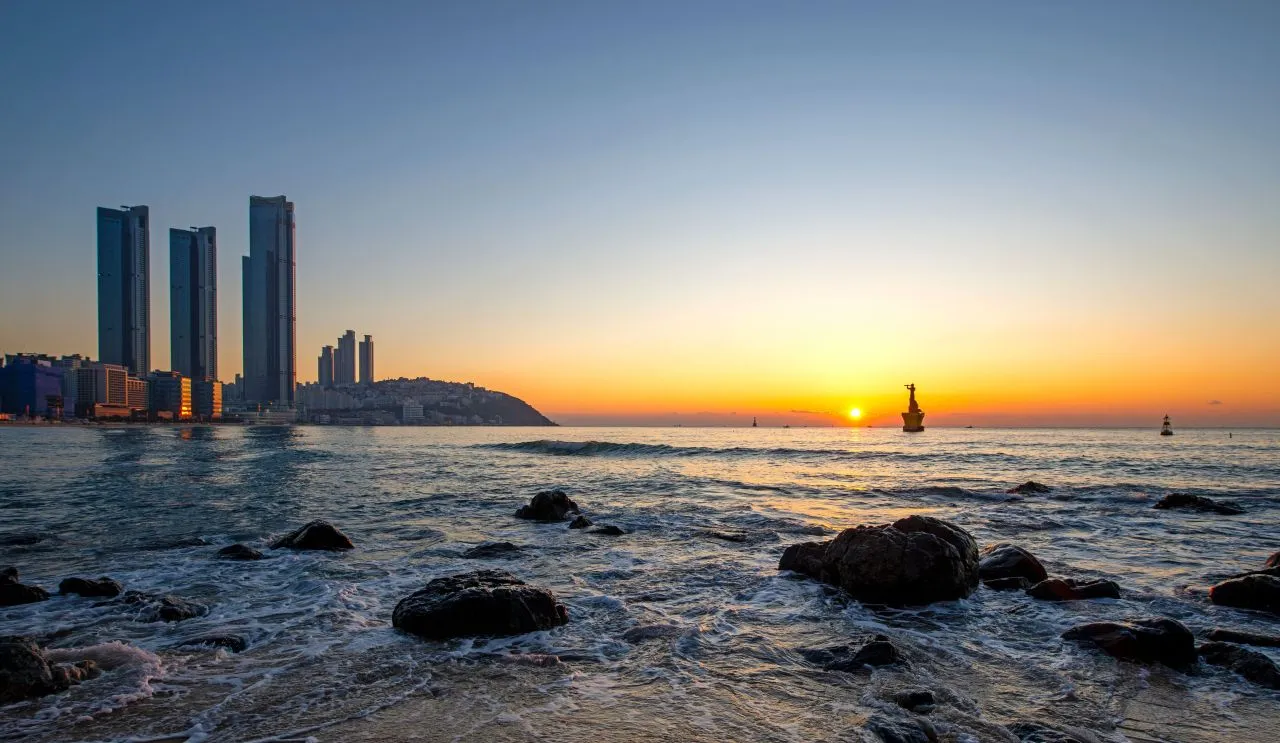
Busan in December: Weather, Coastal Winter & What to Wear
December is Busan's first real winter month: milder and sunnier than Seoul, but with frosty mornings and windy shorelines. The KMA normals give an average daily range of 2.0 to 10.4 °C, and snow is occasional rather than expected. Below: early versus late December, snow and rain, coastal wind, Haeundae and Gwangalli, and exactly what to wear.
Busan
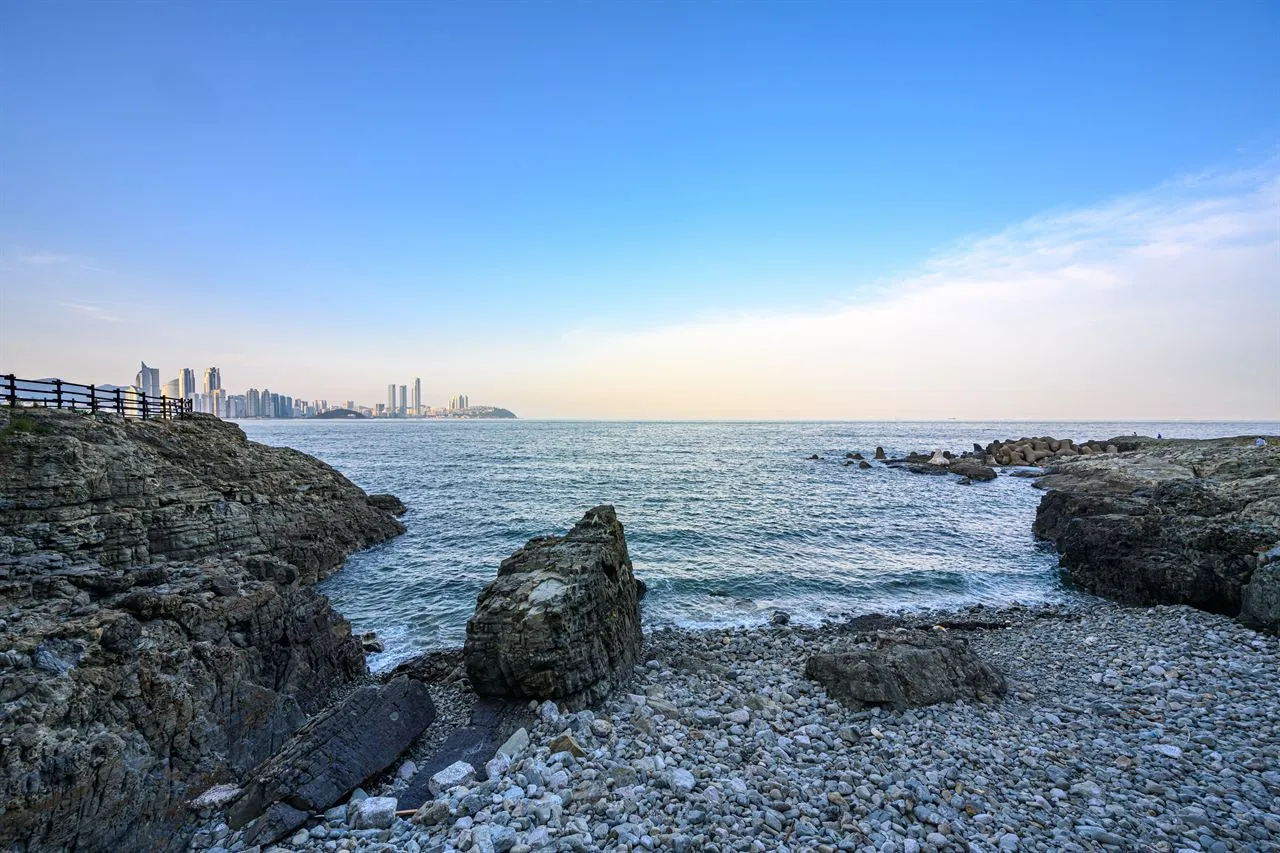
Busan in November: Weather, Coastal Wind, Fall Colors & What to Wear
November in Busan is late autumn, milder than Seoul but rarely warm. The average day is cool and dry, yet wind on open shorelines makes Haeundae, Gwangalli, and the headlands feel colder than the temperature suggests. Below: official KMA climate normals, Busan versus Seoul, early versus late November, what to expect from fall colors, and what to wear.
Busan

Busan Winter Itinerary: 2, 3, and 4 Days
Two winter days cover Busan’s essentials if you keep east-coast and old-city days separate. Three days is the best balance for most travelers. Four days should feel slower, not wider. Busan is still winter: Visit Busan describes December to February as windy, cold, and dry, with a winter climate average near 4.7°C. Shorten coastal outdoor blocks and pair them with nearby food or indoor stops. Confirm the forecast for your dates.
Busan
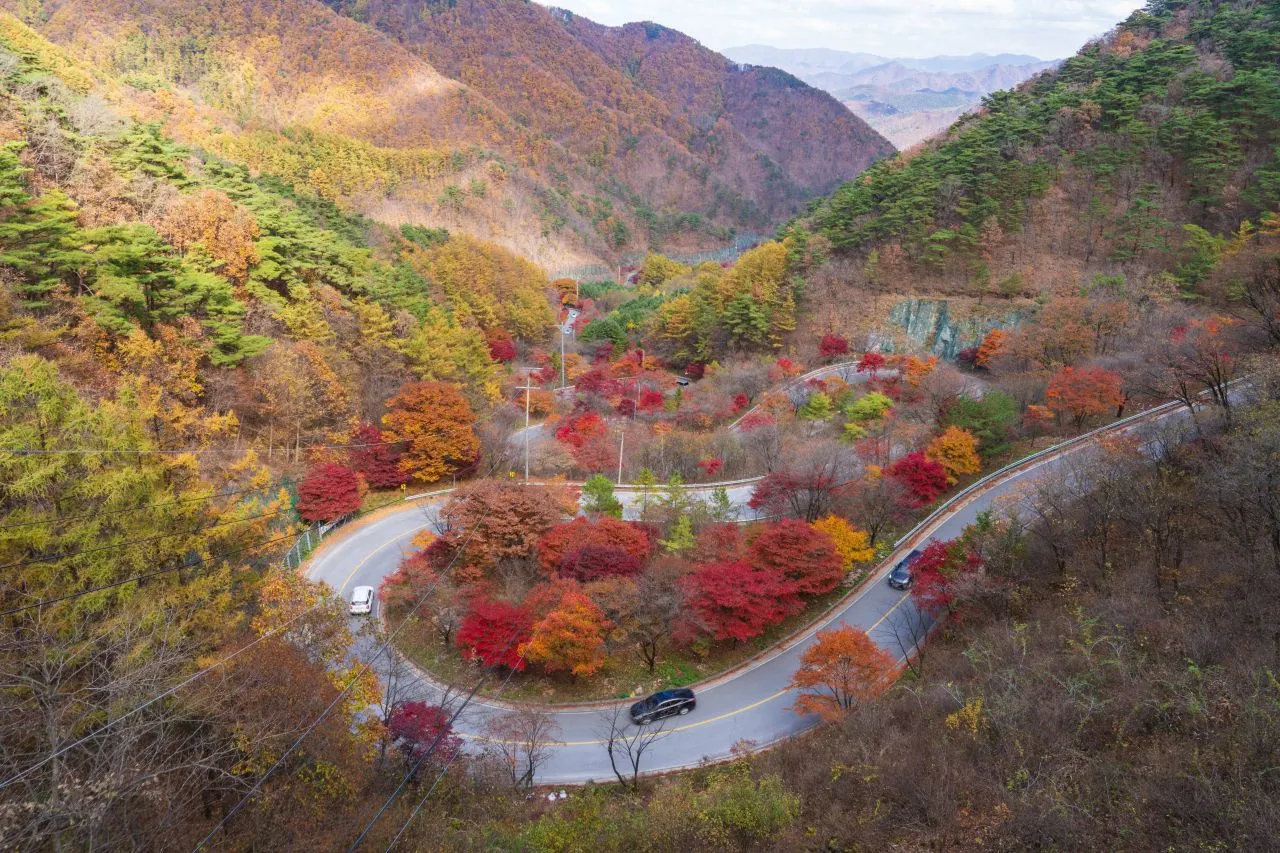
Danyang in Autumn: Bobaljae Fall Foliage & a 2-Day Trip
Danyang in autumn is a one-night river-and-pass trip, not a walkable old town. Visit Korea currently dates 2026 first color at Seoraksan around 3 October, with nationwide peak from mid-October through early November. That forecast does not publish a Bobaljae peak day. Take the Jungang Line to Danyang Station, keep Dodamsambong and Mancheonha in the central cluster, and treat Bobaljae as a mountain-pass drive or taxi, not a city bus stop.
DanyangChungcheongbuk-do
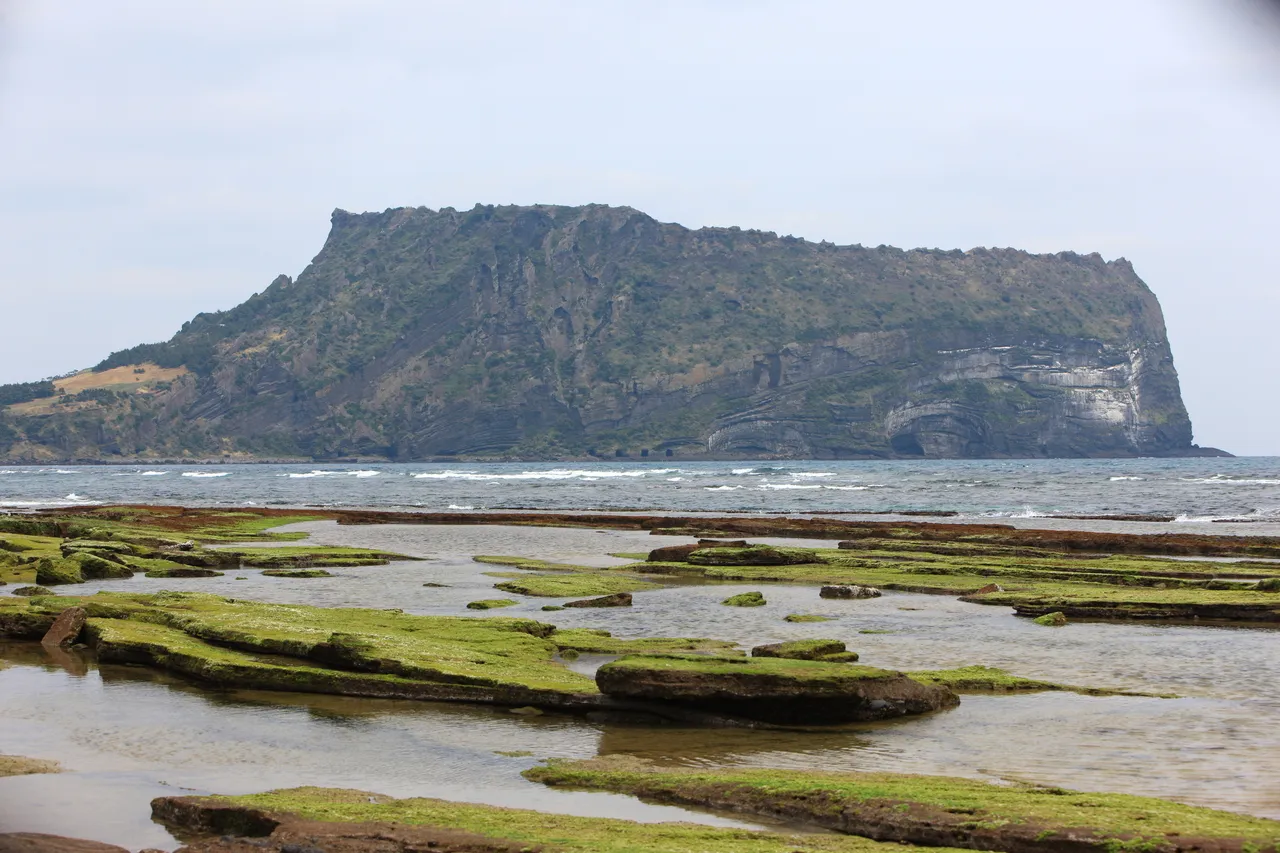
East Jeju 1-Day Itinerary: Seongsan Ilchulbong, Seopjikoji, Udo & the Best Routes
For one day in East Jeju, pick two anchors. Route A pairs Seongsan Ilchulbong with Seopjikoji on the main island, and Route B pairs Udo with Seongsan around the ferry. Doing all three in a day is not the default, and the place guides own the hours, ferry rules and parking.
JejuSeongsanUdo
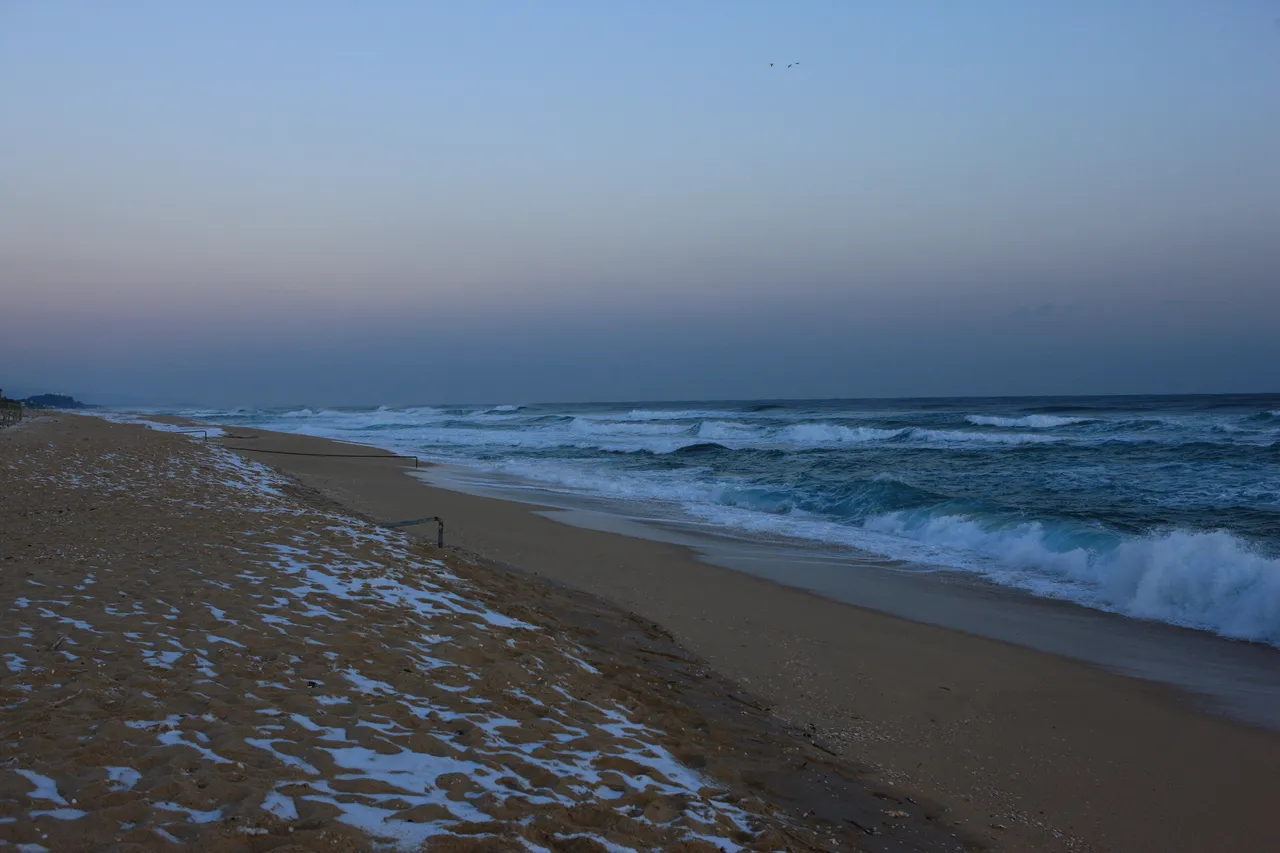
Gangneung in Winter: Beaches, Sunrise, Coffee Street & KTX from Seoul
Gangneung is the easy winter coast trip from Seoul, because the KTX runs there. Expect cold wind and bare sand more often than snow. Spend the daylight on short beach walks, Anmok Coffee Street, and a market stop, and treat sunrise as a bonus that clouds can cancel. Stay one night if you want a sunrise.
Gangwon-doGangneung
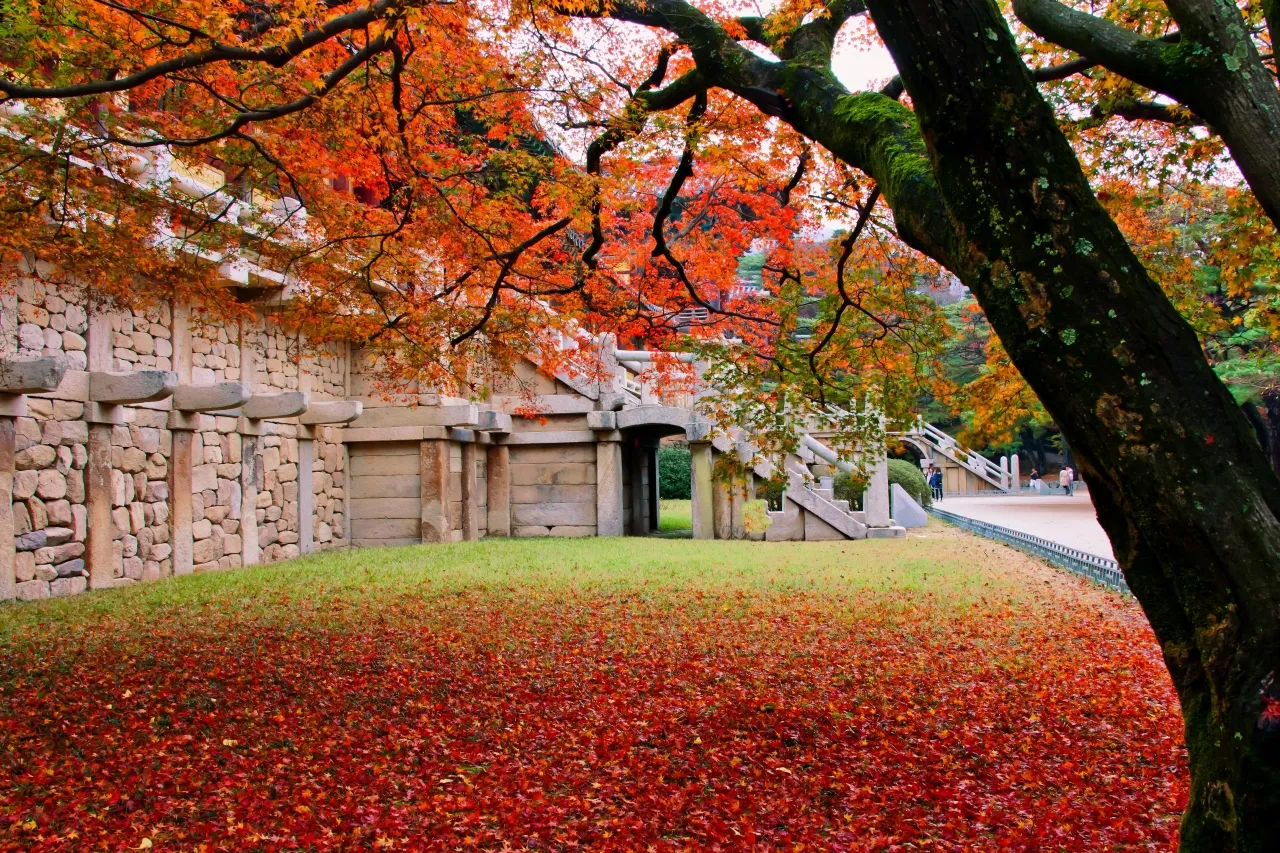
Gyeongju in Autumn: Bulguksa, Fall Foliage & a 2-Day Itinerary
Gyeongju in autumn is a one-night heritage trip, not a Seoul day-hike. Visit Korea currently dates 2026 first color at Seoraksan around 3 October, with nationwide peak from mid-October through early November. That forecast does not publish a Bulguksa-specific peak day. Take the KTX to Gyeongju Station, still outside the historic center, then put Bulguksa in daylight and the tombs, Woljeonggyo, and Donggung after dark.
Gyeongju
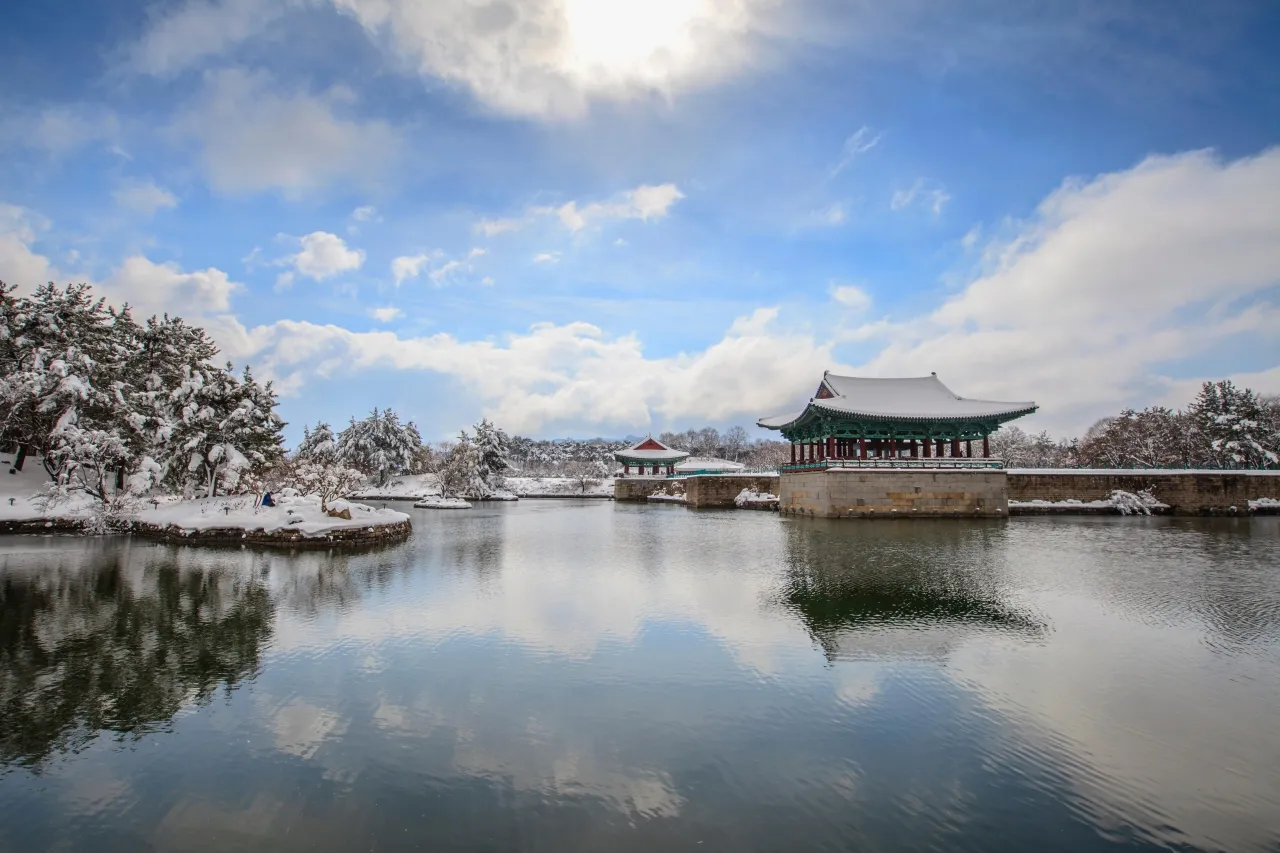
Gyeongju in Winter: Bulguksa, Historic Sites, Night Views & a 2-Day Itinerary
Gyeongju works well in winter if you plan around daylight, not snow. Bulguksa and Seokguram take their last entries at 17:00 from November to January, so the temples belong to the day and the lit sites in the old town belong to the evening. The KTX stops at Gyeongju Station, which is outside the historic center, so a bus or taxi is part of the trip. Two days is the comfortable length.
GyeongjuGyeongsangbuk-do
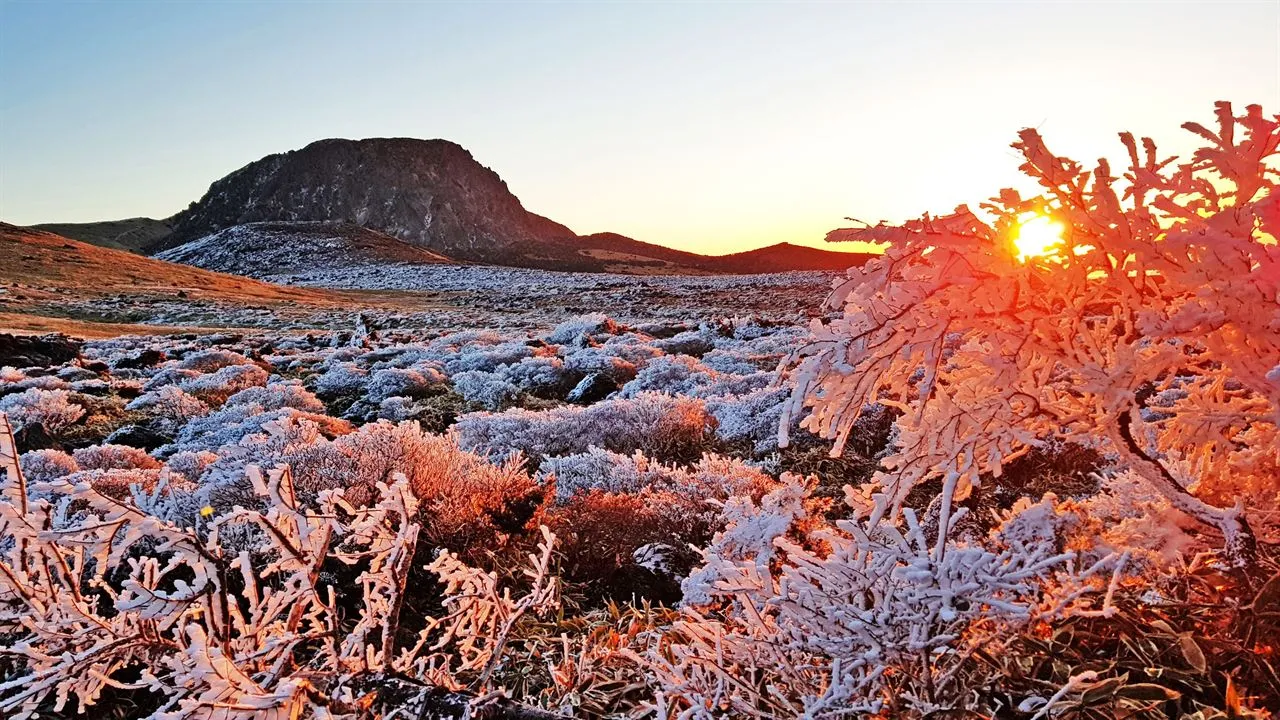
Jeju in December: Weather, Hallasan Snow & What to Wear
December in Jeju is cool and windy on the coast and a full winter climb on Hallasan. Jeju City and Seogwipo are far milder than Seoul, snow is uncommon at sea level, and the wind and short days shape a trip more than the average temperature. Below: typical weather, early versus late December, where snow falls, what Hallasan needs, and what to wear in each setting.
Jeju
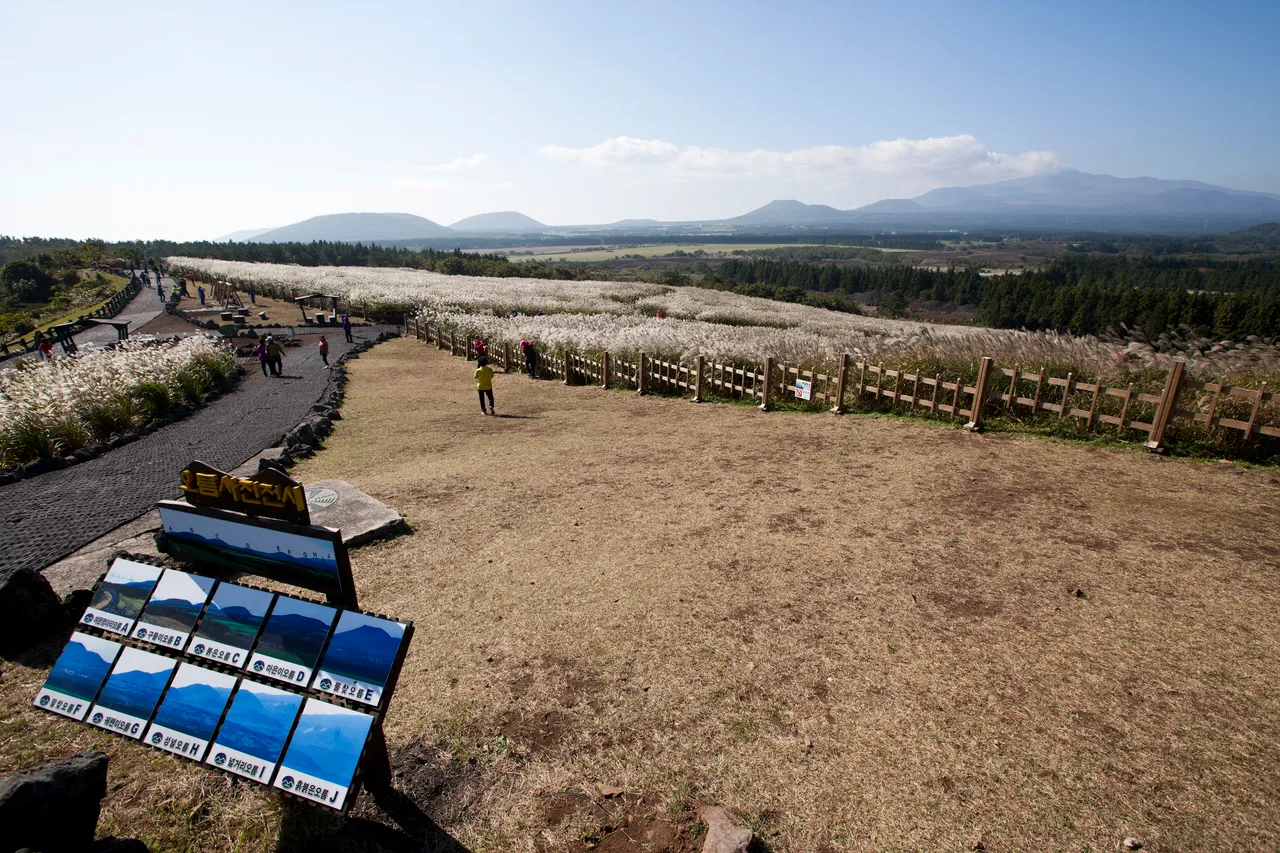
Jeju in November: Weather, Hallasan Foliage & What to Wear
November in Jeju is late autumn on the coast and early winter on Hallasan. Coastal days are usually cool and breezy, wind and showers matter more than the average temperature, and autumn color on the mountain is partial and timing-dependent. Below: typical weather, Jeju City versus Seogwipo, early versus late November, Hallasan trail rules to confirm, and exactly what to wear.
Jeju

Jensen Huang's Seoul Food Trail: Chimaek, Samgyeopsal, Naengmyeon
When Nvidia's Jensen Huang toured Seoul in June 2026, the food stops (fried chicken and beer, grilled pork belly with somaek, and cold noodles) went viral. This guide separates what was reported (by day, with sources) from a practical, traveler-friendly food route you can actually walk, with realistic alternatives.
Seoul
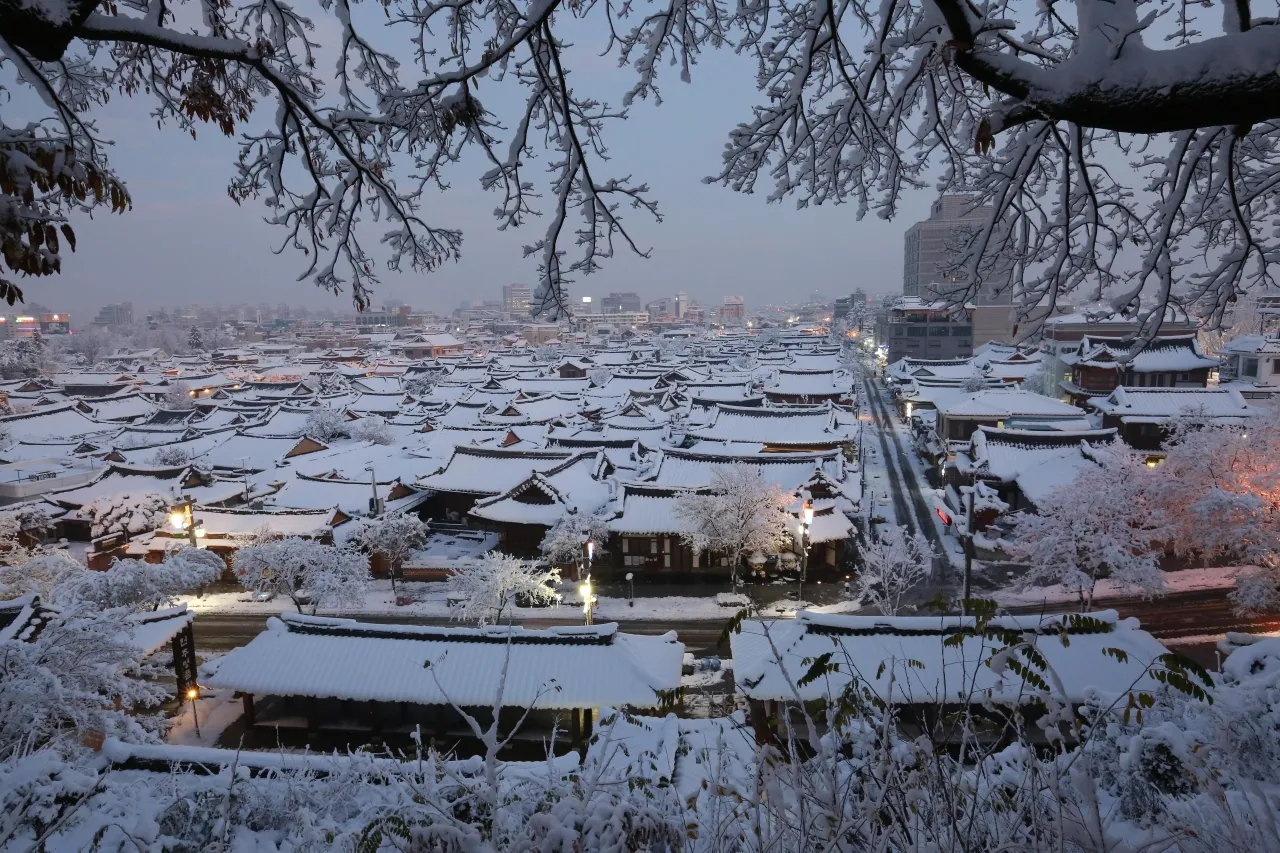
Jeonju in Winter: Hanok Village, Food & a 1 to 2 Day Trip from Seoul
Jeonju works in winter if you plan for cold outdoor walking, not snow. The Hanok Village is an open neighborhood, not an indoor attraction, and Jeonju Station is several kilometers away from it, so a taxi or city bus is part of the trip. Most Jeonju trains leave from Yongsan, not Seoul Station. A day trip is possible, and one night is the comfortable length for slow meals and an evening in the lanes.
JeonjuJeollabuk-do
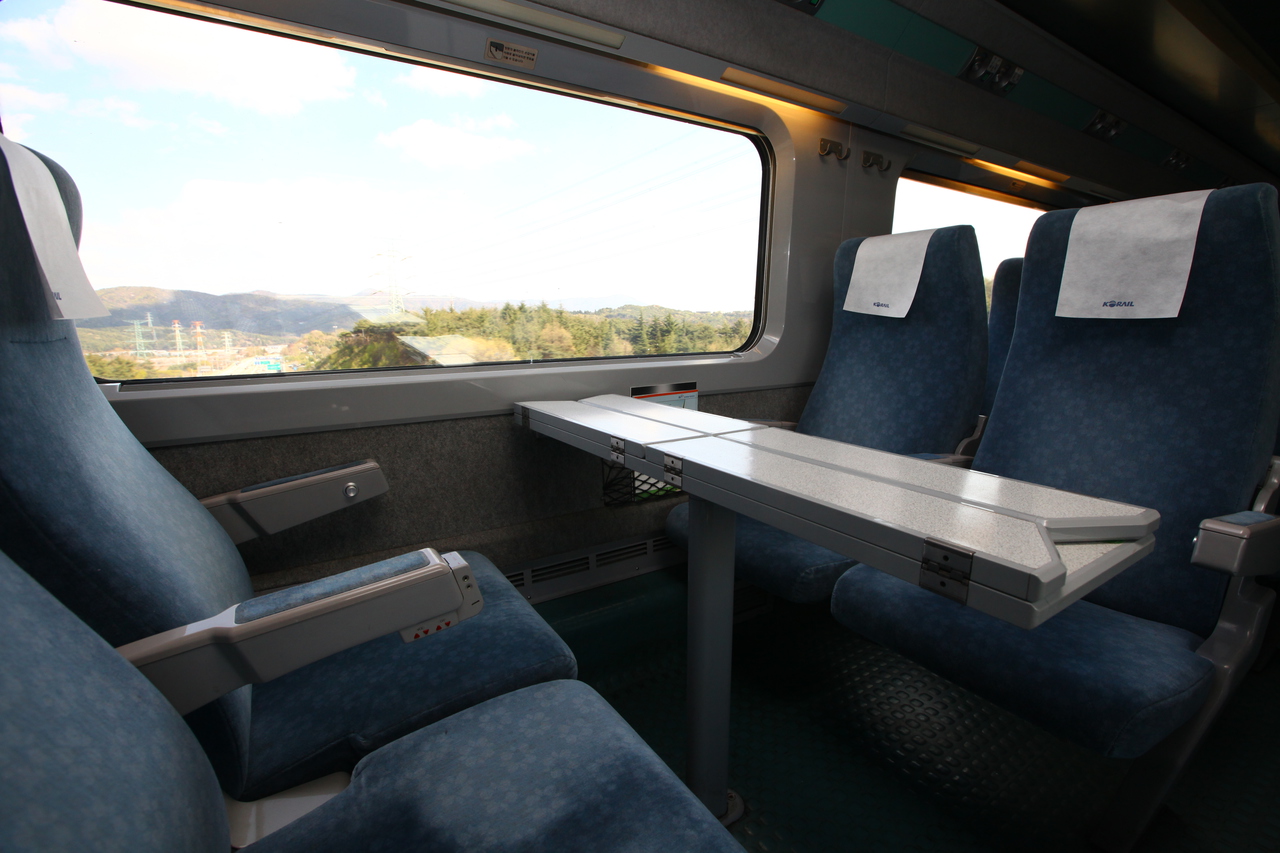
5 Days in Korea: First-Time Itinerary Choices (Seoul Only vs One Add-On)
Five days is long enough for a strong first Korea trip, and short enough that city count is the real decision. Most first-timers should pick Seoul only, or Seoul plus one add-on city by train, not three bases plus Jeju. This guide compares those shapes, transport cost in time, and which existing day-by-day plans to use next. Schedules and fares change, so confirm trains on official KORAIL channels before you book.
SeoulBusanNationwide

Korea 7-Day Itinerary for First-Time Visitors
A realistic one-week route for first-time visitors: three days in Seoul, a day of history in Gyeongju, two days in Busan, and a flexible buffer day, all connected by fast KTX trains so you spend time in places, not in transit.
SeoulGyeongjuBusan
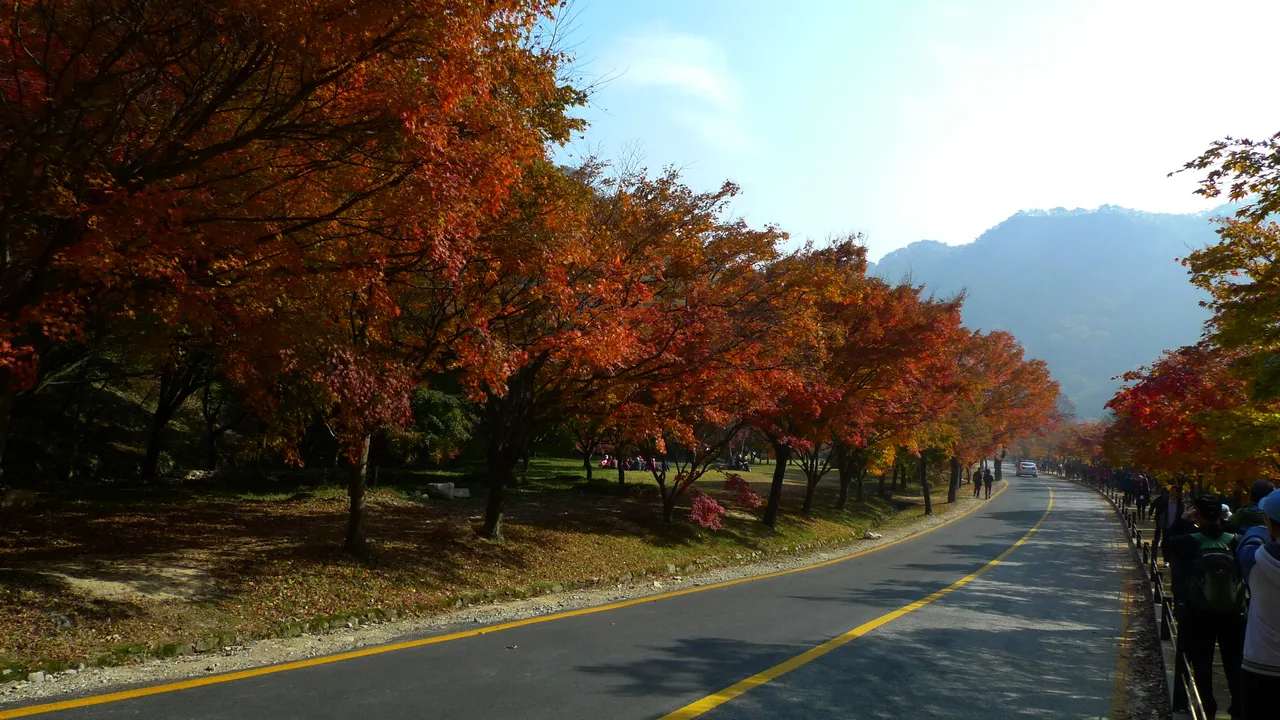
Korea in Autumn: When to Go, Fall Foliage Timing, and Best Places to See Autumn Colors
Autumn is one of Korea's best seasons, crisp weather and foliage that sweeps from the northern mountains down to the southern islands from late September to late November. Plan around the pattern rather than a fixed date: foliage starts high and north and moves south, peak comes roughly two weeks after the first color, and forecasts shift every year. Timing, the best city, day-trip, and mountain spots (including options for non-hikers), pink muhly, what to pack, and how to beat the peak-season crowds are all covered below. Check the official KMA and VisitKorea forecast before you lock in dates.
Nationwide
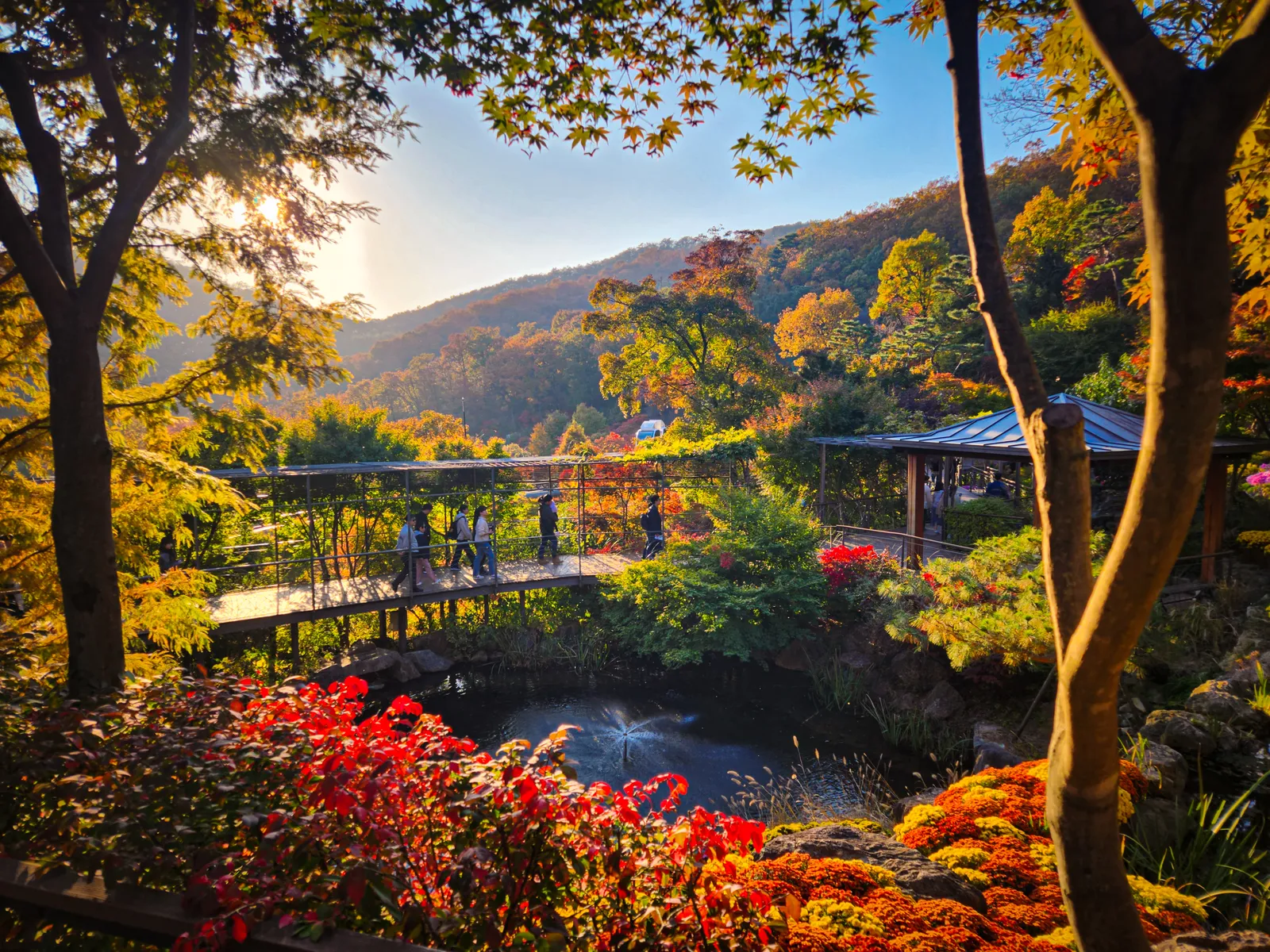
Korea Autumn Travel Guide: Fall Foliage, Ginkgo and Silver Grass
Korean autumn is not one peak day. Color starts on high northern mountains, then moves toward Seoul and the south, while ginkgo yellow and silver grass follow their own calendars. This guide is a date-based planner for four primary trips: Seoraksan, Yongmunsa's giant ginkgo, Hwadam Botanic Garden, and Mindungsan silver grass. As of early September 2026, the official nationwide foliage forecast had not yet been released, so treat every timing note as a pattern and re-check Forest Service and VisitKorea before you book.
NationwideGangwon-doGyeonggi-do

Korea Food Trip: A 4-Day Eating Itinerary
This 4-day itinerary plans Korea around the table (Seoul's markets and barbecue, then Busan's seafood and street food) pacing the days so you arrive hungry at the right places. It pairs with the what-to-eat, barbecue, and chimaek guides for what to order.
SeoulBusan
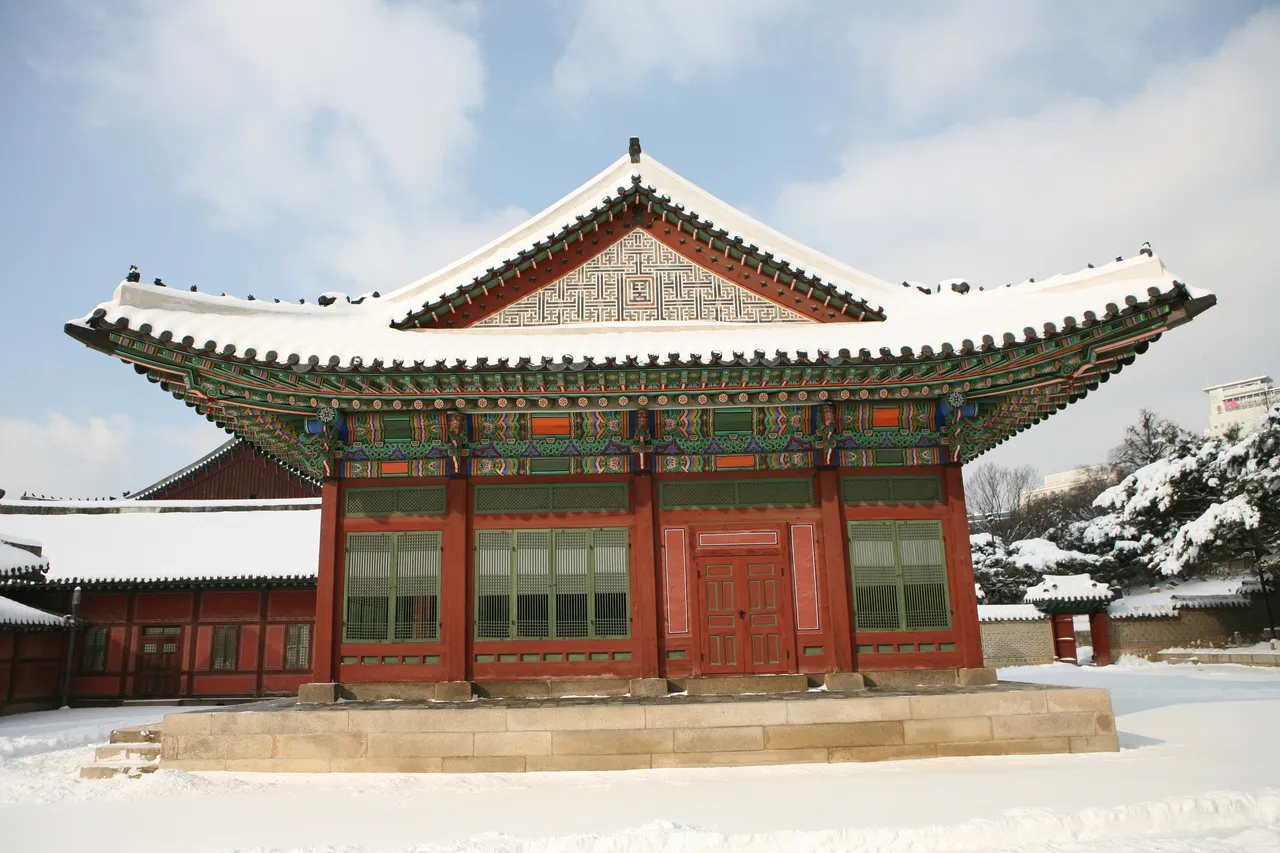
Korea in December: Weather, Snow, What to Wear & Where to Go
December is the first full winter month in Korea, and the three main destinations feel very different. Official KMA normals put Seoul at -3.4 to 4.2 °C, Busan at 2.0 to 10.4 °C, and Jeju City at 5.6 to 11.0 °C. Snow is recorded on about 6 days in Seoul but under 1 in Busan, and a white Christmas cannot be promised anywhere. Below: the weather side by side, early versus late December, snow, what to wear, and which city to pick.
Nationwide
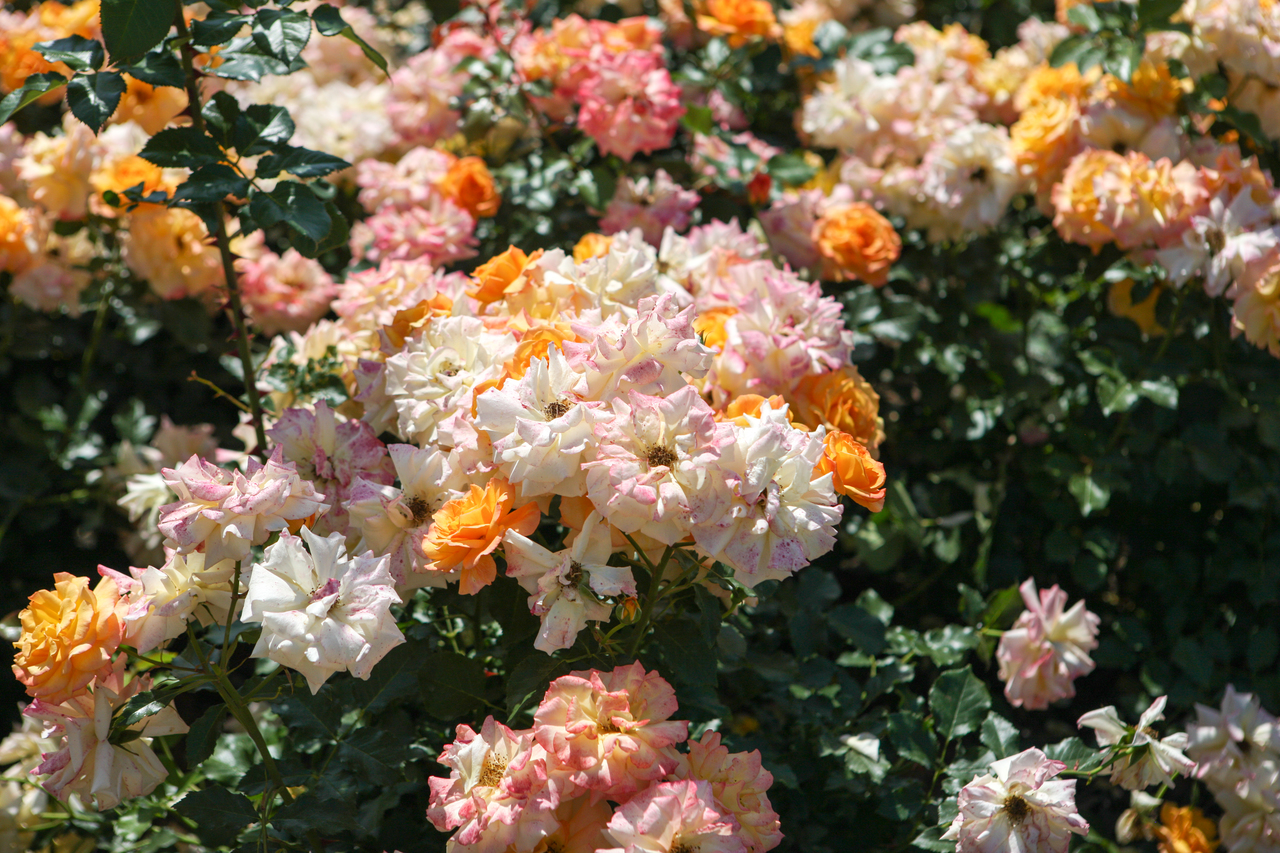
Korea in May: What to Expect and a 5-Day Plan
May is among the more comfortable months to visit Korea: usually mild and green, after the cherry blossoms and before the summer heat and monsoon. This 5-day plan pairs Seoul with a southern city; check the latest forecast and any festival dates before you lock things in.
SeoulGyeongjuBusan
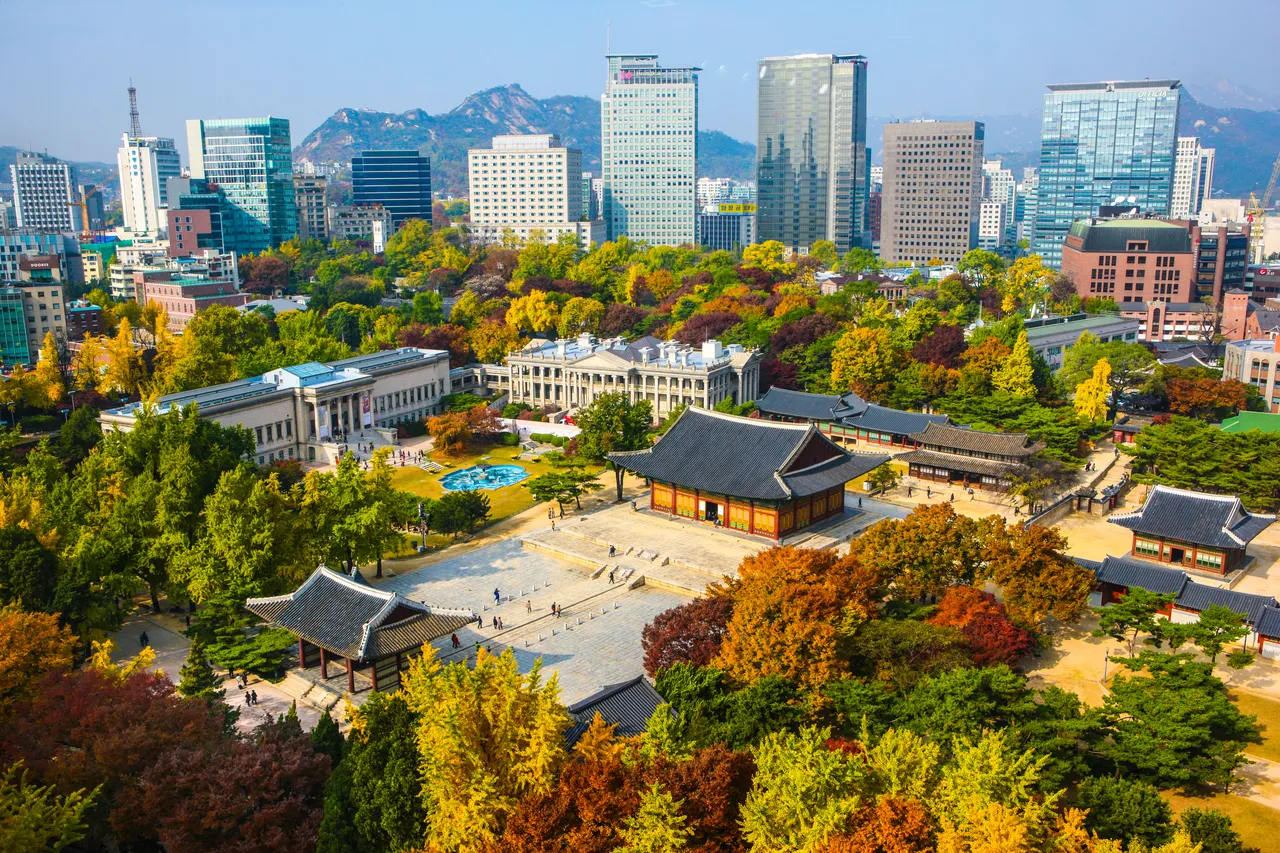
Korea in November: Weather, Fall Foliage, What to Wear & Where to Go
November is late autumn turning toward winter in Korea. Seoul is cold enough for a real coat by the end of the month, Busan stays cool and drier, and Jeju is the mildest but windy and cloudy. Fall color is still possible on lower ground and in the south, but timing changes every year. Below: official KMA climate normals for the three regions, early versus late November, foliage and snow odds, what to wear, and where to go.
Nationwide
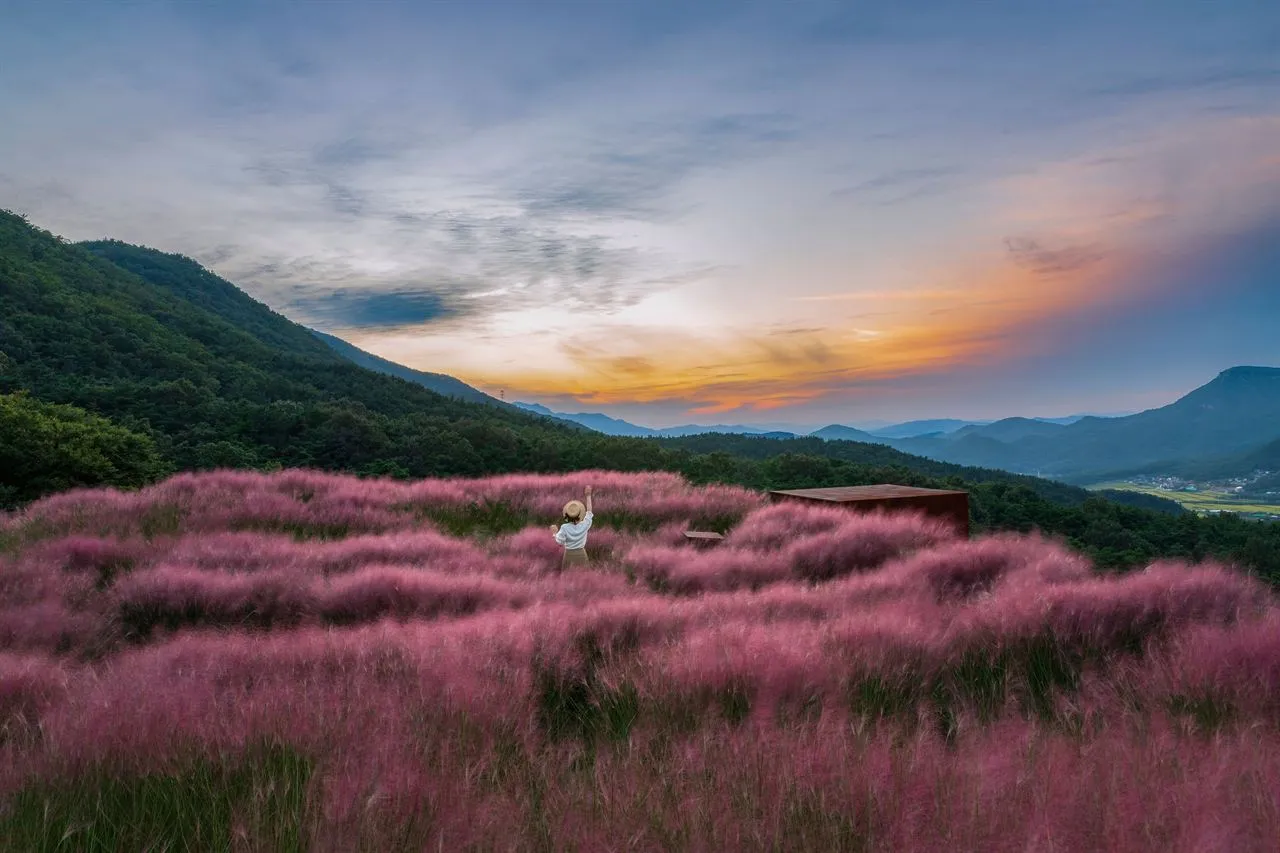
Korea in September: Weather, What to Wear & Where to Go
September in Korea is early autumn, not peak fall foliage. Early September can still feel warm and humid, while late September is cooler and clearer in many cities. Rain and typhoon risk remain possible. In 2026, Chuseok falls on 24 to 26 September, which can tighten intercity transport. Use this guide to choose timing, packing, and regions, then hand off peak foliage planning to the autumn season guide.
Nationwide

Spring in Korea: March, April, or May for First-Time Visitors
Spring in Korea runs roughly March through May, and the three months do not feel the same. March is still cool and early for many outdoor plans. April often brings peak visitor pressure and highly variable flower timing. May is usually milder and greener after major blossom hype. This page is a season-level decision guide, not a fixed bloom calendar. Confirm forecasts and event dates on official sources before you book non-refundable plans.
NationwideSeoul

Korea Winter Itinerary: 5, 7, and 10-Day Trip Shapes
For most first-time winter visitors, seven days is the best balance: Seoul as the base, one optional winter day trip, then Busan if you want a milder coast. Five days stays Seoul-heavy. Ten days adds pace, not more cities. Snow in central Seoul is not guaranteed on your dates. Confirm current weather, festival schedules, and train tickets before you lock the plan.
SeoulBusanNationwide
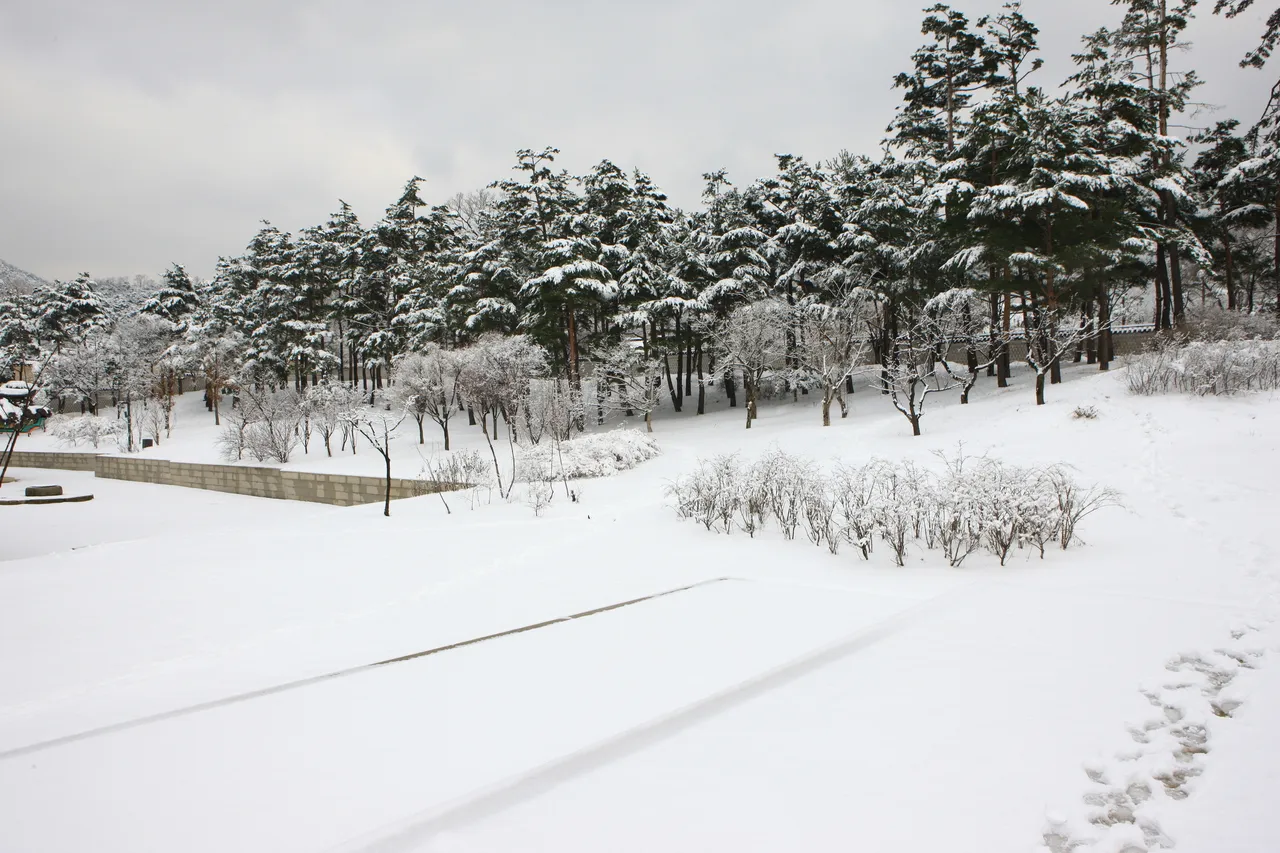
Korea in Winter: Ice Fishing Festivals, Ski Resorts Near Seoul, and How to Survive the Cold
Korean winter is genuinely cold, Seoul regularly drops below freezing, but it's the country's most underrated season: the lowest airfares and hotel rates, palaces far quieter than in spring, snow-and-hanbok photos, and festivals built on the cold. How cold it really is, the Hwacheon ice fishing festival, ski resorts near Seoul, winter food and the jjimjilbang, snow scenery, and exactly what to wear are all below. Festival and resort dates shift every year, so treat timing as approximate and confirm the official dates.
Nationwide

Seoraksan & Sokcho Autumn Guide: Fall Foliage, Cable Car & 2-Day Trip
Seoraksan is Korea's early mountain-foliage trip, paired with Sokcho food and coast. Visit Korea currently dates 2026 first color at Seoraksan around 3 October, with peak later in October. That is a forecast, not a guarantee. There is no current tourist KTX to Sokcho. Take the bus, then choose one mountain mode: cable car to Gwongeumseong, a lower valley walk, or a real hike such as Ulsanbawi. One night in Sokcho is the practical default.
Gangwon-doSokchoSeoraksan

Seoul 2 Nights 3 Days Itinerary: A Compact Stopover Guide Before Japan or Asia
Two nights in Seoul is not three days. You get an arrival evening, two full days, and a departure morning that belongs to the airport, so a stopover plan has to solve entry paperwork, luggage, and the airport transfer before any sightseeing is worth planning. This page covers those first, keeps each half-day in one connected area, and is specific about what a short stay has to give up.
SeoulIncheon Airport

Seoul 3-Day Itinerary for First-Time Visitors
Three days in Seoul, grouped by area so you walk more and commute less. Day one covers the palace district and old town, day two the modern south and shopping, and day three markets, a city view, and your own picks.
Seoul
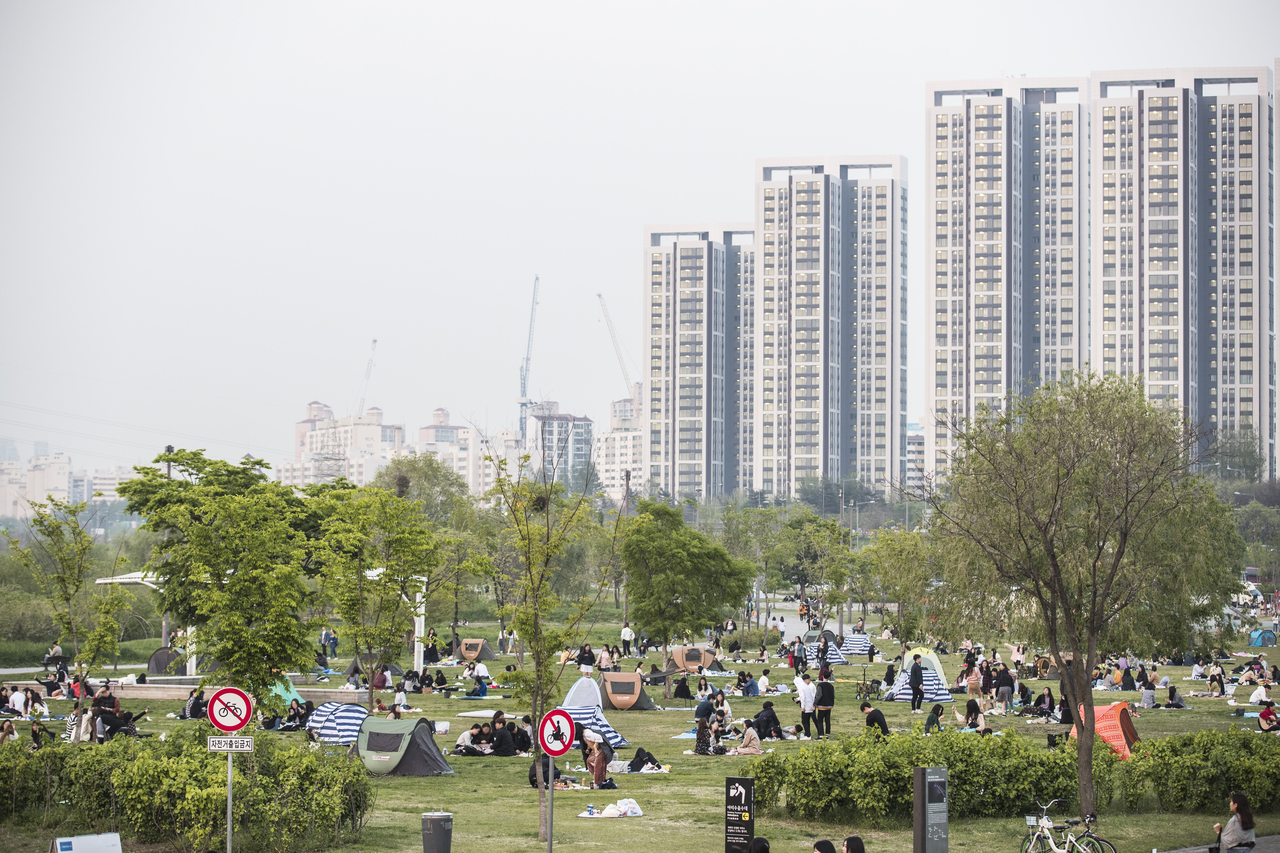
Seoul in August Guide: Essential Places, Summer Festivals, Indoor Attractions, and Things to Do
Seoul in August is hot, humid, and sometimes rainy, copying a spring or autumn itinerary here doesn't work. Below: the essential places worth your time, the summer festivals actually confirmed for 2026 (Hangang River Festival, Seoul Summer Beach, Hangang pools, the Seoul International Garden Show), indoor attractions for the hottest hours, Korean summer food, what to wear, heat and rain safety, August 15 considerations, and realistic 3-day, 5-day, and 7-day itineraries built around the heat rather than against it.
Seoul
Seoul in December: Weather, Snow, Christmas & What to Wear
December is the first true winter month in Seoul. Official KMA normals put the average daily range at -3.4 to 4.2 °C, and the first ten days are clearly milder than the rest of the month. Snow is recorded on about 6 days in an average December, yet snow on the ground on a given date, Christmas included, cannot be promised. Below: the numbers, early versus late December, snow, Christmas, and what to wear.
Seoul
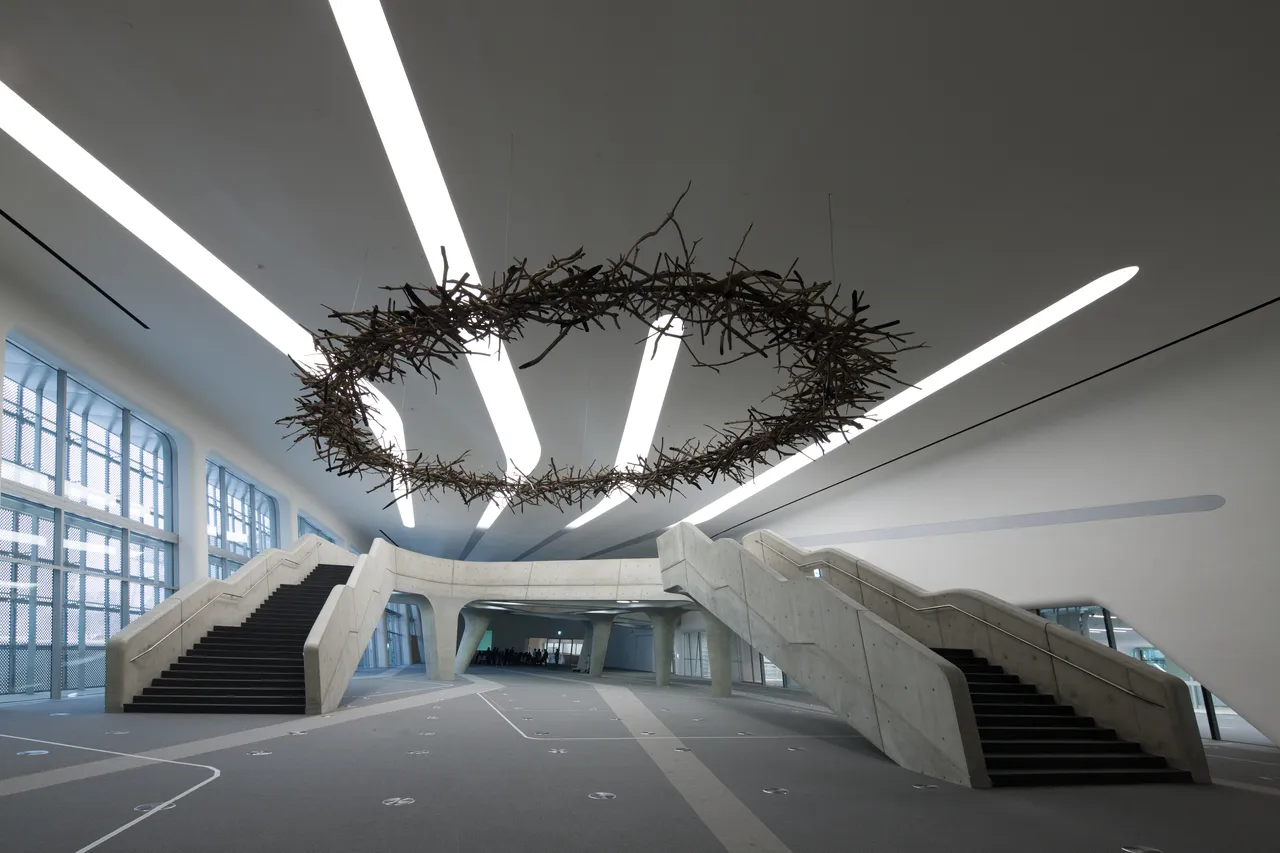
Seoul in July Itinerary: Building 3 Days That Survive the Rainy Season
In July the rain is not a risk to plan around, it is the condition you plan inside. This 3-day frame gives every day an indoor backbone and treats outdoor time as optional, with one day built to run start to finish in heavy rain so the other two can afford to be optimistic. Rain totals, hours, and event schedules change, so the page also sets out what to check and when.
Seoul
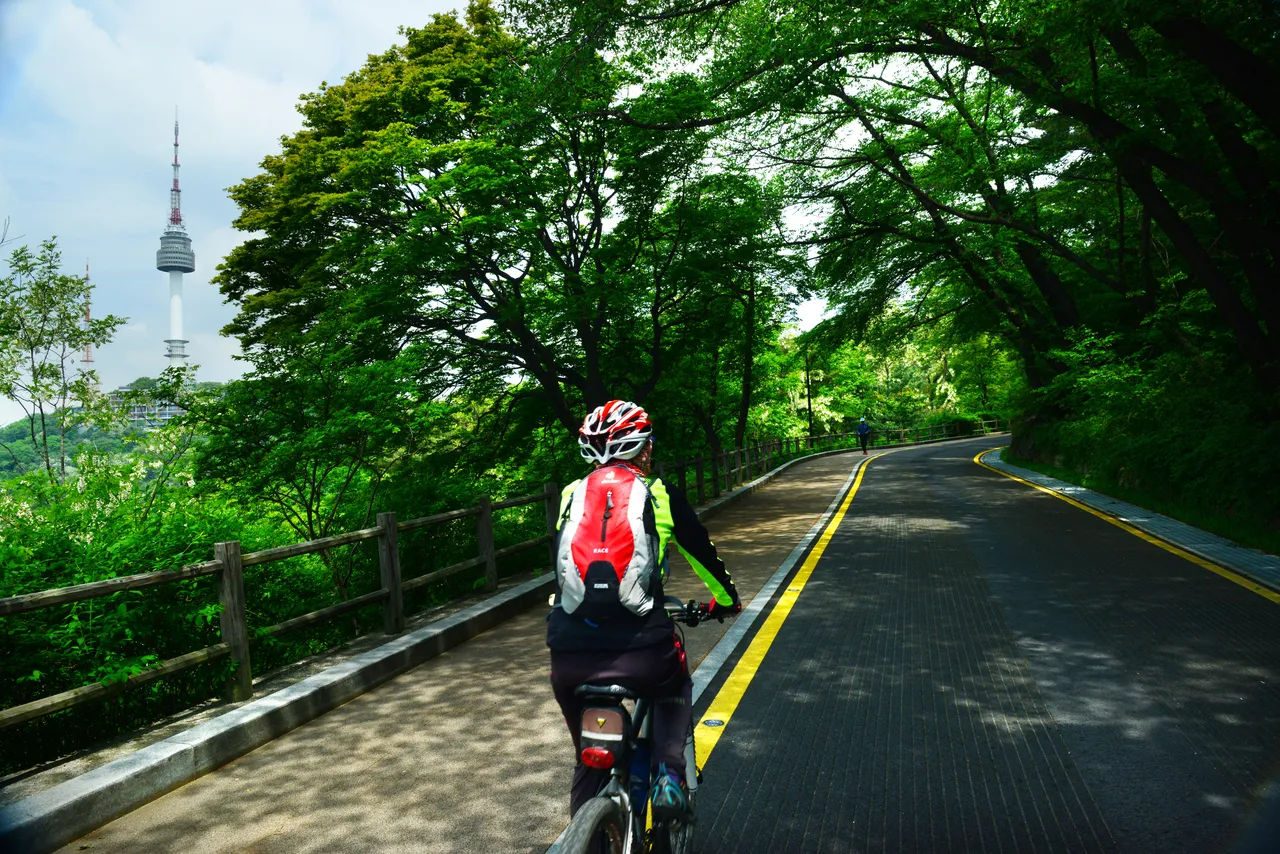
Seoul in June: Which Half of the Month You Book Changes the Trip
Most of June in Seoul is not the rainy season. On the Korea Meteorological Administration's 1991-2020 normals the monsoon reaches the central region on 25 June, so a trip that ends before the last week of the month usually sits ahead of it. That one date, plus the year's longest daylight, is what separates a June trip from a July one. The onset moves every year, so the plan below is built around checking it rather than assuming it.
Seoul
Seoul in November: Weather, Fall Foliage & What to Wear
November is late autumn in Seoul, cool at the start and close to winter by the end. Official KMA normals put the average daily range at 3.5 to 11.9 °C, but the first ten days are clearly milder than the last ten. Fall color can linger on lower ground, mainly early in the month, and snow is possible but not something to count on. Below: the numbers, early versus late November, where to look for color, and what to wear.
Seoul
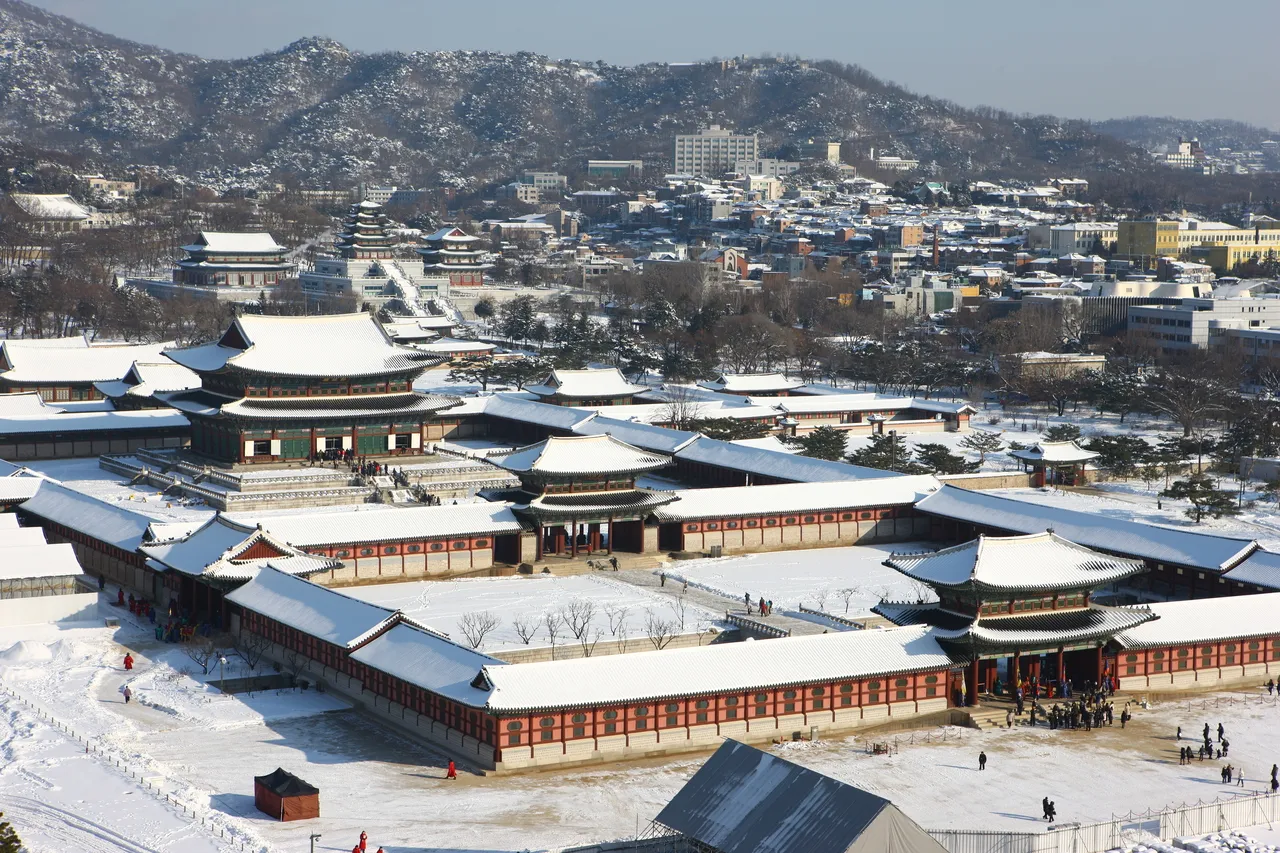
Does It Snow in Seoul? First Snow, Best Months & Where to See Snow
Yes, Seoul gets snow in a typical winter: KMA normals for 1991 to 2020 count about 24 snow days a year, most of them from December to February. January has the most snow on average, and the first snow normally arrives around 20 November, but both vary a lot by year. Snow falling and snow staying on the ground are different things, and a white Christmas is never a promise. Below: the numbers by month, first snow, where to look, and what to wear.
Seoul
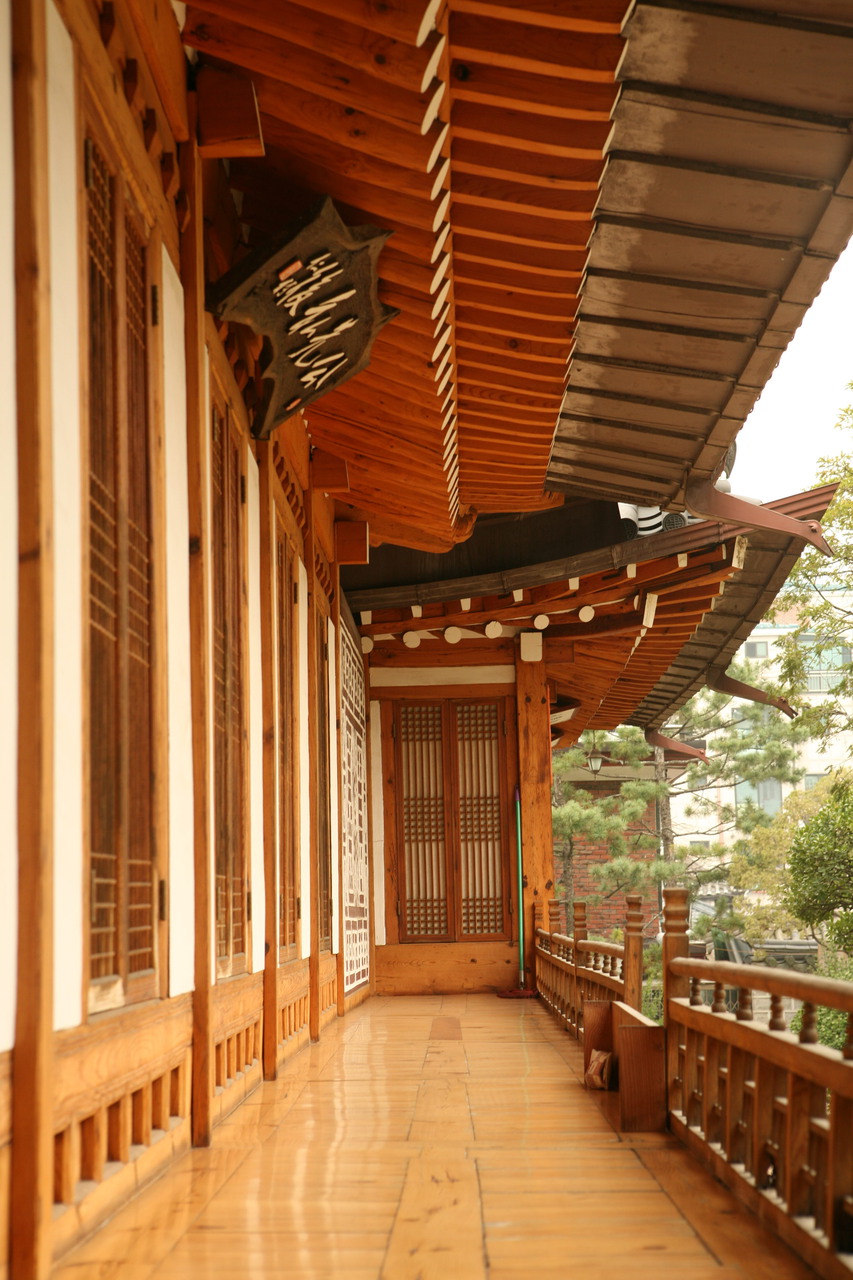
Seoul vs Tokyo: Which City Is Better for Your First Asia Trip?
Short version: pick Seoul for a shorter trip where palaces, K-culture, beauty shopping, mountains, and late-night streets sit close together. Pick Tokyo for a longer trip through a much larger city of distinct neighborhoods, rail-based exploration, specialist shopping, and a wider spread of day trips. Neither is better overall, and cost is not a reliable tiebreaker. This guide compares atmosphere, history, food, shopping, transport, airports, cost, where to stay, nights out, nature, day trips, and travel with kids, alone, or with dietary needs. Prices and transport rules change, so confirm current official information before booking.
Seoul

Seoul Winter Itinerary: 3, 5, and 7 Days + Winter Day Trips
Three winter days in Seoul should stay city-core. Five days can add one nearby winter day trip if snow scenery or a festival matters. Seven days should feel slower, with the same one major excursion and more indoor recovery. Snow in central Seoul is not guaranteed. Confirm forecasts and day-trip schedules before you lock the plan.
Seoul
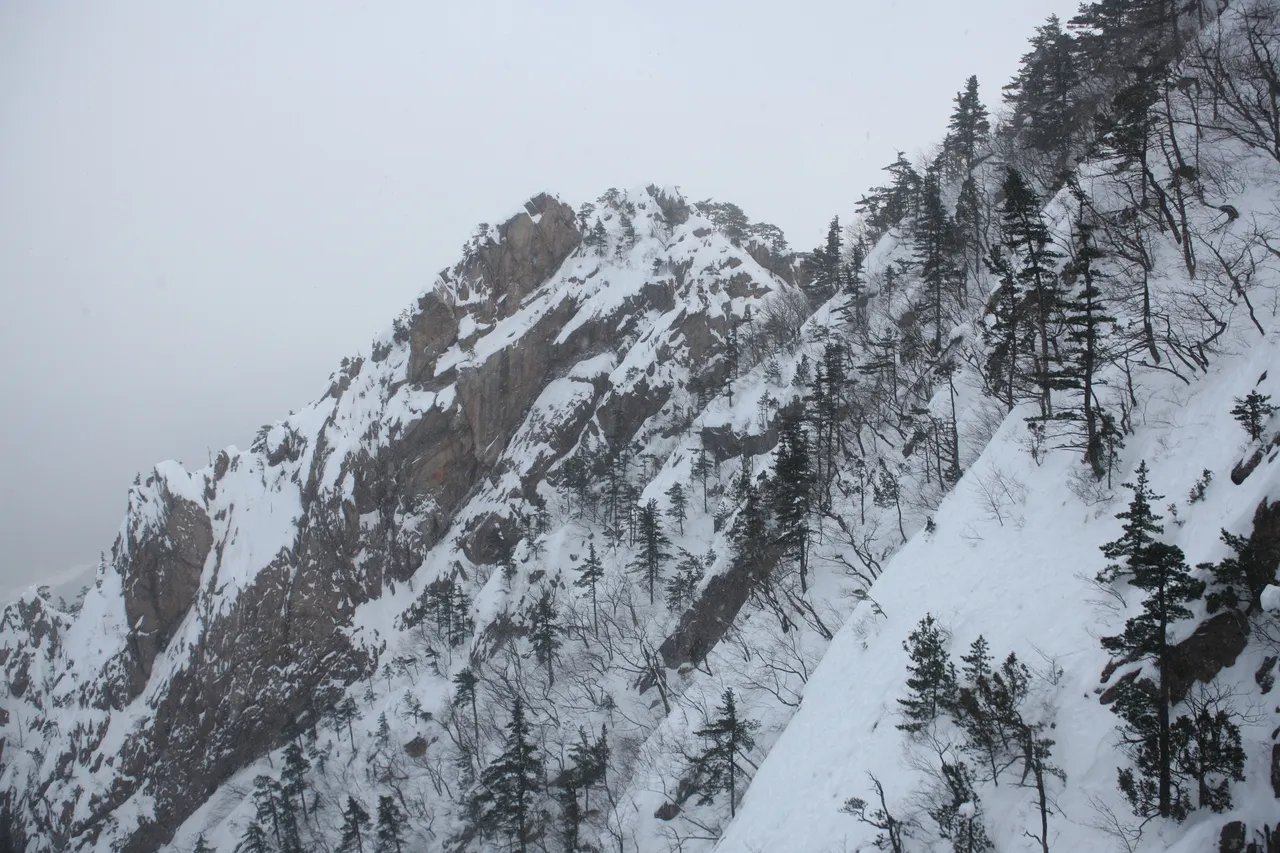
Sokcho & Seoraksan in Winter: Snow, Cable Car, Hiking & How to Get There
Seoraksan in winter is a real trip, but snow is not scheduled. The Sokcho coast is often bare while the upper park can be white and icy. Reach Sokcho by bus, because there is no train. Pick the cable car or a short valley walk, keep a weather backup, and stay one night if you can.
Gangwon-doSokchoSeoraksan
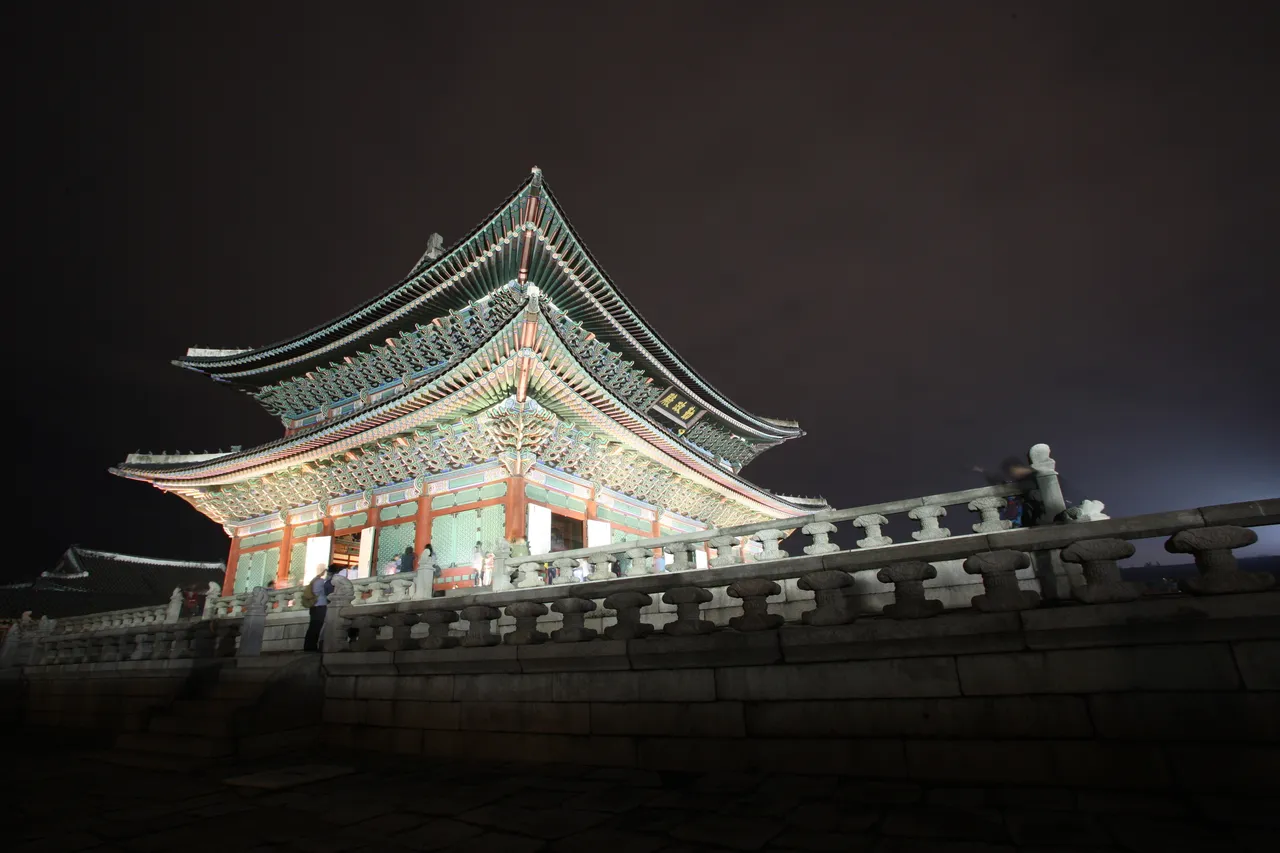
South Korea 10-Day Itinerary: Seoul, Gyeongju, Busan, and Jeju
Ten days in Korea buys one thing a week does not: Jeju. It costs a domestic flight, a fourth hotel, and the buffer day the 7-day route keeps, and four of the ten days carry a long-distance move. This route covers Seoul, Gyeongju, Busan, and Jeju, and is built around the two things that actually go wrong: the Singyeongju station transfer and the Gimpo-versus-Incheon departure. Times, fares, and schedules change, so confirm official details before you book.
SeoulGyeongjuBusan
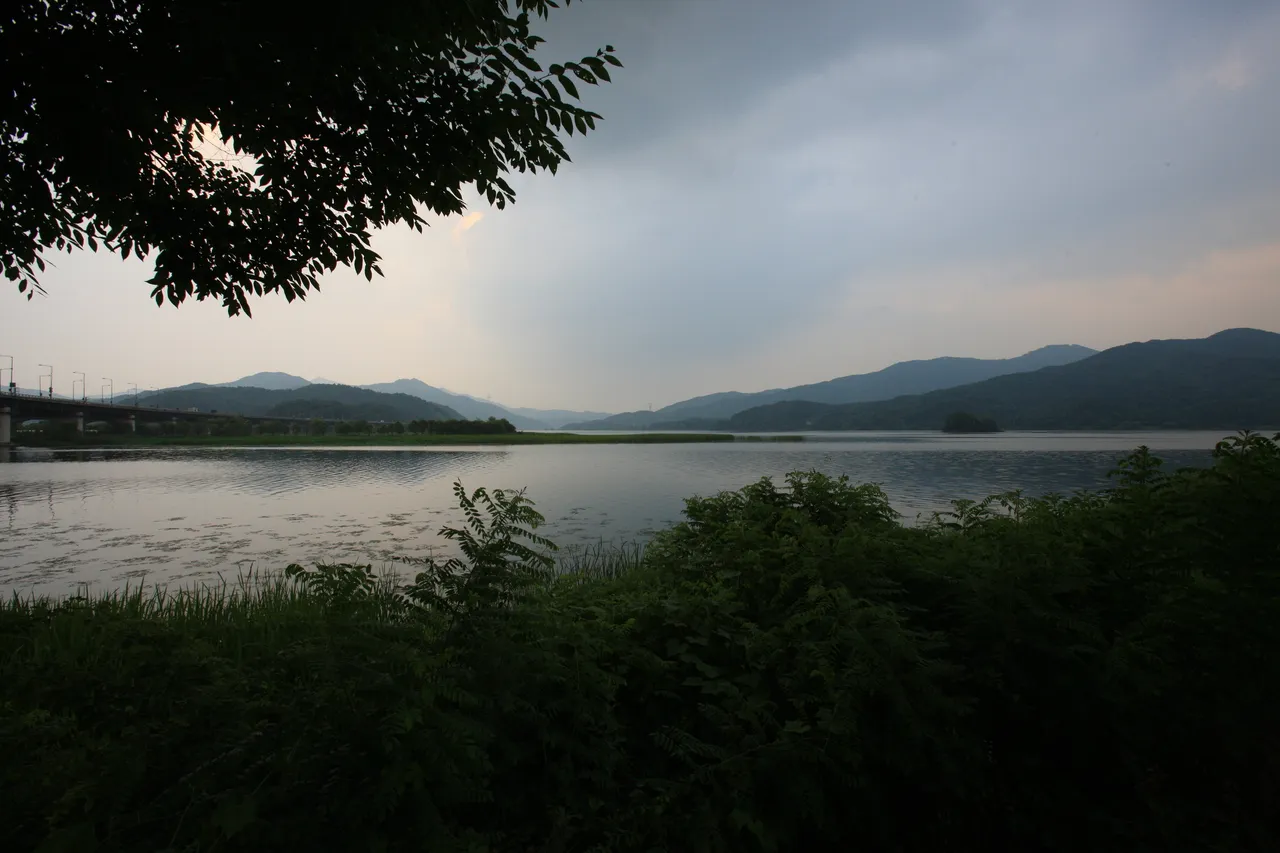
Yangpyeong Local Day Trip from Seoul: Dumulmeori, Semiwon, Riverside Cafés, and Slow Travel
Already done Namiseom, Suwon, and the palaces? Yangpyeong is the slow, local day trip locals actually take from Seoul, reached by subway to Yangsu Station, not a tour bus. Cross the reopened 52-boat pontoon bridge that recreates Jeong Yak-yong's 1789 design, walk to Dumulmeori where two rivers meet, wander the lotus gardens of Semiwon, and slow down at a riverside café. Below: Yangsu vs Yangpyeong Station, how to see the lotuses at their best, easy car-free routes, seasons, and what to check first. Hours, fees, and transport change, so confirm official info before you go.
Gyeonggi
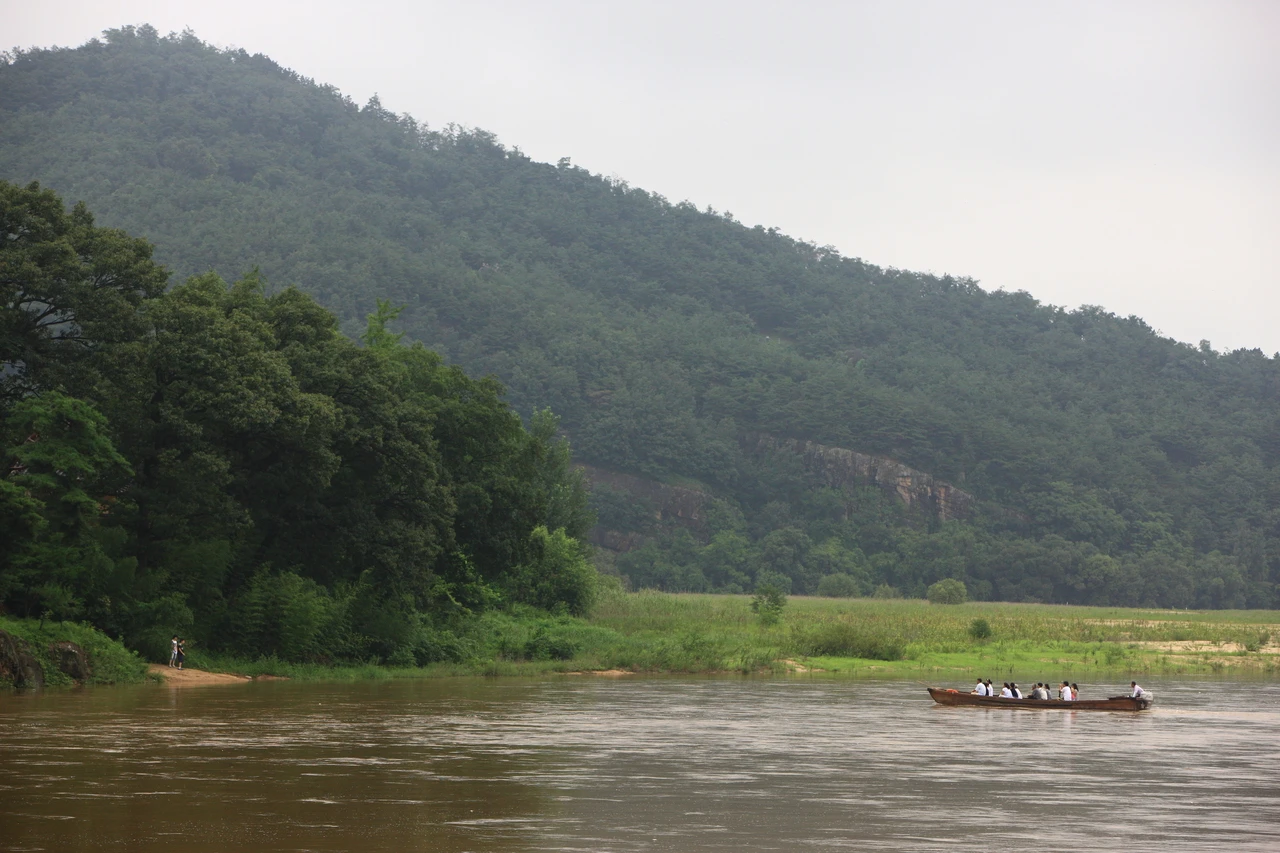
Andong Hahoe Folk Village: How to Visit from Seoul, What to See & a 1 to 2 Day Itinerary
Hahoe Folk Village is worth the trip if you want a lived-in Joseon-era clan village, and Andong is the city you reach first. KTX-Eum from Seoul takes roughly 2 to 2.5 hours, and Andong Station is a bus or taxi ride from Hahoe, not a walk. A day trip works if you start early and keep to Hahoe, but one night in Andong makes Buyongdae, Byeongsan Seowon and the city's food far less rushed.
AndongGyeongsangbuk-do
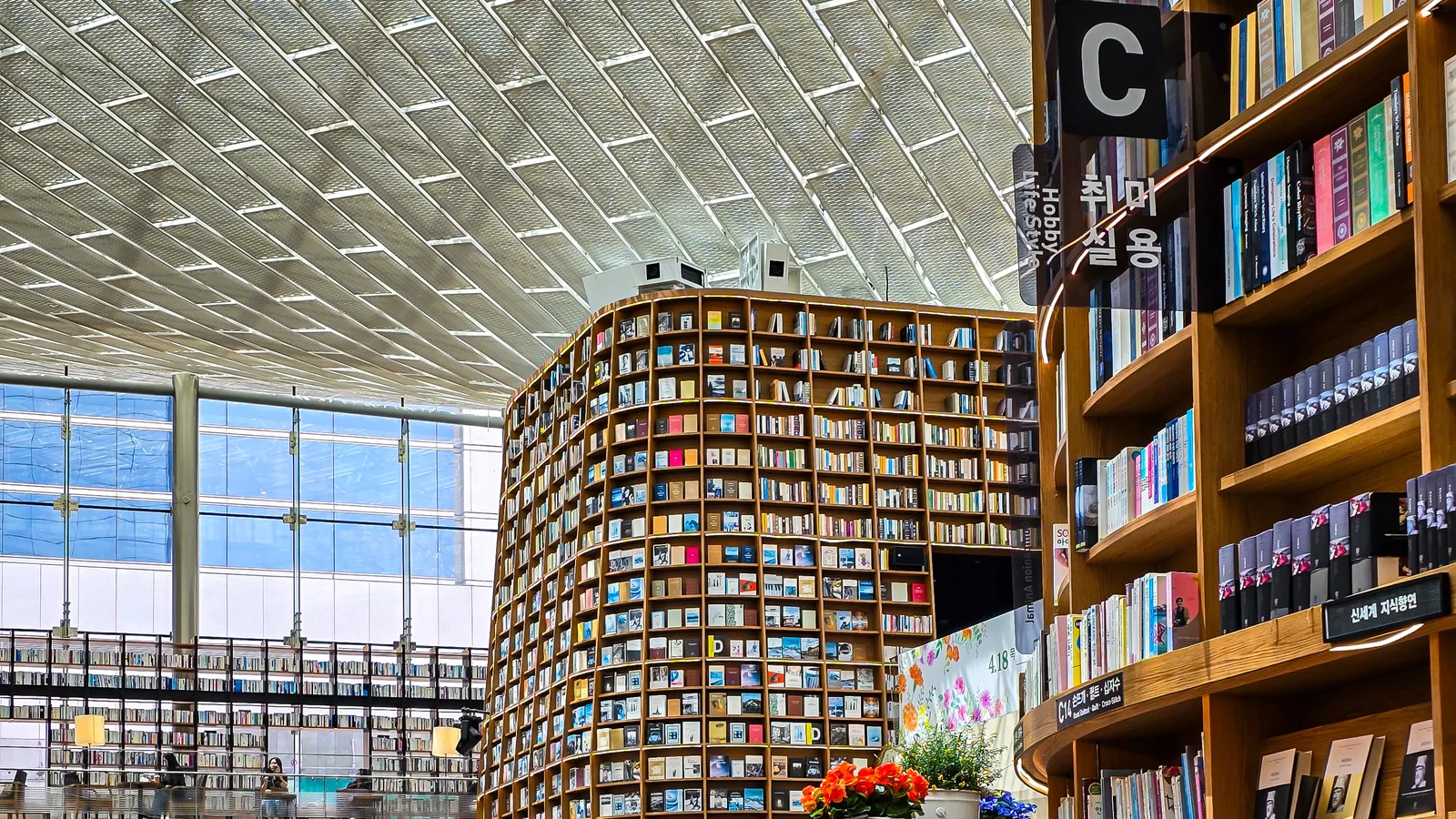
Best Things to Do in Gangnam, Seoul: Shopping, COEX, K-Pop, Cafés, and Modern Seoul
Gangnam is the modern, polished side of Seoul, and it's big, so it pays to pick a theme rather than try to see it all. This guide groups the best things to do by sub-area: COEX and Starfield Library, Gangnam Station's shopping, the K-pop and luxury streets of Apgujeong and Cheongdam, the cafés of Garosu-gil, and the calm of Bongeunsa and the royal tombs, with suggested routes.
Seoul
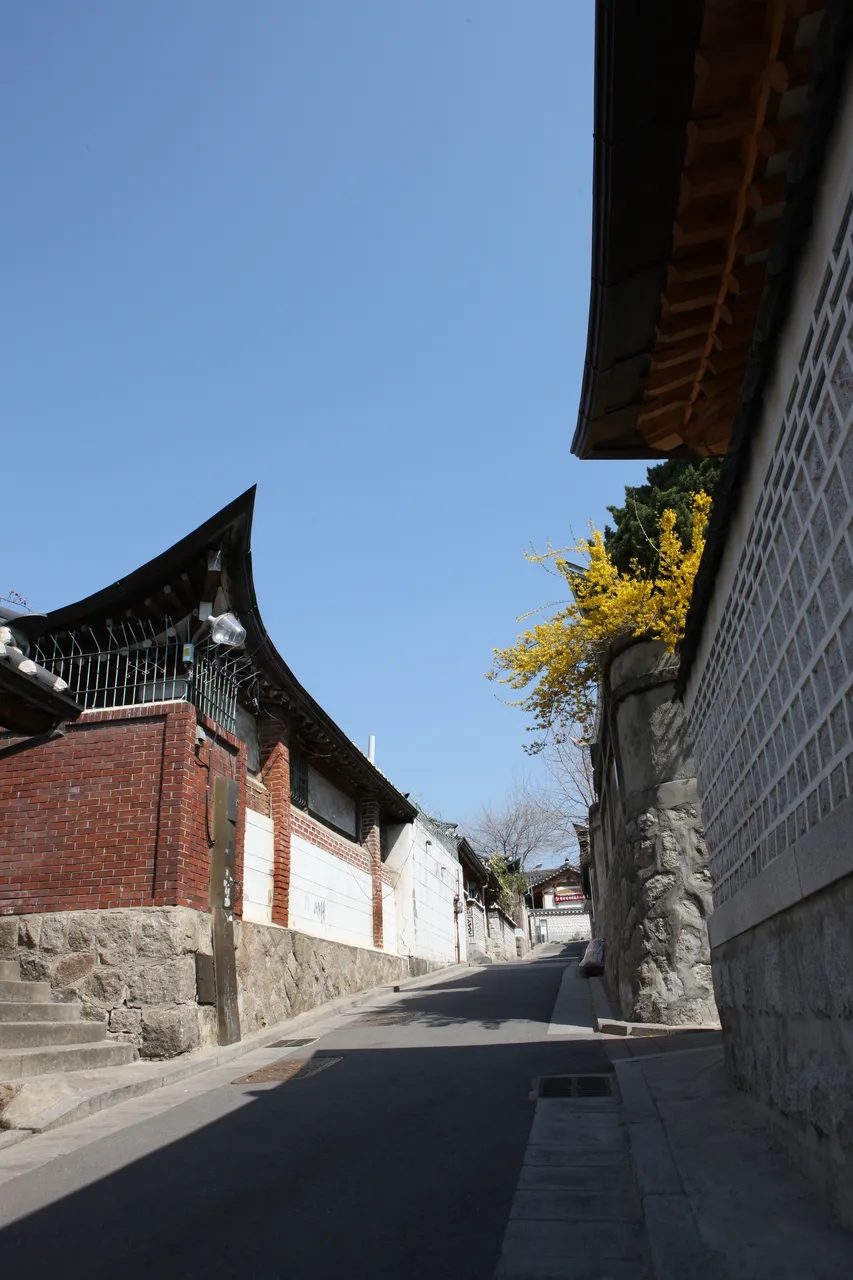
Bukchon Hanok Village Guide: How to Visit, What to See, and Current Visitor Rules
Bukchon is a lived-in hanok neighborhood between Gyeongbokgung and Changdeokgung, not a gated park. Start at Anguk Station (Line 3), Exit 2, and walk uphill. Tourist visits in the Red Zone on Bukchon-ro 11-gil are allowed only 10:00 to 17:00; sightseeing outside those hours can draw a ₩100,000 fine. Private homes are not attractions. Public cultural hanok and the craft museum nearby are the places you can actually enter.
Seoul
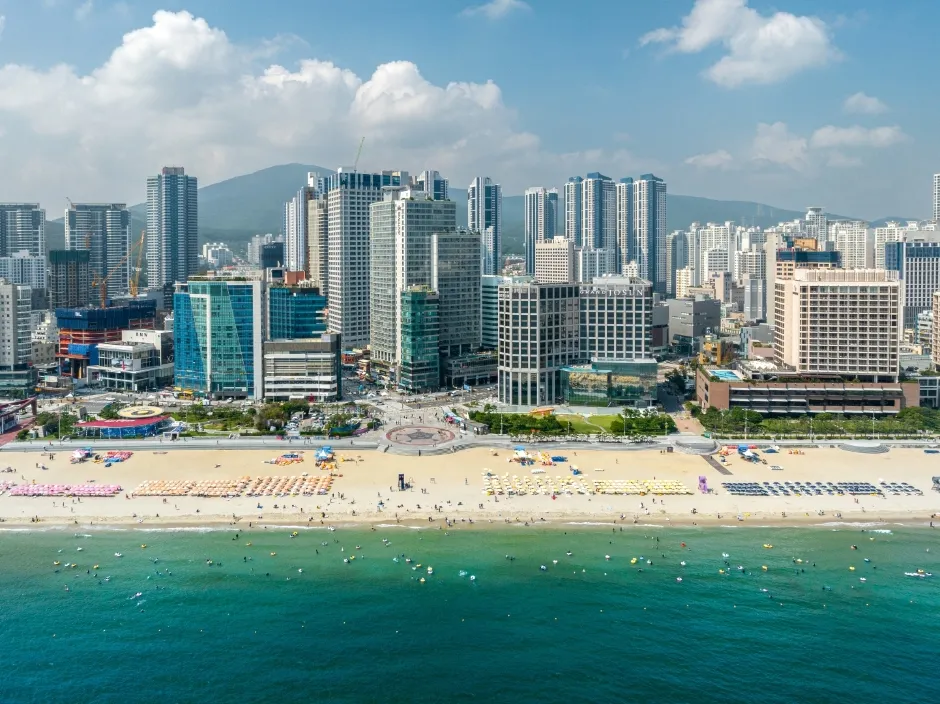
Busan Travel Guide for First-Time Visitors
Busan is Korea's second city and its biggest beach destination, a relaxed coastal counterpoint to Seoul. Two to three days covers its beaches, fish markets, and cliffside temple. Most visitors arrive by KTX in about two and a half hours from Seoul.
Busan
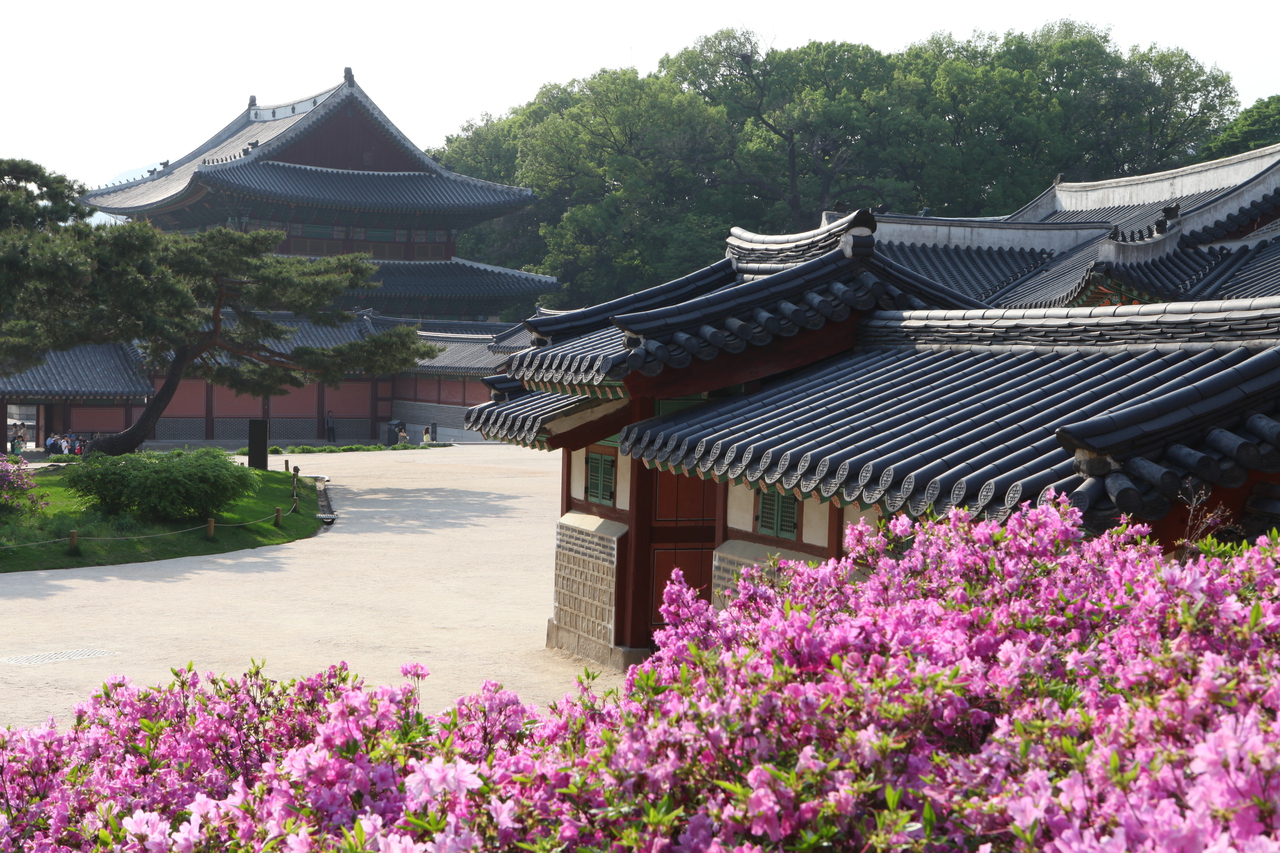
Changdeokgung Palace Guide: Secret Garden Tickets, Reservations, and What to See
Changdeokgung is Seoul's east-side Joseon palace, entered from Donhwamun after a short walk from Anguk Station (Line 3), Exit 3. It is closed Mondays, with a holiday exception. Adults 19 to 64 pay ₩3,000 for the palace buildings. The Secret Garden (Huwon) is a separate ₩5,000 timed visit, 100 people per slot, and hanbok does not make Huwon free.
Seoul
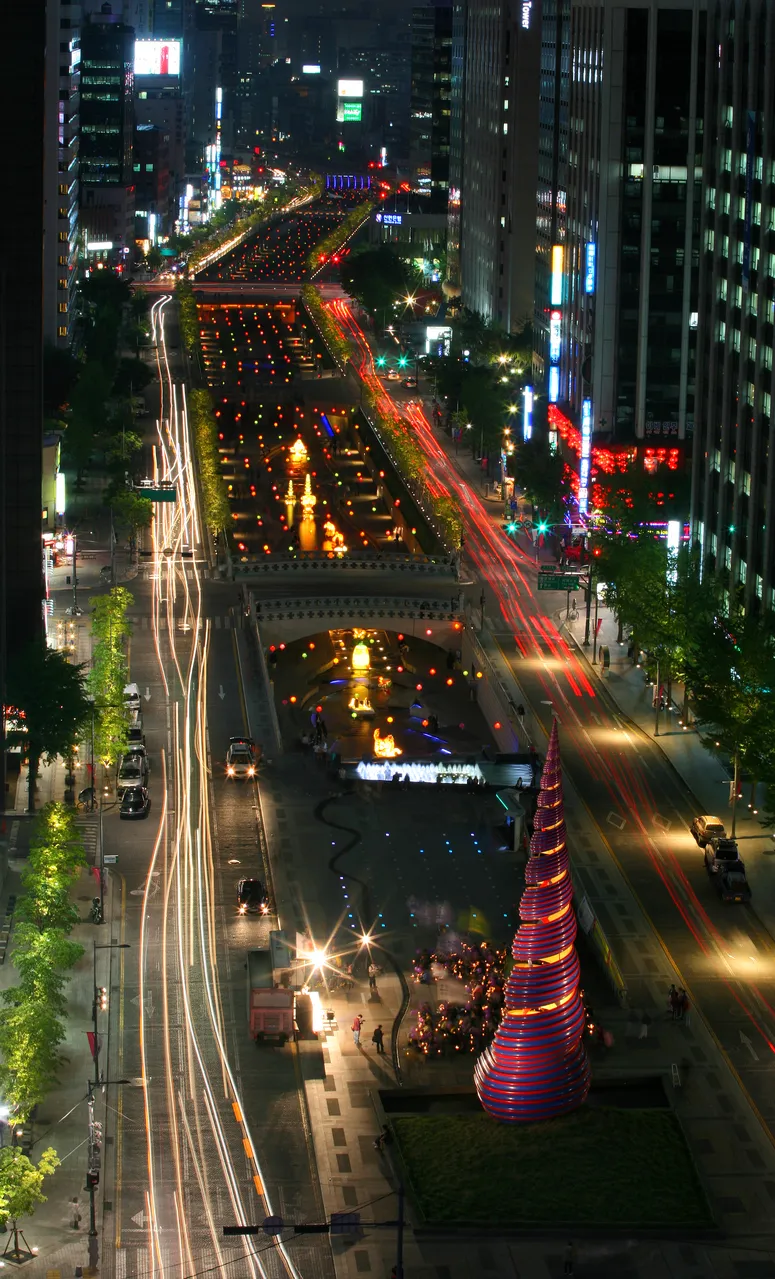
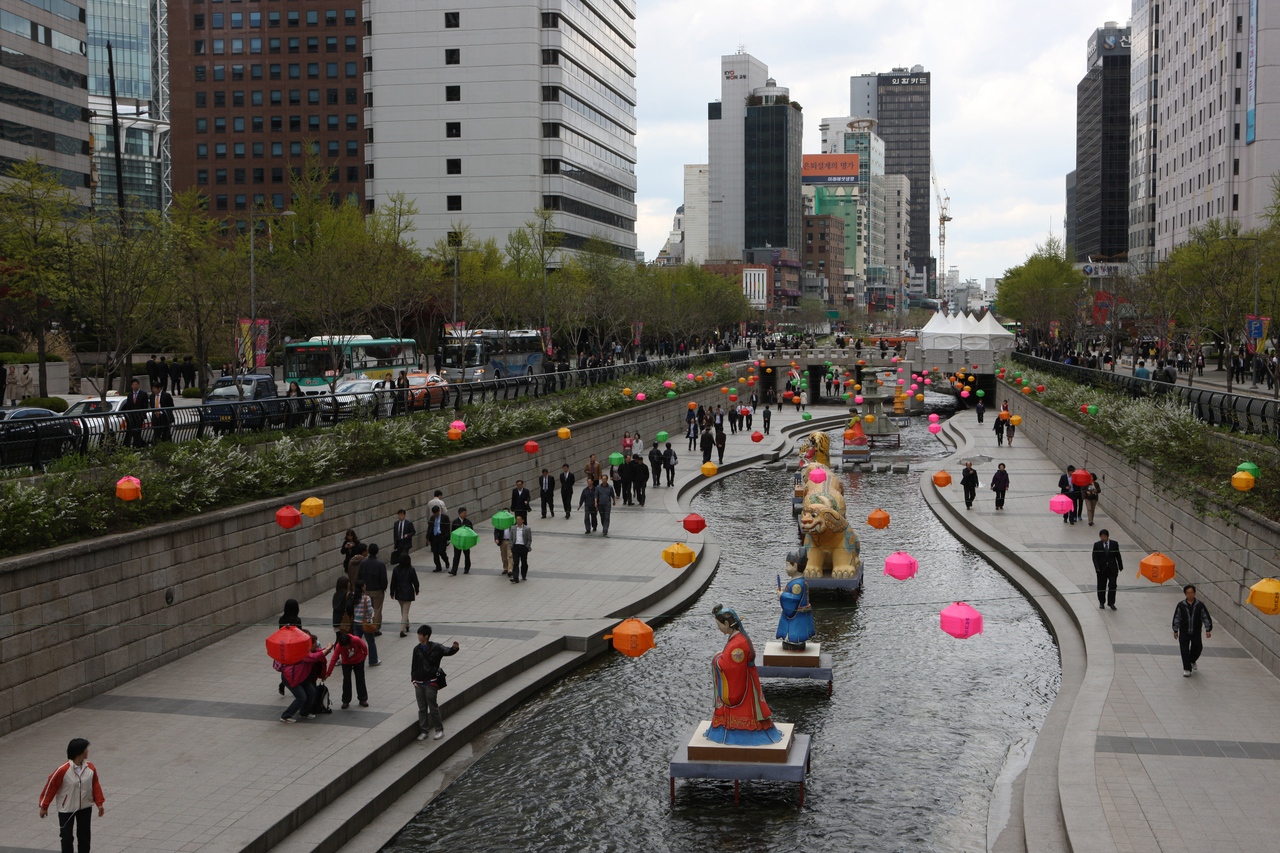
Cheonggyecheon Stream Guide: History, Walking Route, Things to Do, Food Nearby, and Visitor Tips
Cheonggyecheon is a restored stream running right through downtown Seoul, a free and central walking route that stays noticeably cooler than the streets above it. It spent decades buried under a highway before being uncovered in 2005. Most people walk the popular downtown stretch of about 2 km rather than the full 11, and the four routes below cover that section, the food areas nearby including Gwangjang Market, and what changes by season. It's open around the clock but can close in heavy rain, and festival dates change every year, so check current official information before you go.
Seoul
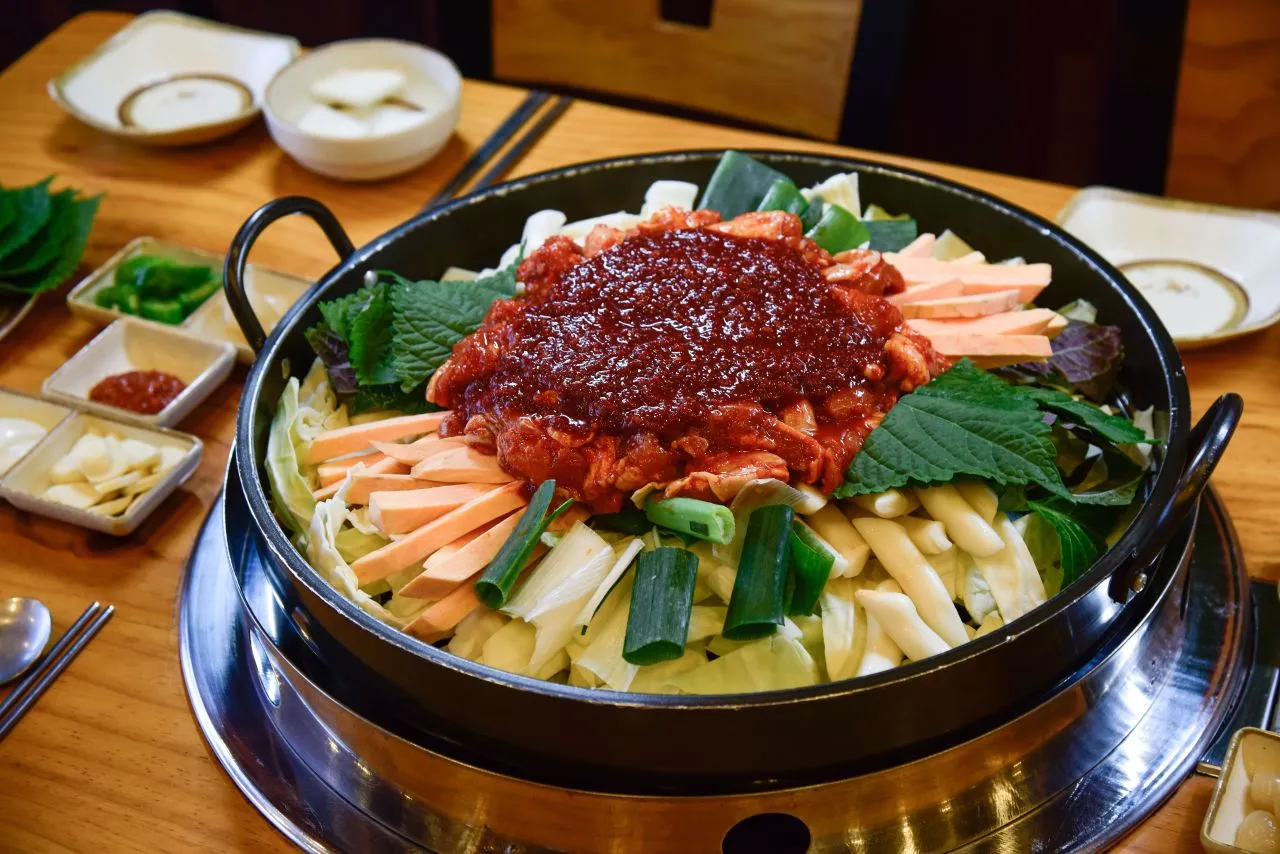
Chuncheon Day Trip from Seoul by Train: ITX-Cheongchun, Dakgalbi, Lakes, and Easy Route
Chuncheon is among the easier day trips from Seoul: a lake city about an hour and a half away by the ITX-Cheongchun train, famous for dakgalbi (stir-fried spicy chicken) and its skywalk, cable car, and lakes. This guide is a practical one-day plan, not a list of sights: how to get there, which station to use, what to eat, the main attractions, whether to combine it with Nami Island, and dietary notes. Timetables, fares, and opening hours change, so confirm the current details with KORAIL and VisitKorea before you travel.
Chuncheon
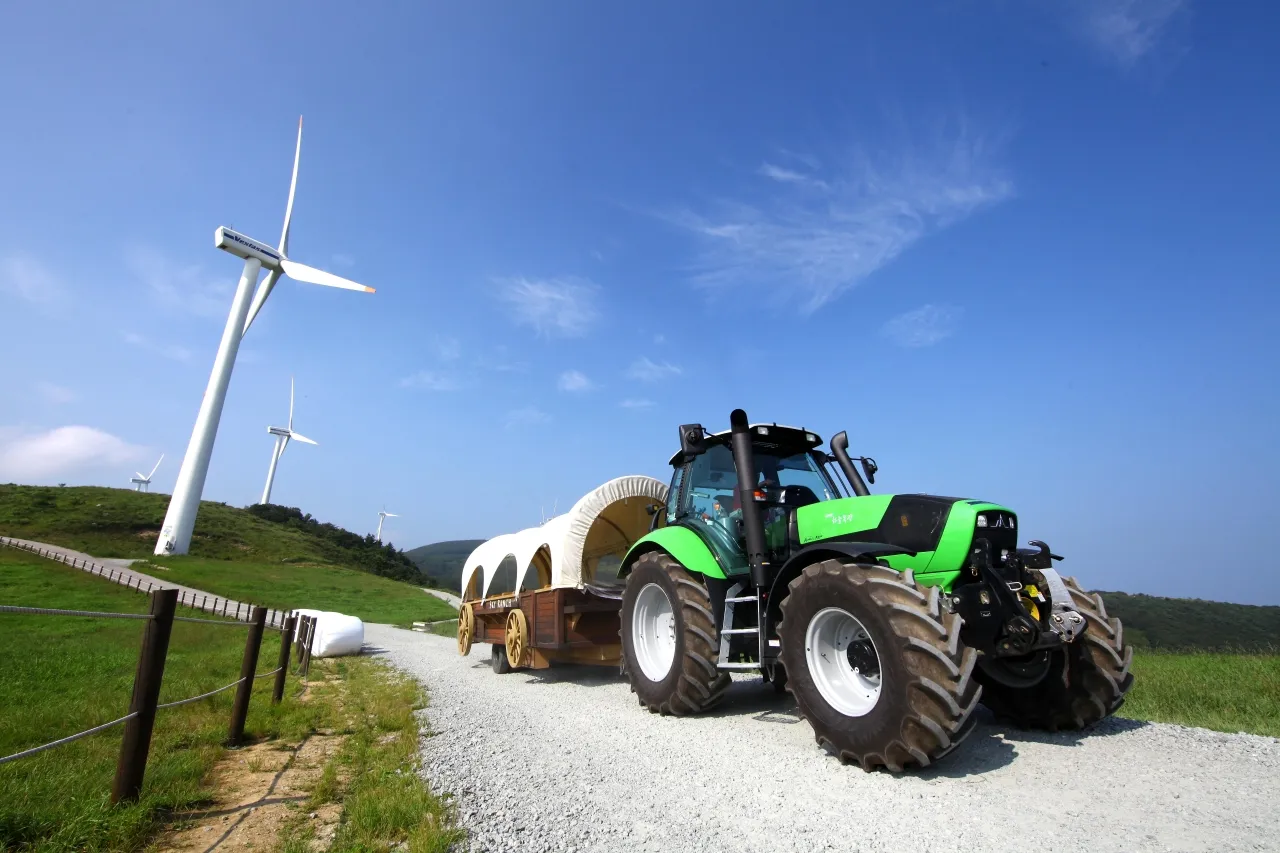
Daegwallyeong Sky Ranch Guide: Tickets, Tractor Ride & Getting There
Daegwallyeong Sky Ranch (대관령 하늘목장) is a large highland ranch in Pyeongchang, Gangwon-do. Its signature experience is a paid tractor carriage through open grassland, plus walking paths and animal feeding. Admission and the tractor are separate tickets. There is no direct public bus from the local terminal to the ranch gate, so plan a taxi or car for the final leg. Hours, prices, and tractor operation change with season and weather: confirm on the official ranch site before you go.
PyeongchangGangwon-do
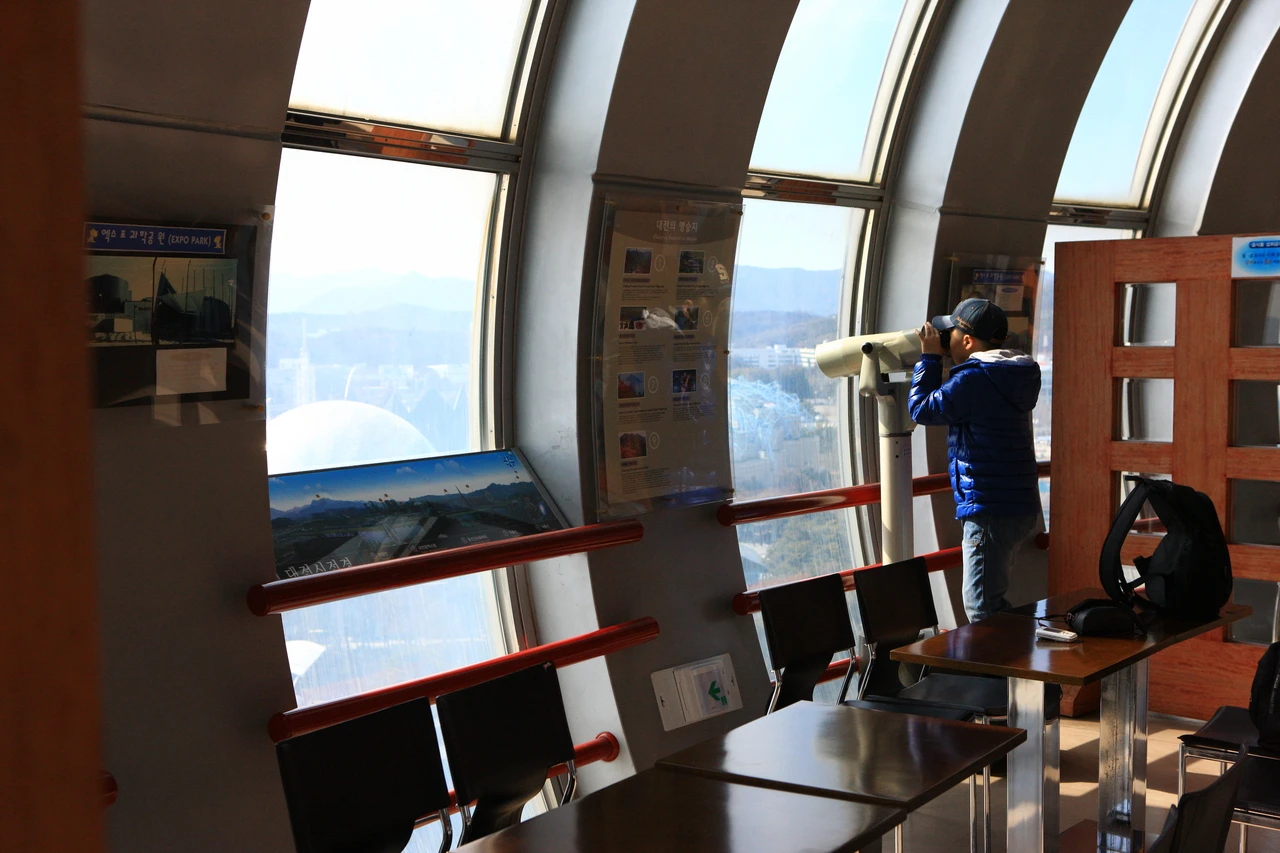
Daejeon Travel Guide from Seoul: KTX, Food & What to Do
Daejeon is one of the easiest Korean cities to reach from Seoul by high-speed rail: many trains take about 50 to 75 minutes to Daejeon Station. Use it for bakery culture around Seongsimdang, local kalguksu and dubu duruchigi, the old-downtown walk from the station, and a separate Expo / Hanbat Arboretum cluster. A day trip is realistic; one night is better if you want food plus parks without rushing. Book via Korail+ and double-check the arrival station name on your ticket.
Daejeon
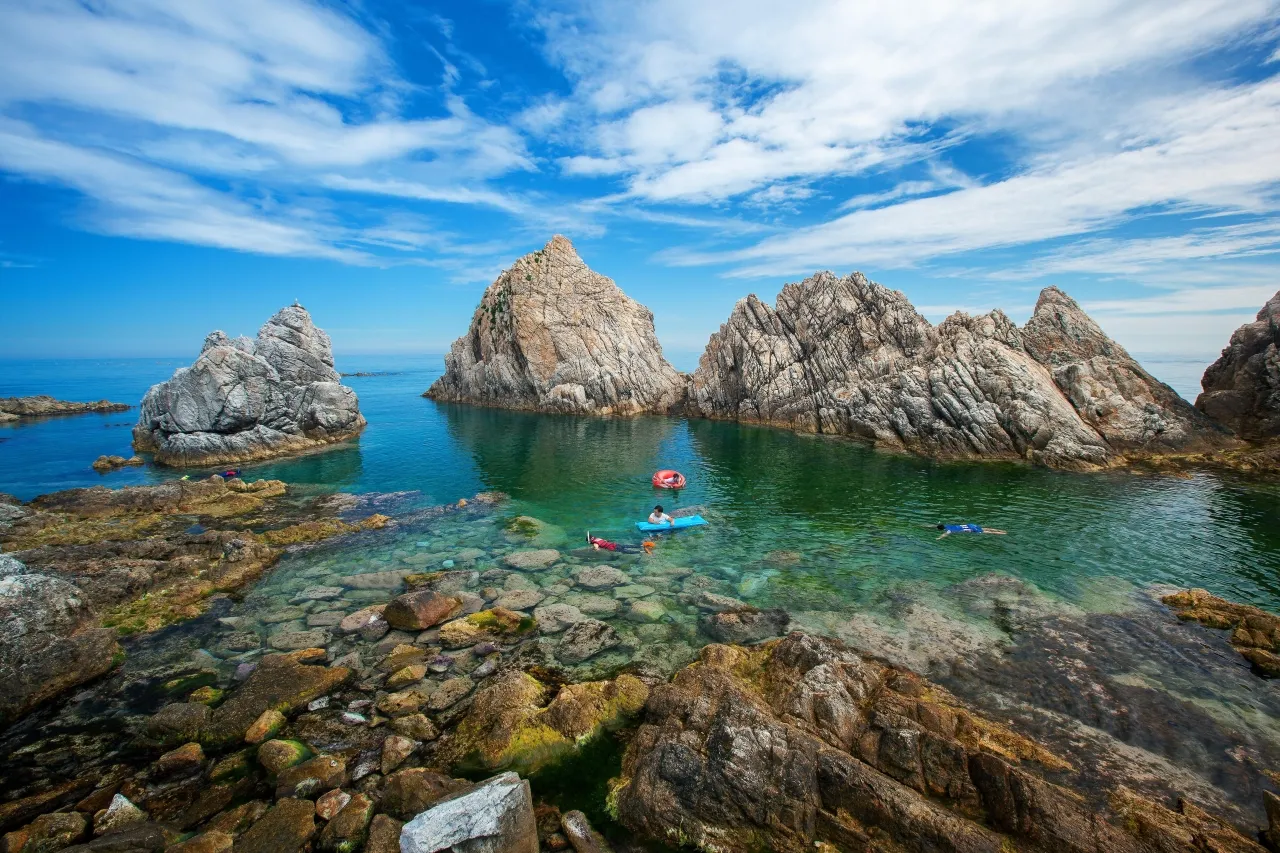
Donghae & Samcheok Travel Guide: KTX, Beaches, Cafes & Coastal Spots
Donghae and Samcheok are neighboring Gangwon coast cities reachable from the Seoul area by KTX (often KTX-Eum) to Mukho or Donghae Station. Use Donghae as the rail-friendly first base for Mukho Port, Nongoldam-gil, and the Eodal cafe coast; continue to Samcheok for clearer bays, the marine cable car, and southern coastal trails. One night is the realistic minimum; two nights cover both cities without criss-crossing.
DonghaeSamcheokGangwon-do
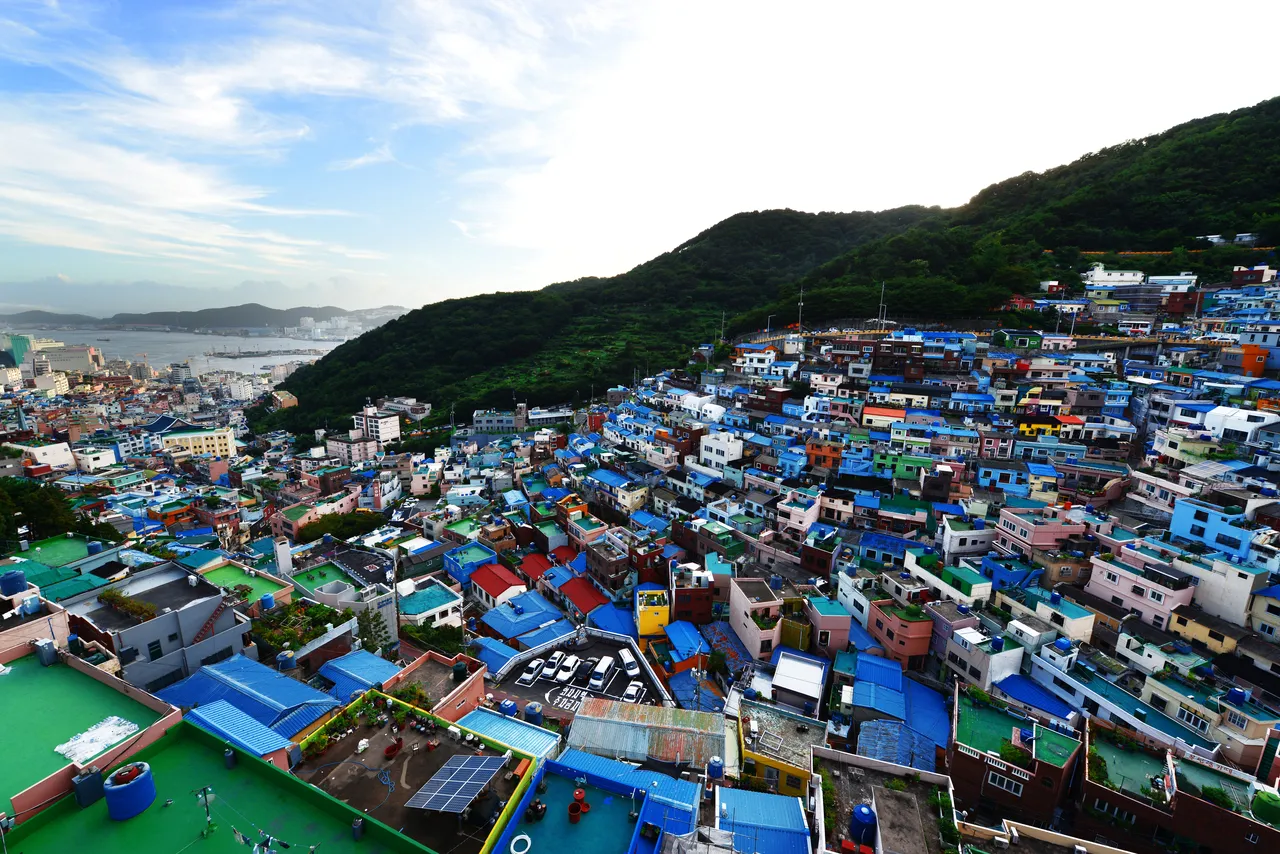
Gamcheon Culture Village Busan Guide: How to Get There, What to See & Tips for Foreign Visitors
Gamcheon Culture Village is a hillside neighborhood of painted houses in Busan's Saha-gu that began as a Korean War refugee settlement and is still home to residents. Entry is free. Since Saha-gu designated it a Special Management Area on August 1, 2026, visitor access to the residential areas is listed as 09:00 to 18:00, tourist vehicles including taxis are restricted on a stretch of the main lane, and groups of 10 or more must buy the official map. Most visitors ride Metro Line 1 to Toseong or Jagalchi Station and switch to a village bus.
BusanSaha-gu
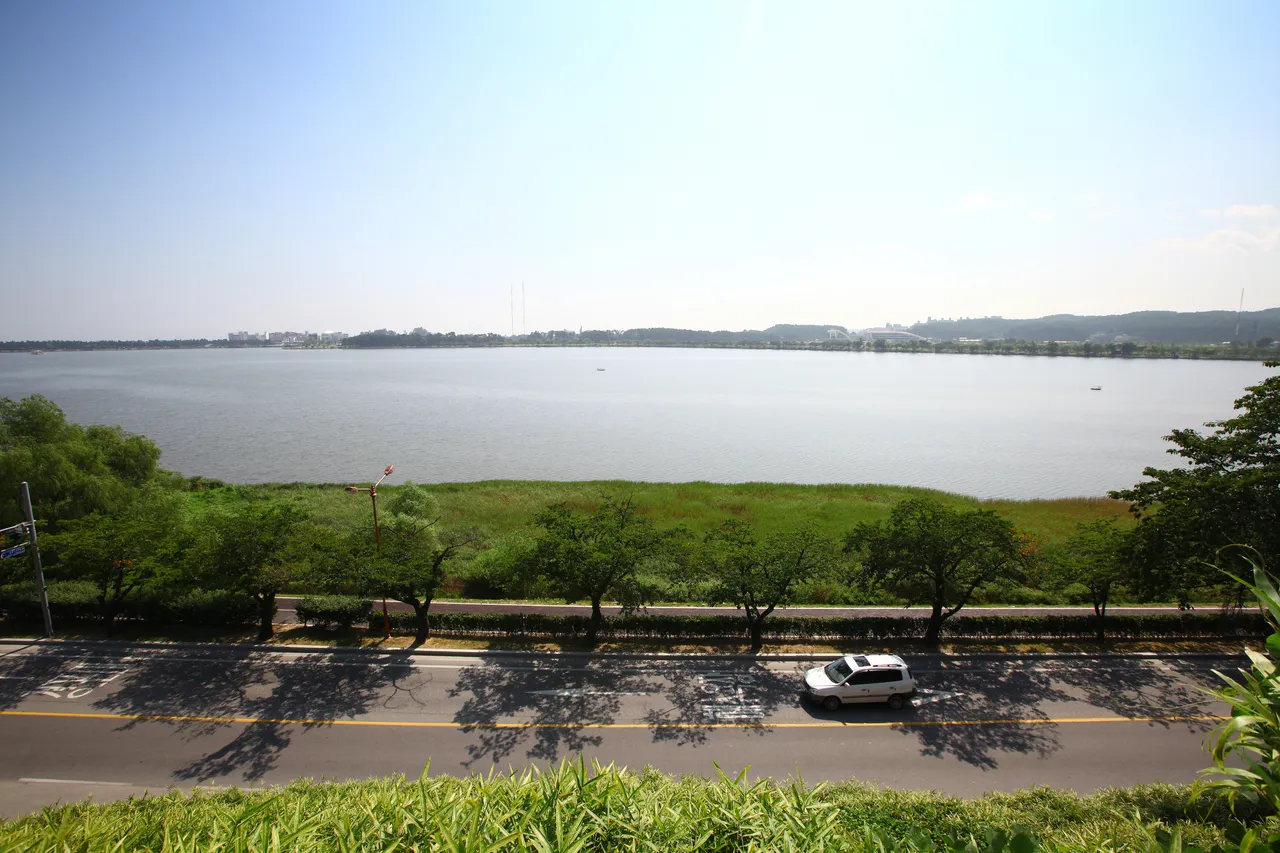
Gangneung Travel Guide: Beaches, Coffee Street, and East-Coast Sunrise
Gangneung is Korea's easy east-coast escape from Seoul: reachable by KTX and built around beaches, the Anmok coffee street, Gyeongpo, soft chodang tofu, Ojukheon's history, traditional markets, and the Jeongdongjin sunrise. It's doable as a day trip but more relaxed with one night.
GangneungGangwon-do
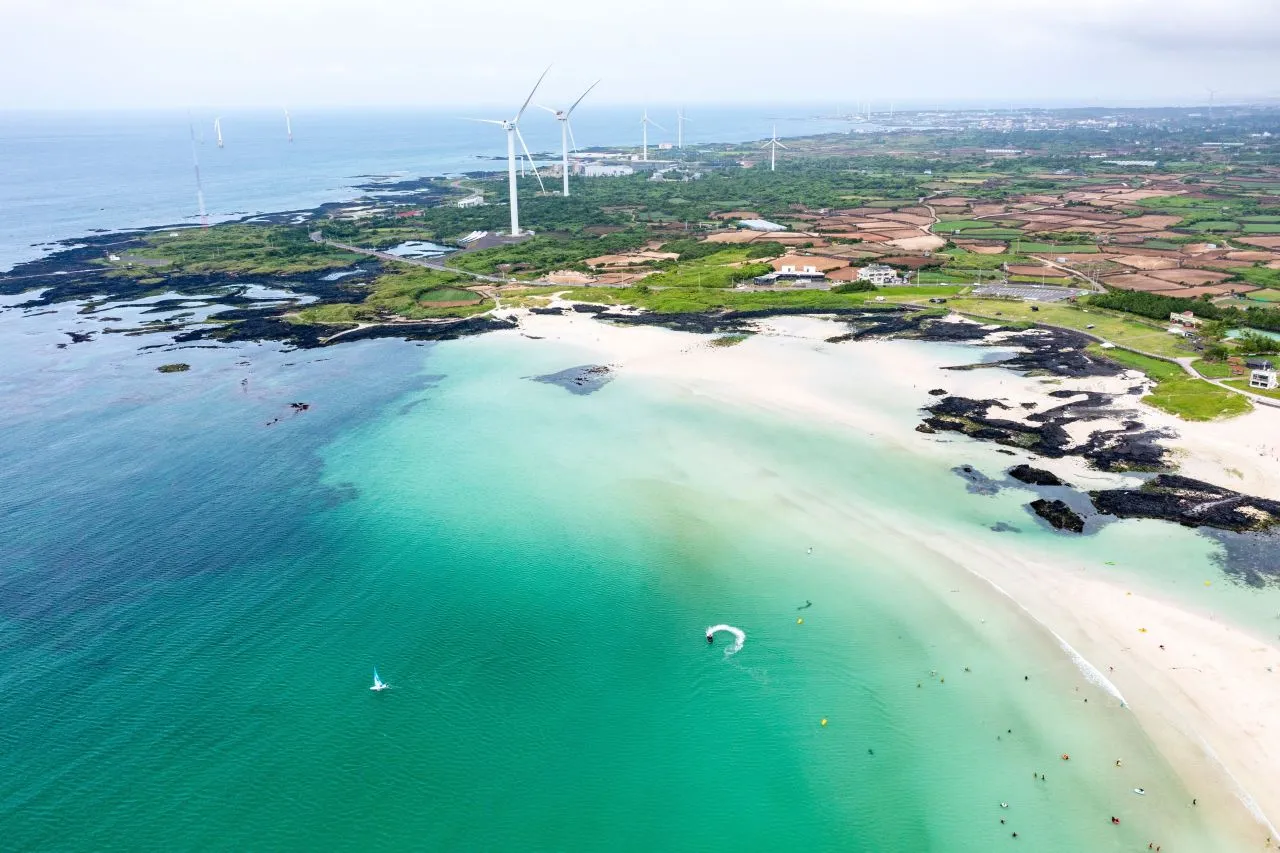
Gimnyeong Beach Guide: Swimming, Parking, Snorkeling & Northeast Jeju Travel Tips
Gimnyeong Beach, also called Gimnyeong Seongsegi Beach, is one white sand beach with dark lava rock on Jeju's northeast coast, about 3 km west of Woljeongri in a straight line. You can visit the coast at any time, but swimming belongs to the official summer season: in 2026 the province ran it from June 24 to September 6, and other years need a check. Visit Jeju lists parking, but I could not confirm a fee, so read the signs.
JejuGujwa
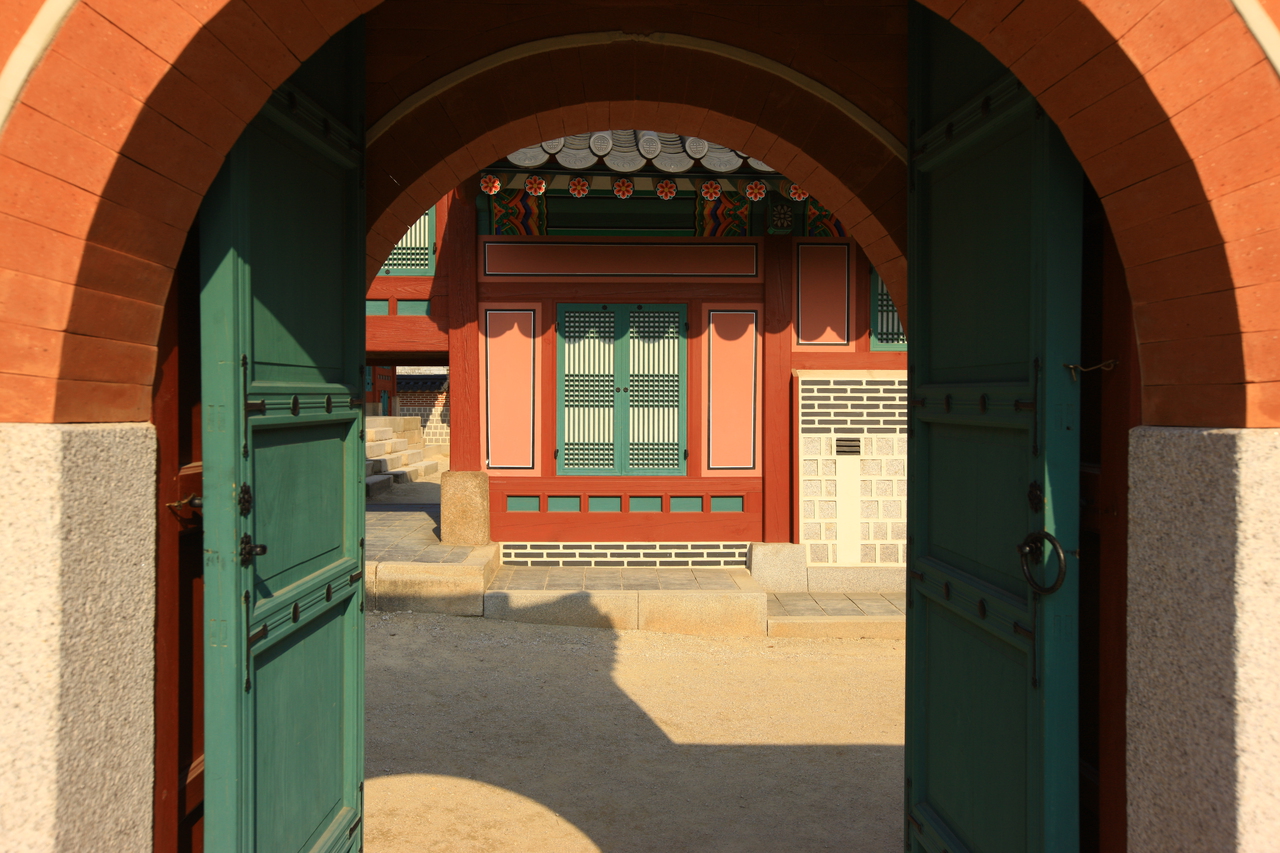
Gyeongbokgung Palace Guide: Hours, Tickets, Hanbok, and What to See
Gyeongbokgung is Seoul's main Joseon palace, entered from Gwanghwamun after a short walk from Gyeongbokgung Station (Line 3), Exit 5. It is closed Tuesdays, with a holiday exception. Adults 19 to 64 pay ₩3,000. Qualifying hanbok is free for Koreans and foreigners. The guard-changing ceremony is free at Heungnyemun at 10:00 and 14:00, except closed days, and can be cancelled in rain. Night opening is seasonal, not year-round.
Seoul
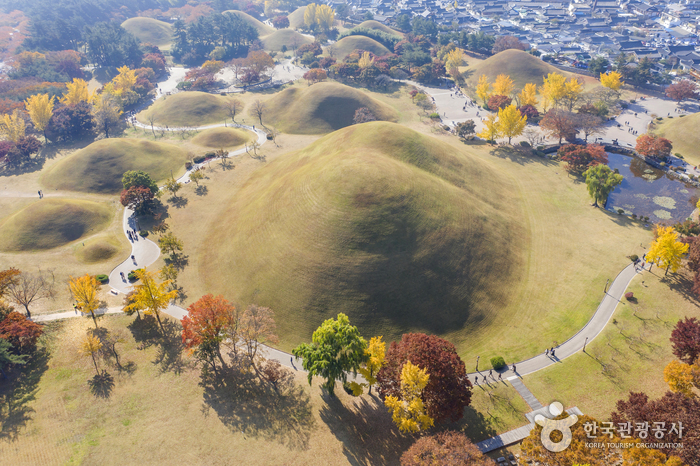
Gyeongju Travel Guide for First-Time Visitors
Gyeongju is Korea's open-air museum, the thousand-year capital of the Silla kingdom, where royal tomb mounds, a UNESCO temple, and an old observatory sit within easy reach. One full day covers the highlights; arrive by KTX to Gyeongju Station, which sits outside the historic center.
Gyeongju
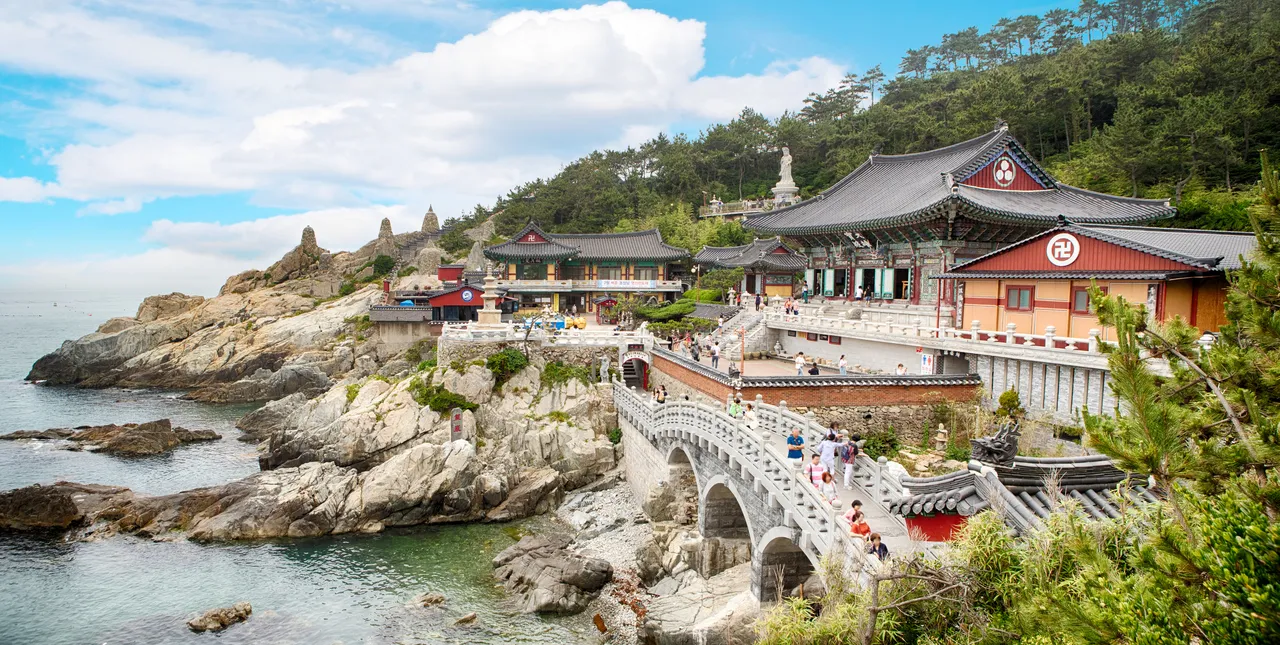
Haedong Yonggungsa Temple Guide: Hours, How to Get There & Tips for Foreign Visitors
Haedong Yonggungsa is a Buddhist temple on the rocky Gijang coast in northeast Busan, with halls and stairways set right above the sea. Entry is free, but parking is charged and two official sources disagree on the closing time, so plan to arrive early. Use the metro to Haeundae or Osiria and then a bus or taxi, and check the current bus number on a live map app.
BusanGijang
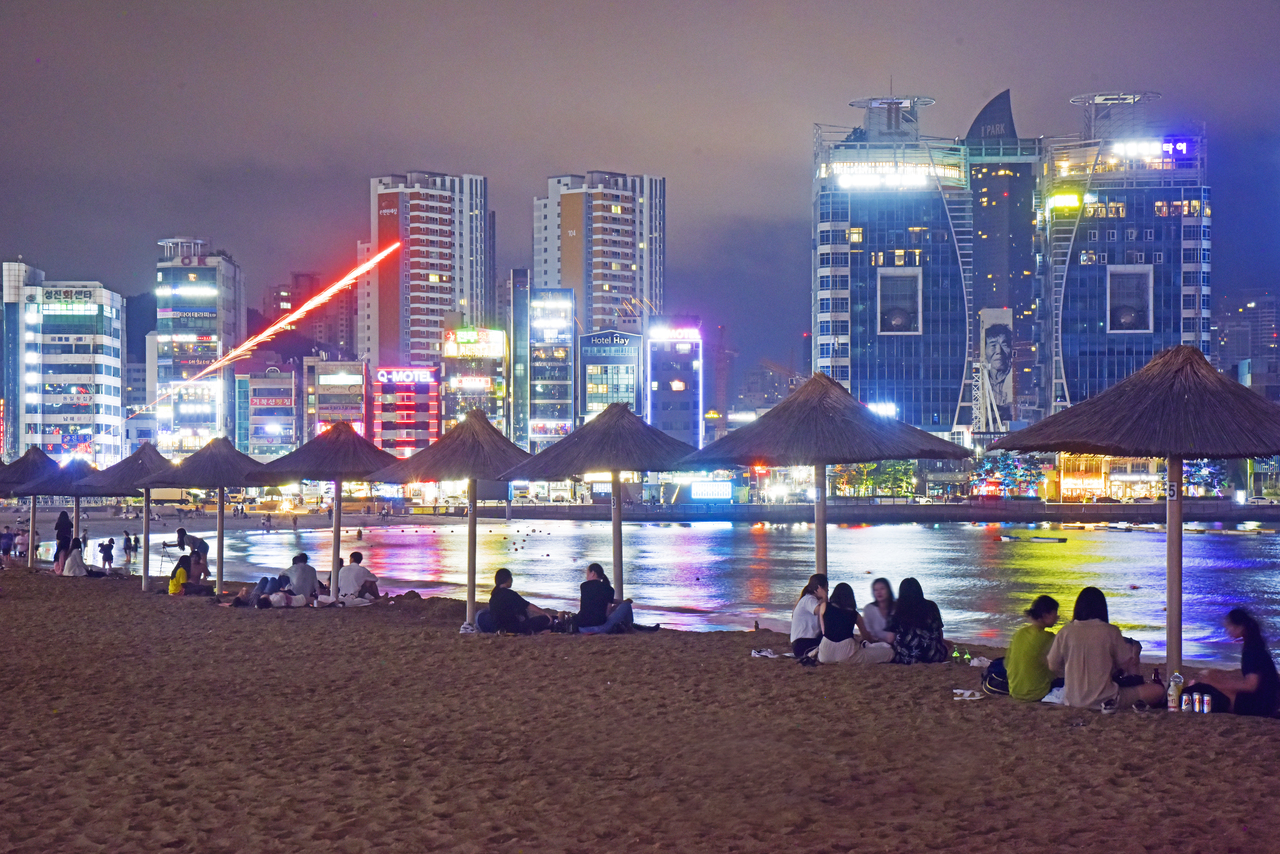
Haeundae vs Gwangalli: Where to Stay and What to Do in Busan
Both are Busan's headline beaches, a few minutes apart on Metro Line 2, so you can stay at one and still visit the other. Pick Haeundae for a classic resort-beach base with hotels, Blue Line Park, and an easy family pace; pick Gwangalli for the Gwangan Bridge night view, cafes and bars, and a livelier, social evening. This guide helps you choose and shows how to do both in a day.
BusanHaeundaeGwangalli
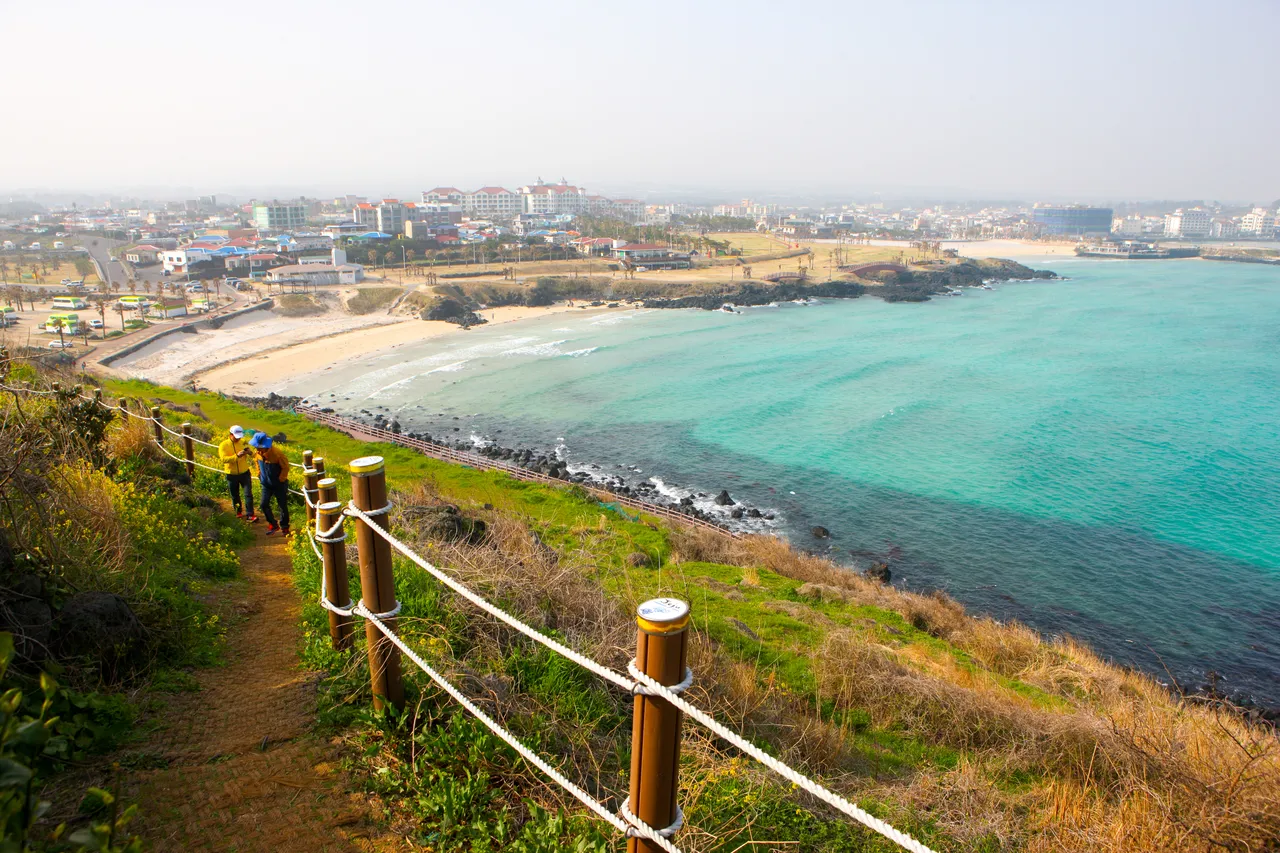
Hamdeok Beach Guide: Swimming, Seoubong, Parking & Northeast Jeju Travel Tips
Hamdeok Beach, also called Hamdeok Seoubong Beach, is one sand beach on Jeju's northeast coast with the Seoubong hill rising beside it. You can visit the shore at any time, but swimming belongs to the official summer season: in 2026 that ran June 24 to September 6, from 10:00 to 19:00, and Visit Jeju says nighttime swimming is not permitted. Parking exists, but I could not confirm a fee, so read the signs.
JejuJocheon
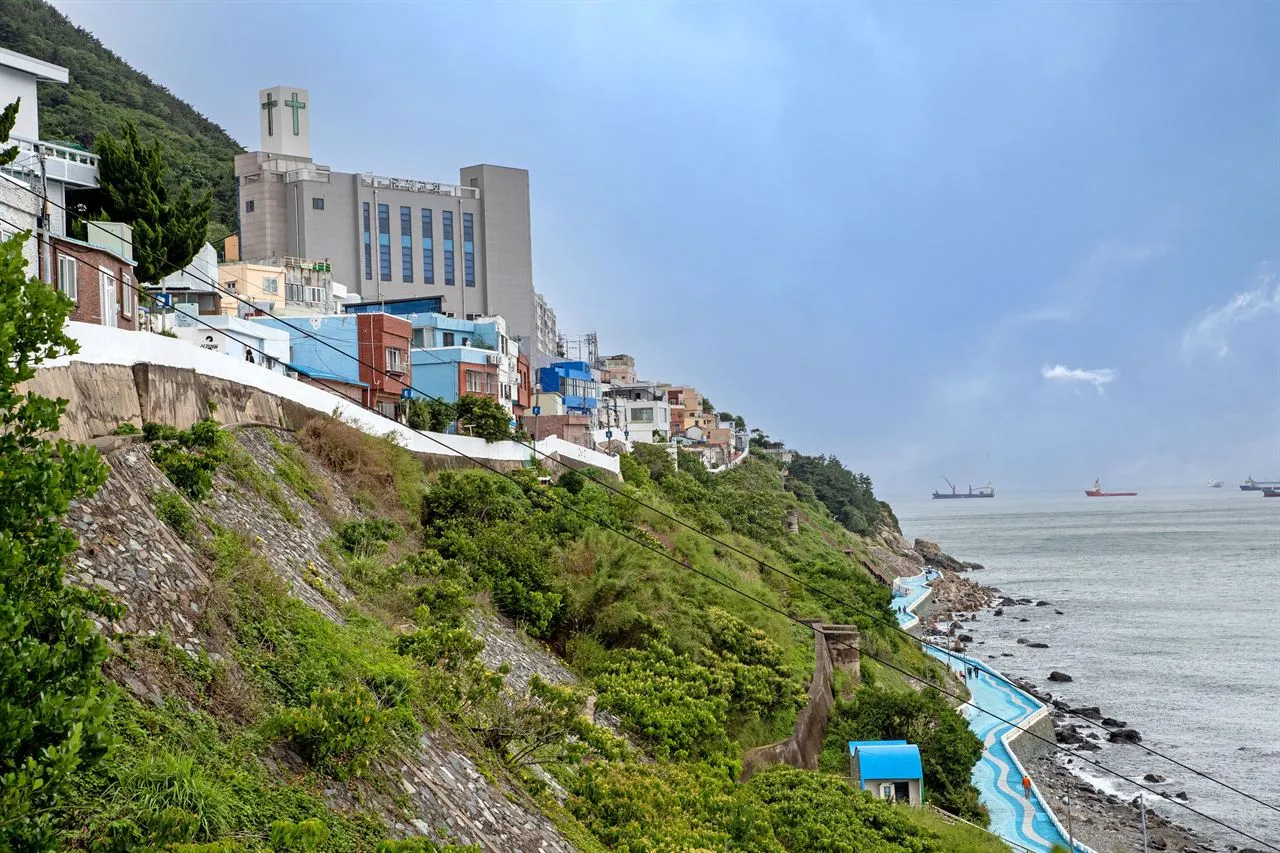
Huinnyeoul Culture Village Busan Guide: Coastal Walk, Tunnel, How to Get There & Tips for Foreign Visitors
Huinnyeoul Culture Village is a cliff-edge lane neighborhood in Busan's Yeongdo-gu where residents still live, with sea views over ships waiting at anchor. Entry is free and there is no gate. The seaside walkway below it and the Huinnyeoul Coastal Tunnel have been closed or restricted for slope works since December 2024, and the district's own timeline runs to 2027 and 2028. Most visitors take a city bus from Nampo Station or Busan Station, so confirm the route in a live map before you go.
BusanYeongdo-gu
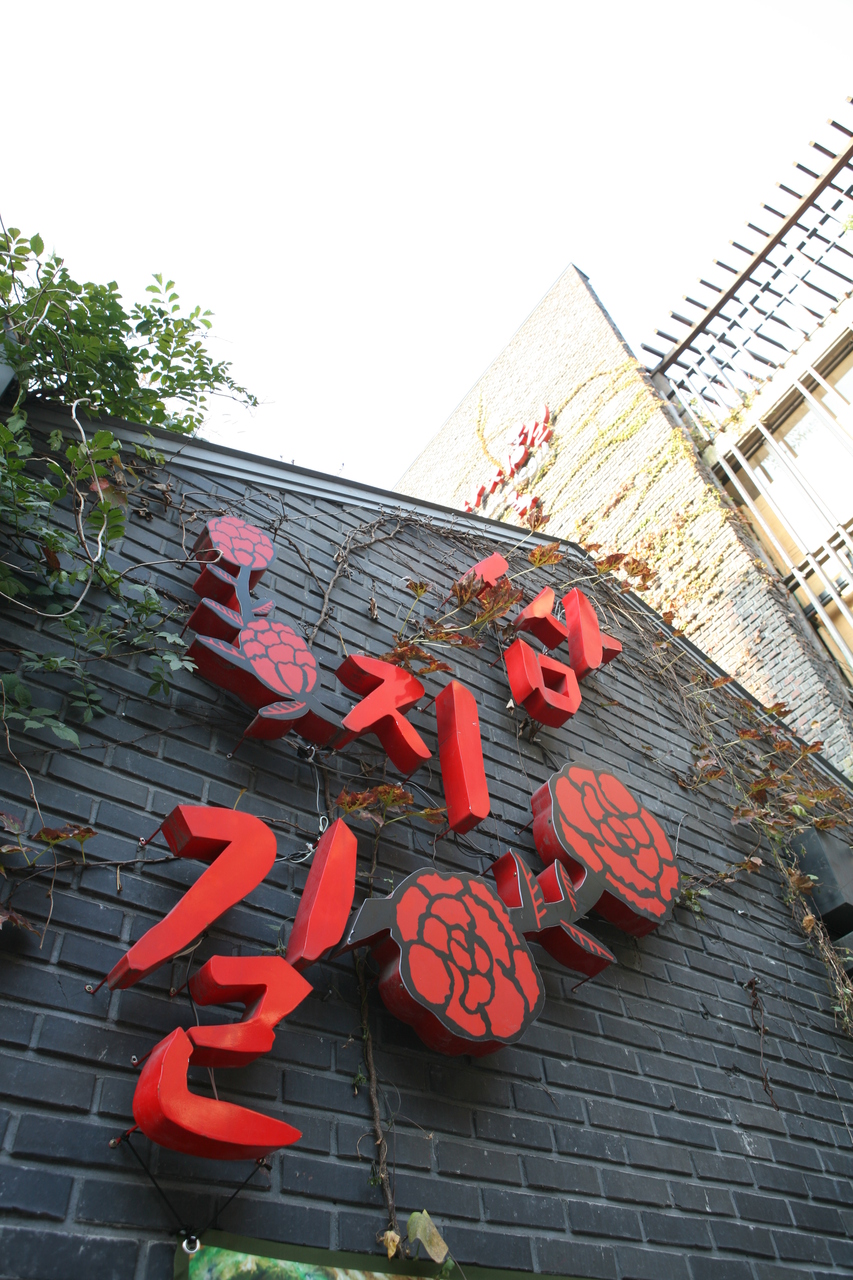
Insadong Guide: What to See, What to Buy, and a Walking Route
Insadong is a Jongno neighborhood around Insadong-gil, not a ticketed attraction. Start at Anguk Station (Line 3), Exit 6, walk the main street and side alleys, and stop at Ssamziegil, a free 2004 spiral craft mall. Shops and tea houses fill the lanes. It is a strong downhill finish after Bukchon, if you leave the Red Zone by 17:00.
Seoul
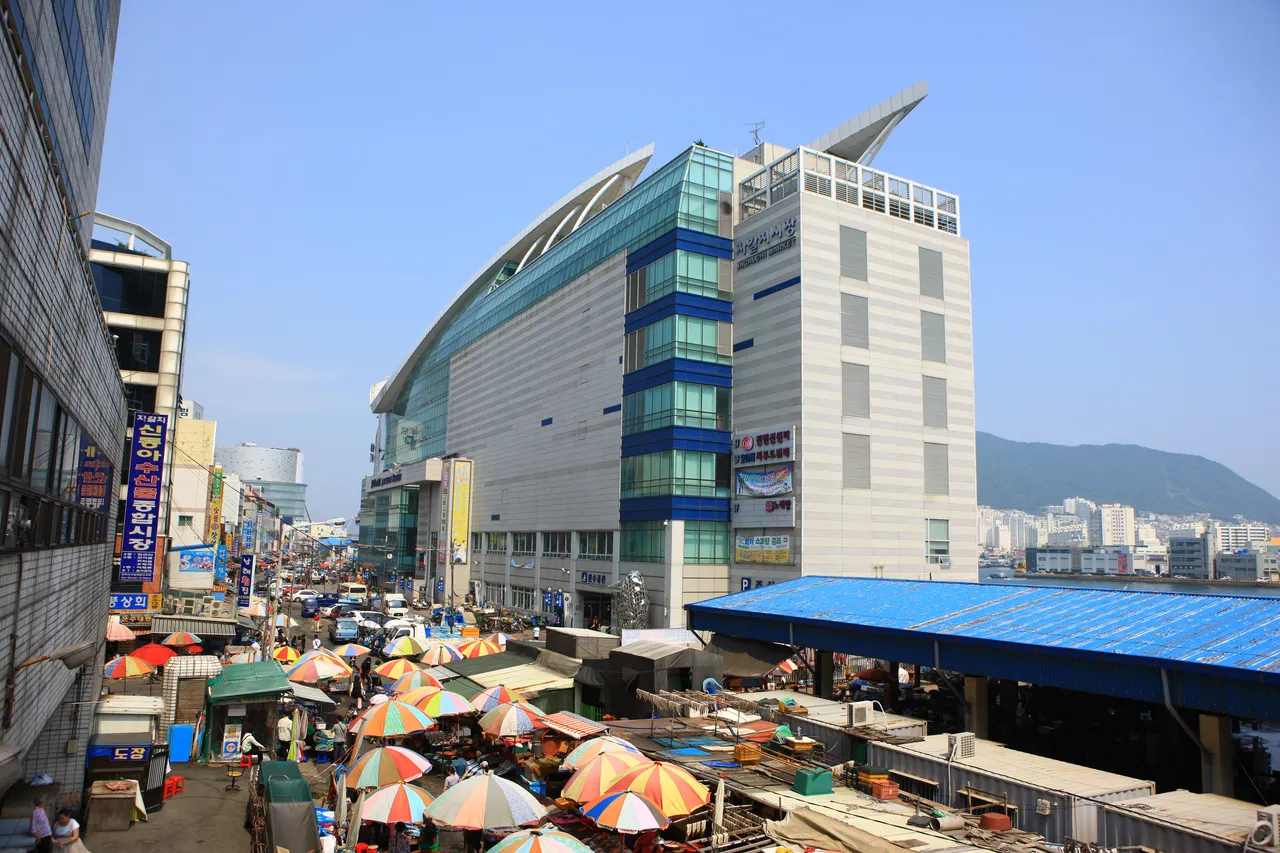
Jagalchi Market Busan Guide: Seafood, How to Order, Hours & Tips for Foreigners
Jagalchi is Busan's best-known seafood market, on the Nampo waterfront by Metro Line 1. The official market building has a seafood market on the first floor and a raw-fish center on the second, while the street stalls outside run like an ordinary traditional market. Official sources disagree on opening hours and on which Tuesdays are closed, and no source publishes fixed prices, so confirm weight, price and preparation before you order.
BusanNampo
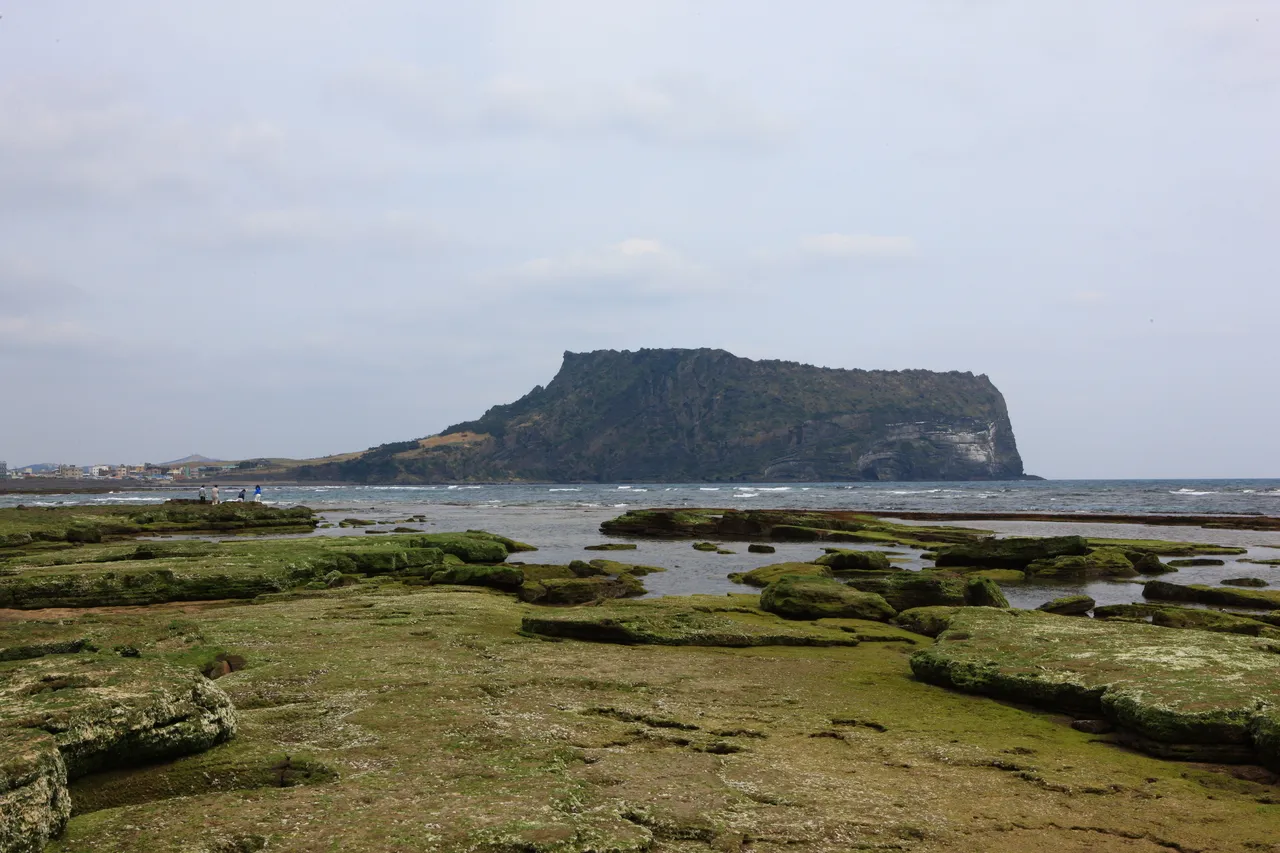
Jeju Island Travel Guide: Food, Hallasan, Olle Trails, Beaches, and Nature
Jeju is Korea's volcanic holiday island: a slower, nature-first counterpoint to Seoul and Busan, built around coastal drives, seafood and black pork, Hallasan, the Olle walking trails, and quiet beaches. Most visitors fly in, rent a car, and give it two to four days.
Jeju
Jeonju Travel Guide: Hanok Village, Bibimbap, Hanbok, and What to Eat
Jeonju is Korea's food-and-hanok city beyond Seoul: a slow, walkable trip built around the country's largest traditional hanok village, signature bibimbap, hanbok photos, and traditional markets. It works as a relaxed day trip or an easy one-night stay from Seoul.
JeonjuJeollabuk-do
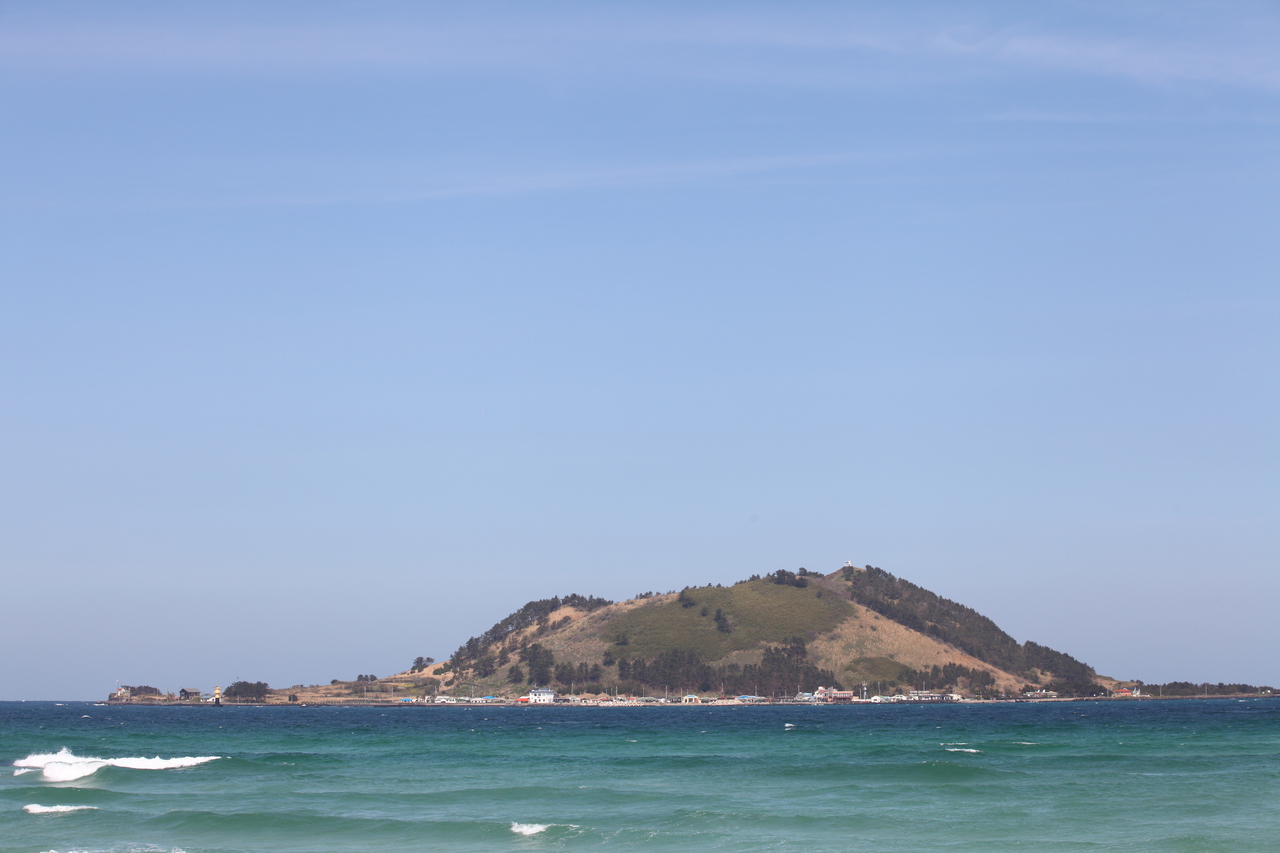
Top 5 Most Beautiful Beaches in Jeju Island: Photos, Map, and Travel Tips
Jeju's beaches really can look like the postcard photos (turquoise water, black volcanic rock, white sand) but not on every visit, since color and clarity shift with weather, tide, and light. This is TripKopia's own editorial ranking of five standout beaches, not an official government ranking: Hyeopjae for the classic black-rock-and-white-sand view, Hamdeok for the easiest access and liveliest scene, Woljeongri for wind-turbine views and café culture, Geumneung for a quieter low-tide sandbar right next to Hyeopjae, and Jungmun Saekdal for cliffs and surf. Which one is "best" really depends on what you're after (swimming, photos, a café afternoon, or a quiet walk) so treat the order as a starting point, not a verdict.
Jeju
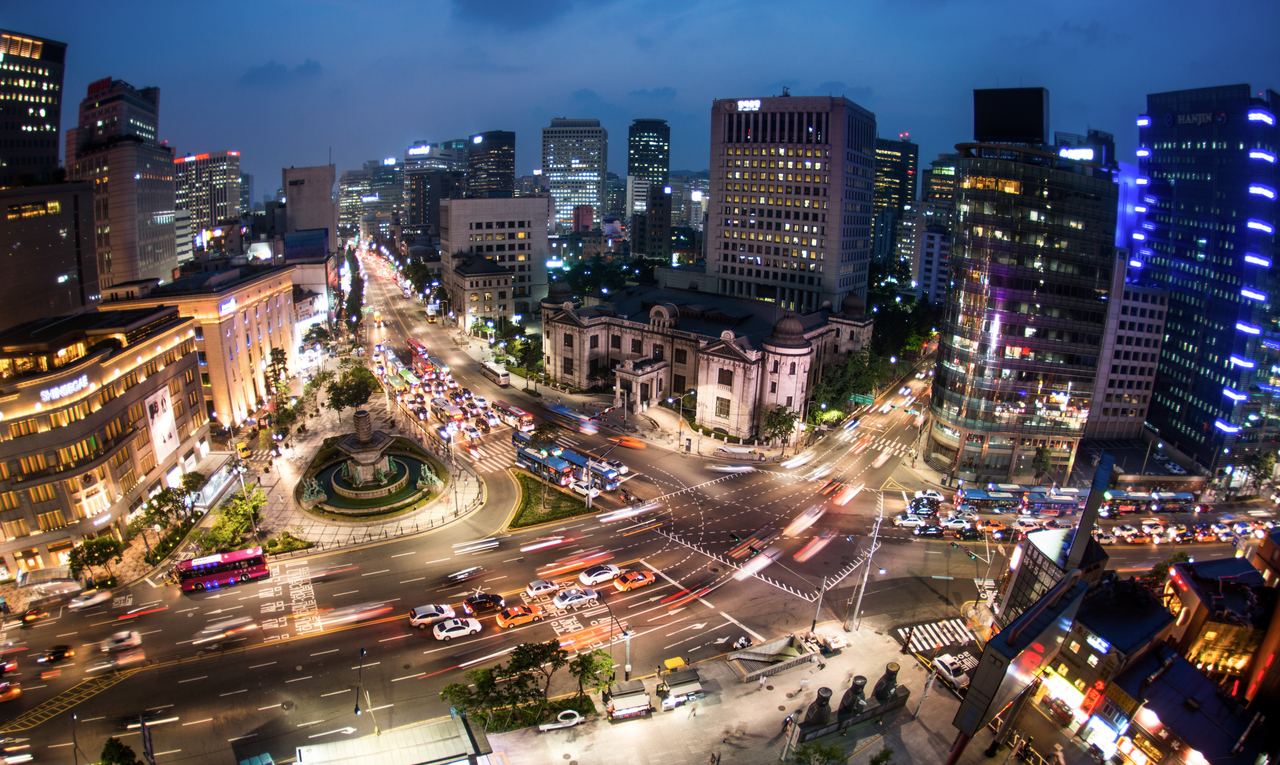
Myeongdong Seoul Guide for Foreigners: What to Do, Famous Restaurants, Shopping, and Souvenirs
Myeongdong is among the easier districts in Seoul for a first-time foreign visitor, but it's more than the K-beauty street it's known for. What to actually do there: the long-running restaurants worth a meal and what to order at each, Myeongdong Cathedral, the free Bank of Korea Money Museum, official Seoul souvenirs, character shops, street-food categories and what to check before ordering, and how to link the area with Namsan and Namdaemun Market. Shopping and tax-refund mechanics get a summary here and a full breakdown in our dedicated shopping guide.
SeoulMyeongdong
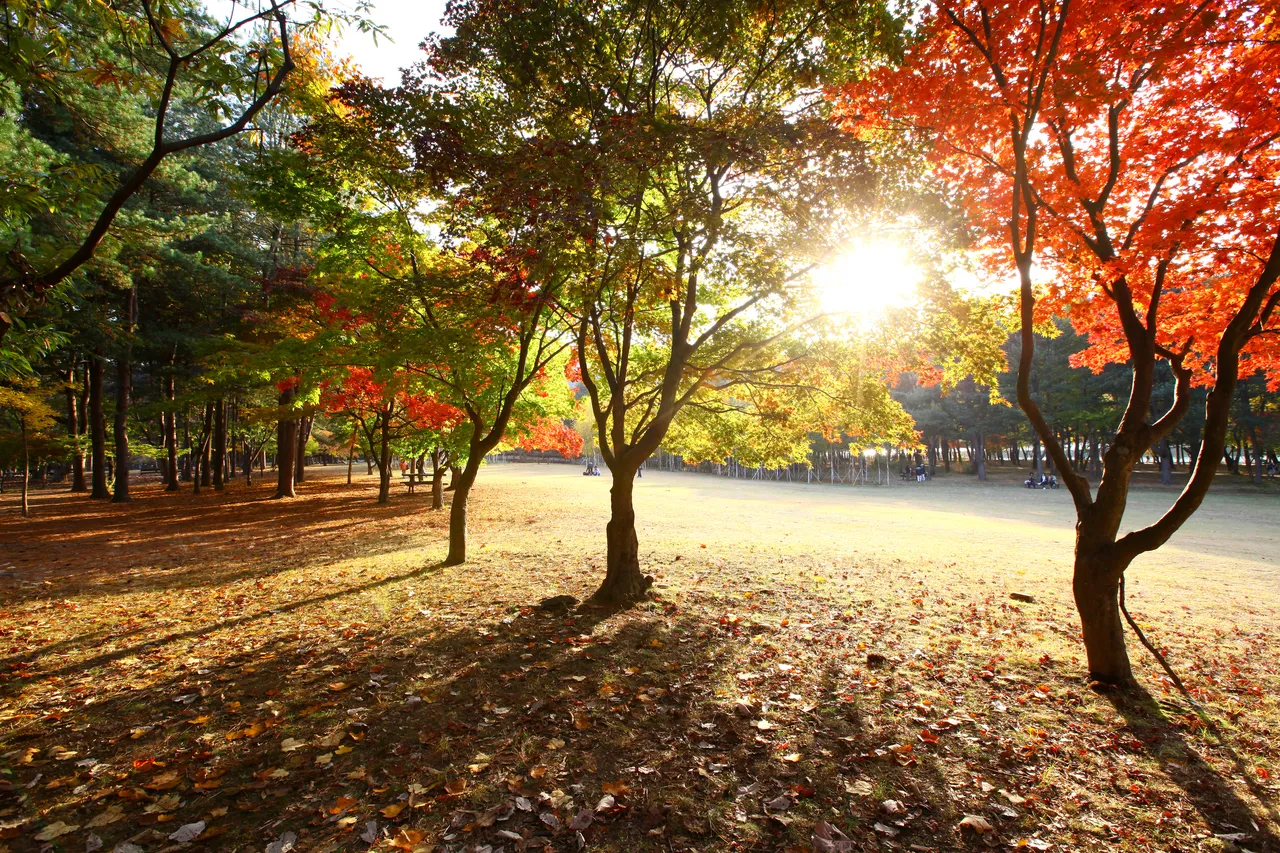
Nami Island Day Trip Guide: How to Get There from Seoul, Ferry, Tickets, and Best Route
Nami Island is Seoul's most famous day trip, and the only tricky part is the transport: it's a three-step journey, Seoul to Gapyeong Station, station to the wharf, then a short ferry to the island. This guide breaks down each leg (ITX-Cheongchun, the subway, taxis and the Gapyeong city-tour bus), explains the ticket-includes-ferry system, and lays out the best route by traveler type. Timetables and prices change, so confirm current details with the official Nami Island and KORAIL sources before you travel.
Gapyeong
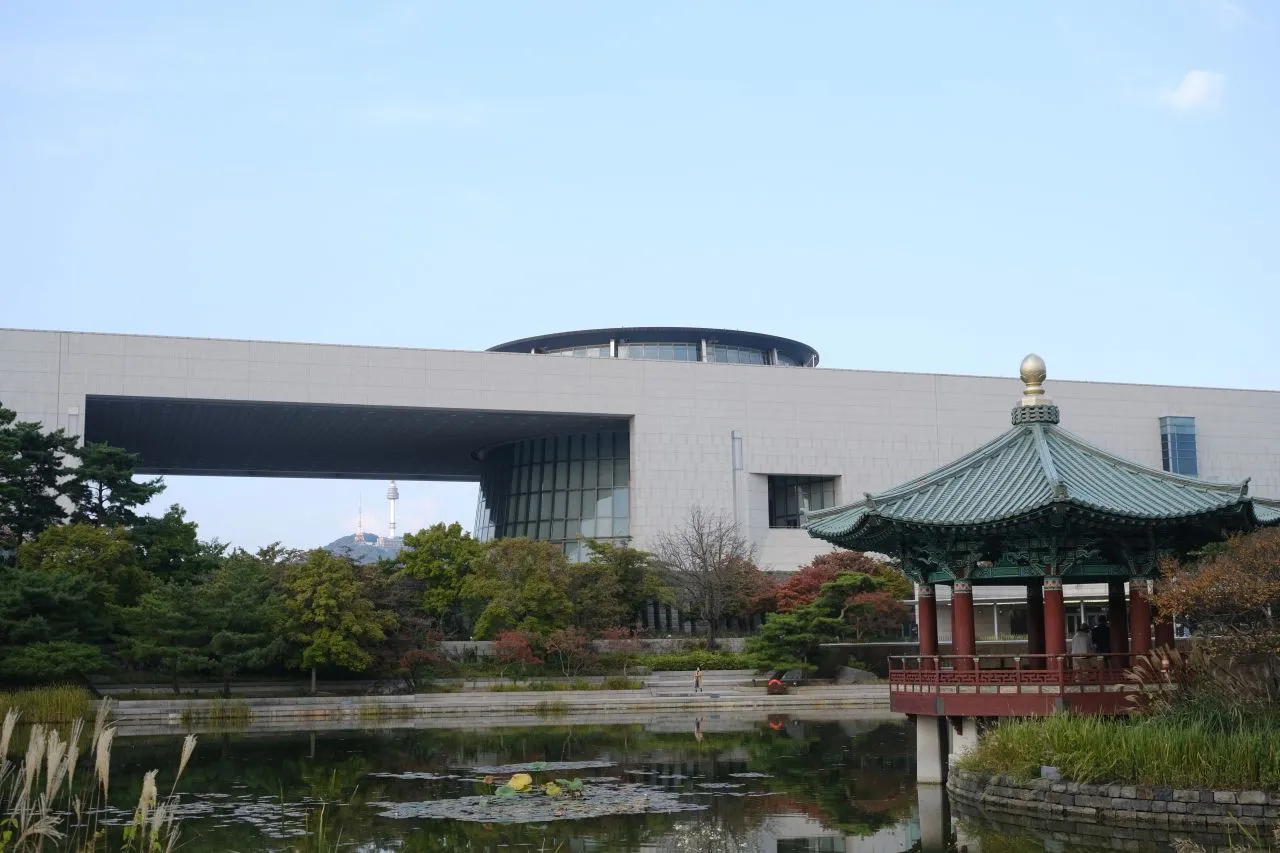
National Museum of Korea Guide: Why It's Trending, What to See, Museum Shop, and How to Visit
The National Museum of Korea in Yongsan is one of Seoul's most rewarding stops: a beautiful, calm, and (for now) free indoor attraction that has become genuinely trendy for its Room of Quiet Contemplation, its photogenic architecture, and its MU:DS museum-shop goods. This guide is a practical visitor briefing, not an academic tour: why it's popular, what to see first, the museum shop, and how to get there from Ichon Station. Hours, special- exhibition fees, and shop stock change, so check the official museum website before you visit.
Seoul
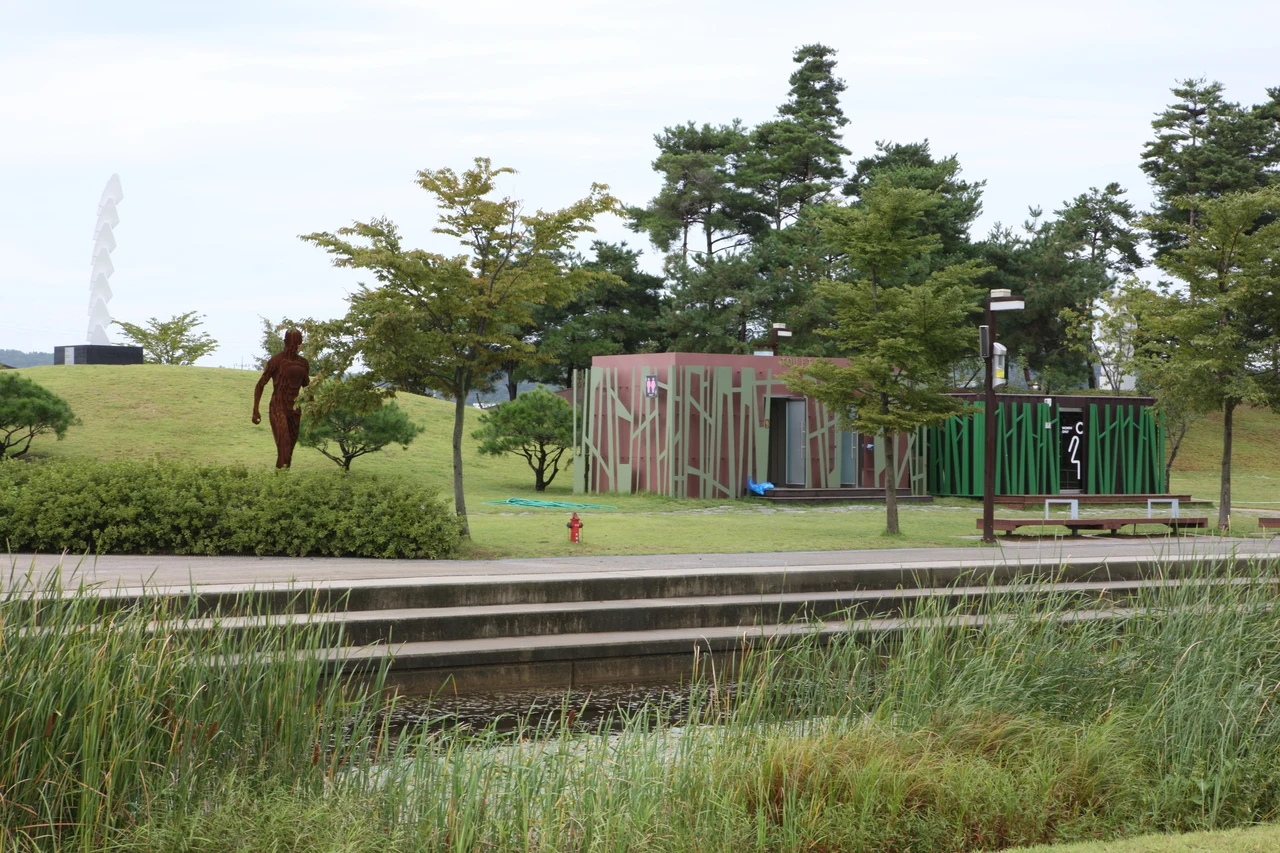
Paju Travel Guide: DMZ Access, Heyri, Book City and Getting There from Seoul
Paju is worth a day from Seoul if you pick one cluster and plan the last mile. Treat Imjingak's public Peace Park, the official controlled DMZ tour, Heyri Art Village, Paju Book City, and outer nature stops as separate trips, not one walkable district. GTX-A reaches Unjeong Jungang Station fast, but it does not drop you at the DMZ, Heyri, or a lake trailhead. Bookings, IDs, and seasonal City Tour details change, so confirm the operator pages for your date.
PajuGyeonggi-do
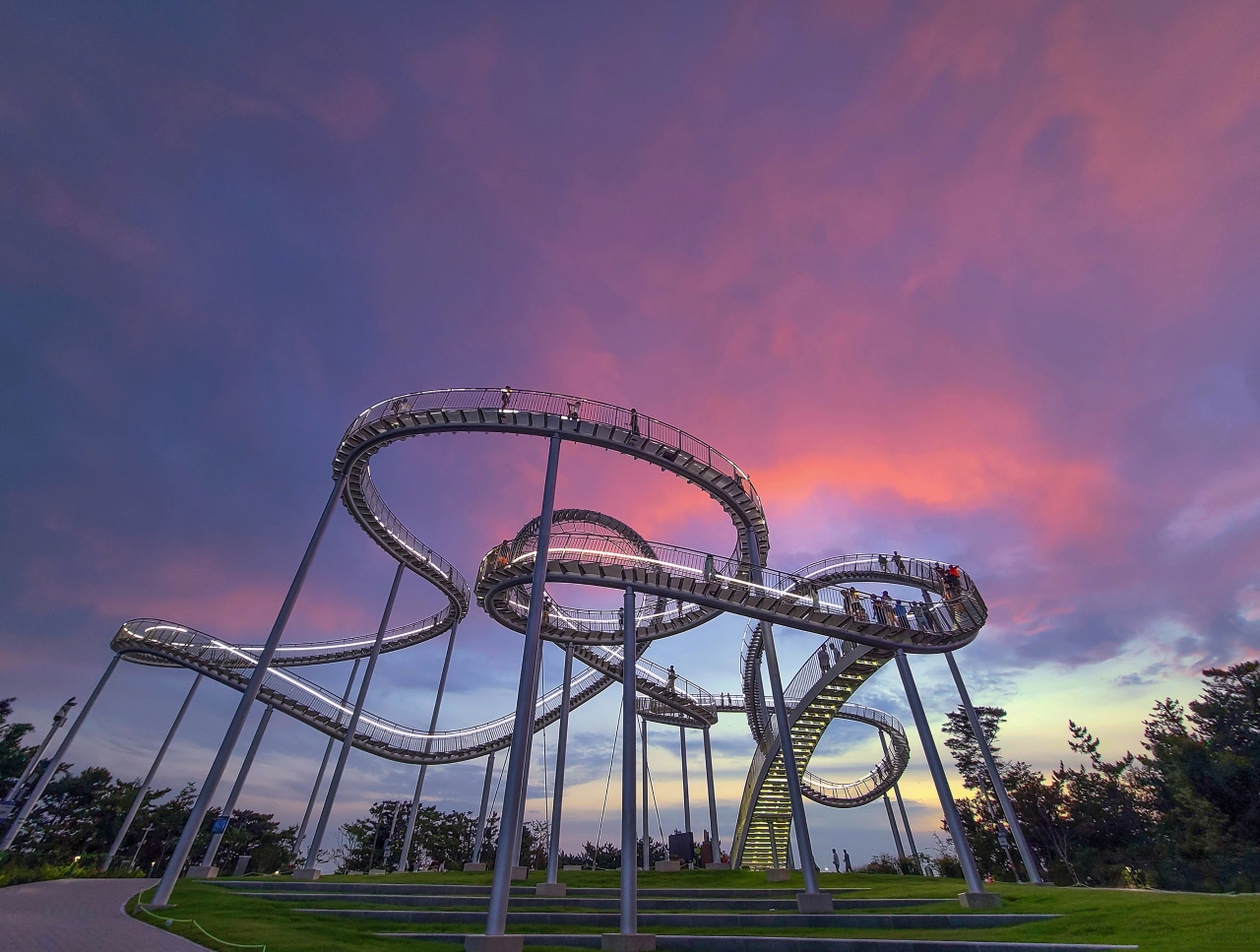
Pohang Travel Guide: KTX, SRT, Space Walk & Homigot
Pohang is an East Sea city you can reach from Seoul by high-speed rail in roughly two and a quarter hours, arriving at Pohang Station. The catch is that the station sits well north of the waterfront, and the coast splits into two clusters: Yeongildae and Space Walk close to the city, Guryongpo and Homigot much further southeast. A day trip covers the first cluster comfortably. Reaching the second one usually means an overnight, a taxi, or an organized tour.
PohangGyeongsangbuk-do
Seongsan Ilchulbong Guide: Sunrise, Hike, Tickets & How to Get There
Seongsan Ilchulbong is a volcanic cone on Jeju's east coast, part of the island's UNESCO World Natural Heritage property. The summit trail is paid and steep, takes roughly 30 to 40 minutes up, and opens before sunrise on every date under the current official hours. Hours and fees change, so confirm them on the official page and look up the sunrise time for your own date.
JejuSeongsan
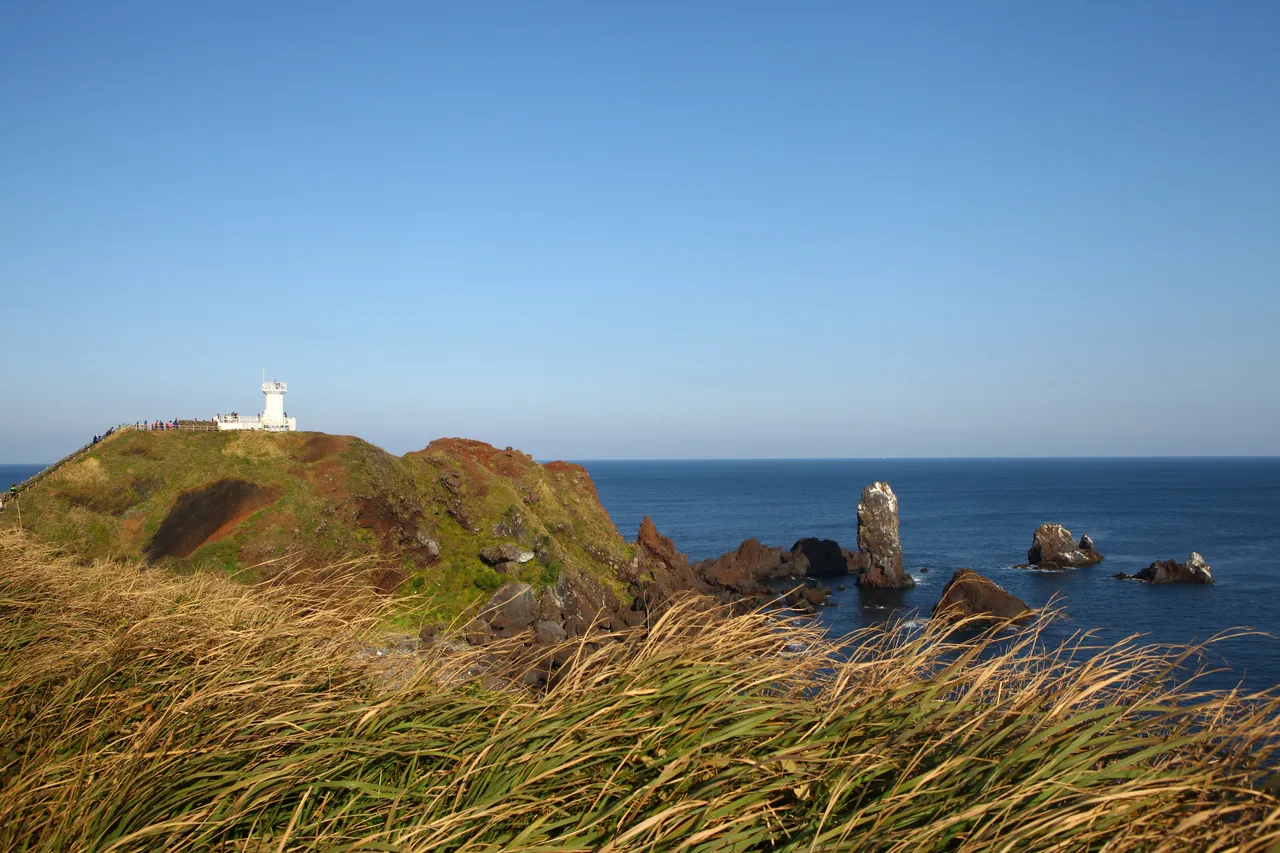
Seopjikoji Guide: Coastal Walk, Seongsan Views & How to Visit
Seopjikoji is a coastal headland on Jeju's east coast with a walking path, grassland, sea cliffs and a lighthouse hill, and Seongsan Ilchulbong appears across the water. The official page lists it as open year-round with no admission fee, but parking is paid and the resort and commercial buildings nearby keep their own hours. Plan roughly 30 minutes for a quick look or 1.5 to 2 hours for a relaxed walk.
JejuSeongsan

Seoul Olympic Park Guide: What to See, Subway Entrances & Walking Routes
Olympic Park in Songpa is a free, oversized 1988 Olympic campus: walking paths, outdoor sculpture, Baekje earthworks, and concert venues share one site. Station choice is the planning decision. World Peace Gate and SOMA sit toward Mongchontoseong and Hanseong Baekje stations; KSPO DOME sits toward Olympic Park Station. A short photo stop can take about 60 to 90 minutes. A half day is better if you want the fortress walk plus art. The Lone Tree is not at the subway door.
SeoulSongpa
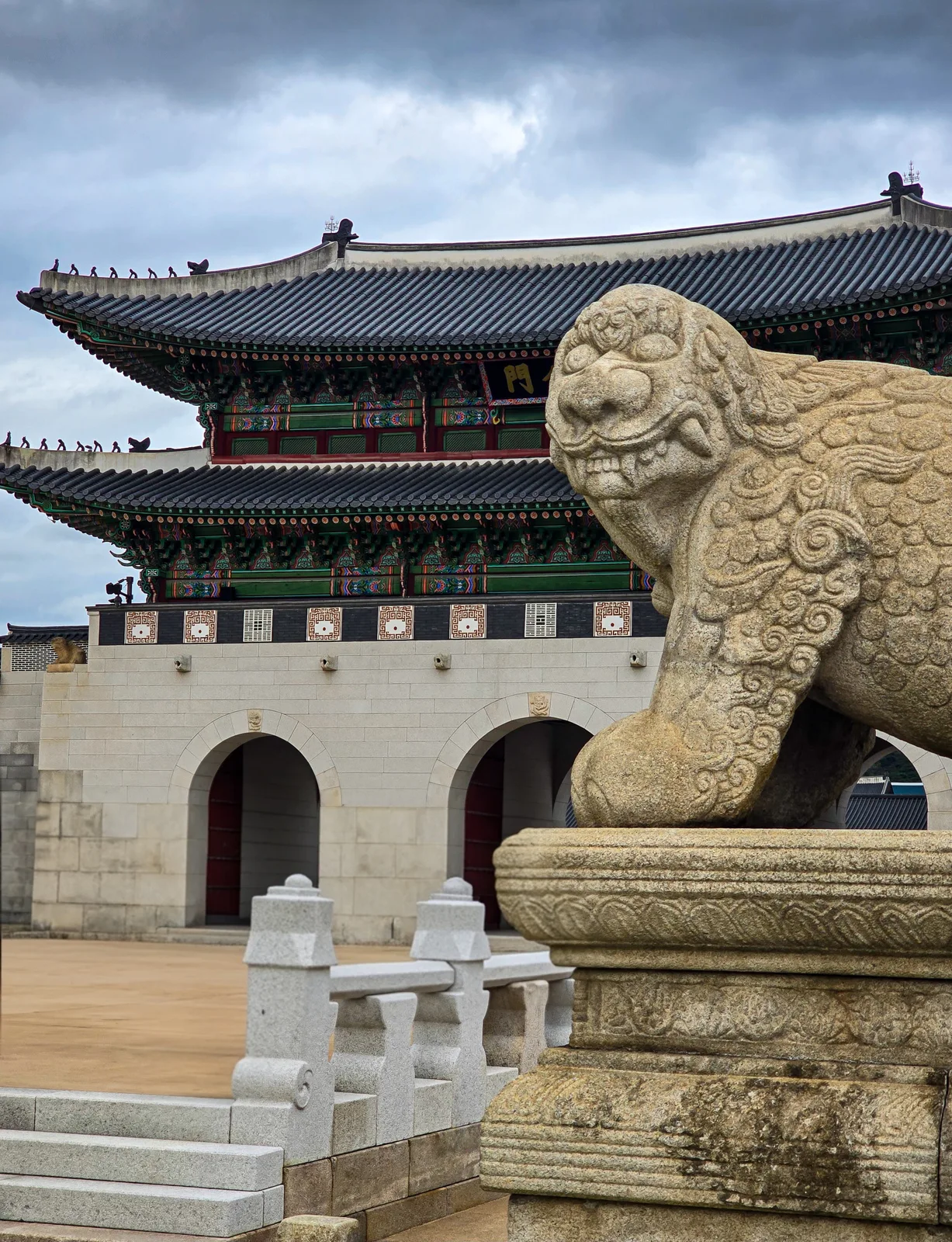
Seoul Travel Guide for First-Time Visitors
Seoul is Korea's capital and a fast, layered city where 600-year-old palaces sit beside high-tech districts. Most visitors give it three to four days, arrive via the airport railroad, and base themselves centrally to ride the excellent subway.
Seoul
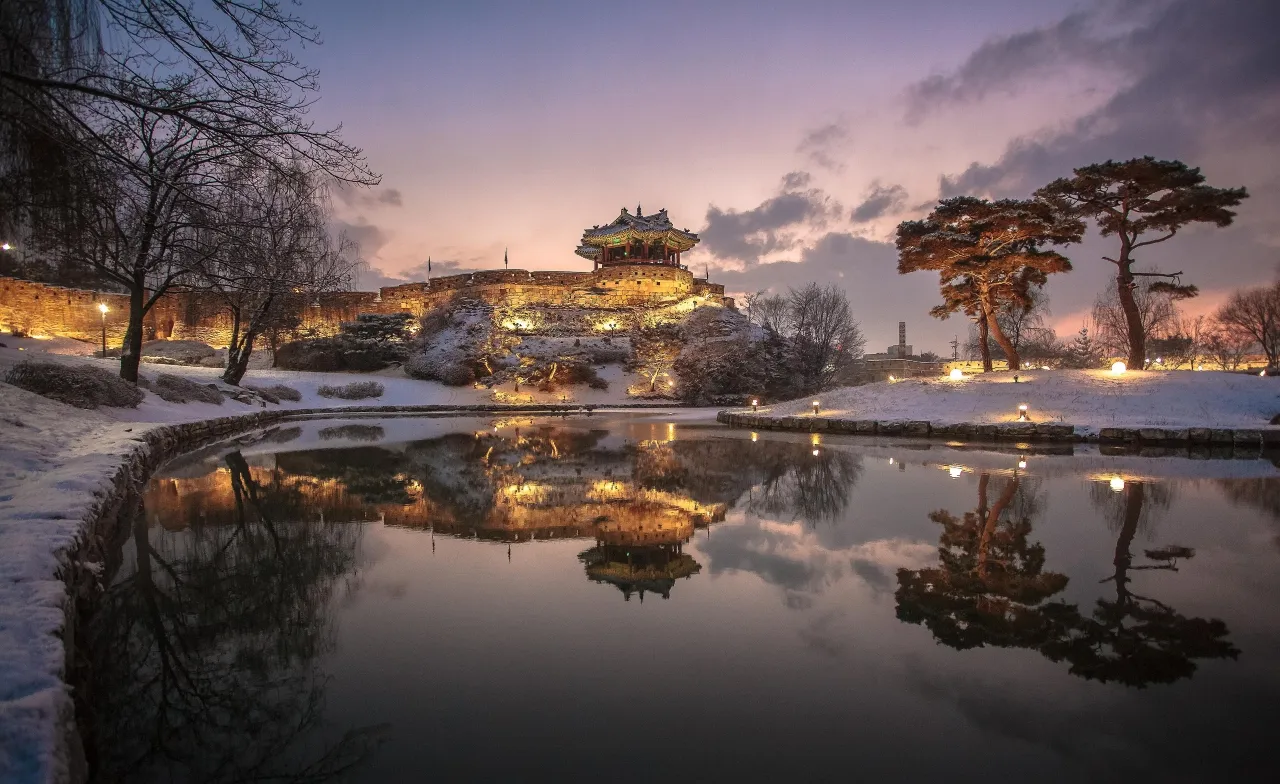
Suwon Hwaseong Day Trip from Seoul: Fortress, Food & Night Views
Take Line 1 or a Korail train to Suwon Station, then a local bus or taxi to the Hwaseong core, because the station is not at the fortress. The walls are free to enter, while Hwaseong Haenggung has its own ticket and hours. You do not need to walk the full 5.7 km: a highlights route fits half a day, and Haenggung, a galbi meal, and an evening wall walk fill a full one.
SuwonGyeonggi-do
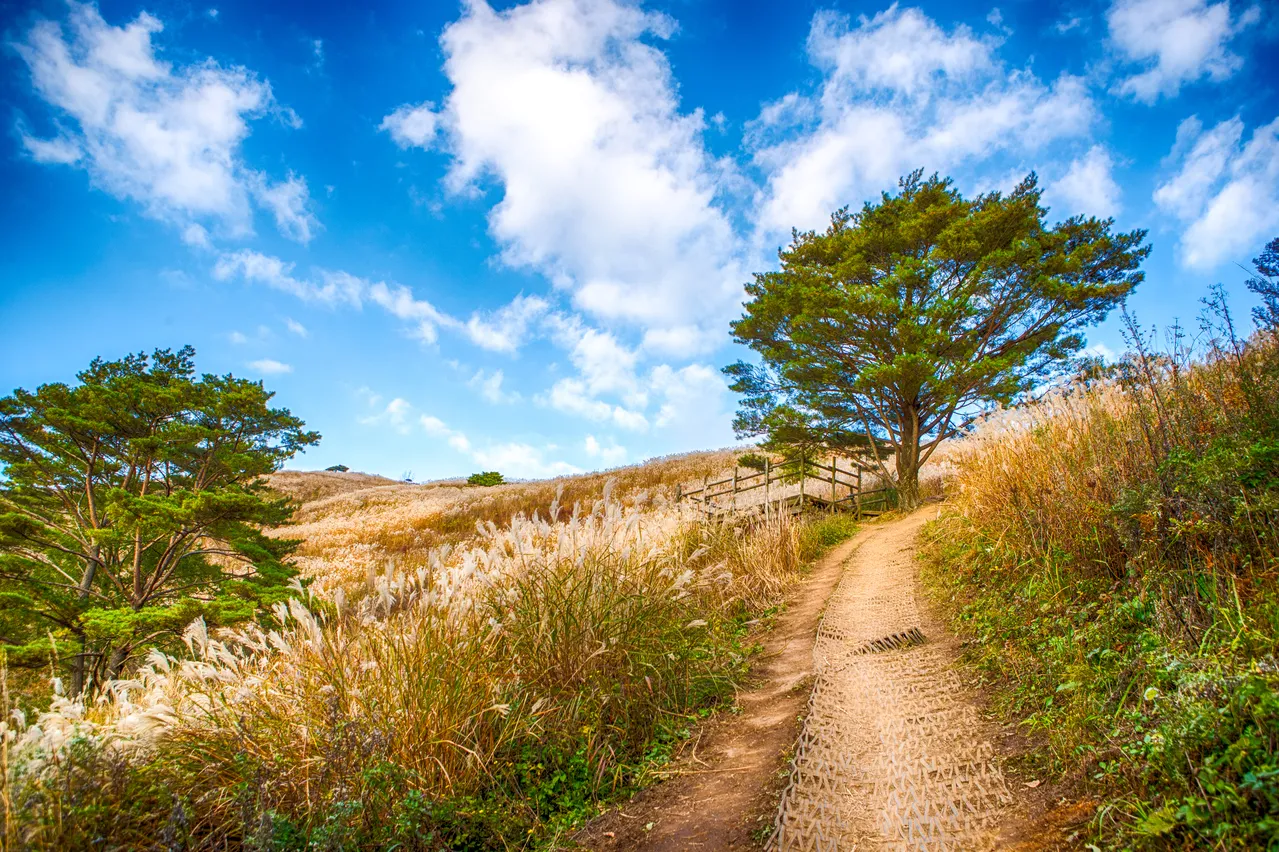
Taebaek & Jeongseon Travel Guide: Korea's Mountain Highlands
Taebaek and Jeongseon are Korea's mountain highlands in Gangwon: a slower, off-the-beaten-path trip built around Taebaeksan's winter snow, Mindungsan's autumn silver grass, coal-mining history, the High1 resort area, traditional markets, and hearty local food like mul-dakgalbi. Plan one or two nights and aim for one or two things a day.
TaebaekJeongseonGangwon-do
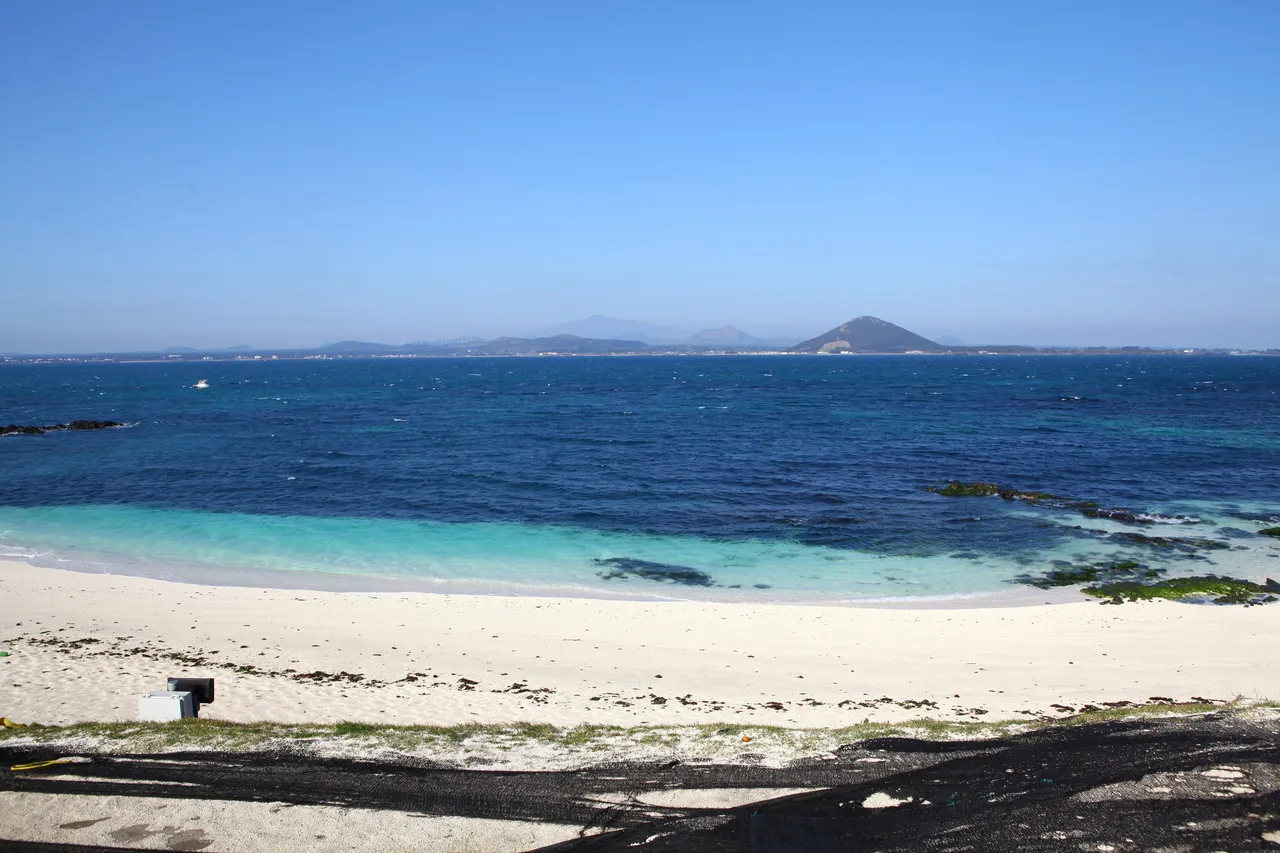
Udo Island Guide: Ferry, Beaches, Getting Around & a Day Trip Plan
Udo is a small island just off Jeju's east coast, reached by a short ferry from Seongsan Port or Jongdal Port. Most visitors go as foot passengers, bring a passport for the boarding ID check, and get around by bicycle, pedal-assist e-bike, a permitted electric vehicle or on foot. Vehicle rules are strict and change, so confirm them before you rely on a rental car or a two-wheeler.
JejuUdo
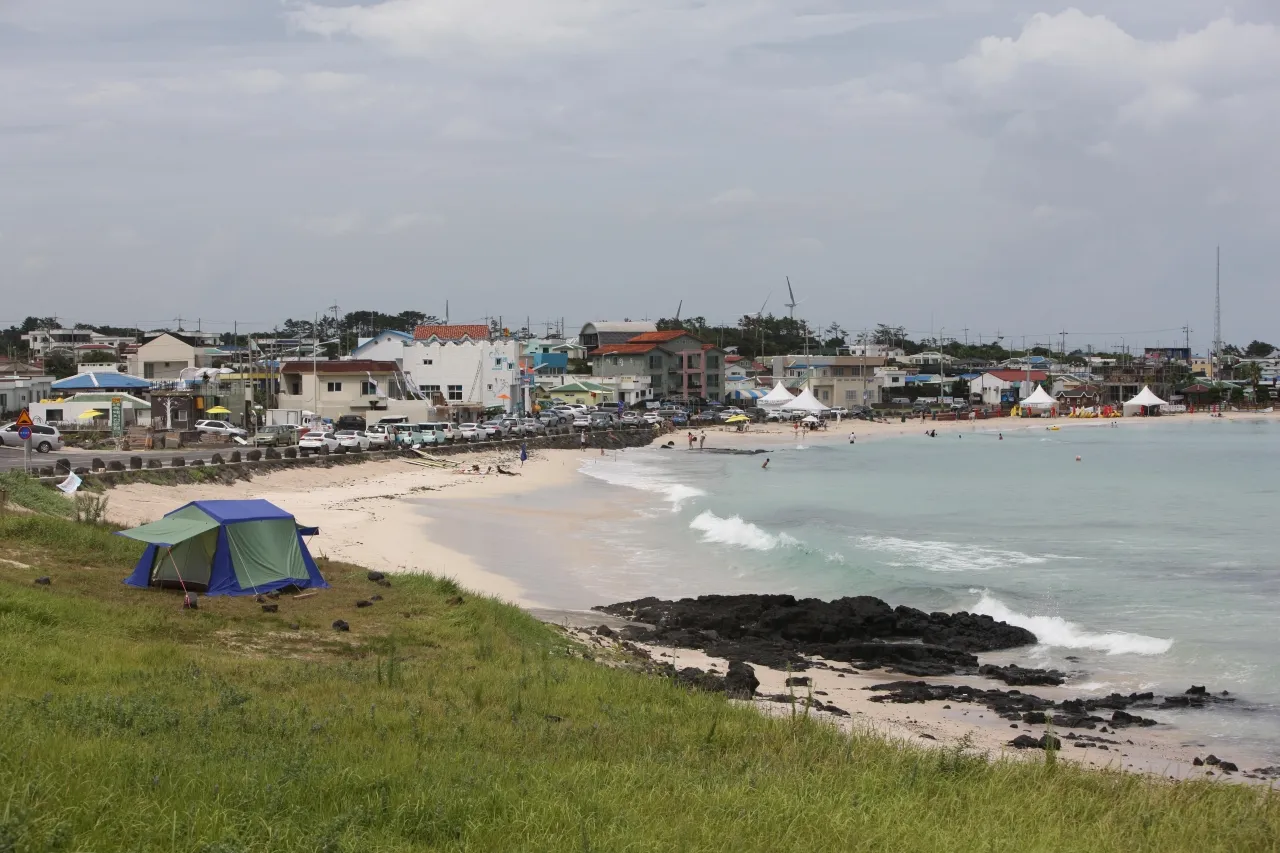
Woljeongri Beach Guide: Swimming, Cafes, Parking & East Jeju Travel Tips
Woljeongri is a beach and cafe village on Jeju's northeast coast, about 17 km from Seongsan Ilchulbong in a straight line. You can walk on the beach at any time, but swimming belongs to the official summer season: in 2026 the province ran it from June 24 to September 6, and other years need a check. VisitKorea lists on-site parking, but I could not confirm a fee, so read the signs.
JejuGujwa
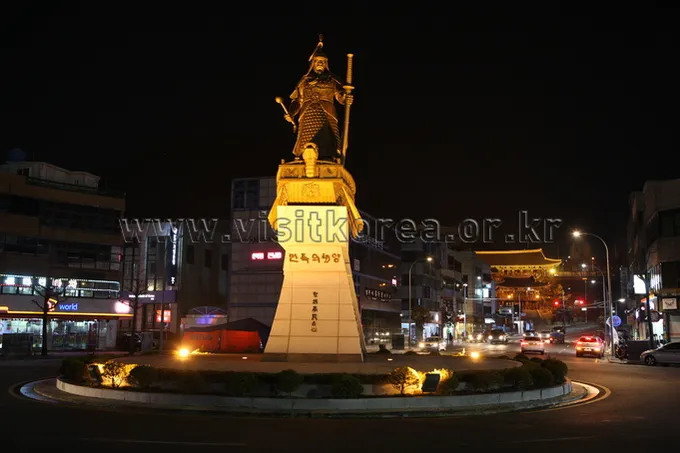
Yeosu Travel Guide: KTX, Night Sea, Food & What to Do
Yeosu is a southern port city known for its night sea, seafood, and island coastline. Most visitors arrive at Yeosu Expo Station by KTX from Yongsan or by SRT from Suseo, then use taxis and buses for Dolsan and Hyangiram. One night covers the waterfront and cable car. Two nights leave room for Hyangiram without rushing. Confirm current train times and attraction hours before you lock the plan.
YeosuJeollanam-do

Lotte Hotel World Seoul: Rooms, Photos, Lotte World Access, and the Airport Bus
Lotte Hotel World sits inside the Jamsil complex in Songpa, directly connected to Lotte World and Lotte World Mall, with Jamsil Station on Lines 2 and 8 at the door. It suits families, theme-park trips, and itineraries that lean toward Gangnam and the southeast. It is a commute from the palace district. Room types, facilities, and who should book elsewhere are below.
Seoul
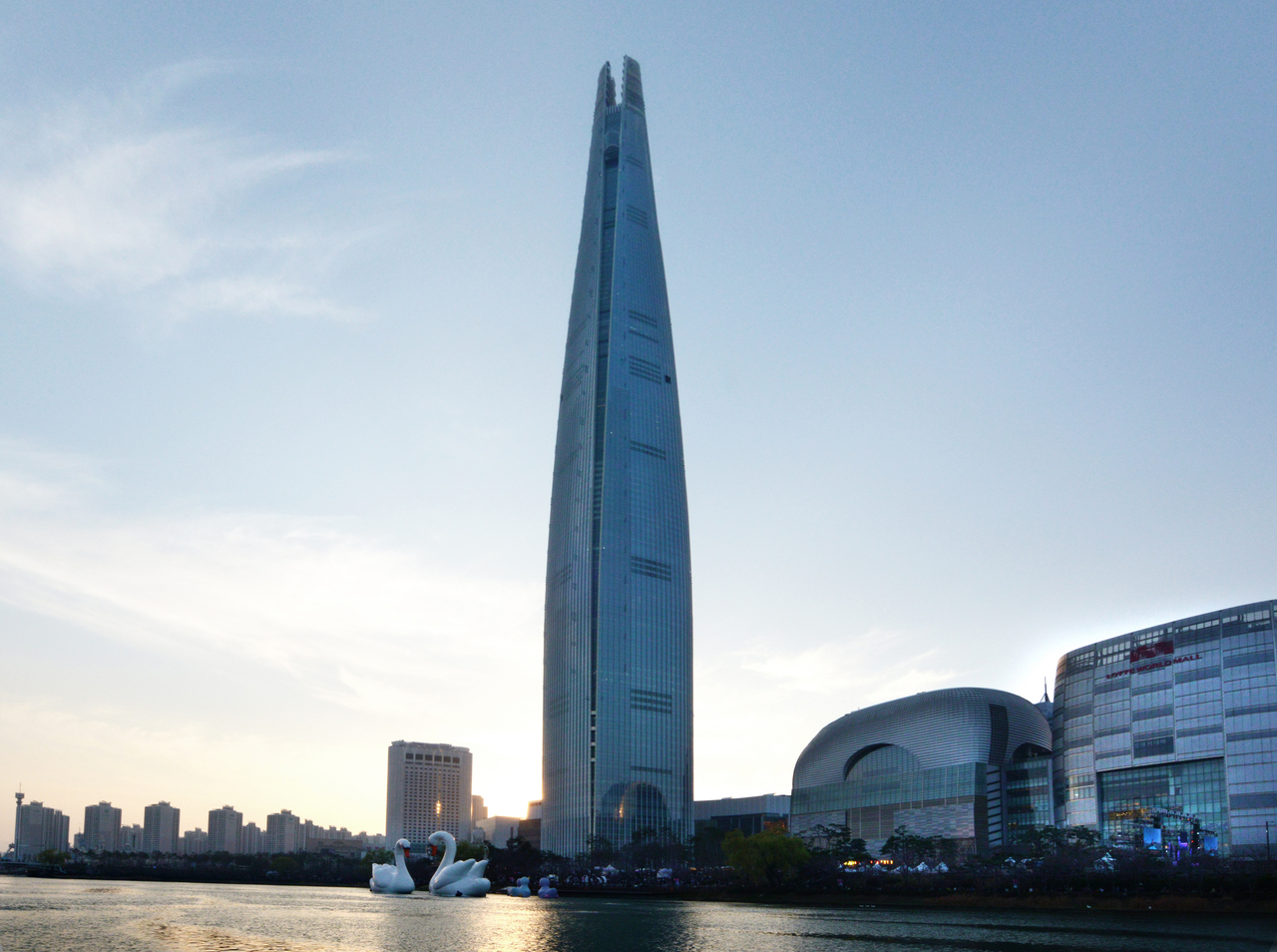
Signiel Seoul: Rooms, Lotte World Tower Views, and Who It Suits
Signiel Seoul is the hotel on floors 76 to 101 of Lotte World Tower in Jamsil, with Jamsil Station on Lines 2 and 8 below. It suits couples, view-focused stays, and trips weighted toward Jamsil and Gangnam. Families should read the occupancy and age rules first, because the entry rooms take no extra beds.
Seoul
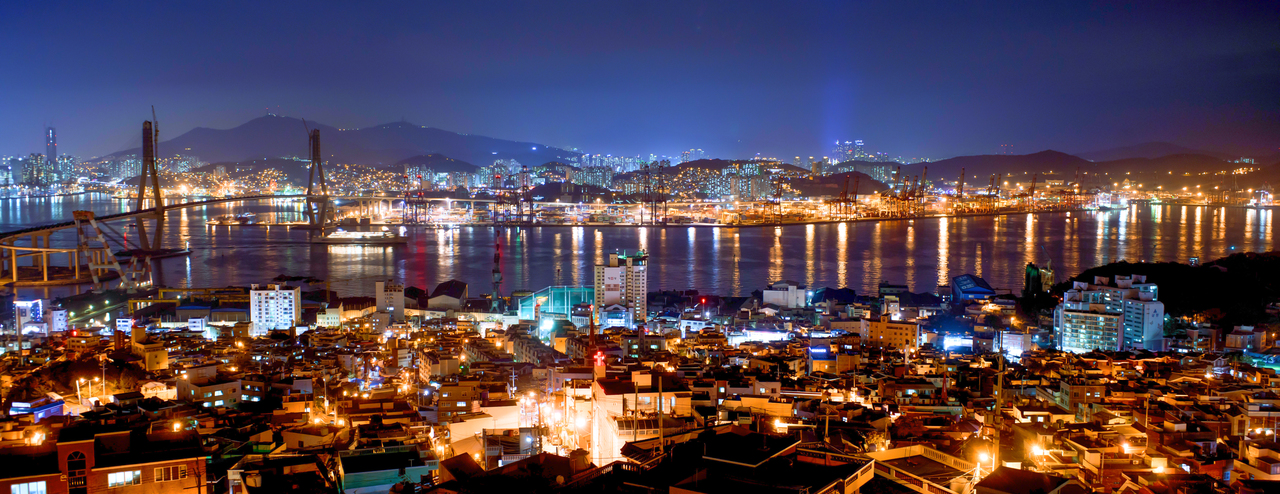
Where to Stay in Busan: Best Areas for First-Time Visitors
The easiest way to choose where to stay in Busan is to decide between the east-coast beaches (Haeundae, Gwangalli, Centum) and the old downtown around Nampo and Busan Station, with Seomyeon as the central transit balance. This guide compares nine areas with pros, cons, and stay/skip notes, and helps you pick the base that fits your route, including arriving by KTX from Seoul.
Busan
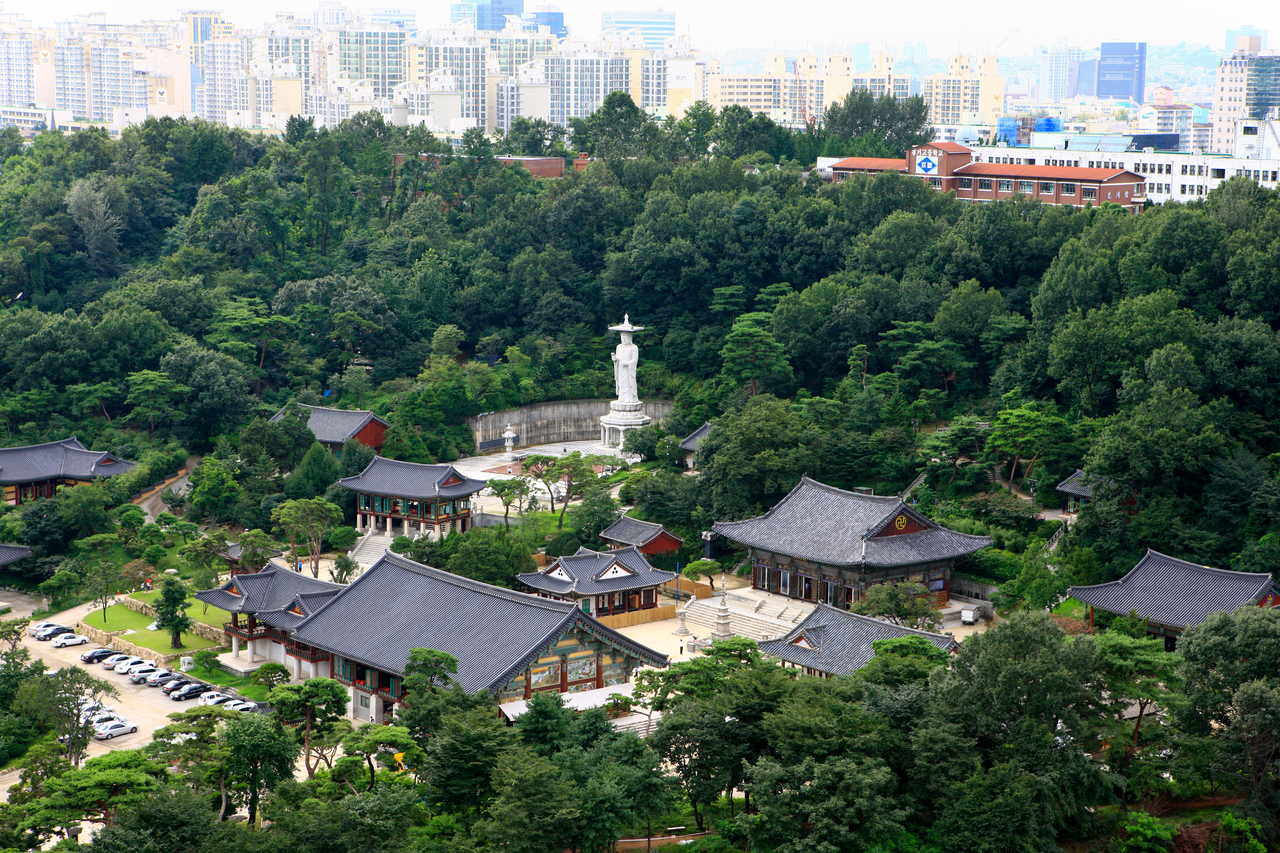
Where to Stay in Gangnam: Beauty, Business, Shopping, and Modern Seoul
Gangnam isn't one place. It's a cluster of districts south of the Han River, each with a different purpose: Gangnam Station, Samseong/COEX, Apgujeong and Cheongdam, Sinsa and Garosu-gil. It's modern Seoul for shopping, business, and upscale dining. This guide breaks down the sub-areas, who should stay, and what to check, so you book the right part of "Gangnam."
Seoul
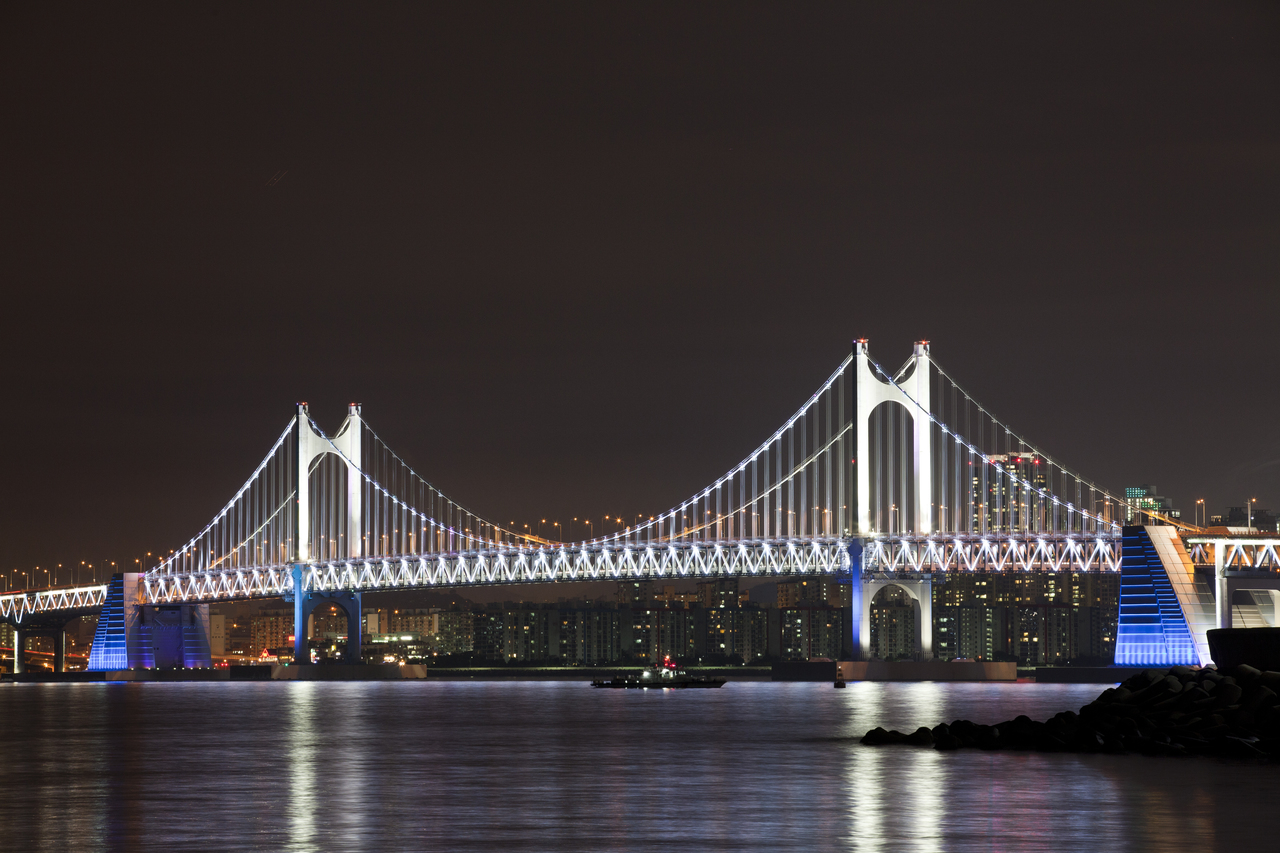
Where to Stay in Gwangalli: Night Views, Cafés, and Gwangan Bridge
Gwangalli is Busan's night-view beach: the Gwangan Bridge lit across the bay, a long café-and-bar strip, and a younger, social mood. It's the couples-and- nightlife counterpart to Haeundae. The sub-areas, who each one suits, and one booking trap are below: a bridge view and a beach view are not the same thing.
Busan
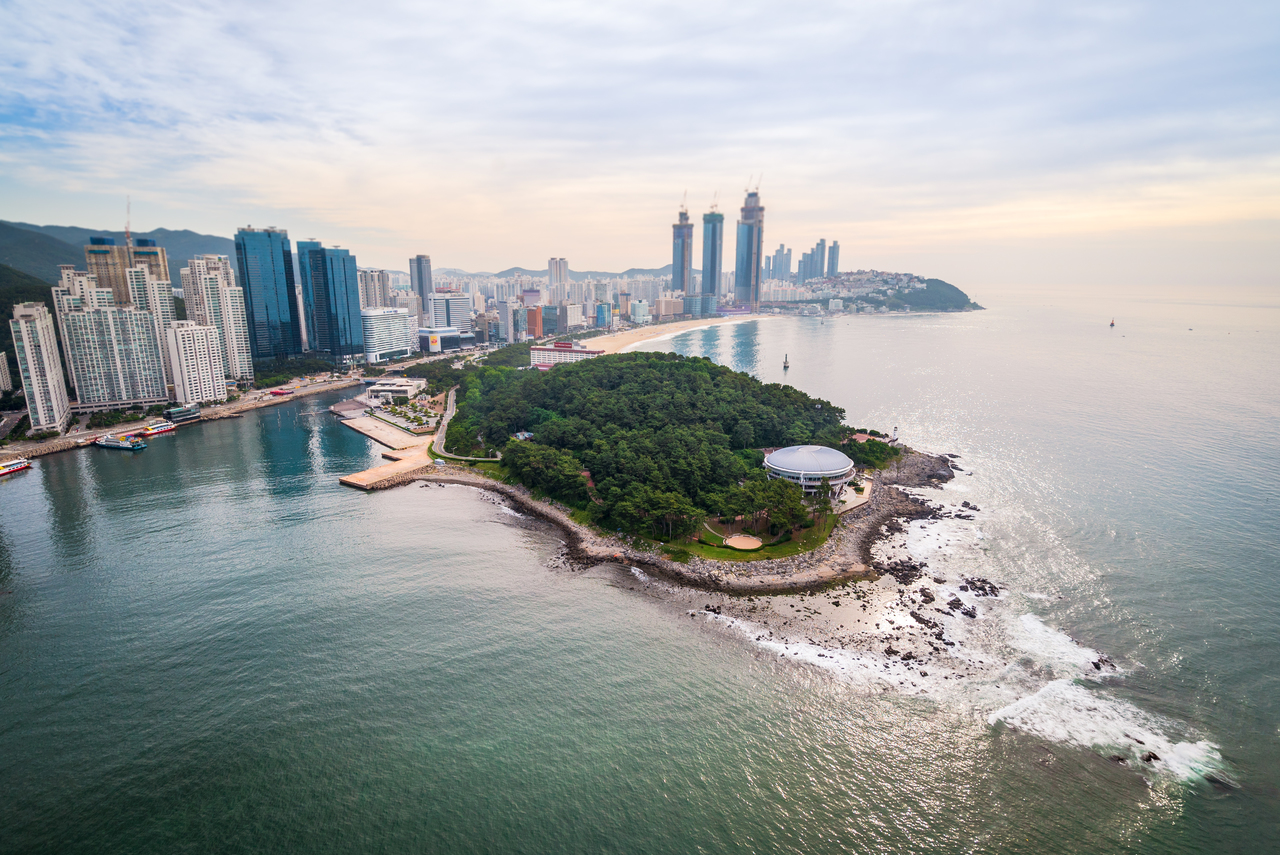
Where to Stay in Haeundae: Beach Hotels, Blue Line Park, and Family-Friendly Busan
Haeundae is Busan's classic resort beach and the widest hotel choice in the city: a polished, family-friendly base with the beach, Blue Line Park, and Dongbaekseom on the doorstep. The sub-areas, who each one suits, and what to check before booking are below. For the beach-vs-beach decision, the Haeundae vs Gwangalli comparison does that separately.
Busan

Where to Stay in Hongdae: Nightlife, Cafés, and Young Seoul
Hongdae is Seoul's young, creative quarter: cafés, live music, indie shopping, and late-night energy around Hongik University, with a direct airport-railroad link that makes arrival easy. It suits friends, solo travelers, and repeat visitors more than a quiet first-timer. The sub-areas, who each one suits, and what to check before booking are below.
Seoul
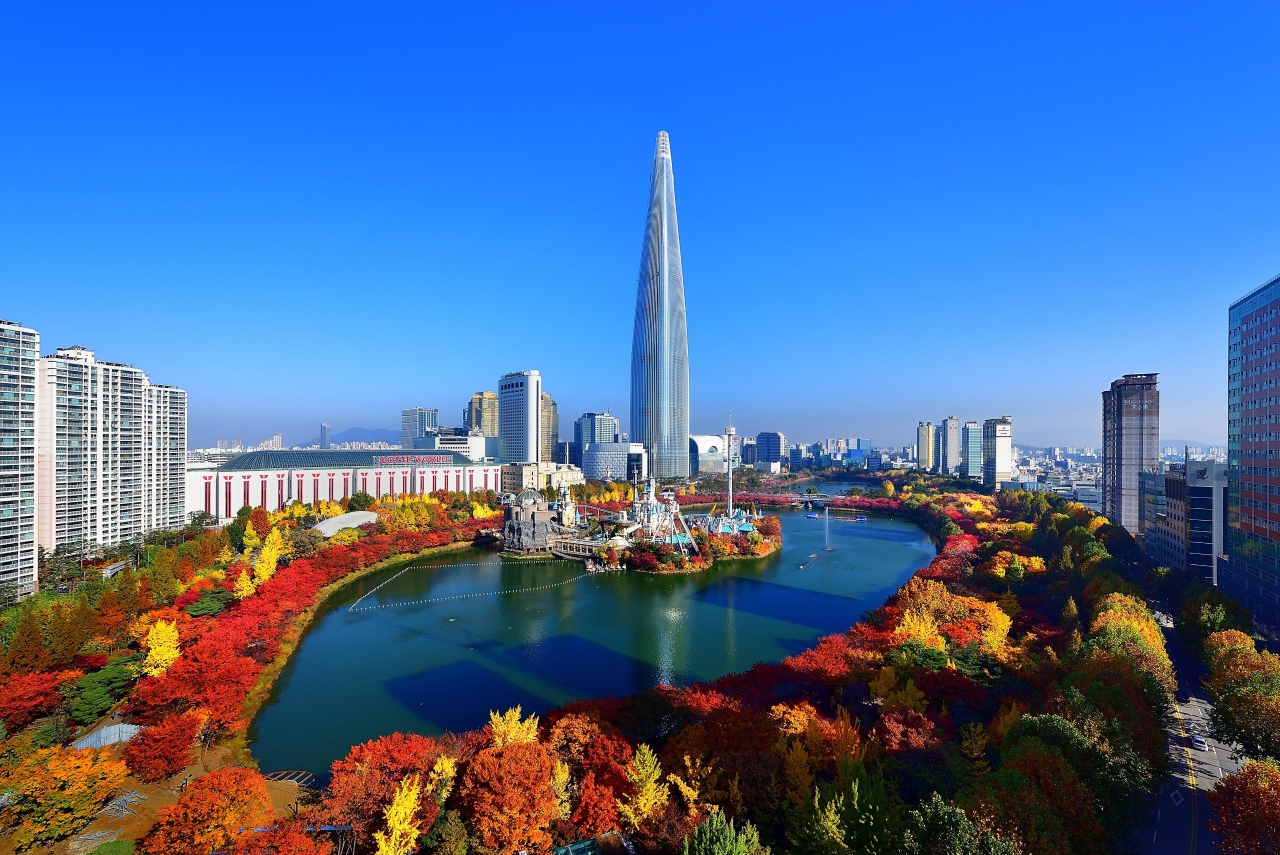
Where to Stay in Jamsil and Songpa: Lotte World, Suseo SRT, and Value Hotels
Jamsil and Songpa, in southeastern Seoul, are the area for Lotte World, Lotte World Tower, and the Han River parks, and the handiest base if you're catching the SRT to Busan from nearby Suseo. It's family-friendly and practical rather than central for palaces. The sub-areas, who each one suits, and what to check before booking are below.
Seoul
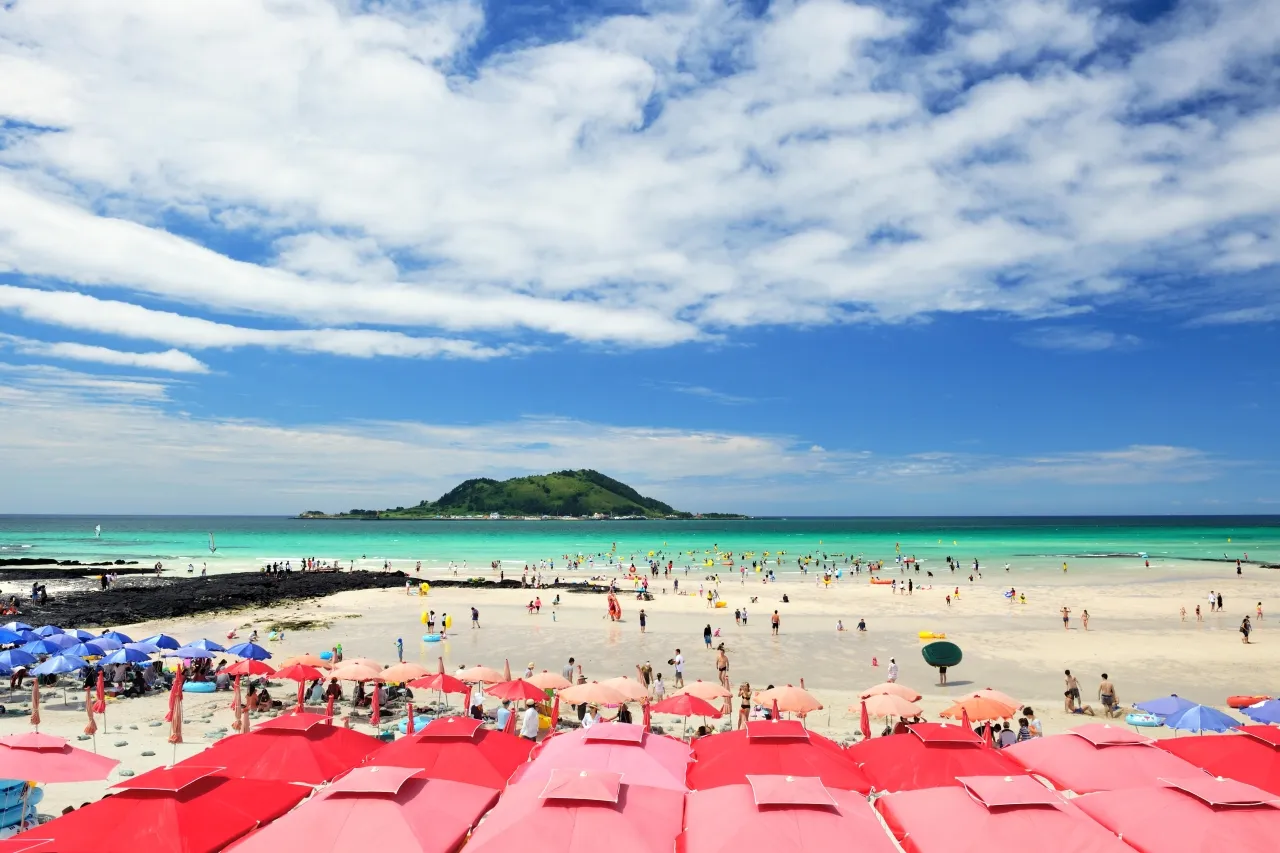
Where to Stay in Jeju Island: Best Areas for First-Time Visitors
Jeju is bigger than first-timers expect, about five hours to drive around, so the smartest base depends less on the prettiest spot and more on your flights, your itinerary, and whether you have a rental car. This guide compares Jeju City, Seogwipo, Jungmun, and the coastal towns, explains the car-vs-no-car decision (and why "no car" doesn't always mean Jeju City), and suggests a stay strategy by trip length. Bus times, fares, and hours change, so check current info before you go.
Jeju
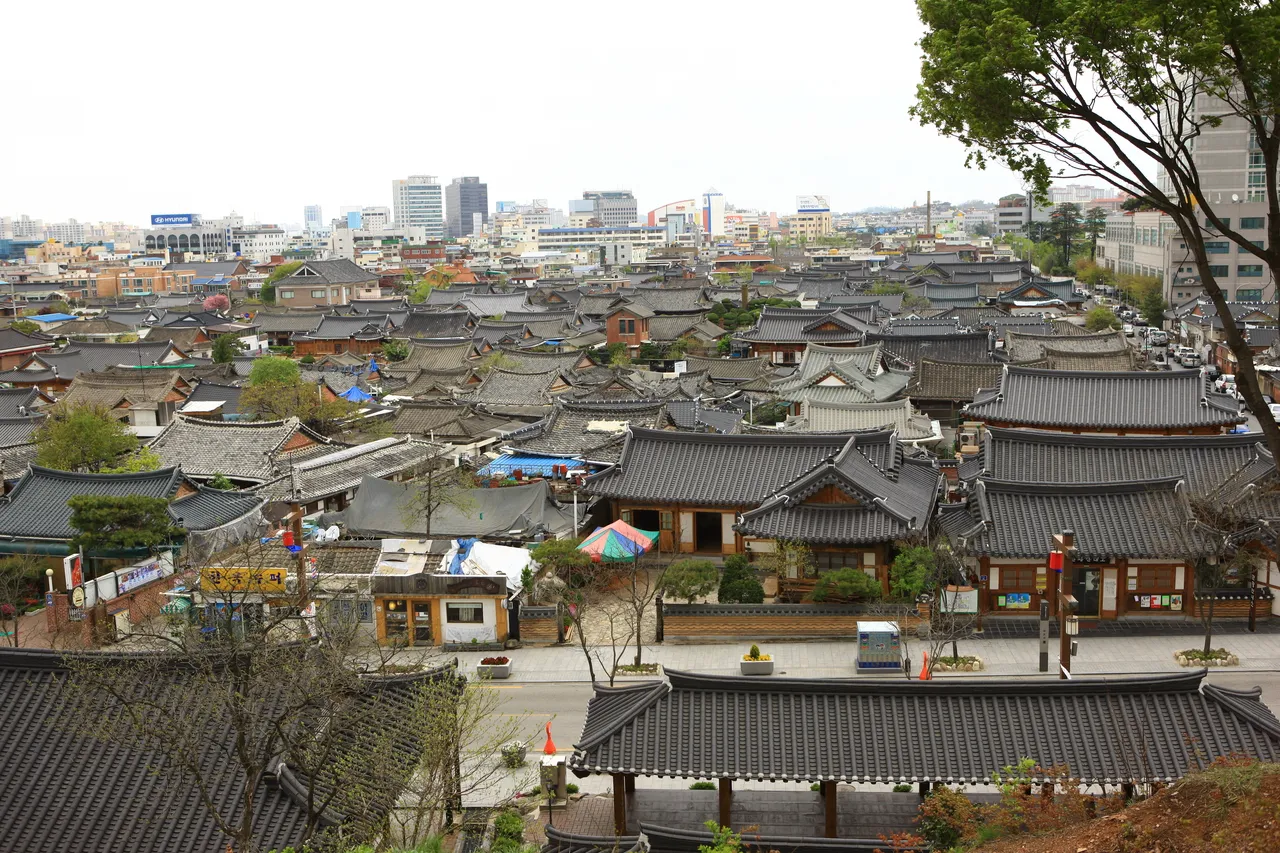
Where to Stay in Jeonju: Best Areas for Hanok Village, Food, Markets, and First-Time Visitors
For most first-time visitors, the best base in Jeonju is in or beside the Hanok Village (Korea's largest, a slow-city of hundreds of traditional houses) where the real reward is the quiet early-morning and late-evening lanes after the day-trip crowds leave. This guide compares the Hanok Village, Nambu Market, the Gaeksa/Gaekridan-gil cafe streets, Jeonju Station, and quieter areas like Deokjin, with an honest look at hanok stays. Prices, market hours, and night-market days change, so check current info before you book.
Jeonju
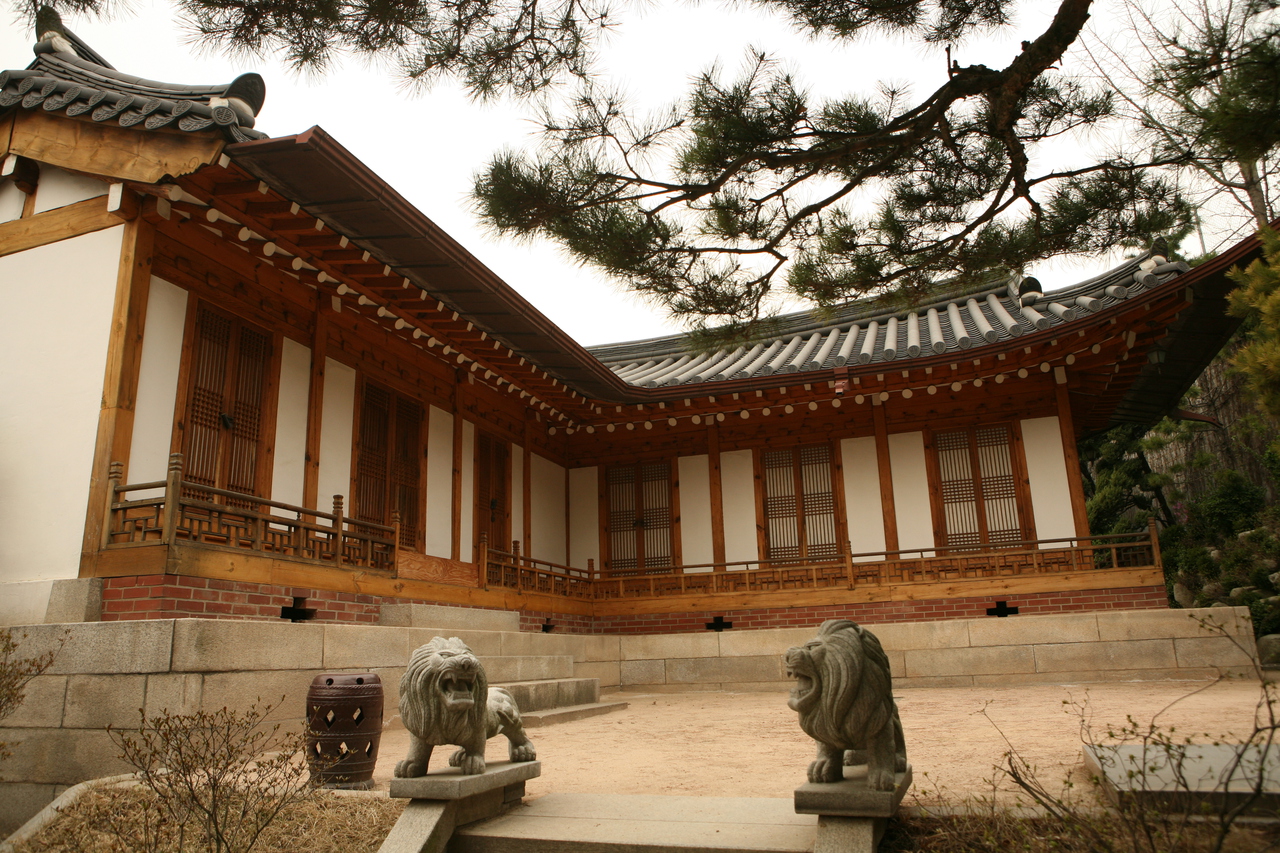
Where to Stay in Jongno, Insadong & Gwanghwamun: Palaces, Hanok Alleys, and Traditional Seoul
Jongno, Insadong, and Gwanghwamun are the historic heart of Seoul: walkable to Gyeongbokgung and Changdeokgung, the Bukchon hanok village, Insadong's craft streets, and Gwanghwamun Square. It's the top choice for a first-timer who wants palaces and old Seoul on the doorstep. The sub-areas, who each one suits, and what to check are below, including the Tuesday palace closures.
Seoul
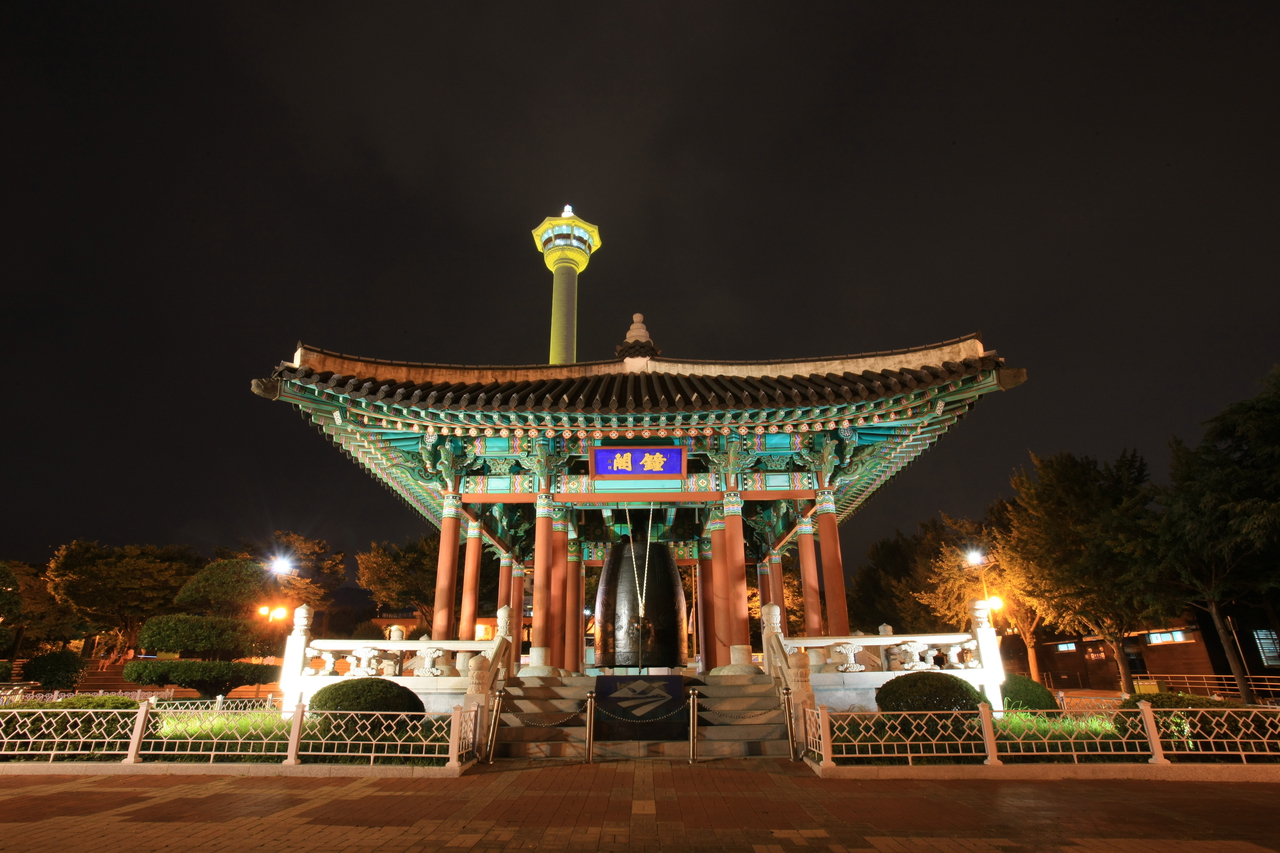
Where to Stay in Nampo and Jagalchi: Markets, Seafood, BIFF Square, and Old Busan
Nampo and Jagalchi are old-downtown Busan: the fish market, Gukje Market, BIFF Square street food, and the Nampo-dong shopping streets, close to Busan Station and Gamcheon. It's the base for markets and seafood over beaches. The sub-areas, who each one suits, and the honest trade-offs are below, market smells and early-morning noise near the fish market included.
Busan
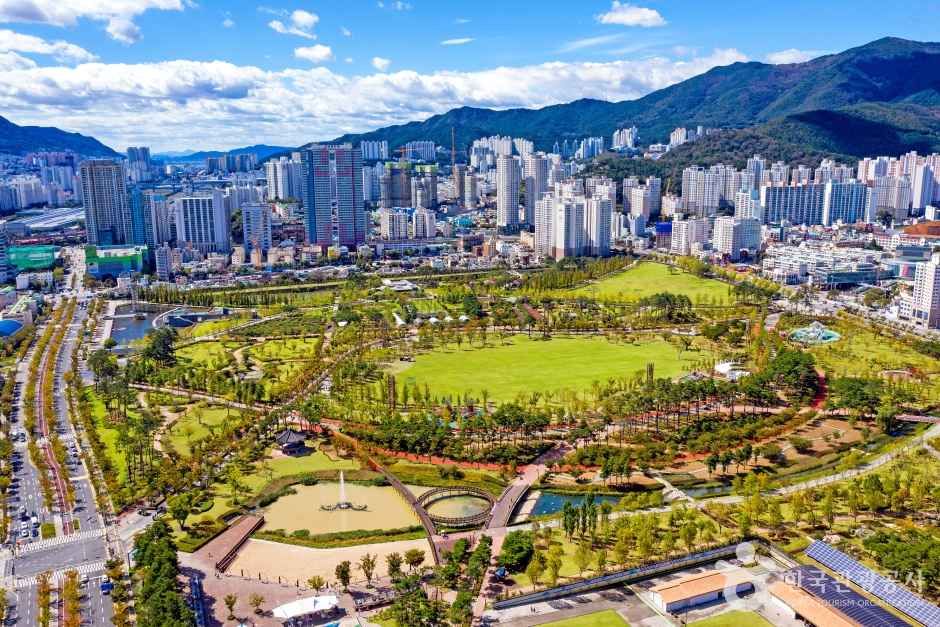
Where to Stay in Seomyeon: Central Busan, Shopping, Nightlife, and Easy Transport
Seomyeon is central Busan's transit-and-shopping hub: the city's busiest interchange, endless dining and nightlife, and quick metro links to both the beaches and the old downtown. One thing to know up front: Seomyeon is not by the sea. It's the practical, central base, not a beach one. The sub-areas, who each one suits, and what to check follow.
Busan
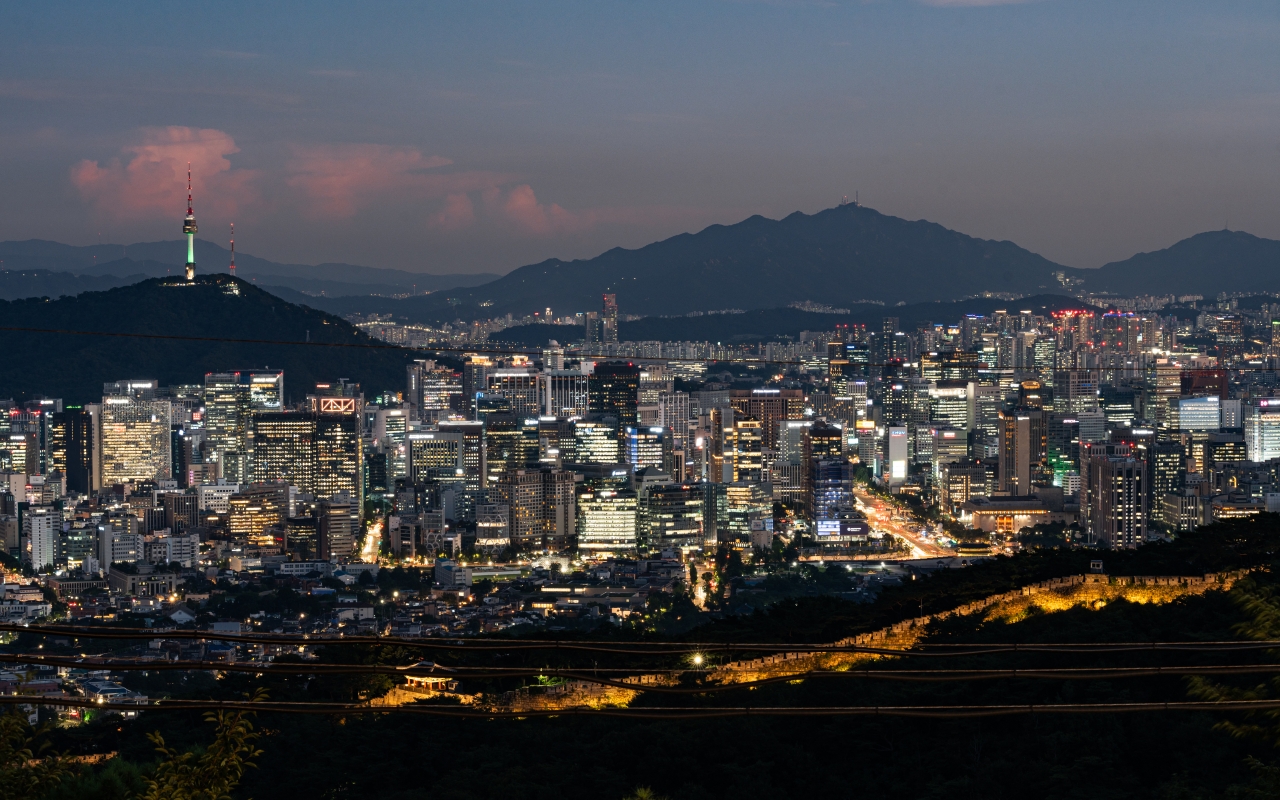
Where to Stay in Seoul: Best Areas for First-Time Visitors
The smartest way to choose where to stay in Seoul is to think north vs south of the Han River first, then narrow to a neighborhood. North (Myeongdong, Jongno, Hongdae) is traditional and central: ideal for first-timers; south (Gangnam, Jamsil, Suseo) is modern, with shopping, Lotte World, and the SRT to Busan. This guide compares nine areas and helps you pick the one that fits your route, not just the most famous name.
Seoul
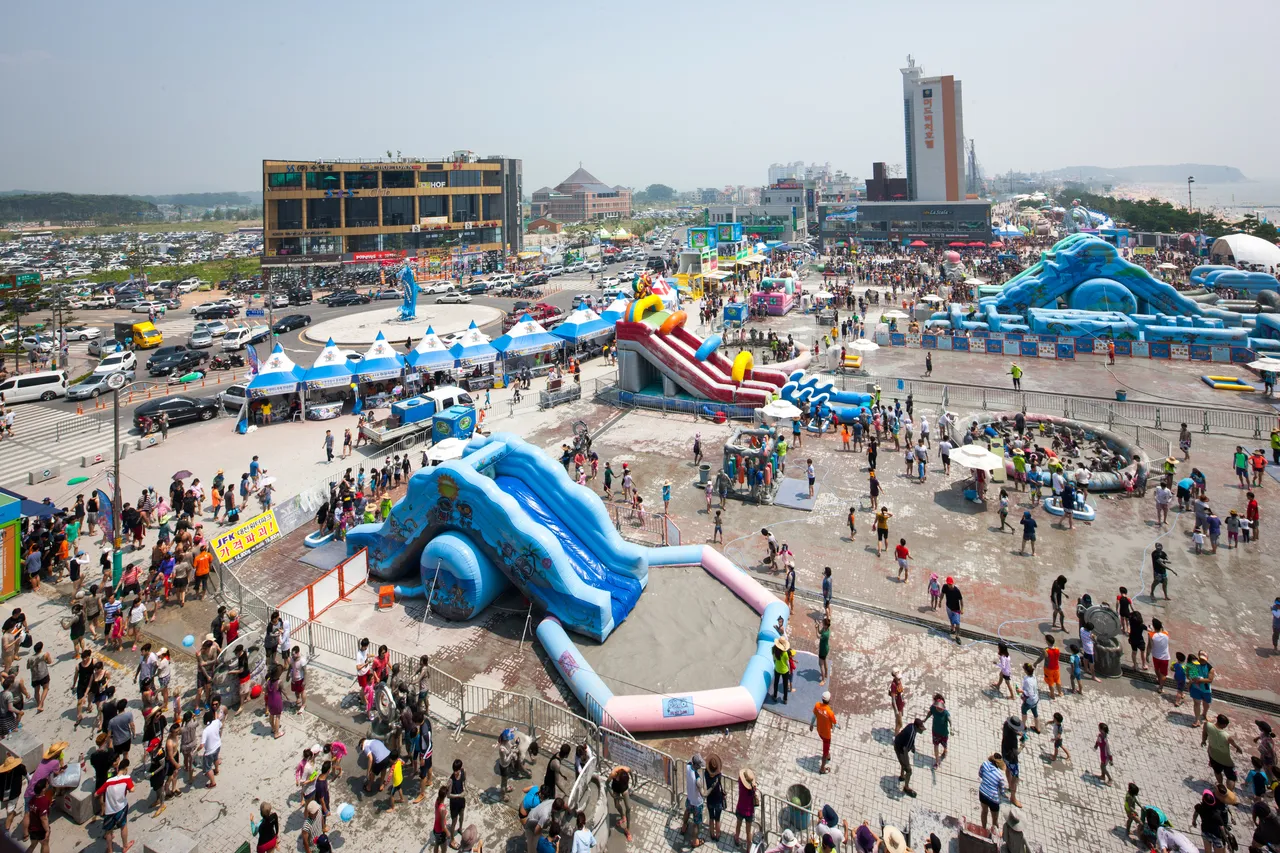
Boryeong Mud Festival 2026 Guide: Dates, Tickets, Mud Zones, What to Wear, and How to Join
The 29th Boryeong Mud Festival (July 24 to August 9, 2026) has ended. This page keeps the 2026 facts as history: 17 days of mud zones, beach stages, and night programs at Daecheon Beach, plus practical lessons on zones, tickets, clothing, transport, and safety. 2027 dates are not yet confirmed on the official festival site. Treat any future schedule, prices, and shuttle details as unconfirmed until the organizers publish them.
Chungnam
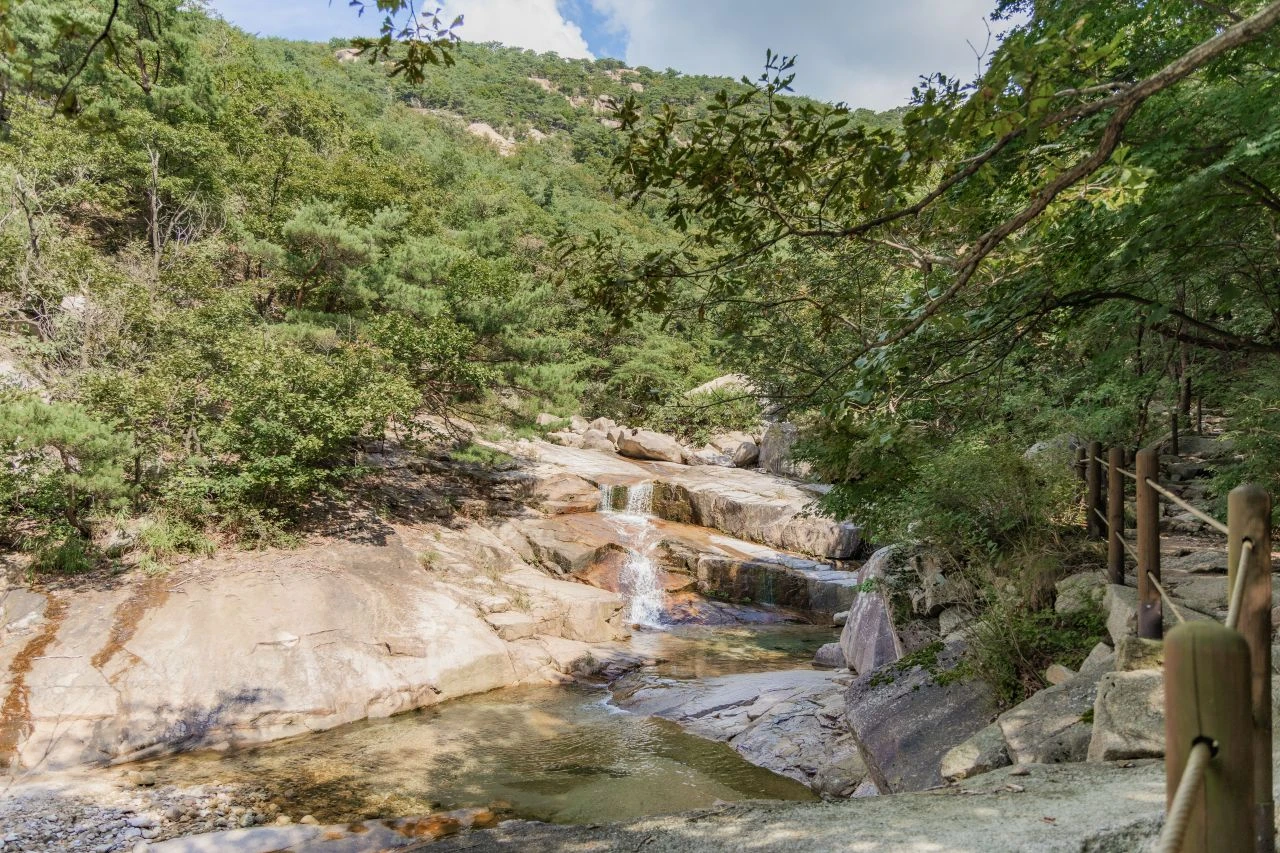
Bukhansan Hiking Guide for Foreigners: Routes, Subway Access & Safety
Bukhansan National Park sits on Seoul's northern edge and is free to enter. Fit hikers can aim for Baegundae, Seoul's highest peak at about 836 m, but the final rock section uses fixed ropes and is not an easy city stroll. Pick a marked route that matches your fitness, start from the right station and trailhead, rent gear near Bukhansan Ui Station if needed, and check KNPS closures and entry-time rules before you go.
Seoul
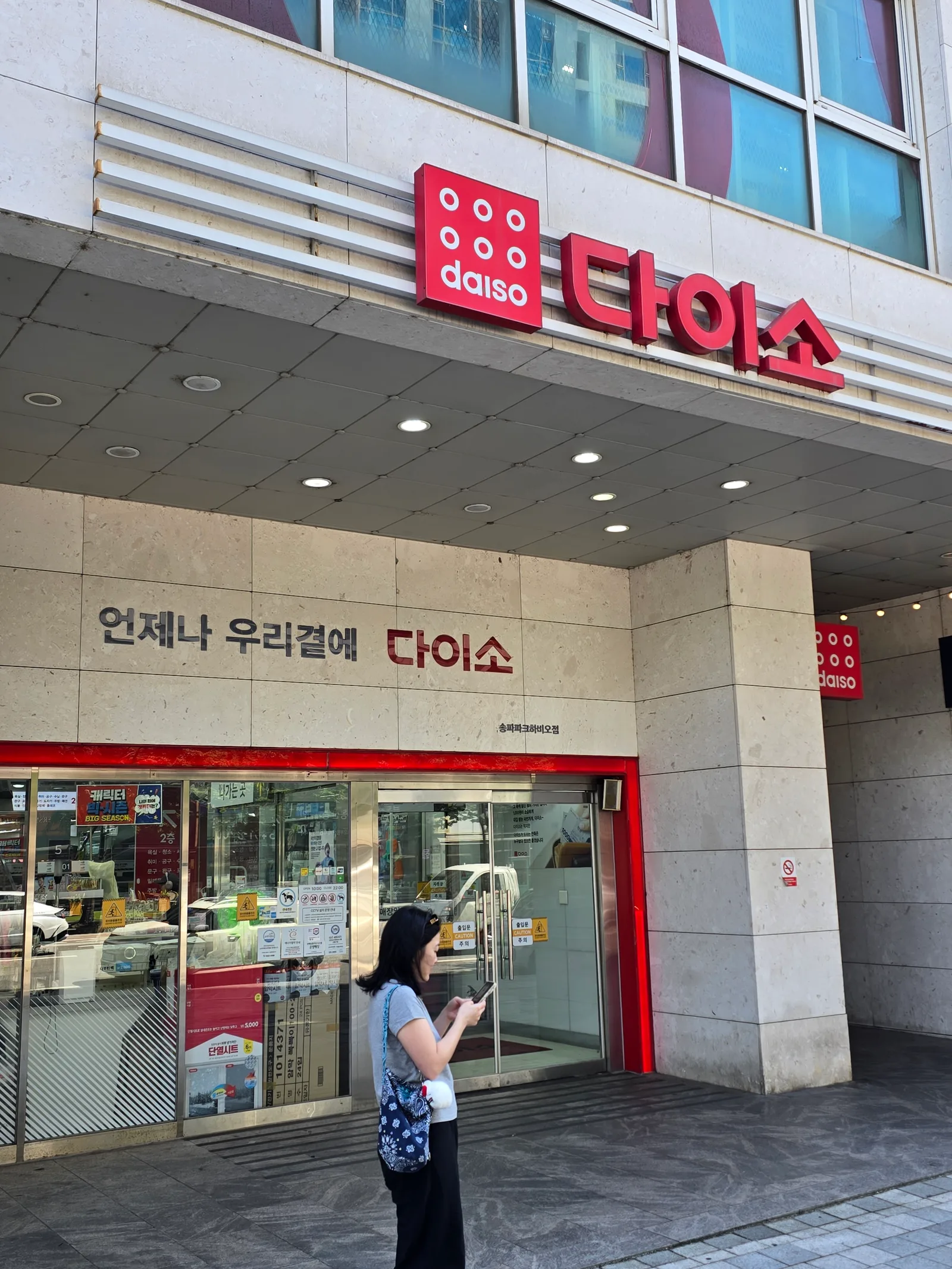
Daiso Korea Shopping Guide: What to Buy for ₩1,000 to ₩5,000
Daiso Korea's regular price system currently uses six fixed price points from ₩500 to ₩5,000. That makes it useful for trip emergencies and lightweight take-homes, not only for "everything is ₩1,000" nostalgia. Use it for travel toiletries, packing tools, stationery, character goods, and carefully chosen budget beauty. Leave deeper K-beauty comparisons to Olive Young. Stock varies heavily by branch, so treat named products as shelf examples, not guarantees.
SeoulNationwide
DMZ Tour from Seoul Guide: 3rd Tunnel, Dora Observatory, Imjingak, Passport Rules, and What to Know
A DMZ day trip from Seoul is among the more meaningful things you can do in Korea, but it isn't an ordinary sightseeing outing. It's a visit to a place shaped by war, division, and an active security situation, and it comes with real rules: an approved tour for the restricted sites, a physical passport submitted in advance, photography limits, and the chance of a same-day cancellation. Below: the difference between a DMZ tour and the JSA/Panmunjom (which, as of 2026, is generally not open to ordinary tourists), what's usually included, the passport and booking rules, and how to choose and behave. Tour details, prices, and access change and depend on security conditions, so always confirm the current official information first.
GyeonggiSeoul
Free Things to Do in Seoul: Truly Free, Free With Conditions, and Low-Cost
Many “free Seoul” lists mix free entry, free with conditions, and merely cheap activities. This guide separates them. Truly free options include restored stream walks, Hangang parks, and many outdoor trails. Palaces and some museums can be free only on certain days or under dress rules. Markets and food are low-cost, not free. Confirm current admission on official pages before you go.
Seoul
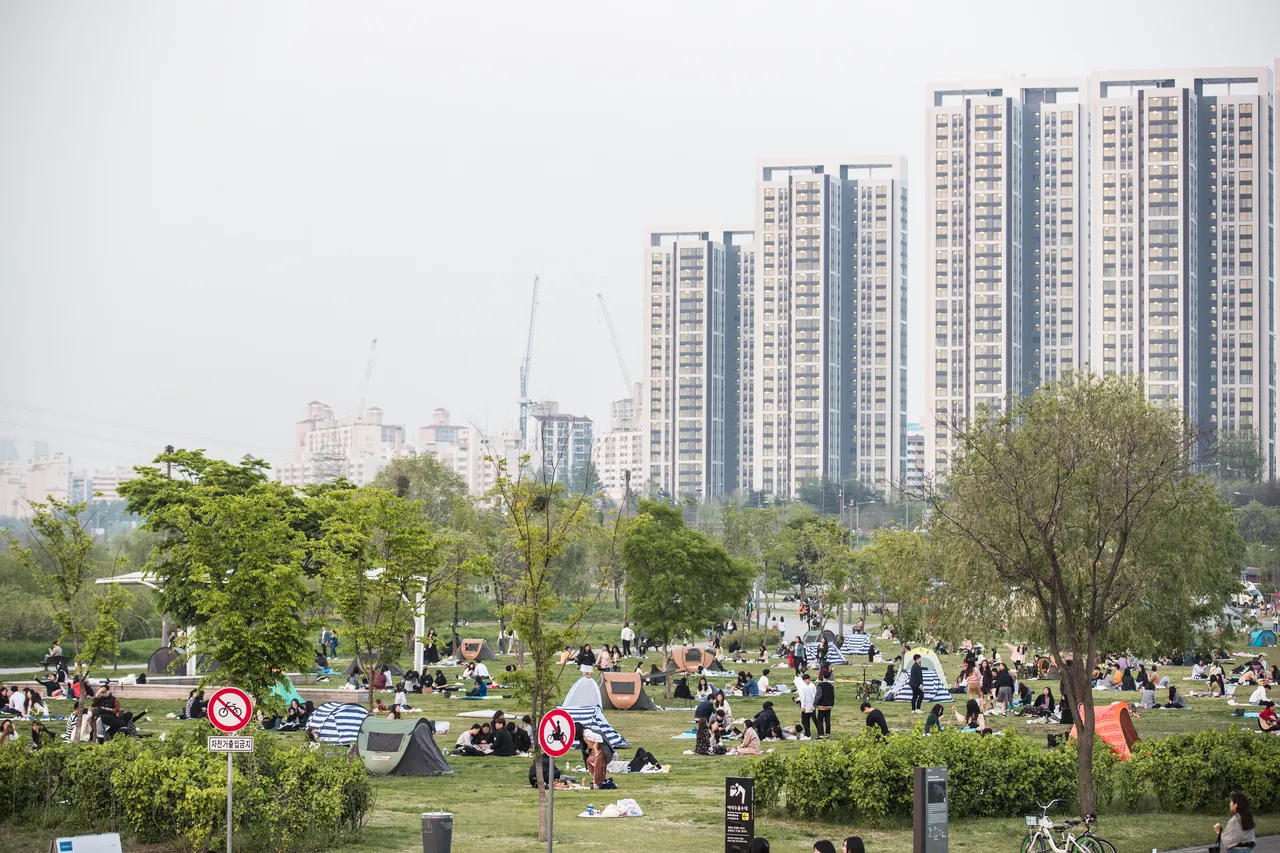
Han River Picnic Guide: Parks, Food, and Etiquette
A Han River (한강) picnic is one of Seoul's easiest, cheapest evenings out: pick a riverside park like Yeouido, Ttukseom, or Banpo, bring a mat and food, and relax by the water. Convenience stores and takeout are the simplest way to eat, and a few drinking and litter rules keep it pleasant for everyone.
Seoul
Seoul Hanbok Rental Guide: Gyeongbokgung, Palace Free Entry, Photo Routes, and What to Check
Renting a hanbok (한복) near Seoul's old palaces is among the easier and most rewarding cultural experiences for first-time visitors: choose an outfit, wear it for a few hours, and walk into the major palaces for free while you have it on. This guide focuses on areas, checklists, and the official rules: where to rent, exactly what qualifies for free entry (and what gets refused), photo routes, seasonal and etiquette notes, and what to confirm before you book. Prices, rental times, and shop rules vary, so check with the shop and the official palace sources before you go.
Seoul

Hangang Swimming Pools Guide 2026: Seoul Summer Pools, Water Playgrounds, Prices, and What to Bring
Seoul's Hangang parks run outdoor swimming pools and water playgrounds for a single summer season, and you are not swimming in the river itself. For 2026, six locations are scheduled: two proper swimming pools (Ttukseom and Yeouido) and four water playgrounds (Jamsil, Gwangnaru, Nanji, and Yanghwa), with Jamwon not operating this year. This guide compares them by depth, target age, opening hours, night swimming, and subway access, and covers admission, swim-cap rules, what to bring, safety, and the same-day weather checks that decide whether you can go at all.
Seoul
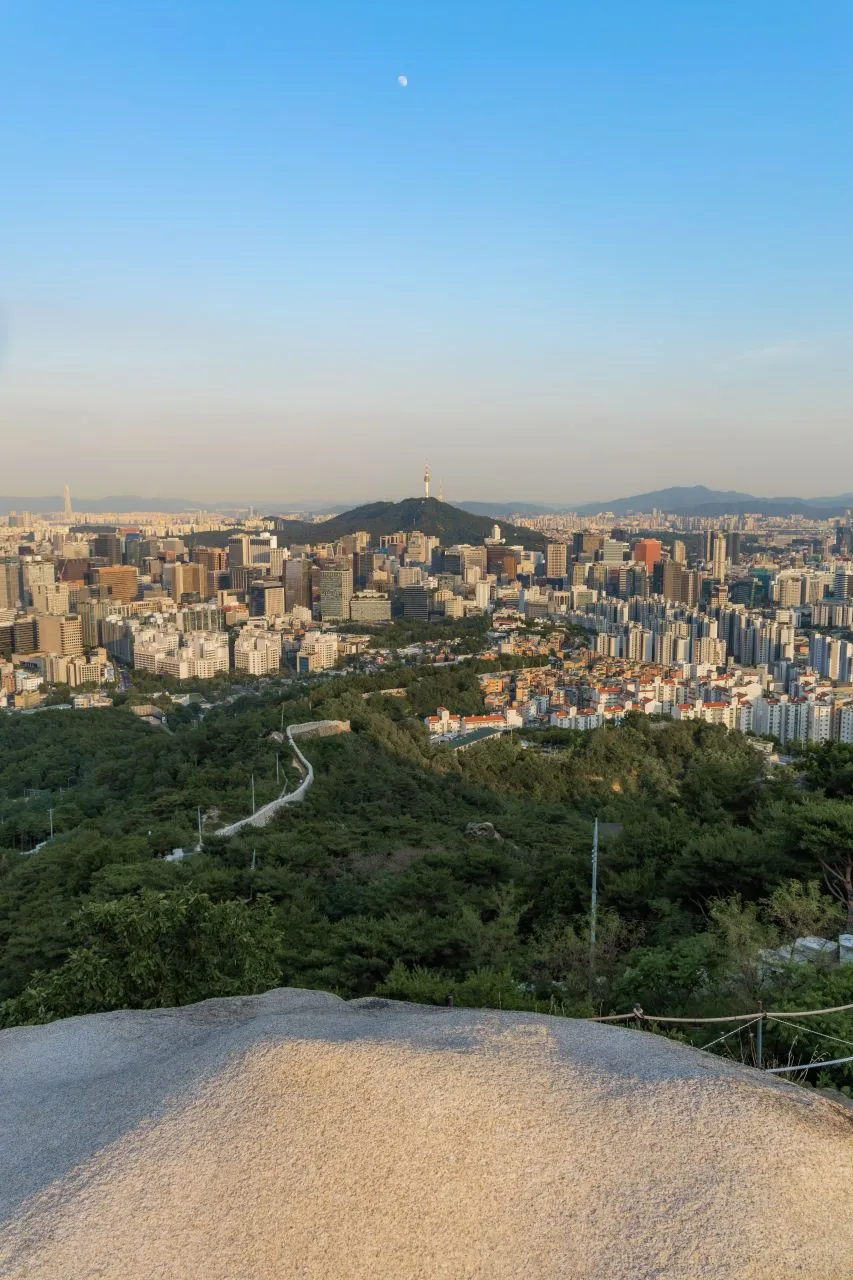
Hiking in Seoul: Mountains You Can Reach by Subway, Trail Difficulty, and Korean Hiking Culture
Seoul is ringed by dozens of hikeable mountains you can reach by subway with a T-money card, including Bukhansan, a Guinness-record national park inside the city. This guide helps you pick a mountain by difficulty (from a paved stroll up Namsan to the cabled granite scramble up Bukhansan's Baegundae), explains the confusing station names and access routes, covers gear rental, and lays out the safety rules and Korean hiking culture. Hiking has real risks, so don't underestimate difficulty, and check the official KNPS and Seoul Hiking Tourism Center info before you go.
Seoul
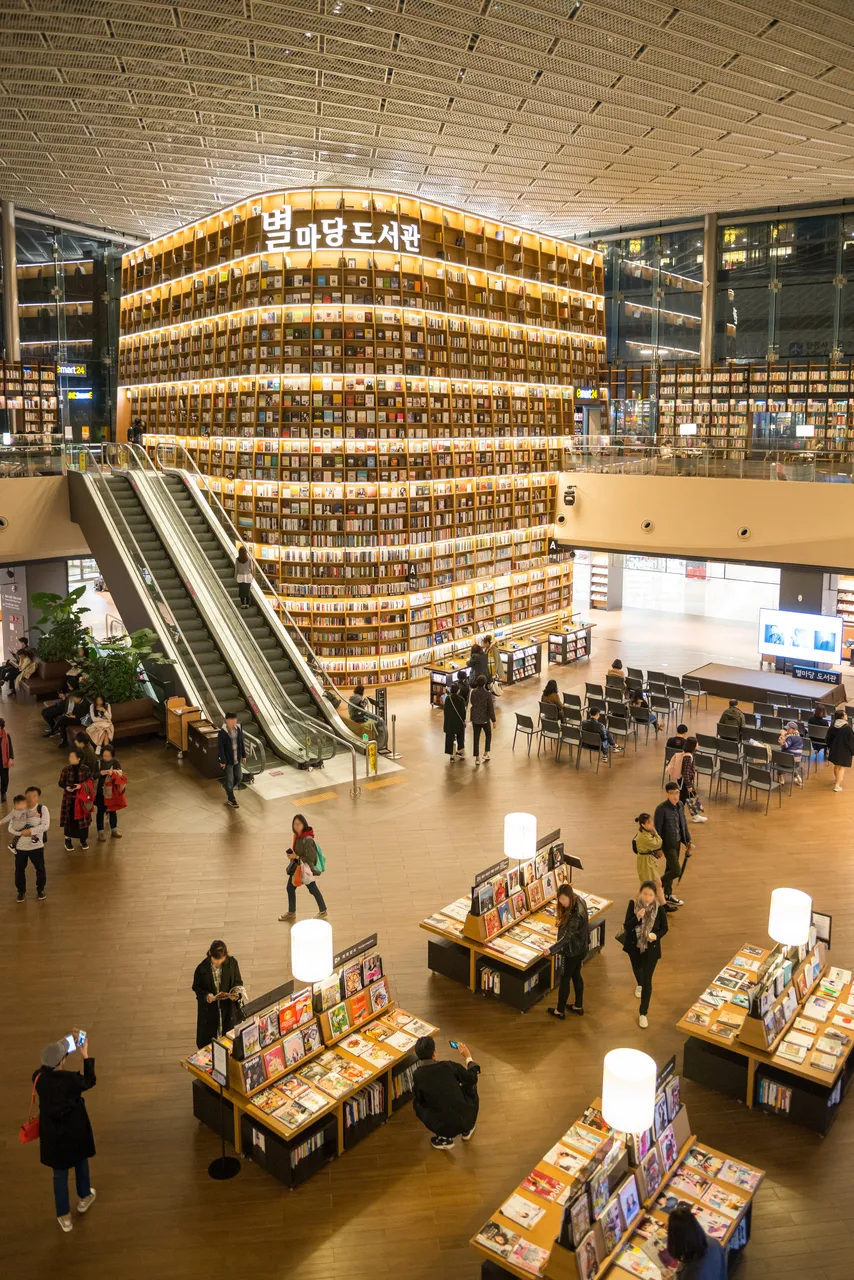
Best Indoor Things to Do in Seoul in Winter: Museums, Spas & Cold-Day Ideas
For a cold, snowy, or rainy day in Seoul, the dependable indoor options are museums such as the National Museum of Korea, a jjimjilbang, and large complexes such as COEX and Lotte World Mall. Not everything with a roof is heated: covered markets and Lotte World are only partly sheltered, so each pick below is labeled fully indoor, mostly indoor, covered, or mixed. Includes four geographically tight day plans and a guide to what to save for better weather.
Seoul

Jjimjilbang Guide: How to Use a Korean Bathhouse
A jjimjilbang (찜질방) is a Korean bathhouse and sauna complex: gender-separated bathing pools where you bathe without clothes, plus a shared, clothed sauna area where you can rest. Shower before entering the pools, keep valuables in a locker, and check each venue's own rules, since facilities vary.
Nationwide

Escape Rooms in Korea: A Foreigner’s Guide to Booking, Language and Horror
A Korean escape room (방탈출, bang-tal-chul) is a timed puzzle game in a themed set. Korea has a large escape-room scene, especially in nightlife and university districts, but language dependence varies by theme, not just by brand. An English website does not automatically mean the room itself is in English. Book early, confirm your reservation the way the venue asks, arrive before the listed start time, and ask whether that specific theme can be played without Korean. Prices, hours, and English support change; verify with the operator before you go.
NationwideSeoul

Chuncheon and JTBC Seoul Marathon 2026: A Fall Running Guide for Visitors to Korea
Two big autumn races sit a week apart. The Chuncheon Marathon runs on Sunday, October 25, 2026 from Gongjicheon Bridge around the certified Uiam Lake loop, and its 2026 entry has closed. The JTBC Seoul Marathon runs on Sunday, November 1, 2026 from Sangam, with the full course finishing at Olympic Park and the 10K at Yeouido Park, and it keeps a separate entry route for runners living outside Korea. The part travelers underestimate is not the running: it is bib collection and race-morning transport.
SeoulGangwon
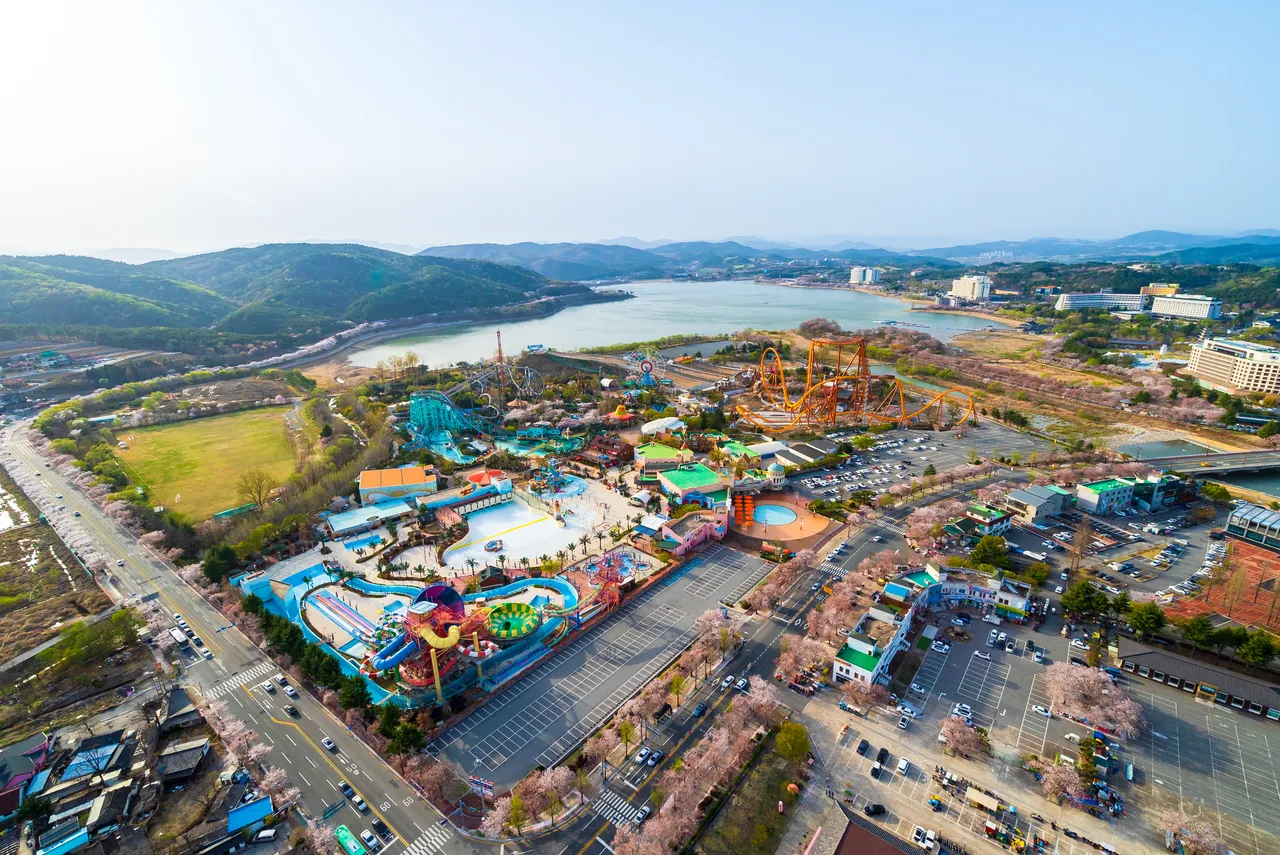
Korea Theme Park Guide for Foreigners: Lotte World, Everland, Seoul Land, Gyeongju World, Tickets, Rides, and What to Do
A practical Korea theme park guide for foreign visitors, comparing Lotte World, Everland, Seoul Land, and Gyeongju World by location, ticket prices, major rides, school uniform rental culture, parades, seasonal events, night shows, transport, food, and tips for families, couples, friends, and thrill seekers. The best park isn't the most famous one. It's the one that matches where you're staying, how much time you have, the weather, and the kind of photos you want. Prices, discounts, hours, and events change often, so confirm the official website before you go.
SeoulGyeonggiGyeongbuk
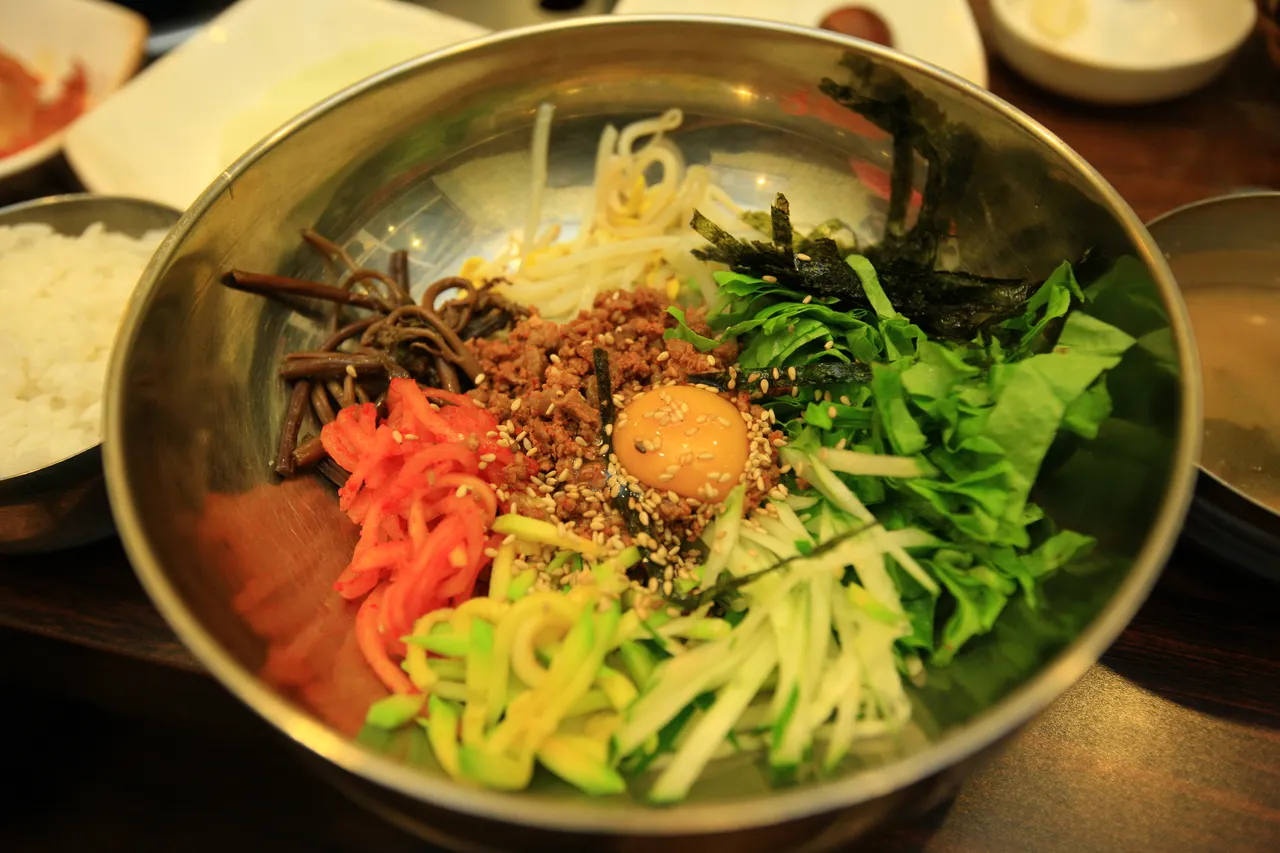
Korean Cooking Class Guide: What to Expect and How to Book
A Korean cooking class lets you make dishes like kimchi, bibimbap, bulgogi, or tteokbokki with hands-on guidance, then eat what you cooked. Classes vary widely in language, menu, and dietary flexibility, so confirm the details (especially allergies and halal, vegetarian, or gluten-free needs) before you book.
Nationwide

Korean Folk Village Guide: Tickets, Discounts, Events and How to Get There
Korean Folk Village (한국민속촌) in Yongin is a large traditional-culture theme park, not a small open-air museum and not inside Seoul. Official materials describe Joseon-era houses relocated and restored from many regions, plus performances, markets, amusement rides, and heavy seasonal programming. Domestic visitors return for festivals, night openings, and horror events as much as for history. Standard adult admission is ₩39,000, but September 2026 online and monthly discounts are often far lower if you qualify. Check the official ticket and discount pages for your date before you buy.
YonginGyeonggi-do

Korean PC Bang Guide for Foreigners: Gaming, Food, Prices, Etiquette, and What to Know
A PC bang (PC방) is Korea's gaming café: rows of high-spec computers rented by the hour, screen-side food ordering, and one of the country's most everyday social spaces. It's more than an "internet cafe": part gaming lounge, part diner, part quick culture experience. Expect to pay from around ₩1,000 an hour, order food from your own screen, and run into one real limit: most Korean-server online games need Korean identity verification, so plan to play on your own Steam or global-platform account instead. Prices, hours, and menus vary by location, so treat this as a starting point and check the specific venue.
Nationwide
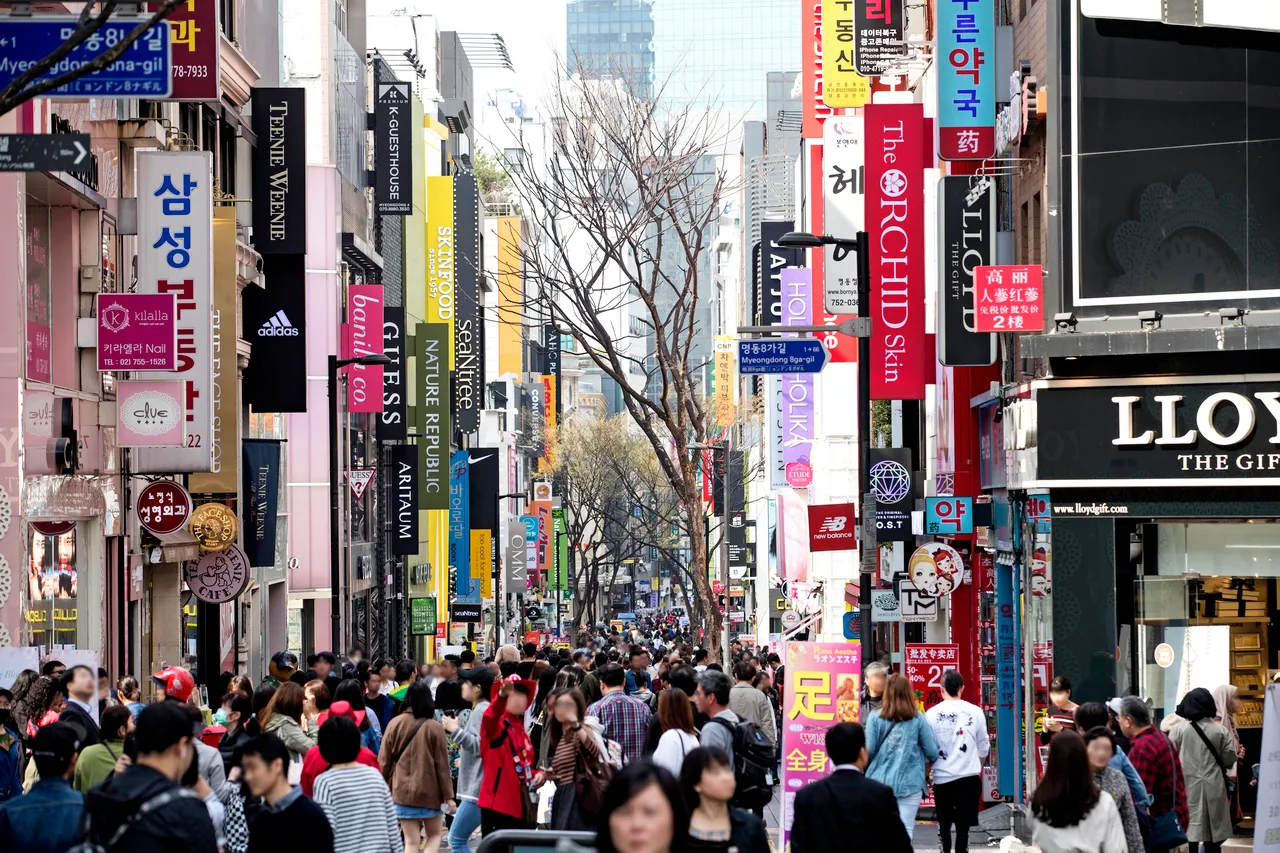
Myeongdong Shopping Guide: Beauty, Street Food, Tax Refund, and What to Buy
Myeongdong is Seoul's most concentrated shopping district: wall-to-wall cosmetics, fashion, and street food, with the city's highest density of tax-free stores. Below: the main areas, what to buy (especially K-beauty), the evening street-food scene, and how the tax refund actually works in 2026, including why you get back about 5, 8% rather than the full 10%, and why you must carry your physical passport. Prices, hours, and refund rules change, so confirm current details before you shop.
Seoul
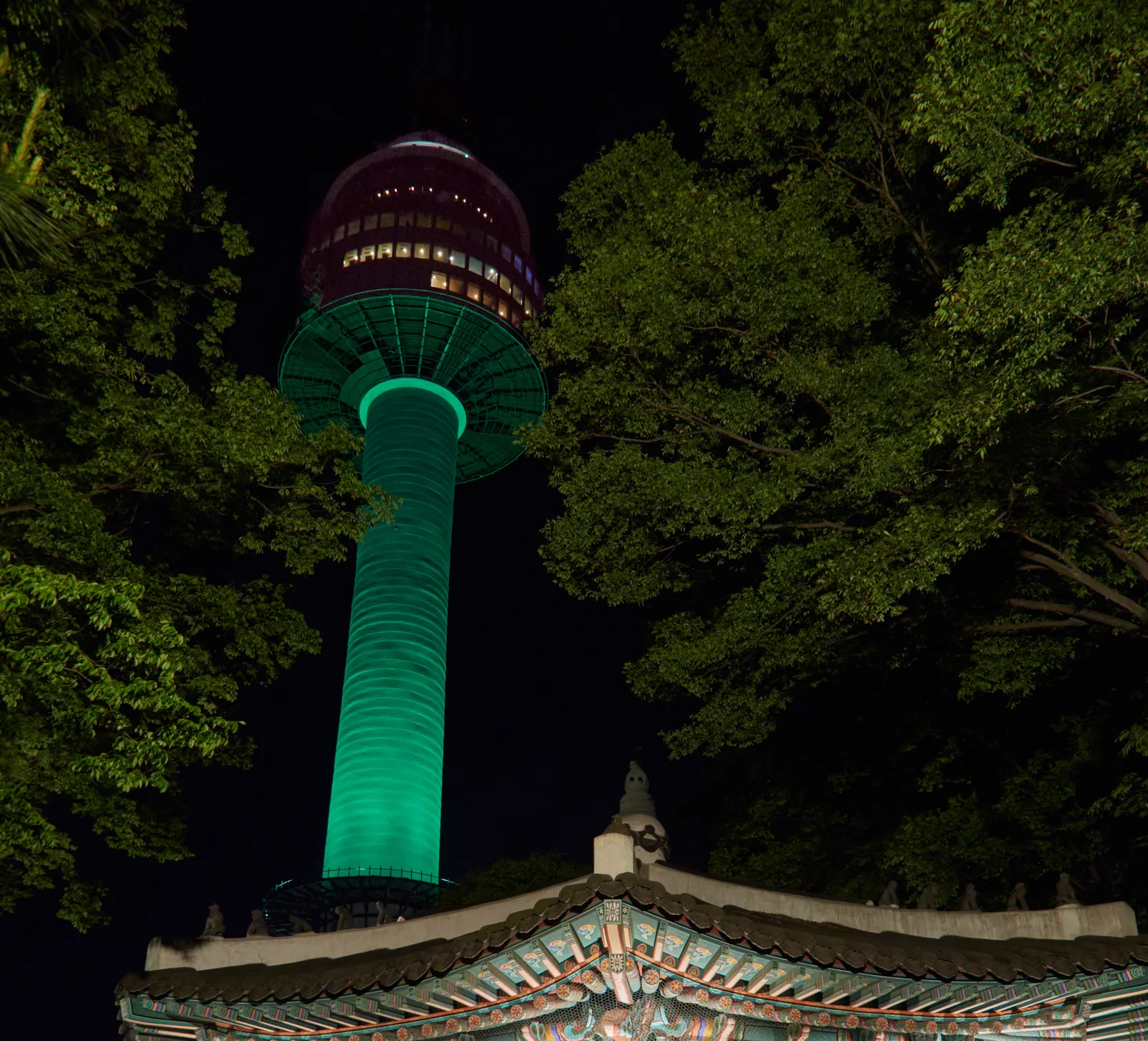
N Seoul Tower Guide: How to Get There, What to See, and the Best Views
N Seoul Tower sits on top of Namsan, and the part most visitors get wrong is the getting there: no taxi or rental car can drive you to the door, and the cable car does not start outside Myeongdong Station. The realistic choices are the Namsan cable car, the 01A and 01B city shuttle buses, or a walk up through Namsan Park. From Myeongdong, a free inclined elevator and a limited-hours operator shuttle cut the climb to the cable-car station. The plaza is free; only the indoor observatory needs a ticket.
Seoul
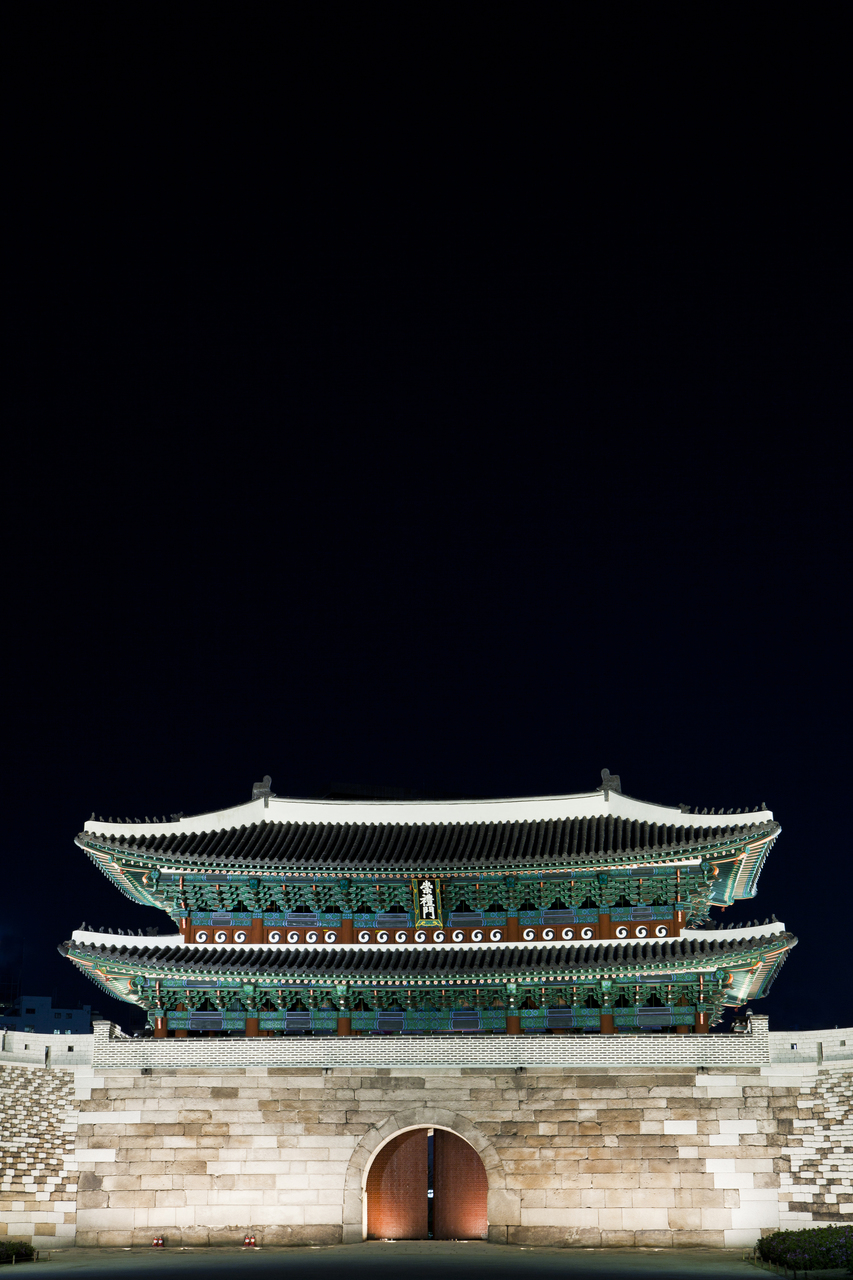
Namdaemun vs Dongdaemun Market Guide: What to Buy, Food, Hours, and Which One to Visit
Namdaemun and Dongdaemun sound like similar Seoul markets, but the visitor experience is very different. Namdaemun is a traditional market of alleys and small shops: souvenirs, children's clothing, kitchenware, and classic market food. Dongdaemun isn't one market at all: it's a large fashion district of wholesale buildings, retail malls, a fabric market, and Dongdaemun Design Plaza, with hours that vary building by building. This guide compares what to buy, food, payment, bargaining, tax refunds, counterfeit risks, and which one actually fits your trip.
Seoul

Noraebang Guide: How to Sing at a Korean Karaoke Room
A noraebang (노래방) is a private Korean karaoke room you rent by the hour, or, at a coin noraebang, pay per song. You get your own room, a song book, and a remote; English and other foreign songs are often included, though selection varies. It is a low-stress night out whether or not you drink.
Nationwide
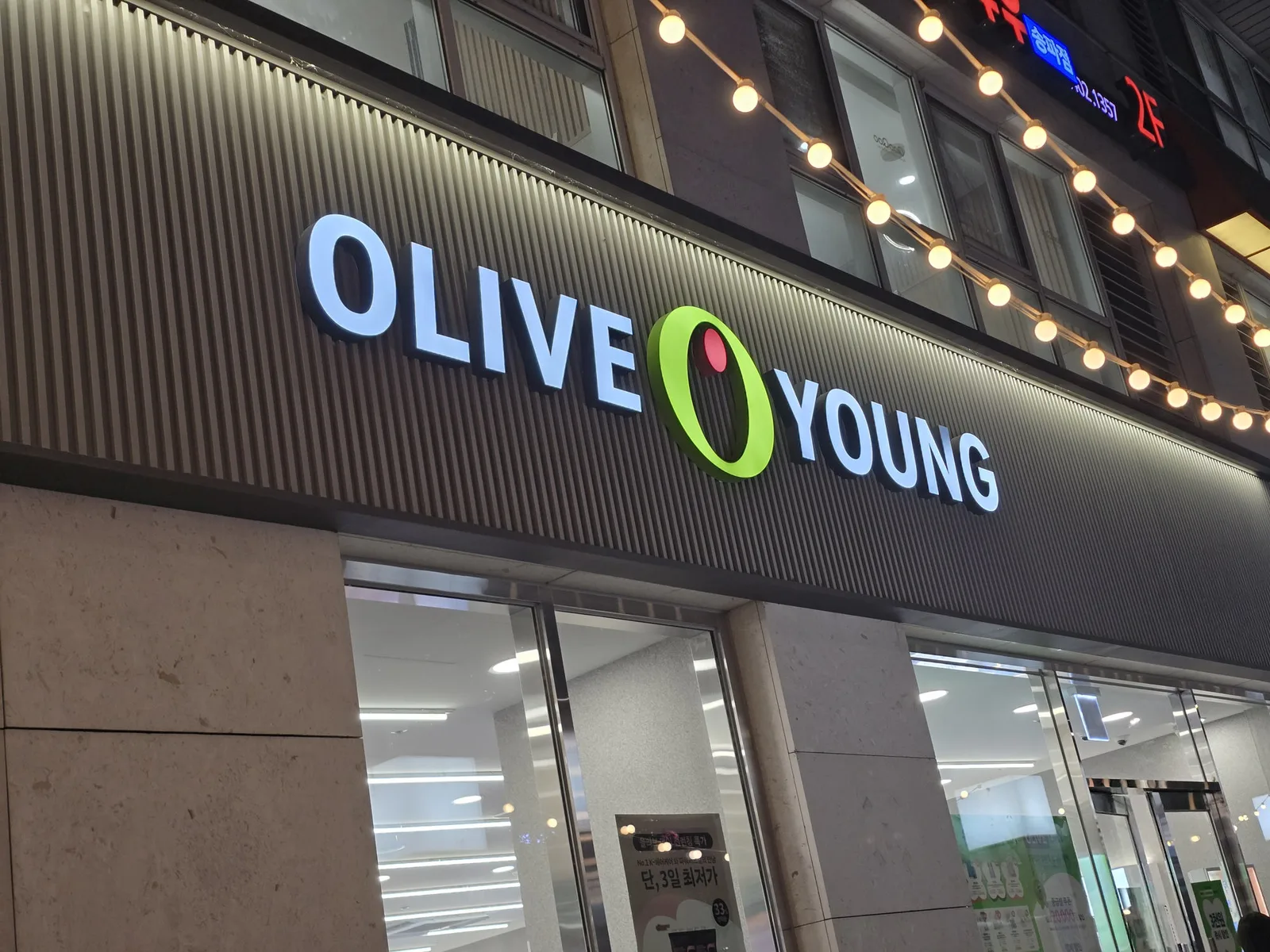
Olive Young Shopping Guide for Foreigners: Stores, Sales, Tax Refund, and How to Shop Smart
Olive Young is Korea's largest health-and-beauty chain, with over 1,300 branches, and the practical questions are which one to visit and when. Large flagship stores can deduct the tax refund at the register when you show your physical passport, while small neighbourhood branches usually hand you a receipt to process at the airport. Chain-wide sales run roughly quarterly, with a shorter promotion around the 25th to 27th of each month, and yellow tags mark the running deals. Below: picking a branch, the sale calendar, checking stock in the app, what the categories are worth comparing, and how paying works. Prices, promotions, stock, and opening hours change constantly, so confirm current details in store or in the app.
SeoulNationwide
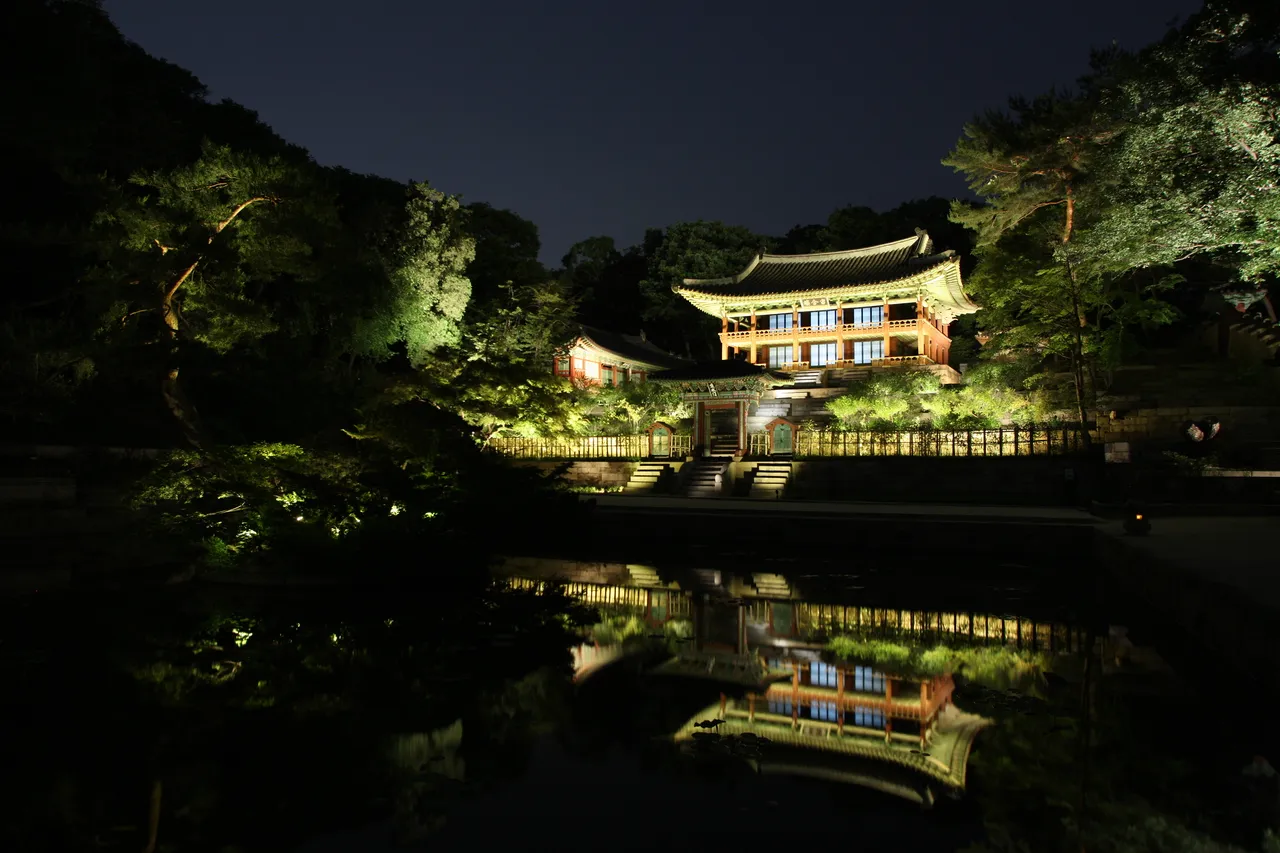
Palace Night Viewing Guide in Seoul: Gyeongbokgung, Changdeokgung, Deoksugung, and Changgyeonggung After Dark
Seoul's palaces are magical after dark, but they don't all open at night, and the good ones need planning. This guide sorts the options into two kinds: seasonal ticketed nights (Gyeongbokgung, Changdeokgung) and palaces generally known for regular evening hours (Deoksugung, Changgyeonggung), and explains the difference between free night viewing and reservation-only guided tours, whether you need to book, hanbok at night, and how to photograph respectfully. Schedules, tickets, and rules change every year, so confirm the current official notice before you plan.
Seoul
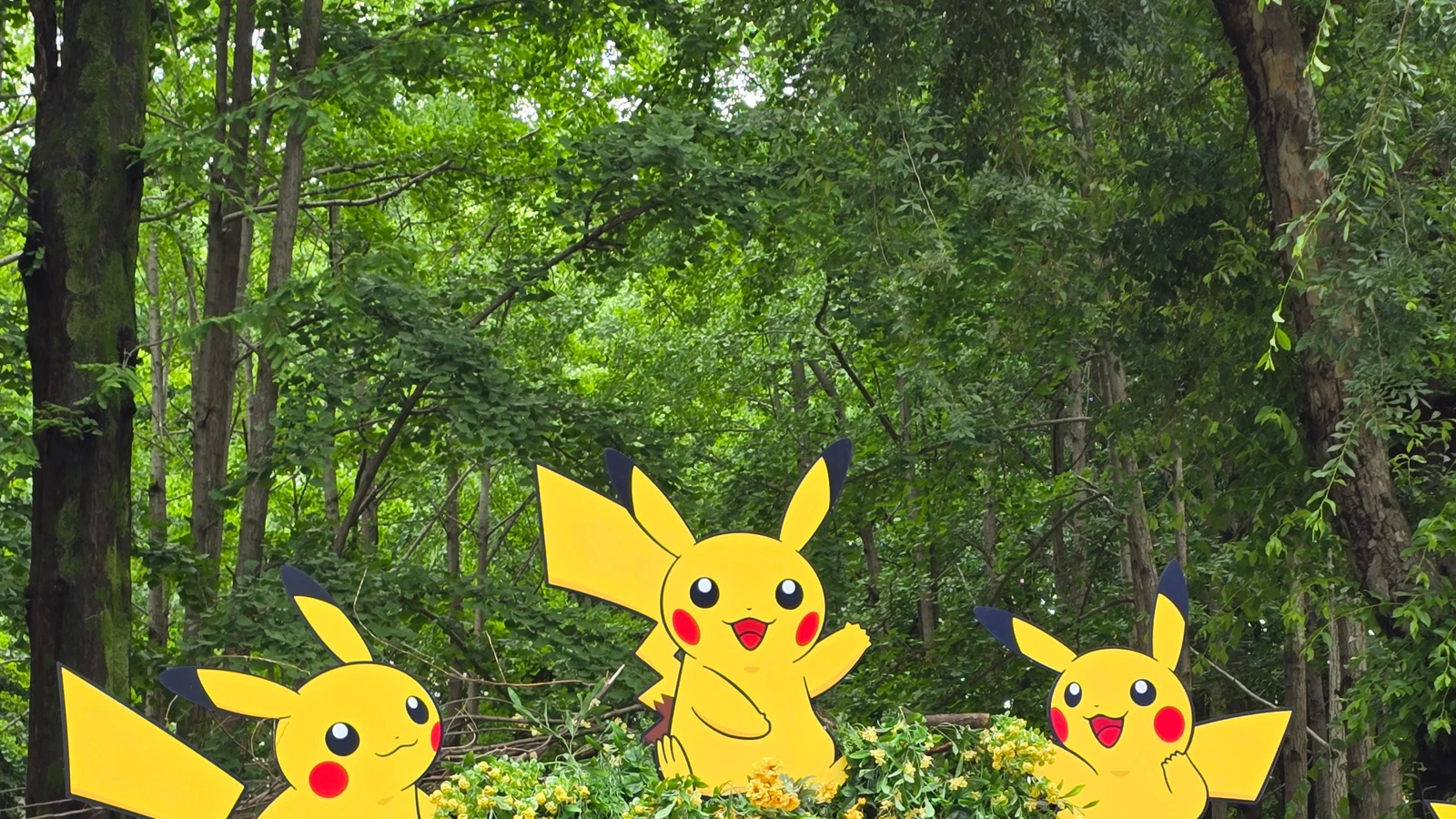
Pokémon in Korea 2026: Where to Shop, Play and Find Pokémon Events
South Korea has an active Pokémon fan scene, but it is not the same retail model as Japan. As of early September 2026, South Korea is not listed as a permanent Pokémon Center on the official Pokémon Center shop directory. Travelers still have official options: Pokémon Card Shops nationwide, Pokémon Store Online, rotating pop-ups, and time-limited events. Treat Mega Festa 2026 pop-ups you still see online as ended. For September 2026, focus on the Seongnam CITY Battle Tournament around GXG in Pangyo, the HiKR Ground Pokémon program in Seoul, and Pokémon GO seasonal events. Always re-check official Pokémon Korea notices before you go.
NationwideSeoulGyeonggi-do
Seoul Events in August and September 2026: Festivals Foreign Visitors Can Join
Late summer and early autumn are one of Seoul's busiest event stretches: August brings Han River nights and outdoor programs, while September turns the city into an art capital around Frieze Seoul and Kiaf, plus media-art, street performance, and outdoor-library programs. This guide is about which events a foreign visitor can actually join: free versus paid, ticketed versus invitation-only, how English-friendly they are, and how to plan around August heat and the Chuseok holiday. Only confirmed events get firm dates here; everything else is flagged to check officially. Dates, venues, and tickets change constantly, so always confirm the official website before you go.
Seoul
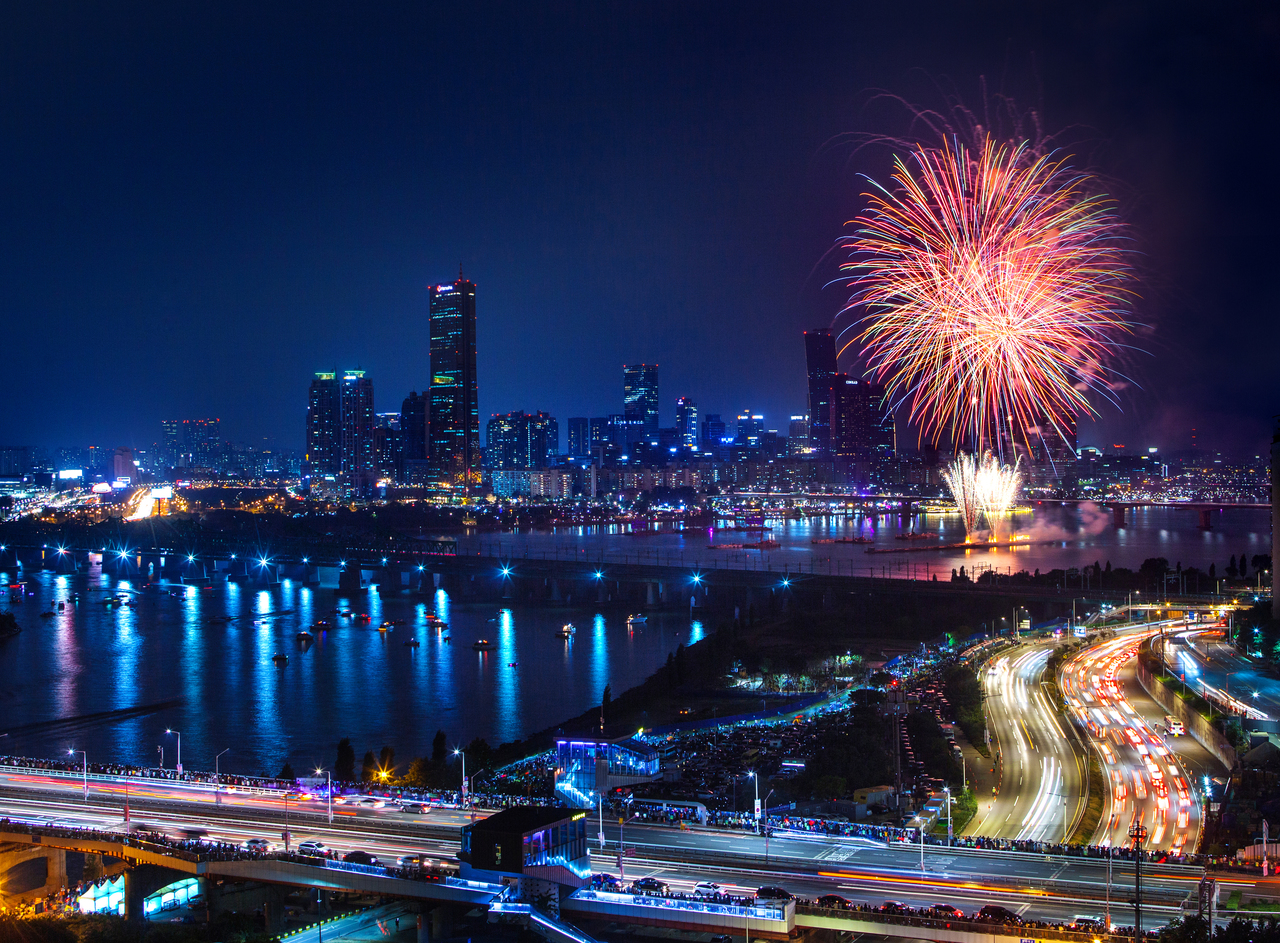
Seoul International Fireworks Festival 2026: Yeouido Viewing and Crowd Guide
The main fireworks are on Saturday, September 5, 2026 at Yeouido Hangang Park, and public viewing along the river is free. The hard parts are not the show: they are arriving early enough to get a spot, and leaving afterward with hundreds of thousands of other people. Decide before you go whether you want the main park, the far bank, or a paid seat on Nodeul Island.
Seoul

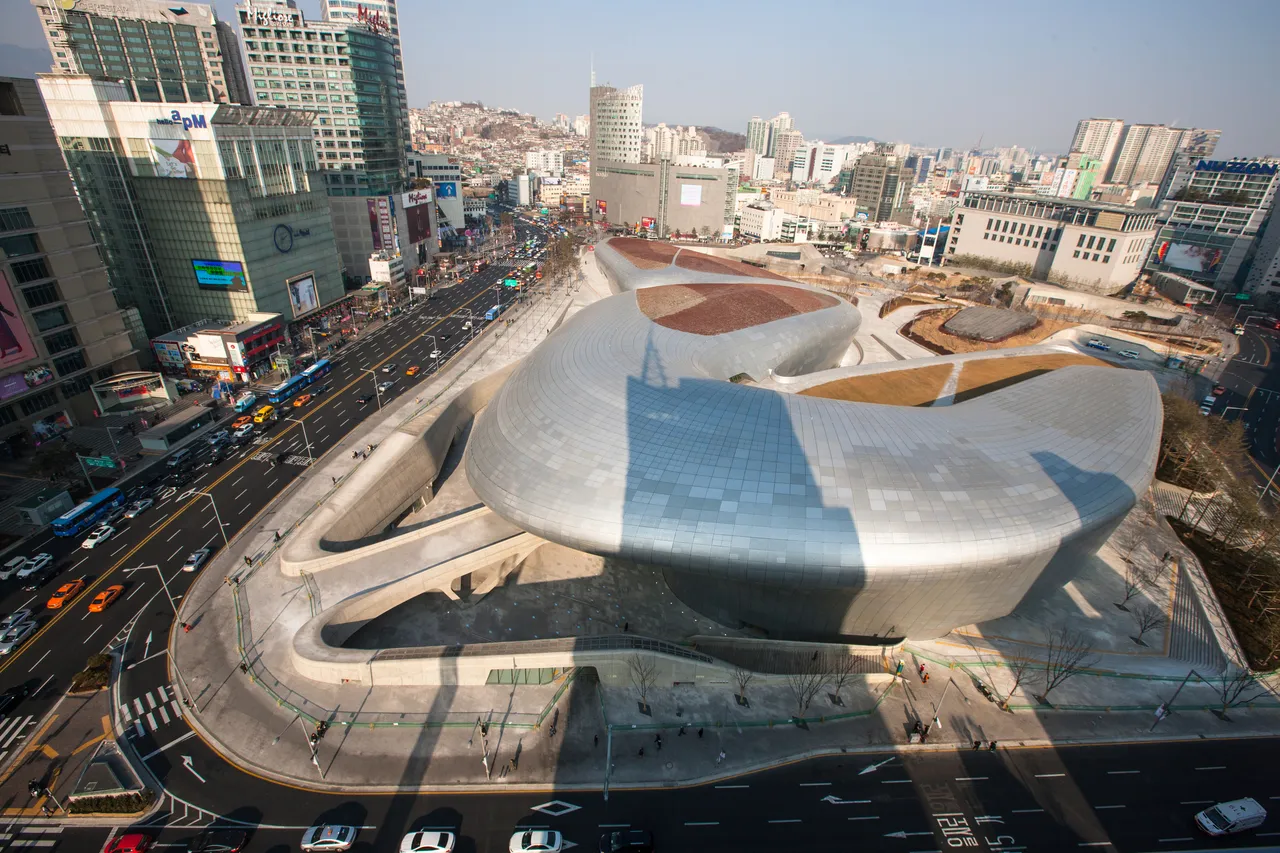
Seoul Light DDP 2026 Autumn: Free Media Art at Dongdaemun Design Plaza
Seoul Light DDP turns the curved metal exterior of Dongdaemun Design Plaza into a 222-meter media-art surface, and the 2026 autumn edition runs September 3 to 13 from 7:30 PM to 10:30 PM. It is free, it is outdoors, and no ticket or reservation is involved. The useful decisions are which night to go, since only seven of the eleven have live performances, and how to fold it into a Dongdaemun evening rather than crossing the city for it alone.
Seoul
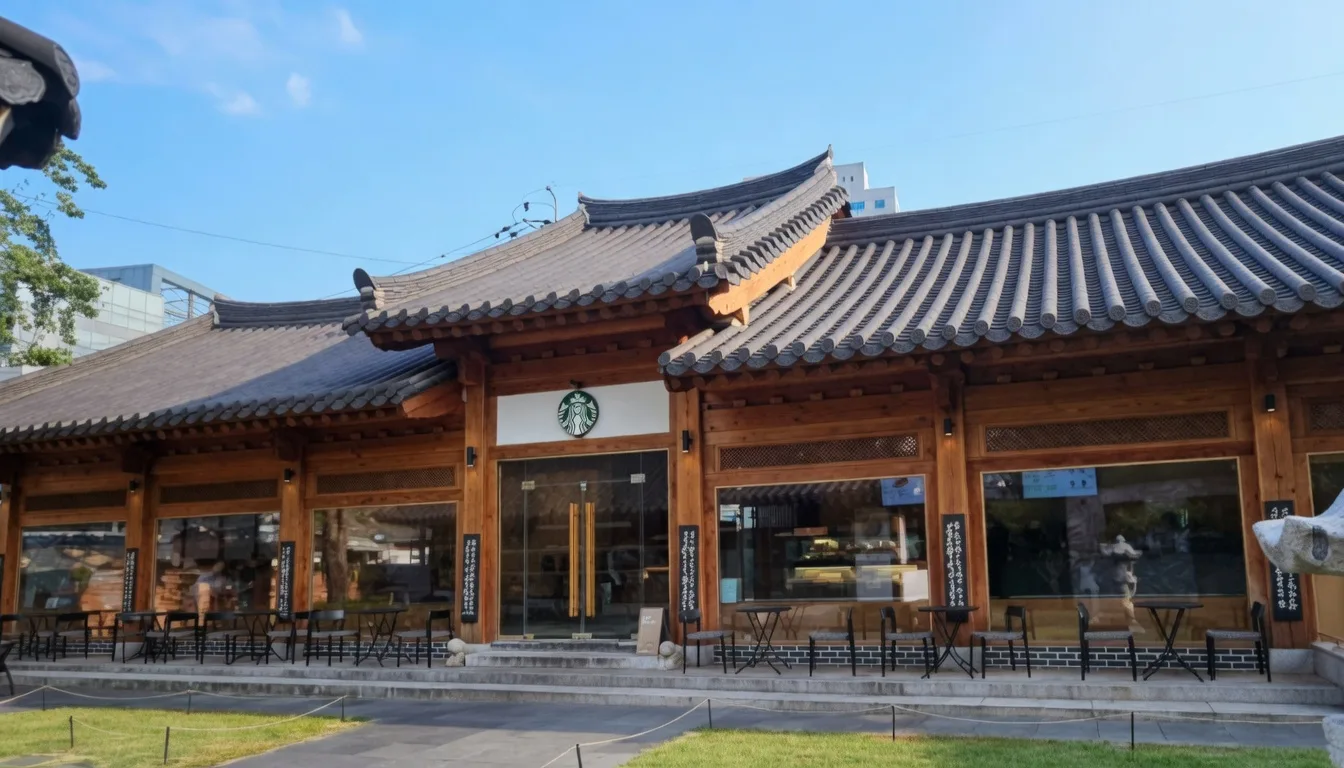
Starbucks in Korea: Unique Stores Worth Visiting, Korea-Only Menu, and Merchandise Guide
In Korea, the Starbucks you have back home becomes a destination. Set inside a restored 1960s theater, a mid-century mansion, on the Han River, or 400 metres up a Busan tower. This guide leans into that: the theater-turned-cafe Gyeongdong 1960 as the anchor, other unique stores, Korea-only and seasonal drinks, and the city-mug and bear merchandise culture, plus how to visit smart. It's for cafe-hoppers and collectors, not a must-do for everyone. Menus, prices, hours, and stock are seasonal, so check the official Starbucks Korea app or store page.
Seoul

Things to Do in Seoul at Night: Food, Cafés, PC Bangs, Markets, and Safe Routes
Seoul after dark isn't just a drinking scene. It's late-night food streets, 24-hour-feeling markets, gaming cafés, river walks, and skyline views, all reachable without ever ordering a drink. This guide is a planning hub, not a deep dive: it helps you pick one neighborhood, string together two or three activities, and, the part most visitors get wrong, actually check how you get home before you go out, since Seoul's last trains and buses don't run on one fixed schedule. For the specifics on any single activity, this guide links out to the dedicated pieces.
Seoul
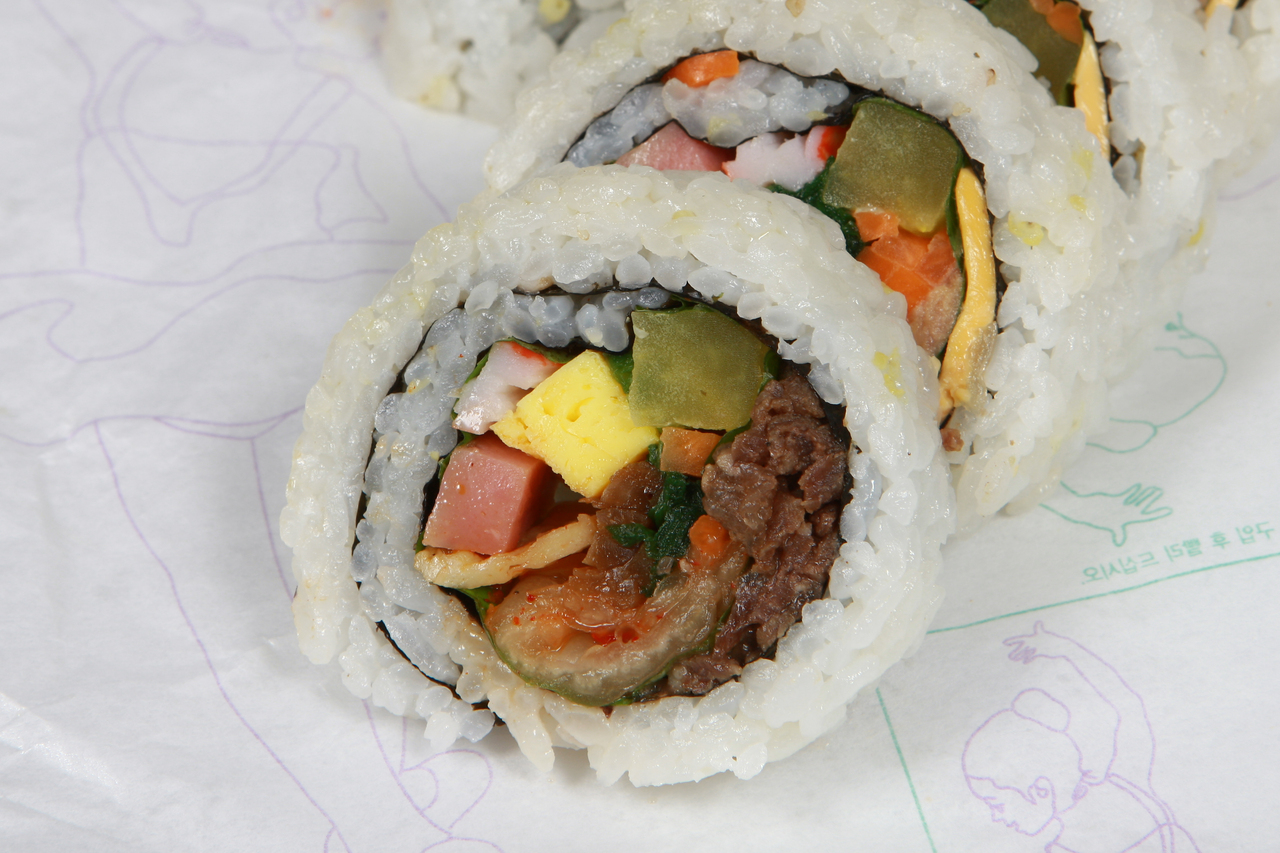
Korean Supermarket Snacks: Biscuits, Chips, and Gift-Ready Picks
Korean supermarket snacks fall into two practical groups: gift-style biscuits (Bichobi, Choco Pie, Pepero, Market O Real Brownie, Crown Butter Waffle) that come in boxes with individually wrapped pieces, and crunch snacks (Kkobuk Chips Choco Churros, Haitai Honey Butter Chip, HBAF almonds, Saewookkang) that are more fragile and savory. Full packing and allergy notes for each product are below.
Nationwide
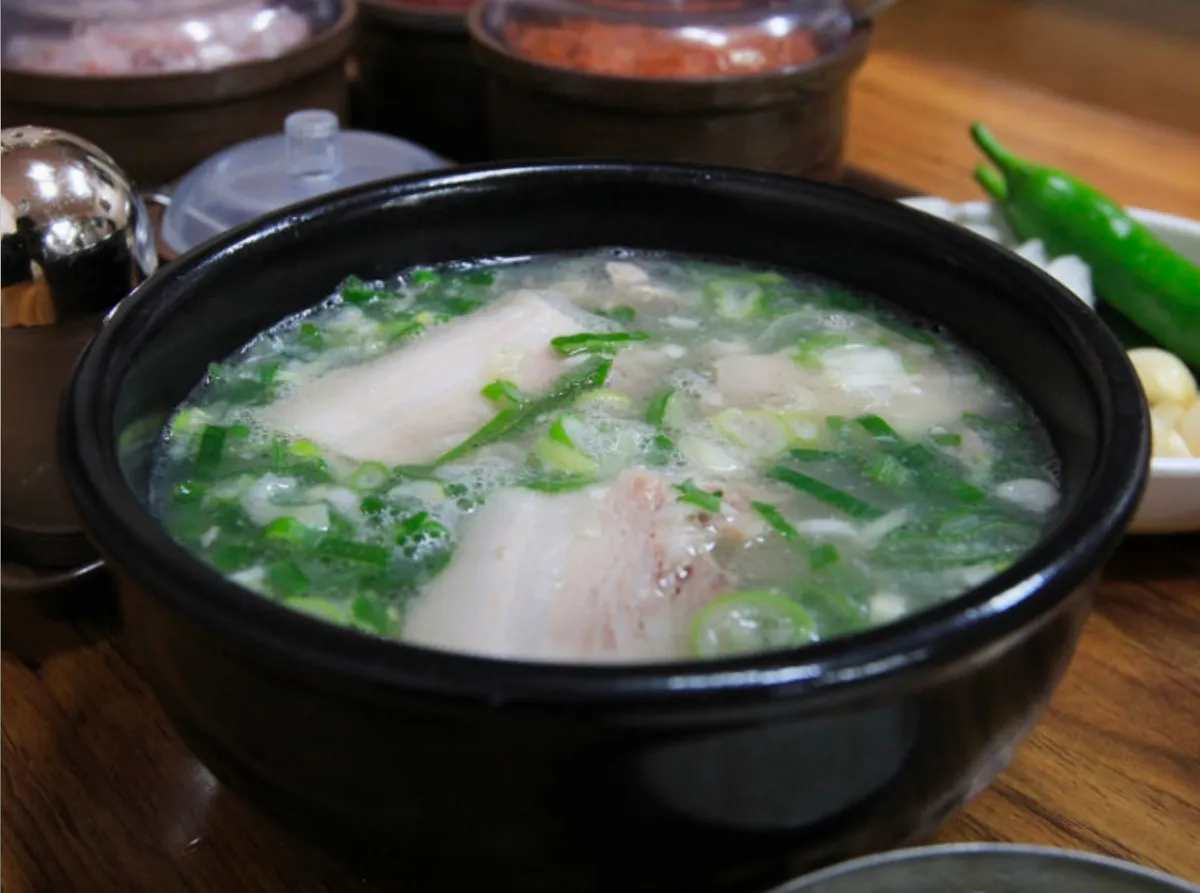
Bonjeon Dwaeji Gukbap Busan Guide: Pork Soup, Menu, Prices & Tips for Foreigners
Bonjeon Dwaeji Gukbap (본전돼지국밥) is a single dwaeji gukbap restaurant at 3-8 Jungang-daero 214beon-gil, Choryang-dong, Dong-gu, Busan, about 150 m from Busan Station in a straight line. Kakao Map lists the soup at ₩10,000 and hours of 09:00 to 21:00 with last order at 20:30, while other listings show higher prices and an earlier opening.
Busan

Chimaek Guide: Korean Fried Chicken and Beer
Chimaek (치맥) is Korean fried chicken (chikin) paired with beer (maekju), a casual, shareable night out. Order a whole chicken for two to three people, choose plain fried or a sauce, and eat it while it is hot and crisp.
Nationwide
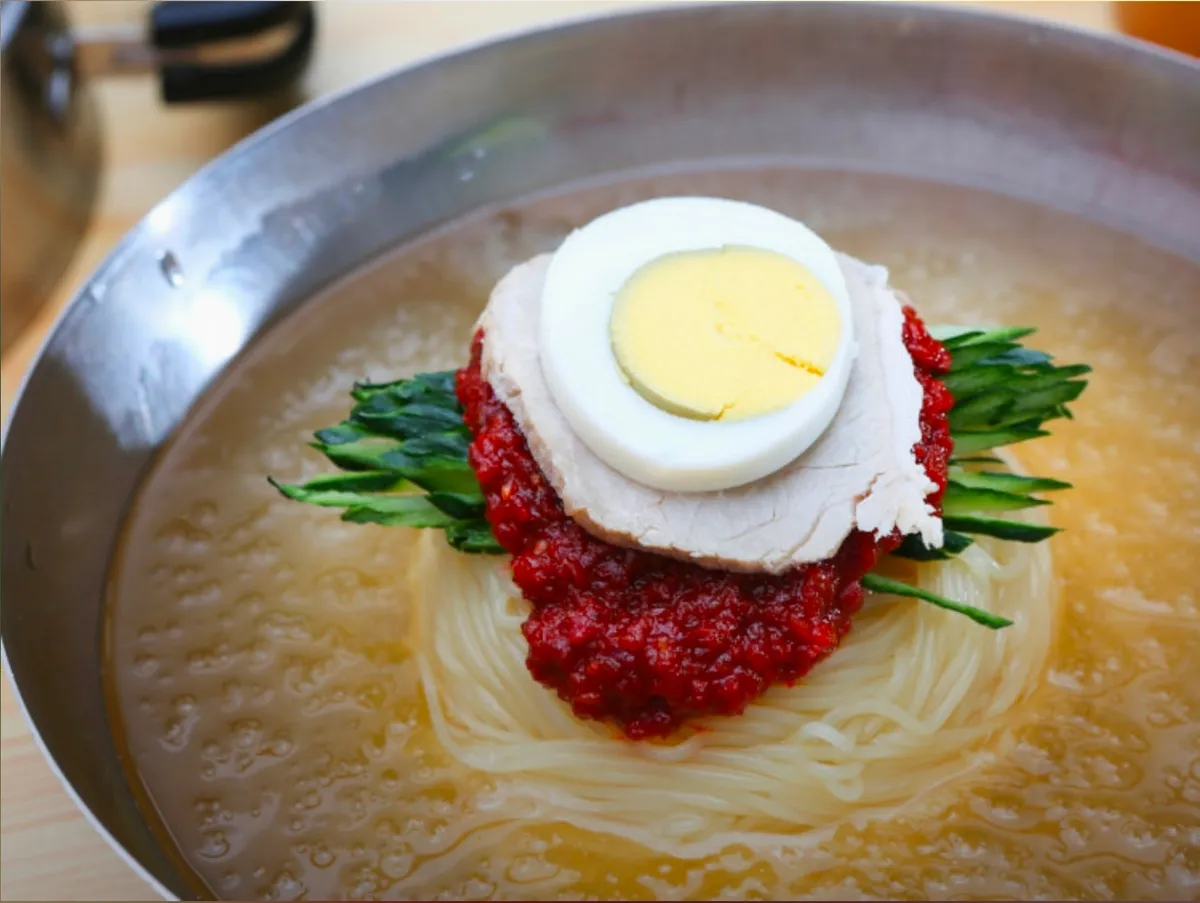
Choryang Milmyeon Busan Guide: Cold Wheat Noodles, Menu, Prices & Tips for Foreigners
Choryang Milmyeon (초량밀면) is a milmyeon restaurant at 225 Jungang-daero, Choryang-dong, Dong-gu, Busan, about 250 m from Busan Station in a straight line. Kakao Map and Naver Place both list mul and bibim milmyeon at ₩7,000 (small) and ₩8,000 (large), open 10:00 to 21:30 daily with last order at 21:00.
Busan
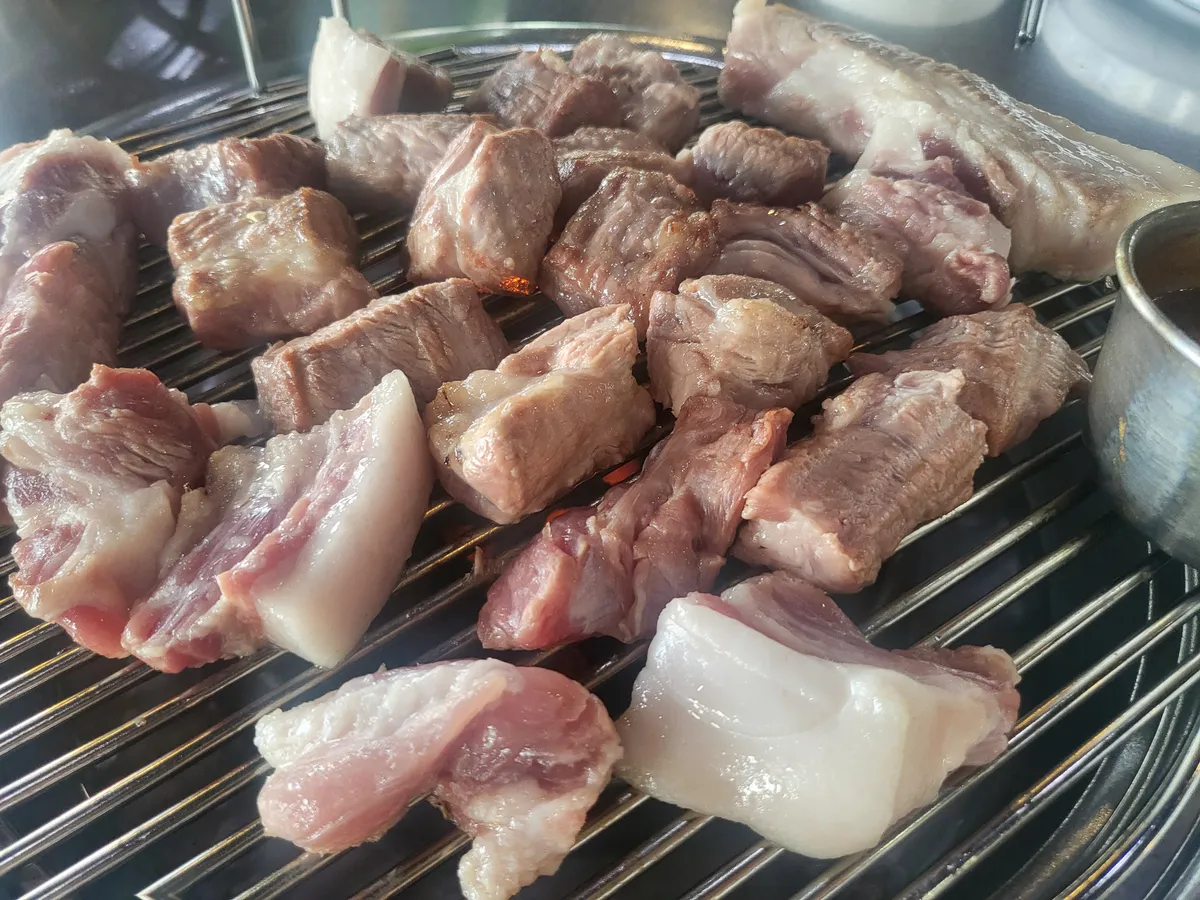
Donsadon Jeju Guide: Black Pork BBQ, Menu, Prices, Waiting & Tips for Foreigners
Donsadon (돈사돈) main branch, at 19 Upyeong-ro in Nohyeong-dong, Jeju City, grills thick-cut Jeju black pork over briquettes at your table, with staff doing the grilling. It is open 12:00 to 22:00 and closed on Tuesdays, takes no reservations as a rule, and sells the pork by weight: the current Naver Place listing shows ₩69,000 for 600 g, labeled for two people.
Jeju
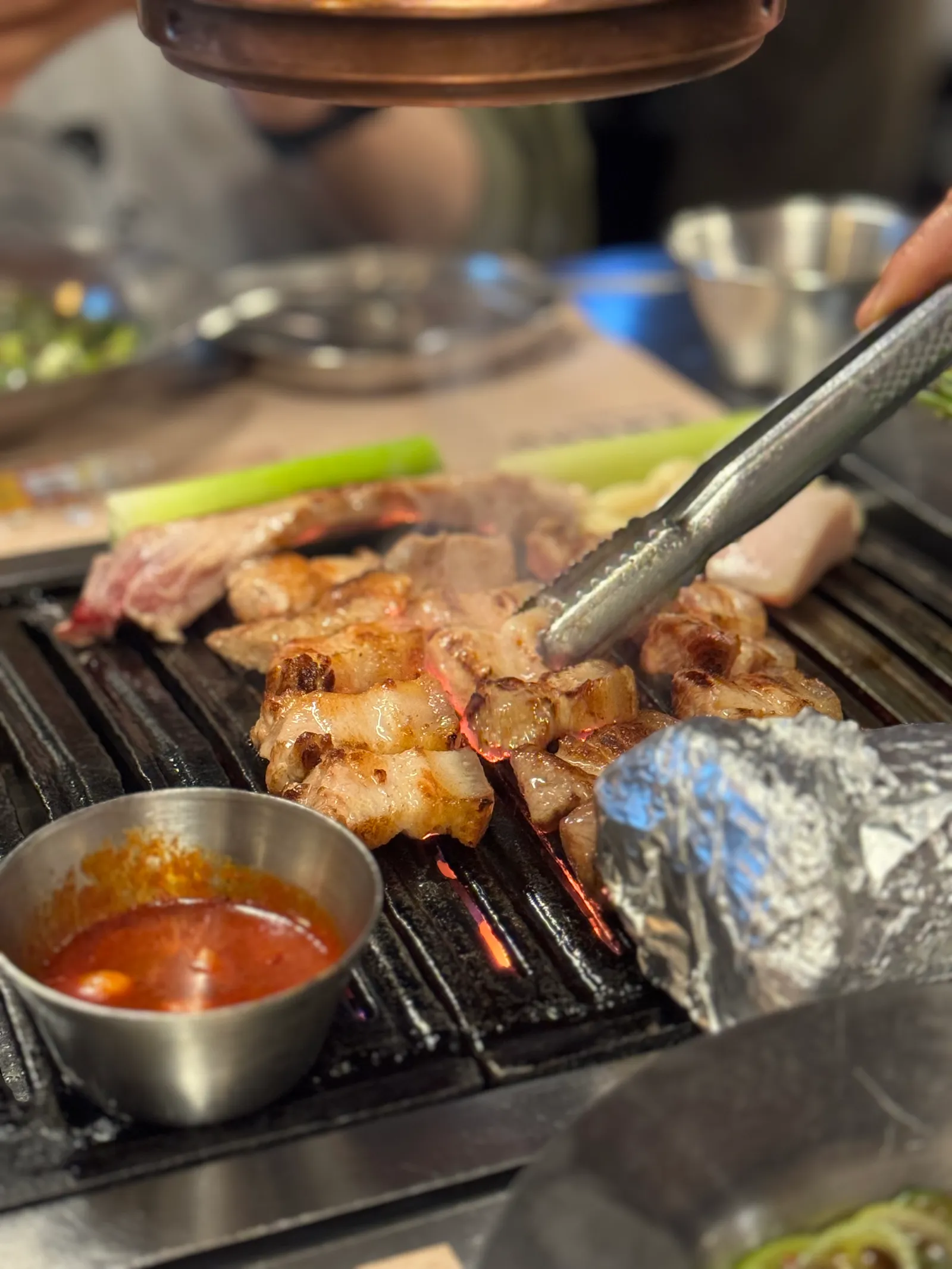
Geumdwaeji Sikdang Guide: Seoul's Famous Pork Korean BBQ Restaurant
Geumdwaeji Sikdang ("Gold Pig") in Sindang is a Michelin Bib Gourmand pork BBQ restaurant known for thickly marbled nunkkot moksal grilled over charcoal and cast iron. Limited advance booking slots appear on platforms such as CatchTable, and a long walk-in queue is still the norm. What to order, how to find the right place, and what to check before you go are all below.
Seoul

Gwangjang Market Food Guide for Visitors
Gwangjang Market is Seoul's most famous street-food market, known for mung-bean pancakes, mayak gimbap, and live-octopus stalls. What to eat, how to order at a busy stall, rough prices, and directions all follow.
Seoul
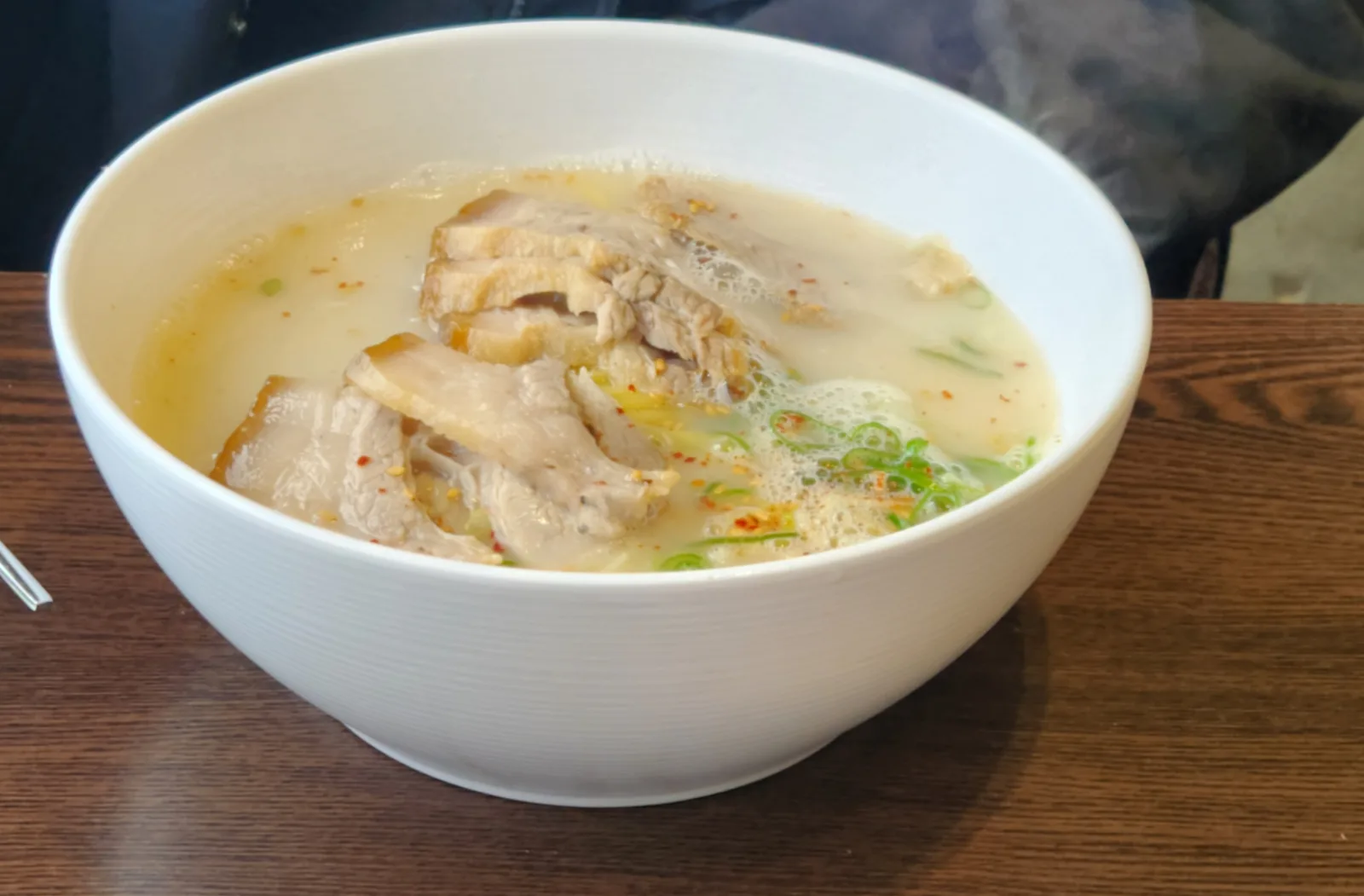
Jamae Guksu Jeju Guide: Gogi Guksu, Menu, Prices, Waiting & Tips for Foreigners
Jamae Guksu (자매국수) is a pork noodle restaurant in Iho 1-dong, Jeju City, about 3 km west of Jeju Airport in a straight line. Gogi guksu, the pork noodle soup, is ₩10,000 on the current Kakao Map and Naver Place listings, with bibim guksu at the same price and boiled pork (dombe gogi) from ₩19,000. It is closed on Wednesdays, takes a mid-afternoon break, and visitors queue through an app, so the wait is not predictable.
Jeju
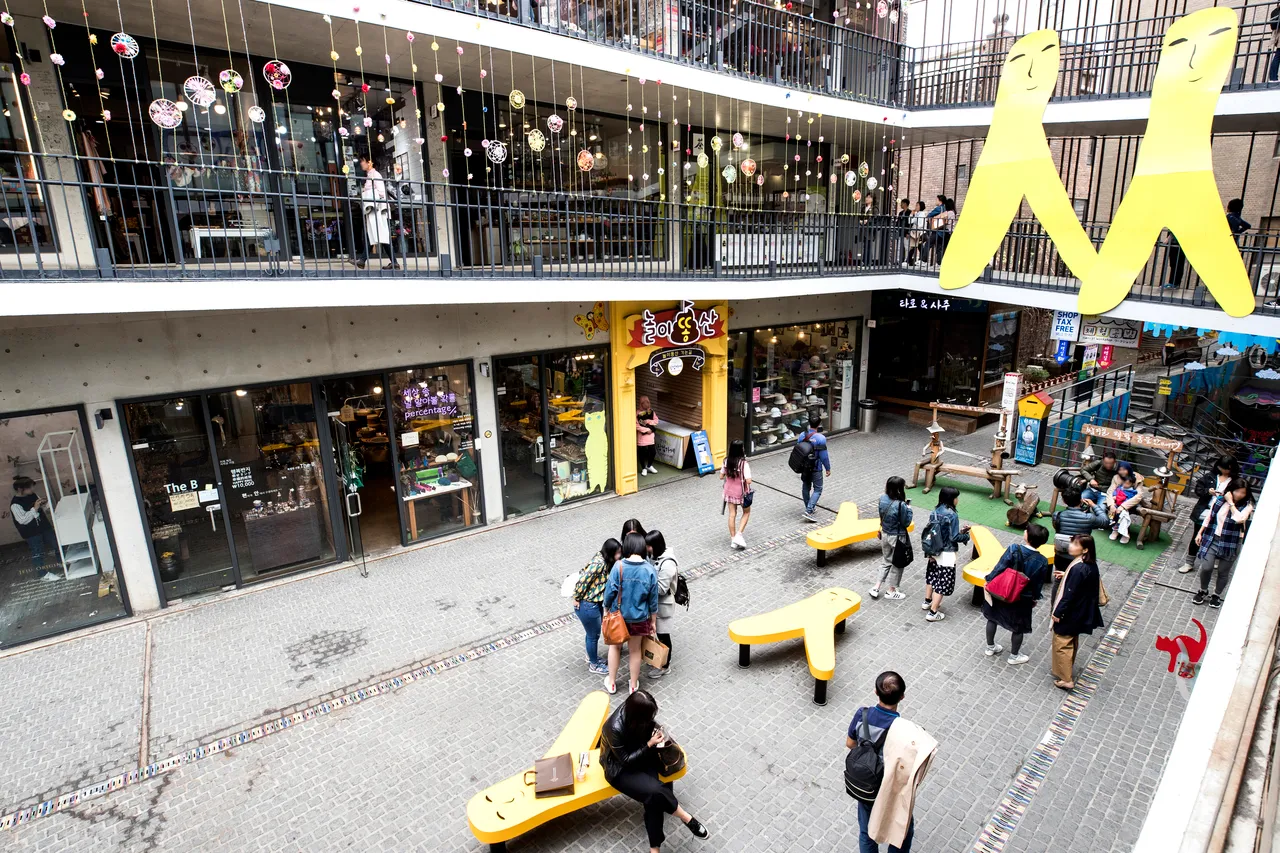
Top 5 Jongno Restaurants Foreigners Love: What to Eat Near Palaces, Insadong, Bukchon, and Gwangjang Market
Jongno is where old Seoul eats: century-old soup houses, a chicken-hot-pot alley, and market raw-beef stalls, all a short walk from the palaces, Insadong, and Bukchon. This is an editorial pick of five restaurants first-time visitors tend to love, not an official ranking, chosen so you can match your route, the kind of dish, and your comfort level. It covers what to order, who each place suits, and what to check before you go, plus honest notes on raw dishes, halal, vegetarian, and allergies. Hours, prices, and Michelin listings change, so confirm the current details before visiting.
Seoul
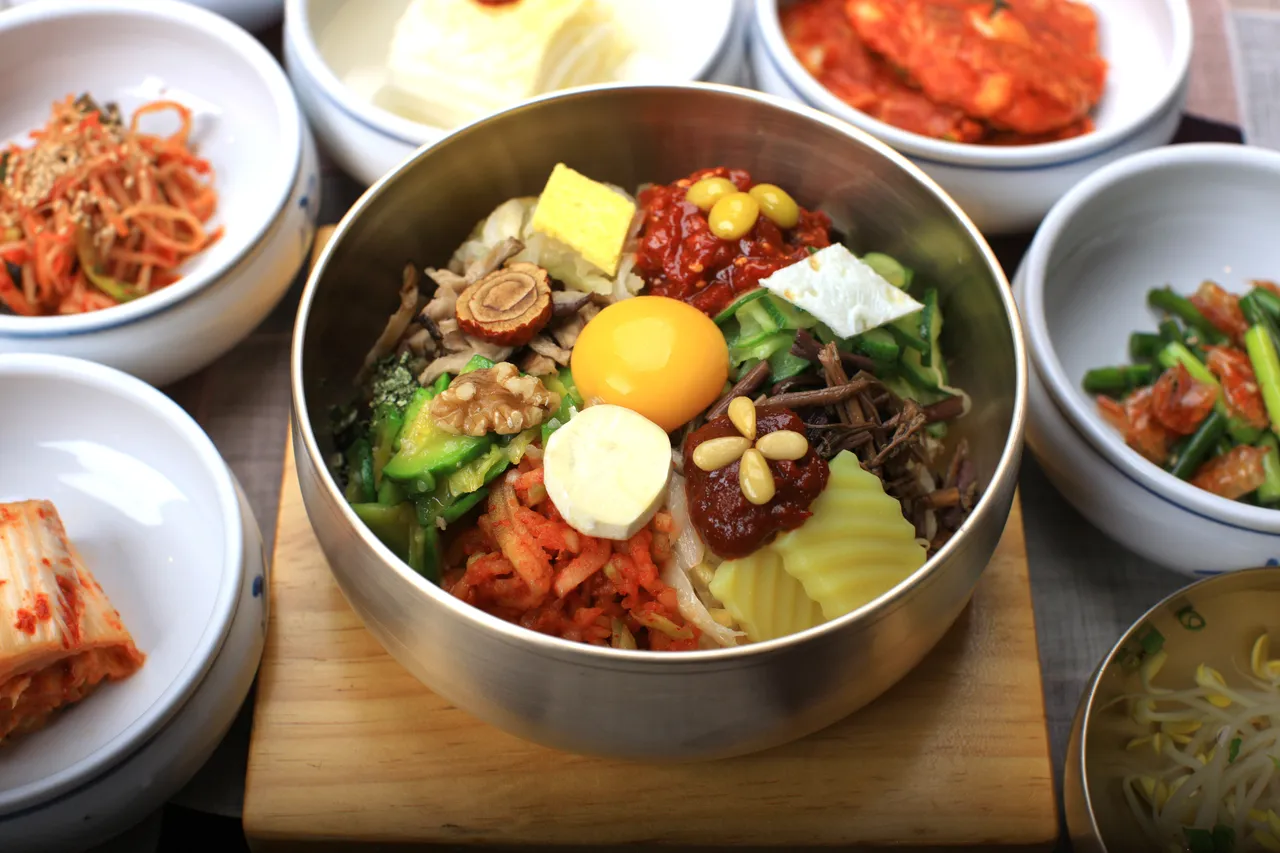
Korea Food Guide for Muslim Travelers: What to Check Before Eating
Korea publishes four different Muslim-friendly restaurant labels, and only the top one means an accredited body certified the food. Below that, "self- certified" means the owner vouched for it, and the two labels under that allow alcohol on the premises. What each label leaves open, which questions get you a usable answer, and what to do when nobody can tell you what is in the broth, are below.
Nationwide

Korean BBQ Guide: How to Order and Eat It
Korean barbecue is a grill-it-yourself meal of pork or beef cooked at your table and wrapped in lettuce with sides. The popular cuts, how to order, how the grilling works, what it costs, and the simple etiquette are all below.
SeoulBusanNationwide
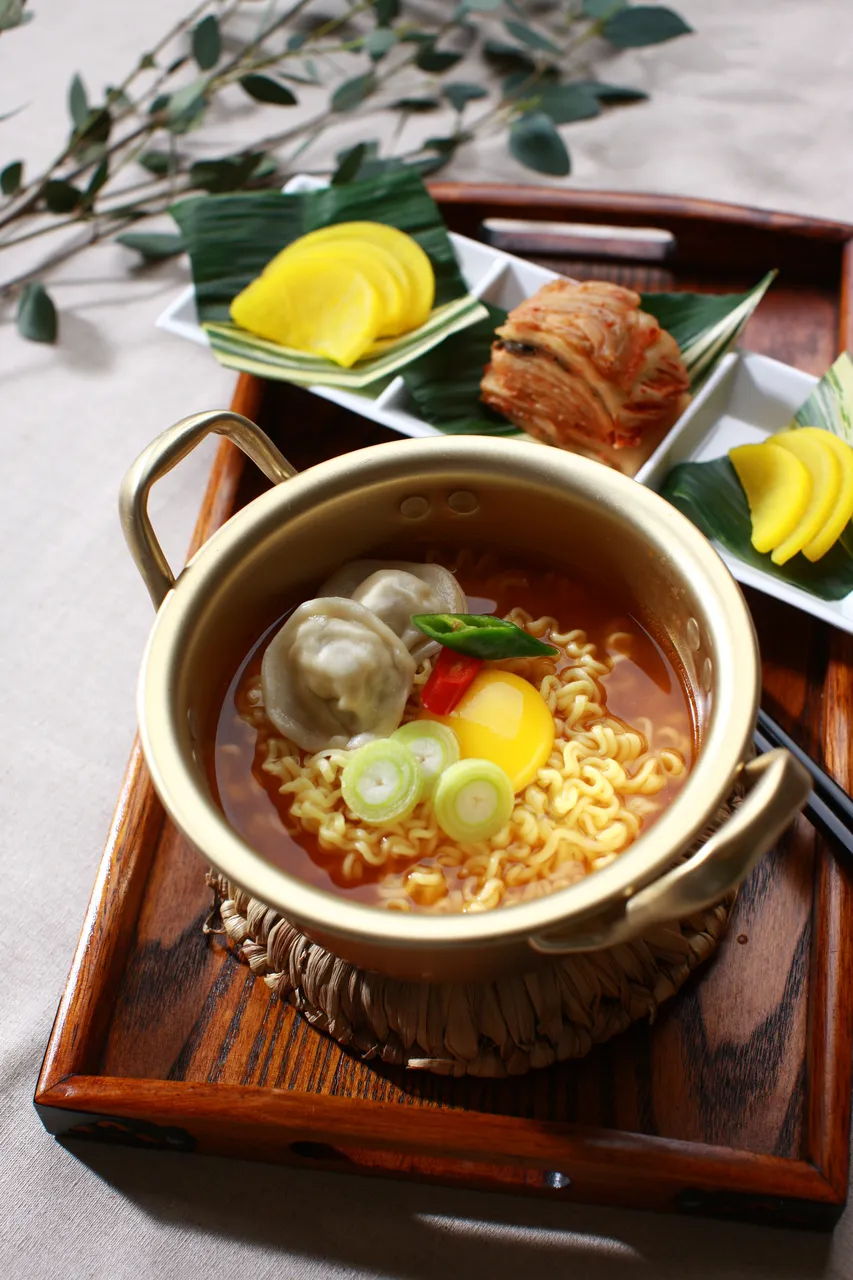
Korean Convenience Store Ramen Combos: Buldak, Shin Ramyun, Jjapaguri, Cheese, and Rice
Korean convenience stores are a cheap, fun way to eat instant ramen exactly how you like it: soup or stir-fried, mild or fiery, plain or loaded with cheese, egg, kimbap, and more. Ten beginner-friendly combos follow, with how to put them together and the things that actually matter: how spicy is too spicy, what to check if you avoid pork or eat halal or vegetarian, and common allergens. Brands are named only as examples; what's on the shelf changes by store and day, so read the package.
Nationwide
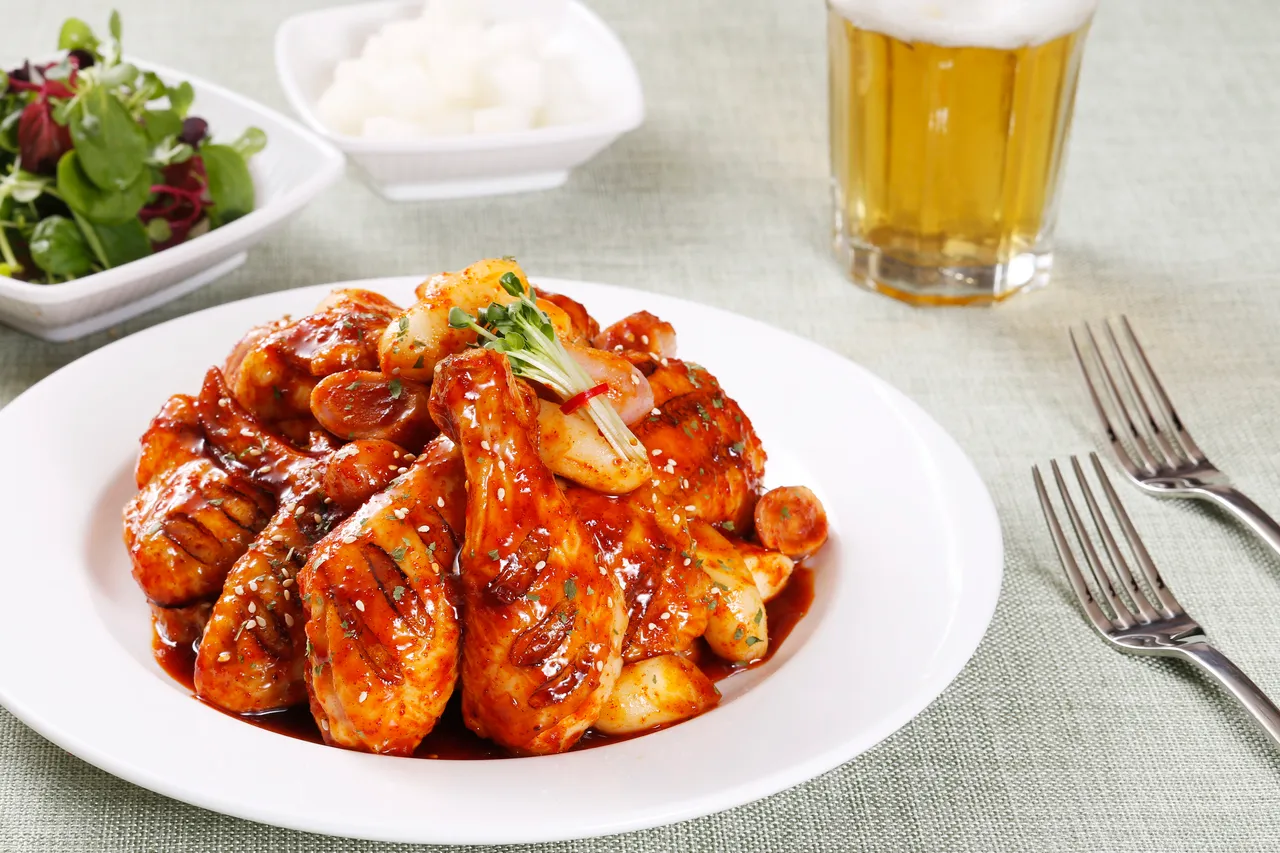
Korean Fried Chicken Brands Guide: What to Order, Signature Menus, and Best Sides
Korean fried chicken isn't one dish: each big brand has its own style, from BBQ's olive-oil frying to BHC's Bburinkle powder and Kyochon's hand-brushed soy-garlic. This is a match-your-taste guide, not a ranking: what each brand is known for, how to order (half-and-half, boneless, sides), the flavor labels that signal spice, and dietary cautions. Menus, prices, and availability change and vary by branch, so check the current official menu before you order.
Nationwide
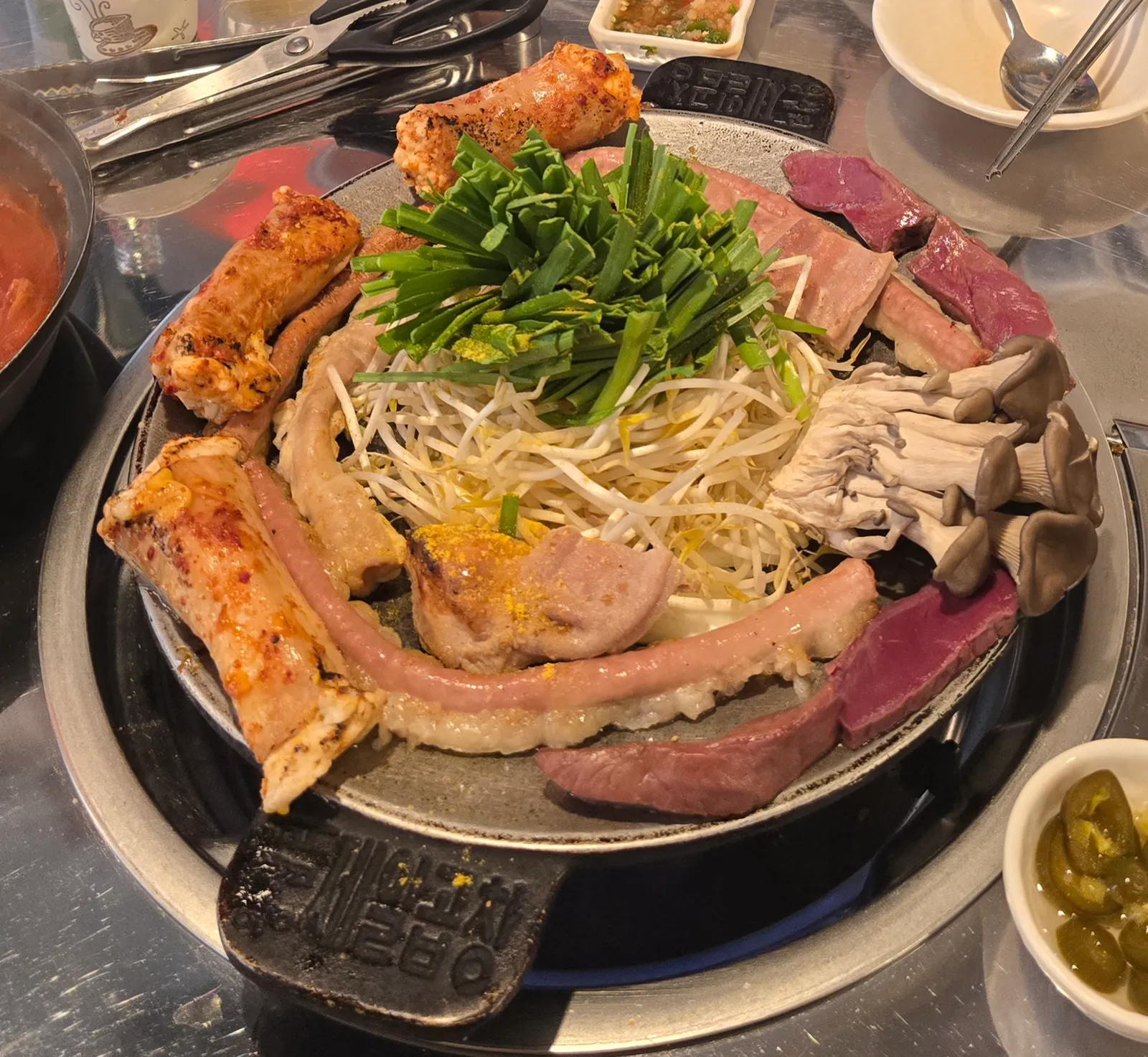
Gopchang in Korea: A Guide to Grilled Beef Intestines + 3 Seoul Restaurants
Gopchang (곱창) here means grilled beef small intestine: a classic Korean evening BBQ and soju food, not a shock challenge. Learn how it differs from daechang, yang, and makchang, how table service usually works, what a first-timer should order, and three currently operating Seoul spots in Myeongdong, Chungmuro, and Sinchon. It is rich offal BBQ. Share cuts, cook them fully, and finish with fried rice when the restaurant offers it.
Seoul
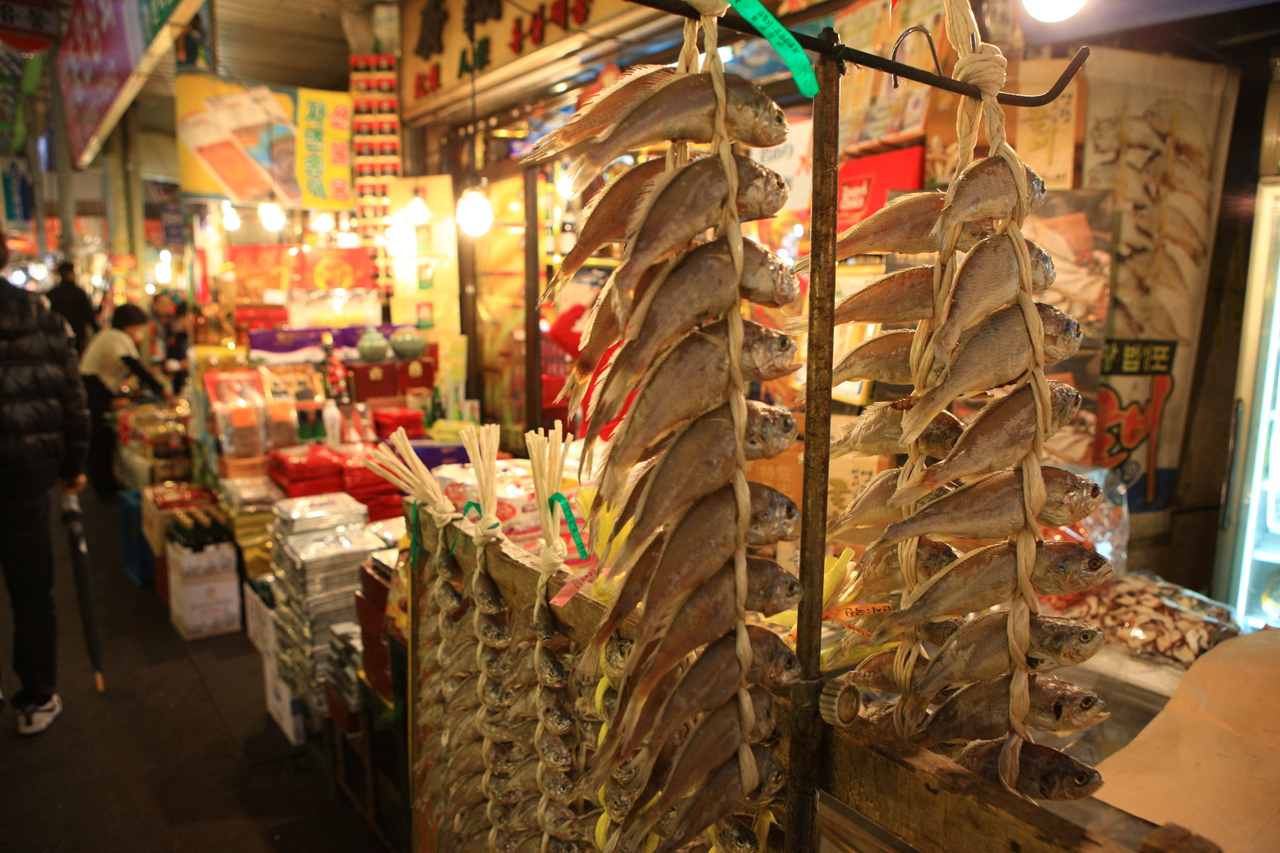
Korean Grocery Souvenirs: Coffee, Seaweed, Sauces, and Pantry Picks
Korean pantry souvenirs at the supermarket cover light packables (bibigo roasted seaweed, Maxim coffee sticks, KANU Americano) and home-cook staples (Samyang Buldak Hot Sauce, Sempio Gochujang, Sempio Instant Tteokbokki Cup). Sauces and pastes need careful packing and may need checked luggage. Customs rules vary by destination country.
Nationwide
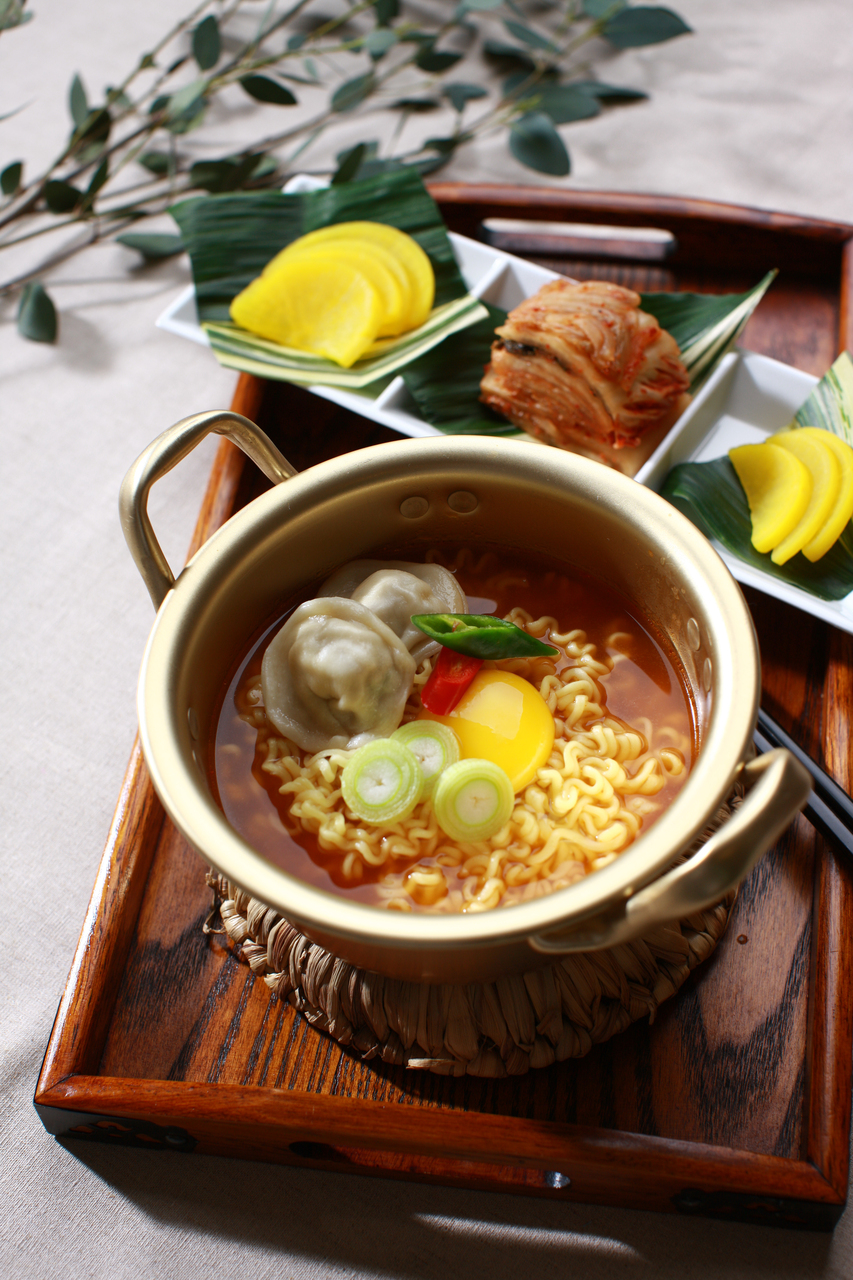
Korean Ramyeon at the Supermarket: What to Buy and How to Pack It
Two Korean ramyeon products receive the most attention from international visitors: Samyang Carbonara Buldak Ramen (creamy and genuinely spicy) and Nongshim Shin Ramyun Toomba (cream-and-cheese spin-off of classic Shin Ramyun, also spicy). Both come in bag and cup formats; the bag packs more efficiently. Neither is mild. Allergy and cooking notes below.
Nationwide

Korean Supermarket Guide: Where to Shop and How to Choose Categories
This page owns the supermarket shopping mechanics: which chains to use, how food-souvenir categories differ, what packs well, and dietary caution. Named snack SKUs live in the snacks guide, ramyeon depth in the ramyeon guide, and coffee, seaweed, and sauces in the grocery souvenirs guide. Use this hub to choose a path, not as a second full product list.
Nationwide
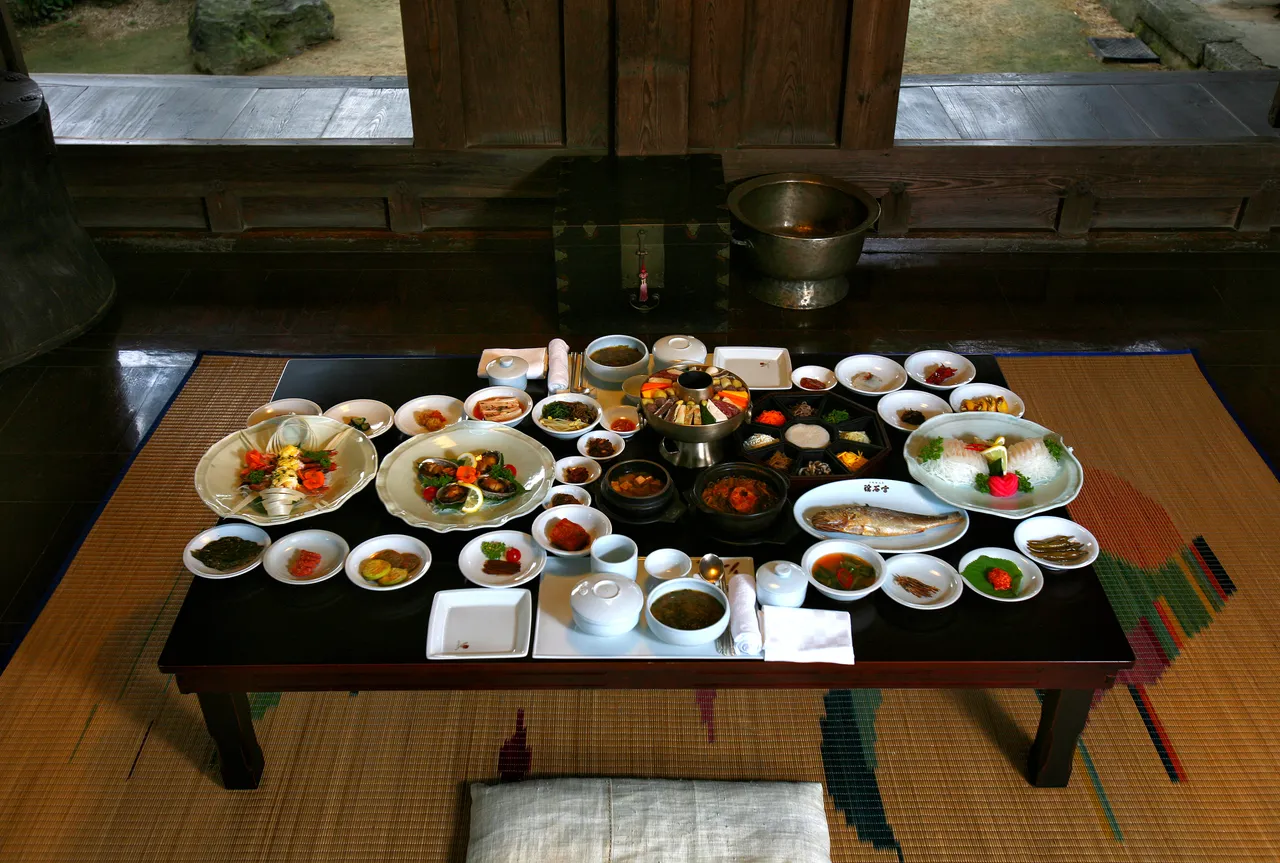
Michelin Guide Restaurants Near Seoul Tourist Areas: Stars, Bib Gourmand, and What Fits Your Itinerary
Michelin in Seoul isn't only fine dining, a Bib Gourmand meal can be a ₩10,000 to 30,000 bowl. This is a match-your-itinerary hub: it explains the Star / Bib Gourmand / Selected tiers (with the 2026 guide's numbers), then maps anchor restaurants to tourist areas (Myeongdong, Euljiro 4-ga, Insadong, Gyeongbokgung, Gwangjang Market, and Gangnam) so you can pick by route and budget. Michelin ratings change yearly, so confirm each restaurant's current category on the official Michelin Guide before you go.
Seoul
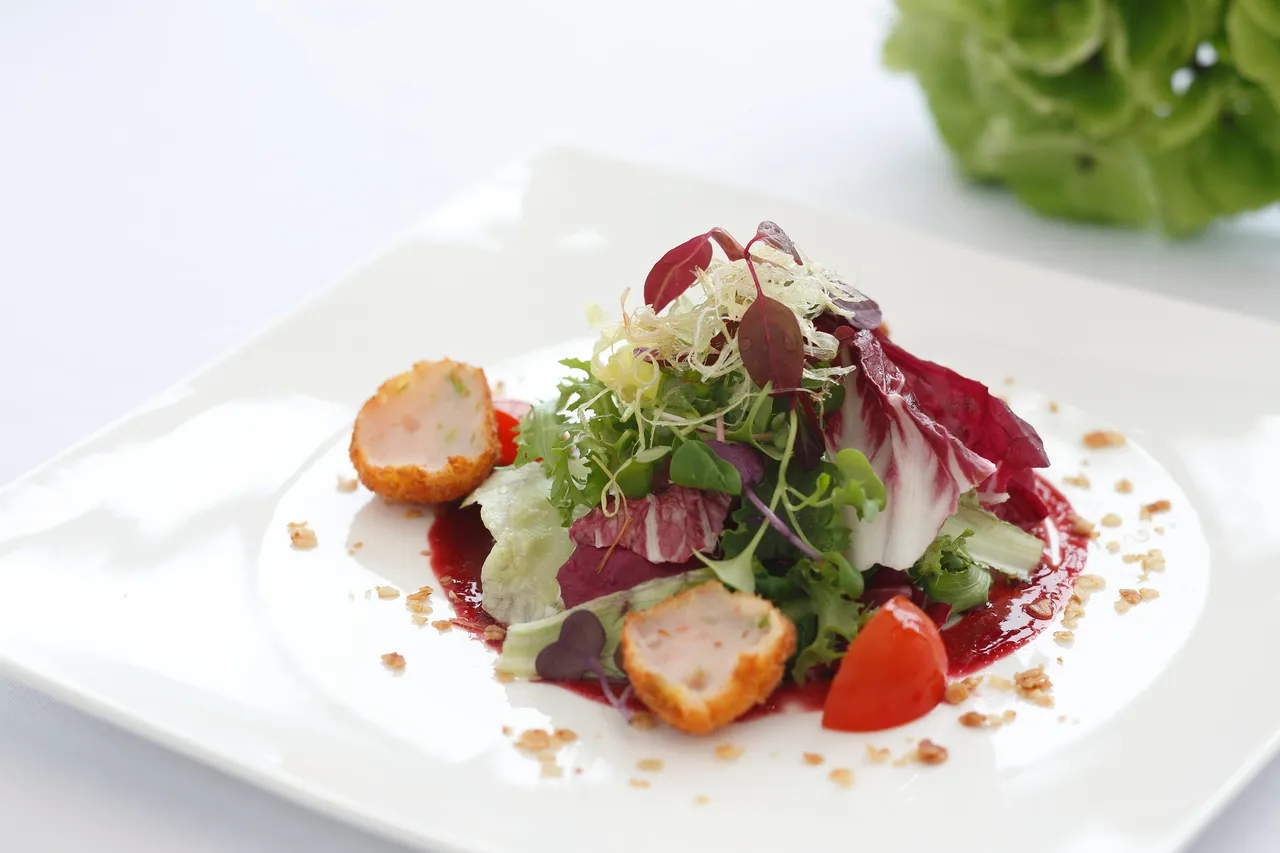
Mingles Seoul Guide: Michelin Fine Dining in Gangnam
Mingles is one of Seoul's landmark fine-dining restaurants: a modern-Korean tasting-menu destination in Cheongdam from chef Kang Mingoo, built around Korea's jang (fermented sauces) and Western technique. This guide is a visit-decision briefing, not a hype piece: what to expect, how the courses and pricing work, how far ahead to book, where it actually is (near Cheongdam, not Gangnam Station), and who it's for. Michelin ratings, menus, and prices change each year, so confirm the current details on the official Michelin Guide and Mingles pages before you book.
Seoul

Myeongdong Kyoja Guide: Seoul's Famous Kalguksu and Mandu Restaurant
Myeongdong Kyoja is one of Seoul's most famous noodle restaurants: a Michelin Bib Gourmand spot in the heart of Myeongdong, open since 1966, with a tiny four-item menu built around hand-cut kalguksu and mandu. It's fast, easy to order, and great between bouts of Myeongdong shopping. What to order, the famous garlic kimchi, and how to find the main branch are all below.
Seoul
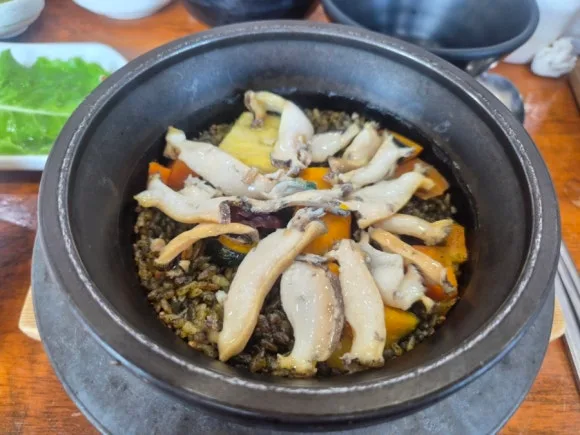
Myeongjin Jeonbok Jeju Guide: Abalone Stone Pot Rice, Menu, Prices & Tips for Foreigners
Myeongjin Jeonbok (명진전복) is an abalone restaurant on the coastal road in Pyeongdae-ri, Gujwa-eup, on Jeju's northeast coast. The menu is built around abalone stone pot rice (₩16,000 on the current Kakao Map and Naver Place listings), with porridge, butter-grilled abalone and sliced raw abalone as the other mains. It is closed on Tuesdays, no online booking was found, and a car is the practical way to reach it.
Jeju
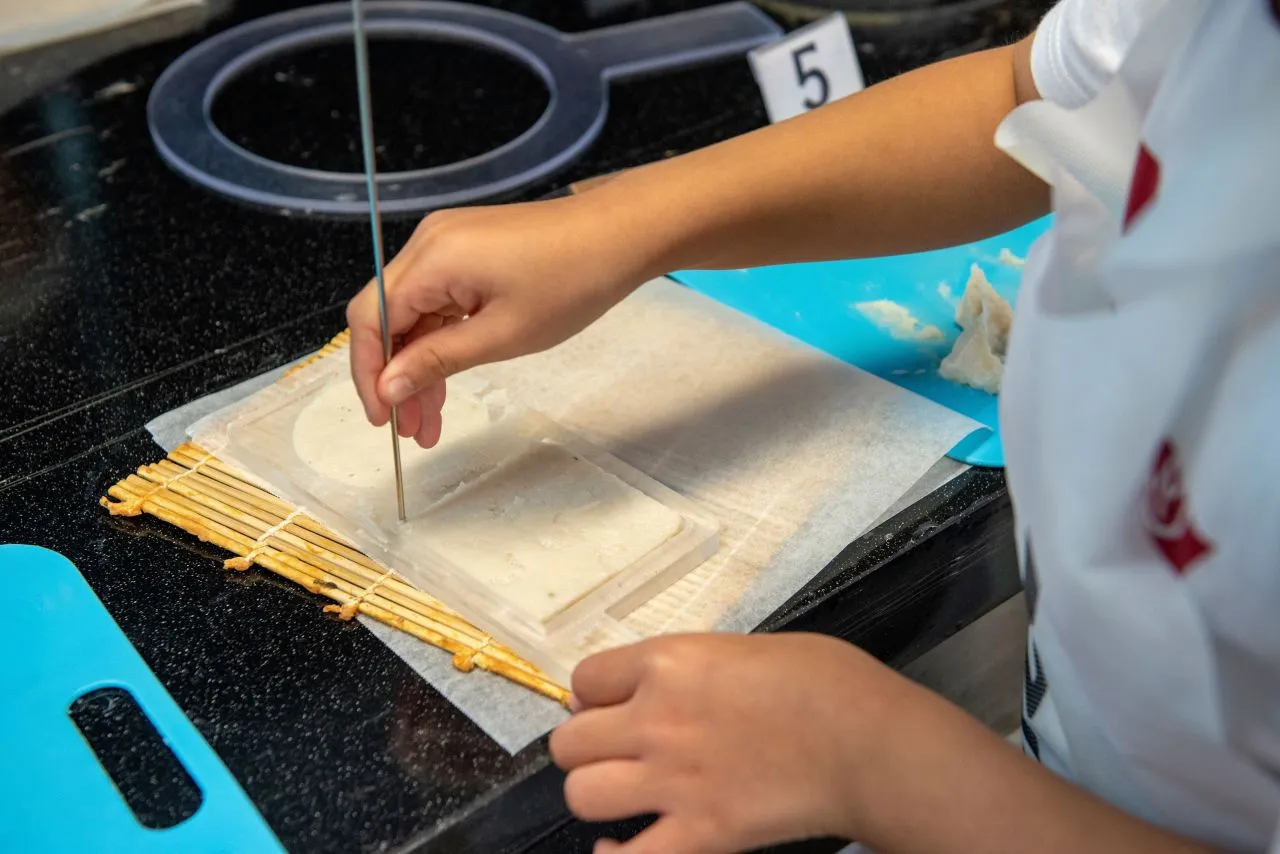
Samjin Eomuk Busan Guide: Fish Cake, Menu, Prices, Main Store & Tips for Foreigners
Samjin Eomuk (삼진어묵) Yeongdo Main Store is at 36 Taejong-ro 99beon-gil, Yeongdo-gu, Busan. The brand's own page lists 09:00 to 19:00 every day with no closed day, and the 2nd-floor experience hall closes on Mondays and needs an online booking.
Busan
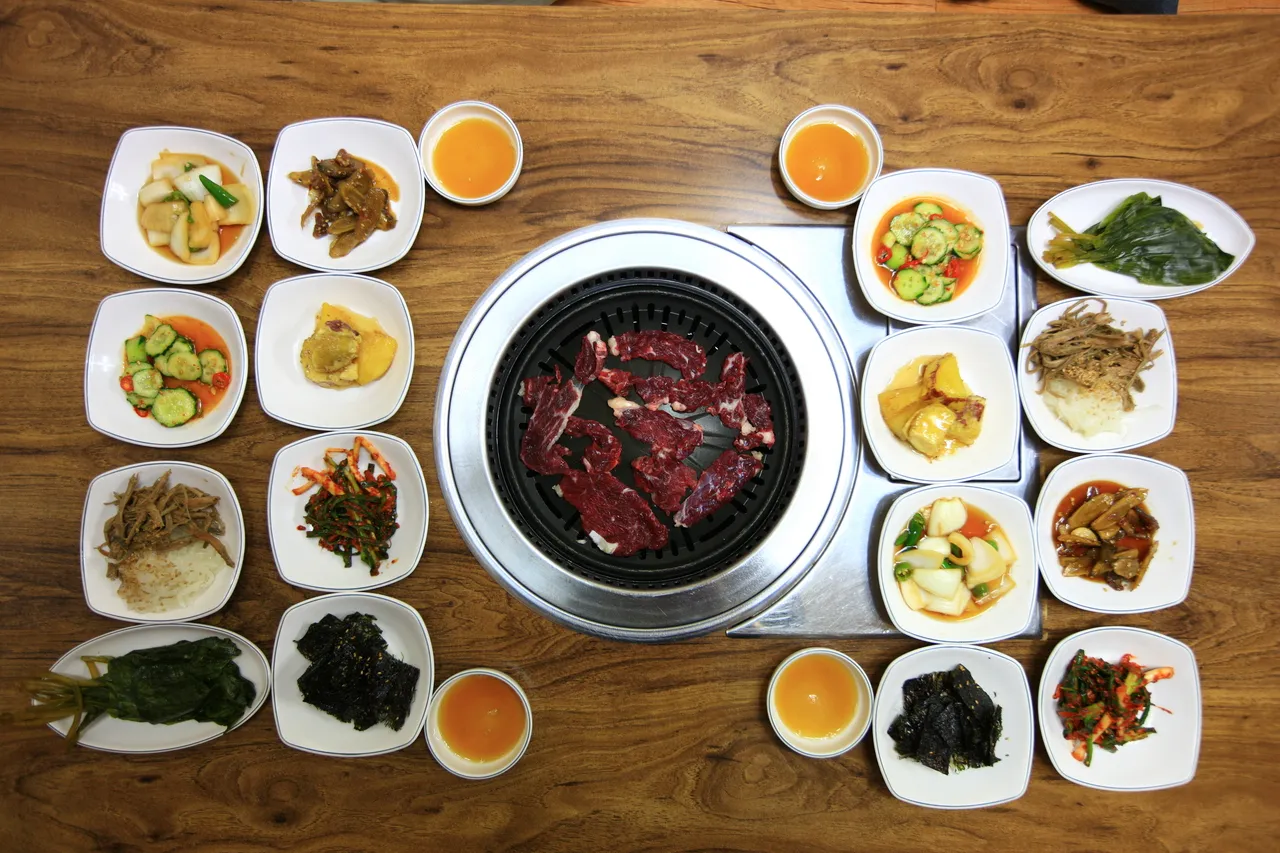
Samwon Garden Guide: Classic Korean BBQ in Gangnam
Samwon Garden is one of Gangnam's classic Korean BBQ institutions: a garden-set hanwoo galbi restaurant open since 1976, the kind of place locals pick for a family celebration or a business dinner rather than a casual night out. This guide is a practical pre-visit briefing: what to order (with the Korean names), how the grilling and pricing work, where it actually is (near Apgujeong, not Gangnam Station), and who it suits. Menus, prices, and hours change, so confirm the current details on the official page before you go.
Seoul
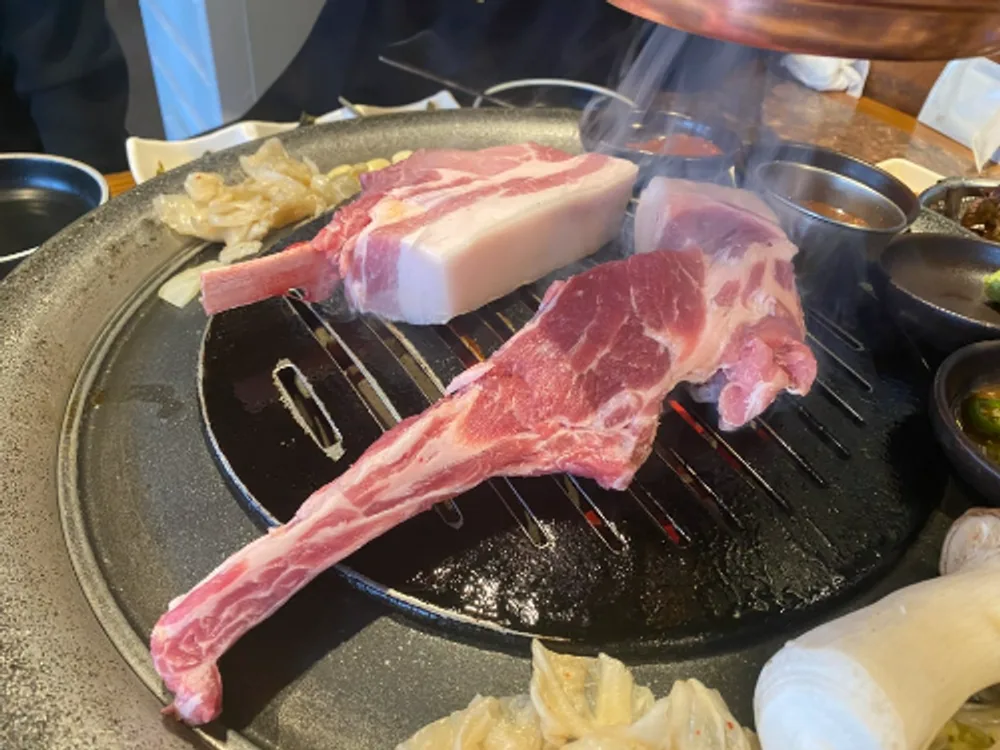
Sukseongdo Jeju Guide: Aged Black Pork, Menu, Reservations, Prices & Tips for Foreigners
Sukseongdo (숙성도) Jeju Main Branch, at 30 Jewon-gil in Yeon-dong, Jeju City, sells pork by the portion, with the menu named by number (960, 720, 560, 360). Kakao Map lists it open daily 11:30 to 22:00 with last order at 21:10. The restaurant's own notice says seats cannot be chosen in advance, the wait is checked in the Catchtable app, and dinner after 17:00 may be limited to 2 hours.
Jeju
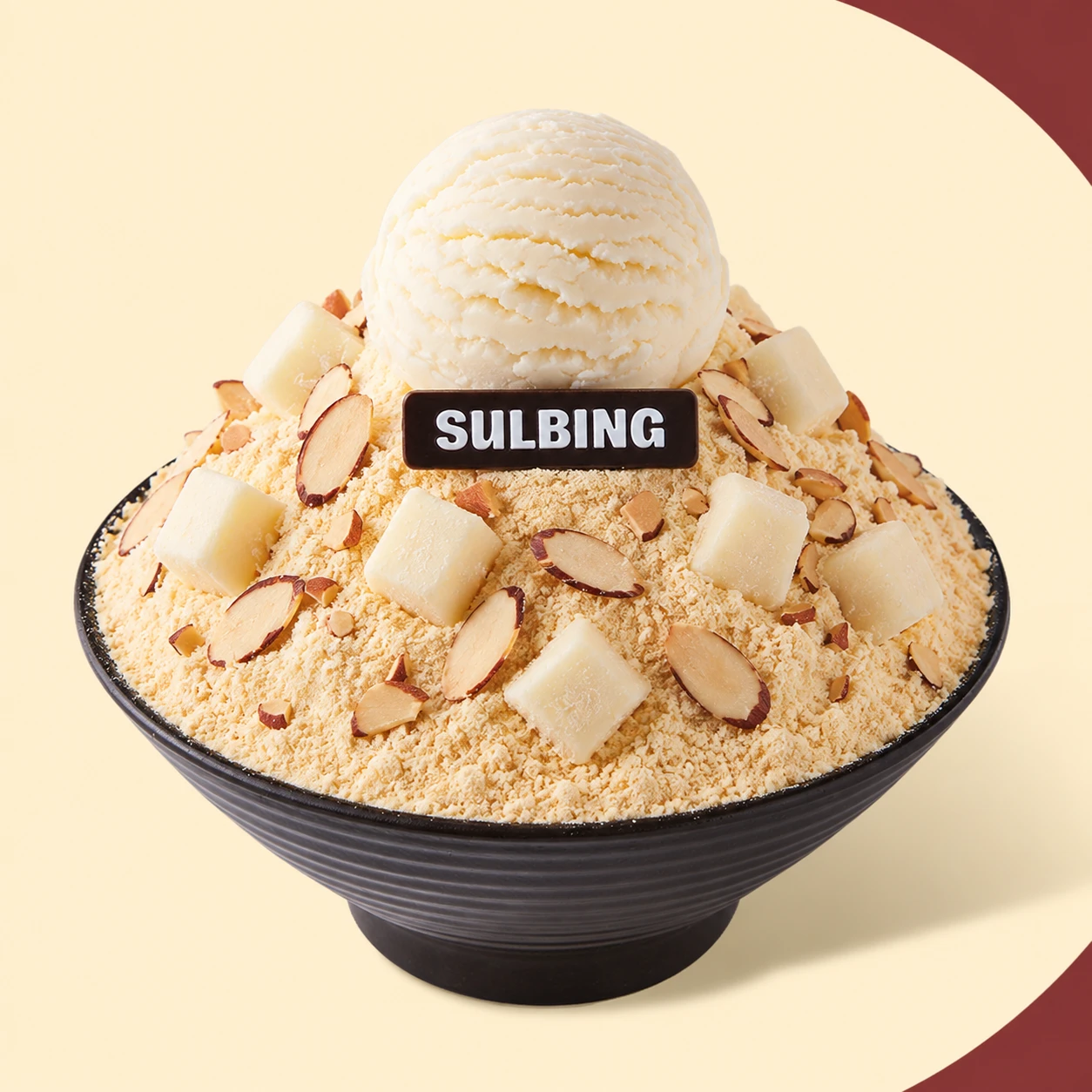
Sulbing Korea Guide for Foreigners: Korean Bingsu, Best Menu Picks, and Where to Try It
Sulbing is a nationwide Korean dessert-cafe chain best known for bingsu, shaved milk-snow ice piled with toppings and meant to be shared. The dish that built the brand, injeolmi sulbing, is made with roasted soybean powder and chewy rice cake and has no red beans, which makes it an easy first order. Prices, seasonal flavors, and the exact menu vary by store, so check the current official menu when you go.
SeoulBusanNationwide

Tosokchon Samgyetang Guide: Seoul's Famous Ginseng Chicken Soup Near Gyeongbokgung
Tosokchon is one of Seoul's most famous samgyetang (ginseng chicken soup) restaurants, a short walk from Gyeongbokgung in the Seochon area. It's set in a converted hanok with floor seating, and the key choice when you order is regular chicken or ogolgye (black silkie). What to order, how to find it, and who should (and shouldn't) go are all below.
Seoul
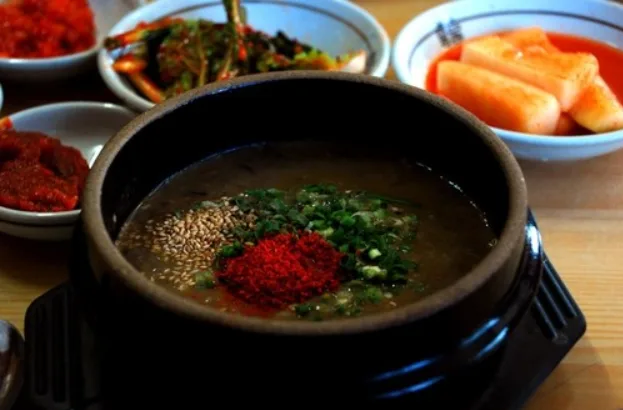
Ujin Haejangguk Jeju Guide: Gosari Yukgaejang, Menu, Prices, Waiting & Tips for Foreigners
Ujin Haejangguk (우진해장국) is a Jeju City restaurant known for gosari yukgaejang, a bracken and pork soup with a porridge-like texture, about 2.6 km east of Jeju Airport in a straight line. The soup is ₩11,000 on the current Kakao Map and Naver Place listings, the main building is open 06:00 to 22:00, and there is no table booking, so the wait is not predictable.
Jeju
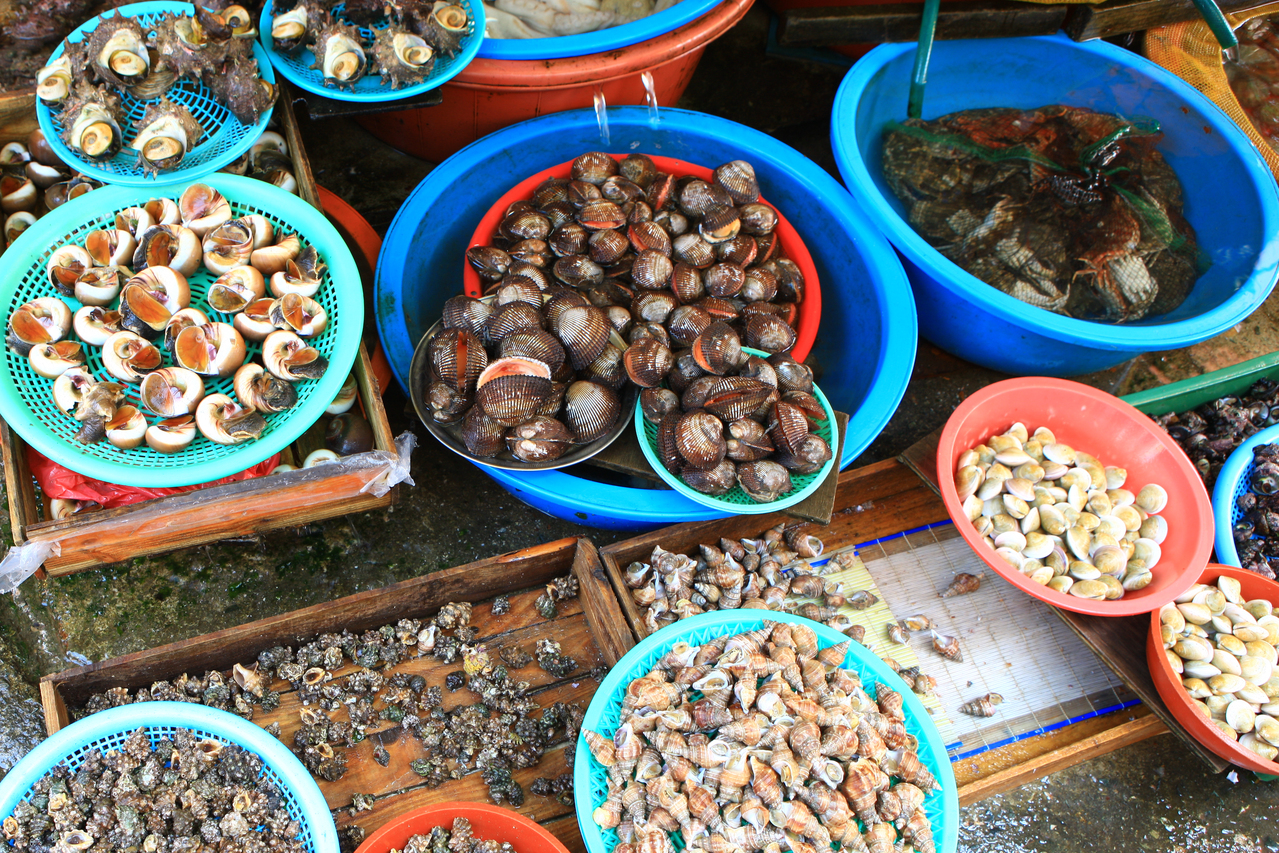
What to Eat in Busan: A First-Timer's Food Guide
Busan's food is a seaport-and-refugee story: hearty pork-bone soup, wheat-flour cold noodles, and the country's biggest fish market all trace back to the Korean War years. The dishes to try follow (dwaeji gukbap, milmyeon, Jagalchi seafood, Busan eomuk, ssiat hotteok, grilled shellfish, and market snacks), each with where to find it and how to search by name.
Busan

What to Eat in Korea: A First-Timer's Food Guide
A starter list of Korean dishes worth seeking out (barbecue, stews, bibimbap, street food, and fried chicken) with how to order, rough prices, and notes for vegetarian and halal travelers.
SeoulBusanNationwide
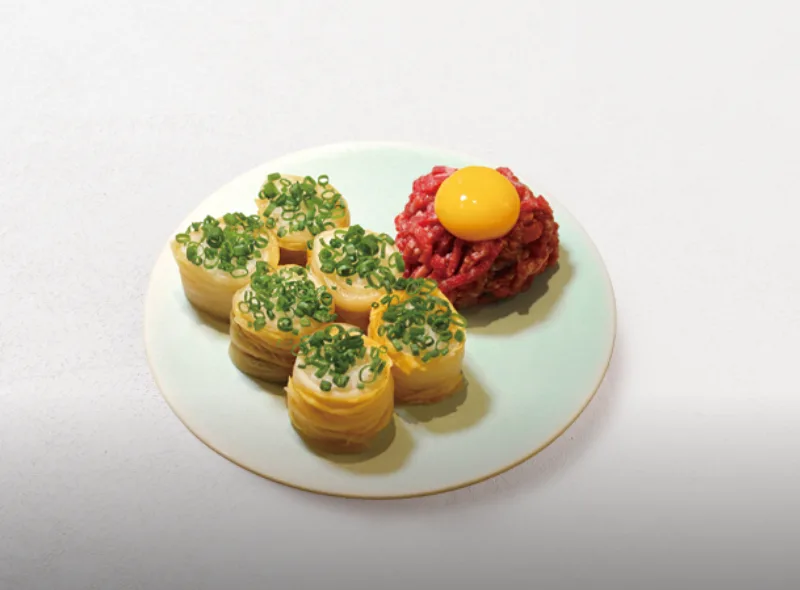
What to Eat Near Seoul Forest: 5 Restaurants for Korean Food, Burgers, Pasta, and a Special Meal
Seoul Forest is ringed by Seongsu's cafes, pop-up stores, and restaurants, and the fastest way to choose is to decide what kind of meal you want rather than chase a name. This guide compares five restaurants near the park: modern Korean sharing plates at Nanpo Seongsu, a full Korean set meal at Grandmother's Recipe, handmade burgers at Zesty Saloon, pasta and steak at Quiver, and premium Hanwoo at Seoulloin. It covers signature dishes with their Korean names, who each place suits, how reservations and queues work, and what to check for seafood, meat, and allergens. This is not a ranking, and menus, hours, and waiting systems change, so confirm current details before you go.
SeoulSeongsu
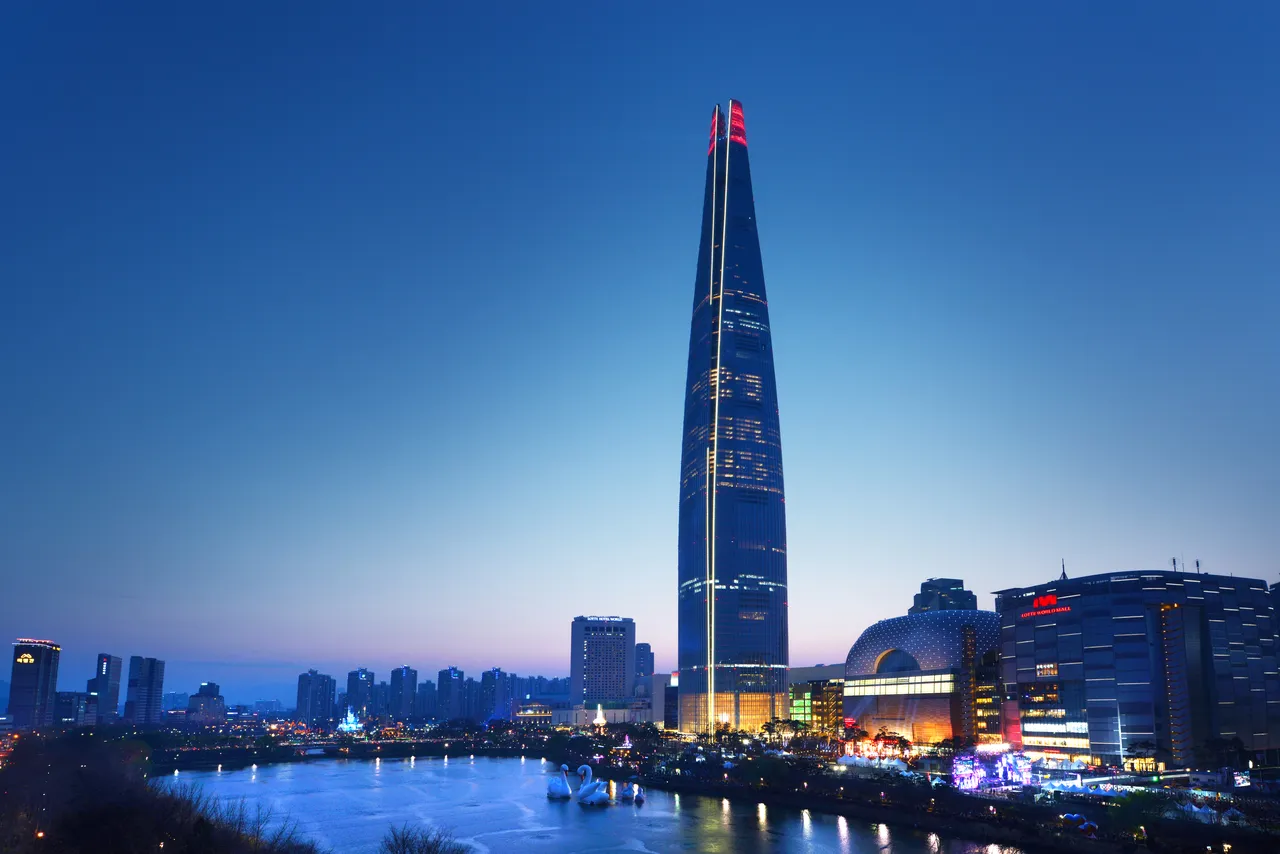
Where to Eat in Jamsil: Lotte World Mall and Lotte Tower Food Guide
Jamsil's Lotte World complex (the mall, the tower, Seoul Sky, and Seokchon Lake) has hundreds of places to eat, which is exactly the problem. This guide isn't a hidden-gem list; it helps you decide what kind of meal fits your day (family lunch before the theme park, a dessert stop, a special-occasion dinner, a quick bite) and points to a few well-known spots to check. Floors, menus, prices, hours, and waits change often, so confirm each place on its official page before you go.
Seoul
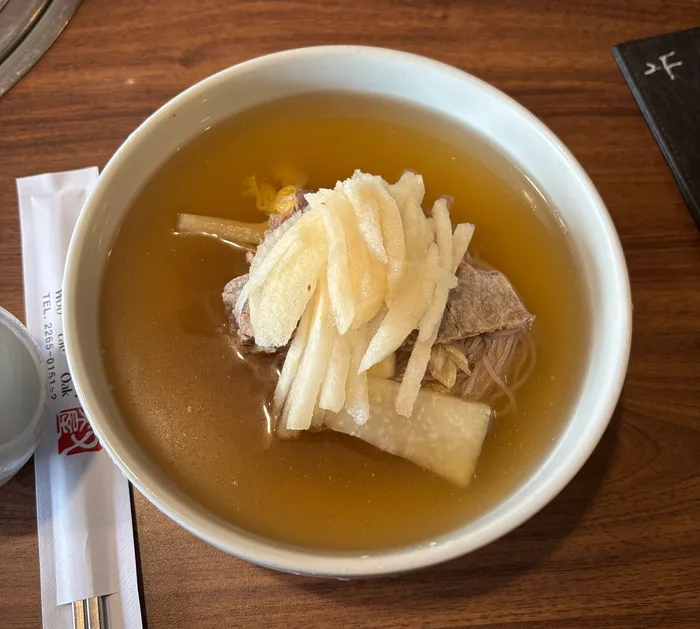
Woo Lae Oak Guide: Seoul's Pyongyang Naengmyeon and How to Order It Near Euljiro 4-ga
Woo Lae Oak is a Pyongyang naengmyeon restaurant in Jung-gu, Seoul, open since 1946 and listed in the MICHELIN Guide. Its buckwheat noodles come in a clear, mild beef broth, so a first bowl can taste plain until you learn how to eat it. Below: what to order, how to find it from Euljiro 4-ga station, the Monday closure, and who should skip it.
Seoul

Chuseok in Seoul 2026: Namsangol Hanok Village Festival Guide
Chuseok day is Friday, September 25, 2026. The official public holiday runs September 24 to 26. Seoul does not shut down, but banks close, small shops vary, and intercity trains are hard to get. Namsangol Hanok Village hosts Namsan Moonlight Madang with free village entry, watchable performances, some on-site activities, and paid crafts and food. Check the official listing the morning you go.
Seoul

Discover Seoul Pass & VISIT BUSAN PASS: Are Korea's City Attraction Passes Worth It?
Discover Seoul Pass covers Seoul and VISIT BUSAN PASS covers Busan, so they do not compete and neither works in the other city. Each pays off only when you plan several paid attractions inside its time window. Both start their clock at first use, neither is a transit pass or a skip-the-line ticket, and both lose to a no-pass plan on a trip of palaces, beaches and markets.
SeoulBusan
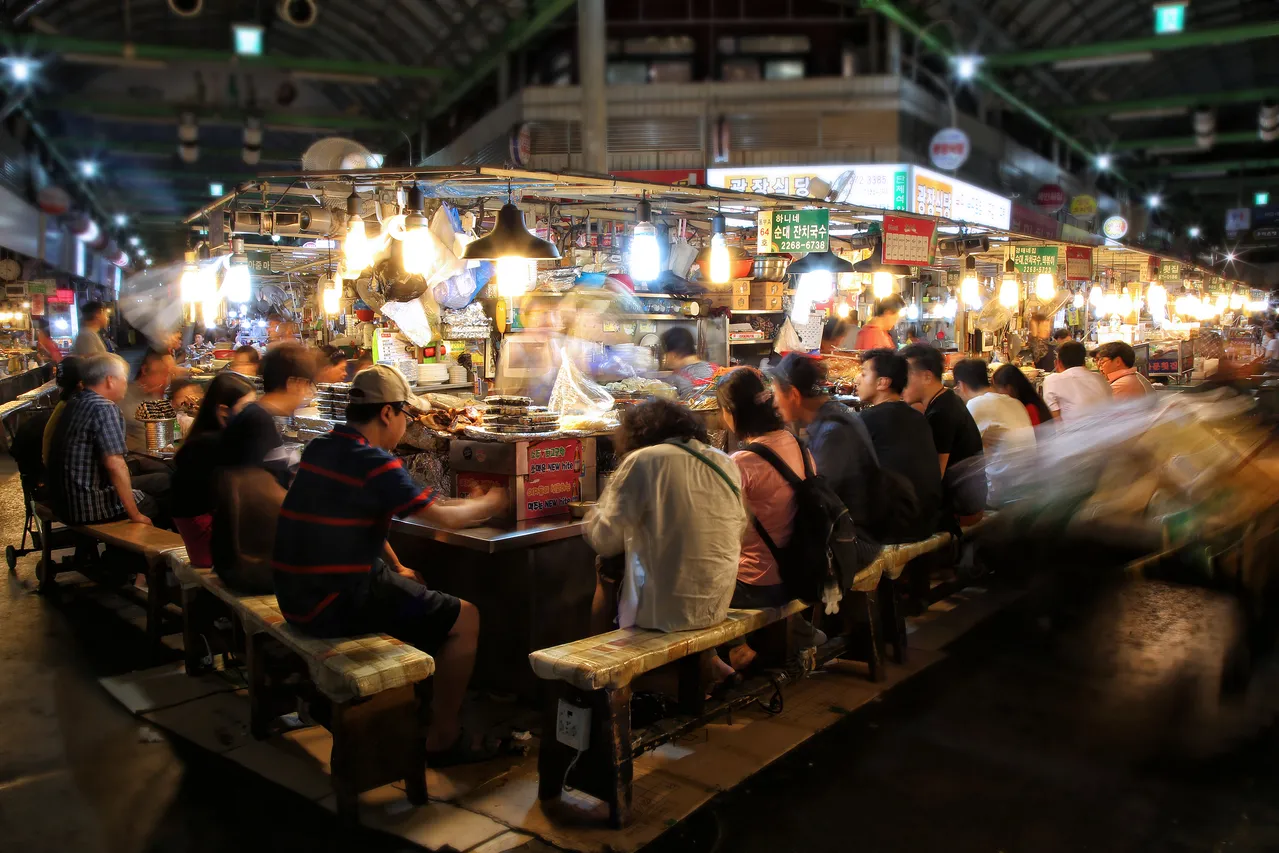
Gwangjang Market Tourist Price Guide: What to Watch Out For and Better Seoul Market Alternatives
Gwangjang Market is one of Seoul's most famous food markets and still worth a visit, but reported price disputes (2023 to 2026) mean it pays to check before you order. This is a balanced, practical guide, not a "don't go" piece: what to watch for, the price-display and monitoring measures now being rolled out, how to avoid overpaying, and better-fit alternative markets (Tongin, Mangwon, Gyeongdong, Namdaemun) by travel style. Prices and hours change, so confirm current details before you go.
Seoul
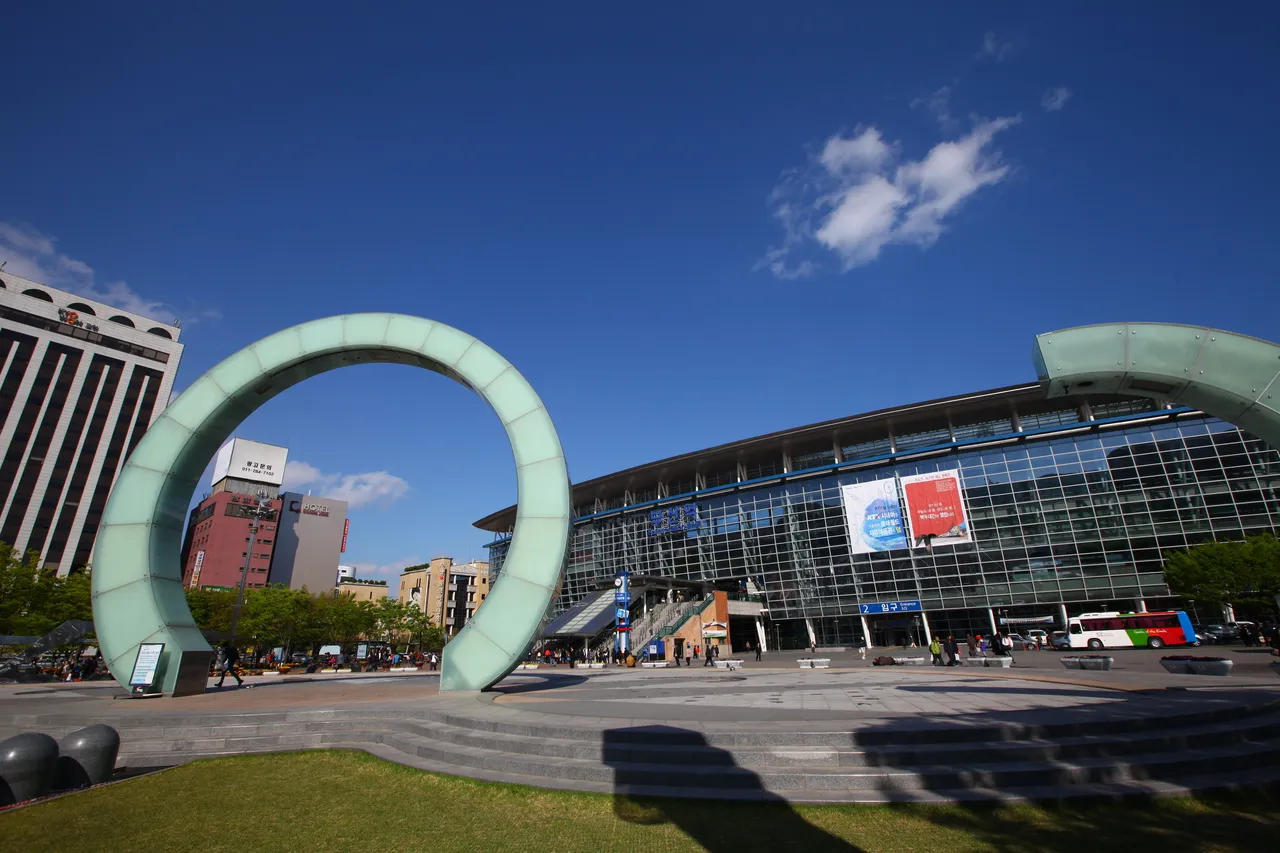
How to Book KTX Train Tickets in Korea: KORAIL, SRT, Korail Pass, and Foreigner Tips
Korea's high-speed trains have been one system since 1 September 2026, when KTX and SRT stopped being two companies with two apps. Every high-speed train, including the Suseo departures that used to be SRT, is now booked in the integrated Korail+ app, on the KORAIL site, or at a station. Below: how to book, which Seoul station fits your trip, paying with an overseas card, and what the fare cut does and does not cover.
Nationwide

How to Pay in Korea: Credit Cards, Cash, WOWPASS, ATMs, and Mobile Pay
Korea is card-friendly, but the smartest setup is not to rely on one method. Bring a foreign credit or debit card, keep a little cash, get a transit card, and consider a foreigner prepaid card like WOWPASS for the kiosks that reject foreign cards. The breakdown below is current for 2026. Check foreign-transaction rules with your bank before you leave.
Nationwide

Incheon Airport Terminal 1 vs Terminal 2: Airlines, Facilities, Transport, and Which Terminal to Use
The useful question is not which Incheon terminal is better, it is which one your flight actually uses. Terminal 1 and Terminal 2 are separate buildings with no walking connection, and the terminal is set by the airline that operates the flight, not the one that sold the ticket. Asiana Airlines moved to Terminal 2 on 14 January 2026, so older guides and blog posts may send you to the wrong building. Your departure and arrival terminals can also differ on the same trip. Below: how to confirm your terminal, what each one has landside and airside, how to move between them if you get it wrong, and what transfers involve. Airline assignments and facility hours change, so confirm with your airline and the airport before you travel.
Nationwide

Incheon Airport to Seoul Guide: AREX, Airport Limousine Bus, Taxi, and Best Routes to Jongno and Gangnam
The best way from Incheon Airport to Seoul depends on where you are staying, not on one "fastest" option. AREX Express is quickest to Seoul Station, the all-stop train is cheapest and runs direct to Hongdae, the limousine bus is simplest if a stop is near your hotel, and a taxi suits late arrivals or heavy luggage. Check your airline's terminal (T1 or T2) before you travel, since it changes where you board. The same modes reverse for departure day.
SeoulIncheon
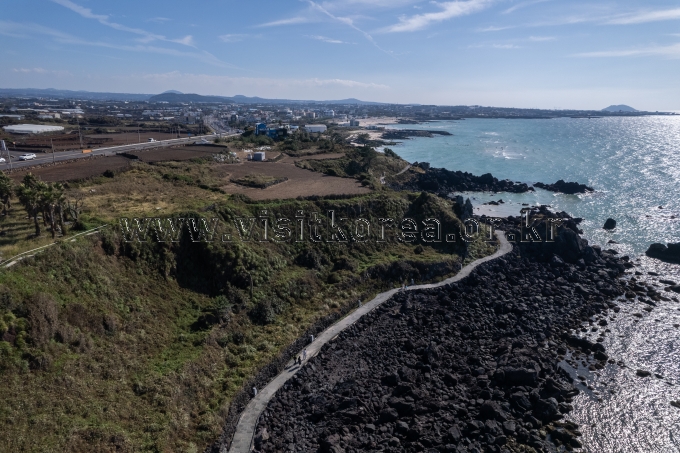
Jeju Car Rental Guide for Foreigners: IDP, Insurance, Driving Rules, Parking, and Road Trip Tips
A rental car is the practical way to see Jeju, where buses are slow and much of the coast is spread out, but a license alone won't get you the keys. This is a preparation guide, not legal advice, focused on what's different about Jeju: you pick the car up by shuttle from outside the terminal, over half the fleet is now electric, there are no tolls, and Udo may restrict rental cars. The documents, insurance exclusions, driving and parking realities, and a route that doesn't cram the whole island into one day. Prices, fees, insurance, and rules vary by company and change, so always confirm current official info and your rental contract before you drive.
Jeju
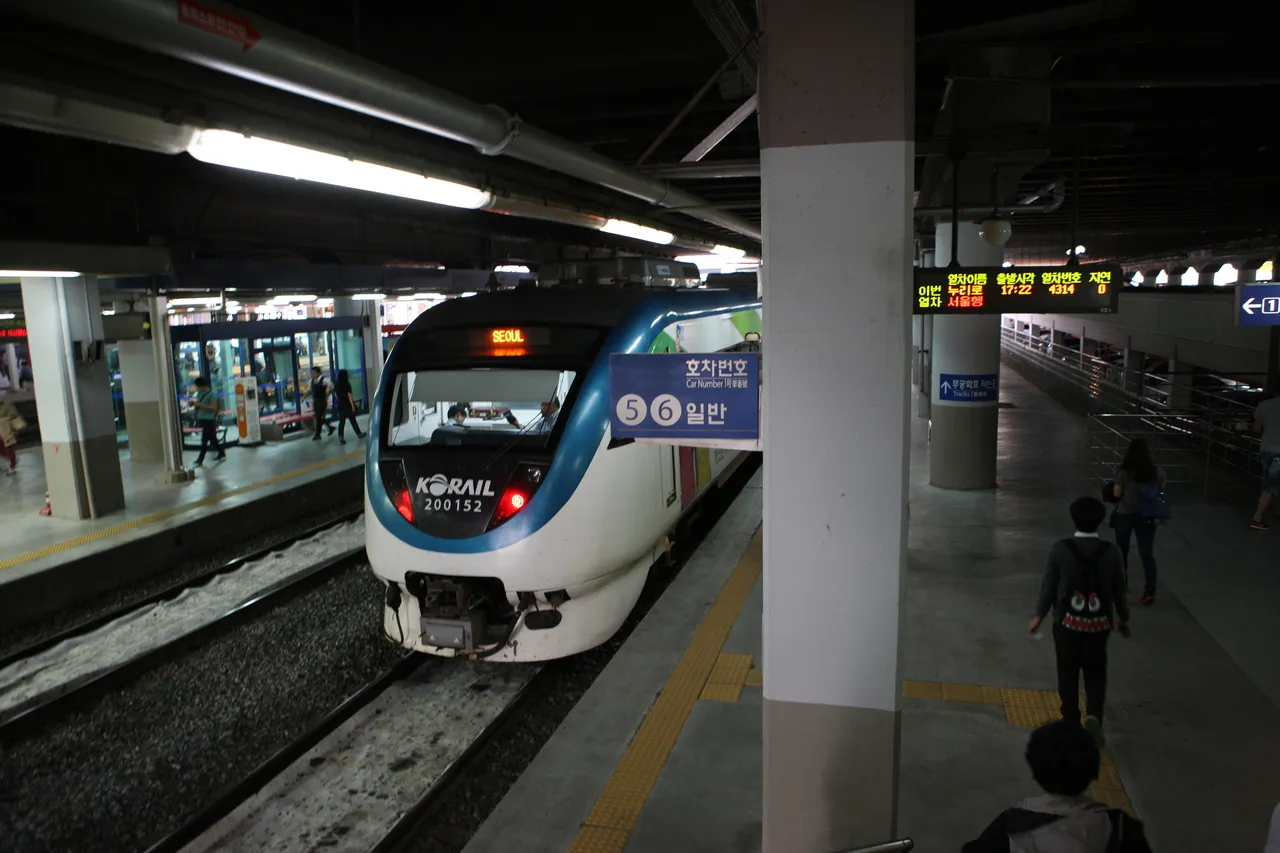
Korail Pass Guide for Foreigners: When It Saves Money and When It Does Not
The Korail Pass can be great value, or a waste of money, depending entirely on how much you ride. This guide is a buying-decision tool, not a sales pitch: it explains what the pass covers (KORAIL trains like KTX and ITX, not subways or Jeju), why former SRT coverage after 1 September 2026 is not yet published, who can buy it, how seat reservations still work, and a simple way to check whether it beats single tickets for your trip. Pass types, prices, and rules change, so confirm the current details on the official KORAIL site before you buy.
Nationwide
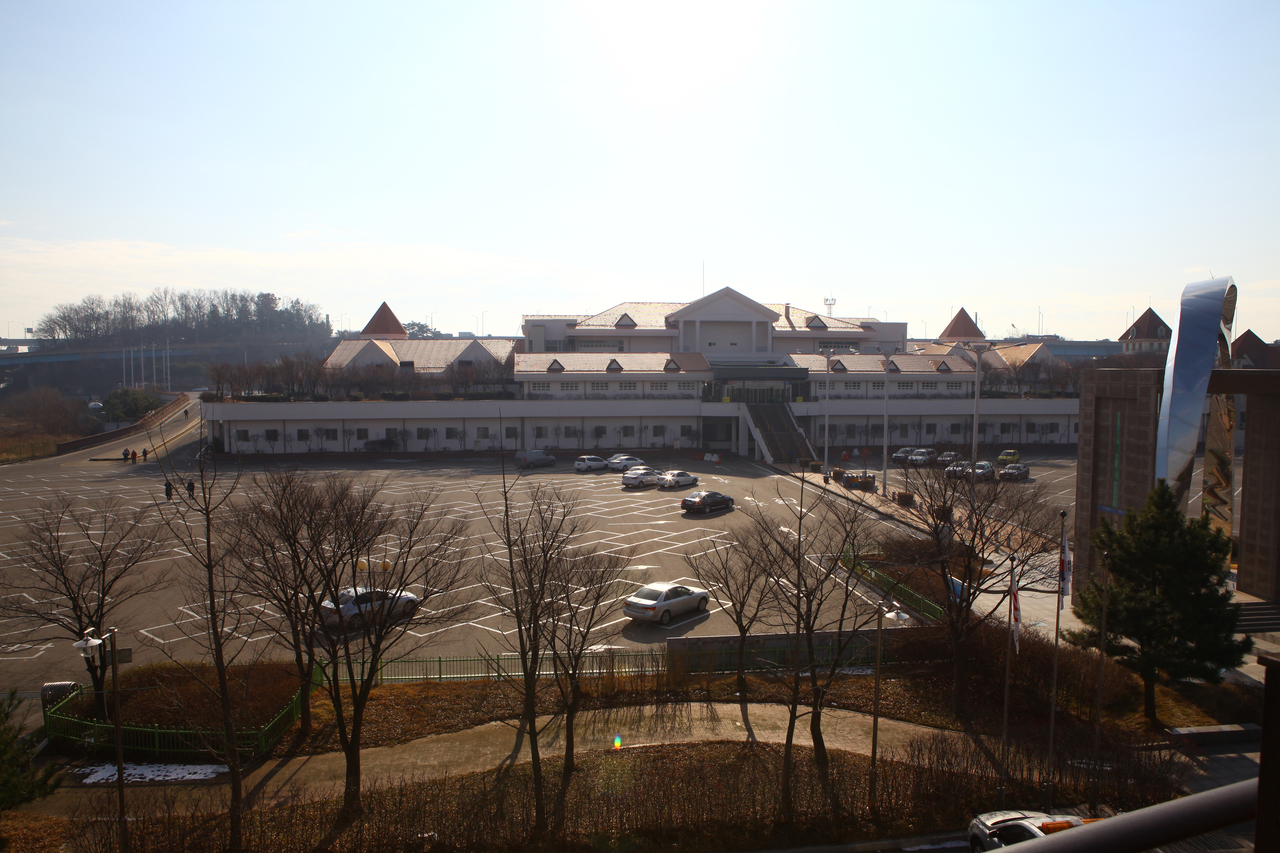
Korean Highway Rest Areas: What to Expect, Eat, and Check
A Korean highway rest area, or hyugeso, is closer to a small roadside town than a lay-by: parking, restrooms, a food court, snack counters, a shop, and often fuel. Facilities are recorded site by site rather than fixed nationwide, so what one stop has, the next may not. Two things catch visitors out most: food is usually ordered at a ticket machine first, and a rest area often belongs to one direction of the expressway only.
Nationwide
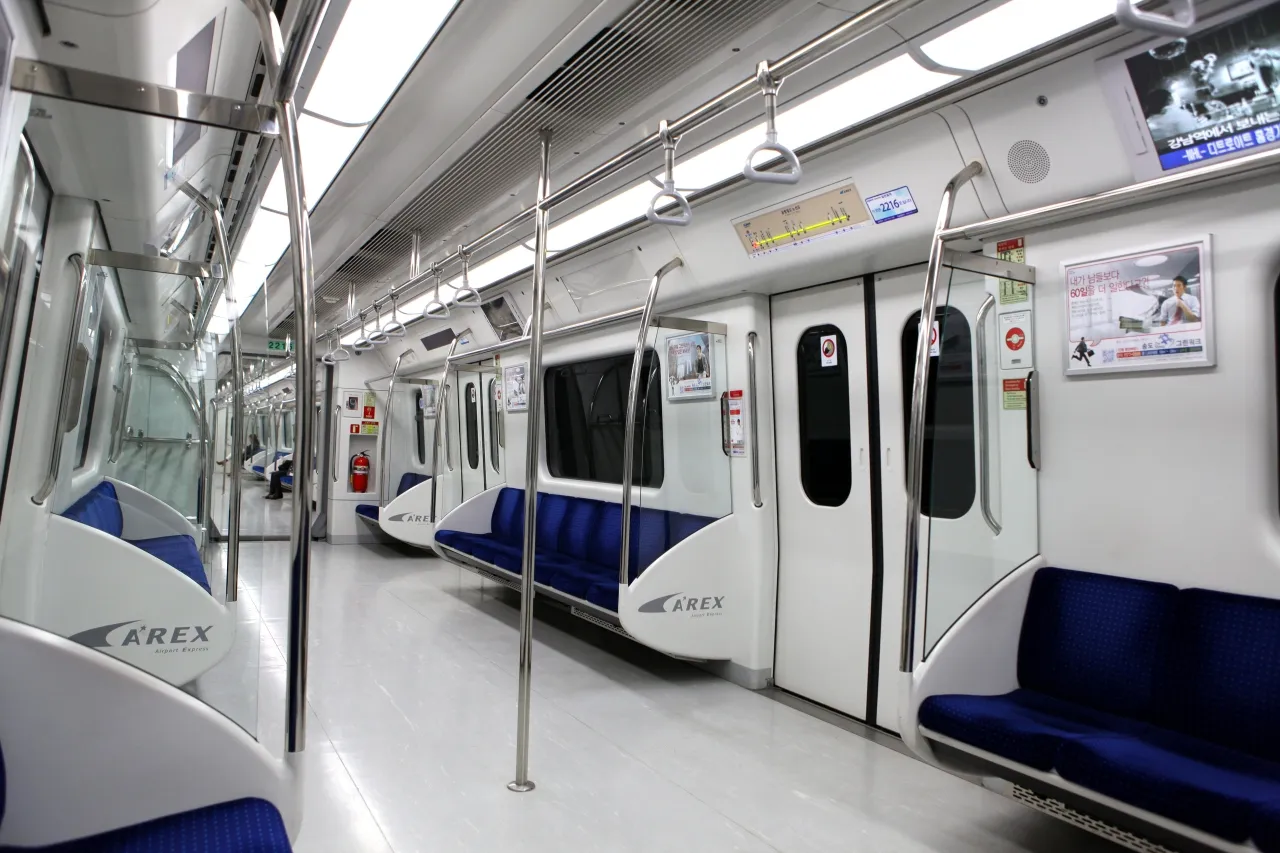
Korea Public Transportation Etiquette Guide: Subway, Bus, Priority Seats, and Quiet Rule
Korea's subways and buses are clean, fast, and famously quiet, and a few social habits are different from what many visitors are used to. This is a transit-specific deep dive: how to board a bus (front door on, back door off, and always tag out or you'll be overcharged), how priority and pink seats actually work, what the "quiet rule" really means (a strong norm, not a law), plus luggage, rush hour, escalators, accessibility, and a subway-vs-bus comparison. Fares and routes change, so we keep those light and point you to the T-money guide. Nobody expects perfection, this just helps you blend in.
Nationwide

Korea SIM vs eSIM Guide for Tourists: Which Is Better for Your Trip?
The right connection in Korea is not the cheapest one. Work through it in order: can your phone take a physical SIM or an eSIM, is it carrier-unlocked, do you genuinely need a Korean number, and how much data do you use. Most short-trip visitors are well served by a data-only eSIM, which generally needs no passport verification, while any product with calling and texting does require it. Families and groups should price a pocket Wi-Fi router against separate lines. A tourist Korean number is not the same thing as Korean identity verification, and swapping in a physical SIM silences your home number. Plans, prices, and airport counter hours change, so confirm current details with the provider before you buy.
Nationwide
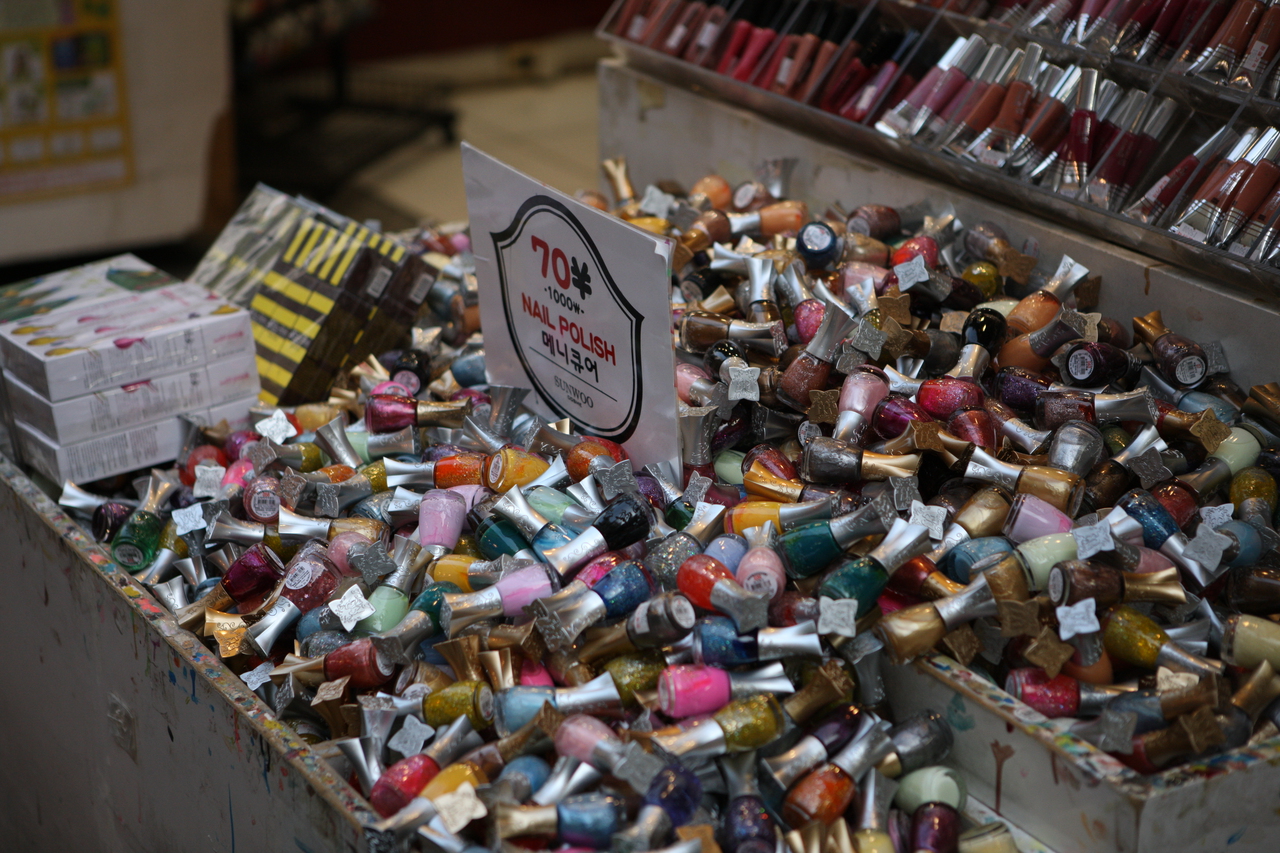
Korea Tax Refund Guide for Tourists: Immediate, Downtown, and Airport Steps
Korea’s tourist tax-refund system lets eligible foreign visitors reclaim tax on many retail purchases at participating Tax Free / Tax Refund stores. It is not the same as airport duty-free shopping, and it is not the same as arrival customs allowances. Typical tourist-facing guidance (VisitKorea, last updated 20 October 2025) frames a minimum of ₩15,000 per receipt, unopened unused goods, and departure within about three months of purchase. Immediate in-store refunds have tighter caps. Downtown cash refunds often still need an airport customs confirmation step. This page owns the nationwide decision and process. Store layout and brand tips stay in shopping guides. Cashier-screen UX that needs onsite evidence is marked field-gated, not invented here.
Nationwide

Korea Tourist Visa Guide for Visitors Who Need a Visa: Documents, K-ETA, e-Arrival Card, and Arrival Checklist
Whether you need a visa, a K-ETA, or just the new e-Arrival Card depends on your nationality, and these are three different things that do not replace one another. How they fit together in 2026, the documents a tourist visa typically needs, and the official sites to use are all below. It is travel guidance, not legal or immigration advice: always confirm your own case on the official sources before you book or fly.
Nationwide

Getting Around Korea: Transportation Guide
Korea is easy to get around with public transport. Take the Airport Railroad into the city, ride subways and buses with a T-money card, cover long distances on the KTX high-speed train, and use taxis for short hops. A Korean map app ties it together.
SeoulBusanGyeongju

Essential Travel Apps for Korea
Install a Korean map app (Naver Map or KakaoMap), a translator (Papago), and a transit app before you arrive, because Google Maps transit is unreliable in Korea. Add a taxi app and, optionally, food delivery to round out a smooth trip.
SeoulBusanNationwide
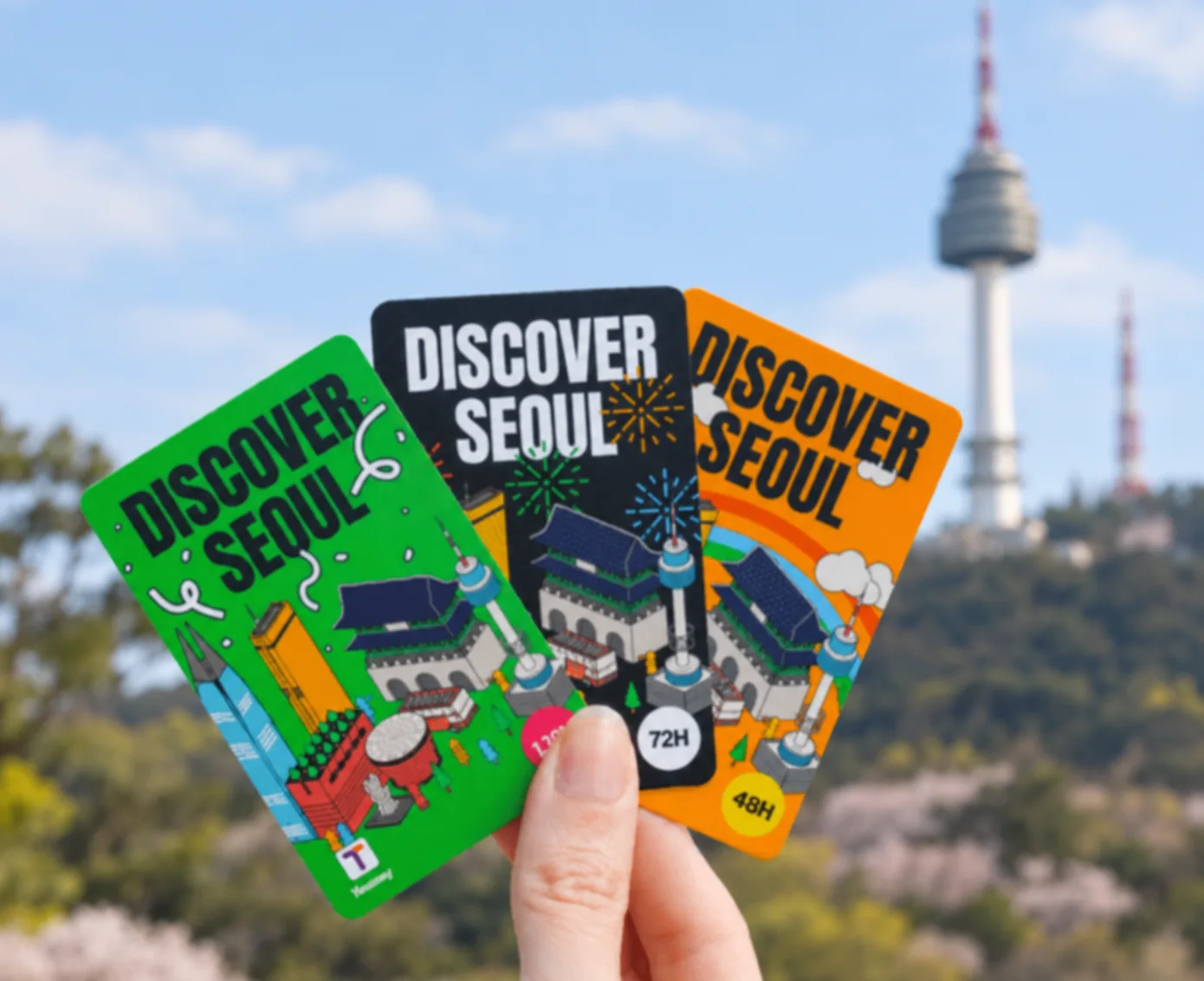
Korea Travel Passes and Tourist Cards: Which One, If Any, Should You Buy?
Most Korea passes are not the same kind of product, so compare them by type. The KORAIL Pass is for intercity trains, the Seoul Climate Card is for Seoul subways and city buses, and Discover Seoul Pass and Visit Busan Pass are attraction passes. WOWPASS is a prepaid payment card, and T-money is the baseline card most visitors need anyway. Many trips are best served by a T-money card and no pass at all.
Nationwide

Korea Trip Budget Guide: What Drives Cost and How to Plan
A useful Korea budget starts with drivers, not one invented daily total. Accommodation is usually the largest flexible cost. Food and activities swing with style. Local transit is relatively predictable once you have a transit card. Intercity trains and flights inside Korea belong in a separate line. International airfare is outside this page's ground-trip scope. Use the framework below to build your own range, then confirm current fares and rates on official or booking sources before you commit.
Nationwide

Leaving Korea: What to Do Before Your Flight
Leaving Korea is a short sequence, not another encyclopedia. Before you leave the city: check out, know your Incheon terminal, and decide how you will reach the airport. At the airport: check in, finish only the tax or customs steps that still apply to you, clear security and immigration, then board. Detailed tax refund, terminal, transport, and T-money rules live in their own guides. This page owns the order and the "does this apply to me?" filter.
NationwideSeoulIncheon
Luggage Storage in Korea: What to Use and What Can Wait
Most luggage problems are timing problems, not a missing secret locker. Use hotel baggage hold when the property allows it. For gaps before check-in or after checkout, use airport or major-station storage only after you confirm hours, size limits, and payment on site or with the operator. Do not plan a full sightseeing day while hauling suitcases. This page owns the decision order, not a live map of every locker.
NationwideSeoulIncheon
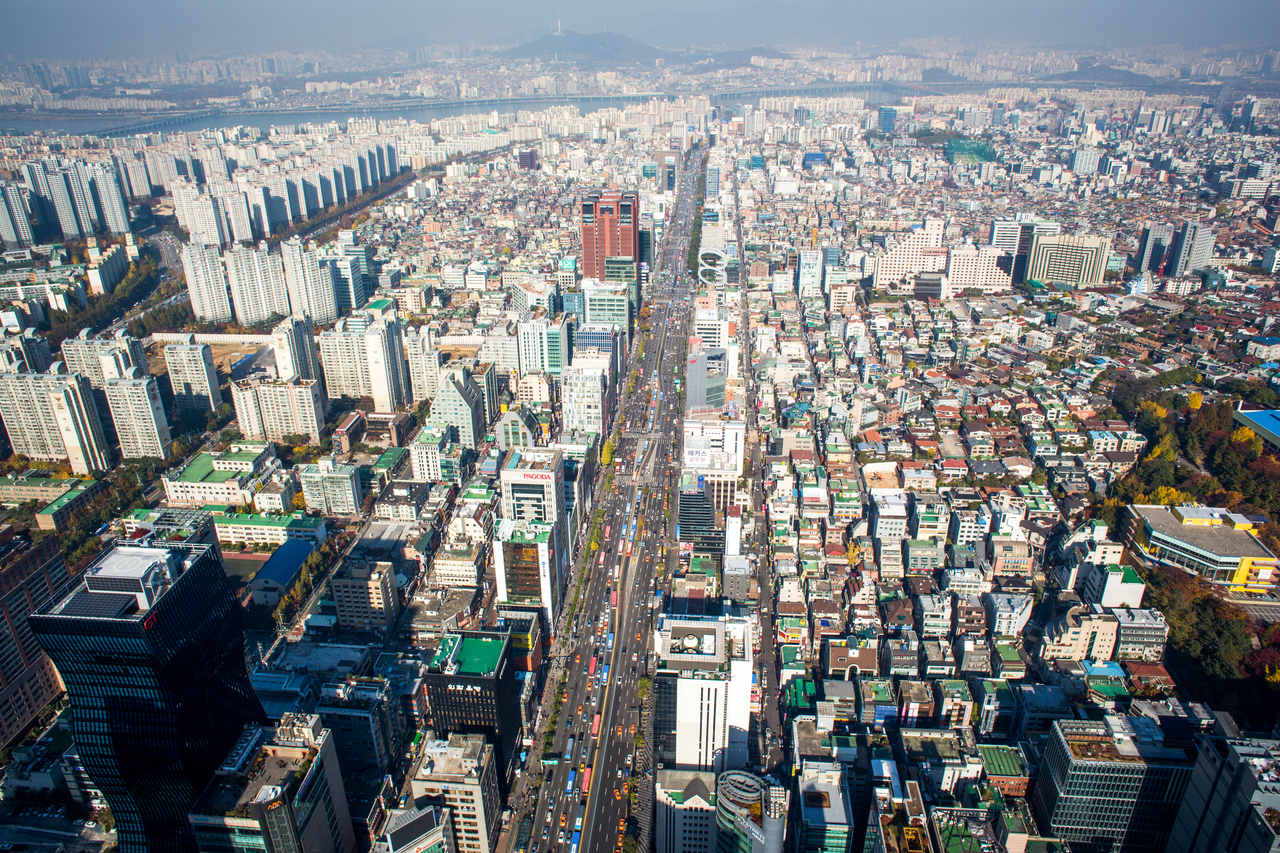
If You Feel Sick in Korea: Where to Get Help
This page is a help-seeking guide, not a diagnosis guide. If you believe you need emergency care, call 119 for fire and ambulance or 112 for police. VisitKorea also lists 1339 for infectious-disease emergencies and medical assistance contacts. For travel questions and interpretation that are not emergency dispatch, use the 1330 Korea Travel Hotline. For non-emergency needs, start with a pharmacy or a clinic or hospital, confirm language and hours, and keep your own insurance paperwork ready. Confirm current official numbers and services before you rely on them.
Nationwide
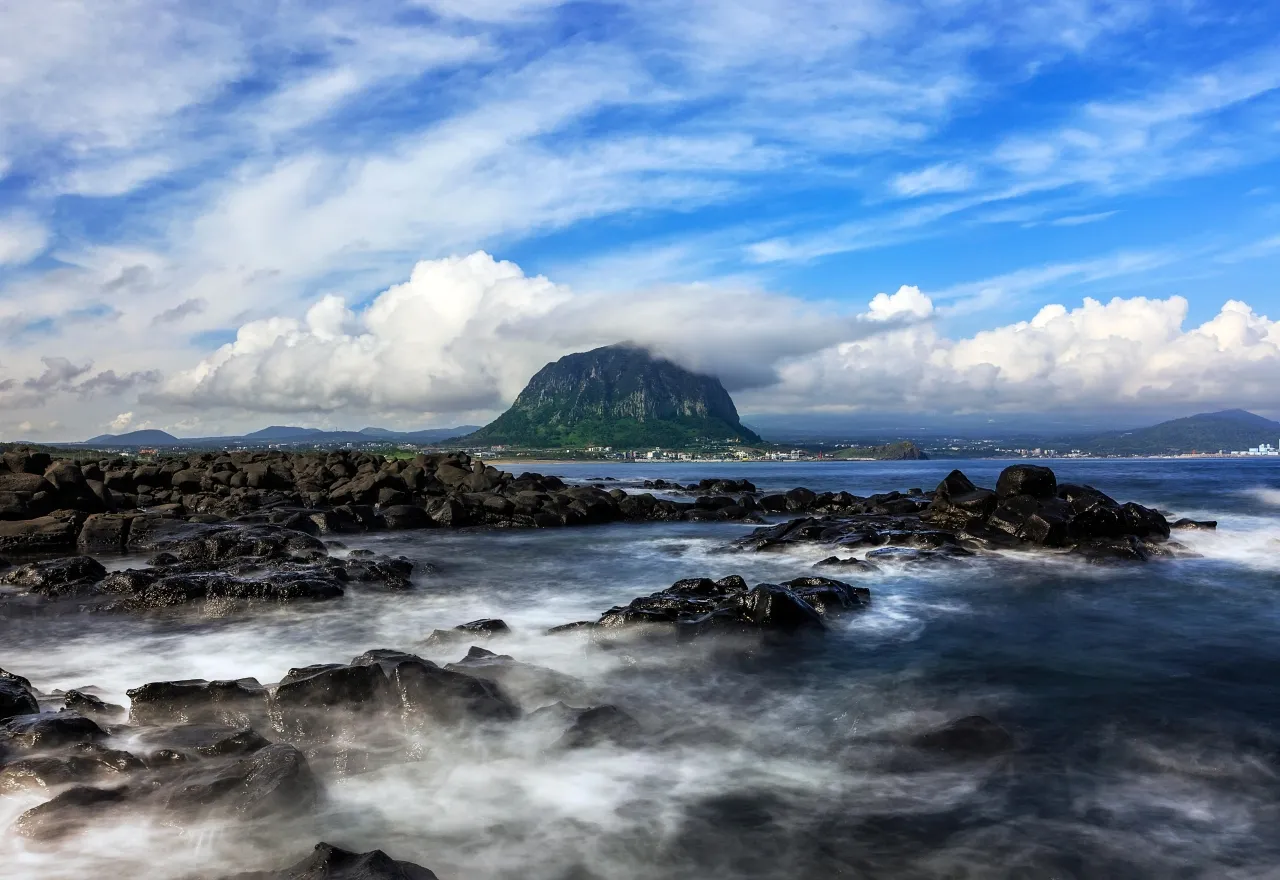
Muslim-Friendly Jeju Guide: Food Planning, Prayer Tips, and Family Route
Jeju is a beautiful nature-and-family island, but it has fewer Muslim-friendly options than Seoul, so the trick is to plan each day rather than hope to find halal food anywhere. Black pork is on almost every menu, seafood is usually easier but still needs checking, prayer spaces are few enough to map in advance, and a rental car makes a family day far more workable. Restaurants, prayer facilities, and hours change, so verify current details with official sources (VisitJeju, KTO) before you go, and never assume a place is halal without checking.
Jeju
Muslim-Friendly Seoul Guide: Halal Food, Prayer Rooms, and Travel Tips
Seoul is increasingly workable for Muslim travelers, but it helps to know how things actually work: Korea's tourism board sorts restaurants into four tiers from fully halal-certified to simply pork-free, certified places are still relatively few, and "no pork" does not mean halal. The four classifications, the Seoul Central Mosque and Itaewon, prayer rooms, and how to check ingredients are all set out below. Verify each place directly, since menus, certifications, and hours change.
Seoul
Renting a Car in Korea Guide for Foreigners: IDP, Insurance, Traffic Rules, and Driving Tips
Renting a car in Korea can be the best way to see Jeju, Gangwon, and the countryside, but it's not the move for a first trip to Seoul, where transit is easier. This is a preparation guide, not legal advice: the documents you need (and the International Driving Permit trap that gets German, French, and Thai visitors turned away at the counter), how car insurance really works, Korea's very strict 0.03% drink-driving limit, the traffic rules that matter most, and what to do after an accident. Prices, fees, fines, and coverage vary by company and change, so always confirm current official info and your rental contract.
Nationwide
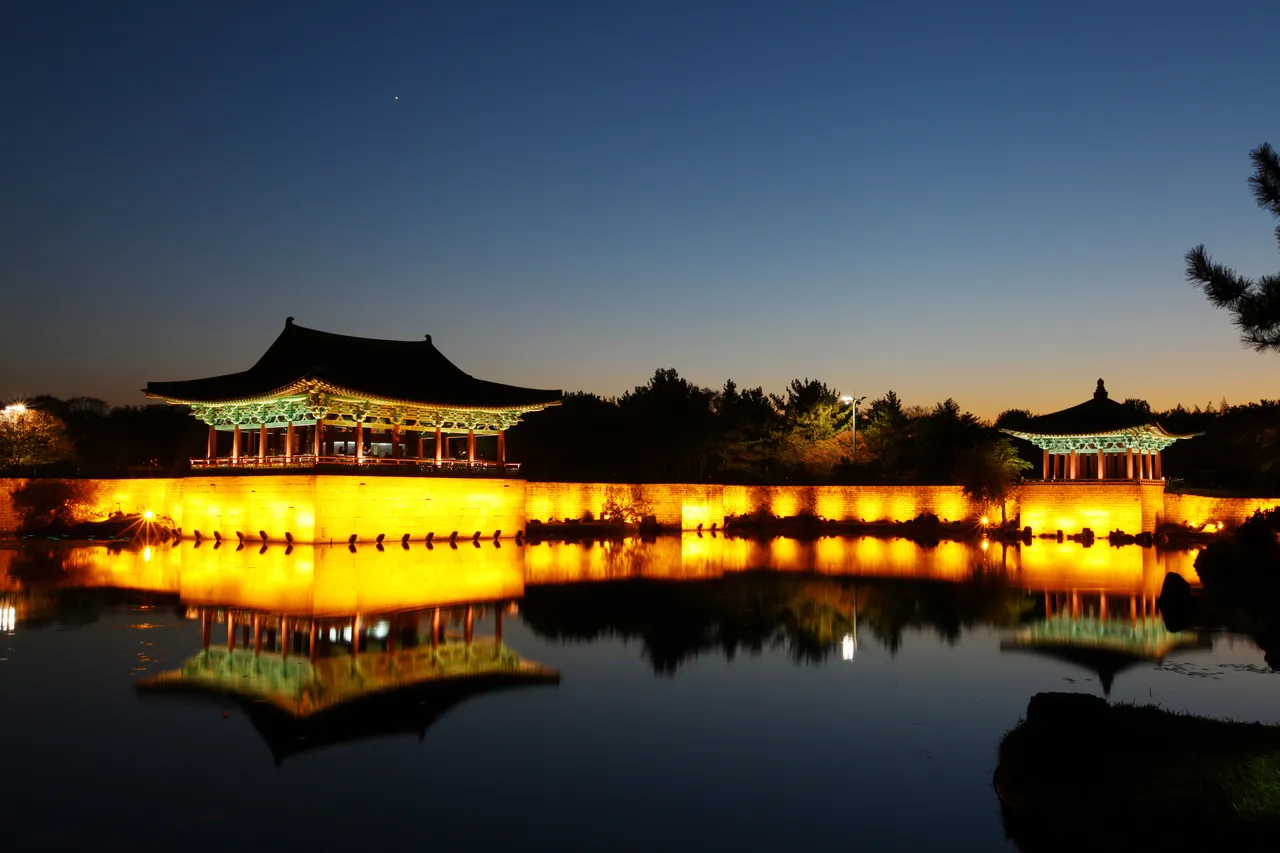
Seoul to Gyeongju by Train: KTX to Singyeongju and City Transfer
The KTX makes Seoul to Gyeongju an easy ride of a couple of hours, but the part first-timers miss is that the high-speed station sits outside Gyeongju's historic center, not in it, so you still have to plan the transfer into town. Below: booking the train, the recent station-name change, the ride from the KTX station to the walkable historic district, the separate and longer trip out to Bulguksa, and how many days the area really takes. Fares, times, and bus numbers change, so confirm the official and map-app details.
Gyeongju
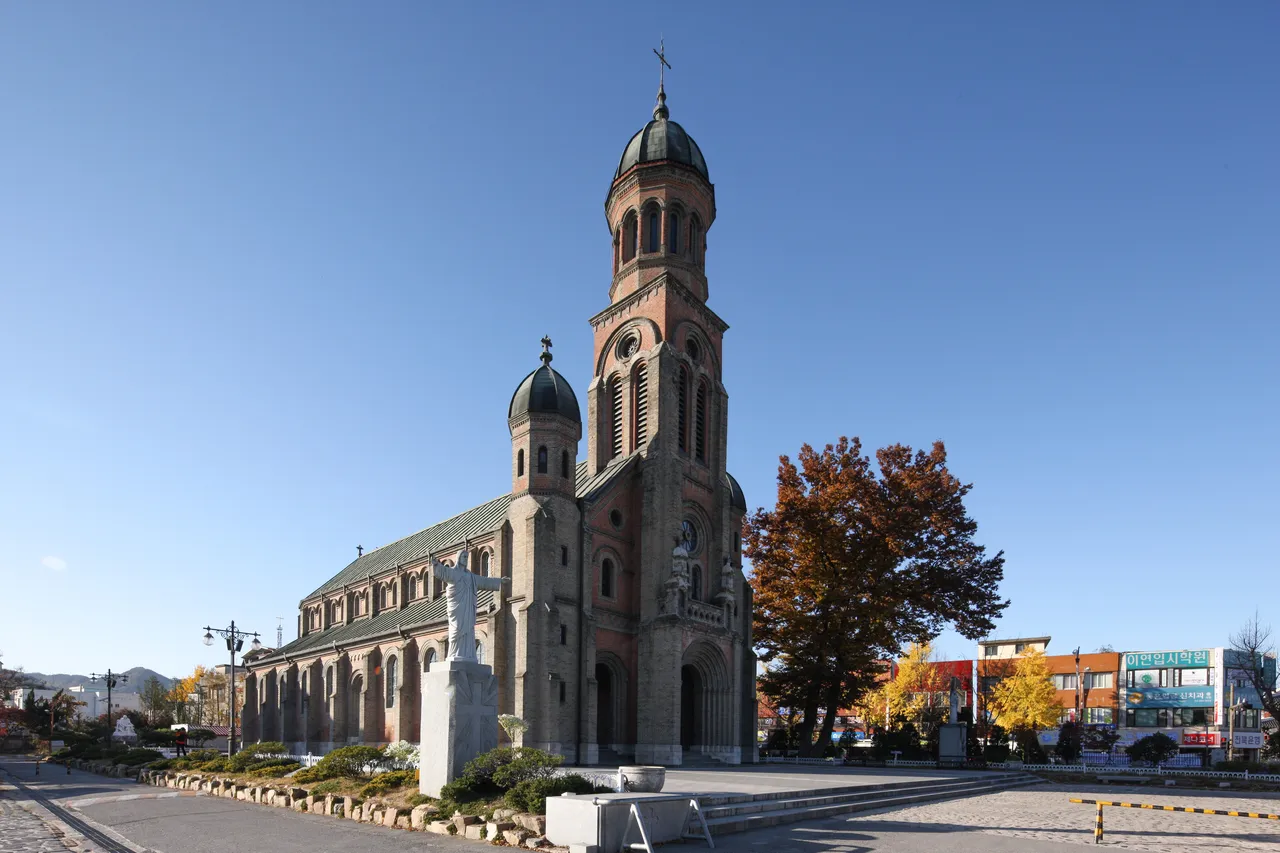
Seoul to Jeonju by Train: Tickets, Stations, and Hanok Village Transfer
The train to Jeonju is straightforward once you know one quirk: most Jeonju trains leave from Seoul's Yongsan Station, not Seoul Station, and Jeonju Station itself is a short ride from the Hanok Village rather than right beside it. Booking, which Seoul station to use, the short station-to-village transfer (closer than Gyeongju's), and the day-trip-versus-overnight decision are all covered below. Fares, times, and bus numbers change, so confirm the official and map-app details before you go.
Jeonju

T-money Card Guide for Visitors to Korea
A T-money card is a rechargeable transit card that works on subways, buses, and most taxis nationwide. Buy one at any convenience store or station machine for about ₩3,000 to 5,000, load cash onto it, and tap in and out. It is the simplest way for visitors to get around Korea.
SeoulBusanNationwide
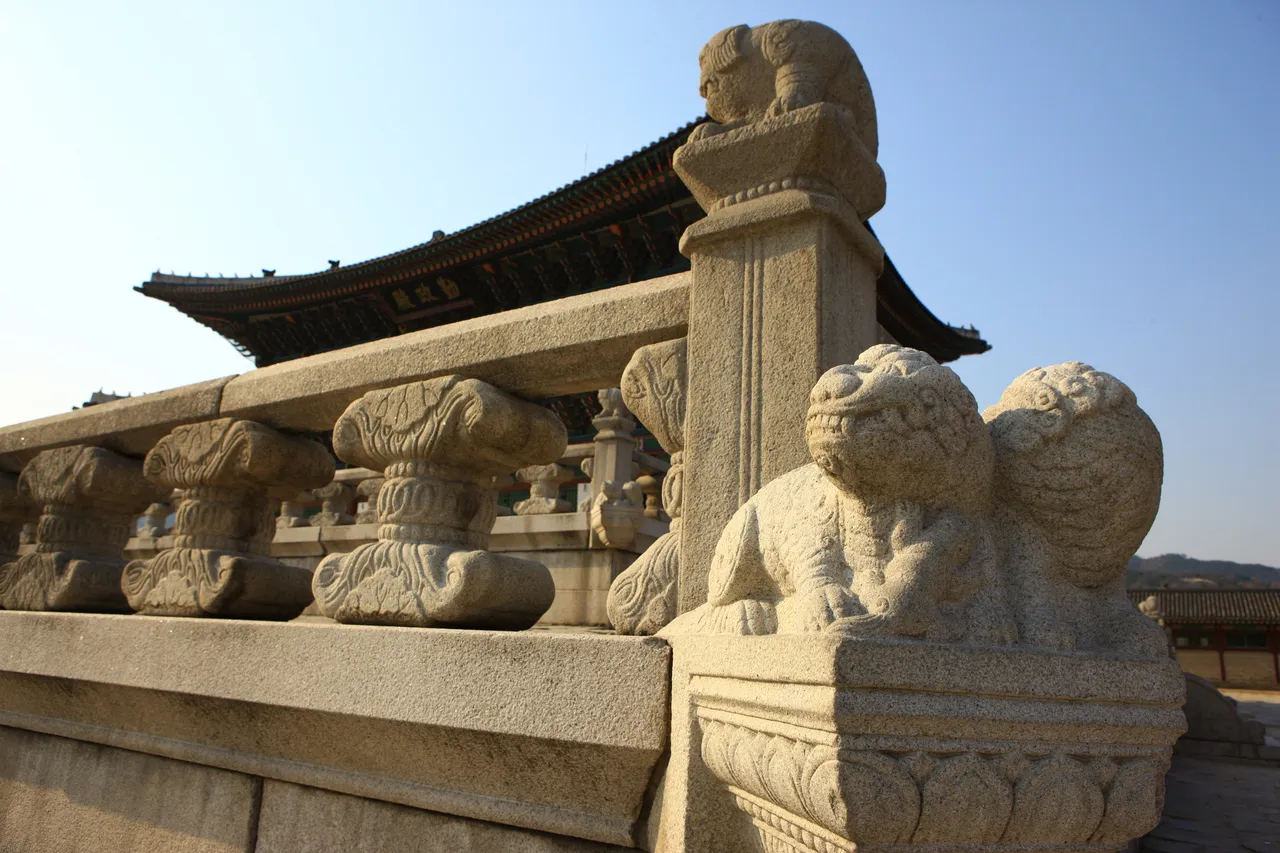
10 Things Not to Do in Korea: Travel Etiquette, Manners, and Mistakes Foreign Visitors Should Avoid
Korea is an easy, welcoming place to travel, and you don't need to be perfect, but a handful of small habits will make your trip smoother and show respect for the people around you. Ten common missteps follow, from loud phone calls on the subway to smoking outside designated areas, each with what to do instead. It separates actual legal rules (like smoking fines) from cultural manners (which are flexible), and keeps the tone practical rather than preachy. Rules and fines vary by district and change, so check local signs and official info as you go.
Nationwide
What to Wear in Korea in Winter: December, January & February Packing Guide
Dress for the city and the month, not for Korea as a whole. KMA normals put the average January low at -5.5 °C in Seoul, -0.1 °C in Busan and 3.7 °C in Jeju City, and January is the coldest of the three winter months in all three. Pack three layers (base, insulating, windproof outer), warm closed walking shoes, gloves, a hat and a scarf, and treat thermals, a heavy down jacket and snow boots as choices that depend on your plans and the forecast. Mountains need separate gear.
Nationwide