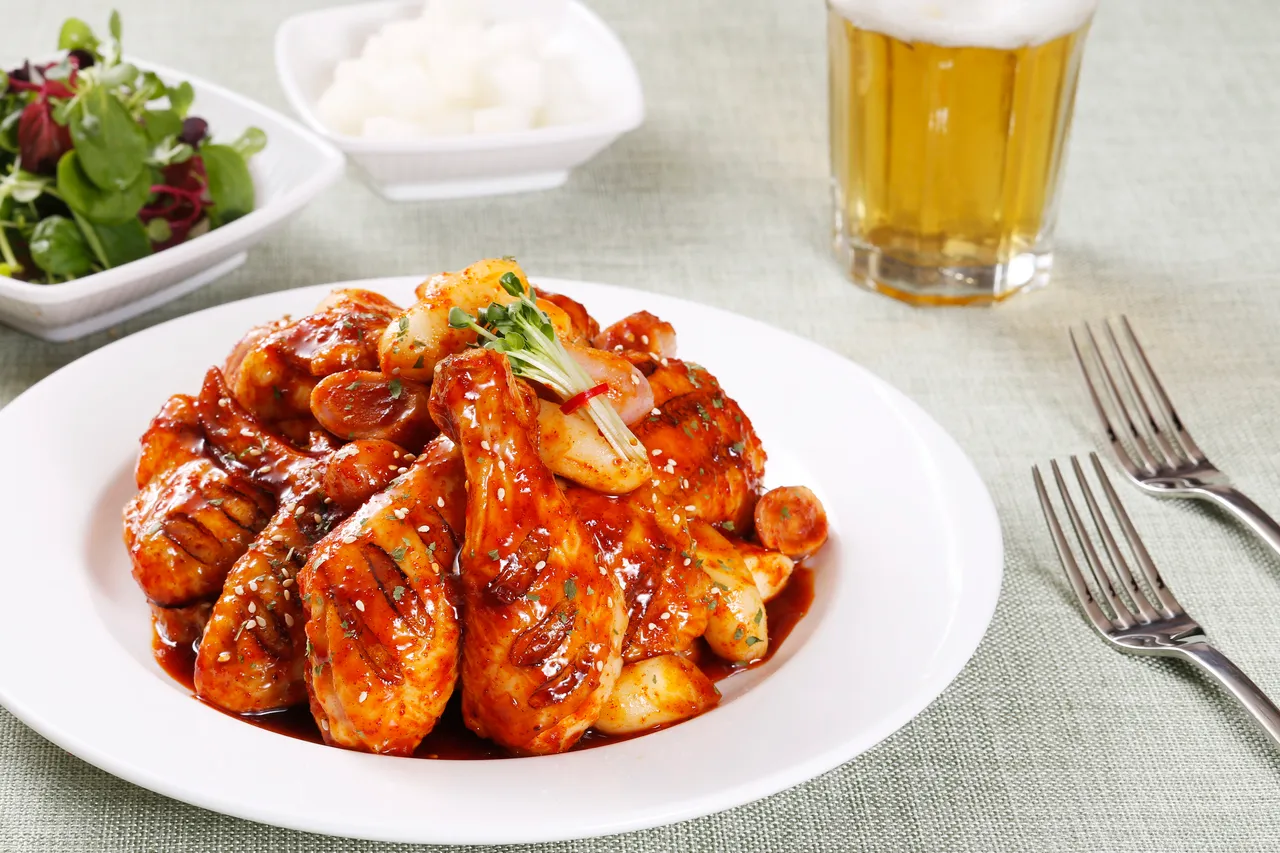
Korean fried chicken (KFC, confusingly) isn't a single dish. It's a whole category, and each big brand has its own signature style.
The shared technique is double-frying, which gives a thin, long-lasting crunch. From there they split: one fries in olive oil, one coats in a yogurt-cream powder, one hand-brushes a soy-garlic glaze.
So the useful question isn't "which brand is best".
It's "which brand matches your taste." This guide is a match-your-taste explainer, not a ranking.
Two ground rules up front: menus, prices, sets, and promotions change and vary by branch, so check the current official menu before you order. And brand menus differ overseas, so this describes the Korean menus.
Sort out paying with how to pay in Korea.
Before you order
A few basics make ordering painless:
| Choice | What it means |
|---|---|
| Whole chicken | The standard order: usually enough for two |
| Half-and-half (banban) | The classic first order: fried + yangnyeom (sauced) in one |
| Boneless (sunsal) | Easier to eat; usually a small extra charge |
| Wings / drumsticks | Some brands sell part-cuts |
| Combo / set | Chicken plus sides or drinks (varies by branch) |
And the flavor families you'll see:
| Label | Taste |
|---|---|
| Original / Fried (huraideu) | Plain, crispy, not spicy |
| Yangnyeom | Sweet-spicy red sauce |
| Soy-garlic (ganjang) | Savory-sweet, mild |
| Honey | Sweet, kid-friendly |
| Red / Hot / Volcano / Mala | Very spicy: the spice signal |
| Cheese powder | Savory, creamy, dairy |
| Oven-baked | Less oily texture (still rich) |
Opening-hours trap. Many chicken shops open around 4 to 5pm and run late into the night: they're a dinner-and-supper food. For a lunchtime craving, check a branch in a busy district (Gangnam, Gwanghwamun, Myeongdong) rather than assuming any shop is open.
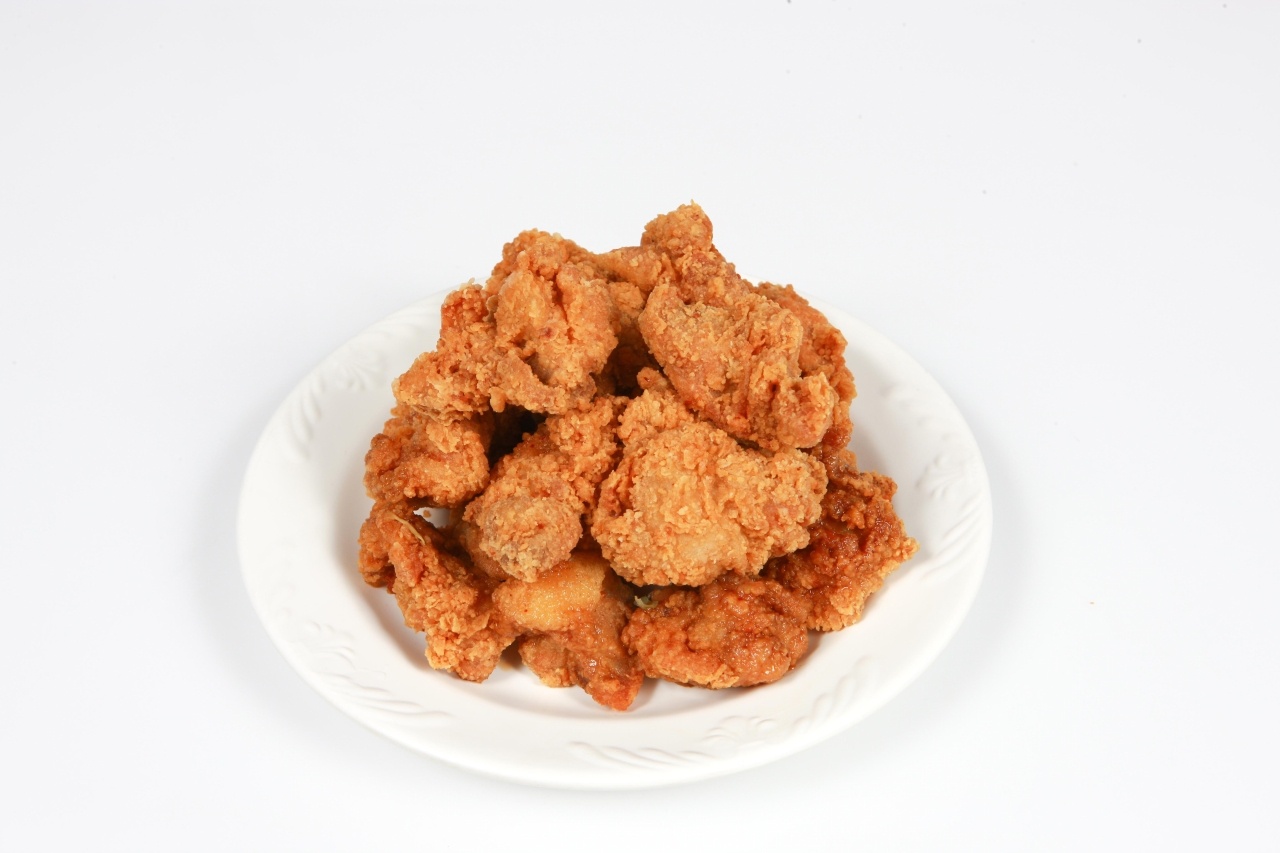
Brand guide
Descriptions of each brand's identity, not endorsements. Signature items should be confirmed on the current menu, as line-ups change.
BBQ
Known for: frying in 100% extra-virgin olive oil: its brand identity, giving a lighter, less greasy result. One of the largest and oldest chains (founded 1995). Signature to check: Golden Olive.
Best for: a classic, cleaner-tasting first fried chicken. Watch out: "olive oil" doesn't mean low-calorie.
BHC
Known for: powder-and-dip innovations, especially Bburinkle: a cheese/onion/garlic powder with a yogurt-cream "bburing" dip. Signature to check: Bburinkle; Matchoking (soy-based with scallion and chili); Gold King. Best for: trend-driven, creamy-savory flavors.
Watch out: the powder and dip are dairy-heavy.
Kyochon (Kyochon 1991)
Known for: the soy-garlic original image, with sauce hand-brushed on rather than tossed. Signature to check: the Honey series and the Red series (cheongyang chili). Best for: people who like a lacquered, brushed-on glaze.
Watch out: it's cooked to order, so peak-time waits can run tens of minutes. Its Itaewon "Kyochon Pilbang" is a premium sit-down spot worth reserving if you want a nicer setting.
Goobne
Known for: being the major oven-baked (not fried) brand (since 2005). Signature to check: Gochu Basak (crispy chili), Volcano (spicy), and Galbi Cheonwang (a Korean galbi-flavored take). Best for: a less-fried texture.
Watch out: oven-baked isn't "diet food": it's still rich.
Puradak
Known for: a premium position, nicknamed "the Prada of chicken" for its dust-bag-style boxes. Signature to check: Black Alio (garlic soy); chili-mayo. Best for: a gift-worthy, premium presentation.
Watch out: priced above the everyday brands.
Nene
Known for: Snowing Cheese (cheese powder) and sauced/spicy-mayo styles, with wide delivery coverage (since 1999). Signature to check: Snowing Cheese and its sauced range (confirm current official names). Best for: cheese-powder fans.
Watch out: cheese powder is dairy.
Cheogajip
Known for: a balanced, classic yangnyeom, and Supreme yangnyeom (a creamy-mayo-topped sauced chicken). Signature to check: Supreme yangnyeom. Best for: a mellow, crowd-pleasing sauced chicken.
Watch out: the mayo topping contains egg.
Pelicana
Known for: being the oldest of the majors (1982) and widely credited with inventing yangnyeom chicken: the original of the sweet-spicy style. Signature to check: yangnyeom. Best for: tasting the classic that started the sauced-chicken category.
Watch out: menus vary by branch.
60ke (Yuksipgye)
Known for: a freshness story: the name refers to frying only 60 chickens per batch of oil before changing it. Signature to check: its signature soy-and-nurungji ("ganji") style. Confirm the current official menu.
Best for: a soy-forward, freshness-led pick. Watch out: availability varies by area.
Kkanbu (if available)
Known for: a pub-style chimaek setting in some areas. Signature to check: confirm the current menu and whether a branch is nearby. Best for: a casual beer-and-chicken hangout.
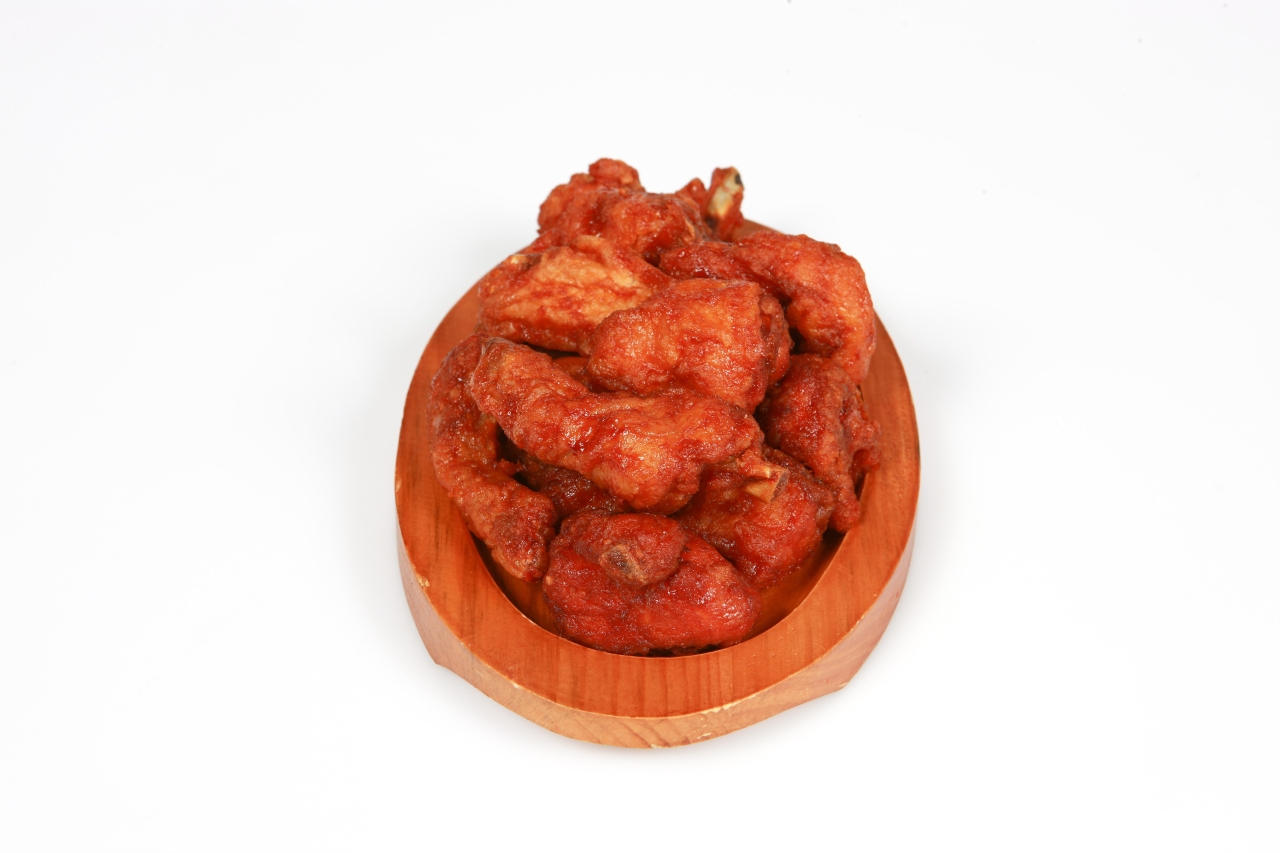
Best match by flavor preference
| If you like… | Try |
|---|---|
| Clean, classic fried | BBQ Golden Olive, or plain fried anywhere |
| Sweet-spicy sauced | Pelicana or Cheogajip yangnyeom |
| Savory soy-garlic | Kyochon or Puradak Black Alio |
| Creamy, powdery, cheesy | BHC Bburinkle or Nene Snowing Cheese |
| Sweet and mild (kids) | Honey styles |
| Less-fried texture | Goobne oven-baked |
| Seriously spicy | Anything labeled Red / Hot / Volcano |
Sides and what's in them
Sides are half the fun, and the main cross-contamination and allergy concern:
| Side | Note |
|---|---|
| Chicken-mu (pickled radish) | Usually included free; cuts the richness |
| Cheese balls | Dairy; often fried in the same oil as the chicken |
| Fries / wedges | Often share the fryer with chicken |
| Tteokbokki | Sauce/broth often has anchovy or fish cake |
| So-tteok (sausage & rice cake) | May contain pork/processed meat |
| Fried rice / bap | Filling add-on at some shops |
| Dips & sauces | Cream/cheese dips are dairy; mayo sauces have egg |
| Drinks | Soda, or beer for chimaek (optional: non-alcoholic is fine) |
How to order
- In-store / sit-down. Point at the menu photo or say the item; half-and-half is a safe first order. Some shops offer a half-bird for one person (if available).
- Takeout (pojang). Often the simplest option for visitors. Order at the counter and carry it out.
- Delivery. The major delivery apps have some English, but setup can require a Korean phone number or local details, so takeout is often easier; if you want hotel delivery, check the hotel's policy. Han River parks do allow delivery, which is why chimaek picnics are popular there.
- Finding a branch. Use Naver Map, KakaoMap, Google Maps, or the brand's official store locator to check nearby branches and hours.
Useful Korean phrases
Ordering fried chicken
Two handy phrases, more ordering questions are in the tables above.
Gets you fried + yangnyeom in one order.
Polite반반으로 주세요
ban-ban-eu-ro ju-se-yo
Half-and-half, please.
Korean audio isn't available on this device or browser. Use the romanization above to say it.
Red / Hot / Volcano labels are very spicy.
Polite이거 매워요?
i-geo mae-wo-yo?
Is this spicy?
Korean audio isn't available on this device or browser. Use the romanization above to say it.
Food restrictions and allergies
- Not automatically halal. Fried chicken is not halal unless a specific shop is certified: some halal-certified chicken exists (for example around Itaewon), but verify it directly. Don't assume; see the Muslim-friendly Seoul guide and the Korea food guide for Muslim travelers.
- Dairy: cheese powders, cheese balls, and cream dips.
- Egg: mayo-based sauces and toppings (e.g. Supreme).
- Wheat / soy: the batter and many sauces.
- Cross-contamination: cheese balls and fries are often fried in the same oil as the chicken.
- Vegetarian options are very limited at chicken shops. Plan another meal if that's a need.
Chimaek culture
Chimaek (chicken + maekju, beer) is a social ritual: fried chicken with a cold beer, often shared with friends or on a Han River picnic. The beer is optional: soft drinks, sparkling water, or barley tea are perfectly normal, and no one expects you to drink. It's about the shared, relaxed meal, not the alcohol.
Sources
- Visit KoreaOfficial tourism site
- Korea Tourism Organization English TourAPIOfficial API
Information is compiled from official sources. Details such as prices, hours, and schedules can change. Confirm time-sensitive facts before you travel.
Last verified on
Related guides

What to Eat in Korea: A First-Timer's Food Guide
A starter list of Korean dishes worth seeking out (barbecue, stews, bibimbap, street food, and fried chicken) with how to order, rough prices, and notes for vegetarian and halal travelers.
Korean Convenience Store Ramen Combos: Buldak, Shin Ramyun, Jjapaguri, Cheese, and Rice
Korean convenience stores are a cheap, fun way to eat instant ramen exactly how you like it: soup or stir-fried, mild or fiery, plain or loaded with cheese, egg, kimbap, and more. Ten beginner-friendly combos follow, with how to put them together and the things that actually matter: how spicy is too spicy, what to check if you avoid pork or eat halal or vegetarian, and common allergens. Brands are named only as examples; what's on the shelf changes by store and day, so read the package.