Loading…
Korea travel essentials
Entry, money, connectivity, transport, and arrival. Filter by stage, or browse all guides. Ordered checklists live on the first-time path. For what to reserve before you fly versus what can wait, use what to book before Korea.

Korea Tourist Visa Guide for Visitors Who Need a Visa: Documents, K-ETA, e-Arrival Card, and Arrival Checklist
Whether you need a visa, a K-ETA, or just the new e-Arrival Card depends on your nationality, and these are three different things that do not replace one another. How they fit together in 2026, the documents a tourist visa typically needs, and the official sites to use are all below. It is travel guidance, not legal or immigration advice: always confirm your own case on the official sources before you book or fly.
Nationwide
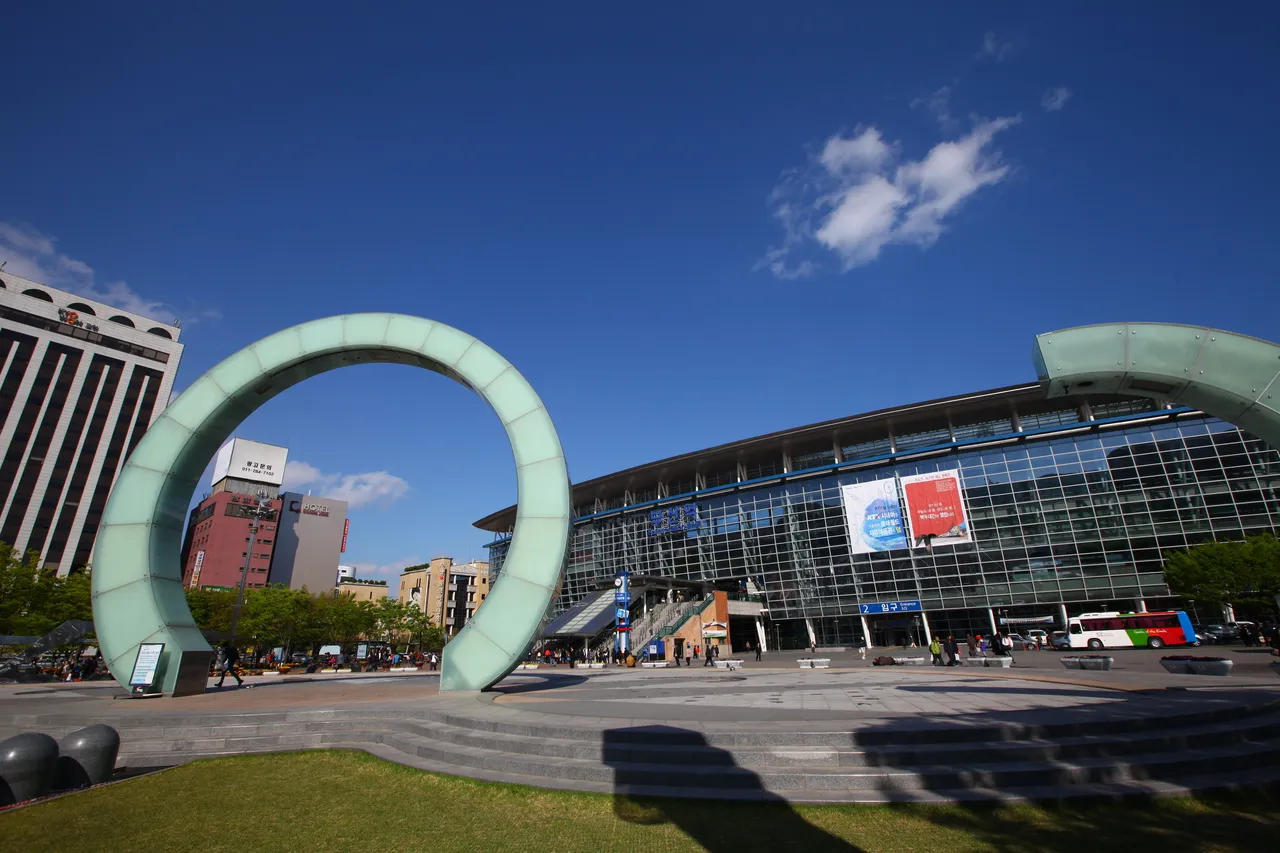
How to Book KTX Train Tickets in Korea: KORAIL, SRT, Korail Pass, and Foreigner Tips
Korea's high-speed trains have been one system since 1 September 2026, when KTX and SRT stopped being two companies with two apps. Every high-speed train, including the Suseo departures that used to be SRT, is now booked in the integrated Korail+ app, on the KORAIL site, or at a station. Below: how to book, which Seoul station fits your trip, paying with an overseas card, and what the fare cut does and does not cover.
Nationwide
Discover Seoul Pass & VISIT BUSAN PASS: Are Korea's City Attraction Passes Worth It?
Discover Seoul Pass covers Seoul and VISIT BUSAN PASS covers Busan, so they do not compete and neither works in the other city. Each pays off only when you plan several paid attractions inside its time window. Both start their clock at first use, neither is a transit pass or a skip-the-line ticket, and both lose to a no-pass plan on a trip of palaces, beaches and markets.
SeoulBusan
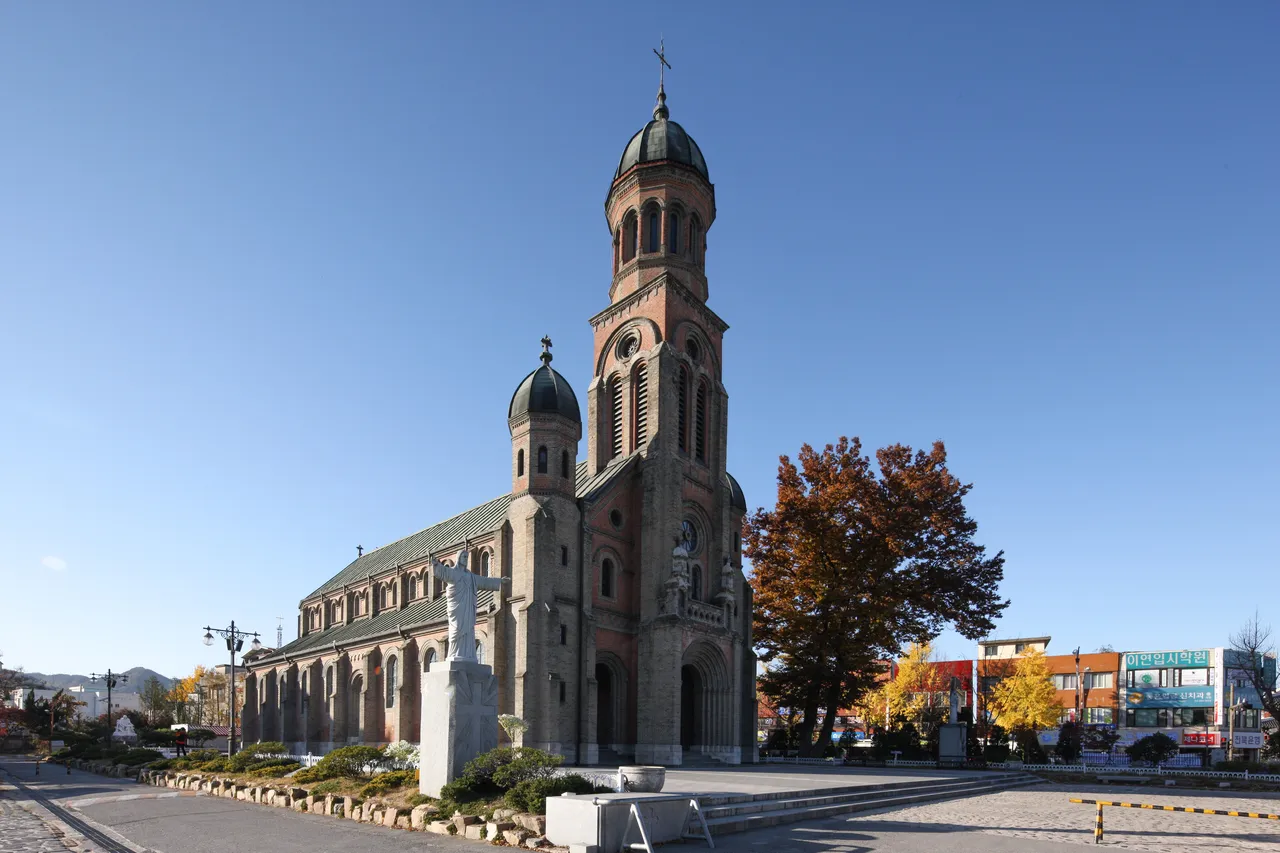
Seoul to Jeonju by Train: Tickets, Stations, and Hanok Village Transfer
The train to Jeonju is straightforward once you know one quirk: most Jeonju trains leave from Seoul's Yongsan Station, not Seoul Station, and Jeonju Station itself is a short ride from the Hanok Village rather than right beside it. Booking, which Seoul station to use, the short station-to-village transfer (closer than Gyeongju's), and the day-trip-versus-overnight decision are all covered below. Fares, times, and bus numbers change, so confirm the official and map-app details before you go.
Jeonju
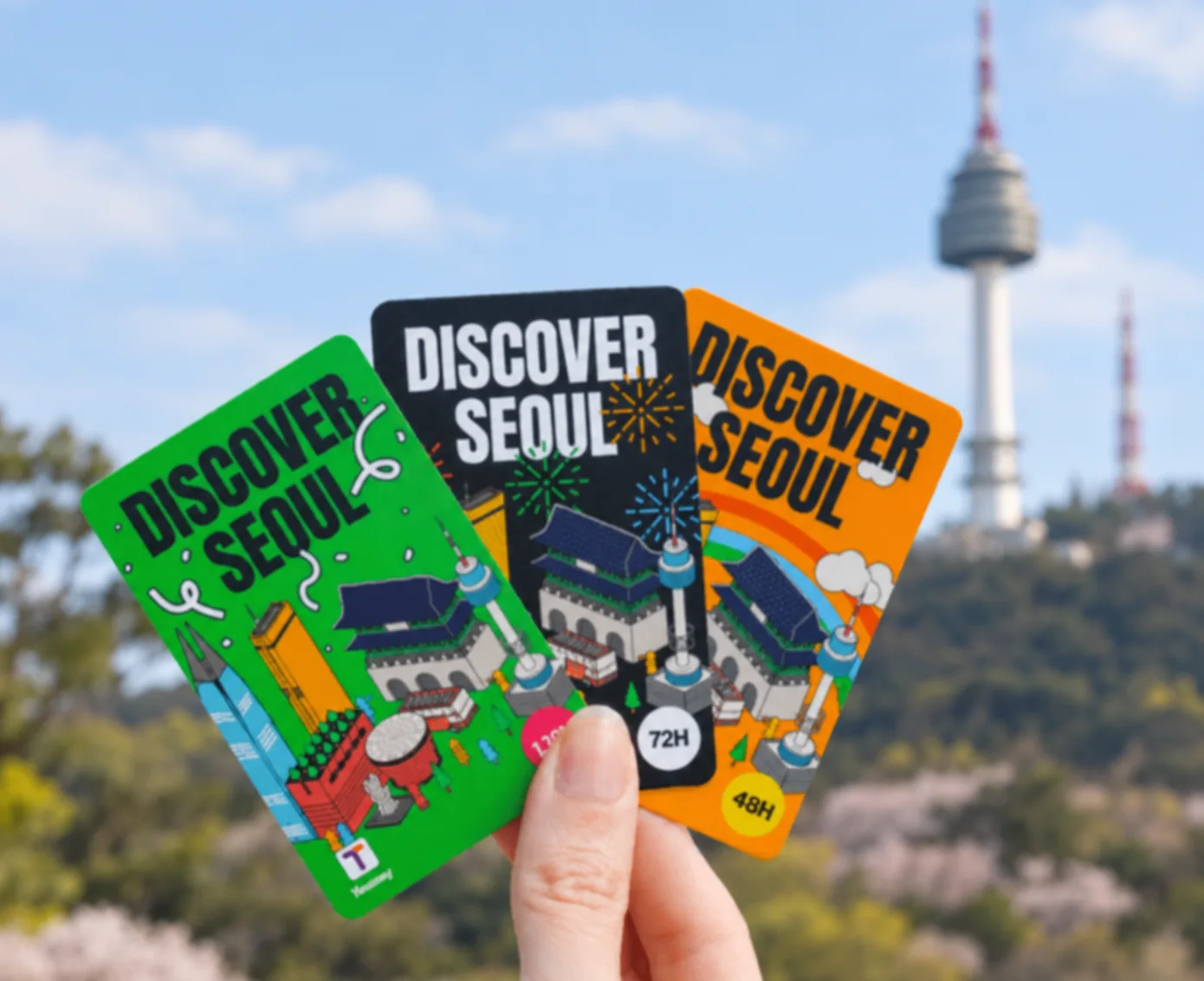
Korea Travel Passes and Tourist Cards: Which One, If Any, Should You Buy?
Most Korea passes are not the same kind of product, so compare them by type. The KORAIL Pass is for intercity trains, the Seoul Climate Card is for Seoul subways and city buses, and Discover Seoul Pass and Visit Busan Pass are attraction passes. WOWPASS is a prepaid payment card, and T-money is the baseline card most visitors need anyway. Many trips are best served by a T-money card and no pass at all.
Nationwide
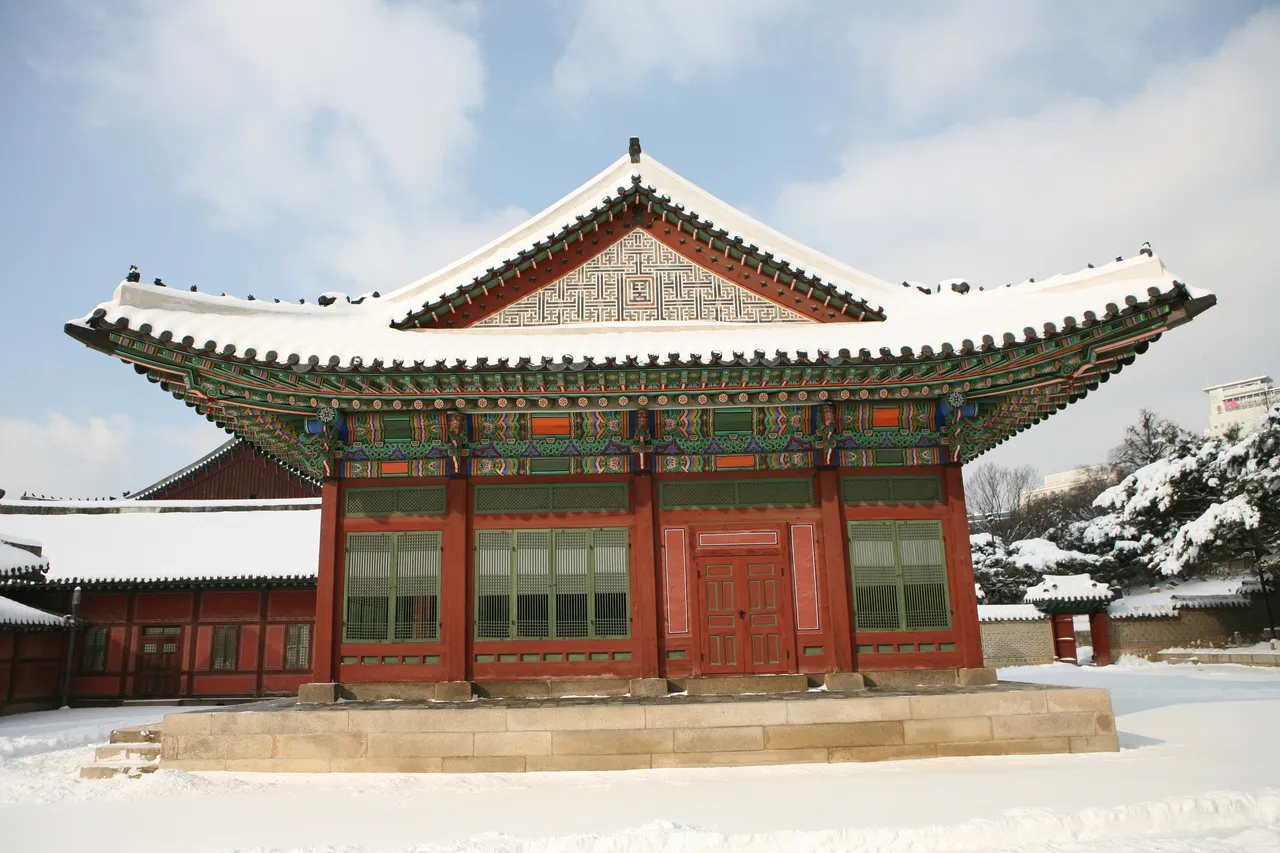
What to Wear in Korea in Winter: December, January & February Packing Guide
Dress for the city and the month, not for Korea as a whole. KMA normals put the average January low at -5.5 °C in Seoul, -0.1 °C in Busan and 3.7 °C in Jeju City, and January is the coldest of the three winter months in all three. Pack three layers (base, insulating, windproof outer), warm closed walking shoes, gloves, a hat and a scarf, and treat thermals, a heavy down jacket and snow boots as choices that depend on your plans and the forecast. Mountains need separate gear.
Nationwide

Essential Travel Apps for Korea
Install a Korean map app (Naver Map or KakaoMap), a translator (Papago), and a transit app before you arrive, because Google Maps transit is unreliable in Korea. Add a taxi app and, optionally, food delivery to round out a smooth trip.
SeoulBusanNationwide

Getting Around Korea: Transportation Guide
Korea is easy to get around with public transport. Take the Airport Railroad into the city, ride subways and buses with a T-money card, cover long distances on the KTX high-speed train, and use taxis for short hops. A Korean map app ties it together.
SeoulBusanGyeongju

How to Pay in Korea: Credit Cards, Cash, WOWPASS, ATMs, and Mobile Pay
Korea is card-friendly, but the smartest setup is not to rely on one method. Bring a foreign credit or debit card, keep a little cash, get a transit card, and consider a foreigner prepaid card like WOWPASS for the kiosks that reject foreign cards. The breakdown below is current for 2026. Check foreign-transaction rules with your bank before you leave.
Nationwide

Chuseok in Seoul 2026: Namsangol Hanok Village Festival Guide
Chuseok day is Friday, September 25, 2026. The official public holiday runs September 24 to 26. Seoul does not shut down, but banks close, small shops vary, and intercity trains are hard to get. Namsangol Hanok Village hosts Namsan Moonlight Madang with free village entry, watchable performances, some on-site activities, and paid crafts and food. Check the official listing the morning you go.
Seoul

Incheon Airport to Seoul Guide: AREX, Airport Limousine Bus, Taxi, and Best Routes to Jongno and Gangnam
The best way from Incheon Airport to Seoul depends on where you are staying, not on one "fastest" option. AREX Express is quickest to Seoul Station, the all-stop train is cheapest and runs direct to Hongdae, the limousine bus is simplest if a stop is near your hotel, and a taxi suits late arrivals or heavy luggage. Check your airline's terminal (T1 or T2) before you travel, since it changes where you board. The same modes reverse for departure day.
SeoulIncheon
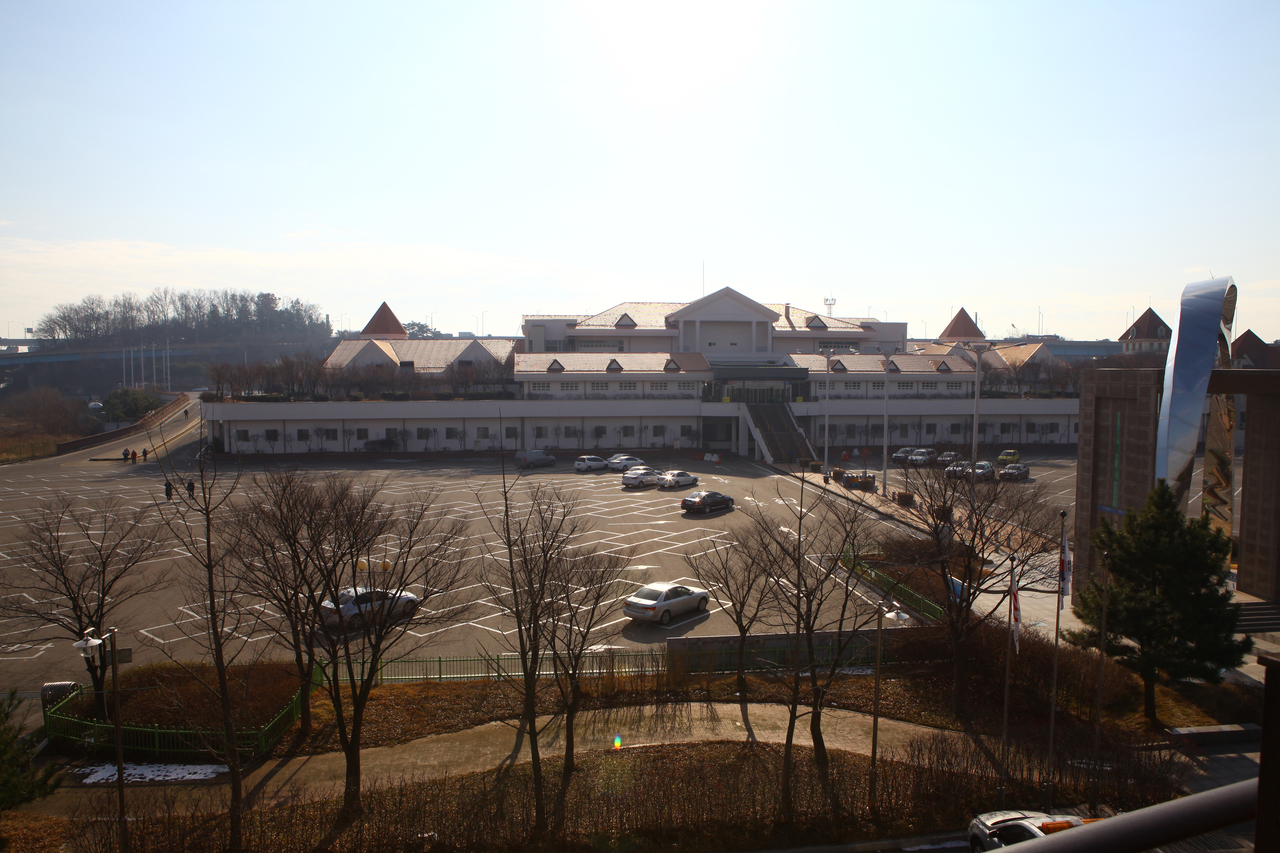
Korean Highway Rest Areas: What to Expect, Eat, and Check
A Korean highway rest area, or hyugeso, is closer to a small roadside town than a lay-by: parking, restrooms, a food court, snack counters, a shop, and often fuel. Facilities are recorded site by site rather than fixed nationwide, so what one stop has, the next may not. Two things catch visitors out most: food is usually ordered at a ticket machine first, and a rest area often belongs to one direction of the expressway only.
Nationwide
If You Feel Sick in Korea: Where to Get Help
This page is a help-seeking guide, not a diagnosis guide. If you believe you need emergency care, call 119 for fire and ambulance or 112 for police. VisitKorea also lists 1339 for infectious-disease emergencies and medical assistance contacts. For travel questions and interpretation that are not emergency dispatch, use the 1330 Korea Travel Hotline. For non-emergency needs, start with a pharmacy or a clinic or hospital, confirm language and hours, and keep your own insurance paperwork ready. Confirm current official numbers and services before you rely on them.
Nationwide
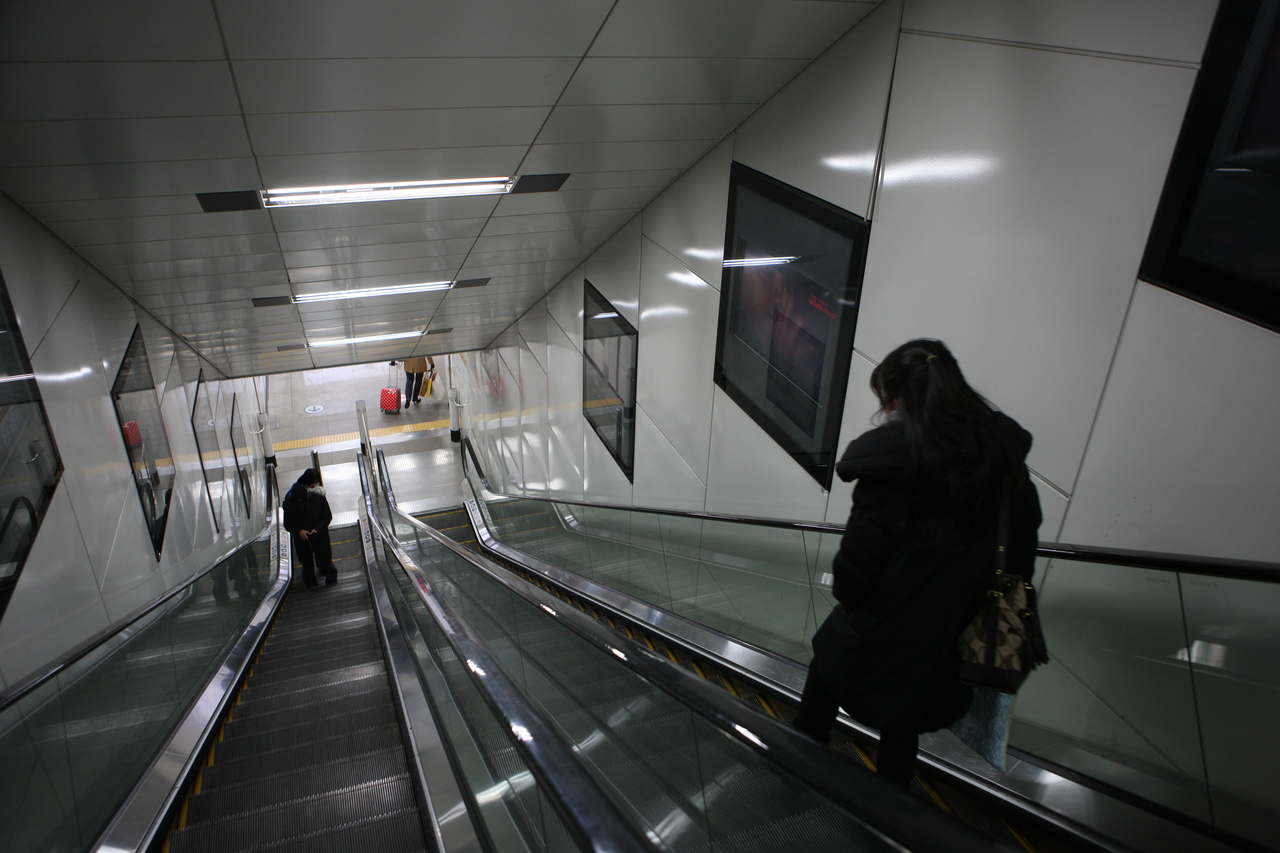
Luggage Storage in Korea: What to Use and What Can Wait
Most luggage problems are timing problems, not a missing secret locker. Use hotel baggage hold when the property allows it. For gaps before check-in or after checkout, use airport or major-station storage only after you confirm hours, size limits, and payment on site or with the operator. Do not plan a full sightseeing day while hauling suitcases. This page owns the decision order, not a live map of every locker.
NationwideSeoulIncheon

Leaving Korea: What to Do Before Your Flight
Leaving Korea is a short sequence, not another encyclopedia. Before you leave the city: check out, know your Incheon terminal, and decide how you will reach the airport. At the airport: check in, finish only the tax or customs steps that still apply to you, clear security and immigration, then board. Detailed tax refund, terminal, transport, and T-money rules live in their own guides. This page owns the order and the "does this apply to me?" filter.
NationwideSeoulIncheon

Korea Tax Refund Guide for Tourists: Immediate, Downtown, and Airport Steps
Korea’s tourist tax-refund system lets eligible foreign visitors reclaim tax on many retail purchases at participating Tax Free / Tax Refund stores. It is not the same as airport duty-free shopping, and it is not the same as arrival customs allowances. Typical tourist-facing guidance (VisitKorea, last updated 20 October 2025) frames a minimum of ₩15,000 per receipt, unopened unused goods, and departure within about three months of purchase. Immediate in-store refunds have tighter caps. Downtown cash refunds often still need an airport customs confirmation step. This page owns the nationwide decision and process. Store layout and brand tips stay in shopping guides. Cashier-screen UX that needs onsite evidence is marked field-gated, not invented here.
Nationwide
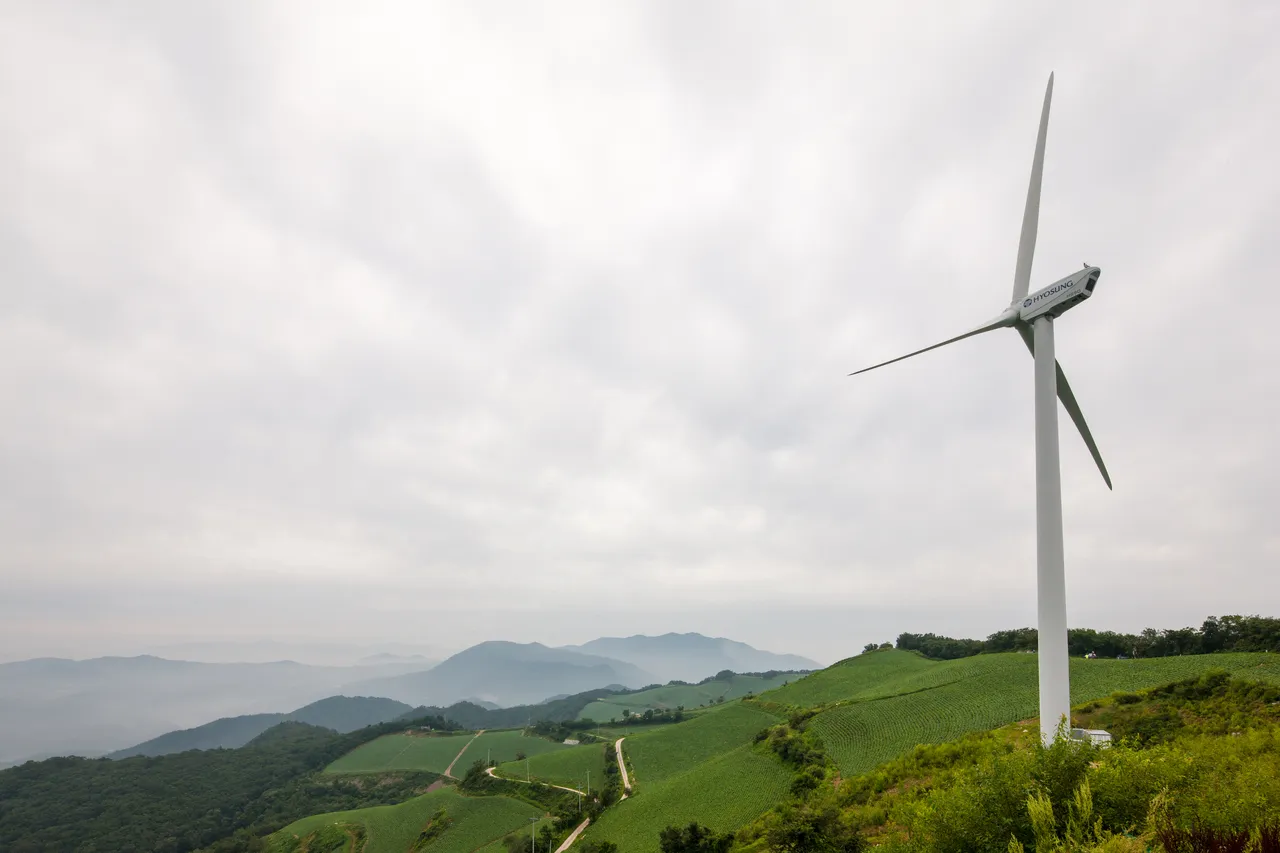
Renting a Car in Korea Guide for Foreigners: IDP, Insurance, Traffic Rules, and Driving Tips
Renting a car in Korea can be the best way to see Jeju, Gangwon, and the countryside, but it's not the move for a first trip to Seoul, where transit is easier. This is a preparation guide, not legal advice: the documents you need (and the International Driving Permit trap that gets German, French, and Thai visitors turned away at the counter), how car insurance really works, Korea's very strict 0.03% drink-driving limit, the traffic rules that matter most, and what to do after an accident. Prices, fees, fines, and coverage vary by company and change, so always confirm current official info and your rental contract.
Nationwide

Korea Trip Budget Guide: What Drives Cost and How to Plan
A useful Korea budget starts with drivers, not one invented daily total. Accommodation is usually the largest flexible cost. Food and activities swing with style. Local transit is relatively predictable once you have a transit card. Intercity trains and flights inside Korea belong in a separate line. International airfare is outside this page's ground-trip scope. Use the framework below to build your own range, then confirm current fares and rates on official or booking sources before you commit.
Nationwide

T-money Card Guide for Visitors to Korea
A T-money card is a rechargeable transit card that works on subways, buses, and most taxis nationwide. Buy one at any convenience store or station machine for about ₩3,000 to 5,000, load cash onto it, and tap in and out. It is the simplest way for visitors to get around Korea.
SeoulBusanNationwide
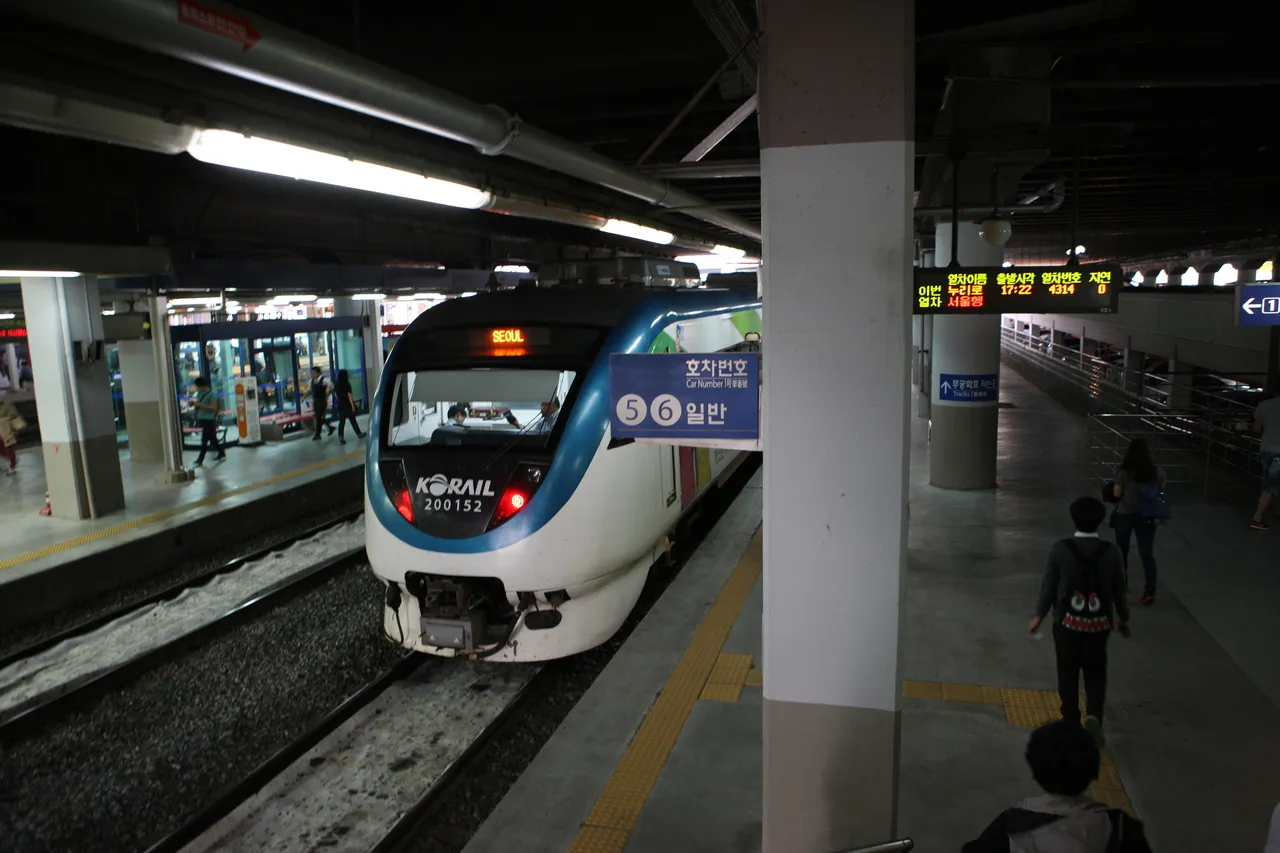
Korail Pass Guide for Foreigners: When It Saves Money and When It Does Not
The Korail Pass can be great value, or a waste of money, depending entirely on how much you ride. This guide is a buying-decision tool, not a sales pitch: it explains what the pass covers (KORAIL trains like KTX and ITX, not subways or Jeju), why former SRT coverage after 1 September 2026 is not yet published, who can buy it, how seat reservations still work, and a simple way to check whether it beats single tickets for your trip. Pass types, prices, and rules change, so confirm the current details on the official KORAIL site before you buy.
Nationwide
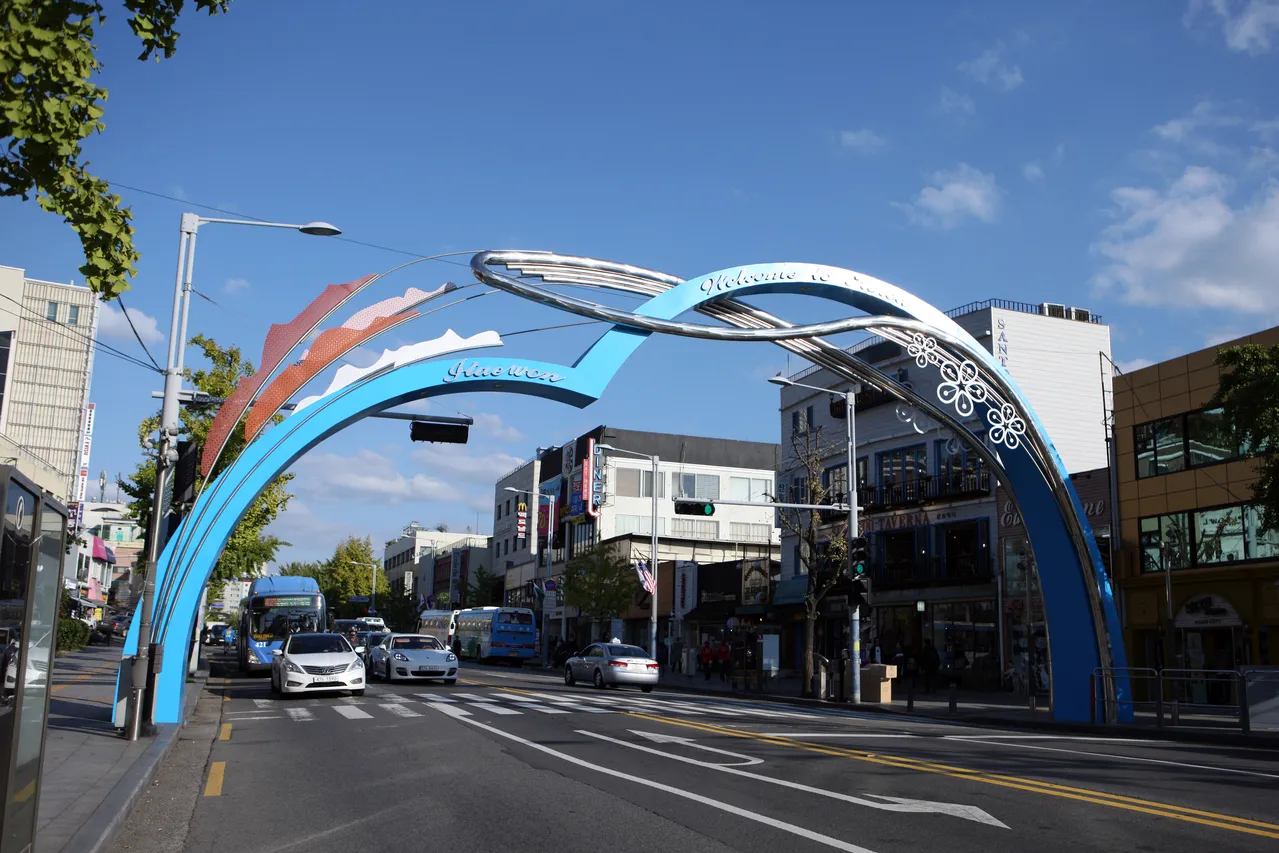
Muslim-Friendly Seoul Guide: Halal Food, Prayer Rooms, and Travel Tips
Seoul is increasingly workable for Muslim travelers, but it helps to know how things actually work: Korea's tourism board sorts restaurants into four tiers from fully halal-certified to simply pork-free, certified places are still relatively few, and "no pork" does not mean halal. The four classifications, the Seoul Central Mosque and Itaewon, prayer rooms, and how to check ingredients are all set out below. Verify each place directly, since menus, certifications, and hours change.
Seoul
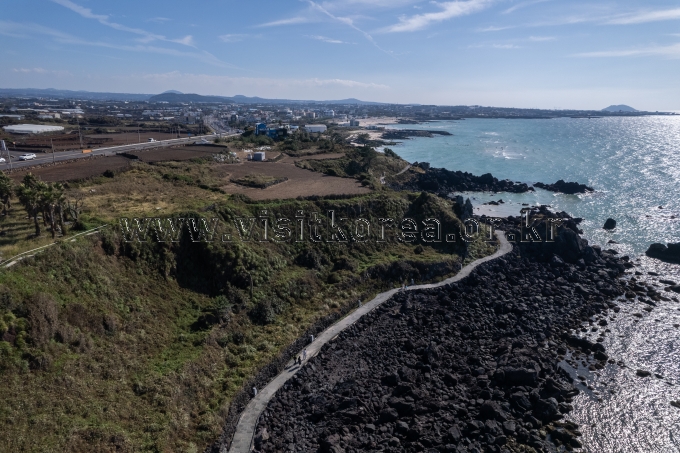
Jeju Car Rental Guide for Foreigners: IDP, Insurance, Driving Rules, Parking, and Road Trip Tips
A rental car is the practical way to see Jeju, where buses are slow and much of the coast is spread out, but a license alone won't get you the keys. This is a preparation guide, not legal advice, focused on what's different about Jeju: you pick the car up by shuttle from outside the terminal, over half the fleet is now electric, there are no tolls, and Udo may restrict rental cars. The documents, insurance exclusions, driving and parking realities, and a route that doesn't cram the whole island into one day. Prices, fees, insurance, and rules vary by company and change, so always confirm current official info and your rental contract before you drive.
Jeju
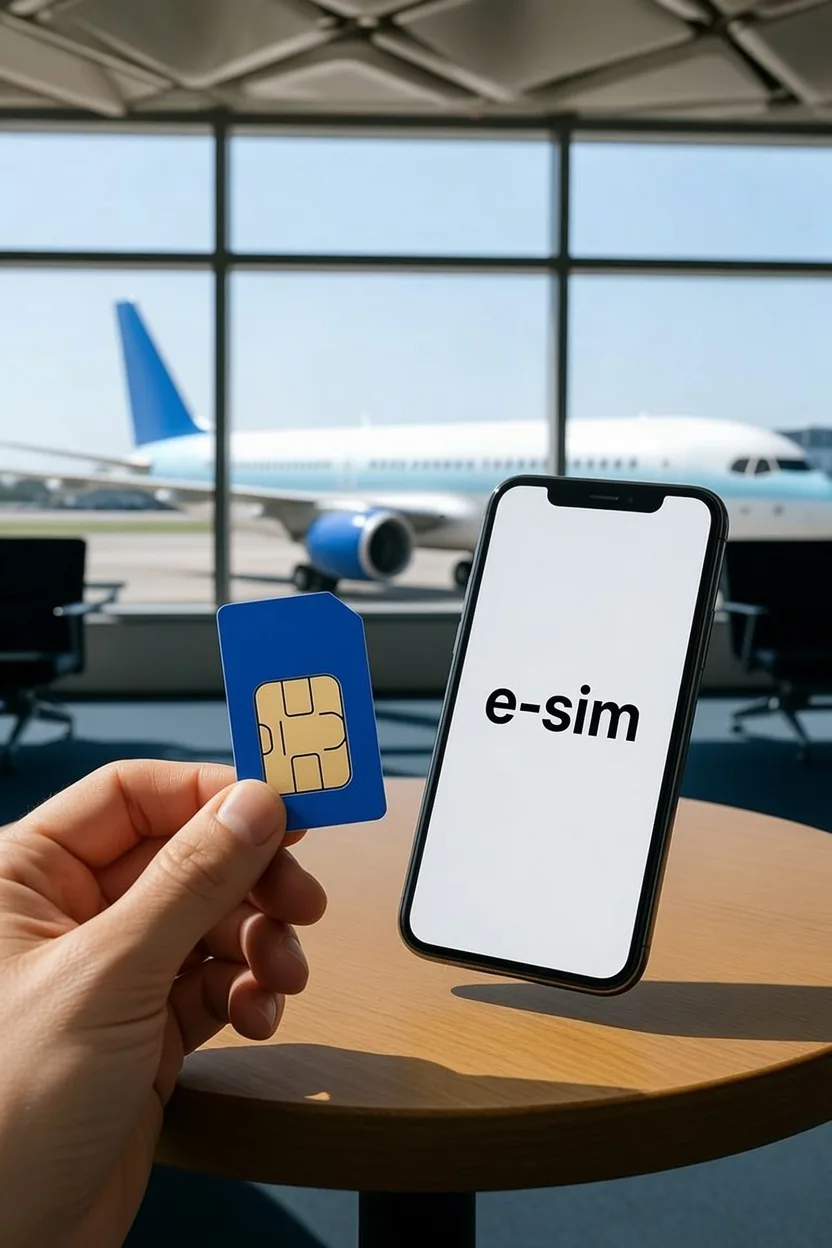
Korea SIM vs eSIM Guide for Tourists: Which Is Better for Your Trip?
The right connection in Korea is not the cheapest one. Work through it in order: can your phone take a physical SIM or an eSIM, is it carrier-unlocked, do you genuinely need a Korean number, and how much data do you use. Most short-trip visitors are well served by a data-only eSIM, which generally needs no passport verification, while any product with calling and texting does require it. Families and groups should price a pocket Wi-Fi router against separate lines. A tourist Korean number is not the same thing as Korean identity verification, and swapping in a physical SIM silences your home number. Plans, prices, and airport counter hours change, so confirm current details with the provider before you buy.
Nationwide

Incheon Airport Terminal 1 vs Terminal 2: Airlines, Facilities, Transport, and Which Terminal to Use
The useful question is not which Incheon terminal is better, it is which one your flight actually uses. Terminal 1 and Terminal 2 are separate buildings with no walking connection, and the terminal is set by the airline that operates the flight, not the one that sold the ticket. Asiana Airlines moved to Terminal 2 on 14 January 2026, so older guides and blog posts may send you to the wrong building. Your departure and arrival terminals can also differ on the same trip. Below: how to confirm your terminal, what each one has landside and airside, how to move between them if you get it wrong, and what transfers involve. Airline assignments and facility hours change, so confirm with your airline and the airport before you travel.
Nationwide
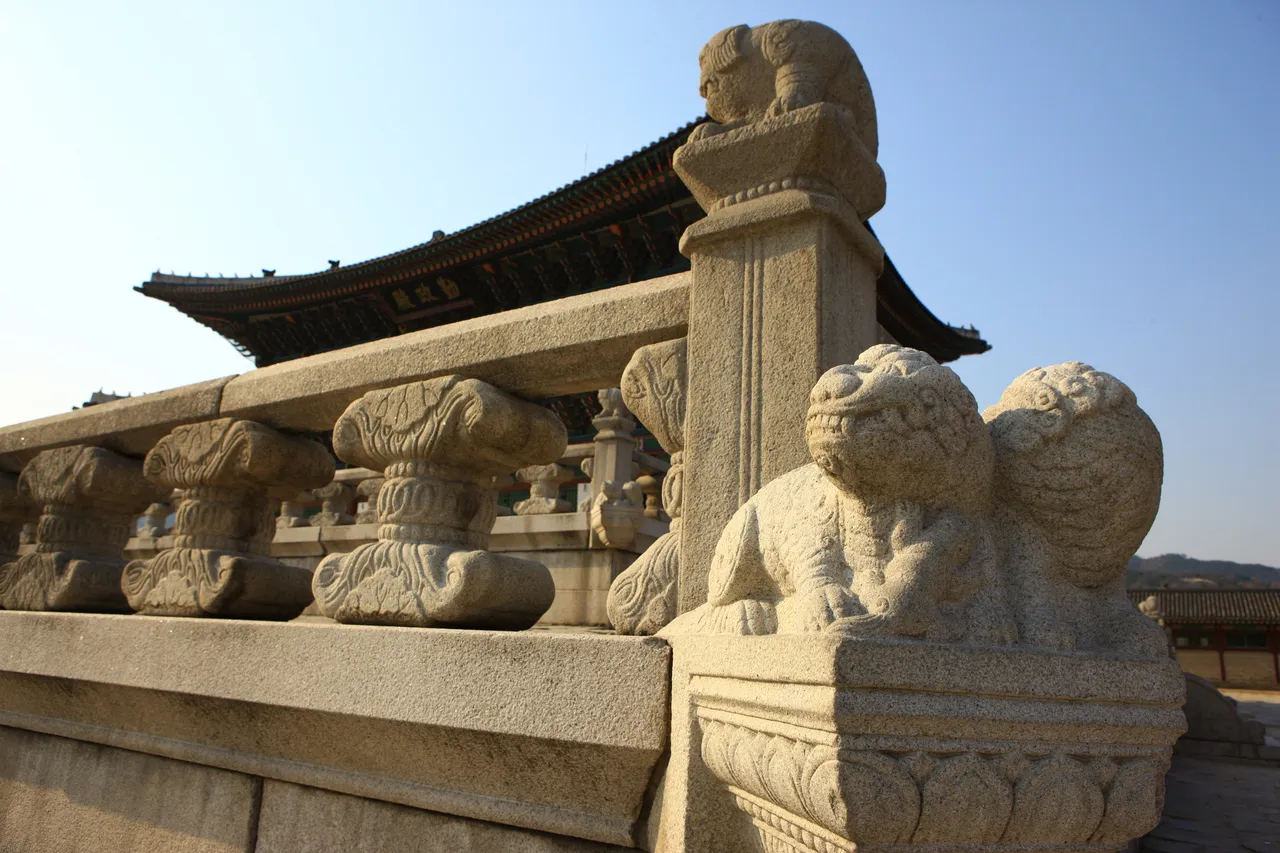
10 Things Not to Do in Korea: Travel Etiquette, Manners, and Mistakes Foreign Visitors Should Avoid
Korea is an easy, welcoming place to travel, and you don't need to be perfect, but a handful of small habits will make your trip smoother and show respect for the people around you. Ten common missteps follow, from loud phone calls on the subway to smoking outside designated areas, each with what to do instead. It separates actual legal rules (like smoking fines) from cultural manners (which are flexible), and keeps the tone practical rather than preachy. Rules and fines vary by district and change, so check local signs and official info as you go.
Nationwide
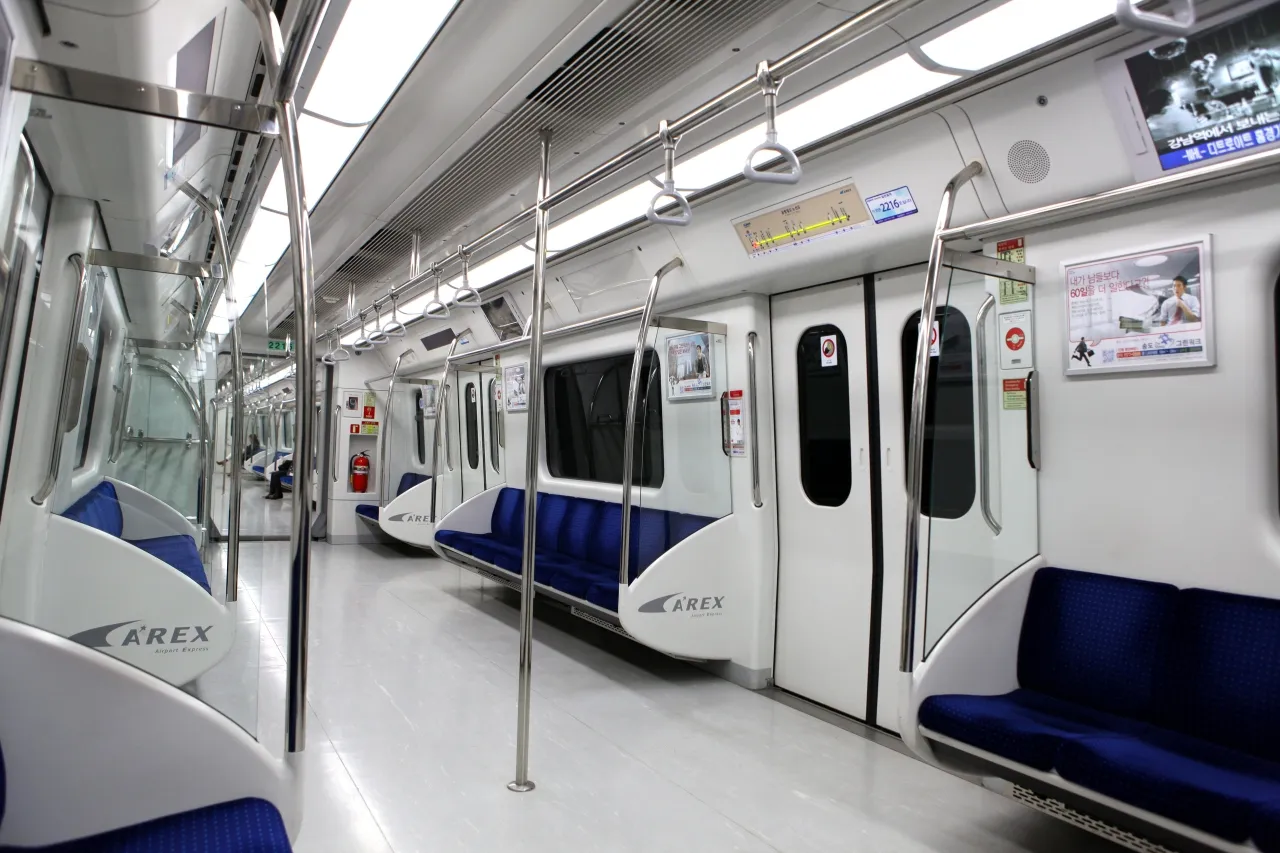
Korea Public Transportation Etiquette Guide: Subway, Bus, Priority Seats, and Quiet Rule
Korea's subways and buses are clean, fast, and famously quiet, and a few social habits are different from what many visitors are used to. This is a transit-specific deep dive: how to board a bus (front door on, back door off, and always tag out or you'll be overcharged), how priority and pink seats actually work, what the "quiet rule" really means (a strong norm, not a law), plus luggage, rush hour, escalators, accessibility, and a subway-vs-bus comparison. Fares and routes change, so we keep those light and point you to the T-money guide. Nobody expects perfection, this just helps you blend in.
Nationwide
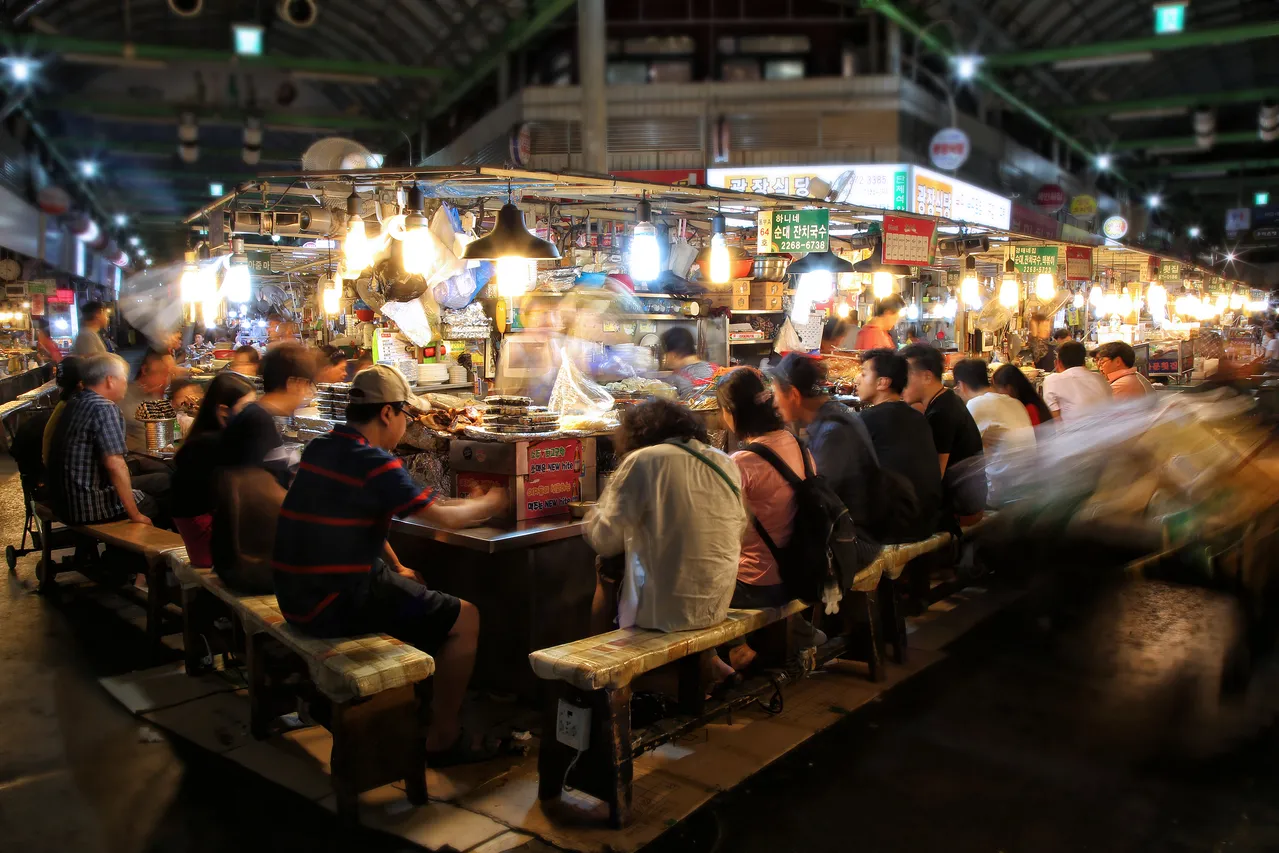
Gwangjang Market Tourist Price Guide: What to Watch Out For and Better Seoul Market Alternatives
Gwangjang Market is one of Seoul's most famous food markets and still worth a visit, but reported price disputes (2023 to 2026) mean it pays to check before you order. This is a balanced, practical guide, not a "don't go" piece: what to watch for, the price-display and monitoring measures now being rolled out, how to avoid overpaying, and better-fit alternative markets (Tongin, Mangwon, Gyeongdong, Namdaemun) by travel style. Prices and hours change, so confirm current details before you go.
Seoul

Muslim-Friendly Jeju Guide: Food Planning, Prayer Tips, and Family Route
Jeju is a beautiful nature-and-family island, but it has fewer Muslim-friendly options than Seoul, so the trick is to plan each day rather than hope to find halal food anywhere. Black pork is on almost every menu, seafood is usually easier but still needs checking, prayer spaces are few enough to map in advance, and a rental car makes a family day far more workable. Restaurants, prayer facilities, and hours change, so verify current details with official sources (VisitJeju, KTO) before you go, and never assume a place is halal without checking.
Jeju
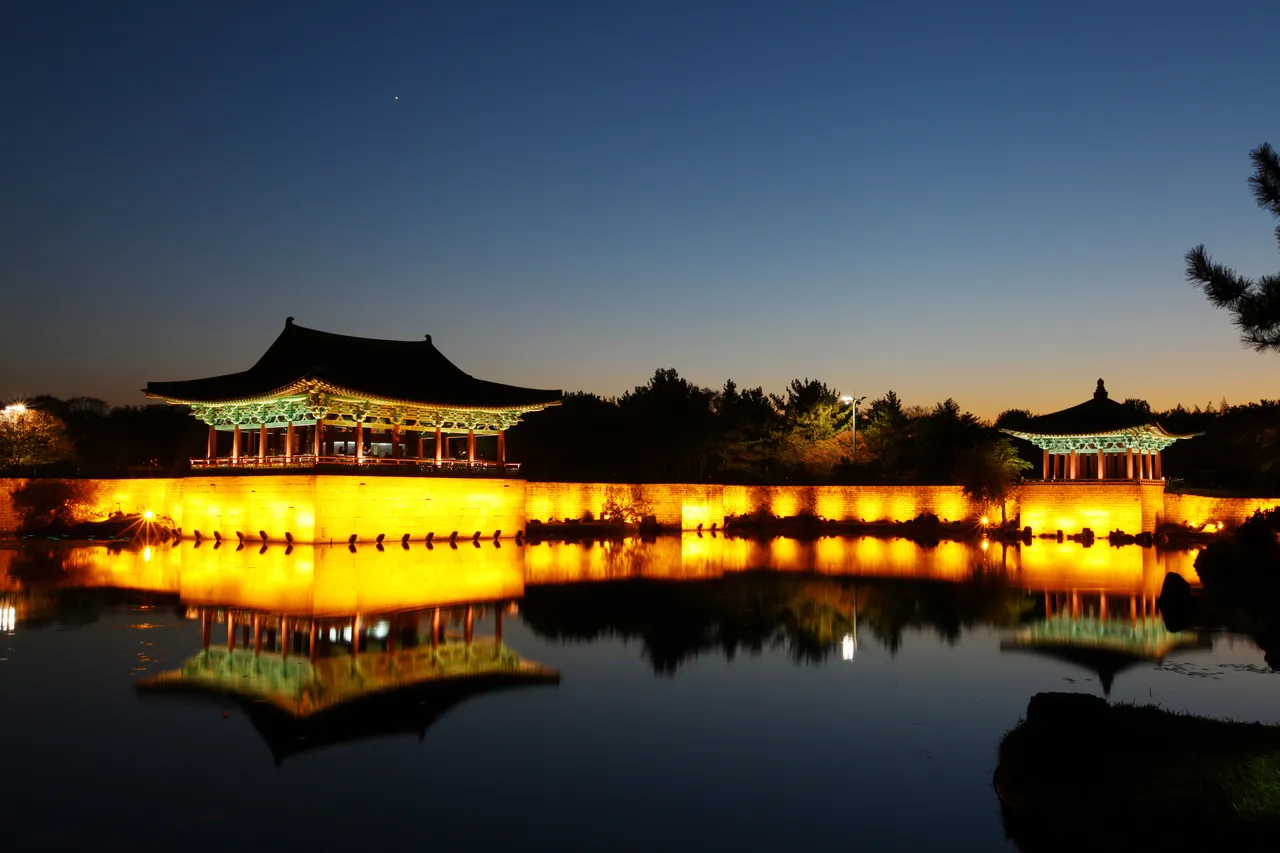
Seoul to Gyeongju by Train: KTX to Singyeongju and City Transfer
The KTX makes Seoul to Gyeongju an easy ride of a couple of hours, but the part first-timers miss is that the high-speed station sits outside Gyeongju's historic center, not in it, so you still have to plan the transfer into town. Below: booking the train, the recent station-name change, the ride from the KTX station to the walkable historic district, the separate and longer trip out to Bulguksa, and how many days the area really takes. Fares, times, and bus numbers change, so confirm the official and map-app details.
Gyeongju