Loading…
Korea itineraries
Filter by trip length or season, then open a day-by-day plan. Public-transport routes only.
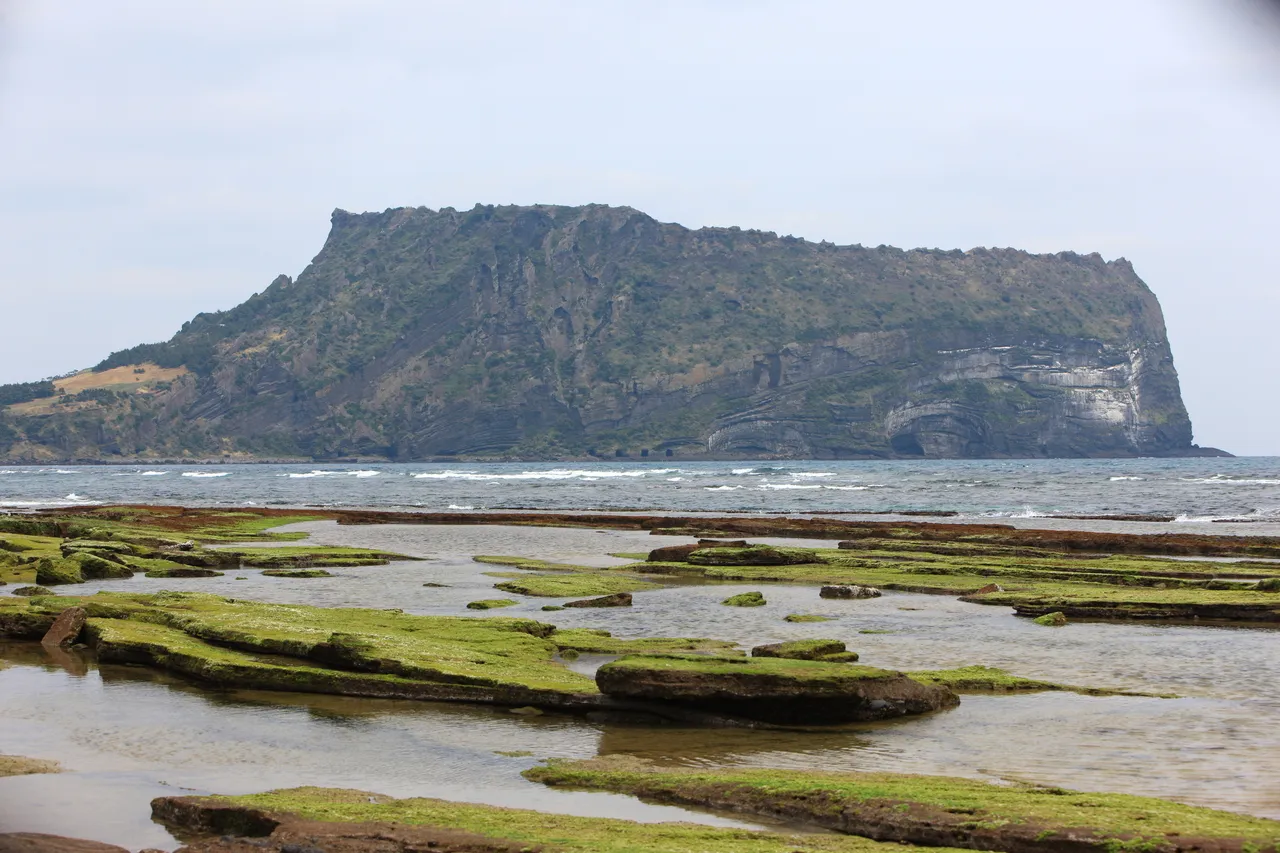
East Jeju 1-Day Itinerary: Seongsan Ilchulbong, Seopjikoji, Udo & the Best Routes
For one day in East Jeju, pick two anchors. Route A pairs Seongsan Ilchulbong with Seopjikoji on the main island, and Route B pairs Udo with Seongsan around the ferry. Doing all three in a day is not the default, and the place guides own the hours, ferry rules and parking.
JejuSeongsanUdo
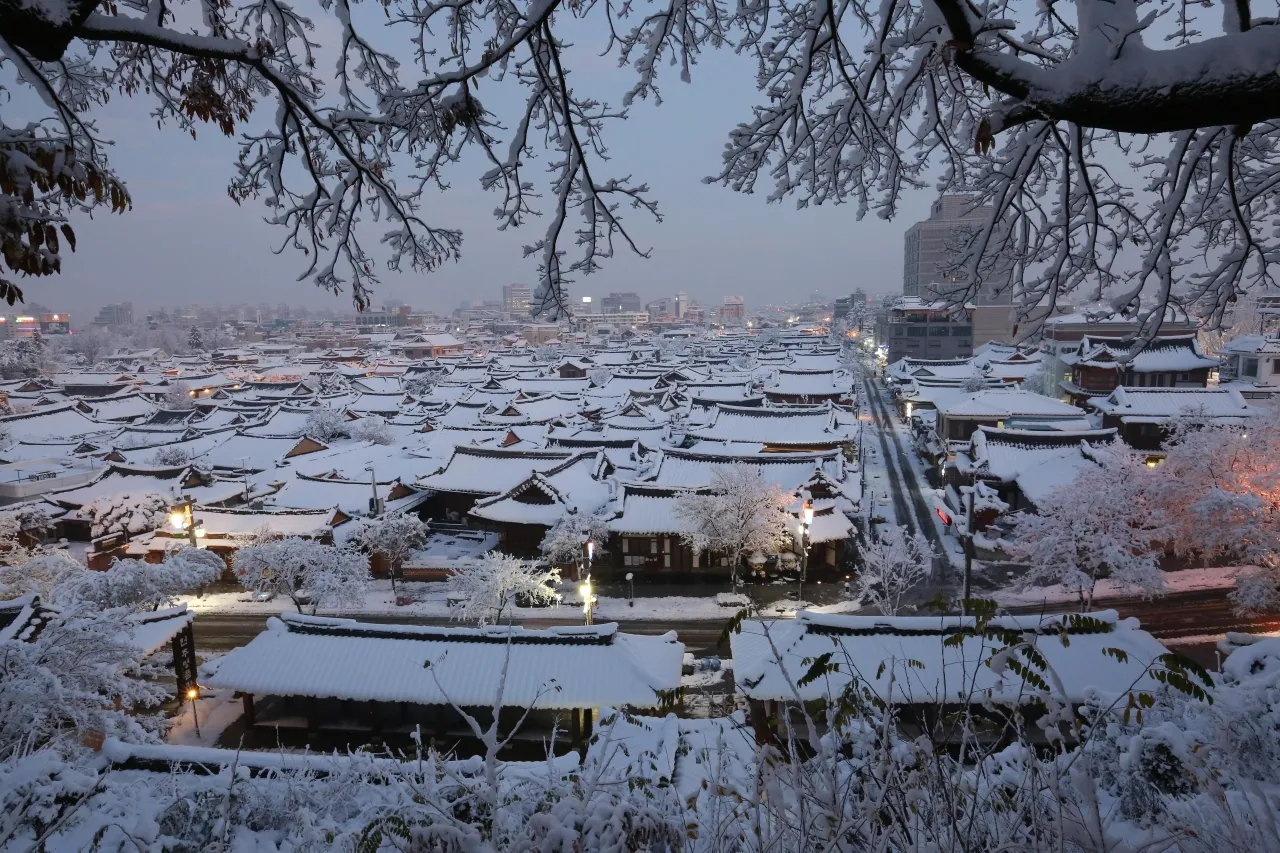
Jeonju in Winter: Hanok Village, Food & a 1 to 2 Day Trip from Seoul
Jeonju works in winter if you plan for cold outdoor walking, not snow. The Hanok Village is an open neighborhood, not an indoor attraction, and Jeonju Station is several kilometers away from it, so a taxi or city bus is part of the trip. Most Jeonju trains leave from Yongsan, not Seoul Station. A day trip is possible, and one night is the comfortable length for slow meals and an evening in the lanes.
JeonjuJeollabuk-do
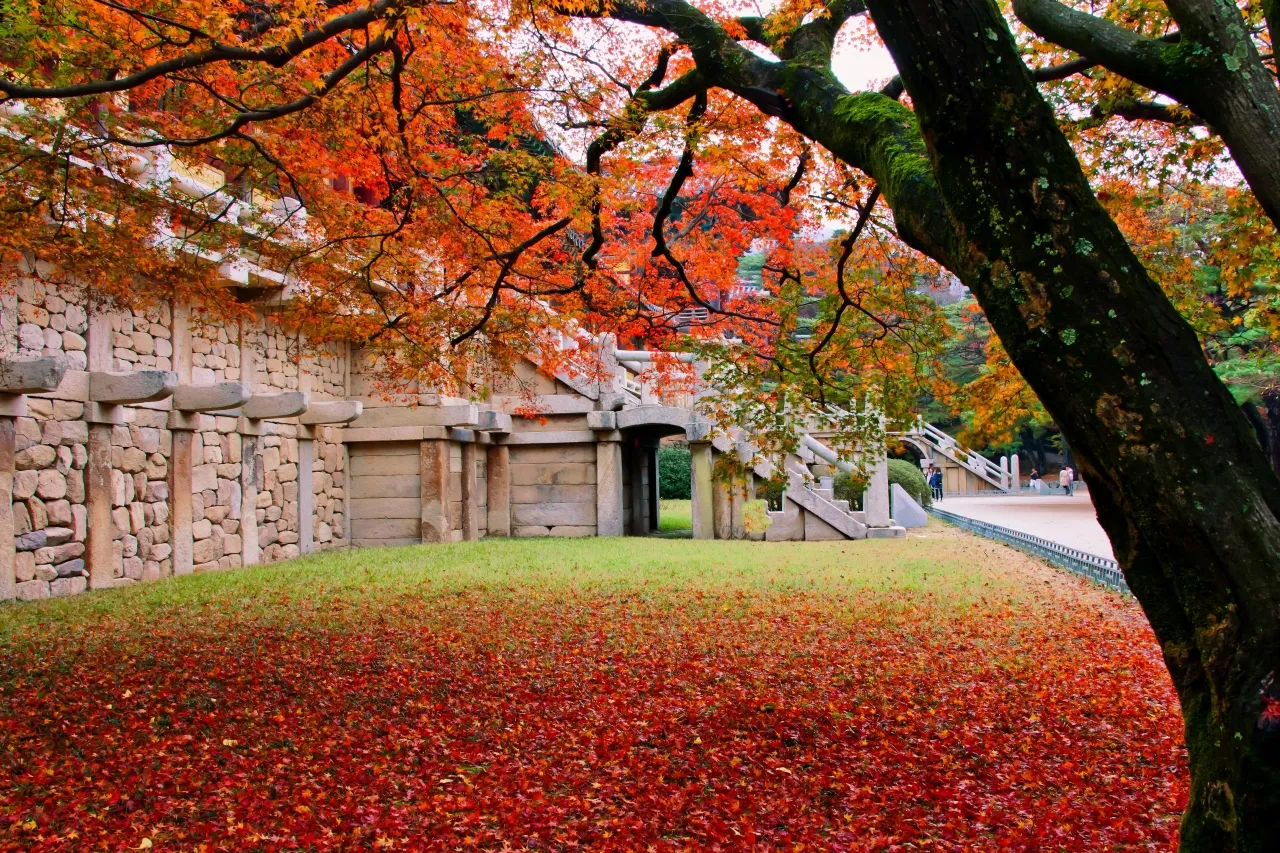
Gyeongju in Autumn: Bulguksa, Fall Foliage & a 2-Day Itinerary
Gyeongju in autumn is a one-night heritage trip, not a Seoul day-hike. Visit Korea currently dates 2026 first color at Seoraksan around 3 October, with nationwide peak from mid-October through early November. That forecast does not publish a Bulguksa-specific peak day. Take the KTX to Gyeongju Station, still outside the historic center, then put Bulguksa in daylight and the tombs, Woljeonggyo, and Donggung after dark.
Gyeongju
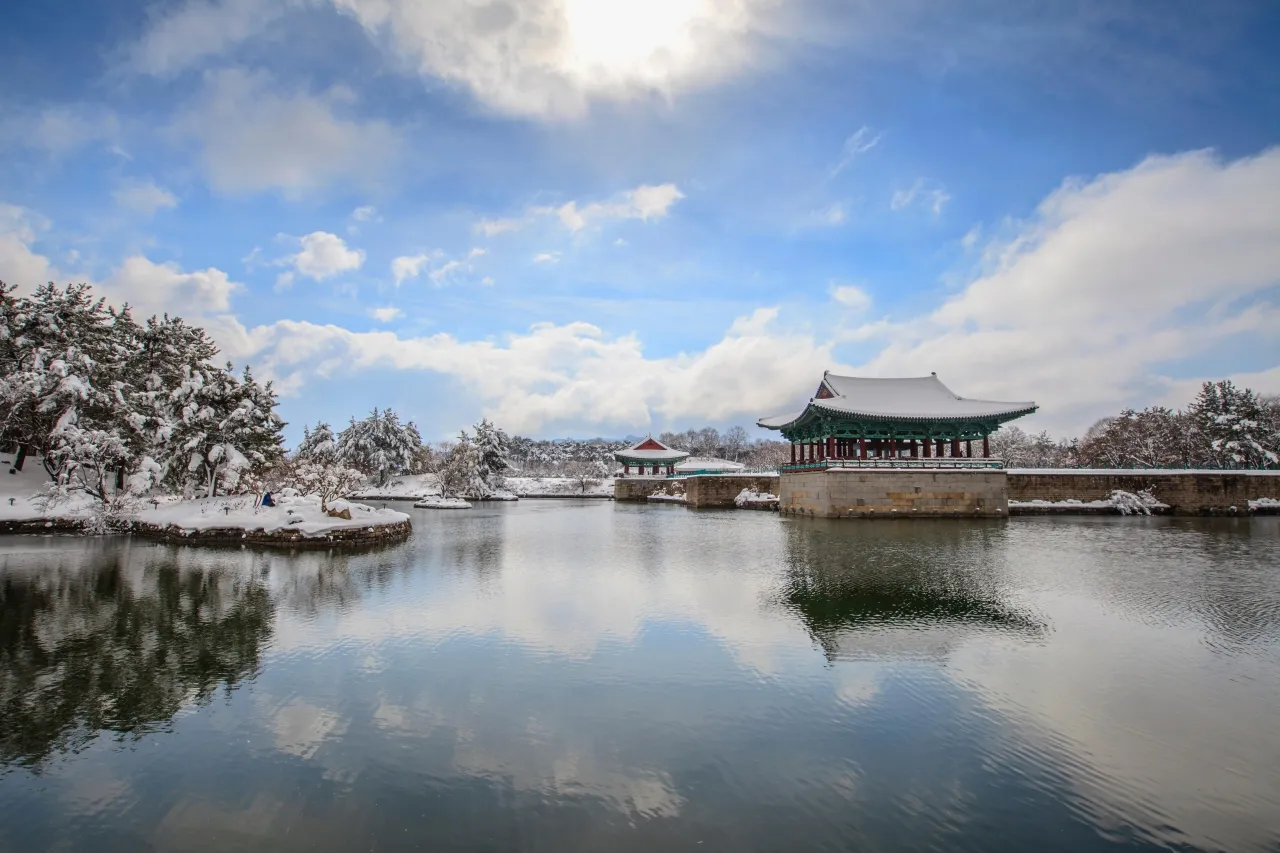
Gyeongju in Winter: Bulguksa, Historic Sites, Night Views & a 2-Day Itinerary
Gyeongju works well in winter if you plan around daylight, not snow. Bulguksa and Seokguram take their last entries at 17:00 from November to January, so the temples belong to the day and the lit sites in the old town belong to the evening. The KTX stops at Gyeongju Station, which is outside the historic center, so a bus or taxi is part of the trip. Two days is the comfortable length.
GyeongjuGyeongsangbuk-do
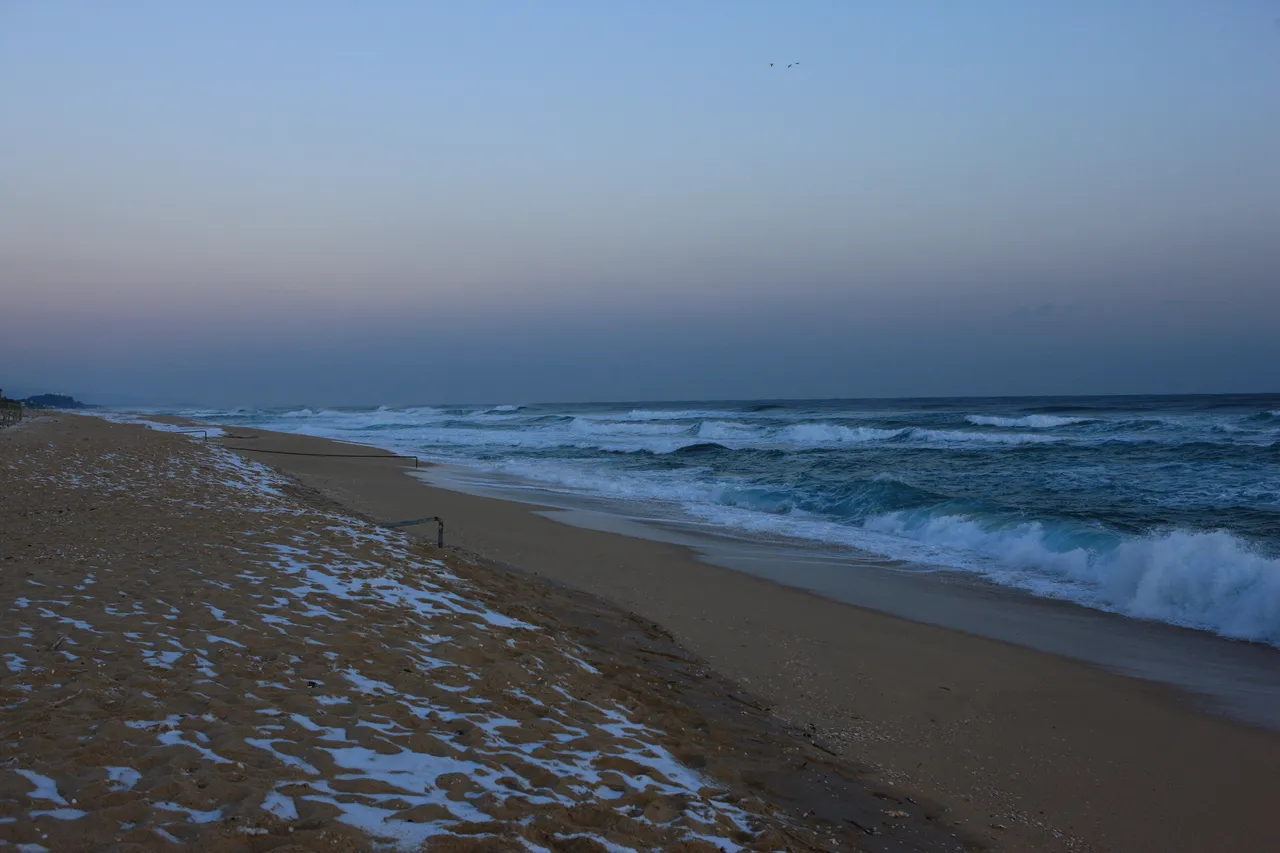
Gangneung in Winter: Beaches, Sunrise, Coffee Street & KTX from Seoul
Gangneung is the easy winter coast trip from Seoul, because the KTX runs there. Expect cold wind and bare sand more often than snow. Spend the daylight on short beach walks, Anmok Coffee Street, and a market stop, and treat sunrise as a bonus that clouds can cancel. Stay one night if you want a sunrise.
Gangwon-doGangneung
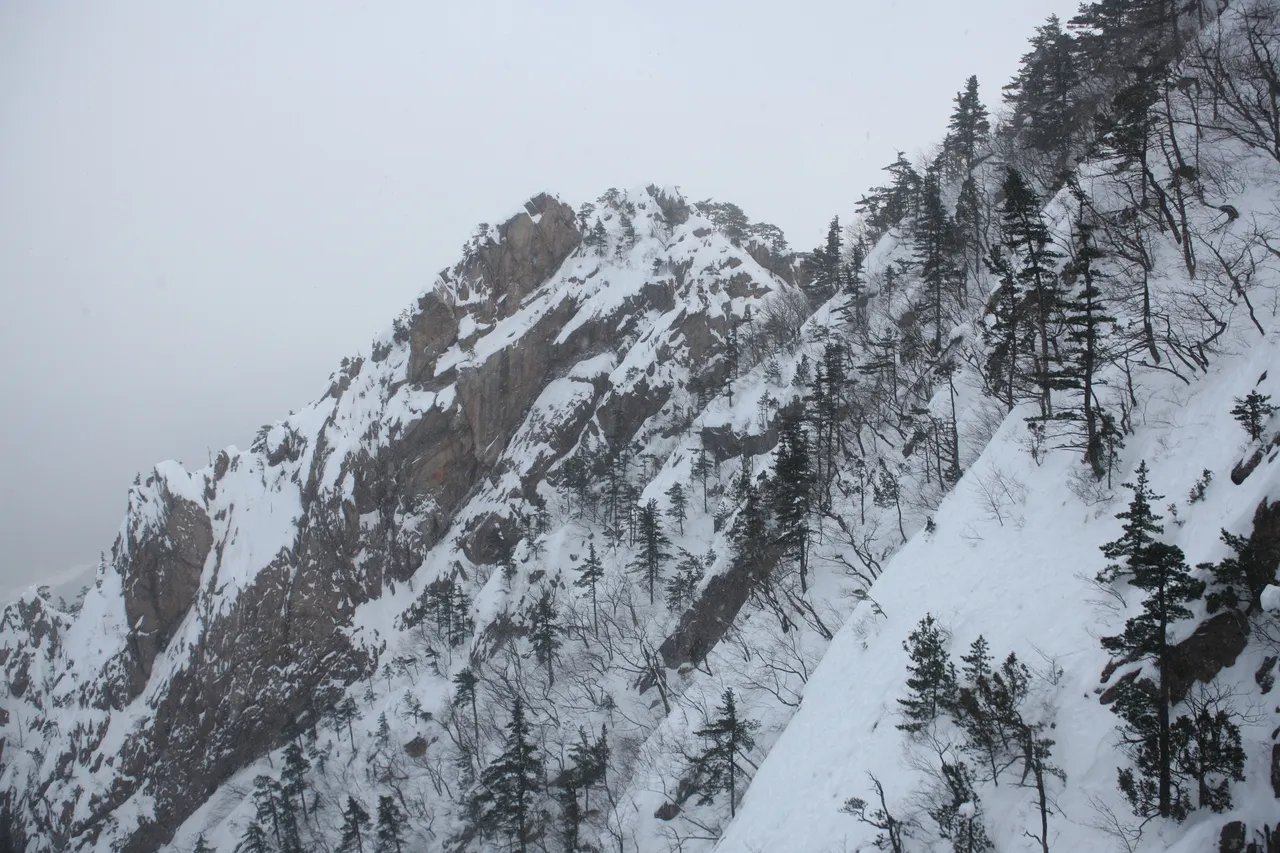
Sokcho & Seoraksan in Winter: Snow, Cable Car, Hiking & How to Get There
Seoraksan in winter is a real trip, but snow is not scheduled. The Sokcho coast is often bare while the upper park can be white and icy. Reach Sokcho by bus, because there is no train. Pick the cable car or a short valley walk, keep a weather backup, and stay one night if you can.
Gangwon-doSokchoSeoraksan
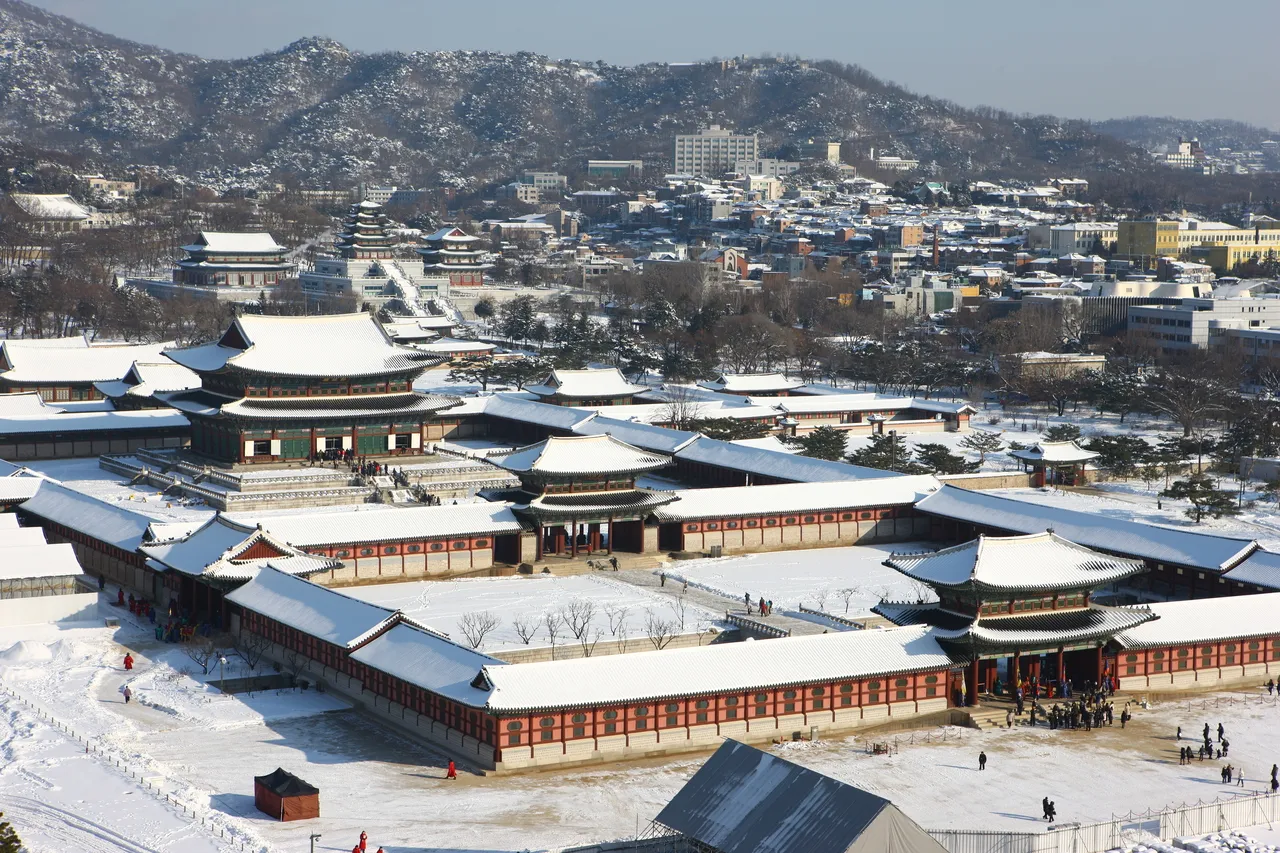
Does It Snow in Seoul? First Snow, Best Months & Where to See Snow
Yes, Seoul gets snow in a typical winter: KMA normals for 1991 to 2020 count about 24 snow days a year, most of them from December to February. January has the most snow on average, and the first snow normally arrives around 20 November, but both vary a lot by year. Snow falling and snow staying on the ground are different things, and a white Christmas is never a promise. Below: the numbers by month, first snow, where to look, and what to wear.
Seoul
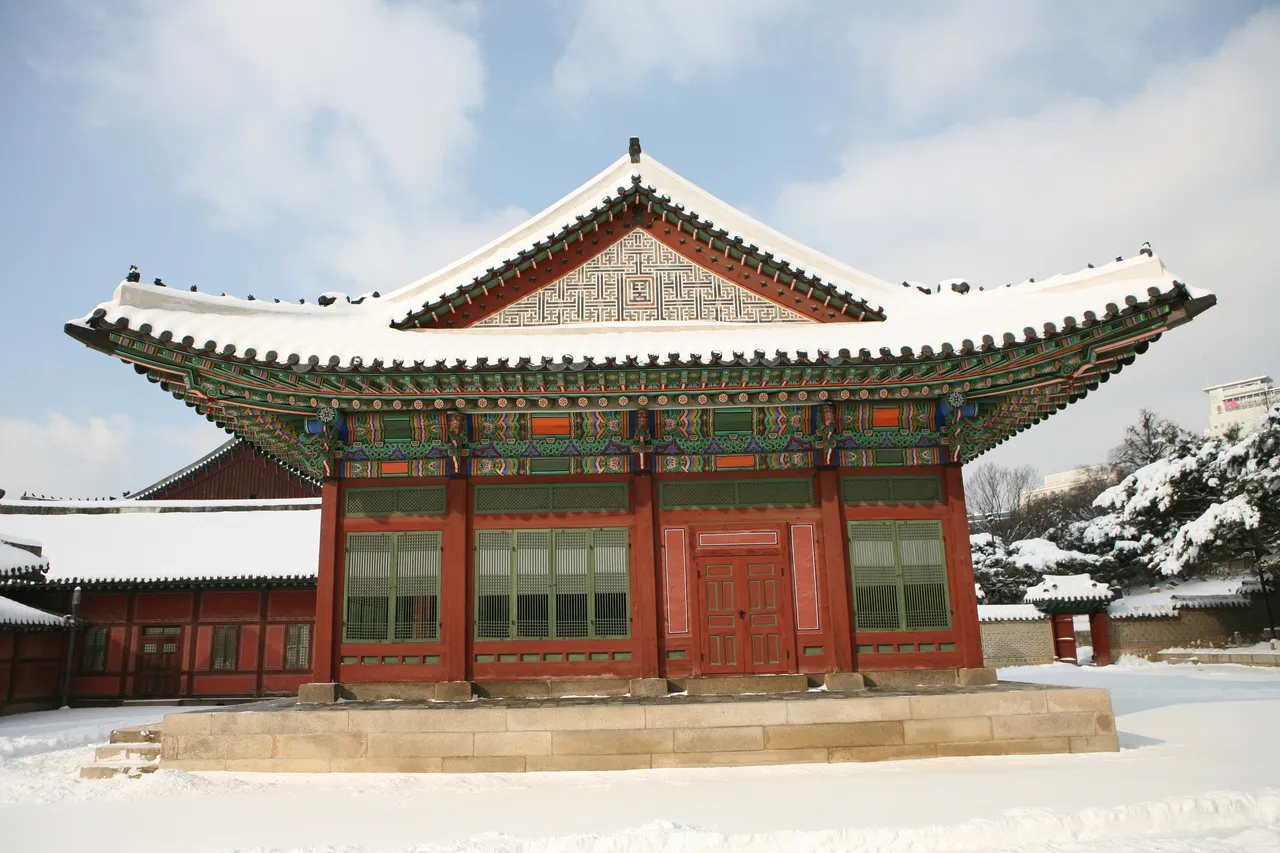
Korea in December: Weather, Snow, What to Wear & Where to Go
December is the first full winter month in Korea, and the three main destinations feel very different. Official KMA normals put Seoul at -3.4 to 4.2 °C, Busan at 2.0 to 10.4 °C, and Jeju City at 5.6 to 11.0 °C. Snow is recorded on about 6 days in Seoul but under 1 in Busan, and a white Christmas cannot be promised anywhere. Below: the weather side by side, early versus late December, snow, what to wear, and which city to pick.
Nationwide
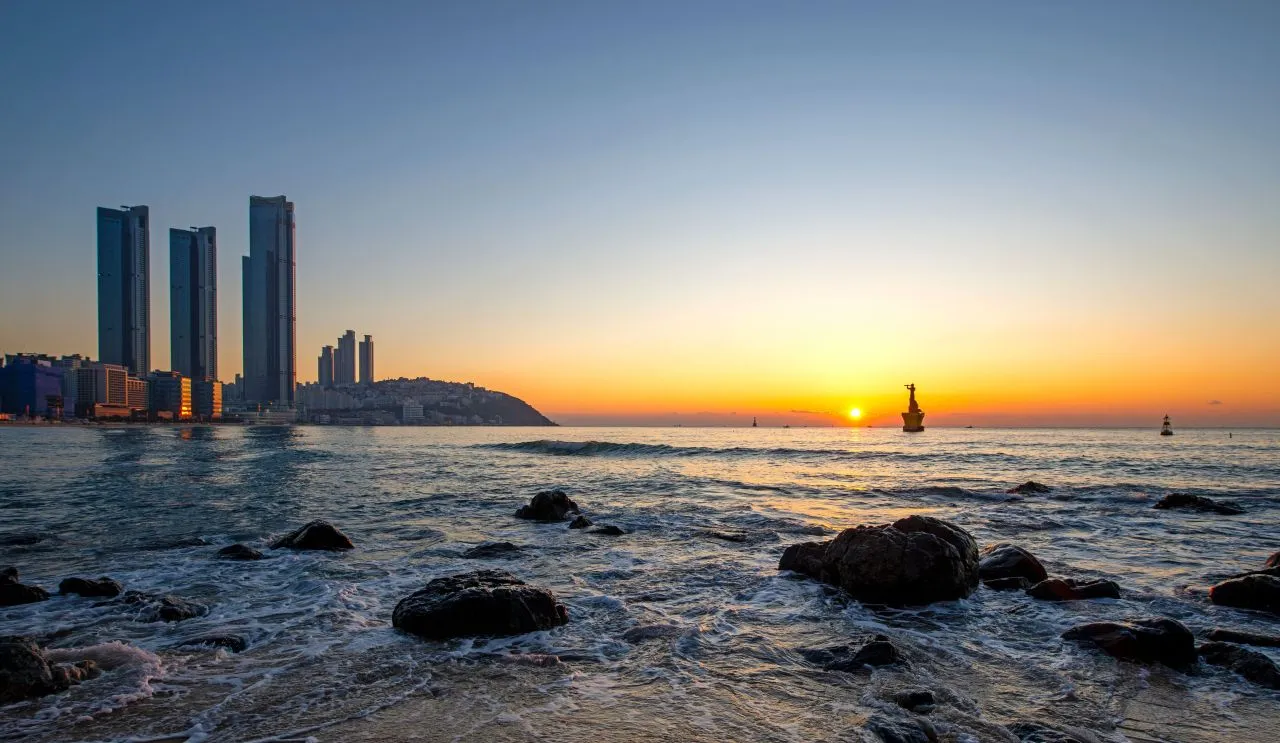
Busan in December: Weather, Coastal Winter & What to Wear
December is Busan's first real winter month: milder and sunnier than Seoul, but with frosty mornings and windy shorelines. The KMA normals give an average daily range of 2.0 to 10.4 °C, and snow is occasional rather than expected. Below: early versus late December, snow and rain, coastal wind, Haeundae and Gwangalli, and exactly what to wear.
Busan
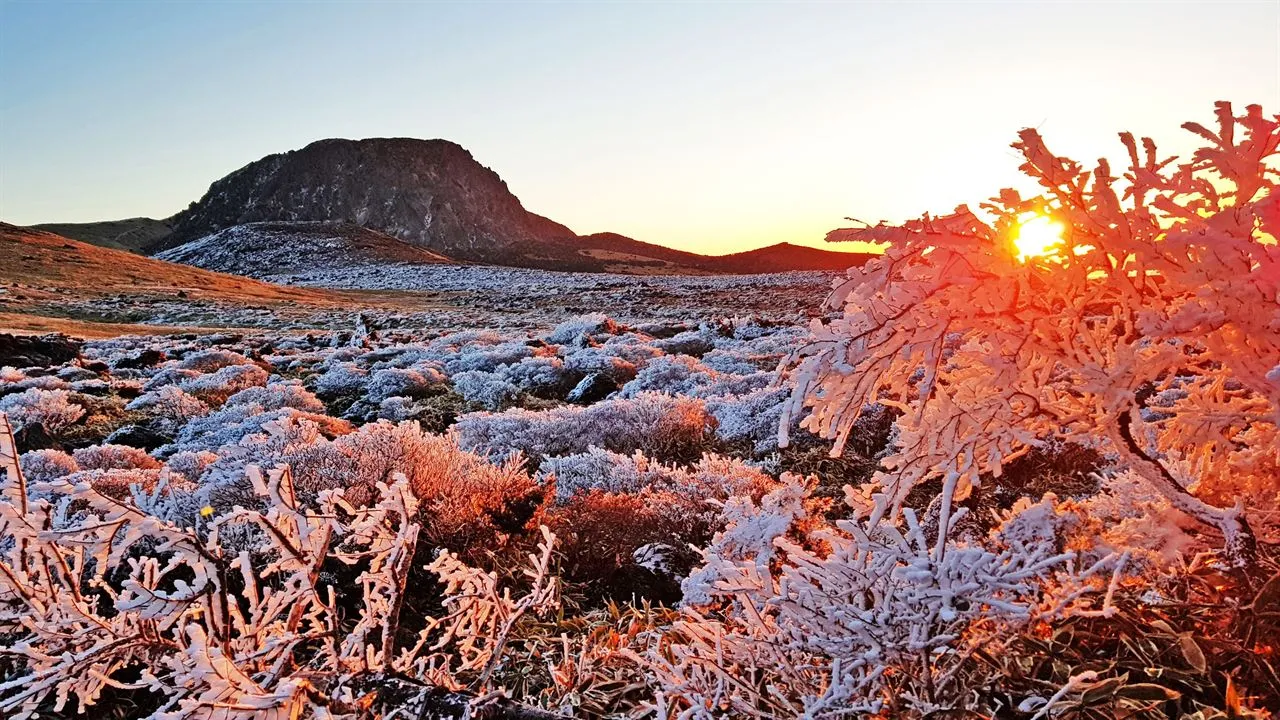
Jeju in December: Weather, Hallasan Snow & What to Wear
December in Jeju is cool and windy on the coast and a full winter climb on Hallasan. Jeju City and Seogwipo are far milder than Seoul, snow is uncommon at sea level, and the wind and short days shape a trip more than the average temperature. Below: typical weather, early versus late December, where snow falls, what Hallasan needs, and what to wear in each setting.
Jeju
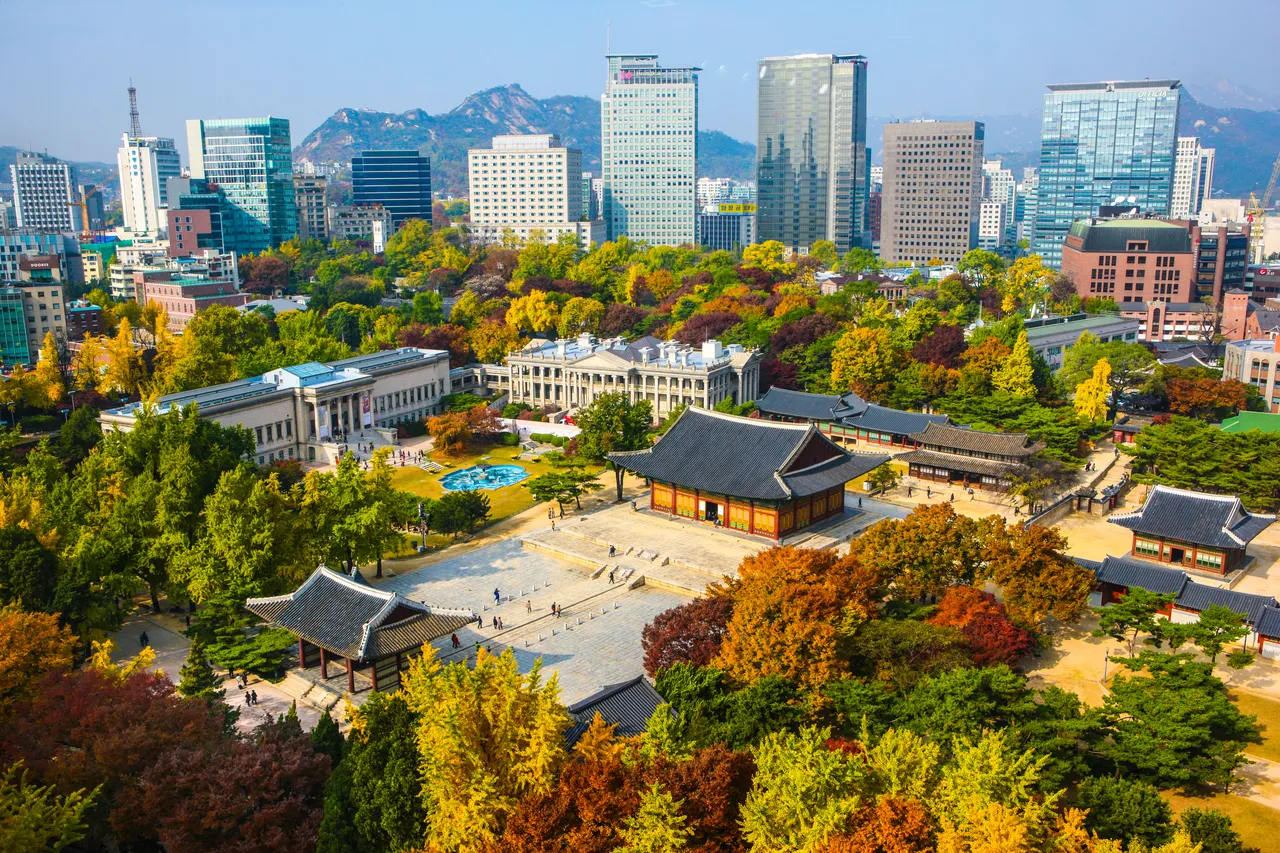
Seoul in November: Weather, Fall Foliage & What to Wear
November is late autumn in Seoul, cool at the start and close to winter by the end. Official KMA normals put the average daily range at 3.5 to 11.9 °C, but the first ten days are clearly milder than the last ten. Fall color can linger on lower ground, mainly early in the month, and snow is possible but not something to count on. Below: the numbers, early versus late November, where to look for color, and what to wear.
Seoul
Seoul in December: Weather, Snow, Christmas & What to Wear
December is the first true winter month in Seoul. Official KMA normals put the average daily range at -3.4 to 4.2 °C, and the first ten days are clearly milder than the rest of the month. Snow is recorded on about 6 days in an average December, yet snow on the ground on a given date, Christmas included, cannot be promised. Below: the numbers, early versus late December, snow, Christmas, and what to wear.
Seoul
Korea in November: Weather, Fall Foliage, What to Wear & Where to Go
November is late autumn turning toward winter in Korea. Seoul is cold enough for a real coat by the end of the month, Busan stays cool and drier, and Jeju is the mildest but windy and cloudy. Fall color is still possible on lower ground and in the south, but timing changes every year. Below: official KMA climate normals for the three regions, early versus late November, foliage and snow odds, what to wear, and where to go.
Nationwide
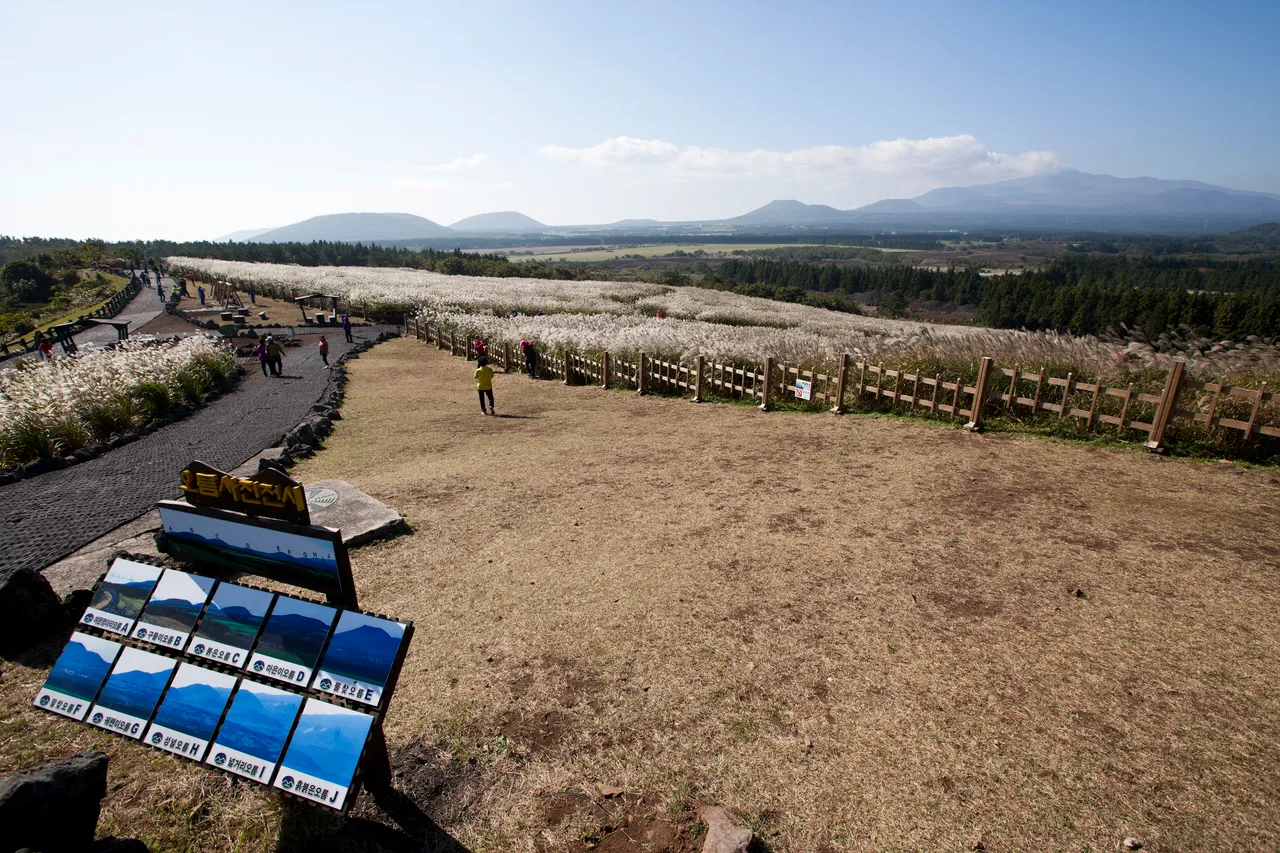
Jeju in November: Weather, Hallasan Foliage & What to Wear
November in Jeju is late autumn on the coast and early winter on Hallasan. Coastal days are usually cool and breezy, wind and showers matter more than the average temperature, and autumn color on the mountain is partial and timing-dependent. Below: typical weather, Jeju City versus Seogwipo, early versus late November, Hallasan trail rules to confirm, and exactly what to wear.
Jeju
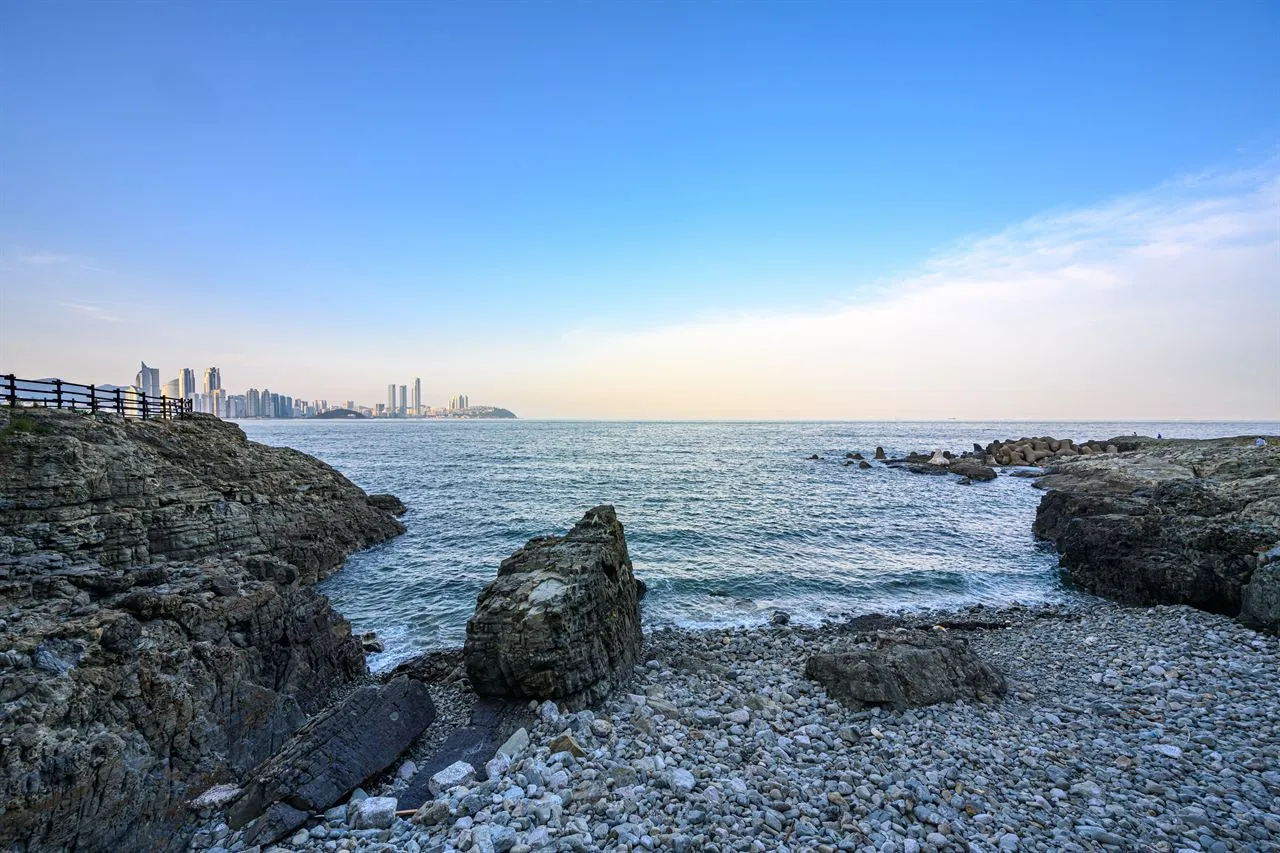
Busan in November: Weather, Coastal Wind, Fall Colors & What to Wear
November in Busan is late autumn, milder than Seoul but rarely warm. The average day is cool and dry, yet wind on open shorelines makes Haeundae, Gwangalli, and the headlands feel colder than the temperature suggests. Below: official KMA climate normals, Busan versus Seoul, early versus late November, what to expect from fall colors, and what to wear.
Busan
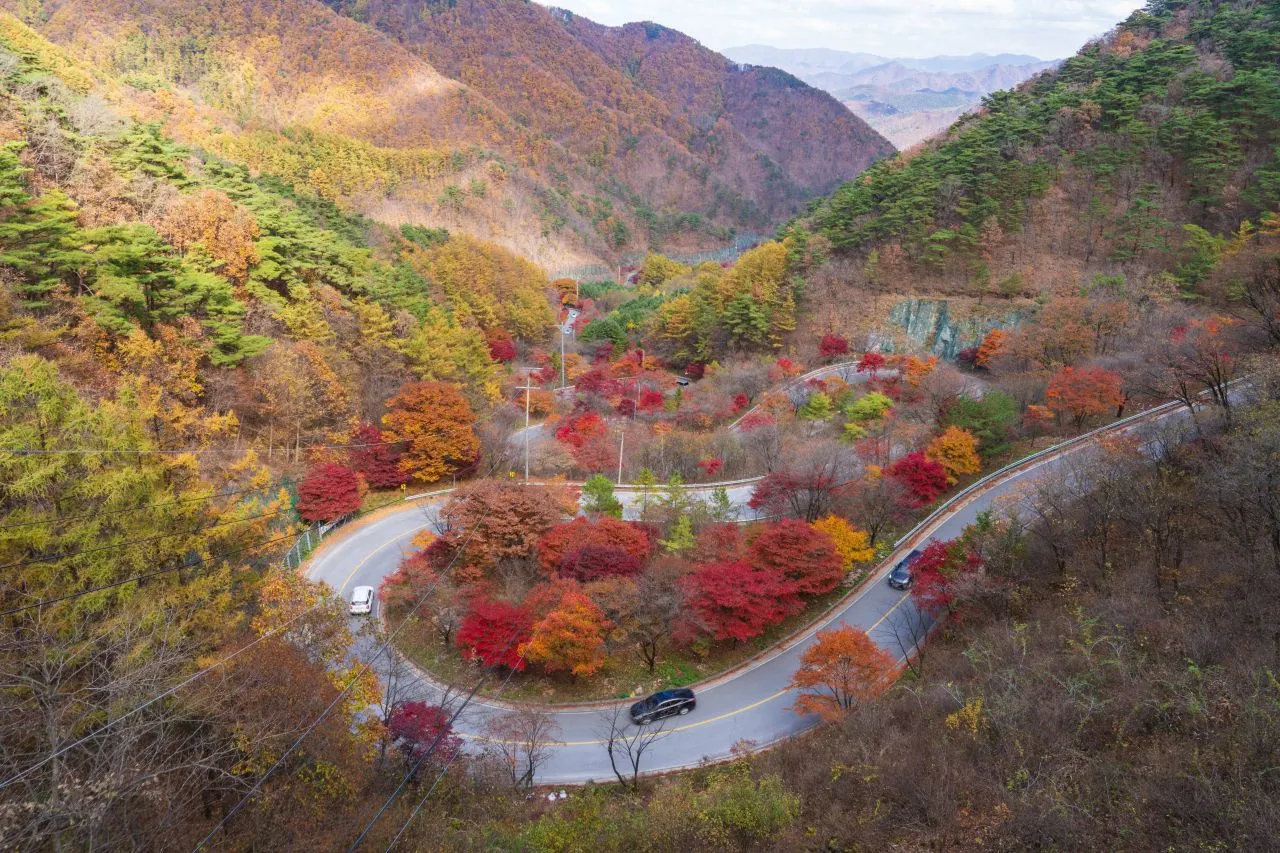
Danyang in Autumn: Bobaljae Fall Foliage & a 2-Day Trip
Danyang in autumn is a one-night river-and-pass trip, not a walkable old town. Visit Korea currently dates 2026 first color at Seoraksan around 3 October, with nationwide peak from mid-October through early November. That forecast does not publish a Bobaljae peak day. Take the Jungang Line to Danyang Station, keep Dodamsambong and Mancheonha in the central cluster, and treat Bobaljae as a mountain-pass drive or taxi, not a city bus stop.
DanyangChungcheongbuk-do

Seoraksan & Sokcho Autumn Guide: Fall Foliage, Cable Car & 2-Day Trip
Seoraksan is Korea's early mountain-foliage trip, paired with Sokcho food and coast. Visit Korea currently dates 2026 first color at Seoraksan around 3 October, with peak later in October. That is a forecast, not a guarantee. There is no current tourist KTX to Sokcho. Take the bus, then choose one mountain mode: cable car to Gwongeumseong, a lower valley walk, or a real hike such as Ulsanbawi. One night in Sokcho is the practical default.
Gangwon-doSokchoSeoraksan
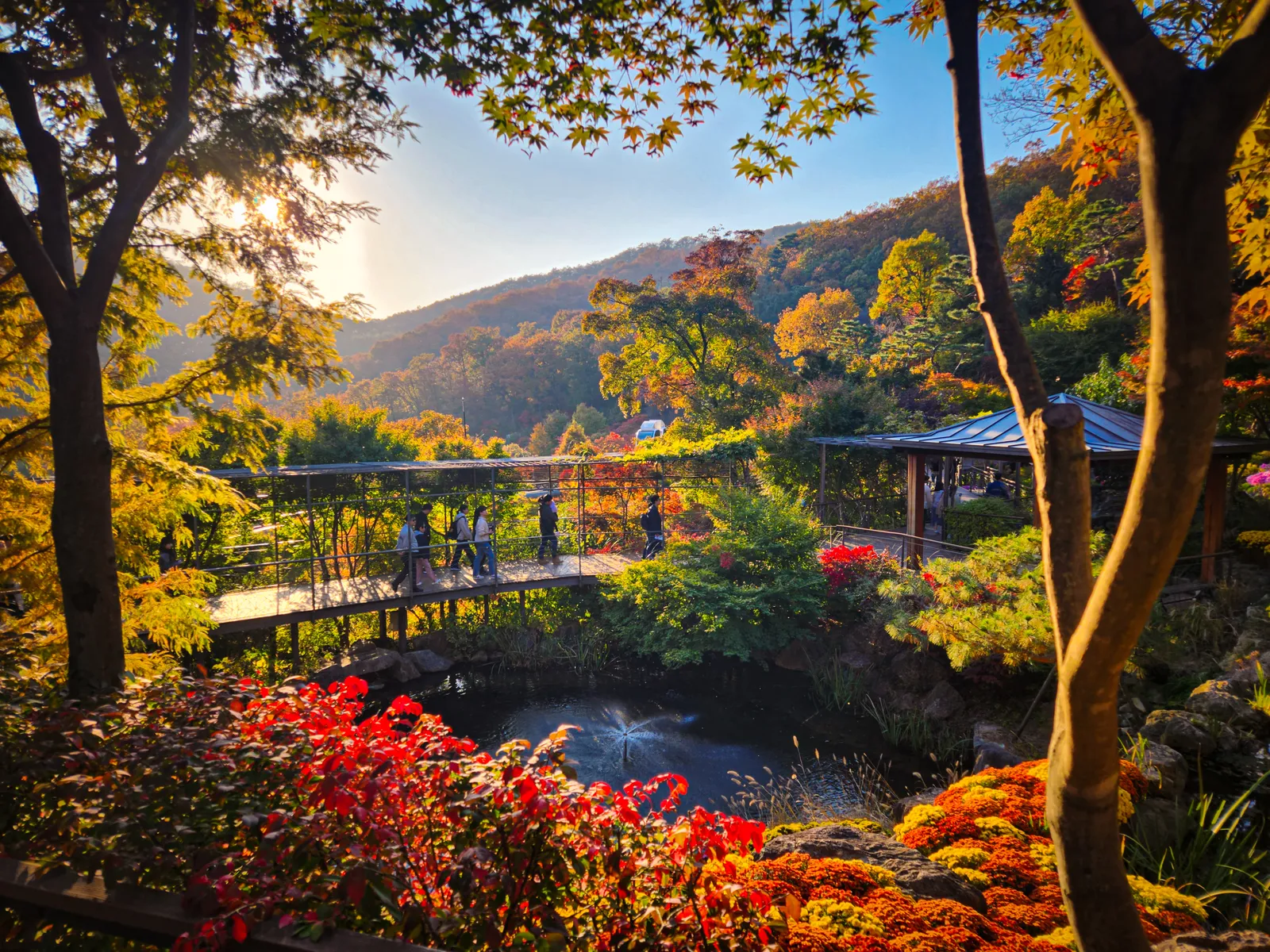
Korea Autumn Travel Guide: Fall Foliage, Ginkgo and Silver Grass
Korean autumn is not one peak day. Color starts on high northern mountains, then moves toward Seoul and the south, while ginkgo yellow and silver grass follow their own calendars. This guide is a date-based planner for four primary trips: Seoraksan, Yongmunsa's giant ginkgo, Hwadam Botanic Garden, and Mindungsan silver grass. As of early September 2026, the official nationwide foliage forecast had not yet been released, so treat every timing note as a pattern and re-check Forest Service and VisitKorea before you book.
NationwideGangwon-doGyeonggi-do
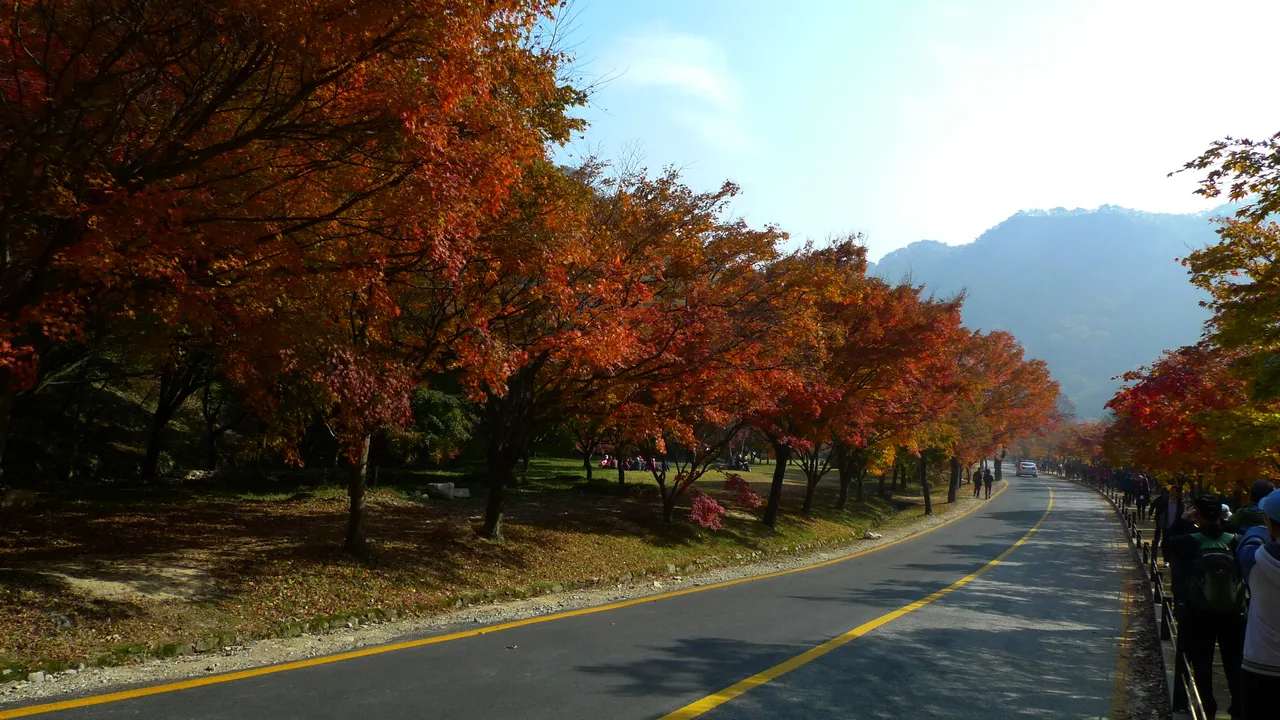
Korea in Autumn: When to Go, Fall Foliage Timing, and Best Places to See Autumn Colors
Autumn is one of Korea's best seasons, crisp weather and foliage that sweeps from the northern mountains down to the southern islands from late September to late November. Plan around the pattern rather than a fixed date: foliage starts high and north and moves south, peak comes roughly two weeks after the first color, and forecasts shift every year. Timing, the best city, day-trip, and mountain spots (including options for non-hikers), pink muhly, what to pack, and how to beat the peak-season crowds are all covered below. Check the official KMA and VisitKorea forecast before you lock in dates.
Nationwide
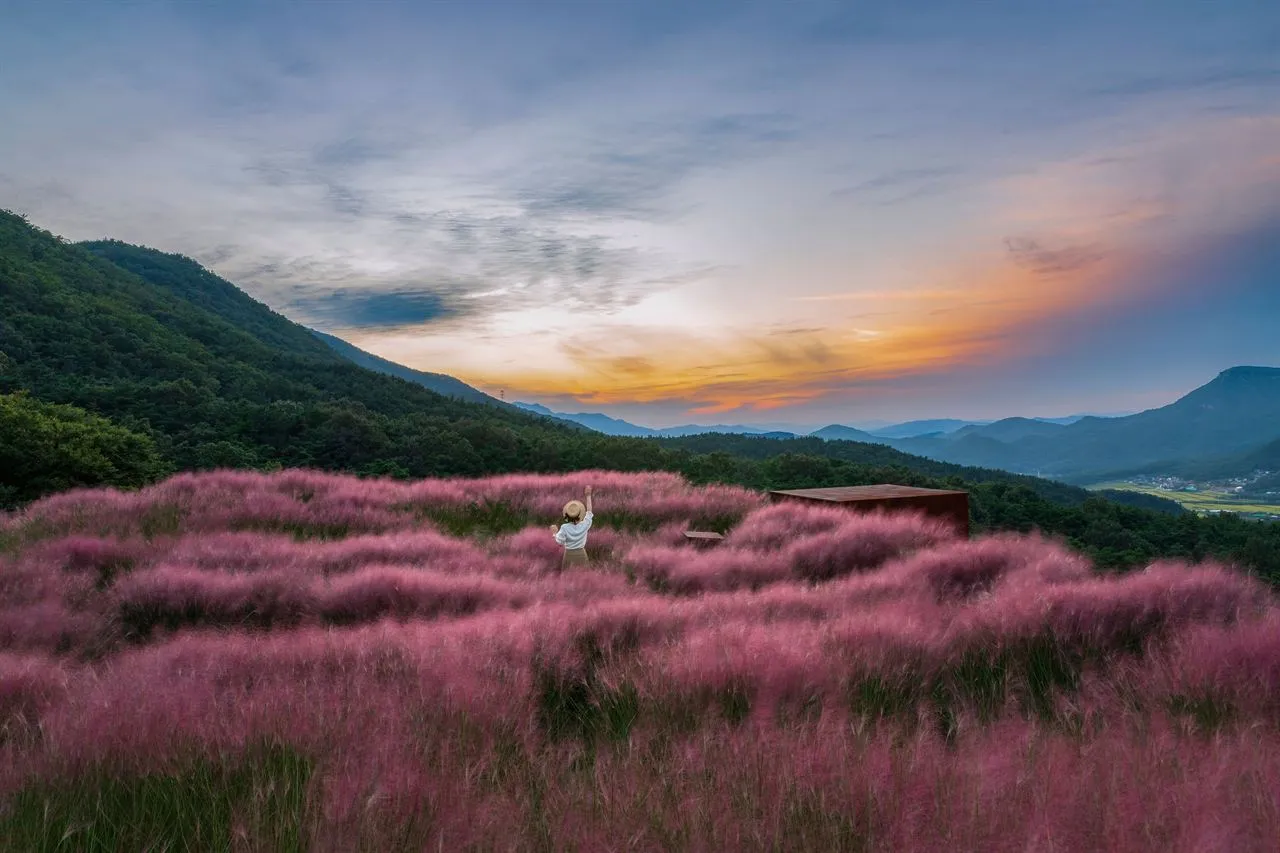
Korea in September: Weather, What to Wear & Where to Go
September in Korea is early autumn, not peak fall foliage. Early September can still feel warm and humid, while late September is cooler and clearer in many cities. Rain and typhoon risk remain possible. In 2026, Chuseok falls on 24 to 26 September, which can tighten intercity transport. Use this guide to choose timing, packing, and regions, then hand off peak foliage planning to the autumn season guide.
Nationwide

Seoul Winter Itinerary: 3, 5, and 7 Days + Winter Day Trips
Three winter days in Seoul should stay city-core. Five days can add one nearby winter day trip if snow scenery or a festival matters. Seven days should feel slower, with the same one major excursion and more indoor recovery. Snow in central Seoul is not guaranteed. Confirm forecasts and day-trip schedules before you lock the plan.
Seoul
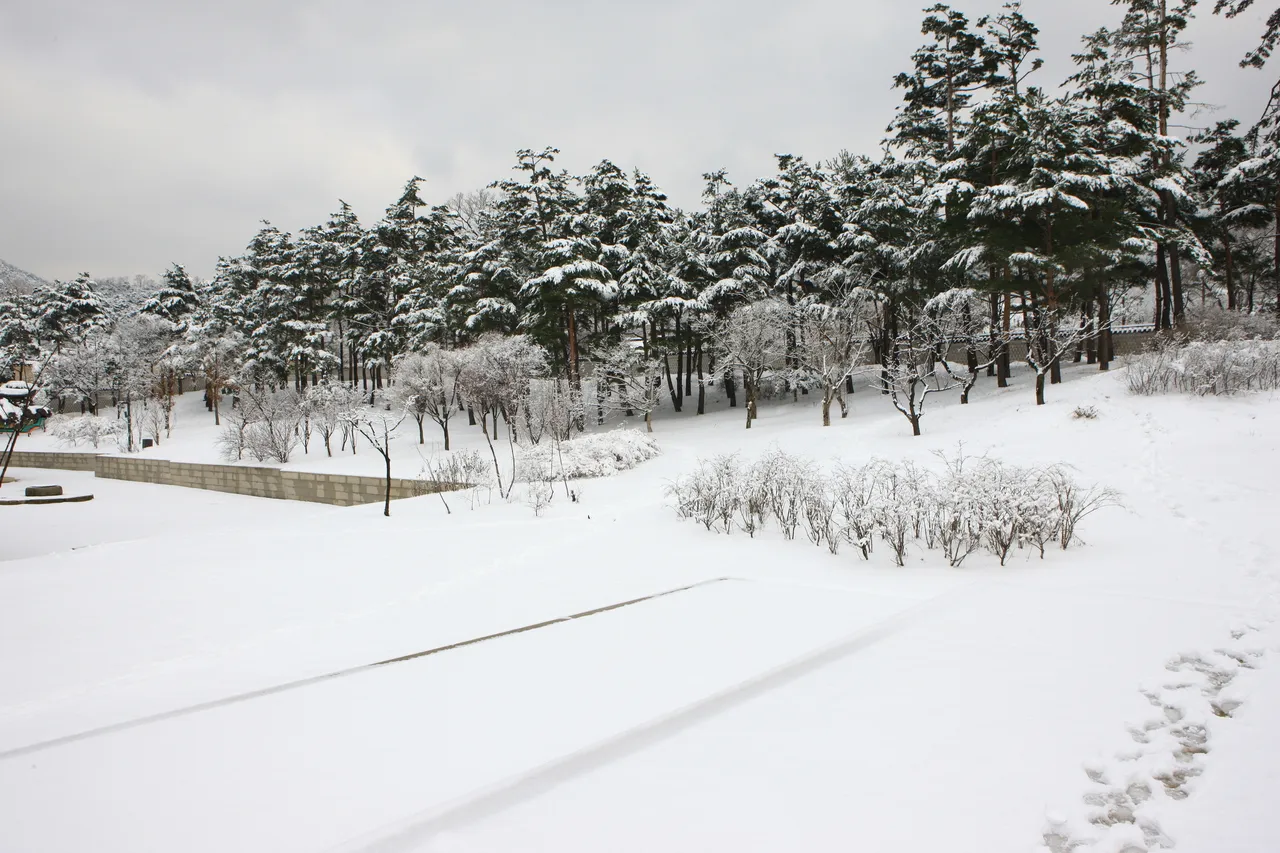
Korea in Winter: Ice Fishing Festivals, Ski Resorts Near Seoul, and How to Survive the Cold
Korean winter is genuinely cold, Seoul regularly drops below freezing, but it's the country's most underrated season: the lowest airfares and hotel rates, palaces far quieter than in spring, snow-and-hanbok photos, and festivals built on the cold. How cold it really is, the Hwacheon ice fishing festival, ski resorts near Seoul, winter food and the jjimjilbang, snow scenery, and exactly what to wear are all below. Festival and resort dates shift every year, so treat timing as approximate and confirm the official dates.
Nationwide

Korea Winter Itinerary: 5, 7, and 10-Day Trip Shapes
For most first-time winter visitors, seven days is the best balance: Seoul as the base, one optional winter day trip, then Busan if you want a milder coast. Five days stays Seoul-heavy. Ten days adds pace, not more cities. Snow in central Seoul is not guaranteed on your dates. Confirm current weather, festival schedules, and train tickets before you lock the plan.
SeoulBusanNationwide

Busan Winter Itinerary: 2, 3, and 4 Days
Two winter days cover Busan’s essentials if you keep east-coast and old-city days separate. Three days is the best balance for most travelers. Four days should feel slower, not wider. Busan is still winter: Visit Busan describes December to February as windy, cold, and dry, with a winter climate average near 4.7°C. Shorten coastal outdoor blocks and pair them with nearby food or indoor stops. Confirm the forecast for your dates.
Busan

Seoul 2 Nights 3 Days Itinerary: A Compact Stopover Guide Before Japan or Asia
Two nights in Seoul is not three days. You get an arrival evening, two full days, and a departure morning that belongs to the airport, so a stopover plan has to solve entry paperwork, luggage, and the airport transfer before any sightseeing is worth planning. This page covers those first, keeps each half-day in one connected area, and is specific about what a short stay has to give up.
SeoulIncheon Airport

Korea Food Trip: A 4-Day Eating Itinerary
This 4-day itinerary plans Korea around the table (Seoul's markets and barbecue, then Busan's seafood and street food) pacing the days so you arrive hungry at the right places. It pairs with the what-to-eat, barbecue, and chimaek guides for what to order.
SeoulBusan
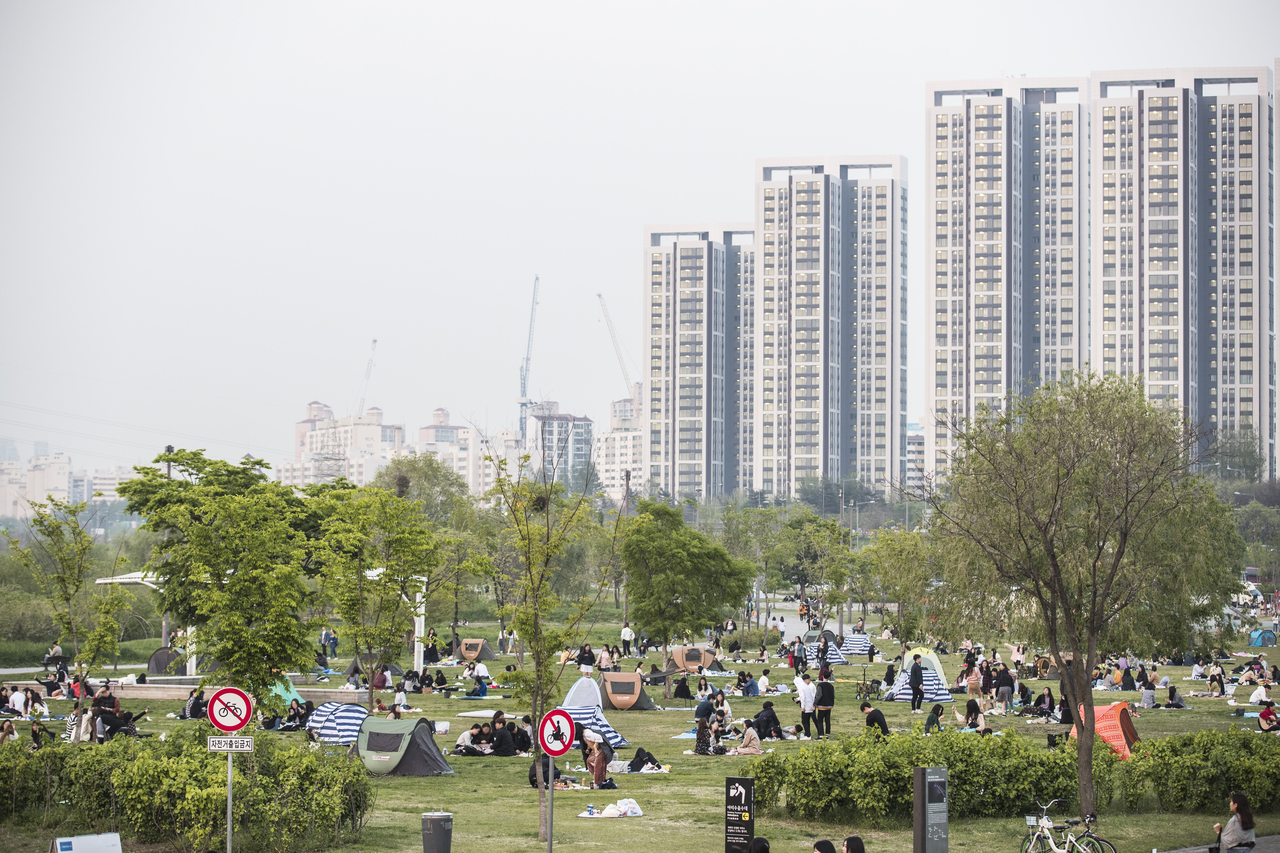
Seoul in August Guide: Essential Places, Summer Festivals, Indoor Attractions, and Things to Do
Seoul in August is hot, humid, and sometimes rainy, copying a spring or autumn itinerary here doesn't work. Below: the essential places worth your time, the summer festivals actually confirmed for 2026 (Hangang River Festival, Seoul Summer Beach, Hangang pools, the Seoul International Garden Show), indoor attractions for the hottest hours, Korean summer food, what to wear, heat and rain safety, August 15 considerations, and realistic 3-day, 5-day, and 7-day itineraries built around the heat rather than against it.
Seoul
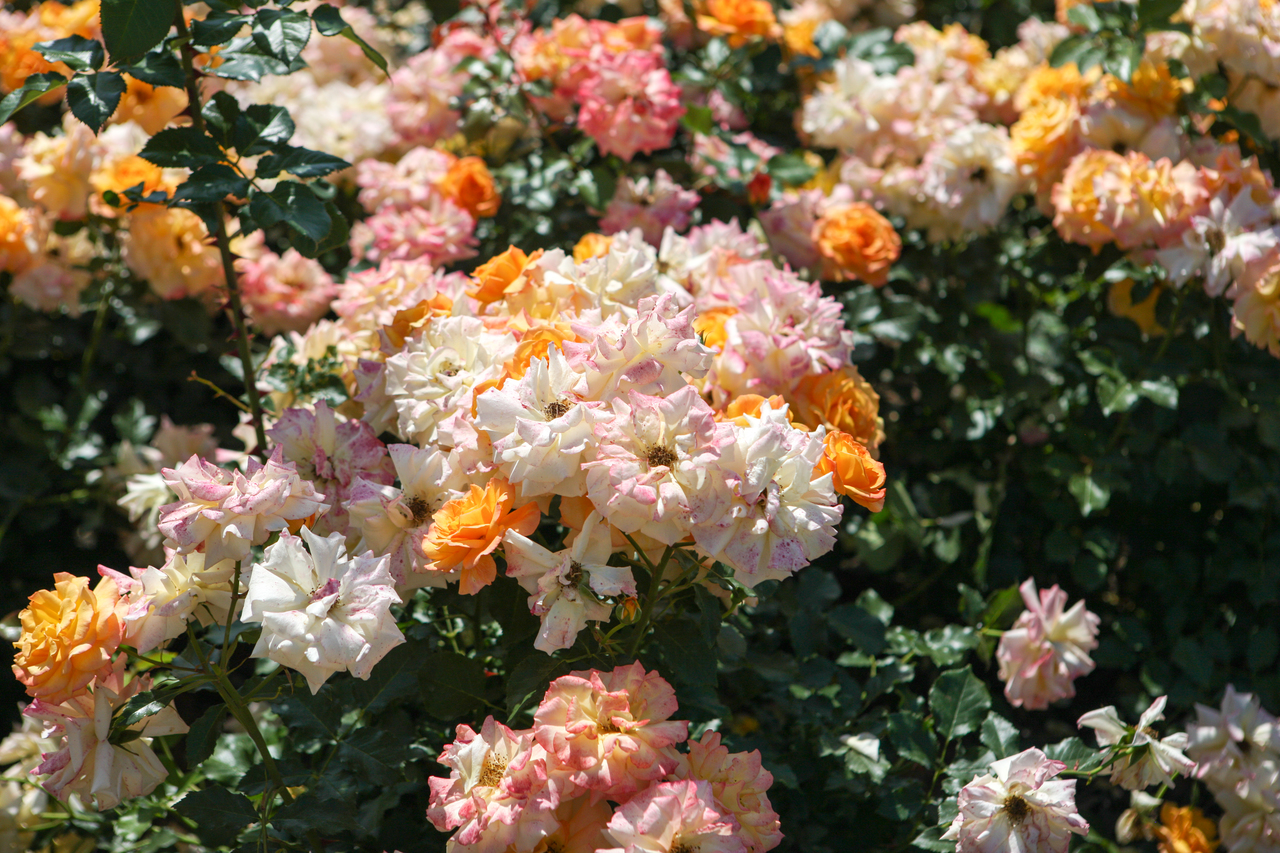
Korea in May: What to Expect and a 5-Day Plan
May is among the more comfortable months to visit Korea: usually mild and green, after the cherry blossoms and before the summer heat and monsoon. This 5-day plan pairs Seoul with a southern city; check the latest forecast and any festival dates before you lock things in.
SeoulGyeongjuBusan

Spring in Korea: March, April, or May for First-Time Visitors
Spring in Korea runs roughly March through May, and the three months do not feel the same. March is still cool and early for many outdoor plans. April often brings peak visitor pressure and highly variable flower timing. May is usually milder and greener after major blossom hype. This page is a season-level decision guide, not a fixed bloom calendar. Confirm forecasts and event dates on official sources before you book non-refundable plans.
NationwideSeoul
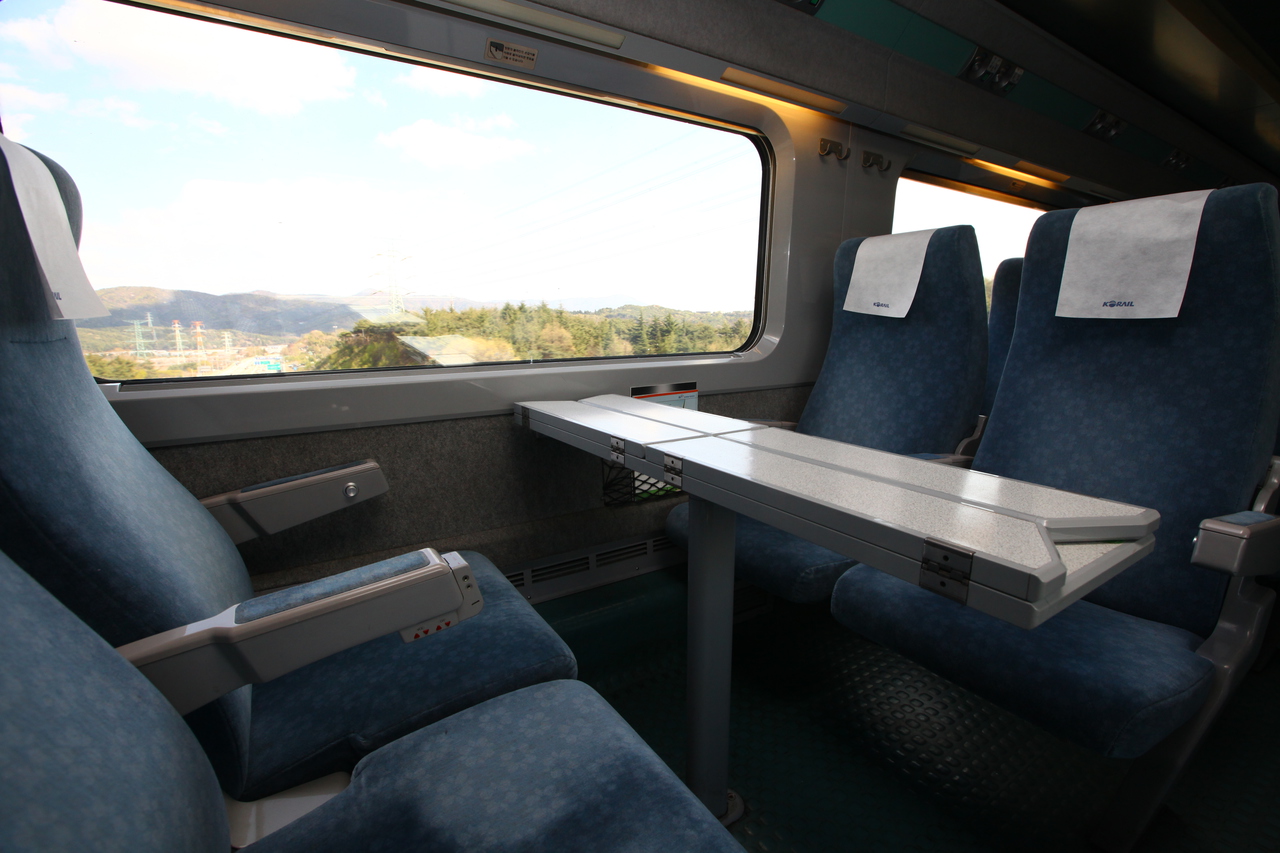
5 Days in Korea: First-Time Itinerary Choices (Seoul Only vs One Add-On)
Five days is long enough for a strong first Korea trip, and short enough that city count is the real decision. Most first-timers should pick Seoul only, or Seoul plus one add-on city by train, not three bases plus Jeju. This guide compares those shapes, transport cost in time, and which existing day-by-day plans to use next. Schedules and fares change, so confirm trains on official KORAIL channels before you book.
SeoulBusanNationwide
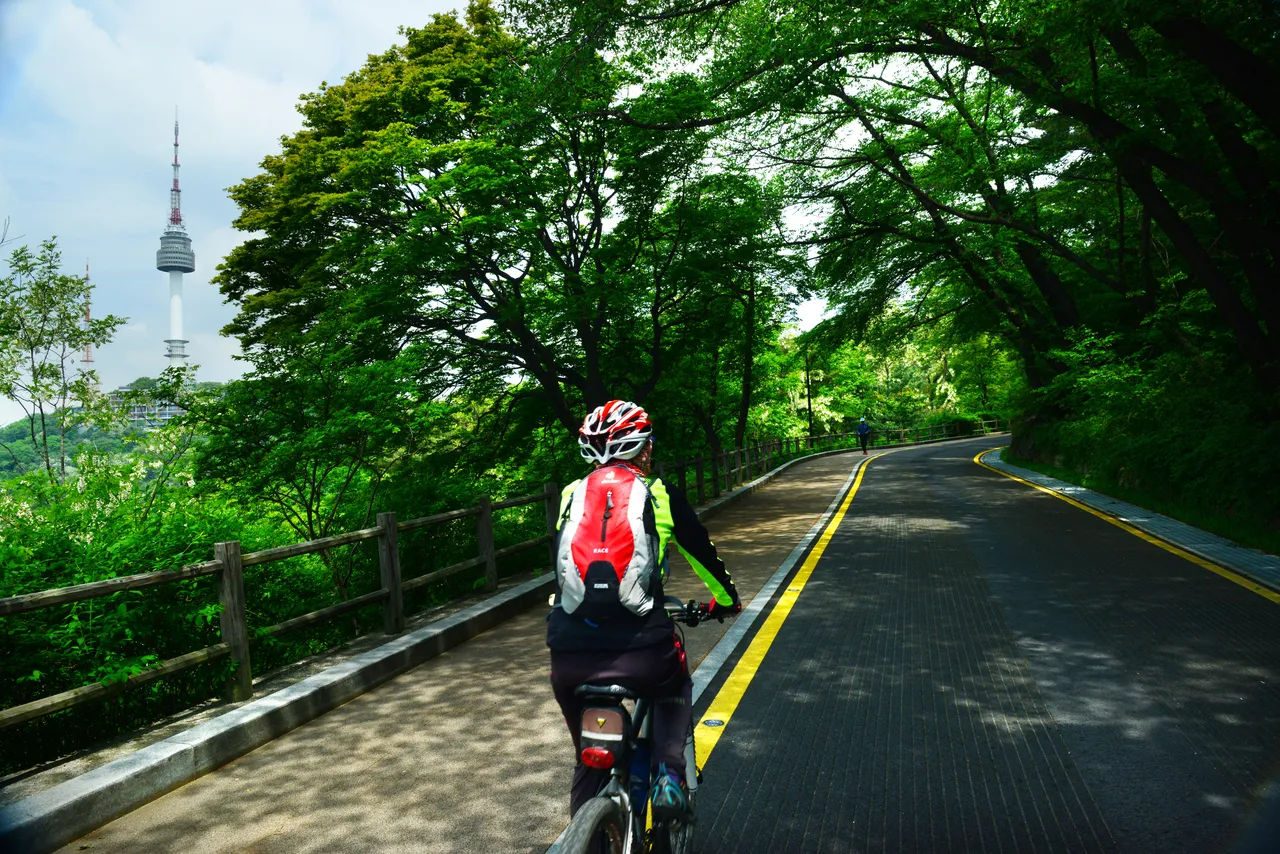
Seoul in June: Which Half of the Month You Book Changes the Trip
Most of June in Seoul is not the rainy season. On the Korea Meteorological Administration's 1991-2020 normals the monsoon reaches the central region on 25 June, so a trip that ends before the last week of the month usually sits ahead of it. That one date, plus the year's longest daylight, is what separates a June trip from a July one. The onset moves every year, so the plan below is built around checking it rather than assuming it.
Seoul
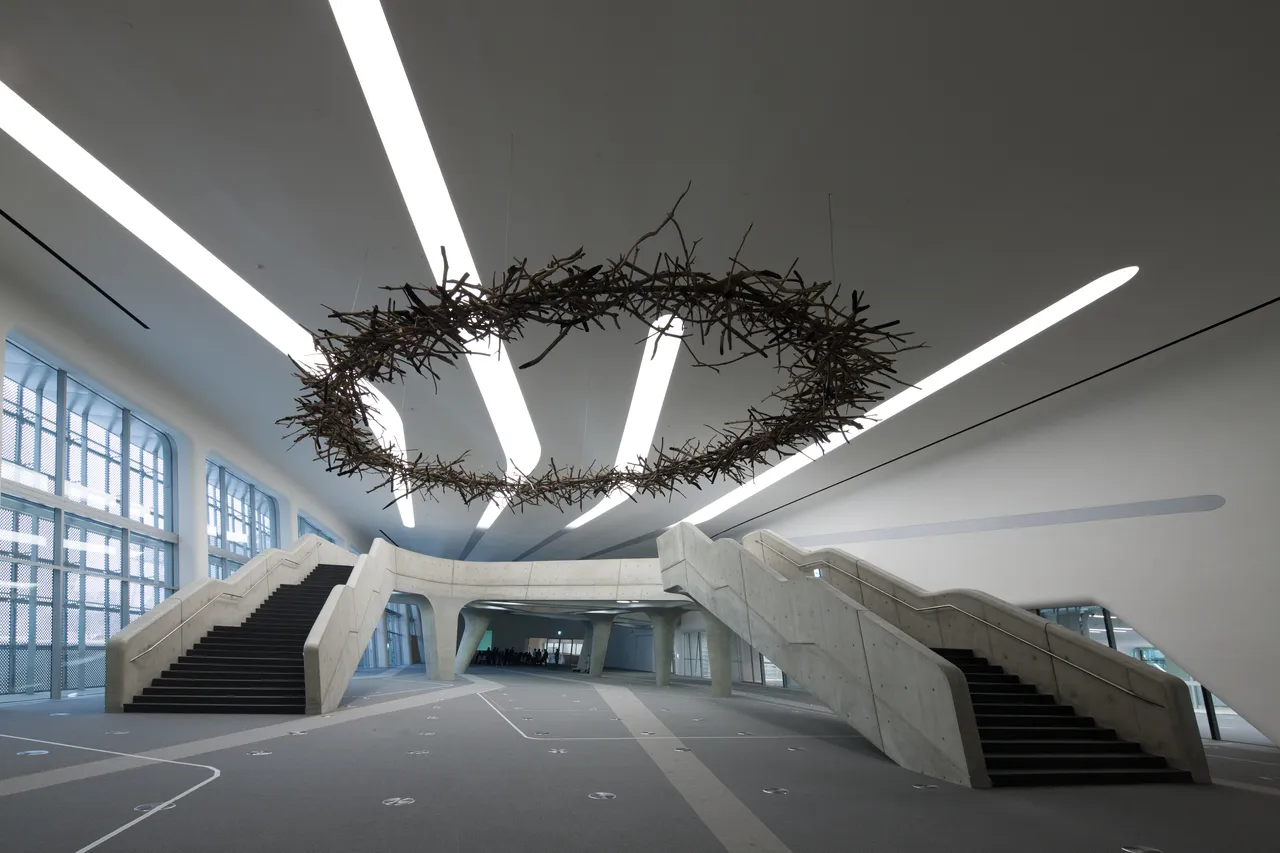
Seoul in July Itinerary: Building 3 Days That Survive the Rainy Season
In July the rain is not a risk to plan around, it is the condition you plan inside. This 3-day frame gives every day an indoor backbone and treats outdoor time as optional, with one day built to run start to finish in heavy rain so the other two can afford to be optimistic. Rain totals, hours, and event schedules change, so the page also sets out what to check and when.
Seoul
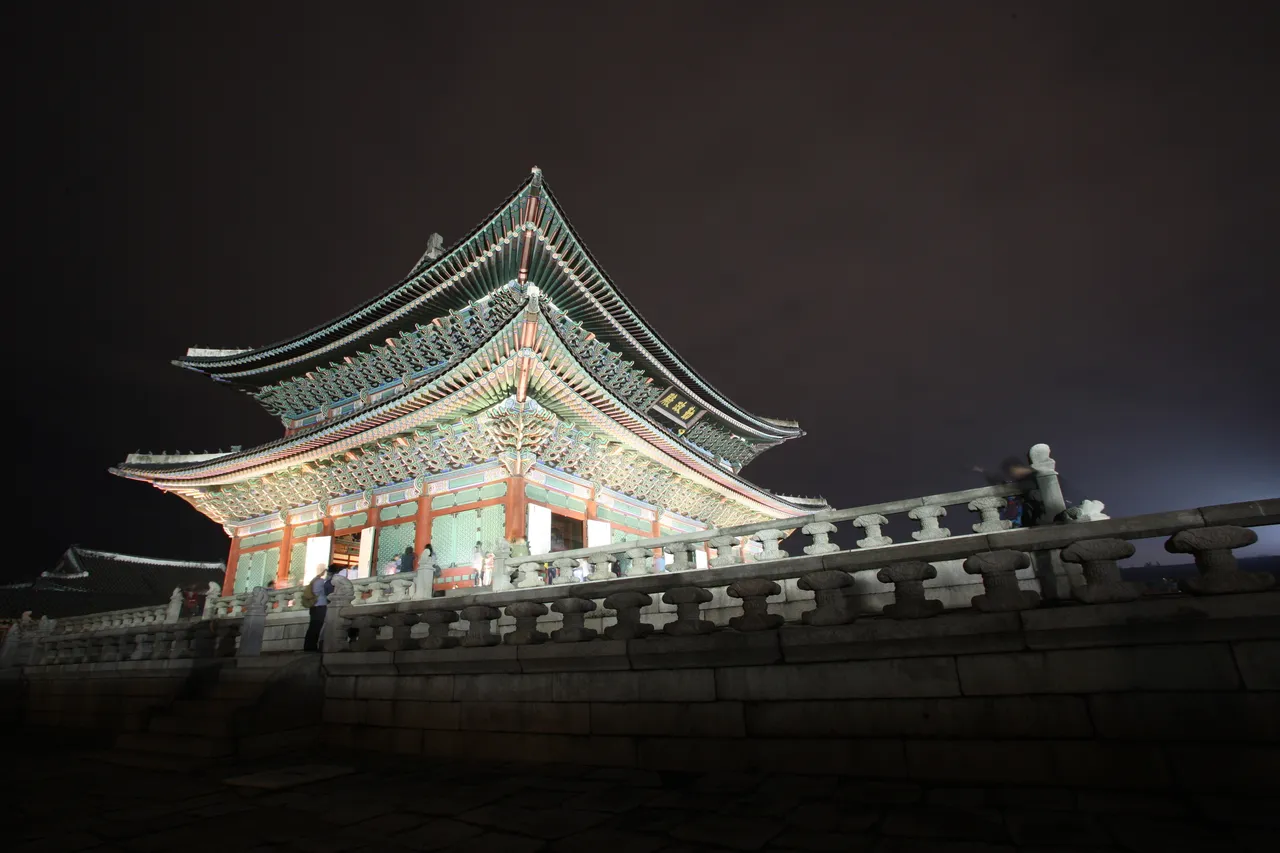
South Korea 10-Day Itinerary: Seoul, Gyeongju, Busan, and Jeju
Ten days in Korea buys one thing a week does not: Jeju. It costs a domestic flight, a fourth hotel, and the buffer day the 7-day route keeps, and four of the ten days carry a long-distance move. This route covers Seoul, Gyeongju, Busan, and Jeju, and is built around the two things that actually go wrong: the Singyeongju station transfer and the Gimpo-versus-Incheon departure. Times, fares, and schedules change, so confirm official details before you book.
SeoulGyeongjuBusan

2026 Yeosu World Island Exhibition Guide: How to Get There from Seoul, What to Do, and Nearby Attractions
A practical guide to the 2026 Yeosu World Island Exhibition for foreign visitors: event dates and venues, KTX travel from Seoul, transport from Yeosu Expo Station to the Dolsan Jinmo main venue, exhibition highlights, family activities, nearby attractions, the Gaedo and Geumodo island sub-venues, food, accommodation areas, and realistic one-day and two-day itineraries. Schedules, tickets, and shuttle details can change before and during the event, so this guide points you to the official sources to confirm before you travel.
Yeosu
Seoul vs Tokyo: Which City Is Better for Your First Asia Trip?
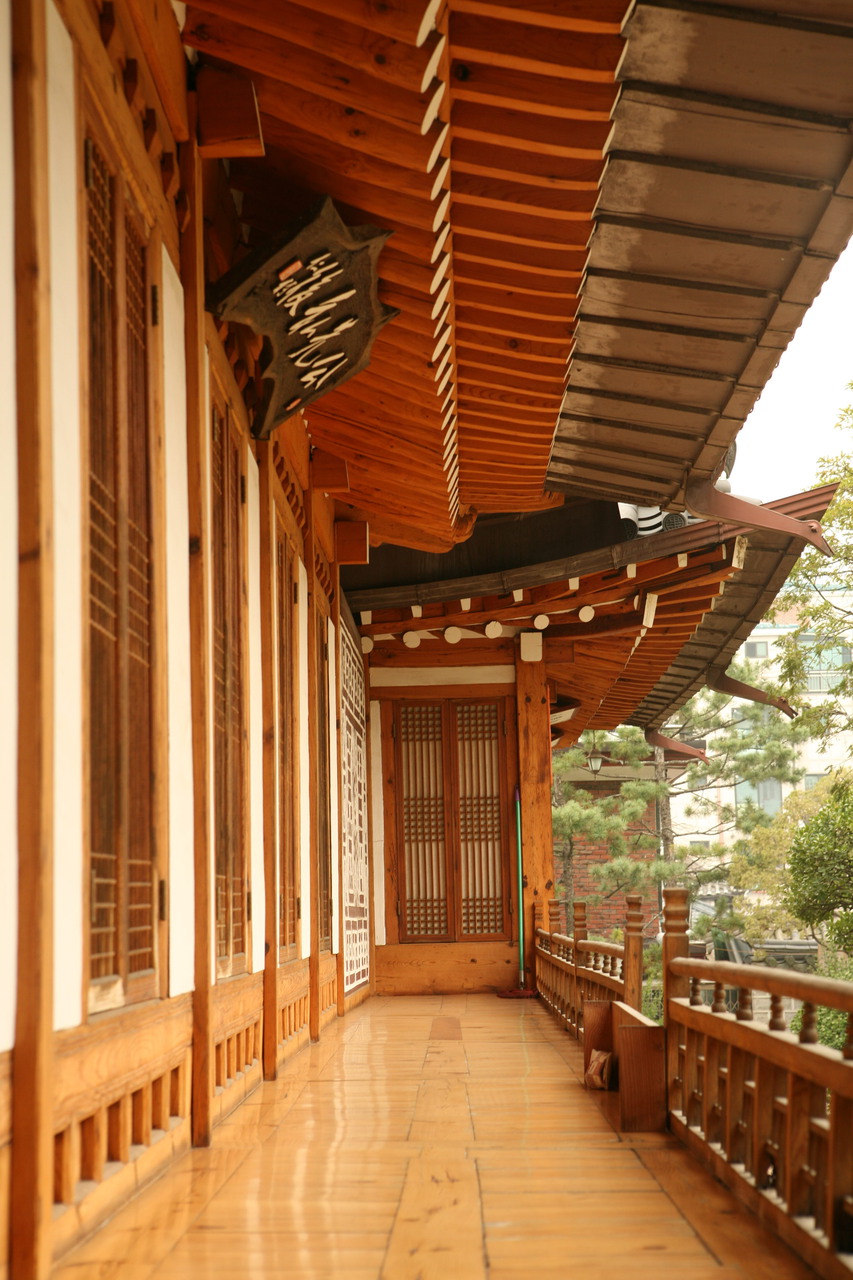
Short version: pick Seoul for a shorter trip where palaces, K-culture, beauty shopping, mountains, and late-night streets sit close together. Pick Tokyo for a longer trip through a much larger city of distinct neighborhoods, rail-based exploration, specialist shopping, and a wider spread of day trips. Neither is better overall, and cost is not a reliable tiebreaker. This guide compares atmosphere, history, food, shopping, transport, airports, cost, where to stay, nights out, nature, day trips, and travel with kids, alone, or with dietary needs. Prices and transport rules change, so confirm current official information before booking.
Seoul
Yangpyeong Local Day Trip from Seoul: Dumulmeori, Semiwon, Riverside Cafés, and Slow Travel
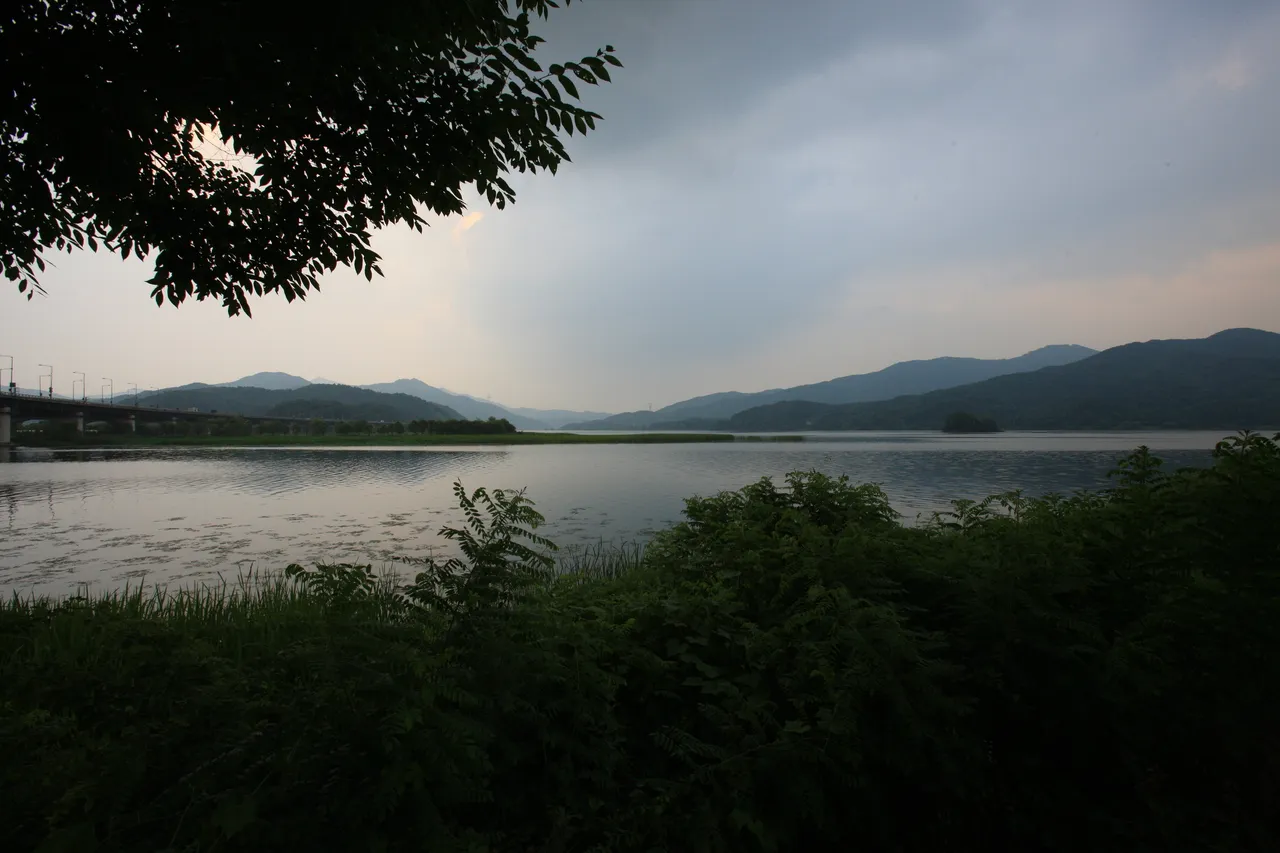
Already done Namiseom, Suwon, and the palaces? Yangpyeong is the slow, local day trip locals actually take from Seoul, reached by subway to Yangsu Station, not a tour bus. Cross the reopened 52-boat pontoon bridge that recreates Jeong Yak-yong's 1789 design, walk to Dumulmeori where two rivers meet, wander the lotus gardens of Semiwon, and slow down at a riverside café. Below: Yangsu vs Yangpyeong Station, how to see the lotuses at their best, easy car-free routes, seasons, and what to check first. Hours, fees, and transport change, so confirm official info before you go.
Gyeonggi

Seoul 3-Day Itinerary for First-Time Visitors
Three days in Seoul, grouped by area so you walk more and commute less. Day one covers the palace district and old town, day two the modern south and shopping, and day three markets, a city view, and your own picks.
Seoul

Busan 2-Day Itinerary for First-Time Visitors
Two days in Busan split by theme: the coast, beaches, and a cliffside temple on day one, then seafood markets and the Gamcheon culture village on day two. Built around the metro and a couple of short taxi hops.
Busan

Jensen Huang's Seoul Food Trail: Chimaek, Samgyeopsal, Naengmyeon
When Nvidia's Jensen Huang toured Seoul in June 2026, the food stops (fried chicken and beer, grilled pork belly with somaek, and cold noodles) went viral. This guide separates what was reported (by day, with sources) from a practical, traveler-friendly food route you can actually walk, with realistic alternatives.
Seoul

Korea 7-Day Itinerary for First-Time Visitors
A realistic one-week route for first-time visitors: three days in Seoul, a day of history in Gyeongju, two days in Busan, and a flexible buffer day, all connected by fast KTX trains so you spend time in places, not in transit.
SeoulGyeongjuBusan
Seasonal & theme trips
Prefer to browse by when you are going or what you are into? Pick a season, month, theme, or travel style.
By Season
Cherry blossoms, summer coast, autumn foliage, winter snow. Plan around the season.
Busan Winter Itinerary: 2, 3, and 4 Days
Two winter days cover Busan’s essentials if you keep east-coast and old-city days separate. Three days is the best balance for most travelers. Four days should feel slower, not wider. Busan is still winter: Visit Busan describes December to February as windy, cold, and dry, with a winter climate average near 4.7°C. Shorten coastal outdoor blocks and pair them with nearby food or indoor stops. Confirm the forecast for your dates.
Busan
Danyang in Autumn: Bobaljae Fall Foliage & a 2-Day Trip
Danyang in autumn is a one-night river-and-pass trip, not a walkable old town. Visit Korea currently dates 2026 first color at Seoraksan around 3 October, with nationwide peak from mid-October through early November. That forecast does not publish a Bobaljae peak day. Take the Jungang Line to Danyang Station, keep Dodamsambong and Mancheonha in the central cluster, and treat Bobaljae as a mountain-pass drive or taxi, not a city bus stop.
DanyangChungcheongbuk-do
Does It Snow in Seoul? First Snow, Best Months & Where to See Snow
Yes, Seoul gets snow in a typical winter: KMA normals for 1991 to 2020 count about 24 snow days a year, most of them from December to February. January has the most snow on average, and the first snow normally arrives around 20 November, but both vary a lot by year. Snow falling and snow staying on the ground are different things, and a white Christmas is never a promise. Below: the numbers by month, first snow, where to look, and what to wear.
Seoul
Gangneung in Winter: Beaches, Sunrise, Coffee Street & KTX from Seoul
Gangneung is the easy winter coast trip from Seoul, because the KTX runs there. Expect cold wind and bare sand more often than snow. Spend the daylight on short beach walks, Anmok Coffee Street, and a market stop, and treat sunrise as a bonus that clouds can cancel. Stay one night if you want a sunrise.
Gangwon-doGangneung
Gyeongju in Autumn: Bulguksa, Fall Foliage & a 2-Day Itinerary
Gyeongju in autumn is a one-night heritage trip, not a Seoul day-hike. Visit Korea currently dates 2026 first color at Seoraksan around 3 October, with nationwide peak from mid-October through early November. That forecast does not publish a Bulguksa-specific peak day. Take the KTX to Gyeongju Station, still outside the historic center, then put Bulguksa in daylight and the tombs, Woljeonggyo, and Donggung after dark.
Gyeongju
Gyeongju in Winter: Bulguksa, Historic Sites, Night Views & a 2-Day Itinerary
Gyeongju works well in winter if you plan around daylight, not snow. Bulguksa and Seokguram take their last entries at 17:00 from November to January, so the temples belong to the day and the lit sites in the old town belong to the evening. The KTX stops at Gyeongju Station, which is outside the historic center, so a bus or taxi is part of the trip. Two days is the comfortable length.
GyeongjuGyeongsangbuk-do
Jeonju in Winter: Hanok Village, Food & a 1 to 2 Day Trip from Seoul
Jeonju works in winter if you plan for cold outdoor walking, not snow. The Hanok Village is an open neighborhood, not an indoor attraction, and Jeonju Station is several kilometers away from it, so a taxi or city bus is part of the trip. Most Jeonju trains leave from Yongsan, not Seoul Station. A day trip is possible, and one night is the comfortable length for slow meals and an evening in the lanes.
JeonjuJeollabuk-do
Korea Autumn Travel Guide: Fall Foliage, Ginkgo and Silver Grass
Korean autumn is not one peak day. Color starts on high northern mountains, then moves toward Seoul and the south, while ginkgo yellow and silver grass follow their own calendars. This guide is a date-based planner for four primary trips: Seoraksan, Yongmunsa's giant ginkgo, Hwadam Botanic Garden, and Mindungsan silver grass. As of early September 2026, the official nationwide foliage forecast had not yet been released, so treat every timing note as a pattern and re-check Forest Service and VisitKorea before you book.
NationwideGangwon-doGyeonggi-do
Korea in Autumn: When to Go, Fall Foliage Timing, and Best Places to See Autumn Colors
Autumn is one of Korea's best seasons, crisp weather and foliage that sweeps from the northern mountains down to the southern islands from late September to late November. Plan around the pattern rather than a fixed date: foliage starts high and north and moves south, peak comes roughly two weeks after the first color, and forecasts shift every year. Timing, the best city, day-trip, and mountain spots (including options for non-hikers), pink muhly, what to pack, and how to beat the peak-season crowds are all covered below. Check the official KMA and VisitKorea forecast before you lock in dates.
Nationwide
Korea in Winter: Ice Fishing Festivals, Ski Resorts Near Seoul, and How to Survive the Cold
Korean winter is genuinely cold, Seoul regularly drops below freezing, but it's the country's most underrated season: the lowest airfares and hotel rates, palaces far quieter than in spring, snow-and-hanbok photos, and festivals built on the cold. How cold it really is, the Hwacheon ice fishing festival, ski resorts near Seoul, winter food and the jjimjilbang, snow scenery, and exactly what to wear are all below. Festival and resort dates shift every year, so treat timing as approximate and confirm the official dates.
Nationwide
Korea Winter Itinerary: 5, 7, and 10-Day Trip Shapes
For most first-time winter visitors, seven days is the best balance: Seoul as the base, one optional winter day trip, then Busan if you want a milder coast. Five days stays Seoul-heavy. Ten days adds pace, not more cities. Snow in central Seoul is not guaranteed on your dates. Confirm current weather, festival schedules, and train tickets before you lock the plan.
SeoulBusanNationwide
Seoul Winter Itinerary: 3, 5, and 7 Days + Winter Day Trips
Three winter days in Seoul should stay city-core. Five days can add one nearby winter day trip if snow scenery or a festival matters. Seven days should feel slower, with the same one major excursion and more indoor recovery. Snow in central Seoul is not guaranteed. Confirm forecasts and day-trip schedules before you lock the plan.
Seoul
Sokcho & Seoraksan in Winter: Snow, Cable Car, Hiking & How to Get There
Seoraksan in winter is a real trip, but snow is not scheduled. The Sokcho coast is often bare while the upper park can be white and icy. Reach Sokcho by bus, because there is no train. Pick the cable car or a short valley walk, keep a weather backup, and stay one night if you can.
Gangwon-doSokchoSeoraksan
Spring in Korea: March, April, or May for First-Time Visitors
Spring in Korea runs roughly March through May, and the three months do not feel the same. March is still cool and early for many outdoor plans. April often brings peak visitor pressure and highly variable flower timing. May is usually milder and greener after major blossom hype. This page is a season-level decision guide, not a fixed bloom calendar. Confirm forecasts and event dates on official sources before you book non-refundable plans.
NationwideSeoul
More coming soon: Korea Cherry Blossom Trip · Korea Autumn Foliage Trip
By Month
What a trip looks like in a specific month: weather, what is on, and what to pack.
Busan in December: Weather, Coastal Winter & What to Wear
December is Busan's first real winter month: milder and sunnier than Seoul, but with frosty mornings and windy shorelines. The KMA normals give an average daily range of 2.0 to 10.4 °C, and snow is occasional rather than expected. Below: early versus late December, snow and rain, coastal wind, Haeundae and Gwangalli, and exactly what to wear.
Busan
Busan in November: Weather, Coastal Wind, Fall Colors & What to Wear
November in Busan is late autumn, milder than Seoul but rarely warm. The average day is cool and dry, yet wind on open shorelines makes Haeundae, Gwangalli, and the headlands feel colder than the temperature suggests. Below: official KMA climate normals, Busan versus Seoul, early versus late November, what to expect from fall colors, and what to wear.
Busan
Jeju in December: Weather, Hallasan Snow & What to Wear
December in Jeju is cool and windy on the coast and a full winter climb on Hallasan. Jeju City and Seogwipo are far milder than Seoul, snow is uncommon at sea level, and the wind and short days shape a trip more than the average temperature. Below: typical weather, early versus late December, where snow falls, what Hallasan needs, and what to wear in each setting.
Jeju
Jeju in November: Weather, Hallasan Foliage & What to Wear
November in Jeju is late autumn on the coast and early winter on Hallasan. Coastal days are usually cool and breezy, wind and showers matter more than the average temperature, and autumn color on the mountain is partial and timing-dependent. Below: typical weather, Jeju City versus Seogwipo, early versus late November, Hallasan trail rules to confirm, and exactly what to wear.
Jeju
Korea in December: Weather, Snow, What to Wear & Where to Go
December is the first full winter month in Korea, and the three main destinations feel very different. Official KMA normals put Seoul at -3.4 to 4.2 °C, Busan at 2.0 to 10.4 °C, and Jeju City at 5.6 to 11.0 °C. Snow is recorded on about 6 days in Seoul but under 1 in Busan, and a white Christmas cannot be promised anywhere. Below: the weather side by side, early versus late December, snow, what to wear, and which city to pick.
Nationwide
Korea in May: What to Expect and a 5-Day Plan
May is among the more comfortable months to visit Korea: usually mild and green, after the cherry blossoms and before the summer heat and monsoon. This 5-day plan pairs Seoul with a southern city; check the latest forecast and any festival dates before you lock things in.
SeoulGyeongjuBusan
Korea in November: Weather, Fall Foliage, What to Wear & Where to Go
November is late autumn turning toward winter in Korea. Seoul is cold enough for a real coat by the end of the month, Busan stays cool and drier, and Jeju is the mildest but windy and cloudy. Fall color is still possible on lower ground and in the south, but timing changes every year. Below: official KMA climate normals for the three regions, early versus late November, foliage and snow odds, what to wear, and where to go.
Nationwide
Korea in September: Weather, What to Wear & Where to Go
September in Korea is early autumn, not peak fall foliage. Early September can still feel warm and humid, while late September is cooler and clearer in many cities. Rain and typhoon risk remain possible. In 2026, Chuseok falls on 24 to 26 September, which can tighten intercity transport. Use this guide to choose timing, packing, and regions, then hand off peak foliage planning to the autumn season guide.
Nationwide
Seoul in August Guide: Essential Places, Summer Festivals, Indoor Attractions, and Things to Do
Seoul in August is hot, humid, and sometimes rainy, copying a spring or autumn itinerary here doesn't work. Below: the essential places worth your time, the summer festivals actually confirmed for 2026 (Hangang River Festival, Seoul Summer Beach, Hangang pools, the Seoul International Garden Show), indoor attractions for the hottest hours, Korean summer food, what to wear, heat and rain safety, August 15 considerations, and realistic 3-day, 5-day, and 7-day itineraries built around the heat rather than against it.
Seoul
Seoul in December: Weather, Snow, Christmas & What to Wear
December is the first true winter month in Seoul. Official KMA normals put the average daily range at -3.4 to 4.2 °C, and the first ten days are clearly milder than the rest of the month. Snow is recorded on about 6 days in an average December, yet snow on the ground on a given date, Christmas included, cannot be promised. Below: the numbers, early versus late December, snow, Christmas, and what to wear.
Seoul
Seoul in July Itinerary: Building 3 Days That Survive the Rainy Season
In July the rain is not a risk to plan around, it is the condition you plan inside. This 3-day frame gives every day an indoor backbone and treats outdoor time as optional, with one day built to run start to finish in heavy rain so the other two can afford to be optimistic. Rain totals, hours, and event schedules change, so the page also sets out what to check and when.
Seoul
Seoul in June: Which Half of the Month You Book Changes the Trip
Most of June in Seoul is not the rainy season. On the Korea Meteorological Administration's 1991-2020 normals the monsoon reaches the central region on 25 June, so a trip that ends before the last week of the month usually sits ahead of it. That one date, plus the year's longest daylight, is what separates a June trip from a July one. The onset moves every year, so the plan below is built around checking it rather than assuming it.
Seoul
Seoul in November: Weather, Fall Foliage & What to Wear
November is late autumn in Seoul, cool at the start and close to winter by the end. Official KMA normals put the average daily range at 3.5 to 11.9 °C, but the first ten days are clearly milder than the last ten. Fall color can linger on lower ground, mainly early in the month, and snow is possible but not something to count on. Below: the numbers, early versus late November, where to look for color, and what to wear.
Seoul
More coming soon: Korea in October
By Theme
Build a trip around one interest: food, history, nature, or K-culture.
Jensen Huang's Seoul Food Trail: Chimaek, Samgyeopsal, Naengmyeon
When Nvidia's Jensen Huang toured Seoul in June 2026, the food stops (fried chicken and beer, grilled pork belly with somaek, and cold noodles) went viral. This guide separates what was reported (by day, with sources) from a practical, traveler-friendly food route you can actually walk, with realistic alternatives.
Seoul
Korea Food Trip: A 4-Day Eating Itinerary
This 4-day itinerary plans Korea around the table (Seoul's markets and barbecue, then Busan's seafood and street food) pacing the days so you arrive hungry at the right places. It pairs with the what-to-eat, barbecue, and chimaek guides for what to order.
SeoulBusan
More coming soon: Korea History & Heritage Trip
Next: Transportation · Where to stay · First-time path