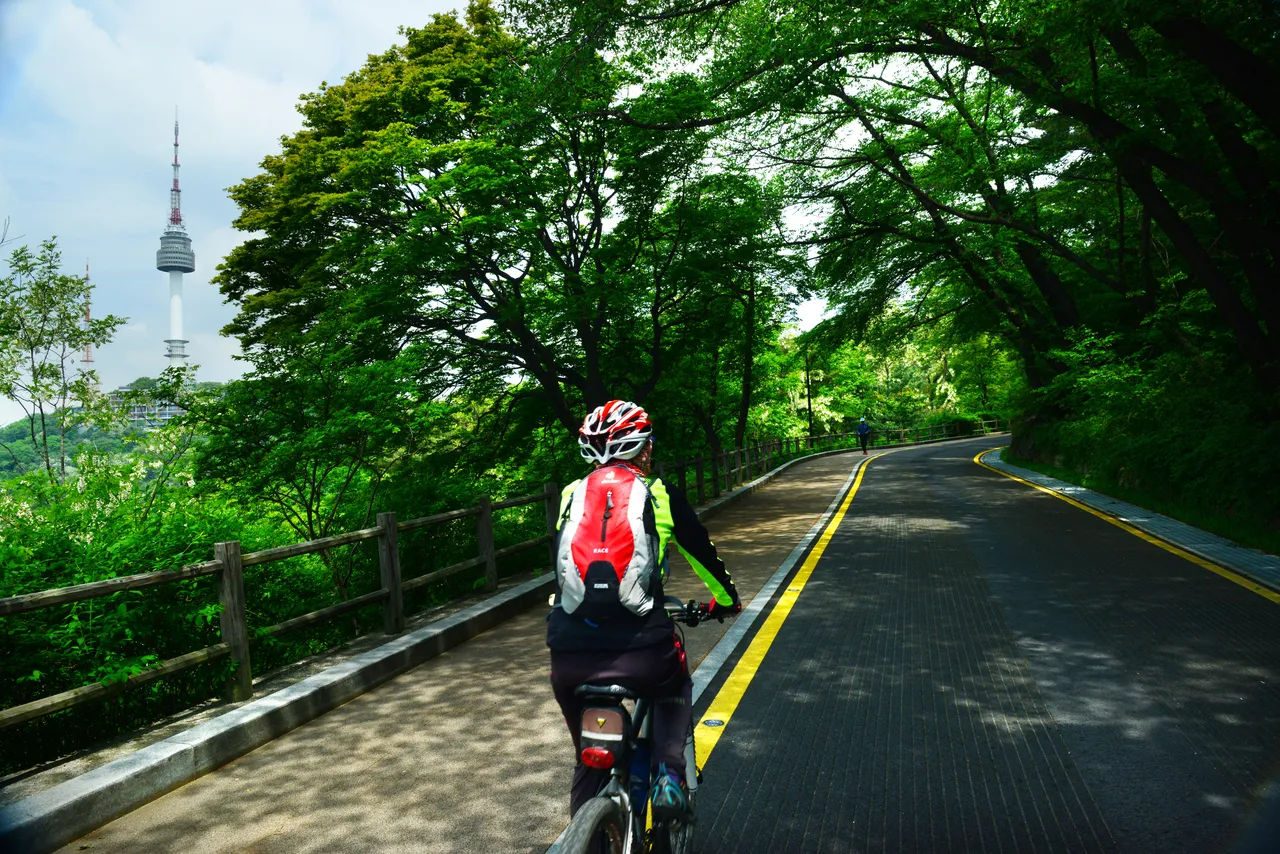
Most travel writing files June in Seoul under "rainy season". On the Korea Meteorological Administration's own regional normals, that is wrong for most of the month.
On the KMA's 1991-2020 normals the front reaches Jeju on 19 June and the southern regions on 23 June. The central region, where Seoul sits, gets it on 25 June.
A trip that ends before the last week of June normally sits in front of the rain, not inside it. That single date shapes a June trip more than any list of sights.
The rest of this page is about finding which side of that date you are on.
Daytime highs usually sit in the mid-to-high 20s °C, with humidity a step below July's mid-70s percent on long-term normals, so check the live forecast for your dates rather than treating any average as a schedule.
The date that decides your June trip
Onset normals are averages, not a schedule. They are still the most useful number you have when booking months ahead, because they tell you which risk you are taking.
| Your trip | What the normals suggest | What to plan for |
|---|---|---|
| Ends by about 22 June | Ahead of the front in a normal year | Outdoor-led days, umbrella as insurance |
| Overlaps the last week of June | The window the onset normally lands in | Every outdoor block needs an indoor alternative |
| Starts in July | Normally inside the rainy season | Plan it as a July trip, not a June one |
If your dates fall in the middle row, you are not choosing between sun and rain. You are choosing whether to build a plan that survives either.
How much to trust the normal
Not as much as its precision suggests. In 2026 the front stalled south of Japan under lingering cold air.
The season did not reach Jeju until the very end of June, one of the latest starts since nationwide observation began in 1973. While the south was already getting monsoon rain, Seoul and the rest of the central region sat outside the front under heat-wave conditions.
A July onset is rare rather than unheard of: twice on Jeju since 1973, six times in the central region. The normal and the 2026 record do not contradict each other, and nothing in either supports treating the first three weeks of June in Seoul as monsoon season.
The practical reading: treat the last week of June as the point your plan needs to be rain-proof, not the date it will rain. A normal is a thirty-year average, not a forecast for your dates.
What to actually check, and when
"Check the forecast" is not advice on its own. Three specific things move, and each has a different useful moment:
| What | When to check | Where | Why it changes the plan |
|---|---|---|---|
| Monsoon onset for the central region | The week you fly, and again 2 days out | KMA | Decides whether afternoons need an indoor anchor at all |
| Banpo Moonlight Rainbow Fountain | The week of your visit | Seoul's official Hangang park pages | It runs a seasonal schedule with fixed evening show times and is cancelled in rain, so a Banpo evening is worth building only once you know it is running |
| Palace closing days and hours | Before you fix which morning is the palace morning | The palace's own site | Gyeongbokgung typically closes one day a week, often Tuesday, and a June trip is short enough that losing the palace morning reshuffles everything |
The long evenings are the actual June advantage
June has the longest daylight of the year, with sunset near 7:50 pm. That is worth more than the temperature difference from July.
It means a June day has three usable blocks instead of two. July and August lose the third one: the heat holds into the evening and the rain is more likely to take it outright.
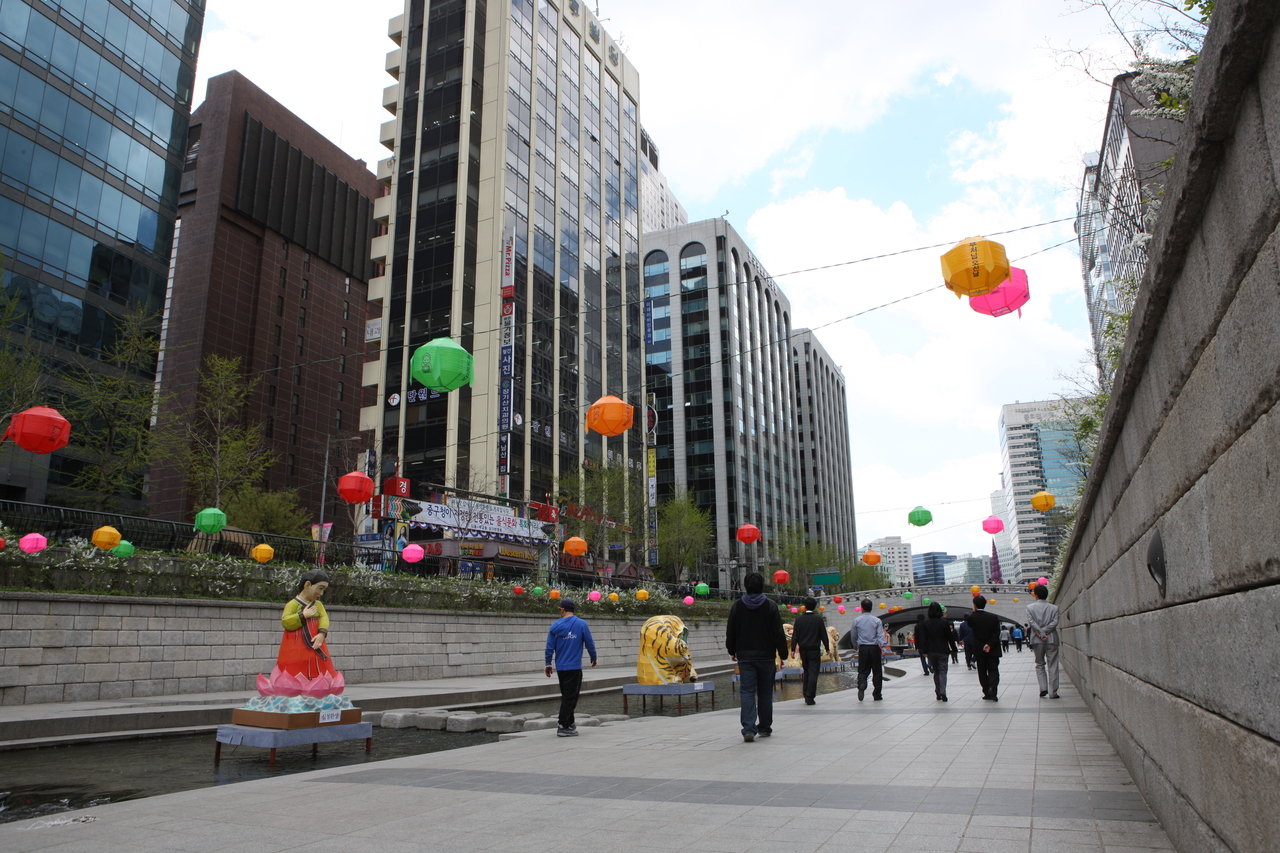
In June the evening stays comfortable. The outdoor things that fight for a daytime slot in high summer move into it instead: the Cheonggyecheon stream, a Han River park, a night view from Namsan, a market street.
That is one less thing crowding the day.
Plan the day in that order:
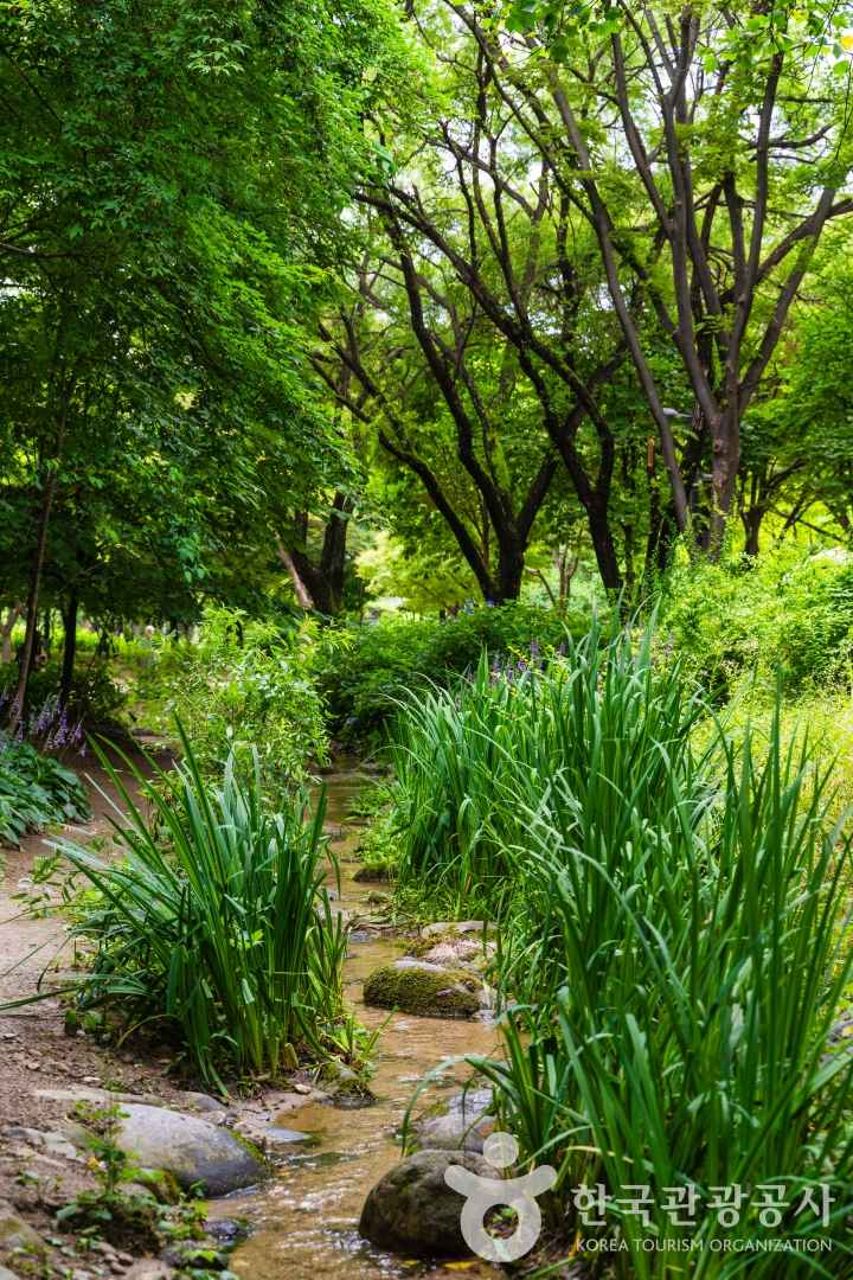
- Morning outdoors. Palaces, Bukchon, Seoul Forest, anything open-air, while it is coolest.
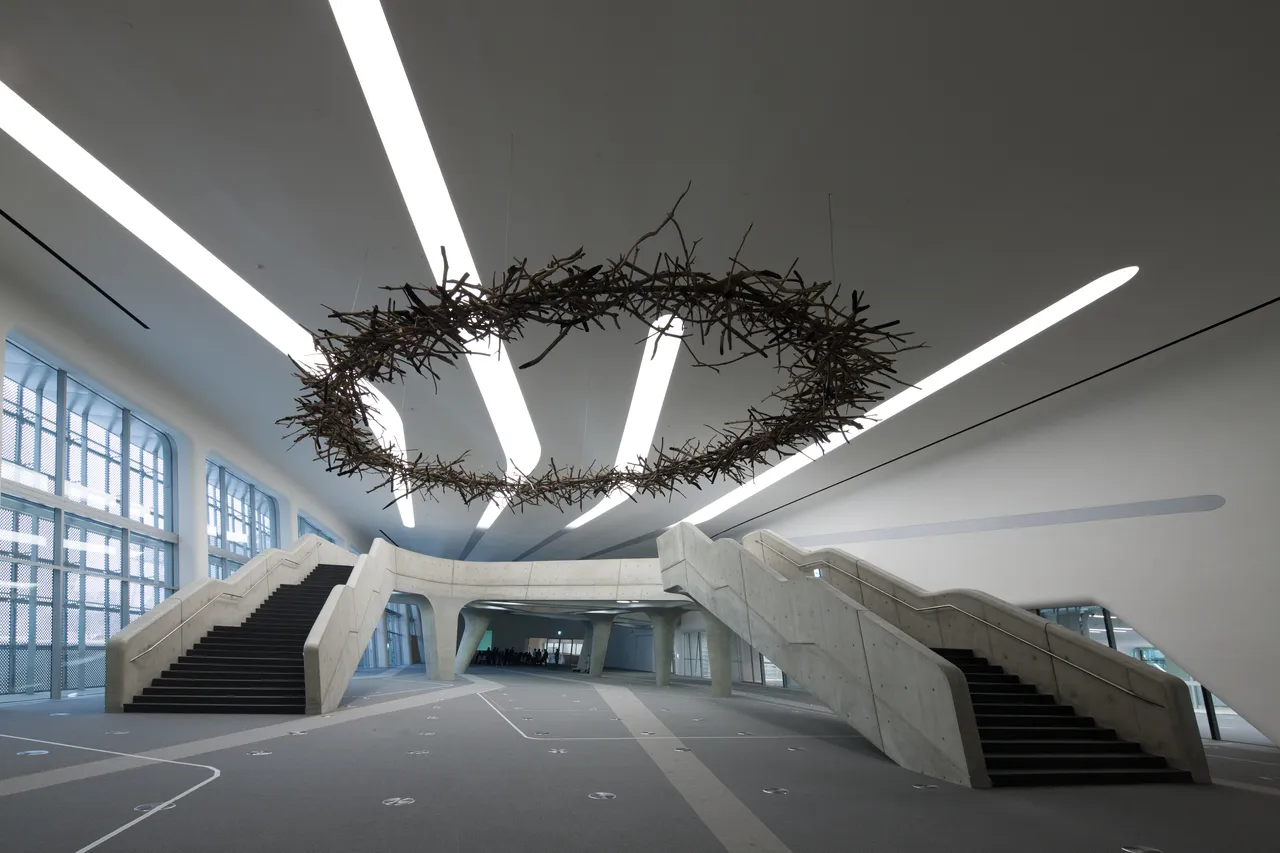
- Afternoon under a roof. The hottest, most humid stretch belongs to COEX, a museum, a department-store food hall, or a long café sit.
- Evening outdoors again. This is the block June gives you and July takes away. Use it.
Keep each day inside one or two connected areas. Crossing the city in the afternoon heat is what makes a June trip feel harder than it is.
What changes between early and late June
The two halves of the month are not the same trip, and the difference is mostly about how much slack you build in.
Early June. Comfortable, drier, and the part of the month the normals put ahead of the front. An umbrella is insurance rather than equipment.
This is when a Han River picnic evening, an outdoor market, and a full open-air morning are all safe to commit to in advance.
Late June. Humidity climbs and the onset window opens, so the useful habit is to stop committing. Anchor each afternoon somewhere indoors you would happily stay in longer than planned.
Carry a packable rain jacket rather than only an umbrella, because wind ruins umbrellas. Expect one of your three days to get rearranged at short notice.
If the rain does arrive, the indoor routing is the same problem July faces every year. The Seoul in July guide already sets out the indoor loops and the wet-weather day shape, so there is no reason to run a second copy here.
One June-only date to know
If your trip includes June 6, that is Memorial Day, a solemn national holiday rather than a festival. Expect a quieter city, and check opening hours for that specific day rather than assuming the weekday schedule.
A three-day shape, kept deliberately loose
June does not need a different set of sights from any other month. It needs them in a different order.
The shape below assumes the morning-indoor-evening rhythm above.
| Day | Morning | Afternoon | Evening | Why this order in June |
|---|---|---|---|---|
| 1 | Gyeongbokgung, then Bukchon and Insadong on foot | Ikseon-dong cafés, or indoor galleries near Gwanghwamun | Cheonggyecheon, then Myeongdong or Namsan | The most exposed walking of the trip, spent before the afternoon heat. The evening leg only works because June's daylight holds past 7:30 pm |
| 2 | Bongeunsa temple, shaded and quiet | COEX: Starfield Library, mall, aquarium | Han River park at Banpo or Jamwon | The day that survives rain intact. Put it on whichever day the forecast looks worst, and keep the riverside evening as the part you drop |
| 3 | Seoul Forest while it is cool | Seongsu cafés, or a museum if it is wet | Whatever you want to repeat | Left unbooked on purpose. If the onset arrived early, this becomes a second indoor day without wrecking anything |
The order matters more than the contents. Day 2 is the rain-proof one, so it moves; Day 3 stays unbooked. By the time you reach it you are working from three days of real forecast rather than an average, which beats anything you had when you booked.
For the sights themselves, the Seoul 3-day itinerary covers them without the seasonal framing. Early-summer eating is no different in June than in July, so the cold noodle dishes and shaved ice live in what to eat in Korea.
Where a June trip goes wrong
- Booking late June expecting early June. The onset window is real, and the last week is the part of the month most likely to be rearranged.
- Cancelling a June trip because "it's the rainy season." On the normals, most of the month in Seoul is not.
- Packing only for heat. Mornings, evenings, and heavily air-conditioned interiors all run cooler than the afternoon, so a thin layer earns its space.
- Spending the long evening indoors. It is the one thing June has that July does not.
- Building an evening around the Banpo fountain without confirming it is running. Rain cancels it, and the schedule is seasonal.
Where to stay
Anywhere central and on a subway line, so an afternoon downpour is an inconvenience rather than a trap. The where to stay in Seoul overview breaks the city down by area and by the kind of traveler each one suits.
Sources
- Korea Meteorological Administration Open MET Data Portal, changma (monsoon) statistics and 1991-2020 regional normalsOfficial weather service
- Korea Meteorological AdministrationOfficial weather service
- Korea JoongAng Daily, Korea monsoon 2026 may not start before July as cold air delays rain front (25 June 2026)news_report
- Visit KoreaOfficial tourism site
- Seoul Metropolitan Government Open DataOfficial government site
Information is compiled from official sources. Details such as prices, hours, and schedules can change. Confirm time-sensitive facts before you travel.
Last verified on
Related guides
Seoul in July Itinerary: Building 3 Days That Survive the Rainy Season
In July the rain is not a risk to plan around, it is the condition you plan inside. This 3-day frame gives every day an indoor backbone and treats outdoor time as optional, with one day built to run start to finish in heavy rain so the other two can afford to be optimistic. Rain totals, hours, and event schedules change, so the page also sets out what to check and when.

Seoul 3-Day Itinerary for First-Time Visitors
Three days in Seoul, grouped by area so you walk more and commute less. Day one covers the palace district and old town, day two the modern south and shopping, and day three markets, a city view, and your own picks.