Loading…
Things to do in Korea
Experience how-tos for foreign visitors. Filter by type, or browse every guide.
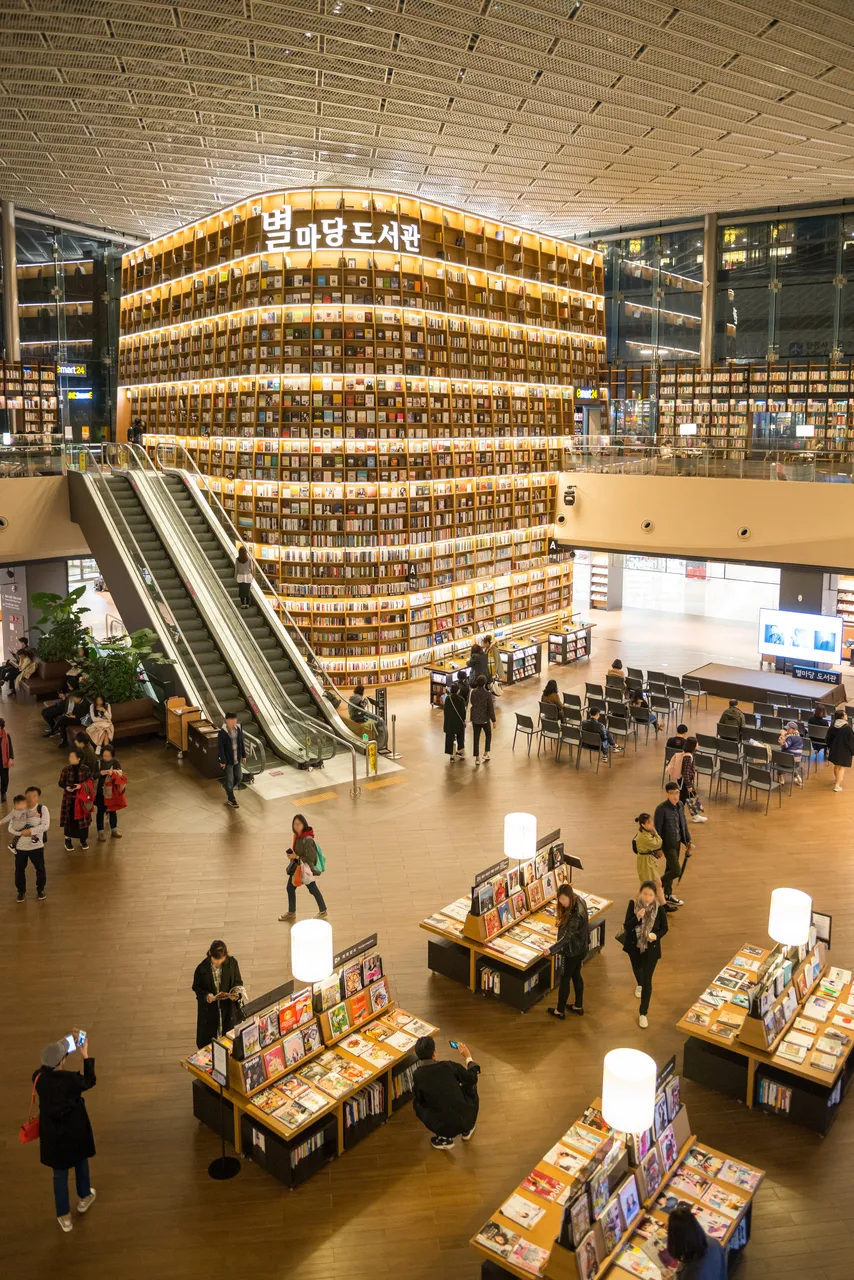
Best Indoor Things to Do in Seoul in Winter: Museums, Spas & Cold-Day Ideas
For a cold, snowy, or rainy day in Seoul, the dependable indoor options are museums such as the National Museum of Korea, a jjimjilbang, and large complexes such as COEX and Lotte World Mall. Not everything with a roof is heated: covered markets and Lotte World are only partly sheltered, so each pick below is labeled fully indoor, mostly indoor, covered, or mixed. Includes four geographically tight day plans and a guide to what to save for better weather.
Seoul
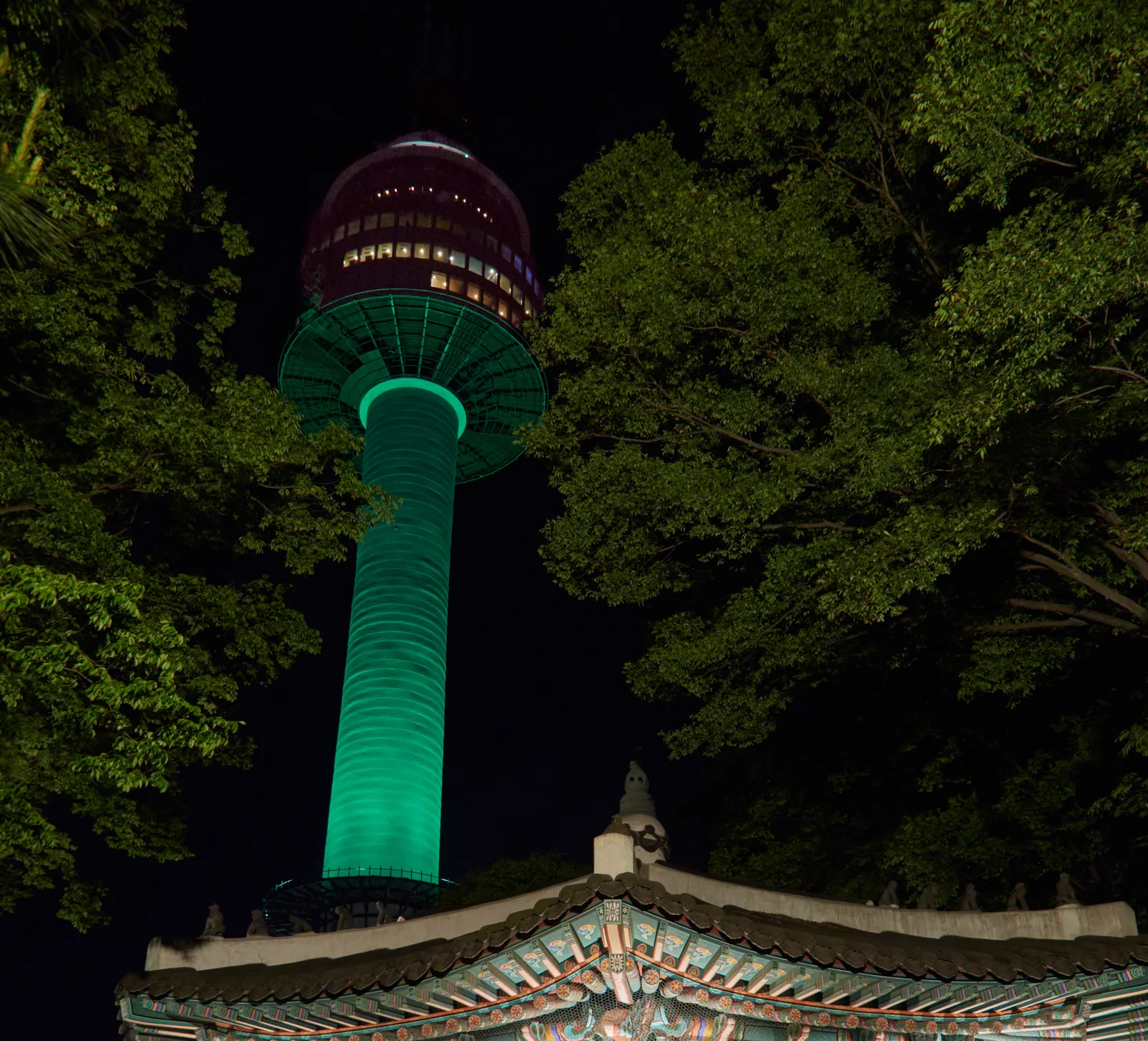
N Seoul Tower Guide: How to Get There, What to See, and the Best Views
N Seoul Tower sits on top of Namsan, and the part most visitors get wrong is the getting there: no taxi or rental car can drive you to the door, and the cable car does not start outside Myeongdong Station. The realistic choices are the Namsan cable car, the 01A and 01B city shuttle buses, or a walk up through Namsan Park. From Myeongdong, a free inclined elevator and a limited-hours operator shuttle cut the climb to the cable-car station. The plaza is free; only the indoor observatory needs a ticket.
Seoul

Jjimjilbang Guide: How to Use a Korean Bathhouse
A jjimjilbang (찜질방) is a Korean bathhouse and sauna complex: gender-separated bathing pools where you bathe without clothes, plus a shared, clothed sauna area where you can rest. Shower before entering the pools, keep valuables in a locker, and check each venue's own rules, since facilities vary.
Nationwide

Chuncheon and JTBC Seoul Marathon 2026: A Fall Running Guide for Visitors to Korea
Two big autumn races sit a week apart. The Chuncheon Marathon runs on Sunday, October 25, 2026 from Gongjicheon Bridge around the certified Uiam Lake loop, and its 2026 entry has closed. The JTBC Seoul Marathon runs on Sunday, November 1, 2026 from Sangam, with the full course finishing at Olympic Park and the 10K at Yeouido Park, and it keeps a separate entry route for runners living outside Korea. The part travelers underestimate is not the running: it is bib collection and race-morning transport.
SeoulGangwon
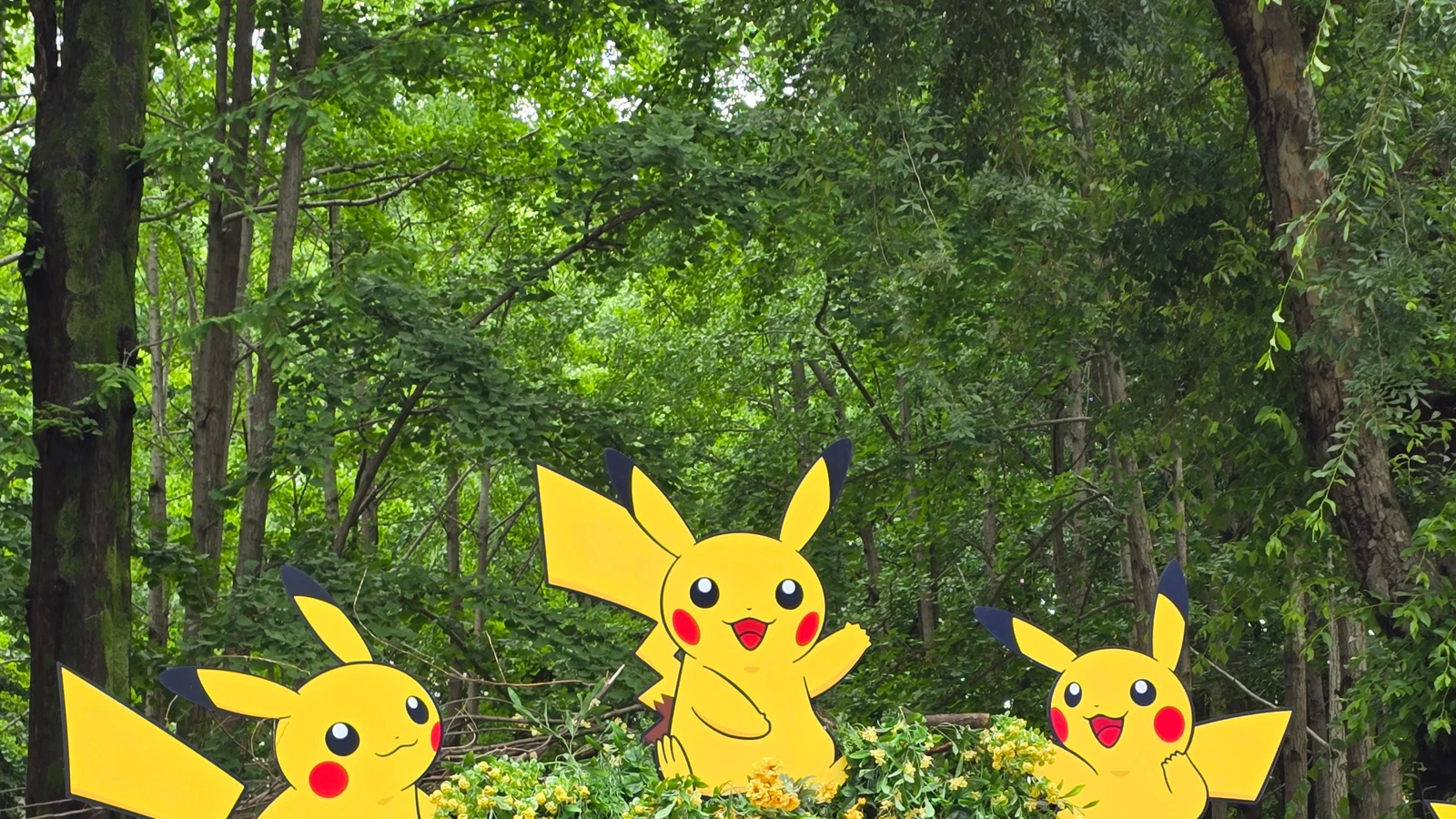
Pokémon in Korea 2026: Where to Shop, Play and Find Pokémon Events
South Korea has an active Pokémon fan scene, but it is not the same retail model as Japan. As of early September 2026, South Korea is not listed as a permanent Pokémon Center on the official Pokémon Center shop directory. Travelers still have official options: Pokémon Card Shops nationwide, Pokémon Store Online, rotating pop-ups, and time-limited events. Treat Mega Festa 2026 pop-ups you still see online as ended. For September 2026, focus on the Seongnam CITY Battle Tournament around GXG in Pangyo, the HiKR Ground Pokémon program in Seoul, and Pokémon GO seasonal events. Always re-check official Pokémon Korea notices before you go.
NationwideSeoulGyeonggi-do
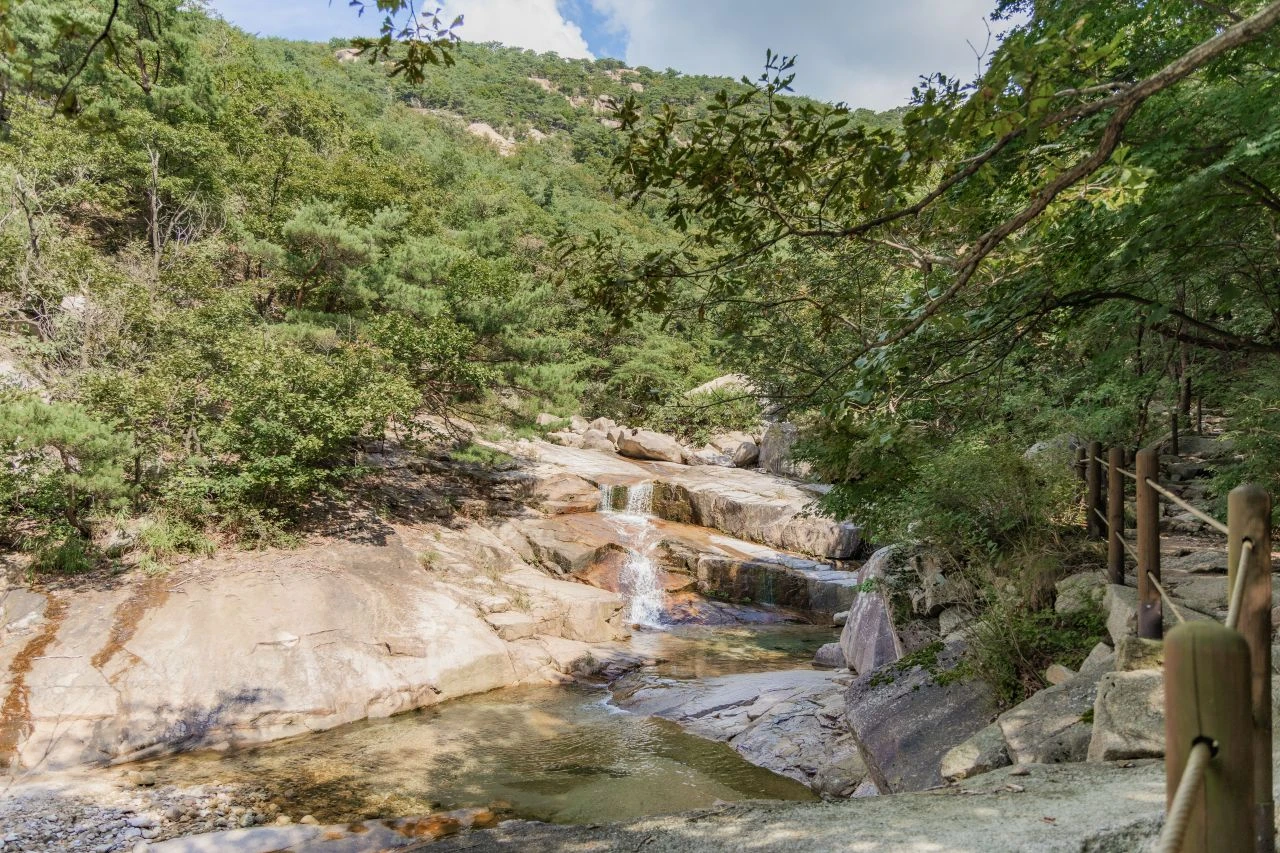
Bukhansan Hiking Guide for Foreigners: Routes, Subway Access & Safety
Bukhansan National Park sits on Seoul's northern edge and is free to enter. Fit hikers can aim for Baegundae, Seoul's highest peak at about 836 m, but the final rock section uses fixed ropes and is not an easy city stroll. Pick a marked route that matches your fitness, start from the right station and trailhead, rent gear near Bukhansan Ui Station if needed, and check KNPS closures and entry-time rules before you go.
Seoul
Hiking in Seoul: Mountains You Can Reach by Subway, Trail Difficulty, and Korean Hiking Culture
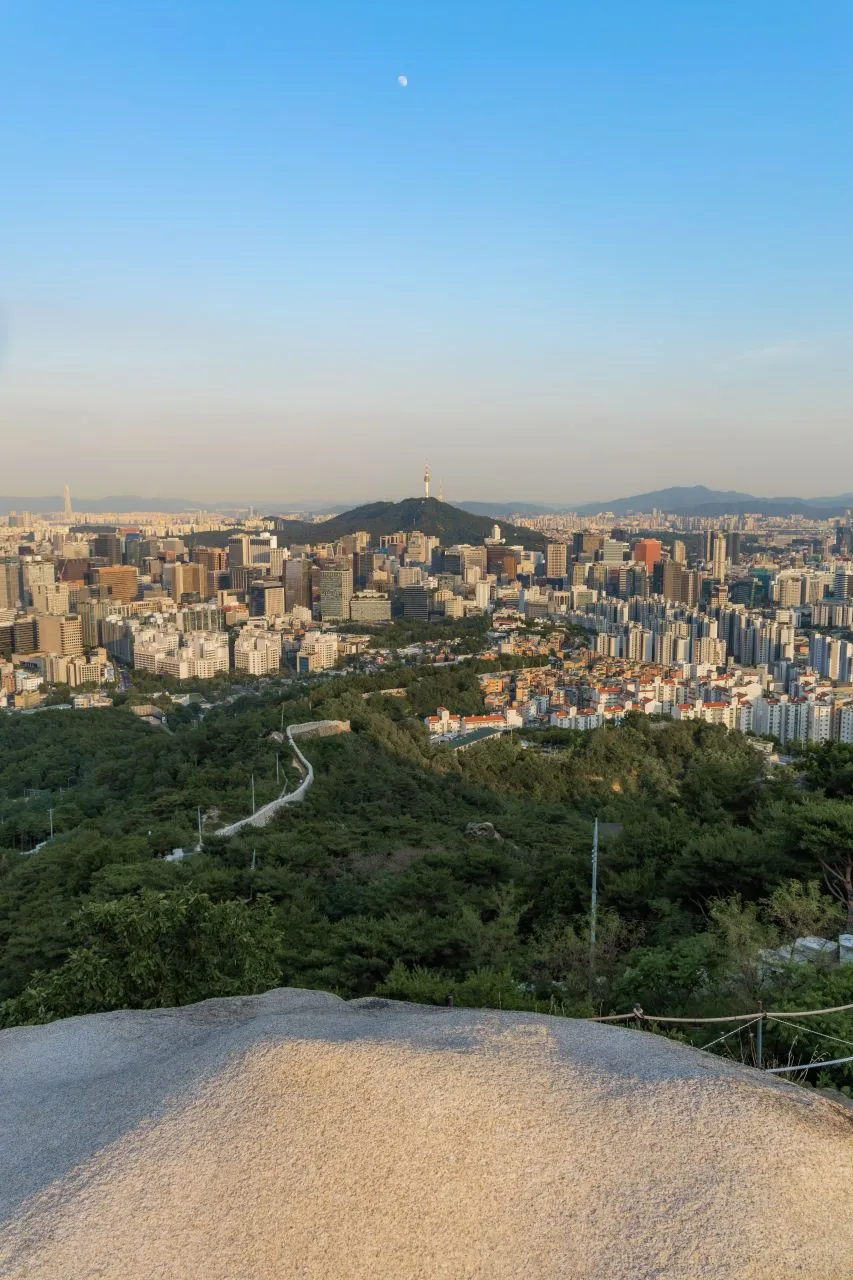
Seoul is ringed by dozens of hikeable mountains you can reach by subway with a T-money card, including Bukhansan, a Guinness-record national park inside the city. This guide helps you pick a mountain by difficulty (from a paved stroll up Namsan to the cabled granite scramble up Bukhansan's Baegundae), explains the confusing station names and access routes, covers gear rental, and lays out the safety rules and Korean hiking culture. Hiking has real risks, so don't underestimate difficulty, and check the official KNPS and Seoul Hiking Tourism Center info before you go.
Seoul

Korean Folk Village Guide: Tickets, Discounts, Events and How to Get There
Korean Folk Village (한국민속촌) in Yongin is a large traditional-culture theme park, not a small open-air museum and not inside Seoul. Official materials describe Joseon-era houses relocated and restored from many regions, plus performances, markets, amusement rides, and heavy seasonal programming. Domestic visitors return for festivals, night openings, and horror events as much as for history. Standard adult admission is ₩39,000, but September 2026 online and monthly discounts are often far lower if you qualify. Check the official ticket and discount pages for your date before you buy.
YonginGyeonggi-do
Daiso Korea Shopping Guide: What to Buy for ₩1,000 to ₩5,000
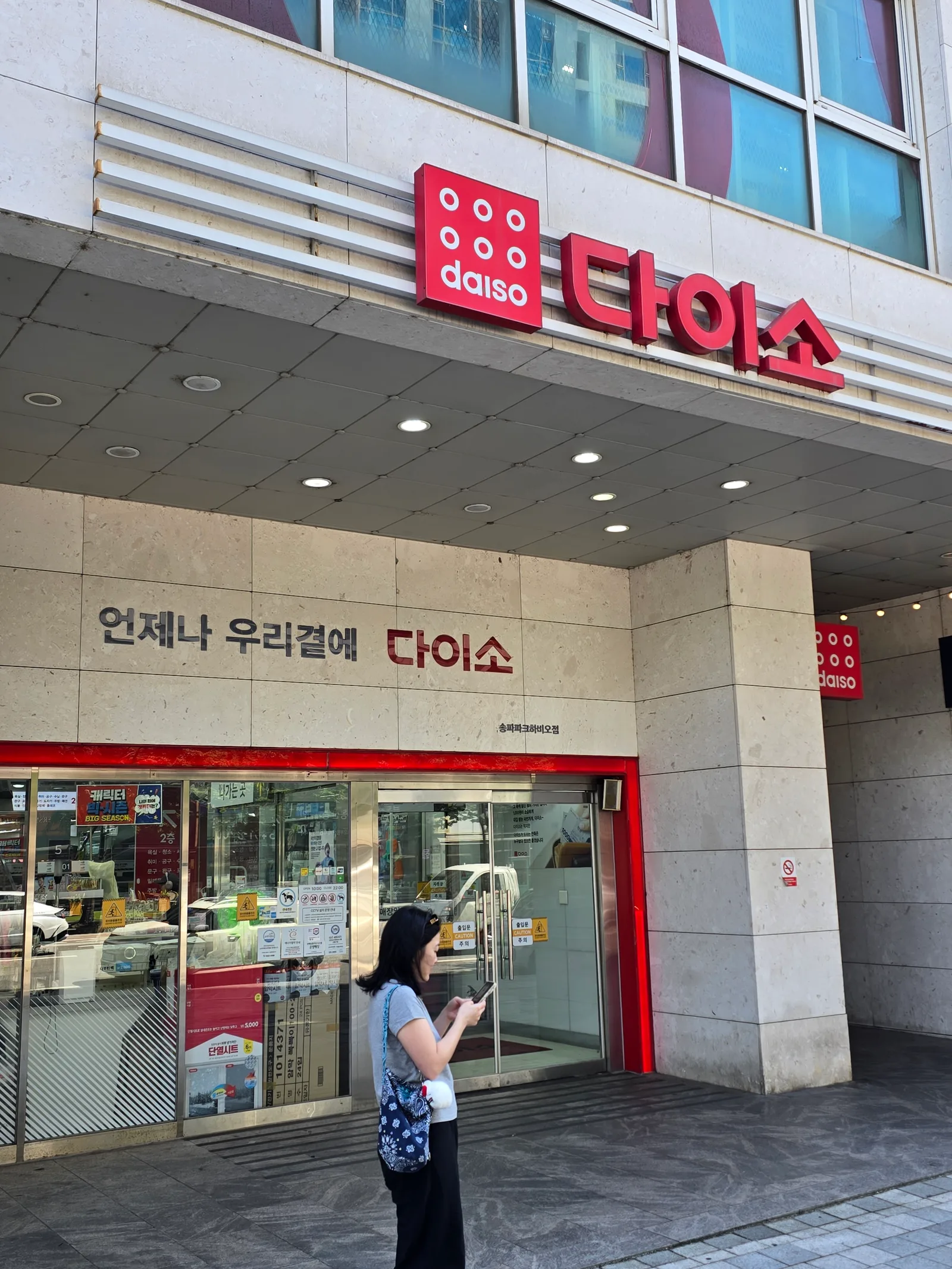
Daiso Korea's regular price system currently uses six fixed price points from ₩500 to ₩5,000. That makes it useful for trip emergencies and lightweight take-homes, not only for "everything is ₩1,000" nostalgia. Use it for travel toiletries, packing tools, stationery, character goods, and carefully chosen budget beauty. Leave deeper K-beauty comparisons to Olive Young. Stock varies heavily by branch, so treat named products as shelf examples, not guarantees.
SeoulNationwide

Escape Rooms in Korea: A Foreigner’s Guide to Booking, Language and Horror
A Korean escape room (방탈출, bang-tal-chul) is a timed puzzle game in a themed set. Korea has a large escape-room scene, especially in nightlife and university districts, but language dependence varies by theme, not just by brand. An English website does not automatically mean the room itself is in English. Book early, confirm your reservation the way the venue asks, arrive before the listed start time, and ask whether that specific theme can be played without Korean. Prices, hours, and English support change; verify with the operator before you go.
NationwideSeoul

Seoul Light DDP 2026 Autumn: Free Media Art at Dongdaemun Design Plaza
Seoul Light DDP turns the curved metal exterior of Dongdaemun Design Plaza into a 222-meter media-art surface, and the 2026 autumn edition runs September 3 to 13 from 7:30 PM to 10:30 PM. It is free, it is outdoors, and no ticket or reservation is involved. The useful decisions are which night to go, since only seven of the eleven have live performances, and how to fold it into a Dongdaemun evening rather than crossing the city for it alone.
Seoul
Olive Young Shopping Guide for Foreigners: Stores, Sales, Tax Refund, and How to Shop Smart
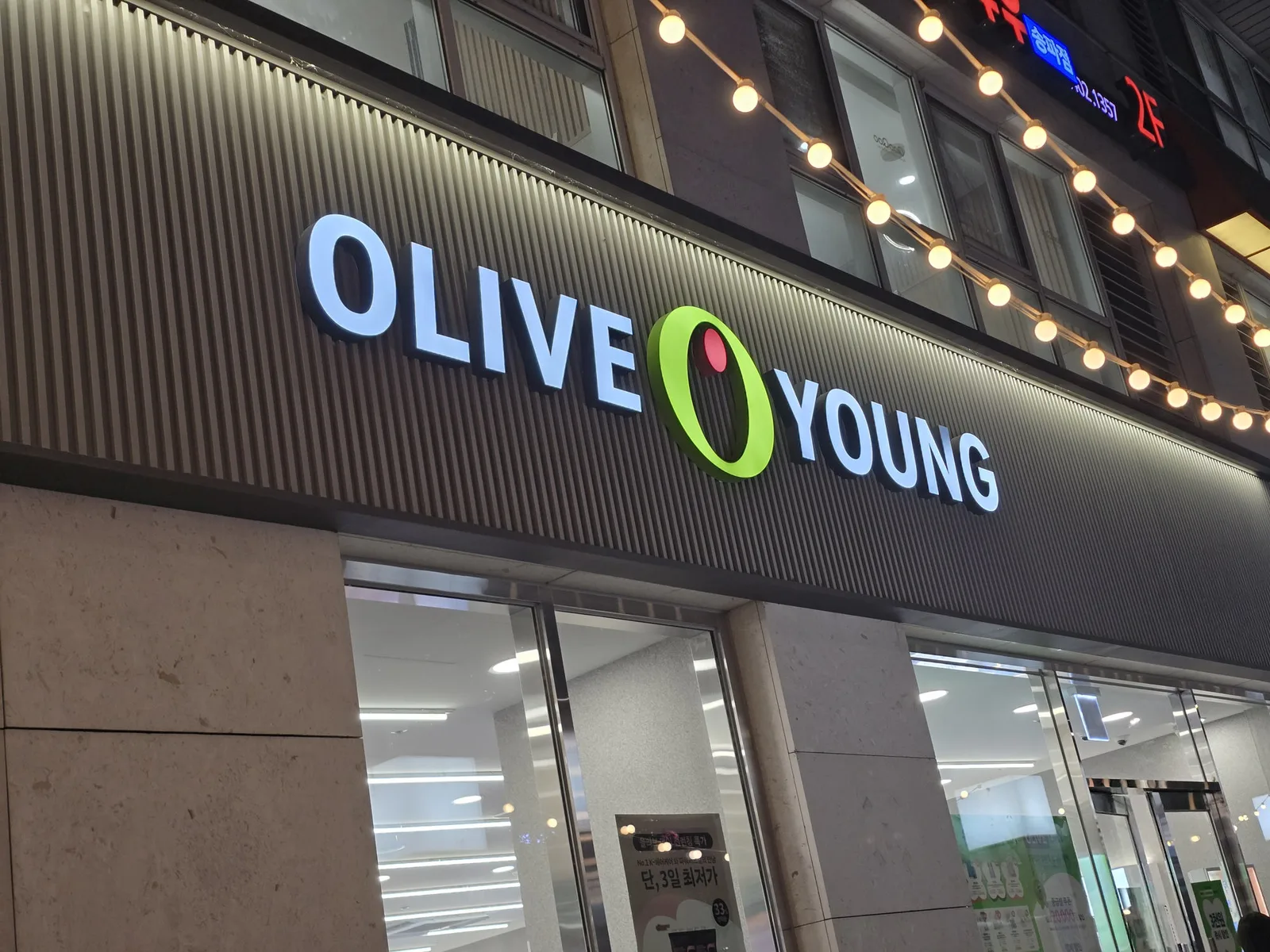
Olive Young is Korea's largest health-and-beauty chain, with over 1,300 branches, and the practical questions are which one to visit and when. Large flagship stores can deduct the tax refund at the register when you show your physical passport, while small neighbourhood branches usually hand you a receipt to process at the airport. Chain-wide sales run roughly quarterly, with a shorter promotion around the 25th to 27th of each month, and yellow tags mark the running deals. Below: picking a branch, the sale calendar, checking stock in the app, what the categories are worth comparing, and how paying works. Prices, promotions, stock, and opening hours change constantly, so confirm current details in store or in the app.
SeoulNationwide
Seoul International Fireworks Festival 2026: Yeouido Viewing and Crowd Guide
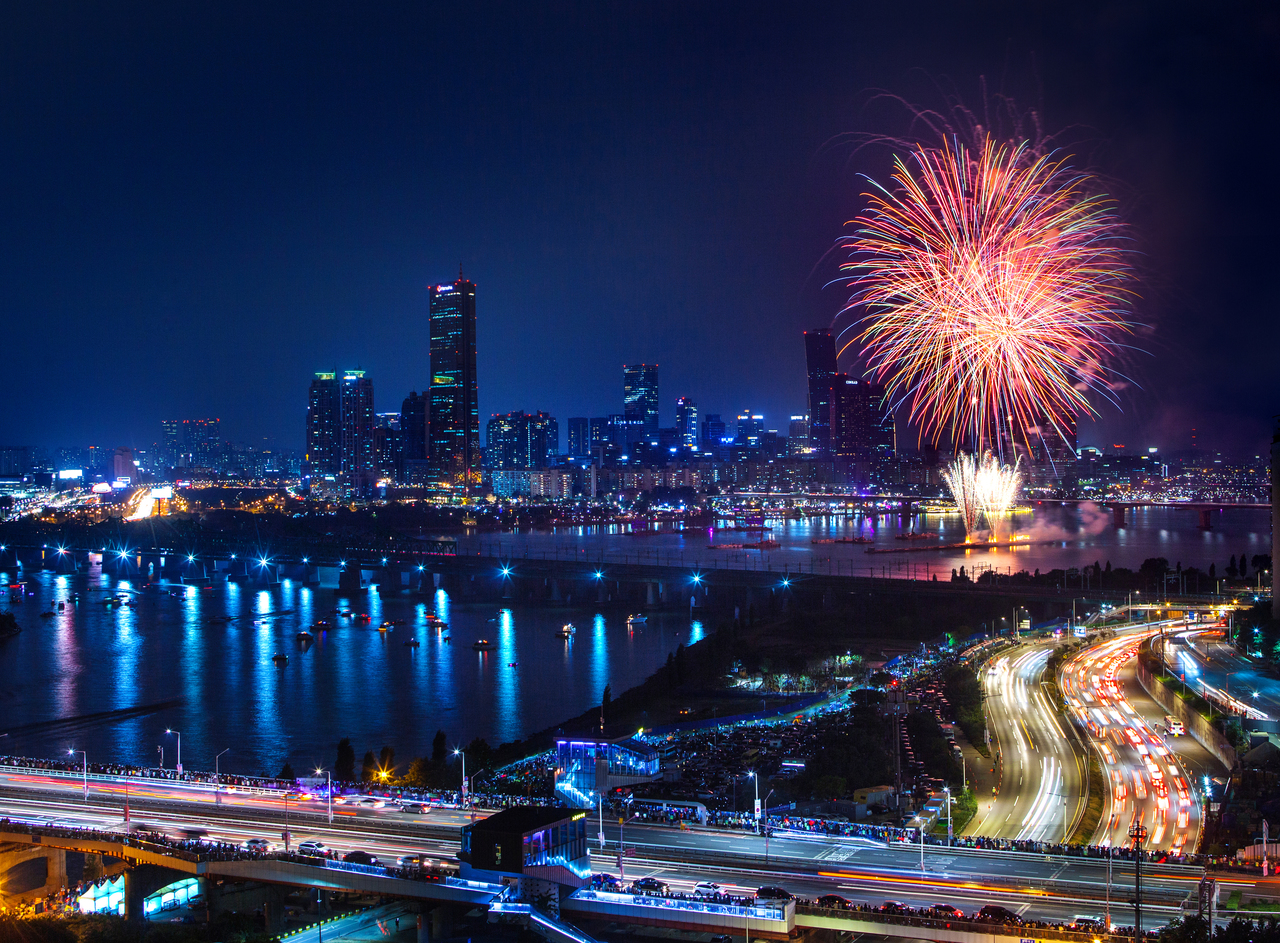
The main fireworks are on Saturday, September 5, 2026 at Yeouido Hangang Park, and public viewing along the river is free. The hard parts are not the show: they are arriving early enough to get a spot, and leaving afterward with hundreds of thousands of other people. Decide before you go whether you want the main park, the far bank, or a paid seat on Nodeul Island.
Seoul
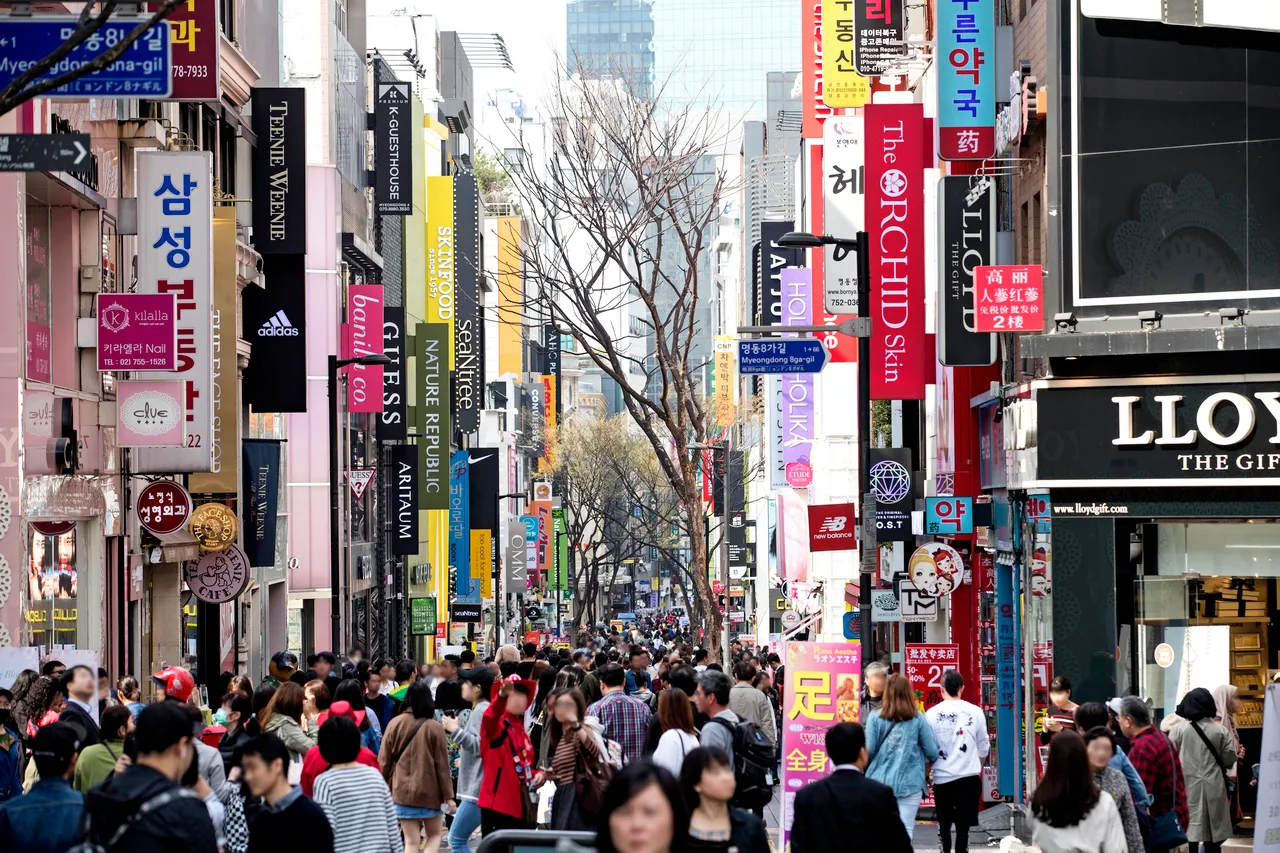
Myeongdong Shopping Guide: Beauty, Street Food, Tax Refund, and What to Buy
Myeongdong is Seoul's most concentrated shopping district: wall-to-wall cosmetics, fashion, and street food, with the city's highest density of tax-free stores. Below: the main areas, what to buy (especially K-beauty), the evening street-food scene, and how the tax refund actually works in 2026, including why you get back about 5, 8% rather than the full 10%, and why you must carry your physical passport. Prices, hours, and refund rules change, so confirm current details before you shop.
Seoul
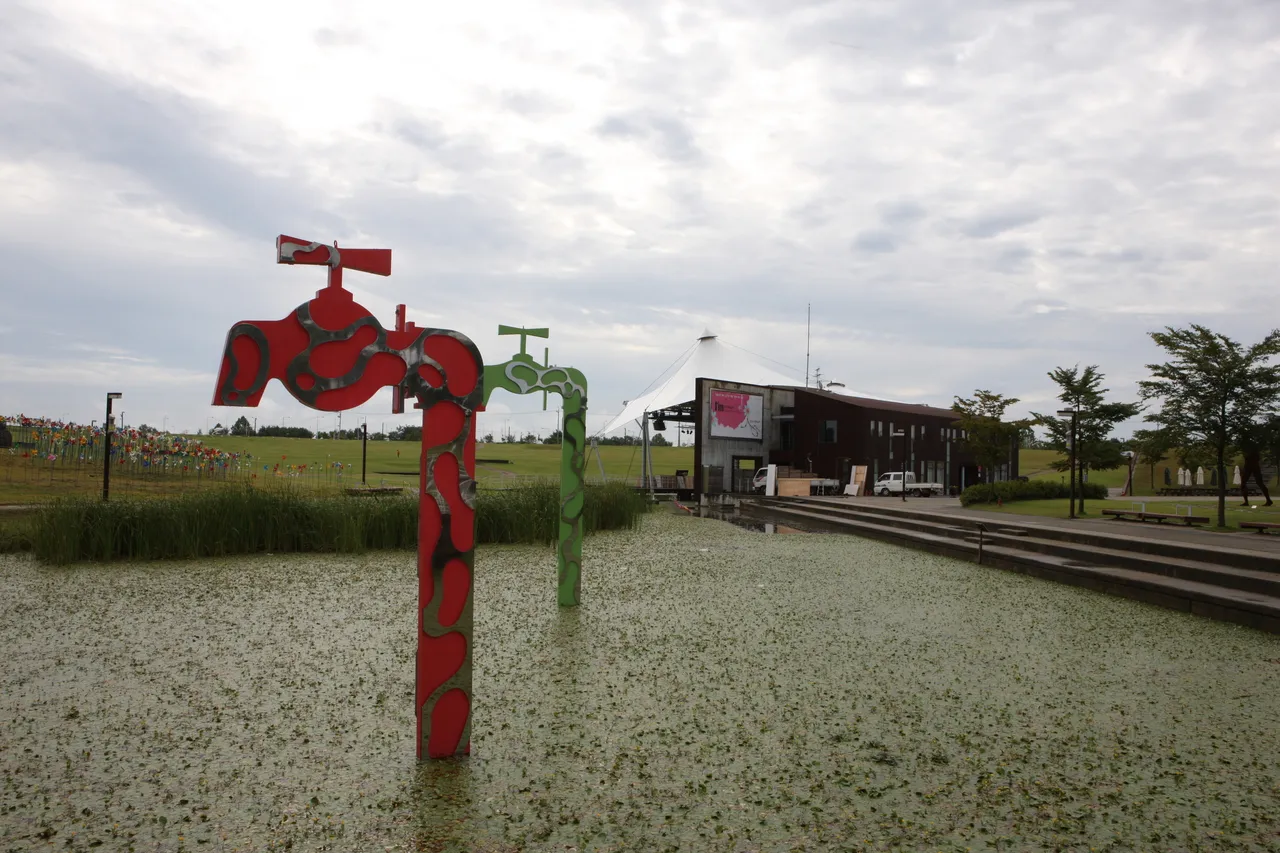
DMZ Tour from Seoul Guide: 3rd Tunnel, Dora Observatory, Imjingak, Passport Rules, and What to Know
A DMZ day trip from Seoul is among the more meaningful things you can do in Korea, but it isn't an ordinary sightseeing outing. It's a visit to a place shaped by war, division, and an active security situation, and it comes with real rules: an approved tour for the restricted sites, a physical passport submitted in advance, photography limits, and the chance of a same-day cancellation. Below: the difference between a DMZ tour and the JSA/Panmunjom (which, as of 2026, is generally not open to ordinary tourists), what's usually included, the passport and booking rules, and how to choose and behave. Tour details, prices, and access change and depend on security conditions, so always confirm the current official information first.
GyeonggiSeoul

Things to Do in Seoul at Night: Food, Cafés, PC Bangs, Markets, and Safe Routes
Seoul after dark isn't just a drinking scene. It's late-night food streets, 24-hour-feeling markets, gaming cafés, river walks, and skyline views, all reachable without ever ordering a drink. This guide is a planning hub, not a deep dive: it helps you pick one neighborhood, string together two or three activities, and, the part most visitors get wrong, actually check how you get home before you go out, since Seoul's last trains and buses don't run on one fixed schedule. For the specifics on any single activity, this guide links out to the dedicated pieces.
Seoul
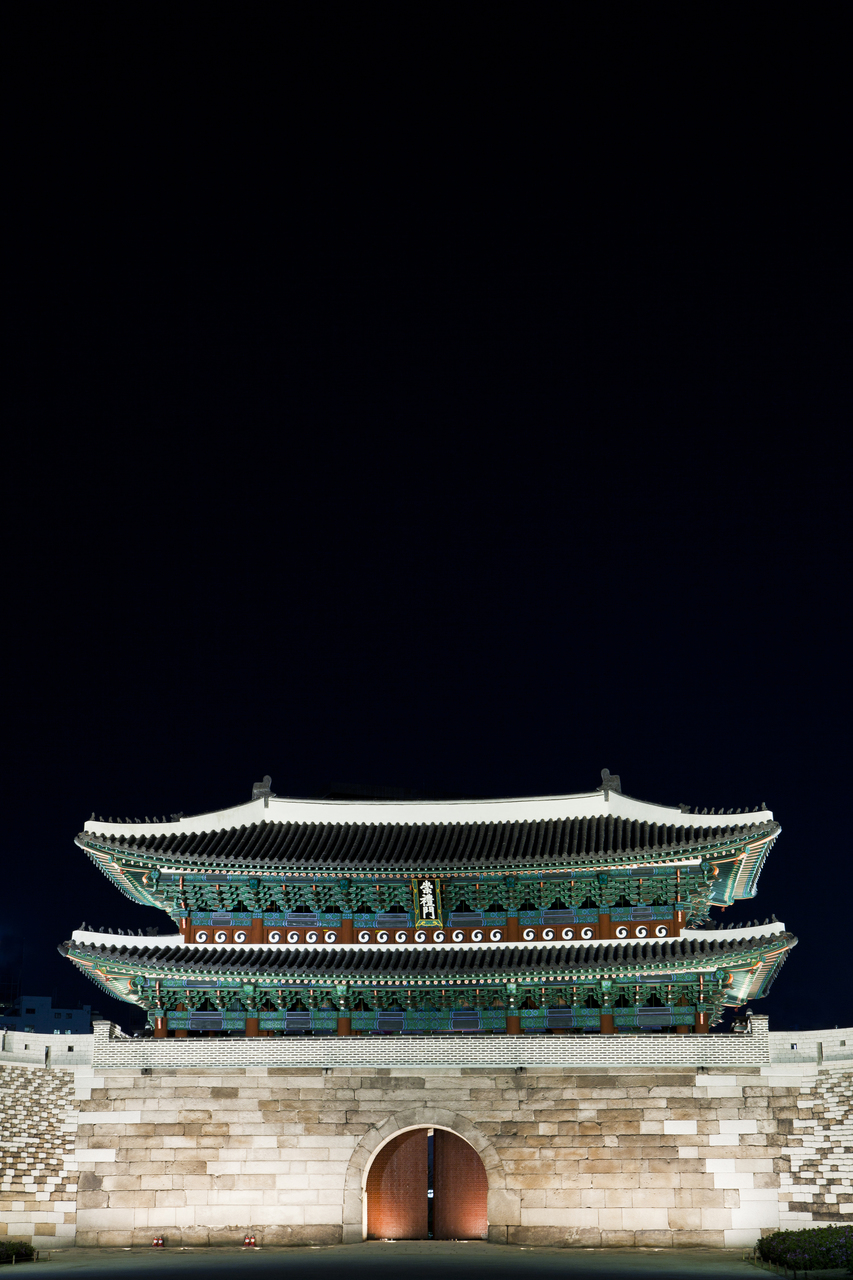
Namdaemun vs Dongdaemun Market Guide: What to Buy, Food, Hours, and Which One to Visit
Namdaemun and Dongdaemun sound like similar Seoul markets, but the visitor experience is very different. Namdaemun is a traditional market of alleys and small shops: souvenirs, children's clothing, kitchenware, and classic market food. Dongdaemun isn't one market at all: it's a large fashion district of wholesale buildings, retail malls, a fabric market, and Dongdaemun Design Plaza, with hours that vary building by building. This guide compares what to buy, food, payment, bargaining, tax refunds, counterfeit risks, and which one actually fits your trip.
Seoul
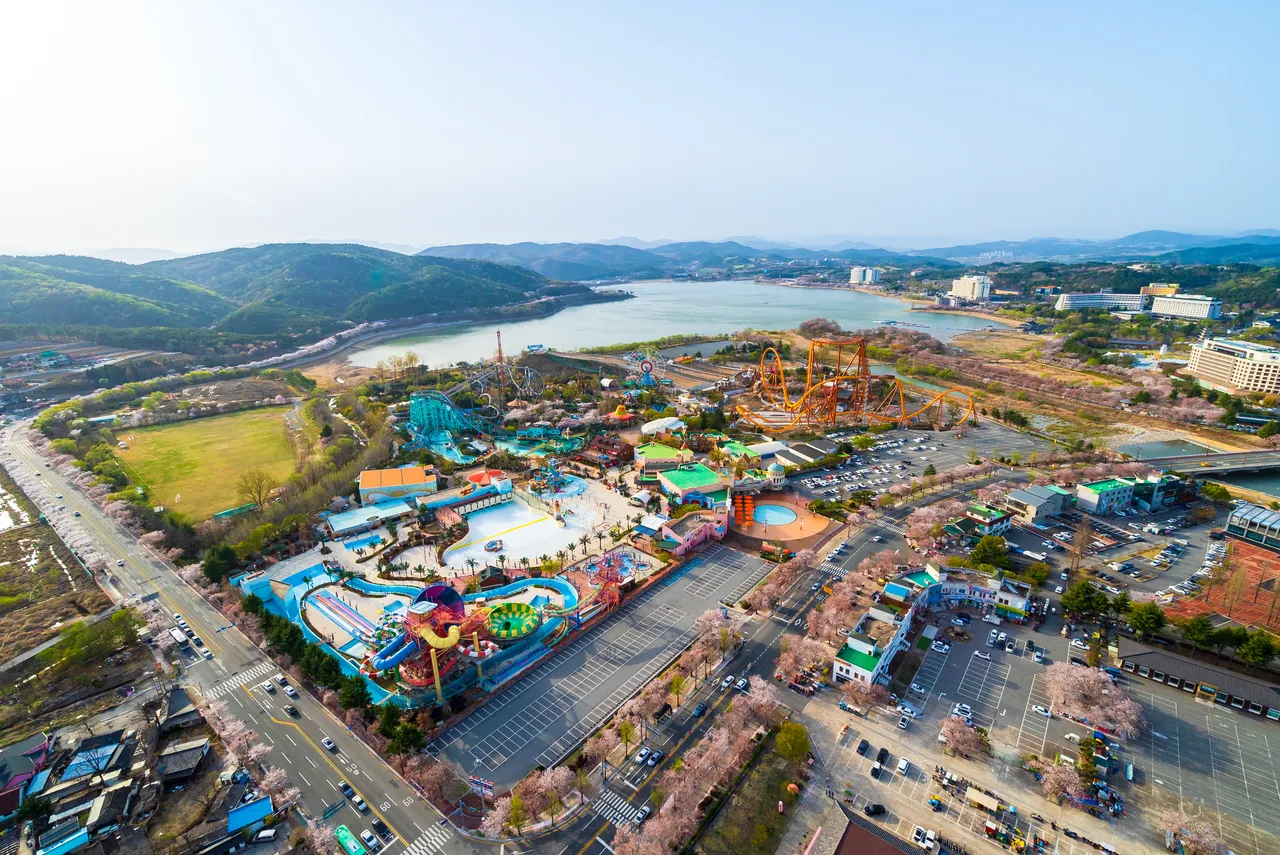
Korea Theme Park Guide for Foreigners: Lotte World, Everland, Seoul Land, Gyeongju World, Tickets, Rides, and What to Do
A practical Korea theme park guide for foreign visitors, comparing Lotte World, Everland, Seoul Land, and Gyeongju World by location, ticket prices, major rides, school uniform rental culture, parades, seasonal events, night shows, transport, food, and tips for families, couples, friends, and thrill seekers. The best park isn't the most famous one. It's the one that matches where you're staying, how much time you have, the weather, and the kind of photos you want. Prices, discounts, hours, and events change often, so confirm the official website before you go.
SeoulGyeonggiGyeongbuk

Hangang Swimming Pools Guide 2026: Seoul Summer Pools, Water Playgrounds, Prices, and What to Bring
Seoul's Hangang parks run outdoor swimming pools and water playgrounds for a single summer season, and you are not swimming in the river itself. For 2026, six locations are scheduled: two proper swimming pools (Ttukseom and Yeouido) and four water playgrounds (Jamsil, Gwangnaru, Nanji, and Yanghwa), with Jamwon not operating this year. This guide compares them by depth, target age, opening hours, night swimming, and subway access, and covers admission, swim-cap rules, what to bring, safety, and the same-day weather checks that decide whether you can go at all.
Seoul
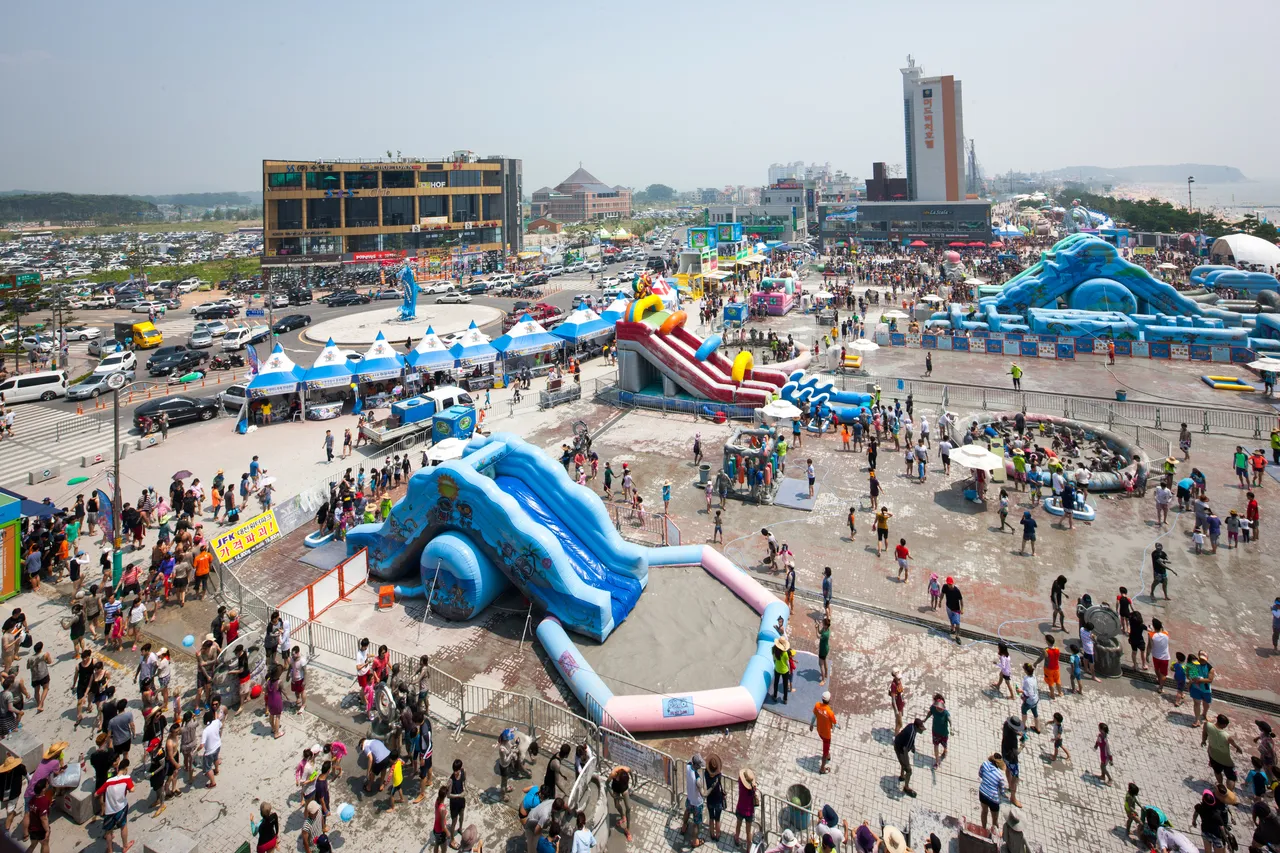
Boryeong Mud Festival 2026 Guide: Dates, Tickets, Mud Zones, What to Wear, and How to Join
The 29th Boryeong Mud Festival (July 24 to August 9, 2026) has ended. This page keeps the 2026 facts as history: 17 days of mud zones, beach stages, and night programs at Daecheon Beach, plus practical lessons on zones, tickets, clothing, transport, and safety. 2027 dates are not yet confirmed on the official festival site. Treat any future schedule, prices, and shuttle details as unconfirmed until the organizers publish them.
Chungnam
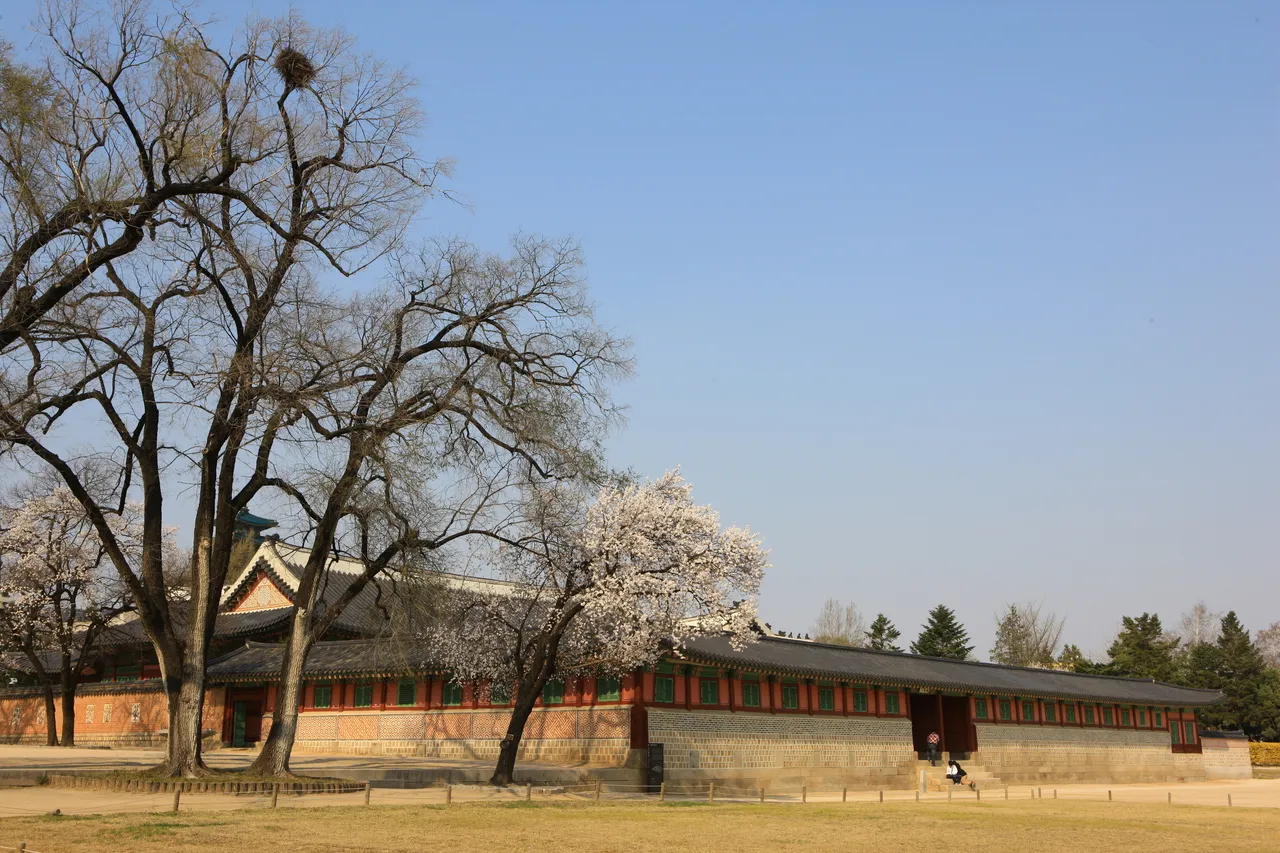
Seoul Hanbok Rental Guide: Gyeongbokgung, Palace Free Entry, Photo Routes, and What to Check
Renting a hanbok (한복) near Seoul's old palaces is among the easier and most rewarding cultural experiences for first-time visitors: choose an outfit, wear it for a few hours, and walk into the major palaces for free while you have it on. This guide focuses on areas, checklists, and the official rules: where to rent, exactly what qualifies for free entry (and what gets refused), photo routes, seasonal and etiquette notes, and what to confirm before you book. Prices, rental times, and shop rules vary, so check with the shop and the official palace sources before you go.
Seoul
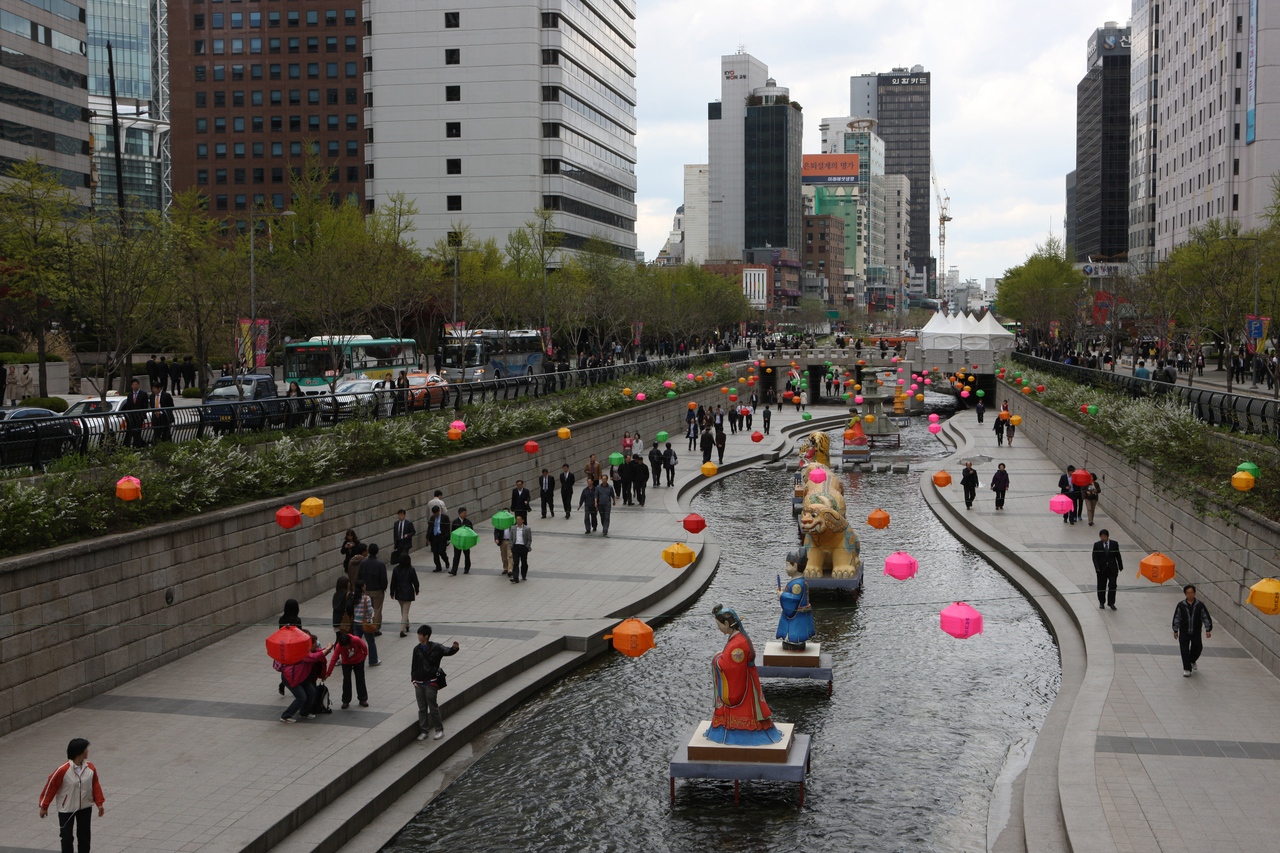
Free Things to Do in Seoul: Truly Free, Free With Conditions, and Low-Cost
Many “free Seoul” lists mix free entry, free with conditions, and merely cheap activities. This guide separates them. Truly free options include restored stream walks, Hangang parks, and many outdoor trails. Palaces and some museums can be free only on certain days or under dress rules. Markets and food are low-cost, not free. Confirm current admission on official pages before you go.
Seoul
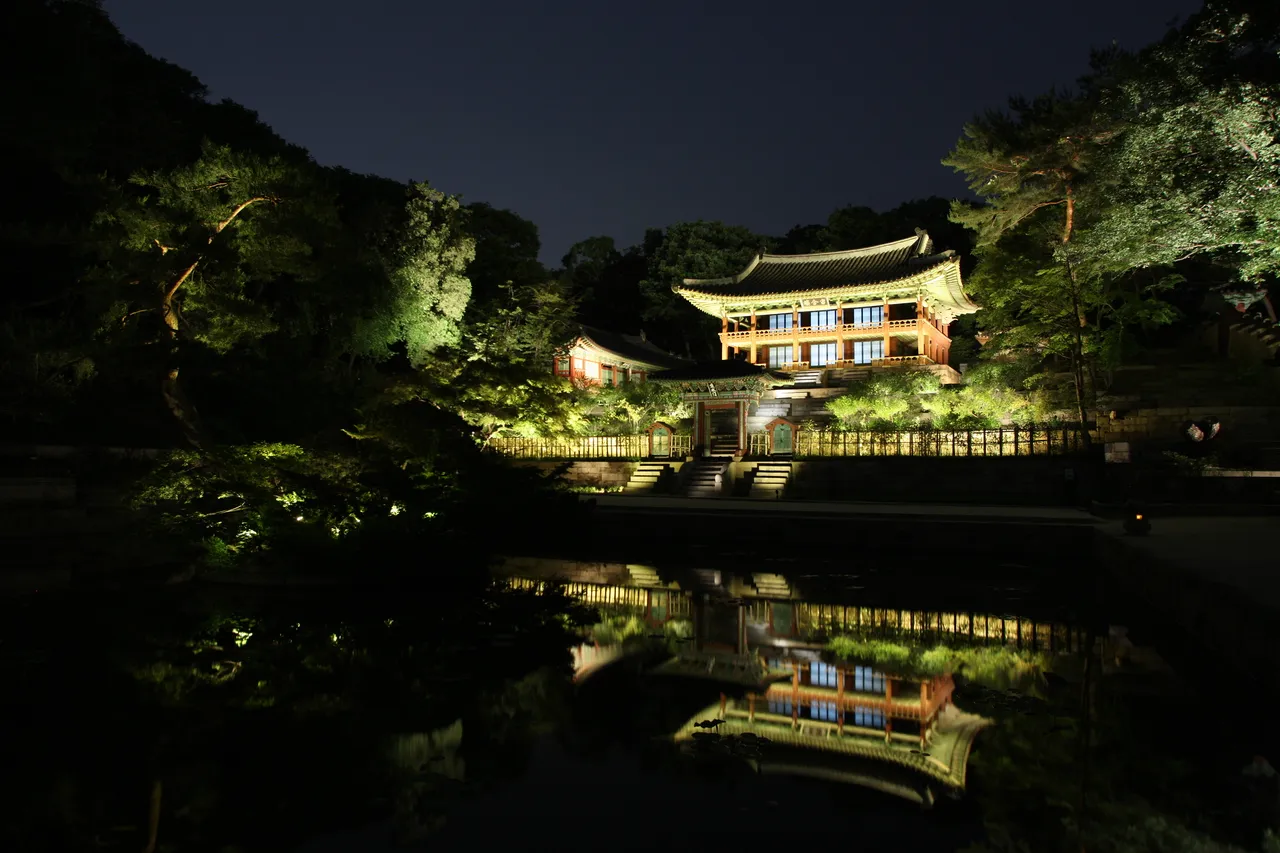
Palace Night Viewing Guide in Seoul: Gyeongbokgung, Changdeokgung, Deoksugung, and Changgyeonggung After Dark
Seoul's palaces are magical after dark, but they don't all open at night, and the good ones need planning. This guide sorts the options into two kinds: seasonal ticketed nights (Gyeongbokgung, Changdeokgung) and palaces generally known for regular evening hours (Deoksugung, Changgyeonggung), and explains the difference between free night viewing and reservation-only guided tours, whether you need to book, hanbok at night, and how to photograph respectfully. Schedules, tickets, and rules change every year, so confirm the current official notice before you plan.
Seoul

Korean PC Bang Guide for Foreigners: Gaming, Food, Prices, Etiquette, and What to Know
A PC bang (PC방) is Korea's gaming café: rows of high-spec computers rented by the hour, screen-side food ordering, and one of the country's most everyday social spaces. It's more than an "internet cafe": part gaming lounge, part diner, part quick culture experience. Expect to pay from around ₩1,000 an hour, order food from your own screen, and run into one real limit: most Korean-server online games need Korean identity verification, so plan to play on your own Steam or global-platform account instead. Prices, hours, and menus vary by location, so treat this as a starting point and check the specific venue.
Nationwide
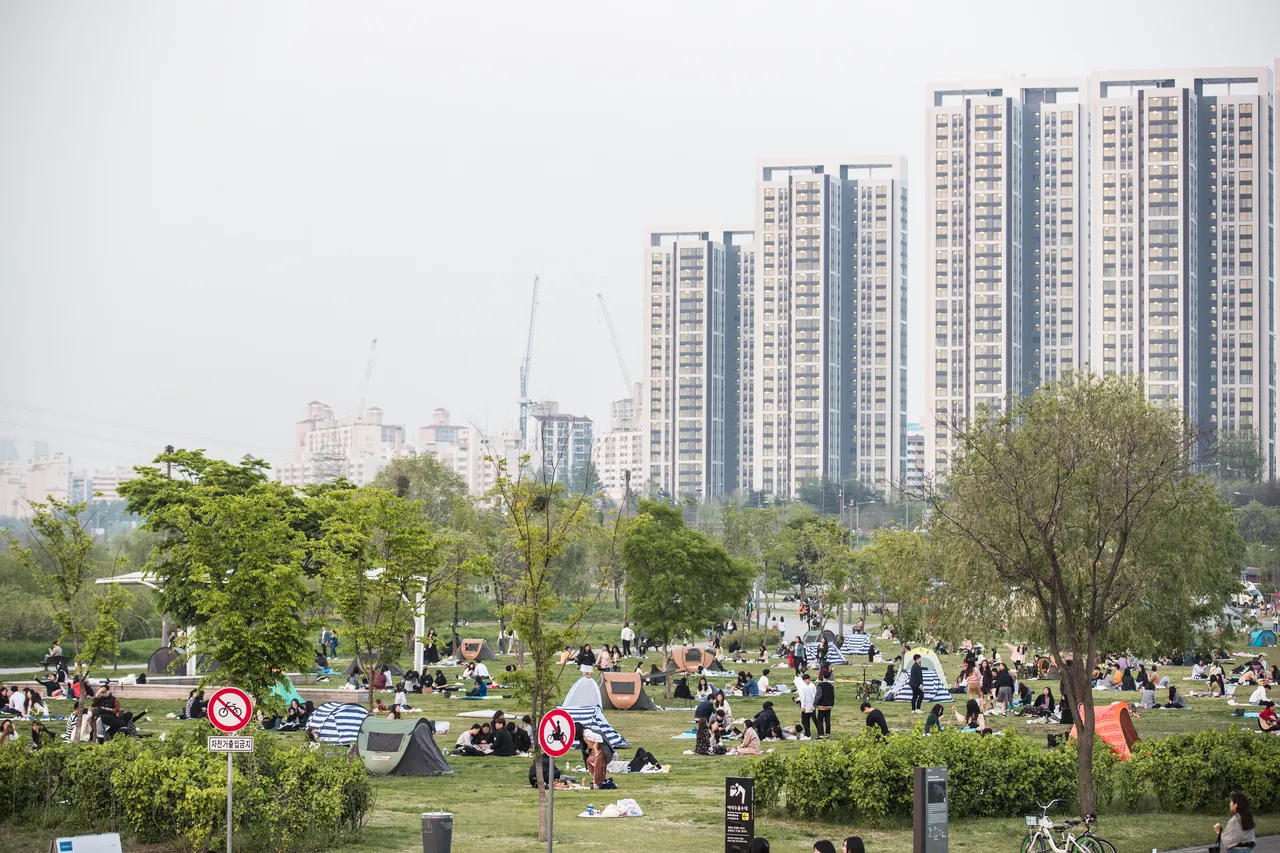
Han River Picnic Guide: Parks, Food, and Etiquette
A Han River (한강) picnic is one of Seoul's easiest, cheapest evenings out: pick a riverside park like Yeouido, Ttukseom, or Banpo, bring a mat and food, and relax by the water. Convenience stores and takeout are the simplest way to eat, and a few drinking and litter rules keep it pleasant for everyone.
Seoul
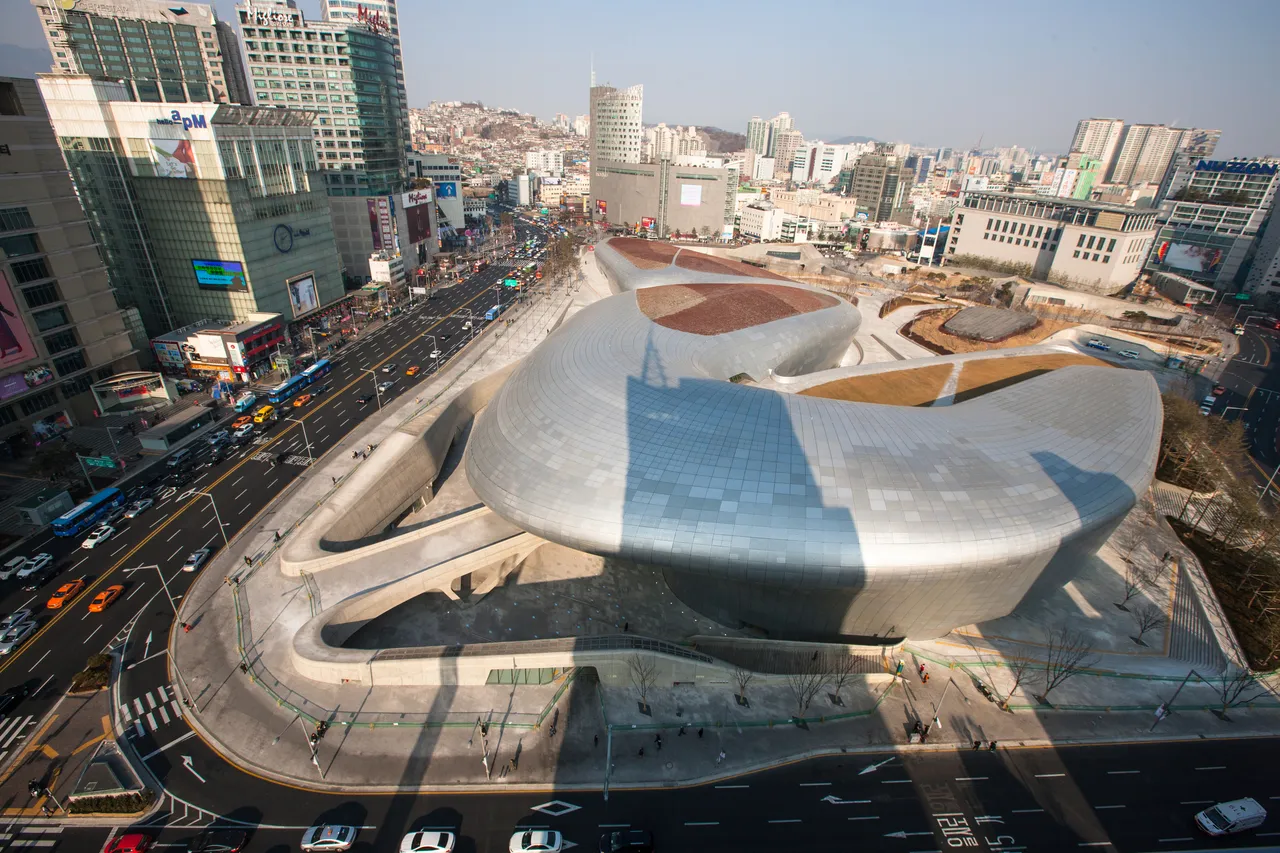
Seoul Events in August and September 2026: Festivals Foreign Visitors Can Join
Late summer and early autumn are one of Seoul's busiest event stretches: August brings Han River nights and outdoor programs, while September turns the city into an art capital around Frieze Seoul and Kiaf, plus media-art, street performance, and outdoor-library programs. This guide is about which events a foreign visitor can actually join: free versus paid, ticketed versus invitation-only, how English-friendly they are, and how to plan around August heat and the Chuseok holiday. Only confirmed events get firm dates here; everything else is flagged to check officially. Dates, venues, and tickets change constantly, so always confirm the official website before you go.
Seoul
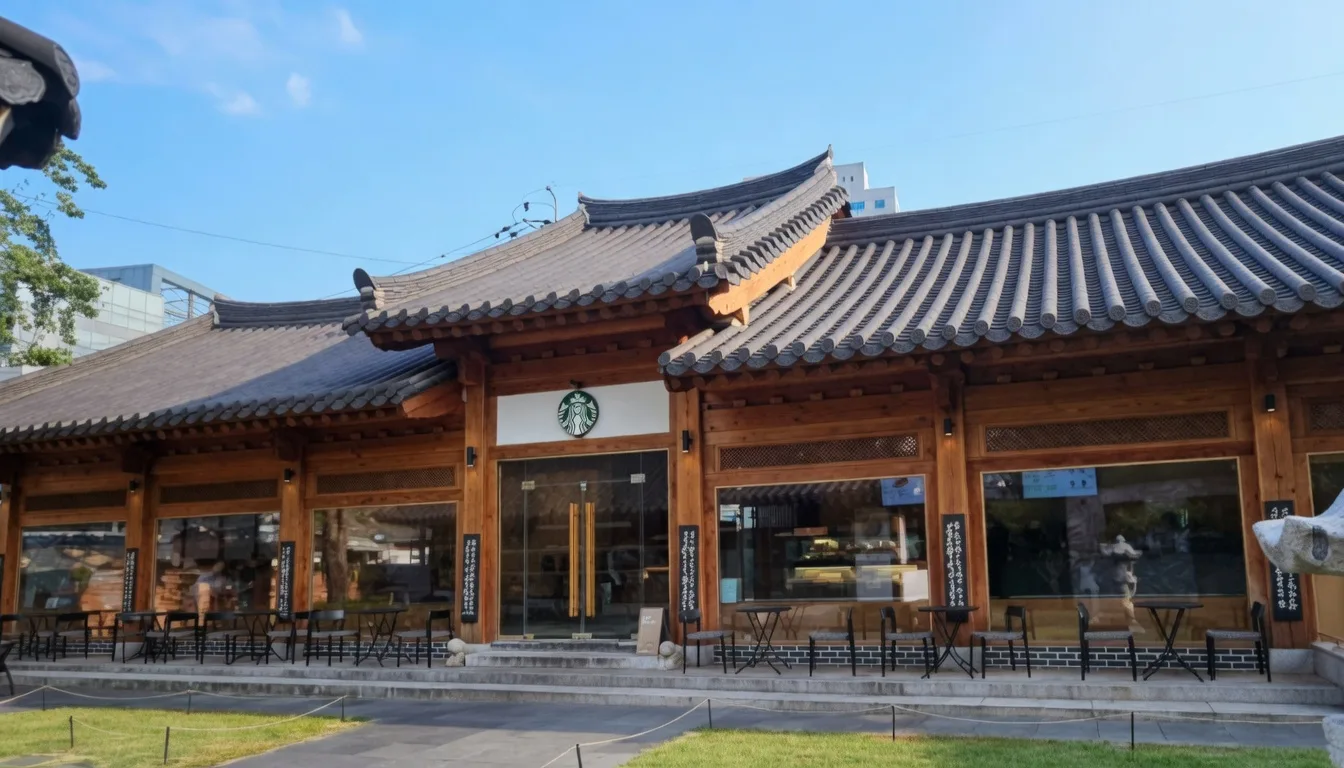
Starbucks in Korea: Unique Stores Worth Visiting, Korea-Only Menu, and Merchandise Guide
In Korea, the Starbucks you have back home becomes a destination. Set inside a restored 1960s theater, a mid-century mansion, on the Han River, or 400 metres up a Busan tower. This guide leans into that: the theater-turned-cafe Gyeongdong 1960 as the anchor, other unique stores, Korea-only and seasonal drinks, and the city-mug and bear merchandise culture, plus how to visit smart. It's for cafe-hoppers and collectors, not a must-do for everyone. Menus, prices, hours, and stock are seasonal, so check the official Starbucks Korea app or store page.
Seoul

Noraebang Guide: How to Sing at a Korean Karaoke Room
A noraebang (노래방) is a private Korean karaoke room you rent by the hour, or, at a coin noraebang, pay per song. You get your own room, a song book, and a remote; English and other foreign songs are often included, though selection varies. It is a low-stress night out whether or not you drink.
Nationwide
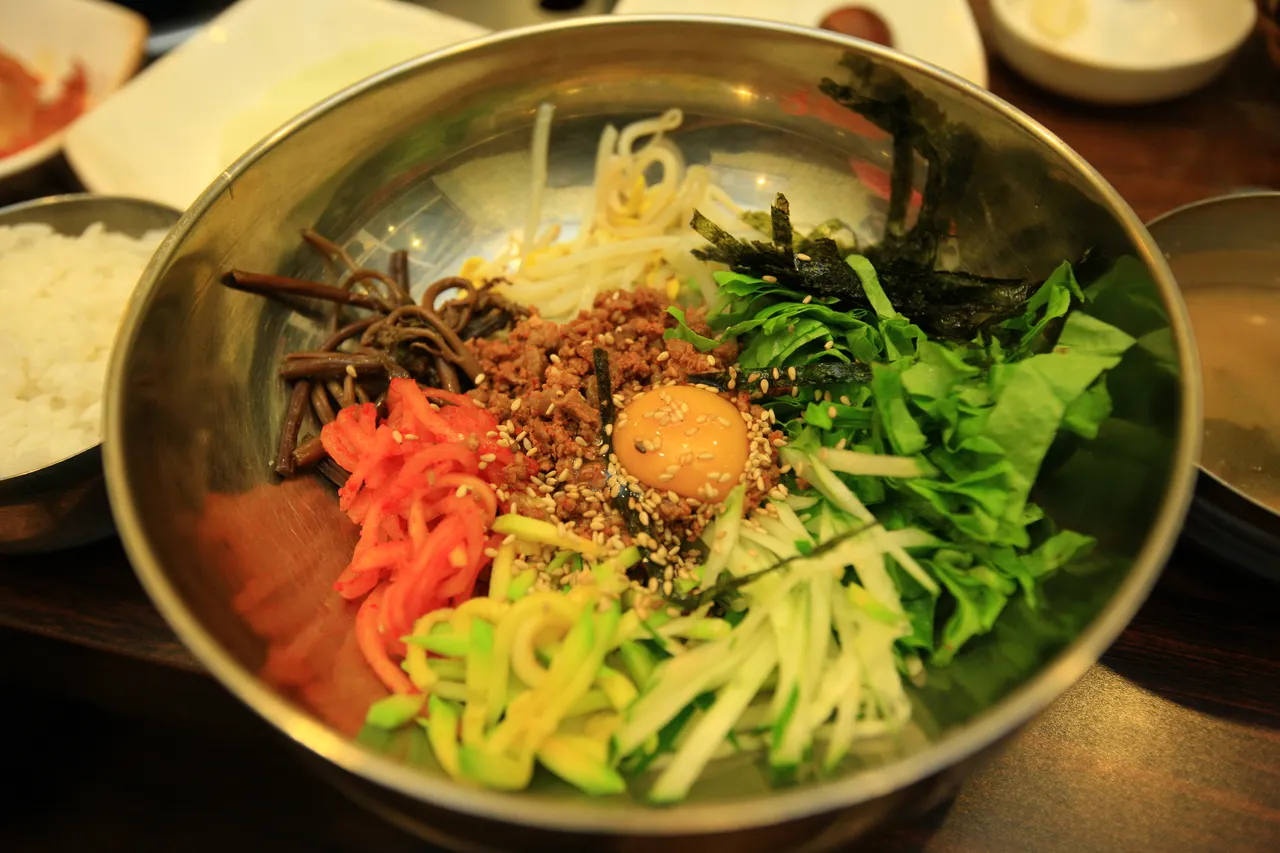
Korean Cooking Class Guide: What to Expect and How to Book
A Korean cooking class lets you make dishes like kimchi, bibimbap, bulgogi, or tteokbokki with hands-on guidance, then eat what you cooked. Classes vary widely in language, menu, and dietary flexibility, so confirm the details (especially allergies and halal, vegetarian, or gluten-free needs) before you book.
Nationwide
Next: First-time path · Destinations · Food