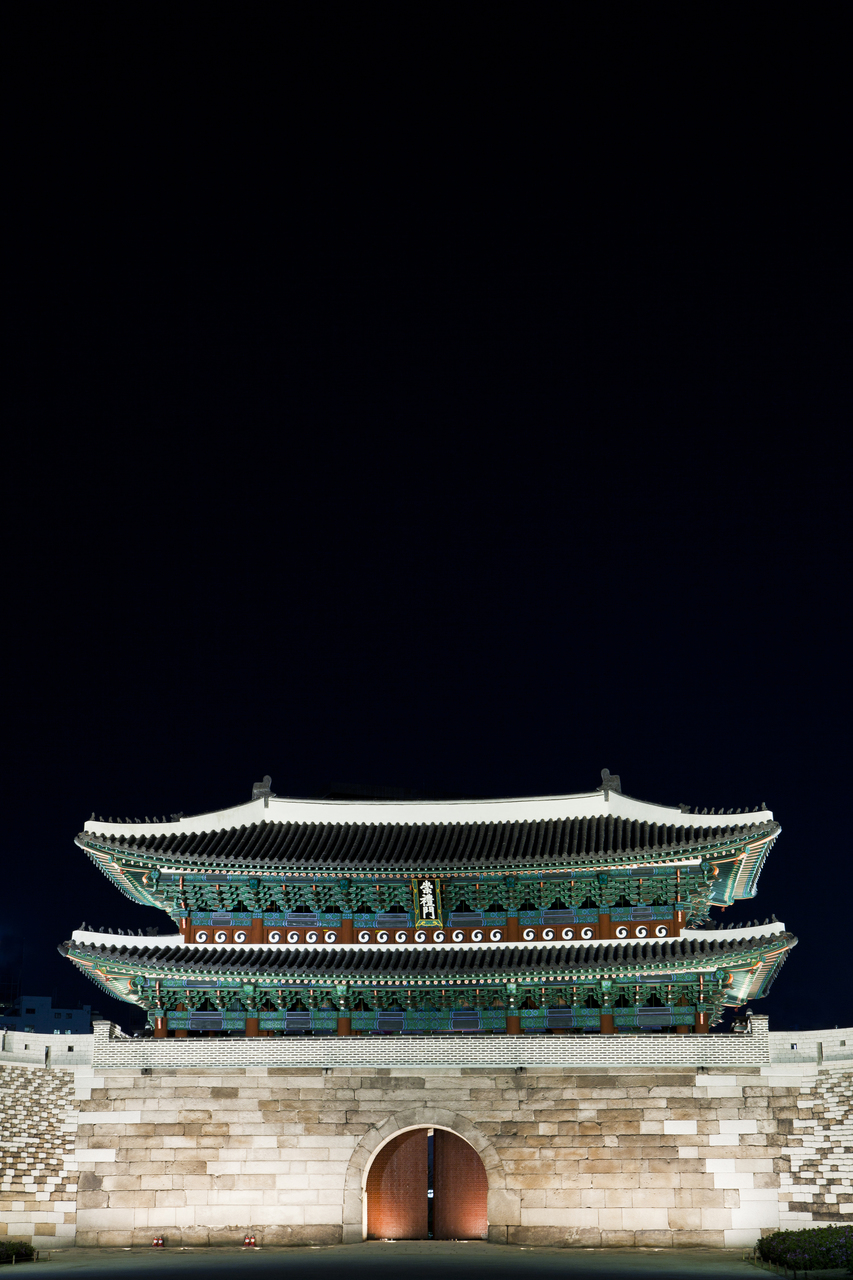
Namdaemun and Dongdaemun sound like twin markets. They are not.
Namdaemun is a traditional market: alleys, small shops, food stalls, practical goods. Dongdaemun is a multi-building fashion district (wholesale, retail malls, fabric, DDP), not one hall.
Use the tables below to pick one, or both, for your trip.
Quick answer
| You want | Go to |
|---|---|
| Traditional market feel + food alleys | Namdaemun |
| Fashion buildings, fabric, later shopping | Dongdaemun |
| One half-day only (first Seoul trip) | Namdaemun is usually easier |
| Fashion + DDP evening | Dongdaemun (check each building's hours) |
| Both in one day | Possible but tiring: see combined-day section |
Quick comparison
| Category | Namdaemun Market | Dongdaemun |
|---|---|---|
| Main character | Traditional market, general goods | Fashion district: wholesale + retail buildings |
| Best for | Souvenirs, children's clothes, kitchenware, food | Fashion, fabric, shopping malls, DDP |
| Best time | Morning to afternoon, varies by shop | Afternoon and evening; some buildings run later |
| Atmosphere | Traditional alleys, small shops | Large buildings, malls, a busier fashion district |
| Food | Market food alleys (noodles, braised fish, snacks) | Restaurants, cafés, food alleys, nearby late dining |
| Difficulty | Easy for casual browsing | Needs more planning: the area is large and spread out |
| Bargaining | Sometimes possible in independent shops | Varies; less common in fixed-price malls |
| Card use | Common in many shops; cash still helps | Common in retail malls; wholesale shops vary |
| Nearby | Myeongdong, Seoul Station, Namsan | DDP, Heunginjimun, Gwangjang Market, Cheonggyecheon |
| Biggest mistake | Not checking shop hours before going | Assuming every building is open all night |
What is Namdaemun Market?
Namdaemun Market is one of Seoul's most famous traditional markets, sitting near Hoehyeon Station (Line 4, Exit 5), close to Myeongdong, Seoul Station, and Sungnyemun Gate, the historic gate the market takes its name from. It's made up of many alleys, arcades, small stores, and specialized shopping sections rather than one building, and it rewards a slower, browsing pace best done in the morning or early afternoon.
Store hours and closed days vary by section and by individual shop: there's no single schedule that applies to the whole market.
Main shopping categories at Namdaemun include Korean souvenirs, children's clothing, accessories, bags, kitchenware and tableware, glasses and optical shops, imported goods, dried foods, ginseng and traditional products, stationery, household goods, and seasonal clothing. Not everything sold here is made in Korea, and this isn't automatically "the cheapest market in Seoul".
Compare prices as you would anywhere.
What to buy at Namdaemun
Korean souvenirs. Magnets, keychains, postcards, small traditional-design goods, fabric items, and household souvenirs are all common.
Some products are imported rather than Korean-made, so check the origin if that matters to you, and compare quality across a few stalls before buying.
Children's clothing. Namdaemun has long-established children's clothing sections, useful for parents and gift shoppers.
Korean sizing can differ from what you're used to, exchanges can be difficult once you've left the market, and some shops lean toward bulk purchase. Ask about single-item pricing upfront.
Kitchenware and tableware. Bowls, chopsticks, spoons, cooking tools, stainless steel items, and traditional-style tableware are widely sold. These are often heavy or fragile for a suitcase.
Check material and care instructions, and pack breakables carefully.
Accessories and practical goods. Socks, small accessories, and other everyday items make easy, affordable souvenirs. Whether a price is fixed or negotiable depends on the individual shop.
Glasses and optical shops. Namdaemun is associated with optical shops, but prescription eyewear requires a proper eye test and clear communication about your prescription. We don't make any claim about medical quality or guaranteed savings.
Confirm your prescription, lens specifications, pickup timing, and any international warranty before you commit.
Food at Namdaemun Market
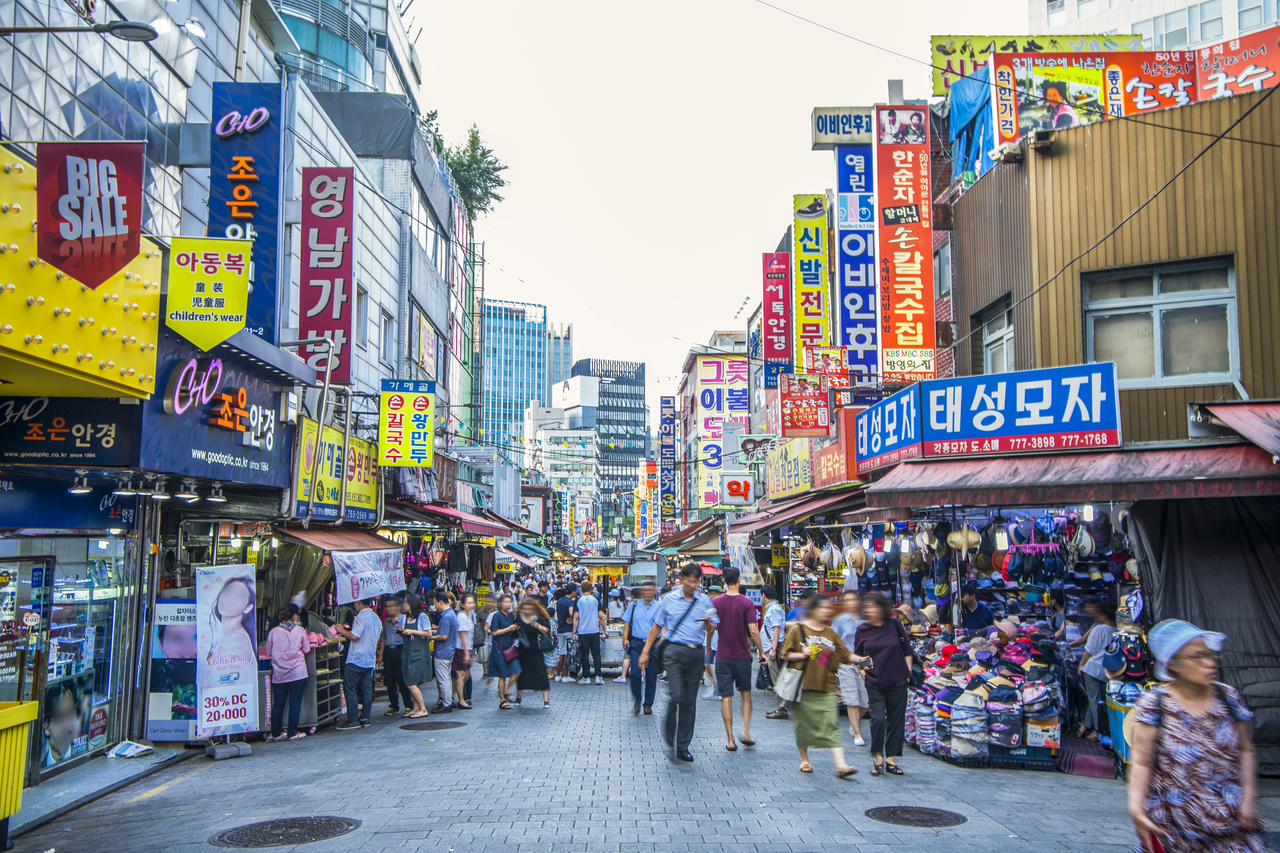
Namdaemun's food alleys are a genuine highlight, and different alleys specialize in different dishes.
- Kalguksu Alley: a cluster of stalls serving knife-cut noodle soup. It's busy, compact, and informal; menus and side dishes vary by stall, and it gets crowded around lunch.
- Galchi Jorim Alley: spicy braised hairtail fish in a savory, chili-forward sauce. Expect bones in the fish and a real spice kick; it's not for everyone.
- Hotteok and market snacks: sweet or savory hotteok (filled griddle pancakes) are often available, sometimes with a line; exact stalls and hours change.
- Mandu, noodles, rice dishes, and other street snacks: offerings and prices vary by stall and time of day; ask before ordering if you want to confirm the price.
Food restriction notes: broths can contain meat, anchovy, seafood, or shellfish; kimchi and sauces often contain fish sauce; snacks may contain pork, gelatin, dairy, egg, wheat, or nuts. Market food here is not automatically halal, vegan, vegetarian, or allergy-safe: ask or use a translation tool if you have a restriction.
What is Dongdaemun?
This is the part most guides get wrong: Dongdaemun is not a single market building. It's a large shopping district containing wholesale fashion buildings, retail malls, a dedicated fabric and accessory market, food areas, and DDP, spread across the area between Dongdaemun Station and Dongdaemun History & Culture Park Station.
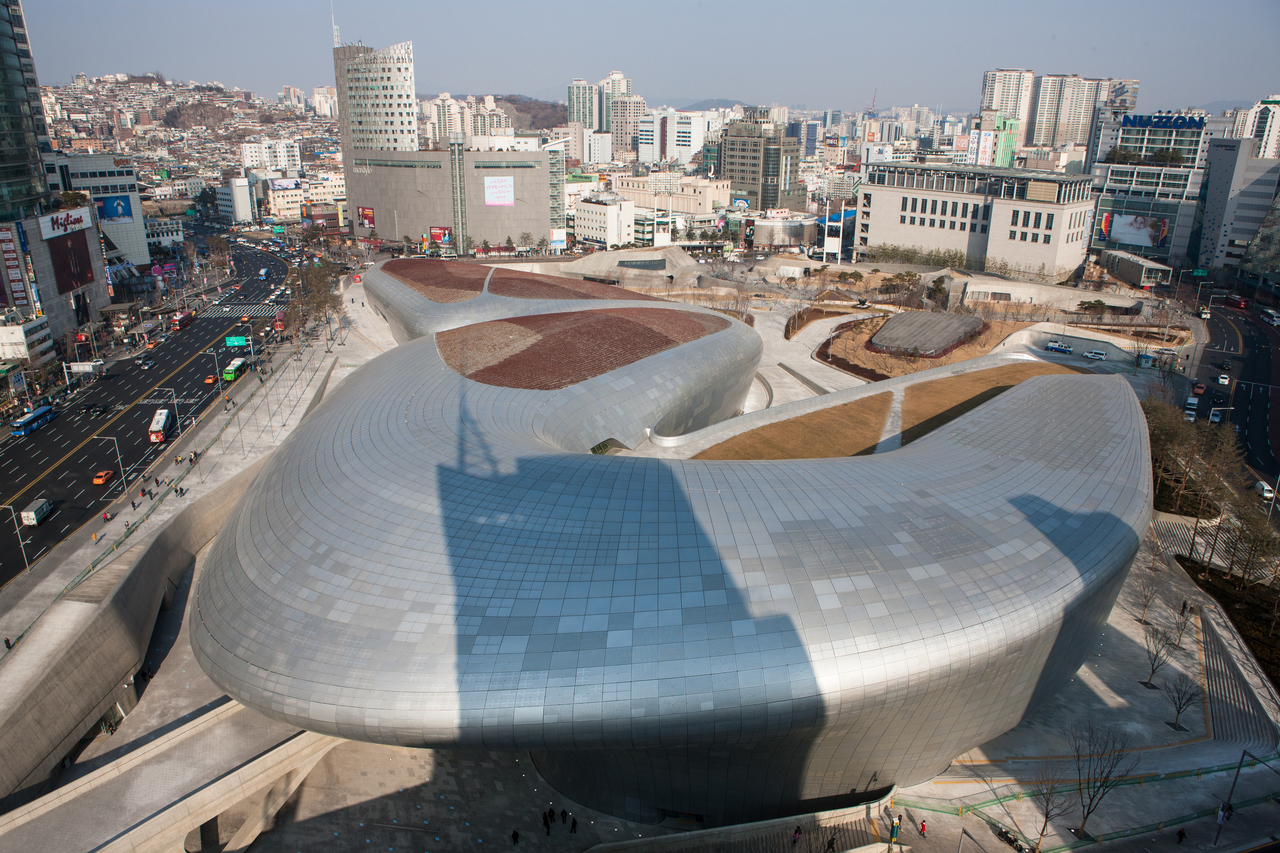
A few things are true across the whole district but easy to miss:
- Hours differ building by building. Some wholesale buildings run late into the night or even overnight; many retail malls keep more conventional daytime-to-evening hours; DDP runs on its own museum/event schedule. There is no single "Dongdaemun hours."
- Not every shop sells to individual foreign shoppers. Wholesale stores often expect bulk or business buyers, and some may have minimum quantities or prefer domestic business accounts.
- DDP is not a shopping mall. It's a design, exhibition, and event space. Check its own official schedule for current exhibitions or markets rather than assuming a specific event will be running.
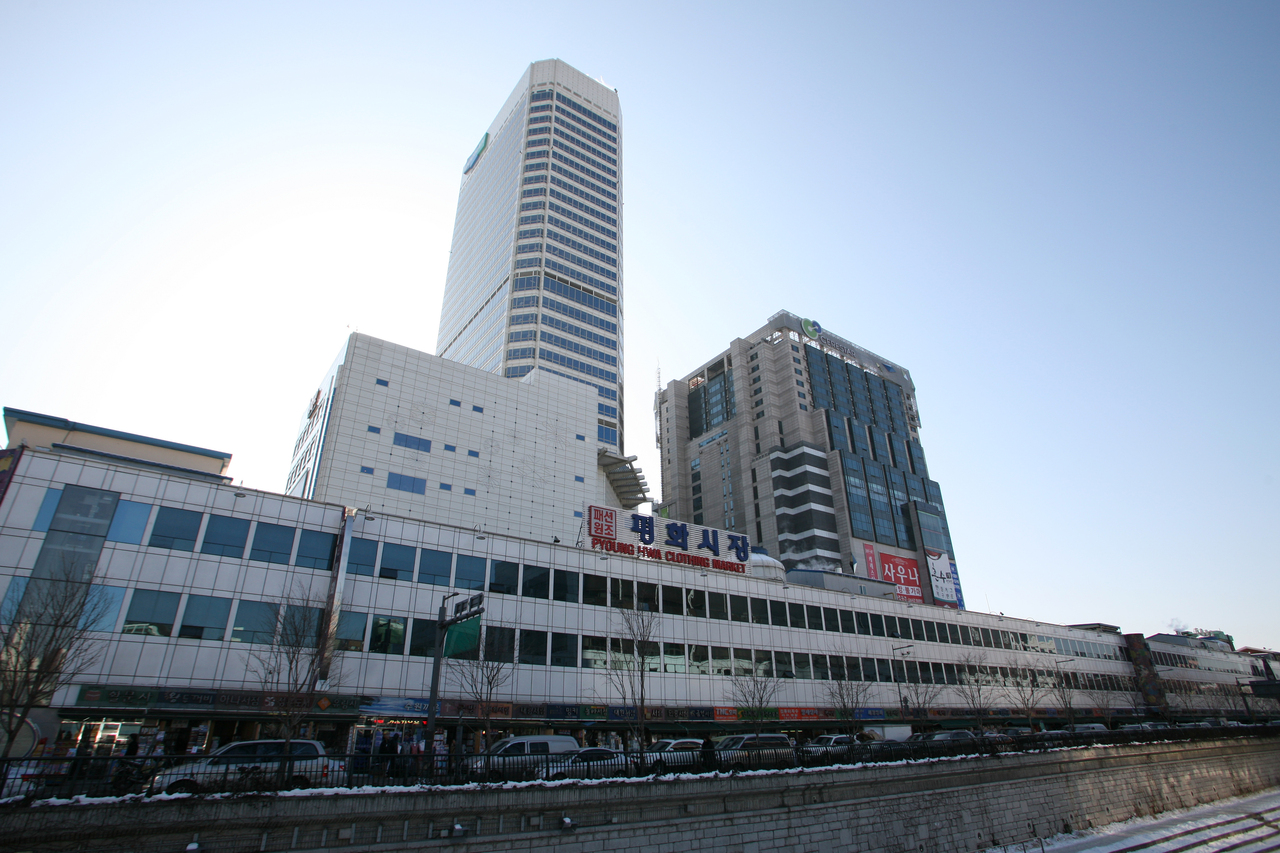
Retail and wholesale buildings you'll see referenced in the area include the Dongdaemun Shopping Complex, malls in the Pyounghwa Market cluster, and retail fashion malls such as Doota and Hyundai City Outlets: tenant mix, renovations, and operating hours at any of these change over time, so check current hours and status before planning your visit around a specific building.
What to buy at Dongdaemun
Fashion clothing. Women's and men's fashion, casual wear, and trend-driven seasonal pieces are the core of the district, split across wholesale and retail buildings. Some stores are wholesale-only, fitting rooms can be limited, exchanges and refunds are often difficult once you've left, and sizing varies a lot.
Check fabric and stitching before buying.
Fabric and sewing materials. A dedicated fabric and accessory market sells fabric, lace, buttons, ribbons, beads, and other sewing and craft materials: useful for designers, sewing hobbyists, fashion students, and DIY-minded travelers. The complex is large and can be confusing to navigate, some sections close earlier than the fashion wholesale buildings, and minimum purchase rules may apply.
Confirm the exact section and floor before you go if you have something specific in mind.
Fashion accessories. Bags, jewelry, hair accessories, hats, belts, scarves, and shoe accessories are widely available. Counterfeit risk is real in this category, see the counterfeit section below, and brand-inspired goods can create customs problems, so check quality and authenticity carefully.
Korean fashion trends. Dongdaemun is a good place to see current Korean fashion trends in person. But not everything sold here is locally designed or made: stock includes imported items, and what's trending changes quickly.
DDP design and event goods. DDP may host exhibitions, pop-up markets, fashion events, and design shops depending on the season. Check the current schedule on DDP's official site rather than assuming a specific market or event will be running when you visit.
Food and nightlife around Dongdaemun
Dongdaemun has restaurants, cafés, mall food courts, and some late-night dining. A well-known nearby food area is Dakhanmari Alley (whole chicken soup restaurants), a few minutes' walk from Dongdaemun Station. Korean barbecue, noodle shops, and cafés are also common in the area.
Gwangjang Market is nearby but is a separate, distinct market, not part of Dongdaemun. Don't treat it as a Dongdaemun food alley; see the Gwangjang Market price guide for that market on its own terms.
Food restriction notes: dakhanmari broth typically contains chicken along with other seasonings. Sauces can include soy, wheat, garlic, and alcohol-based seasoning; barbecue commonly involves pork and shared grills; late-night cafés and restaurants may have limited English menus. As with Namdaemun, halal, vegan, vegetarian, and allergy-safe status must be checked individually: don't assume.
Is Dongdaemun really open all night?
Some wholesale buildings and selected shops do operate late into the night or overnight, but Dongdaemun is not one market with one all-night schedule. Every building sets its own hours, closed days, and wholesale-vs-retail policy: retail malls, wholesale fashion buildings, the fabric market, DDP, restaurants, and street vendors are all on different clocks.
We won't tell you to "go at midnight for the full experience". That's not accurate for the whole district, and it isn't the right call for every traveler. If you do visit at night:
- Check the last subway time before you commit to a late session.
- Use a taxi as backup if the trains have stopped.
- Some stretches between buildings can be quiet and poorly lit late at night. Stick to busier streets.
- Fatigue is real after a long shopping day; don't push through it just to see "everything."
- Some shops will simply be closed, even if others nearby are open.
- Keep cash and valuables secured in crowded or quiet areas alike.
Namdaemun vs Dongdaemun: which should you visit?
| Traveler type | Better choice | Why |
|---|---|---|
| First-time Seoul visitor | Namdaemun | An easier, more contained traditional-market experience |
| Fashion shopper | Dongdaemun | More fashion buildings and wholesale options |
| Souvenir shopper | Namdaemun | More general goods and traditional-market items |
| Children's clothing shopper | Namdaemun | Well-established children's clothing sections |
| Fabric or sewing shopper | Dongdaemun | A large dedicated fabric and accessory complex |
| Night shopper | Dongdaemun | Selected buildings run later: check current hours |
| Food-focused visitor | Either | Namdaemun's alleys or Dongdaemun-area food, depending on taste |
| Architecture/design fan | Dongdaemun | DDP and the modern design district |
| Family traveler | Namdaemun | Easier daytime browsing, less overwhelming |
| Serious wholesale buyer | Dongdaemun | More wholesale-focused buildings |
| Short on time | Pick one | Trying to see both in depth in one visit is tiring |
| Photographer | Either | DDP's architecture vs. Namdaemun's market alleys and Sungnyemun |
A half-day Namdaemun route
- Start at Hoehyeon Station, Exit 5.
- Browse the main market alleys: souvenirs, kitchenware, children's clothing sections.
- Lunch in one of the food alleys (Kalguksu or Galchi Jorim, or whatever looks good).
- Walk to Sungnyemun Gate.
- Extend into Myeongdong or Seoul Station if you have energy left.
Best for first-time visitors, families, and souvenir shoppers. The alleys can be confusing to navigate, and which shops are open can differ between morning and afternoon, so don't assume everything you saw on a map is currently open. Food alleys get crowded at typical meal times.
An afternoon-to-evening Dongdaemun route
- Start at Dongdaemun Station or Dongdaemun History & Culture Park Station.
- Browse the Dongdaemun Shopping Complex or a specific retail mall you've researched.
- Walk over to DDP.
- See Heunginjimun (Dongdaemun Gate) and, if you like, walk along Cheonggyecheon.
- Dinner nearby.
- Optionally, a late-night fashion building: only after checking its current hours.
Best for fashion shoppers, design fans, couples, and repeat Seoul visitors. Distances between buildings are longer than they look, each venue (malls, wholesale buildings, DDP) runs its own hours, and if you stay late, check the last subway before you commit.
Can you visit both in one day?
Yes, but keep the plan simple rather than trying to see everything in both districts.
- Morning: Namdaemun Market.
- Lunch: a Namdaemun food alley.
- Optional: Myeongdong or Sungnyemun.
- Subway or taxi to Dongdaemun.
- Late afternoon: DDP and a retail mall.
- Evening: Dongdaemun-area food, or a mall you've researched.
Don't try to see every corner of both markets, without a clear shopping goal, this combination gets tiring fast. Families with young kids, or travelers who aren't that interested in shopping, are usually better off picking just one.
Payment, cash, and bargaining
Card payment is common in many retail shops and shopping malls at both Namdaemun and Dongdaemun. But small independent stalls or wholesale stores may prefer cash or bank transfer, and not every shop accepts foreign cards. Carry some Korean won as backup either way.
Bargaining is not universal. Fixed-price malls and branded stores generally don't negotiate. Independent market stalls may have some flexibility, but treat it as situational, not expected.
Ask the price first, stay polite, and don't assume a "foreigner discount" exists in either direction.
| English | Korean |
|---|---|
| How much is this? | 이거 얼마예요? |
| Can I pay by card? | 카드 결제 돼요? |
| Is this the final price? | 이게 최종 가격인가요? |
| Can I buy just one? | 한 개만 살 수 있나요? |
| Can I exchange this? | 교환할 수 있나요? |
| Do you have a larger size? | 더 큰 사이즈 있나요? |
At the market
Two phrases worth having ready at either market.
Asking the price at a stall or shop counter.
Polite이거 얼마예요?
i-geo eol-ma-ye-yo?
How much is this?
Korean audio isn't available on this device or browser. Use the romanization above to say it.
Checking payment options before you commit to buying.
Polite카드 결제 돼요?
ka-deu gyeol-je dwae-yo?
Can I pay by card?
Korean audio isn't available on this device or browser. Use the romanization above to say it.
Tax refunds and receipts
Tax refunds are not automatically available at every market shop: larger retail stores or officially participating businesses may support it, but plenty of small stalls won't. Ask before you pay, keep your receipts, and bring your passport if it's required for the transaction. Instant refund and airport refund procedures can differ, opened or used products may affect eligibility, and wholesale purchases shouldn't be assumed to qualify.
Confirm the current minimum purchase amount and refund rate through official channels rather than a store clerk's casual estimate.
Counterfeit goods and shopping safety
Both districts, and Dongdaemun's accessory and fashion sections especially, carry some risk of counterfeit branded goods. We don't recommend buying counterfeit items: beyond the ethical issue, they can create real problems: customs can seize them on the way home, quality is inconsistent, and in some cases you can run into legal trouble. A low price on a "branded" item is a reason for caution, not excitement.
Practical steps: ask for a receipt on higher-value purchases, check stitching, labels, materials, and zippers before buying, and be wary of shipping promises that aren't backed by written details (cost, tracking, who's responsible for customs, and the refund policy if something goes wrong). Don't hand over a photo of your passport or other unnecessary personal information to a seller. In crowded alleys, keep valuables secure and avoid displaying large amounts of cash.
Shipping and bulky purchases
Some shops offer domestic or international shipping, but reliability varies a lot by shop. Before you commit to a fragile or oversized item, ask for the total shipping cost, tracking information, expected delivery time, who covers customs fees, and the policy if something arrives damaged. Keep the seller's contact information and your receipt, and, as above, don't share more personal information than the transaction actually requires.
Nearby attractions
Near Namdaemun: Sungnyemun Gate, Myeongdong, Seoul Station, Namsan, and Deoksugung if your route allows it.
Near Dongdaemun: DDP, Heunginjimun (Dongdaemun Gate), Cheonggyecheon, Naksan Park, and (as a genuinely separate destination, not a Dongdaemun sub-market) Gwangjang Market. Don't try to cram every one of these into a single day; pick two or three that fit your pace.
Food restrictions, halal, vegetarian, and allergies
Traditional market and street food at both districts is not automatically halal, vegetarian, vegan, or allergy-safe. Broths can contain anchovy, fish, meat, shellfish, or alcohol-based seasoning. Kimchi often contains fish sauce or fermented shrimp; street snacks may contain pork, egg, dairy, wheat, nuts, or gelatin; shared grills, pans, and fryers are common.
Muslim travelers should verify ingredients and cooking practices individually rather than assuming, vegetarian options can be limited, and travelers with severe allergies should use a translation tool and lean toward packaged food with readable labels when in doubt.
Accessibility and family notes
Market alleys at Namdaemun can be narrow and crowded, and older sections of both districts are less accessible than modern buildings, some Dongdaemun malls have elevators, but not every space does. Strollers can be difficult to manage during peak hours in either district. Families generally do better visiting earlier in the day, and Dongdaemun's wholesale buildings late at night aren't a good fit for young children.
Restrooms and seating vary by building. Travelers with mobility needs will generally have an easier time at modern malls, DDP, or the wider main streets than in the older market alleys.
Rainy-day plan
Namdaemun has covered arcades and indoor sections, but moving between different parts of the market still involves some outdoor walking, and heavy rain can make the alleys crowded and slippery. Dongdaemun's large indoor shopping buildings and DDP make it easier to adjust to bad weather.
| Original plan | Rainy-day adjustment |
|---|---|
| Namdaemun alley shopping | Focus on covered arcades and indoor buildings |
| Namdaemun street food | Choose an indoor restaurant area instead |
| Dongdaemun outdoor walking | Spend more time inside malls and DDP |
| DDP exterior photos | Visit an indoor exhibition or design space |
| Both markets in one day | Shorten the plan to one market |
Common mistakes
- Assuming Namdaemun and Dongdaemun are the same kind of traditional market.
- Treating Dongdaemun as one single building instead of a whole district.
- Believing every Dongdaemun shop is open all night.
- Walking into a wholesale building expecting normal tourist retail service.
- Assuming every shop accepts foreign credit cards.
- Assuming bargaining is always expected: it isn't, and pushing for it can be awkward.
- Not checking closed days and building-specific hours before you go.
- Buying branded goods without checking authenticity first.
- Not checking the return or exchange policy before paying.
- Carrying too much cash into crowded alleys.
- Buying fragile items without a plan for packing them home.
- Confusing Dongdaemun Market with Gwangjang Market.
- Visiting both markets without a clear shopping goal.
- Arriving at Namdaemun too late for its more daytime-oriented sections.
- Missing the last subway after a late Dongdaemun shopping session.
FAQ
What is the difference between Namdaemun and Dongdaemun Market?
Namdaemun is a traditional market of alleys and small shops selling souvenirs, children's clothing, kitchenware, and market food. Dongdaemun is a large fashion district of wholesale buildings, retail malls, a fabric market, and DDP, not a single market.
Which market is better for first-time visitors?
Namdaemun is generally easier for a first visit. It's more contained and has a classic traditional-market feel. Dongdaemun rewards a bit more planning since the district is large and spread across many buildings.
What should I buy at Namdaemun Market?
Souvenirs, children's clothing, kitchenware and tableware, accessories, and, if you wear prescription glasses, its long-established optical shops, alongside classic market food.
What should I buy at Dongdaemun?
Fashion clothing, fabric and sewing materials, fashion accessories, and design-related goods around DDP, across a mix of wholesale and retail buildings.
Which market is better for souvenirs?
Namdaemun, generally. It has more general goods and traditional-market-style souvenirs than Dongdaemun's fashion-focused shops.
Which market is better for Korean fashion?
Dongdaemun, thanks to its concentration of fashion wholesale and retail buildings and its role in setting current trends.
Is Dongdaemun Market open all night?
No: some wholesale buildings and shops run late or overnight, but the district as a whole doesn't share one schedule. Check the specific building's current hours.
Can tourists buy from Dongdaemun wholesale shops?
Some will sell to individual visitors, but many wholesale stores are set up for bulk or business buyers and may have minimum quantities. Don't assume every wholesale shop offers normal single-item retail service.
Can I use a credit card at Namdaemun and Dongdaemun?
Often yes in retail shops and malls, but small stalls and some wholesale stores may prefer cash, and not every shop accepts foreign cards. Carry some cash as backup.
Can I bargain at Seoul markets?
Sometimes, at independent stalls, but it's not universal, and fixed-price malls and branded stores generally don't negotiate. Ask politely rather than assuming it's expected.
Can foreigners get a tax refund?
At participating stores, yes, but not every market shop offers it. Ask before you pay and keep your receipts; minimum purchase amounts and procedures should be confirmed through official current information.
Are counterfeit products common?
There's a real risk, especially with branded accessories and fashion items. We don't recommend buying counterfeit goods. It can cause problems with customs and quality, beyond the ethical issue.
Is Namdaemun Market good for street food?
Yes: its food alleys (like Kalguksu and Galchi Jorim) are one of the market's highlights, though options aren't automatically suitable for every dietary restriction.
Is Dongdaemun good for food?
Yes, with restaurants, cafés, mall food courts, and nearby options like Dakhanmari Alley, just remember that Gwangjang Market nearby is a separate destination, not a Dongdaemun food alley.
Can I visit Namdaemun and Dongdaemun in one day?
Yes, with a simple plan, Namdaemun in the morning, Dongdaemun from the afternoon into the evening. Trying to see every corner of both in depth in one day usually isn't worth the fatigue.
Which market is better for families?
Namdaemun tends to be easier for families. It's more contained, and daytime browsing is simpler than navigating Dongdaemun's larger, more spread-out district.
What's the biggest mistake when visiting these markets?
Treating them as interchangeable. Namdaemun and Dongdaemun serve different purposes, and showing up without checking hours for your specific shop or building is the most common way visitors end up disappointed.
Final recommendation
Choose Namdaemun if you want a traditional daytime market with souvenirs, practical goods, children's clothing, kitchenware, and classic market food. Choose Dongdaemun if your main interest is fashion, fabric, shopping complexes, DDP, or selected evening and late-night shopping. First-time visitors with limited time should pick one based on what they actually want to buy, rather than trying to cover every shopping district in Seoul.
The simplest rule: Namdaemun for a traditional market experience and practical shopping, Dongdaemun for fashion, design, and selected evening shopping.
Sources
- Visit Seoul, Seoul Tourism Organization (official)Official tourism site
- Visit KoreaOfficial tourism site
- Korea Tourism Organization (VisitKorea Practical Info)Official tourism site
- Seoul Metropolitan Government Open DataOfficial government site
Information is compiled from official sources. Details such as prices, hours, and schedules can change. Confirm time-sensitive facts before you travel.
Last verified on
Related guides
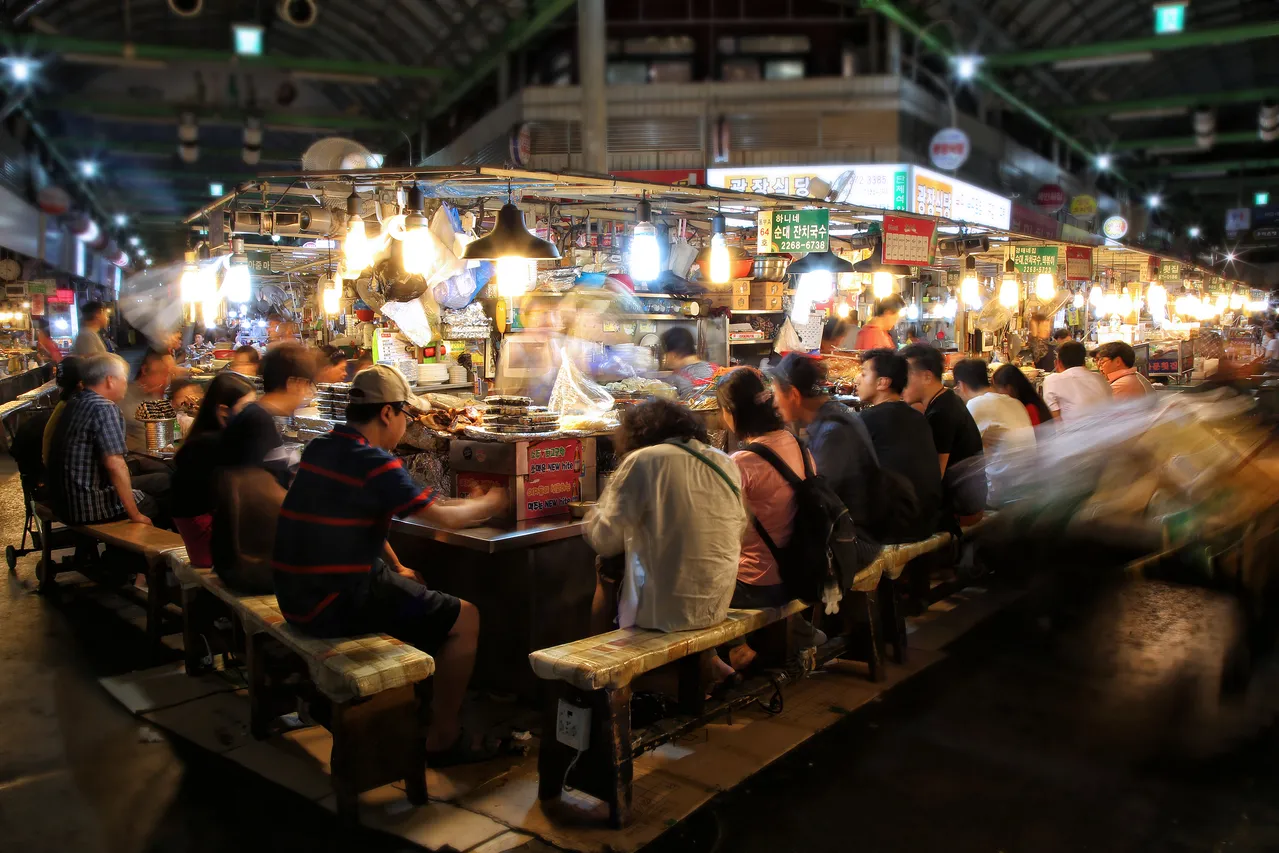
Gwangjang Market Tourist Price Guide: What to Watch Out For and Better Seoul Market Alternatives
Gwangjang Market is one of Seoul's most famous food markets and still worth a visit, but reported price disputes (2023 to 2026) mean it pays to check before you order. This is a balanced, practical guide, not a "don't go" piece: what to watch for, the price-display and monitoring measures now being rolled out, how to avoid overpaying, and better-fit alternative markets (Tongin, Mangwon, Gyeongdong, Namdaemun) by travel style. Prices and hours change, so confirm current details before you go.
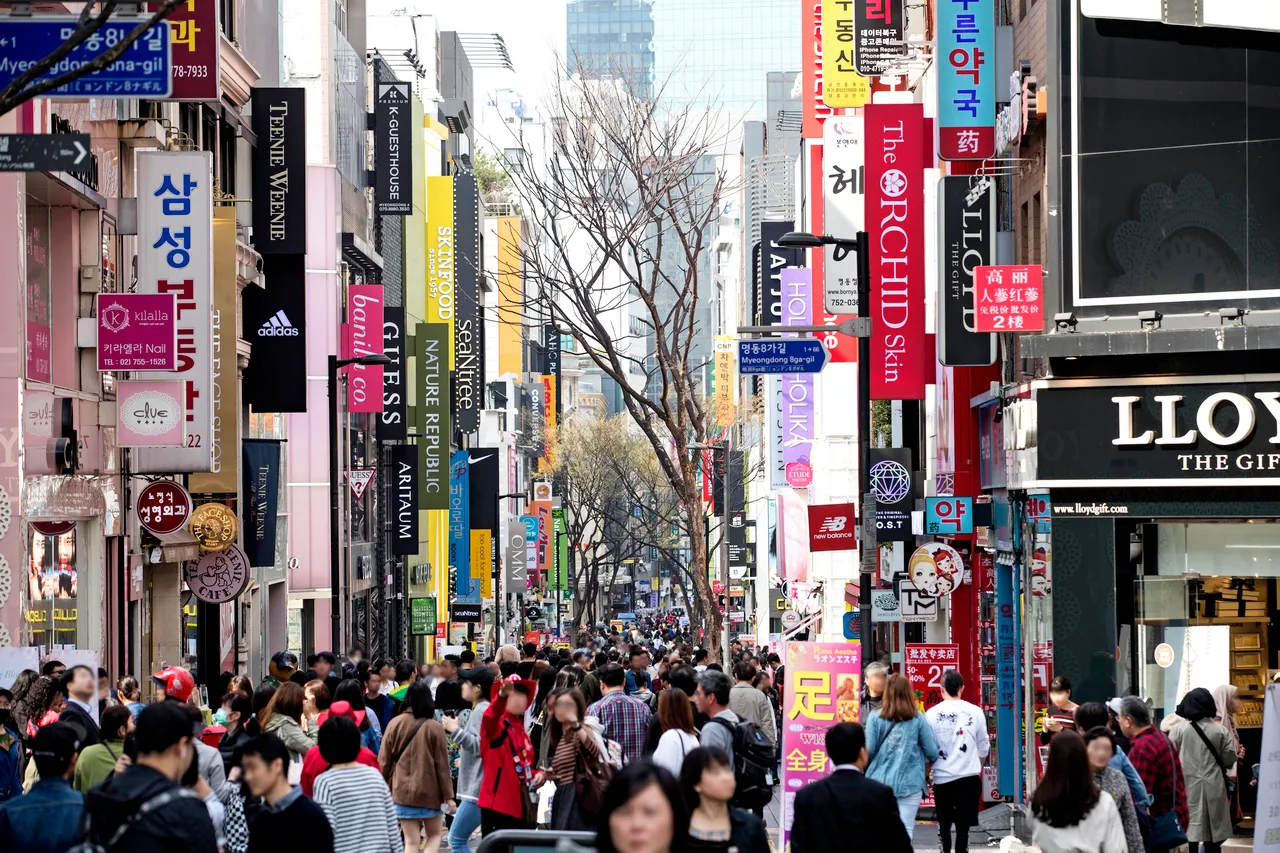
Myeongdong Shopping Guide: Beauty, Street Food, Tax Refund, and What to Buy
Myeongdong is Seoul's most concentrated shopping district: wall-to-wall cosmetics, fashion, and street food, with the city's highest density of tax-free stores. Below: the main areas, what to buy (especially K-beauty), the evening street-food scene, and how the tax refund actually works in 2026, including why you get back about 5, 8% rather than the full 10%, and why you must carry your physical passport. Prices, hours, and refund rules change, so confirm current details before you shop.