Loading…
Korea for first-time visitors
Start with what to finish before takeoff, then arrival day, getting around, where to base, and what to do. Each linked guide answers one question with sourced facts.
What to prepare before you leave
Pre-arrival is not the same as reading every essentials guide. Finish the home tasks first. Phone data and a transit card can wait for Incheon unless you prefer eSIM before the flight.
Do before takeoff
- Entry path: visa, K-ETA, or e-Arrival for your passport.
- Install maps and translation on home Wi-Fi, including offline packs.
- Payment basics: tell your bank, know cash vs card friction.
- First-night neighborhood locked enough to navigate from the airport.
- Trip length and season if those are still open decisions.
Usually fine after landing
- Physical SIM or pocket Wi-Fi at the airport (eSIM can be earlier).
- T-money card buy and load once you are through arrivals.
- AREX, bus, or taxi after you know your hotel area.
- Terminal layout: check your airline the day you fly.
- Full essentials start-here paths for the same split in catalog form.
Setup tasks above are not the same as what to reserve or buy tickets for. Booking timing is the next section.
What to book before Korea
You do not need to reserve everything before takeoff. Use this as timing clarity: what usually benefits from advance booking, what depends on your plan, and what you can often leave until later. Deep how-tos stay in the linked guides. Schedules and inventory change, so confirm official pages for your dates.
| Item | Default | Book earlier when |
|---|---|---|
| Accommodation | Before you fly (first nights) | Peak season, holidays, fixed multi-city stays |
| Intercity train | When dates and route are firm | Weekends, Korean holidays, tight connections |
| DMZ / controlled tours | Before you fly if the day is fixed | Passport clearance needs days; same-day rare |
| Palace night / special events | Only if central to the trip | Ticketed seasonal programs open and fill |
| Theme park day | Only if the park day is fixed | Peak weekends; check official ticket products |
| Jeju / rural car rental | Only if that leg needs a car | IDP prep + peak island weeks (not Seoul-only trips) |
| SIM / eSIM | eSIM optional early; physical often at airport | Late-night arrival or eSIM-only phone |
| T-money / airport transfer | After landing | Not a pre-flight reservation product for most visitors |
| Everyday restaurants | Usually no advance booking | Named special-occasion or reservation-only places only |
Defaults, not hard rules. Confirm each operator or venue for your dates. This is not a command to book everything early.
Usually worth booking before you fly
- Accommodation for first nights. Especially busy seasons and weekends. Pick the area first: Seoul stay areas. Peak beach cities (for example Busan summer) fill earlier.
- Intercity trains on tight multi-city trips. Weekends and Korean holidays sell seats. How to book (not a second policy page): KTX booking guide. Only if your trip shape needs a long rail hop (see 5-day shapes / 7-day route).
- Controlled tours such as DMZ access. Passport details are usually submitted days ahead. Same-day booking is often not possible. Read DMZ tour notes before you pay.
Book early only if it is central to your trip
- Palace night programs and special tours. Not the same as ordinary daytime palace entry. Seasonal ticketed nights and guided moonlight programs may need advance tickets. See palace night viewing.
- Peak weekend day-trip trains. Popular ITX/day-trip seats can sell out. Independent day trips are not always “must tour-book,” but transport seats can be limited. Start from the destinations day-trip strip.
- Hanbok when sizes or dates are picky. Many shops take walk-ins; limited sizes and peak blossom weekends benefit from confirming stock. See hanbok rental. Daytime free-entry rules differ from night programs.
- Time-boxed festivals and exhibitions. Ticketed mud zones, paid expo sessions, and similar events follow that event’s official rules. Use the matching seasonal or event guide, not a blanket “book all festivals now.”
- A fixed theme-park day. Ordinary tickets are not always “sold out forever,” but peak weekends and special products benefit from checking the official park site once the day is fixed. See the theme parks guide. Do not pre-buy a stack of park tickets “just in case.”
- A car for Jeju or sparse rural legs. Not for a first Seoul-only trip. If your itinerary needs a car, prep the IDP and company rules early: renting a car / Jeju car rental.
Can usually wait until arrival
- T-money for subway and buses. No need to invent an “online T-money reservation.”
- Physical SIM / pocket Wi-Fi at the airport is common. eSIM before the flight is convenience, not a universal rule.
- Airport exit (AREX / bus / taxi) is usually decided after you land, once bags and hotel area are clear.
- Most ordinary meals and daytime palace visits (check free-day and closure rules for that date). Do not treat every restaurant in Korea as reservation-only.
- General museum and palace daytime entry when the venue uses open or same-day tickets. Special exhibitions and timed night programs are different: see National Museum and palace night viewing when those are the plan.
Do not pre-book by default
- A full stack of attraction tickets “just in case” without checking whether the site uses open entry, free days, or same-day tickets.
- Assuming Korail Pass is always cheaper or covers every high-speed service. Math and coverage live in the Korail Pass guide. Confirm current coverage before you buy.
- Treating independent day trips as guided tours you must pre-purchase. Some people prefer tours; many routes are self-guided once transport seats exist.
After bookings that matter: return to first hour after landing.
First hour after you land
This is an execution order, not a tour of the airport. Skip any step you already finished at home (for example eSIM already online). Deep how-tos stay in the linked guides.
- Clear immigration, bags, and customs. Follow official signs. Entry rules are covered in the visa / K-ETA / e-Arrival guide, not as field tips on this page.
- Get data if you still need it. If maps already work, skip. Otherwise choose eSIM, physical SIM, or pocket Wi-Fi in the SIM vs eSIM guide. Confirm your terminal on the T1 vs T2 guide.
- Cash only if you need it soon. Many chains take foreign cards. Small cash helps markets and some machines. See how to pay in Korea. Do not empty an ATM “just in case.”
- Get a transit card for city rides. Buy and load a T-money card before you leave the airport if you will use subway or bus that day.
- Choose how you leave for Seoul. Pick AREX, airport bus, or taxi from hotel area and luggage, not from “fastest” marketing. Start with the airport to Seoul guide.
- Go to your first-night base. Check in, rest, then plan the first city day. Neighborhood trade-offs live in where to stay in Seoul.
Skip for later: full shopping days, multi-city tickets you can book after rest, and optional experiences. The deep catalogs stay under essentials start-here.
Three planning choices
When you already know one constraint, jump to the matching decision guide.
- How long is about five days? Seoul only, one add-on city, or day trips.
- Visiting in spring? March vs April vs May, then open the May detail guide if needed.
- Keeping costs low in Seoul? Free, free with conditions, and low-cost (not free).
- Ending the trip? Last-day order before the airport, then only the tax or refund steps that still apply.
Highest-priority setup
Guides tagged for first-time visitors, ranked by setup urgency.
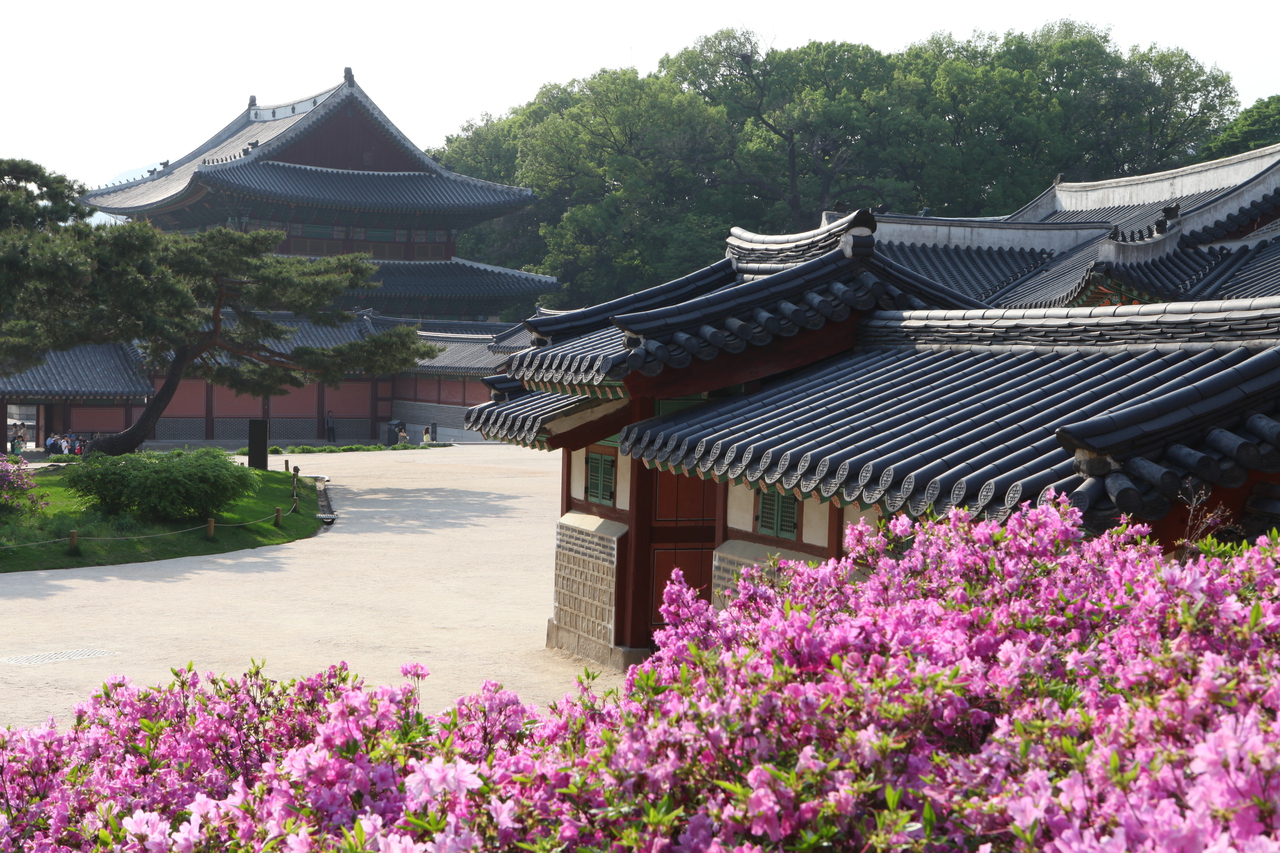
Changdeokgung Palace Guide: Secret Garden Tickets, Reservations, and What to See
Changdeokgung is Seoul's east-side Joseon palace, entered from Donhwamun after a short walk from Anguk Station (Line 3), Exit 3. It is closed Mondays, with a holiday exception. Adults 19 to 64 pay ₩3,000 for the palace buildings. The Secret Garden (Huwon) is a separate ₩5,000 timed visit, 100 people per slot, and hanbok does not make Huwon free.
Seoul
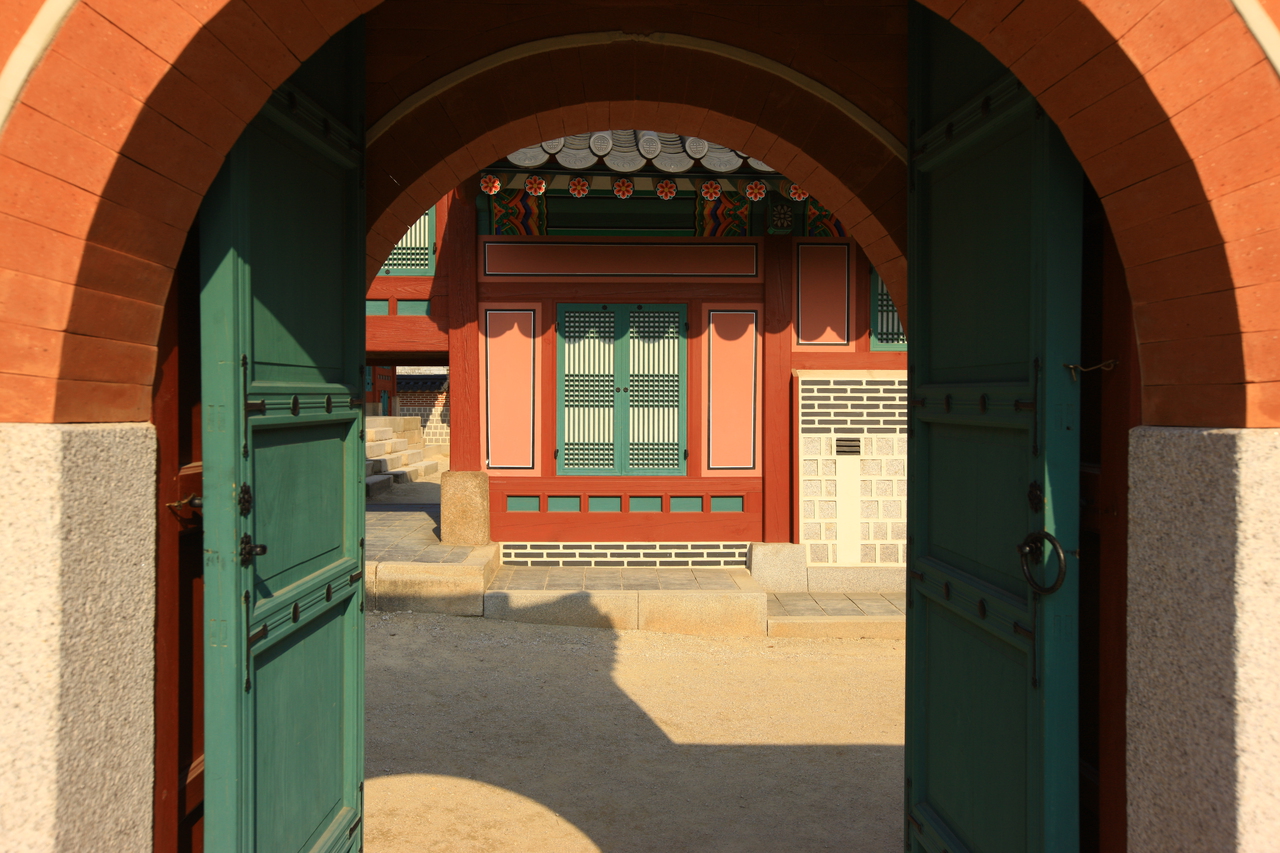
Gyeongbokgung Palace Guide: Hours, Tickets, Hanbok, and What to See
Gyeongbokgung is Seoul's main Joseon palace, entered from Gwanghwamun after a short walk from Gyeongbokgung Station (Line 3), Exit 5. It is closed Tuesdays, with a holiday exception. Adults 19 to 64 pay ₩3,000. Qualifying hanbok is free for Koreans and foreigners. The guard-changing ceremony is free at Heungnyemun at 10:00 and 14:00, except closed days, and can be cancelled in rain. Night opening is seasonal, not year-round.
Seoul
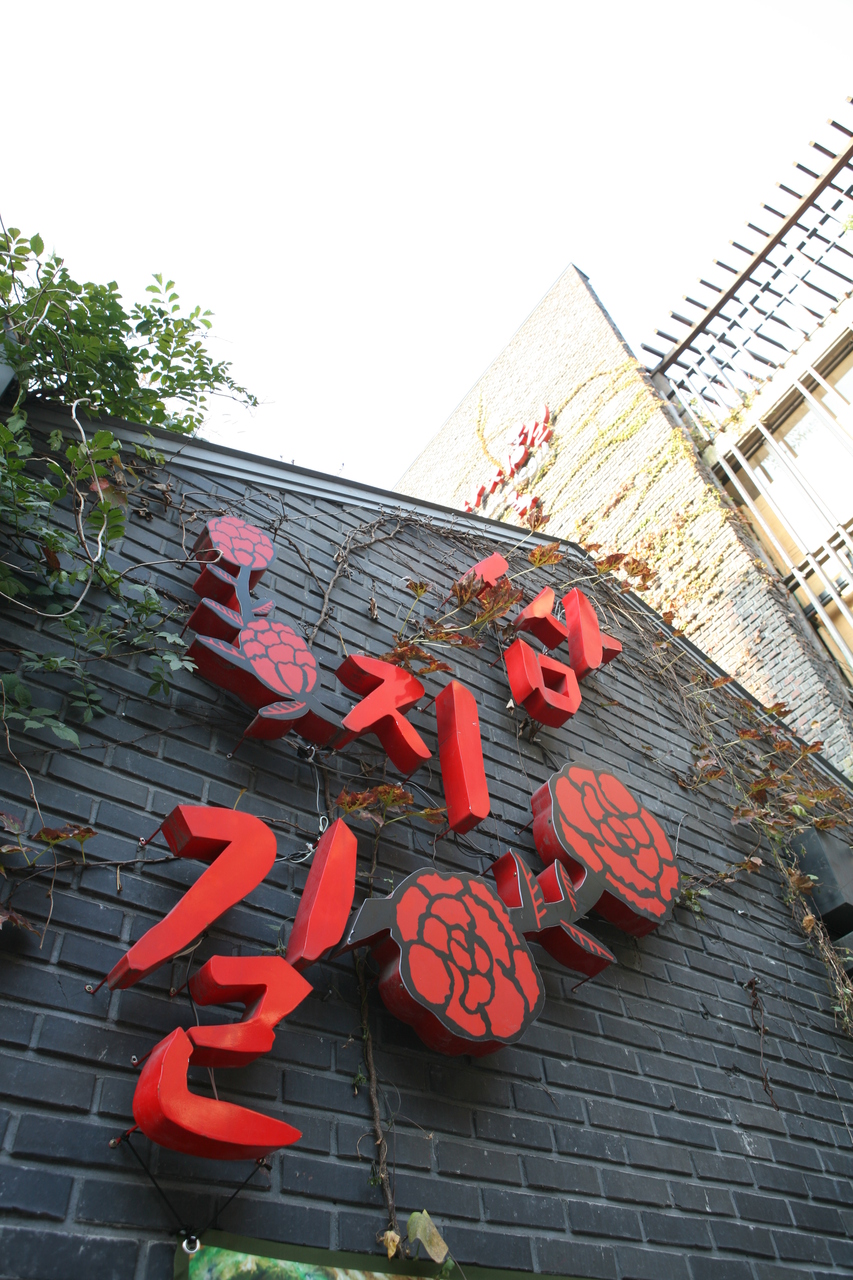
Insadong Guide: What to See, What to Buy, and a Walking Route
Insadong is a Jongno neighborhood around Insadong-gil, not a ticketed attraction. Start at Anguk Station (Line 3), Exit 6, walk the main street and side alleys, and stop at Ssamziegil, a free 2004 spiral craft mall. Shops and tea houses fill the lanes. It is a strong downhill finish after Bukchon, if you leave the Red Zone by 17:00.
Seoul

Incheon Airport to Seoul Guide: AREX, Airport Limousine Bus, Taxi, and Best Routes to Jongno and Gangnam
The best way from Incheon Airport to Seoul depends on where you are staying, not on one "fastest" option. AREX Express is quickest to Seoul Station, the all-stop train is cheapest and runs direct to Hongdae, the limousine bus is simplest if a stop is near your hotel, and a taxi suits late arrivals or heavy luggage. Check your airline's terminal (T1 or T2) before you travel, since it changes where you board. The same modes reverse for departure day.
SeoulIncheon

Getting Around Korea: Transportation Guide
Korea is easy to get around with public transport. Take the Airport Railroad into the city, ride subways and buses with a T-money card, cover long distances on the KTX high-speed train, and use taxis for short hops. A Korean map app ties it together.
SeoulBusanGyeongju

T-money Card Guide for Visitors to Korea
A T-money card is a rechargeable transit card that works on subways, buses, and most taxis nationwide. Buy one at any convenience store or station machine for about ₩3,000 to 5,000, load cash onto it, and tap in and out. It is the simplest way for visitors to get around Korea.
SeoulBusanNationwide
1. Before you go
Finish entry and apps at home. Deep guides for each step are below.

Korea Tourist Visa Guide for Visitors Who Need a Visa: Documents, K-ETA, e-Arrival Card, and Arrival Checklist
Whether you need a visa, a K-ETA, or just the new e-Arrival Card depends on your nationality, and these are three different things that do not replace one another. How they fit together in 2026, the documents a tourist visa typically needs, and the official sites to use are all below. It is travel guidance, not legal or immigration advice: always confirm your own case on the official sources before you book or fly.
Nationwide

Essential Travel Apps for Korea
Install a Korean map app (Naver Map or KakaoMap), a translator (Papago), and a transit app before you arrive, because Google Maps transit is unreliable in Korea. Add a taxi app and, optionally, food delivery to round out a smooth trip.
SeoulBusanNationwide

How to Pay in Korea: Credit Cards, Cash, WOWPASS, ATMs, and Mobile Pay
Korea is card-friendly, but the smartest setup is not to rely on one method. Bring a foreign credit or debit card, keep a little cash, get a transit card, and consider a foreigner prepaid card like WOWPASS for the kiosks that reject foreign cards. The breakdown below is current for 2026. Check foreign-transaction rules with your bank before you leave.
Nationwide
2. Arrival day
Deep guides for the first-hour steps: terminal, data, T-money, and Seoul transfer.

Incheon Airport Terminal 1 vs Terminal 2: Airlines, Facilities, Transport, and Which Terminal to Use
The useful question is not which Incheon terminal is better, it is which one your flight actually uses. Terminal 1 and Terminal 2 are separate buildings with no walking connection, and the terminal is set by the airline that operates the flight, not the one that sold the ticket. Asiana Airlines moved to Terminal 2 on 14 January 2026, so older guides and blog posts may send you to the wrong building. Your departure and arrival terminals can also differ on the same trip. Below: how to confirm your terminal, what each one has landside and airside, how to move between them if you get it wrong, and what transfers involve. Airline assignments and facility hours change, so confirm with your airline and the airport before you travel.
Nationwide
Incheon Airport to Seoul Guide: AREX, Airport Limousine Bus, Taxi, and Best Routes to Jongno and Gangnam
The best way from Incheon Airport to Seoul depends on where you are staying, not on one "fastest" option. AREX Express is quickest to Seoul Station, the all-stop train is cheapest and runs direct to Hongdae, the limousine bus is simplest if a stop is near your hotel, and a taxi suits late arrivals or heavy luggage. Check your airline's terminal (T1 or T2) before you travel, since it changes where you board. The same modes reverse for departure day.
SeoulIncheon
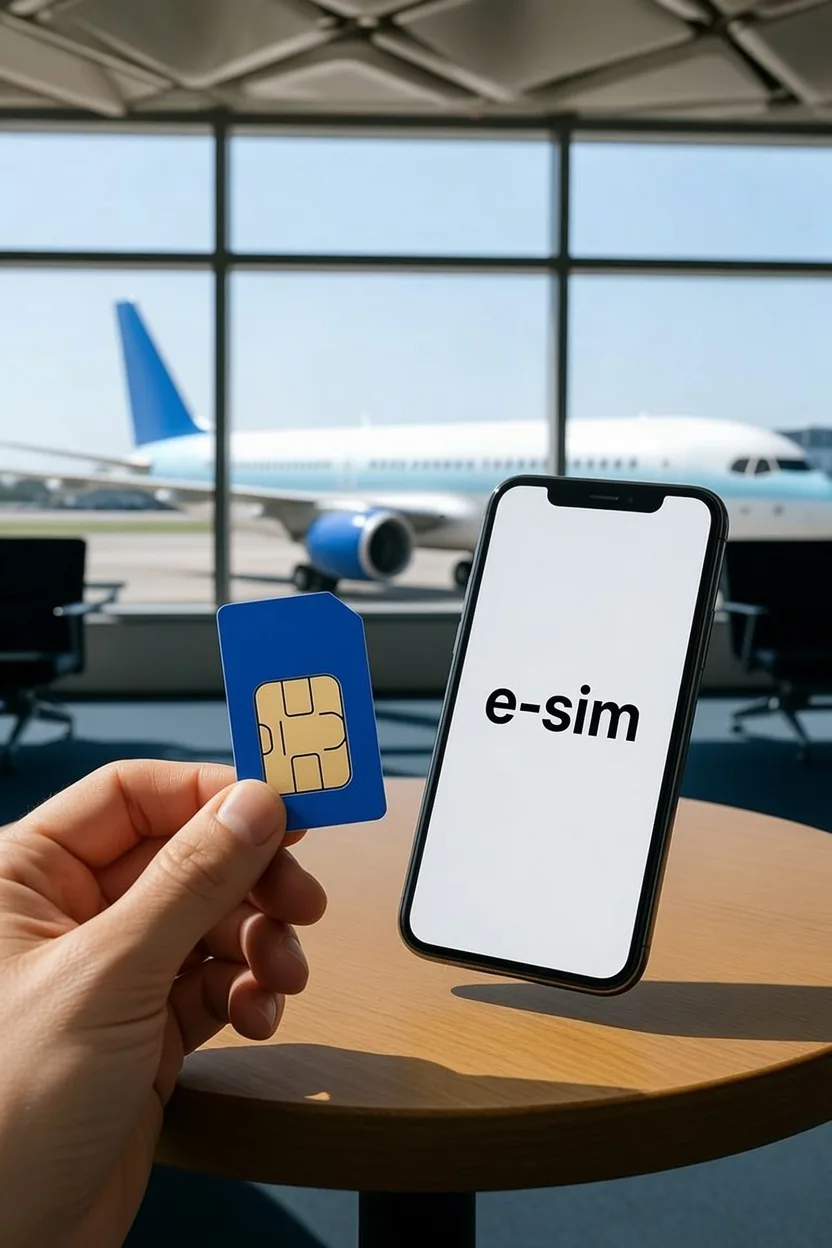
Korea SIM vs eSIM Guide for Tourists: Which Is Better for Your Trip?
The right connection in Korea is not the cheapest one. Work through it in order: can your phone take a physical SIM or an eSIM, is it carrier-unlocked, do you genuinely need a Korean number, and how much data do you use. Most short-trip visitors are well served by a data-only eSIM, which generally needs no passport verification, while any product with calling and texting does require it. Families and groups should price a pocket Wi-Fi router against separate lines. A tourist Korean number is not the same thing as Korean identity verification, and swapping in a physical SIM silences your home number. Plans, prices, and airport counter hours change, so confirm current details with the provider before you buy.
Nationwide
T-money Card Guide for Visitors to Korea
A T-money card is a rechargeable transit card that works on subways, buses, and most taxis nationwide. Buy one at any convenience store or station machine for about ₩3,000 to 5,000, load cash onto it, and tap in and out. It is the simplest way for visitors to get around Korea.
SeoulBusanNationwide
3. Getting around
City transit first; trains when you leave Seoul.
Getting Around Korea: Transportation Guide
Korea is easy to get around with public transport. Take the Airport Railroad into the city, ride subways and buses with a T-money card, cover long distances on the KTX high-speed train, and use taxis for short hops. A Korean map app ties it together.
SeoulBusanGyeongju
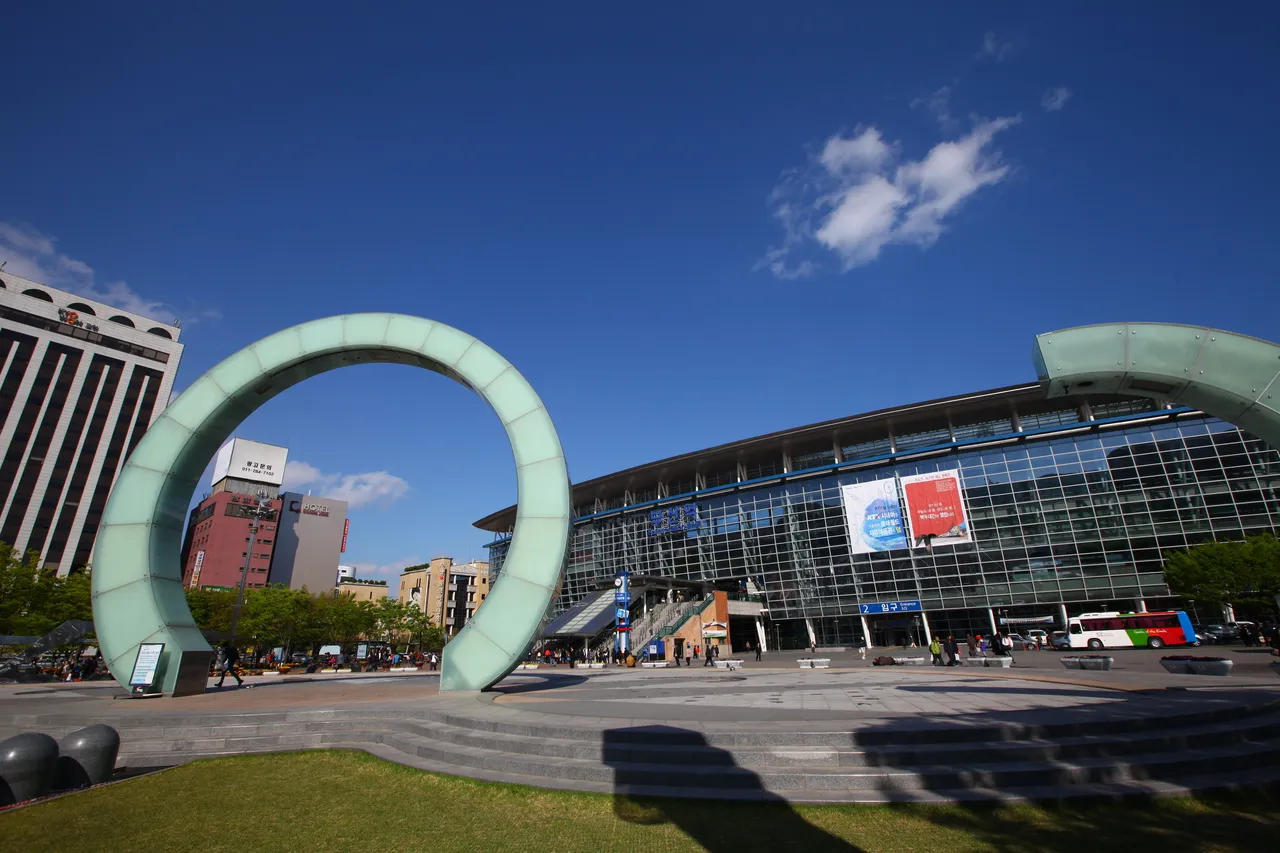
How to Book KTX Train Tickets in Korea: KORAIL, SRT, Korail Pass, and Foreigner Tips
Korea's high-speed trains have been one system since 1 September 2026, when KTX and SRT stopped being two companies with two apps. Every high-speed train, including the Suseo departures that used to be SRT, is now booked in the integrated Korail+ app, on the KORAIL site, or at a station. Below: how to book, which Seoul station fits your trip, paying with an overseas card, and what the fare cut does and does not cover.
Nationwide
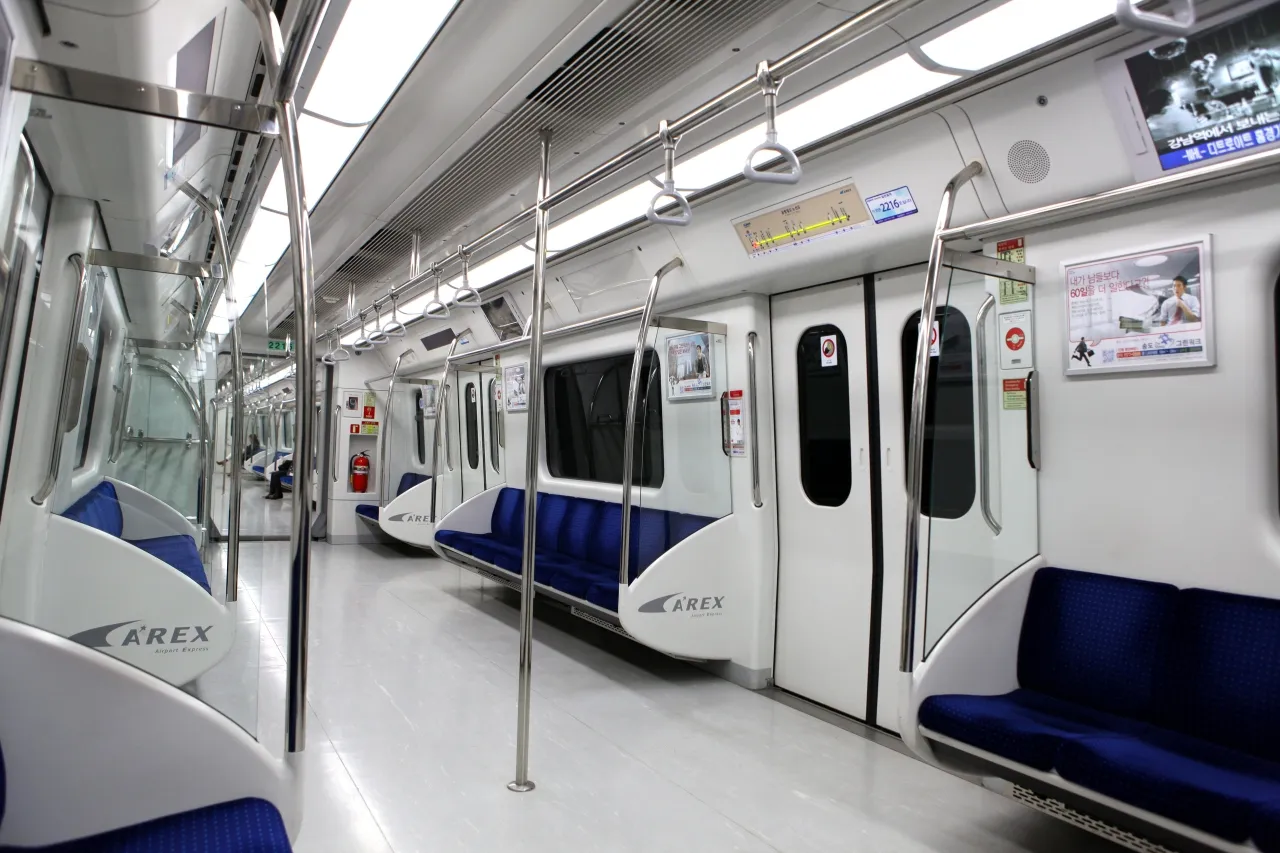
Korea Public Transportation Etiquette Guide: Subway, Bus, Priority Seats, and Quiet Rule
Korea's subways and buses are clean, fast, and famously quiet, and a few social habits are different from what many visitors are used to. This is a transit-specific deep dive: how to board a bus (front door on, back door off, and always tag out or you'll be overcharged), how priority and pink seats actually work, what the "quiet rule" really means (a strong norm, not a law), plus luggage, rush hour, escalators, accessibility, and a subway-vs-bus comparison. Fares and routes change, so we keep those light and point you to the T-money guide. Nobody expects perfection, this just helps you blend in.
Nationwide
4. Base and days
Where to stay, then pick a trip length: 3 days, 5 days, or about a week.
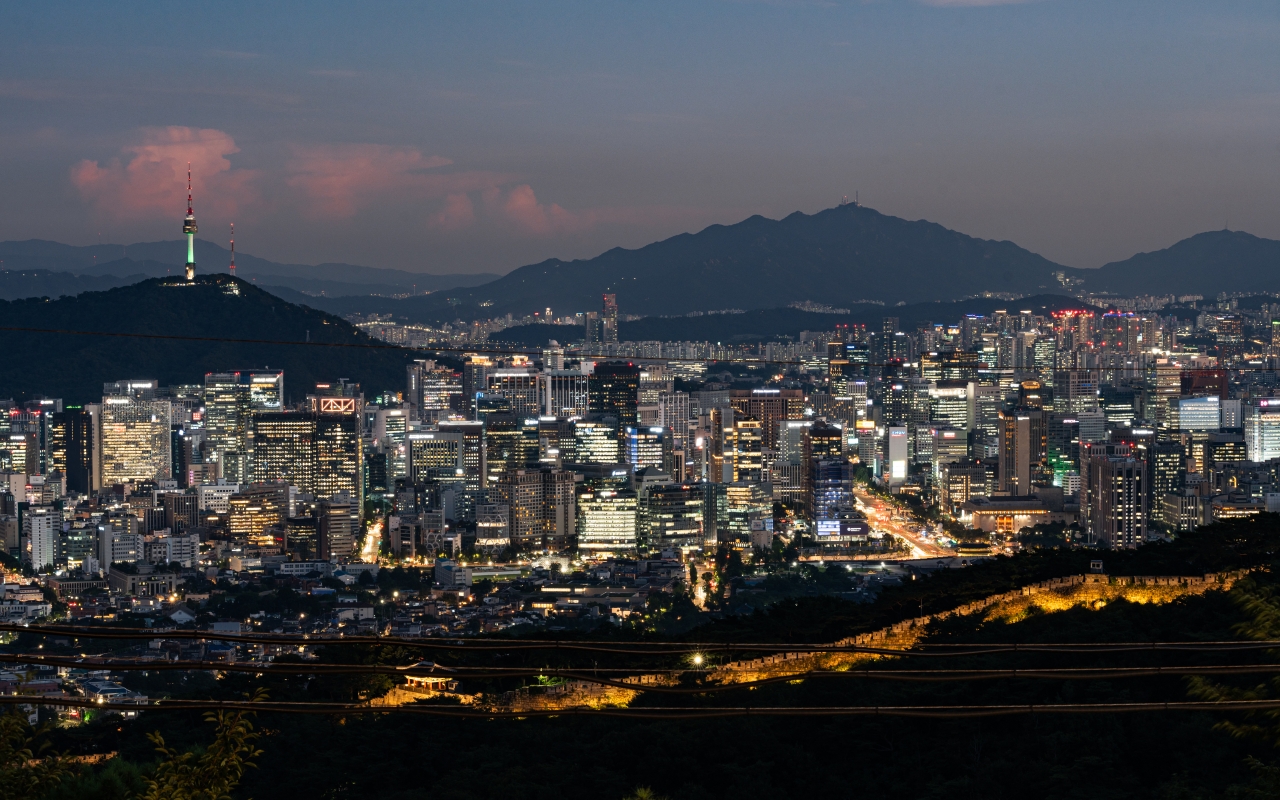
Where to Stay in Seoul: Best Areas for First-Time Visitors
The smartest way to choose where to stay in Seoul is to think north vs south of the Han River first, then narrow to a neighborhood. North (Myeongdong, Jongno, Hongdae) is traditional and central: ideal for first-timers; south (Gangnam, Jamsil, Suseo) is modern, with shopping, Lotte World, and the SRT to Busan. This guide compares nine areas and helps you pick the one that fits your route, not just the most famous name.
Seoul

Seoul 3-Day Itinerary for First-Time Visitors
Three days in Seoul, grouped by area so you walk more and commute less. Day one covers the palace district and old town, day two the modern south and shopping, and day three markets, a city view, and your own picks.
Seoul
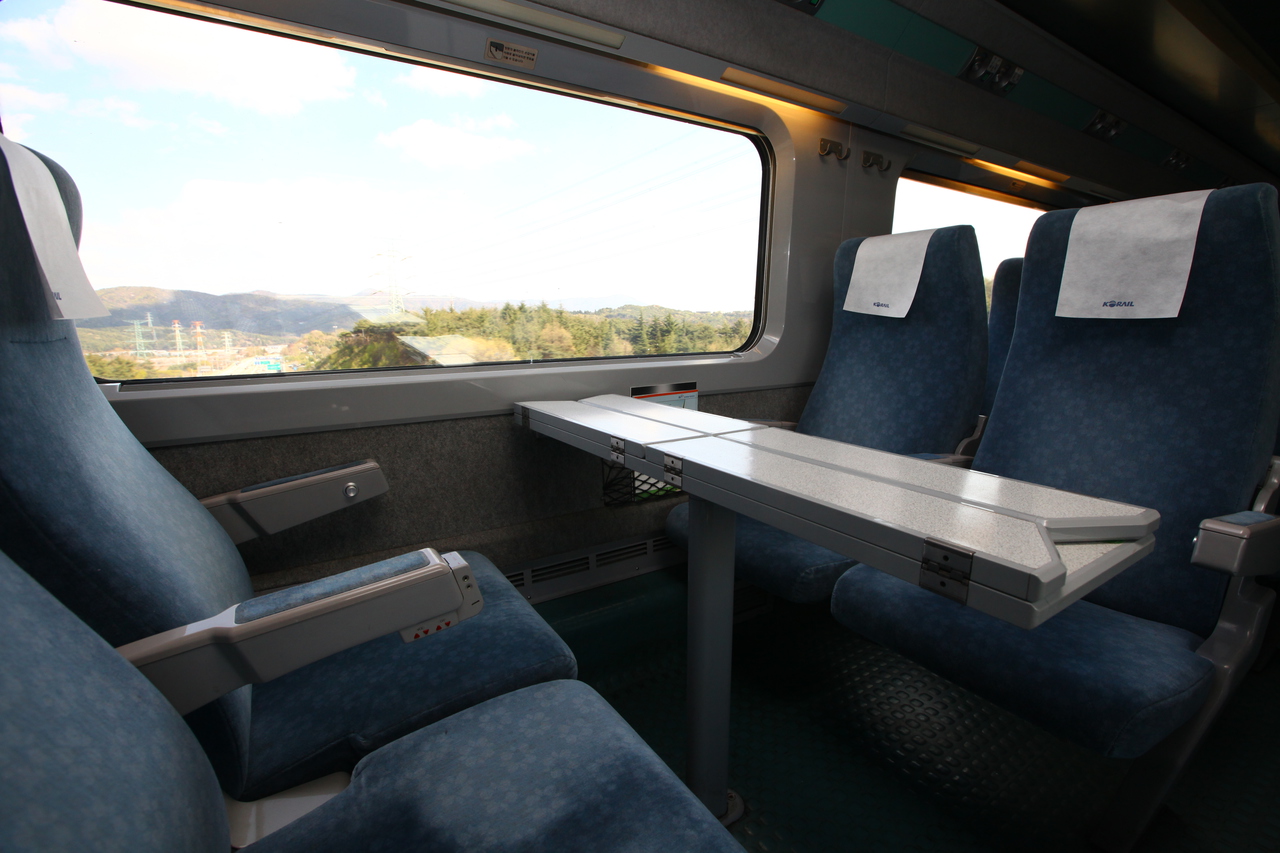
5 Days in Korea: First-Time Itinerary Choices (Seoul Only vs One Add-On)
Five days is long enough for a strong first Korea trip, and short enough that city count is the real decision. Most first-timers should pick Seoul only, or Seoul plus one add-on city by train, not three bases plus Jeju. This guide compares those shapes, transport cost in time, and which existing day-by-day plans to use next. Schedules and fares change, so confirm trains on official KORAIL channels before you book.
SeoulBusanNationwide

Korea 7-Day Itinerary for First-Time Visitors
A realistic one-week route for first-time visitors: three days in Seoul, a day of history in Gyeongju, two days in Busan, and a flexible buffer day, all connected by fast KTX trains so you spend time in places, not in transit.
SeoulGyeongjuBusan
5. Eat and do
Core dishes, free vs paid time, and etiquette pitfalls.

What to Eat in Korea: A First-Timer's Food Guide
A starter list of Korean dishes worth seeking out (barbecue, stews, bibimbap, street food, and fried chicken) with how to order, rough prices, and notes for vegetarian and halal travelers.
SeoulBusanNationwide
Free Things to Do in Seoul: Truly Free, Free With Conditions, and Low-Cost
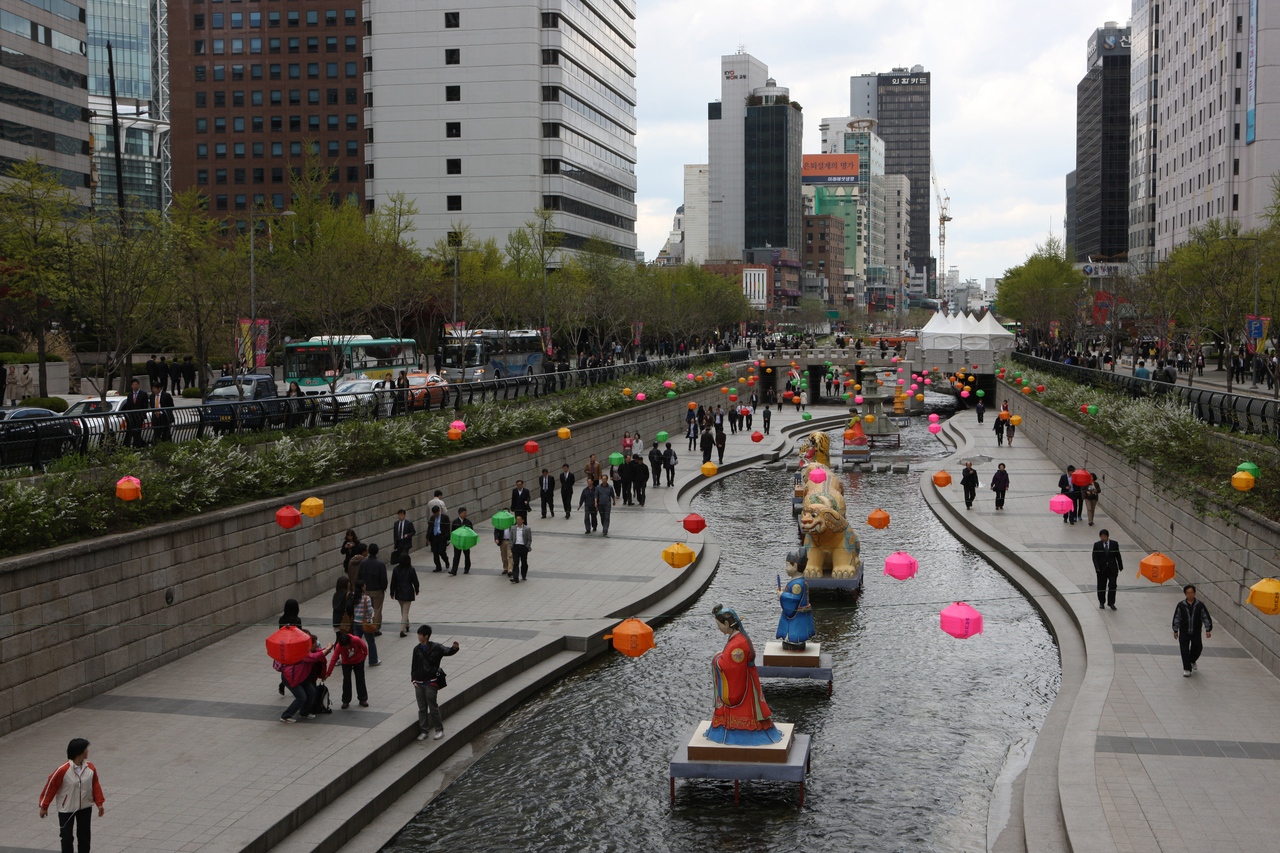
Many “free Seoul” lists mix free entry, free with conditions, and merely cheap activities. This guide separates them. Truly free options include restored stream walks, Hangang parks, and many outdoor trails. Palaces and some museums can be free only on certain days or under dress rules. Markets and food are low-cost, not free. Confirm current admission on official pages before you go.
Seoul
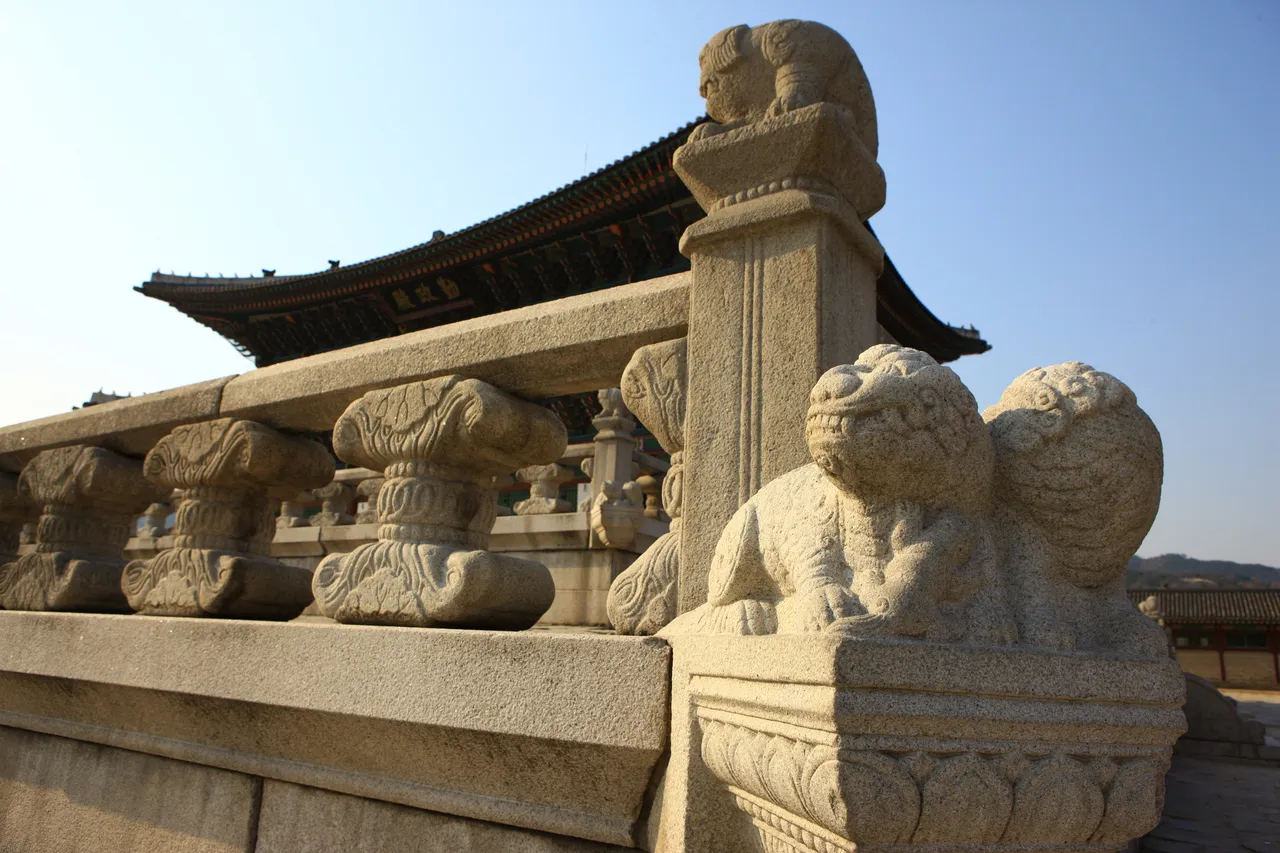
10 Things Not to Do in Korea: Travel Etiquette, Manners, and Mistakes Foreign Visitors Should Avoid
Korea is an easy, welcoming place to travel, and you don't need to be perfect, but a handful of small habits will make your trip smoother and show respect for the people around you. Ten common missteps follow, from loud phone calls on the subway to smoking outside designated areas, each with what to do instead. It separates actual legal rules (like smoking fines) from cultural manners (which are flexible), and keeps the tone practical rather than preachy. Rules and fines vary by district and change, so check local signs and official info as you go.
Nationwide
Seoul Hanbok Rental Guide: Gyeongbokgung, Palace Free Entry, Photo Routes, and What to Check
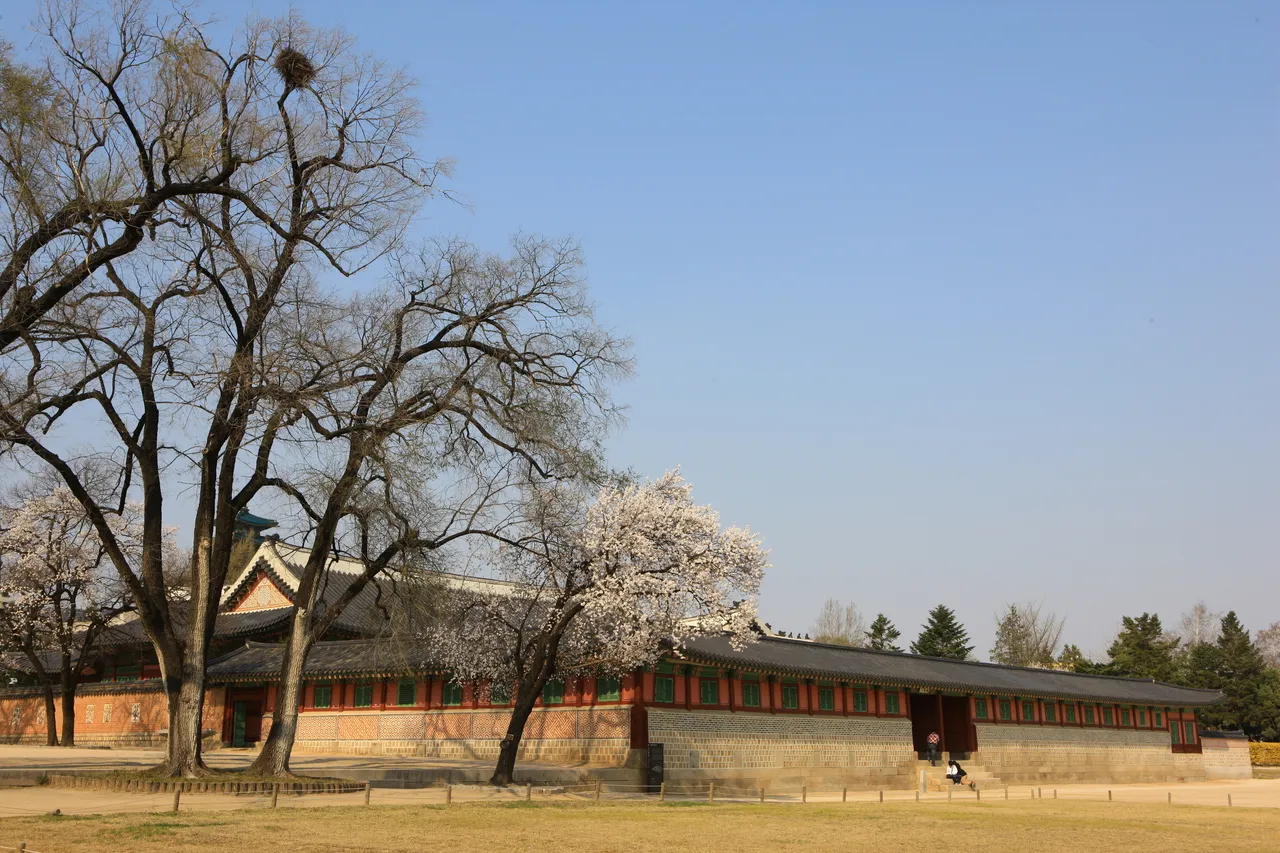
Renting a hanbok (한복) near Seoul's old palaces is among the easier and most rewarding cultural experiences for first-time visitors: choose an outfit, wear it for a few hours, and walk into the major palaces for free while you have it on. This guide focuses on areas, checklists, and the official rules: where to rent, exactly what qualifies for free entry (and what gets refused), photo routes, seasonal and etiquette notes, and what to confirm before you book. Prices, rental times, and shop rules vary, so check with the shop and the official palace sources before you go.
Seoul
Browse by topic
Full catalogs when you know the category you want.
First Korean phrases to know
You can get by with English in tourist areas, but a few polite phrases go a long way. Tap Listen to hear how to say them.
A polite, all-purpose greeting for any time of day.
Polite안녕하세요
an-nyeong-ha-se-yo
Hello.
Korean audio isn't available on this device or browser. Use the romanization above to say it.
Polite thanks, useful everywhere.
Formal감사합니다
gam-sa-ham-ni-da
Thank you.
Korean audio isn't available on this device or browser. Use the romanization above to say it.