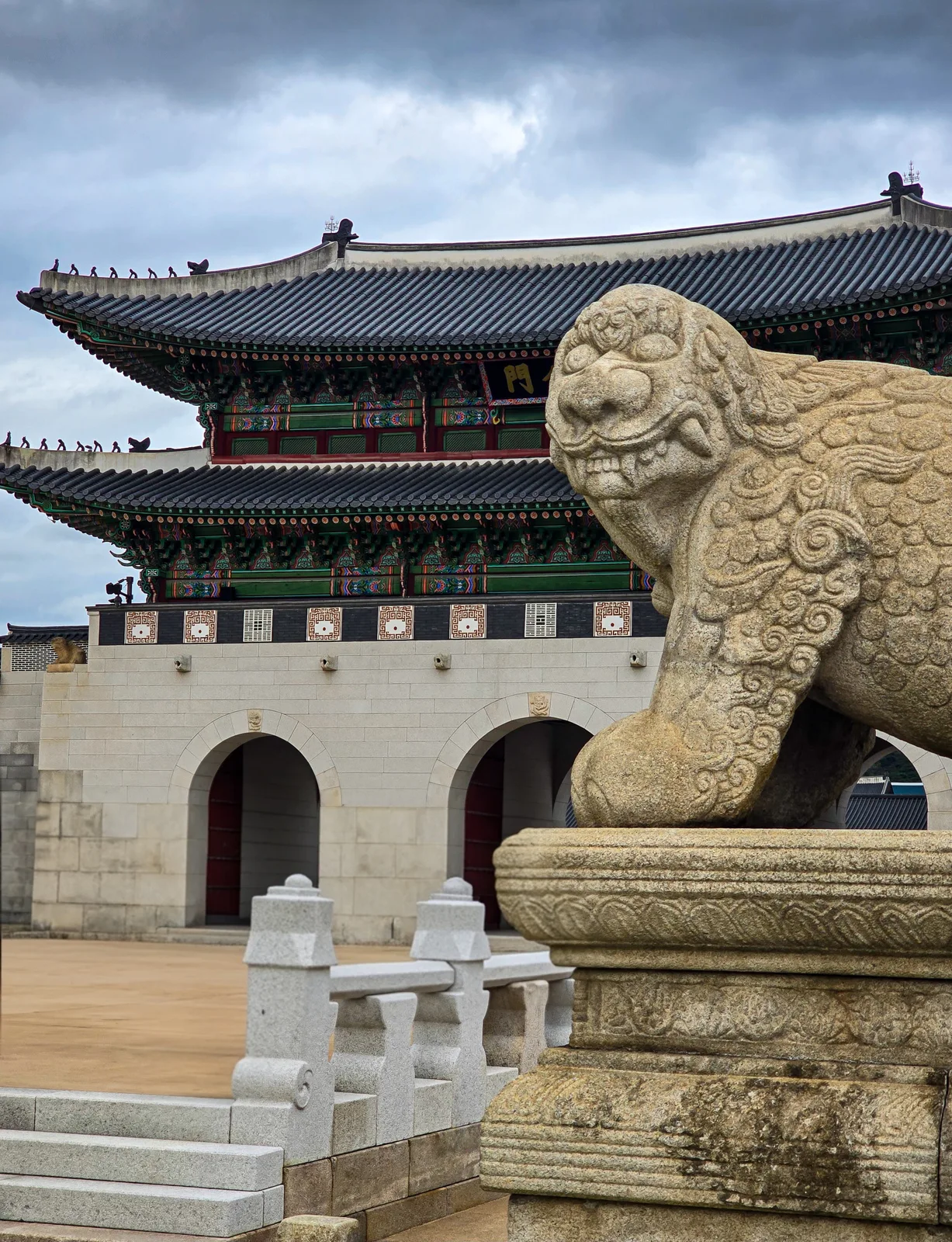
Seoul is the obvious starting point for a first trip to Korea. It packs palaces, markets, mountain parks, and some of Asia's most energetic nightlife into a city wrapped around the Han River, and its subway makes all of it reachable without a car.
Plan three to four days here, more if you want day trips. For a ready-made plan, use the Seoul 3-day itinerary.
Which Seoul guide do you need?
| Your question | Open this guide |
|---|---|
| City overview (this page) | Stay here for orientation, bases, and timing |
| Day-by-day plan | Seoul 3-day itinerary |
| Where to sleep | Where to stay in Seoul |
| Free / low-cost ideas | Free things to do in Seoul |
| After dark | Things to do in Seoul at night |
| Myeongdong only | Myeongdong Seoul guide |
| Airport to the city | Incheon Airport to Seoul |
| First-time order of setup | First-time Korea path |
What Seoul is known for
Seoul is really two cities on either side of the Han River, tied together by one of the world's best subways. North of the river (Gangbuk) is the historic core: five royal Joseon-era palaces (Gyeongbokgung the largest, Changdeokgung with its Secret Garden) plus the hanok rooftops of Bukchon, the craft lanes of Insadong, and the shopping and street food of Myeongdong.
South of the river (Gangnam) is the modern, design-driven city: glossy malls, the COEX complex, and the cafe-and-fashion streets of Apgujeong and Seongsu. In between are traditional markets, mountain trails on Bukhansan, the buzzing student nightlife of Hongdae, and a food scene that runs from ₩3,000 street stalls to Michelin dining.
It's a genuinely walkable-in-pieces city: pick a district a day rather than crisscrossing it.
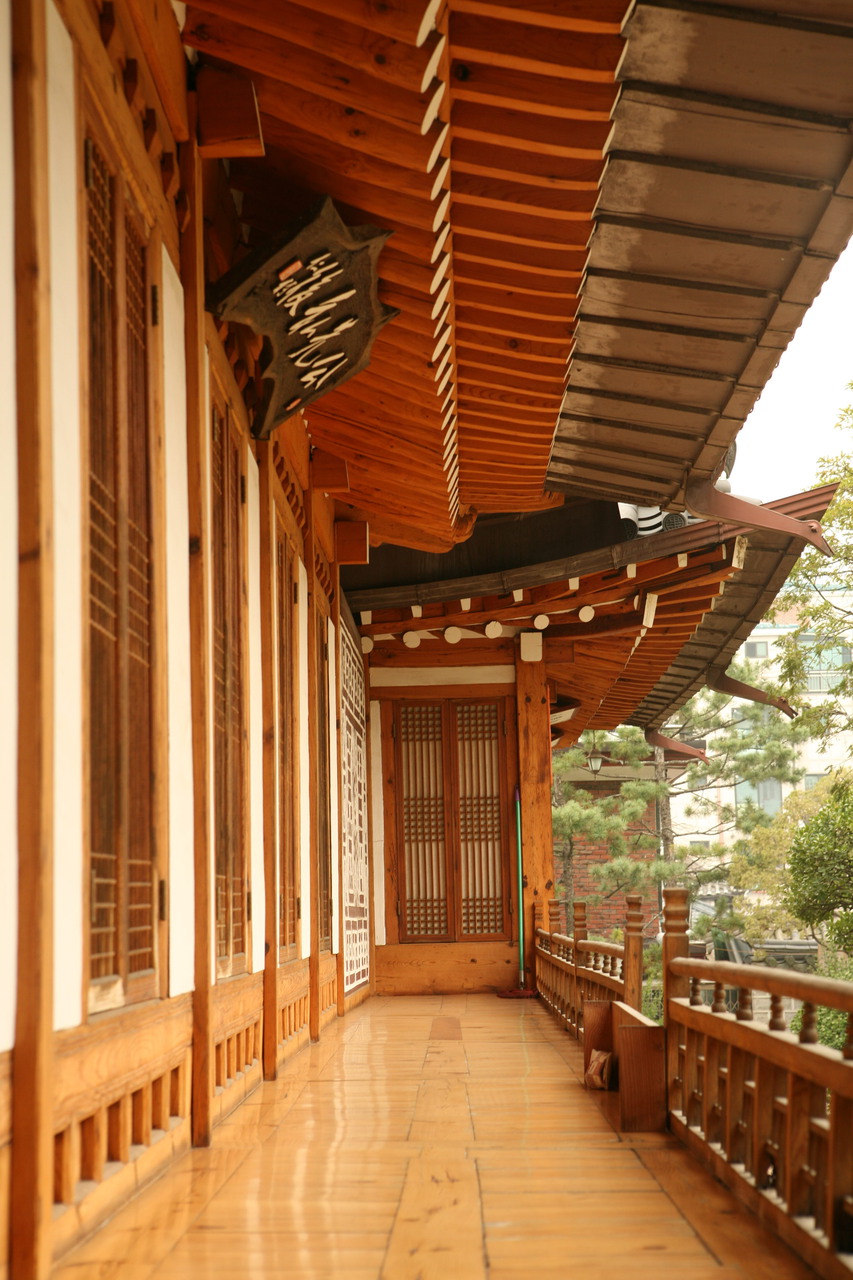
Neighborhoods at a glance
Seoul rewards choosing a base by what you came for. A quick orientation (full breakdown in the where to stay in Seoul guide):
| Area | Known for | Good base for |
|---|---|---|
| Jongno / Insadong / Gwanghwamun | Palaces, hanok, history | First-timers, culture |
| Myeongdong | Shopping, street food, central transit | Shoppers, convenience |
| Hongdae | Youthful nightlife, cafes, live music | Younger travelers, budget |
| Gangnam / Apgujeong | Modern malls, K-pop, dining | Shopping, nightlife |
| Jamsil / Songpa | Lotte World, family attractions, SRT to Busan | Families |
For where to base yourself in detail, see the guides for Jongno & Gwanghwamun, Hongdae, Gangnam, and Jamsil & Songpa.
How to get there
From Incheon International Airport (ICN), the Airport Railroad (AREX) runs straight into the city:
- All-stop train: cheaper, boards more often, stops at several stations before Seoul Station (roughly an hour). Covered by a T-money card.
- Express train: a reserved, non-stop run to Seoul Station (faster); a separate ticket.
From Seoul Station you transfer to the subway or a taxi. A taxi or airport bus is worth it with heavy luggage or a late arrival. Check the current fare on a map app, as prices change.
Gimpo Airport (GMP), closer to the city, handles many domestic and short-haul international flights and is on the subway. Tap in and out everywhere with a T-money card, and see the full transportation guide for options and rough costs.
Open in a Korean map app (Google Maps transit is unreliable here):
Getting around
- Subway: clean, frequent, English signage, and the fastest way across the city. Pay with T-money; a single card works on subway, bus, and most taxis.
- Bus: dense network, but stop names lean Korean; easiest once you're comfortable.
- Taxi: reasonable and metered; hail one or use the Kakao T app. Have your destination in Korean or on a map pin.
- Maps: use Naver Map or KakaoMap, not Google Maps, which can't do Korean transit directions properly. Settle payments generally with the how to pay in Korea guide.
Best time to visit
Spring (April-May) and autumn (September-November) bring mild weather and the best color (cherry blossoms in spring, foliage in autumn) and are the most comfortable for palace-and-market days. For March vs April vs May as a season choice, start with the spring in Korea guide, then open the May guide if your dates are late spring.
Summer is hot and humid with a monsoon (jangma) spell from roughly late June into July. See the month-by-month plans for June, July, and August.
Winter is cold but often clear and dry, and good for markets, palaces, and indoor food halls.
The five palaces
Seoul has five Joseon-era royal palaces. Visiting all five in a short trip is not realistic, and two done properly is better than five rushed. Here is how they differ:
| Palace | Why visit | Entry note |
|---|---|---|
| Gyeongbokgung | Largest; Gwanghwamun Gate; National Folk Museum inside | Free on certain days; confirm at palace website |
| Changdeokgung | Secret Garden tour; more intact restoration | Secret Garden requires separate timed ticket |
| Changgyeonggung | Connected to Changdeokgung; quieter and less visited | Usually free in January, February |
| Deoksugung | Central location near City Hall; modern art museum inside | Small admission |
| Gyeonghuigung | Smallest; least visited; good if you have seen the others | Usually free |
Free-entry days and times rotate and change annually. Check the current schedule at the Cultural Heritage Administration website before you visit. Entry is sometimes free for visitors in hanbok traditional dress; confirmation of current rules is at each palace.
Changdeokgung's Secret Garden (Huwon) requires a separate ticket from the main palace and entry is via guided tour at set times. Book it online in advance because time slots fill up on weekends and public holidays.
What to do in Seoul: a practical list
Beyond the palaces, Seoul has a wide range of worthwhile experiences spread across districts.
History and culture
- Bukchon Hanok Village (early mornings before crowds)
- Insadong craft lanes
- National Museum of Korea (free)
- Gyeonghuigung on a quiet day
- War Memorial of Korea (Yongsan, free)
Markets
- Gwangjang Market for bindaetteok (mung-bean pancakes) and mayak gimbap
- Namdaemun Market for street food and wholesale goods
- Noryangjin Fisheries Wholesale Market for live seafood (best before 8 a.m.)
- Dongdaemun Design Plaza and night shopping area
Outdoor and parks
- Bukhansan National Park (multiple subway-accessible trailheads)
- Namsan Seoul Tower (cable car or hiking trail, central)
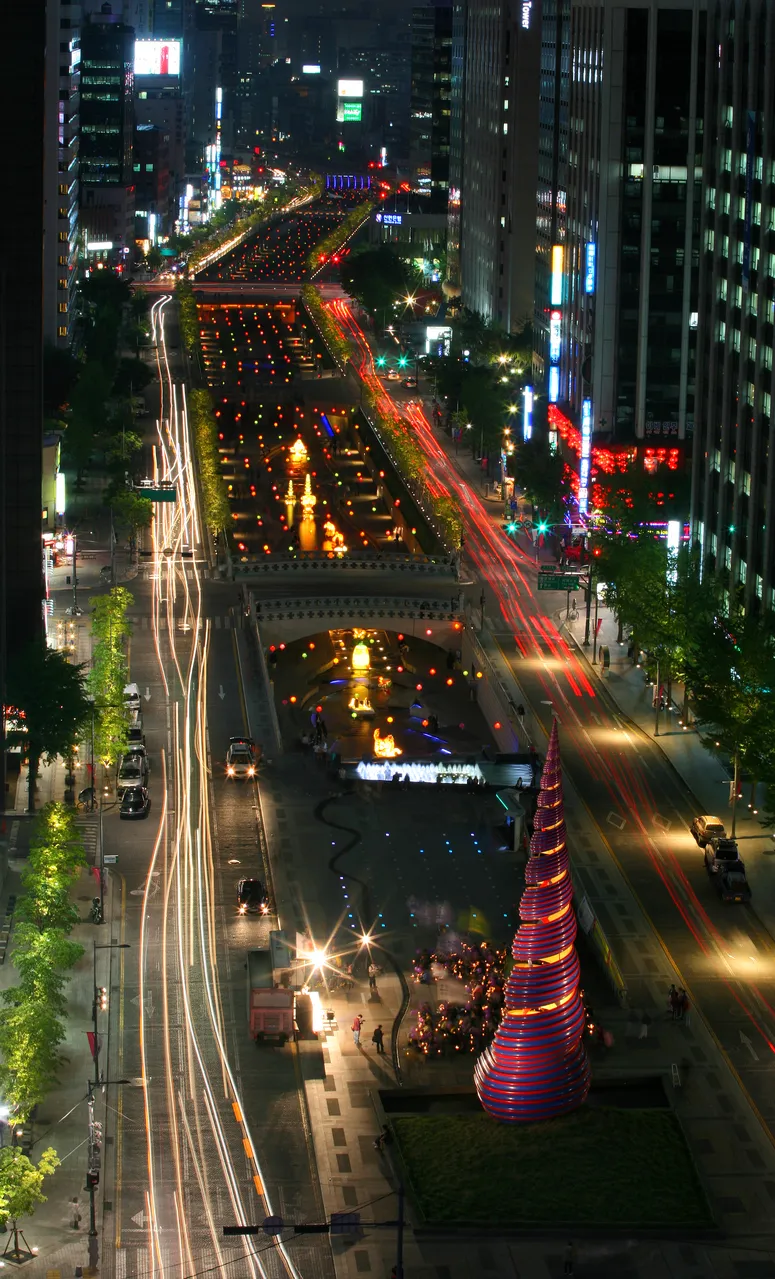
- Cheonggyecheon Stream for an easy flat walk through the center
- Han River parks for picnics and cycling at sunset
Neighborhoods for exploring
- Seongsu-dong (converted factory district, cafés and design studios)
- Yeonnam-dong (indie cafés and bookshops near Hongdae)
- Ikseon-dong (narrow alleys with cafés in renovated hanok)
- Haebangchon and Gyeongnidan-gil (international food, quieter nightlife)
Entertainment
- Noraebang (private karaoke booths, often open late)
- PC bangs (gaming cafés)
- Jjimjilbang (Korean bathhouses with sleeping halls)
- Live music venues in Hongdae
Budget and costs
Rough daily spend bands at last verification (your style and season will move these):
| Band | Daily ballpark | What it usually covers |
|---|---|---|
| Budget | ₩50,000 to 80,000 | Convenience-store meals, gimbap and noodle places, dorm or guesthouse, subway |
| Mid-range | ₩120,000 to 200,000 | Sit-down Korean meals most days, private hotel room centrally, occasional taxi |
| Higher | Above ₩250,000 | Michelin-level restaurants, upscale hotel near Myeongdong or Gangnam, premium experiences |
Individual attraction tickets are generally modest: the five palaces, Namsan Tower observation deck, and major museums are typically under ₩20,000 each, and several are free. Subway travel is inexpensive with a T-money card. For free vs free-with-conditions vs low-cost options, see free things to do in Seoul.
Downtown free outdoor walks help those bands go further. Cheonggyecheon is one of the easiest:
Practical notes for first-timers
A few things that are not obvious until you are actually in Seoul:
Restaurant hours run late
Most sit-down restaurants open for lunch at 11 a.m. or noon and close for a break around 2 to 3 p.m. before reopening for dinner. Many barbecue and chimaek restaurants do not reach their stride until 7 to 9 p.m. Do not book dinner at 5:30 p.m. if you want a lively atmosphere.
Subway usually beats road traffic
Taxis and ride-hailing look faster on the map, but traffic in Seoul is dense. For any journey over two stops, the subway usually wins on time and always wins on predictability. Have Naver Map or KakaoMap set before you need it.
Pharmacies are easy to find
Pharmacies (약국, yak-guk) are common near subway exits. For minor, non-emergency needs they can be a practical first stop. They are not emergency rooms. For pharmacy vs clinic vs emergency decisions, use the medical help guide.
Power: 220V, type C or F
North American devices (110V) need a converter, not just an adapter. European devices typically work. Most modern chargers are dual-voltage.
Food
Seoul is a food destination in itself. Work through the what-to-eat guide first, then dig into Korean barbecue, the street-food stalls of Gwangjang Market, and Seoul classics like samgyetang (ginseng chicken soup) and Myeongdong Kyoja's kalguksu. Muslim travelers should start with the Muslim-friendly Seoul guide.
Suggested stay duration
Three days covers the essentials: a palace-and-Bukchon day, a market-and-Myeongdong day, and a Gangnam or Hongdae day. Four to five days lets you add a day trip and slow down. Use the ready-made Seoul 3-day itinerary, or the compact 2-night stopover plan if Seoul is one leg of a bigger trip.
Stay central and near a subway line to cut commute time.
Day trips from Seoul
With an extra day, Seoul is a springboard: the DMZ (organized tours only), the UNESCO-listed Suwon Hwaseong fortress, and Nami Island with the Garden of Morning Calm are the classics. Seoul is also the hub for the high-speed rail network. You can reach Gyeongju or Jeonju by KTX for a day or an overnight.
Seoul with limited time
With two days or less, prioritize a corridor instead of a city-wide checklist.
| Principle | How to apply it |
|---|---|
| One district per half-day | Every transfer costs about 10 to 20 minutes. Hongdae to Jamsil and back in one day costs more time than it returns. |
| One palace + one market first | Gyeongbokgung (largest complete palace) plus Gwangjang Market (food and atmosphere), with Bukchon on the walk between them. |
That single old-Seoul corridor covers most first-timer goals. On a second day, shift to modern Seoul: Seongsu-dong or Gangnam in the morning, Han River parks in the afternoon, and a Hongdae-area evening.
Seoul for specific interests
K-pop fans
- SM Town COEX Artium in Gangnam (inside the mall)
- HYBE Insight in Yongsan (advance booking required online; check current availability)
- Entertainment streets around Garosu-gil in Sinsa
Palaces and markets are secondary on this kind of trip.
History
- Gyeongbokgung with the adjoining National Folk Museum
- Changdeokgung Secret Garden (advance ticket required)
- Insadong craft lanes
- War Memorial of Korea in Yongsan (free)
Hiking
Bukhansan National Park has three subway-accessible trailheads (Bukhansan Uisangbong, Dobongsan, Suraksan). A full day with an early start is a Seoul experience many visitors miss.
Namsan is the in-city alternative: about 45 minutes on foot from Myeongdong to the top, with a cable car for the return.
Night markets
Myeongdong's street-food stretch runs from late afternoon into the night. It is tourist-facing and crowded, but staples like tteokbokki, hotteok, and grilled corn stay fresh.
The night market near DDP (Dongdaemun Design Plaza) is larger and more local. Both run most nights; confirm hours on the day.
Day trips: what works and what does not
| Trip | Travel time (about) | Works when | Skip if |
|---|---|---|---|
| Suwon Hwaseong Fortress | 1 hour by subway or KTX | You want a UNESCO fortress walk (full circuit about 2 hours) | You only have a half-day with no buffer |
| Nami Island | 1.5 hours transit + ferry | You want a tree-lined change of pace (best spring or autumn) | You need a full city day instead; see the Nami Island guide for detail |
| DMZ tours | 3 to 4 hours from Seoul | You can join an organized group tour only (no individual access) | You cannot book a licensed operator; see the DMZ tour guide |
| Gyeongju or Jeju | Not a true Seoul day trip | Plan as overnight or multi-night (Gyeongju: full day minimum each way by KTX; Jeju: flight + 2 to 3 nights) | You try to squeeze either into a single Seoul day |
Common mistakes
- Booking far from a subway line to save money, then losing hours commuting.
- Crossing the city several times a day instead of grouping sights by area.
- Relying on Google Maps for transit: use Naver or Kakao instead.
- Underestimating summer heat and monsoon rain: build in indoor options in July and August.
- Trying to see all five palaces: one or two done well beats a rushed tour of all.
Getting around Seoul
Seoul's subway is among the more useful and affordable transit systems in the world: clean, air-conditioned, English-signed, and covering the entire city. Load a T-money card at the airport or any convenience store and tap in and out at every journey. Buses use the same card and the same fare; taxis accept T-money too.
For directions, use Naver Map or KakaoMap (set to Korean transit mode) rather than Google Maps, which does not route Korean public transport correctly.
Common first-timer tips
- Use Naver Map or KakaoMap, not Google Maps, Google Maps does not do Korean transit routing correctly.
- Load a T-money card before leaving the airport; it works on the subway, buses, and taxis throughout Seoul.
- Book popular day trips ahead: DMZ tours, certain palace evening programs, and weekend peak-season restaurants fill up.
- Korean hours run late: restaurants and cafes often open at 11 a.m. and barbecue places hit their stride around 7 to 9 p.m.; plan accordingly.
Frequently asked questions
How many days do I need in Seoul?
Three days for the essentials: palaces, a market, and modern neighborhoods. Four to five lets you add a day trip (DMZ, Suwon, Bukhansan) and a slower pace.
How do I get from Incheon Airport to the city?
The AREX railroad (all-stop or express trains) connects the airport to Seoul Station, then subway or taxi onward. An airport bus or taxi is easier with very heavy luggage. Check current fares and travel times on a map app before arriving; prices and options change.
Which area should I stay in for a first visit?
Jongno or Myeongdong for first-time culture and walkability to the palaces; Hongdae for a budget-friendly, younger atmosphere; Gangnam for modern shopping; Jamsil for families near theme parks. See the where to stay in Seoul guide for a neighborhood-by-neighborhood breakdown.
Is Seoul good for first-time visitors?
Very. It is safe, well-signed in English, served by an excellent subway, and packs history, modern city life, and exceptional food into a walkable, compact capital. The main friction point is transport apps: use Naver Map or KakaoMap rather than Google Maps for transit directions.
Do I need to speak Korean to visit Seoul?
No. Subway stations, menus in tourist areas, and most official signage carry English. Translation apps (Papago, Google Translate with camera mode) handle the rest. A few basic phrases, "how much?", "one of these please", "thank you", are appreciated but not required.
Seoul with children
Seoul works well for families with some planning. The subway is stroller-accessible at most stations (elevators at exits, noted on Naver Map and on station maps).
Jamsil and Songpa-gu
The densest child-specific cluster: Lotte World, Seoul Children's Grand Park, and Olympic Park. Lotte World is on Line 2 at Jamsil Station. Seoul Zoo is in Gwacheon, just south of the city.
Bukchon and Insadong
Hanok streets and craft shops suit older children. Skip Bukchon Hanok Village with a stroller; the stone paths are uneven.
National museums
The National Museum of Korea has a children's gallery with hands-on activities. The National Folk Museum inside Gyeongbokgung has outdoor exhibits children can walk through. Both are free.
Han River parks
Flat and open for outdoor time. Bicycle rentals at Ttukseom and Yeouido often include children's bikes and trailers; check current rates on site.
Seoul neighborhoods for specific audiences
| Traveler | Neighborhoods that fit |
|---|---|
| Solo on a budget | Hongdae and Sinchon: dense cheap food, hostel-level stays, late activity within a few blocks |
| Couples | Seongsu-dong (specialty coffee, design shops), Ikseon-dong (hanok alley cafés), Han River parks at dusk |
| Shoppers | Myeongdong (cosmetics, street food), COEX Mall in Gangnam, Dongdaemun Design Plaza area for late fashion wholesale |
| Older travelers | Insadong (flat, traditional crafts), Deoksugung (compact, City Hall subway), National Museum of Korea (modern, free) |
Sources
- Visit KoreaOfficial tourism site
- Airport Railroad (AREX)Official transport site
- Seoul Metropolitan Government Open DataOfficial government site
- Korea Tourism Organization English TourAPIOfficial API
Information is compiled from official sources. Details such as prices, hours, and schedules can change. Confirm time-sensitive facts before you travel.
Last verified on
Related guides

Seoul 3-Day Itinerary for First-Time Visitors
Three days in Seoul, grouped by area so you walk more and commute less. Day one covers the palace district and old town, day two the modern south and shopping, and day three markets, a city view, and your own picks.
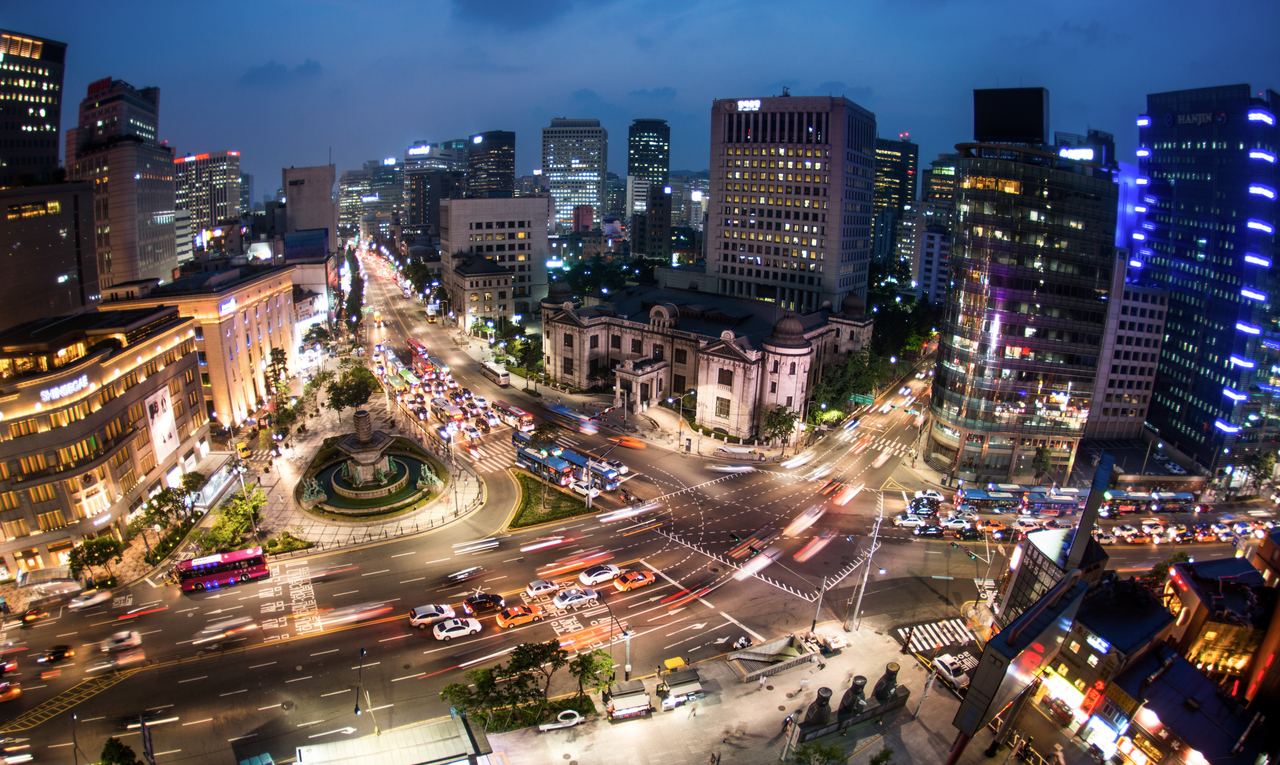
Myeongdong Seoul Guide for Foreigners: What to Do, Famous Restaurants, Shopping, and Souvenirs
Myeongdong is among the easier districts in Seoul for a first-time foreign visitor, but it's more than the K-beauty street it's known for. What to actually do there: the long-running restaurants worth a meal and what to order at each, Myeongdong Cathedral, the free Bank of Korea Money Museum, official Seoul souvenirs, character shops, street-food categories and what to check before ordering, and how to link the area with Namsan and Namdaemun Market. Shopping and tax-refund mechanics get a summary here and a full breakdown in our dedicated shopping guide.
