A DMZ day trip from Seoul is not ordinary sightseeing. Restricted sites need an approved tour, a physical passport submitted days ahead for clearance, photo limits, and the real chance of same-day cancellation if security conditions change.
City setup first: transportation and T-money. Always confirm current official information and your tour's terms before you go.
Quick answer
| Question | Short answer |
|---|---|
| Can I visit the DMZ independently? | Only Imjingak / Peace Park; the restricted sites need an approved tour |
| Is JSA/Panmunjom open? | As of 2026, generally not open to ordinary tourists: verify officially |
| Do I need my passport? | Yes: the physical passport. A photo or copy is not accepted |
| Can I book last-minute? | Usually no: details are submitted days ahead for clearance |
| Will I definitely see North Korea? | No: views depend on weather and conditions; nothing is guaranteed |
| Is it safe? | It's a controlled, rules-based visit: follow the guide and stay with the group |
Everything here can change with security conditions, so treat it as a starting point and check the official details.
DMZ vs JSA / Panmunjom: an important distinction
These two are often confused, and the difference matters for planning.
| DMZ tour | JSA / Panmunjom | |
|---|---|---|
| What it is | Visits to sites in the border area (e.g., Imjingak, tunnels, an observatory) | The Joint Security Area: the famous blue conference huts |
| Open to tourists? | Yes, via licensed group tours | As of 2026, generally not on any reliable schedule |
| Access | Approved tour + passport clearance | Suspended to the general public; verify officially |
As of 2026, the JSA/Panmunjom is generally not open to ordinary foreign tourists on a reliable schedule. Civilian JSA visits were suspended following an incident in July 2023, and a stable, public reopening has not been confirmed since.
Limited or one-off access is sometimes mentioned when conditions allow, but no commercial tour can guarantee entry. Don't treat "the JSA is open" (or "closed") as a permanent fact.
Check the official Panmunjom Tour / Ministry of Unification information for the current status.
A commercial-trap warning: some operators still advertise a "JSA tour" that is, in practice, a regular DMZ tour plus an attempt at JSA access. If the JSA can't run that day, the DMZ portion goes ahead, and travelers have reported that a premium fee was not refunded. If you see a product sold as "JSA," read the fine print carefully (cancellation, refunds, and what happens if JSA access falls through).
And remember: a regular DMZ tour is not a JSA tour: they are different things.
What a DMZ tour usually includes
Exact stops vary by operator, so confirm your specific itinerary. Common sites include:
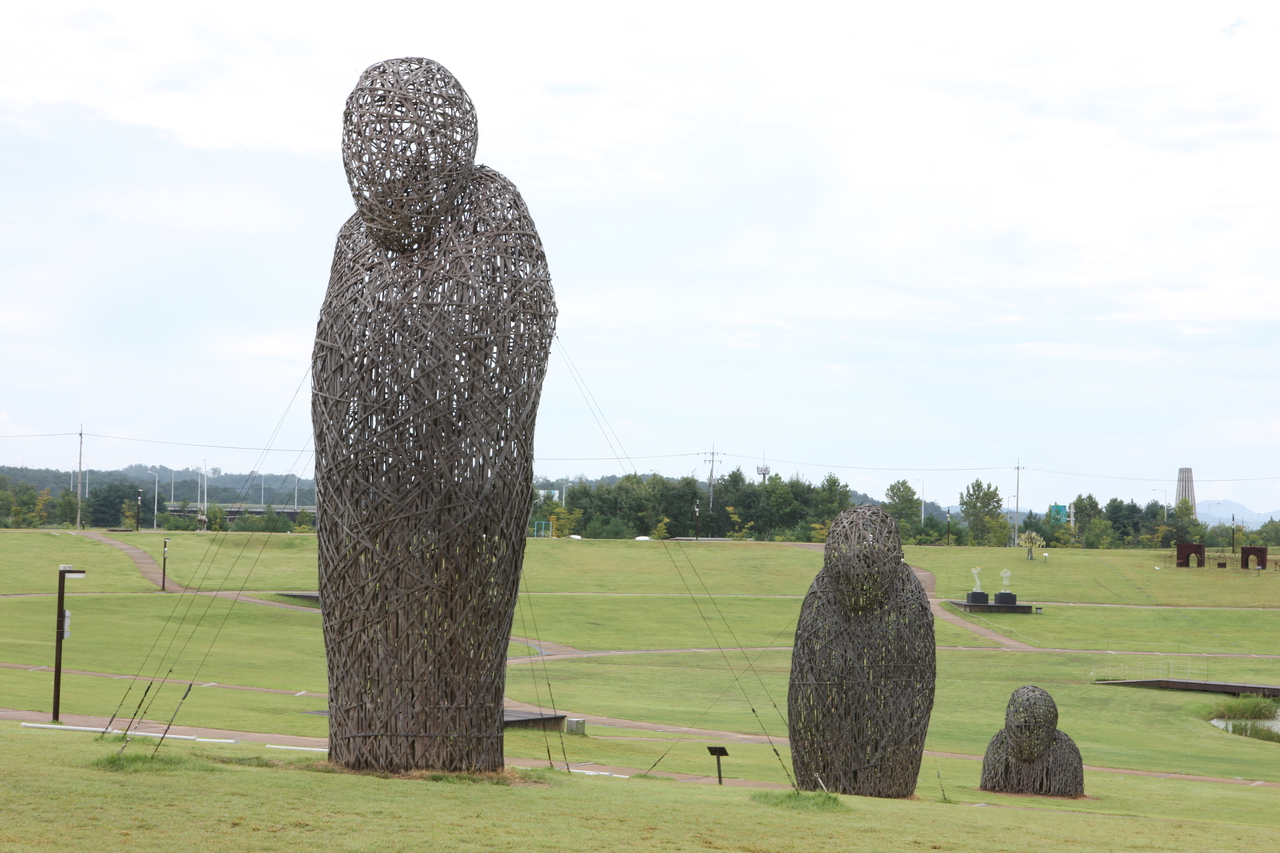
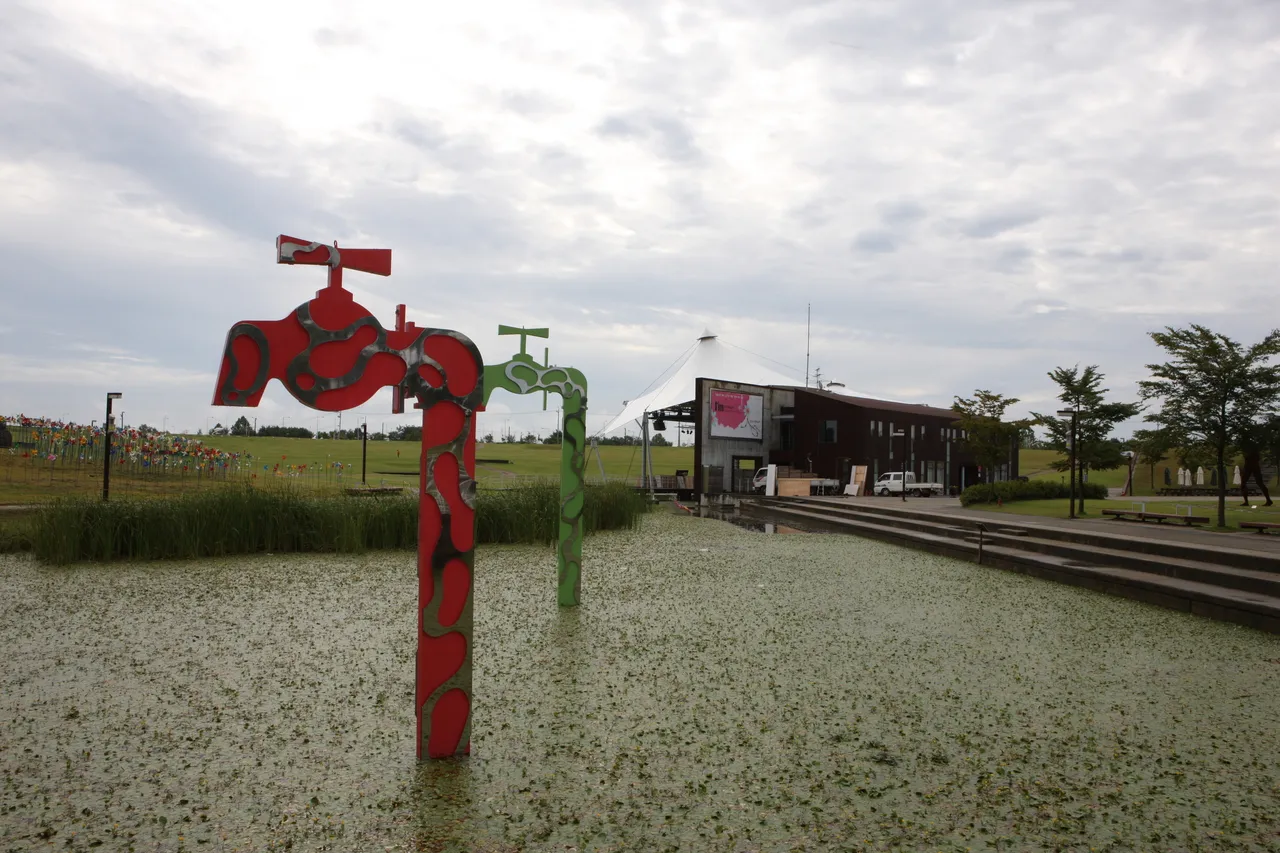
- Imjingak / Pyeonghwa Nuri (Peace) Park: a peace park with memorials and monuments. Crucially, you can visit this part on your own, without a tour or passport check, by public transit. It's a good, low-key introduction to the division.
- The Third Tunnel: one of the infiltration tunnels, visited on foot. It involves a steep incline and a low, narrow passage. If you have claustrophobia, or heart, breathing, or mobility concerns, ask in advance whether you can skip that portion. This is a note about physical difficulty, not medical advice.
- Dora Observatory: an observatory looking toward the north. The view is not guaranteed: haze, fog, dust, or conditions on the day can limit what you see, so don't expect a clear sight of anything in particular.
- Dorasan Station and other stops (varies): a symbolic railway station and, on some tours, other village or exhibition stops.
- Optional suspension bridges (e.g., Gamaksan or Majang Lake, on some itineraries), scenic add-ons that are not core DMZ history sites; treat them as a bonus, not the point.
Tour types (choose by terms, not hype)
| Type | Notes |
|---|---|
| Half-day DMZ | The core sites in a morning or afternoon |
| Full-day DMZ | More stops, sometimes lunch, a longer day |
| DMZ + suspension bridge | Adds a scenic walk: not a core history stop |
| DMZ + North Korean defector talk | Can be meaningful; approach any such talk thoughtfully and don't expect it to be sensational |
| "JSA" tours | Verify current availability and read the refund terms (see the warning above) |
We don't compare specific operators or prices. Choose on the things that actually matter: which sites are included, the guide's language, the passport and nationality rules, the cancellation policy, and how security limits are handled.
How to choose a tour
| Check | Why it matters |
|---|---|
| DMZ or JSA? | They're different; know which you're buying |
| Passport submission deadline | You usually must submit details days in advance |
| Which sites are included | Stops vary a lot by operator |
| Guide language | Confirm English (or your language) commentary |
| Cancellation / refund policy | Security or weather can cancel the day |
| Physical difficulty | The tunnel is steep and narrow |
| Pickup and return | Where it starts, and when it gets back to Seoul |
| Baggage rules | Large luggage may not be allowed |
Passport and ID rules: read this before booking
This is where visitors most often get caught out.
- Bring your physical passport. A photo on your phone, a scan, or a photocopy is not accepted at the military checkpoint, people have been turned back for leaving the passport at their hotel. A damaged or expired passport can also be a problem.
- You book ahead, not last-minute. Even a regular DMZ tour submits your passport details in advance (often around 3 to 7 days) for military clearance, so same-day or next-day booking is usually not possible: and high season books out earlier.
- Nationality can matter. Some nationalities face restrictions or need extra paperwork; check the operator's and authorities' current rules.
- Age limits may apply, some tours restrict minors or require a guardian; confirm before booking.
- Foreign residents of Korea should check which ID (e.g., a registration card) is accepted.
A sample day (times vary)
Tours differ, so this is only a shape, not a schedule: an early departure from Seoul, a border-area stop such as Imjingak, one or two restricted sites (the tunnel, an observatory) reached under the tour's clearance, and a return to Seoul in the afternoon or early evening. Because a stop can be cut or the day cancelled for security or weather, keep your evening plans flexible.
What to bring and wear
- Your physical passport (again. It's the one thing you can't do without).
- Comfortable walking shoes for the tunnel's slope, water, and layers for the season.
- Some programs (especially anything JSA-related) restrict clothing such as sleeveless tops, shorts, ripped or military-style clothing, or items with flags or country names: check your tour's dress rules.
Photography and on-site rules
Rules exist for safety and security. Follow them exactly:
- Photography is restricted at several points. In the tunnel it's generally not allowed, and at the observatory it may be permitted only from behind a marked line. Follow the signs and your guide: when in doubt, don't shoot.
- Do not photograph soldiers, checkpoints, or military facilities, and no drones.
- Don't gesture, point, or signal toward the north, don't wander from the group, and don't join under the influence of alcohol.
- Keep a calm, respectful tone: this is a place of real history and real tension.
Who should go: and who might skip it
| You are | Fit |
|---|---|
| Interested in history and geopolitics | A strong, meaningful visit |
| Expecting a fun theme-park outing | Reconsider: it's serious in tone |
| Claustrophobic or with mobility limits | Ask about skipping the tunnel |
| Traveling with young kids | Check age rules and the day's length |
| Short on time and flexible plans | The advance-booking rule may not suit you |
Is it safe?
A DMZ visit is a controlled, rules-based experience, and the vast majority go smoothly. But no one should claim it's "100% safe," and honesty matters here: it takes place in an active security environment, so tours can be cancelled or changed at short notice, and the sensible approach is simply to follow the rules and stay with your group. This isn't cause for fear.
It's a reason to take it seriously.
Can you visit without a tour?
Partly.
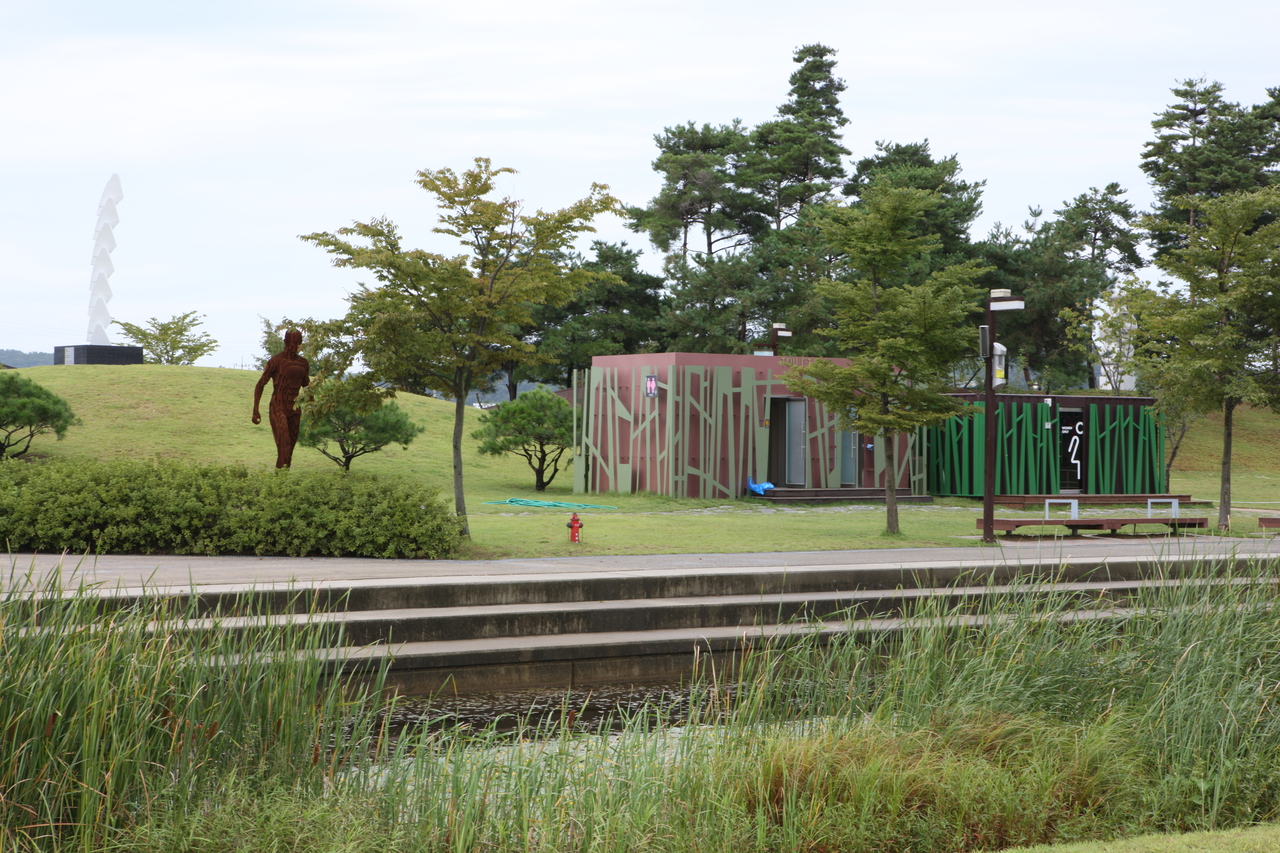
- Yes: Imjingak / Peace Park. This area is freely accessible by public transit, with no tour or passport check. It's a meaningful stop on its own. For a wider Paju day that mixes Peace Park with Heyri or Book City, see the Paju travel guide.
- No: the Third Tunnel, Dora Observatory, and other sites inside the Civilian Control Line. These are in a military-controlled area and can only be reached on an approved tour. You can't drive yourself in.
Traveling with kids, seniors, or limited mobility
The tunnel's steep slope and narrow passage are the main challenge; ask whether that portion can be skipped. Days can be long, with waiting and walking, so build in rest and water, especially for children and older travelers. Confirm any age limits before booking.
Food
Whether lunch is included varies by tour, and there may be simple food options at stops like Imjingak. Confirm with your operator. Don't assume anything is halal, vegetarian, or allergen-safe; if you have strict needs, eat beforehand or bring snacks (and check any rules on bringing food).
Weather and cancellations
Beyond security, weather can cancel or change an outdoor DMZ day, and haze or fog routinely limits the observatory view. Check the forecast, dress for the season, and keep the rest of your day loose.
Common mistakes to avoid
- Confusing a DMZ tour with the JSA: they're different, and JSA isn't reliably open in 2026.
- Leaving your passport behind: a phone photo won't get you through the checkpoint.
- Booking last-minute: clearance needs your details days ahead.
- Not reading a "JSA tour's" refund terms: you may pay a premium for access that can't be guaranteed.
- Expecting a guaranteed view of North Korea, conditions decide.
- Ignoring photo rules: no tunnel photos, no soldiers, no drones, no gesturing north.
- Packing your evening too tightly: the day can run late or change.
FAQ
Can I see the JSA and the blue huts? As of 2026, the JSA/Panmunjom is generally not open to ordinary tourists on a reliable schedule. Check the official Panmunjom Tour / Ministry of Unification information for the current status.
Do I really need my physical passport? Yes. A photo, scan, or copy is not accepted at the checkpoint.
Bring the actual passport.
Can I book a DMZ tour for tomorrow? Usually no. Details are submitted in advance (often around 3 to 7 days) for military clearance.
Will I definitely see North Korea from the observatory? No. Haze, fog, and conditions on the day can limit the view. It's never guaranteed.
Can I go to the DMZ on my own? You can visit Imjingak / Peace Park independently. The tunnel, observatory, and similar sites require an approved tour.
Is the Third Tunnel hard to walk? It's a steep, narrow walk. If you have mobility, heart, breathing, or claustrophobia concerns, ask about skipping that portion.
Is it safe to visit? It's a controlled, rules-based visit, but it's in an active security area, tours can be cancelled or changed. Follow the rules and stay with your group.
Are there restrictions on what I can wear? Some programs restrict certain clothing (sleeveless tops, shorts, military-style or flag-themed items). Check your tour's rules.
Are there age or nationality restrictions? Some tours set minimum ages, and some nationalities face extra documentation or limits, especially for any JSA-related product. Confirm with the operator when you book.
The bottom line
Go for history and perspective, not for a thrill. Bring your physical passport, book ahead, and choose a tour by its terms (sites, language, refund policy). JSA is separate and is generally not reliably open to ordinary tourists as of 2026. Expect possible cancellations and no guaranteed views, then follow every on-site rule. For how a DMZ day fits a Seoul plan, see the 3-day Seoul itinerary.
Sources
- Visit KoreaOfficial tourism site
- Ministry of Unification, Republic of KoreaOfficial government site
- Korea Tourism Organization (VisitKorea Practical Info)Official tourism site
Information is compiled from official sources. Details such as prices, hours, and schedules can change. Confirm time-sensitive facts before you travel.
Last verified on
Related guides
South Korea 10-Day Itinerary: Seoul, Gyeongju, Busan, and Jeju
Ten days in Korea buys one thing a week does not: Jeju. It costs a domestic flight, a fourth hotel, and the buffer day the 7-day route keeps, and four of the ten days carry a long-distance move. This route covers Seoul, Gyeongju, Busan, and Jeju, and is built around the two things that actually go wrong: the Singyeongju station transfer and the Gimpo-versus-Incheon departure. Times, fares, and schedules change, so confirm official details before you book.
National Museum of Korea Guide: Why It's Trending, What to See, Museum Shop, and How to Visit
The National Museum of Korea in Yongsan is one of Seoul's most rewarding stops: a beautiful, calm, and (for now) free indoor attraction that has become genuinely trendy for its Room of Quiet Contemplation, its photogenic architecture, and its MU:DS museum-shop goods. This guide is a practical visitor briefing, not an academic tour: why it's popular, what to see first, the museum shop, and how to get there from Ichon Station. Hours, special- exhibition fees, and shop stock change, so check the official museum website before you visit.