Loading…
Eat well in Korea
Korean food guides
Learn what to eat, how to order, where to find it, and what to check for spice, ingredients, and dietary needs.
All food guides
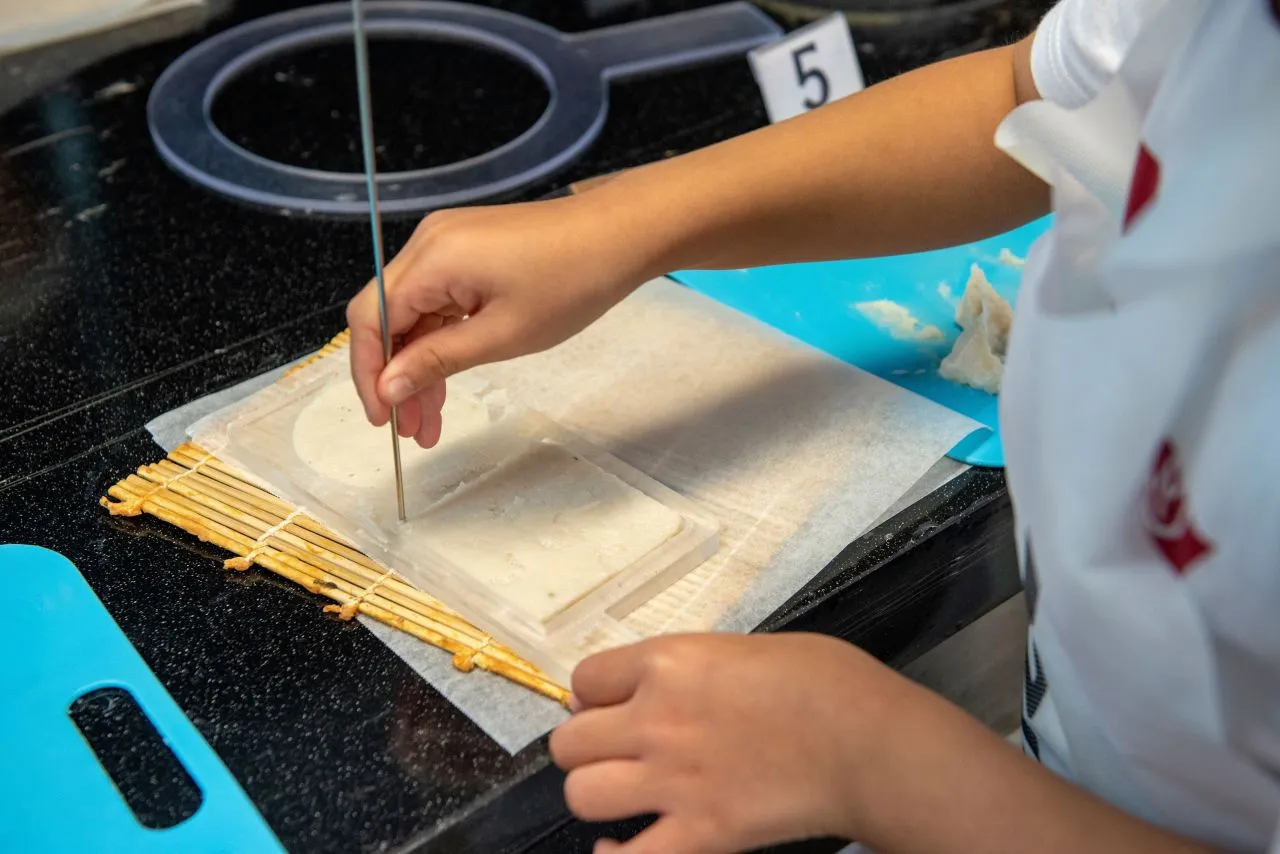
Samjin Eomuk Busan Guide: Fish Cake, Menu, Prices, Main Store & Tips for Foreigners
Samjin Eomuk (삼진어묵) Yeongdo Main Store is at 36 Taejong-ro 99beon-gil, Yeongdo-gu, Busan. The brand's own page lists 09:00 to 19:00 every day with no closed day, and the 2nd-floor experience hall closes on Mondays and needs an online booking.
Busan
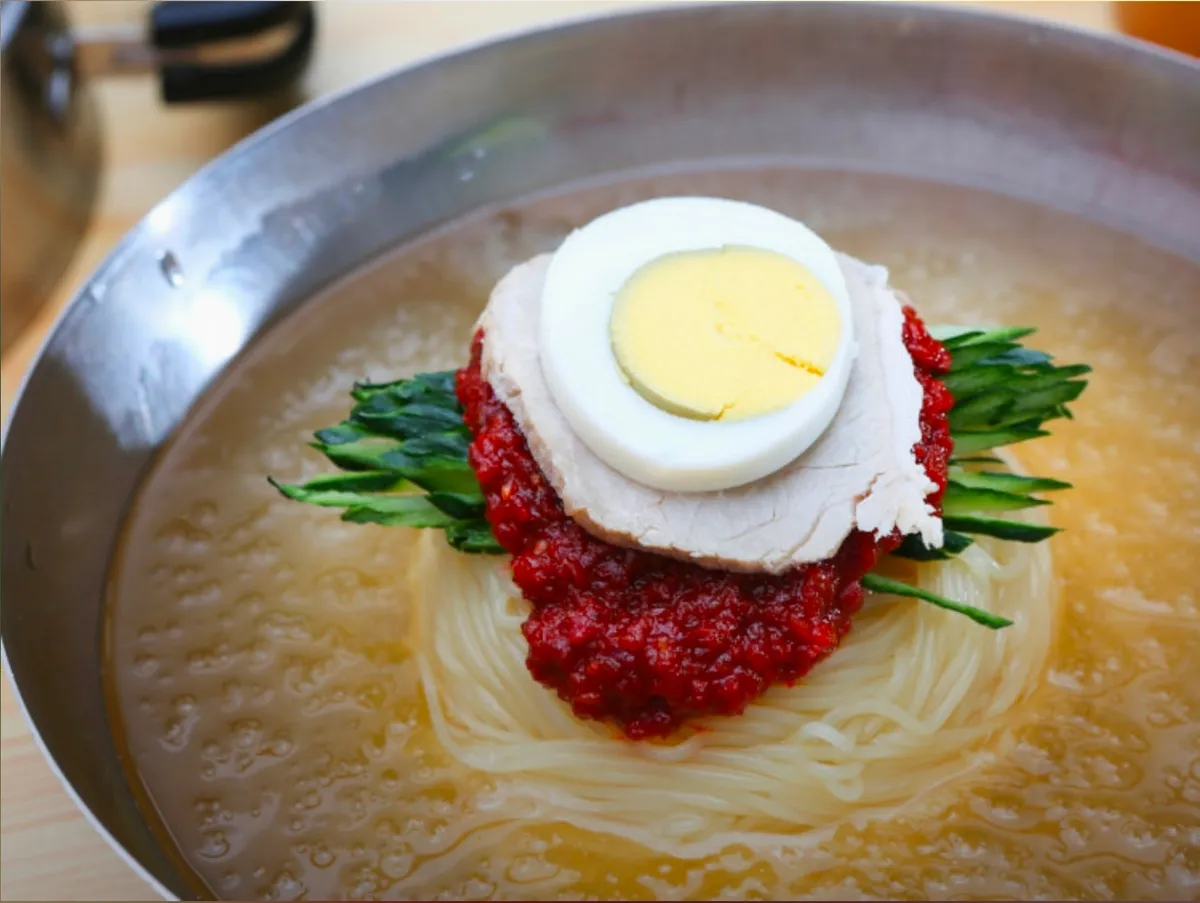
Choryang Milmyeon Busan Guide: Cold Wheat Noodles, Menu, Prices & Tips for Foreigners
Choryang Milmyeon (초량밀면) is a milmyeon restaurant at 225 Jungang-daero, Choryang-dong, Dong-gu, Busan, about 250 m from Busan Station in a straight line. Kakao Map and Naver Place both list mul and bibim milmyeon at ₩7,000 (small) and ₩8,000 (large), open 10:00 to 21:30 daily with last order at 21:00.
Busan
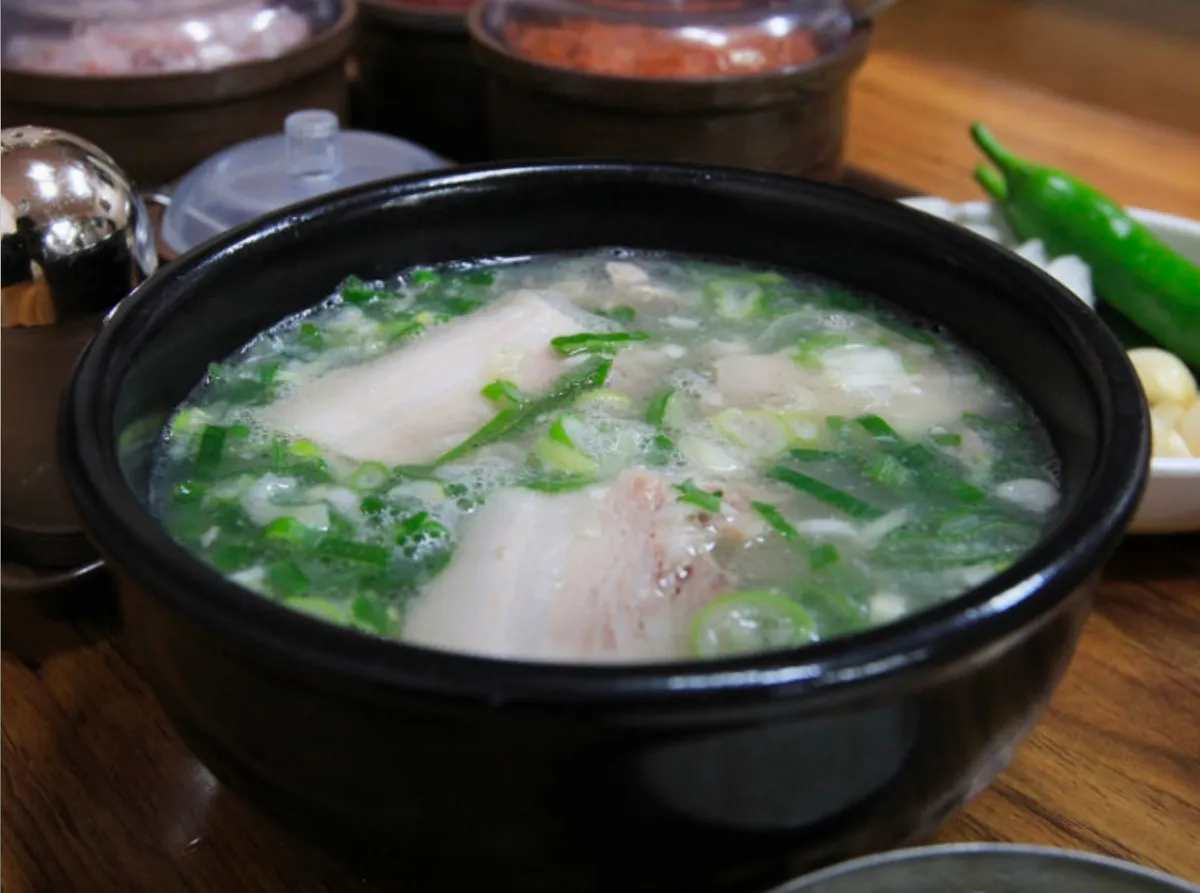
Bonjeon Dwaeji Gukbap Busan Guide: Pork Soup, Menu, Prices & Tips for Foreigners
Bonjeon Dwaeji Gukbap (본전돼지국밥) is a single dwaeji gukbap restaurant at 3-8 Jungang-daero 214beon-gil, Choryang-dong, Dong-gu, Busan, about 150 m from Busan Station in a straight line. Kakao Map lists the soup at ₩10,000 and hours of 09:00 to 21:00 with last order at 20:30, while other listings show higher prices and an earlier opening.
Busan
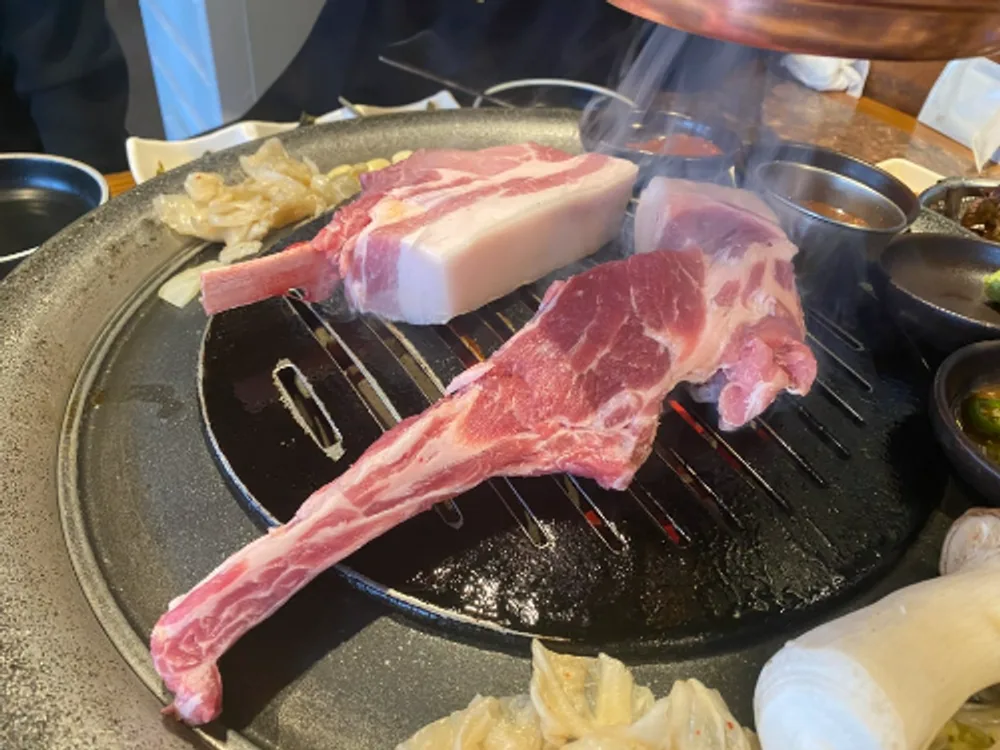
Sukseongdo Jeju Guide: Aged Black Pork, Menu, Reservations, Prices & Tips for Foreigners
Sukseongdo (숙성도) Jeju Main Branch, at 30 Jewon-gil in Yeon-dong, Jeju City, sells pork by the portion, with the menu named by number (960, 720, 560, 360). Kakao Map lists it open daily 11:30 to 22:00 with last order at 21:10. The restaurant's own notice says seats cannot be chosen in advance, the wait is checked in the Catchtable app, and dinner after 17:00 may be limited to 2 hours.
Jeju
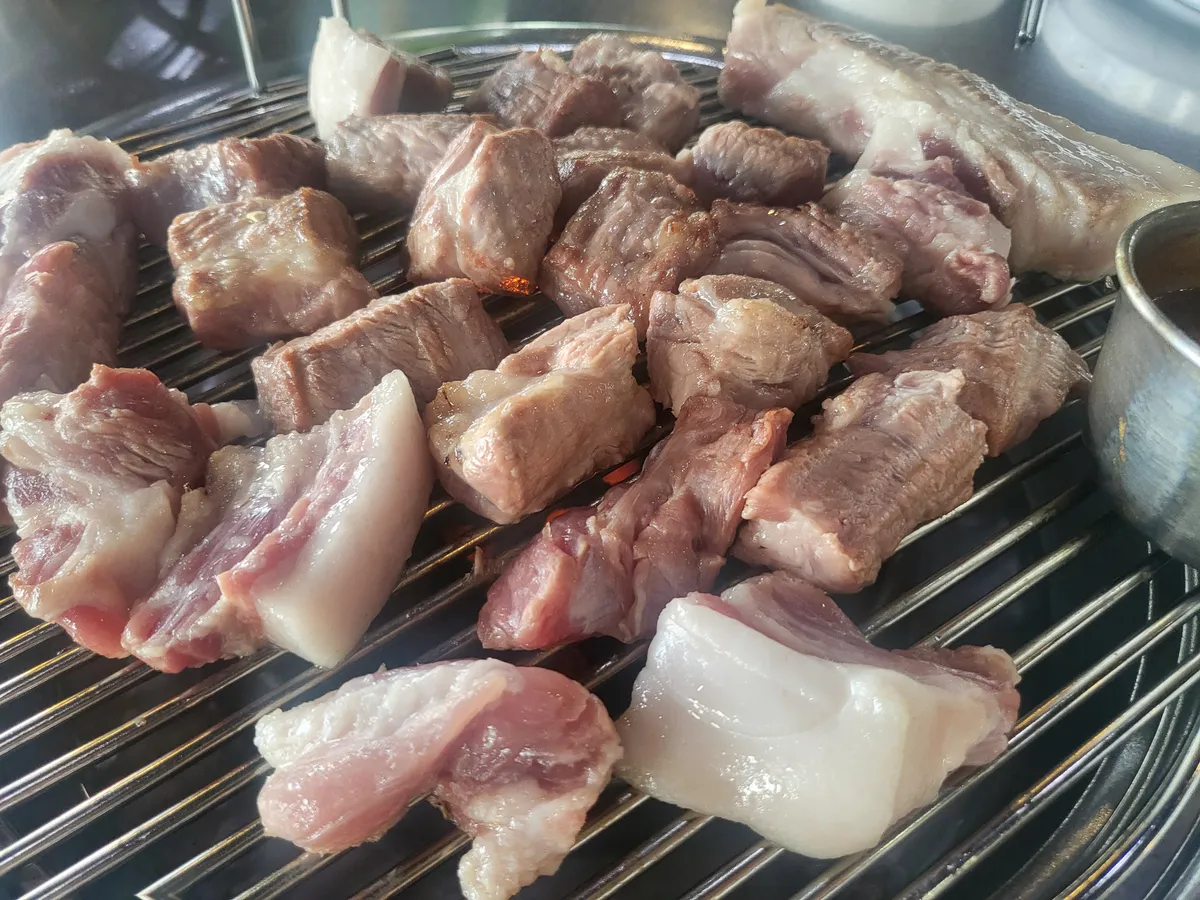
Donsadon Jeju Guide: Black Pork BBQ, Menu, Prices, Waiting & Tips for Foreigners
Donsadon (돈사돈) main branch, at 19 Upyeong-ro in Nohyeong-dong, Jeju City, grills thick-cut Jeju black pork over briquettes at your table, with staff doing the grilling. It is open 12:00 to 22:00 and closed on Tuesdays, takes no reservations as a rule, and sells the pork by weight: the current Naver Place listing shows ₩69,000 for 600 g, labeled for two people.
Jeju
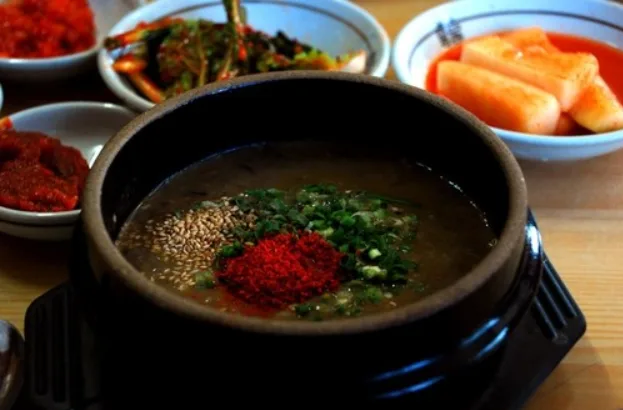
Ujin Haejangguk Jeju Guide: Gosari Yukgaejang, Menu, Prices, Waiting & Tips for Foreigners
Ujin Haejangguk (우진해장국) is a Jeju City restaurant known for gosari yukgaejang, a bracken and pork soup with a porridge-like texture, about 2.6 km east of Jeju Airport in a straight line. The soup is ₩11,000 on the current Kakao Map and Naver Place listings, the main building is open 06:00 to 22:00, and there is no table booking, so the wait is not predictable.
Jeju
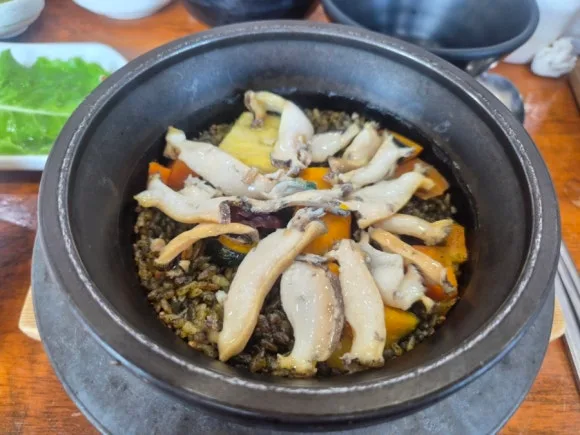
Myeongjin Jeonbok Jeju Guide: Abalone Stone Pot Rice, Menu, Prices & Tips for Foreigners
Myeongjin Jeonbok (명진전복) is an abalone restaurant on the coastal road in Pyeongdae-ri, Gujwa-eup, on Jeju's northeast coast. The menu is built around abalone stone pot rice (₩16,000 on the current Kakao Map and Naver Place listings), with porridge, butter-grilled abalone and sliced raw abalone as the other mains. It is closed on Tuesdays, no online booking was found, and a car is the practical way to reach it.
Jeju
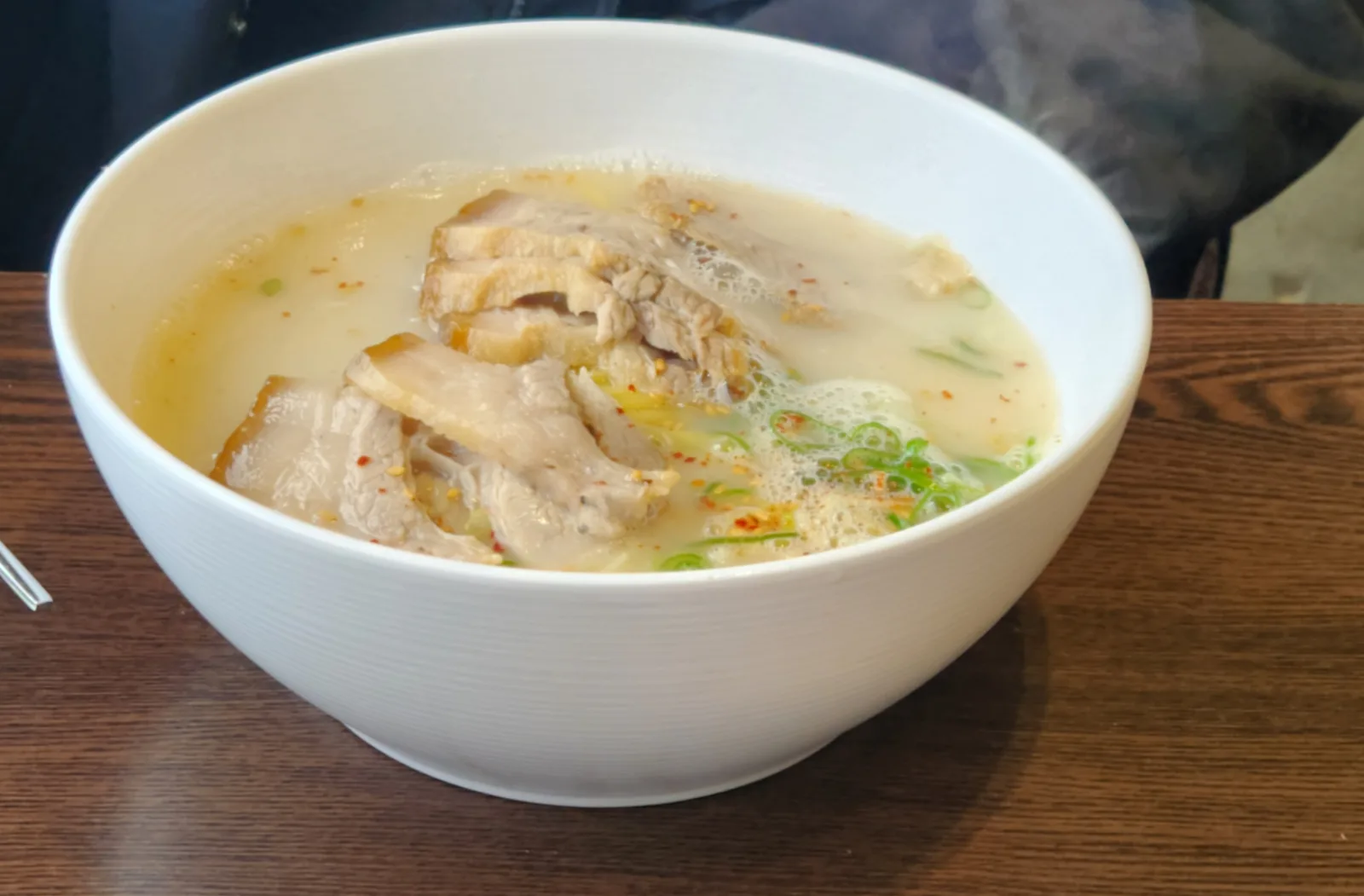
Jamae Guksu Jeju Guide: Gogi Guksu, Menu, Prices, Waiting & Tips for Foreigners
Jamae Guksu (자매국수) is a pork noodle restaurant in Iho 1-dong, Jeju City, about 3 km west of Jeju Airport in a straight line. Gogi guksu, the pork noodle soup, is ₩10,000 on the current Kakao Map and Naver Place listings, with bibim guksu at the same price and boiled pork (dombe gogi) from ₩19,000. It is closed on Wednesdays, takes a mid-afternoon break, and visitors queue through an app, so the wait is not predictable.
Jeju
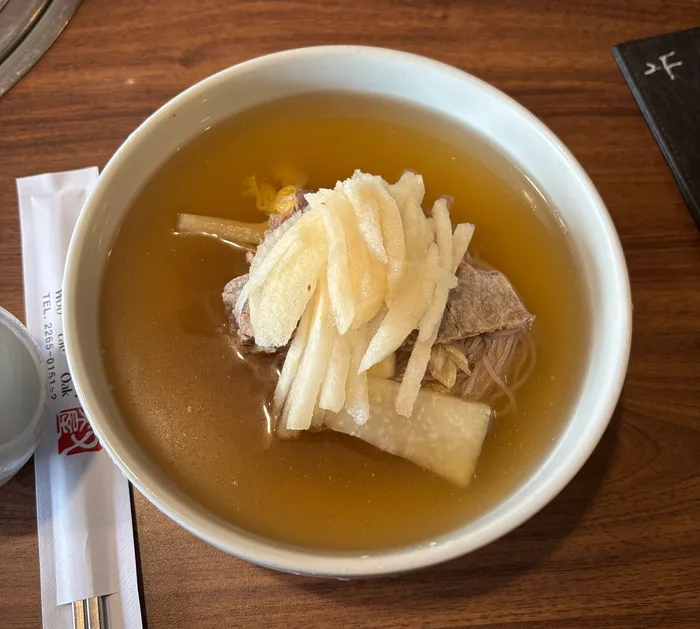
Woo Lae Oak Guide: Seoul's Pyongyang Naengmyeon and How to Order It Near Euljiro 4-ga
Woo Lae Oak is a Pyongyang naengmyeon restaurant in Jung-gu, Seoul, open since 1946 and listed in the MICHELIN Guide. Its buckwheat noodles come in a clear, mild beef broth, so a first bowl can taste plain until you learn how to eat it. Below: what to order, how to find it from Euljiro 4-ga station, the Monday closure, and who should skip it.
Seoul
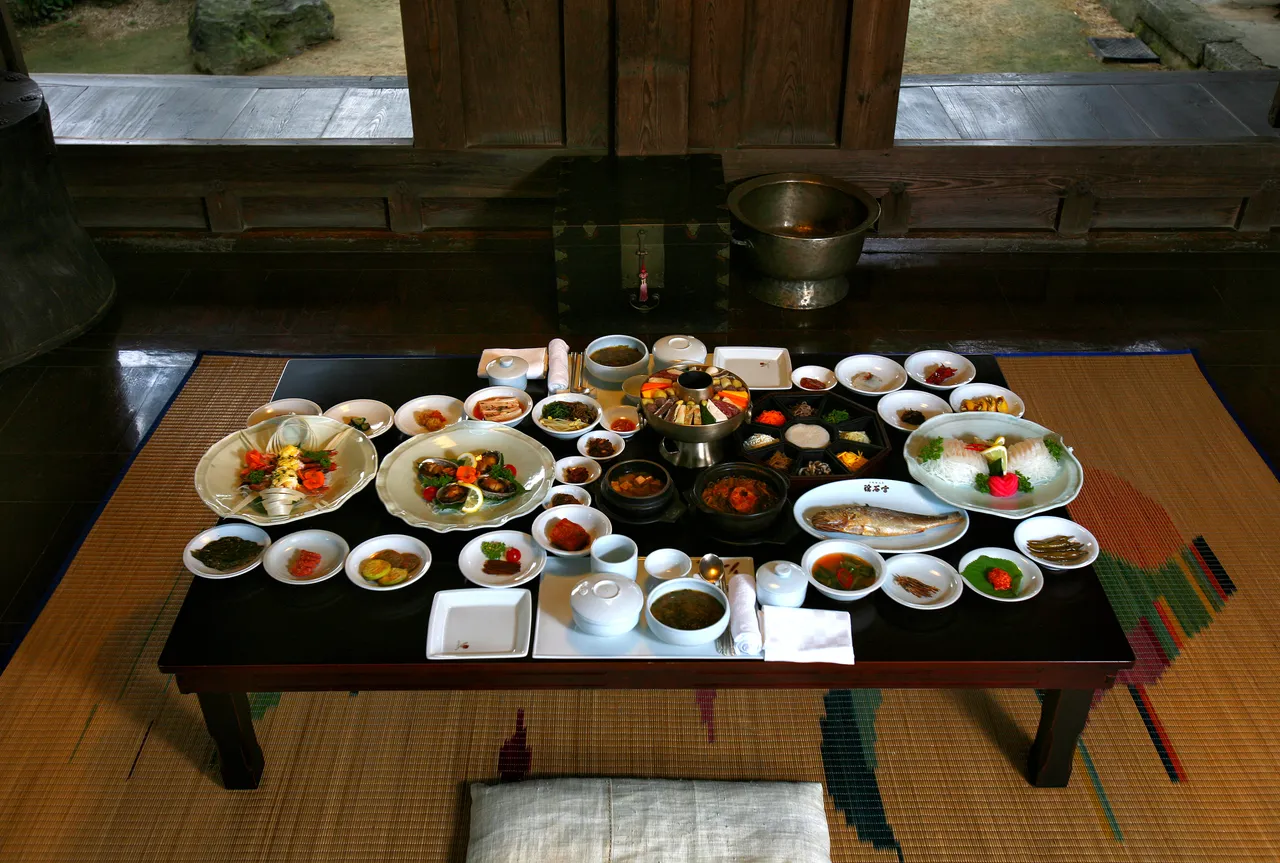
Michelin Guide Restaurants Near Seoul Tourist Areas: Stars, Bib Gourmand, and What Fits Your Itinerary
Michelin in Seoul isn't only fine dining, a Bib Gourmand meal can be a ₩10,000 to 30,000 bowl. This is a match-your-itinerary hub: it explains the Star / Bib Gourmand / Selected tiers (with the 2026 guide's numbers), then maps anchor restaurants to tourist areas (Myeongdong, Euljiro 4-ga, Insadong, Gyeongbokgung, Gwangjang Market, and Gangnam) so you can pick by route and budget. Michelin ratings change yearly, so confirm each restaurant's current category on the official Michelin Guide before you go.
Seoul

Tosokchon Samgyetang Guide: Seoul's Famous Ginseng Chicken Soup Near Gyeongbokgung
Tosokchon is one of Seoul's most famous samgyetang (ginseng chicken soup) restaurants, a short walk from Gyeongbokgung in the Seochon area. It's set in a converted hanok with floor seating, and the key choice when you order is regular chicken or ogolgye (black silkie). What to order, how to find it, and who should (and shouldn't) go are all below.
Seoul
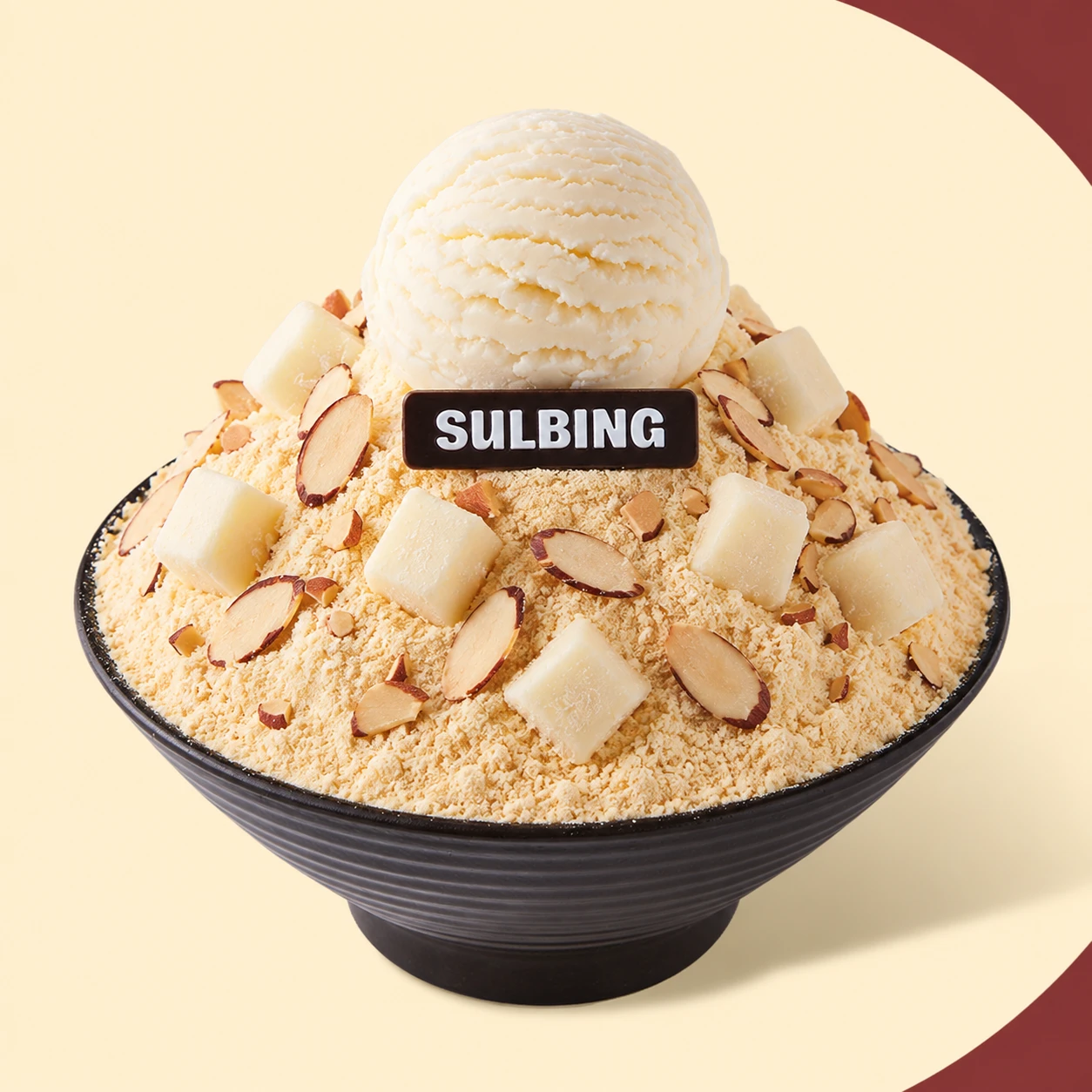
Sulbing Korea Guide for Foreigners: Korean Bingsu, Best Menu Picks, and Where to Try It
Sulbing is a nationwide Korean dessert-cafe chain best known for bingsu, shaved milk-snow ice piled with toppings and meant to be shared. The dish that built the brand, injeolmi sulbing, is made with roasted soybean powder and chewy rice cake and has no red beans, which makes it an easy first order. Prices, seasonal flavors, and the exact menu vary by store, so check the current official menu when you go.
SeoulBusanNationwide
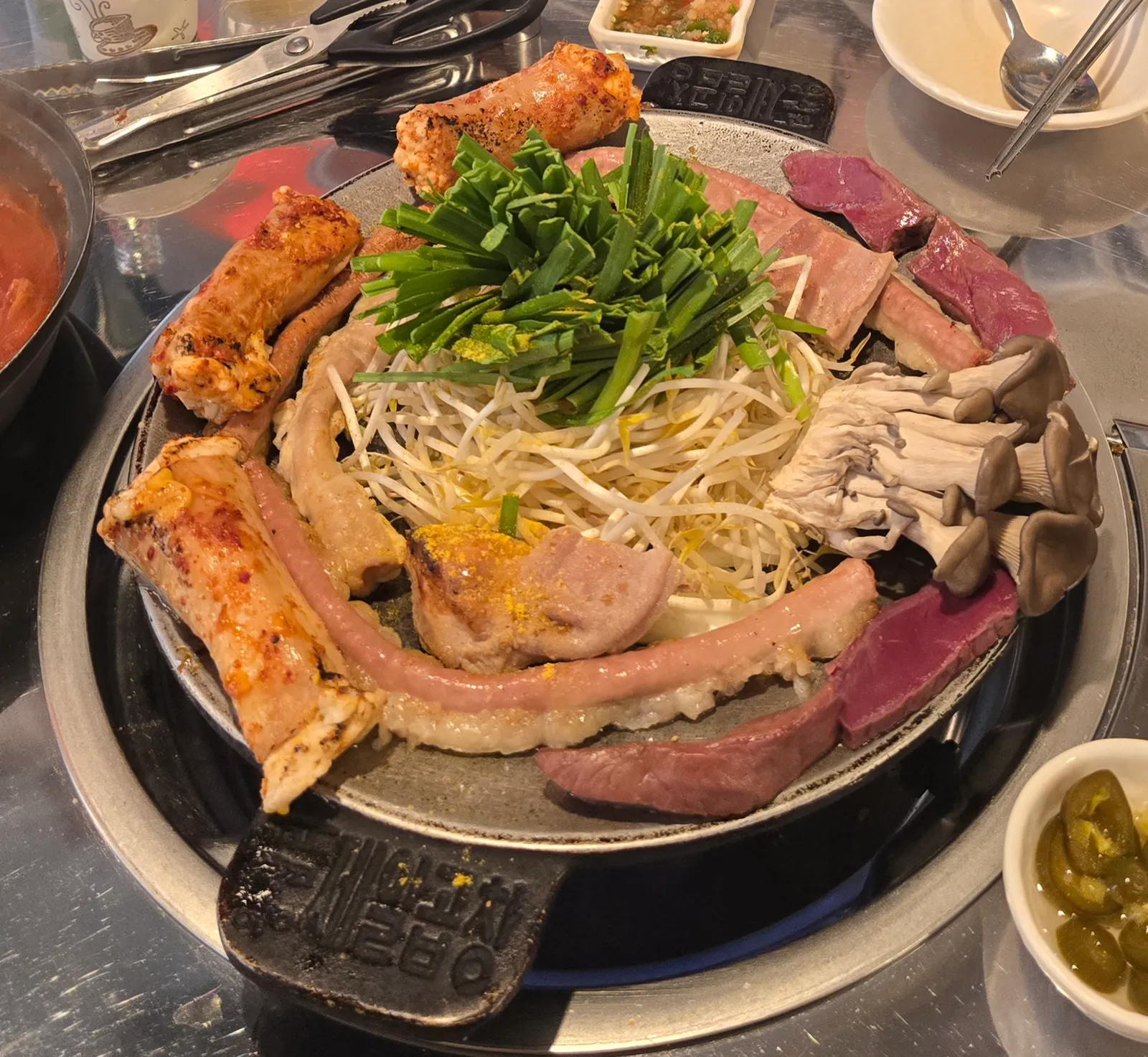
Gopchang in Korea: A Guide to Grilled Beef Intestines + 3 Seoul Restaurants
Gopchang (곱창) here means grilled beef small intestine: a classic Korean evening BBQ and soju food, not a shock challenge. Learn how it differs from daechang, yang, and makchang, how table service usually works, what a first-timer should order, and three currently operating Seoul spots in Myeongdong, Chungmuro, and Sinchon. It is rich offal BBQ. Share cuts, cook them fully, and finish with fried rice when the restaurant offers it.
Seoul

Myeongdong Kyoja Guide: Seoul's Famous Kalguksu and Mandu Restaurant
Myeongdong Kyoja is one of Seoul's most famous noodle restaurants: a Michelin Bib Gourmand spot in the heart of Myeongdong, open since 1966, with a tiny four-item menu built around hand-cut kalguksu and mandu. It's fast, easy to order, and great between bouts of Myeongdong shopping. What to order, the famous garlic kimchi, and how to find the main branch are all below.
Seoul
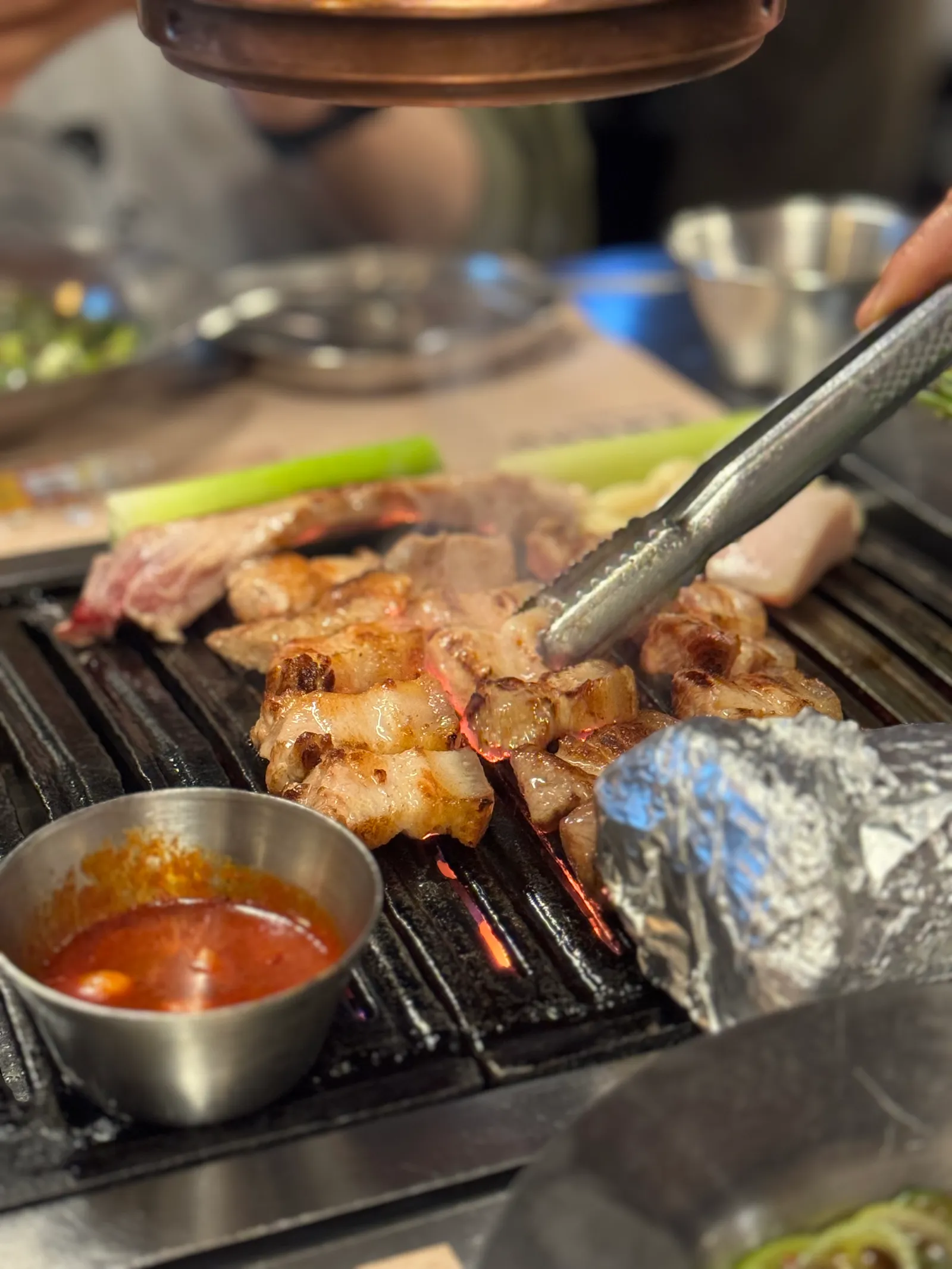
Geumdwaeji Sikdang Guide: Seoul's Famous Pork Korean BBQ Restaurant
Geumdwaeji Sikdang ("Gold Pig") in Sindang is a Michelin Bib Gourmand pork BBQ restaurant known for thickly marbled nunkkot moksal grilled over charcoal and cast iron. Limited advance booking slots appear on platforms such as CatchTable, and a long walk-in queue is still the norm. What to order, how to find the right place, and what to check before you go are all below.
Seoul

Korean Supermarket Guide: Where to Shop and How to Choose Categories
This page owns the supermarket shopping mechanics: which chains to use, how food-souvenir categories differ, what packs well, and dietary caution. Named snack SKUs live in the snacks guide, ramyeon depth in the ramyeon guide, and coffee, seaweed, and sauces in the grocery souvenirs guide. Use this hub to choose a path, not as a second full product list.
Nationwide
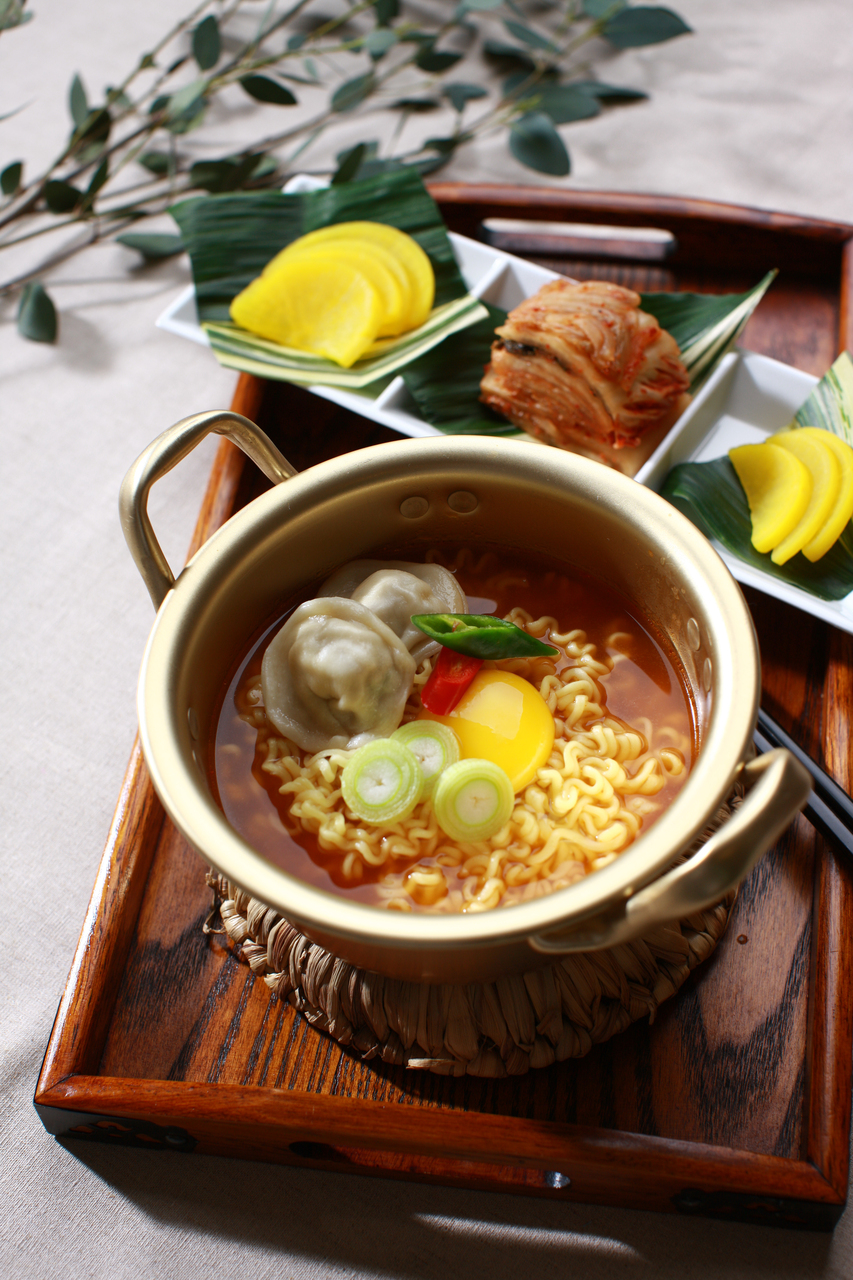
Korean Ramyeon at the Supermarket: What to Buy and How to Pack It
Two Korean ramyeon products receive the most attention from international visitors: Samyang Carbonara Buldak Ramen (creamy and genuinely spicy) and Nongshim Shin Ramyun Toomba (cream-and-cheese spin-off of classic Shin Ramyun, also spicy). Both come in bag and cup formats; the bag packs more efficiently. Neither is mild. Allergy and cooking notes below.
Nationwide
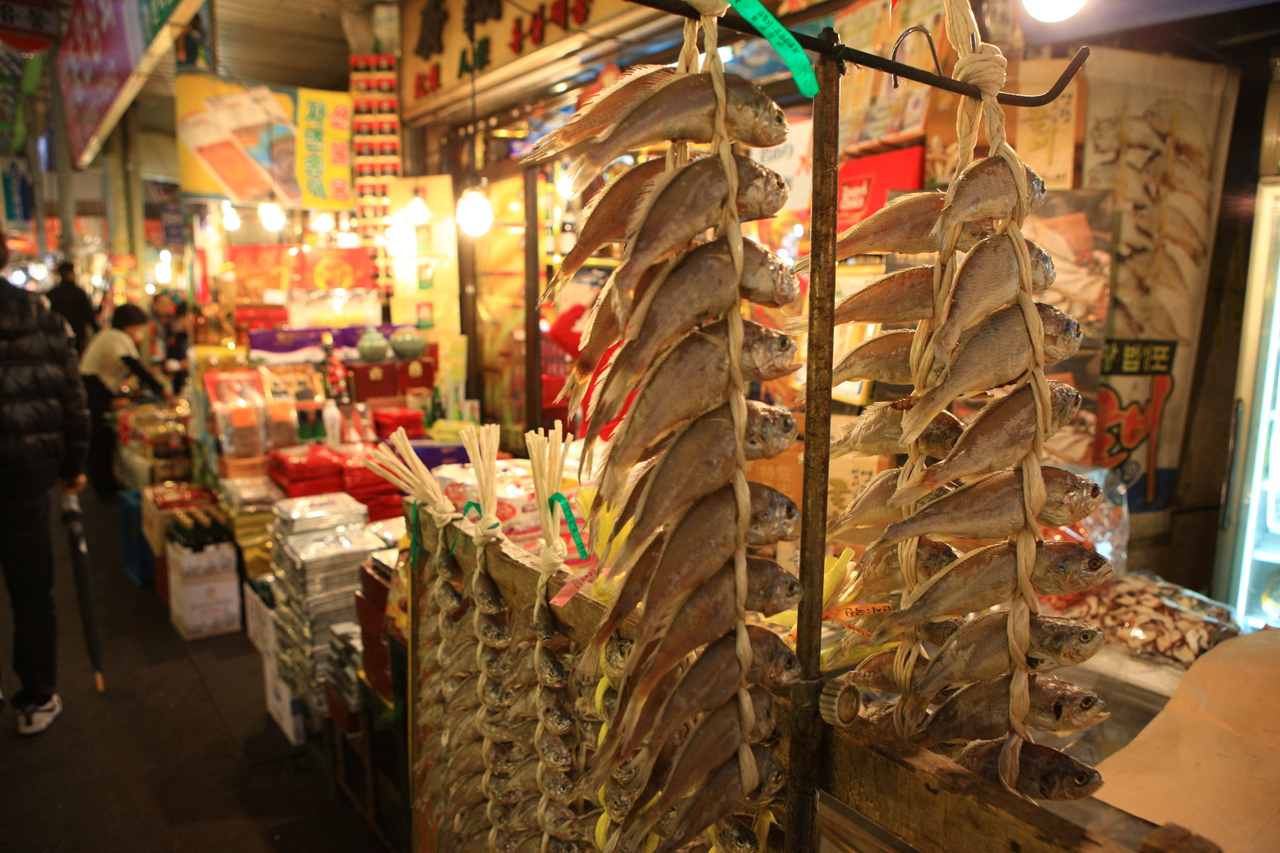
Korean Grocery Souvenirs: Coffee, Seaweed, Sauces, and Pantry Picks
Korean pantry souvenirs at the supermarket cover light packables (bibigo roasted seaweed, Maxim coffee sticks, KANU Americano) and home-cook staples (Samyang Buldak Hot Sauce, Sempio Gochujang, Sempio Instant Tteokbokki Cup). Sauces and pastes need careful packing and may need checked luggage. Customs rules vary by destination country.
Nationwide
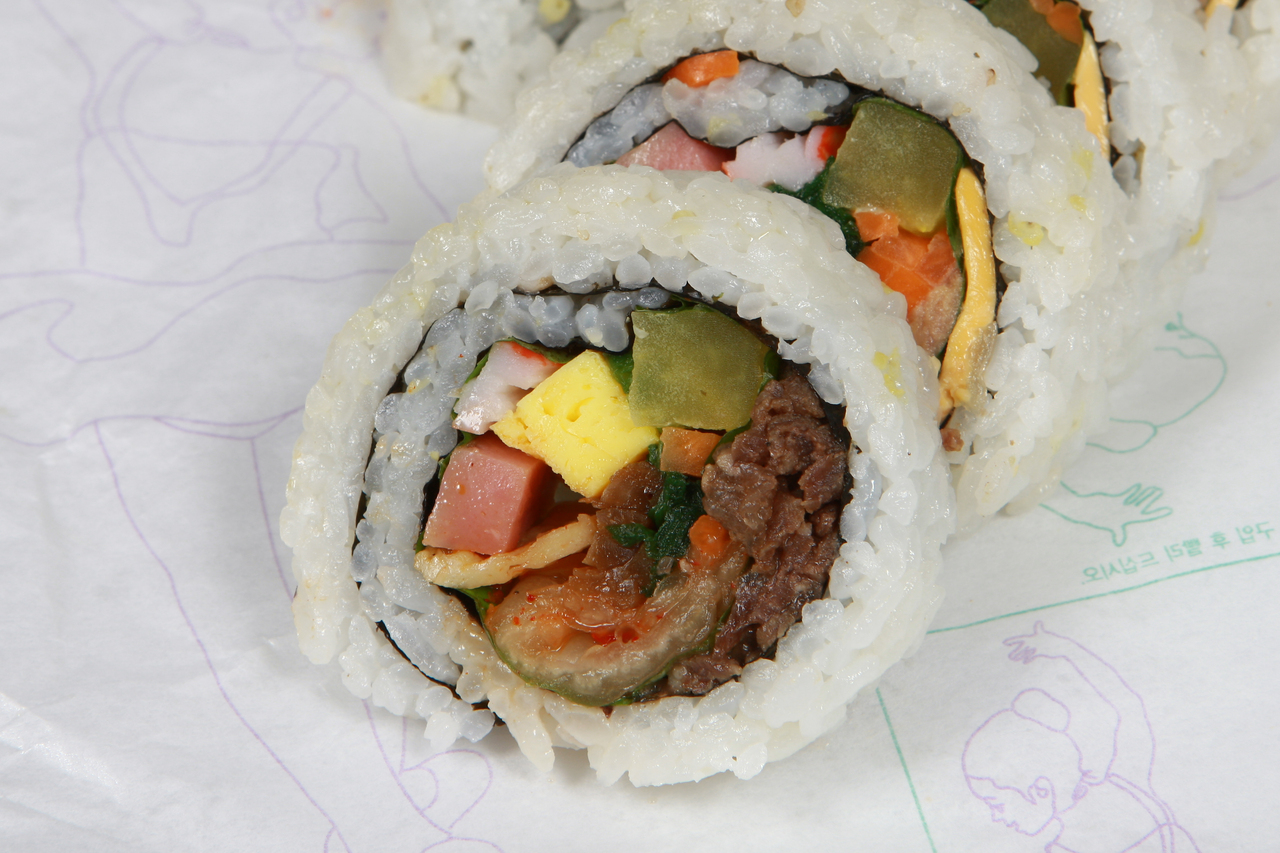
Korean Supermarket Snacks: Biscuits, Chips, and Gift-Ready Picks
Korean supermarket snacks fall into two practical groups: gift-style biscuits (Bichobi, Choco Pie, Pepero, Market O Real Brownie, Crown Butter Waffle) that come in boxes with individually wrapped pieces, and crunch snacks (Kkobuk Chips Choco Churros, Haitai Honey Butter Chip, HBAF almonds, Saewookkang) that are more fragile and savory. Full packing and allergy notes for each product are below.
Nationwide
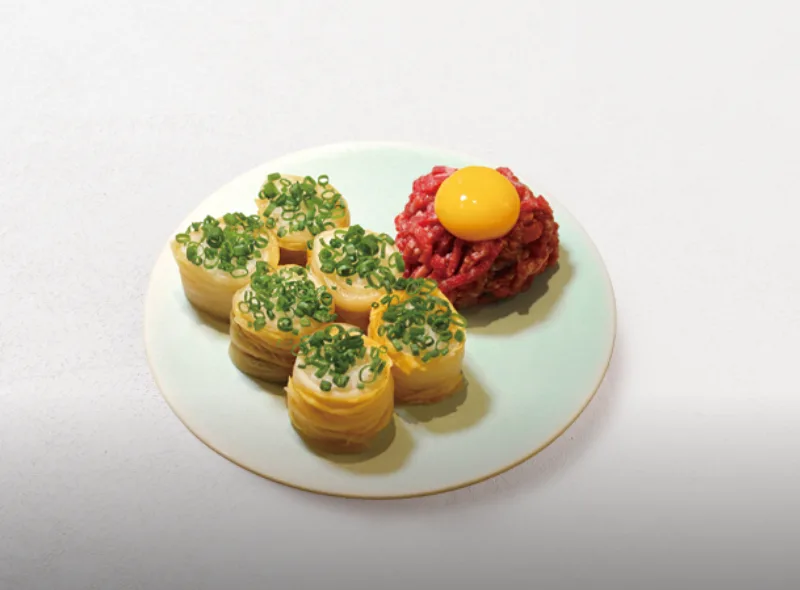
What to Eat Near Seoul Forest: 5 Restaurants for Korean Food, Burgers, Pasta, and a Special Meal
Seoul Forest is ringed by Seongsu's cafes, pop-up stores, and restaurants, and the fastest way to choose is to decide what kind of meal you want rather than chase a name. This guide compares five restaurants near the park: modern Korean sharing plates at Nanpo Seongsu, a full Korean set meal at Grandmother's Recipe, handmade burgers at Zesty Saloon, pasta and steak at Quiver, and premium Hanwoo at Seoulloin. It covers signature dishes with their Korean names, who each place suits, how reservations and queues work, and what to check for seafood, meat, and allergens. This is not a ranking, and menus, hours, and waiting systems change, so confirm current details before you go.
SeoulSeongsu
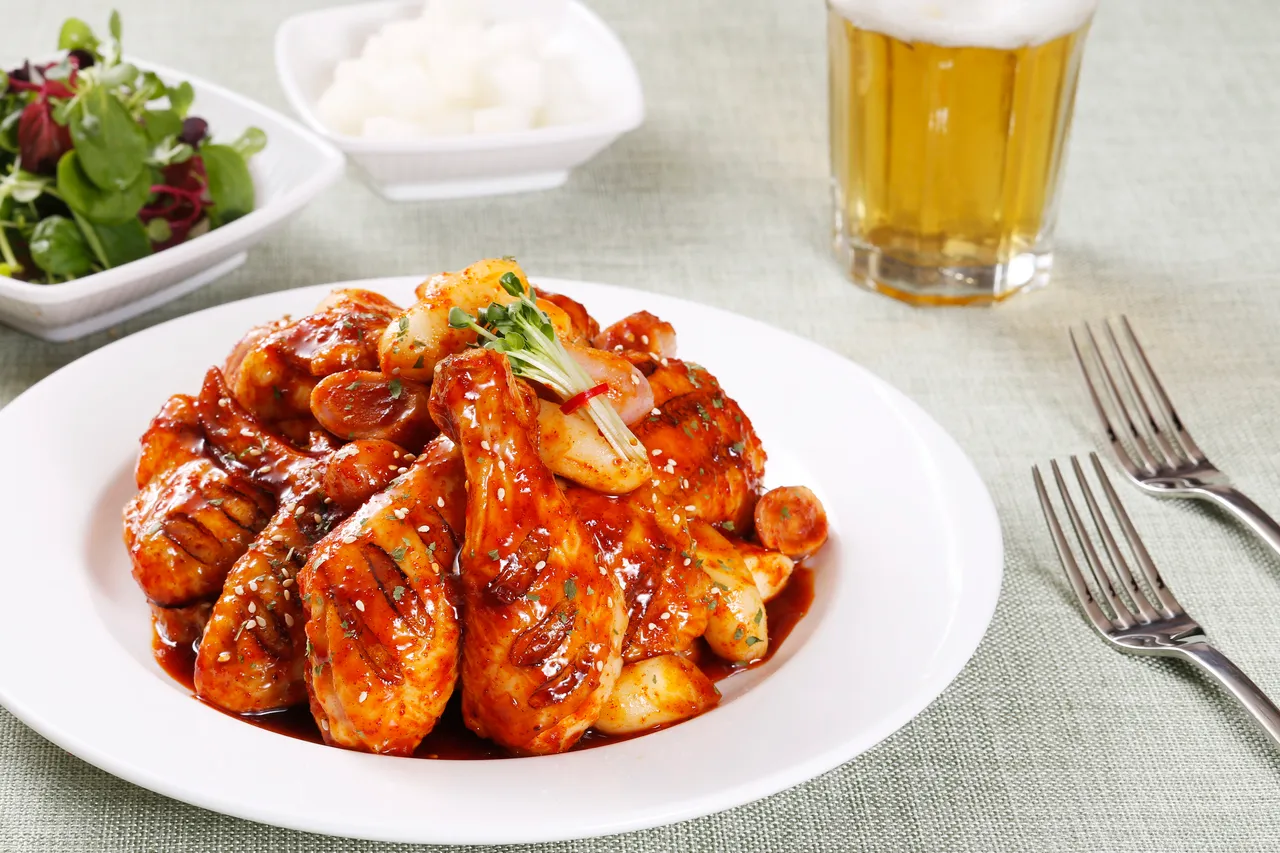
Korean Fried Chicken Brands Guide: What to Order, Signature Menus, and Best Sides
Korean fried chicken isn't one dish: each big brand has its own style, from BBQ's olive-oil frying to BHC's Bburinkle powder and Kyochon's hand-brushed soy-garlic. This is a match-your-taste guide, not a ranking: what each brand is known for, how to order (half-and-half, boneless, sides), the flavor labels that signal spice, and dietary cautions. Menus, prices, and availability change and vary by branch, so check the current official menu before you order.
Nationwide
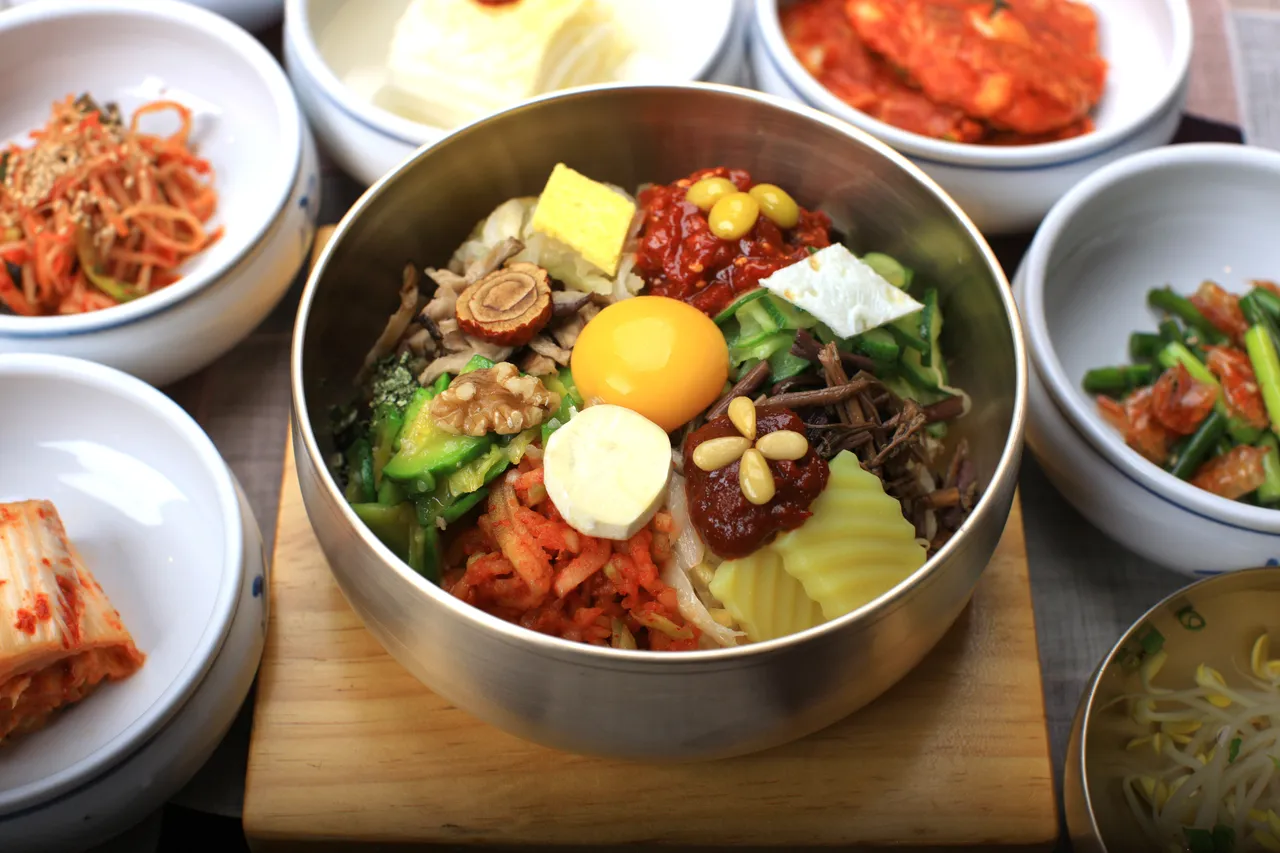
Korea Food Guide for Muslim Travelers: What to Check Before Eating
Korea publishes four different Muslim-friendly restaurant labels, and only the top one means an accredited body certified the food. Below that, "self- certified" means the owner vouched for it, and the two labels under that allow alcohol on the premises. What each label leaves open, which questions get you a usable answer, and what to do when nobody can tell you what is in the broth, are below.
Nationwide
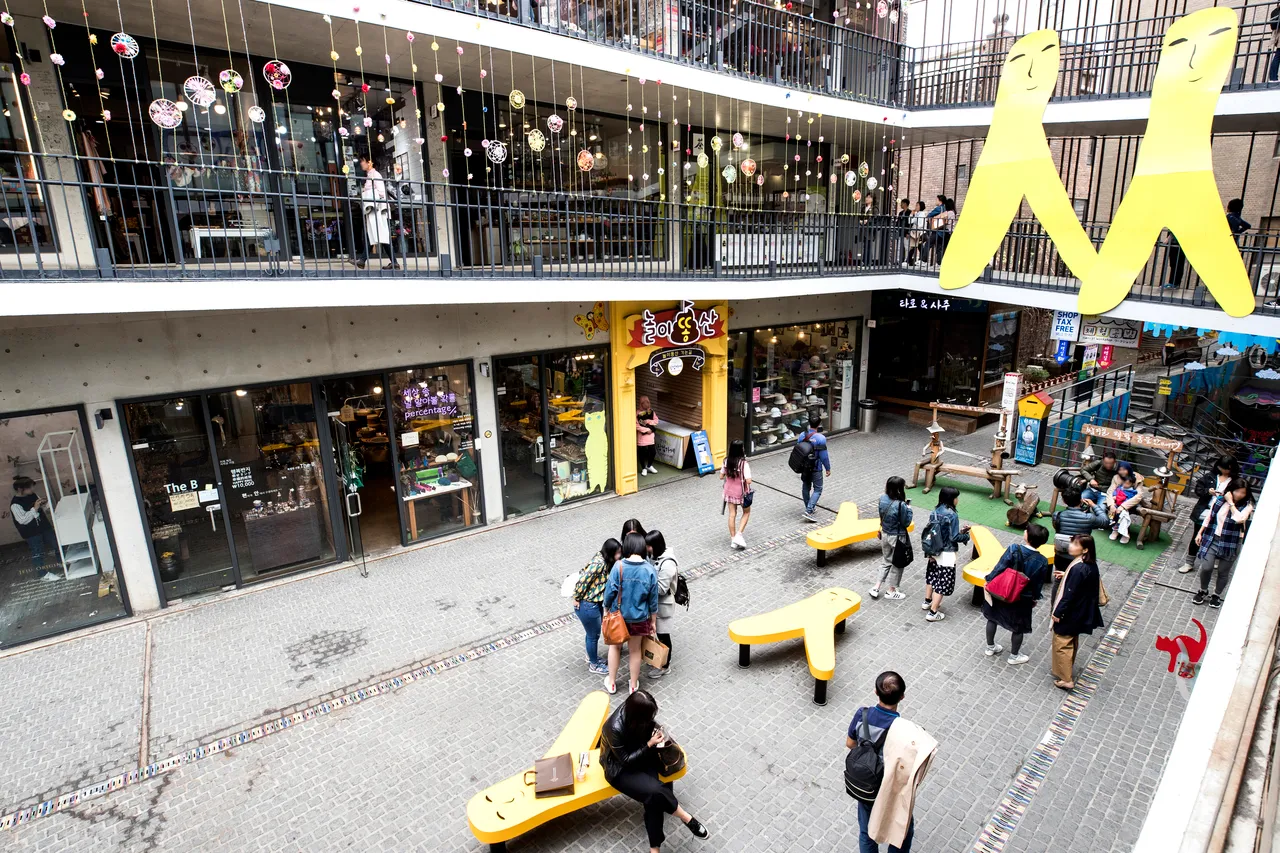
Top 5 Jongno Restaurants Foreigners Love: What to Eat Near Palaces, Insadong, Bukchon, and Gwangjang Market
Jongno is where old Seoul eats: century-old soup houses, a chicken-hot-pot alley, and market raw-beef stalls, all a short walk from the palaces, Insadong, and Bukchon. This is an editorial pick of five restaurants first-time visitors tend to love, not an official ranking, chosen so you can match your route, the kind of dish, and your comfort level. It covers what to order, who each place suits, and what to check before you go, plus honest notes on raw dishes, halal, vegetarian, and allergies. Hours, prices, and Michelin listings change, so confirm the current details before visiting.
Seoul

Korean BBQ Guide: How to Order and Eat It
Korean barbecue is a grill-it-yourself meal of pork or beef cooked at your table and wrapped in lettuce with sides. The popular cuts, how to order, how the grilling works, what it costs, and the simple etiquette are all below.
SeoulBusanNationwide

Gwangjang Market Food Guide for Visitors
Gwangjang Market is Seoul's most famous street-food market, known for mung-bean pancakes, mayak gimbap, and live-octopus stalls. What to eat, how to order at a busy stall, rough prices, and directions all follow.
Seoul
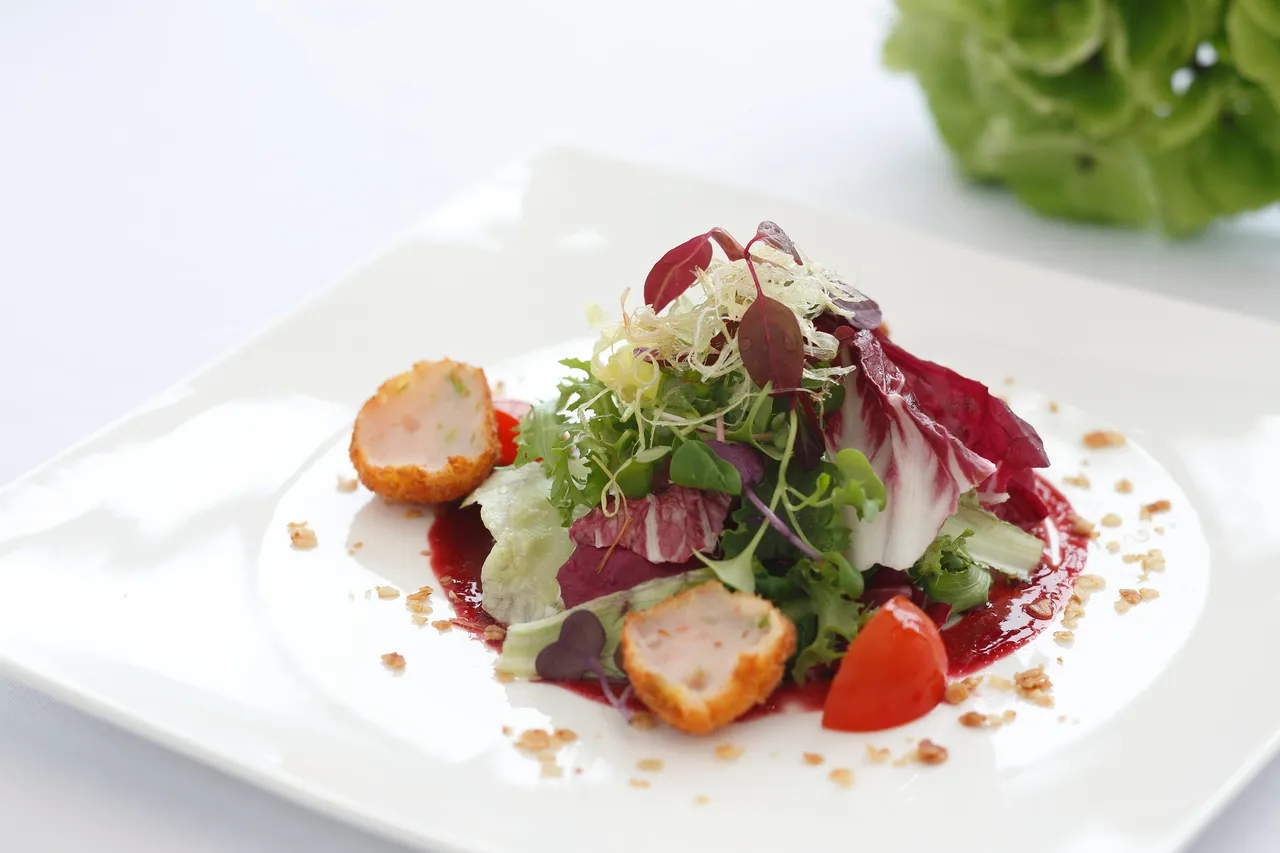
Mingles Seoul Guide: Michelin Fine Dining in Gangnam
Mingles is one of Seoul's landmark fine-dining restaurants: a modern-Korean tasting-menu destination in Cheongdam from chef Kang Mingoo, built around Korea's jang (fermented sauces) and Western technique. This guide is a visit-decision briefing, not a hype piece: what to expect, how the courses and pricing work, how far ahead to book, where it actually is (near Cheongdam, not Gangnam Station), and who it's for. Michelin ratings, menus, and prices change each year, so confirm the current details on the official Michelin Guide and Mingles pages before you book.
Seoul
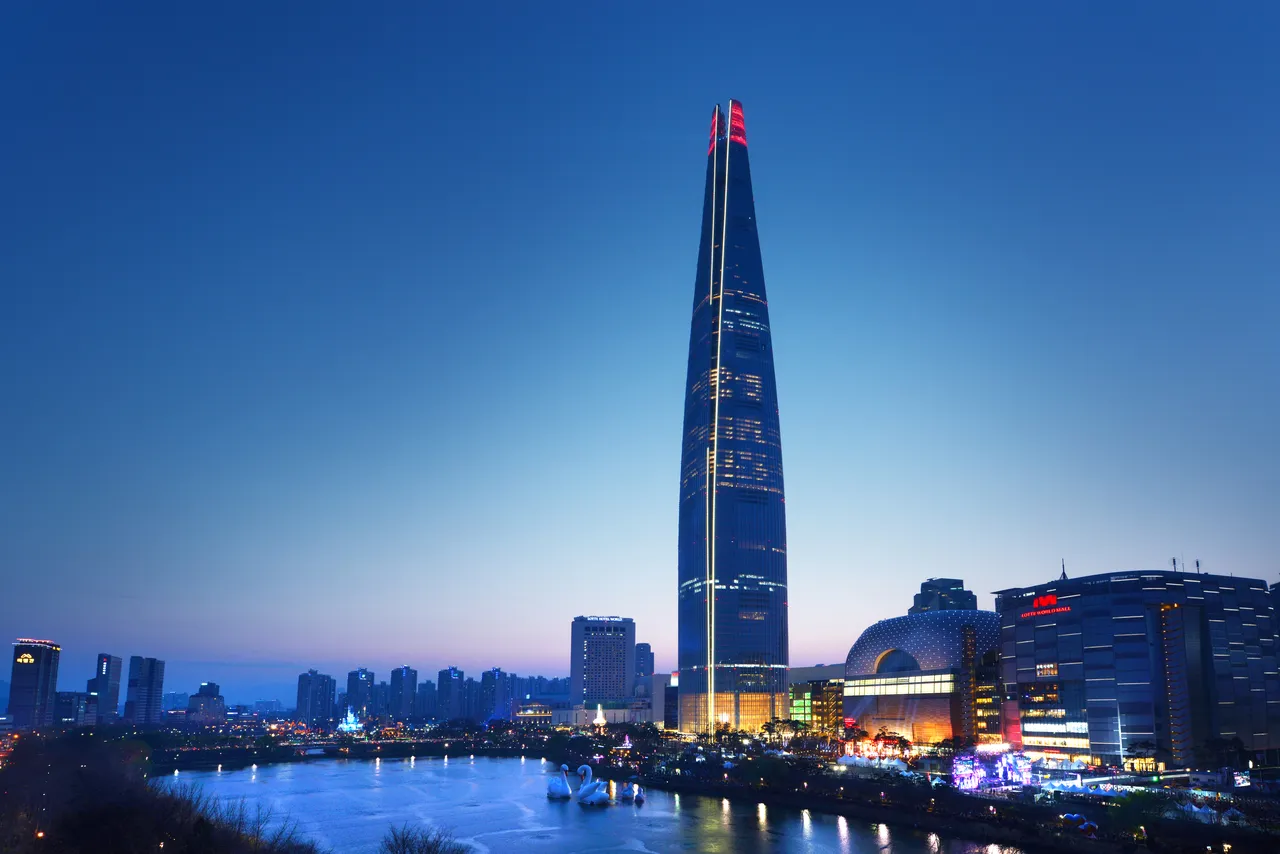
Where to Eat in Jamsil: Lotte World Mall and Lotte Tower Food Guide
Jamsil's Lotte World complex (the mall, the tower, Seoul Sky, and Seokchon Lake) has hundreds of places to eat, which is exactly the problem. This guide isn't a hidden-gem list; it helps you decide what kind of meal fits your day (family lunch before the theme park, a dessert stop, a special-occasion dinner, a quick bite) and points to a few well-known spots to check. Floors, menus, prices, hours, and waits change often, so confirm each place on its official page before you go.
Seoul
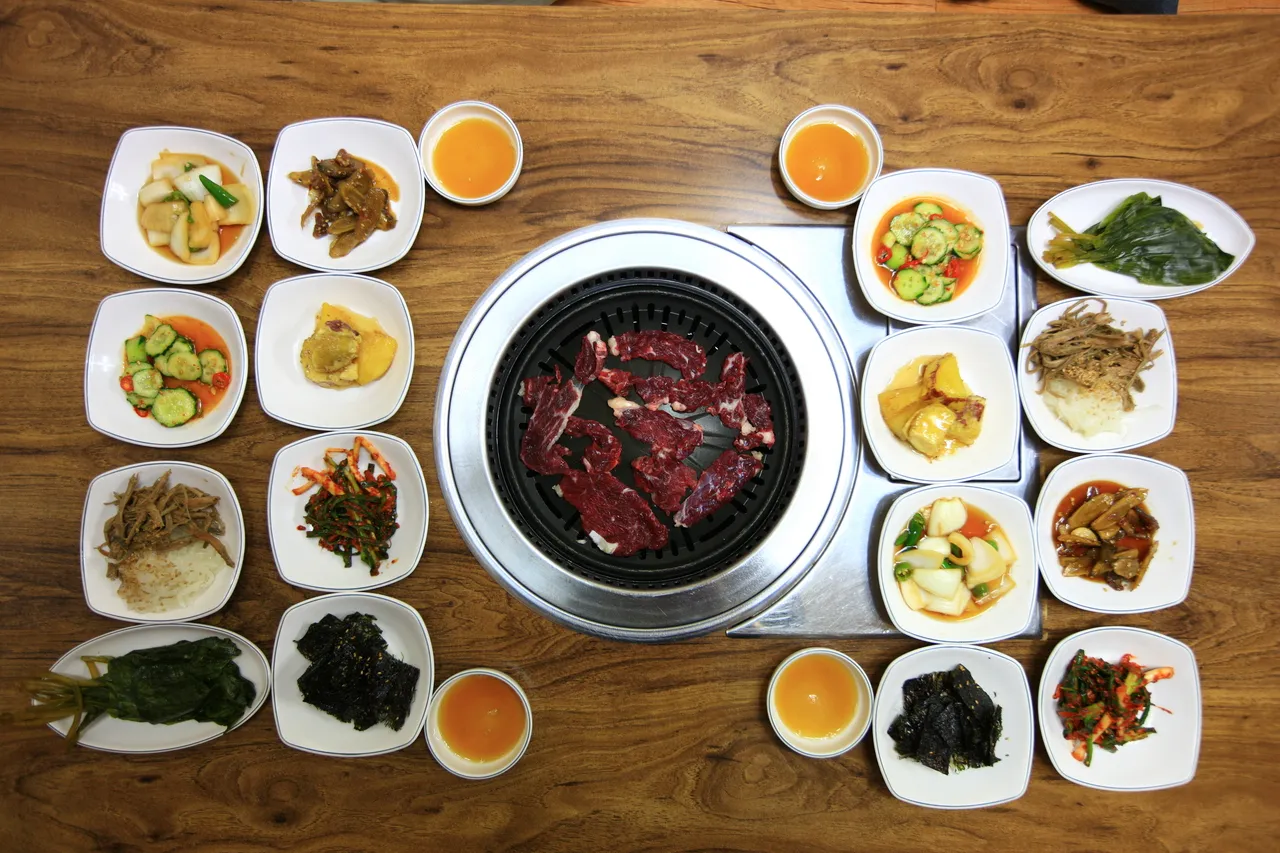
Samwon Garden Guide: Classic Korean BBQ in Gangnam
Samwon Garden is one of Gangnam's classic Korean BBQ institutions: a garden-set hanwoo galbi restaurant open since 1976, the kind of place locals pick for a family celebration or a business dinner rather than a casual night out. This guide is a practical pre-visit briefing: what to order (with the Korean names), how the grilling and pricing work, where it actually is (near Apgujeong, not Gangnam Station), and who it suits. Menus, prices, and hours change, so confirm the current details on the official page before you go.
Seoul
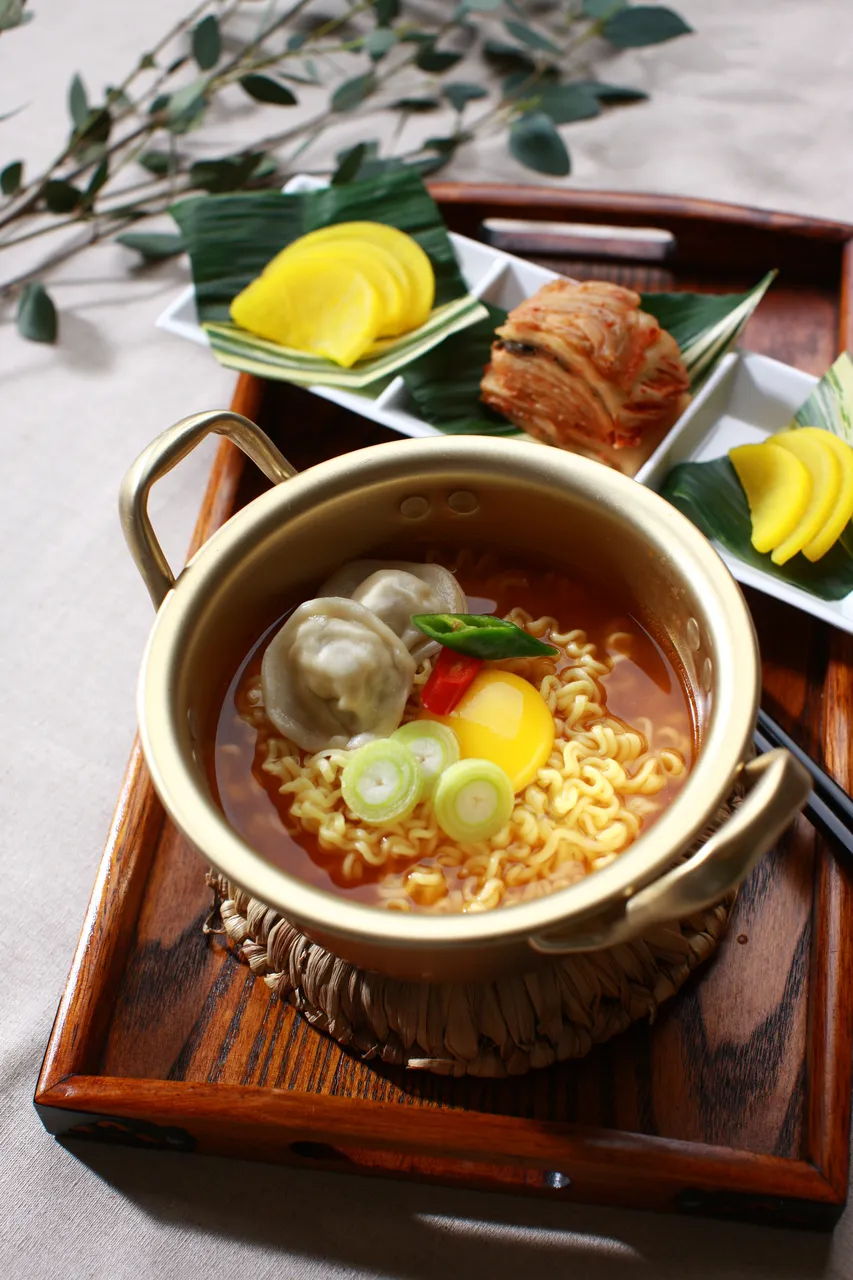
Korean Convenience Store Ramen Combos: Buldak, Shin Ramyun, Jjapaguri, Cheese, and Rice
Korean convenience stores are a cheap, fun way to eat instant ramen exactly how you like it: soup or stir-fried, mild or fiery, plain or loaded with cheese, egg, kimbap, and more. Ten beginner-friendly combos follow, with how to put them together and the things that actually matter: how spicy is too spicy, what to check if you avoid pork or eat halal or vegetarian, and common allergens. Brands are named only as examples; what's on the shelf changes by store and day, so read the package.
Nationwide
What to Eat in Busan: A First-Timer's Food Guide
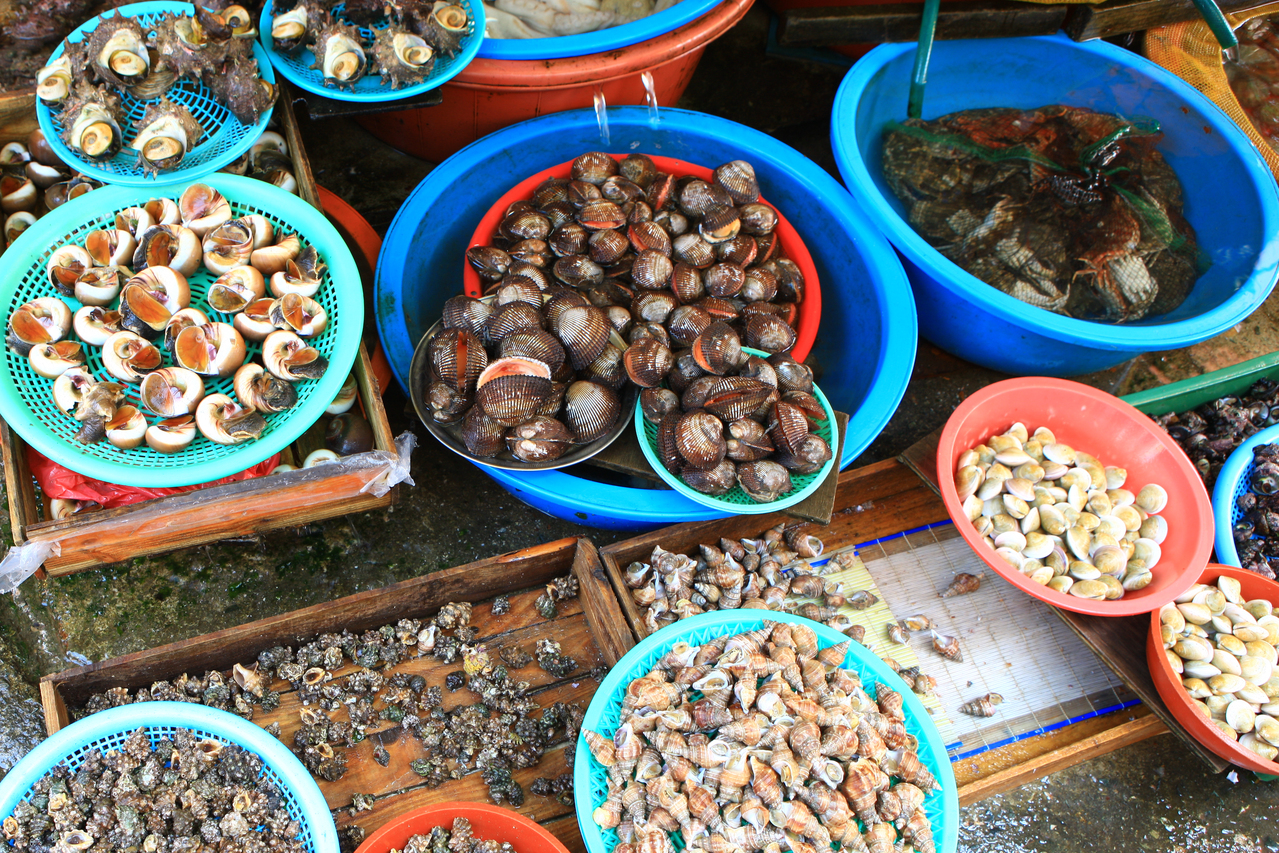
Busan's food is a seaport-and-refugee story: hearty pork-bone soup, wheat-flour cold noodles, and the country's biggest fish market all trace back to the Korean War years. The dishes to try follow (dwaeji gukbap, milmyeon, Jagalchi seafood, Busan eomuk, ssiat hotteok, grilled shellfish, and market snacks), each with where to find it and how to search by name.
Busan

Chimaek Guide: Korean Fried Chicken and Beer
Chimaek (치맥) is Korean fried chicken (chikin) paired with beer (maekju), a casual, shareable night out. Order a whole chicken for two to three people, choose plain fried or a sauce, and eat it while it is hot and crisp.
Nationwide

What to Eat in Korea: A First-Timer's Food Guide
A starter list of Korean dishes worth seeking out (barbecue, stews, bibimbap, street food, and fried chicken) with how to order, rough prices, and notes for vegetarian and halal travelers.
SeoulBusanNationwide
How these guides work
Menus are not always in English, and staff English varies by place. Each food guide focuses on what a dish is, how it is ordered, typical contexts (restaurant, market, convenience store), and dietary notes you can verify with the venue.
The guides do not make unverified halal, vegan, or allergy-safe claims. Always confirm ingredients with the restaurant when it matters for your diet.
Next: First-time path · Market price caution · Seoul overview