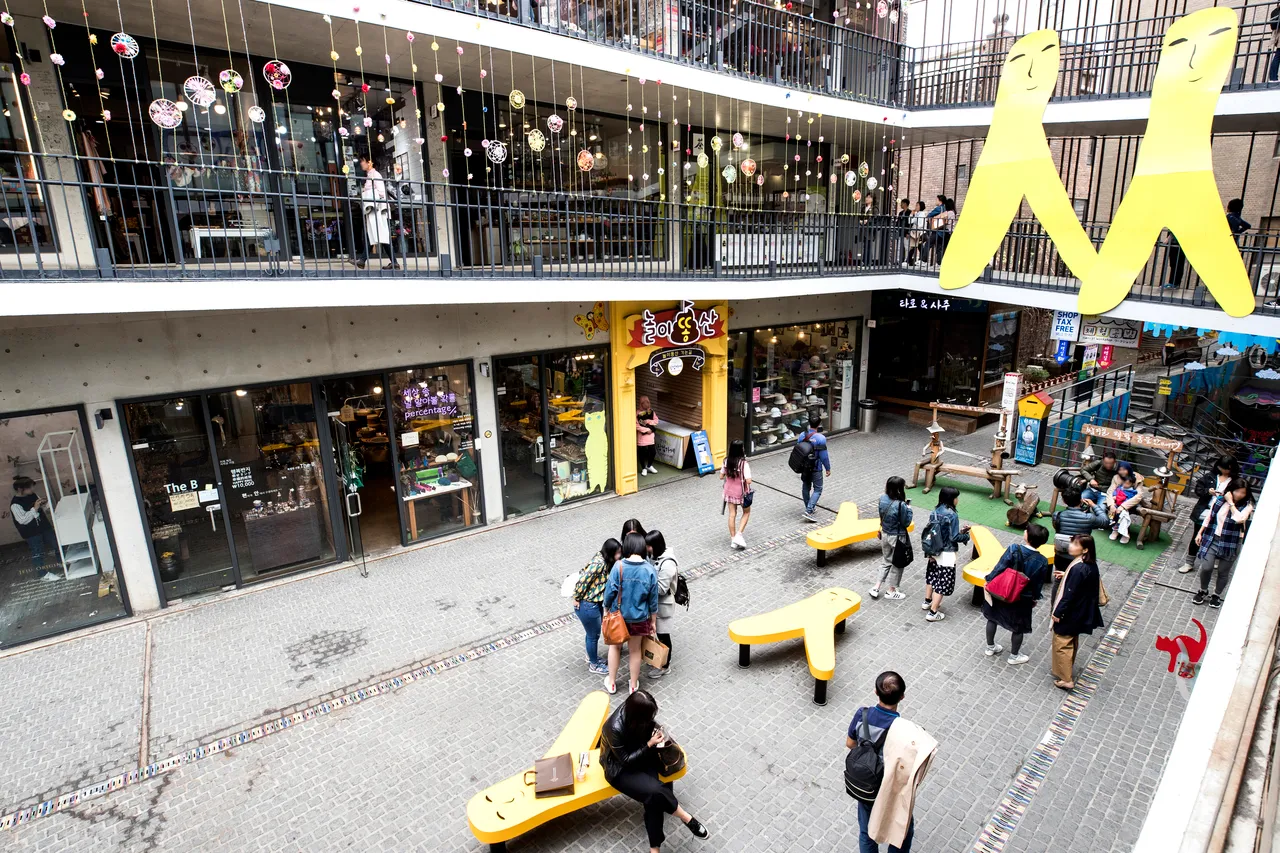
Jongno is the oldest part of Seoul, and it eats like it. Within a few subway stops you can go from a century-old ox-bone soup house to a chicken-hot-pot alley to raw-beef stalls in a covered market: all a short walk from the palaces, Insadong, and Bukchon.
For a first-time visitor, that's a lot of choice, so this guide narrows it to five restaurants many visitors love, picked to match your route, the kind of dish, and how adventurous you feel.
Two things up front. This is an editorial pick, not an official ranking: no "best in Seoul," no guarantees, and we point out who each place doesn't suit, too.
And everything changes: hours, holidays, prices, menus, and Michelin listings shift year to year, so treat the details here as a starting point and confirm the current information before you go. We don't list live prices, star ratings as facts, or wait times, because those are exactly the things that go stale.
Quick answer: the five picks
| # | Restaurant | Best for | What to order | Near |
|---|---|---|---|---|
| 1 | Tosokchon Samgyetang | A warm, mild, first-timer-friendly meal | Samgyetang (or ogolgye/black-silkie) | Gyeongbokgung / Seochon |
| 2 | Jinokhwa Halmae Dakhanmari | Groups, cold days, sharing | Dakhanmari (whole-chicken hot pot) | Jongno 5-ga / Dongdaemun |
| 3 | Buchon Yukhoe | Adventurous eaters, market atmosphere | Yukhoe (seasoned raw beef) | Gwangjang Market |
| 4 | Imun Seolnongtang | A gentle, historic bowl; solo diners | Seolleongtang (ox-bone soup) | Insadong / Jonggak |
| 5 | Mijin | A light, refreshing noodle break | Cold buckwheat noodles (memil-guksu) | Gwanghwamun |
Prices aren't shown on purpose: they change, and a couple of these places are known for value while others are more of a treat. Check the menu on arrival.
How we chose (and what "Top 5" means here)
"Top 5" here means our editorial pick for first-time visitors, not a league table. There's no official ranking of Jongno restaurants, and we're not claiming these are objectively the best.
We chose them to be genuinely useful:
| Criterion | What it means |
|---|---|
| Currently operating | Each place was confirmed open and in Jongno at the time of writing: but verify before you go |
| Walkable from sights | All are near palaces, Insadong, Bukchon, or Gwangjang Market |
| Spread of dishes | Chicken soup, chicken hot pot, raw beef, ox-bone soup, cold noodles: variety, not five versions of one thing |
| Range of comfort levels | From very mild and easy to more adventurous, so you can pick what suits you |
| Manageable for visitors | Places used to serving foreigners, with pointing-friendly menus |
Popularity with tourists is a factor, but "loved by foreigners" here means popular with many visitors: not a measured rating. Where a place carries a Michelin listing, we say so with the year and the exact category, and we never call a Bib Gourmand a star.
1. Tosokchon Samgyetang: ginseng chicken soup near Gyeongbokgung
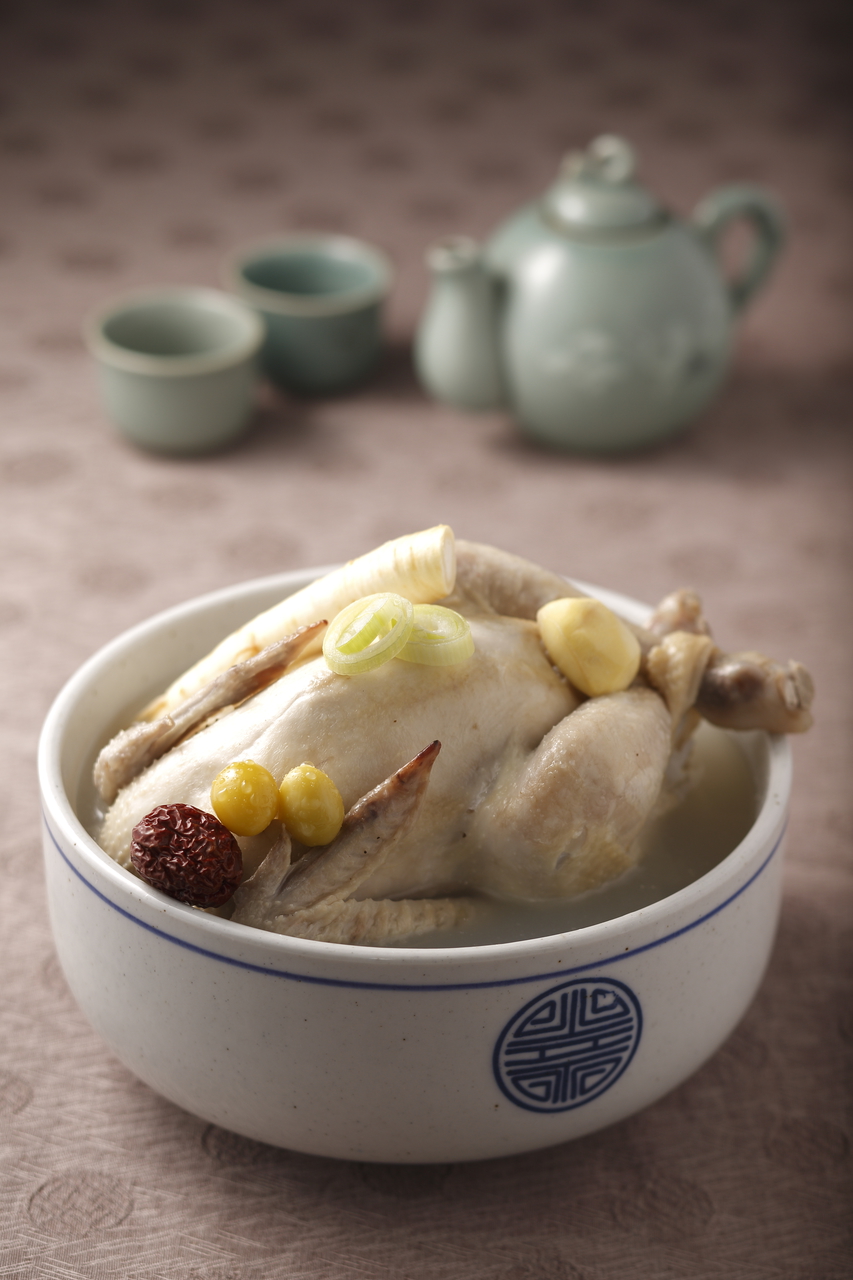
If you visit Gyeongbokgung, this is the easy first-timer lunch. Tosokchon is a large, much-loved samgyetang (ginseng chicken soup) house in Seochon, on Jahamun-ro in Jongno-gu, roughly a three-minute walk from Gyeongbokgung Station, Exit 2. It's set in a sprawling hanok, and even though it seats several hundred people, there's often a queue, a sign of how popular it is (we won't guess how long.
It varies by day and season).
- Why it's on the list: mild, comforting, and about as approachable as Korean food gets, a whole young chicken stuffed with rice in a clear, gentle broth. No chili heat.
- What to order: the standard samgyetang, or the ogolgye (black silkie chicken) version, which is on the menu as a richer alternative. Confirm it's available when you order.
- Good for: first-timers, families, anyone who wants a warm meal that isn't spicy. Card and cash are accepted, and there's English help with ordering.
- Nearby route: pair it with a Gyeongbokgung visit and a walk through Seochon or up to Bukchon.
- What to check: opening hours, breaks, and holidays before you go. Don't assume it's always open.
- A note on comfort: it's a hanok, so while the entrance is broad and step-free, seating areas can involve steps and uneven stone floors. If you use a wheelchair or have trouble with steps, ask about seating first. It isn't fully accessible.
Koreans traditionally eat samgyetang on the hot boknal days of summer, an "fight heat with heat" custom. It's a lovely bit of food culture to know, but that's all we'll say: we don't make health or "stamina" claims about the dish.
2. Jinokhwa Halmae Wonjo Dakhanmari: chicken hot pot to share
A few stops east, near Jongno 5-ga and Dongdaemun, is Seoul's famous dakhanmari alley: a cluster of restaurants serving dak-han-mari, literally "one whole chicken." Jinokhwa Halmae Wonjo Dakhanmari is among the better-known. A whole chicken simmers in a light broth at your table.
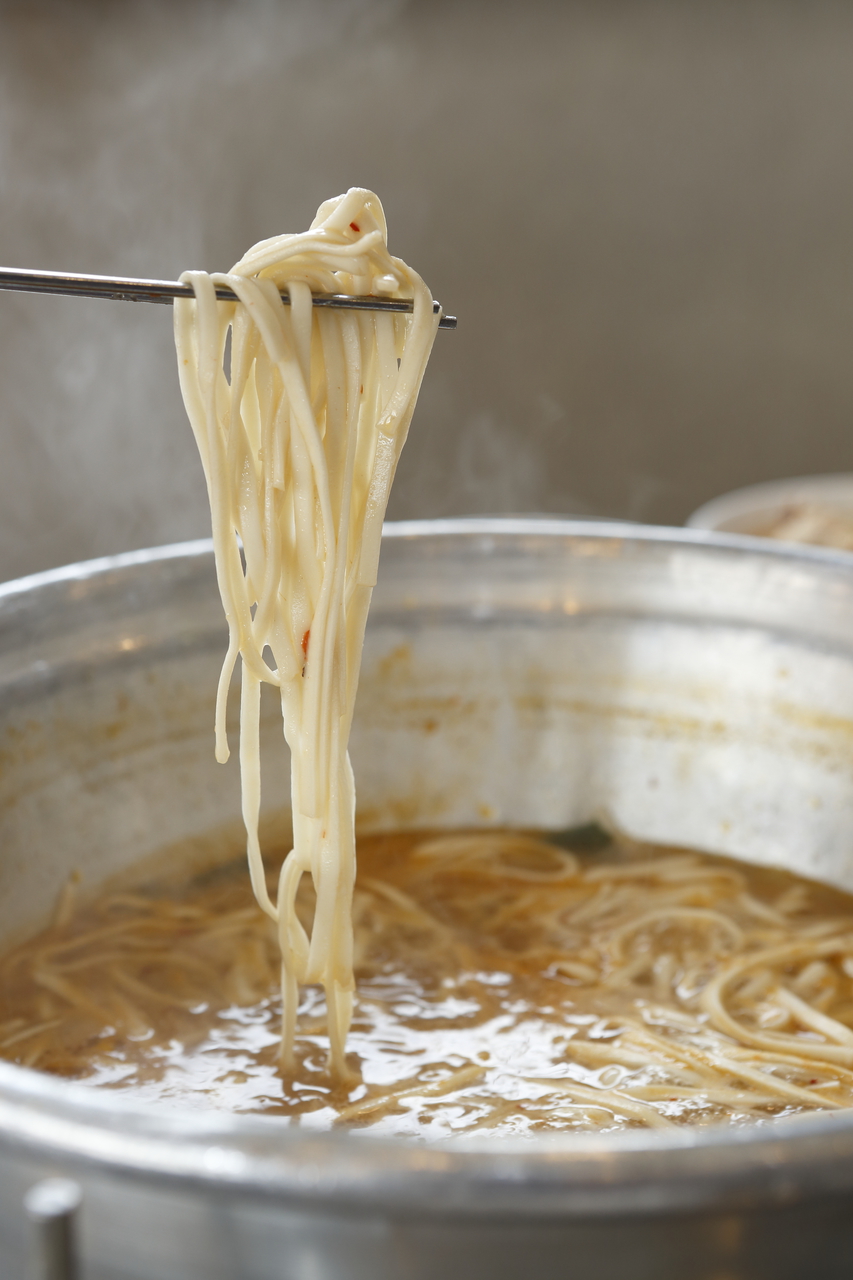
You share it from the pot, dip pieces in a garlicky, mustardy soy sauce (dadaegi), and add kalguksu noodles or rice cakes toward the end.
- Why it's on the list: it's communal, warming, and perfect on a cold day or with a group.
- The contrast with #1: these are Seoul's two great chicken dishes, and they're opposites. Tosokchon's samgyetang is a rich, single-serving, premium bowl; dakhanmari is a lighter, clearer, shared broth you build as you go. Trying both tells you a lot about Korean chicken cooking.
- Good for: two or more people. It's a shared pot, so it suits groups better than solo diners.
- What to check: hours and whether the alley is busy; the dipping sauce has raw garlic and can be spicy: go easy at first, and remember it's a shared pot if that's a concern.
3. Buchon Yukhoe: raw beef in Gwangjang Market
Inside Gwangjang Market, the covered market famous for street food, there's a small yukhoe (seasoned raw beef) alley, and Buchon Yukhoe is its best-known name. As of the 2026 Michelin Guide it is listed as a Bib Gourmand: a good-value recommendation, not a star (Bib Gourmand and stars are different things). Verify the current listing, since these change yearly.
- Why it's on the list: it's a genuine market experience with a badge, and yukhoe is one of the dishes visitors are most curious about.
- What to order: classic yukhoe, silky, sweet-savory seasoned raw beef, often topped with egg yolk and pear. A version topped with live octopus is available for the adventurous; confirm the current menu.
- Important. This is raw: yukhoe is raw beef. It is not suitable for everyone: skip it if you're pregnant, immunocompromised, feeding young children, or simply uneasy about raw food. Don't assume it's "safe for everyone."
- Good for: adventurous eaters who want the market atmosphere.
- What to check: Gwangjang stalls can quote different prices, so agree on what you're ordering first. Our Gwangjang Market price guide covers how to avoid surprises.
4. Imun Seolnongtang: a gentle, historic bowl
Near Insadong and Jonggak, on Ujeongguk-ro, Imun Seolnongtang serves seolleongtang: a mild, milky ox-bone soup you season yourself at the table with salt and chopped spring onion. It's often cited as one of Korea's oldest restaurants, said to date to the early 1900s, a nice piece of history, though we'd treat exact "oldest" claims as "widely reported, verify." As of the 2026 Michelin Guide it is listed as a Bib Gourmand (a value recommendation, not a star).
Confirm the current category, since it can change.
- Why it's on the list: it's about as gentle and unintimidating as Korean food gets, and steeped in Seoul history.
- What to order: seolleongtang. It arrives almost unseasoned on purpose. Add salt and spring onion a little at a time until it tastes right to you.
- Good for: solo diners, first-timers, and anyone who wants something warm and not spicy.
- What to check: the soup itself is beef (see restrictions below), and the kimchi and kkakdugi (radish kimchi) on the side can be spicy and may contain fermented seafood.
5. Mijin: cold buckwheat noodles near Gwanghwamun
For something lighter, Mijin, an old buckwheat-noodle house near Gwanghwamun in the former Pimatgol area, is a refreshing change from all the soup. It's long-running and, as of the 2026 Michelin Guide, listed as a Bib Gourmand: again, a value nod, not a star; verify the current listing.
- Why it's on the list: cold memil-guksu (buckwheat noodles) are a clean, cooling counterpoint, especially in warm weather.
- What to order: the cold buckwheat noodles, served with a dipping broth or a light dressing.
- Good for: a quick, refreshing break between sights near Gwanghwamun and Insadong.
- What to check: if you have a buckwheat allergy, this dish is off-limits; the dipping broth (tsuyu-style) can contain fish or other seafood (such as bonito), so ask if that matters to you.
Alternatives if a pick is full or closed
Always have a backup, popular places have queues and days off. Each of these should be checked for current hours before you rely on it:
| Alternative | What it is | Good to know |
|---|---|---|
| Gyerim | Spicy braised chicken (dak-dori-tang style) | Bolder and spicier than the picks above |
| Sunhui-ne Bindaetteok | Mung-bean pancakes at a Gwangjang stall | A market snack; expect crowds and stall-level hygiene, not a sit-down restaurant |
| Balwoo Gongyang | Korean temple cuisine (Buddhist) | Often the best route for vegetarians near Jongno; carries a Michelin star as of recent guides: reservations usually needed, and don't assume every dish is strictly vegan; ask |
| Cafe Onion Anguk | A hanok-style cafe near Anguk | A dessert-and-coffee bonus, not a meal stop |
Match a restaurant to your route
| Where you are | Closest pick |
|---|---|
| Gyeongbokgung / Seochon | Tosokchon Samgyetang (#1) |
| Insadong / Jonggak | Imun Seolnongtang (#4) |
| Gwanghwamun | Mijin (#5) |
| Gwangjang Market | Buchon Yukhoe (#3) |
| Jongno 5-ga / Dongdaemun | Jinokhwa Dakhanmari (#2) |
Match a restaurant to your group
| You are | Best fit | Why |
|---|---|---|
| A solo traveler | Imun Seolnongtang (#4) | A single-serving bowl, easy to eat alone |
| A couple or small group | Jinokhwa Dakhanmari (#2) | A shared pot made for two-plus |
| A family with kids | Tosokchon (#1) | Mild, no chili, familiar chicken |
| An adventurous eater | Buchon Yukhoe (#3) | Raw beef and the market buzz |
| A Muslim traveler | Check each place directly | None of these are certified halal: see restrictions below |
| A vegetarian | None of the five | These are meat-and-broth dishes; consider temple cuisine (Balwoo Gongyang) instead |
What these dishes actually are
If some of the words above are new, here's the plain-English version:
- Samgyetang: a whole young chicken stuffed with sticky rice, simmered with garlic, jujube, and ginseng in a clear, mild broth. Comfort food, not spicy.
- Dakhanmari: literally "one whole chicken," simmered at the table in light broth and shared, with a dipping sauce and noodles added at the end.
- Yukhoe: seasoned raw beef, silky and lightly sweet, often with egg yolk and pear. A raw dish.
- Seolleongtang: a milky ox-bone soup, simmered for hours, that you salt yourself. Very mild.
- Memil-guksu: cold buckwheat noodles, clean and slightly nutty, eaten with a dipping broth or dressing.
Ordering tips
- Menus at all five are pointing-friendly, and staff are used to visitors. You rarely need much Korean.
- Soups arrive under-seasoned by design. Add salt and spring onion yourself, to taste.
- For shared dishes (dakhanmari, yukhoe), one order often feeds two; ask before over-ordering.
- Some places lean cash-preferred, especially market stalls. Carry some cash and a card. See how to pay in Korea if you're unsure.
Two phrases worth knowing
Point at the menu as you ask, a little Korean goes a long way.
이거 매워요?
i-geo mae-wo-yo?
Korean audio isn't available on this device or browser. Use the romanization above to say it.
돼지고기 들어가나요?
dwae-ji-go-gi deu-reo-ga-na-yo?
Korean audio isn't available on this device or browser. Use the romanization above to say it.
Dietary notes: halal, vegetarian, allergies
Be honest with yourself about restrictions here, this particular five is not an easy list for every diet:
- Halal: none of the five is certified halal, and that includes the chicken dishes, the meat isn't dhabihah, cooking wine may be used, and pots are shared. If halal matters, check each place directly and see our Korea food guide for Muslim travelers.
- Vegetarian: seolleongtang is beef, samgyetang and dakhanmari are chicken, yukhoe is raw beef, this list won't work for vegetarians. The honest answer near Jongno is to look at Korean temple cuisine (such as Balwoo Gongyang) rather than trying to adapt these dishes.
- Allergies and add-ons: buckwheat (Mijin) is a common allergen; dipping broths can contain fish or seafood; kimchi and side dishes may contain fermented seafood (jeotgal); and several dishes are eaten from shared pots, so cross-contact is likely. When in doubt, ask.
Common mistakes to avoid
- Chasing a viral clip instead of your route, a place that's trending may be a detour when a great option is next to where you already are.
- Not checking hours: several close on certain days or take breaks; a five-minute check saves a wasted trip.
- Not realizing yukhoe is raw: it's seasoned raw beef, not cooked.
- Assuming chicken means halal: it doesn't here.
- Assuming kimchi is vegetarian: it often contains fermented seafood.
- Arriving at peak with no backup: have an alternative from the table above.
- Over-ordering shared dishes: one pot often feeds two.
Three easy Jongno food routes
- Palace day (Seochon): Gyeongbokgung in the morning → Tosokchon samgyetang for lunch → a walk through Seochon's lanes. Add a rented hanbok at the palace if you like.
- Market day (Jongno 5-ga): Gwangjang Market for snacks and Buchon Yukhoe → the dakhanmari alley nearby for dinner. Two rich meals in a day is a lot, pace yourself and share.
- Old-Seoul day (Insadong): Imun Seolnongtang → Insadong's craft shops and tea houses → a light bowl of Mijin buckwheat noodles if you're still hungry.
FAQ
No. This is an editorial pick for first-time visitors in Jongno, not an official ranking. Great food exists all over the city.
Generally no, most run on queues rather than bookings. Balwoo Gongyang (an alternative) is the exception and usually needs one.
Samgyetang (#1), seolleongtang (#4), and buckwheat noodles (#5) are all mild. Watch the side dishes, which can be spicy.
Dakhanmari (#2). It's a shared pot built for sharing.
Not reliably. None is certified halal, and the five are meat-and-broth dishes. Consider temple cuisine for a vegetarian meal, and check each place directly for halal.
It varies, and prices change, so we don't list them. Some are known for value; check the menu on arrival.
The bottom line
Don't chase whatever's trending. Pick by where you already are, how adventurous you feel, and any dietary needs: a mild samgyetang near the palace, a shared chicken pot on a cold night, a market bowl of raw beef, a historic seolleongtang, or a cooling plate of buckwheat noodles. Confirm the hours and current details before you go, keep a backup in mind, and you'll eat well in the oldest part of Seoul.
Frequently asked questions
Do the restaurants in Jongno have English menus?
Most tourist-facing restaurants near Gyeongbokgung, Insadong, and Gwangjang Market have English menus or photo menus. Smaller neighborhood spots may be Korean-only; pointing and photo ordering works well.
What is samgyetang and is it good for first-time visitors?
Samgyetang is a whole small chicken stuffed with glutinous rice, ginseng, and jujube, simmered in a clear broth. It is mild, warming, and one of the more accessible Korean dishes for visitors not yet used to fermented or spicy flavors.
How much does a meal in Jongno typically cost?
Counter-style market meals (bibimbap, gukbap, kalguksu) run roughly 8,000 to 12,000 KRW per person. Sit-down restaurants with table service cost a little more. Confirm current prices before you go.
What is seolleongtang?
Seolleongtang is a milky-white ox-bone broth simmered for many hours until it turns opaque. Served with rice, noodles, and sliced brisket, and seasoned at the table with salt and green onions. It is a traditional Seoul comfort dish with a mild, rich flavor.
Are the Jongno restaurants near major tourist sites?
Yes: most are within walking distance of Gyeongbokgung Palace, Changdeokgung, Bukchon Hanok Village, and Insadong. Gwangjang Market stalls sit between Jongno 5-ga and Euljiro 4-ga subway stations.
Sources
- Visit KoreaOfficial tourism site
- MICHELIN Guideofficial_service_site
- Korea Tourism Organization (VisitKorea Practical Info)Official tourism site
Information is compiled from official sources. Details such as prices, hours, and schedules can change. Confirm time-sensitive facts before you travel.
Last verified on
Related guides
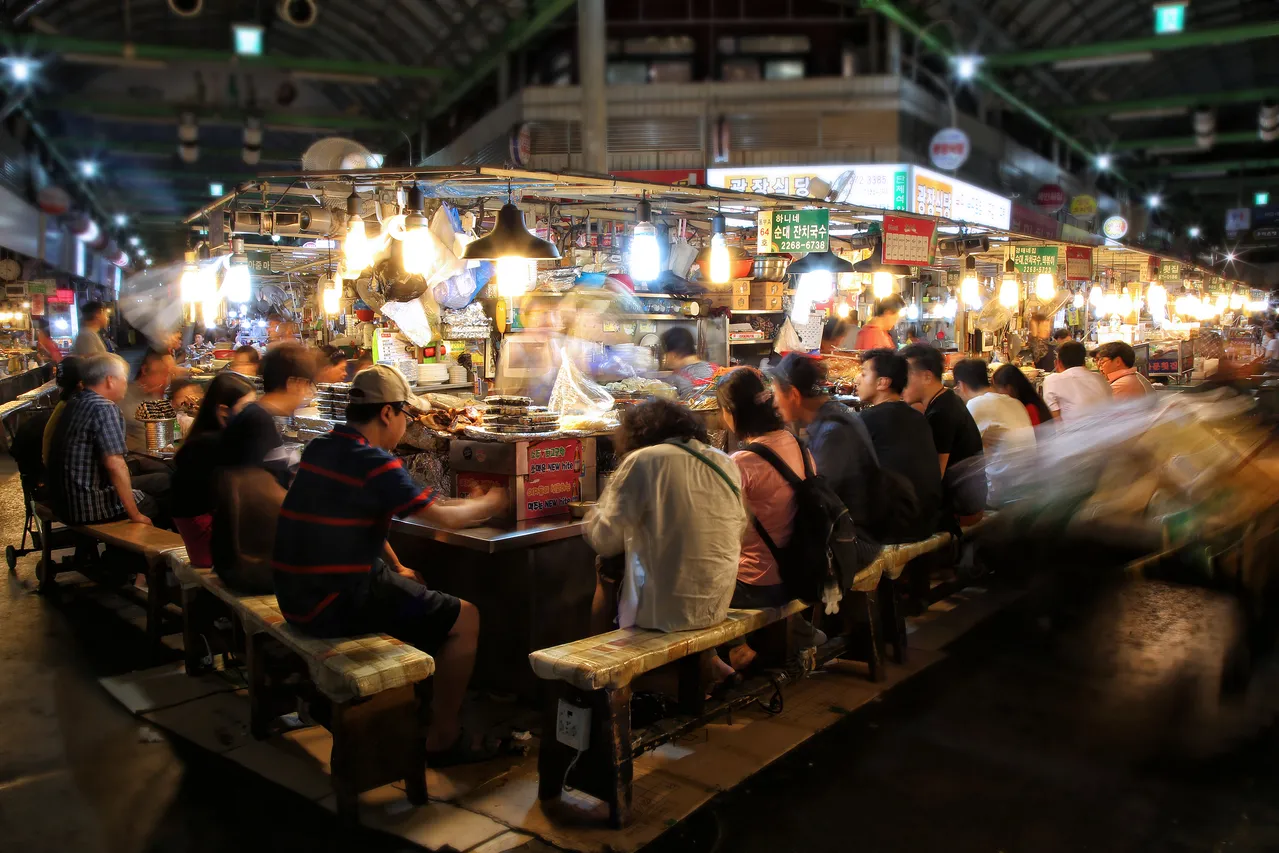
Gwangjang Market Tourist Price Guide: What to Watch Out For and Better Seoul Market Alternatives
Gwangjang Market is one of Seoul's most famous food markets and still worth a visit, but reported price disputes (2023 to 2026) mean it pays to check before you order. This is a balanced, practical guide, not a "don't go" piece: what to watch for, the price-display and monitoring measures now being rolled out, how to avoid overpaying, and better-fit alternative markets (Tongin, Mangwon, Gyeongdong, Namdaemun) by travel style. Prices and hours change, so confirm current details before you go.

Seoul 2 Nights 3 Days Itinerary: A Compact Stopover Guide Before Japan or Asia
Two nights in Seoul is not three days. You get an arrival evening, two full days, and a departure morning that belongs to the airport, so a stopover plan has to solve entry paperwork, luggage, and the airport transfer before any sightseeing is worth planning. This page covers those first, keeps each half-day in one connected area, and is specific about what a short stay has to give up.