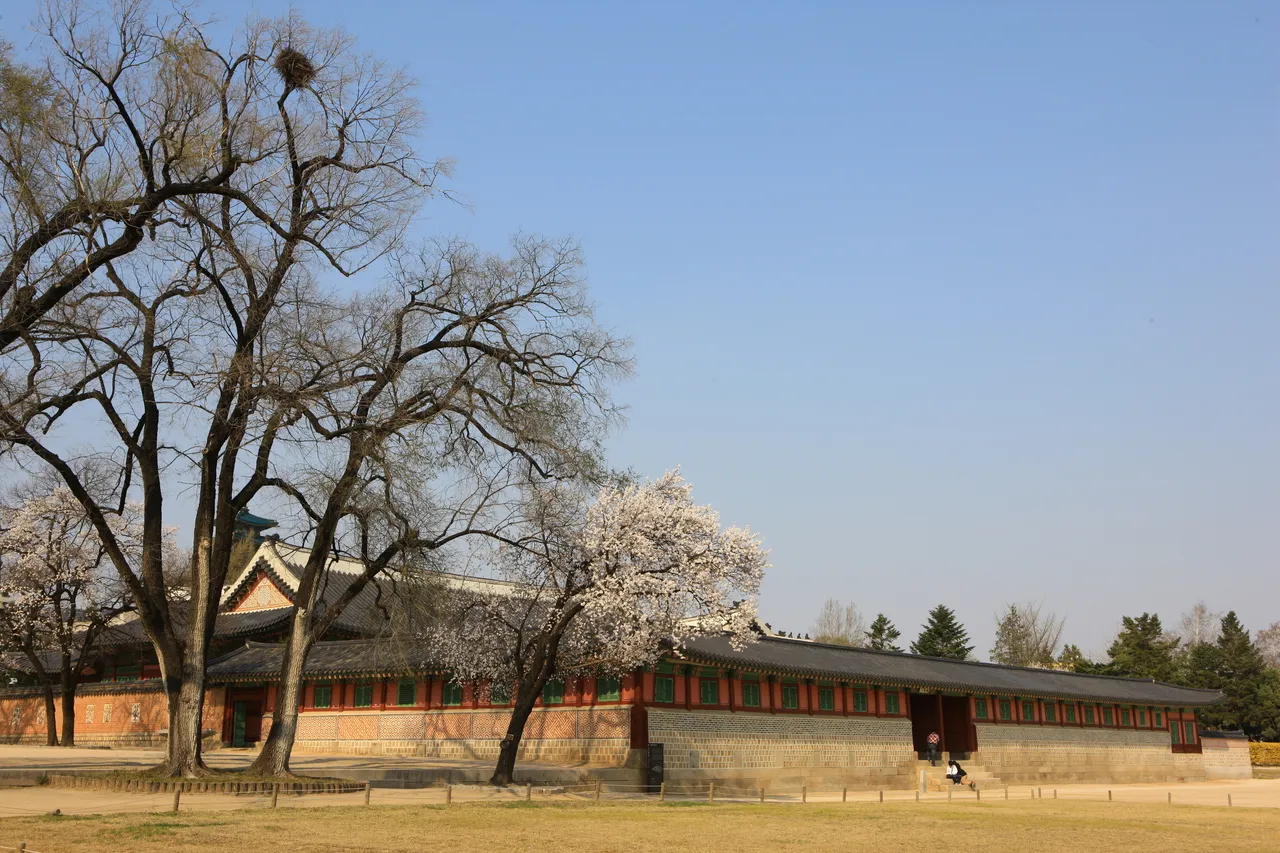
Renting a hanbok (한복), Korea's traditional dress, is one of the simplest and most memorable ways to spend a morning around Seoul's old palaces, and while you wear it, entry to the major palaces is free. Shops cluster near Gyeongbokgung and in Bukchon, you choose an outfit, and you keep it for a set time block before returning it.
This guide is about areas, checklists, and the official rules: not a pitch for any particular shop. It covers where to rent, exactly what qualifies for free entry (and what can be refused at the gate), photo routes, seasonal and etiquette notes, and what to confirm before you book.
Prices, rental times, inclusions, and shop rules vary a lot, so treat figures here as a starting point and confirm with the shop and the official palace sources. Hanbok is traditional clothing, not a costume: the aim is to wear it well and respectfully, and the experience is the point.
Quick answer
| Question | Short answer |
|---|---|
| Where do I rent? | Shops cluster by Gyeongbokgung Station, and around Anguk/Bukchon |
| Is palace entry free in hanbok? | Yes: at the four main palaces, Jongmyo, and the royal tombs |
| What qualifies? | A recognizable jeogori (top) + skirt or trousers: not partial outfits |
| How long should I rent? | A 3 to 4 hour block is comfortable for one or two palaces |
| Best time? | Early morning (before the 9am opening rush) |
Prices, rental times, and rules differ by shop, and palace hours change. Check with the shop and the official palace sources before you go.
Why rent a hanbok?
Two reasons make it worth the time. First, it turns a palace visit into something special: the architecture, courtyards, and changing-of-the-guard all photograph beautifully with hanbok in frame.
Second, wearing hanbok gets you free entry to Seoul's main palaces (a policy run since 2013 to encourage interest in traditional culture). But a standard adult ticket is only around ₩3,000 (≈ $2), so the free entry is a nice bonus, not the reason to do it: the experience is.
Where to rent
Shops are concentrated near the palaces; pick your area by the route you want (each is "usually", rules and stock differ by shop):
| Area | Best for | Watch out |
|---|---|---|
| Gyeongbokgung / Gwanghwamun | The classic palace shoot; most shops | Very busy on weekends |
| Anguk / Bukchon | Hanok-village backdrops, Changdeokgung side | Bukchon is residential: be quiet |
| Insadong / Ikseon-dong | Craft streets and hanok cafes | Smaller palace focus |
| Deoksugung / City Hall | The stone-wall road, a quieter palace | Fewer shops than Gyeongbokgung |
Shops sit right by Gyeongbokgung Station (Line 3), Exit 5 (about a 3-minute walk), with Gwanghwamun Station (Line 5) also close.
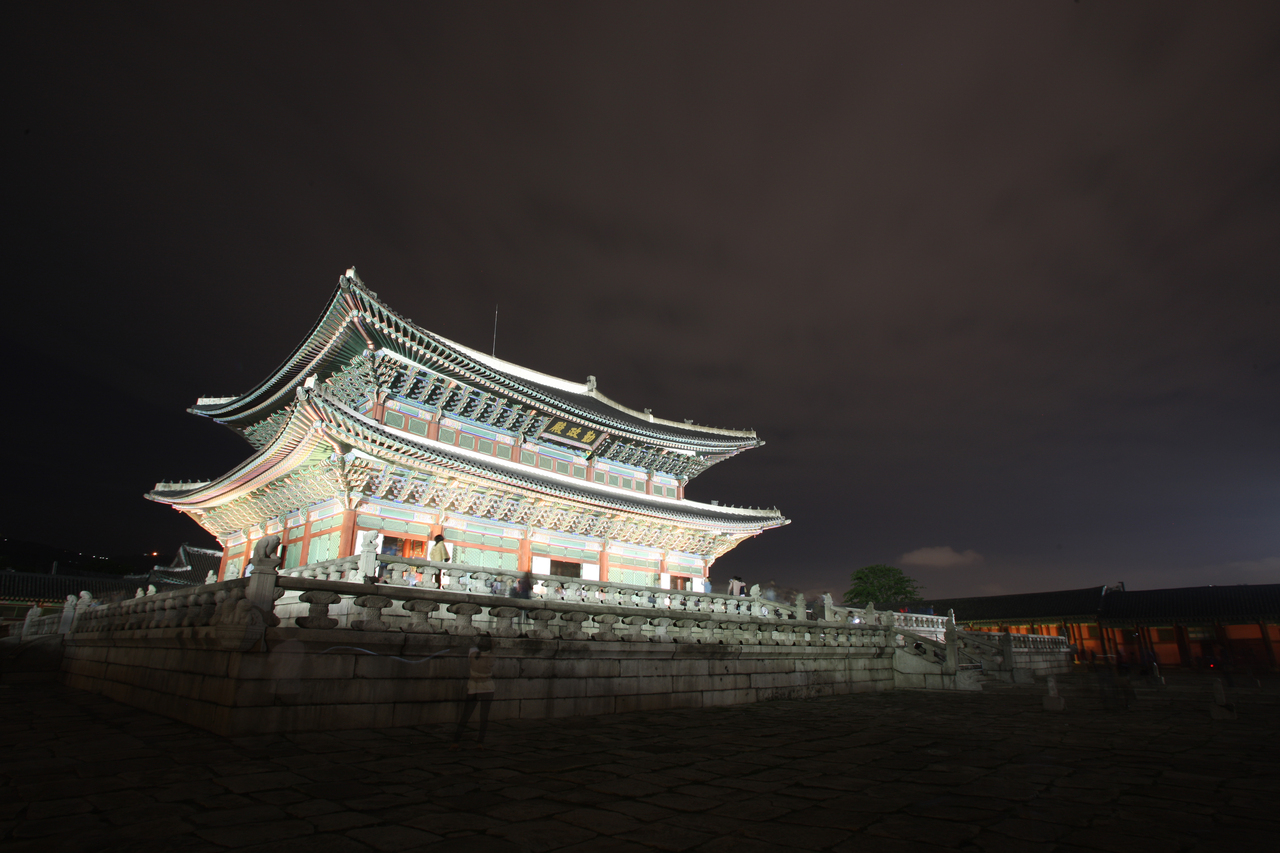
Palace free entry: the official rules
This is the part travelers get wrong. The dress rules are published by the Korea Heritage Service
Royal Palaces and Tombs Center (royal.khs.go.kr), not by the rental shop. Confirm the live
guideline before you go.
- Where it applies (daytime admission): the four main palaces (Gyeongbokgung, Changdeokgung, Changgyeonggung, Deoksugung), Jongmyo Shrine, and the Joseon royal tombs. Gyeonghuigung is free anyway. Free entry for hanbok wearers applies to Koreans and foreigners alike under the published guideline. It is not every special ticketed program, so do not assume.
- What qualifies: both traditional and living (생활) hanbok are included. The core set is a jeogori (top) with a closing collar plus a skirt or trousers, worn properly. Goreum (ties) are not required if the collar form is correct. Zipper waists on trousers can still count when the overall shape matches hanbok trousers.
- What gets refused: partial outfits (jeogori with jeans, or a skirt with a T-shirt), a durumagi alone, a T-shirt-style living-hanbok top that does not read as a jeogori, and one-piece dresses without a separate jeogori. Inappropriate exposure or behavior can also be refused at the gate.
| Dress | Free entry? |
|---|---|
| Jeogori (closing collar) + skirt or trousers | Yes (the standard) |
| Traditional or living hanbok set | Yes, if it meets the set rule |
| Jeogori + jeans / skirt + T-shirt | No: partial outfit |
| T-shirt-style top marketed as living hanbok | No (published Q&A) |
| Durumagi (overcoat) only | No |
| One-piece hanbok-style dress without a separate jeogori | No on the published Q&A |
Watch the one-piece styles. Some pretty "one-piece" dresses look right in photos and still fail the gate. If free entry matters, pick a set with a clear jeogori and a separate skirt or trousers, and ask the shop which of their outfits the gate usually accepts.
Separate tickets: Changdeokgung's Secret Garden (Huwon) needs its own ticket/reservation and is not covered by ordinary free-entry logic; it sells out in peak season. Night viewings and paid guided programs (Moonlight Tour, Starlight Tour, and similar) are different products. Free daytime admission rules do not automatically make those free. Check the event notice.
For which palaces open after dark and how to book, see the palace night viewing guide.
Types of hanbok
- Traditional: the classic silhouette, often the most "authentic" look.
- Themed / colorful: bright modern palettes popular for photos.
- Modernized (fusion): updated cuts (still fine for free entry if it reads as a hanbok set).
- Men's: jeogori and baji; fewer racks, so ask ahead.
- Children's and plus-size: available at many shops but stock is limited, so confirm and reserve in advance.
Whatever you pick, make sure it's a top-plus-skirt/trousers set if you want the free palace entry.
What's included (varies by shop)
Confirm each of these with the shop, they differ:
| Item | Usually |
|---|---|
| Hair styling | Often an add-on (extra fee), not always included |
| Accessories | Norigae, bags, hairpins: sometimes included, sometimes extra |
| Underskirt / petticoat | Usually provided |
| Locker for your clothes | Usually included; check the valuables policy |
| Photography option | A separate paid service at some shops |
Because pricing depends on outfit, time block, and season, ask for the total including add-ons before you commit.
How long to rent
| Block | Good for |
|---|---|
| 1.5 to 2 hours | One palace, quick photos |
| 3 to 4 hours | One or two palaces at an unhurried pace: a good default |
| Full day | Multiple areas, a relaxed loop |
| Night extension | Evening photos (if the shop offers it) |
Give yourself margin (changing, hair, and the walk to the gate eat into a short block) and note the return time, as being late can mean a fee.
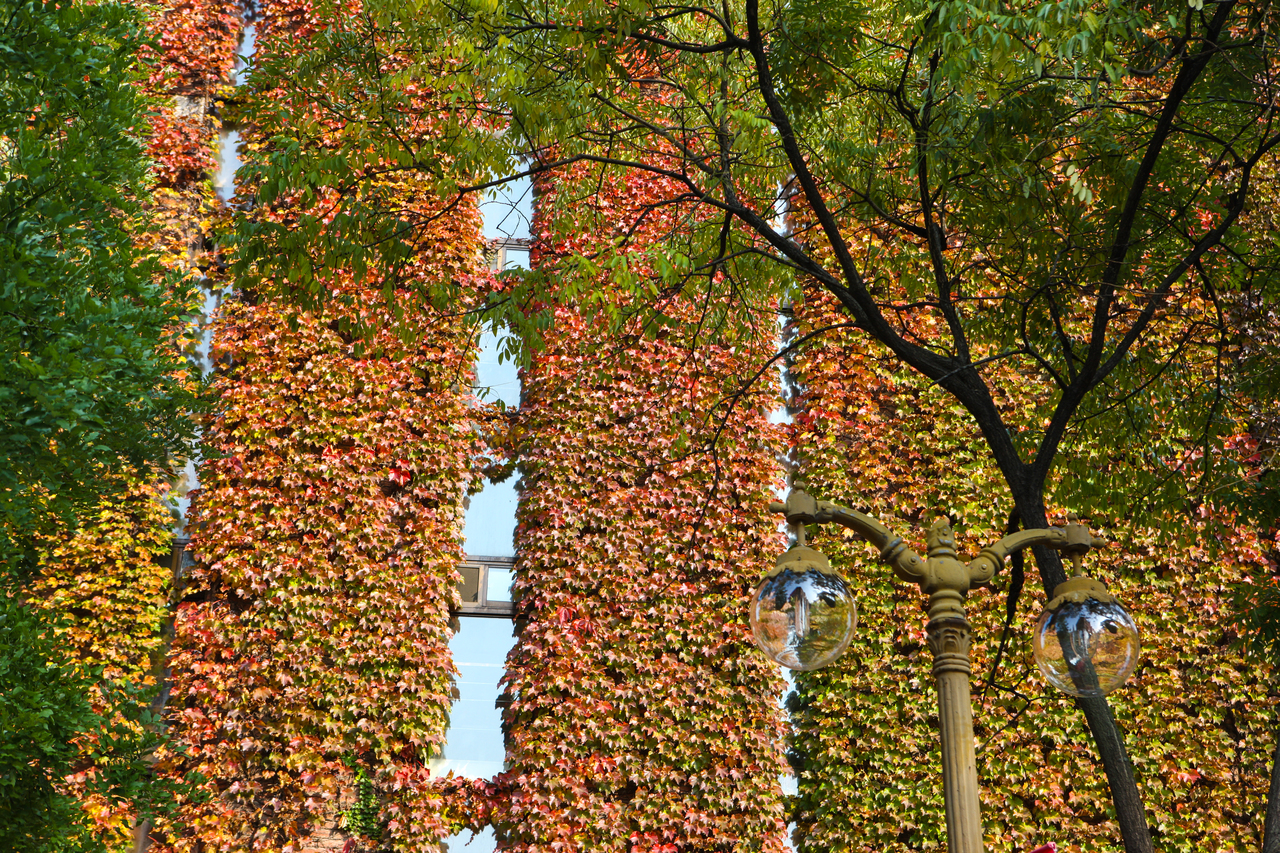
Photo routes
Pick a loop that returns you to the shop (confirm palace hours first):
- A, Gyeongbokgung classic: rent by ~8:30, enter at the 9am opening for empty courtyards, catch the changing-of-the-guard (daily except Tuesday, around 10:00 and 14:00 at Heungnyemun. Arrive 15 min early), then wander.
- B (Gyeongbokgung + Bukchon: the palace, then the hanok lanes of Bukchon (quietly) it's residential).
- C, Changdeokgung + Bukchon + Ikseon-dong: the palace (Secret Garden is a separate ticket), then hanok cafe lanes.
- D, Deoksugung + Jeongdong-gil: a quieter palace and the stone-wall road.
- E: Insadong + Ikseon-dong: craft streets and cafes, lighter on palaces.
Tuesday backup. Gyeongbokgung is closed on Tuesdays (but if a Tuesday is a public holiday it opens that day and closes the next non-holiday instead). Rental shops usually still open, so do a Bukchon / Insadong route instead.
Which route fits you?
| Traveler | Suggested route |
|---|---|
| First-timer, one palace | A (Gyeongbokgung classic) |
| Couple, photos | B or C |
| Quieter pace | D (Deoksugung) |
| Cafes over palaces | E (Insadong/Ikseon-dong) |
What to check before booking
- Total price, and what each add-on costs.
- Time block and the exact return time and late fee.
- Deposit or ID requirements.
- Whether hair styling and accessories are included.
- Size range: confirm men's, children's, and plus-size availability and reserve if needed.
- Damage/stain charges and the cancellation policy.
- Locker and valuables policy.
What to wear underneath
- Seasonal base layers: hanbok is layered; thin layers in summer, thermals in winter.
- Wear your own sneakers. Palace grounds are dirt, gravel, and uneven stone, and the rental slippers get uncomfortable over a couple of hours of walking. The outfit doesn't dictate footwear.
- Carry only essentials (passport, phone, card); the locker holds the rest.
Seasonal tips
- Spring: cherry blossoms; reserve ahead, it's peak.
- Summer: hot and humid; consider a shorter block and lighter layers.
- Autumn: the best light and color, but crowded; see the Korea autumn travel guide.
- Winter: beautiful in snow; bring a coat you can carry.
- Rain: wet skirts get heavy and stone gets slippery; have a backup plan.
Etiquette and cultural respect
- Bukchon is a real residential neighborhood. Keep your voice down, don't enter private homes or alleys, don't block residents' doorways, avoid early-morning and late-evening noise, and don't photograph residents without permission. The slopes and steps are also tough in hanbok. For the official visiting hours, fines, and silent-tourism rules there, see the Bukchon Hanok Village guide.
- At palaces and shrines, wear the hanbok properly, avoid disrespectful poses, don't touch buildings or props, stay out of roped-off areas, follow staff directions, and note that drones may be restricted.
Photo tips
- Early morning light and empty courtyards beat the midday crowd.
- Don't block walkways or guard formations for a shot.
- Ask before using any drone: it may not be allowed.
Children, couples, and groups
Many shops offer matching sets and group rates, which make for better family and couple photos. Confirm children's and plus-size stock in advance, and plan a route with shade and rest stops for kids.
Photography service
Some shops offer a paid photography package (a photographer at the palace). It's optional, if you want it, check what's included (number of shots, edited files, location) before booking. This guide doesn't recommend a specific shop or package.
Food and cafes in hanbok
You can eat while wearing hanbok, but watch for stains: cafes with tables are easier than messy street food, and the hanok cafes of Ikseon-dong and Insadong suit the look.
A rainy-day plan
| If it rains… | Do this |
|---|---|
| Light rain | Focus on covered spaces and hanok cafes |
| Heavy rain | Postpone the palace shoot; skirts and stone get slippery |
| Indoor alternative | The National Museum of Korea is a great dry-day option |
Accessibility
Palace grounds have gravel and some steps, and Bukchon is steep with stairs: hard in hanbok for anyone with mobility limits. Choose a shorter, flatter route (Deoksugung or Gyeongbokgung's main courtyards) and skip the Bukchon hills if needed.
Common mistakes to avoid
- Assuming every outfit gets free entry: partial outfits (hanbok piece + normal clothes) don't.
- Expecting a one-piece hanbok dress to qualify: it may be refused; pick a top-plus-skirt set.
- Forgetting Gyeongbokgung closes on Tuesdays: plan a Bukchon route instead.
- Renting the tightest time block: give yourself margin.
- Wearing the rental slippers: bring your own comfortable shoes for the palace ground.
- Treating Bukchon like a set: it's someone's home; be respectful.
- Counting on free night entry: night viewings have separate rules.
Say it in Korean
At the hanbok rental shop
Two phrases that cover renting and asking for a photo.
Opens the rental; staff will then ask about size and time.
Polite한복 빌리고 싶어요.
han-bok bil-li-go si-peo-yo.
I'd like to rent a hanbok.
Korean audio isn't available on this device or browser. Use the romanization above to say it.
Handy at the palace when you want a full-length shot.
Polite사진 좀 찍어 주시겠어요?
sa-jin jom jji-geo ju-si-ge-sseo-yo?
Could you take a photo for me?
Korean audio isn't available on this device or browser. Use the romanization above to say it.
Frequently asked questions
Is palace entry really free in hanbok? Yes: at the four main palaces, Jongmyo, and the royal tombs, if you wear a qualifying hanbok. Standard tickets are cheap anyway (around ₩3,000), so treat it as a bonus.
What counts as hanbok for free entry? A recognizable set, a jeogori (top) plus a skirt or trousers. Partial outfits (a hanbok piece with regular clothes) don't qualify.
Will a one-piece hanbok dress get me in free? Maybe not, some one-piece styles are refused because the gate looks for a distinct jeogori and a separate skirt. Ask the shop which outfits qualify.
Where should I rent? Near Gyeongbokgung Station Exit 5, or around Anguk/Bukchon. Pick by the route you want.
This guide doesn't push a specific shop.
How much does it cost? It varies by outfit, time block, and season. Ask the shop for the total including add-ons.
There's no single rate.
How long should I rent for? A 3 to 4 hour block is comfortable for one or two palaces; a 2-hour block goes fast.
Is hair styling included? Often it's an add-on, not automatic. Confirm with the shop.
What should I wear underneath? Thin seasonal layers, and your own comfortable shoes: palace ground is gravel and uneven stone.
When is the best time to go? Early morning, before the 9am opening rush; weekends and after 11am are very crowded.
Which palace is best in hanbok? Gyeongbokgung is the classic (and busiest); Deoksugung and its stone-wall road are quieter. It's your call.
Is Gyeongbokgung open every day? No. It's closed on Tuesdays (with a public-holiday exception). Other palaces close Mondays.
Do a Bukchon route on a Tuesday.
Can I get into the Secret Garden in hanbok? Changdeokgung's Secret Garden needs a separate ticket/reservation: it's not part of the free entry.
Is night viewing free in hanbok? Not necessarily, night viewings are special programs with their own tickets and rules. Check officially.
Can men and kids rent hanbok? Yes: men's, children's, and plus-size options exist, but stock is limited, so confirm and reserve.
Is it okay for foreigners to wear hanbok? Absolutely. It's welcomed as a cultural experience.
Wear it properly and respectfully.
What should I avoid in Bukchon? It's a residential area. Keep quiet, don't enter private property, don't block doorways, and don't photograph residents without permission.
Can I eat in hanbok? Yes, but mind stains. Sit-down cafes are easier than street food.
Final recommendation
A hanbok morning is among the easier, most rewarding things to do in Seoul, and the smart way to do it is to plan the route, not chase a shop. Rent near Gyeongbokgung Station Exit 5, pick a top-plus-skirt set (so free entry actually works, and skip the one-piece styles if that matters), wear your own comfortable shoes, start before the 9am opening, and dodge the Tuesday closure with a Bukchon route. Be quiet and respectful in Bukchon, confirm prices, times, and sizes with the shop, and check the official palace and night-viewing rules before you rely on them, then enjoy one of the loveliest experiences the city offers.
Sources
- Royal Palaces and Tombs Center, Korea Heritage Service (궁능유적본부)Official government site
- Korea Heritage Service (국가유산청)Official government site
- Visit KoreaOfficial tourism site
Information is compiled from official sources. Details such as prices, hours, and schedules can change. Confirm time-sensitive facts before you travel.
Last verified on
Related guides

Seoul 2 Nights 3 Days Itinerary: A Compact Stopover Guide Before Japan or Asia
Two nights in Seoul is not three days. You get an arrival evening, two full days, and a departure morning that belongs to the airport, so a stopover plan has to solve entry paperwork, luggage, and the airport transfer before any sightseeing is worth planning. This page covers those first, keeps each half-day in one connected area, and is specific about what a short stay has to give up.
Korea in Autumn: When to Go, Fall Foliage Timing, and Best Places to See Autumn Colors
Autumn is one of Korea's best seasons, crisp weather and foliage that sweeps from the northern mountains down to the southern islands from late September to late November. Plan around the pattern rather than a fixed date: foliage starts high and north and moves south, peak comes roughly two weeks after the first color, and forecasts shift every year. Timing, the best city, day-trip, and mountain spots (including options for non-hikers), pink muhly, what to pack, and how to beat the peak-season crowds are all covered below. Check the official KMA and VisitKorea forecast before you lock in dates.