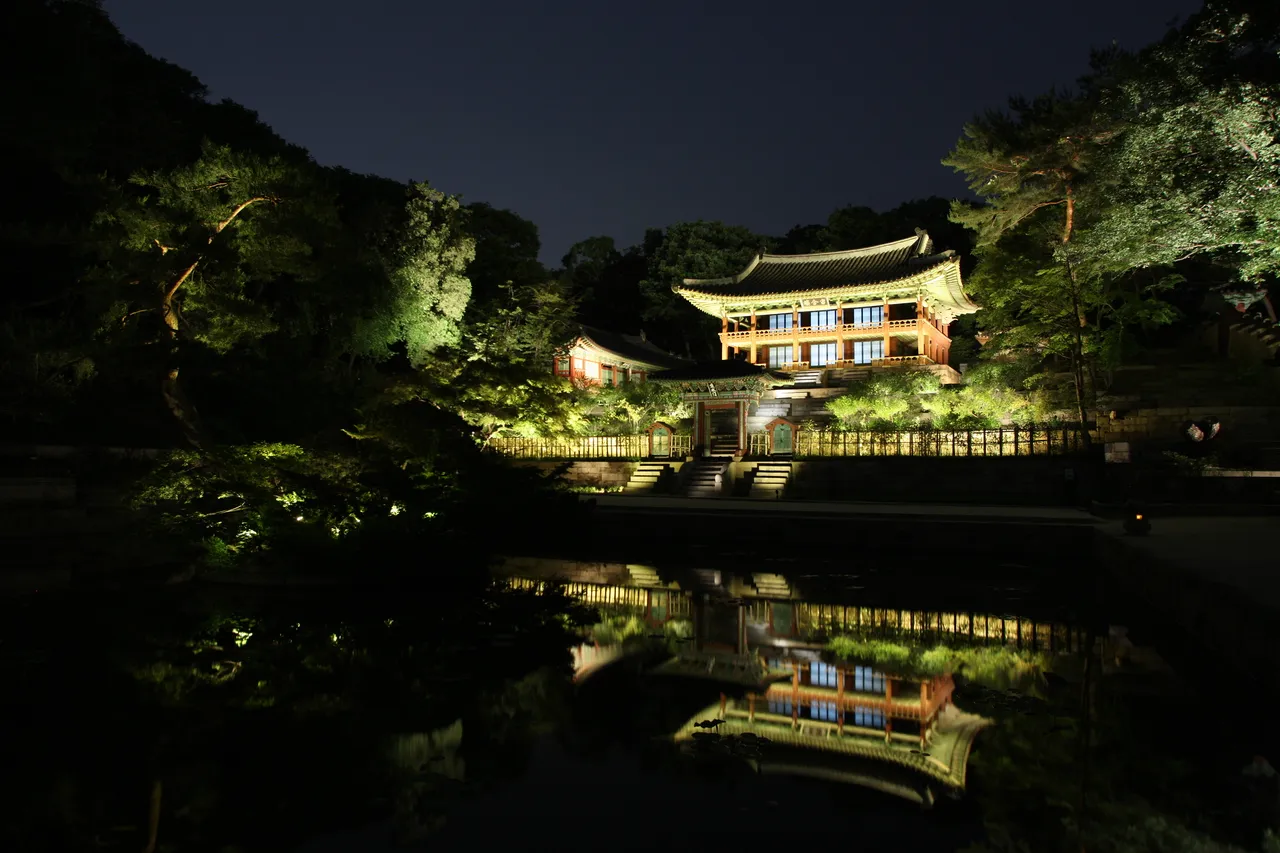
Seoul's palaces are at their most atmospheric after dark: lantern-lit courtyards, reflections in still ponds, and far fewer people. But there's a catch first-timers get wrong: they don't all open at night, and the best experiences need planning.
Some palaces light up only for seasonal, ticketed programs. Others are simply known for regular evening hours; and a few of the most magical experiences are reservation-only guided tours that sell out fast.
This guide sorts which palace to pick, whether you need to book, and how hanbok and photos work at night.
Schedules are set by the Korea Heritage Service Royal Palaces and Tombs Center
(royal.khs.go.kr), the operator formerly under the Cultural Heritage Administration (renamed May
2024). Confirm the current official notice before you plan: tickets, hours, and rules reset every
year, and a program from last season is not a guarantee.
If you want an evening that needs no booking, Deoksugung is the usual answer. If you want the one people remember, it is the Changdeokgung Moonlight Tour, and it sells out.
Night options at a glance
There are two broad kinds of palace night, plus the guided tours:
| Palace / program | Type | Best for | Reserve? | Watch out |
|---|---|---|---|---|
| Gyeongbokgung: Night Viewing | Seasonal, free-roam, ticketed | The grand palace lit up | Usually timed tickets | Seasonal only; sells out |
| Gyeongbokgung: Starlight Tour | Premium guided (food + show) | A special occasion | Yes, limited | Different from night viewing |
| Changdeokgung: Moonlight Tour | Guided night walk | The most atmospheric | Yes, sells out | Not free-roam; seasonal |
| Deoksugung | Year-round evening hours (official pattern) | An easy, central evening | Usually no | Verify current hours |
| Changgyeonggung | Year-round evening hours + seasonal pond programs | Calm, fewer crowds | Usually no | Separate permanent hours from special events |
Everything here is "usually". Confirm the current official schedule and reservation method.
Gyeongbokgung after dark
Two different programs share the same palace. Don't confuse them:
- Night Viewing (야간개장) is a seasonal, free-roam ticketed opening: you wander the lit palace on your own. It runs only in certain seasons (a past example was a spring run from mid-May to mid-June, evenings until about 21:30 with a last entry around 20:30, not on Mondays or Tuesdays): dates are announced each season, so check the official notice. Tickets have been inexpensive with an online quota, and some past editions offered an on-site foreigner quota (bring your passport, first-come): confirm whether that applies now.
- Starlight Tour (별빛야행) is a premium, reservation-only guided program with royal-court food, a performance, and commentary: a different experience, price, and ticket. It typically runs twice a year (spring and autumn). It is not the same as night viewing, even though both are at Gyeongbokgung.
Photo spots (only where open during the event): the lit main halls and gates, and reflections around the ponds. Expect crowds in peak season.
Changdeokgung Moonlight Tour
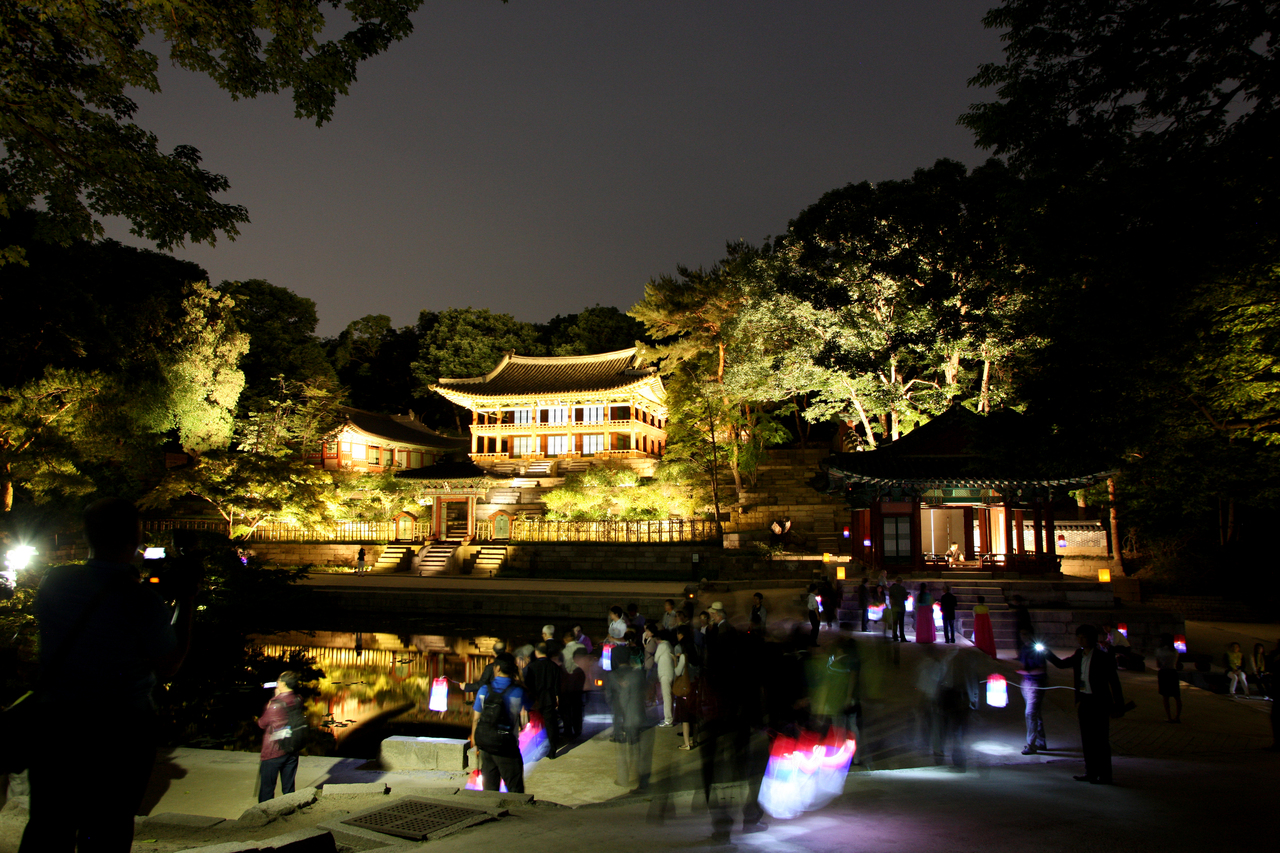
The Moonlight Tour (달빛기행) at UNESCO-listed Changdeokgung is a reservation-only, guided night walk: you follow a cheongsachorong (paper lantern) route with commentary, traditional performances, and access to special areas (the line-up varies by year). It is not free-roam. It typically runs twice a year (spring and autumn), with small group sizes that sell out quickly.
foreign-language sessions vary by year, and there may be age limits and strict rain/cancellation and late-entry rules: check all of this on the official notice.
Deoksugung at night
Deoksugung is the easiest no-booking evening palace. On the Royal Palaces and Tombs Center hours page it runs year-round evening admission (recent pattern: about 09:00 to 21:00, last entry about 20:00), with Monday closed. That is permanent evening access, not a seasonal special, but still verify the live hours page before you go.
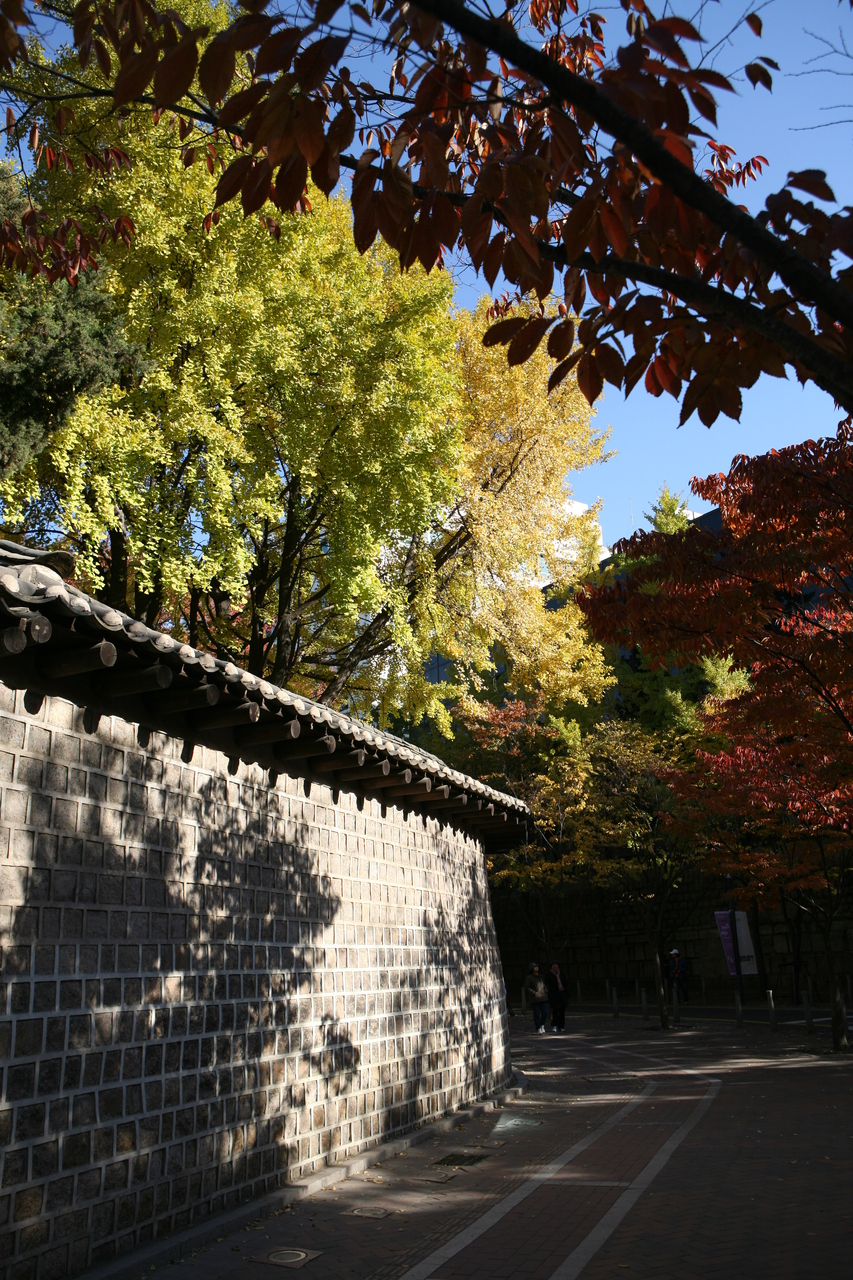
It is central, by City Hall, and lit up after dark. Just outside, the Deoksugung stone-wall road (Jeongdong-gil) is a free, popular night walk.
There's also Seokjojeon at Night, a reservation-only special program inside the palace (guided, sometimes with a terrace and performance depending on the year). That ticket is separate from the regular evening admission. Foreigner-only sessions may require your passport: confirm the current notice.
Changgyeonggung in the evening
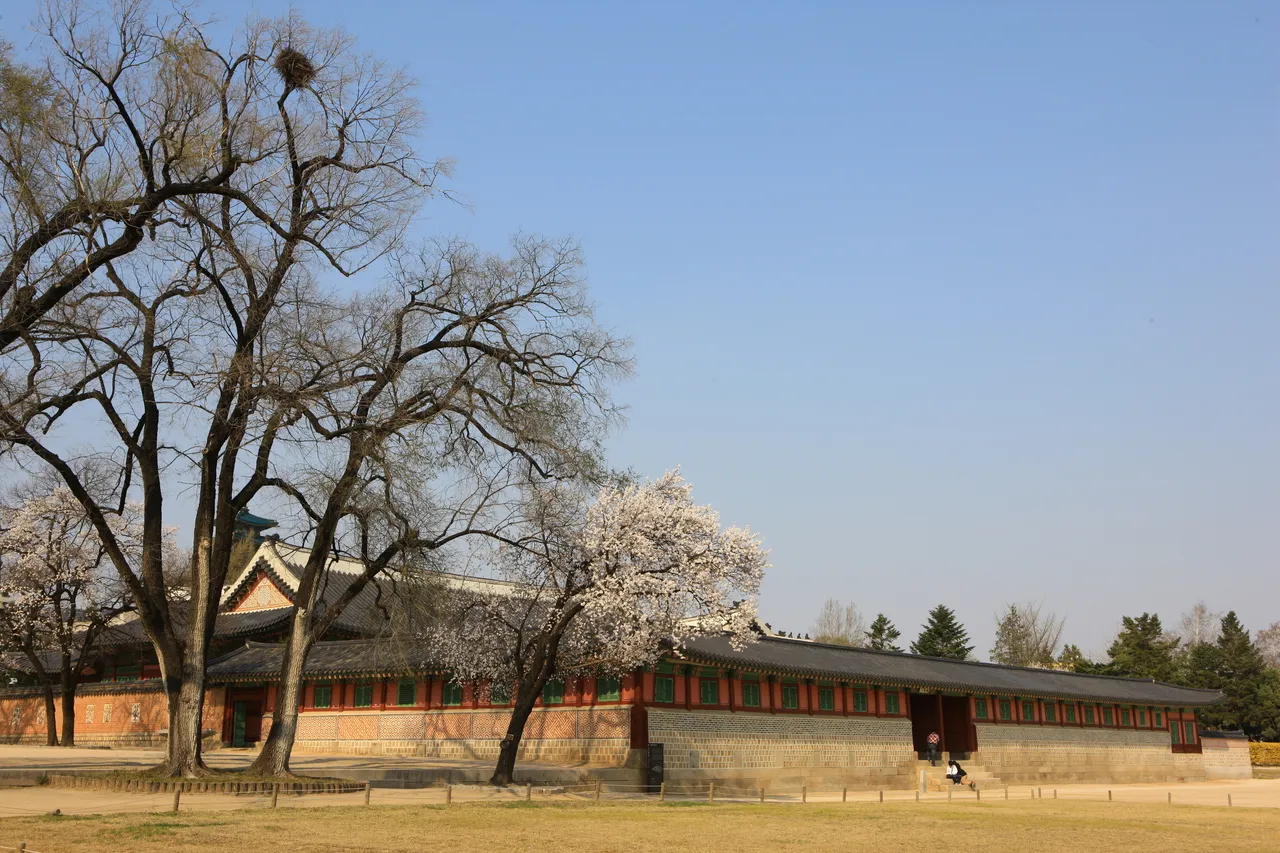
Changgyeonggung is the quiet option. Like Deoksugung, the hours page currently shows year-round evening admission (about 09:00 to 21:00, last entry about 20:00), with Monday closed. The night-open zone typically includes areas around Chundangji pond and nearby halls, but the exact open courtyards can shift, so check the notice.
Separate seasonal pond or media programs (sometimes free, sometimes timed) are not the same thing as that permanent evening access. It's less dramatic than Gyeongbokgung for first-time photos, but the calm and lower crowds are the draw.
Paths can be dark, so mind your footing.
Which experience fits you?
| If you want… | Choose |
|---|---|
| No booking, central, easy | Deoksugung evening (verify hours) |
| The grand palace lit up | Gyeongbokgung Night Viewing (seasonal) |
| The most atmospheric night | Changdeokgung Moonlight Tour (reserve early) |
| A special-occasion dinner-and-show | Gyeongbokgung Starlight Tour (reserve) |
| Quiet and uncrowded | Changgyeonggung evening |
Sample evenings
- First-timer, no plan: an early dinner near City Hall, then Deoksugung in the evening and a walk down the stone-wall road (verify hours).
- Culture-focused: book the Changdeokgung Moonlight Tour or Gyeongbokgung Starlight Tour well ahead, and build the evening around your slot.
- No-reservation seasonal: if Gyeongbokgung Night Viewing is running, grab a timed ticket (or check for an on-site foreigner quota) and go early.
- Quiet repeat visit: Changgyeonggung and the Chundangji pond for a calm night.
Hanbok and night viewing
Wearing hanbok is lovely at night, but free entry depends on which night product you are using.
- Free-roam seasonal night openings (for example Gyeongbokgung Night Viewing) often list hanbok wearers among free categories, under the same dress rule used in daytime: a jeogori plus a skirt or trousers; partial and some one-piece outfits can be refused. See the hanbok rental guide and the event notice for that season.
- Paid guided programs (Moonlight Tour, Starlight Tour, Seokjojeon at Night) still need their own ticket. Hanbok does not waive those fees.
- Rental return times can be earlier than the night program ends. Confirm the shop's return time and any night-extension option before you commit.
Photography guide
| Subject | Note |
|---|---|
| Lit halls and gates | The classic shot: where the area is open during the event |
| Pond reflections | Best on a still, calm night |
| Lantern-lit paths | Atmospheric, but don't block the group or walkway |
| Hanbok portraits | Lovely at dusk/blue hour |
Practical tips:
- Blue hour (just after sunset) balances sky and palace light beautifully.
- Steady your camera on a wall or use a low ISO, but don't assume tripods are allowed: flash, tripods, commercial shoots, and drones are commonly restricted; a drone needs permission or is prohibited, so check first.
- Stay out of roped-off areas and don't block paths or performances for a photo. Wear the moment respectfully. These are historic sites, not sets.
What the dark actually changes
The palaces are the same buildings, but the ground underfoot is the part people underestimate.
Paths are stone and gravel, unevenly lit, and slippery in rain. Stroller and wheelchair provision can differ from daytime hours, and guided programs sometimes carry age limits, so none of this is fully accessible. Deoksugung is the flatter, better-lit choice if that matters.
Bring a warm layer, because stone courtyards hold the cold long after sunset. Bring your booking confirmation for any reserved program, and your passport if a foreigner quota applies. A small light helps on the dimmer stretches.
Season changes the calculation more than the palace does.
- Spring: sells out earliest, against the Royal Culture Festival.
- Summer: warm evenings, but mosquitoes and humidity.
- Autumn: the best color, and an earlier sunset to plan around.
- Winter: cold, with ice on stone underfoot.
If it rains lightly, guided tours may still run, so check the cancellation policy rather than assuming. In heavy rain the appeal mostly disappears and the footing gets worse; the National Museum of Korea keeps evening hours on some days as an indoor swap.
Eating afterward
| Palace | Nearby for dinner or a drink after |
|---|---|
| Gyeongbokgung | Seochon and Gwanghwamun |
| Changdeokgung | Ikseon-dong and Insadong |
| Deoksugung | City Hall and Myeongdong |
| Changgyeonggung | Daehangno and Hyehwa |
One caution if you have dietary requirements: palace cafe and event food is not automatically halal or vegetarian. The Starlight Tour serves court cuisine that may include meat or alcohol-based seasonings, so confirm at the time you book rather than on the night.
Where plans usually go wrong
Four of these are booking errors, and they are the expensive ones.
- Assuming every palace opens at night. Several do not, or only in season.
- Confusing Night Viewing with the Starlight Tour. Same palace, different programs, different tickets.
- Expecting to book on the day. Guided tours sell out.
- Buying from a reseller instead of the official ticketing shown on the palace notice.
- Using an old blog's dates. Schedules are reset each year.
- Assuming hanbok means free night entry. Night events can differ from daytime rules.
- Forgetting the hanbok rental return time. It may close before the night program ends.
- Bringing a tripod or drone without checking. Both are often restricted.
Frequently asked questions
Are Seoul's palaces open at night? Not all of them, and not always: some open only for seasonal night viewing, some are known for regular evening hours, and the best experiences are reservation-only guided tours. Check each palace's current schedule.
What's the difference between Night Viewing and the Starlight Tour? Night Viewing is a seasonal, self-guided ticketed opening at Gyeongbokgung. The Starlight Tour is a premium, reservation-only guided program at the same palace with food and a performance, on a different ticket at a different price.
Is there a foreigner ticket quota? Some programs have offered on-site or separate foreigner sessions, usually requiring a passport. This varies by year and is not something to count on, so check the current official notice.
Does hanbok get me in free at night, and will my rental still be open? Neither is safe to assume. Night events can set different rules from the daytime free-entry policy, and rental shops often close before a night program ends, so confirm both before you book the hanbok.
Can I use a tripod or drone? Often not. Tripods, flash, commercial shoots, and drones are commonly restricted, and the rules differ by palace and program.
What if the booking page is not in English? Booking methods have changed between years, and not every program exposes an English flow. Work from the official palace notice rather than a third-party page, and treat a reseller offering easier access as a reason to stop.
Sources
- Royal Palaces and Tombs Center, Korea Heritage Service (궁능유적본부)Official government site
- Korea Heritage Service (국가유산청)Official government site
- Visit KoreaOfficial tourism site
Information is compiled from official sources. Details such as prices, hours, and schedules can change. Confirm time-sensitive facts before you travel.
Last verified on
Related guides
Seoul Hanbok Rental Guide: Gyeongbokgung, Palace Free Entry, Photo Routes, and What to Check
Renting a hanbok (한복) near Seoul's old palaces is among the easier and most rewarding cultural experiences for first-time visitors: choose an outfit, wear it for a few hours, and walk into the major palaces for free while you have it on. This guide focuses on areas, checklists, and the official rules: where to rent, exactly what qualifies for free entry (and what gets refused), photo routes, seasonal and etiquette notes, and what to confirm before you book. Prices, rental times, and shop rules vary, so check with the shop and the official palace sources before you go.
Korea in Autumn: When to Go, Fall Foliage Timing, and Best Places to See Autumn Colors
Autumn is one of Korea's best seasons, crisp weather and foliage that sweeps from the northern mountains down to the southern islands from late September to late November. Plan around the pattern rather than a fixed date: foliage starts high and north and moves south, peak comes roughly two weeks after the first color, and forecasts shift every year. Timing, the best city, day-trip, and mountain spots (including options for non-hikers), pink muhly, what to pack, and how to beat the peak-season crowds are all covered below. Check the official KMA and VisitKorea forecast before you lock in dates.