Loading…
Where to stay in Korea
Neighborhood guides by city. Filter by Seoul, Busan, Jeju, or Jeonju.
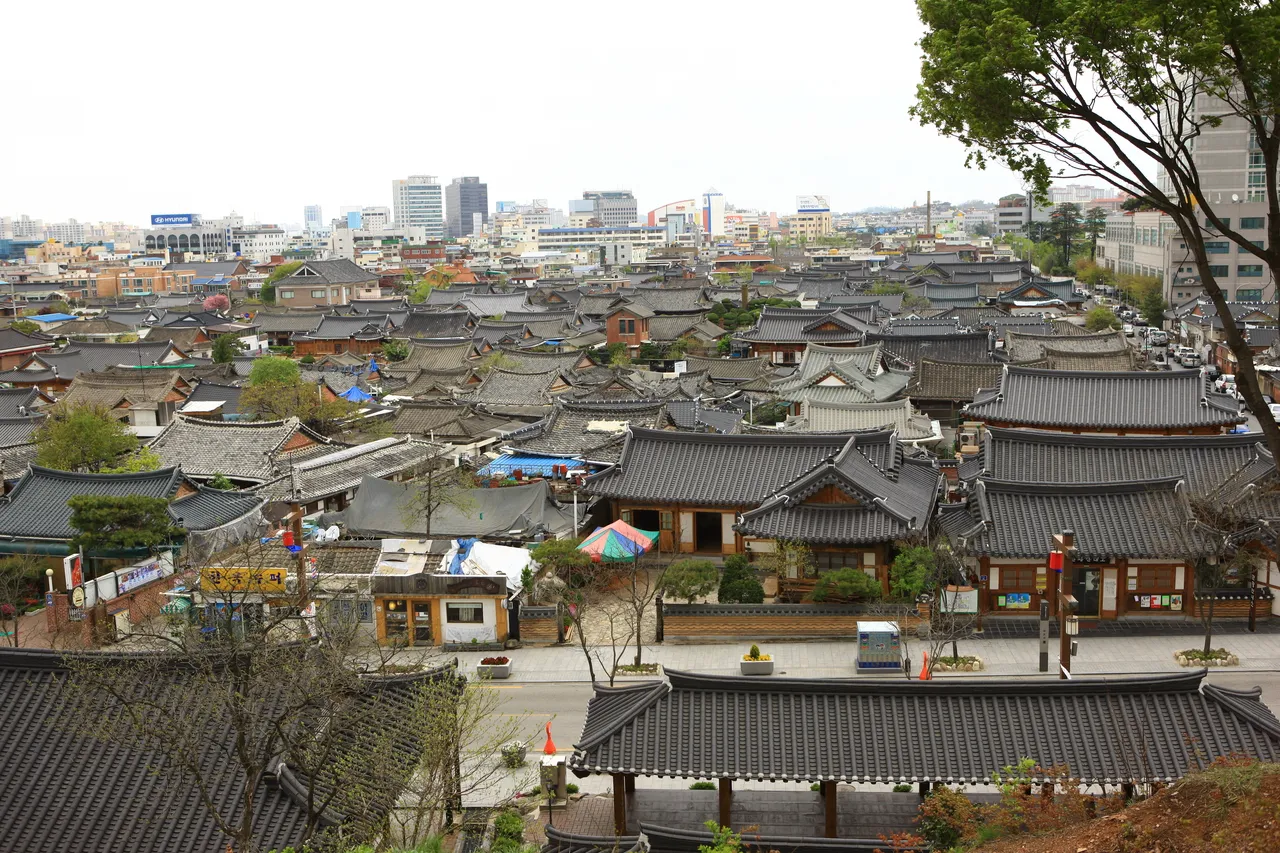
Where to Stay in Jeonju: Best Areas for Hanok Village, Food, Markets, and First-Time Visitors
For most first-time visitors, the best base in Jeonju is in or beside the Hanok Village (Korea's largest, a slow-city of hundreds of traditional houses) where the real reward is the quiet early-morning and late-evening lanes after the day-trip crowds leave. This guide compares the Hanok Village, Nambu Market, the Gaeksa/Gaekridan-gil cafe streets, Jeonju Station, and quieter areas like Deokjin, with an honest look at hanok stays. Prices, market hours, and night-market days change, so check current info before you book.
Jeonju
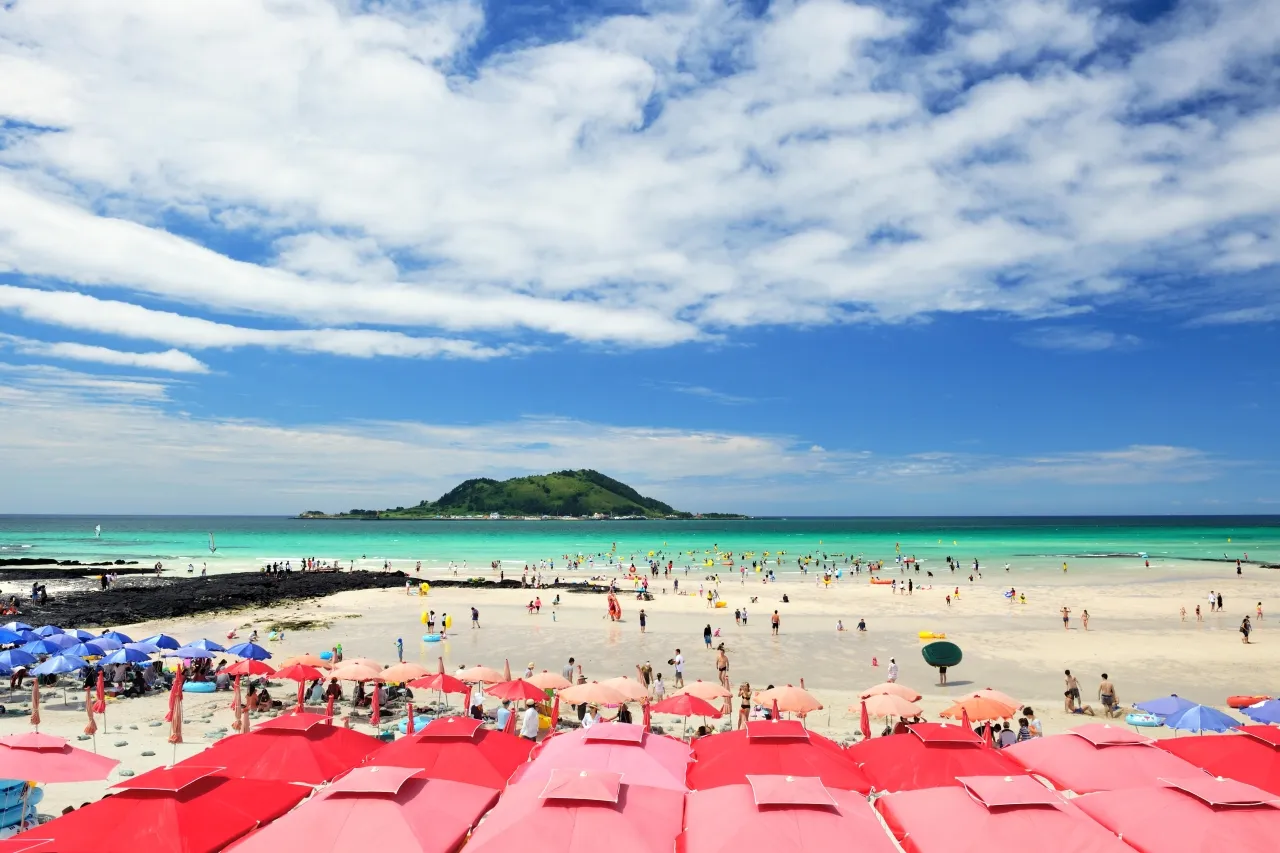
Where to Stay in Jeju Island: Best Areas for First-Time Visitors
Jeju is bigger than first-timers expect, about five hours to drive around, so the smartest base depends less on the prettiest spot and more on your flights, your itinerary, and whether you have a rental car. This guide compares Jeju City, Seogwipo, Jungmun, and the coastal towns, explains the car-vs-no-car decision (and why "no car" doesn't always mean Jeju City), and suggests a stay strategy by trip length. Bus times, fares, and hours change, so check current info before you go.
Jeju
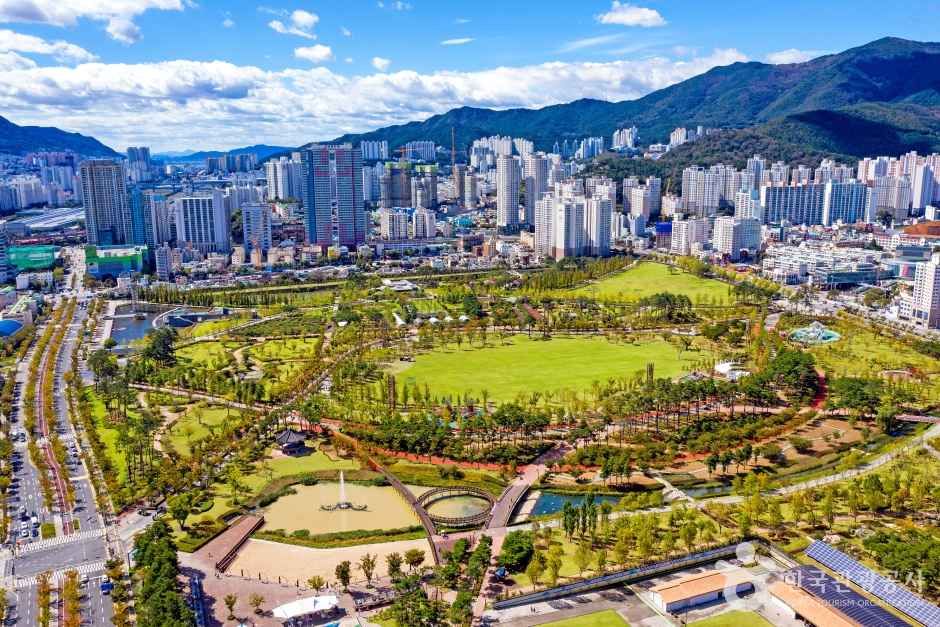
Where to Stay in Seomyeon: Central Busan, Shopping, Nightlife, and Easy Transport
Seomyeon is central Busan's transit-and-shopping hub: the city's busiest interchange, endless dining and nightlife, and quick metro links to both the beaches and the old downtown. One thing to know up front: Seomyeon is not by the sea. It's the practical, central base, not a beach one. The sub-areas, who each one suits, and what to check follow.
Busan
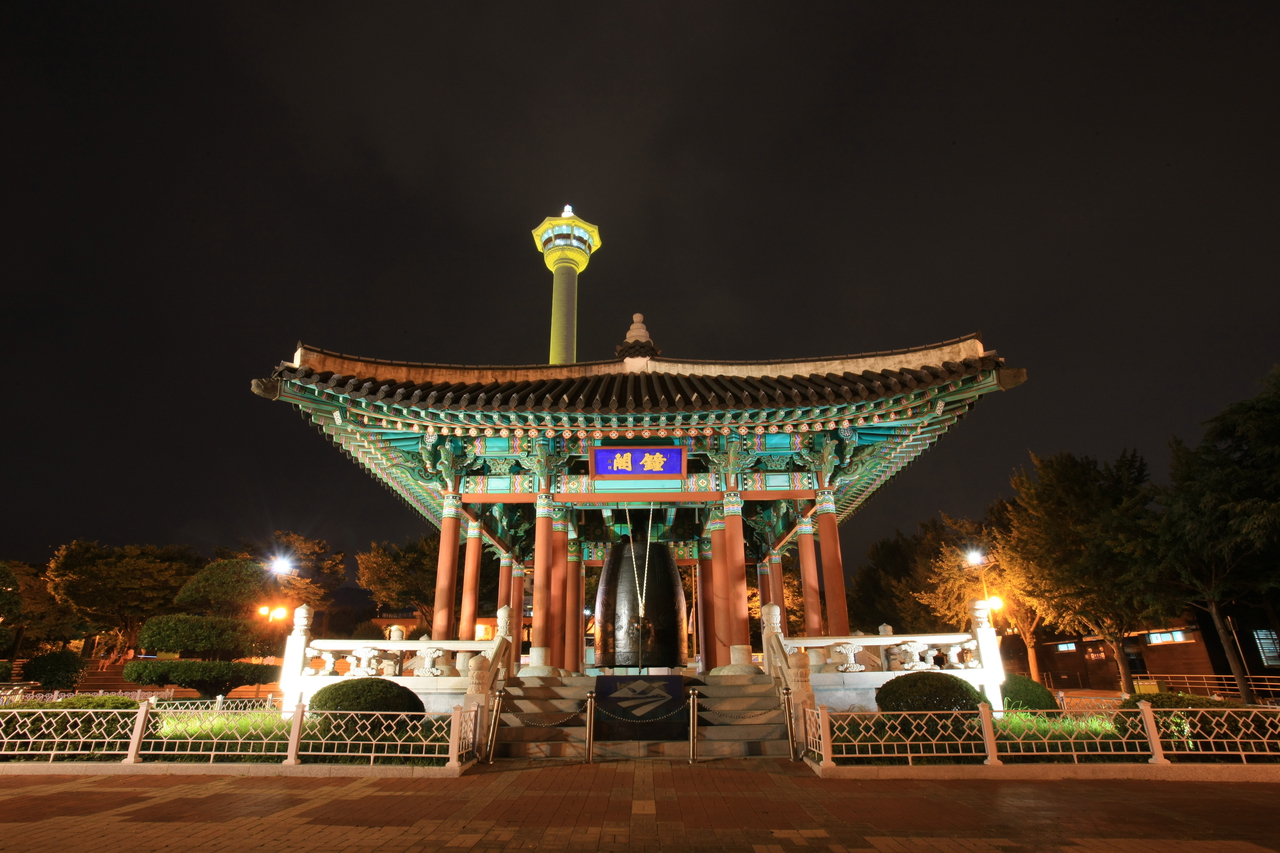
Where to Stay in Nampo and Jagalchi: Markets, Seafood, BIFF Square, and Old Busan
Nampo and Jagalchi are old-downtown Busan: the fish market, Gukje Market, BIFF Square street food, and the Nampo-dong shopping streets, close to Busan Station and Gamcheon. It's the base for markets and seafood over beaches. The sub-areas, who each one suits, and the honest trade-offs are below, market smells and early-morning noise near the fish market included.
Busan

Where to Stay in Hongdae: Nightlife, Cafés, and Young Seoul
Hongdae is Seoul's young, creative quarter: cafés, live music, indie shopping, and late-night energy around Hongik University, with a direct airport-railroad link that makes arrival easy. It suits friends, solo travelers, and repeat visitors more than a quiet first-timer. The sub-areas, who each one suits, and what to check before booking are below.
Seoul
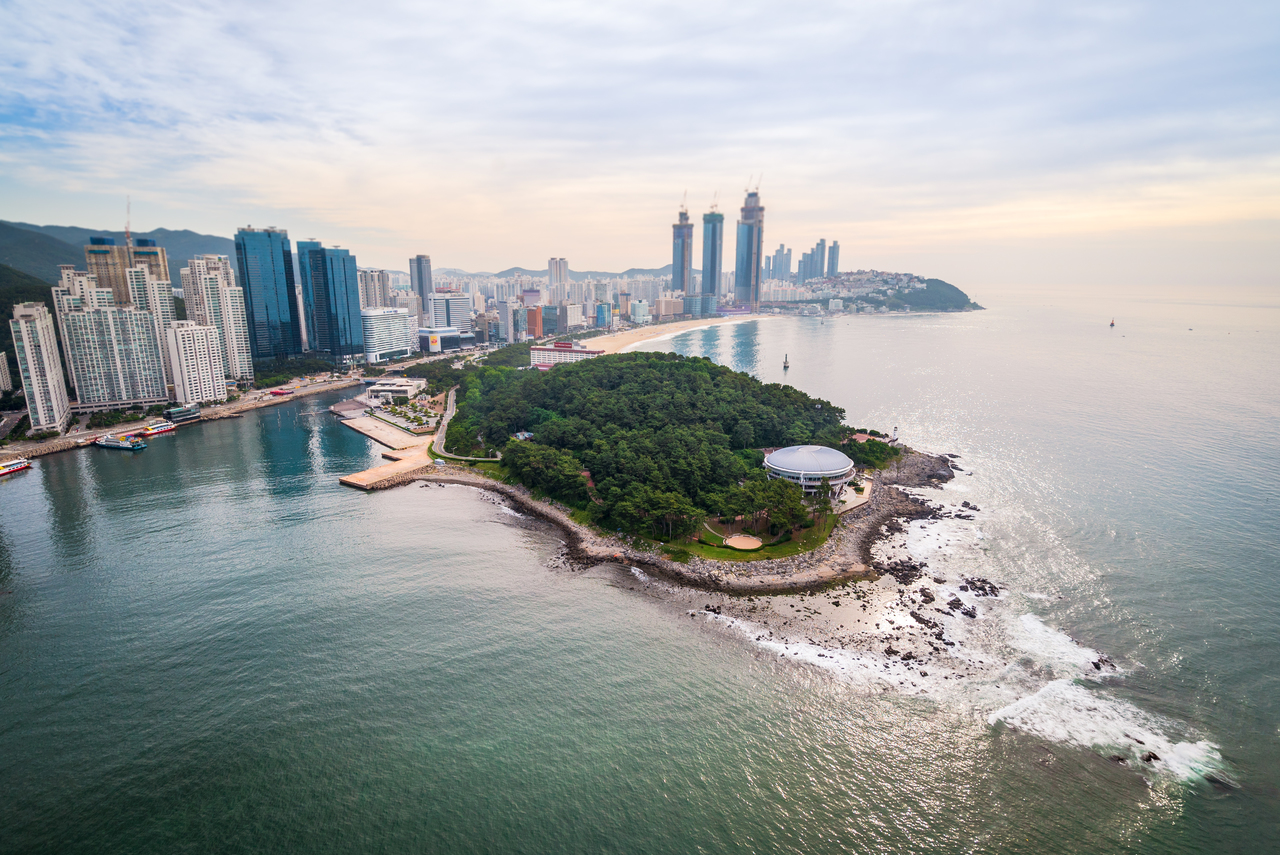
Where to Stay in Haeundae: Beach Hotels, Blue Line Park, and Family-Friendly Busan
Haeundae is Busan's classic resort beach and the widest hotel choice in the city: a polished, family-friendly base with the beach, Blue Line Park, and Dongbaekseom on the doorstep. The sub-areas, who each one suits, and what to check before booking are below. For the beach-vs-beach decision, the Haeundae vs Gwangalli comparison does that separately.
Busan
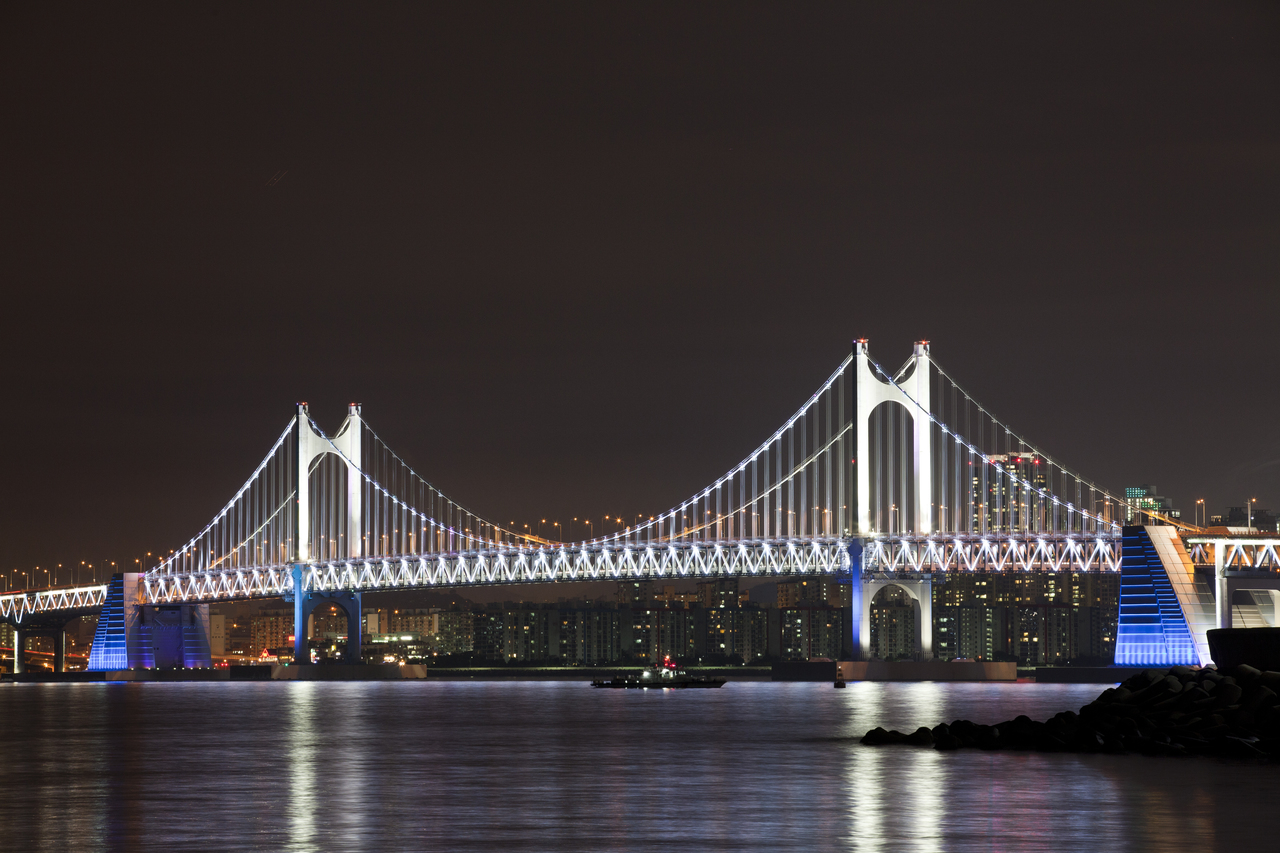
Where to Stay in Gwangalli: Night Views, Cafés, and Gwangan Bridge
Gwangalli is Busan's night-view beach: the Gwangan Bridge lit across the bay, a long café-and-bar strip, and a younger, social mood. It's the couples-and- nightlife counterpart to Haeundae. The sub-areas, who each one suits, and one booking trap are below: a bridge view and a beach view are not the same thing.
Busan
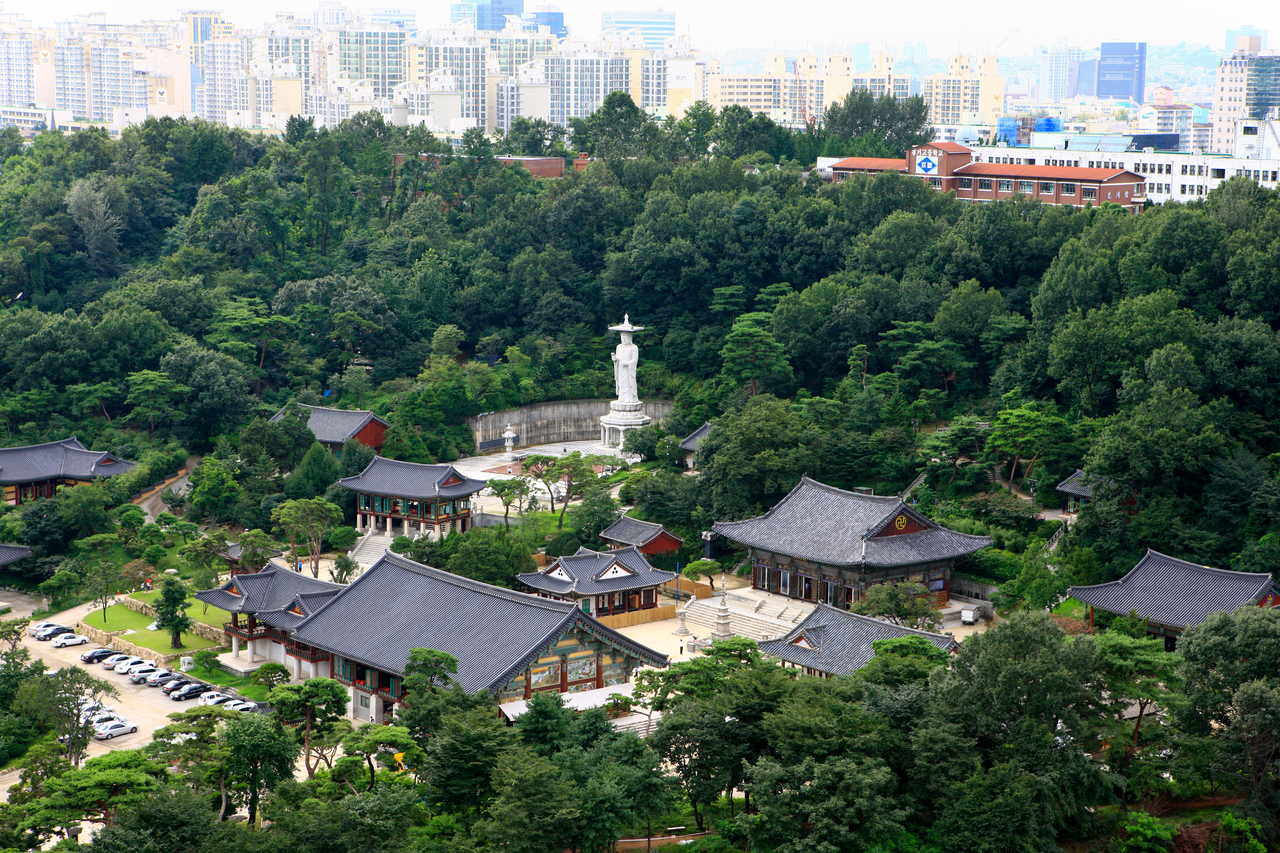
Where to Stay in Gangnam: Beauty, Business, Shopping, and Modern Seoul
Gangnam isn't one place. It's a cluster of districts south of the Han River, each with a different purpose: Gangnam Station, Samseong/COEX, Apgujeong and Cheongdam, Sinsa and Garosu-gil. It's modern Seoul for shopping, business, and upscale dining. This guide breaks down the sub-areas, who should stay, and what to check, so you book the right part of "Gangnam."
Seoul
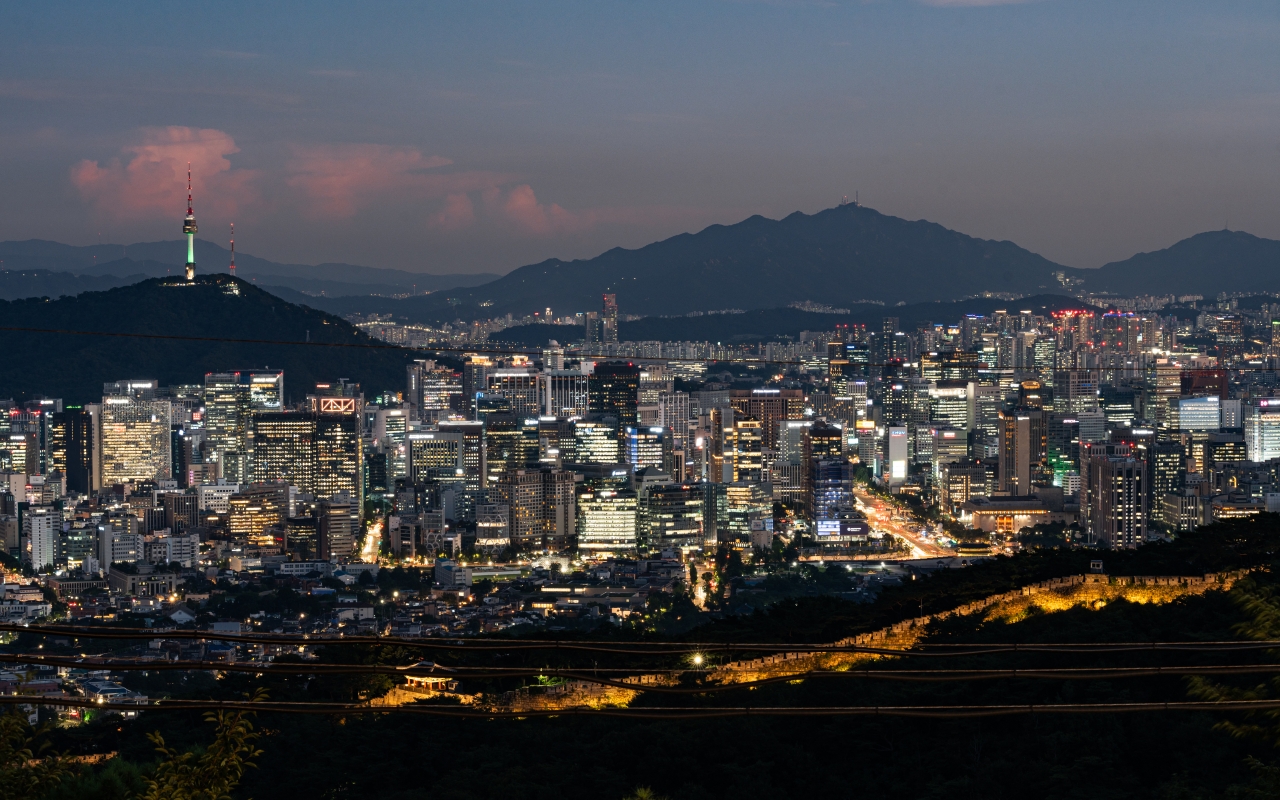
Where to Stay in Seoul: Best Areas for First-Time Visitors
The smartest way to choose where to stay in Seoul is to think north vs south of the Han River first, then narrow to a neighborhood. North (Myeongdong, Jongno, Hongdae) is traditional and central: ideal for first-timers; south (Gangnam, Jamsil, Suseo) is modern, with shopping, Lotte World, and the SRT to Busan. This guide compares nine areas and helps you pick the one that fits your route, not just the most famous name.
Seoul
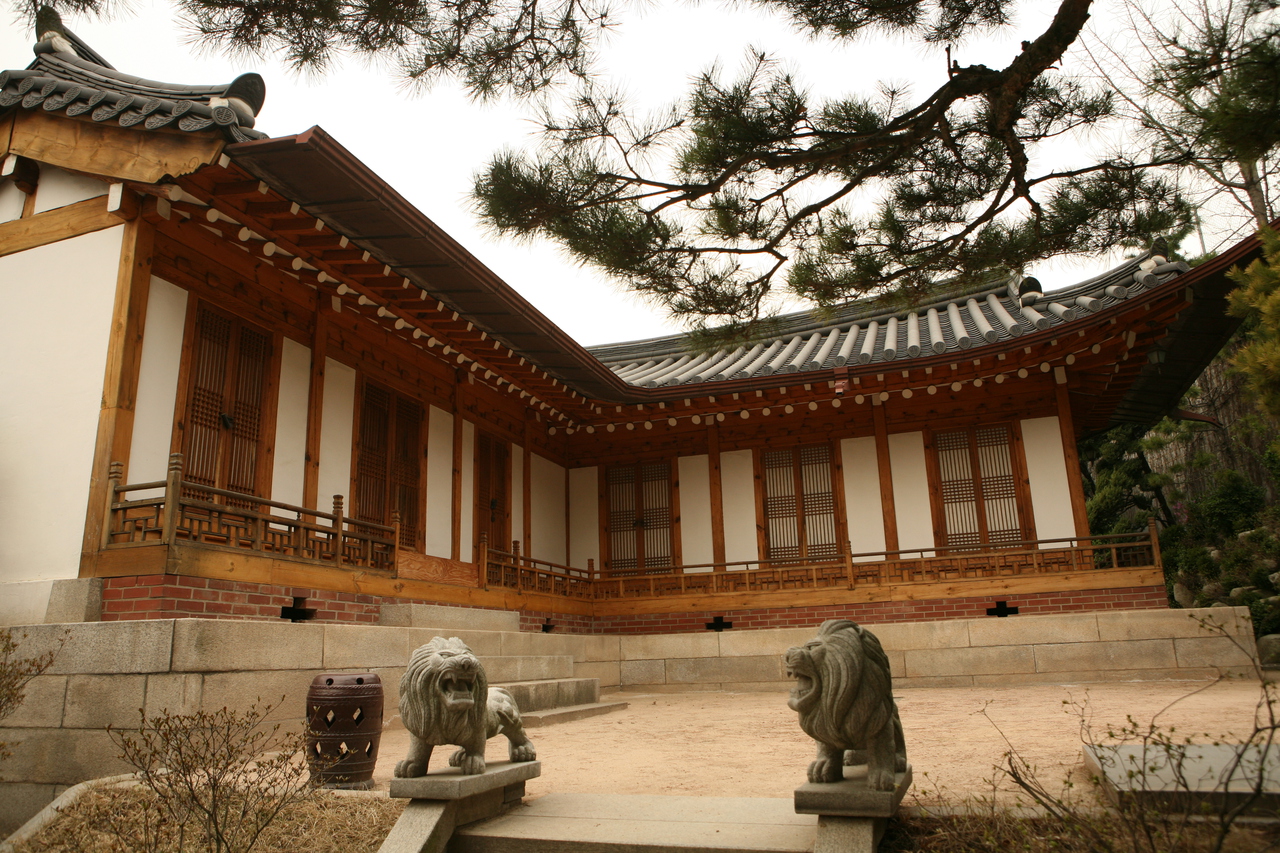
Where to Stay in Jongno, Insadong & Gwanghwamun: Palaces, Hanok Alleys, and Traditional Seoul
Jongno, Insadong, and Gwanghwamun are the historic heart of Seoul: walkable to Gyeongbokgung and Changdeokgung, the Bukchon hanok village, Insadong's craft streets, and Gwanghwamun Square. It's the top choice for a first-timer who wants palaces and old Seoul on the doorstep. The sub-areas, who each one suits, and what to check are below, including the Tuesday palace closures.
Seoul
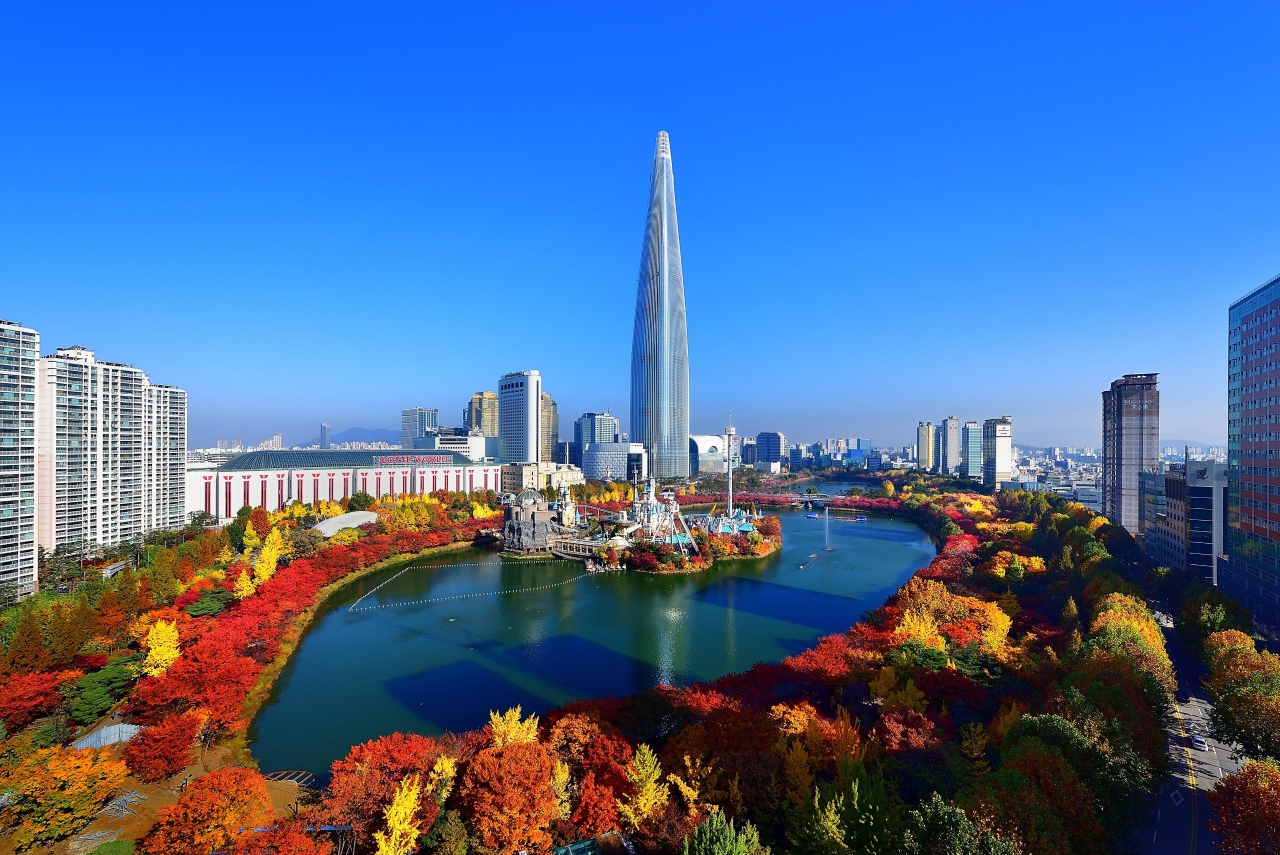
Where to Stay in Jamsil and Songpa: Lotte World, Suseo SRT, and Value Hotels
Jamsil and Songpa, in southeastern Seoul, are the area for Lotte World, Lotte World Tower, and the Han River parks, and the handiest base if you're catching the SRT to Busan from nearby Suseo. It's family-friendly and practical rather than central for palaces. The sub-areas, who each one suits, and what to check before booking are below.
Seoul
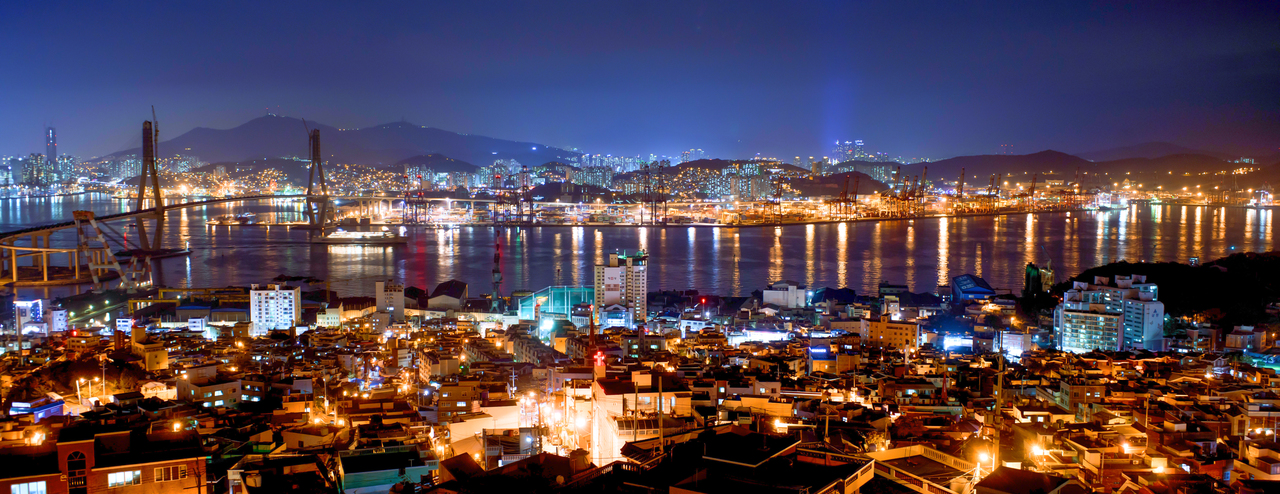
Where to Stay in Busan: Best Areas for First-Time Visitors
The easiest way to choose where to stay in Busan is to decide between the east-coast beaches (Haeundae, Gwangalli, Centum) and the old downtown around Nampo and Busan Station, with Seomyeon as the central transit balance. This guide compares nine areas with pros, cons, and stay/skip notes, and helps you pick the base that fits your route, including arriving by KTX from Seoul.
Busan
Next: Seoul overview · Itineraries · First-time path