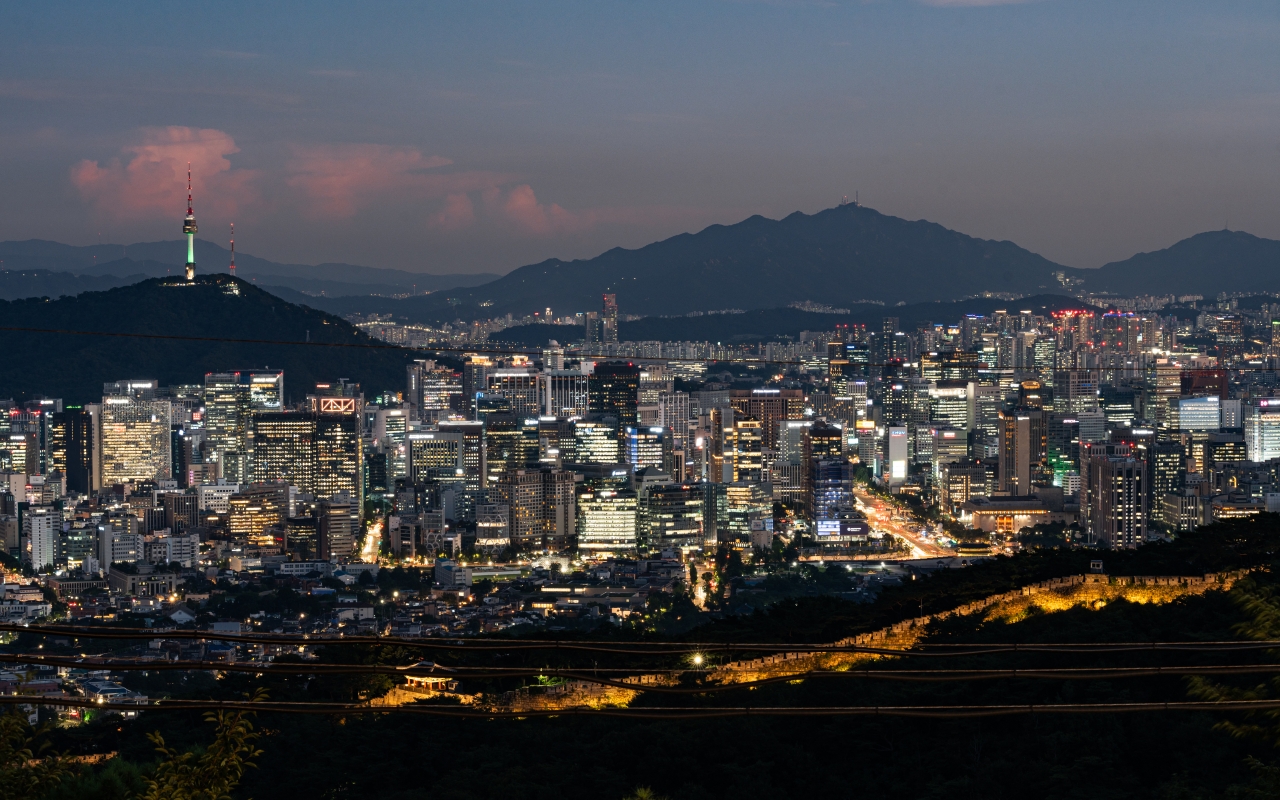
The hardest part of booking Seoul isn't finding a room. It's choosing the right area among a dozen famous names.
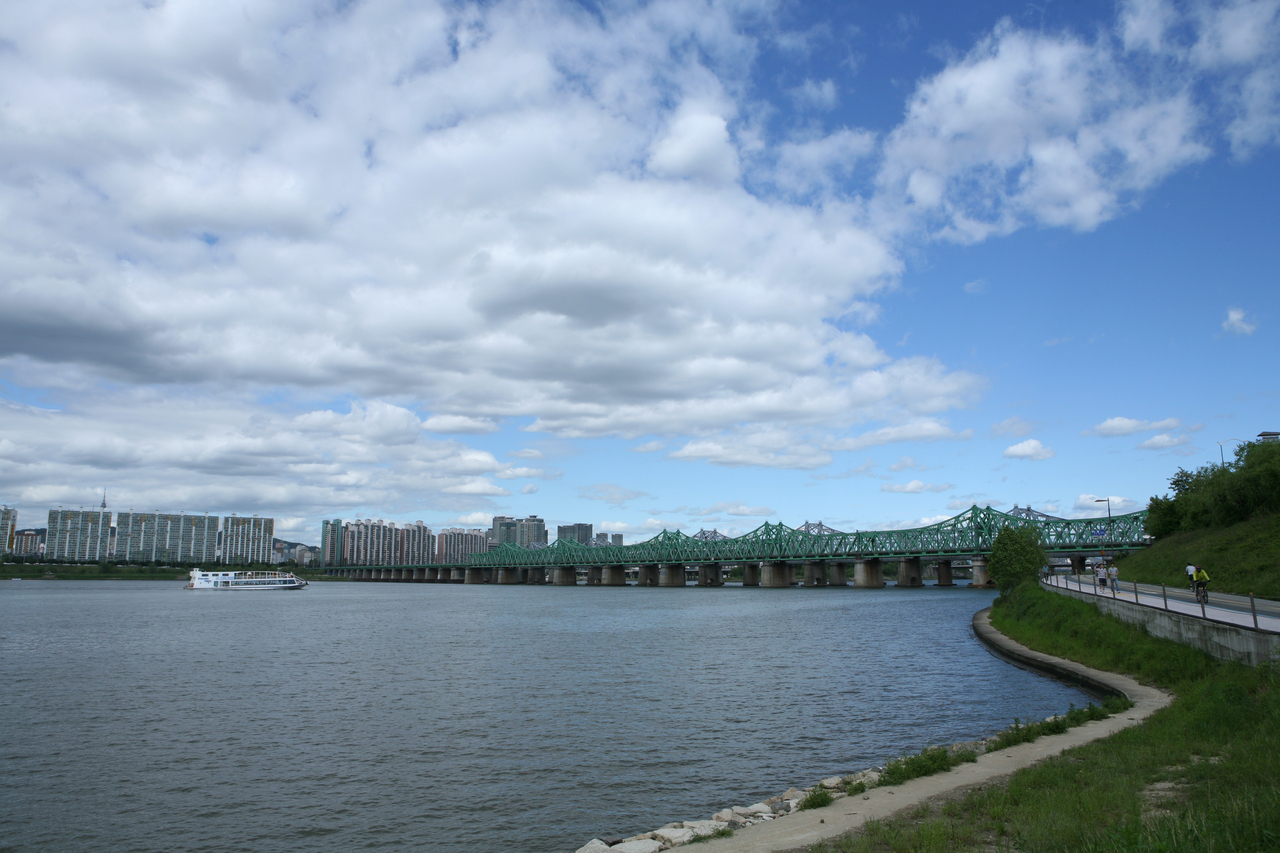
The simplest way to decide: think north or south of the Han River first, then pick a neighborhood. Most first-time sightseeing sits north (palaces, Myeongdong, Hongdae); the south (Gangnam, Jamsil) is the modern, shopping, and theme-park side, and the gateway to the SRT train to Busan.
Figure out where your top three plans land, and the area almost picks itself. This is a location guide, not a hotel list.
Pair it with the 3-day Seoul itinerary once you've chosen.
North or south of the Han River?
- North of the river = traditional, central, best for first-timers. Palaces, hanok lanes, street food, and most headline sights: Myeongdong & Euljiro, Jongno / Insadong / Gwanghwamun, Hongdae & Yeonnam, Dongdaemun, and Seongsu.
- South of the river = modern, shopping, Lotte World, SRT. Glossier and more spread out: Gangnam, Jamsil & Songpa, and Suseo (the SRT station toward Busan).
If two or three of your must-dos are palaces, markets, and old-town walks, stay north. If they're shopping malls, COEX, Lotte World, or an onward SRT to Busan, look south.
Quick answer
| If you want… | Stay in |
|---|---|
| Classic first-timer base, central, walkable | Myeongdong / Euljiro |
| Palaces, hanok, old town | Jongno / Insadong / Gwanghwamun |
| Nightlife, cafes, airport-line access | Hongdae / Yeonnam |
| Late-night shopping | Dongdaemun |
| Modern Seoul, business, upscale shopping | Gangnam |
| Family trip, Lotte World, SRT to Busan | Jamsil / Songpa (and Suseo for SRT) |
| Transit hub, early/late trains | Seoul Station / Yongsan |
| Cafes, design, a repeat-visitor vibe | Seongsu |
| International food, a quieter stylish base | Itaewon / Hannam |
Travel times depend on your exact route. Check Naver Map, Kakao Map, or Google Maps before you book.
Carry a transit card and sort out how to pay on arrival.
Myeongdong & Euljiro
Nearby: Myeongdong shopping and street food, Myeongdong Cathedral, Namsan / N Seoul Tower, and Euljiro's workshop-and-cafe streets; central for the palace district too.
- Pros: very central, packed with food and shopping, well connected by subway, lots of accommodation across budgets, the default first-timer base.
- Cons: busy and touristy, can feel commercial, and prices reflect the location.
Jongno, Insadong & Gwanghwamun
Nearby: Gyeongbokgung and the palace district, Bukchon hanok village, Insadong crafts, Gwanghwamun and Cheonggyecheon stream.
- Pros: the heart of historic Seoul, walkable to the big sights, a mix of traditional guesthouses and hotels.
- Cons: quieter at night, and the most atmospheric hanok stays can be simpler in amenities.
- More: Where to stay in Jongno, Insadong & Gwanghwamun.
Hongdae & Yeonnam
Nearby: Hongdae's nightlife and street performances, Yeonnam-dong cafes, and the AREX airport line for an easy Incheon connection.
- Pros: young, lively, great food and cafes, direct airport-line access, good value.
- Cons: noisy at night, more of a party atmosphere, less ideal for light sleepers or families.
- More: Where to stay in Hongdae.
Gangnam
Nearby: upscale shopping, COEX mall and aquarium, business districts, and the Gangnam subway lines.
- Pros: modern, polished, excellent transit, good for business travelers and shoppers.
- Cons: spread out and less "old Seoul," generally pricier, and a longer hop to the northern palace sights.
- More: Where to stay in Gangnam.
Jamsil & Songpa
Nearby: Lotte World and Lotte World Tower, Seokchon Lake, the Han River parks, and, a key practical point, easy reach of Suseo Station for the SRT to Busan.
- Stay here if you're traveling with kids (Lotte World), want newer value hotels near Jamsil/Suseo, or you're pairing Seoul with Busan and want a smooth SRT departure.
- Skip it if your trip is mostly palaces, markets, and old-town walks up north. You'd commute a lot. Heading to Busan after Seoul? See where to stay in Busan.
- More: Where to stay in Jamsil & Songpa.
Seoul Station & Yongsan
Nearby: Seoul Station (AREX from Incheon + KTX), Yongsan and its electronics/mall area, and quick lines in most directions.
- Pros: unbeatable for transit: ideal if you arrive late, leave early, or do day trips by train; central-ish and well connected.
- Cons: more of a transit zone than a destination neighborhood; some stretches are less scenic.
Dongdaemun
Nearby: Dongdaemun Design Plaza (DDP), the night-shopping malls, and wholesale markets that run late.
- Pros: shopping around the clock, central-east location, plenty of hotels.
- Cons: very commercial and busy, and the late-night crowds aren't for everyone.
Seongsu
Nearby: Seongsu's cafes, concept stores, and rotating pop-ups, with Seoul Forest nearby.
- Pros: trendy and creative, great cafes, a good "second-visit" base with local character.
- Cons: fewer classic sights on the doorstep, and it's more residential, better once you already know Seoul.
Itaewon & Hannam
Nearby: international restaurants, the Leeum museum, and Hannam's quieter upscale streets; Namsan is close.
- Pros: diverse food, a more relaxed and stylish feel, good for travelers who want variety.
- Cons: nightlife-heavy in parts, hillier to walk, and a bit off the main palace circuit.
Best area by traveler type
| Traveler | Best base |
|---|---|
| First-timer, sightseeing | Myeongdong or Jongno |
| Families with kids | Jamsil / Songpa |
| Couples | Jongno, Seongsu, or Hannam |
| Nightlife / younger travelers | Hongdae |
| Shoppers | Gangnam or Dongdaemun |
| Business | Gangnam |
| Train-heavy trips / Seoul + Busan | Seoul Station or Suseo (SRT) |
| Repeat visitors | Seongsu, Yeonnam, or Hannam |
How to choose (a quick checklist)
- Are your top sights north or south of the river? Decide this first.
- Do you want to walk to palaces and markets, or are malls and COEX your thing?
- Are you pairing Seoul with Busan by SRT (lean Suseo/Songpa)?
- Traveling with kids (Lotte World → Jamsil)?
- Do you care about nightlife (Hongdae/Itaewon) or quiet (Jongno/Hannam)?
- Arriving late or leaving early (Seoul Station/Yongsan, or Hongdae for the airport line)?
- What's your budget, and how does it shift by area?
- How light a sleeper are you (avoid the loudest nightlife streets)?
- Is this a first visit (north, central) or a repeat (Seongsu/Yeonnam)?
- Have you checked the actual commute from a candidate hotel to your top three plans on a map?
A recommended strategy
- 1 to 2 nights: stay central and north, Myeongdong / Euljiro or Jongno, and keep it simple.
- 3 to 4 nights: match the base to your plan; if it leans modern/shopping, Gangnam works, but most first-timers still do well north.
- Seoul + Busan by SRT: base in Songpa / Jamsil and use Suseo Station for the SRT.
- Repeat visit: try Seongsu, Yeonnam, or Hannam for a more local stay.
Don't change hotels every night
The single biggest comfort upgrade for a short Seoul trip is picking one central base and staying put. Hauling luggage across the city to "see it all" costs more time and stress than it saves. Seoul's subway makes day trips from one base easy.
Move hotels only if your trip has a clear two-part shape (e.g. a few nights of sightseeing, then a night near Suseo before an early SRT).
Common mistakes
- Picking the most famous name, not your route. Match the area to your top three plans.
- Ignoring the river. Staying south when all your sights are north (or vice versa) means long commutes.
- Changing hotels nightly. One central base beats constant moves.
- Trusting a "10 minutes away" claim. Check the real route on a map before booking.
- Booking far from a subway line to save money, then losing hours commuting.
- Overpaying for a view you'll barely use on a busy sightseeing trip.
Frequently asked questions
Where should a first-time visitor stay in Seoul? Central and north of the river, Myeongdong or Jongno, for easy access to palaces, markets, and food.
North or south of the Han River? North for traditional, central sightseeing; south (Gangnam, Jamsil) for modern shopping, Lotte World, and the SRT to Busan.
Best area for families? Jamsil / Songpa, near Lotte World and the Han River parks.
Best area for nightlife? Hongdae, with Itaewon as an alternative.
Where to stay for shopping? Gangnam (upscale/malls) or Dongdaemun (late-night markets).
Where if I'm also visiting Busan? Stay in Songpa / Jamsil and leave from Suseo Station on the SRT.
Best area to arrive late or leave early? Seoul Station / Yongsan for trains, or Hongdae for the airport line.
Is Gangnam good for first-timers? It's modern and convenient, but most first-time sights are north, so expect more commuting.
Should I change hotels during my stay? Usually no. Pick one central base; the subway makes day trips easy.
How do I compare commute times? Check Naver Map, Kakao Map, or Google Maps from a specific hotel to your planned stops before booking.
Which area is best value? It varies by season and date: areas like Hongdae and parts of the south can offer value, but compare for your dates rather than assuming.
Is Seongsu a good base? Great for repeat visitors who want cafes and local character; less ideal if you want classic sights on the doorstep.
Final recommendation
Don't book the most famous neighborhood. Book the one that matches your route. Decide north or south of the river, narrow to an area that fits your top plans, pick one central base, and verify the commute on a map before you pay.
When the location's set, turn it into days with the 3-day Seoul itinerary and the 2-night stopover plan.
Sources
- Visit KoreaOfficial tourism site
- Seoul Metropolitan Government Open DataOfficial government site
- Korea Tourism Organization English TourAPIOfficial API
Information is compiled from official sources. Details such as prices, hours, and schedules can change. Confirm time-sensitive facts before you travel.
Last verified on
Related guides

Seoul 3-Day Itinerary for First-Time Visitors
Three days in Seoul, grouped by area so you walk more and commute less. Day one covers the palace district and old town, day two the modern south and shopping, and day three markets, a city view, and your own picks.

How to Pay in Korea: Credit Cards, Cash, WOWPASS, ATMs, and Mobile Pay
Korea is card-friendly, but the smartest setup is not to rely on one method. Bring a foreign credit or debit card, keep a little cash, get a transit card, and consider a foreigner prepaid card like WOWPASS for the kiosks that reject foreign cards. The breakdown below is current for 2026. Check foreign-transaction rules with your bank before you leave.