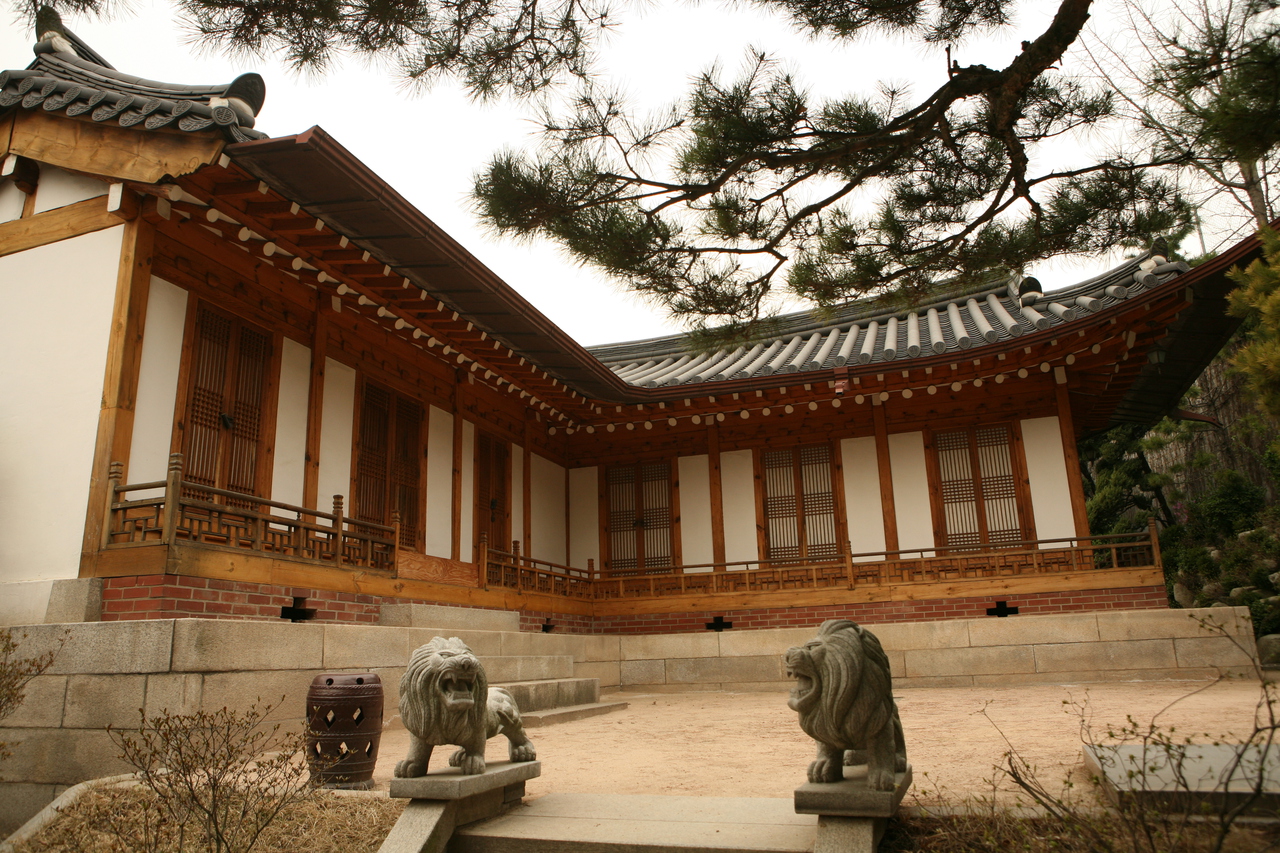
If your idea of Seoul is palaces, hanok rooftops, and old-town streets, Jongno, Insadong, and Gwanghwamun are the area to sleep in. This is the historic core.
You can walk to Gyeongbokgung and Changdeokgung, the Bukchon hanok lanes, Insadong's craft shops, and Gwanghwamun Square: which makes it the strongest first-timer base for traditional Seoul. This guide sits under the broader where to stay in Seoul overview.
Quick answer
| If this is you… | Stay in Jongno / Insadong? |
|---|---|
| First-timer who wants palaces & old town | Yes: the top pick |
| Couple wanting an atmospheric, walkable base | Yes |
| Want to wake up near Gyeongbokgung | Yes |
| Here mainly for nightlife / clubs | No: try Hongdae/Itaewon |
| Want beaches/modern malls | No: that's elsewhere |
Hours, fees, and closing days change. Check current information before you go, and check routes on Naver, Kakao, or Google Maps.
Why stay here
- Palaces on foot. Gyeongbokgung, Changdeokgung, and the smaller palaces are within walking distance, early-morning palace visits without a commute.
- Hanok and old streets. Bukchon's hanok lanes, Insadong's craft and antique shops, and the hanok cafes of Ikseondong are all close.
- Central and connected. Gwanghwamun Square, Cheonggyecheon stream, and several subway lines (Gyeongbokgung, Anguk, Gwanghwamun, Jongno 3-ga) put the rest of the city in easy reach.
Palaces close on Tuesdays. Gyeongbokgung and the other main palaces are generally closed on Tuesdays: handy to know when you're staying right next door, so you don't plan your palace day for a closed day. Confirm current hours and any free-entry conditions officially.
Main areas inside the district
- Gwanghwamun: the civic, central end: Gwanghwamun Square, Gyeongbokgung, business hotels, easy transit.
- Insadong: craft shops, tea houses, galleries; touristy but walkable and atmospheric.
- Anguk & Bukchon: closest to the hanok village and Changdeokgung; the most traditional feel.
- Jongno 3-ga & Ikseondong: old downtown energy, Ikseondong's hanok cafes, and lively evenings.
Nearby attractions
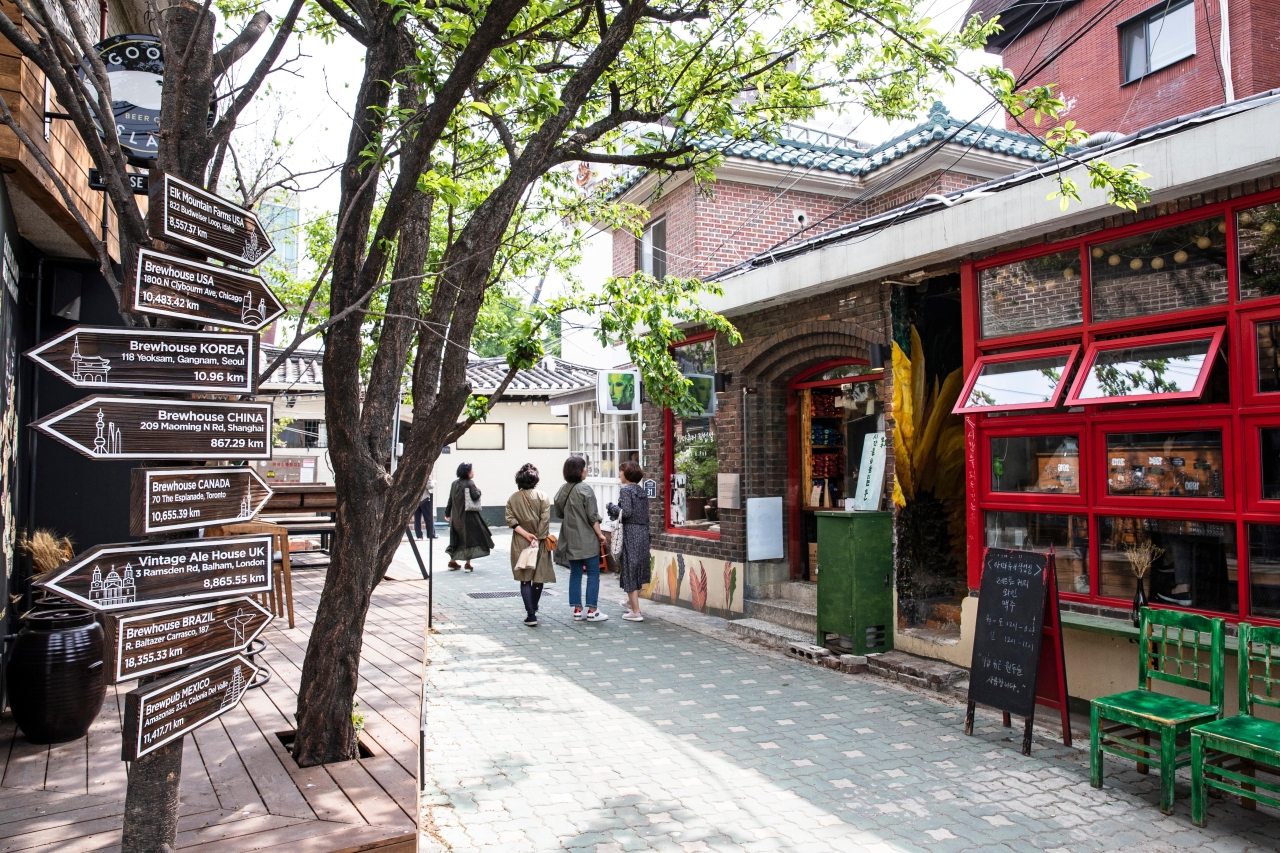
Gyeongbokgung and Changdeokgung palaces, Bukchon Hanok Village, Insadong, Gwanghwamun Square, Cheonggyecheon stream, Jogyesa temple, and Ikseondong. Most are walkable from one another.
Pros
- The best base for palaces, hanok, and traditional Seoul, much of it on foot.
- Central and well connected for trips elsewhere in the city.
- Atmospheric, you wake up in historic Seoul, not a mall district.
Cons
- Hilly and laned around Bukchon, wheeling luggage to some hanok stays can be a workout.
- Quieter at night than the nightlife districts; some streets wind down early.
- The most characterful hanok stays can be simpler on amenities and space.
A note on Bukchon etiquette
Bukchon Hanok Village is a real residential neighborhood, not an open-air museum. If you stay or wander there, keep your voice down, don't photograph into private homes or courtyards, and stick to the public lanes, residents live behind those gates.
Who should stay (and who should skip)
- Stay if you're a first-timer focused on palaces and old town, a couple wanting atmosphere, or anyone who wants to walk to the historic sights.
- Skip if you're here mainly for nightlife and clubs (Hongdae or Itaewon suit better) or you want modern malls and beaches.
Suggested itineraries
- Classic first day: Gyeongbokgung at opening (not Tuesday), Bukchon's lanes, lunch in Insadong, and Cheonggyecheon in the late afternoon. See the 3-day Seoul itinerary.
- Slow culture day: Changdeokgung and its garden, Ikseondong cafes, and a relaxed evening around Jongno 3-ga.
What to check before booking
- Is the hotel walkable to a palace and a subway station?
- Are you planning a palace day on a Tuesday? Many palaces are closed, adjust.
- For a hanok stay, can you handle lanes, steps, and simpler amenities (and luggage on hills)?
- How's the route from the specific hotel to your other plans (check a map app)?
- Do you want quiet evenings (Anguk/Bukchon) or livelier ones (Jongno 3-ga/Ikseondong)?
Common mistakes
- Planning a palace day on a Tuesday when the palaces are closed.
- Booking a hanok up a hill without realizing the luggage haul.
- Treating Bukchon like a theme park: it's a residential area; be respectful and quiet.
- Expecting nightlife here. It's calmer than Hongdae or Itaewon.
- Trusting a "5 minutes to the palace" claim: check the real walk first.
Getting around from Jongno and Insadong
Jongno has some of the best metro access in Seoul for sightseeing, with multiple lines converging within easy walking distance:
- Gyeongbokgung Station (Line 3): directly by the palace's main gate; use this for the palace and the National Folk Museum.
- Anguk Station (Line 3): closest for Bukchon Hanok Village and Insadong.
- Jongno 3-ga Station (Lines 1, 3, and 5): the key interchange in the heart of the old town, giving rapid access to both the historic district and the rest of the city.
- City Hall Station (Lines 1 and 2): connects to Line 2 (outer loop) for Hongdae, Gangnam, and Jamsil.
For Myeongdong and Namdaemun, Line 4 from Chungmuro or direct from Myeongdong Station is fast (about 10 minutes). For Gangnam, the most direct route changes at City Hall or Euljiro onto Line 2. Plan 25 to 30 minutes.
A T-money card covers all fares; Naver Map or KakaoMap routes reliably.
What you can reach on foot
This area is among the more walkable districts for first-time visitors. From a central Jongno guesthouse or hotel, you can walk to: Gyeongbokgung Palace (20 to 30 minutes depending on the exact hotel location), Bukchon Hanok Village, Insadong's gallery and teahouse street, Changdeokgung and Changgyeonggung palaces, Jogyesa temple, Cheonggyecheon stream, and Nakwon Instrument Arcade. The palace areas are free to enter for children and have free Wi-Fi on their grounds.
Tongin Market (near Gyeongbokgung) is a local food market with the "dosirak" lunch-box experience using traditional coins.
Jongno at different times of day
The area shifts significantly through the day: mornings are quiet around the palaces (open early), midday brings school groups and tourist traffic, late afternoon is the best time for Insadong's teahouses and galleries, and evenings in Jongno 3-ga have a distinct older local character with makgeolli bars and traditional food spots. Bukchon Hanok Village is most photogenic before 9 a.m. when tour groups arrive.
Frequently asked questions
Is Jongno a good area to stay in Seoul?
Yes. It's the historic heart, walkable to palaces, hanok, and old-town streets; ideal for first-timers focused on traditional Seoul.
Are the palaces really walkable from here?
Gyeongbokgung and Changdeokgung are within walking distance of much of the district; confirm your specific hotel on a map.
Are the palaces open every day?
No, the main palaces are generally closed on Tuesdays. Check current hours before planning your palace day.
Where's best for the hanok village feel?
Anguk / Bukchon, closest to the hanok lanes and Changdeokgung.
Is Insadong touristy?
Yes, but it's walkable and atmospheric, with craft shops and tea houses.
Is it good for families?
Yes: central, walkable, and full of sights, though Bukchon's hills mean strollers need planning.
Is there nightlife here?
It's quieter than Hongdae or Itaewon; Jongno 3-ga and Ikseondong are the livelier corners.
Can I stay in a hanok?
Yes, traditional guesthouses exist, especially around Bukchon; expect character over big-hotel amenities.
Which subway stations serve the area?
Gyeongbokgung, Anguk, Gwanghwamun, and Jongno 3-ga, among others.
Is Bukchon a tourist site or a neighborhood?
A residential neighborhood. Visit quietly and respectfully.
Is it good for first-time visitors?
It's among the better first-time bases for the classic Seoul experience.
How many nights here?
Two to three nights covers the historic core comfortably; pair it with other areas for a longer trip.
Final recommendation
For palaces, hanok, and traditional Seoul on foot, Jongno, Insadong, and Gwanghwamun are the base to choose, especially for a first visit. Mind the Tuesday palace closures, be a respectful guest in residential Bukchon, and check the walk from any hotel before booking. Compare areas in the where to stay in Seoul overview.
Sources
- Visit KoreaOfficial tourism site
- Seoul Metropolitan Government Open DataOfficial government site
- Korea Tourism Organization English TourAPIOfficial API
Information is compiled from official sources. Details such as prices, hours, and schedules can change. Confirm time-sensitive facts before you travel.
Last verified on
Related guides
Where to Stay in Seoul: Best Areas for First-Time Visitors
The smartest way to choose where to stay in Seoul is to think north vs south of the Han River first, then narrow to a neighborhood. North (Myeongdong, Jongno, Hongdae) is traditional and central: ideal for first-timers; south (Gangnam, Jamsil, Suseo) is modern, with shopping, Lotte World, and the SRT to Busan. This guide compares nine areas and helps you pick the one that fits your route, not just the most famous name.

Seoul 3-Day Itinerary for First-Time Visitors
Three days in Seoul, grouped by area so you walk more and commute less. Day one covers the palace district and old town, day two the modern south and shopping, and day three markets, a city view, and your own picks.