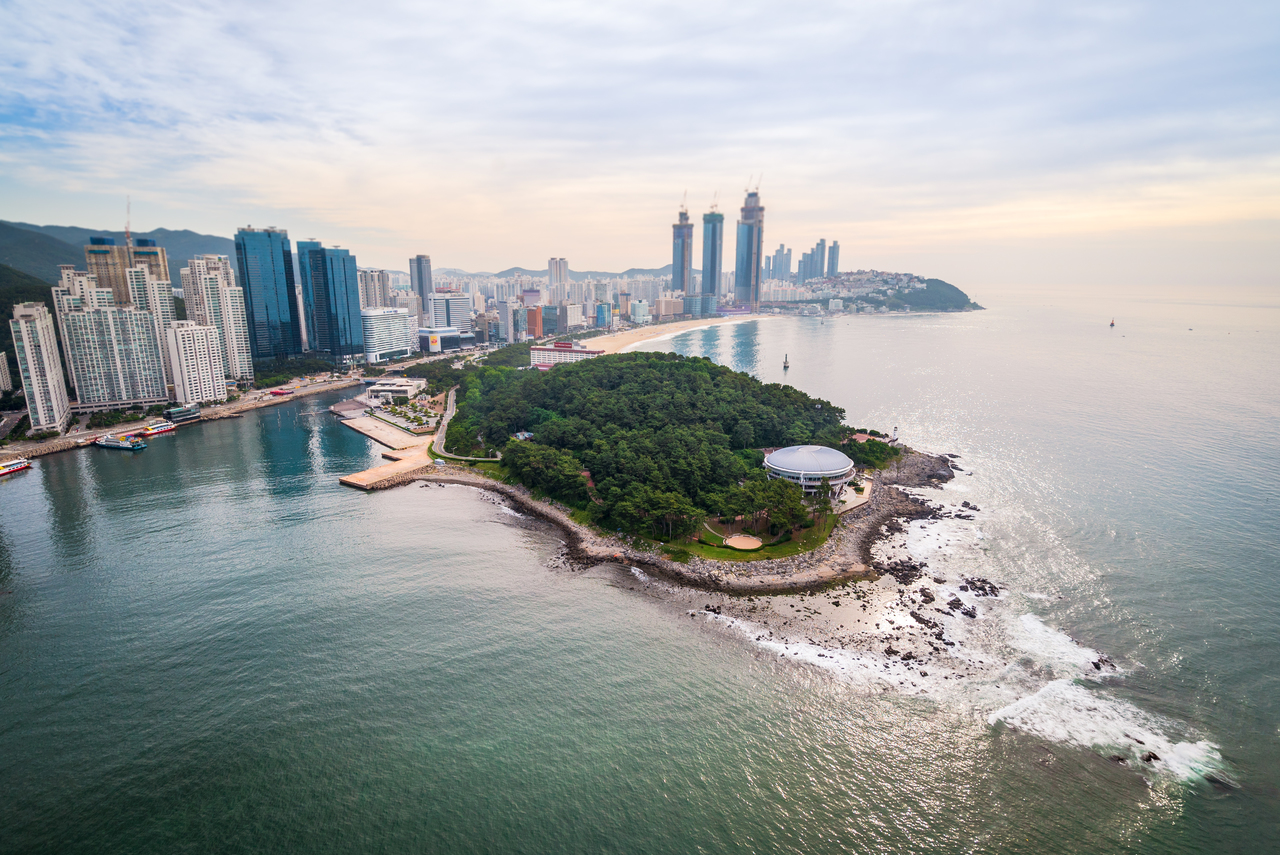
Haeundae is Busan's headline beach and the easiest place to base a beach trip: the widest range of hotels in the city, a long sandy bay, and attractions like Blue Line Park and Dongbaekseom right there. It leans polished and family-friendly.
This guide is about staying in Haeundae: if you're trying to decide between Haeundae and Gwangalli in the first place, the Haeundae vs Gwangalli comparison covers that. For the wider city, see the where to stay in Busan overview.
Quick answer
| If this is you… | Stay in Haeundae? |
|---|---|
| Want a beach-resort base | Yes: the top choice |
| Family with kids | Yes: easy and comfortable |
| Want Blue Line Park / Sky Capsule nearby | Yes |
| Here mainly for markets and old Busan | No: stay near Nampo |
| Want the cheapest possible room | Maybe not: it varies by date |
Travel times depend on your route. Check Naver Map, Kakao Map, or Google Maps before you book.
Why stay here
- The classic resort beach. A wide, sandy bay backed by hotels, cafés, and restaurants, the most accommodation choice in Busan.
- Blue Line Park. The Beach Train and Sky Capsule run along the old coastal railway between Mipo, Cheongsapo, and Songjeong. Hours shift by season and the Sky Capsule books up, so check the official schedule and reservations before you go.
- Family-friendly and walkable. The beach, the Dongbaekseom headland walk, and the Marine City promenade make for easy, low-stress days.
- Good transit. Haeundae Station (Metro Line 2) connects to the rest of the city.
Main areas inside Haeundae
- Beachfront: right on the sand; the most resort-like and the priciest, with sea views.
- Around Haeundae Station: a short walk back from the beach; more dining and often better value.
- Mipo & Blue Line Park: the eastern end, by the Beach Train and Sky Capsule; scenic and a bit quieter.
- Marine City / Centum edge: modern high-rises and malls bordering Haeundae; sleek and convenient.
Nearby attractions
Haeundae Beach, Blue Line Park (Beach Train and Sky Capsule), Dongbaekseom, the Marine City promenade, and the quieter Cheongsapo and Songjeong beaches to the east. Haedong Yonggungsa temple is a short ride away.

Pros
- The widest hotel choice in Busan, across budgets.
- Beach, Blue Line Park, and coastal walks on the doorstep.
- Polished and family-friendly, with good transit.
Cons
- Busiest and priciest in peak summer, when the beach is at its most crowded.
- More resort-commercial than characterful; less "old Busan."
- A real hop from the downtown markets. Plan a separate day for Nampo/Jagalchi.
Who should stay (and who should skip)
- Stay if you want a beach-resort base, you're traveling with family, or you want Blue Line Park and coastal walks nearby.
- Skip if your trip is mostly markets, seafood, and old-town Busan, base nearer Nampo instead, or you want the absolute cheapest room regardless of area.
What to check before booking
- Do you want a sea-view room, or is a short walk back from the beach fine (and often cheaper)?
- Are Blue Line Park / the Sky Capsule a priority? Check current hours and reservations.
- How far is the specific hotel from Haeundae Station and the beach (check a map app)?
- Traveling with kids, is it walkable to the beach and dining?
- Visiting in peak summer? Expect crowds and higher rates; book early.
Common mistakes
- Assuming every "Haeundae" hotel is on the beach: some are a walk back; check the exact spot.
- Counting on the Sky Capsule walk-up: it books out; reserve and check hours.
- Basing here for a market-focused trip: you'd commute to Nampo daily.
- Expecting low peak-summer prices: rates and crowds rise in season.
- Trusting a "2 minutes to the beach" claim: check the real walk first.
Getting around from Haeundae
Haeundae Station sits on Metro Line 2, which runs the length of Busan's tourist corridor. Heading west, Line 2 connects to: Gwangalli (Gwangan Station, 2 stops, about 5 minutes), Suyeong (Line 3 interchange), Centum City (Shinsegae and the BEXCO convention center, 2 stops), Seomyeon (Lines 1 and 2 interchange, about 20 minutes), and further into the city toward Nampo and Busan Station. Most day-trip activities can be reached by Line 2 plus a short taxi or bus.
Haedong Yonggungsa (the cliff-top coastal temple) is not on the metro, taxi from Haeundae takes about 15 minutes. Gamcheon Culture Village requires metro to Toseong Station (Line 1) and a short uphill taxi; plan 45 to 50 minutes total. Nampo and Jagalchi Market are best reached by metro (about 35 to 40 minutes, change at Seomyeon onto Line 1).
Taxis are readily available on the beachfront and near the station.
Food and dining near Haeundae
The beachfront strip has international restaurants, Korean seafood, and convenience stores, expensive in peak summer, more relaxed off-season. The streets around Haeundae Station (one or two blocks back) have local Korean restaurants at more everyday prices. Centum City (2 stops by metro) has large department-store food halls (Shinsegae, New Core) with a full range of Korean and international food.
For fresh seafood, Millak Raw Fish Center (about 15 minutes by metro toward Gwangalli) is a local fish-market complex where you choose your seafood downstairs and have it prepared upstairs, a more local experience than the tourist-facing beachfront restaurants.
What to do from Haeundae beyond the beach
- Blue Line Park: Beach Train and Sky Capsule between Mipo, Cheongsapo, and Songjeong. Book the Sky Capsule ahead; the Beach Train is walk-up. Hours shift by season. Check officially.
- Dongbaekseom: the wooded headland at the western end of the beach, with a 30-minute coastal walk and the APEC House viewpoint.
- SEA Life Busan Aquarium: right on the beach; a full family option on rainy or very hot days.
- Haedong Yonggungsa: the coastal cliff temple; go early on weekdays to avoid the busiest crowds.
Haeundae in peak vs off-season
July and August are Haeundae at its most crowded and most expensive: the beach fills, prices rise, and popular restaurants queue. Outside of peak summer, the area is significantly calmer. Late spring and early autumn are often the best balance: comfortable temperatures, open beach, and lower rates.
Frequently asked questions
Is Haeundae a good area to stay in Busan?
Yes. It's the classic resort beach with the widest hotel choice, polished and family-friendly; less ideal if you came mainly for markets and old Busan.
Haeundae or Gwangalli?
That's a separate question. See the Haeundae vs Gwangalli comparison.
Is it good for families?
Very: the beach, Blue Line Park, and easy walks make it comfortable with kids.
What is Blue Line Park?
A coastal attraction with a Beach Train and a Sky Capsule between Mipo, Cheongsapo, and Songjeong; hours vary by season and the Sky Capsule needs a reservation.
Do I need a sea-view room?
It's nicer but pricier, a room a little back from the beach is often better value.
Is Haeundae expensive?
It depends on dates and how close to the beach you are; peak summer is the priciest.
How do I get to the markets from here?
Take Metro Line 2 toward downtown for Nampo/Jagalchi. It's a real ride, so plan a dedicated day.
Which metro line serves Haeundae?
Metro Line 2, at Haeundae Station.
Is it walkable to other beaches?
Cheongsapo and Songjeong are east along the Blue Line Park route; the Beach Train connects them.
When is the best time to stay?
Late spring and autumn are comfortable; summer is liveliest but busiest.
Final recommendation
Stay in Haeundae if you want a beach-resort base with the most hotel choice in Busan, especially with family or for Blue Line Park. If your trip leans markets and old Busan, base nearer Nampo instead. Compare areas in the where to stay in Busan overview, and check the walk from any hotel before booking.
Sources
- Visit Busan (official Busan tourism)Official tourism site
- Visit KoreaOfficial tourism site
- Korea Tourism Organization English TourAPIOfficial API
Information is compiled from official sources. Details such as prices, hours, and schedules can change. Confirm time-sensitive facts before you travel.
Last verified on
Related guides
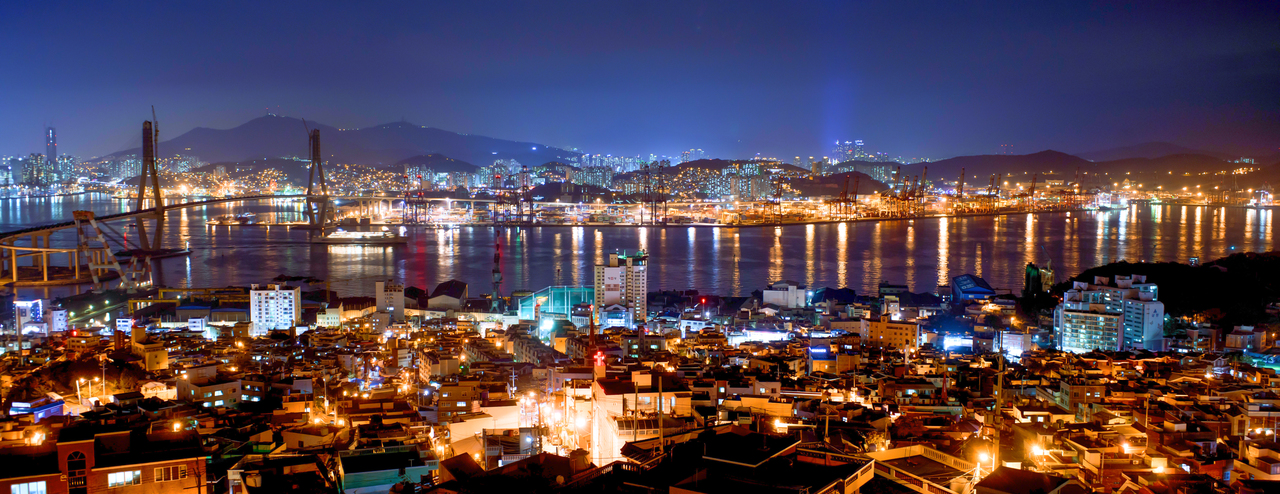
Where to Stay in Busan: Best Areas for First-Time Visitors
The easiest way to choose where to stay in Busan is to decide between the east-coast beaches (Haeundae, Gwangalli, Centum) and the old downtown around Nampo and Busan Station, with Seomyeon as the central transit balance. This guide compares nine areas with pros, cons, and stay/skip notes, and helps you pick the base that fits your route, including arriving by KTX from Seoul.
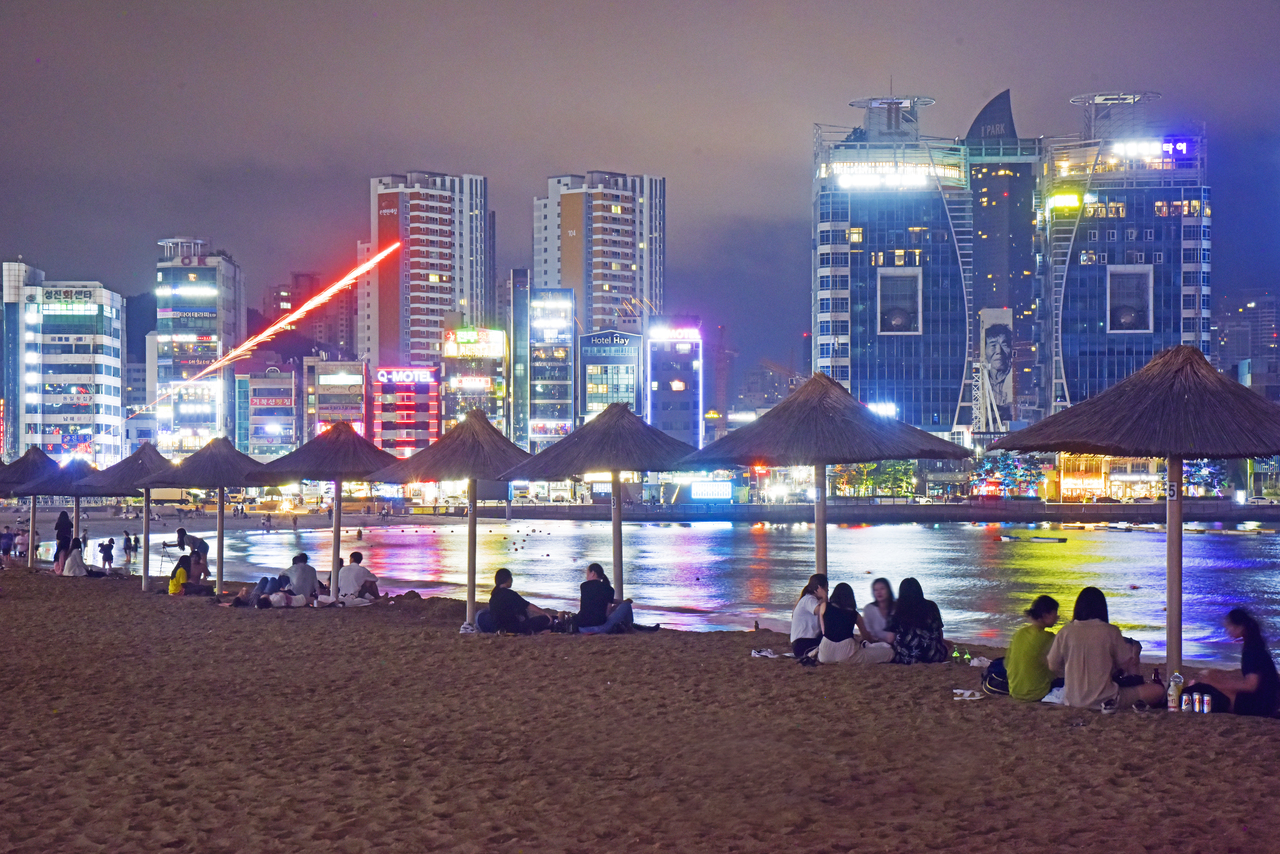
Haeundae vs Gwangalli: Where to Stay and What to Do in Busan
Both are Busan's headline beaches, a few minutes apart on Metro Line 2, so you can stay at one and still visit the other. Pick Haeundae for a classic resort-beach base with hotels, Blue Line Park, and an easy family pace; pick Gwangalli for the Gwangan Bridge night view, cafes and bars, and a livelier, social evening. This guide helps you choose and shows how to do both in a day.