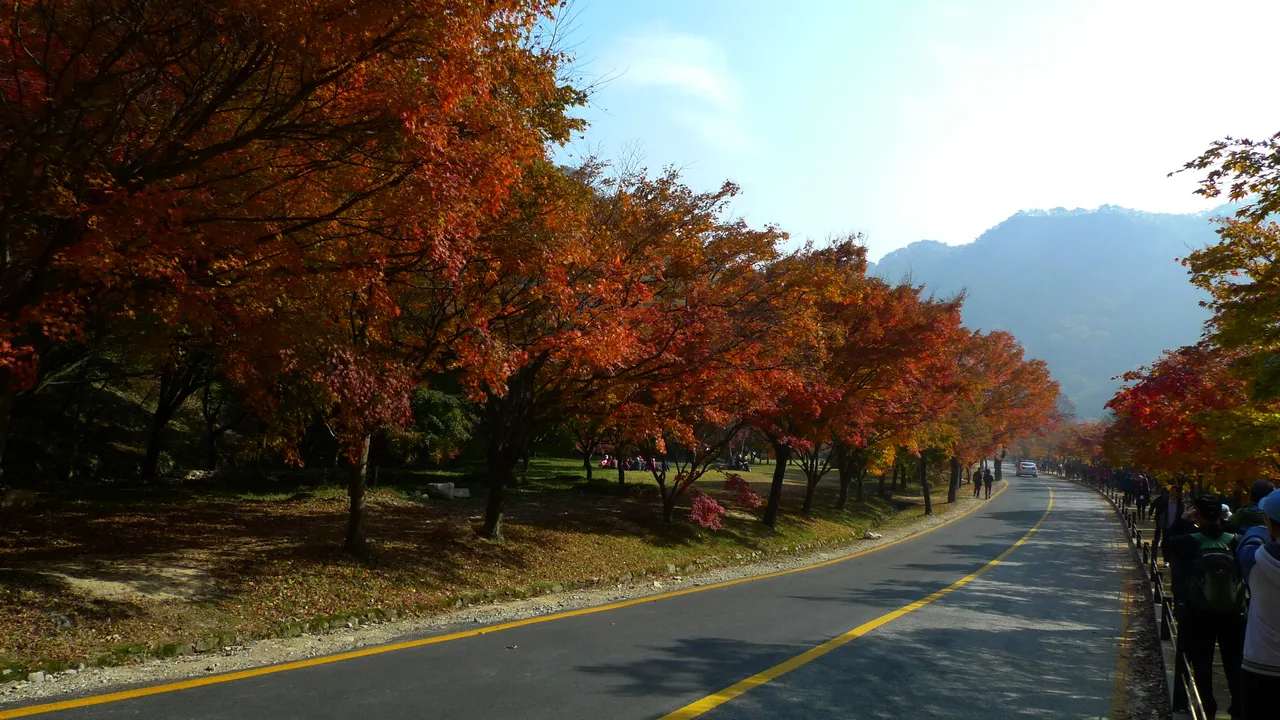
Autumn is among the better times to visit Korea: crisp, clear weather and a foliage season that runs from late September to late November, longer than the brief spring blossoms. The catch is that it's easy to plan it wrong by chasing an exact date.
The colors move across the country over weeks, forecasts shift every year, and "the leaves have started" is not the same as "the leaves have peaked." So the smart approach is to understand the pattern, aim for an approximate window, and confirm the official forecast before you lock in dates.
This is a planning guide, not a date-prediction service. It covers how foliage timing works, the best places to see it (in the city, on day trips, and in the mountains: including options for non-hikers), pink muhly, what to pack, and how to handle the peak-season crowds.
Quick answer
| Question | Short answer |
|---|---|
| When is autumn foliage? | Roughly late September to late November: it moves north to south |
| When does it peak? | About two weeks after the first color in a given place |
| Earliest colors? | Seoraksan (Gangwon), late Sept-early Oct |
| Latest colors? | Naejangsan (south), early-mid November |
| Do I need to hike? | No: palaces, parks, and lakes in Seoul all turn too |
Foliage dates change every year and forecasts differ. Check the KMA and VisitKorea forecast before you travel, and treat every window here as approximate.
When is autumn, and how foliage timing works
Korean autumn foliage follows a reliable pattern, even though the exact dates move:
- It sweeps north to south, and high to low. Colors start in the northern, inland, high-altitude areas first, then reach the central regions and cities, and finally the south and the islands.
- The season is long, roughly late September to late November, so there's almost always foliage somewhere in the country during those months.
- Start is not peak. At the "first foliage" date only about 20% of a mountain has turned; peak (~80%) comes about two weeks later. Don't book for the start date and expect full color.
- Forecasts come out yearly. The KMA (Korea Meteorological Administration) and VisitKorea usually publish that year's foliage forecast around early September: so check it before you finalize anything, since cold snaps or rain can shift things by several days.
Approximate timing by region
Treat these as rough windows that vary yearly, always check the current forecast:
| Area | Approximate window (varies: confirm) |
|---|---|
| Seoraksan (Gangwon) | Starts late Sept-early Oct; peak mid-to-late Oct (Korea's earliest) |
| Seoul / capital region | Starts mid-Oct; peak around late Oct (nearby mountains before the city) |
| Central (Odaesan, Songnisan, etc.) | Mid-Oct to early Nov |
| South / Naejangsan | Starts late Oct; peak early-mid Nov (latest in the country) |
| Jeju / Hallasan | Around late Oct |
Every row here is approximate and shifts each year: the official KMA/VisitKorea forecast is the source to trust. For a November trip that compares Seoul, Busan, and Jeju, see the Korea in November guide.
Primary autumn destination planner
For a date-based plan focused on Seoraksan, Yongmunsa ginkgo, Hwadam Forest reservations, and Mindungsan silver grass (억새, not reed), use the Korea autumn destinations guide.
This hub keeps the nationwide timing pattern, city foliage, packing, and pink muhly overview.
Where to see autumn colors
You don't need to climb a mountain. Korea's autumn is easy to enjoy at every level.
In the city (easy, no hiking)
- Palace grounds: Gyeongbokgung and Changdeokgung's Secret Garden frame foliage against traditional architecture (lovely in a rented hanbok, and autumn is a peak season for palace night viewing).
- City parks: Seoul Forest, Olympic Park, and Seokchon Lake (by Lotte World) are flat, easy autumn walks.
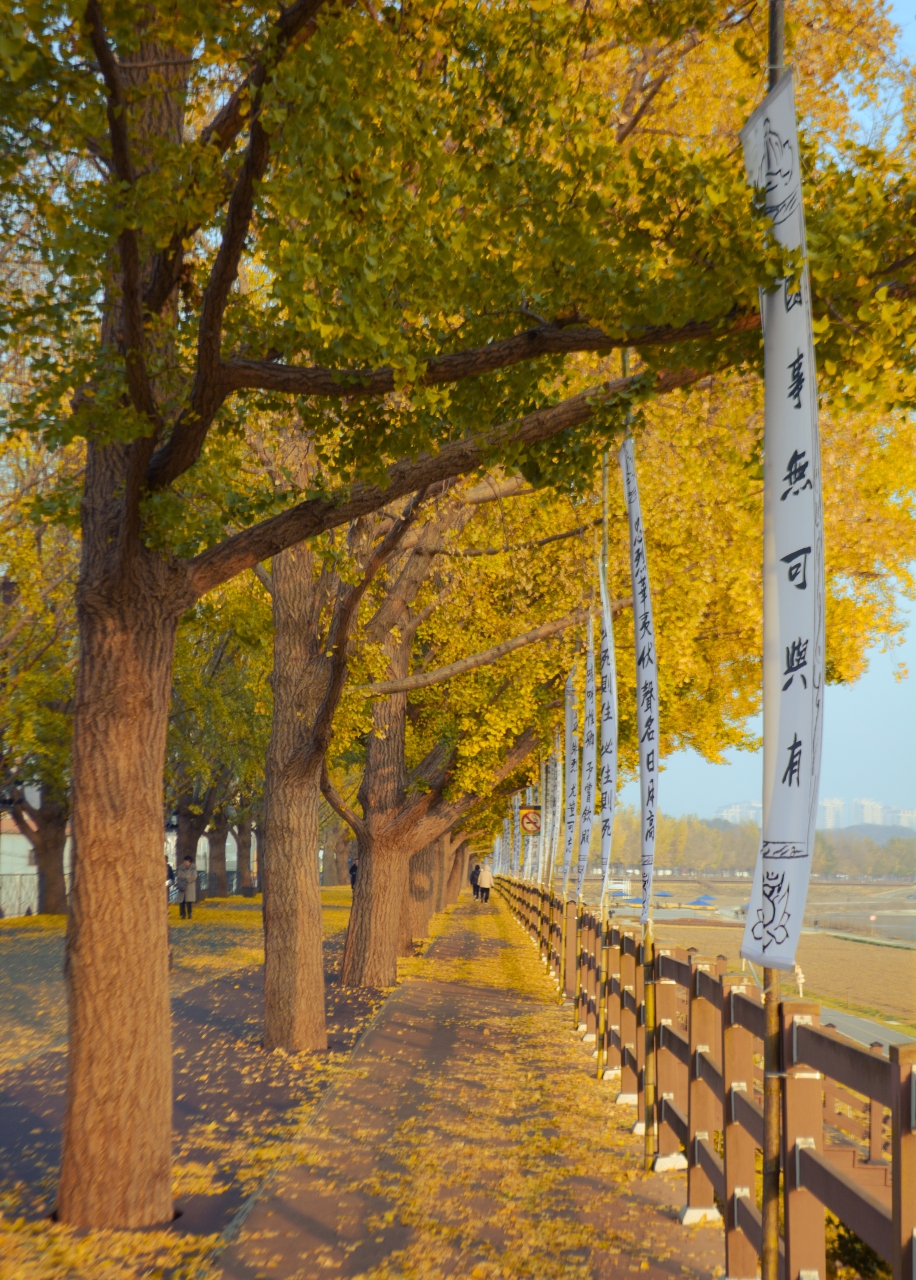
- Golden ginkgo: Deoksugung's stone-wall road and the old ginkgo trees at Sungkyunkwan (Myeongnyundang) turn brilliant yellow. (Ginkgo = yellow; maple = red. You'll see both.)
- Views: Namsan and N Seoul Tower for foliage over the skyline.
Day trips from Seoul (moderate)
- Nami Island: foliage, the famous metasequoia lanes, and pink muhly; see the Nami Island day trip guide.
- Yangpyeong (Dumulmeori): a slow riverside day where two rivers meet, lovely with autumn foliage and morning mist; see the Yangpyeong local day trip guide.
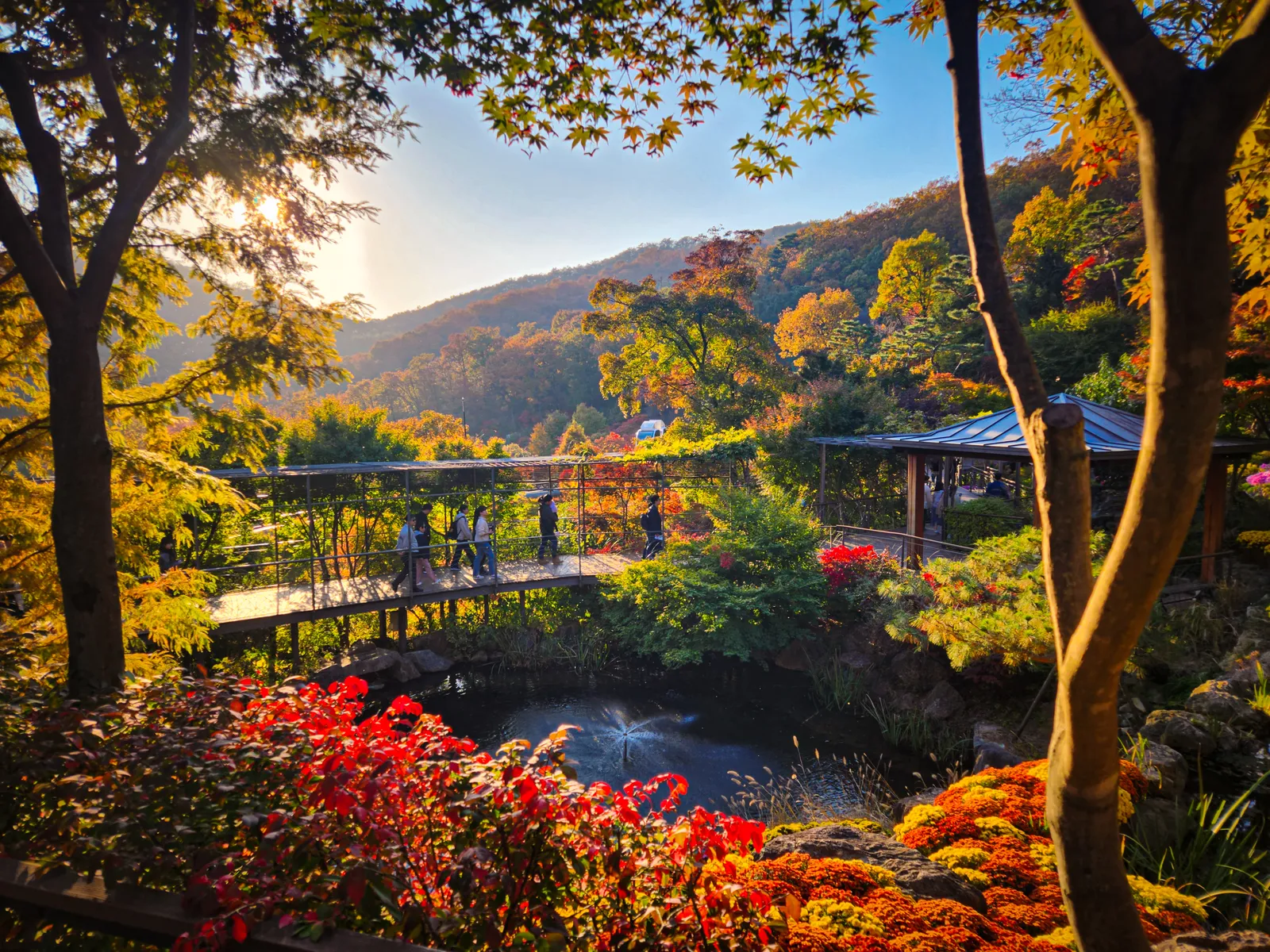
- Hwadamsup Forest: landscaped autumn garden near Seoul; advance booking is the practical peak rule. Details live in the autumn destinations guide.
- The Garden of Morning Calm: an arboretum known for its autumn foliage and evening lighting.
- Gangchon Rail Bike: a scenic pedal-rail ride through autumn countryside near Gapyeong.
- Yongmunsa ginkgo (Yangpyeong): giant yellow ginkgo (Natural Monument No. 30), not a maple-ridge hike. See the destinations guide for station-to-temple transport.
Mountains (hiking)
- Seoraksan (Gangwon): early mountain foliage, cable car, and valley walks; overnight Sokcho tips in the autumn destinations guide.
- Mindungsan (Jeongseon): highland silver grass (억새), not reed; train to Mindungsan Station.
- Bukhansan (Seoul): mountain foliage and city views within Seoul itself; see hiking in Seoul for the routes and safety.
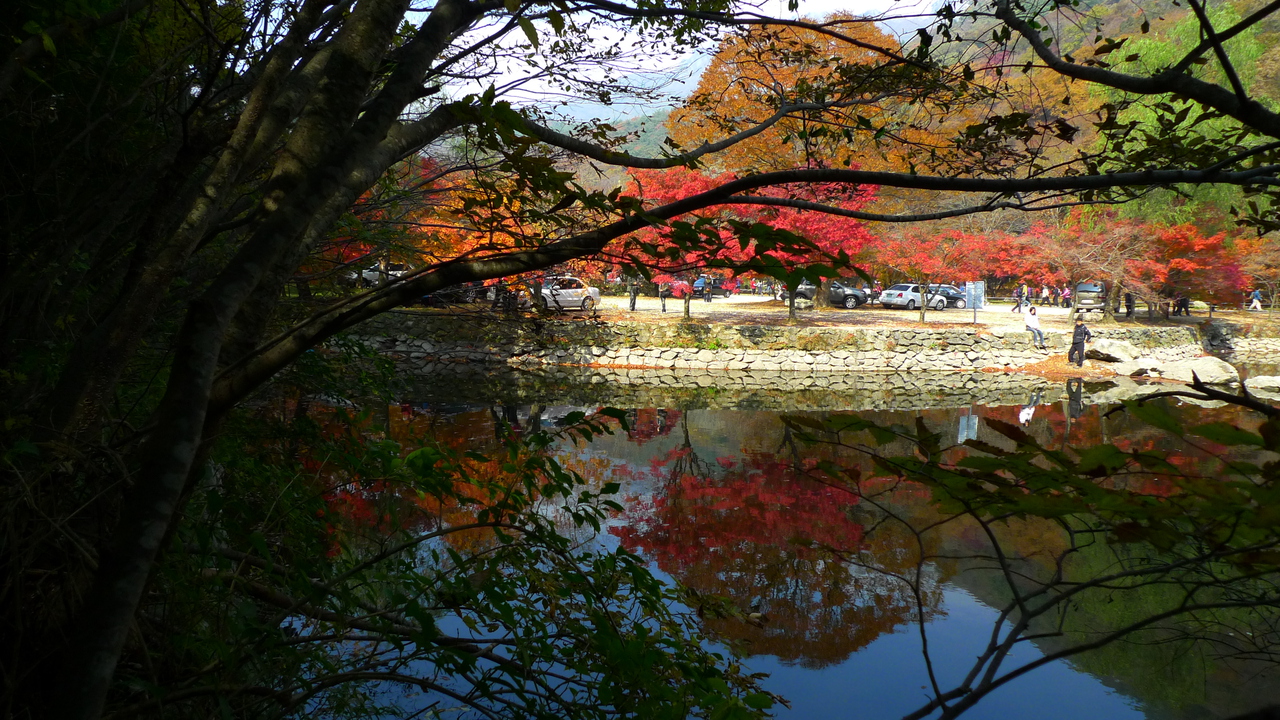
- Naejangsan (south): late maple tunnel highlight, but very busy at peak with long waits.
Pink muhly and autumn flowers
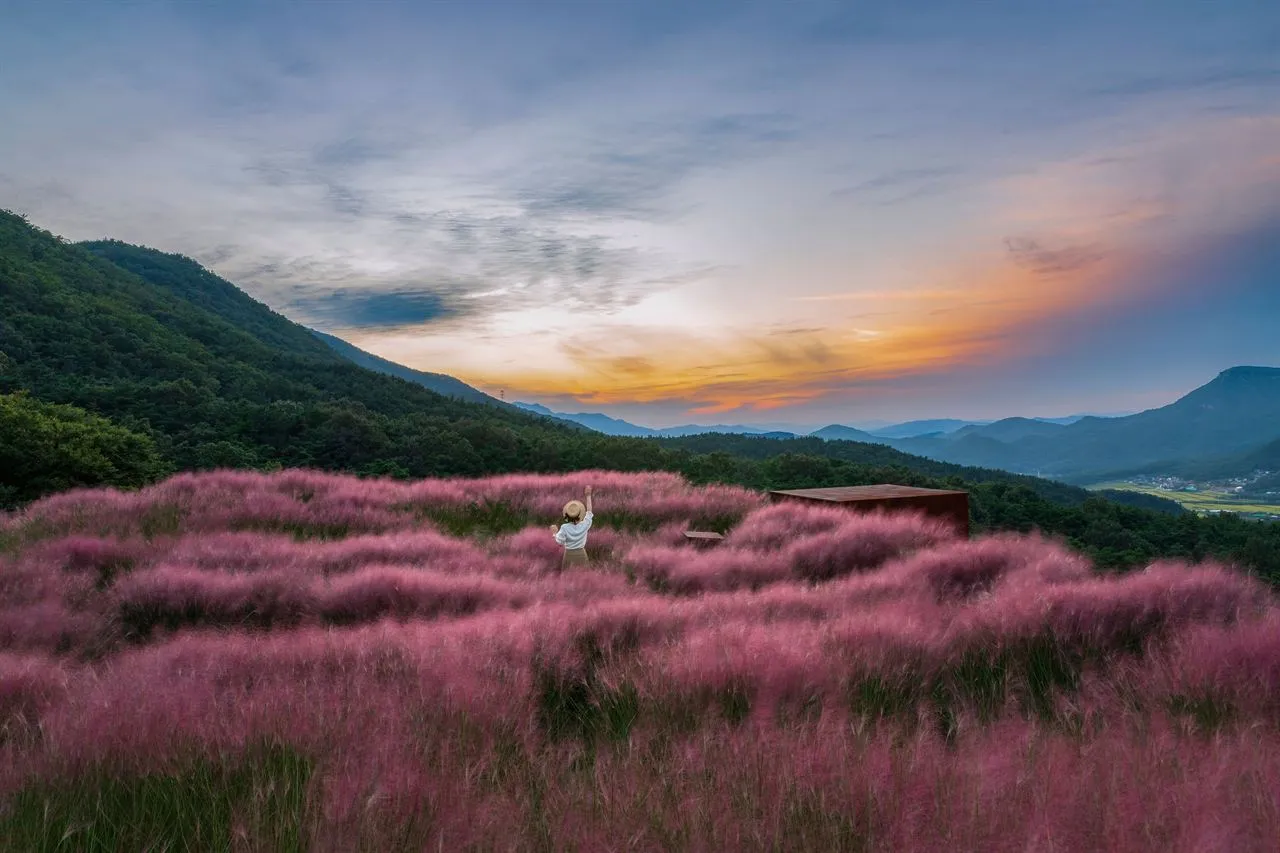
Beyond the leaves, pink muhly grass turns fields a soft pink and is a hugely popular photo spot. It peaks earlier than the foliage: roughly late September into October. Spots include Nari Park in Yangju, Nami Island, and areas around Gangchon: but locations and timing change, so confirm before you make a trip of it.
Best autumn day trips and routes
- Foliage + island: Nami Island by ITX-Cheongchun (see its guide). Pair with the Garden of Morning Calm via the Gapyeong city-tour bus, or continue to Chuncheon for lakes and dakgalbi.
- Foliage + arboretum: Hwadamsup (book the monorail ahead).
- Mountain foliage: Seoraksan by bus to Sokcho, or reach Gangneung on the KTX line and add the coast; book trains via the KTX booking guide and consider a Korail Pass for a multi-city autumn loop.
- Late-season south: Naejangsan in early-mid November when the north is bare.
Autumn itinerary ideas
- City-focused (3 to 4 days): Seoul palaces, Seoul Forest, Seokchon Lake, and a ginkgo walk. Pair with the 2-night Seoul plan.
- City + day trips (5 to 6 days): add Nami Island and an arboretum, plus a Seoraksan or Gangneung overnight.
- Foliage road trip (7 to 10 days): time it north-to-south, Seoraksan first, then central mountains, then Naejangsan, following the color as it moves; the 10-day Korea itinerary gives the backbone.
What to wear and pack
Autumn has a big daily temperature swing, so layers are essential:
| Item | Why |
|---|---|
| Layers | Days ~15 to 21°C, but mornings/evenings much colder |
| Warm top / light jacket | Seoul mornings can be ~4 to 6°C; mountains colder (Seoraksan can hit freezing) |
| Waterproof hiking shoes | For mountain trails and damp leaves |
| Light rain gear | Autumn showers happen |
| Sun protection | Clear days are bright |
Autumn food and festivals
Autumn brings warming street snacks: hotteok (sweet stuffed pancakes), roasted sweet potatoes and chestnuts, songpyeon rice cakes, and dried persimmons and jujube tea. Check ingredients if you have restrictions. See the what-to-eat guide.
Autumn is also festival season (fireworks, culture, and food events), but dates and venues change every year, so confirm any festival on its official schedule before planning around it.
Practical tips
- It's peak season. Book accommodation 2 to 3 months ahead for popular foliage areas (near Seoraksan or Naejangsan), and expect very crowded peak weekends.
- Go on weekdays where you can, and start early to beat cable-car and trail queues.
- Check the official forecast (KMA / VisitKorea) close to your trip, and be ready to shift a day or two.
- Mind last buses/trains back from mountains, and check trail closing and sunset times.
- Cable cars, monorails, and shuttles can sell out or pause for weather. Confirm on the day.
Common mistakes
- Trusting one exact date: foliage shifts yearly; use the pattern and the current forecast.
- Confusing start with peak: peak is about two weeks after the first color.
- Thinking you must hike: palaces, parks, and lakes in the city all turn.
- Packing too light: mornings, evenings, and mountains are cold.
- Not booking weekends ahead: autumn is peak season and sells out.
- Ignoring pink muhly's earlier timing: it peaks before the leaves.
Frequently asked questions
When is the best time to see fall foliage in Korea?
Roughly late September to late November, moving north to south. Seoraksan is earliest (mid-to-late October); Naejangsan is latest (early-mid November). Check the current forecast.
Can you give me an exact peak date?
No, it changes every year and forecasts differ. Aim for the approximate window and confirm with KMA or VisitKorea before booking.
What's the difference between the start and the peak?
At the "first foliage" date only about 20% has turned; peak (~80%) is about two weeks later.
Where's the earliest foliage?
Seoraksan in Gangwon. Korea's first and most famous autumn colors.
Where's the latest?
Naejangsan in the south, usually early to mid November.
Do I have to hike to see autumn colors?
No: Gyeongbokgung, Seoul Forest, Seokchon Lake, and ginkgo-lined streets all turn, no hiking needed.
How do I get to Seoraksan?
Intercity bus from Dong-Seoul or Central City to Sokcho, then local bus 7 or 7-1; a cable car gives a view without a long hike.
When is pink muhly best?
Earlier than the leaves, roughly late September into October, at spots like Nari Park (Yangju) and Nami Island. Confirm current timing.
Is autumn crowded?
Yes. It's peak season. Weekends at popular spots are very busy, and lodging near Seoraksan/Naejangsan books out months ahead.
What should I pack?
Layers, a warm top or light jacket, waterproof shoes for trails, and light rain gear, the daily temperature swing is large.
Is Nami Island good in autumn?
Yes: foliage, metasequoia lanes, and pink muhly. See the Nami Island day trip guide.
Can I do a north-to-south foliage trip?
Yes. Start at Seoraksan, move through the central mountains, and finish at Naejangsan, following the color south over one to two weeks.
Are there autumn festivals?
Many (fireworks and food events), but dates and venues change yearly. Confirm on official schedules.
Final recommendation
The secret to Korea in autumn is to stop chasing an exact date and plan around the pattern instead. Foliage moves north to south from late September to late November, peaks about two weeks after it starts, and is easy to enjoy whether you want city palaces, a Nami Island day trip, or a Seoraksan hike. Pick your style, pack layers for the big temperature swings, book popular areas well ahead because it's peak season, and, most importantly, confirm the current KMA/VisitKorea forecast before you lock in your dates.
Do that, and you'll catch among the more beautiful seasons Korea has. Traveling later in the year? See the sister Korea winter travel guide.
Sources
- Visit KoreaOfficial tourism site
- Korea Meteorological AdministrationOfficial weather service
- Korea Tourism Organization English TourAPIOfficial API
Information is compiled from official sources. Details such as prices, hours, and schedules can change. Confirm time-sensitive facts before you travel.
Last verified on
Related guides
Korea Autumn Travel Guide: Fall Foliage, Ginkgo and Silver Grass
Korean autumn is not one peak day. Color starts on high northern mountains, then moves toward Seoul and the south, while ginkgo yellow and silver grass follow their own calendars. This guide is a date-based planner for four primary trips: Seoraksan, Yongmunsa's giant ginkgo, Hwadam Botanic Garden, and Mindungsan silver grass. As of early September 2026, the official nationwide foliage forecast had not yet been released, so treat every timing note as a pattern and re-check Forest Service and VisitKorea before you book.
Korea in September: Weather, What to Wear & Where to Go
September in Korea is early autumn, not peak fall foliage. Early September can still feel warm and humid, while late September is cooler and clearer in many cities. Rain and typhoon risk remain possible. In 2026, Chuseok falls on 24 to 26 September, which can tighten intercity transport. Use this guide to choose timing, packing, and regions, then hand off peak foliage planning to the autumn season guide.