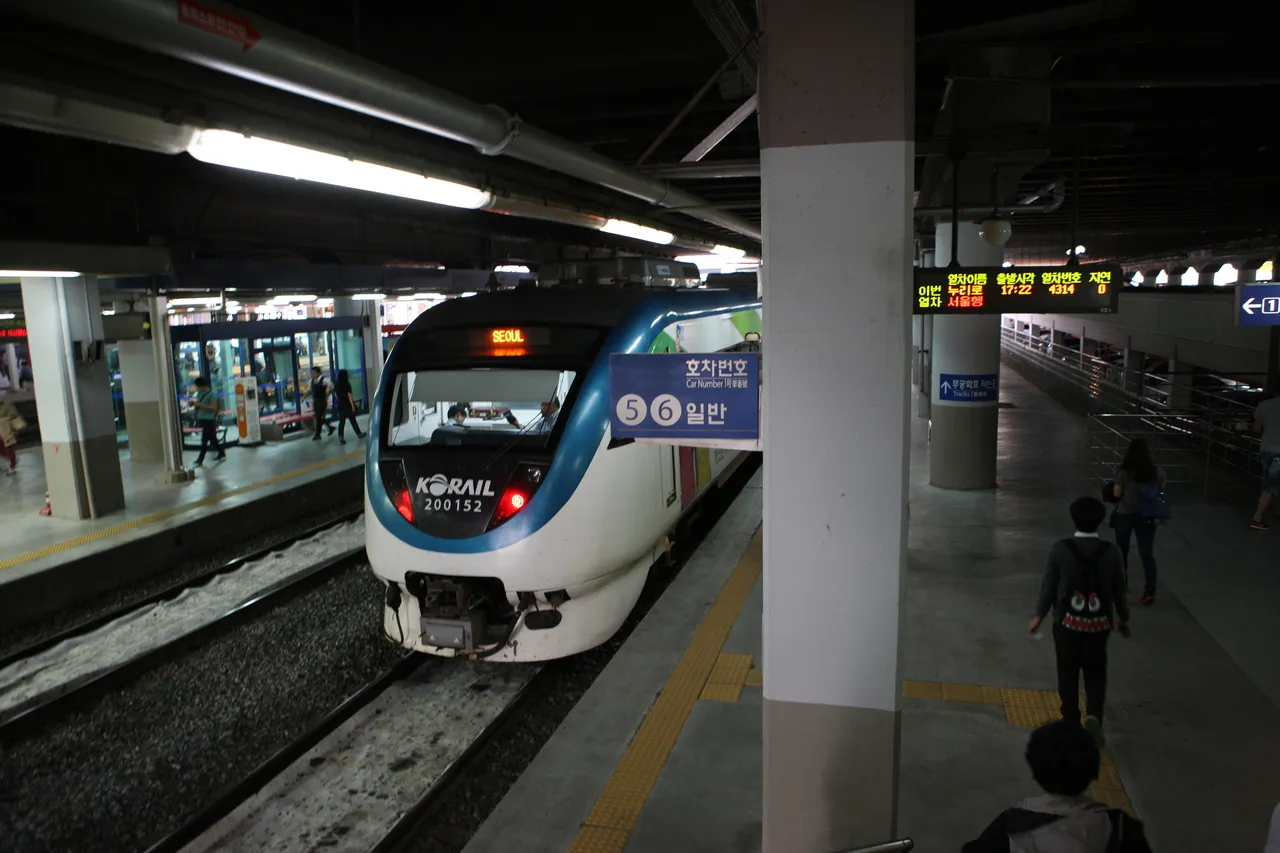
The Korail Pass looks like an easy win, unlimited train rides for a set number of days. But whether it actually saves you money depends entirely on how much you ride.
For a multi-city trip across the country it can be excellent value; for one or two simple journeys it's often cheaper to just buy tickets.
This guide treats it as a buying decision, not a product to sell you: what it covers, who can use it, how seat reservations still work, and a simple way to check if it beats single fares for your itinerary.
One ground rule up front, because it's the mistake people make most:
Don't buy a Korail Pass first and build your trip around it. Build your itinerary first, then check whether the pass saves money.
Pass types, prices, and conditions change, so treat everything here as a framework and confirm the current details on the official KORAIL site before buying. For the underlying ticketing mechanics, see the KTX booking guide.
Choosing between this pass and city or attraction passes? Start with the travel pass comparison.
Quick answer
| Question | Short answer |
|---|---|
| What is it? | A foreigner pass for unlimited rides on KORAIL trains for a set number of days |
| Does it cover former SRT trains? | Not published. SR merges into KORAIL on 1 September 2026 and pass terms have not been updated. Confirm before buying |
| Does it cover subways or Jeju? | No subways/metro, and Jeju has no train: it's not covered |
| When is it worth it? | Multi-city trips with several long rides; rarely for one round trip |
| Do I still reserve seats? | Yes: usually free, but separate from the pass |
Prices, pass types, day options, and blackout rules change and vary: verify on the official KORAIL site rather than trusting a fixed figure here.
What is the Korail Pass?
The Korail Pass is a rail pass for foreign visitors that gives unlimited rides on KORAIL-operated trains over a chosen number of travel days. It is not a magic "ride anything" pass: it covers KORAIL services, you still reserve seats, and there are blackout periods.
The number of days, the pass types, and the prices are set by KORAIL and change over time, so check the current options officially.
Who can buy it?
- Foreign visitors only. It's not available to Korean nationals, and not for long-term residents (generally those staying beyond about six months).
- Passport required, and the pass is tied to you: non-transferable, and not reissued if lost.
- Confirm the current eligibility rules on the official site, since terms can change.
What trains does it cover?
This is the part that trips people up, and it is now genuinely unsettled.
Per KORAIL the pass covers KORAIL-operated trains: KTX, KTX-Sancheon, ITX-Saemaeul, ITX-Cheongchun, and some tourist trains. It does not cover subways and regional electric trains, and it does not cover some temporary or special tourist trains.
SRT is the open question. The pass has never covered it, because SR was a different company. On 1 September 2026 SR stops being a separate operator.
The government approval announcement sets out the fare cut, the extra seats and the mileage change, and says nothing about the Korail Pass. KORAIL has not published updated pass terms.
So do not assume former SRT services are now included, and do not assume they are still excluded either: ask KORAIL what your pass covers before you board one. If your trip leans on Suseo departures, price single tickets as well before committing to a pass.
Always confirm the current covered-train list officially. (For the KTX-vs-SRT distinction, see the KTX booking guide.)
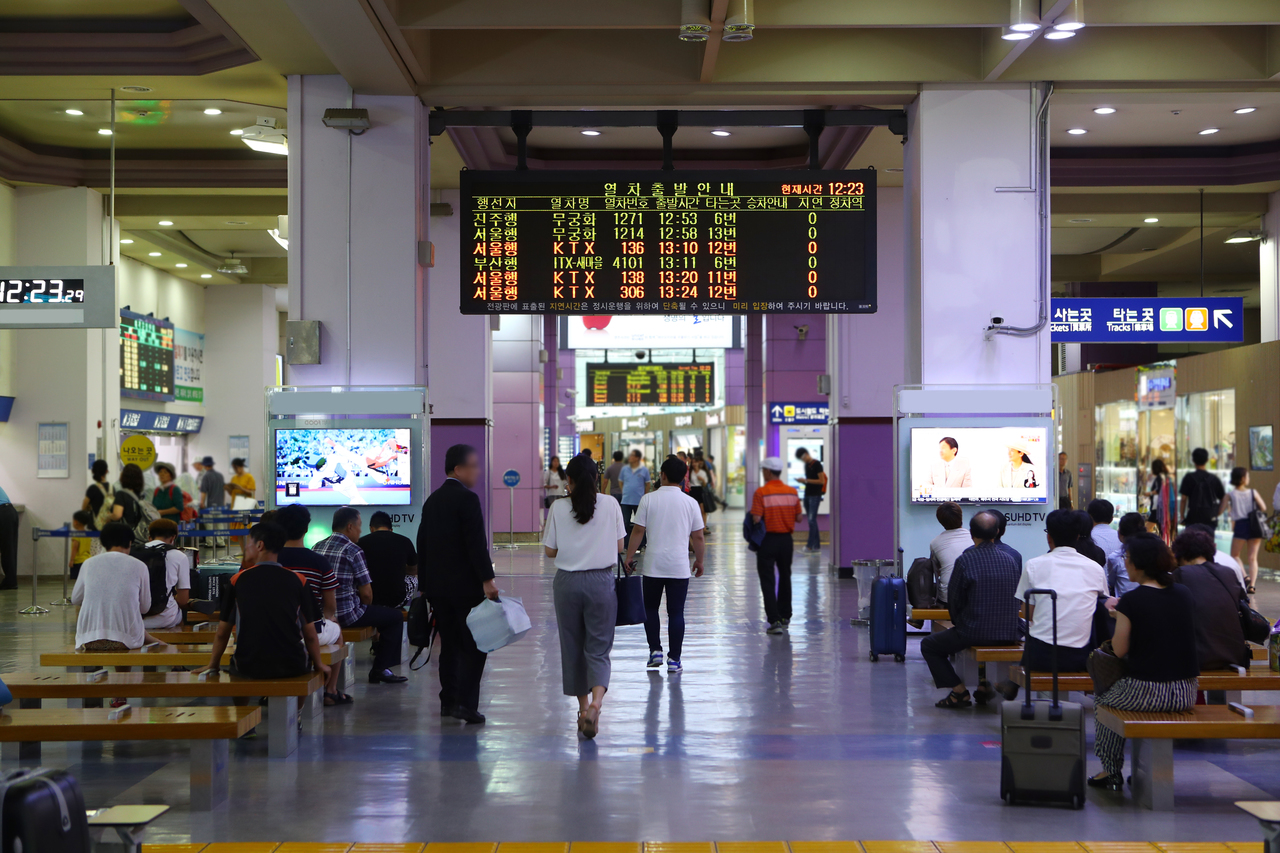
Korail Pass vs single KTX tickets
The whole decision comes down to one idea: the more long-distance KORAIL trips you take in the pass period, the better the value. A pass replaces several separate fares with one price, so:
- A couple of long rides in the period and it can pay for itself.
- One simple round trip and single tickets are usually cheaper and simpler.
Rough break-even logic (confirm with current fares):
- A Seoul-Busan round trip is roughly around the break-even point for a short pass, close enough that you should compare the actual numbers.
- If your only long trip is something like a Seoul-Gangneung round trip, a pass usually isn't worth it, just buy the tickets.
- Three or more intercity KTX legs (say Seoul → Gyeongju → Busan → back, or adding Jeonju or Daegu) is where a pass tends to win.
A simple way to compare
You don't need a spreadsheet, just four steps:
- Write your itinerary first (which cities, which days, which trains).
- Add up the single KORAIL fares for those rides (from the official site).
- Compare that total to the price of the pass that covers your travel days.
- Pick the cheaper, simpler option: and remember a pass also gives flexibility (free changes before departure) that single tickets don't.
When a Korail Pass saves money
- A multi-city loop with several long KTX legs in a short window.
- Trips where you value flexibility: reserving and re-reserving seats freely without refund math.
- Groups, if a companion/saver-style discount applies (check current options).
When it does not
- One round trip (e.g. just Seoul-Busan or just Seoul-Gangneung), single tickets are simpler.
- A trip built around Suseo departures, until KORAIL publishes whether the pass covers them.
- A Jeju-heavy trip. Jeju has no train, so the pass doesn't help there at all.
- A Seoul-only city break. You'll use the subway (T-money), not intercity trains.
- A loose, change-prone plan where you're unsure you'll ride enough to break even.
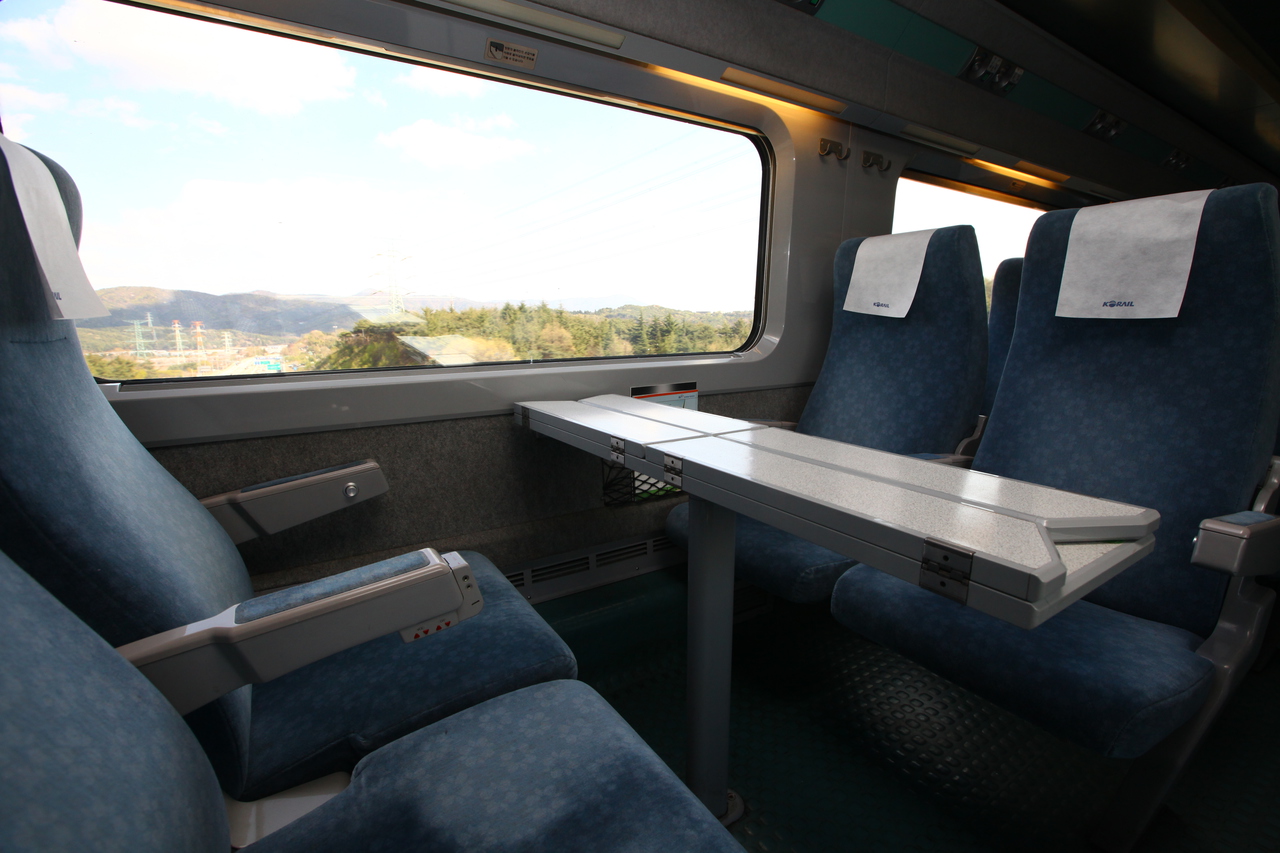
Sample itinerary comparisons (logic, not prices)
- Seoul → Gyeongju → Busan → Seoul (a week): several long legs, a pass often makes sense. Pair with Seoul to Gyeongju and where to stay in Busan.
- Seoul + a single day trip to Jeonju: one out-and-back, single tickets are simpler. See Seoul to Jeonju.
- Seoul + Busan + Jeju: the Seoul-Busan rail leg might justify a short pass, but the Jeju portion is flights, not trains: see how it fits the 10-day itinerary.
Run your own numbers against current fares. These are illustrations, not guarantees.
How to buy and use it
- Buy online before you arrive, which gives you an e-voucher.
- Exchange the voucher for the physical pass at a KORAIL station ticket office in Korea, with your passport.
- The start date can usually be changed once if the pass is unused and it's before the original start. Confirm the current rule.
- Foreign cards (Visa/Mastercard) are generally accepted; use official channels and skip unofficial resellers.
Seat reservations and travel day
A pass is not a walk-on-anything ticket, you still reserve a seat, though reservations are usually free:
- Reserve from about a month before departure; typically up to two seats per person per day, and you can't double-book the same segment on the same day.
- If a train is sold out, you can usually board in standing room with a valid pass and your passport.
- The upside: you can reserve and change freely before departure without refund calculations.
- Blackout periods: the pass may not be usable on national holidays or in the midsummer peak (often late July to early August). Check the official calendar before counting on those dates.
- Get the stations right (Seoul vs Suseo, Singyeongju/Gyeongju, Busan vs Haeundae); the pass is for KORAIL stations and trains.
Korail Pass vs single tickets vs Suseo trains
| Korail Pass | Single KTX ticket | Suseo-side high-speed (ex-SRT) | |
|---|---|---|---|
| Operator (through 31 Aug 2026) | KORAIL | KORAIL | SR (separate) |
| Operator (from 1 Sep 2026) | KORAIL (integrated) | KORAIL (integrated) | KORAIL (integrated) |
| Best for | Multi-city, frequent rides | One-off trips | Gangnam/Suseo-side trips |
| Covered by the pass? | The pass is KORAIL coverage | N/A (you paid a ticket) | Not published after 1 Sep: confirm with KORAIL |
| Seat reservation | Needed (usually free) | Included in fare | Through Aug 31: separate SRT booking; from Sep 1: Korail+ |
First class and extras
The pass is for standard (economy) seats by default. First class costs an extra supplement for the leg you upgrade (roughly around half the first-class fare for that segment). Confirm the current amount officially if you want it.
Common mistakes
- Buying the pass first, then forcing the trip to fit it. Plan the trip, then check the math.
- Assuming it's always cheaper. For one round trip, it usually isn't.
- Assuming Suseo / former SRT trains are (or are not) covered after 1 September. The terms are not published. Check with KORAIL before you board.
- Expecting it to help on Jeju. Jeju has no train; the pass is irrelevant there.
- Forgetting to reserve seats. A pass still needs a (usually free) seat reservation.
- Planning to use it on a national holiday or peak week. It may be blacked out. Check.
Frequently asked questions
Is the Korail Pass worth it? Only if you take several long KORAIL trips in the pass period. For one round trip, single tickets are usually cheaper.
Build your itinerary first, then compare.
Does the Korail Pass cover SRT? Historically no, because SR was a separate company.
From 1 September 2026 SR is absorbed into KORAIL, but the approval announcement does not mention the pass and KORAIL has not published new terms. Check directly with KORAIL before you rely on it.
Does it cover the subway or city buses? No. It's for intercity KORAIL trains, not metro or buses. Use a T-money card for city transit.
Can I use the Korail Pass on Jeju? No. Jeju has no railway, so the pass doesn't apply: Jeju travel is by flight, car, bus, or taxi.
Who is eligible? Foreign visitors (not Korean nationals or long-term residents). You need your passport, and the pass is non-transferable.
Confirm current eligibility officially.
Do I still need to reserve a seat? Yes, usually for free. You can reserve from about a month ahead, and if a train is full you can ride in standing room with a valid pass and passport.
How many seats can I reserve? Typically up to two per person per day, and you can't double-book the same segment the same day. Check the current rule.
When is the pass not usable? It may be blacked out on national holidays and during the midsummer peak (often late July to early August). Confirm the official calendar.
How do I buy and collect it? Buy online before arrival for an e-voucher, then exchange it for the physical pass at a KORAIL station ticket office with your passport. Foreign cards are generally accepted.
Can I change the start date? Usually once, if the pass is unused and before the original start date. Confirm the current policy.
How many days should I get? Match the pass days to the days you'll actually take long trains, not your whole trip length. Fewer, well-used days often beat a longer pass.
Is first class included? No, the base is standard class; first class costs an extra supplement for that leg. Check the current amount.
Korail Pass or single tickets for Seoul-Busan return? It's close to break-even, so compare the actual fares against the short-pass price. With other rides added, the pass pulls ahead.
Is it cheaper than the bus? Not necessarily, intercity buses can be cheaper than trains. The pass is about train flexibility and multi-ride value, not beating the bus.
Where do I check current prices and rules? The official KORAIL site: pass types, prices, days, and blackout dates change, so always confirm there before buying.
Can two of us share one pass? No, each traveler needs their own pass. Some companion/saver-style options give a group discount; check the current offers.
Final recommendation
The Korail Pass is neither a scam nor a guaranteed deal. It's a math question. Plan your itinerary first, total the single KORAIL fares for the long trips you'll actually take, and compare that to the price of a pass covering those days.
It pulls ahead on multi-city routes with several long KORAIL legs and loses on one-off trips, Suseo-heavy plans until pass coverage is clarified, and Jeju-heavy itineraries. It does not cover subways or Jeju. Former SRT coverage after 1 September 2026 is not published, so confirm eligible trains before you rely on the pass. You still make free seat reservations, and holidays and peak weeks may be blacked out. Confirm the current pass types, prices, and rules on the official KORAIL site, and pair this with the KTX booking guide for the booking details.
Sources
- KORAILOfficial transport site
- Government of Korea policy briefing, Fair Trade Commission and MOLIT joint release on the KORAIL-SR business combination (2 August 2026)Official government site
- Visit KoreaOfficial tourism site
- Korea Tourism Organization English TourAPIOfficial API
Information is compiled from official sources. Details such as prices, hours, and schedules can change. Confirm time-sensitive facts before you travel.
Last verified on
Related guides

How to Book KTX Train Tickets in Korea: KORAIL, SRT, Korail Pass, and Foreigner Tips
Korea's high-speed trains have been one system since 1 September 2026, when KTX and SRT stopped being two companies with two apps. Every high-speed train, including the Suseo departures that used to be SRT, is now booked in the integrated Korail+ app, on the KORAIL site, or at a station. Below: how to book, which Seoul station fits your trip, paying with an overseas card, and what the fare cut does and does not cover.
South Korea 10-Day Itinerary: Seoul, Gyeongju, Busan, and Jeju
Ten days in Korea buys one thing a week does not: Jeju. It costs a domestic flight, a fourth hotel, and the buffer day the 7-day route keeps, and four of the ten days carry a long-distance move. This route covers Seoul, Gyeongju, Busan, and Jeju, and is built around the two things that actually go wrong: the Singyeongju station transfer and the Gimpo-versus-Incheon departure. Times, fares, and schedules change, so confirm official details before you book.