Ten days in Korea buys you exactly one thing that a week does not: Jeju.
That is the whole difference, and it is worth knowing before you commit, because the extra three days are not three days of rest. They pay for an island, a domestic flight, a fourth hotel, and the hardest departure problem in Korean domestic travel.
This page is the route, and it is honest about which parts cost you time rather than give it.
What the extra three days actually buy
Set the two routes side by side:
| 7 days | 10 days | |
|---|---|---|
| Cities | Seoul, Gyeongju, Busan | Seoul, Gyeongju, Busan, Jeju |
| Bases (hotel changes) | 3 | 4 |
| Long-distance legs | 2 KTX | 2 KTX, 2 flights, 1 airport transfer |
| Spare day | Yes, a buffer day before departure | No |
| Departure | Straightforward | Jeju to Seoul, then Gimpo to Incheon |
Read the "spare day" row twice.
The 7-day route ends with a buffer day you can spend resting or catching up on something you missed. This one does not have one, because Jeju absorbs it.
If you only have about five days, do not compress this page. Open the 5-day Korea itinerary choices guide instead.
So the ten-day route is not the seven-day route with slack added.
It is the seven-day route with the slack removed and an island bolted on. That is a good trade if you want Jeju, and a bad one if what you actually wanted was to stop rushing.
| Days | Place | Nights | Getting there |
|---|---|---|---|
| 1 to 3 | Seoul | 3 | Arrive at Incheon (ICN) |
| 4 | Gyeongju | 1 | KTX to Singyeongju, then into town |
| 5 to 6 | Busan | 2 | KTX from Gyeongju, or direct from Seoul |
| 7 to 9 | Jeju | 3 | Flight from Busan (PUS) to Jeju (CJU) |
| 10 | Departure | Jeju to Seoul, then the international flight |
The cost of a fourth base
Four bases in ten days means four check-ins, four check-outs, and five moves with luggage: two KTX legs, two flights, and the Gimpo-to-Incheon transfer at the end.
Each of those eats a half-day at minimum once you count packing, the trip to the station or airport, and settling in at the other end.
Days 4, 5, 7 and 10 each contain a meaningful long-distance move. Counting the ten days against that, about six of them function mainly as sightseeing days.
That is our reading of this route, not an official figure.
A travel day is not a lost day either: Gyeongju on Day 4 and Jeju's coast on Day 7 both work. What those days cannot absorb is a full, ambitious plan.
If six feels thin, the fix is not to move faster. It is to cut a city, and the route changes below say which cut costs least.
Days 1 to 3: Seoul
Arrive, take the AREX in, and keep the first evening light: a neighborhood walk and an early night beat jet-lagged sightseeing.
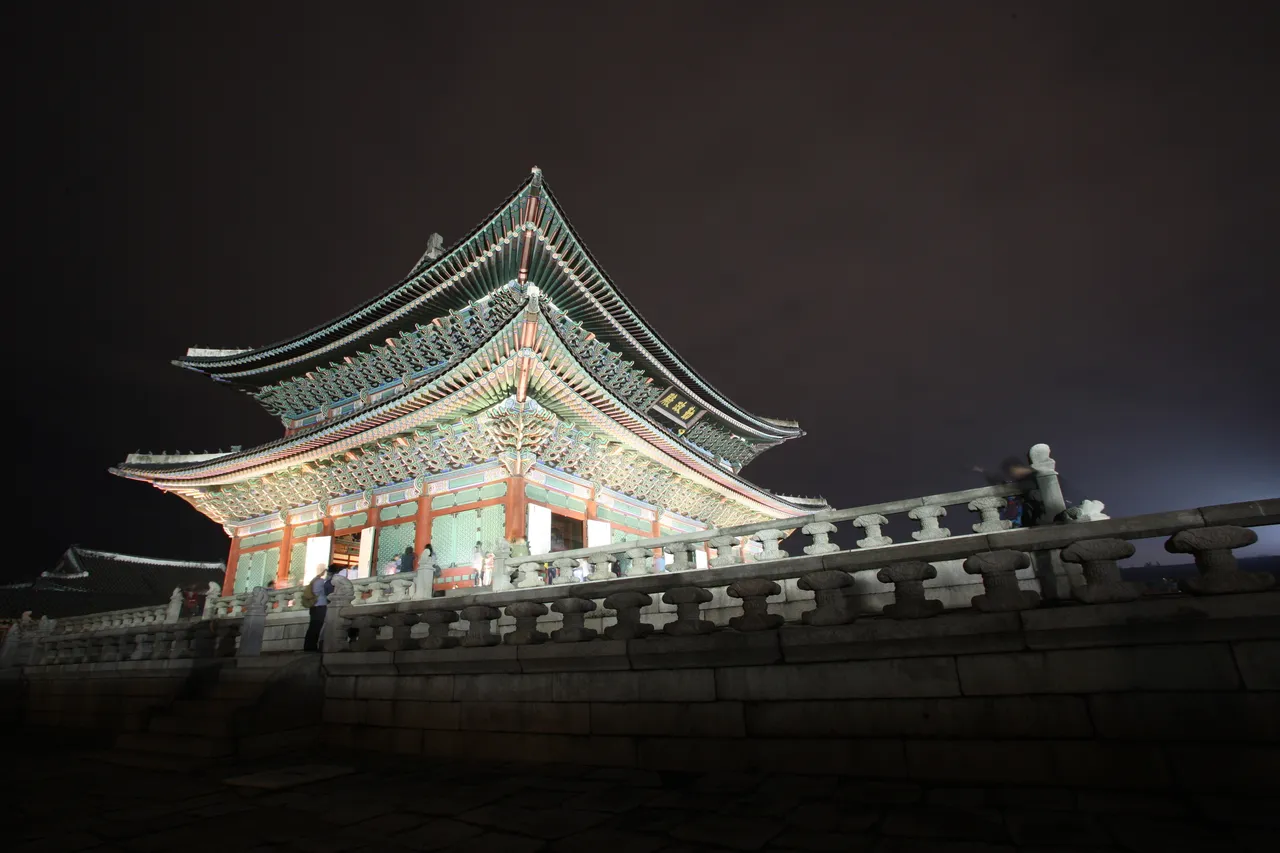
Day 2 is the classic run, Gyeongbokgung early, then Bukchon and Insadong, ending at Cheonggyecheon and Myeongdong. Day 3 is your pick of the modern city: COEX and Gangnam, Hongdae, or Seongsu and Seoul Forest.
Stay in one Seoul base for all three nights. Moving hotels for a single night is the most common self-inflicted wound on this route.
The Seoul 3-day itinerary covers these three days properly, and where to stay in Seoul picks the base. Neither is worth repeating here.
Why Seoul gets three nights and not two: it is the only city on this route you arrive into jet-lagged, so one of its days is always weaker than it looks.
Days 4 to 5: Gyeongju, and the station that is not in Gyeongju
KTX trains to Gyeongju serve Singyeongju Station, which is outside the city.
It is not walking distance from anything you came to see, so budget a bus or taxi at both ends.
Booking systems list it as Singyeongju, not Gyeongju, which is where people book the wrong thing. The Seoul to Gyeongju by train guide covers the transfer.
Once you are in town, Gyeongju is compact and walkable: the Daereungwon royal tombs, Cheomseongdae, and Donggung Palace and Wolji Pond, which is worth timing for dusk.
Day 5 takes Bulguksa temple and, if transport allows, Seokguram Grotto above it. Both sit outside town, so check the local bus and taxi options rather than assuming you can walk.
Then KTX or bus on to Busan, a short hop. Travel earlier rather than later if the morning has tired you out.
Why Gyeongju gets one night and not two: everything above fits in a day and a half, and the second night would come out of Jeju.
Why not skip it: you can.
A direct KTX Seoul to Busan removes a base and a transfer. You lose the only pre-modern city on the route.
Day 6: Busan
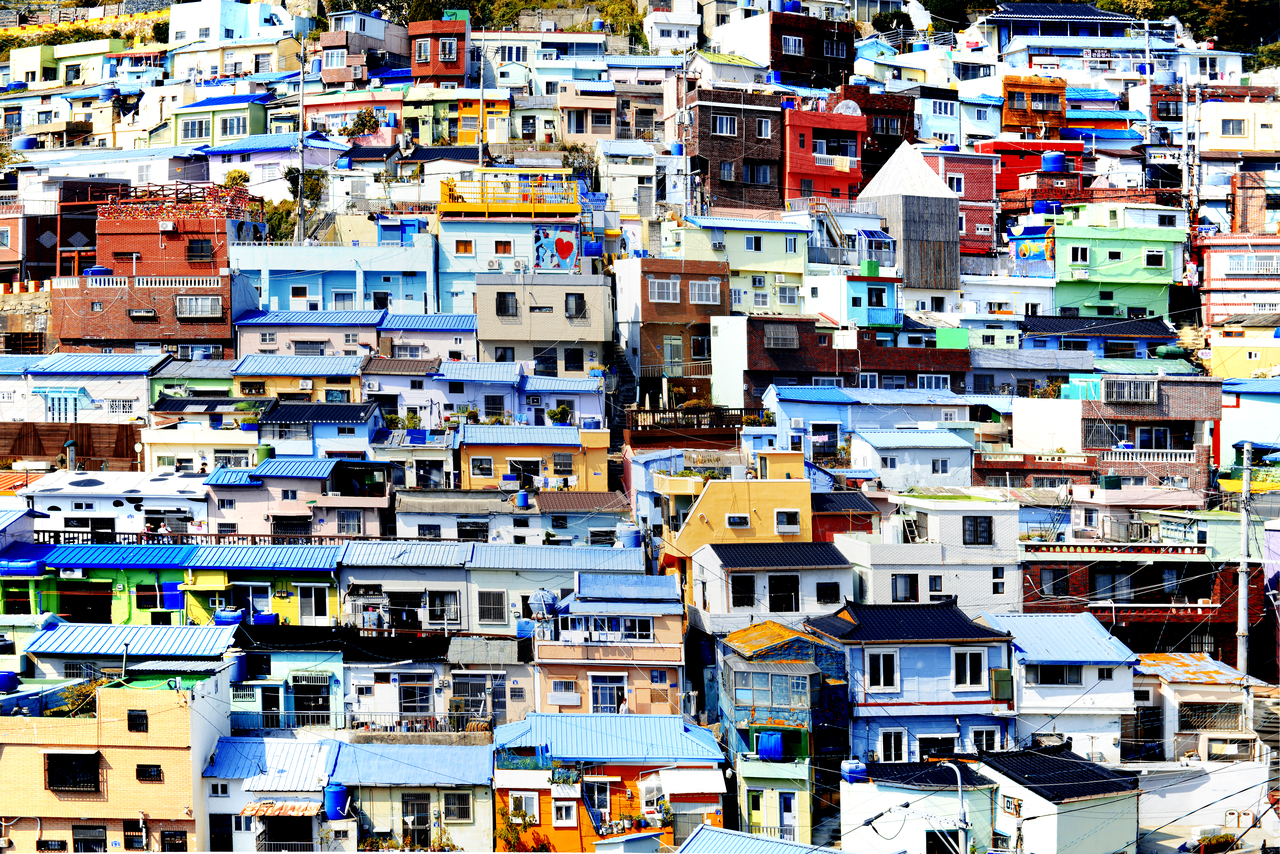
The coast in the morning, Haeundae or Gwangalli, or the Gamcheon Culture Village hillside.
Jagalchi fish market and the Nampo and BIFF street-food streets in the afternoon. Gwangalli's bridge lights or a seafood dinner to close.
Choose the beach with Haeundae vs Gwangalli, pick a base with where to stay in Busan, and use the Busan 2-day itinerary for the detail.
Why Busan gets two nights: the beaches and the old port are on opposite sides of the city, and one night means seeing one of them.
Day 7: Getting to Jeju
Fly Busan (Gimhae, PUS) to Jeju (CJU). Ferries exist but are not the default for most travelers.
If you are driving on Jeju, reserve the car well ahead: demand is high, especially in spring and autumn.
Never drink and drive. If you are not driving, base in Jeju City for bus and taxi convenience, or Seogwipo if you plan longer sightseeing days, via where to stay in Jeju.
Treat this as a travel day with a gentle evening, not a sightseeing day with a flight in it.
Days 8 to 9: Jeju, one side at a time
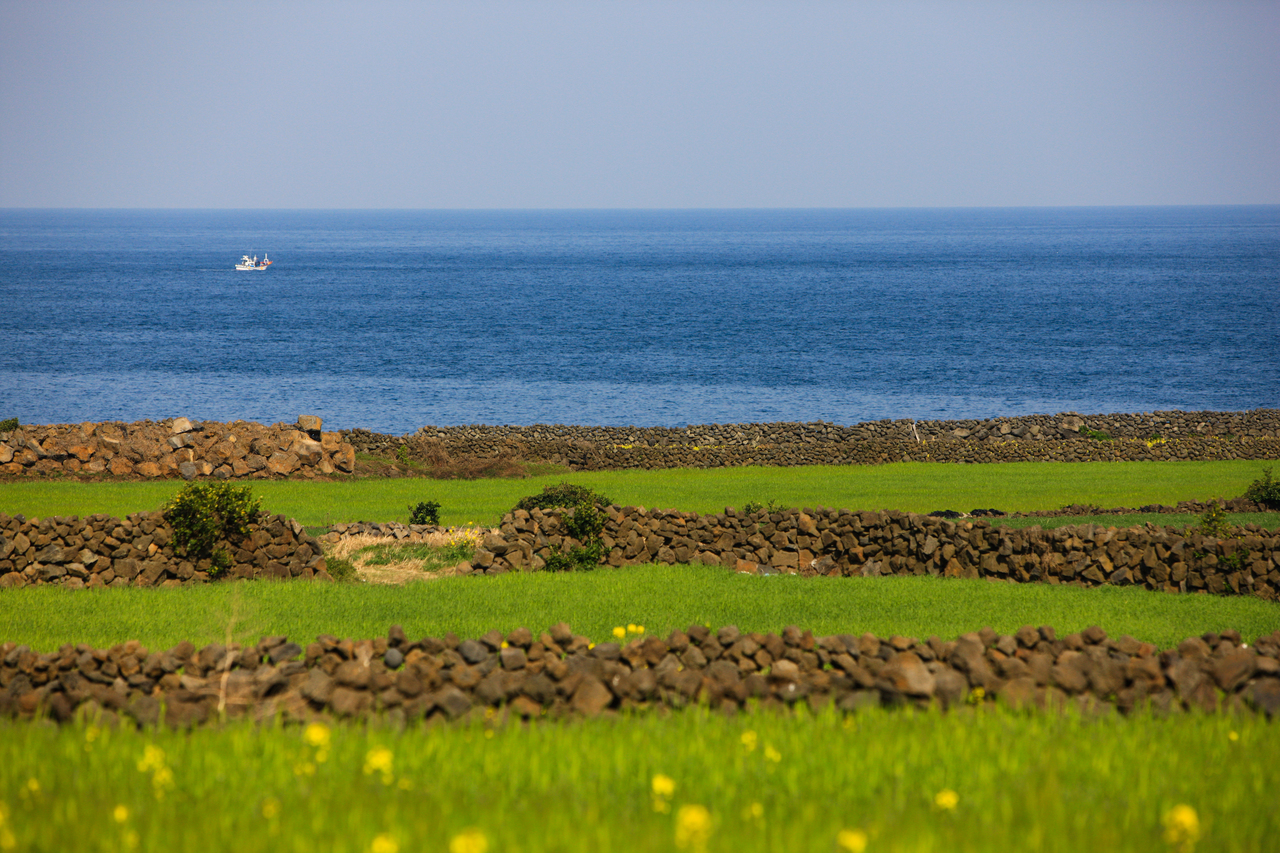
Jeju is bigger than it looks: roughly five hours to drive around and two to cross. You cannot see it in a day, so the island splits into two:
- Day 8, west and south. Hyeopjae Beach, Hallim Park, or the Aewol café coast, then Seogwipo for the waterfalls and the Jusangjeolli cliffs.
- Day 9, east and nature. Seongsan Ilchulbong (Sunrise Peak), and Udo islet by short ferry. Ferries pause in wind, so have a backup. Add a lava tube or an oreum walk. Hallasan is a serious hike, weather-dependent, needs an early start and a summit reservation.
Grouping by side is what keeps the driving sane. Mixing them is how a Jeju day turns into four hours in the car.
Day 10: the departure problem
This is the part of the route that actually goes wrong, and it is worth planning before you book anything else.
Jeju to Seoul flights usually land at Gimpo (GMP). Most long-haul international flights leave from Incheon (ICN). Those are two different airports.
- Jeju to Seoul is easy. Gimpo-Jeju is one of the busiest air routes in the world, with very frequent flights of roughly an hour and ten minutes, so it is flexible.
- Gimpo to Incheon is the problem. The AREX all-stop train is fast and reliable, but you re-do check-in, security, and immigration at the other end, and baggage is usually not through-checked, so you claim it and check it again. Allow at least half a day. A tight same-day connection is where this route breaks.
- The safest version: if your international flight leaves Incheon in the morning, fly back to Seoul on Day 9 evening and sleep near Incheon. It costs you a Jeju evening and removes the entire risk.
- The Incheon-Jeju direct option: Jeju Air resumed regular Incheon-Jeju service on 12 May 2026, the first in about a decade, with two weekly round trips under its launch schedule. Flying direct removes the airport change entirely. But a route this thin and this newly restored is the kind whose operating days and season get revised. Treat it as a bonus if your date lands on it, never as the plan you build around.
What to check before you book
| What | When | Where | Why it changes the plan |
|---|---|---|---|
| KTX seats for the Gyeongju and Busan legs | As soon as your dates are fixed, earlier for weekends and holidays | KORAIL, or the KTX booking guide | Sold-out trains push your arrival late enough to lose the Wolji Pond dusk or a Busan evening |
| Station names on the booking | Before you pay | The booking screen | Seoul and Suseo are different departure stations, Singyeongju is not Gyeongju, and Busan Station is not Haeundae |
| The Busan to Jeju flight | Before you fix your Jeju nights | The airline | It sets what time Day 7 actually starts, and a late flight makes Day 7 a write-off |
| Your international departure airport and time | First, before anything else | Your ticket | It decides whether Day 10 works at all, or whether you need the Day 9 evening return |
| Whether an Incheon-Jeju flight exists on your exact date | Before you commit to the four-base route | Jeju Air's own schedule | If it runs that day you skip the Gimpo transfer; if it does not, Day 10 costs you half a day and the route is more expensive in time than it looks |
| Jeju rental car | Well ahead in spring and autumn | The rental company | Without a car the Jeju days need a completely different, bus-based shape |
Four ways to change this route
Each one costs something. That is the point.
- Fewer travel days: drop Gyeongju, take the direct KTX Seoul to Busan, and add the night to Seoul or Jeju. You lose the only pre-modern city here.
- More Jeju: cut Busan to one night and give Jeju four. You see one side of Busan instead of two.
- No rental car: stay in Jeju City or Seogwipo and use buses, taxis, and day tours. The interior and the quieter coast get much harder to reach.
- Winter: expect cold, and Jeju flights that delay in wind. Build the buffer back in around the flights, which effectively means cutting a city.
Where to stay by city
| City | Pick your base via |
|---|---|
| Seoul | Where to stay in Seoul |
| Gyeongju | Historic center or Bomun Lake, one night |
| Busan | Where to stay in Busan |
| Jeju | Where to stay in Jeju |
Where this route goes wrong
- Booking the international flight last. It is the constraint everything else bends around, not the final detail.
- Scheduling a same-day Jeju to international connection. Different airports, no through-checked bags.
- Moving hotels in Seoul for one night. Three nights, one base.
- Treating Day 7 as a sightseeing day. It is a flight and a car pickup.
- Forgetting palace closing days. Gyeongbokgung is often closed Tuesdays, which lands on Day 2.
Sources
- Visit KoreaOfficial tourism site
- KORAILOfficial transport site
- Airport Railroad (AREX)Official transport site
- The Korea Times, Government approves resumption of Incheon-Jeju flights (24 March 2026)news_report
- Korea Tourism Organization English TourAPIOfficial API
Information is compiled from official sources. Details such as prices, hours, and schedules can change. Confirm time-sensitive facts before you travel.
Last verified on
Related guides
How to Book KTX Train Tickets in Korea: KORAIL, SRT, Korail Pass, and Foreigner Tips
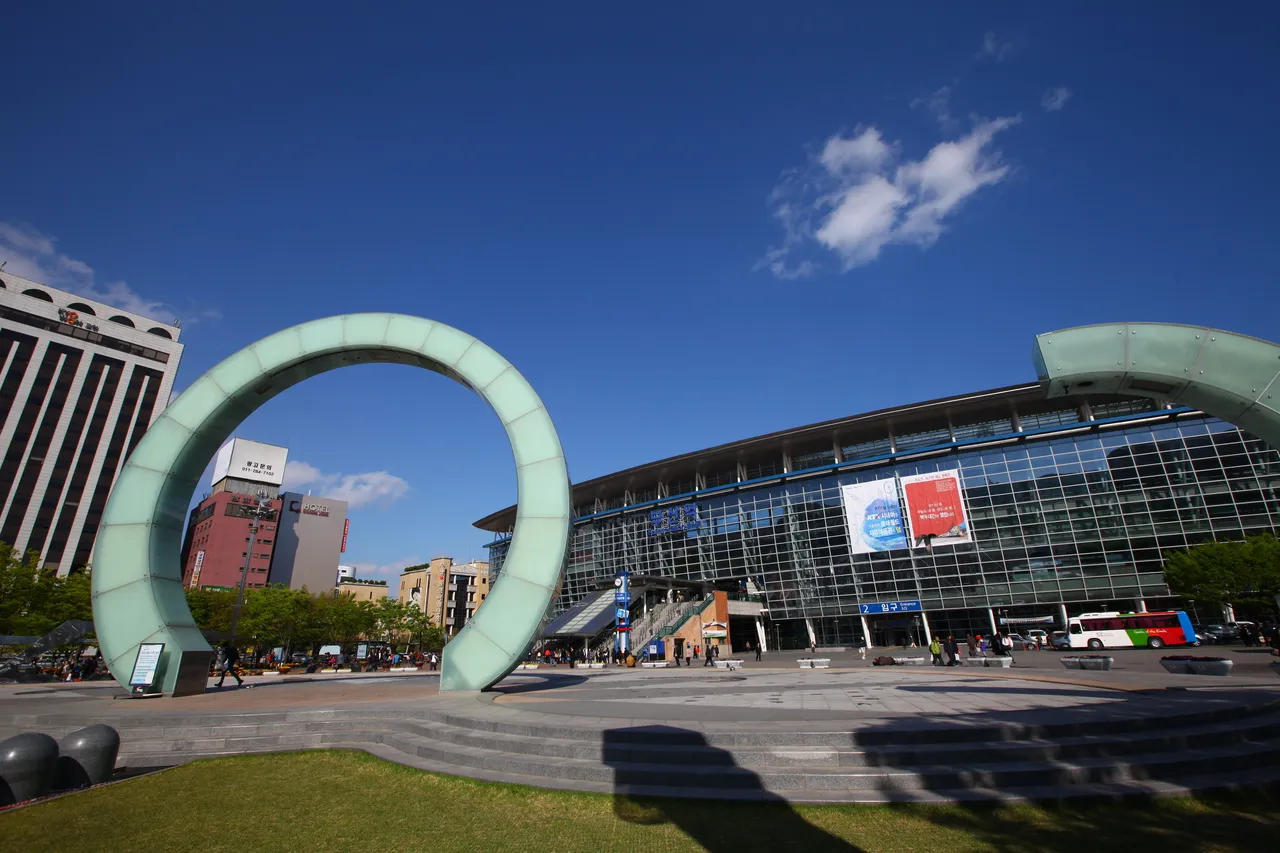
Korea's high-speed trains have been one system since 1 September 2026, when KTX and SRT stopped being two companies with two apps. Every high-speed train, including the Suseo departures that used to be SRT, is now booked in the integrated Korail+ app, on the KORAIL site, or at a station. Below: how to book, which Seoul station fits your trip, paying with an overseas card, and what the fare cut does and does not cover.
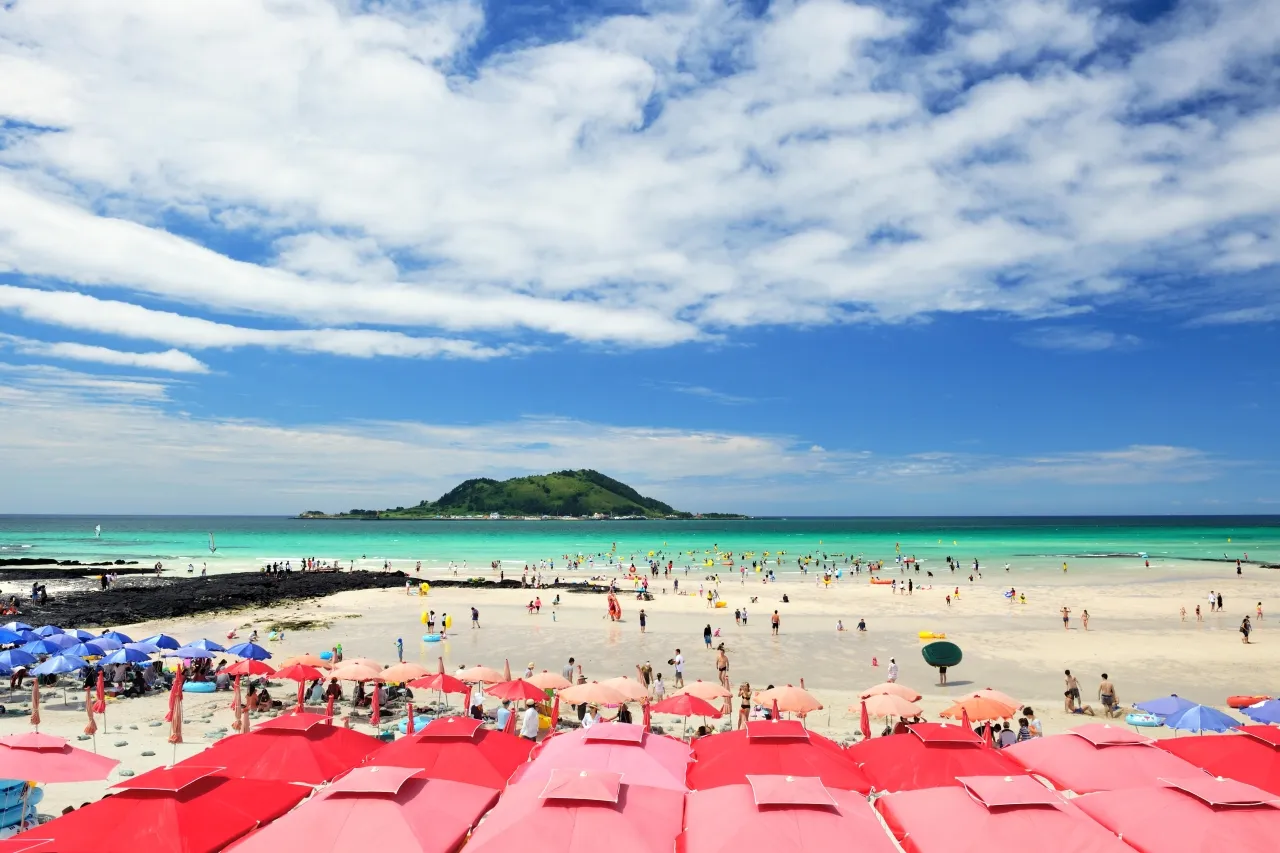
Where to Stay in Jeju Island: Best Areas for First-Time Visitors
Jeju is bigger than first-timers expect, about five hours to drive around, so the smartest base depends less on the prettiest spot and more on your flights, your itinerary, and whether you have a rental car. This guide compares Jeju City, Seogwipo, Jungmun, and the coastal towns, explains the car-vs-no-car decision (and why "no car" doesn't always mean Jeju City), and suggests a stay strategy by trip length. Bus times, fares, and hours change, so check current info before you go.