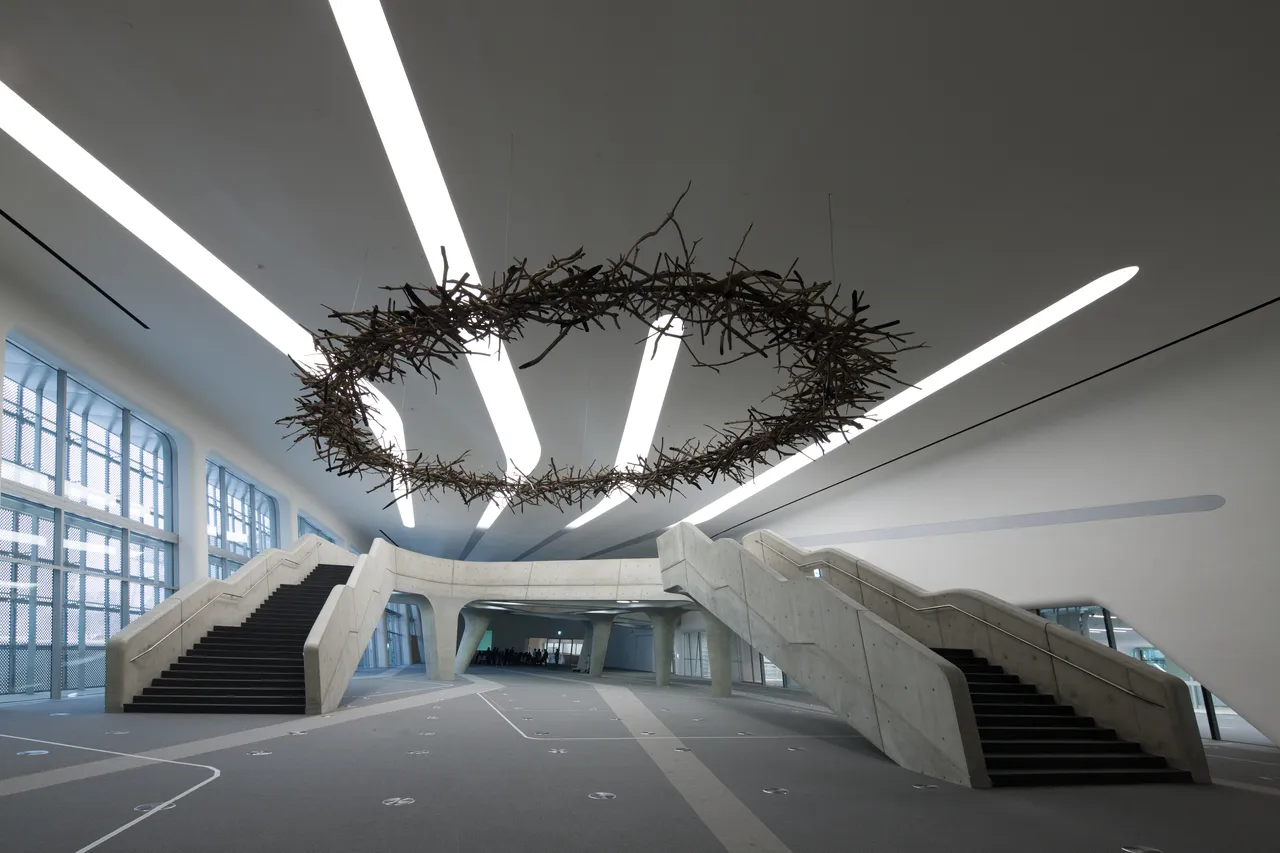
In July the rain is not a risk you plan around. It is the condition you plan inside.
July is the wettest month of the Seoul year and the most humid, the peak of the summer rainy season, jangma.
What that changes is not which sights you see. It is which ones you are allowed to depend on.
A plan that works here has an indoor spine and treats every outdoor block as optional. That is the whole idea, and the rest of this page is how to build it.
If you are still choosing dates, Seoul in June covers the boundary question of whether your trip lands ahead of the rainy season at all. For a weather-neutral walk-through of the same city, use the Seoul 3-day itinerary.
What July actually changes
Typical figures, worth confirming against the live forecast before and during your trip:
- Temperature: daytime highs around 27°C, lows near 20°C. A touch cooler than August, but the humidity makes it feel hotter.
- Humidity: the highest of the year, often 80% and up. Even rain-free hours feel muggy.
- Rain: the most rainfall of any month, the peak of jangma. Unlike June's scattered showers, July rain tends to arrive in shorter, heavier downpours, sometimes with bright gaps between them. On the KMA's 1991-2020 normals the season runs over the central region from 25 June to 26 July, so a July trip sits inside it almost end to end in an average year.
- It varies every year. Some years the rainy season is long, some surprisingly short, and recent patterns have been irregular enough that forecasters avoid fixing dates to it.
Two things follow from the humidity rather than the rain, and both are easy to get wrong.
What to wear, in more detail than "light clothes":
- Fabrics: loose and quick-drying. Synthetics and blends dry far faster than heavy cotton, which stays damp all day in this humidity. Pack a thin layer for subways, malls, and cafés, where the air conditioning runs cold.
- Shoes: comfortable and water-friendly, the kind you don't mind soaking. Avoid suede and anything slow to dry, and bring a spare pair of socks.
- Rain gear: a reliable umbrella and a packable rain jacket. Wind turns umbrellas inside out, so the two are not interchangeable.
- Sun: the grey breaks into strong sun quickly, so carry a hat, sunglasses, and sunscreen.
- At palaces and traditional areas: there is no strict dress code, but very revealing outfits can feel out of place at temples and palaces, and Bukchon is a real residential neighborhood. Keep it relaxed and quiet on its lanes.
One scheduling note that saves a wasted morning: on grey, rainy days the high viewpoints, N Seoul Tower and Seoul Sky, can be socked in. Hold them for a clearer window rather than paying for the ride up into cloud.
A local way to enjoy the rain: many Koreans head out for pajeon (savory scallion pancake) with makgeolli (rice wine) when it pours, the sizzle is said to match the sound of the rain. It's a cozy, very Korean rainy-day move. Drink responsibly.
Safety in heavy rain: during intense downpours, avoid low underpass stairwells, underground entrances that can flood, and any stream, valley, or riverside path, water can rise fast. Follow local advisories.
What to check, and when
"Check before you go" is not advice on its own. Three things move in July, and each has a different useful moment:
| What | When to check | Where | Why it changes the plan |
|---|---|---|---|
| The daily forecast | Each morning, not once before the trip | Naver, Kakao, or a weather app | July rain is bursty and shifts fast; the morning forecast decides which of your two outdoor blocks you actually use |
| Palace closing day and hours | Before you fix which morning is the palace morning | The palace's own site | Gyeongbokgung typically closes one day a week, often Tuesday. On a 3-day trip with one dry morning, losing it to a closure wastes your only outdoor window |
| Fountain shows and summer festivals | The week of your visit | Seoul's official tourism and Hangang park pages | These run seasonal schedules and are cancelled in heavy rain, so they are worth building an evening around only once you know they are running |
The shape of a July day
Three blocks, in this order, every day:
- Morning: one short outdoor thing, if it's dry. Do it early and keep it brief.
- Midday and afternoon: indoors. The hottest, most rain-prone stretch belongs to museums, malls, aquariums, and cafés.
- Evening: outdoors only if the rain eases. A dry evening suits the Cheonggyecheon stream, Myeongdong, or the river. A wet one is covered shopping or a long café sit.
Keep each day inside one or two connected areas, so a sudden downpour strands you near your indoor options rather than across the city from them.
The subway matters more in July than in any other month: it is dry, extensive, and connects most of the indoor anchors below, so moving between them costs you nothing but time. Check live routes on Naver, Kakao, or Google Maps rather than trusting fixed minutes.
Day 1: Old town, with indoor backups
- Morning: If it's dry, start early at Gyeongbokgung while it's cool. Hanbok rental is optional; in July heat and rain, keep it short if you do.
- Lunch: Eat around Insadong or Gwanghwamun: tea houses and Korean sets, mostly indoors.
- Afternoon: Browse Insadong's covered craft shops and arcades, and duck into Ikseon-dong's cafés. This indoor-friendly stretch carries a wet afternoon well.
- Evening: If the rain has eased, walk the Cheonggyecheon stream and head to Myeongdong for street food and shopping under its covered lanes.
- Heavy-rain alternative: Skip the open palace entirely. Go to the indoor museums and galleries near Gwanghwamun, then Myeongdong's covered streets and underground arcades.
- Why this works in July: The day's center of gravity is indoors, with the palace as an if-it's-dry bonus rather than the fixed anchor.
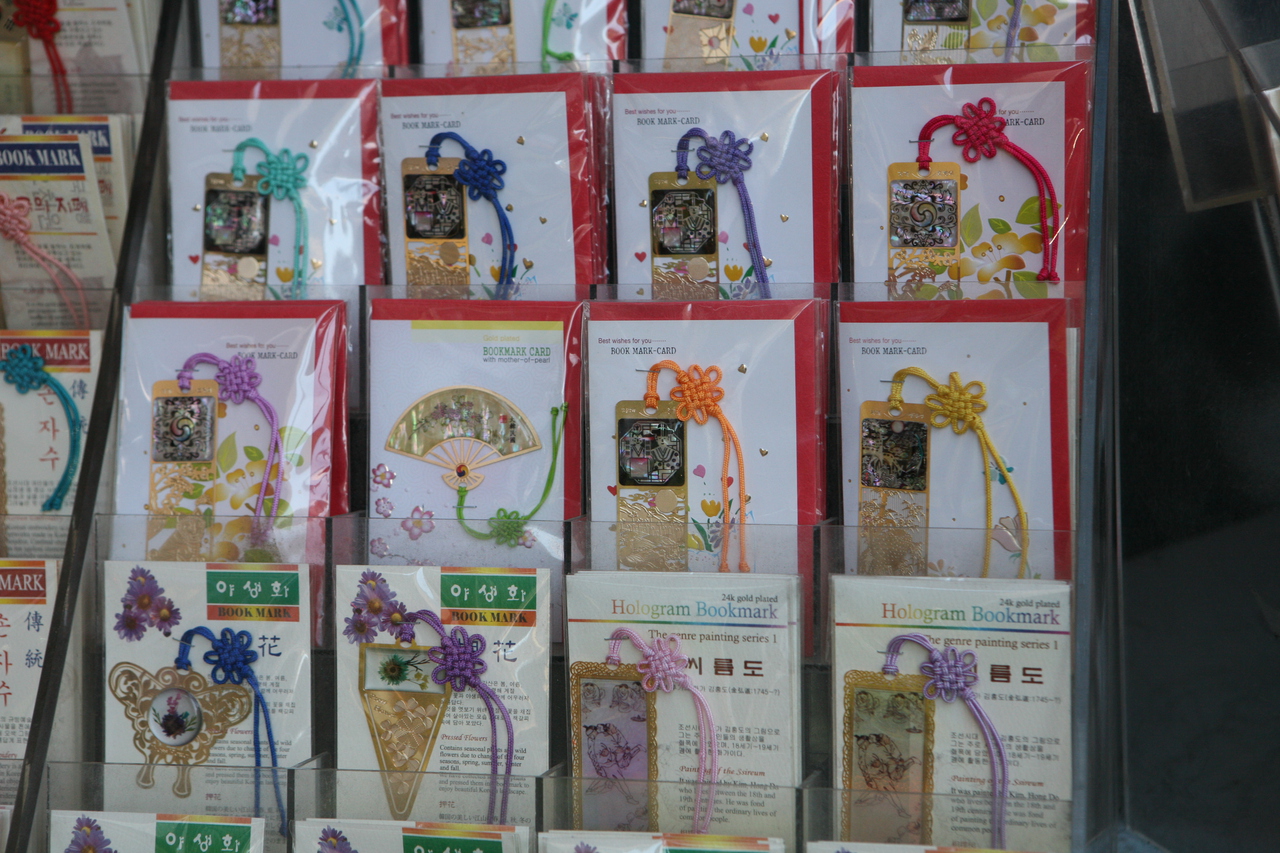
Day 2: Museums and malls, a rain-proof day
- Morning: Begin at the National Museum of Korea: large, mostly indoor, and free for the permanent galleries. Easy to spend hours here whatever the sky does.
- Lunch: Eat near the museum or in a mall food hall.
- Afternoon: Cross to the COEX complex by Samseong: the Starfield Library, the underground mall, the aquarium, and food courts. For more on this side of the city, see the best things to do in Gangnam.
- Evening: DDP (Dongdaemun Design Plaza) keeps it going with indoor exhibition halls and the late-night Dongdaemun malls nearby.
- Heavy-rain alternative: None needed. This day already is the alternative.
- Why this works in July: It is the day you move to whichever slot the forecast looks worst. Having one fully weather-proof day means the other two can afford to be optimistic.
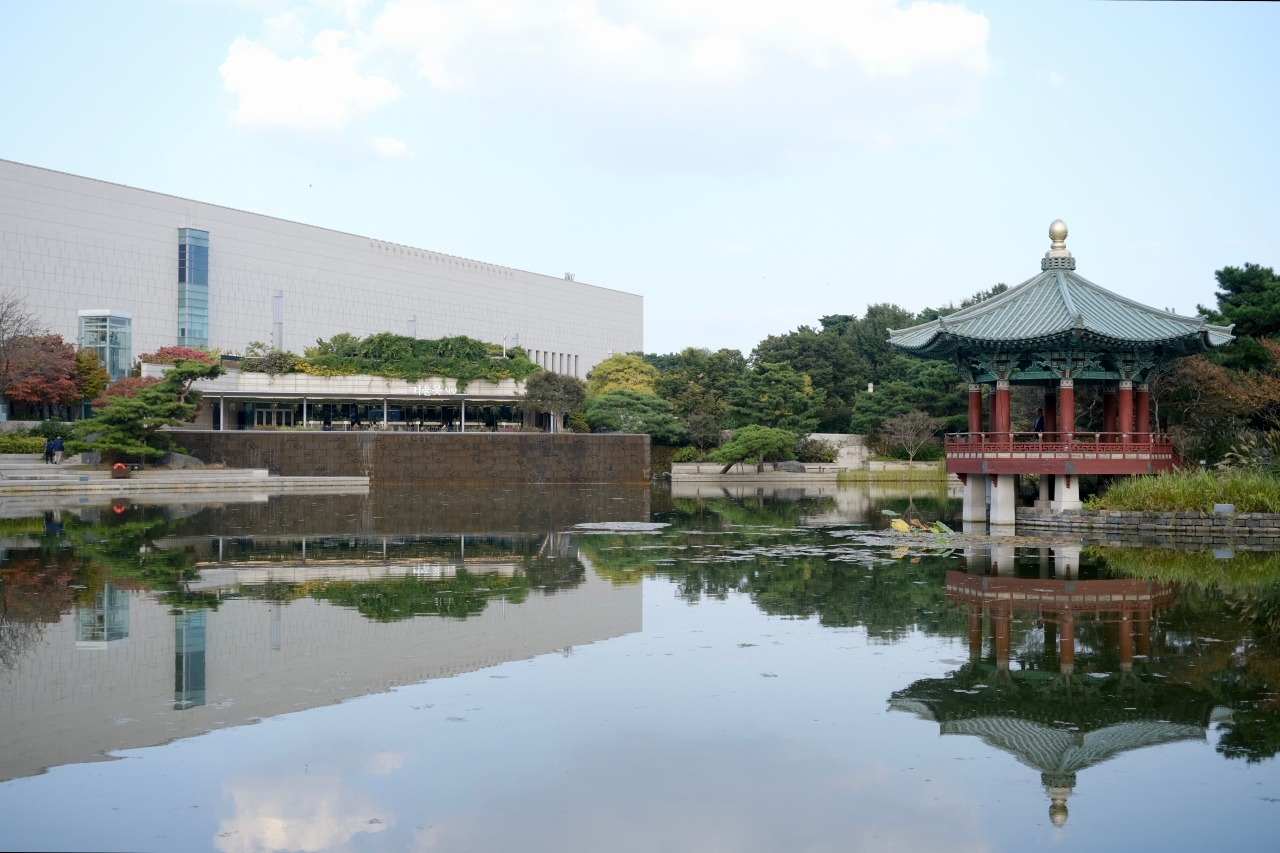
Day 3: Read the forecast, then choose
Day 3 is deliberately unbooked, because by then you have three days of real forecast instead of an average.
- If it's dry: Take the outdoor block you have been saving: a Han River park, Seoul Forest in Seongsu, or the palace you skipped. Morning, before the heat and the afternoon rain.
- If it's wet: Café and shopping. Hongdae and Seongsu's roomy indoor cafés, Lotte World Mall in Jamsil, or department-store food halls.
- Either way: keep the evening loose.
When it is genuinely pouring
Four loops that barely need the umbrella out. Each is a full half-day or more, so a washout day does not become a hotel day:
- COEX and Bongeunsa. Mall, library, and aquarium, with a quick dash to the temple between bursts.
- National Museum and the War Memorial. Two big, largely free indoor museums.
- DDP and the Dongdaemun malls. Indoor design halls and late-hours shopping under cover.
- Lotte World Mall, Jamsil. Shopping, an indoor theme park, and an aquarium under one roof.
Photography rules can vary by exhibition at venues like DDP, so check at the entrance rather than assuming.
What to pack for July
| Item | Why |
|---|---|
| Sturdy umbrella | Daily-use item in the wettest month |
| Packable rain jacket | For wind and heavier downpours an umbrella can't handle |
| Quick-drying clothes | Humidity keeps heavy cotton damp |
| Thin layer / light cardigan | Indoor air conditioning runs cold |
| Water-friendly shoes + spare socks | Wet streets and puddles |
| Dry bag or zip pouches | Keep phone, passport, and electronics dry |
| Reusable water bottle | Stay hydrated in the heat and humidity |
| Sunscreen, hat, sunglasses | Sun returns fast between showers |
| Small towel or handkerchief | For sweat and sudden rain |
Hot, humid weather is also when Korea's cooling dishes make sense: naengmyeon (chilled buckwheat noodles), kongguksu (cold soybean-broth noodles), and bingsu (shaved ice). The what to eat in Korea guide covers the rest.
Is July the right month for you?
It suits indoor culture, summer food, and anyone happy to rearrange a day at short notice. Wet days also thin out the outdoor sights, though popular indoor spots get busier for the same reason, and it is domestic holiday season.
It is the wrong month if you want dependable sunshine, all-day outdoor sightseeing, or clear viewpoint photographs, and it is a poor fit for a trip built entirely around outdoor activities with no backup.
July or August? July is the wettest month and slightly cooler. August is the hottest and drier than July, but carries the chance of strong showers and the odd late-summer typhoon.
If you would rather trade heat for rain, take July. If you would rather trade rain for heat, take August and use the Seoul in August guide.
Where a July plan fails
- Building outdoor-only days. Every day needs an indoor backbone, not an indoor afterthought.
- Trusting one forecast. The one you read a week out tells you almost nothing about your mornings.
- Packing only for heat. It is also the wettest month, so rain gear and a dry bag are not optional.
- Wearing slow-drying cotton and suede shoes that stay wet for the rest of the trip.
- Walking streams or underpasses in a downpour. Water rises quickly. Stay clear and follow advisories.
Where to stay
Somewhere central and on a subway line, so rain is an inconvenience rather than a trap. The where to stay in Seoul overview breaks the city down by area and by who each one suits.
Sources
- Korea Meteorological Administration Open MET Data Portal, changma (monsoon) statistics and 1991-2020 regional normalsOfficial weather service
- Visit KoreaOfficial tourism site
- Korea Meteorological AdministrationOfficial weather service
- Seoul Metropolitan Government Open DataOfficial government site
- Korea Tourism Organization English TourAPIOfficial API
Information is compiled from official sources. Details such as prices, hours, and schedules can change. Confirm time-sensitive facts before you travel.
Last verified on
Related guides
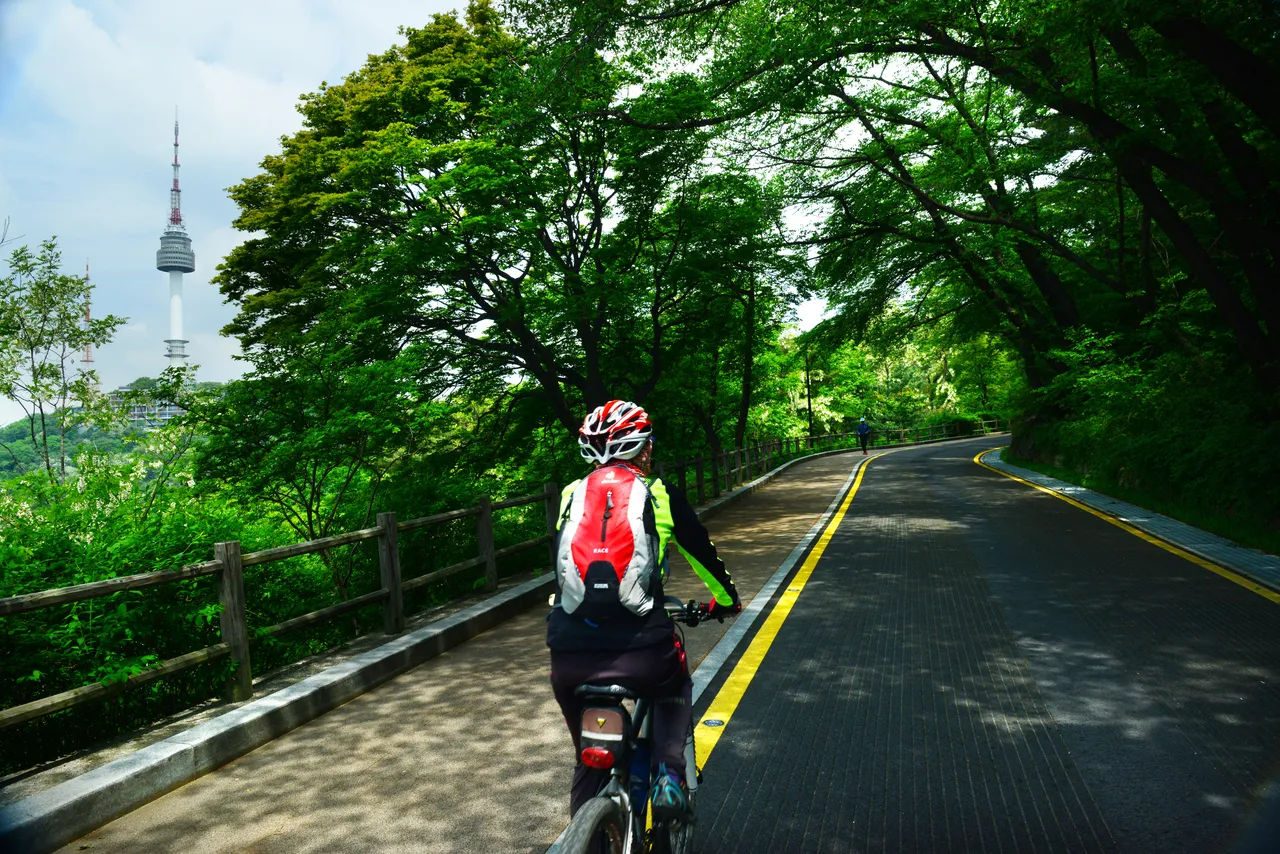
Seoul in June: Which Half of the Month You Book Changes the Trip
Most of June in Seoul is not the rainy season. On the Korea Meteorological Administration's 1991-2020 normals the monsoon reaches the central region on 25 June, so a trip that ends before the last week of the month usually sits ahead of it. That one date, plus the year's longest daylight, is what separates a June trip from a July one. The onset moves every year, so the plan below is built around checking it rather than assuming it.
Seoul in August Guide: Essential Places, Summer Festivals, Indoor Attractions, and Things to Do
Seoul in August is hot, humid, and sometimes rainy, copying a spring or autumn itinerary here doesn't work. Below: the essential places worth your time, the summer festivals actually confirmed for 2026 (Hangang River Festival, Seoul Summer Beach, Hangang pools, the Seoul International Garden Show), indoor attractions for the hottest hours, Korean summer food, what to wear, heat and rain safety, August 15 considerations, and realistic 3-day, 5-day, and 7-day itineraries built around the heat rather than against it.