
This week-long route gives first-time visitors the three sides of Korea most people come for (a big modern city, a quiet historical capital, and a relaxed coastal city) without a punishing pace. You spend three nights in Seoul, take the KTX south, see Gyeongju's UNESCO sites in a day, finish on the beaches and markets of Busan, and keep one flexible day for weather or rest.
Quick facts
- Length
- 7 days / 6 nights
- Route
- Seoul → Gyeongju → Busan
- Main transport
- KTX high-speed train
- Best seasons
- Spring & autumn
- Pace
- Relaxed, one buffer day
How this route is built
Seoul and Busan sit at opposite ends of the KTX line, with Gyeongju roughly between them, so the geography does the planning for you. Base yourself in one hotel per city to avoid daily packing.
- 1Days 1 to 3Seoul
Palaces, markets, neighborhoods
- 2Day 4Gyeongju
Day of Silla-era history
- 3Days 5 to 6Busan
Coast, seafood, temples
- 4Day 7Buffer / departure
Rest or catch-up
Days 1 to 3: Seoul
Use your first morning to set up: pick up a T-money card at any convenience store or subway machine and install the apps you'll actually need (Naver Map, Kakao T, Papago). Spend Day 1 on the palace district: Gyeongbokgung Palace, the hanok lanes of Bukchon, and the craft shops of Insadong for dinner.
Day 2, go south: the converted warehouses of Seongsu in the morning, Gangnam or Itaewon in the afternoon, and a Han River park in the evening. Day 3, cover markets and a city view: Gwangjang Market or Namdaemun, then N Seoul Tower on Namsan for the panorama.
Full detail is in the Seoul 3-day itinerary.
Accommodation: stay in one place for all three nights: Myeongdong for walkability, Hongdae for atmosphere, or Jongno for the historic center.

Day 4: Gyeongju by KTX
Take a morning KTX toward Singyeongju Station (about 1 hour 40 minutes from Seoul). The station sits outside the historic center. Take a local bus or taxi into town and drop your bags at a guesthouse.
Priorities in a single day: Bulguksa Temple (a UNESCO site, a 20-minute taxi or bus from the center), the royal tomb mounds at Daereungwon, and the ancient observatory Cheomseongdae near the center. Gyeongju rewards a slow walk; the Gyeongju guide has what to prioritize and how long each site takes. Overnight in Gyeongju so Day 5 starts at the coast with no wasted time.

Days 5 to 6: Busan
Take the KTX from Singyeongju or Gyeongju to Busan (about 35 minutes). Base yourself near Haeundae or Gwangalli for the coast, or in Nampo/Seomyeon for the markets.
Day 5 covers the coast: Haeundae Beach, the seaside cliff path, and the ocean-facing Haedong Yonggungsa Temple: one of the few Korean temples built right on the water. Add the Blue Line Park beach train if time allows. End the day at Gwangalli Beach for dinner with the lit Gwangan Bridge behind.
Day 6 covers the market side: Jagalchi (Korea's largest fish market, where you pick fresh seafood and have it prepared upstairs), the street food of BIFF Square nearby, and the terraced lanes and murals of Gamcheon Culture Village in the afternoon. Try dwaeji gukbap (pork-and-rice soup) for a local Busan meal.
The Busan guide and the Busan 2-day itinerary break both days down in detail.
Day 7: Buffer and departure
Hold this day loosely. Use it for anything that got cut: a third beach, a jjimjilbang, a final Korean BBQ, or just sitting in a café. From Busan you can fly home from Gimhae Airport directly on many international routes, or take the KTX back to Seoul (about 2.5 hours) for a departure from Incheon.
Leave enough buffer for airport transit and check-in.
Who this route suits: and who should adjust
This plan fits first-timers who want range over depth and are comfortable switching cities by train. It is a moderate pace, not rushed, but not slow.
- If you have only 5 days: use the 5-day Korea itinerary choices guide (usually drop Gyeongju, or stay Seoul-only) instead of compressing this whole week.
- If you want nature: trade the Day 7 buffer for Seoraksan (between Seoul and Gyeongju) or add a Jeju extension after Day 6 and fly home from there.
- If food is the priority: add an extra Seoul day and spend an evening at a dedicated Korean BBQ restaurant, and use the buffer day in Busan for Jagalchi and gukbap properly.
- If you prefer depth over breadth: skip Gyeongju and spend 4 nights in Seoul.
What to book in advance
Most of this route is flexible, but a few things are worth confirming or booking ahead of time:
- KTX tickets, for Seoul, Gyeongju and Seoul-Busan legs, especially on weekends and around Korean holidays (Chuseok, Lunar New Year). Book via the Korail+ app or at any station. See the KTX booking guide.
- Accommodation: in Gyeongju (small supply) and Busan in summer (peak domestic demand). Booking a week or more ahead is wise.
- Bulguksa Temple: free to walk the grounds; the interior sections have a small entry fee, no reservation needed.
- Gyeongbokgung night tours: evening access to the palace runs limited tickets in spring and autumn; book weeks in advance if this is a priority.
- Ferry or flight to Jeju: if extending the trip beyond 7 days, book early. Flights from Busan (Gimhae) or Seoul (Gimpo/Incheon) to Jeju fill up quickly during Korean school holidays.
Packing for the route
You will be moving between three cities, so pack light. A single carry-on or 20 L daypack is the practical choice. Laundry services (coin-operated machines or hotel laundry) are available at most Korean accommodation types.
The metro has steps at many exits, rolling luggage can be awkward on busy Busan hills and the Gyeongju guesthouse lanes. Pack walking shoes that can handle both city pavement and light inclines.
Practical first-timer notes
- Book the KTX legs early: Seoul to Gyeongju and Seoul to Busan seats sell out on weekends and around Korean public holidays. The Korail+ app or any station machine works.
- One T-money card covers the whole trip: load it at the airport and use it throughout Seoul, Gyeongju (limited buses), and Busan. No need to buy a separate card per city.
- Keep Day 7 flexible: the buffer is there to absorb delays, weather, or a last meal you want to return for. Resist filling it with a new destination.
- Gyeongju hotels book out quickly: the supply is small. Confirm accommodation there before finalizing the itinerary.
Frequently asked questions
Is 7 days enough for Korea?
Yes: seven days comfortably covers Seoul, Gyeongju, and Busan, which is the classic first-time circuit. More time lets you add Jeju, Jeonju, or go deeper in any city.
Do I need to book KTX trains in advance?
For popular routes (Seoul to Busan, Seoul to Gyeongju) on weekends and holidays, yes. Book through the Korail+ app or at any station. Weekday travel is usually available without advance booking.
See the KTX booking guide.
What is the best order: Seoul first or Busan first?
Most visitors do Seoul first and Busan last, since you arrive at Incheon (near Seoul) and it makes geographic sense to travel south. Either direction works on the KTX.
What should I buy in Seoul before leaving for other cities?
Your T-money card covers the whole trip. No need to change or reload at each city. The subway and bus systems in Gyeongju (limited) and Busan accept T-money.
How do I get from Busan back to Incheon Airport for departure?
Take the KTX from Busan to Seoul (about 2.5 hours), then the AREX from Seoul Station or Gimpo Airport to Incheon. Allow 3 to 4 hours total for the journey plus airport transit.
Sources
- Visit KoreaOfficial tourism site
- KORAILOfficial transport site
- Airport Railroad (AREX)Official transport site
- Korea Tourism Organization English TourAPIOfficial API
Information is compiled from official sources. Details such as prices, hours, and schedules can change. Confirm time-sensitive facts before you travel.
Last verified on
Related guides
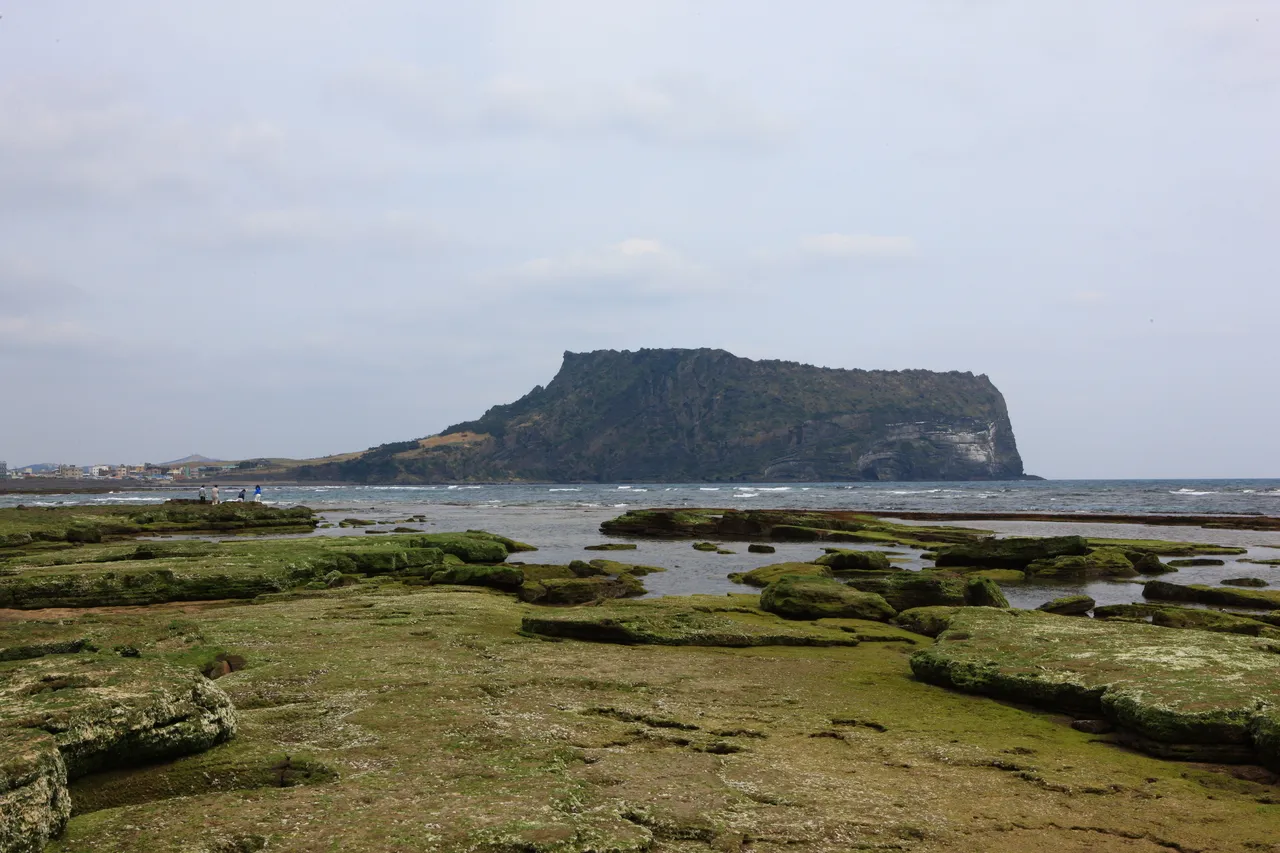
Jeju Island Travel Guide: Food, Hallasan, Olle Trails, Beaches, and Nature
Jeju is Korea's volcanic holiday island: a slower, nature-first counterpoint to Seoul and Busan, built around coastal drives, seafood and black pork, Hallasan, the Olle walking trails, and quiet beaches. Most visitors fly in, rent a car, and give it two to four days.
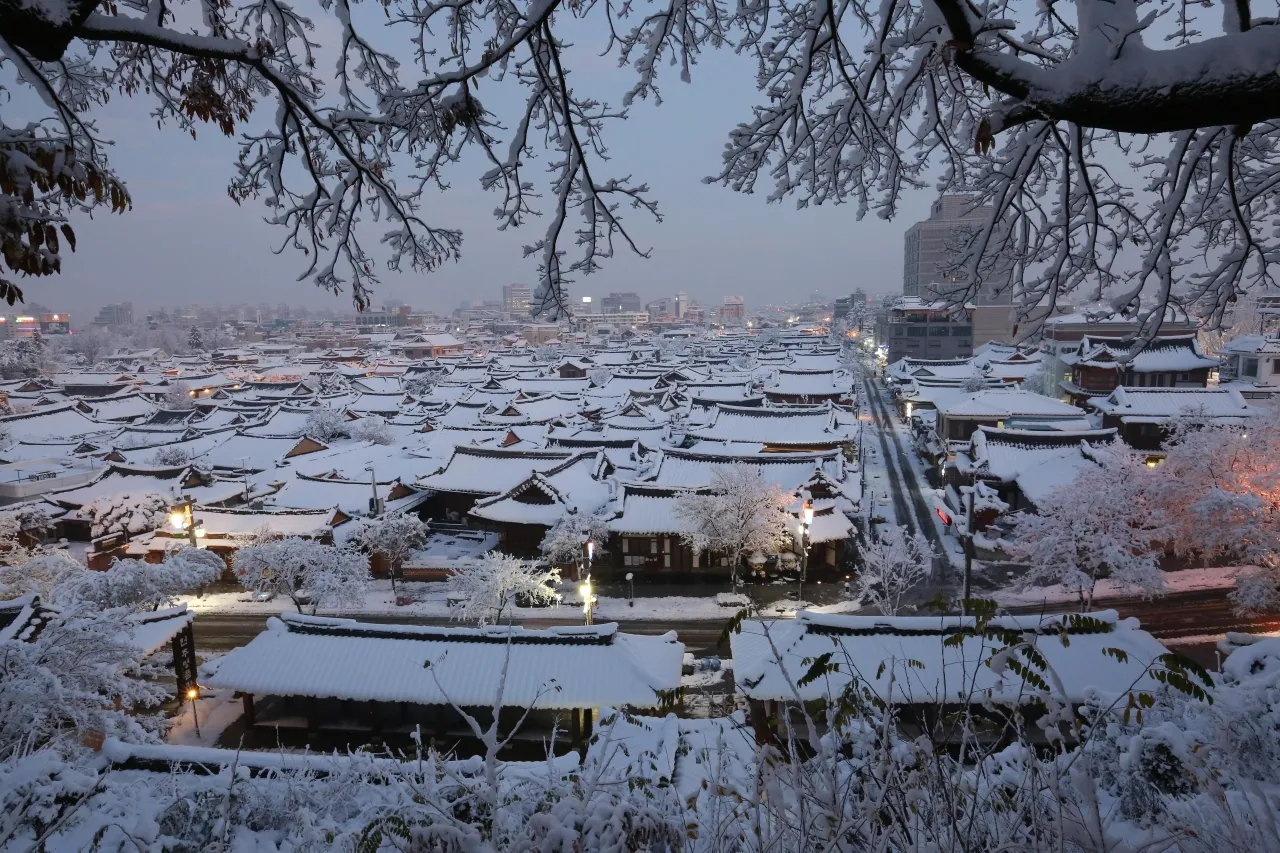
Jeonju Travel Guide: Hanok Village, Bibimbap, Hanbok, and What to Eat
Jeonju is Korea's food-and-hanok city beyond Seoul: a slow, walkable trip built around the country's largest traditional hanok village, signature bibimbap, hanbok photos, and traditional markets. It works as a relaxed day trip or an easy one-night stay from Seoul.