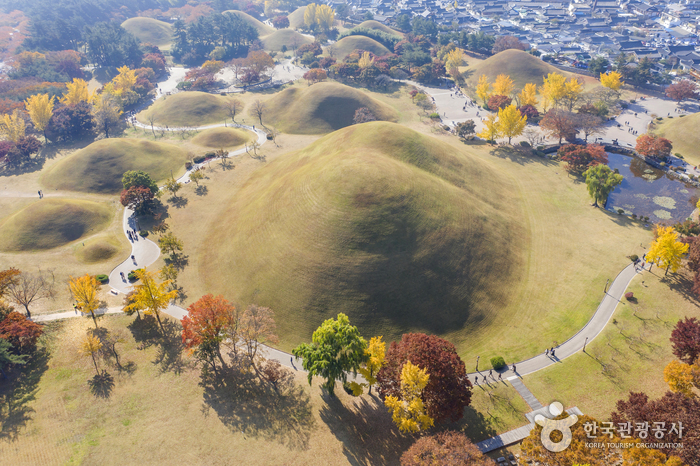
Gyeongju is the easiest way to add real history to a Korea trip. For nearly a thousand years it was the capital of the Silla kingdom, and the evidence is everywhere: grassy royal tombs in the middle of town, a UNESCO-listed temple in the hills, and one of Asia's oldest observatories.
A single full day covers the core. It fits neatly between Seoul and Busan on the 7-day Korea route.
Quick facts
- Region
- Southeast Korea, near Busan
- Suggested stay
- 1 day (or 1 night)
- Best time
- Spring & autumn
- Arriving by
- KTX to Singyeongju station
- Known for
- Silla-era history & UNESCO sites
Why Gyeongju is worth a stop
Where other cities show you modern Korea, Gyeongju shows you its roots. The whole city is dotted with relics, and the central sights are close enough to see on foot, by bike, or with short taxi rides in one day.
What to prioritize in a day
Gyeongju's sights fall into two clusters: a central one you can walk or cycle, and a hills cluster you reach by bus. The central cluster takes half a day; the hills cluster needs at least two hours more.
| Sight | What it is | Location |
|---|---|---|
| Daereungwon | Grassy royal tomb mounds; Cheonmachong tomb is open inside | Central, walkable |
| Cheomseongdae | One of Asia's oldest observatories, seventh-century stone tower | Central |
| Donggung and Wolji Pond | Silla palace ruins with a lit reflecting pond; best after dusk | Central |
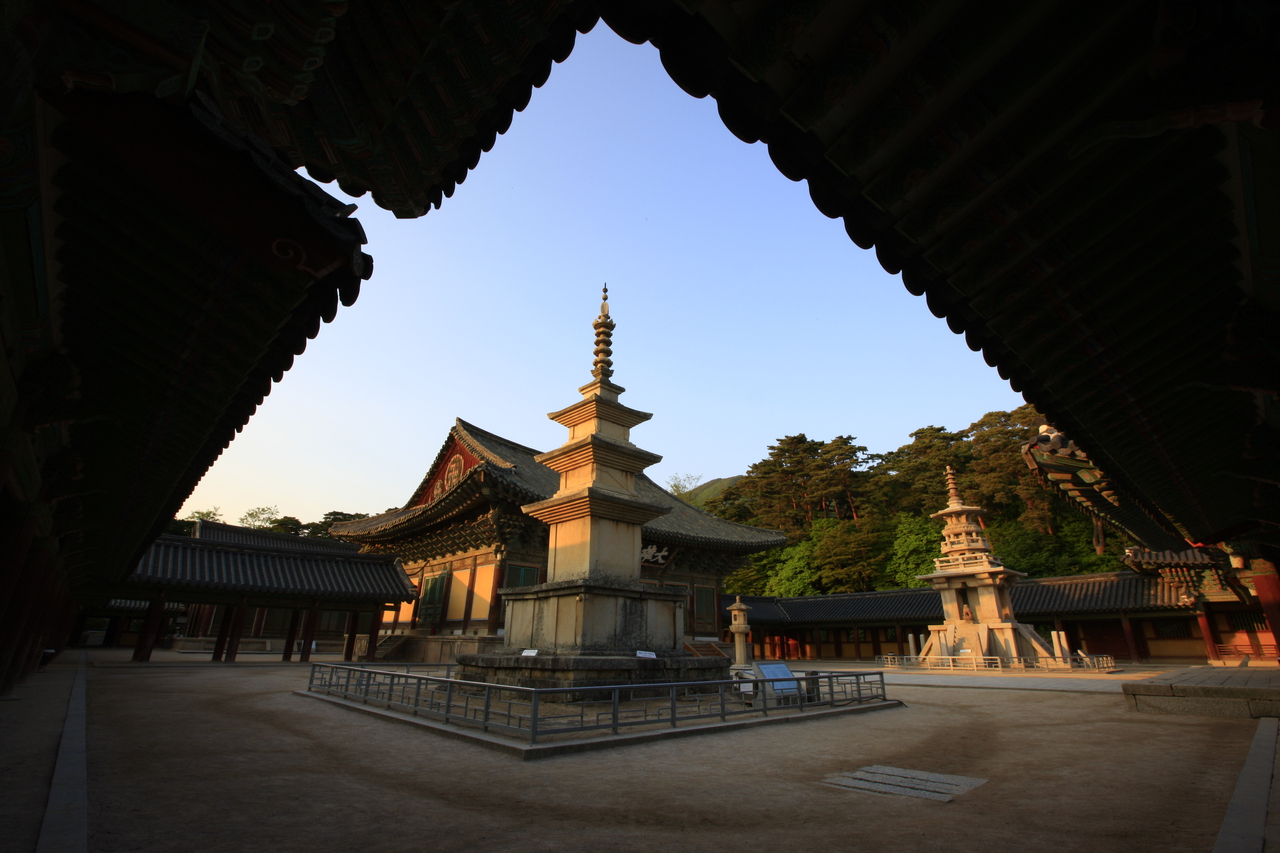
| Bulguksa Temple | UNESCO-listed Silla temple with two stone pagodas | Eastern hills, bus |
| Seokguram Grotto | UNESCO granite Buddha carved into a granite cave above Bulguksa | Eastern hills, bus |
| Gyeongju National Museum | Free admission; the best single-site collection of Silla artifacts | Central, walkable |
Do the central cluster on foot or by bike, then bus out to Bulguksa and Seokguram. If you stay a night, Wolji Pond lit up after dark is the highlight.
How to get there
The KTX stops at Gyeongju Station (the high-speed station formerly called Singyeongju), which sits outside the historic center, a short bus or taxi ride in. From Seoul it's roughly two hours; from Busan, about thirty minutes by train (or an hour by intercity bus). See Seoul to Gyeongju by train for the station quirk and transfers, and bring a T-money card for local buses.
Open in a Korean map app (Google Maps transit is unreliable here):
Getting around
- On foot or by bike: the central tomb-and-observatory cluster is compact and flat; rental bikes are popular and pleasant.
- Local bus: the practical way out to Bulguksa and Seokguram in the hills; pay with T-money.
- Taxi: handy for the hills cluster or to save time; short and inexpensive in town.
Best time to visit
Spring cherry blossoms and autumn foliage are the standout seasons and frame the tombs and temples beautifully. They're also the busiest. Summer is hot with little shade between sights; winter is quiet but cold.
Spring and autumn are worth planning around.
Gyeongju National Museum
The Gyeongju National Museum is the best single-site collection of Silla-era artifacts in the world, and admission is free. The permanent collection includes the Emille Bell (one of the largest bronze bells ever cast in Asia), gold crowns from Silla royal tombs, and the outdoor stone sculpture garden. It sits within walking distance of the central cluster, so it fits naturally into a morning or early afternoon.
Plan about 90 minutes. Signs are in English throughout. Confirm current opening hours and any temporary closures at the museum website or visitkorea.or.kr before you visit; hours and holiday schedules change.
Yangdong Folk Village
Yangdong is a UNESCO World Heritage village of 500-year-old Joseon-era houses, still inhabited, about 30 minutes from Gyeongju city center by bus or taxi. It is the largest and most well-preserved traditional clan village in Korea: stone paths, tiled roofs, and views over the surrounding fields from the hilltop pavilion. It is a different kind of Gyeongju experience from the Silla history downtown.
Yangdong works best as an afternoon addition on an overnight stay rather than a day-trip squeeze. If you are only there for one day, prioritize the central cluster and Bulguksa; add Yangdong if you have a second day or a flexible afternoon. Confirm transport options via local bus or taxi before you go.
Suggested stay duration
A day trip works for most visitors and covers the core. An overnight lets you see the lit-up pond, start early before the tour buses arrive, and take the hills cluster at an easier pace. Gyeongju slots neatly between Seoul and Busan on the 7-day Korea route, and pairs well with a Busan stop just an hour south.
Common mistakes
- Assuming the KTX station is in town: it's outside, so plan the transfer in.
- Trying to see every minor site: the core cluster is enough for one day.
- Visiting midday in summer with no shade plan between sights.
- Rushing Bulguksa and Seokguram: they're in the hills and need bus time; don't leave them to the last hour.
A suggested day schedule
The central sights cluster tightly, making Gyeongju easy to navigate on foot or by short taxi:
- Morning: start at the Daereungwon royal tomb mounds (Tumuli Park): the burial mounds of Silla-era royalty, quiet in the morning and photogenic in low light. Walk to Cheomseongdae observatory nearby.
- Midday: walk or cycle to the Donggung Palace and Wolji Pond area (also called Anapji); the pond is more atmospheric in the evening but worth a quick look at lunch, then grab a local meal nearby.
- Afternoon: taxi or bus to Bulguksa Temple in the hills (about 20 to 25 minutes from the center). A UNESCO site with well-preserved halls, stone pagodas, and the start of the trail to Seokguram Grotto. Give it at least 90 minutes.
- Late afternoon / evening: return to town. The Wolji Pond area is best visited at dusk, when the palace reflection in the water is lit and far less crowded than midday.
If staying overnight, the lit pond in the evening is the main draw. Most day-trippers from Busan or Seoul can cover this full circuit in one day with an early start.
What to eat in Gyeongju
Gyeongju has one local specialty worth trying: gyeongju bbang (Gyeongju bread), a small pastry filled with red bean paste sold at bakeries and snack shops throughout the city. It is the standard souvenir snack. For a full meal, the streets near Daereungwon and along the central market have Korean restaurants with bibimbap, gukbap (rice soup), and ssambap (rice-and-greens wrap sets).
Prices are lower than Seoul for comparable meals. Most restaurants near the tomb park have photo menus or English menus. For a quick break between sites, convenience stores near the central bus stops sell packaged gimbap, triangle rice rolls, and drinks at standard prices.
The area around Wolji Pond has a cluster of cafes and restaurants that are busiest in the evening when visitors come for the lit pond.
Admission fees and practical notes
Gyeongju's main sites charge separate admission fees. Confirm current prices at the ticket booth or on visitkorea.or.kr before you go; fees change and this guide does not list specific won amounts.
A few notes that help avoid surprises:
- Daereungwon (Tumuli Park): you pay at the park gate; Cheonmachong tomb has an interior viewing area.
- Bulguksa Temple: admission is charged at the main gate, separate from Seokguram.
- Seokguram Grotto: separate admission from Bulguksa; the grotto itself is behind glass to preserve the humidity, but the walk up the forested trail is part of the experience.
- Cheomseongdae: visible from outside at no cost; a small viewing-area fee may apply.
- Gyeongju National Museum: free admission; one of the few sites with no entry charge.
- Donggung Palace and Wolji Pond: separate evening admission after dark, when the lights are on; daytime admission is lower.
The Gyeongju City Tour Bus is a practical option for covering the hills cluster without navigating local buses independently. Confirm routes and schedules via the official tourism website; stops and frequencies change.
Where to stay in Gyeongju
The city has a small accommodation supply and books out quickly around Korean public holidays and autumn foliage season. The best area to stay is near Tumuli Park and Cheomseongdae: within walking distance of most central sights. Guesthouses, including some in traditional hanok style, are common. International hotel brands have limited presence.
Book at least a week ahead in peak autumn season (mid-October to mid-November). Cherry blossom season (late March to mid-April) also fills accommodation quickly.
Getting to Gyeongju from major cities
| Origin | Fastest option | Approx. time | Notes |
|---|---|---|---|
| Seoul | KTX to Singyeongju Station | About 1 hour 40 minutes | Then local bus or taxi 10 to 15 min to center |
| Busan | Local train (Donghae or ITX) | About 30 to 50 minutes | Gyeongju Station is closer to the center than Singyeongju |
| Daegu | Local train | About 30 minutes | |
| Pohang | Local train or bus | About 50 minutes |
The Singyeongju Station name is the source of the most common transfer confusion: it is the KTX high-speed station, but it sits in the countryside about 9 kilometers from the historic center. A local bus (route 700 or 704) or a taxi covers the gap in 10 to 15 minutes. Confirm current bus routes and taxi fares locally; they change. From Gyeongju Station (the older, closer station served by slower trains), the center is about 2 kilometers: walkable with light bags.
Spring and autumn in Gyeongju
Spring (late March to mid-April) and autumn (mid-October to mid-November) are consistently the best times to visit and the most popular. The framing is different between seasons:
Spring: cherry blossom trees line the paths around the royal tombs and the road to Bulguksa. The bloom usually peaks in late March to early April, varying by year. Daereungwon in blossom season is one of the most photographed views in Korea.
Autumn: the temples and tomb mounds are framed by red and orange foliage. The Bulguksa temple complex is particularly striking against autumn color. October weekends can be crowded; the first two weeks of November are often quieter with foliage still present.
For a foliage-season 1-night plan with Bulguksa in daylight and the historic center after dark, use the Gyeongju autumn guide.
Summer: hot and humid, with less shade between sights in the central cluster. The cave-like interior of Seokguram Grotto stays cool year-round. Start early and plan the midday indoors or in a restaurant.
Winter: quiet, cold, and clear. The tomb mounds look otherworldly under a light frost. Hours at some sites shorten in winter; confirm before visiting.
Gyeongju with children
The tomb mounds of Daereungwon are flat, grassy, and easy for children to walk around. Cheonmachong tomb's interior viewing is accessible and visible at child height. The National Museum has a children's gallery with hands-on activities. Bulguksa and Seokguram involve more walking and stairs, so plan the hills visit for when energy is highest (morning or after a rest).
Bicycle rental near the station or the tomb park is popular with families. Most rental points have basic bikes for adults; confirm child bicycle availability locally. The flat central zone between Daereungwon and Cheomseongdae is the most family-appropriate cycling area.
Frequently asked questions
Is Gyeongju worth visiting?
Yes. It is the easiest way to add real Korean history to a trip. The old Silla capital has UNESCO temples, royal burial mounds in the town center, an ancient observatory, and a slower pace than Seoul or Busan.
Most visitors find it a memorable detour.
Is one day enough for Gyeongju?
For most visitors, yes: the central cluster (Daereungwon tomb mounds, Cheomseongdae observatory) plus Bulguksa Temple and Seokguram Grotto fit into a full day. An overnight adds the lit Anapji Pond evening and a more relaxed pace through the hilltop sites.
How do I get to Gyeongju?
By KTX or ITX to Singyeongju Station (about 1 hour 40 minutes from Seoul), then a local bus or taxi into the historic center. From Busan, about 30 minutes by train. The station sits outside the old city; plan the local transfer in advance.
Can I visit Gyeongju as a day trip from Busan?
Yes: about an hour by local train or bus from Busan, making it a comfortable day trip. Many travelers stop in Gyeongju overnight on the way between Seoul and Busan rather than doing it as a same-day return.
How do I get around Gyeongju?
Walk or cycle the central cluster (Daereungwon, Cheomseongdae, Donggung Palace are close together). Take a local bus or taxi to the Bulguksa Temple and Seokguram Grotto in the hills about 20 minutes from the center. A bicycle rental from near the train station is popular for the flat central zone.
Gyeongju on a budget
Gyeongju is one of the cheaper cities to visit in Korea. Accommodation in guesthouses costs less than comparable rooms in Seoul. Food near the central tourist area is priced for domestic day trippers, not international tourists: a bowl of bibimbap or gukbap is under ₩10,000 at most local restaurants. Gyeongju bread from a roadside bakery is ₩1,000 to 2,000 per piece.
The main costs are admission fees for each individual site. Purchasing a combined admission pass (available at some sites and through city tourism) can reduce the total if you plan to visit four or more sites. Confirm current pass options and prices at the ticket window at Daereungwon or on the official Gyeongju tourism website; available passes change.
Two-day Gyeongju itinerary
If you have two days, the pacing becomes easier and the experience better.
Day 1: central cluster. Start at the National Museum (free, quiet in the morning), then walk to Daereungwon for the tomb mounds, Cheomseongdae, and a slow lunch near the market. Afternoon at Donggung Palace grounds. Evening return for the lit Wolji Pond.
Day 2: hills and village. Morning to Bulguksa and Seokguram: go early, before the organized tour groups arrive around 10 a.m. Return to town by noon. Afternoon to Yangdong Folk Village if the transport works out, or a second, slower pass through the central cluster and the museum. Dinner and departure.
With two days, Gyeongju shifts from a compact tick-list to an experience with breathing room.
Sources
- Visit KoreaOfficial tourism site
- KORAILOfficial transport site
- Korea Tourism Organization English TourAPIOfficial API
Information is compiled from official sources. Details such as prices, hours, and schedules can change. Confirm time-sensitive facts before you travel.
Last verified on
Related guides
Seoul Travel Guide for First-Time Visitors
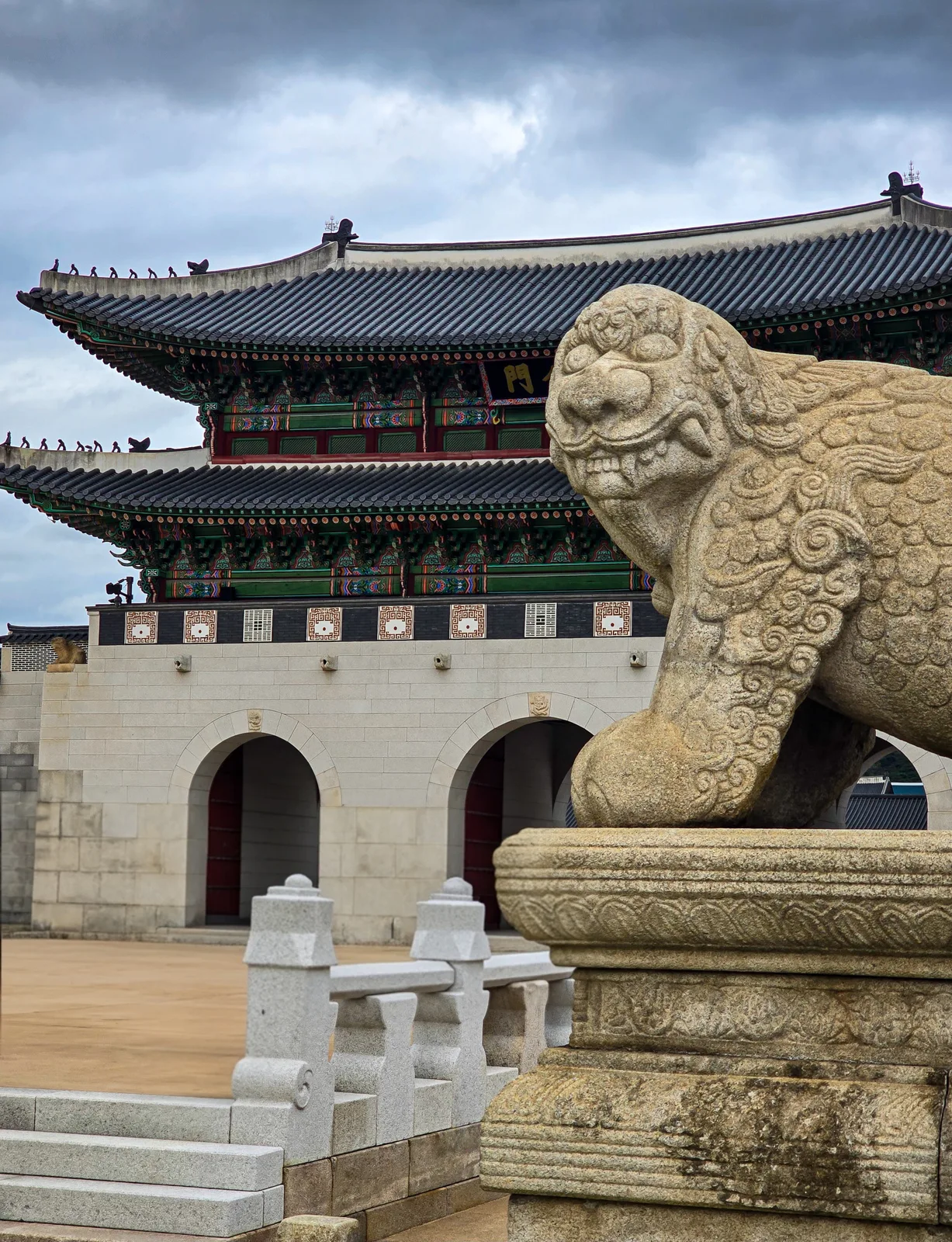
Seoul is Korea's capital and a fast, layered city where 600-year-old palaces sit beside high-tech districts. Most visitors give it three to four days, arrive via the airport railroad, and base themselves centrally to ride the excellent subway.
South Korea 10-Day Itinerary: Seoul, Gyeongju, Busan, and Jeju
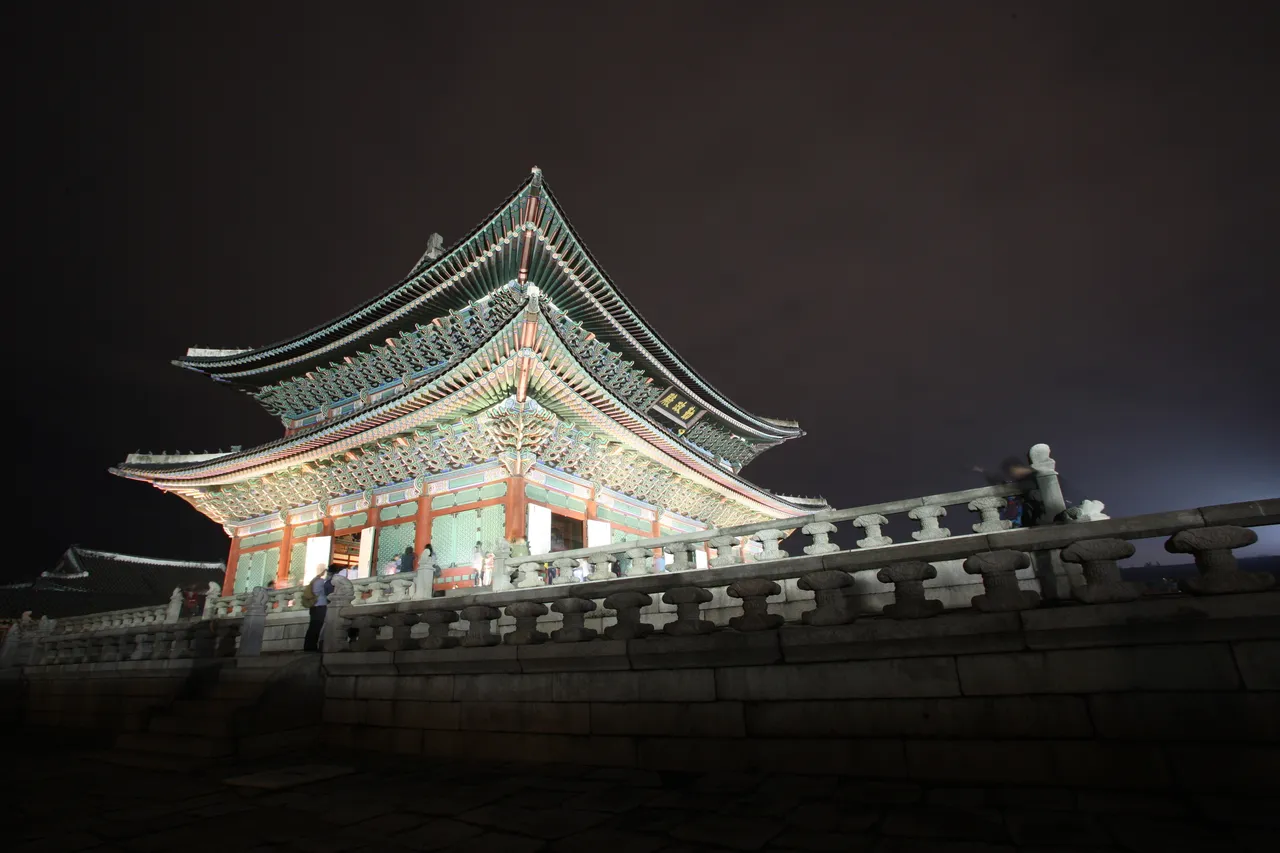
Ten days in Korea buys one thing a week does not: Jeju. It costs a domestic flight, a fourth hotel, and the buffer day the 7-day route keeps, and four of the ten days carry a long-distance move. This route covers Seoul, Gyeongju, Busan, and Jeju, and is built around the two things that actually go wrong: the Singyeongju station transfer and the Gimpo-versus-Incheon departure. Times, fares, and schedules change, so confirm official details before you book.