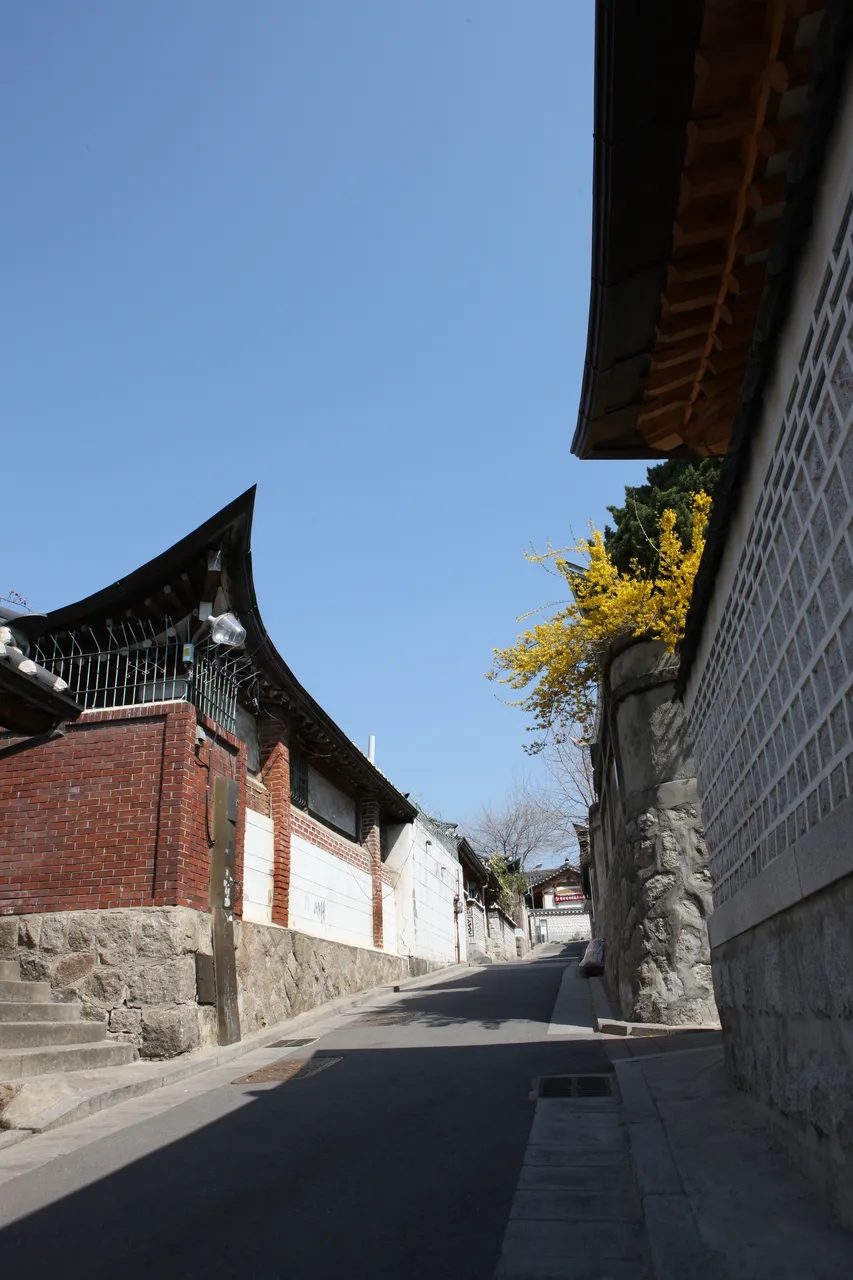
Bukchon Hanok Village is a hillside of tiled-roof hanok between Gyeongbokgung and Changdeokgung. The fact that matters more than the photos is this: people live here.
There is no ticket booth and no single gate. You walk in from the street, and you are on someone else's block.
Tourist visits in the Red Zone on Bukchon-ro 11-gil are allowed only 10:00 to 17:00. Sightseeing outside those hours can draw a ₩100,000 fine.
Start at Anguk Station (Line 3), Exit 2, and walk uphill. Private homes are not attractions.
Hours and enforcement come from Seoul and Jongno-gu notices, last checked 28 September 2026. Confirm before you go.
Quick facts
- Where
- Jongno-gu, between Gyeongbokgung and Changdeokgung
- Station
- Anguk (Line 3), Exit 2
- Red Zone hours
- Tourists 10:00 to 17:00
- Cost
- Streets free; museums and cafes extra
Quick answer
| Question | Short answer |
|---|---|
| Is it free? | Yes to walk the streets; shops, cafes, museums, and hanbok cost extra |
| Nearest station? | Anguk Station (Line 3), Exit 2 |
| Can I visit anytime? | No: the core Red Zone allows tourist visits only 10:00 to 17:00 |
| What if I ignore that? | A ₩100,000 fine for tourist visits outside those hours |
| Can I enter the houses? | No for private homes. Public cultural hanok and museums are the exception |
| How long? | About 1 to 2 hours of walking, longer with a museum stop |
| Is it a theme park? | No: it is a residential neighborhood |
| Best nearby for shopping? | Insadong (crafts, tea) and Samcheong-dong (cafes, boutiques) |
Hours, fines, and rules are set by the city and can change. Confirm the current official notice before you go.
What is Bukchon Hanok Village?
Bukchon (북촌한옥마을) means "north village": north of Cheonggyecheon and Jongno, on the hill between two palaces. It is a lived-in historic neighborhood, not an enclosed attraction with one required entrance.
Visit Korea's listing uses 37 Gyedong-gil, Jongno-gu as the area address. That is an orientation point, not a ticket gate. You can enter from several streets: Bukchon-ro from Anguk, Gyedong-gil, the Changdeokgung side, or the Samcheong-dong side.
Most of the tiled-roof houses are private homes. A smaller number operate as guesthouses, cafes, workshops, or public cultural facilities. If a gate is closed, or even if it is open, do not walk in unless the place is clearly public.
Namsangol Hanok Village in Jung-gu is a different place: relocated hanok assembled as a visitor site. Bukchon was not built for tourism.
How to get there
Bukchon is walk-oriented. Inner lanes are too narrow for cars, and there is no drop-off inside the alleys.
From Anguk Station (Line 3), Exit 2: walk north up Bukchon-ro. The first hanok lanes appear within several minutes. The slope is real. Wear shoes you can climb in.
Exit 3 is the useful second choice if you want Gyedong-gil first (public hanok and the village information area). Exit 1 is for the Seoul Museum of Craft Art, about 50 m from the station, not for the residential lanes.
From Gyeongbokgung: walk east toward Samcheong-dong, then into Bukchon. You are already on the west side of the neighborhood. The palace opens at 09:00 and is typically closed Tuesdays, so time the walk so you are not sightseeing on Bukchon-ro 11-gil before 10:00.
From Changdeokgung: walk west toward Bukchon-ro. This is the shorter palace-to-lane connection.
From Insadong: walk north to Anguk, then uphill. Insadong is downhill of Bukchon, so finishing in Insadong is easier than starting there.
Use Naver Map or KakaoMap for the live walk, not Google Maps. See the Korea travel apps guide.
Taxi: drop on a main road near Anguk. Do not send a driver into the alleys.
Chartered buses: since 1 January 2026, tour coaches are banned at all times on about 2.3 km of Bukchon-ro, Bukchon-ro 5-gil, and Changdeokgung 1-gil, including weekends and holidays. Seoul's notice lists fines of ₩300,000, then ₩400,000, then ₩500,000 for repeats. If you arrive by coach, walk the last stretch from outside that zone.
Current visitor rules
This is the part first-timers most often get wrong. Seoul designated Bukchon a special management area. The fine-backed time limit applies to the core "Red Zone," not to every street labeled Bukchon on a map.
- Red Zone location: the residential hanok area of about 34,000 m² around Bukchon-ro 11-gil, the crowded sloping lanes people photograph.
- Tourist hours: tourist visits are allowed only 10:00 to 17:00. From 17:00 to 10:00 the next morning, tourist visits are restricted.
- Fine: entering the Red Zone for tourism outside those hours can bring a ₩100,000 fine, based on the Tourism Promotion Act and a Jongno-gu ordinance.
- In force now: a guidance period ran 1 November 2024 to 28 February 2025. Fines have applied since 1 March 2025.
- Who the rule targets: sightseeing, taking photos, lingering, and wandering the lanes for tourism. Jongno-gu has said residents and their guests, shop customers inside the zone, lodging guests, merchants, and people simply passing through without tourism activity are not the target. Taking photos in the Red Zone outside the window is still tourism, even if you also bought coffee.
- Outside the Red Zone: orange and yellow zones have no time-limit fine, but they are under guidance and monitoring. Keep voices down there too.
- Sundays: Seoul's notice asks visitors to treat Sunday as a rest day for the alleyways. That is a request for extra quiet, not a village-wide Sunday closure. Visit Korea currently lists the neighborhood as open year-round, with the 10:00 to 17:00 window applying to Bukchon-ro 11-gil.
Do not plan an empty-lane sunrise shoot or a night photo walk in the Red Zone. Those are exactly the hours the rule is meant to stop.
Silent tourism and residential etiquette
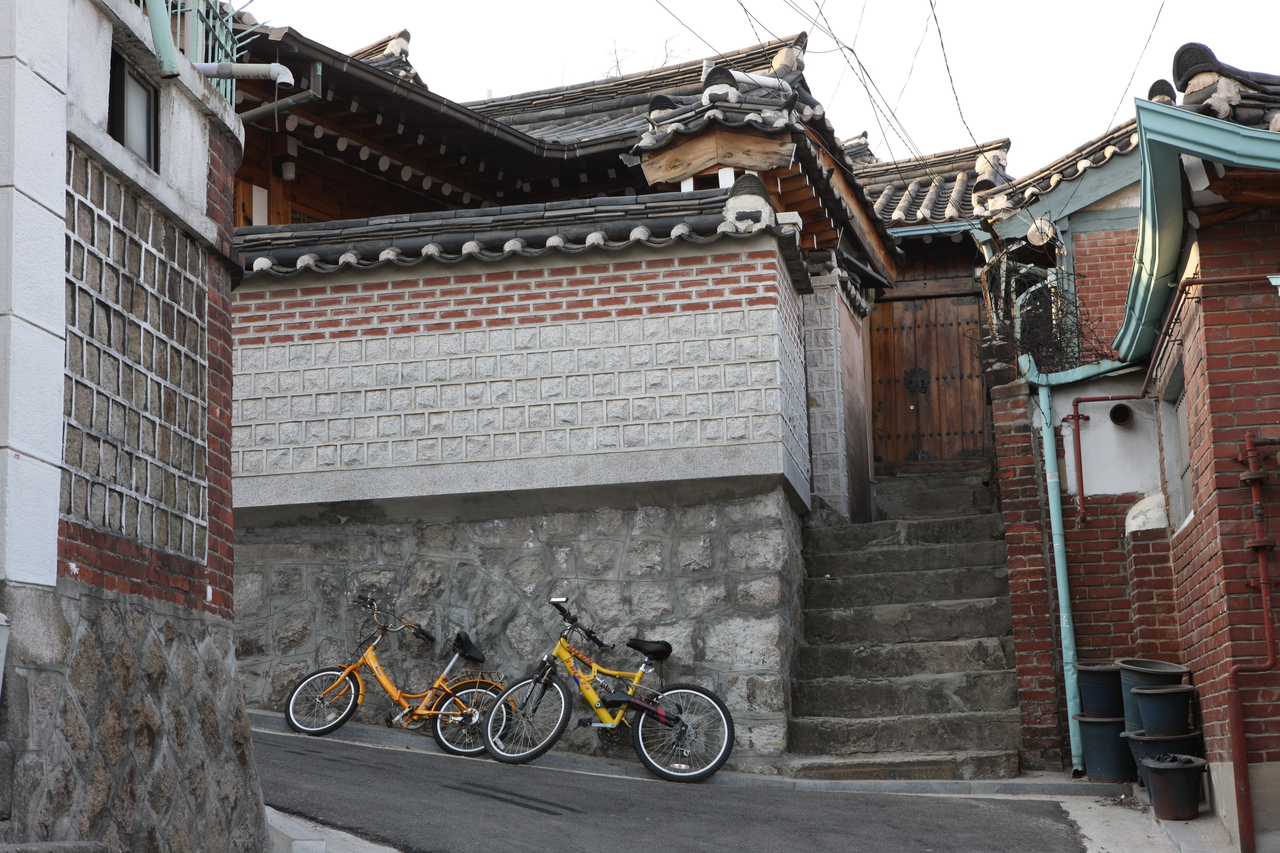
Visit Seoul asks visitors to practice "silent tourism." These are the official asks:
- Keep noise down, especially around Gahoe-dong 31: no shouting, no games, no loud filming.
- Take your trash with you. Residential lanes have almost no public bins.
- Keep groups to 10 people or fewer.
- No microphones, megaphones, or loudspeakers.
- Do not photograph or film inside homes, even if a door or gate is open.
- Cultural tours around Gahoe-dong 31 and 33 are being phased out.
- Do not block doorways, sit on private stoops, or lean into courtyards.
- Leave drones at home. This is a dense residential neighborhood next to palace grounds.
The same rules apply if you rent hanbok in Seoul. Clothing does not make a private house public.
Broader Korea etiquette, including noise and photography, is in the things not to do in Korea guide.
Where to start
Arrive at Anguk around 9:30 if you want a coffee, a hanbok fitting, or a museum stop first. Do not walk Bukchon-ro 11-gil for sightseeing before 10:00.
A practical first stop after 10:00:
- Anguk Exit 2, then north on Bukchon-ro.
- If you want an indoor orientation, detour to Gyedong-gil for the village information office (typically a weekday stop; confirm hours) or the Bukchon Traditional Culture Center, a public hanok. Hours vary by day and the center can close for maintenance, so check the Seoul Hanok page rather than counting on it.
- Walk the public lanes and rooftop views inside 10:00 to 17:00.
- Leave the Red Zone before 17:00.
If it is raining, start at SeMoCA (Seoul Museum of Craft Art) by Anguk Exit 1 instead of committing to the hills.
What to see
Stay on public streets. The scenery is the tiled roofs, stone walls, and the slope down toward the city, not anyone's living room.
Bukchon-ro and the side lanes. The main climb from Anguk. Shops and cafes sit on the wider streets. The famous photo slope is Bukchon-ro 11-gil, which is the Red Zone. Go there only during tourist hours, keep moving, and do not block the lane.
Gahoe-dong. Dense hanok and the area Visit Seoul flags for extra quiet, especially around Gahoe-dong 31. Worth walking. Not worth a loud group pose.
Viewpoints. Several public corners look over rooftops toward Namsan. They get crowded on weekend afternoons. A weekday just after 10:00 is usually calmer. Do not step onto walls or private terraces for a better angle.
Bukchon Traditional Culture Center (Gyedong-gil 37 area). A public hanok used for exhibits and programs. Useful as an orientation stop when it is open. Not a substitute for walking the neighborhood.
Baek In-je House (백인제가옥), 16 Bukchon-ro 7-gil. A large modern hanok now run as a Seoul Museum of History branch. Visit Korea lists 09:00 to 18:00, last entry 17:30, closed Mondays (open if Monday is a public holiday) and 1 January, free. The garden and exterior are the walk-in part. Interiors (anchae, sarangchae) need a guided-tour reservation. The house is on Bukchon-ro 7-gil, not the Red Zone on 11-gil. Do not cut through Bukchon-ro 11-gil before 10:00 to reach it.
Seoul Museum of Craft Art (SeMoCA). At 4 Yulgok-ro 3-gil, about 50 m from Anguk Exit 1. Free for ordinary visits, closed Mondays and 1 January, last admission typically 17:30. Hours can extend on some evenings; check the museum's visit page. The Children's Museum needs a separate booking. This is the indoor, more level stop if the hanok hills are too much.
Palace walls and connecting lanes. Gyeongbokgung sits west, Changdeokgung east. The walk between them is the point of putting Bukchon on a palace day, as long as you stay out of the Red Zone outside tourist hours.
The National Folk Museum is on the Gyeongbokgung grounds, not a separate Bukchon ticket.
Do not treat a random wooden gate as a photo set. If it is not signed as a museum, cafe, or shop, it is someone's house.
Suggested walking route
A realistic first visit is a one-way hill walk, not a loop that recrosses the Red Zone.
After 10:00: Anguk Exit 2 → north on Bukchon-ro → optional Gyedong-gil public hanok → public lanes and the Bukchon-ro 11-gil rooftop view → Gahoe-dong (quietly) → optional Baek In-je House exterior.
Before 17:00, pick one exit:
- South to Insadong: downhill, crafts and tea, easiest finish.
- East to Changdeokgung: short, and you are already on that side.
- West toward Gyeongbokgung or Samcheong-dong: cafes and the other palace.
Most first visits take about 60 to 120 minutes of walking. Add time only if a public hanok or SeMoCA is actually open. Those numbers are a range, not a timetable.
Do not route yourself through Bukchon-ro 11-gil after 17:00 "just to pass through" while stopping for photos. Passing through without tourism activity is the exemption. A photo stop is not.
Private hanok vs places you can enter
| Kind of place | Can visitors enter? | Notes |
|---|---|---|
| Private residential hanok | No | Homes. No trespassing, no courtyard photos, no open-gate wandering |
| Cafe, shop, or workshop that is open to customers | Yes, as a customer | Buy something or leave. Do not treat the interior as a free set |
| Guesthouse you booked | Yes, as a guest | Lodging is not a sightseeing permit for the Red Zone after 17:00 |
| Bukchon Traditional Culture Center | Yes when open | Public hanok; confirm hours |
| Baek In-je House | Exterior yes; interior by reservation | Free; closed Mondays and 1 January |
| SeMoCA | Yes | Free ordinary visit; Children's Museum is separate |
If you want to sleep in a hanok, book a listed guesthouse. Staying overnight does not give you a 07:00 tourism window on Bukchon-ro 11-gil.
Best time to visit
Stay inside 10:00 to 17:00 for the Red Zone. Within that window, a weekday late morning is usually calmer than a Saturday afternoon.
Right at 10:00 is the practical "before the tour groups thicken" slot. After 16:00 leaves little time and pushes you against the curfew.
Weekends are louder on the photo slope. Sundays call for extra quiet, per Seoul's rest-day request.
Do not go at night for atmosphere, and do not go at dawn for empty photos. After dark, leave the residential lanes. If you still want traditional architecture lit up, use a palace night-viewing program instead, which is a ticketed palace event, not a Bukchon alley walk.
Season by season
Spring: milder walking weather, blossom in the wider palace district. Dates move every year, so do not plan a specific week from a blog.
Summer: hot, humid, little shade in the lanes. Start at 10:00, carry water, and keep the walk short. Indoor backup: SeMoCA.
Autumn: clearer air and ginkgo or maple color on the wider streets. Pair a Seoul foliage plan with the autumn travel guide rather than waiting in a blocked alley for one tree.
Winter: the clearest light of the year, and ice on slopes and stone. Shoes with grip matter more than a coat photo.
Walking difficulty
Bukchon is a hill. Expect slopes, short stair flights, uneven stone, and narrow lanes where two people can barely pass.
It is not a wheelchair-accessible neighborhood as a whole. A stroller is hard work and often has to be carried. SeMoCA, by contrast, is a museum building with level indoor routes; use that if mobility is the constraint.
Summer heat sits in the alleys. Winter ice makes the same slope worse. Public restrooms are scarce in the residential lanes. Plan toilets at a cafe, museum, or palace, not in someone's side street.
With children, keep them close and quiet. Build the cafe break in Samcheong-dong or Insadong, not on a private stoop.
Nearby attractions and a half-day route
Bukchon sits between two palaces and above Insadong. The efficient pattern is one palace, then Bukchon after 10:00, then downhill. Two palaces plus a long Bukchon wander in one morning usually means rushing and backtracking.
Gyeongbokgung (west): typically a morning opening, often closed Tuesdays. Confirm the palace's own hours. Walk east into Bukchon after 10:00.
Changdeokgung (east): typically closed Mondays. The Secret Garden is a separate timed ticket if you want it. Walking west from the palace into Bukchon is short.
Insadong (south): crafts, tea, and a flatter finish. Good last stop because it is downhill from the hanok lanes.
Samcheong-dong (north-west): cafes and boutiques, easier lingering than Gahoe-dong.
Ikseon-dong: another hanok-and-cafe pocket southeast of Changdeokgung. Only add it if you skip one palace. There is no dedicated Tripkopia page for it yet.
Hungry nearby? See the top 5 Jongno restaurants. For a base in this part of Seoul, see where to stay in Jongno, Insadong, and Gwanghwamun.
Suggested half-day (least backtracking)
- Gyeongbokgung at opening (skip if it is a Tuesday).
- Walk east. If you need a toilet or an indoor pause, SeMoCA is by Anguk Exit 1.
- Bukchon from 10:00: Bukchon-ro, public lanes, Gahoe-dong, optional Baek In-je exterior.
- Leave the Red Zone before 17:00.
- Insadong for tea and crafts, or Changdeokgung if you skipped Gyeongbokgung and still have energy.
If Gyeongbokgung is closed, reverse it: Changdeokgung first, then west through Bukchon, then Insadong. Do not start in Insadong and climb the hill last unless you enjoy finishing on a slope.
A first-time Seoul plan that already places this cluster is the 2-night, 3-day itinerary.
Photo etiquette
Photos are fine when they stay on architecture and public streets.
| Do | Don't |
|---|---|
| Shoot rooftops, lanes, and walls from public roads | Photograph doorways, gates, windows, or nameplates |
| Keep moving and keep it brief | Set up a long shoot that blocks a narrow lane |
| Step aside for residents | Enter or lean into private yards |
| Ask before photographing a person | Photograph inside a home, even through an open door |
| Use a phone or handheld camera | Bring tripods, drones, or loud gear |
What to buy, and where it is easier
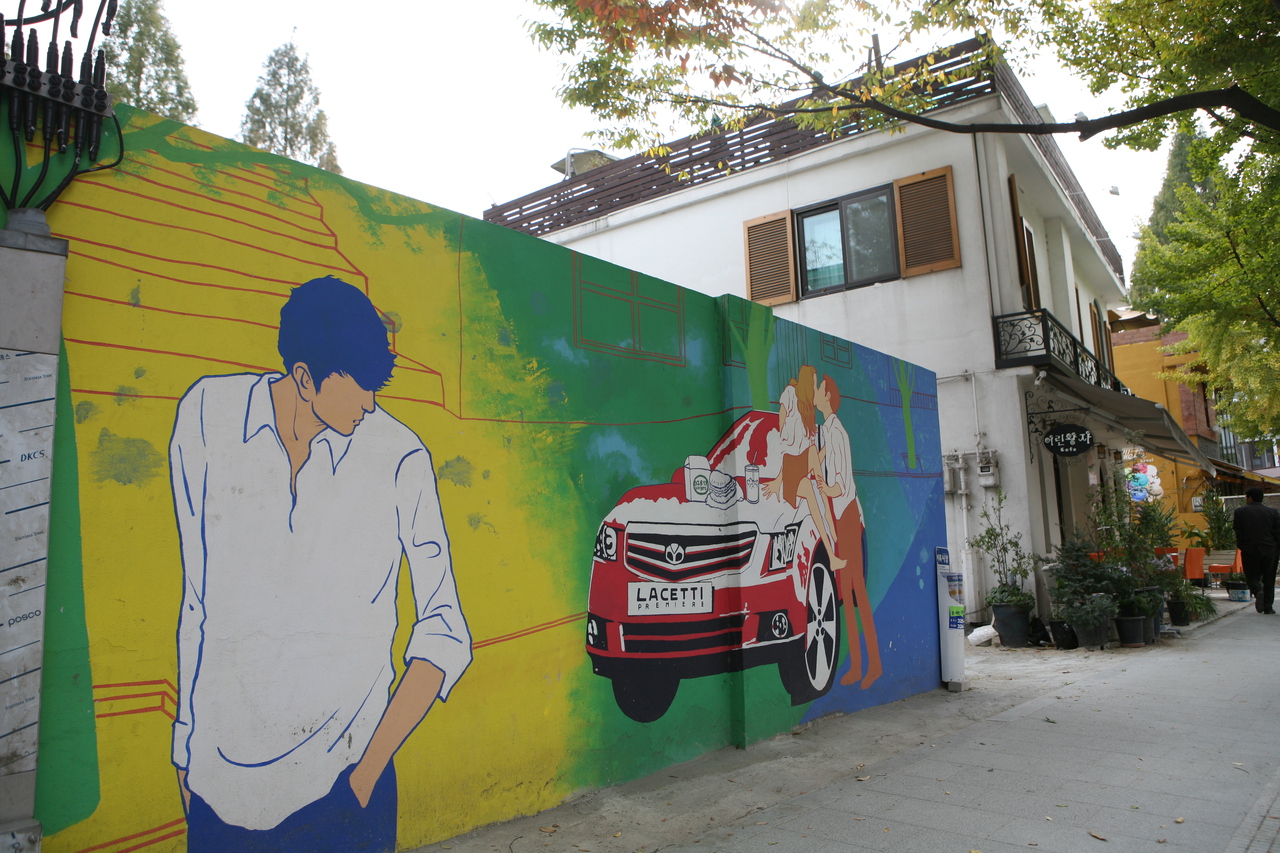
Bukchon itself is atmosphere and small studios. For actual souvenirs, Insadong (crafts, tea, stationery) and Samcheong-dong (boutiques, cafes) are easier.
We do not name shops or quote prices. Stock changes, and there is no single item you have to buy.
| You want | Go to |
|---|---|
| Traditional crafts, tea, ceramics | Insadong |
| Cafes, design goods | Samcheong-dong |
| A small packable memento | Bukchon's own little shops are enough |
Traditional snacks and teas are not automatically halal, vegan, or allergen-free. Honey, gelatin, dairy, egg, nuts, sesame, and wheat show up often. Ask, and do not treat a village sweet as certified.
Common mistakes
- Walking Bukchon-ro 11-gil for photos outside 10:00 to 17:00
- Treating private homes as open-air exhibits
- Photographing doorways, windows, or into rooms
- Being loud, using a mic, or blocking a lane with a group larger than 10
- Bringing a charter bus onto Bukchon-ro, Bukchon-ro 5-gil, or Changdeokgung 1-gil
- Confusing Bukchon with Namsangol
- Planning a sunrise or night alley shoot
- Assuming a hanok guesthouse booking unlocks early-morning tourism in the Red Zone
- Starting in Insadong and saving the steepest climb for the end of the day
FAQ
Is Bukchon Hanok Village free?
The streets are free to walk. You pay only for shops, cafes, hanbok, or a public facility that charges. Ordinary SeMoCA and Baek In-je exterior visits are listed as free.
Is Bukchon open 24 hours?
Not for tourists in the Red Zone. Tourist visits there are 10:00 to 17:00. Other streets have no time-limit fine, but they are still residential. Do not treat the neighborhood as an all-night attraction.
Are there visitor restrictions?
Yes. The Red Zone around Bukchon-ro 11-gil restricts tourist visits from 17:00 to 10:00, with a ₩100,000 fine for tourism outside the window, in force since 1 March 2025. Charter buses are banned on a 2.3 km stretch from 1 January 2026.
Can I enter the hanok houses?
Private homes: no. Public cultural hanok, paid experiences, cafes, and museums: only where they are clearly open to visitors. Baek In-je interiors need a reserved guided tour.
Which station is best?
Anguk Station (Line 3), Exit 2 for Bukchon-ro. Use Exit 3 for Gyedong-gil, Exit 1 for SeMoCA.
How long should I spend there?
About 1 to 2 hours of walking for a first visit. Add a museum or tea stop only if you still have time to leave the Red Zone before 17:00.
Is Bukchon difficult to walk?
Yes, relative to a palace courtyard. Hills, steps, and uneven lanes. It is not fully accessible. Skip the steepest alleys if you use a wheelchair or a stroller, and use SeMoCA or Insadong instead.
Can I wear hanbok there?
Yes, and many visitors do. Follow the same residential rules. Hanbok rental shops cluster near Gyeongbokgung and Anguk. See the hanbok rental guide.
Can I combine Bukchon with Gyeongbokgung?
Yes. Do the palace first (it opens earlier), then Bukchon after 10:00, then Insadong downhill. Confirm the closed day in the Gyeongbokgung Palace guide; it is typically Tuesdays.
Is Bukchon worth visiting at night?
Not as a tourist walk in the Red Zone. After 17:00, sightseeing there can be fined. For lit traditional architecture, use a palace night program, not the residential alleys.
Is it suitable for children or strollers?
Children, yes, if they can stay close and quiet. Strollers, poorly: slopes and stairs. Plan a short loop and a cafe break off the hill.
Can I stay overnight?
Some hanok operate as guesthouses. Book one if you want to sleep in a hanok. A reservation does not authorize Red Zone sightseeing before 10:00 or after 17:00.
Bukchon works when you treat it as a neighborhood: daytime hours, public streets, quiet voices, and a downhill finish toward Insadong or a palace. The rooftops are the attraction. The houses behind the gates are not.
Sources
- Seoul Metropolitan Government (english.seoul.go.kr)Official government site
- Seoul Metropolitan Government, Bukchon Special Management Area tourist restrictions (official notice)Official government site
- Visit Korea, Bukchon Hanok VillageOfficial tourism site
- Visit Seoul, Seoul Tourism Organization (official)Official tourism site
- Visit KoreaOfficial tourism site
- Seoul Hanok, Bukchon main facilities (official)Official government site
- Visit Korea, Baek In-je HouseOfficial tourism site
- Seoul Museum of Craft Art (SeMoCA, official)Official tourism site
Information is compiled from official sources. Details such as prices, hours, and schedules can change. Confirm time-sensitive facts before you travel.
Last verified on
Related guides
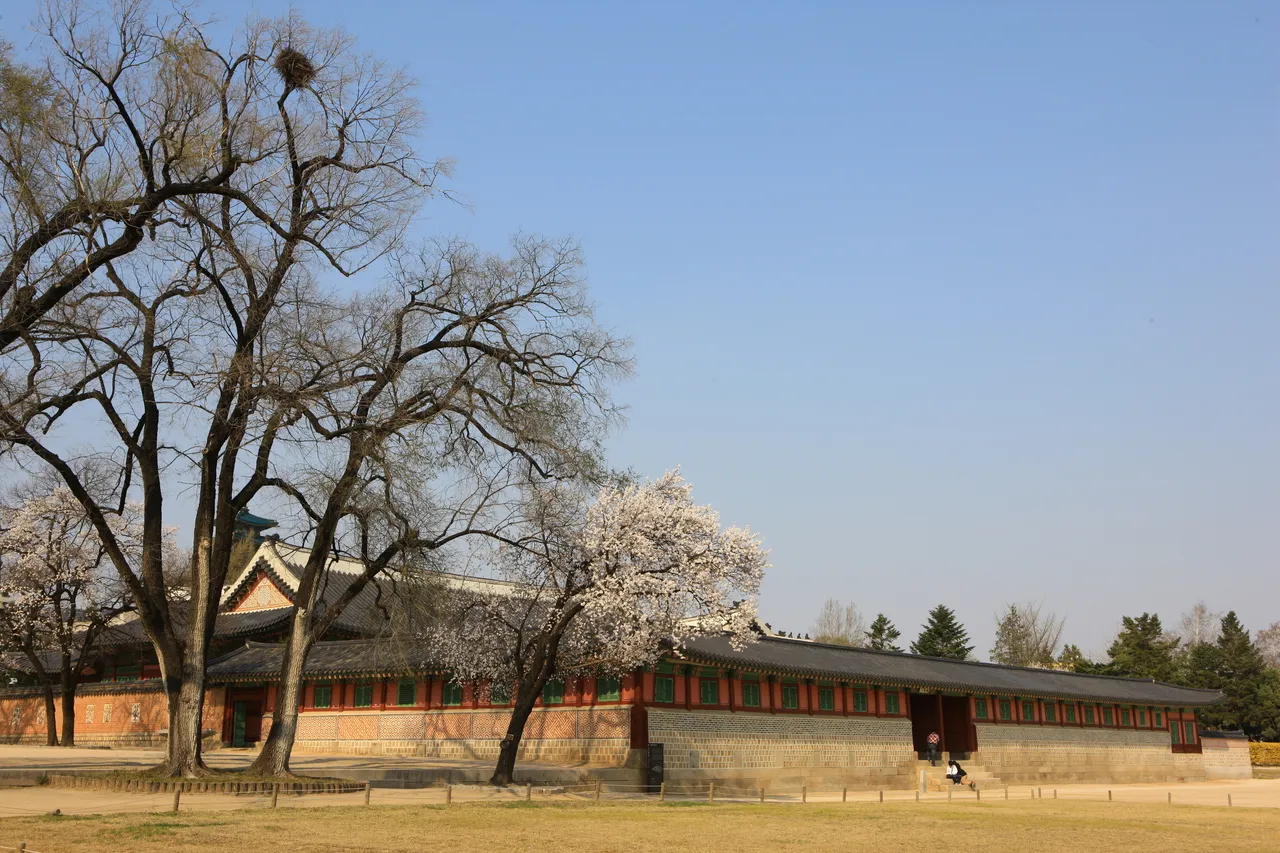
Seoul Hanbok Rental Guide: Gyeongbokgung, Palace Free Entry, Photo Routes, and What to Check
Renting a hanbok (한복) near Seoul's old palaces is among the easier and most rewarding cultural experiences for first-time visitors: choose an outfit, wear it for a few hours, and walk into the major palaces for free while you have it on. This guide focuses on areas, checklists, and the official rules: where to rent, exactly what qualifies for free entry (and what gets refused), photo routes, seasonal and etiquette notes, and what to confirm before you book. Prices, rental times, and shop rules vary, so check with the shop and the official palace sources before you go.
Gyeongbokgung Palace Guide: Hours, Tickets, Hanbok, and What to See
Gyeongbokgung is Seoul's main Joseon palace, entered from Gwanghwamun after a short walk from Gyeongbokgung Station (Line 3), Exit 5. It is closed Tuesdays, with a holiday exception. Adults 19 to 64 pay ₩3,000. Qualifying hanbok is free for Koreans and foreigners. The guard-changing ceremony is free at Heungnyemun at 10:00 and 14:00, except closed days, and can be cancelled in rain. Night opening is seasonal, not year-round.