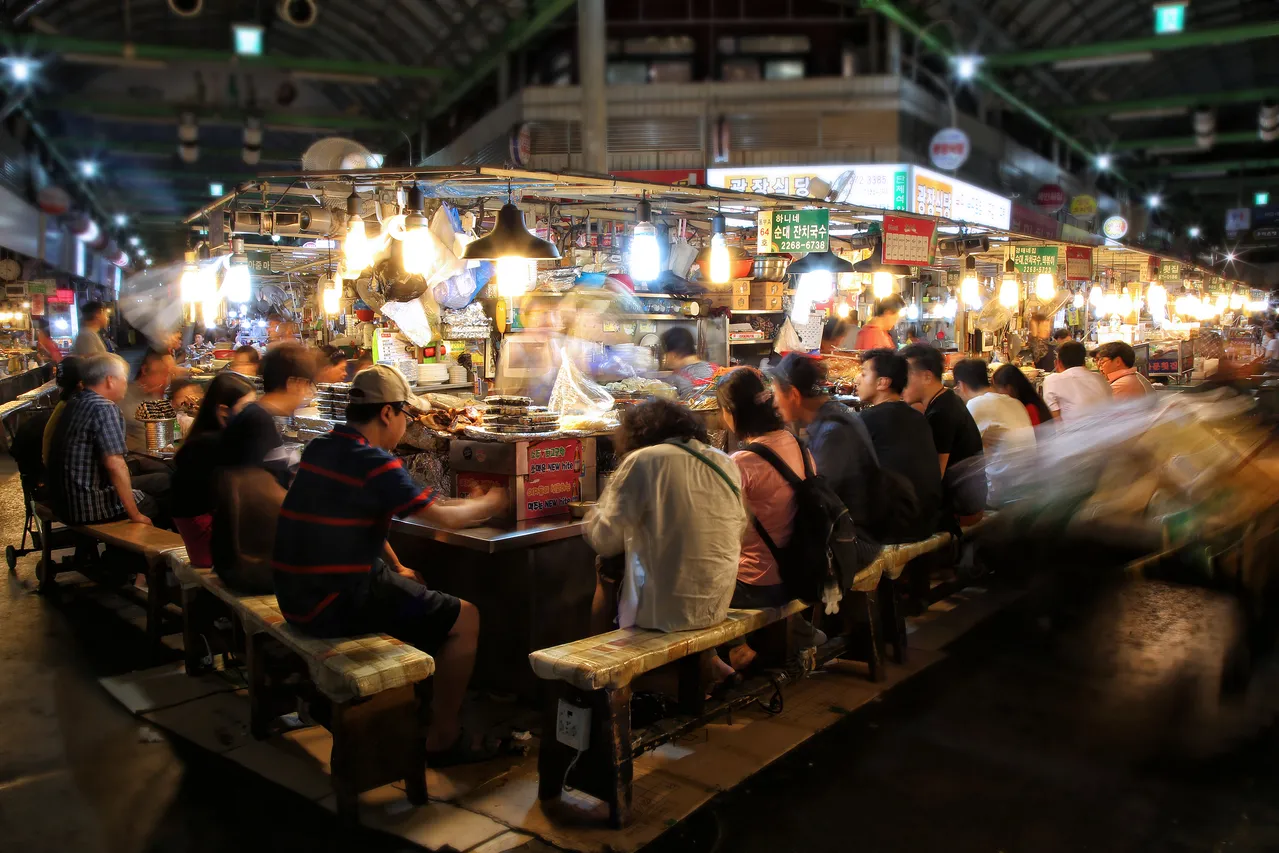
Gwangjang Market is one of Seoul's most famous traditional food markets, a dense, atmospheric hall of stalls where you eat elbow-to-elbow at the counter. It's genuinely worth a visit for its history, central location, and signature dishes.
But over the past few years, reported price disputes have made headlines, so the useful mindset for a first-timer is simple: visit, but check prices before you order. This is a practical, balanced guide, not a "don't go" piece, covering what to watch for, the measures now being put in place, and which Seoul market actually fits your travel style.
A note on tone throughout: the reported problems (2023 to 2026) involved specific incidents, not every vendor, and the market is actively being reformed. Treat this as "order carefully and compare," not "avoid."
Sort out cash and cards first with how to pay in Korea.
Quick answer
| Question | Short answer |
|---|---|
| Should I avoid Gwangjang? | No: it's famous and worth visiting; just check prices before ordering |
| What's the issue? | Reported price/value disputes at some stalls (2023 to 2026) |
| Is anything being done? | Yes: price displays, mystery-shopper checks, and stall-name accountability |
| How do I avoid overpaying? | Ask the price first, check for a menu/price sign, confirm water isn't charged |
| Better for a relaxed visit? | Consider Tongin, Mangwon, Gyeongdong, or Namdaemun: different experiences |
Prices, hours, and stall line-ups change. Confirm current details before you go, and treat any figures you see online as out of date.
Is Gwangjang still worth visiting?
Yes, with realistic expectations. On the plus side, it's a historic market (one of Korea's oldest), it's central (a short walk from Insadong, the Cheonggyecheon stream walk, and the Ikseon-dong alleys) and its signature foods (mung-bean pancakes, mayak gimbap) are a real experience.
It pairs naturally with a palace-and-old-town day.
The trade-offs: it's crowded (an estimated 60,000-plus visitors on busy days, so lunch and weekend seats are competitive), it's become very tourist-focused in the famous food alley, and price transparency varies from stall to stall. None of that makes it a place to avoid, it makes it a place to visit with your eyes open.
What reported incidents actually were
Major Korean news outlets have reported several price-related controversies between 2023 and 2026. Named without pointing at any individual or stall, the recurring themes were:
- Portion/value disputes: a shared plate of jeon (savory pancakes) publicized as skimpy for the price.
- Charging above the displayed price: a widely shared case where a stall billed more than its posted menu; that stall was suspended.
- Charging for water: a case of a foreign visitor being charged for a bottle of water, which drew extra attention because water is normally free in Korean eateries.
These are reported incidents involving some vendors, not proof that everyone overcharges. They're useful mainly as a checklist of what to confirm before you order.
Why it isn't fair to blame every vendor
It helps to know how the market is structured. Gwangjang includes licensed shops inside the main building (roughly 200) and street stalls in the surrounding lanes (roughly 250), managed by separate merchant associations: but visitors experience it as one place. The reported incidents were largely on the stall side, and shop owners themselves objected that the whole market shouldn't be tarred by a few cases, while stall vendors noted that most are honest and a minority came to represent everyone.
In short: reported incidents don't represent every vendor: so compare stalls rather than writing the market off.
What's being done (reforms in progress)
This is the part that keeps the picture balanced: the city, the district office, and the merchant associations have been rolling out corrective measures. These have included price-and-portion display requirements, mystery-shopper monitoring (Korean and foreign), a move toward stall-name accountability (introduced in 2026, with penalties and suspensions for violations), hygiene checks, and suspensions of stalls found in the wrong. It's an active clean-up, not a settled reputation, so the practical takeaway is to look for the posted price and portion information now required, and use it.
What to watch out for
Use this as a pre-order checklist, not a reason to stay away:
| Watch for | What to do |
|---|---|
| No visible price | Ask the price before you sit or order |
| Unclear "set" or platter | Confirm exactly what's included and the total |
| Water charges | Ask whether water is free (it usually is in Korea) |
| Extra/side charges | Check if side dishes or extras are added to the bill |
| "Per person" vs "per plate" | Clarify whether a price is per serving or per dish |
| Cash-only stalls | Carry some cash; ask if card is accepted |
| Crowded, rushed seats | Don't feel pressured: step away if unsure |
| Viral hype | A famous stall isn't automatically better value |
| Language gaps | Use a translator app; point and confirm the total |
| Sales pressure | It's fine to decline and move on |
How to avoid overpaying
- Ask the price first: before you sit, order, or let food be plated.
- Look for the posted price and portion now required at many stalls.
- Confirm what a "set" includes and the full total.
- Check whether water is charged (it's normally free).
- Ask about extras: sides, sauces, add-ons.
- Clarify per-person vs per-plate.
- Carry cash, and ask if card works (see the T-money and payments basics).
- Compare a few stalls rather than sitting at the first busy one.
- Go off-peak (mid-afternoon) for calmer ordering.
- Don't feel rushed: a polite pause to confirm the price is normal.
Two phrases that prevent surprises
Ask before you order, the rest of the questions are in the checklist above.
Ask the price before ordering or sitting down.
Polite이거 얼마예요?
i-geo eol-ma-ye-yo?
How much is this?
Korean audio isn't available on this device or browser. Use the romanization above to say it.
Water is usually free in Korea; confirm if unsure.
Polite물은 무료인가요?
mu-reun mu-ryo-in-ga-yo?
Is the water free?
Korean audio isn't available on this device or browser. Use the romanization above to say it.
What to eat at Gwangjang
The food is the reason to come. Signature dishes (check the price and portion first), with the ordering mechanics and the fuller dish list in the Gwangjang food guide:
| Dish | What it is | Note |
|---|---|---|
| Bindae-tteok | Mung-bean pancakes, fried to order | The market's signature |
| Mayak gimbap | Small seaweed rice rolls with mustard-soy dip | Easy, shareable |
| Yukhoe | Seasoned raw beef | Raw meat: plan accordingly |
| Tteokbokki | Rice cakes in sauce | Broth/sauce often has anchovy or fish cake |
| Mandu | Dumplings | Filling may be pork |
| Kalguksu | Knife-cut noodle soup | Comforting, usually a meat/anchovy broth |
| Hotteok | Sweet stuffed pancake (seasonal) | Great in cold weather |
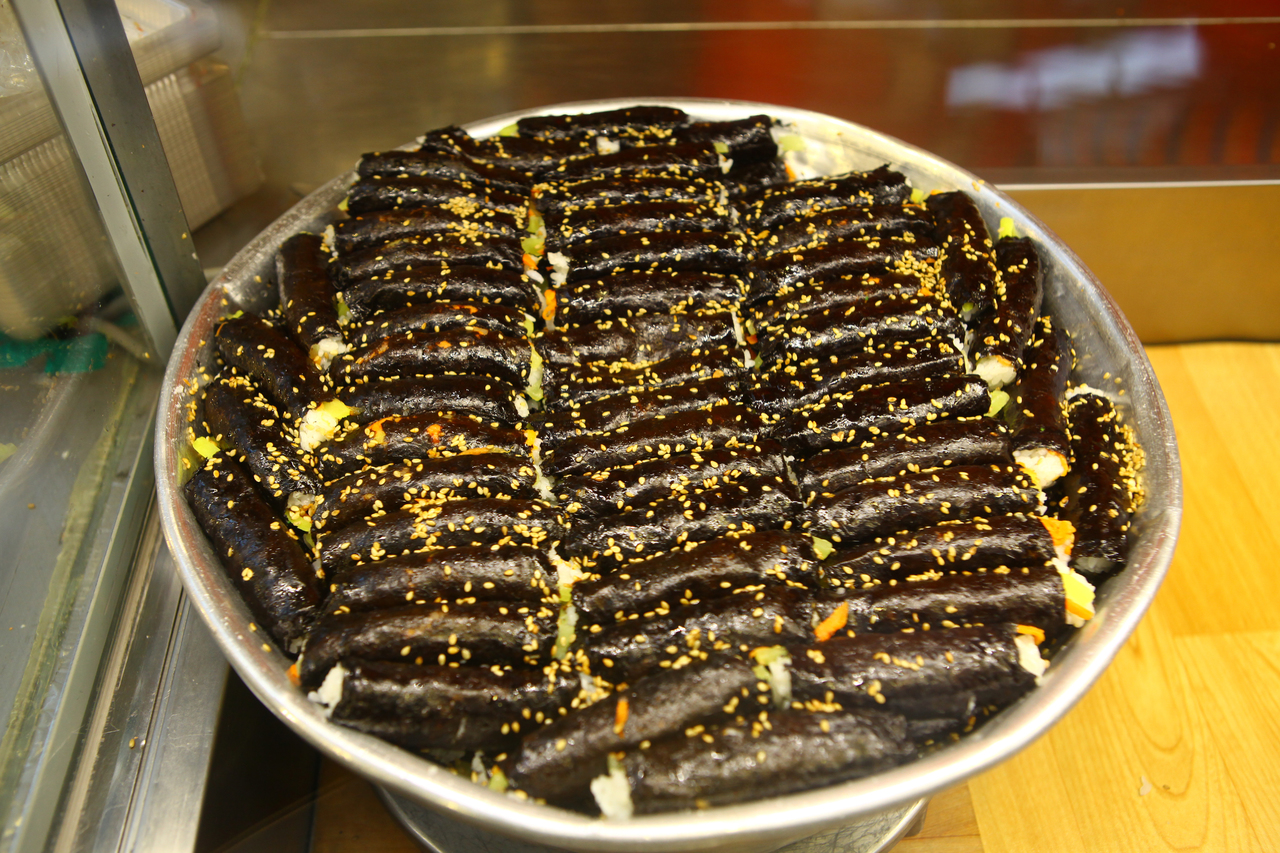
Muslim, vegetarian, and allergy-sensitive travelers should check ingredients: raw beef (yukhoe), pork dumpling fillings, and anchovy/fish-cake broths are common. See the Korea food guide for Muslim travelers for how to check. The market's yukhoe also has a Bib Gourmand stall.
See Michelin restaurants near Seoul tourist areas, or fit it into a wider Jongno food day with the top 5 Jongno restaurants guide.
When Gwangjang is a good choice: and when to skip it
- Good if you want a famous, central, atmospheric market on a palace-and-old-town day, you're happy to order carefully, and crowds don't bother you.
- Skip (or go off-peak) if you want a calm, low-pressure meal, you're traveling with small kids at lunchtime, or you'd rather a more local, less tourist-focused market.
Better alternatives by style
The alternatives below aren't automatically cheaper. They're different experiences, often more local or better suited to a specific goal. Hours, closing days, and programs change, so confirm before you go.
Tongin Market: easiest for families and first-timers
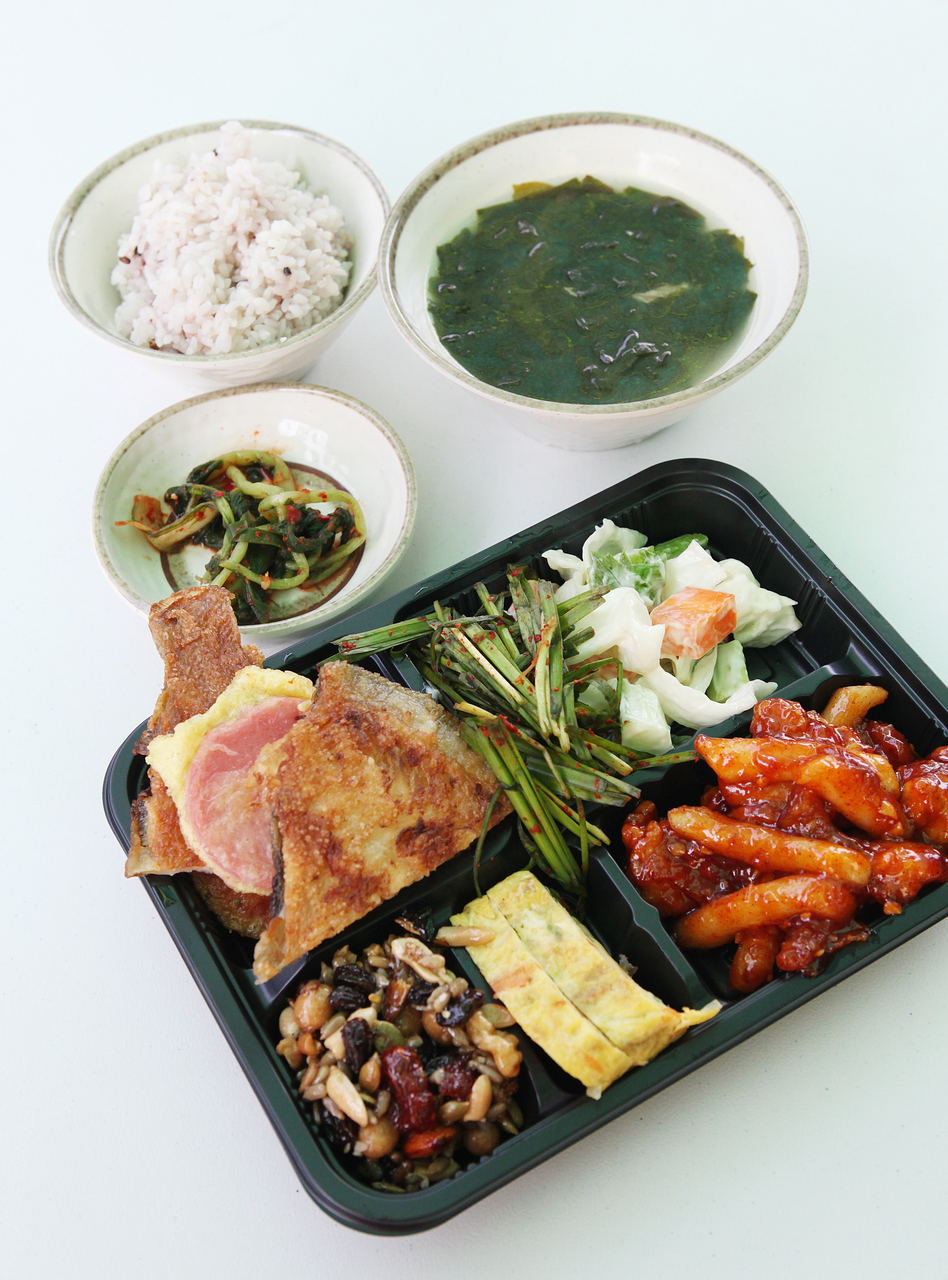
A small market in Seochon, right next to Gyeongbokgung (about a 10-minute walk end to end). Its draw is the brass-coin lunchbox (yeopjeon dosirak) program: exchange cash (around ₩5,000) for brass tokens, take a tray from the dosirak cafe, and fill it at participating stalls: a fun, low- pressure way to try a bit of everything, and its oil tteokbokki is a local specialty. Best for: families, first-timers, a relaxed lunch.
Watch out: the coin program's hours, closing days, and rules change. Confirm current details first.
Mangwon Market: a genuinely local snack market
In Mapo, near Hongdae, Mangwon is a real neighborhood market where younger locals actually shop, less overwhelming than Gwangjang and strong on street snacks. It's about a 15-minute walk to Mangwon Han River Park, so it pairs perfectly with a riverside picnic, and it connects to the Mangnidan-gil cafe street. Best for: a local vibe, snacks-to-go, a Han River picnic.
Watch out: many snack stalls close on Mondays: check the day before you go.
Gyeongdong Market: old-Seoul, herbal and local
Around Cheongnyangni, Gyeongdong is a large, old-school local market known for herbal medicine, dried goods, and produce: more everyday Seoul than photogenic tourist stop. It's also home to the theater-turned-cafe Gyeongdong 1960 (see the unique Starbucks in Korea guide); confirm current details before relying on any cafe/complex space. Best for: an authentic, local, non-touristy atmosphere.
Watch out: strong smells, a real language barrier, and less first-timer-friendly than the others.
Namdaemun Market: best for shopping and souvenirs
A huge general market near Myeongdong, Seoul Station, and City Hall, Namdaemun is strongest for shopping (souvenirs, accessories, kitchenware, clothes) with food alongside rather than as the main event. Best for: shopping and gifts on a central route (pair with the Myeongdong shopping guide). Watch out: it's big and busy, and easy to get turned around in.
Which market should you choose?
| If you want… | Go to |
|---|---|
| The famous, central, atmospheric one | Gwangjang (order carefully) |
| An easy, family-friendly lunch | Tongin (coin lunchbox) |
| A local vibe + Han River picnic | Mangwon |
| Old-Seoul, herbal, non-touristy | Gyeongdong |
| Shopping and souvenirs | Namdaemun |
Sample routes
- Palace + relaxed market lunch: Gyeongbokgung → Tongin Market coin lunchbox → Seochon cafes.
- Old town + famous market (carefully): Insadong → Cheonggyecheon → Gwangjang (off-peak) → Ikseon-dong.
- Local snacks + river: Mangwon Market snacks → Mangwon Han River Park picnic → Mangnidan-gil.
- Shopping day: Namdaemun Market → Myeongdong → see the Myeongdong shopping guide.
- Local-Seoul morning: Gyeongdong Market (herbal lanes) → Cheongnyangni → a nearby cafe.
Fit any of these into the 2-night Seoul plan.
Food restrictions and allergies
Market food hides ingredients: yukhoe is raw beef, mandu fillings are often pork, and tteokbokki, kalguksu, and many broths use anchovy or fish cake. Kimchi and banchan can contain fish sauce. If you're Muslim, vegetarian, or have allergies, ask before ordering and use the food-checking guide.
Nothing here is halal-certified unless a stall says so and you verify it.
Common mistakes
- Sitting down before asking the price. Confirm first. It's normal and expected.
- Assuming water is free without checking (it usually is, but a reported case charged for it).
- Treating the reported controversies as proof every vendor overcharges: they don't.
- Going at peak lunch on a weekend and feeling rushed into ordering.
- Assuming a viral stall is the best value: compare a few.
- Skipping alternatives that might fit your trip better.
Frequently asked questions
Is Gwangjang Market a tourist trap? It's a famous, genuinely worthwhile market that has had reported price issues at some stalls, and reforms are underway. Order carefully, check prices before you buy, and it's a rewarding visit, not a place to avoid.
Do vendors really overcharge tourists? Some reported incidents involved overcharging or unclear pricing, but that's not every vendor. Ask the price first and compare stalls.
Why was there news about water charges? A reported case charged a foreign visitor for water, which stood out because water is normally free in Korean eateries. Confirm if you're unsure.
Is anything being done about the prices? Yes: price-and-portion displays, mystery-shopper checks, stall-name accountability (2026), and suspensions of offending stalls. Use the posted prices now required.
How do I avoid overpaying? Ask the price before ordering, check the posted menu/portion, confirm water and extras, clarify per-person vs per-plate, and carry cash.
What should I eat there? Bindae-tteok (mung-bean pancakes) and mayak gimbap are the signatures; yukhoe, mandu, kalguksu, and tteokbokki are common. Check ingredients if you have restrictions.
When is the best time to go? Mid-afternoon, off the lunch and weekend peaks, for calmer ordering and easier seats.
Is it cash or card? Many stalls prefer cash, though more take cards now. Carry some cash and ask.
What's a better market for families? Tongin Market's brass-coin lunchbox program is fun and low-pressure, and it's right by Gyeongbokgung.
Which market is best for a local vibe? Mangwon (near Hongdae and the Han River) or Gyeongdong (old-Seoul herbal market) feel more local and less touristy.
Which market is best for shopping? Namdaemun, a large general market strong on souvenirs and goods, on a central route near Myeongdong.
Is Gwangjang good for vegetarians or Muslim travelers? Carefully: raw beef, pork fillings, and fish/anchovy broths are common. Ask and check with the food-checking guide; assume nothing is halal without verifying.
Is Mangwon Market open every day? Many snack stalls close on Mondays. Check the day before you go, as hours vary.
How do I get to Gwangjang Market? Jongno 5-ga Station (Line 1) or Euljiro 4-ga (Lines 2 & 5), in central Seoul near Insadong and Cheonggyecheon.
Should I skip Gwangjang entirely? No. It's worth seeing. Just order carefully, and pick an alternative if you'd prefer something calmer, more local, or shopping-focused.
Final recommendation
Don't avoid Gwangjang. Visit it carefully. It's a famous, central, atmospheric market with real signature foods, and the reported price disputes (2023 to 2026) involved some vendors, not all, with reforms now rolling out.
Ask the price before you order, check for the posted price and portion, confirm water and extras, and compare a few stalls. Then match the rest of your trip to the right market: Tongin for an easy family lunch, Mangwon for a local snack-and-river day, Gyeongdong for old-Seoul atmosphere, and Namdaemun for shopping. Knowing which market fits your style, and ordering with your eyes open, turns a "tourist trap" worry into a good day out.
Sources
- Visit KoreaOfficial tourism site
- Seoul Metropolitan Government Open DataOfficial government site
- Korea Tourism Organization English TourAPIOfficial API
Information is compiled from official sources. Details such as prices, hours, and schedules can change. Confirm time-sensitive facts before you travel.
Last verified on
Related guides

What to Eat in Korea: A First-Timer's Food Guide
A starter list of Korean dishes worth seeking out (barbecue, stews, bibimbap, street food, and fried chicken) with how to order, rough prices, and notes for vegetarian and halal travelers.
Myeongdong Shopping Guide: Beauty, Street Food, Tax Refund, and What to Buy
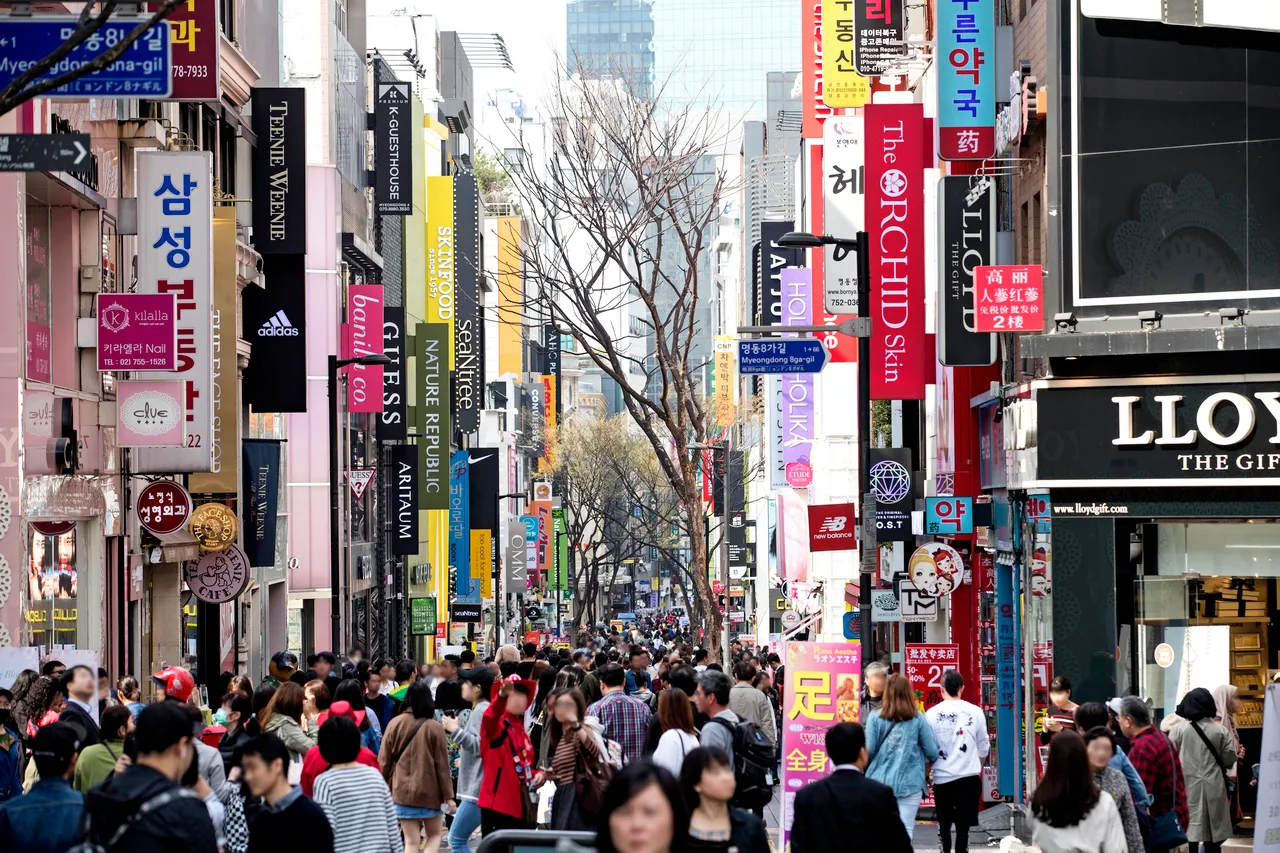
Myeongdong is Seoul's most concentrated shopping district: wall-to-wall cosmetics, fashion, and street food, with the city's highest density of tax-free stores. Below: the main areas, what to buy (especially K-beauty), the evening street-food scene, and how the tax refund actually works in 2026, including why you get back about 5, 8% rather than the full 10%, and why you must carry your physical passport. Prices, hours, and refund rules change, so confirm current details before you shop.