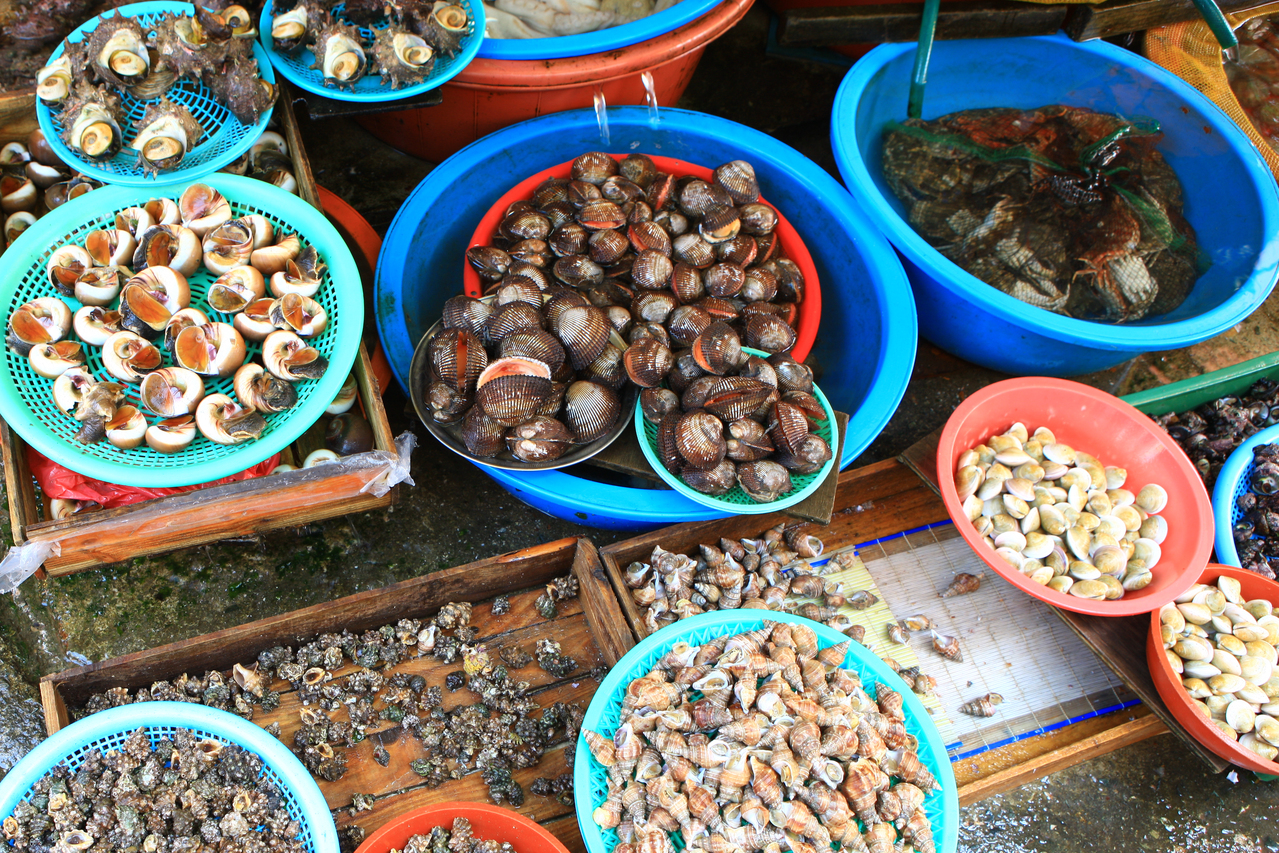
Busan is a seafood city, but its most famous dishes carry a deeper story: many of them were born in the Korean War (1950 to 53), when refugees crowded into the port and made cheap, filling food from what they had. That history runs straight through three Busan staples: dwaeji gukbap (pork-bone soup), milmyeon (wheat-flour cold noodles), and the stalls of Jagalchi, the country's biggest fish market.
This guide is about what to eat across the city, by dish and by neighborhood, not a ranking of restaurants. For the city itself, see the Busan guide.
Quick answer
| Food | What it is | Best for | Where | First-timer tip |
|---|---|---|---|---|
| Dwaeji gukbap | Pork-bone soup with rice | A hearty, cheap meal | Seomyeon, Busan Station, Nampo | Add the spicy paste (dadaegi) a little at a time |
| Milmyeon | Wheat-flour cold noodles | A light, refreshing lunch | Citywide | It's not naengmyeon: softer, more casual |
| Jagalchi seafood | Raw fish and shellfish | Fresh seafood | Jagalchi Market | Confirm the price before you order |
| Busan eomuk | Fish cake (skewers, etc.) | A quick snack | Markets, stalls, stations | Great hot on a cold day |
| Ssiat hotteok | Seed-stuffed sweet pancake | Street dessert | BIFF Square, Nampo | Very hot inside; mind nut allergies |
| Grilled shellfish | Jogae-gui over coals | A seaside dinner | Cheongsapo, the beaches | Set prices/portions vary: ask first |
Markets, night markets, and many small spots are cash-friendly, so carry some won. See how to pay in Korea.
Dwaeji gukbap (pork-bone soup)
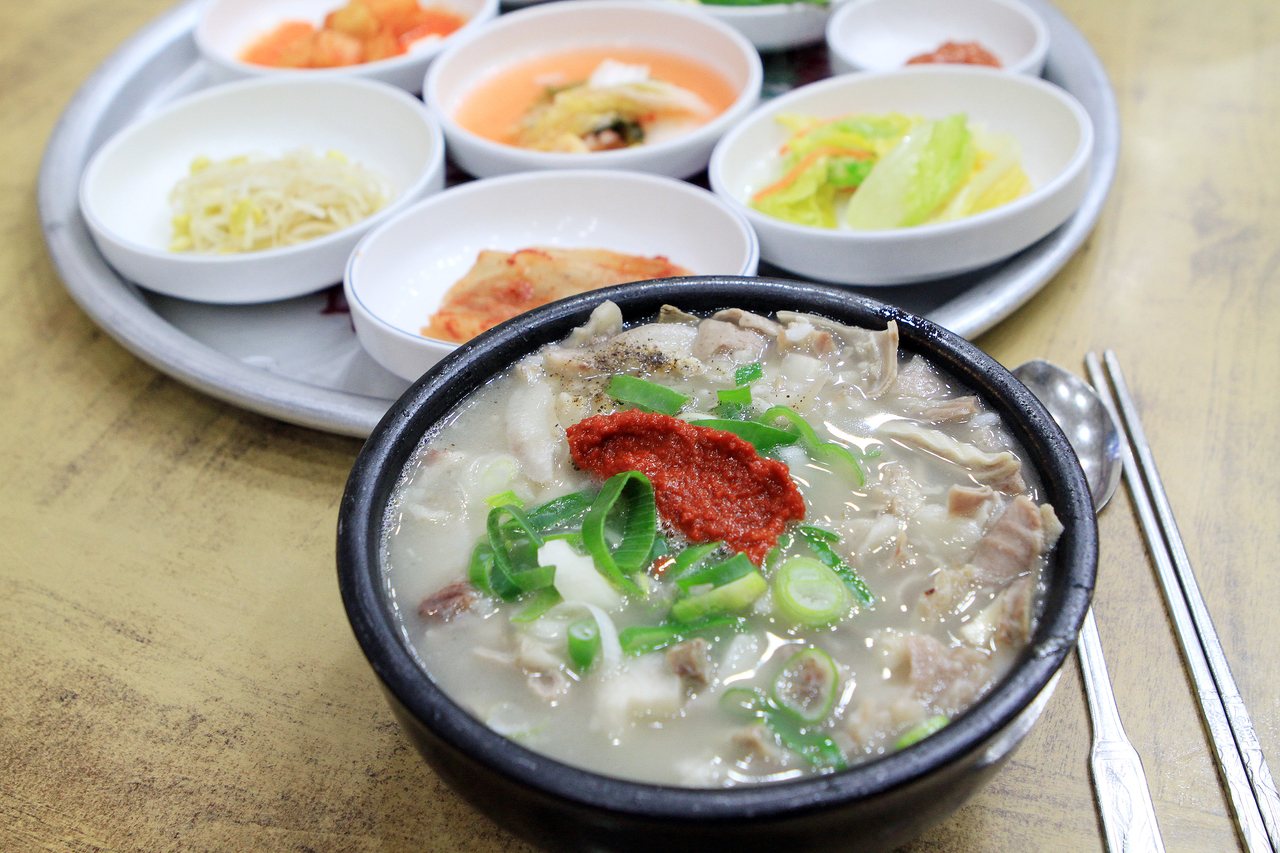
What it is. A milky pork-bone broth with pork and rice, a Busan classic that came out of the war years as cheap, restorative food.
The broth itself is fairly mild; you season it yourself at the table with salt, salted shrimp (saeujeot), chives, and dadaegi (a spicy paste).
Where to try. There are dwaeji gukbap alleys around Seomyeon, Busan Station, and Nampo.
What to know. Add the dadaegi a little at a time: that's where the heat comes from, so you control the spice.
Variations exist with offal, head meat, or blood sausage (sundae gukbap). Search 돼지국밥.
Milmyeon (wheat-flour cold noodles)
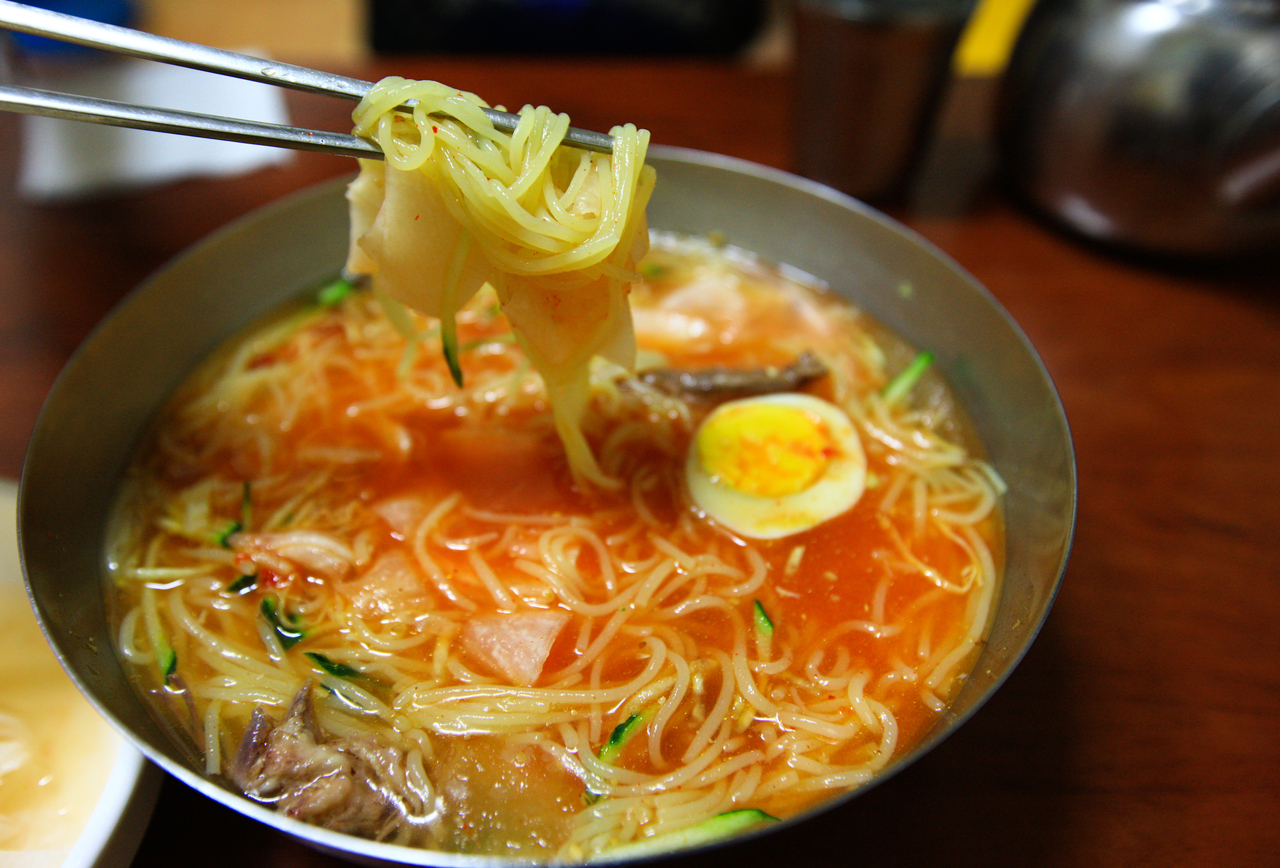
What it is. Chewy wheat-flour noodles in a cold (chicken or beef) broth. Busan's own cousin of naengmyeon.
When buckwheat was scarce after the war, cooks used wheat flour instead, giving milmyeon a softer, more casual character. It is not the same as naengmyeon.
Where to try. Milmyeon shops are all over the city.
What to know. There's a bibim (spicy mixed) version as well as the cold-broth one, so ask for it mild if you're sensitive to heat. Search 밀면.
Seafood at Jagalchi Market
What it is. Jagalchi is Korea's largest fish market: raw fish (hoe), shellfish, and all kinds of seafood, with a postwar history and the famous "Jagalchi ajumma" market women.
Where to try. Jagalchi Market, near Jagalchi Station (Line 1).
What to know. The ordering and pricing can be unfamiliar, you often pick seafood and pay for preparation, so confirm the price and what's included before you order. Mind raw-seafood and shellfish allergies.
Search 자갈치시장.
Busan eomuk (fish cake)
What it is. Busan is famous for eomuk (fish cake), sold as skewers in hot broth, in bars, and as croquette-style snacks.
Where to try. Markets, street stalls, and even some train stations.
What to know. It's a cheap, warming snack, especially good in cool weather. Search 부산어묵.
Ssiat hotteok (seed-stuffed pancake)
What it is. A Busan twist on the usual sweet hotteok: the griddle-fried pancake is filled with brown sugar and a handful of seeds and nuts (sunflower and pumpkin seeds, peanuts) for a crisp, nutty bite. It became famous around Nampo-dong and BIFF Square.
Where to try. Street stalls around BIFF Square in Nampo.
What to know. The filling is very hot, and it contains nuts/seeds: skip it or ask if you have a nut allergy. Search 씨앗호떡.
Grilled shellfish (jogae-gui)
What it is. A spread of clams and shellfish grilled over coals at your table, a seaside dinner.
Where to try. Coastal spots like Cheongsapo, and around Gwangalli, Haeundae, and Songdo.
What to know. Shellfish allergies aside, the set composition and price vary by restaurant, so check before you sit down. Search 조개구이.
Market snacks: Gukje Market, BIFF, Nampo
What it is. The old-town markets (Gukje Market, BIFF Square, and the Nampo-dong streets) are a grazing ground: ssiat hotteok, eomuk, gimbap, fried snacks, and more.
Where to try. Nampo-dong, walkable between Jagalchi and the markets.
What to know. Bring cash and graze rather than committing to one big meal. Search 국제시장 / 비프광장.
Bupyeong Kkangtong night market
What it is. Bupyeong Kkangtong Market runs a well-known night-market food stretch in the Nampo area.
Where to try. Near Gukje Market and Jagalchi, a natural evening add-on.
What to know. Night-market operating times and days change seasonally. Check current information before you plan an evening around it.
Search 부평깡통시장.
Suggested food routes
Three easy ways to string it together:
- Nampo old-town graze (half-day): Jagalchi seafood → Gukje Market → BIFF Square ssiat hotteok → Bupyeong Kkangtong night market for dinner.
- Seomyeon comfort food: a dwaeji gukbap lunch in the Seomyeon alleys, then milmyeon another day.
- Seaside dinner: grilled shellfish or seafood around Cheongsapo / Gwangalli, with the beach in the evening. See Haeundae vs Gwangalli.
The map below marks the main food areas.
How to search on a map
Use the Korean name on Naver Map or Kakao Map (more reliable in Korea than Google Maps):
| Place / food | Korean | Map search |
|---|---|---|
| Jagalchi Market | 자갈치시장 | Jagalchi Market Busan |
| Gukje Market | 국제시장 | Gukje Market Busan |
| BIFF Square | 비프광장 / BIFF광장 | BIFF Square Nampo |
| Bupyeong Kkangtong Market | 부평깡통시장 | Bupyeong Kkangtong Market |
| Seomyeon | 서면 | Seomyeon Station |
| Dwaeji gukbap | 돼지국밥 | 돼지국밥 (near you) |
| Milmyeon | 밀면 | 밀면 (near you) |
| Ssiat hotteok | 씨앗호떡 | 씨앗호떡 BIFF |
Ordering tips
- Many markets and stalls are cash-first: carry small bills.
- At seafood and shellfish spots, confirm price and portions before ordering.
- For soups, season gradually; for noodles, ask for the mild (not bibim) version if unsure.
Point at a dish or stall item as you say it.
Polite이거 하나 주세요
i-geo ha-na ju-se-yo
One of these, please.
Korean audio isn't available on this device or browser. Use the romanization above to say it.
Useful for dwaeji gukbap (hold the dadaegi) or a bibim dish.
Polite맵지 않게 해 주세요
maep-ji an-ke hae ju-se-yo
Please make it not spicy.
Korean audio isn't available on this device or browser. Use the romanization above to say it.
Common mistakes
- Treating milmyeon as naengmyeon. It's a wheat-flour cousin, softer and more casual.
- Dumping in all the dadaegi. Add the spicy paste slowly; the broth is mild by design.
- Not checking seafood prices. Confirm before you order at the fish market.
- Assuming the night market is always on. Hours and days change. Check first.
- Carrying no cash. Markets and stalls often prefer it.
- Ignoring nut/shellfish allergies. Ssiat hotteok has nuts; shellfish is everywhere here.
Frequently asked questions
What food is Busan famous for?
Seafood and three war-era classics (dwaeji gukbap (pork-bone soup), milmyeon (wheat-flour cold noodles), and the Jagalchi fish market) plus eomuk, ssiat hotteok, and grilled shellfish.
What is dwaeji gukbap?
A mild milky pork-bone soup with rice that you season yourself with salt, salted shrimp, chives, and a spicy paste (dadaegi).
Is milmyeon the same as naengmyeon?
No: milmyeon uses wheat flour, so it's softer and more casual than buckwheat naengmyeon.
Where do I eat seafood?
Jagalchi Market near Jagalchi Station; confirm prices before ordering.
What is ssiat hotteok?
A Busan street pancake stuffed with brown sugar and seeds/nuts, famous around BIFF Square. It's very hot inside and contains nuts.
Is Busan food spicy?
Often you control the heat yourself (dwaeji gukbap), but some versions (bibim milmyeon, certain sides) are spicy. Ask if unsure.
Where's the best street food?
The Nampo / Gukje Market / BIFF Square area, and the Bupyeong Kkangtong night market in the evening.
Do I need cash?
Yes, often, markets and stalls are frequently cash-first.
What's a good food neighborhood to stay near?
Nampo for markets, Seomyeon for dining; see the Busan guide.
Is there vegetarian food?
It's harder at seafood and soup spots; markets have some options, but check ingredients.
When does the night market run?
It varies by season. Check current information before you go.
How do I find these places on a map?
Search the Korean names (above) on Naver or Kakao Map.
Final recommendation
Eat Busan the way it grew up: a bowl of dwaeji gukbap seasoned to your taste, a cold tangle of milmyeon, fresh seafood at Jagalchi, and a seed hotteok while you wander Nampo. Carry cash, check seafood prices, and mind allergies, then graze the markets and finish by the sea. Pair it with the 2-day Busan itinerary to fit it all in.
Sources
- Visit Busan (official Busan tourism)Official tourism site
- Visit KoreaOfficial tourism site
- Korea Tourism Organization English TourAPIOfficial API
Information is compiled from official sources. Details such as prices, hours, and schedules can change. Confirm time-sensitive facts before you travel.
Last verified on
Related guides
Busan Travel Guide for First-Time Visitors
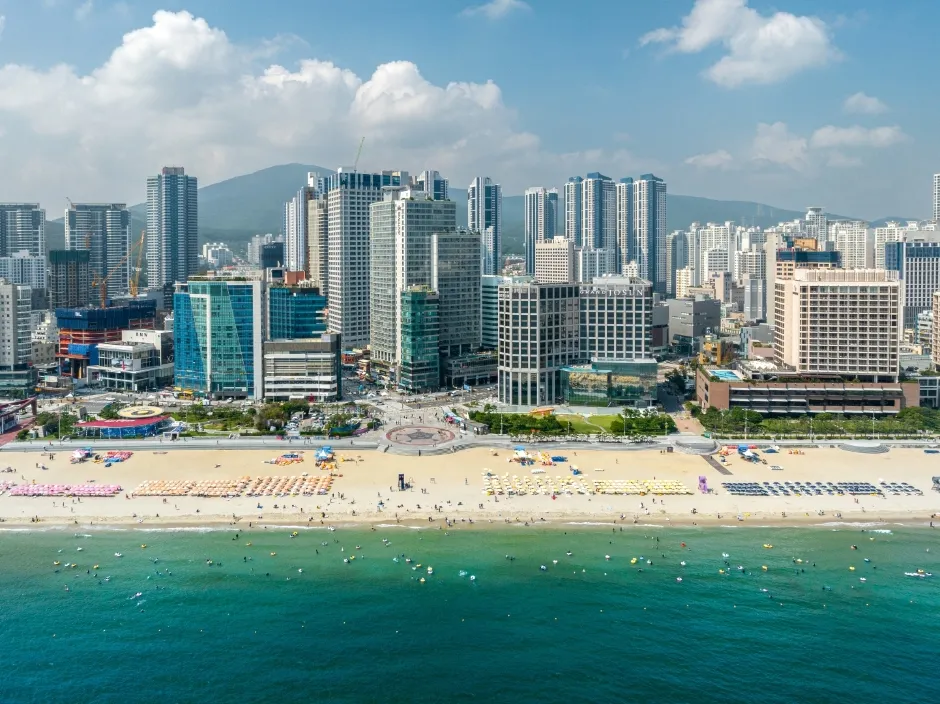
Busan is Korea's second city and its biggest beach destination, a relaxed coastal counterpoint to Seoul. Two to three days covers its beaches, fish markets, and cliffside temple. Most visitors arrive by KTX in about two and a half hours from Seoul.

Busan 2-Day Itinerary for First-Time Visitors
Two days in Busan split by theme: the coast, beaches, and a cliffside temple on day one, then seafood markets and the Gamcheon culture village on day two. Built around the metro and a couple of short taxi hops.