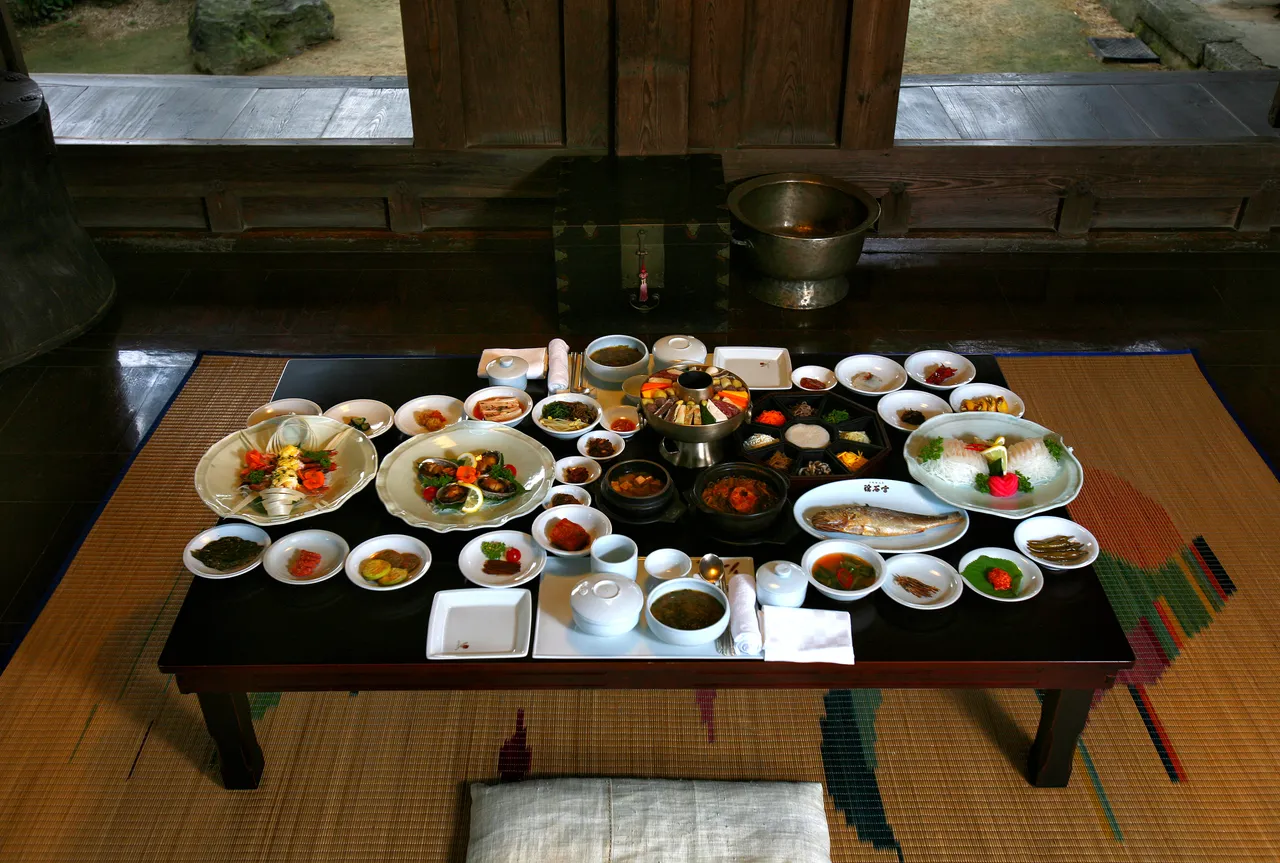
Seoul has a deep Michelin scene, and the most useful thing to know first is that it isn't only fine dining. Alongside the tasting-menu restaurants, the guide's Bib Gourmand list highlights great- value places where a meal can be roughly ₩10,000 to 30,000: a bowl of noodles, not a splurge.
So the question isn't "can I afford Michelin in Seoul". It's "which Michelin place fits my route and budget."
This guide is a match-your-itinerary hub. It explains the three Michelin tiers, then maps anchor restaurants to the tourist areas you'll already be in.
For the deep-dive on a specific place, it links to standalone guides (like the Mingles guide). One rule throughout: Michelin categories change every year, so confirm each restaurant's current status on the official Michelin Guide before you go: everything below is framed as of the 2026 guide.
Quick answer
| Tourist area | Anchor (category, 2026) | Roughly |
|---|---|---|
| Myeongdong | Myeongdong Kyoja: Bib Gourmand | ₩10,000s |
| Euljiro 4-ga | Woolaeok: Selected | ₩10,000s: ₩30,000s |
| Insadong / Jogyesa | Balwoo Gongyang: Star (temple cuisine) | Lunch course higher |
| Gyeongbokgung / Seochon | Onjium: Star (modern Korean) | Tasting menu |
| Gwangjang Market | Buchon Yukhoe: Bib Gourmand | ₩10,000s: ₩20,000s |
| Gangnam / Cheongdam | Mingles 3-star, Jungsik 2-star | Premium |
Categories and prices change. Verify on the official Michelin Guide and each restaurant's own page, and treat figures as rough, not fixed.
Star vs Bib Gourmand vs Selected
The single most important thing to get right. These are different, and a Bib Gourmand is not a star:
- Star (⭐): awarded for the quality of the cooking (one, two, or three stars). The top tier.
- Bib Gourmand: the guide's good-value distinction (great food at a moderate price). It is not a star, and blogs that call a Bib place "Michelin-starred" are simply wrong.
- Selected (formerly "the Plate"), restaurants the inspectors include in the guide as a good place to eat, without a star or Bib.
For scale, the Michelin Guide Seoul & Busan 2026 (the guide's 10th anniversary in Korea) lists 233 restaurants (178 in Seoul, 55 in Busan). Seoul holds 42 starred restaurants (one three-star (Mingles), ten two-star, and 31 one-star) while the Seoul-and-Busan total includes 71 Bib Gourmand and 116 Selected places. Ratings move each year (Bib entries come and go), so always check the current guide.
Myeongdong: Myeongdong Kyoja (Bib Gourmand)
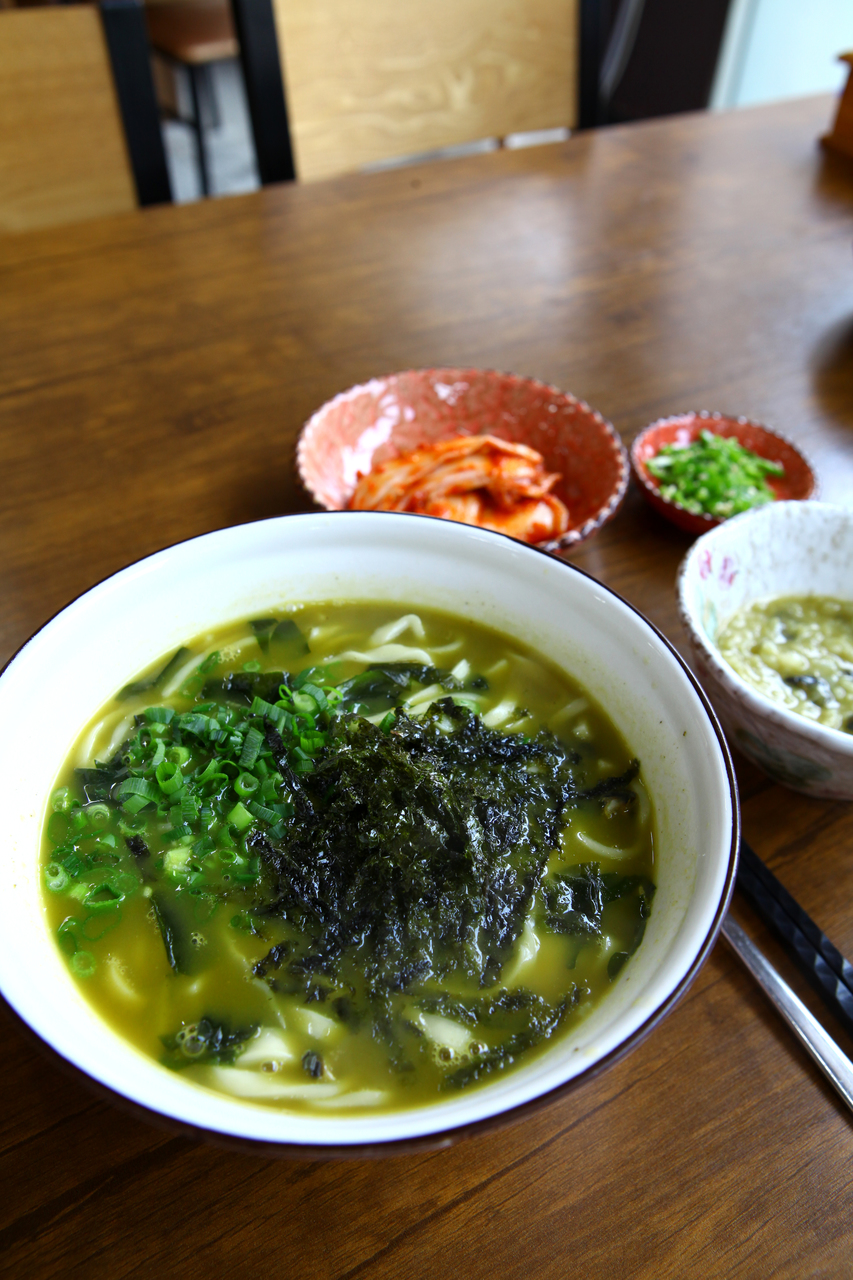
Right in the Myeongdong shopping area, Myeongdong Kyoja is a Bib Gourmand anchor (as of 2026) with a tiny menu of four items built around kalguksu (knife-cut noodles in a rich, garlicky chicken broth) and mandu (dumplings), plus a famously punchy kimchi. It turns tables fast, so there's no decision fatigue: a great first meal in Seoul between shopping stops. It's typically walk-in with a queue (many Bib places don't take reservations).
Note the dumplings usually contain pork. Pair it with the Myeongdong shopping guide.
Euljiro 4-ga: Woolaeok (Selected)
Near Euljiro 4-ga Station (Lines 2 and 5, not City Hall), Woolaeok is a heritage restaurant (running since the 1940s), listed in the guide as Selected (as of 2026). It's known for Pyongyang-style naengmyeon (cold buckwheat noodles in a clear, delicate, mild broth) and bulgogi. Set expectations: Pyongyang naengmyeon is subtle, not punchy: don't expect a bold, spicy hit.
Naengmyeon contains buckwheat/wheat, egg, and a beef broth.
For how to order, the Monday closure, and how to get there, see the Woo Lae Oak guide.
Insadong / Jogyesa: Balwoo Gongyang (Star, temple cuisine)
By Jogyesa temple near Insadong, Balwoo Gongyang holds a Michelin star (as of 2026) for Korean temple cuisine (sacheol eumsik): a rare star for plant-based cooking. The lunch course is relatively more accessible (reported around the ₩50,000s), and it's a strong anchor for vegetarian travelers: though whether a given course is fully vegan, and how it handles the "five pungent" vegetables, should be confirmed when you reserve. Booking ahead is advisable.
Gyeongbokgung / Seochon: Onjium (Star, modern Korean)
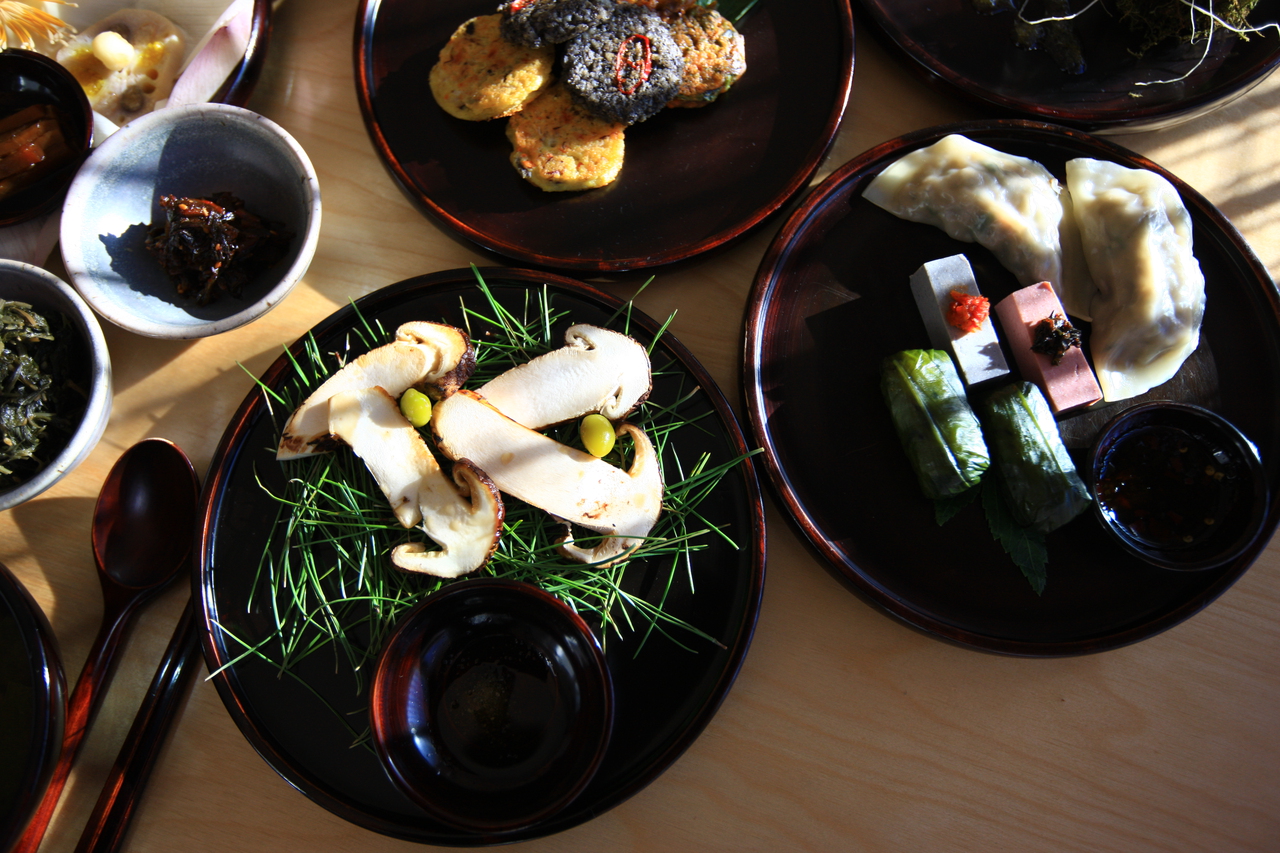
Near Gyeongbokgung and the Seochon/Samcheong-dong lanes, Onjium is a Michelin-starred (as of 2026. Confirm the current level) modern Korean restaurant that grew out of a food-research institute. It pairs naturally with a palace-and-old-town day.
It's a reserve-ahead, tasting-style experience; confirm the current menu, price, and booking on the official channels.
Gwangjang Market: Buchon Yukhoe (Bib Gourmand)
At Gwangjang Market, Buchon Yukhoe is a Bib Gourmand stall (as of 2026) specializing in yukhoe (seasoned raw beef), a natural stop on a market crawl. Important caution: yukhoe is raw beef, so it's best avoided if you're pregnant, immunocompromised, or wary of raw meat. Expect to queue rather than reserve.
Plan the wider market visit with the Gwangjang Market tourist price guide, or see it alongside other old-Seoul meals in the top 5 Jongno restaurants guide.
Gangnam / Cheongdam: the fine-dining cluster
The Cheongdam/Gangnam area is Seoul's fine-dining core:
- Mingles: Seoul's three-star (retained in 2026), modern Korean built on fermented jang. It has its own deep-dive: see the Mingles guide for booking, courses, and what to expect (this hub won't repeat it).
- Jungsik: a two-star modern-Korean restaurant (as of 2026), a landmark of "new Korean" fine dining; reserve well ahead.
For a more casual Gangnam meal in the same district, the Samwon Garden guide covers a classic hanwoo BBQ restaurant (listed in the Michelin Guide, not starred).
A note on unlisted classics
Some famous old Seoul restaurants (certain long-running seolleongtang and gomtang houses, for example) are not currently confirmed in the Michelin Guide: they may be excellent. But this guide won't attach a Michelin category we can't verify. If you see a blog calling one "Michelin," check the official Michelin Guide; treat unverified ones simply as well-loved local institutions.
Which one fits your trip?
| If you want… | Go for |
|---|---|
| An easy, cheap first Seoul meal | Myeongdong Kyoja (Bib, walk-in) |
| Heritage, subtle flavors | Woolaeok naengmyeon (Selected) |
| A vegetarian-friendly star | Balwoo Gongyang (temple cuisine) |
| A star near the palaces | Onjium (modern Korean) |
| A Michelin bite on a market crawl | Buchon Yukhoe (Bib, raw beef) |
| A special-occasion splurge | Mingles (3-star) or Jungsik (2-star) |
Reservation and queue reality
- Bib Gourmand and market stalls: often walk-in with a queue; many don't take reservations. Go off-peak.
- Starred restaurants: reserve ahead (via CatchTable or their official channel); Mingles in particular opens booking about a month out and sells out within hours (see its guide).
- Deposits / cancellation: starred places may require a card guarantee or deposit and charge for late cancellation. Confirm current terms; there's no "guaranteed table."
Budget planning (rough: confirm current)
- Bib Gourmand: roughly ₩10,000 to 30,000 a person.
- One-star tasting: very roughly the ₩90,000 to 280,000 range.
- Two-star: roughly the ₩220,000 to 320,000 range.
- Three-star (Mingles): roughly the ₩300,000 to 380,000 range, pairings extra.
These are rough ranges that change: check each restaurant's current menu.
Food restrictions
- Not halal by default. None of these are halal unless specifically certified. Verify directly, and see the Korea food guide for Muslim travelers.
- Raw beef: yukhoe (Buchon Yukhoe) is raw. Plan accordingly.
- Naengmyeon: contains buckwheat/wheat, egg, and beef broth.
- Dumplings: mandu fillings are often pork.
- Temple cuisine: plant-based, but confirm vegan specifics and pungent-vegetable handling when you book.
Common mistakes
- Calling a Bib Gourmand "Michelin-starred": it's a value distinction, not a star.
- Quoting an old rating: categories change yearly; check the 2026 guide.
- Turning up at a starred place without a booking: reserve ahead.
- Expecting bold flavor from Pyongyang naengmyeon: it's deliberately mild.
- Assuming everything is a splurge: Bib meals are ₩10,000 to 30,000.
- Trusting a blog's Michelin claim: verify on the official Michelin Guide.
Frequently asked questions
Is Michelin dining in Seoul expensive? Not necessarily, Bib Gourmand meals run roughly ₩10,000 to 30,000. Only the starred tasting menus are a splurge.
What's the difference between a star and a Bib Gourmand? A star rates the cooking's quality; a Bib Gourmand flags good value. A Bib is not a star.
What is "Selected"? Restaurants the guide includes as good places to eat, without a star or Bib (formerly called "the Plate").
How many Michelin restaurants are in Seoul? As of the 2026 guide, Seoul has 42 starred restaurants (one three-star, ten two-star, 31 one-star), plus many Bib Gourmand and Selected places across Seoul and Busan.
Which is Seoul's three-star? Mingles, in Cheongdam, it retained three stars in 2026. See the standalone Mingles guide.
Can I just walk into a Bib Gourmand place? Often yes, many are walk-in with a queue and don't take reservations. Go off-peak.
Do I need to book the starred restaurants? Yes. Reserve ahead, often via CatchTable, and expect deposits or cancellation policies.
Which Michelin place is best for a first meal in Seoul? Myeongdong Kyoja (Bib Gourmand), cheap, fast, central, with a tiny easy menu.
Is there a Michelin option for vegetarians? Balwoo Gongyang, a temple-cuisine restaurant with a star, but confirm vegan specifics when booking.
Is there a Michelin spot at Gwangjang Market? Yes, Buchon Yukhoe, a Bib Gourmand yukhoe (raw beef) stall; expect to queue.
Are these restaurants halal? Not by default. Verify each place directly; don't assume.
Why isn't [famous old restaurant] listed here? If its Michelin status isn't currently verifiable, this guide doesn't attach a category to it. Check the official Michelin Guide.
How current is this information? It's framed as of the 2026 guide, but ratings, prices, and hours change, always confirm on the official sources before you go.
Final recommendation
The smart way to "do Michelin" in Seoul is to stop thinking about the badge and start thinking about your route and budget. Understand the tiers (Star, Bib Gourmand (not a star), and Selected) then pick the anchor near where you already are: Myeongdong Kyoja for an easy first bowl, Woolaeok for heritage naengmyeon, Balwoo Gongyang for a vegetarian star, Onjium by the palaces, Buchon Yukhoe on a Gwangjang crawl, or Mingles / Jungsik for a splurge. Reserve the starred places ahead, expect a queue at the Bib spots, mind the raw-beef and allergen notes, and confirm every restaurant's current category, price, and booking on the official Michelin Guide before you go.
Sources
- Visit KoreaOfficial tourism site
- MICHELIN Guideofficial_service_site
- Korea Tourism Organization English TourAPIOfficial API
Information is compiled from official sources. Details such as prices, hours, and schedules can change. Confirm time-sensitive facts before you travel.
Last verified on
Related guides
Mingles Seoul Guide: Michelin Fine Dining in Gangnam
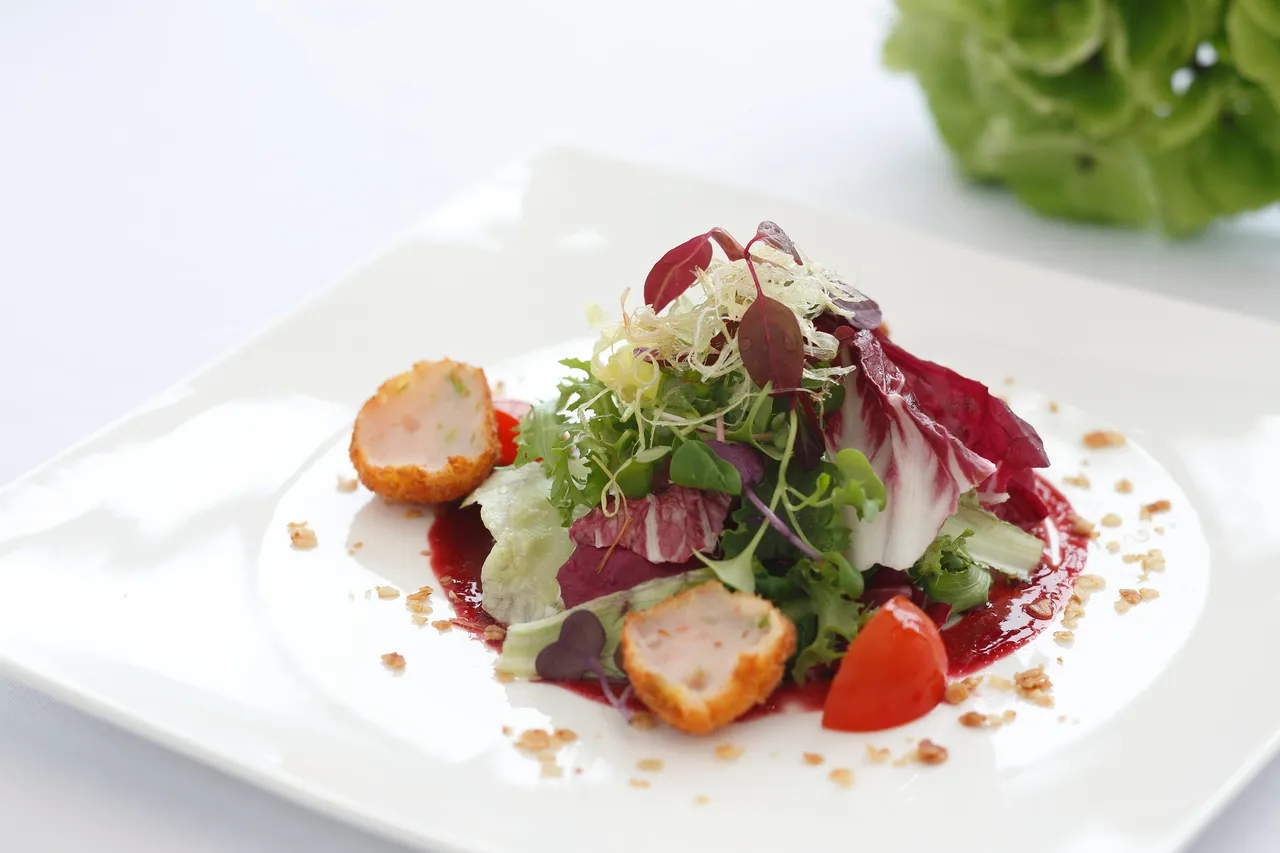
Mingles is one of Seoul's landmark fine-dining restaurants: a modern-Korean tasting-menu destination in Cheongdam from chef Kang Mingoo, built around Korea's jang (fermented sauces) and Western technique. This guide is a visit-decision briefing, not a hype piece: what to expect, how the courses and pricing work, how far ahead to book, where it actually is (near Cheongdam, not Gangnam Station), and who it's for. Michelin ratings, menus, and prices change each year, so confirm the current details on the official Michelin Guide and Mingles pages before you book.
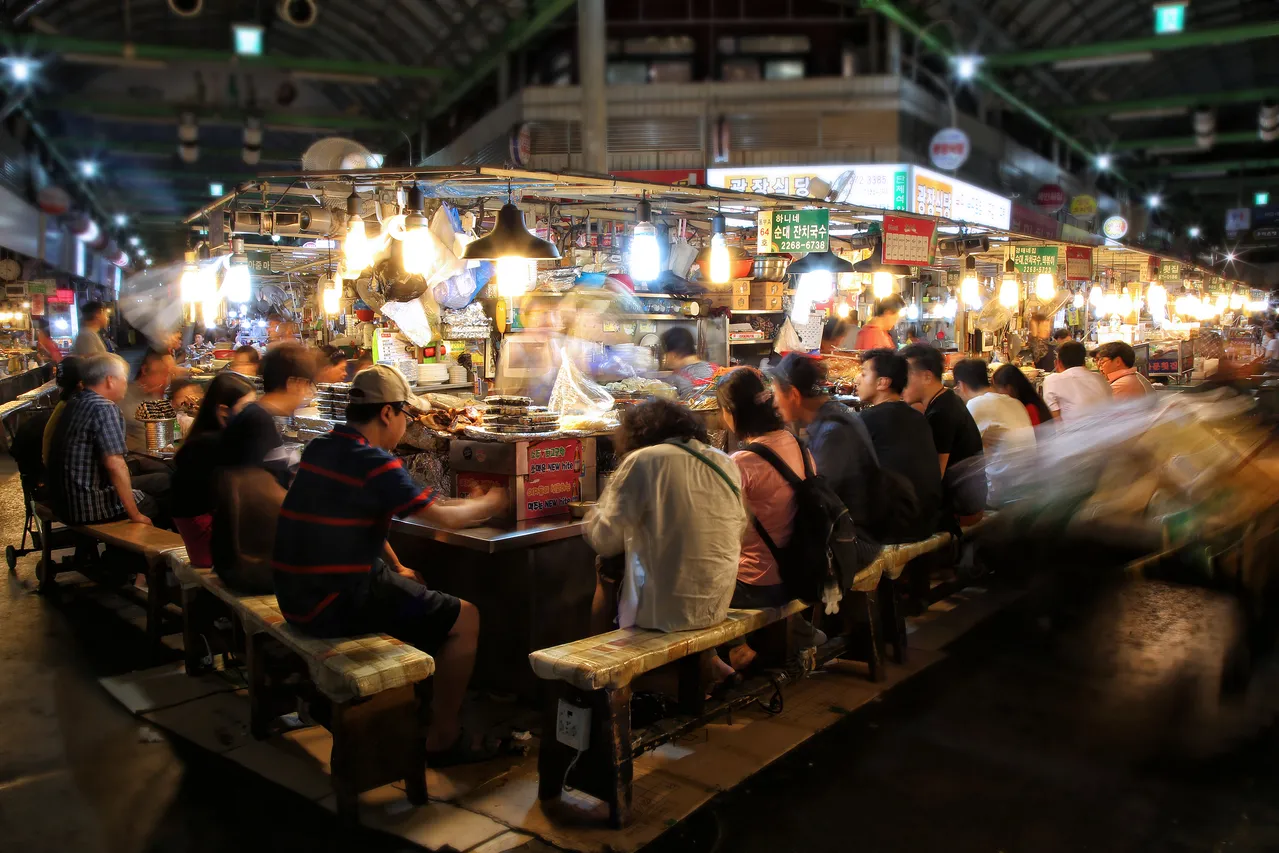
Gwangjang Market Tourist Price Guide: What to Watch Out For and Better Seoul Market Alternatives
Gwangjang Market is one of Seoul's most famous food markets and still worth a visit, but reported price disputes (2023 to 2026) mean it pays to check before you order. This is a balanced, practical guide, not a "don't go" piece: what to watch for, the price-display and monitoring measures now being rolled out, how to avoid overpaying, and better-fit alternative markets (Tongin, Mangwon, Gyeongdong, Namdaemun) by travel style. Prices and hours change, so confirm current details before you go.