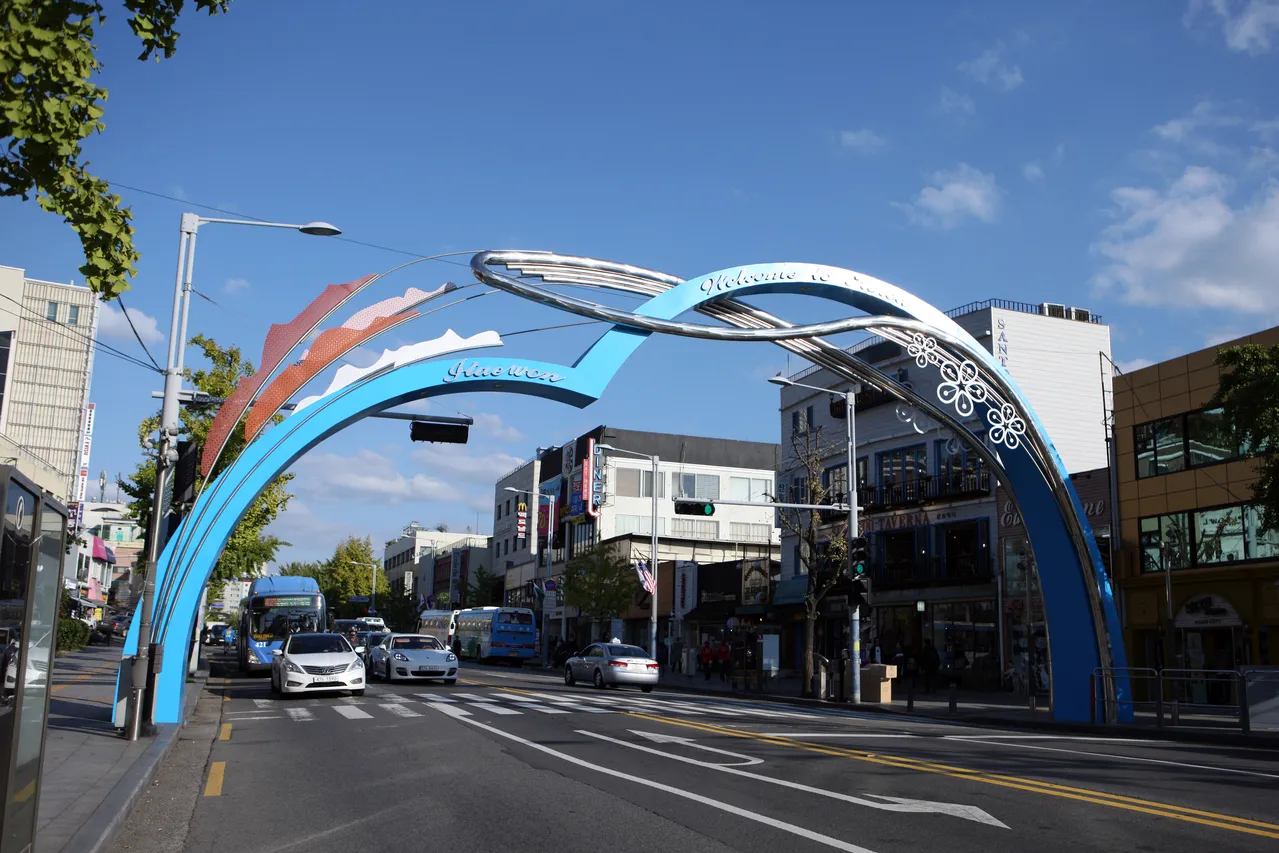
Seoul has become noticeably more workable for Muslim travelers over the past decade. There's a central mosque, a halal-food district, growing numbers of Muslim-friendly restaurants, and prayer rooms in some malls and attractions.
What it still needs is planning, because certified venues cluster in one district and prayer rooms are not where you would expect them.
This guide is about where to go: the mosque, the areas that actually have options, prayer facilities, and where to base yourself. What to check on a plate, and what Korea's four restaurant labels mean, are in the Korea food guide for Muslim travelers.
A note on approach: this is practical travel information, not religious guidance. Standards differ from person to person, so treat everything here as a starting point and confirm what matters to you with the venue or an official source.
Sort out the basics with how to pay in Korea and check entry rules in the Korea visa guide.
Is Seoul Muslim-friendly? (a realistic picture)
Yes, with planning. The city has a long-established mosque, the country's biggest concentration of halal restaurants in Itaewon, and a tourism push toward Muslim-friendly travel.
At the same time, fully certified halal restaurants are still relatively few, many listed places fall into lighter categories, and most of Korea's Muslim-friendly venues are actually outside Seoul. So it's very doable, especially if you base near Itaewon or are flexible, but it rewards a bit of preparation rather than assuming every restaurant can accommodate you.
Itaewon and the Seoul Central Mosque
Itaewon is the heart of Muslim-friendly Seoul. The Seoul Central Mosque, opened in 1976, sits on the hill in Hannam-dong above Itaewon; the nearest stop is Itaewon Station (Line 6), roughly a 10-minute walk uphill.
The street leading up to it, Usadan-ro, has Korea's densest cluster of halal and Muslim-friendly restaurants and grocers.
A few practical notes, all worth confirming directly as they can change:
- Entry is generally free, and non-Muslim visitors are welcome outside prayer times.
- The main prayer hall is large (often cited as holding several hundred), and the main Friday (Jumu'ah) prayer is around early afternoon: timing shifts with the season, so check before going.
- Dress modestly: covered shoulders and legs; sleeveless tops, shorts, and short skirts aren't appropriate, and visitor cover-ups and headscarves are typically available to borrow.
- Be respectful around worshippers: it's an active place of worship, not a tourist photo set.
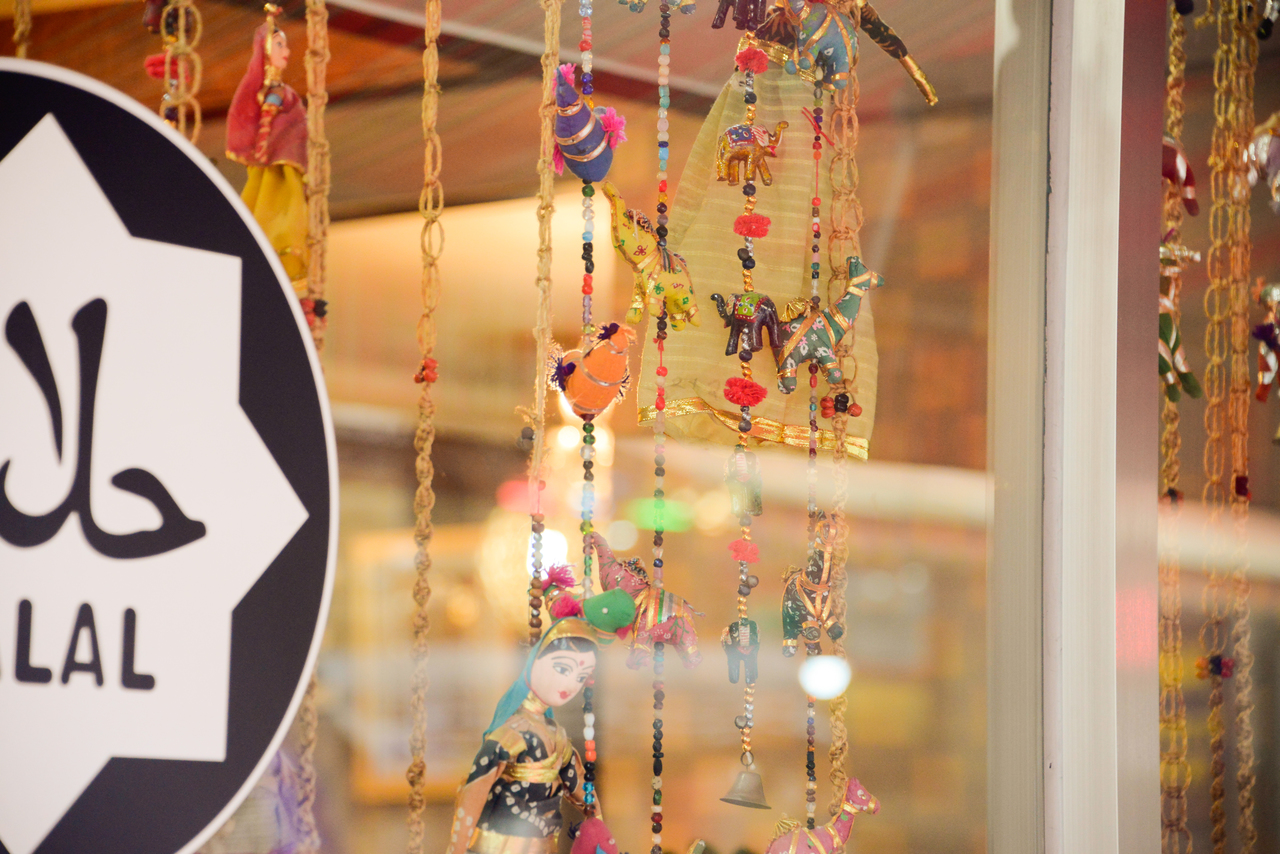
What an official listing does and does not promise
Korea's tourism board sorts restaurants into four labels, and only the top one means an accredited body inspected the food. The two lowest labels allow alcohol on the premises. The food guide works through what each label leaves open.
Two things are specific to Seoul. Certified venues cluster in one district, so a listing far from Itaewon is more often a lighter category than a certified one.
The tourism board also notes that a Muslim-friendly hotel restaurant or buffet can still serve pork at another counter. That makes a shared buffet the weakest setting, even at a listed venue.
Where to eat, area by area
Use this as a starting map, then verify specific venues on official lists (KTO / Visit Seoul), and remember individual restaurants open, close, and change tiers:
- Itaewon (Usadan-ro): the densest, most reliable choice, the most halal and Muslim-friendly restaurants and grocers, near the mosque.
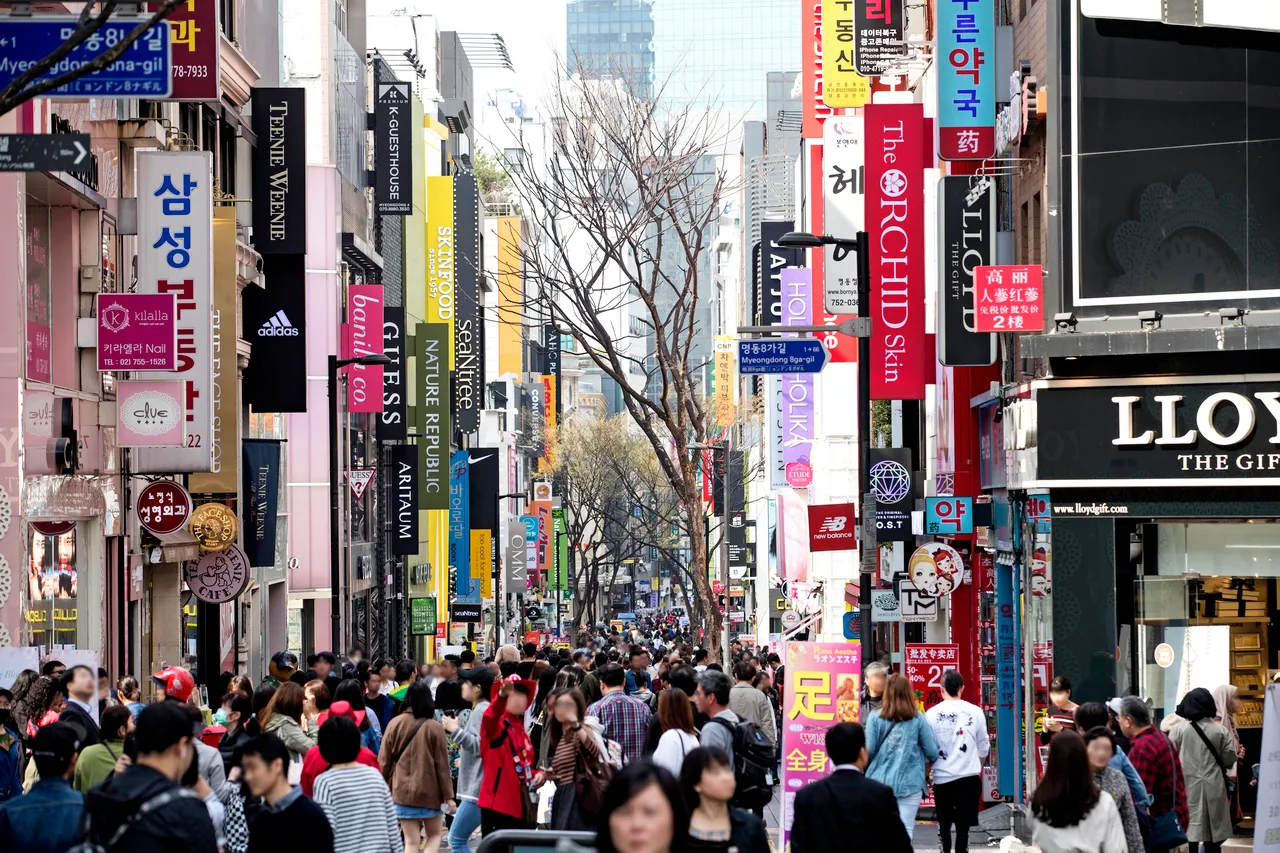
- Myeongdong: central and tourist-friendly, with some halal-friendly options and street-food stalls where you can ask about ingredients.
- Hongdae: a young, international area with a few Muslim-friendly spots.
- Gangnam / COEX: scattered options and a mall prayer room; handy if you're sightseeing on that side.
- Dongdaemun: late-night shopping with some options nearby.
When you find a specific place on an official list, treat it as "officially listed. Verify before visiting," not as a guarantee.
Prayer rooms and the mosque
Beyond the Seoul Central Mosque, some public places provide prayer rooms, but availability changes, so confirm on arrival rather than relying on it:
- Incheon Airport (Terminals 1 and 2): prayer rooms for arrivals and departures.
- COEX Mall (Gangnam): a prayer room within the complex (confirm the current location at the info desk); see things to do in Gangnam.
- DDP, Lotte World, N Seoul Tower and some other large venues. Ask staff or the information desk.
Two cautions worth keeping in mind:
- Not every attraction has a prayer room, so plan around the ones that do, and carry a travel prayer mat if that helps.
- Korea's tourism board itself notes that even "Muslim-friendly" hotel restaurants and buffets can have pork at other counters, so there's a cross-contamination risk in mixed dining settings. Choose carefully.
Helpful tools (general, not endorsements): the KTO Muslim-friendly portal, the KMF directory, halal-Korea guides, and prayer-time and qibla apps can all help you plan and verify on the go.
Where to stay
A base near Itaewon keeps you close to the mosque and the halal cluster; central areas like Myeongdong or Hongdae trade that proximity for transit convenience. Compare them in the where to stay in Seoul overview.
| Area | Good for | Trade-off |
|---|---|---|
| Itaewon | Closest to the mosque and halal food | Less central for some sights |
| Myeongdong | Central, transit, shopping | Fewer halal options on the doorstep |
| Hongdae | Young, lively, international | A bit further from the halal cluster |
| Gangnam | Modern, COEX prayer room | Spread out; verify dining nearby |
Get around easily with a T-money card.
Sample day routes
- Itaewon-based day: Mosque visit (outside prayer times) → lunch on Usadan-ro → afternoon sightseeing in central Seoul → dinner back in Itaewon.
- Sightseeing day: Gyeongbokgung and the old town in the morning (palaces often close one day a week. Check) → a verified Muslim-friendly lunch nearby or a packed option → COEX in the afternoon with its prayer room.
- Shopping day: Myeongdong and Dongdaemun, eating at officially listed options and asking about ingredients at street stalls, with prayer breaks planned around known facilities.
Sources
- Korea Tourism Organization — Muslim-friendly travel (restaurant classification)Official tourism site
- Visit KoreaOfficial tourism site
- Seoul Metropolitan Government Open DataOfficial government site
Information is compiled from official sources. Details such as prices, hours, and schedules can change. Confirm time-sensitive facts before you travel.
Last verified on
Related guides
Where to Stay in Seoul: Best Areas for First-Time Visitors
The smartest way to choose where to stay in Seoul is to think north vs south of the Han River first, then narrow to a neighborhood. North (Myeongdong, Jongno, Hongdae) is traditional and central: ideal for first-timers; south (Gangnam, Jamsil, Suseo) is modern, with shopping, Lotte World, and the SRT to Busan. This guide compares nine areas and helps you pick the one that fits your route, not just the most famous name.
Myeongdong Shopping Guide: Beauty, Street Food, Tax Refund, and What to Buy
Myeongdong is Seoul's most concentrated shopping district: wall-to-wall cosmetics, fashion, and street food, with the city's highest density of tax-free stores. Below: the main areas, what to buy (especially K-beauty), the evening street-food scene, and how the tax refund actually works in 2026, including why you get back about 5, 8% rather than the full 10%, and why you must carry your physical passport. Prices, hours, and refund rules change, so confirm current details before you shop.