
Spring is popular for a reason: longer daylight, milder air than midwinter, and outdoor walks that feel more comfortable than peak summer humidity.
It is also easy to over-promise. Flower timing moves every year, and April crowds can feel different from a quiet late-May weekday.
Use this page to choose which part of spring fits your trip, then open the month-level or itinerary guide that matches.
Do not treat any blog “peak blossom day” as a guarantee.
Quick facts
- Season window
- Roughly March to May
- Main decision
- Cool early spring vs busier mid-spring vs milder May
- Not this page
- Exact cherry-blossom peak dates for a given year
- Best paired with
- A trip-length itinerary after you pick the month band
Quick answer
| If you care most about… | Lean toward | Why |
|---|---|---|
| Lower heat, fewer “peak spring” crowds | Late March (with cold-weather packing) | Still transitional; outdoor days can be short |
| Classic spring atmosphere, accept uncertainty | April | Busy; flower and festival timing varies by year and region |
| Milder walking weather after major blossom hype | May | Often green and comfortable; see the May guide |
| Foliage and crisp air instead of spring | Autumn | Use the autumn guide |
If your dates are already fixed inside May, skip the month debate and open Korea in May for a seasonal plan.
What “spring” means on the ground
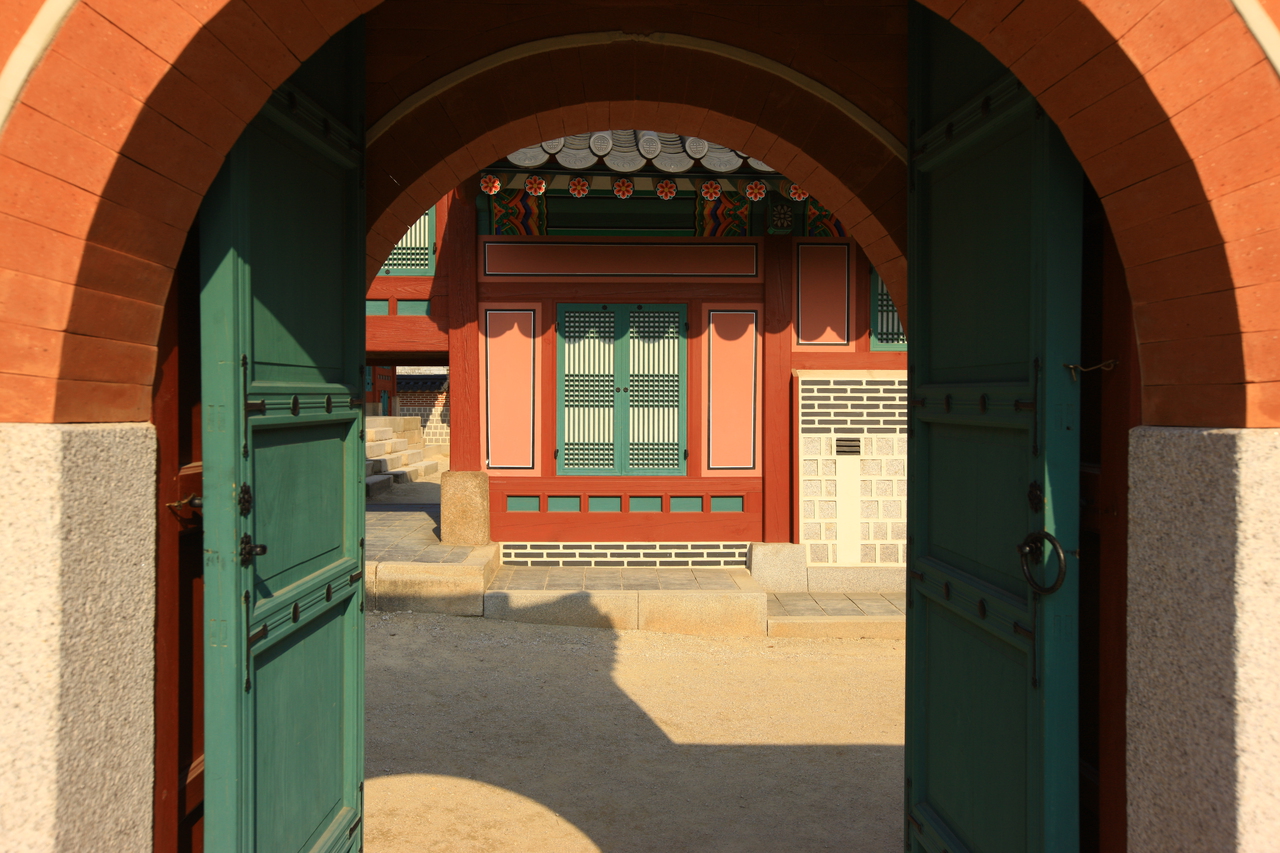
Spring is not one climate block.
Temperature and clothing shift hard from early March to late May. A coat that feels right in early March can feel wrong by mid-May.
Daylight lengthens, which helps evening walks in Seoul and coastal cities.
Rain and wind still happen. Spring is not a dry-season guarantee. Check the Korea Meteorological Administration forecast close to travel, not only a long-range “average.”
Regional lag matters for nature plans. Conditions in Seoul are not the same day as on Jeju or in mountain parks farther north or south.
March vs April vs May
March
Feel: late winter to early spring. Cool mornings, possible cold snaps.
Good for: travelers who accept cooler weather, quieter museum and palace days, and flexible outdoor plans.
Watch for: short outdoor comfort windows; some outdoor events not fully in season.
Packing signal: layers and a real jacket, not only a light sweater.
April
Feel: the month most people label “spring Korea,” with the highest risk of crowds at famous outdoor photo spots when conditions align.
Good for: visitors who want spring atmosphere and can tolerate lines and sold-out stays in popular neighborhoods.
Watch for: treating flower forecasts as fixed appointments. Official tourism and weather channels update timing; blogs often do not.
Planning tip: book lodging earlier for famous weekends. Keep one indoor backup each day.
May
Feel: often milder and greener, after the loudest blossom marketing cycle for many first-timers.
Good for: walkable multi-neighborhood Seoul days and train side trips without peak summer heat.
Next step: the month guide Korea in May includes a sample multi-day frame.
Flowers and photo spots: variable, not a schedule
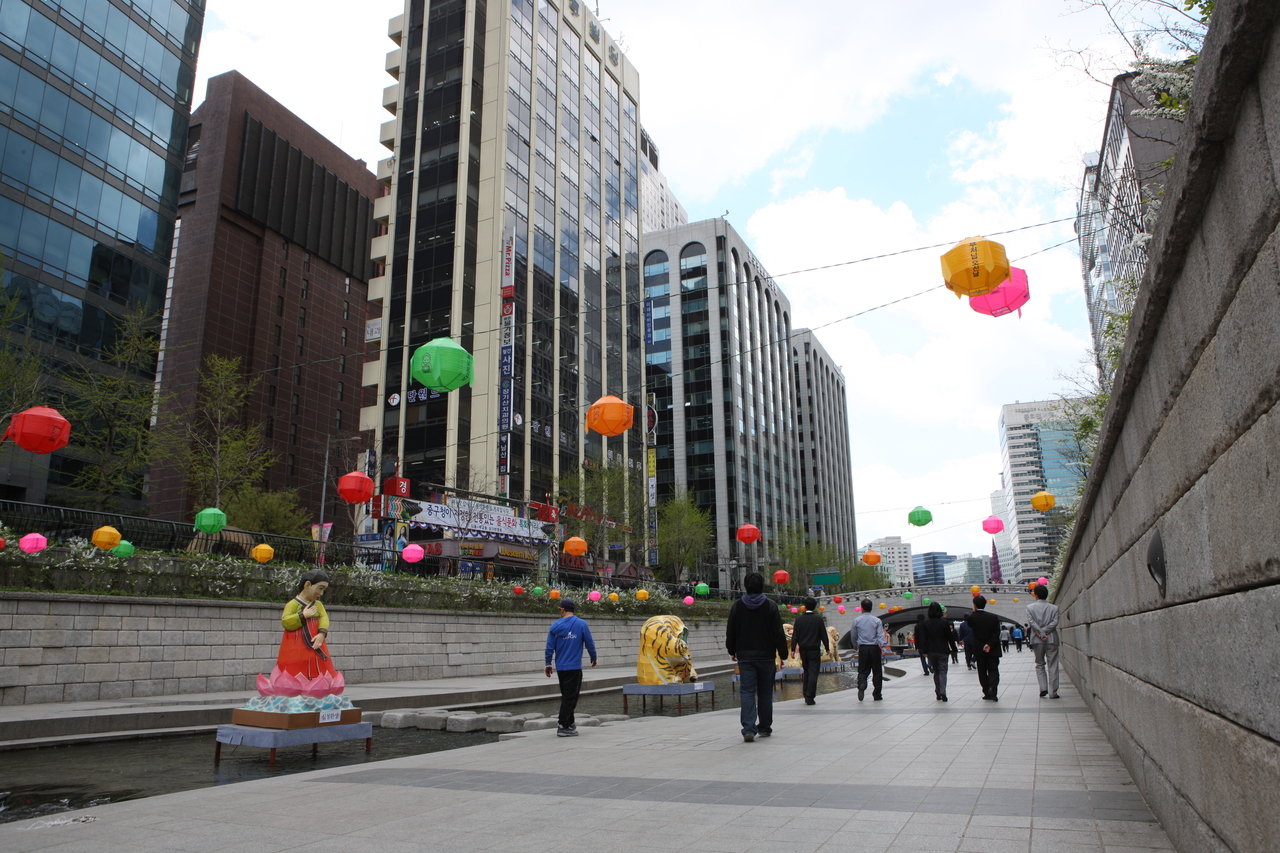
Cherry blossoms and other spring displays are year-dependent.
Useful approach:
- Choose the month for weather and crowd tolerance, not a promised peak day.
- Keep outdoor photo stops flexible.
- Confirm any paid garden or festival on the organizer’s official page for that year.
No fixed “blossoms peak on date X” claim appears here, because peak timing is not a stable fact.
How spring changes a first-time route
Seoul-heavy trips work in all three months if you pack for temperature. Free walks and parks still work; see free things to do in Seoul.
Multi-city rail trips feel better when you are not also fighting heat and heavy rain. Five- and seven-day shapes still follow the same city-count logic as in other seasons. Use 5 days in Korea or the 7-day itinerary after you pick dates.
Summer monthly guides (June to August) are a different problem set: monsoon onset, heat, and indoor spines. Do not copy a March packing list into August.
Packing and daily rhythm (season-level only)
- Layers beat a single heavy coat you cannot remove indoors.
- Comfortable walking shoes matter more than spring fashion photos.
- One rain layer is reasonable any spring week.
- Plan mornings and evenings for outdoor time when days are cool or windy.
Exact packing lists for heat belong in summer month guides, not here.
Who should pick another season instead
| Prefer | Consider |
|---|---|
| Lowest humidity and foliage color | Autumn |
| Quieter palaces, cold-weather culture | Winter |
| Long daylight and Hangang evenings, accept heat | Summer month guides (June to August) |
Common mistakes
- Booking non-refundable plans around a single predicted blossom day.
- Assuming April is always warmer than late March in a simple way everywhere.
- Copying a May packing list into early March.
- Stacking only outdoor photo spots with no indoor backup.
Next step after you choose the month band
- Lock approximate dates.
- Open the matching month or length guide (May, 5-day, 7-day, or Seoul 3-day).
- Set lodging and trains for those dates on official channels.
Browse seasonal and monthly plans from the Plan Your Trip hub.
Sources
- Visit KoreaOfficial tourism site
- Korea Meteorological AdministrationOfficial weather service
- Seoul Metropolitan Government (english.seoul.go.kr)Official government site
- Visit Seoul, Seoul Tourism Organization (official)Official tourism site
Information is compiled from official sources. Details such as prices, hours, and schedules can change. Confirm time-sensitive facts before you travel.
Last verified on
Related guides
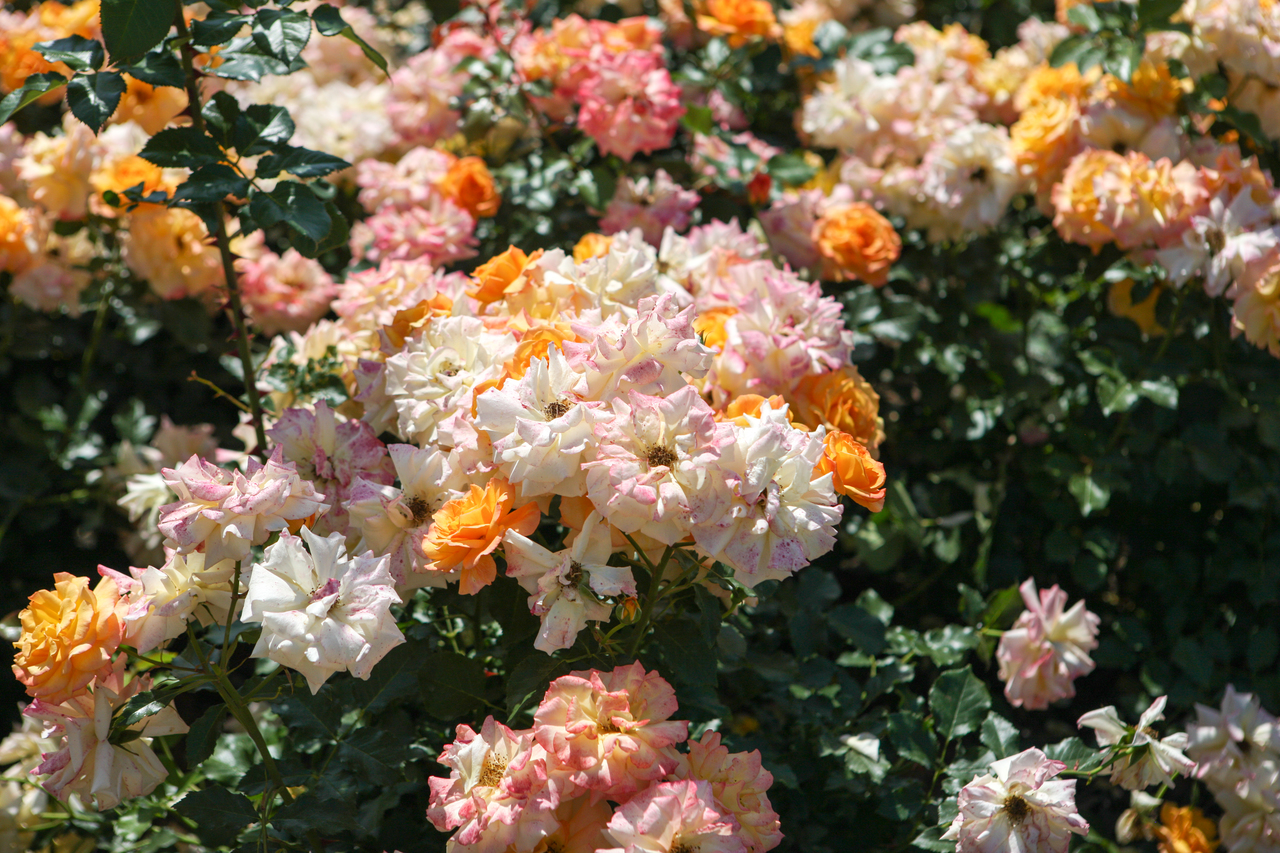
Korea in May: What to Expect and a 5-Day Plan
May is among the more comfortable months to visit Korea: usually mild and green, after the cherry blossoms and before the summer heat and monsoon. This 5-day plan pairs Seoul with a southern city; check the latest forecast and any festival dates before you lock things in.
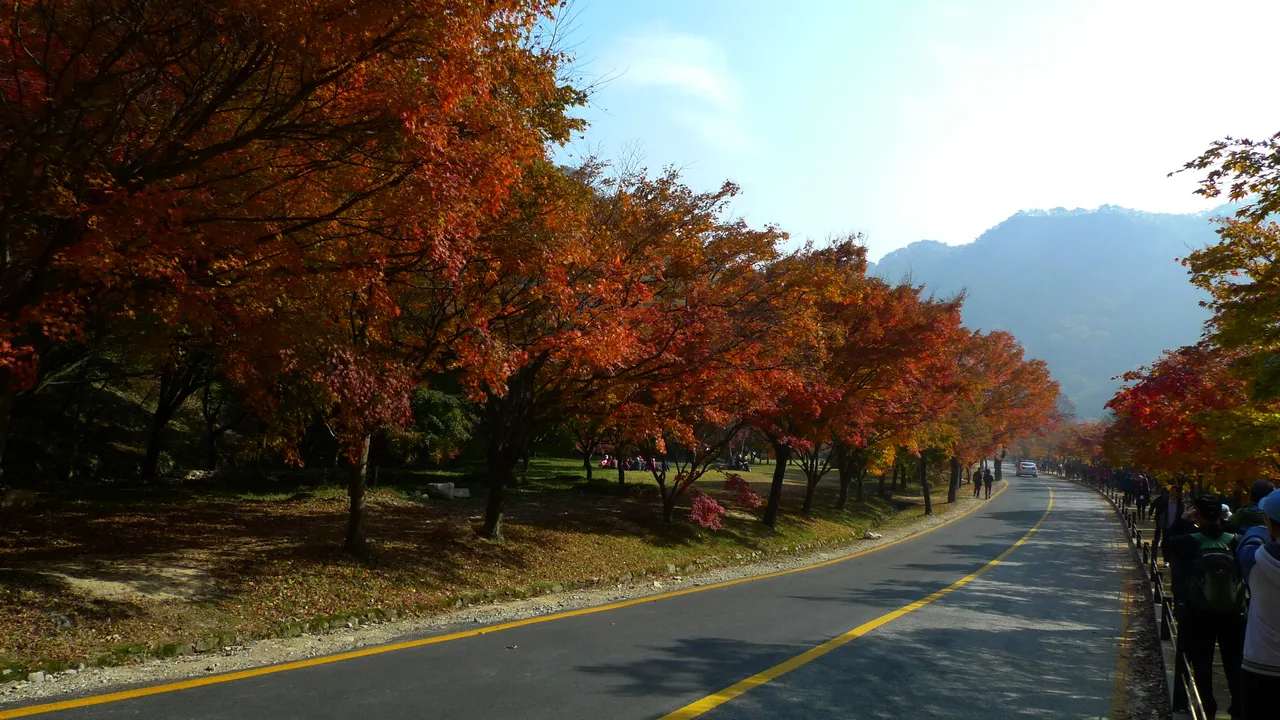
Korea in Autumn: When to Go, Fall Foliage Timing, and Best Places to See Autumn Colors
Autumn is one of Korea's best seasons, crisp weather and foliage that sweeps from the northern mountains down to the southern islands from late September to late November. Plan around the pattern rather than a fixed date: foliage starts high and north and moves south, peak comes roughly two weeks after the first color, and forecasts shift every year. Timing, the best city, day-trip, and mountain spots (including options for non-hikers), pink muhly, what to pack, and how to beat the peak-season crowds are all covered below. Check the official KMA and VisitKorea forecast before you lock in dates.