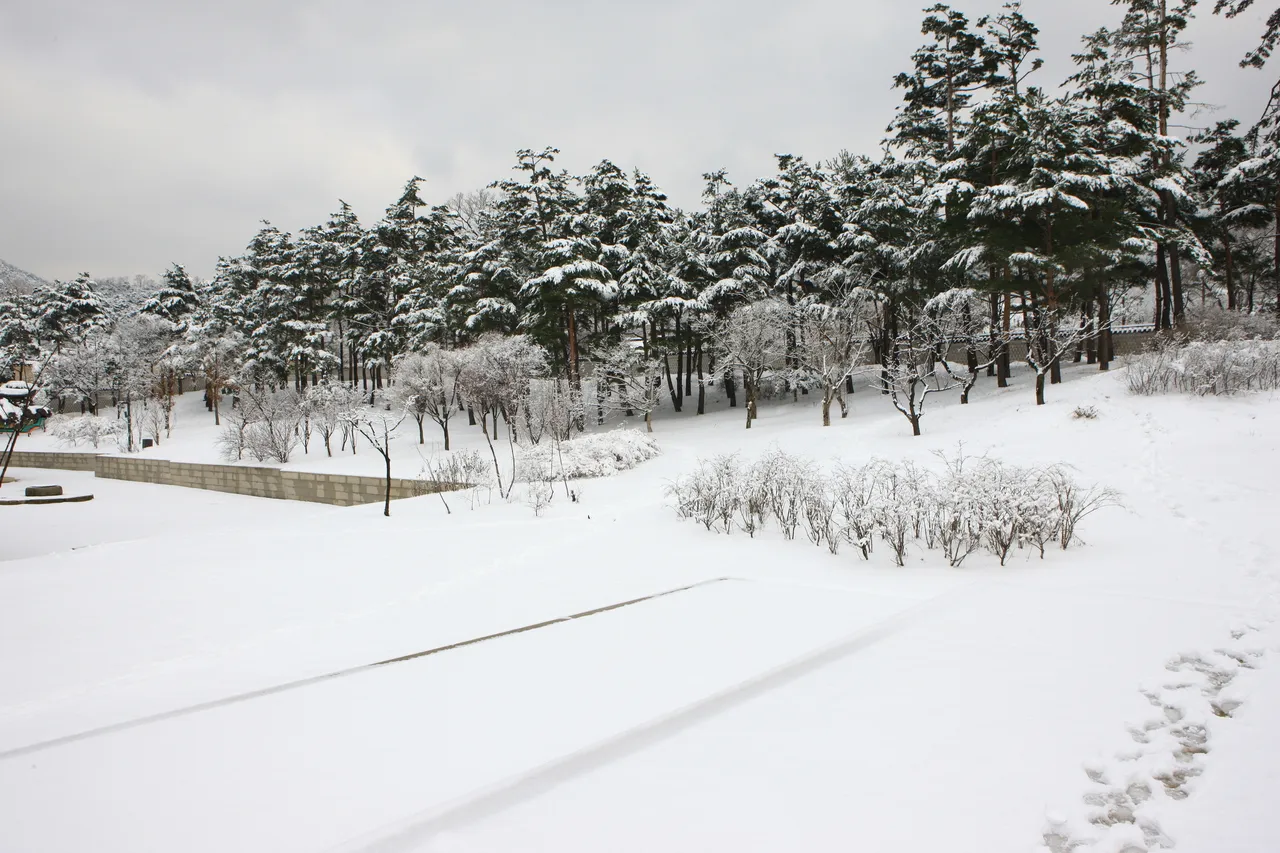
Korean winter has a reputation, and it's earned: it's genuinely cold. But it's also the country's most underrated season.
If you pack for it, the reward is real: the lowest airfares and hotel rates of the year, palaces far quieter than in spring, snow-dusted hanok and hanbok photos, and festivals that only exist because of the cold. The trick is to plan around the temperature rather than pretend it isn't there.
This is a planning guide, not a date-prediction service. Festival dates, ski-resort openings, and light-show schedules shift every year with the weather, so this uses "usually around [month].
Confirm the official dates" rather than fixed dates, and prices are approximate. What it won't do is underestimate the cold: that's a safety issue, not a style choice.
Quick answer
| Question | Short answer |
|---|---|
| How cold? | Seoul averages roughly -5 to 2°C in Jan; cold snaps hit -10 to -15°C |
| Why go in winter? | Lowest prices, quiet palaces, snow photos, and winter festivals |
| The famous festival? | The Hwacheon ice fishing festival (usually around January) |
| Can I ski near Seoul? | Yes: Vivaldi Park is ~90 min away; season roughly Dec-Mar |
| Warmer option? | The south: Busan rarely freezes; Jeju is mild |
Festival and resort dates, and prices, change every year. Confirm the official dates and current prices, and dress for serious cold.
How cold is it really?
Be honest with yourself before you book: Seoul in January averages about -5 to 2°C, and cold snaps regularly push it to -10 to -15°C, with Han River wind making it feel colder still. January is the coldest month.
That said, dress properly and the city works completely: heating is everywhere, and the festivals depend on this cold.
| Region | Winter feel |
|---|---|
| Seoul / inland / north | Coldest; regular sub-zero and cold snaps |
| Busan (south coast) | Milder: rarely drops far below freezing |
| Jeju | Mildest: camellias, Olle trails, and snow only on Hallasan |
If you dislike the cold, lean south: a Seoul-plus-Busan or a Jeju-heavy trip is much gentler. For the late-autumn edge of the season, see the Korea in November guide, for the first winter month in the capital, Seoul in December, for the south coast's frosty mornings and windy beaches, Busan in December, and for the island's milder coast and snowy mountain, Jeju in December. To compare all three cities for the month, see Korea in December. For a southeast heritage trip with Bulguksa and lit night sights, see the Gyeongju winter guide. For a southwest food and hanok trip with cold outdoor walking, see the Jeonju winter guide.
Why winter is underrated
- Lowest prices. January and February are typically the lowest-price time of year for flights and hotels.
- Quiet landmarks. Gyeongbokgung, Gyeongju, and other cultural sites are far less crowded than in spring or autumn.
- Snow-and-hanbok photos. A snow-dusted palace with a rented hanbok is a signature winter shot.
- Festivals. The cold makes ice fishing, snow, and light festivals possible.
Hwacheon Ice Fishing Festival
Korea's most famous winter event, the Hwacheon Sancheoneo (mountain trout) Ice Fishing Festival, has been featured by CNN as one of the world's "seven winter wonders" and draws over a million visitors. It usually runs around January for roughly three to five weeks: but the dates shift every year with ice conditions, so confirm the official schedule.
- What you do: drill an ice hole and fish for trout (gear included), try the daring bare-hand catching in a cold pool, and have your catch grilled or served as sashimi on the spot: plus ice sledding, bobsled, and ice sculptures.
- Cost: entry is roughly ₩10,000 to 15,000 (typically including fishing gear). Confirm the current price.
- Foreigner-friendly: there are dedicated international zones and a foreigners' tent for grilling, so you can enjoy it without Korean.
- Getting there: an intercity bus from Dong-Seoul Terminal (~2.5 hours, around ₩15,000 each way), or a Seoul day tour (morning out, evening back: tours sell out early; this guide doesn't sell one, so choose on pickup, inclusions, language, and cancellation).
- Dress for standing around: a long padded coat, waterproof boots, and warm gloves are essential; a folding stool helps.
Alternative: the Pyeongchang Trout Festival (usually late December into January) pairs naturally with a ski trip.
Ski resorts near Seoul
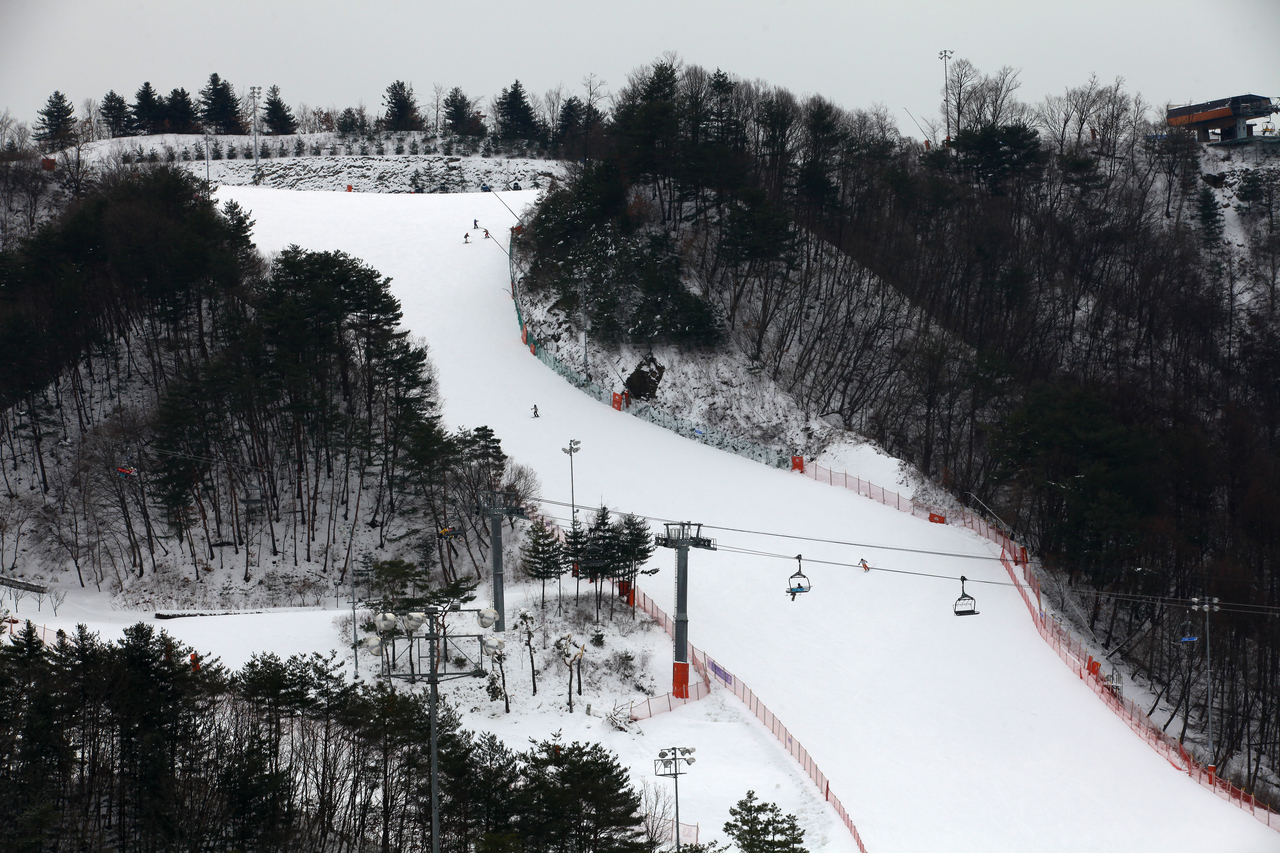
There are 15+ resorts within about 2 to 3 hours of Seoul, with a season roughly December to March (openings vary yearly. Confirm):
- Vivaldi Park: the closest popular resort (~90 min), with night skiing running into the early hours (quieter after dark).
- Yongpyong: in the 2018 Pyeongchang Olympics area, with the Balwangsan cable car for non-skiers. For a non-ski highland ranch stop in the same broad area, see the Daegwallyeong Sky Ranch guide (snow is not guaranteed; confirm tractor and weather on the day).
- Alpensia, Muju: other well-known resorts further out.
A day of lift pass plus rental runs roughly ₩80,000 to 120,000 (approximate. Confirm current prices); rentals and English lessons are available, and shuttle buses and tours are common (choose on the practical points, no sales here). Beginners: take a lesson and wear a helmet.
Winter light festivals and day trips
- The Garden of Morning Calm lighting festival (usually December-February).
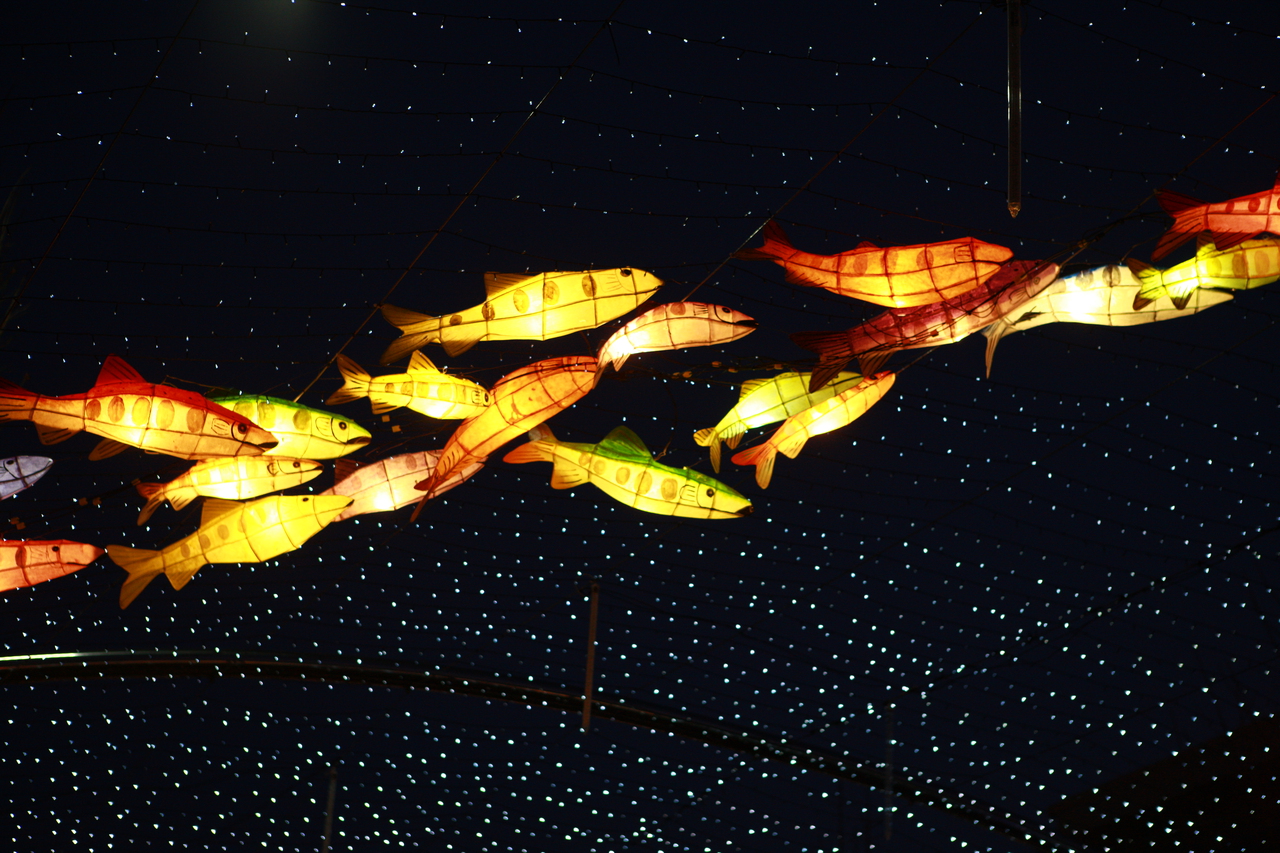
- Seoul Lantern Festival (Cheonggyecheon) and Lotte World illuminations.
- Eobi Ice Valley: dramatic frozen ice walls, a winter photo spot.
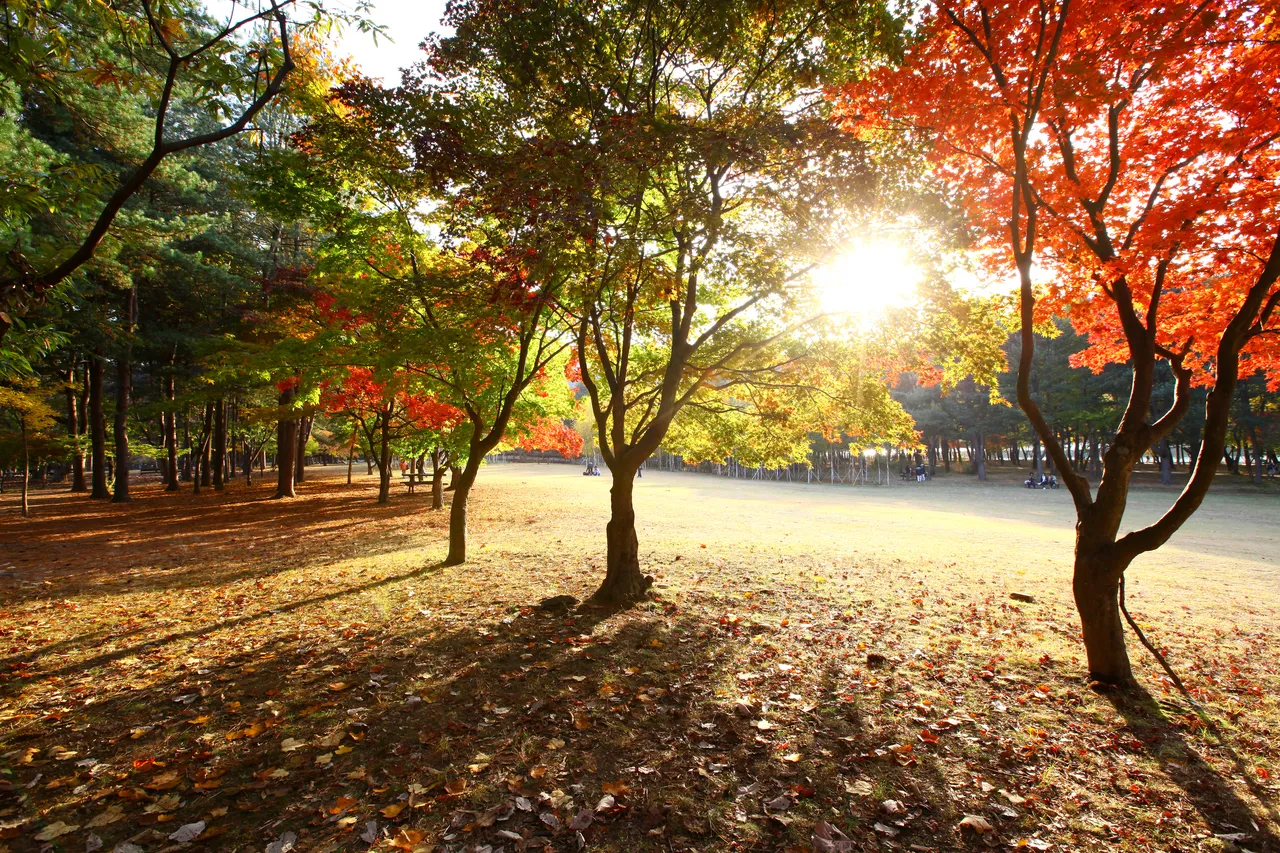
A classic winter day-trip combo is Eobi Ice Valley + the Garden of Morning Calm lights + Nami Island: the winter version of the "add one sight" loop in the Nami Island day trip guide (Nami is a Winter Sonata filming location, at its snow-scene best). All dates vary. Confirm officially.
Winter food and indoor culture
Winter is a great eating season:
- Street snacks: hotteok (sweet pancakes), bungeoppang (fish-shaped red-bean cakes), roasted sweet potatoes, chestnuts, and egg bread. Check ingredients if you have allergies or dietary needs. See the Korea food guide for Muslim travelers.
- Warming meals: sundubu-jjigae (soft tofu stew), budae-jjigae (note the spam/pork), samgyetang, and tteokguk (rice-cake soup, the Lunar New Year tradition). More in the what-to-eat guide.
- The jjimjilbang. A Korean bathhouse/sauna is an essential winter Seoul experience, roughly ₩8,000 to 15,000, often 24 hours, with hot baths, sauna rooms, and snacks like sikhye and eggs. Gender-separated bathing areas and tattoo policies vary by venue, so check first. (It's worth a standalone guide, for now, treat this as an intro.)
- Indoor escapes: museums, the unique Starbucks concept stores, and cafes make easy warm-up stops.
Snow scenery
- Seoraksan ice falls and snow-capped granite peaks, but winter hiking needs crampons (KNPS requires them); see hiking in Seoul for the safety basics. The Sokcho and Seoraksan winter guide covers the cable car, realistic walks, and the bus from Seoul. For an easier coast trip by KTX, see the Gangneung winter guide.
- Taebaeksan Snow Festival (dates vary) and Hallasan in snow.
- Deoksugung and Gyeongbokgung under snow, worth chasing on a snowy day; see Does it snow in Seoul? for how often it snows and which month is best.
What to wear
Don't underestimate this, the right layers make or break a winter trip:
| Item | Why |
|---|---|
| Long padded coat | The Korean winter standard: covers hips/thighs for a reason |
| Windproof outer layer | Han River wind cuts through everything |
| Thermal base layers | Heattech-style tops and bottoms |
| Hat, gloves, scarf | Most heat is lost at the extremities |
| Waterproof boots | For snow and slush |
| Hand warmers (핫팩) | Sold at convenience stores: a lifesaver at festivals |
Autumn clothes will not get you through a Korean winter. Plan for the cold. For layers, shoes, snow boots, and a packing list by month and city, see What to wear in Korea in winter.
Practical tips
- Lunar New Year (Seollal). The date changes yearly; during the holiday some shops and restaurants close and trains/buses are extremely crowded: check dates and book ahead if your trip overlaps.
- Ice underfoot. Watch for slippery pavements; waterproof boots with grip help.
- Dry air. Bring moisturizer and lip balm; heated indoor air is very dry.
- Book early for the lowest rates. Jan-Feb has the lowest-price flights and hotels, lock them in.
- Tours sell out. Festival and ski day-tours fill fast in peak weeks.
Winter itinerary ideas
For 5 / 7 / 10-day trip shapes, Seoul-only vs Seoul plus Busan, and whether to add a snow day trip, use the dedicated Korea winter itinerary hub. This season guide stays on cold, festivals, ski options, and packing.
Quick pointers that still help here:
- City + a festival (4 to 6 days): Seoul palaces and food, a jjimjilbang, and a Hwacheon day trip or a Nami Island winter combo.
- Ski-focused: a couple of nights near Vivaldi Park or Yongpyong, plus a Seoul city day.
- Milder south: Seoul briefly, then Busan (and Jeju only if the trip is long enough); compare with the 10-day Korea itinerary.
Common mistakes
- Packing autumn clothes: Korean winter is far colder; bring a proper coat.
- Assuming fixed festival dates: they shift yearly; confirm officially.
- Overlapping Seollal unaware: closures and packed transport can derail a plan.
- Skiing at weekend midday: resorts are busiest then; go early or ski at night.
- Trying bare-hand trout catching unprepared: you'll be soaked and freezing; bring a change.
- Not knowing jjimjilbang etiquette: check the bathing and tattoo rules first.
Frequently asked questions
How cold does Korea get in winter? Seoul averages roughly -5 to 2°C in January, with cold snaps to -10 to -15°C. The south (Busan) is milder and Jeju is mildest.
Is winter a good time to visit Korea? Yes, if you pack for it. It's the lowest-price season, landmarks are quiet, and there are snow scenes and festivals.
Just dress seriously for the cold.
When is the Hwacheon ice fishing festival? Usually around January for a few weeks, but the dates shift each year with ice conditions. Confirm the official schedule.
How do I get to Hwacheon? An intercity bus from Dong-Seoul Terminal (~2.5 hours) or a Seoul day tour. There are dedicated foreigner zones at the festival.
Can I ski near Seoul? Yes, Vivaldi Park is about 90 minutes away, with night skiing; Yongpyong (Olympic area) is further. The season runs roughly December to March.
How much does skiing cost? Roughly ₩80,000 to 120,000 for a day of lift pass plus rental, but prices vary. Confirm the current rates.
What should I wear? A long padded coat, windproof outer layer, thermal base layers, hat/gloves/scarf, waterproof boots, and hand warmers. Autumn clothes aren't enough.
What's a jjimjilbang? A Korean bathhouse and sauna, a cozy winter must-do (roughly ₩8,000 to 15,000, often 24 hours). Check the bathing-area and tattoo rules per venue.
What are the winter foods? Street snacks like hotteok and bungeoppang, and warming meals like sundubu-jjigae, samgyetang, and tteokguk. Check ingredients for dietary needs.
Is Nami Island good in winter? Yes, snowy tree-lined lanes and Winter Sonata nostalgia; it pairs with the Garden of Morning Calm and Eobi Ice Valley.
Do I need crampons? For winter mountain hiking, yes, KNPS requires them. See the hiking guide for safety basics.
What about Lunar New Year? Seollal's date changes yearly; expect some closures and very crowded transport during the holiday. Check dates and book ahead.
Where's mildest in winter? The south: Busan rarely freezes, and Jeju is the mildest, with camellias and Olle trails.
Is it worth visiting palaces in winter? Very. They're quiet, and a snow-covered Gyeongbokgung with a hanbok is a highlight.
Final recommendation
Korea in winter is the season most visitors skip, and that's exactly why it's worth considering. Put the cold into your plan rather than fighting it: pack a proper long coat and layers, aim for Jan-Feb prices and quiet palaces, build a day around the Hwacheon ice fishing festival or a ski trip, warm up in a jjimjilbang and over winter street food, and lean south to Busan or Jeju if you want it milder. Confirm festival, ski, and light-show dates officially (they move every year), watch for Seollal closures, and you'll get the best-value, least-crowded version of Korea there is.
Sources
- Visit KoreaOfficial tourism site
- Korea Meteorological AdministrationOfficial weather service
- Korea Tourism Organization English TourAPIOfficial API
Information is compiled from official sources. Details such as prices, hours, and schedules can change. Confirm time-sensitive facts before you travel.
Last verified on
Related guides

Korea Winter Itinerary: 5, 7, and 10-Day Trip Shapes
For most first-time winter visitors, seven days is the best balance: Seoul as the base, one optional winter day trip, then Busan if you want a milder coast. Five days stays Seoul-heavy. Ten days adds pace, not more cities. Snow in central Seoul is not guaranteed on your dates. Confirm current weather, festival schedules, and train tickets before you lock the plan.
Nami Island Day Trip Guide: How to Get There from Seoul, Ferry, Tickets, and Best Route
Nami Island is Seoul's most famous day trip, and the only tricky part is the transport: it's a three-step journey, Seoul to Gapyeong Station, station to the wharf, then a short ferry to the island. This guide breaks down each leg (ITX-Cheongchun, the subway, taxis and the Gapyeong city-tour bus), explains the ticket-includes-ferry system, and lays out the best route by traveler type. Timetables and prices change, so confirm current details with the official Nami Island and KORAIL sources before you travel.