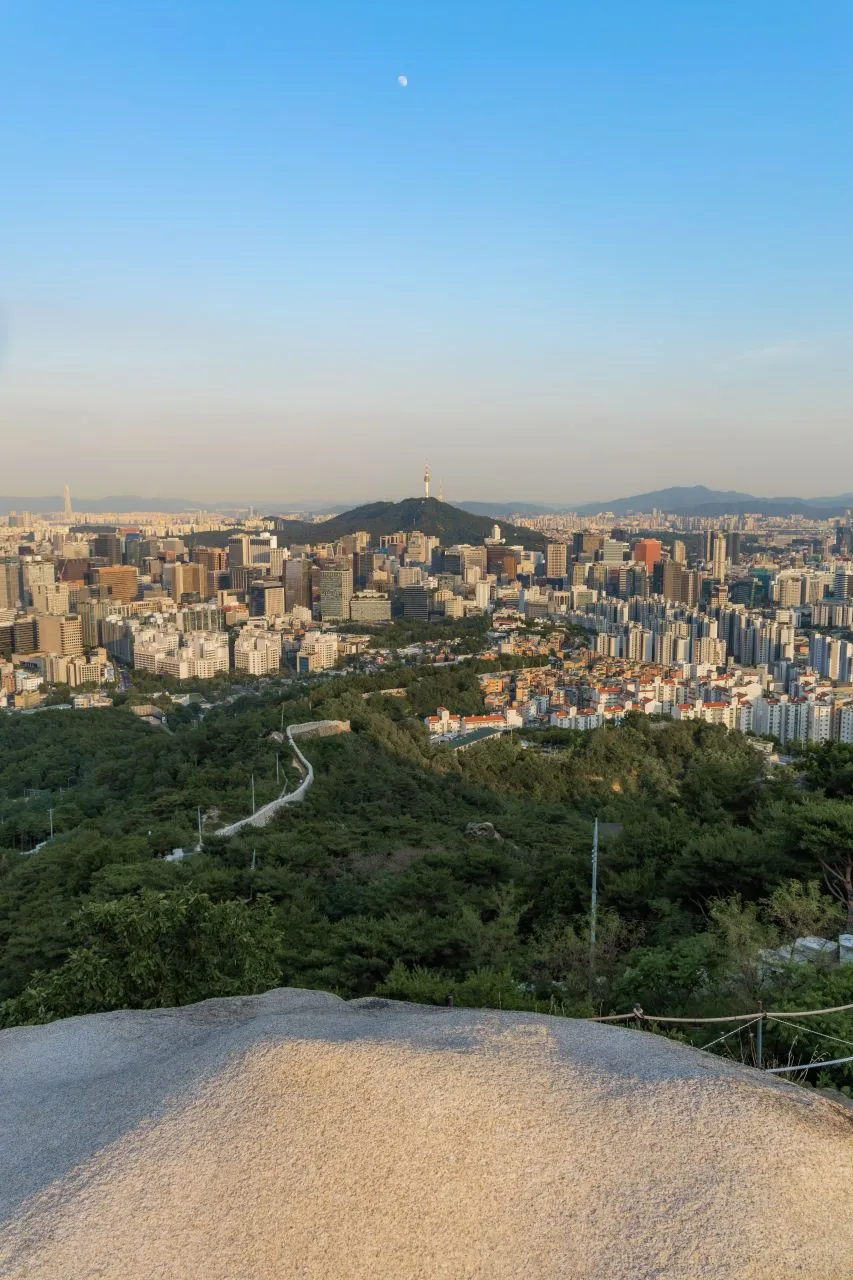
Seoul is one of the few big cities where you can ride the subway to a mountain trailhead: tap in with a T-money card, ride 30 minutes to an hour, and start climbing. The city is ringed by dozens of hikeable mountains, and one of them, Bukhansan, holds a Guinness World Record as the most-visited national park per unit area on Earth (around 5 million visitors a year).
Locals call it a "subway mountain," and entry is free.
That accessibility is the hook, but hiking still carries real risk, so this guide treats difficulty and safety as part of the content, not an afterthought. It helps you pick a mountain that matches your fitness, explains Bukhansan's routes (and a station-name trap), covers gear rental, and lays out the rules and the culture.
Times and difficulty are approximate and personal, and rules, hours, and rentals change. Check the official KNPS and Seoul Hiking Tourism Center info before you go.
Quick answer
| Question | Short answer |
|---|---|
| Can I hike by subway? | Yes: most trailheads are a subway (+ short walk/bus) away, paid with T-money |
| The famous one? | Bukhansan: a Guinness-record national park, free entry |
| Easiest option? | Namsan (paved) or Ansan (gentle deck trail) |
| Hardest common climb? | Bukhansan Baegundae: a cabled granite scramble (not for everyone) |
| Do I need gear? | Proper shoes at minimum; you can rent gear near Bukhansan |
Trail times and difficulty vary by person and conditions, and rules change. Verify with KNPS and the Seoul Hiking Tourism Center, and don't push on in bad weather or fine-dust days.
Why Seoul is a hiking city
Few capitals are wrapped in mountains like Seoul. Bukhansan National Park sits partly inside the city, is free to enter (only parking is paid), and is reachable from downtown (Myeongdong, Seoul Station) in roughly 30 minutes to an hour by subway.
That's why hiking is a genuine everyday pastime here, and why a visitor can fit a real mountain into a city trip without a car or a tour.
Which mountain fits you?
Pick by fitness and time. This is the backbone of the guide (all times approximate):
| Mountain | Difficulty | Roughly | Access | Best for |
|---|---|---|---|---|
| Namsan | Very easy | 30 to 60 min | Central; paths/stairs | A stroll to N Seoul Tower |
| Ansan (Jarak-gil) | Easy | 1 to 2 hr | Subway | A gentle, near-step-free deck trail |
| Achasan | Easy | ~1 hr | Subway | Beginners; a famous sunrise spot |
| Bukhansan Dulle-gil | Easy | Varies | Subway/bus | Flat forest loops, no summit |
| Inwangsan | Moderate | 1.5 to 2.5 hr | Central | City-wall views; short but steep bits |
| Bukhansan Baegundae | Moderate-hard | 4 to 5 hr round | Subway + walk/bus | Seoul's highest peak; a cabled scramble |
| Dobongsan | Hard | 4 to 6 hr | Subway | Experienced hikers; granite scrambling |
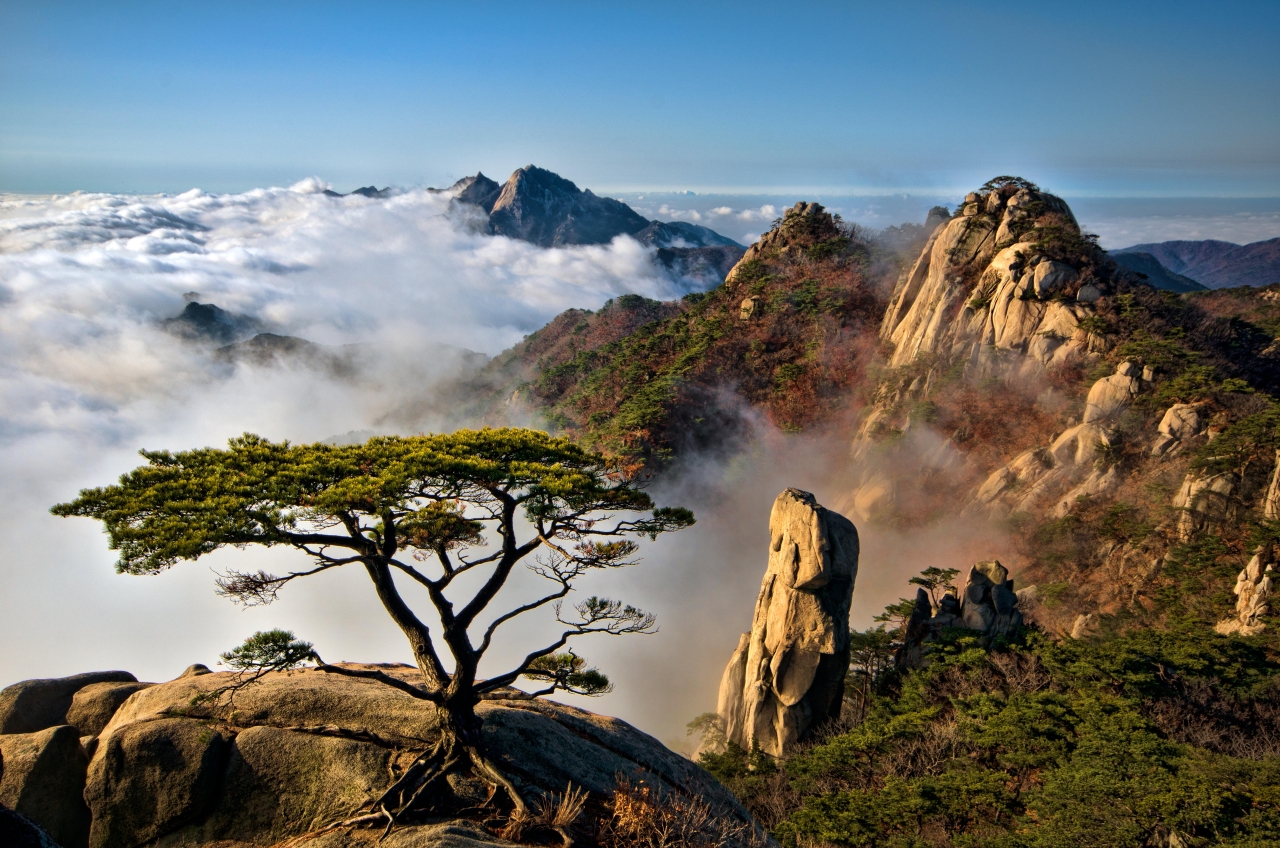
Bukhansan in detail
Baegundae (about 836 m) is Seoul's highest peak. KNPS-style materials often rate the main climb around "intermediate," but be honest with yourself about the top: the final ~300 metres is a rock section you climb holding fixed steel cables and rails: genuinely moderate-to-hard, and not something to attempt casually. Plan 4 to 5 hours round trip and wear proper hiking shoes (not sneakers).
It's doable for a reasonably fit visitor, but it isn't easy. Don't underestimate it.
For the dedicated route chooser, Baegundae decision, Hiking Tourism Center details, and seasonal safety depth, use the Bukhansan hiking guide for foreigners.
A gentler option: the views are excellent even if you skip the cabled final section and turn around below it. There's no shame in that. It's the safe call if the rock, the crowds, or the weather feel wrong.
Getting there (mind the station-name trap):
- Ui Line route (best for first-timers): take Line 4 to Suyu, transfer to the Ui Line to its terminus, Bukhansan Ui Station, Exit 2, then walk ~30 minutes (about 2 km, past restaurants and gear shops) or taxi to the Baegundae trailhead. ⚠ Trap: searching "Bukhansan" on a map may route you to "Bukhansan Station" on Line 4, a completely different place. Your target is Bukhansan Ui Station (Ui Line).
- Gupabal (Line 3, Exit 1) → bus 34 or 704 → Bukhansanseong entrance (~17 min; English announcements).
- Gireum (Line 4, Exit 3) → bus 110B or 143 → Jeongneung entrance (the gentler Bogungmun course, ~2.4 km; good for families).
- Dobongsan Station (Lines 1 & 7) for the Dobong side.
If you're unsure of the way, the local tip actually works: follow the people in hiking gear.
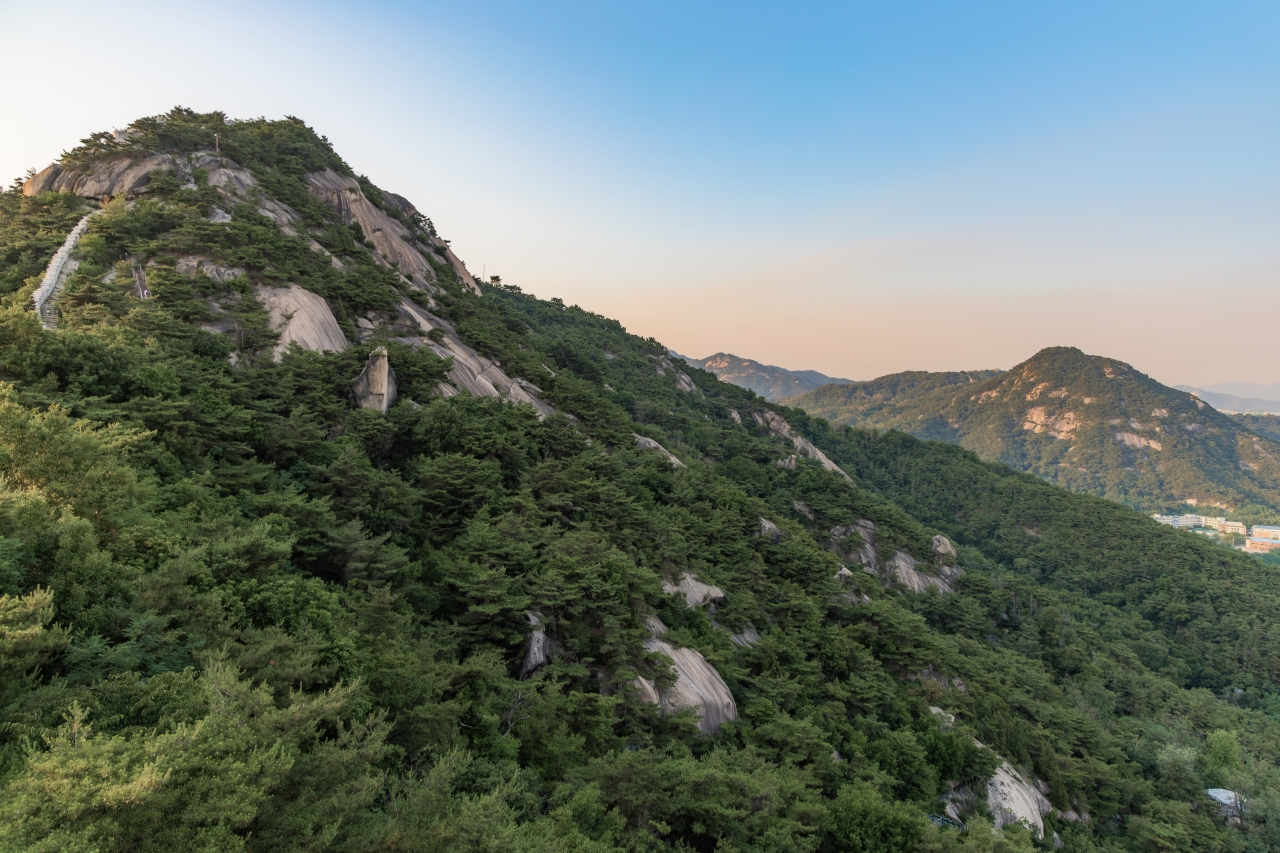
Renting gear (you don't need to pack it)
You don't have to bring hiking gear in your suitcase. The Seoul Hiking Tourism Center, about a 5-minute walk from Bukhansan Ui Station, Exit 2, rents hiking shoes, clothing, crampons, poles, gloves, and backpacks (cleaned and sanitized between uses) and provides course advice, maps, and guidebooks. Hours, fees, and reservation rules change.
Confirm on the official page before relying on it.
Safety and rules
Hiking has real risks; treat this section as essential, not optional:
- Entry-time control. Trailheads open roughly 04:00 and close entry around 17:00 (Mar-Nov) or 16:00 (Dec-Feb), no night hiking, so work backwards from sunset. A 4 to 5 hour Baegundae round trip means starting before noon (ideally before 8am).
- Winter needs crampons. KNPS officially requires crampons (aisen) in winter; buy a pair (around ₩20,000) at trailhead shops or rent them, the ice is real.
- Start early. Before 8am beats the summit queues and the weekend crush (popular trails can feel like rush hour).
- Wear hiking shoes, carry enough water, and check the weather: don't push on in rain, extreme heat, or heavy fine dust (which can also grey out the views; be realistic).
- Descend before dark, don't leave the marked trail, and in an emergency call 119 (mountain rescue).
- No camping or cooking in the park (day hikes only); no smoking, and pack your trash out.
Times, rules, and closures change. Verify with KNPS before you set out.
Korean hiking culture
Hiking is a national pastime, and the culture is part of the fun:
- Full gear is the norm: poles, technical jackets, real boots. It's a safety habit, not just fashion (and part of why accident rates stay low). You don't need to kit yourself out, but get the shoes right. Gear shops line every trailhead.
- Summit picnics: people share gimbap, cup noodles, and flask tea at the top.
- After the hike, there's a tradition of makgeolli (rice wine) and pajeon (savory pancake) at the base, mentioned as culture, not a nudge to drink; non-alcoholic is completely normal.
- A small nod to fellow hikers you pass is the usual greeting.
- Bukhansan also holds history: around a hundred temples and the Bukhansanseong fortress (1711).
What to wear and pack
| Item | Why |
|---|---|
| Proper hiking shoes | Grip on granite and loose ground: the one non-negotiable |
| Layers | Mountains are colder and windier than the city |
| Water (plenty) | Few refill points on the trail |
| Crampons (winter) | Officially required in winter; ice is real |
| Light rain layer | Weather changes fast |
| Snacks | Summit picnic, or just energy |
After the hike
- Base-of-the-mountain classics: makgeolli and pajeon spots cluster near trailheads (optional; go non-alcoholic if you prefer).
- A view with coffee: the The Bukhansan Starbucks has floor-to-ceiling mountain views; pair it with the nearby Eunpyeong Hanok Village: see the unique Starbucks in Korea guide.
- Refuel with a proper Korean meal, the what-to-eat guide has ideas. A jjimjilbang (bathhouse) is a classic way to soak tired legs afterward.
Best seasons
- Spring: azaleas and mild air; a lovely time to climb.
- Autumn: the peak season for foliage and crowds; time it with the Korea autumn travel guide (which covers when the colors arrive).
- Summer: green but hot and humid; start early and carry extra water, and skip it on extreme- heat days.
- Winter: clear and beautiful, but crampons are required and daylight is short; see the Korea winter travel guide for cold-weather planning.
Easy alternatives (you don't have to summit)
Not up for a peak? You still get the mountains:
- Bukhansan Dulle-gil: a flat perimeter trail of decks and forest paths, no summit.
- Ansan Jarak-gil: a gentle, near-step-free deck trail, good for families.
- Namsan: paved paths and stairs up to N Seoul Tower, more walk than hike.
Common mistakes
- Wearing sneakers: granite is slippery; proper shoes matter.
- Starting late: you must descend before the entry cutoff and dark.
- The station-name trap: head to Bukhansan Ui Station (Ui Line), not "Bukhansan Station."
- Going at weekend midday: trails get packed; start before 8am.
- Winter without crampons: they're officially required; the ice is real.
- Too little water: refill points are scarce.
- Underestimating Baegundae: the cabled final section is genuinely tough; skipping it is fine.
Frequently asked questions
Can I really hike in Seoul by subway? Yes: most trailheads are a subway ride (plus a short walk or bus) from the city, paid with a T-money card.
Which mountain should a beginner pick? Namsan (paved), Ansan (gentle deck trail), or Achasan (about an hour), save Bukhansan's Baegundae for when you're ready.
Is Bukhansan hard? The main Baegundae climb is rated intermediate, but the final ~300 m is a cabled rock scramble: moderate-to-hard. Plan 4 to 5 hours and don't underestimate it; you can skip the top section and still get great views.
How do I get to Bukhansan? The easiest way is the Ui Line to Bukhansan Ui Station, Exit 2, then walk or taxi to the trailhead, not "Bukhansan Station" on Line 4, which is elsewhere.
Do I need to bring hiking gear? No: the Seoul Hiking Tourism Center near Bukhansan Ui Station rents shoes, clothing, crampons, poles, and packs. Confirm hours and fees officially.
Is it free? Yes, Bukhansan National Park entry is free (only parking is paid).
What time should I start? Before 8am is ideal, you beat crowds and leave time to descend before the entry cutoff and dark. No night hiking.
Do I need crampons? In winter, yes: KNPS officially requires them, and the ice is real. Buy at trailhead shops or rent.
Are the trails marked in English? Signage is improving and some buses have English announcements, but bring a map app; if unsure, follow other hikers.
What's the deal with all the hiking gear? Full gear is a safety norm in Korea, not just fashion. You don't need it all, but get proper shoes.
Can I camp or cook on the mountain? No. It's day hiking only; no camping or cooking, no smoking, and pack out your trash.
What do people do after hiking? Traditionally makgeolli and pajeon at the base (optional), or a view-cafe and a bathhouse to recover.
When is the best season? Spring and autumn are ideal; autumn is the busiest for foliage. Summer is hot; winter needs crampons.
What if the weather is bad? Don't push on: rain, extreme heat, and heavy fine dust are reasons to turn back or pick an easy trail. Call 119 in an emergency.
Final recommendation
Seoul's mountains are one of the city's best surprises, and the smart approach is to start with a mountain that matches your fitness. Take Namsan or Ansan if you want a stroll, Inwangsan for city-wall views, and Bukhansan's Baegundae only if you're ready for a cabled granite scramble (and it's fine to turn around below the top). Wear proper shoes, rent anything else near Bukhansan Ui Station, start early, carry water, add crampons in winter, and check the KNPS and Seoul Hiking Tourism Center info before you go.
Do that and you'll see a side of Seoul most visitors miss, the mountains don't run away, so climb within your limits.
Sources
- Visit KoreaOfficial tourism site
- Seoul Metropolitan Government Open DataOfficial government site
- Korea Tourism Organization English TourAPIOfficial API
Information is compiled from official sources. Details such as prices, hours, and schedules can change. Confirm time-sensitive facts before you travel.
Last verified on
Related guides
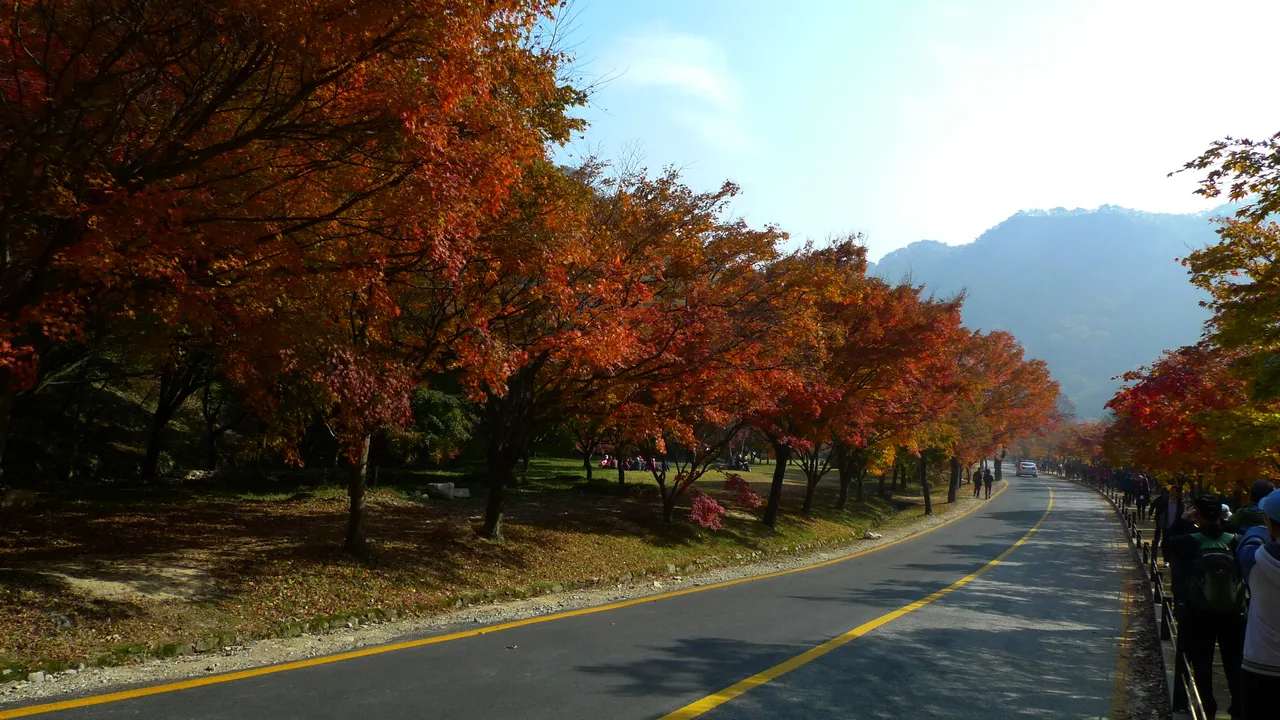
Korea in Autumn: When to Go, Fall Foliage Timing, and Best Places to See Autumn Colors
Autumn is one of Korea's best seasons, crisp weather and foliage that sweeps from the northern mountains down to the southern islands from late September to late November. Plan around the pattern rather than a fixed date: foliage starts high and north and moves south, peak comes roughly two weeks after the first color, and forecasts shift every year. Timing, the best city, day-trip, and mountain spots (including options for non-hikers), pink muhly, what to pack, and how to beat the peak-season crowds are all covered below. Check the official KMA and VisitKorea forecast before you lock in dates.

T-money Card Guide for Visitors to Korea
A T-money card is a rechargeable transit card that works on subways, buses, and most taxis nationwide. Buy one at any convenience store or station machine for about ₩3,000 to 5,000, load cash onto it, and tap in and out. It is the simplest way for visitors to get around Korea.