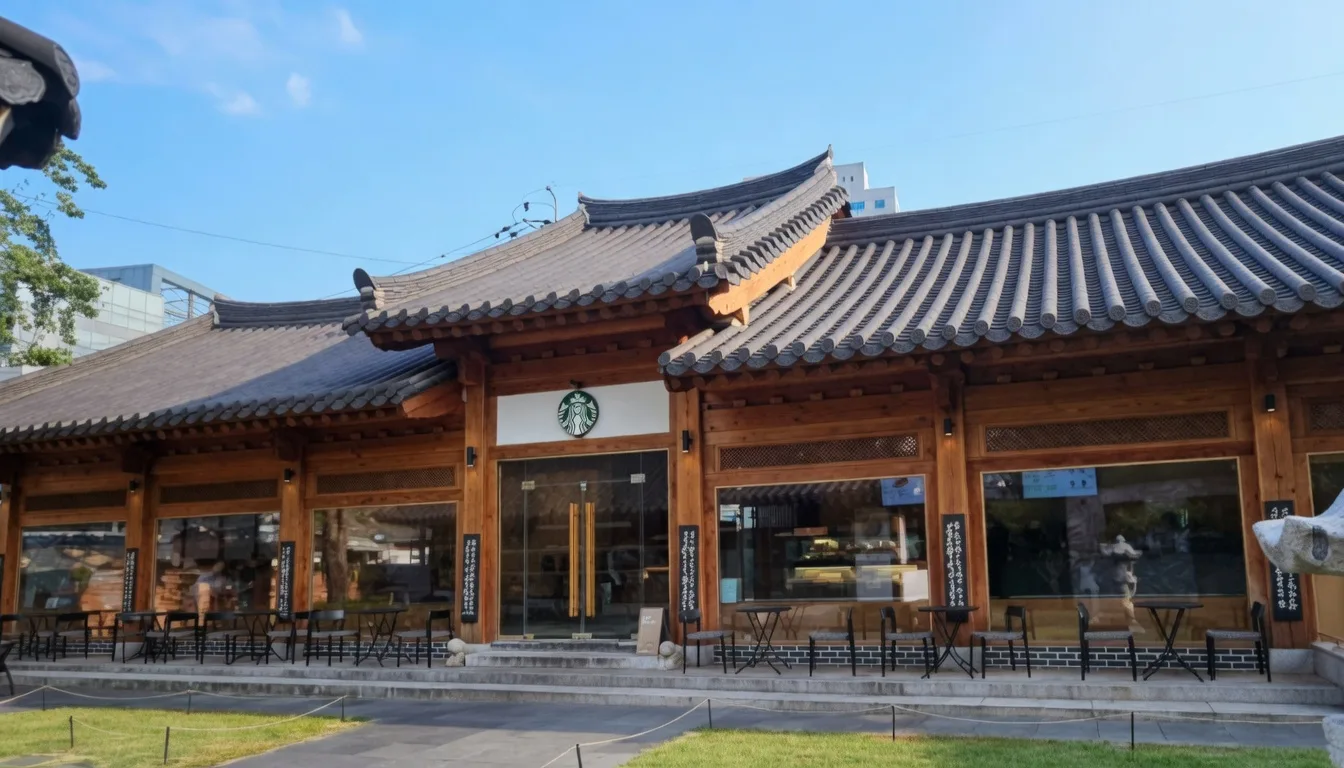
Here's the odd thing about Starbucks in Korea: it's the same brand you have at home, but here it often becomes a destination. Korea has leaned hard into stand-alone store concepts, Korea-only merchandise, and seasonal menus, so instead of a chain coffee stop you get a cafe inside a restored 1960s theater, a mid-century mansion, a floating spot on the Han River, or one 400 metres up a Busan tower.
It's a fun, low-effort way to see a different side of Korean cafe culture.
To be clear on tone: this isn't a must-do for everyone: it's for people who enjoy cafe-hopping, photogenic spaces, or collecting travel mugs. And everything time-sensitive here (menus, prices, hours, and merchandise stock) is seasonal and changes, so confirm on the official Starbucks Korea app or store page before making a trip of it.
Quick answer
| Question | Short answer |
|---|---|
| Why go? | Unique store concepts, Korea-only drinks, and collectible merchandise |
| The one to see? | Gyeongdong 1960: a cafe inside a restored 1960s theater |
| Where's it? | Inside Gyeongdong Market, by Jegi-dong Station (Line 1) |
| Korea-only menu? | Yes: seasonal and store-specific; check the app |
| Do I need the app? | No: counter ordering is simplest for visitors |
Menus, prices, hours, and stock all change. Check the official app or store page, and treat anything here as an example, not a fixed offer.
Why Starbucks in Korea is different
Starbucks arrived in Korea in 1999 (the first store by Ewha) and now has around 2,000 locations (sources vary. Confirm).
What makes it interesting for visitors isn't the coffee but the concept stores, Korea-only and seasonal drinks, and heavily collected merchandise. A few culture notes: Koreans nickname it "Byeoldabang" (a play on "star" + dabang, the old word for a tearoom). Wi-Fi and power outlets everywhere feed the "cafe-study" culture; and there's no tipping anywhere in Korea.
Gyeongdong 1960 (the one to visit)
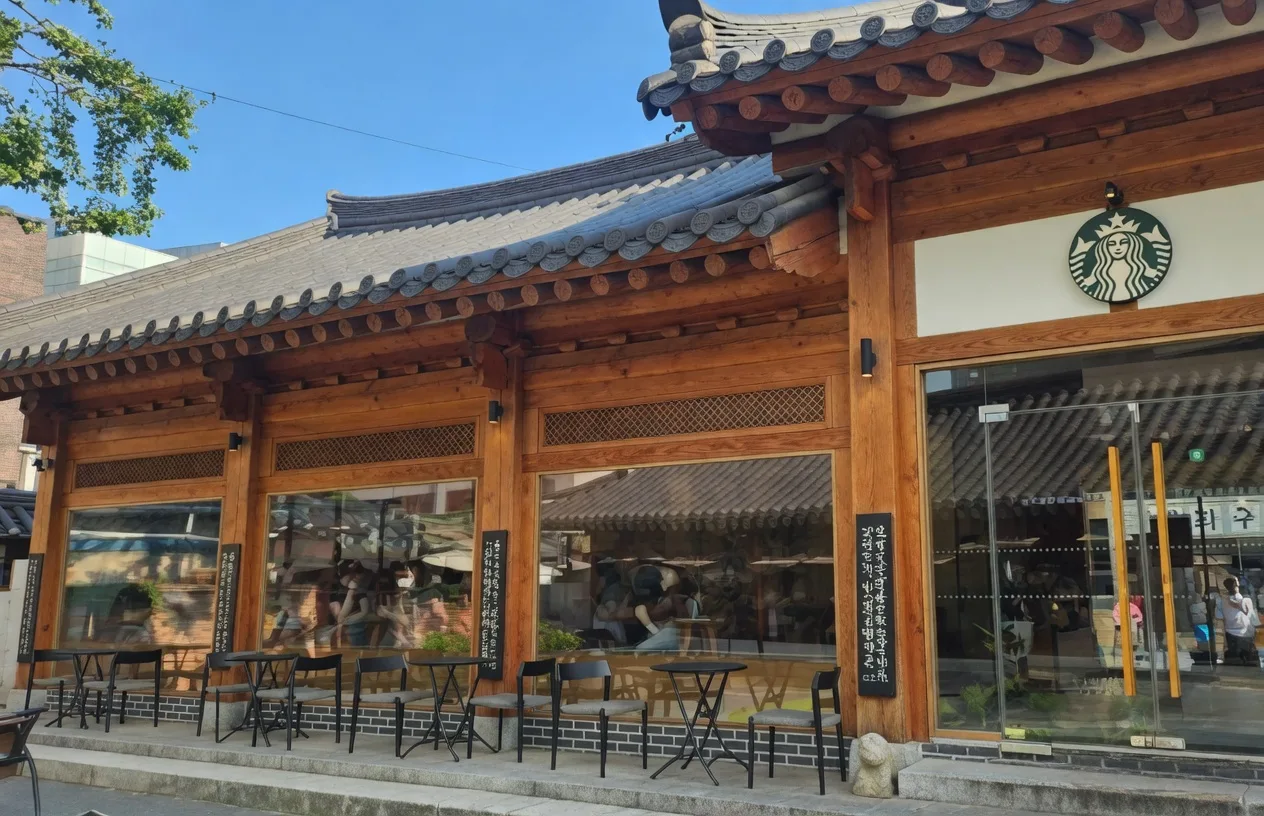
If you see one, make it Gyeongdong 1960: a Starbucks built inside the restored Gyeongdong Theater, a 1960 cinema that closed in 1994. Starbucks reopened the space as a cafe in December 2022, across the 3rd, 4th floors (around 805㎡, 150 to 200 seats) of a building inside Gyeongdong Market.
- A community store. It's one of Starbucks Korea's community stores: a portion (about ₩300 per item) goes toward supporting the traditional market and local regeneration (per VisitKorea).
- The theater is the design. Tiered theater-style seating faces the counter like a stage, and your order number / nickname is projected onto the wall. There's a tumbler-washing station, and a retro radio-themed pop-up nods to the building's past.
- Store-only items. It sells in-store "crafted food" baking and exclusive merchandise you won't find elsewhere, and there are weekend performances by local artists.
- Getting there is part of it. From Jegi-dong Station (Line 1), Exit 2, walk 5 to 6 minutes to Gyeongdong Market's Gate 4, then up the stairs on the right, the entrance is a little hidden, which is half the fun.
- Go before noon on weekends, it gets busy.
- Accessibility note: it's up stairs and through market lanes, so it's difficult for travelers with mobility limits. Hours vary by source (roughly morning to ~21:30 to 22:00), so check the app.
Because Gyeongdong Market is a less touristy local market than Gwangjang, it pairs well with the Gwangjang Market guide, which also covers Gyeongdong as an alternative market.
Other unique stores
Each of these is worth checking is currently operating on the official page before a special trip, concepts and locations change:
| Store | Concept | Best for |
|---|---|---|
| Jangchung Lounge R (Jung-gu) | A converted 1960s mansion; also serves alcohol and coffee cocktails | Atmosphere, a quiet splurge |
| Ewha R | Korea's first store (1999), with heritage-only drinks | A bit of history |
| Insadong | The only Starbucks with a Korean (Hangeul) main sign | A photo stop |
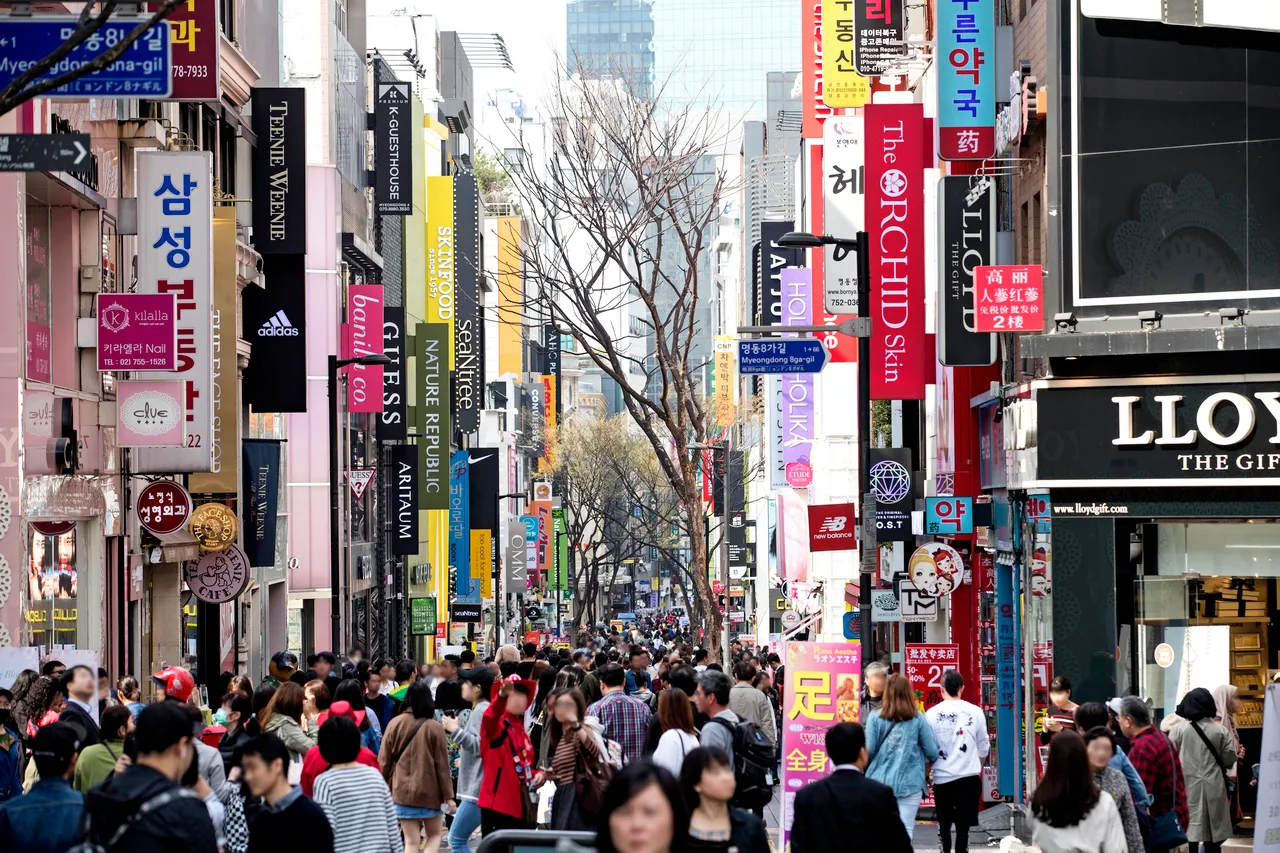
| Byeoldabang (Myeongdong) | Retro Korean "dabang" concept with a digital art wall | Central, easy |
| The Bukhansan (Eunpyeong) | Floor-to-ceiling Bukhansan mountain views | Post-hike coffee |
| X the Sky (Busan) | Reputed to be the world's highest Starbucks: 99th floor, 400m+ | Haeundae views |
| Seoul Wave (Han River) | A floating riverside store (confirm it's operating) | River setting |
| Jongno Tower R | A large Reserve store with exclusive mugs/drippers | Reserve fans |
A few notes: Jangchung Lounge R and some Reserve stores serve alcohol (mentioned neutrally, no encouragement to drink) and both Jangchung and the mansion-style stores can be stairs-only (no lift), so check accessibility. For X the Sky, pair it with the Busan area guide if you're heading south; for The Bukhansan, combine it with a climb via hiking in Seoul.
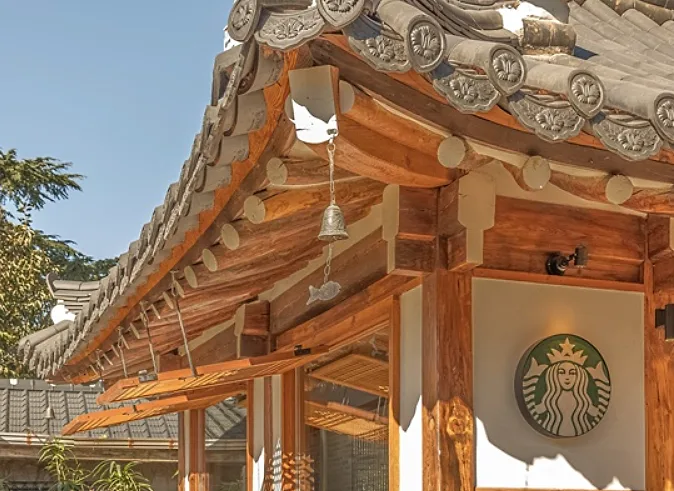
Korea-only and seasonal drinks
Korea gets drinks you won't see at home, but they're seasonal and rotate, so treat these as examples and check the app for what's on now:
- A rice-cream cold brew (Korean rice cream) at some Reserve stores.
- Heritage drinks tied to specific stores (e.g. a first-store latte at Ewha).
- Spring cherry-blossom and Christmas seasonal ranges.
Stock here changes constantly; what's listed today may be gone by your visit.
Merchandise (MD) culture
Korea's Starbucks merchandise ("MD") is a genuine collecting hobby:
- City mugs and tumblers: Seoul, Busan, Jeju, and more, each with local artwork.
- Regional bear figures: themed by area (a Jeju bear in a haenyeo diver suit, a Gyeonggi bear as a palace guard, for example), the line-up changes by season.
- Seasonal collections: cherry-blossom (spring) and Christmas ranges are the big drops.
- Store-only MD: some items (like Gyeongdong 1960's exclusives) are sold at a single store.
Practical tip: you don't have to travel the whole country for city mugs, the big Seoul stores (Myeongdong and others) usually carry most regions. Stock and release dates change, so check in person; this is a fun souvenir hobby, not an investment: this guide doesn't cover or encourage resale.
Practical tips
- Counter ordering is simplest. The Siren Order app can need a Korean phone number/account, so visitors are usually fine ordering at the counter: the app isn't required.
- Pickup is by buzzer or, at Gyeongdong 1960, the wall projection.
- Wi-Fi and outlets are free and everywhere. It's a normal place to sit a while.
- Foreign cards generally work (confirm), and there's no tipping.
- Use Naver Map or KakaoMap to find stores, not Google Maps.
- Avoid weekend afternoons at the famous stores; mornings are calmer.
- Tax refund generally doesn't apply to cafe drinks. Don't assume it does; check any policy.
Which store fits you?
| If you want… | Go to |
|---|---|
| The single most interesting space | Gyeongdong 1960 |
| A central, easy photo stop | Insadong (Hangeul sign) or Byeoldabang |
| A view with your coffee | X the Sky (Busan) or The Bukhansan |
| A quiet, atmospheric splurge | Jangchung Lounge R |
| Merchandise and mugs | Big Seoul stores (Myeongdong) |
| Step-free access | Check each store first: several are stairs-only |
Food and dietary notes
Food and drinks have milk or soy options; if you have allergies (nuts, wheat, egg, dairy), check the item details. Halal or vegan status isn't something to assume: verify per product; for wider food checks see the Korea food guide for Muslim travelers.
Common mistakes
- Not finding Gyeongdong 1960's entrance: it's up hidden stairs by Gate 4; that's normal.
- Going on a weekend afternoon: the famous stores are packed; go earlier.
- Assuming a specific mug is in stock: releases and stock change; check in person.
- Thinking the tax refund applies: cafe drinks generally aren't covered.
- Expecting every store to be special: most are ordinary; only some are concept stores.
- Feeling you must download the app: counter ordering works fine.
Frequently asked questions
Why is Starbucks a "thing" in Korea? Korea has unique concept stores (a restored theater, a mansion, a floating river cafe), Korea-only seasonal drinks, and a big merchandise-collecting culture, so a familiar brand becomes a destination.
Which Starbucks should I visit? Gyeongdong 1960, a cafe inside a restored 1960s theater in Gyeongdong Market, the most distinctive space.
How do I get to Gyeongdong 1960? Jegi-dong Station (Line 1), Exit 2, then a 5 to 6 minute walk to Gyeongdong Market's Gate 4 and up the stairs on the right. Go before noon on weekends.
Is it accessible for wheelchairs/strollers? It's difficult, stairs and market lanes. Several other concept stores are also stairs-only; check each first.
What is a "community store"? A store where part of each purchase supports a local cause, Gyeongdong 1960 contributes toward the traditional market and local regeneration.
Are there drinks I can't get at home? Yes: Korea-only and store-specific drinks (like a rice-cream cold brew), plus seasonal ranges. They rotate, so check the app.
What's the deal with the merchandise? City mugs, regional bear figures, and seasonal (cherry-blossom, Christmas) collections are widely collected. Stock changes; big Seoul stores carry most city mugs.
Do I need to travel everywhere for city mugs? No, large Seoul stores usually stock most regions, so you don't have to chase them nationwide.
Where is the world's highest Starbucks? X the Sky in Busan's Haeundae is reputed to be the highest, on the 99th floor of a 400m+ tower.
Do I need the Korean app to order? No, counter ordering is simplest for visitors; the Siren Order app can require a Korean account.
Do I tip at Starbucks in Korea? No. There's no tipping culture in Korea.
Can I get a tax refund on Starbucks? Generally no: cafe drinks usually aren't eligible; don't assume, and check any policy.
Is the Han River floating store open? It may be, riverside concept stores change, so confirm it's currently operating before you go.
Is this worth doing on a short trip? Only if you like cafe-hopping or collecting, otherwise skip it. One or two stores that fit your route is plenty.
Final recommendation
You don't need to tour every unique Starbucks in Korea. Pick one or two that fit your route. Make Gyeongdong 1960 the priority if you can (a genuinely special theater-turned-cafe, paired with a Gyeongdong or Gwangjang market visit), add a central photo stop like the Insadong Hangeul-sign store or Byeoldabang, and grab any city mugs at a big Seoul store rather than chasing them nationwide.
Order at the counter, go on a weekday morning to dodge crowds, and check the official app for current menus, hours, and stock: then enjoy a familiar brand doing something genuinely different.
Sources
- Visit KoreaOfficial tourism site
- Korea Tourism Organization English TourAPIOfficial API
Information is compiled from official sources. Details such as prices, hours, and schedules can change. Confirm time-sensitive facts before you travel.
Last verified on
Related guides
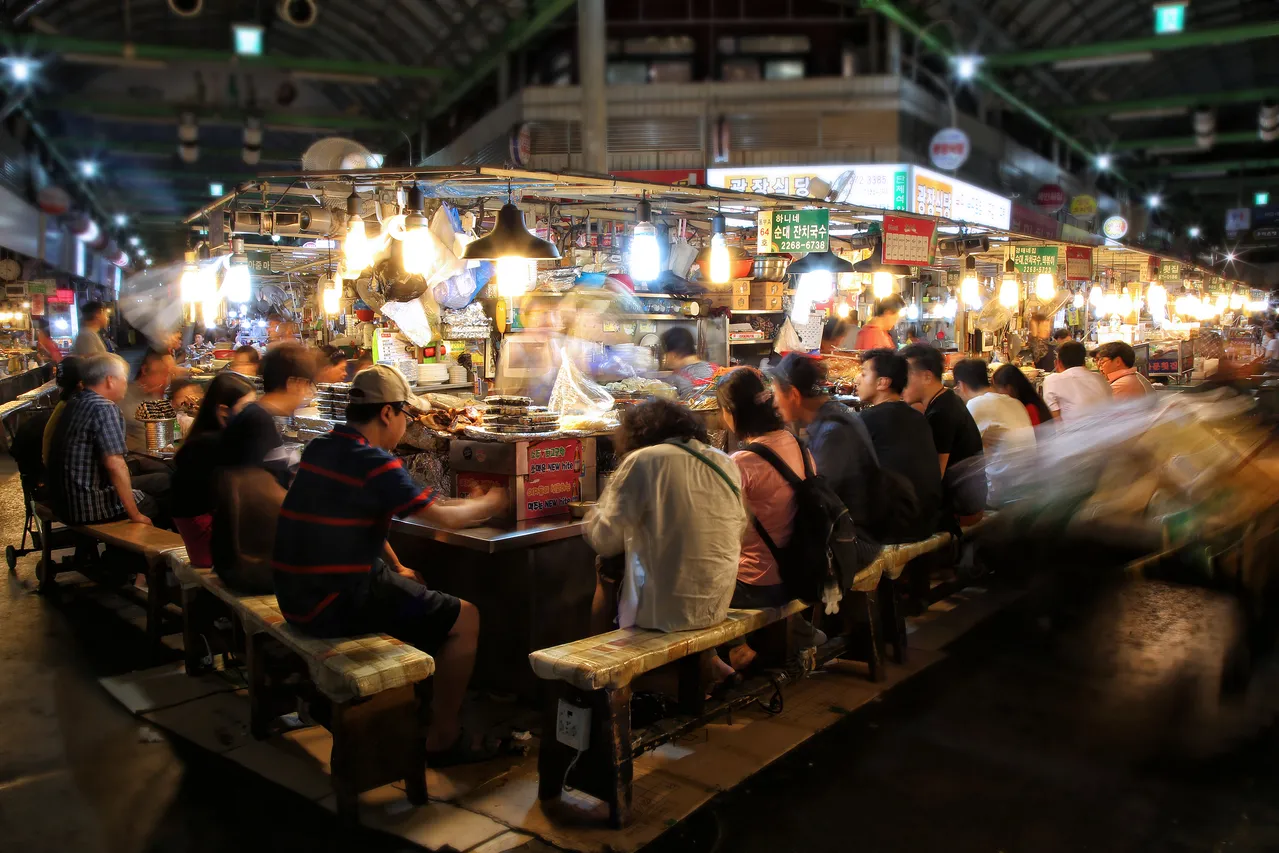
Gwangjang Market Tourist Price Guide: What to Watch Out For and Better Seoul Market Alternatives
Gwangjang Market is one of Seoul's most famous food markets and still worth a visit, but reported price disputes (2023 to 2026) mean it pays to check before you order. This is a balanced, practical guide, not a "don't go" piece: what to watch for, the price-display and monitoring measures now being rolled out, how to avoid overpaying, and better-fit alternative markets (Tongin, Mangwon, Gyeongdong, Namdaemun) by travel style. Prices and hours change, so confirm current details before you go.
Myeongdong Shopping Guide: Beauty, Street Food, Tax Refund, and What to Buy
Myeongdong is Seoul's most concentrated shopping district: wall-to-wall cosmetics, fashion, and street food, with the city's highest density of tax-free stores. Below: the main areas, what to buy (especially K-beauty), the evening street-food scene, and how the tax refund actually works in 2026, including why you get back about 5, 8% rather than the full 10%, and why you must carry your physical passport. Prices, hours, and refund rules change, so confirm current details before you shop.