Seoul has real free outdoor time, not only paid attractions. The mistake is treating every “free” list item as zero cost forever.
This page separates free, free with conditions, and low-cost so you can plan a day without surprise tickets.
For deep how-tos, open the linked guides rather than treating this as a second full itinerary. Nothing below is a promise that admission never changes.
Prefer the official site for the day you visit.
Quick answer
| Category | Examples on this page | What to verify |
|---|---|---|
| Free | Cheonggyecheon walk, Hangang parks, many outdoor trails | Weather, temporary closures |
| Free with conditions | Some palace free days, hanbok free entry, permanent museum exhibits that are free now | Date, dress rules, special exhibition fees |
| Low-cost (not free) | Subway hops, convenience-store picnic, market snacks | Menu boards, T-money top-ups |
Quick facts
- Best free core
- Stream walk + Hangang evening
- Best free indoor
- Confirm museum permanent exhibits
- Common trap
- Calling low-cost food free
- Ticket risk
- Palace free days rotate
Truly free: walks, parks, and outdoor time
Cheonggyecheon stream
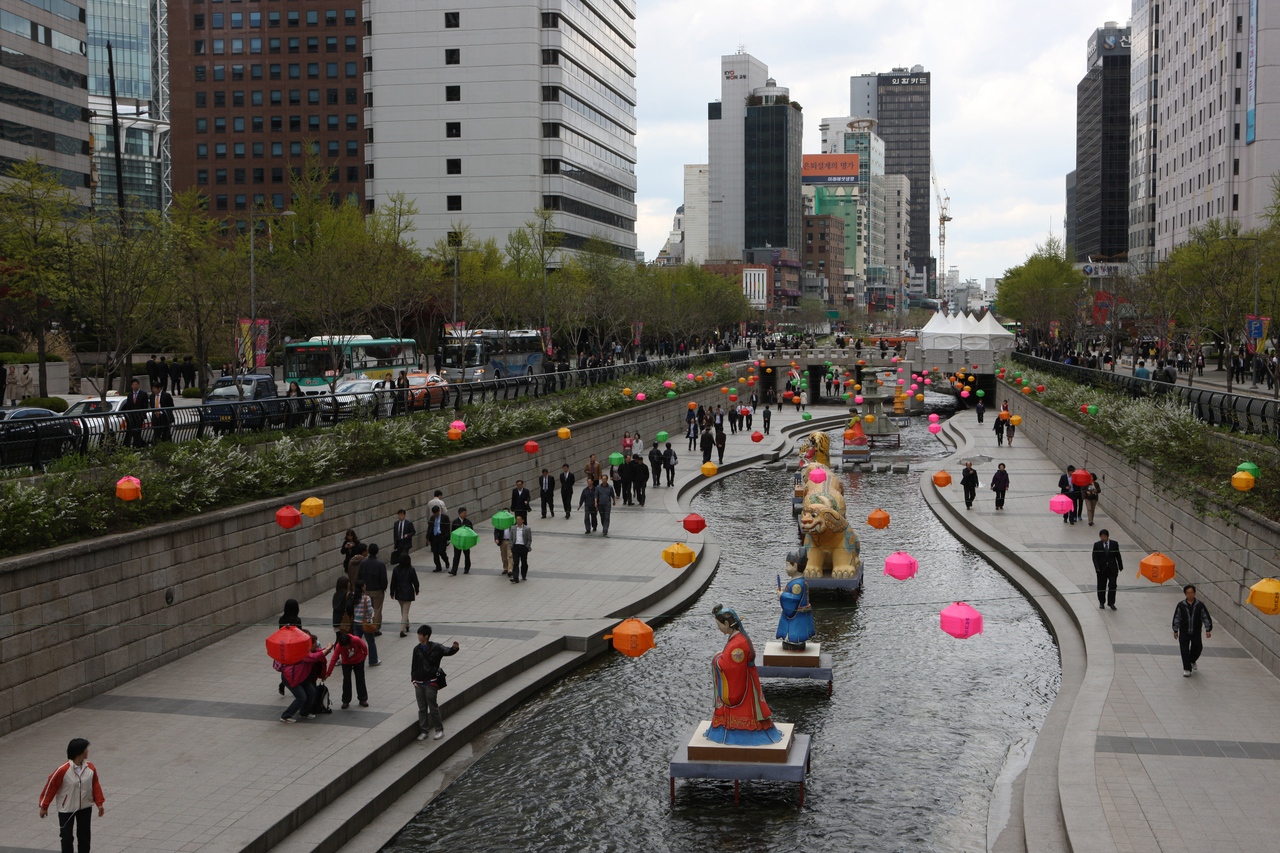
Cheonggyecheon is a restored stream path through central Seoul. Walking the popular downtown stretch does not require a ticket. It can close in heavy rain, and festival overlays change by year.
Full routes, nearby food, and station exits: the Cheonggyecheon stream guide.
Hangang (Han River) parks
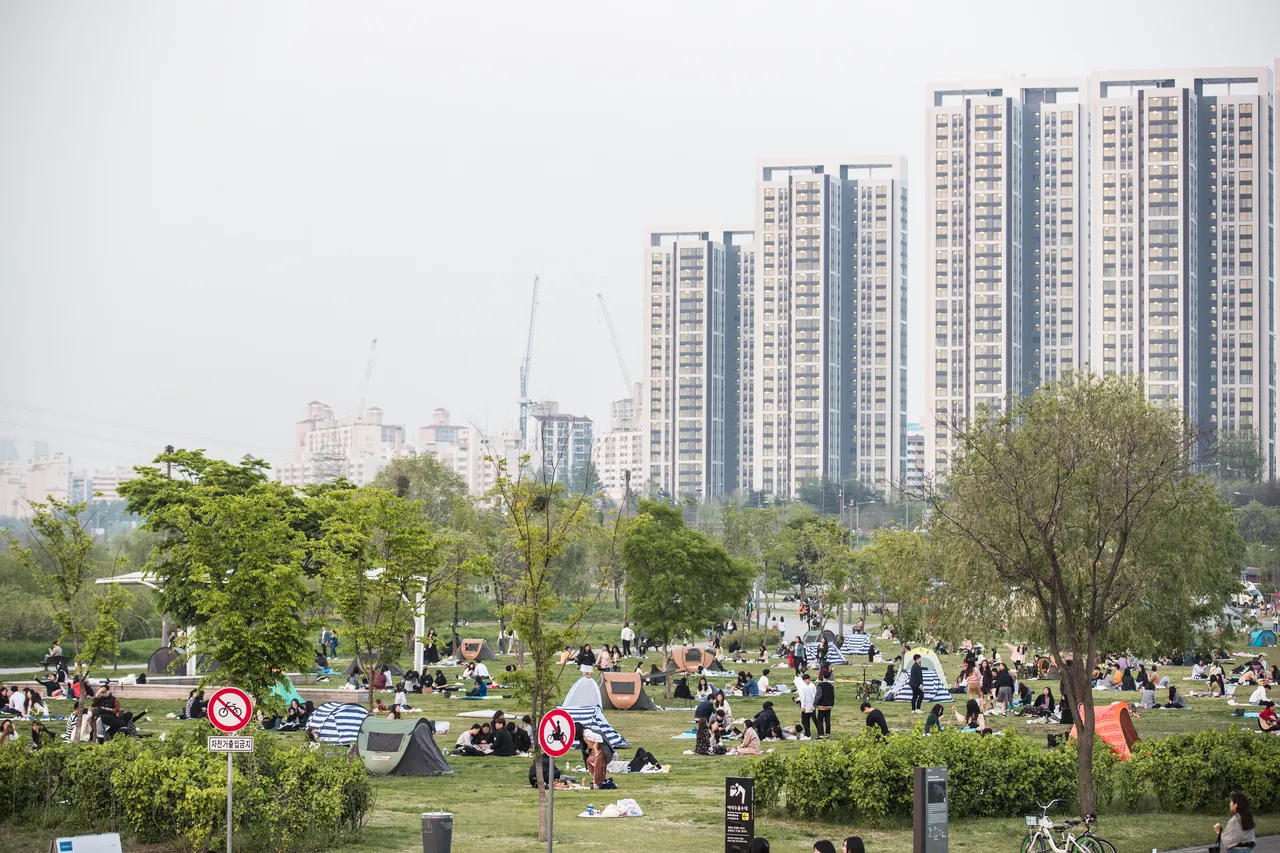
Hangang park areas are free public parks. Picnics, evening walks, and bike paths do not need a park ticket. Food, mats, and rental bikes cost money. Delivery apps may need a Korean number.
How to picnic without a local delivery account: Han River picnic guide. Official Hangang park information is maintained by Seoul’s Hangang Park site.
Subway mountains and city trails
Many trailheads around Seoul are reachable with a T-money fare (the ride is low-cost, not free). Trail entry itself is often free for standard day hikes. Cable cars, towers, and some park services are paid.
Difficulty, stations, and safety: hiking in Seoul by subway.
Neighborhood windows without a ticket
Street-level browsing in areas such as Ikseon-dong alleys, palace exterior walls, and river paths costs nothing if you are only walking. Entering paid interiors, cafes, or observation decks changes the budget.
Free with conditions: palaces and museums
Palace grounds
Major royal palaces are not automatically free every day. Free days, night programs, and hanbok-related free entry follow Korea Heritage Service rules and posted schedules. Hanbok free entry has dress rules, not “any rental costume.”
Use the official palace and KHS pages for the date you visit. Practical night-program notes: palace night viewing. Hanbok eligibility and rental timing: hanbok rental in Seoul.
Do not treat one successful gate day as a permanent national rule.
National Museum of Korea
The National Museum of Korea in Yongsan is widely used as a free or low-barrier indoor stop for permanent exhibitions, but special exhibitions and temporary programs can charge. Hours and fees change.
Visitor flow, shop, and station access: National Museum of Korea guide. Confirm permanent vs special-exhibition fees on the museum’s official site before you go.
Other “free” culture claims
City or national museums may list free permanent collections while charging for special shows, audio guides, or temporary rooms. Always separate permanent free entry from optional paid extras.
Low-cost is not free
Subway and T-money
Moving between free sites costs fare. A T-money card is the practical way to ride subway and city buses. Card purchase and top-up are cash-heavy for plain T-money recharge in many setups; see how to pay in Korea and the T-money guide.
Markets and street food
Walking through markets is free. Ordering food is not. Price boards vary stall by stall. Gwangjang and other markets are better treated as low-cost meals, not free attractions.
Price friction: Gwangjang tourist price guide. What to order: Gwangjang food guide.
Convenience-store picnic
A Hangang picnic with convenience-store food is one of the cheapest evening patterns in Seoul. It is still a paid meal. Rules about litter, mats, and alcohol follow park norms; the picnic guide covers the practical flow.
Sample free-leaning day shapes
These are combinations, not fixed schedules. Swap indoor/outdoor pieces for weather.
| Shape | Morning | Afternoon | Evening |
|---|---|---|---|
| Central walk | Cheonggyecheon stretch | Palace exterior walls or free-entry day if confirmed | Hangang park |
| Indoor weather | National Museum permanent halls (confirm fees) | Nearby free outdoor pocket if rain clears | Convenience-store picnic if dry |
| Active day | Subway to a city trail trailhead | Descent + free neighborhood stroll | Night free walk (Cheonggyecheon or river) |
For a full paid-and-free mix, pair this page with the Seoul 3-day itinerary rather than expanding this list into a second itinerary.
Common mistakes
- Calling market food free because entry is free.
- Assuming every palace day is free without checking the current KHS or palace calendar.
- Ignoring special-exhibition fees at museums with free permanent rooms.
- Forgetting transit cost when chaining “free” sites across the city.
- Treating night programs as free daytime rules (night schedules are separate).
Who should use this guide
Good fit: travelers who want outdoor time and indoor backups without stacking paid tickets every hour.
Skip or skim: visitors who only want one ticketed highlight day (palace interior + tower + show). Use the specific attraction guides instead.
FAQ
Is Seoul free to enjoy without paying attractions?
Outdoor walks, Hangang parks, and many trails can fill a day with little or no admission. Food and transit still cost money.
Are the five grand palaces free?
Not as a permanent rule. Free days and dress-based free entry exist under published conditions. Check the official schedule for your date.
Is the National Museum of Korea free?
Permanent exhibitions have often been free for general visitors, while special exhibitions may charge. Confirm on the official museum site for your visit day.
Can I do a free night in Seoul?
Cheonggyecheon and Hangang parks work as free evening walks. Night markets and late food are low-cost, not free. See things to do in Seoul at night.
Do I need cash for a free day?
You still need money for transit top-ups and optional food. Card acceptance varies by kiosk and shop; carry a small cash buffer.
Is hiking free?
Trail entry is often free for standard day hikes. Transport to the trailhead, rentals, and cable cars are not free. Follow safety and park rules on official hiking pages.
What is free with hanbok?
Palace free entry linked to hanbok follows official dress rules. A rental fee for the clothes is not free. Read the hanbok guide before assuming gate free entry.
Should I book free activities?
Most free walks need no booking. Special free events or timed programs may need reservations. Check the organizer’s notice when a date-specific program appears.
Bottom line
Build free time around walks and parks, treat palaces and museums as conditional free, and keep food and transit in the low-cost column. Confirm admission on official sources the day you go. Use the linked deep guides when you need routes, stations, or etiquette detail.
Sources
- Visit KoreaOfficial tourism site
- Visit Seoul, Seoul Tourism Organization (official)Official tourism site
- Seoul Metropolitan Government (english.seoul.go.kr)Official government site
- Seoul Hangang Park (Future Hangang Headquarters, official)Official government site
- Korea Heritage Service English siteOfficial government site
- Royal Palaces and Tombs Center, Korea Heritage Service (궁능유적본부)Official government site
- Seoul Metropolitan Government Open DataOfficial government site
Information is compiled from official sources. Details such as prices, hours, and schedules can change. Confirm time-sensitive facts before you travel.
Last verified on
Related guides
Cheonggyecheon Stream Guide: History, Walking Route, Things to Do, Food Nearby, and Visitor Tips
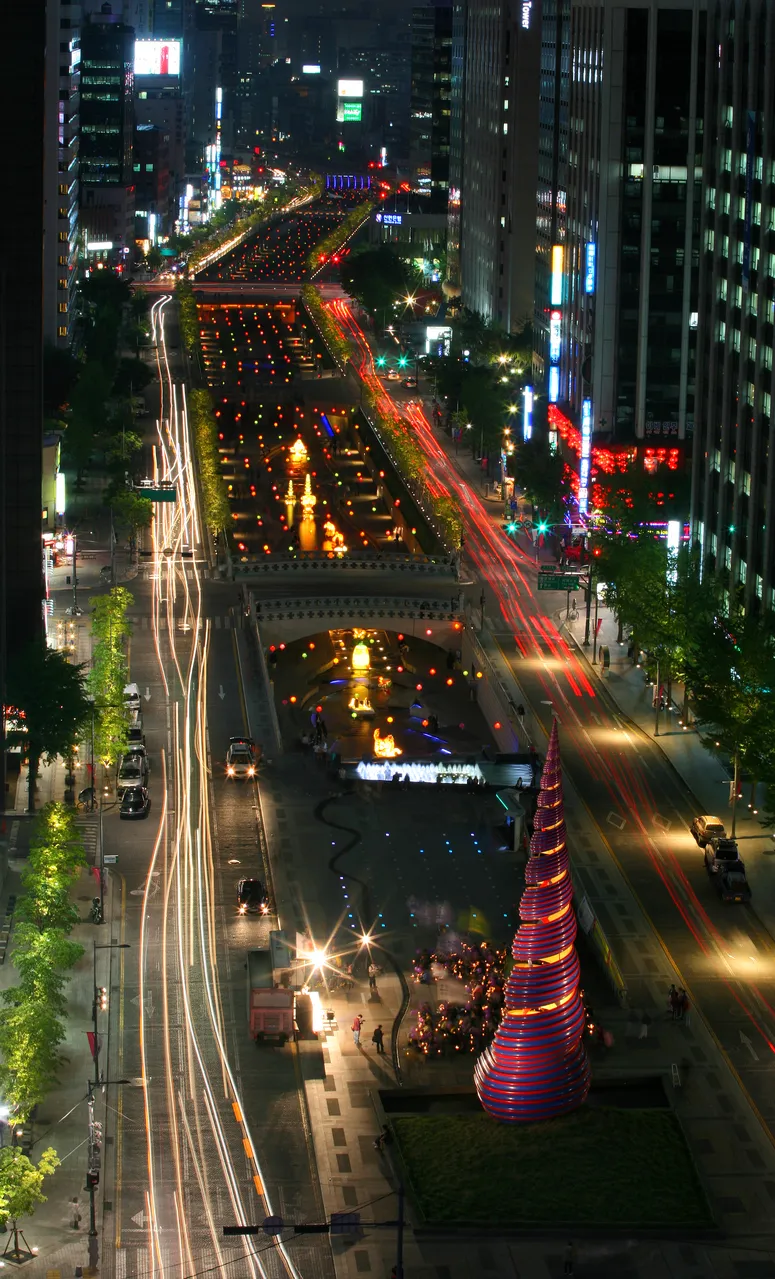
Cheonggyecheon is a restored stream running right through downtown Seoul, a free and central walking route that stays noticeably cooler than the streets above it. It spent decades buried under a highway before being uncovered in 2005. Most people walk the popular downtown stretch of about 2 km rather than the full 11, and the four routes below cover that section, the food areas nearby including Gwangjang Market, and what changes by season. It's open around the clock but can close in heavy rain, and festival dates change every year, so check current official information before you go.
Han River Picnic Guide: Parks, Food, and Etiquette
A Han River (한강) picnic is one of Seoul's easiest, cheapest evenings out: pick a riverside park like Yeouido, Ttukseom, or Banpo, bring a mat and food, and relax by the water. Convenience stores and takeout are the simplest way to eat, and a few drinking and litter rules keep it pleasant for everyone.