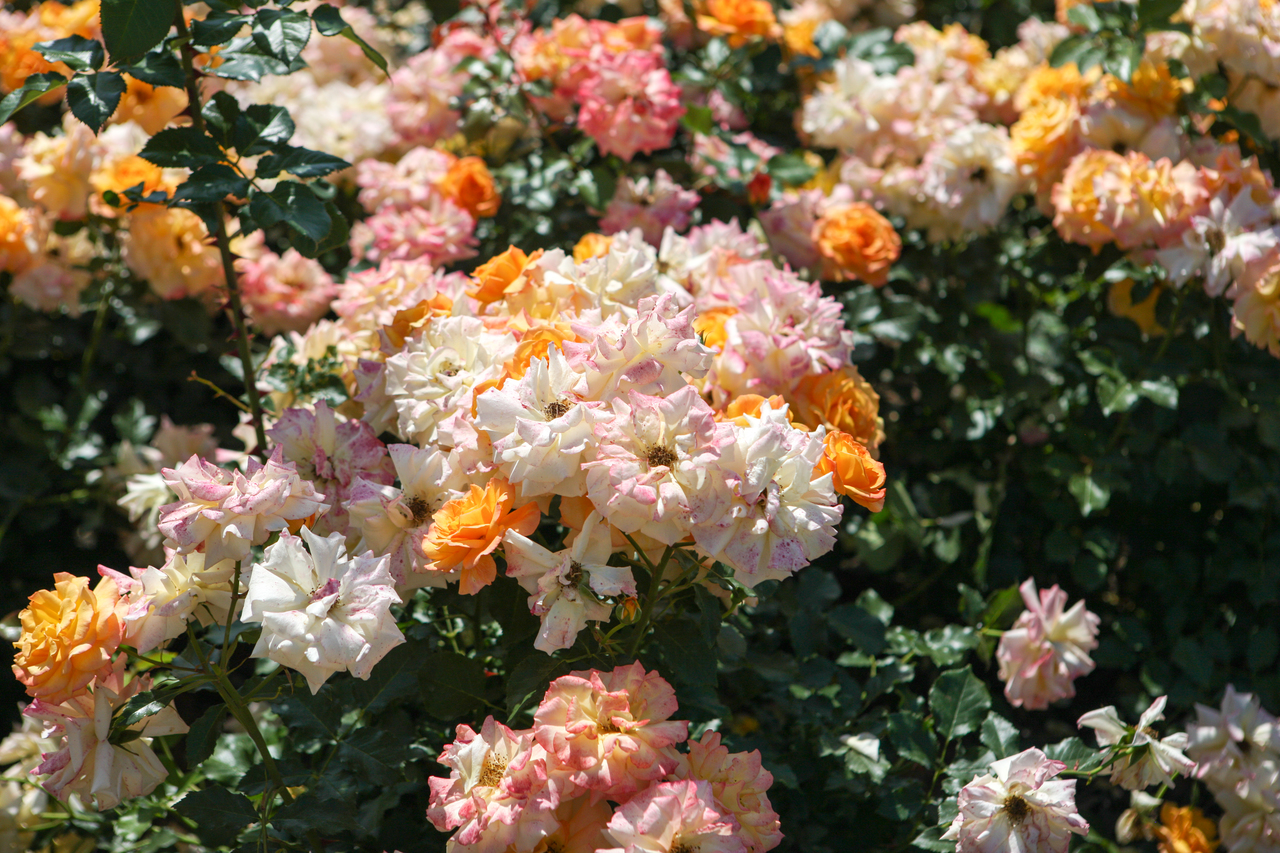
May is, for many visitors, the sweet spot of the Korean calendar: the spring greenery is out, the heavy heat and the summer monsoon have not arrived, and the days are long. It comes after the cherry blossoms, which generally peak earlier in spring and vary by region and year, so plan May around mild-weather sightseeing rather than blossoms.
This is a relaxed 5-day route built for the season. Pair it with the Seoul 3-day itinerary if you want more city detail.
If you are still choosing March vs April vs May, start with the spring season guide first. If your trip is five days but not specifically May, use the season-agnostic 5-day Korea itinerary choices page for trip shape.
Who this plan is for
First-time visitors who want a comfortable mix of city and culture without rushing, and who would rather spend time outdoors while the weather allows it. If you have a week, extend it with the 7-day Korea route.
What May weather is usually like
May is generally mild and pleasant, but conditions vary year to year, so treat this as a guide, not a guarantee. Check the forecast before you pack.
In practice that usually means light layers, a compact rain jacket just in case, and comfortable shoes for a lot of walking. Late May can start to feel warm, especially midday.
The 5-day plan
| Days | Base | Focus | Deep guide |
|---|---|---|---|
| 1 to 2 | Seoul | Palaces, old town, market meal, evening neighborhood | Seoul 3-day |
| 3 | Gyeongju (KTX) | Tombs, Bulguksa, historic core | Gyeongju |
| 4 to 5 | Busan | Coast, fish market, hillside village, then leave | Busan 2-day |
Move between cities on the KTX and use a T-money card within each.
What May weather actually looks like day to day
Typical May in Seoul sees daytime highs in the high teens to mid-twenties Celsius (roughly 65 to 78°F), with cooler evenings. Rain is possible throughout the month but less likely than in June when the monsoon begins. Humidity is usually low and the air quality is better than in March and April, when yellow dust from China can be an issue on some days.
Busan, further south and on the coast, tends to be slightly warmer with sea breezes. Gyeongju, inland and surrounded by hills, is similar to Seoul in temperature.
Pack: light layers for mornings and evenings, something warmer for Gyeongju and night air, a compact umbrella or packable rain jacket, and sunscreen for midday walks. Comfortable walking shoes are the most important item, most sightseeing in Korea involves significant walking.
What makes May especially good?
Beyond the mild weather, a few things make May stand out:
- Palace gardens. Korean palace gardens in May are at their greenest: lotus ponds, wisteria, and open green spaces all look their best before summer heat arrives.
- Hiking. Korea's mountain parks are accessible and beautiful in May: Bukhansan in Seoul, the coastal trails of Busan, and the national park network are all comfortable with spring flora.
- Crowd levels. May is popular but not as peak as the golden autumn weeks in October. Hotels and tourist sites are busy but manageable compared to Chuseok and peak winter travel.
- Outdoor markets and street food. Warmer evenings mean more outdoor dining, street-food stalls, and Han River picnics.
Week by week: how May shifts
May is not a uniform month in Korea. The character of the trip changes depending on which week you visit.
Early May (first ten days): Children's Day falls on May 5. In the days immediately around it, domestic tourism is at its highest point of the year. KTX trains, Gyeongju accommodation, and Jeju flights fill weeks or months in advance. If your trip falls in this window, book everything early or specifically avoid Gyeongju, Jeonju, and Jeju, which are the most congested destinations.
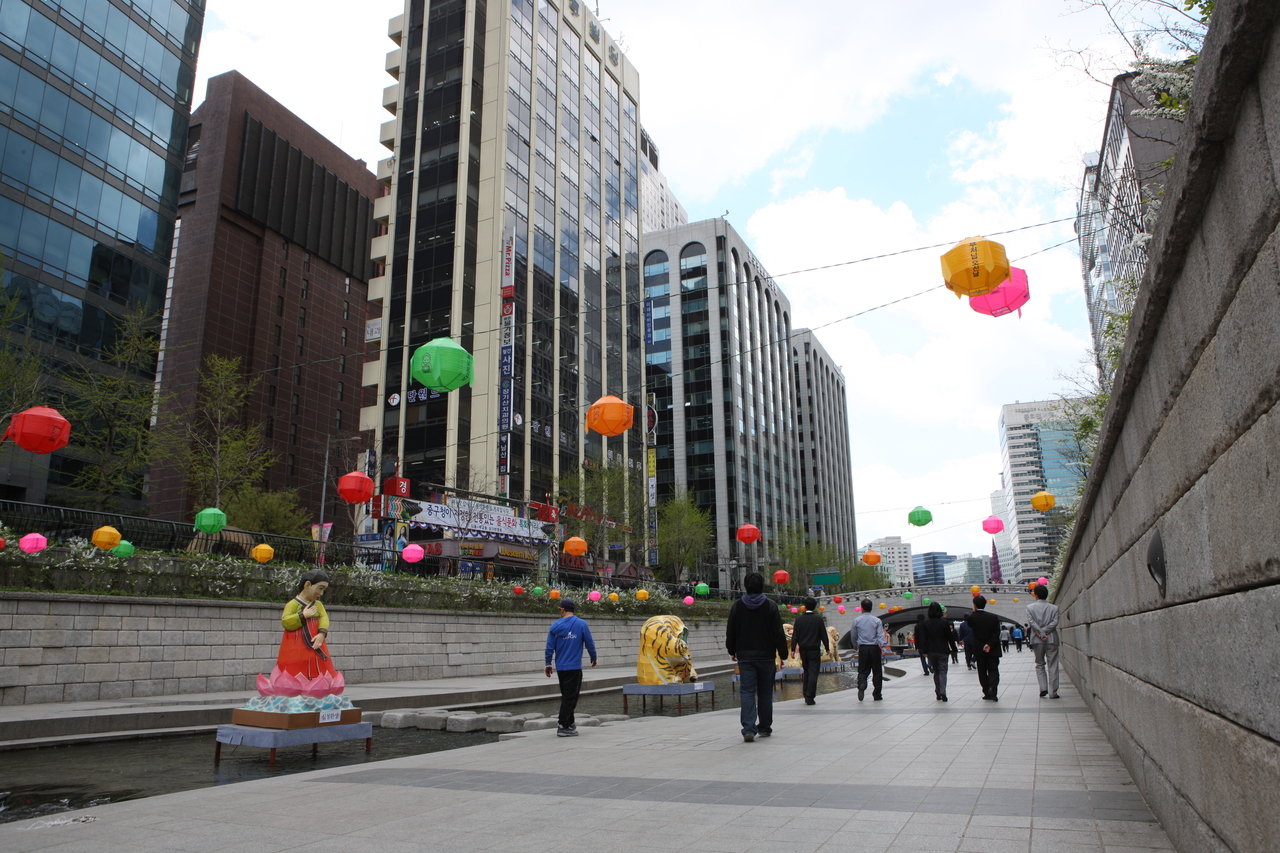
Mid-May: Buddha's Birthday follows the lunar calendar and typically falls in mid-to-late May. The Lotus Lantern Festival (Yeon Deung Hoe) in Seoul is one of the most visually striking events on the Korean calendar: a lantern parade through central Seoul (typically along Jongno toward Jogyesa Temple) that draws a large crowd but is genuinely worth attending. Attendance is free. Check the confirmed date for the current year at jogye.or.kr or cha.go.kr; the date changes annually.
Late May: the golden-week crowds have cleared. Late May is arguably the best window in the month: warm afternoons, lower crowds than early May, no monsoon yet. Book standard accommodation one to two weeks ahead; trains a few days ahead is usually enough.
What to do if it rains in May
May is not a rainy season, but afternoon showers are possible. A half-day of rain is worth planning around rather than surrendering to:
- Indoor markets: Gwangjang Market, Namdaemun Market, and COEX Mall in Gangnam are all covered and make good rain days.
- Museums: the National Museum of Korea (Yongsan) and the National Folk Museum (inside Gyeongbokgung) are large, free, and could fill three to four hours.
- Palace interiors: the inner halls of Gyeongbokgung are partially sheltered; Deoksugung is compact and has a modern art museum inside.
- Korean cafes: Korean cafe culture is substantial. Even in heavy rain, most Seoul neighborhoods have multiple specialty coffee shops open.
Air quality in May
Yellow dust (hwangsa), fine particulate matter carried on wind from northern China and Mongolia, is most active in spring, including May. Most May days are fine, but spikes occur. Check the AirKorea app or the IQAir website before planning an all-outdoor day; if the PM2.5 reading is high, a certified KF94 mask (sold at every pharmacy and convenience store) is worthwhile for sensitive travelers and for children.
The concentration of yellow dust days is usually higher in March and April than in May, but it does not stop entirely in May.
May compared to April and June
April is cherry blossom season (late March to mid-April usually). It is photogenic but more crowded at iconic blossom spots. April also tends to have more yellow dust and cooler mornings.
May is the reliable sweet spot: past the blossoms, past the worst yellow dust, not yet humid, with long daylight hours and green palace gardens. The trade-off is that it is Korea's single busiest domestic travel month around Children's Day.
June marks the start of the monsoon (jangma), which typically begins in the last week of June or first week of July. Early June is still comfortable, but you may encounter the first pre-monsoon humid spells.
Extending the 5-day plan
If you have 7 days, the 7-day Korea route runs the same Seoul-Gyeongju-Busan route at a more relaxed pace with an extra Seoul day and a buffer day built in. If you want to add Jeonju, the traditional city of food and hanok architecture, substitute it for Gyeongju or add it as a stop between Seoul and Busan. Jeonju is about 2.5 hours from Seoul by KTX and express bus.
The Seoul to Jeonju guide has the transport details.
Seoul in May: what not to miss
Beyond the standard itinerary, May adds a few Seoul-specific experiences worth building around:
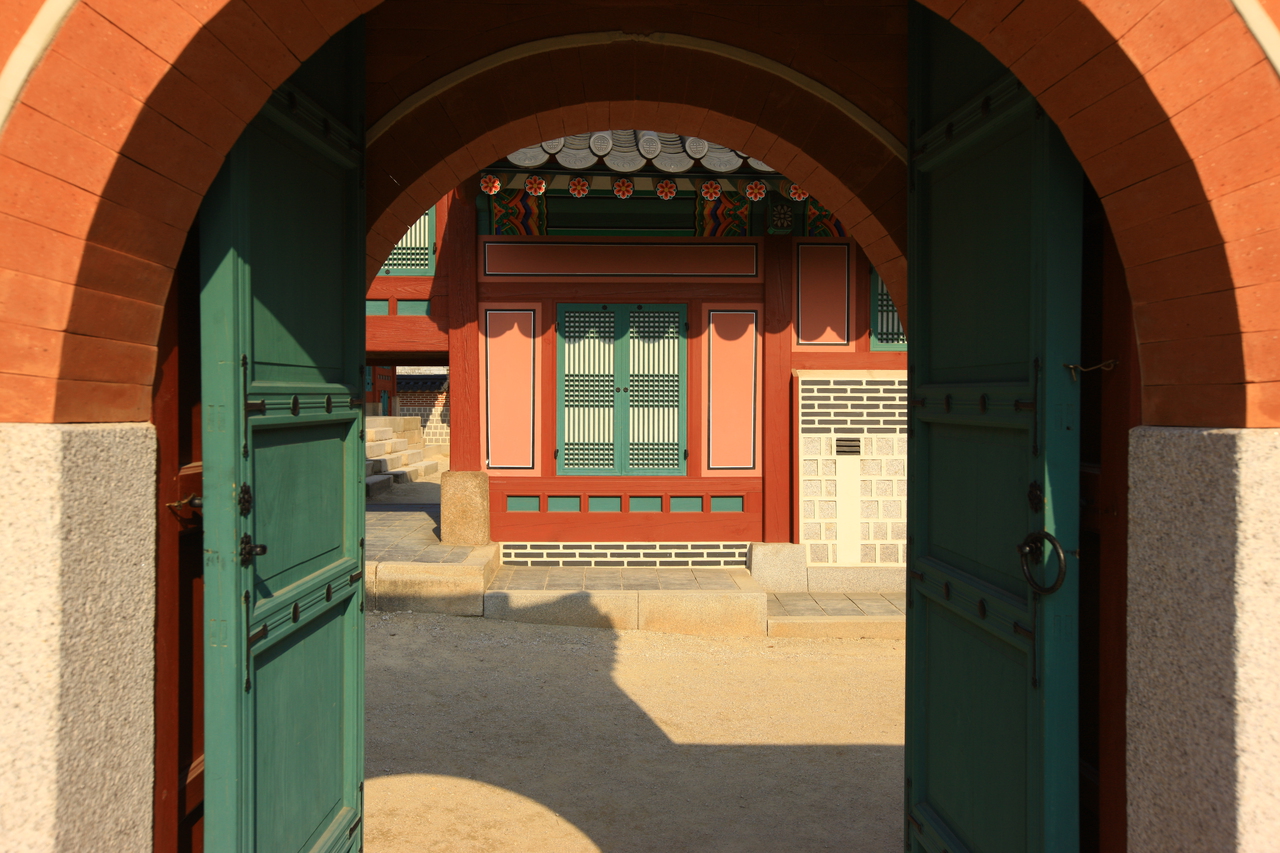
Palace garden walks: the five royal palaces are at their greenest in May. The lotus ponds at Changdeokgung's Secret Garden and at Gyeongbokgung's Hyangwonjeong pavilion are particularly photogenic in late May. The Secret Garden requires advance booking through the Cultural Heritage Administration website; book a few days ahead, earlier on weekends.
Han River evenings: May evenings are warm enough to join the Han River picnic culture. Yeouido Han River Park and Ttukseom Han River Park are the busiest. Bring food from a convenience store or order through Baemin; bicycle rentals along the river are hourly. The river looks best from about 7 p.m. onward.
Outdoor markets: Banpo Bridge Rainbow Fountain runs on weekend evenings from around April through October. It is a free show from either bank. Check the official schedule for current running times and dates; the schedule changes.
Korea outside Seoul in May
Jeonju: May is an excellent time for Jeonju's hanok village. The weather is mild, the alleys are not summer-hot, and bibimbap at the traditional house restaurants is particularly good as the spring vegetable banchan (side dishes) rotate in. Jeonju is 1.5 hours from Seoul by KTX. See the Seoul to Jeonju train guide.
Gyeongju: the cherry blossoms are finished by May, but the outdoor tomb-and-temple circuit is comfortable in mild May weather. May is one of the better months for Gyeongju because the crowds are lower than peak autumn. See the Gyeongju guide.
Jeju: May is one of the recommended months for Jeju. The canola flowers (April) are finished, but the weather is warm for beaches and the Olle trails without summer humidity. Domestic flight prices drop slightly after the golden week rush ends in mid-May.
National parks: Bukhansan, Seoraksan, and Jirisan are all accessible and green. The Seoraksan trail system (Gangwon province, about 2.5 hours from Seoul) is at its spring best in late April and early May. See the Gangneung guide for the east coast option.
Festivals and events
Spring is a busy season for local festivals, but dates move year to year and events can be changed or cancelled: confirm anything you are counting on against its official schedule before you build a day around it. Use official tourism sources rather than fixing a date from memory.
Known recurring May events (confirm dates each year): Buddha's Birthday celebrations are held around the middle of May, with lantern festivals in major cities including Seoul and Gyeongju. The Gyeongju Cherry Blossom Marathon takes place in April, not May. Lotus Lantern Festival (Yeon Deung Hoe) in Seoul typically falls in May in years when Buddha's Birthday occurs then, but the date follows the lunar calendar.
Common mistakes
- Assuming May means cherry blossoms: those usually peak in late March and April and vary by region and year. Plan May around mild-weather sightseeing, not blossoms.
- Over-packing for heat: mornings and evenings are noticeably cooler in early May; midday can feel warm but evenings require a layer.
- Booking outdoor-only days without a rain backup plan.
- Building a day around a festival date from memory: confirm the official schedule first; the lunar calendar shifts the dates annually.
Practical notes for a May trip
May is one of Korea's best travel months, but a few things are worth knowing before you go:
- Public holidays land in May. Children's Day (5 May), Buddha's Birthday (lunar: usually May), and memorial days make this the single busiest domestic-travel month of the year. KTX trains and accommodation in Gyeongju and Jeju fill up weeks or months ahead. Book early.
- Cherry blossoms peak in late March-April, not May. By mid-May, the blossoms are over and replaced by fresh green leaves: beautiful in a different way, and far less crowded at the popular cherry blossom spots.
- Yellow dust (hwangsa), fine particulate matter carried from China, can appear in spring including May; levels vary day to day. Check an air-quality app (AirKorea or the IQAir app) before spending long days outside.
- Light layers are the right call. Early mornings can be cool (12 to 15°C); afternoons warm up to 22 to 26°C. A light jacket and comfortable walking shoes cover most situations.
What to wear in May in Korea
Pack for a wide temperature swing: early mornings and evenings can be 12 to 16°C while midday climbs to 22 to 28°C. Light layers (a light cardigan or zip jacket for mornings and evenings, short sleeves for midday) cover most days. Late May can feel warm enough for a T-shirt by noon.
A compact, packable rain jacket is worth having. May is not the monsoon season but occasional afternoon showers are normal. Comfortable walking shoes are more practical than sandals: most Seoul itineraries involve 15,000 to 25,000 steps per day.
Frequently asked questions
Is May a good time to visit Korea?
Yes. May is among the more comfortable months: mild, green, and long-dayed, after the cherry blossoms and before the summer heat and monsoon. Expect pleasant sightseeing weather (but check the forecast).
Will I see cherry blossoms in May?
Usually not, blossoms generally peak earlier in spring and vary by region and year. Plan May around mild-weather sightseeing, not blossoms.
What should I pack for May?
Light layers, comfortable walking shoes, and a compact rain jacket; late May can feel warm by midday while early mornings stay cool.
Is five days enough?
Five days comfortably cover Seoul, Gyeongju, and Busan by KTX. With a week, extend using the 7-day Korea route.
Are there festivals in May?
Spring is busy with local festivals, but dates move and events can change or be cancelled, always confirm the official schedule before planning a day around one.
Where to stay for a May trip
May's demand spike around Children's Day and Buddha's Birthday affects accommodation prices. Book accommodation at least 3 to 4 weeks ahead for the first two weeks of May; standard advance booking of 1 to 2 weeks is sufficient for mid-to-late May.
For a Seoul and Busan itinerary:
Seoul: Myeongdong or Jongno for central access to the palaces and markets. Prices in these areas increase around public holidays; Hongdae and Mapo-gu offer slightly lower rates for similar transit access.
Gyeongju: limited accommodation, books out fast around Children's Day and during cherry blossom season. Book the night before and night of your visit as soon as the dates are set.
Busan: Haeundae and Seomyeon both have plentiful accommodation for May; no unusual booking pressure outside the immediate golden-week dates.
Jeju accommodation for May weekends (especially in late April and early May) fills very early. If Jeju is part of the plan, book before booking other elements.
Packing list for May in Korea
- Light layers (a cardigan or zip jacket for mornings and evenings; a T-shirt for afternoon)
- Comfortable walking shoes (15,000 to 25,000 steps per day is normal on a palace-and-market day)
- Compact packable rain jacket (waterproof, not just water-resistant)
- Sunscreen (SPF 50; May midday sun is stronger than the mild temperatures suggest)
- A KF94 or N95 mask in a zip bag in case of yellow dust spike
- Comfortable shoes rated for long walking, not sandals
Sources
- Visit KoreaOfficial tourism site
- KORAILOfficial transport site
- Korea Tourism Organization English TourAPIOfficial API
Information is compiled from official sources. Details such as prices, hours, and schedules can change. Confirm time-sensitive facts before you travel.
Last verified on
Related guides

Seoul 3-Day Itinerary for First-Time Visitors
Three days in Seoul, grouped by area so you walk more and commute less. Day one covers the palace district and old town, day two the modern south and shopping, and day three markets, a city view, and your own picks.

Korea 7-Day Itinerary for First-Time Visitors
A realistic one-week route for first-time visitors: three days in Seoul, a day of history in Gyeongju, two days in Busan, and a flexible buffer day, all connected by fast KTX trains so you spend time in places, not in transit.