Gangneung is Korea's easy east-coast escape: a beach-and-coffee city on the East Sea that is fast to reach from Seoul by KTX, which makes it one of the simplest ways to swap the capital for the seaside. You can do it as a day trip.
But a single night lets you slow down: a morning on the sand, an afternoon with coffee by the water, and a sunrise if you stay over.
It pairs well with the 7-day Korea route or the nearby mountain highlands of Taebaek and Jeongseon.
Why visit Gangneung
Gangneung is about the coast and an unhurried pace rather than big sights. It has wide beaches, a famous seaside coffee street, the soft local tofu it's known for, and enough history and market food to fill a relaxed day or two.
Because the KTX gets you there quickly, it's a popular weekend break for Koreans, so weekends and peak summer are busier than a quiet weekday.
How to get there from Seoul
The KTX makes Gangneung unusually easy to reach for the east coast.
- By train. A KTX line runs from Seoul to Gangneung Station, which is the natural base for the city. Schedules and fares change, so check current timetables and book ahead, especially on summer weekends.
- By express or intercity bus. Buses also serve Gangneung; confirm current routes and times with the official services.
- Getting around is usually easiest by taxi, with local buses as a budget option. Note that Jeongdongjin and Jumunjin sit well outside the city center, so plan them as separate trips rather than quick hops. A Korean map app helps.
Gyeongpo: beach and lake
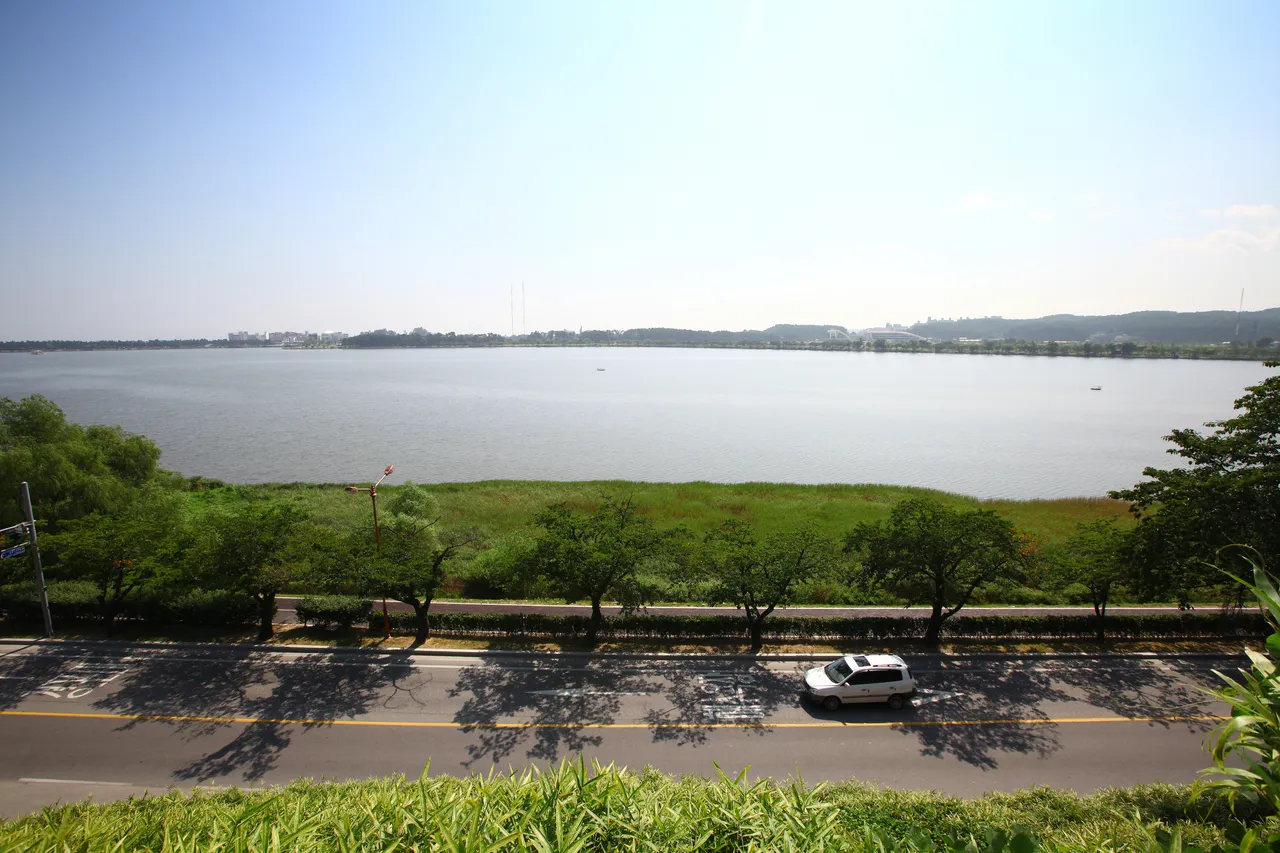
Gyeongpo is the city's main beach area: a long sandy stretch on the East Sea backed by Gyeongpo Lake, with a flat lakeside path that's pleasant for a walk or a rented bike. In summer it's a full beach scene; in spring and autumn it's calmer and the lake is the nicer half. It's an easy first stop and a good place to feel the coast without much planning.
Anmok Coffee Street
Gangneung is strongly associated with coffee, and the Anmok coffee street is the heart of it: a row of cafes facing the sea where the point is to sit with a drink and watch the water. The experience is the setting more than any single place. Pick a cafe with a view you like.
Prices, hours, and which cafes are open change, so just wander and choose on the day rather than chasing a specific spot.
Ojukheon
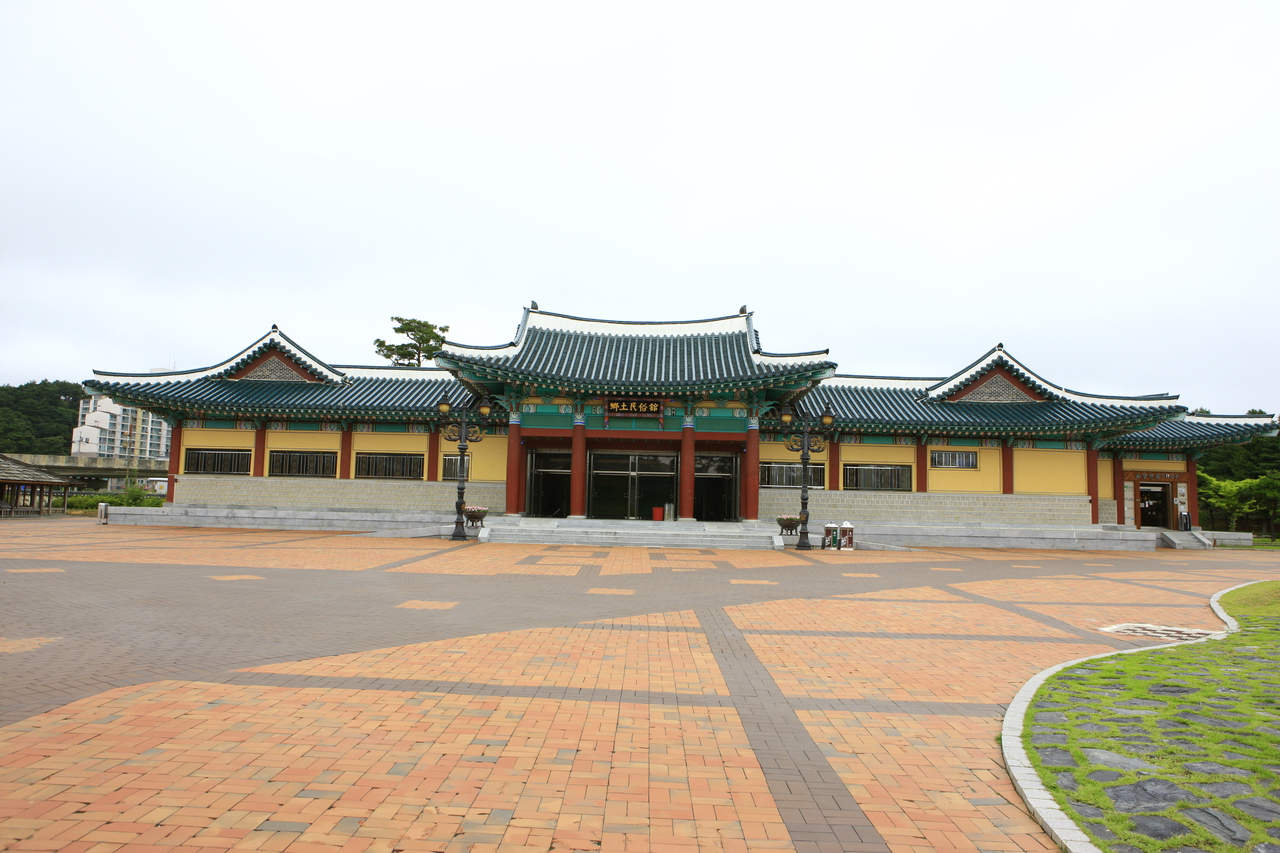
Ojukheon is a historic house linked to two revered figures of the Joseon era: the scholar Yi I (Yulgok) and his mother Sin Saimdang, an artist and a model of scholarship in her own right. Both appear on Korean banknotes today (Sin Saimdang on the 50,000-won note and Yi I on the 5,000-won note) which gives the visit an extra point of recognition. It's a calm, walkable site; check current opening details before you go.
Chodang tofu and market food
Gangneung's food leans coastal and comforting.

- Chodang sundubu: the area's signature soft tofu, served silky and lightly seasoned; gentle and a good introduction to Korean tofu. There's a whole tofu village (Chodang) built around it, and sundubu jjigae (a soft-tofu stew) is the warming version.
- Jang-kalguksu: a local spicy knife-cut noodle soup; it can be genuinely spicy, so ask if you're unsure about the heat.
- Market snacks: Gangneung Jungang Market is the easy place to graze, with dak-gangjeong (sweet-and-spicy fried chicken) and other street snacks.
- Coffee-themed sweets and East Sea seafood (including mulhoe, a cold raw-fish dish) round out the options.
Vegetarian, halal, or allergy-sensitive travelers should check ingredients in advance, as broths and sauces often contain seafood or meat. See the what-to-eat guide for the wider picture.
Jeongdongjin: sunrise and rail bike
Jeongdongjin, down the coast from the city, is famous as a sunrise spot, its beach and station sit right by the sea, and for the seaside rail bike. It works best as its own half-day rather than something squeezed into a packed afternoon. Sunrise times shift through the year, so check the time for your date if catching the sunrise is the goal.
The Jumunjin "bus stop" photo spot
At Hyangho Beach in Jumunjin, north of the city, there's a seaside bus-stop photo spot made famous by a K-pop album cover. No bus actually stops there. It was built as a temporary set, then kept in place by the city because visitors loved it.
Entry is free, and early mornings or weekdays are quietest. It's well outside the center, so plan it as a separate trip. If you're not a K-pop fan it's an optional stop; if you are, it's a quick, scenic one.
A suggested one-day route
One flexible example, not the only way, adjust to weather and what you like.
- Morning: arrive by KTX, head to Gyeongpo for the beach and lake.
- Midday: chodang sundubu for lunch, then the Anmok coffee street for an afternoon by the water.
- Afternoon: Ojukheon or Gangneung Jungang Market before heading back.
Don't try to add Jeongdongjin and Jumunjin to this same day. They're too far out to rush.
A suggested one-night route
Flexible again, a night is mainly for slowing down and (optionally) the sunrise.
- Day 1: Gyeongpo, chodang tofu, and the coffee street; a seafood dinner near the coast.
- Day 2: an early Jeongdongjin sunrise, or a calmer morning plus the Jumunjin photo spot, then home.
First-timer tips
- One area at a time. The city center, Jeongdongjin, and Jumunjin are spread out; cluster your day rather than crisscrossing the coast.
- Carry cash. Markets and small eateries may prefer it; a T-money card covers local buses.
- Book the KTX ahead in summer. Weekend and peak-season trains fill up. See the transportation guide.
- Mind the season. Summer is the beach peak and busiest; spring and autumn are calmer and still pleasant by the sea.
Useful Korean phrases
Two short phrases cover a taxi to the station and ordering the local tofu.
Getting around and ordering in Gangneung
One phrase for a taxi, one for the local tofu.
For a taxi back to the KTX station.
Polite강릉역으로 가 주세요.
gang-neung-yeok-eu-ro ga ju-se-yo.
To Gangneung Station, please.
Korean audio isn't available on this device or browser. Use the romanization above to say it.
Ordering the local soft-tofu dish.
Polite초당순두부 하나 주세요.
cho-dang-sun-du-bu ha-na ju-se-yo.
One chodang soft tofu, please.
Korean audio isn't available on this device or browser. Use the romanization above to say it.
Common questions about Gangneung
Most first-timer questions about Gangneung center on the logistics: how to get there, whether it's worth the journey, and what to do once there. The short answers: the KTX makes it quick, it is worth it for the change of pace, and a focused day (Gyeongpo, coffee street, tofu) is genuinely satisfying without overplanning.
Frequently asked questions
Is Gangneung worth visiting from Seoul?
Yes: the KTX makes it the easiest east-coast day trip or overnight from Seoul, and it offers a genuine change of scene: wide beaches, the Anmok coffee street, local tofu, and (optionally) a sunrise at Jeongdongjin. A day trip is doable; one night allows a calmer pace and a beach morning.
How long does it take to get to Gangneung from Seoul?
About 2 hours by KTX on the Gyeonggang line. Trains depart from Seoul Station and Cheongnyangni; check current schedules on the Korail+ app and book ahead, especially on summer weekends when they fill up.
Do I need a rental car in Gangneung?
Not for the city-center circuit (Gyeongpo, Anmok, Ojukheon, Gangneung market). Local buses and taxis cover the main sights. For Jeongdongjin and Jumunjin (both well outside the center), a taxi is more practical than waiting for infrequent buses.
If you want total flexibility, rent a car, but most day-trippers manage without one.
What is the best thing to eat in Gangneung?
Chodang sundubu (the soft tofu Gangneung is famous for). Try it as a soup (sundubu jjigae) or in its silky unseasoned form. Jang-kalguksu (spicy knife-cut noodle soup) is the local hot option.
For market snacks, dak-gangjeong (sweet-spicy fried chicken) at Gangneung Jungang Market is a standout.
Can I see the sunrise at Jeongdongjin?
Yes. Jeongdongjin is among the more popular sunrise spots in Korea. You need to stay overnight nearby (or take a very early bus or taxi) and arrive before dawn; sunrise times shift through the year.
Check the sunrise time for your specific date and plan accordingly. It is well outside the city center, so treat it as a separate trip rather than a quick morning add-on.
Sources
- Visit KoreaOfficial tourism site
- Korea Tourism Organization (VisitKorea Practical Info)Official tourism site
- Gangneung City Official TourismOfficial tourism site
- KORAILOfficial transport site
- KOBUS (Express Bus Integrated Reservation)Official transport site
Information is compiled from official sources. Details such as prices, hours, and schedules can change. Confirm time-sensitive facts before you travel.
Last verified on
Related guides

Korea 7-Day Itinerary for First-Time Visitors
A realistic one-week route for first-time visitors: three days in Seoul, a day of history in Gyeongju, two days in Busan, and a flexible buffer day, all connected by fast KTX trains so you spend time in places, not in transit.
Taebaek & Jeongseon Travel Guide: Korea's Mountain Highlands
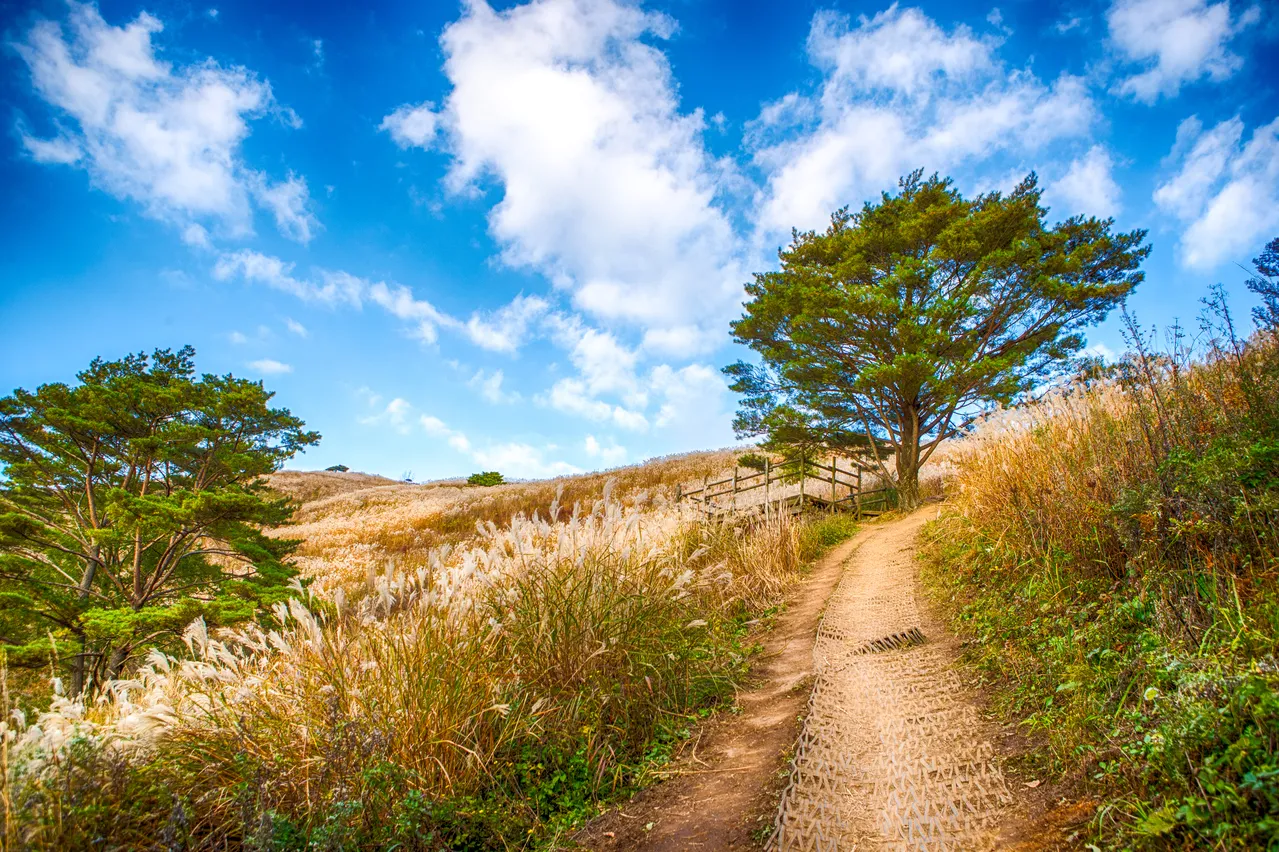
Taebaek and Jeongseon are Korea's mountain highlands in Gangwon: a slower, off-the-beaten-path trip built around Taebaeksan's winter snow, Mindungsan's autumn silver grass, coal-mining history, the High1 resort area, traditional markets, and hearty local food like mul-dakgalbi. Plan one or two nights and aim for one or two things a day.