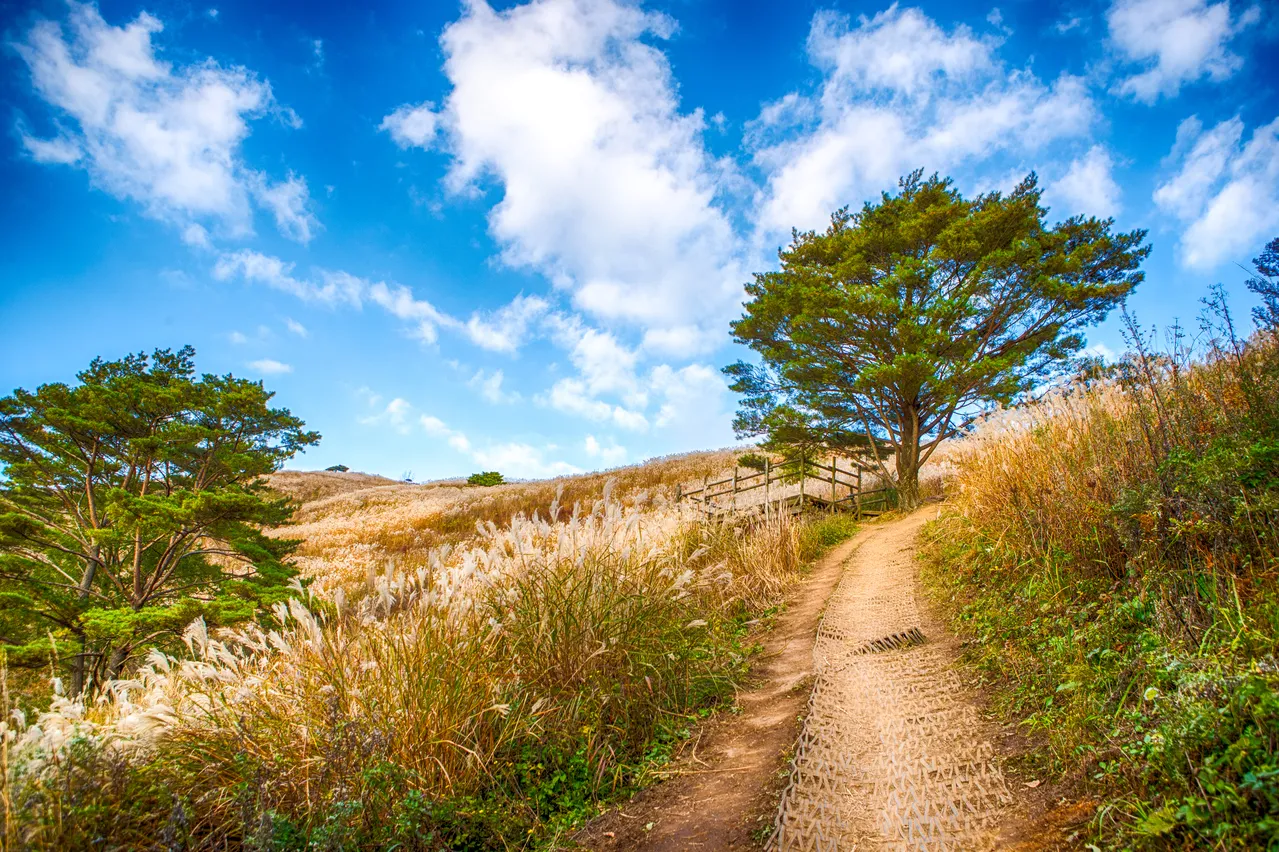
Taebaek and Jeongseon are two neighboring towns in Korea's mountainous Gangwon highlands, and together they make a slow, scenic trip well off the Seoul-Busan-Jeju track. This is a region of high ridges, deep snow in winter, silver-grass slopes in autumn, and a coal-mining past that still shapes the towns.
It rewards an unhurried pace. Pick one or two things a day rather than a checklist.
It works well as an add-on to the 7-day Korea route for a second-time visitor.
Why visit Taebaek and Jeongseon
This is the trip for mountains, seasons, and history rather than city sights. Taebaek sits high in the hills around Taebaeksan, one of Korea's revered mountains and famous for its winter snowscapes.
Jeongseon adds autumn silver-grass ridges, a lively traditional market, and a resort area built on the site of old coal country.
Neither town is a polished tourist hub, which is part of the appeal: you come for clean highland air, local food, and a quieter, more local rhythm.
How to get there from Seoul
The highlands take longer to reach than Jeonju or Busan, and that distance is part of why they stay quiet.
- By train. Trains run from Seoul toward the Taebaek line (stations include Taebaek, Gohan, and Sabuk near the resort area, and Jeongseon on a branch line). Schedules vary and some services are limited, so check current timetables and book ahead.
- By express or intercity bus. Buses also serve Taebaek and Jeongseon; confirm current routes and times with the official services.
- Getting around locally is often easier by taxi. Local buses are infrequent in the mountains, so for trailheads, the museum, or the market, a taxi can save a lot of waiting. A Korean map app helps with what's running.
Taebaek: mountains, a river source, and mining history
Taebaek is the higher, more rugged base, and its sights tie together mountains and coal:
- Taebaeksan is the area's signature peak, especially known for snow and rime ice in deep winter. It is a serious mountain in cold weather: conditions, daylight, and required gear change fast, so check the official park information, watch the forecast and sunset time, and confirm trail status on the day rather than assuming any particular difficulty.
- Hwangji Pond, in the town center, is traditionally regarded as the source of the Nakdong River, Korea's longest river, a short, easy stop.
- Taebaek Coal Museum and the Cheoram Coal History Village tell the story of the region's coal-mining era, which is the thread that runs through everything here.

Jeongseon: silver grass, markets, and a resort town
Jeongseon is the softer counterpart, known for autumn scenery and its market, and for what the mining era left behind.
- Mindungsan is famous for its open ridge of eulalia (silver grass) that turns silvery in autumn; the peak timing shifts year to year, so check before a special trip.
- Jeongseon Arirang Market is a traditional market that is busiest on its regular 5-day market days, with mountain vegetables, snacks, and local crafts. Confirm the current market dates.
The mining story has a clear arc here. The coal mines that once made these towns boom eventually closed, and the region was rebuilt around tourism. Part of that regeneration is the High1 Resort area (skiing, stays, and wellness facilities) and, on the same site, Gangwon Land, which since 2000 has been the only casino in Korea where Korean nationals may legally enter (the country's other casinos are foreigner-only).
For most foreign visitors the draw is the resort and the slopes; the casino is adults-only, its rules and hours change, so check officially. It is worth knowing mainly as the visible end of the coal-town-to-resort story.
What to eat
Highland food is hearty and built around local mountain ingredients.
- Taebaek mul-dakgalbi: unlike Chuncheon's stir-fried version, this is a soupy, spicy chicken hot pot; warming and genuinely spicy.
- Taebaek hanu silbi: a local beef experience grilled at the table; a regional specialty rather than a budget meal, so check the price when you order.
- Gondeure-bap: rice steamed with gondeure (a mountain herb), a Jeongseon staple, mild and comforting.
- Memil-jeonbyeong and gamja-jeon: buckwheat crepes rolled with filling, and potato pancakes; classic market snacks.
Markets are the easiest place to graze on mountain noodles and snacks. Vegetarian, halal, or allergy-sensitive travelers should check ingredients in advance, as many dishes use meat or broth.
Best seasons to visit
- Winter is the headline season: Taebaeksan's snow and rime ice, and skiing at High1. Dress for serious cold and check lift operating dates.
- Autumn brings Mindungsan's silver grass and crisp ridge walks; peak color varies each year.
- Summer is cool highland air, caves, and green hills, a relief from the lowland heat.
- Spring is the quietest, with the towns at their most low-key.
Festival, silver-grass peak, and ski-operation dates all change year to year, so confirm before you plan around any of them.
A suggested one-night route
One flexible example, not the only way to do it, adjust to season and weather.
- Day 1: arrive in Taebaek, see Hwangji Pond and the Coal Museum, and have mul-dakgalbi for dinner.
- Day 2: a Taebaeksan walk in good conditions (or the High1 area in winter), then head back.
A suggested two-night route
Again flexible, two nights let you cover both towns without rushing.
- Day 1: Taebaek: Hwangji Pond, Coal Museum, Cheoram, and a local dinner.
- Day 2: move to Jeongseon, Mindungsan or the Arirang Market (time it for a market day if you can).
- Day 3: the High1 resort area or any sight you missed, then travel home.
First-timer tips
- Go slow and watch the season. One or two things a day is plenty; the mountains and weather set the pace.
- Carry cash. Markets and small mountain eateries may prefer it; a T-money card covers local buses.
- Plan transport first. Services are sparser than in the cities. See the transportation guide, and budget time for taxis.
- Dress for cold in winter. Highland temperatures run well below Seoul's; layers and proper footwear matter on snowy trails.
Useful Korean phrases
Two short phrases cover a taxi to the mountain and ordering food less spicy.
Getting around and ordering in the highlands
One phrase for a taxi, one for spice level.
For a taxi to the mountain or a trailhead.
Polite태백산에 가 주세요.
tae-baek-san-e ga ju-se-yo.
To Taebaeksan, please.
Korean audio isn't available on this device or browser. Use the romanization above to say it.
Useful for mul-dakgalbi, which is genuinely spicy.
Polite맵지 않게 해 주세요.
maep-ji an-ke hae ju-se-yo.
Please make it not spicy.
Korean audio isn't available on this device or browser. Use the romanization above to say it.
Frequently asked questions
Frequently asked questions
Is Taebaek or Jeongseon worth visiting?
Yes for second-time visitors to Korea who want mountains, seasonal scenery, and a slower pace. Neither town is a polished tourist destination. That is part of the appeal.
Taebaek is the better winter base (Taebaeksan snow); Jeongseon adds autumn silver grass and a traditional market. Both together make a natural one- or two-night trip.
When is the best time to visit Taebaek and Jeongseon?
Winter (December-February) for Taebaeksan snow, rime ice, and skiing at High1 Resort. Autumn (late September-October) for Mindungsan's silver-grass ridges. Summer is a highland escape from lowland heat.
Spring is the quietest season. Festival and peak-colour dates shift year to year. Confirm before planning around them.
How do I get to Taebaek from Seoul?
By train (Taebaek line from Seoul, schedules limited) or express bus; the journey takes several hours. Getting around locally is easier by taxi than by bus, services are infrequent in the mountains. Check current schedules on the Korail+ app or the bus service websites before you go.
Can I visit Taebaek and Jeongseon as a day trip?
Not comfortably, the journey from Seoul takes several hours each way. One or two nights allows a sensible pace. A one-night stay covers Taebaek highlights; two nights lets you add Jeongseon without rushing.
Is Taebaeksan safe in winter?
It is a real mountain in serious cold weather: conditions, daylight, and rime ice on trails change fast. Check the official Taebaeksan National Park information, watch the forecast, confirm trail status on the day, and dress for temperatures well below Seoul's. Go with proper gear; the mountain is beautiful but should not be treated casually in winter.
Sources
- Visit KoreaOfficial tourism site
- Korea Tourism Organization (VisitKorea Practical Info)Official tourism site
- Taebaek City Official TourismOfficial tourism site
- Jeongseon County Official TourismOfficial tourism site
- KORAILOfficial transport site
- KOBUS (Express Bus Integrated Reservation)Official transport site
Information is compiled from official sources. Details such as prices, hours, and schedules can change. Confirm time-sensitive facts before you travel.
Last verified on
Related guides

Korea 7-Day Itinerary for First-Time Visitors
A realistic one-week route for first-time visitors: three days in Seoul, a day of history in Gyeongju, two days in Busan, and a flexible buffer day, all connected by fast KTX trains so you spend time in places, not in transit.
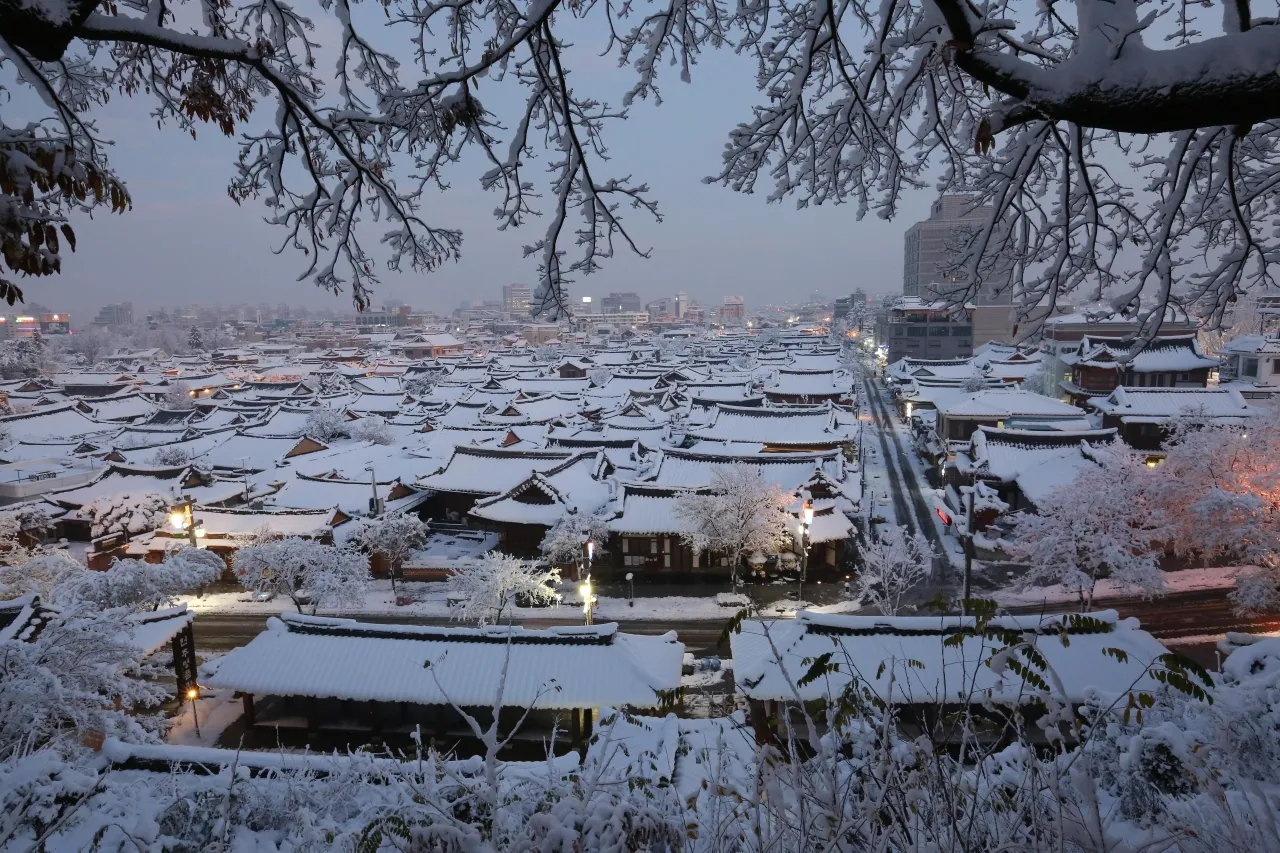
Jeonju Travel Guide: Hanok Village, Bibimbap, Hanbok, and What to Eat
Jeonju is Korea's food-and-hanok city beyond Seoul: a slow, walkable trip built around the country's largest traditional hanok village, signature bibimbap, hanbok photos, and traditional markets. It works as a relaxed day trip or an easy one-night stay from Seoul.