August is Seoul's hottest, most humid month. A spring itinerary copied into August will wear you out, but the month is still workable if you plan around the heat.
Use cool morning hours outdoors, air-conditioned stops through midday, and evenings for the Hangang, night walks, and lit streets. A few experiences (river festivals, outdoor water play) mainly work in summer.
Updated for August 2026. Festival dates, hours, and weather-related closures can change: check official information before you visit.
Quick answer
| Question | Quick answer |
|---|---|
| Is August a good time to visit Seoul? | It can be enjoyable if you plan around heat, humidity, and rain: not if you copy a spring itinerary |
| Best outdoor time | Early morning and after sunset |
| Best midday activity | Museums, malls, cafés, and other indoor attractions |
| Best summer-only experience | A Hangang evening: festival, pool, or picnic |
| Best cultural stop | Gyeongbokgung early in the morning, or the National Museum of Korea at midday |
| Best rainy-day area | Yongsan (the museum), COEX, Myeongdong, or DDP |
| Best family activity | Hangang water facilities, the museum, or an indoor attraction |
| Best night route | Hangang, Namsan, DDP, or Cheonggyecheon |
| Biggest mistake | Planning long outdoor walks between late morning and late afternoon |
Which August guide do you need?
This page owns heat-smart pacing for Seoul in August. Use a dedicated guide when you already know the place or activity.
| You need | Go here |
|---|---|
| Hangang pools and water playgrounds (2026 season) | Hangang swimming pools guide |
| National Museum layout and visit plan | National Museum of Korea guide |
| Myeongdong shopping and tax refund depth | Myeongdong shopping guide |
| Evening and late plans citywide | Things to do in Seoul at night |
| Free / low-cost options | Free things to do in Seoul |
| Generic non-August day plan | Seoul 3-day itinerary |
What is Seoul's weather like in August?
August sits in the middle of Korea's summer: generally hot and humid. Daytime heat can make long outdoor sightseeing uncomfortable.
Nights stay warm rather than cooling the way spring or autumn evenings do.
What that means day to day
- Sudden showers are common; heavier rain spells happen
- Typhoon-related effects are possible, depending on the year
- Indoor air-conditioning can feel sharply cold after the heat outside, so a light layer is worth carrying
Why this guide skips a fixed high/low number
A single average can be misread as a promise about your travel dates. Useful climate figures also need a direct official source. The practical takeaway is simpler: check the current forecast every morning (Korea Meteorological Administration or a reliable weather app), and keep at least one day flexible.
The best way to plan each August day
Morning: outdoor Seoul
Roughly from early morning into late morning, before the heat really builds, is your outdoor window. Good picks: Gyeongbokgung Palace, Changdeokgung Palace, Bukchon Hanok Village, Seochon, Namsangol Hanok Village, Seoul Forest, or a short neighborhood or riverside walk.
A few things to keep in mind: Bukchon is a real residential neighborhood, so keep noise down. Check each palace's operating hours and any closed day before you go. If you rent a hanbok, remember it's warm fabric in a hot month.
Factor in sweat and breaks. And build shade and rest stops into the route rather than walking start to finish without a break.
Midday: indoor Seoul
This is the stretch to move inside, roughly from late morning through mid-afternoon. Good picks: the National Museum of Korea, COEX and the Starfield Library, DDP's exhibitions, the Seoul Museum of History, Myeongdong shopping, department stores, aquariums or indoor amusement attractions, and cafés or food halls.
Pick one or two indoor stops and actually rest in them, rather than rushing between several air-conditioned buildings back to back, the point of this block is to let your body cool down, not just to keep moving indoors.
Evening: Seoul after the heat
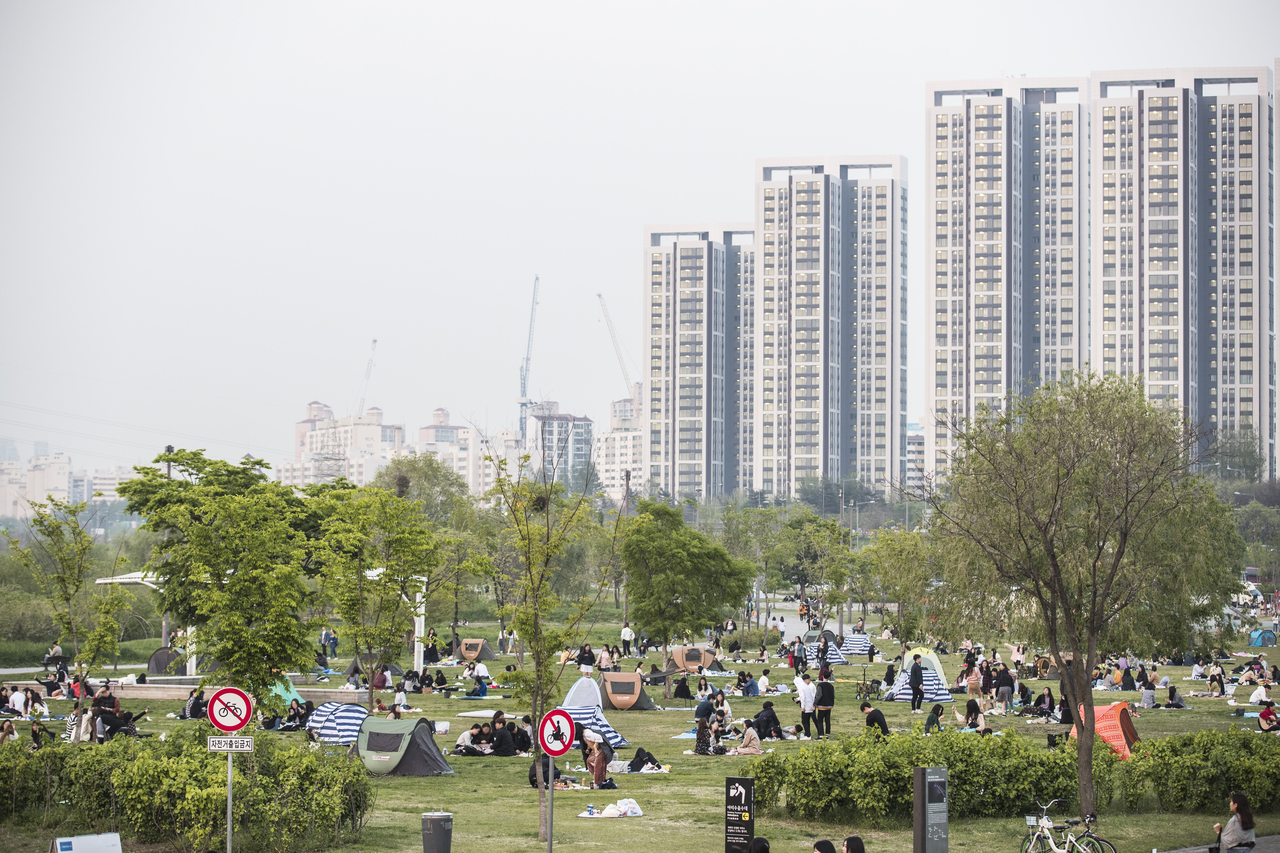
Once the sun is down, or close to it, the city opens back up. Good picks: a Hangang picnic or Hangang River Festival program, the Banpo, Yeouido, or Ttukseom riverside route, Namsan or N Seoul Tower, Cheonggyecheon, DDP at night, Myeongdong night shopping, or an evening walk through Euljiro or Jongno.
Check the last subway time and your route home before you commit to a late program. August evenings can still be warm and humid: don't assume the evening is automatically cool just because the sun is down. And drinking isn't a required part of a good evening; the river, the walk, and the food carry the experience on their own.
Essential places in August (short versions)
These stops matter in August because of timing, not because this page owns their full visitor guides. Use the linked deep dives for layout, tickets, and tax refund detail.
Gwanghwamun and Gyeongbokgung
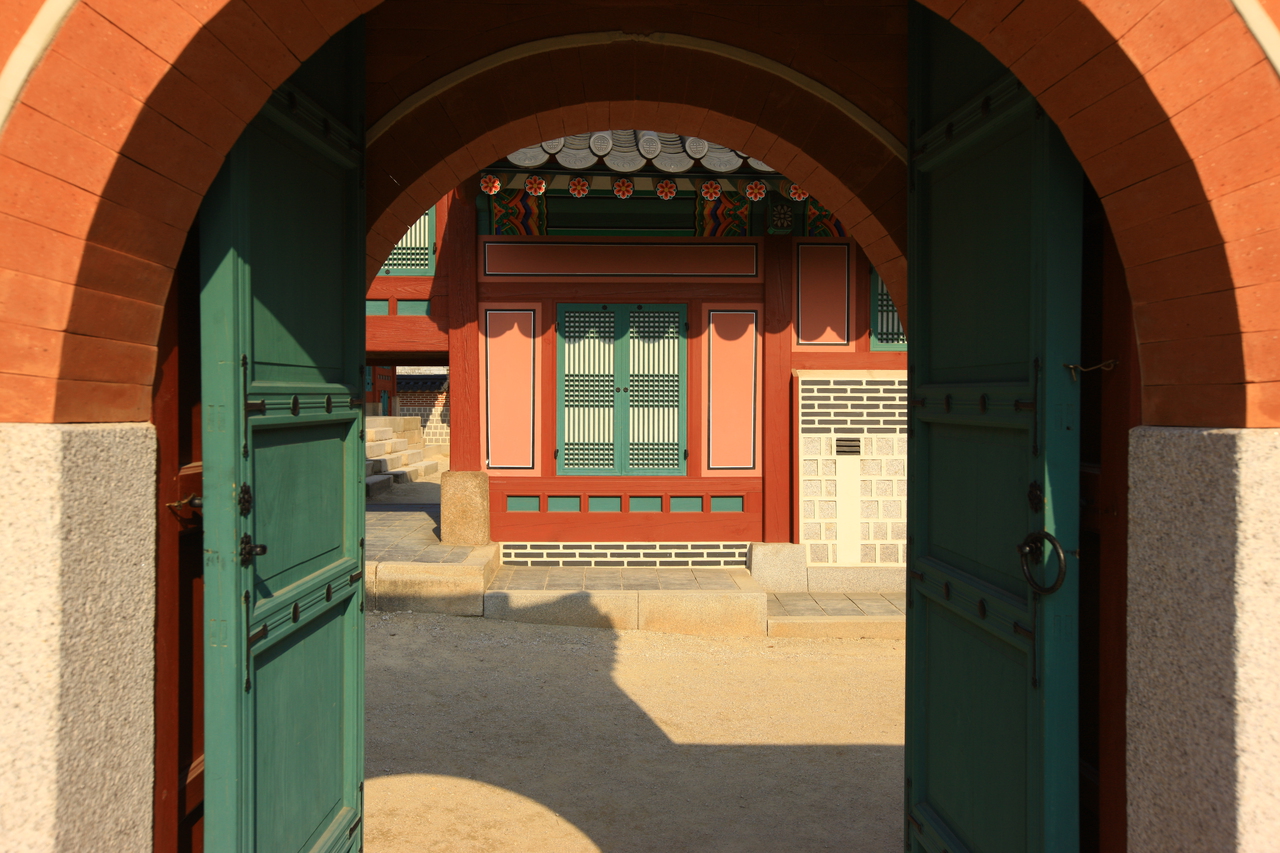
Go early, then leave before peak heat. Pair with Gwanghwamun Square. If Seoul Summer Beach is running on your dates (limited-run summer event: confirm official July-August 2026 dates), it can add water-play on the square. Outside those dates, treat the palace route as a standard morning stop.
Hanbok is warm fabric in August: plan ventilation, shoes, and bag storage. Near August 15, check for access or event changes (see holiday section below).
Hangang River in summer
This is the August experience that is genuinely better in summer than in cool seasons.
As of this writing (confirm officially): Hangang River Festival-Summer was reported for August 1 to 16, 2026 across multiple parks (programs rotate by park and date). Hangang pools and water playgrounds were reported for a June 19 to August 30, 2026 window. Fees, hours, and night openings change: use the Hangang swimming pools guide for the facility matrix, and park/festival official pages for the day you go.
| Hangang area | Good for in August |
|---|---|
| Yeouido | Easy picnic access |
| Ttukseom | Pool + family evening |
| Banpo | Evening river atmosphere |
| Jamsil / Nanji / others | Water playgrounds when operating |
Only use designated pools and water playgrounds. The open river is not a swimming area. Heavy rain can close facilities with little notice. For general night routing citywide, see things to do in Seoul at night.
National Museum of Korea
Best midday heat answer among cultural stops. Permanent galleries have long been free; special exhibitions may charge. Full layout and getting there: National Museum of Korea guide.
Seoul Forest and Seongsu
Seoul Forest only in early morning or late afternoon. The Seoul International Garden Show was reported for a long May to late October 2026 window spanning Seoul Forest into Seongsu: confirm areas and hours officially. Use Seongsu cafés and indoor shops through the hottest hours, then optional Ttukseom Hangang in the evening.
Myeongdong and K-beauty
Strong midday indoor shopping stop; street-food alleys still run hot. Do not leave cosmetics or food in extreme heat after purchase. Tax refund and store layout depth live in the Myeongdong shopping guide, not on this seasonal page.
Muslim, vegetarian, and allergy-conscious travelers should check ingredients at each stall or shop.
DDP and Dongdaemun at night
DDP suits evening photos and pairs with Dongdaemun shopping. Short summer programs run only on specific dates: check official listings before planning around one. For broader evening options, use the Seoul at night hub.
Don't assume every Dongdaemun shopping mall is open all night, hours vary by building. If you're taking night photos, be mindful of other visitors' space and paths.
Seoul night views in August
| Night-view option | Good for | Watch out for |
|---|---|---|
| Namsan | Classic skyline | Slopes, queues, humidity |
| Hangang | Relaxed summer evening | Rain and river safety |
| DDP / Cheonggyecheon | Architecture or flat walk | Hours and humidity |
| Indoor observatory | Air-conditioned panorama | Ticket rules |
August nights stay warm and humid. Full evening routing, last-train planning, and non-drinking options: things to do in Seoul at night.
Optional experiences by traveler type
Families: Seoul Summer Beach (while it's running), a Hangang pool or water playground, the National Museum of Korea, an aquarium or indoor attraction, Lotte World, and Seoul Forest in the morning.
Couples: an early palace route, a Seochon or Samcheong café stop, a Hangang sunset, DDP or Namsan at night, and Seoul Forest paired with Seongsu.
Solo travelers: the National Museum of Korea, a palace morning route, Seongsu, Myeongdong, and a well-lit, populated Hangang evening area.
K-culture and K-beauty fans: Myeongdong, Seongsu, official entertainment-related attractions, a Korean-café route, and museum shops for goods. Check current schedules for any performance or cultural program you're hoping to catch.
Budget travelers: palace grounds, the free permanent museum galleries, public parks, a Hangang picnic, free seasonal events, and public transport over taxis.
Recommended 3-day August itinerary
Day 1: Classic Seoul, indoor culture, and a night view. Morning: Gyeongbokgung, Gwanghwamun Square, and an optional short Seochon stop. Midday: the National Museum of Korea, with a real rest break.
Evening: Myeongdong, then Namsan or Cheonggyecheon.
Day 2: Seoul Forest, Seongsu, and the Hangang. Morning: Seoul Forest, plus the garden-show area if you're interested. Midday: Seongsu cafés, shops, and lunch.
Evening: Ttukseom Hangang Park: a festival program, the pool, or a picnic, depending on what's running on your dates.
Day 3: Modern Seoul, with a weather option. Clear-day plan: an early Bukchon or Changdeokgung stop, COEX at midday, and a Jamsil-area night view. Rainy-day plan: COEX, the Starfield Library, an aquarium or indoor exhibition, and a department store or food hall.
Recommended 5-day August itinerary
| Day | Morning | Midday | Evening |
|---|---|---|---|
| Day 1 | Gyeongbokgung + Gwanghwamun | National Museum of Korea | Myeongdong + Namsan |
| Day 2 | Seoul Forest | Seongsu cafés and shops | Ttukseom Hangang |
| Day 3 | Changdeokgung or Namsangol | DDP exhibition or an indoor attraction | Dongdaemun at night |
| Day 4 | An easy neighborhood walk | COEX, shopping, or an aquarium | Jamsil or Hangang |
| Day 5 | A flexible weather day | Museum, shopping, or rest | A seasonal festival or a final dinner |
Don't force a day trip into this schedule just to fill a day, and don't stack a late program onto every single evening, a genuinely flexible day (Day 5 above) is there on purpose, so you have somewhere to move plans if the forecast turns.
Recommended 7-day August itinerary
A 7-day trip lets you add one day-trip option and one dedicated flexibility day on top of the core Seoul days.
| Day | Route |
|---|---|
| Day 1 | Arrival, plus an easy Myeongdong evening |
| Day 2 | Gyeongbokgung + National Museum of Korea + Namsan |
| Day 3 | Seoul Forest + Seongsu + Hangang |
| Day 4 | Changdeokgung + Ikseon-dong + DDP |
| Day 5 | COEX + a Jamsil indoor/night route |
| Day 6 | One nearby day trip, chosen based on the forecast |
| Day 7 | A flexible day: shopping, a museum, cafés, or a festival |
For Day 6, weigh the day trip against August heat specifically: Nami Island and Chuncheon both work. But both involve real outdoor time and can get crowded and hot. Pick your date based on the forecast rather than locking it in in advance.
If it's a heat-warning day, an indoor-leaning alternative (a Yongsan museum-and-shopping route, for instance) is the more comfortable call.
What to eat in Seoul in August
Summer dishes below are cultural context, not health claims, and not a promise of low prices.
| Food | What it is | Check before you order |
|---|---|---|
| Naengmyeon | Cold noodles in a chilled broth or a spicy mixed style | Meat broth; buckwheat noodles |
| Bingsu | Shaved ice with red bean, fruit, milk, or seasonal toppings (often shared) | Dairy and nuts |
| Samgyetang | Hot chicken soup some Koreans eat in peak summer (cultural context, not a remedy claim) | Ginseng, nuts, glutinous rice |
| Chimaek | Fried chicken; beer is optional (soda works) | Coatings, sauces, shared fryers; allergens and halal status by shop |
| Convenience-store drinks | Iced cups, pouch coffee, bottled tea, banana milk, flavored drinks | Stock varies by store |
| Fruit and seasonal desserts | Watermelon, fruit drinks, seasonal sweets | Price and availability by day |
Chain chicken context: fried chicken brands guide. Convenience-store stock patterns: convenience-store guide.
If you keep halal, avoid meat, or manage an allergy, verify ingredients yourself. The food guide for Muslim travelers covers how.
What to wear and pack
| Item | Why it helps |
|---|---|
| Lightweight, breathable clothing | Helps with heat and humidity |
| Comfortable walking shoes | Seoul still involves a lot of walking, even in summer |
| Compact umbrella | Useful for both sun and sudden rain |
| Light rain jacket | Helpful during rainy stretches |
| Reusable water bottle | Useful for staying hydrated through the day |
| Sunscreen | Important for any outdoor sightseeing block |
| Hat or sunglasses | Helps in strong midday sun |
| Portable charger | Weather checks, maps, tickets, and translation apps drain batteries fast |
| Small towel or handkerchief | Genuinely useful in humid weather |
| Light cardigan | Indoor air-conditioning can feel surprisingly cold |
| Waterproof pouch | Protects your phone and documents in sudden rain |
| Insect repellent | Useful near parks and the river, depending on conditions |
We're not claiming a specific umbrella or jacket will handle severe wind or heavy rain safely: during a typhoon or serious downpour, stay indoors and follow official guidance rather than relying on gear. And don't assume every park or street has an obvious refill station; carry what you need rather than counting on finding one.
Heat and rain safety
- Check daily weather warnings rather than relying on a general seasonal impression.
- Avoid long outdoor walks during peak heat: roughly midday into mid-afternoon.
- Take regular breaks somewhere air-conditioned.
- Drink water before you feel very thirsty, not after.
- Use shaded routes where you can.
- Never leave children, older travelers, or pets in a parked vehicle.
- Move indoors if you feel dizzy, nauseated, weak, or unwell, and seek help if it doesn't pass.
- Follow official guidance during heavy rain, including any evacuation or shelter-in-place notices.
- Don't enter flooded underpasses, streams, or riverside areas: conditions can change fast.
- Hangang facilities can close during flooding or heavy rain, sometimes with little notice.
- Don't attempt a difficult mountain trail during a heat warning, thunderstorm, or heavy rain.
Emergency numbers worth saving before you need them: 112 (police), 119 (fire/ambulance), and the Korea Travel Hotline, 1330, for interpretation and travel assistance. None of this is medical advice: if you suspect heat exhaustion, heat stroke, or another emergency, treat it as one and get help rather than waiting it out.
Is hiking recommended in August?
Not as a first-time must-do. Serious mountain hiking isn't the natural August activity it is in spring or autumn: heat, humidity, thunderstorms, and slippery trails after rain all work against it. If you're an experienced hiker who still wants a route, an early-morning start after checking the forecast is the safer approach, and avoid midday hiking and rocky trails right after rain entirely.
For most visitors, Namsan's paved paths or an easy park walk are the realistic August substitute for a proper hike. Mountains like Bukhansan, Gwanaksan, and Inwangsan carry real heat, storm, and lightning risk in August specifically. Treat a serious ascent as a project for cooler weather, and see the hiking in Seoul guide for route-level detail and safety notes that apply beyond just this month.
Rainy-day Seoul plan
| Original plan | Rainy-day alternative |
|---|---|
| Gyeongbokgung + Bukchon | The National Museum of Korea |
| Seoul Forest | Seongsu cafés, shops, and indoor pop-ups |
| A Hangang picnic | COEX, DDP, a museum, or a shopping mall |
| A Namsan walk | Myeongdong shopping and an indoor café |
| A Suwon day trip | A Yongsan museum-and-shopping route instead |
| Nami Island | Move it to a clearer day if your schedule allows |
| An outdoor festival program | Check for cancellation, and pick an indoor attraction instead |
Other solid indoor options worth keeping in your back pocket: the Starfield Library, DDP's exhibitions, Lotte World, aquariums, the Seoul Museum of History, department-store food halls, and Myeongdong shopping.
August 15 and holiday considerations
August 15 is National Liberation Day in Korea, one of the country's five national holidays, marking the end of Japanese colonial rule in 1945. Expect flags across the city, an official government commemoration ceremony, and memorial events honoring independence figures. The Gwanghwamun area in particular can get crowded, sometimes with organized gatherings, so build extra time into any plans near there on or around this date.
Banks, offices, and some attractions may run on a holiday schedule, and public transport can be busier around event areas. Check official Seoul notices close to your travel date rather than assuming normal hours.
Best August activities by weather
| Weather | Recommended plan |
|---|---|
| Clear but very hot | Palace in the morning, museum at midday, Hangang in the evening |
| Cloudy | Seoul Forest, neighborhood walks, an outdoor stop with real breaks |
| Light rain | A museum, shopping, cafés, or DDP |
| Heavy rain | Stay indoors and follow official safety information |
| Heat warning | Minimize outdoor travel and lean on indoor routes |
| A comfortable evening | Hangang, Cheonggyecheon, Namsan, or DDP |
| Poor visibility | Skip the observatory and prioritize museums or shopping |
For an early-evening district walk after indoor midday shopping, Myeongdong is central and well lit when carts are out.
Common mistakes
- Copying a spring or autumn itinerary without adjusting it for August.
- Visiting palaces and Bukchon at midday, in the worst of the heat.
- Planning a Bukhansan hike during a heat warning.
- Assuming every August day is sunny.
- Not carrying rain protection.
- Assuming a seasonal event runs for the entire month without checking the actual dates.
- Showing up to Seoul Summer Beach after its closing date.
- Assuming Hangang facilities stay open during heavy rain.
- Not checking reservation requirements for a specific program or activity.
- Planning only outdoor attractions for a full day.
- Underestimating how cold indoor air-conditioning can feel after the heat.
- Wearing uncomfortable shoes for a genuinely walk-heavy city.
- Buying cosmetics or food and leaving them in extreme heat for hours.
- Not checking August 15 holiday schedules and crowding if traveling near that date.
- Trying to see too many neighborhoods in one day.
- Assuming the evening will always be cool: it often isn't.
- Forgetting to plan the last train and late-night transport home.
FAQ
Is August a good time to visit Seoul?
It can be, if you plan around the heat, humidity, and chance of rain: mornings and evenings outdoors, midday indoors. It's not the easiest month for a packed, all-outdoor itinerary.
How hot is Seoul in August?
Hot and humid, with warm nights. Check the current forecast daily rather than relying on a general impression, since specific temperatures vary year to year and week to week.
Does it rain a lot in Seoul in August?
Rain is common and sudden showers happen regularly; heavier rain and, in some years, typhoon effects are possible. Carry rain protection and check the forecast each morning.
What should I wear in Seoul in August?
Light, breathable clothing, comfortable walking shoes, and a layer for indoor air-conditioning, plus rain protection. See the packing table above for the full list.
What are the essential places to visit in Seoul in August?
Gyeongbokgung and Gwanghwamun in the morning, the National Museum of Korea at midday, and the Hangang River, Myeongdong, Namsan, or DDP in the evening are the core picks this guide builds around.
What summer festivals take place in Seoul in August?
As of 2026, the Hangang River Festival-Summer (reported for August 1 to 16), Hangang pools and water playgrounds (reported June 19: August 30), and the Seoul International Garden Show (a long-running show spanning May-October) are the main confirmed programs, always check the current official schedule before you plan a day around one.
Is the Hangang River Festival worth visiting?
Yes, for most visitors. It's one of the few genuinely summer-only experiences in Seoul, spread across several riverside parks with a large number of free programs. Confirm which programs are running at which park on your specific dates.
Are Hangang swimming pools open in August?
Reportedly yes, for the full month as of 2026's announced schedule (June 19, August 30). But confirm current hours, fees, and which parks run pools versus water playgrounds before you go.
What can I do in Seoul when it rains?
The National Museum of Korea, COEX and the Starfield Library, DDP, Myeongdong shopping, and other indoor attractions all work well. See the rainy-day table above for a fuller swap list.
What are the best indoor attractions in Seoul?
The National Museum of Korea, COEX/Starfield Library, DDP's exhibitions, department stores, and aquariums or indoor amusement attractions are the standouts for a hot or rainy day.
Is Gyeongbokgung too hot in August?
At midday, yes, for most people. Visit early in the morning instead, and move on before the heat peaks.
Is it safe to hike in Seoul in August?
Serious mountain hiking isn't recommended as a first-time August activity because of heat, humidity, and storm risk. An easy paved walk (Namsan, for example) is a more realistic substitute for most visitors this month.
What Korean food should I try in summer?
Naengmyeon, bingsu, samgyetang, and chimaek are the classic picks. See the food section above for allergy and dietary notes on each.
What happens in Seoul on August 15?
It's National Liberation Day, a national holiday with flag displays, an official commemoration, and memorial events. The Gwanghwamun area can get crowded. Check official notices and build in extra time if you're near there.
How many days do I need in Seoul in August?
Three days covers the essentials; five gives you real breathing room and a flexible weather day; seven lets you add a day trip and still keep a buffer day.
Is Seoul in August good for families?
Yes, with the right plan: Hangang water facilities, the museum, and other indoor attractions all work well for kids, as long as you build in enough shade, hydration, and rest breaks.
Is Seoul in August suitable for Muslim travelers?
Yes, with some planning. Check ingredients and cross-contact directly for food (see the Muslim travelers guide above), and research prayer facilities and dining options for your specific route ahead of time rather than assuming.
What is the biggest mistake when visiting Seoul in August?
Treating it like a spring or autumn trip, packing the day with outdoor sightseeing through the hottest hours instead of shifting that time indoors.
Final recommendation
Seoul in August isn't about walking outdoors all day: the most enjoyable plan combines an early palace or park visit, a real indoor break through the heat, Korean summer food, and a riverside or night activity after sunset. Seasonal events can make the trip genuinely special, but always verify current dates and keep a weather backup plan ready. The smartest August itinerary in Seoul is simple: explore early, rest indoors during the hottest hours, and come back outside once the city comes alive after sunset.
Sources
- Visit Seoul, Seoul Tourism Organization (official)Official tourism site
- Seoul Metropolitan Government (english.seoul.go.kr)Official government site
- Visit KoreaOfficial tourism site
- Korea Meteorological AdministrationOfficial weather service
Information is compiled from official sources. Details such as prices, hours, and schedules can change. Confirm time-sensitive facts before you travel.
Last verified on
Related guides
Seoul in July Itinerary: Building 3 Days That Survive the Rainy Season
In July the rain is not a risk to plan around, it is the condition you plan inside. This 3-day frame gives every day an indoor backbone and treats outdoor time as optional, with one day built to run start to finish in heavy rain so the other two can afford to be optimistic. Rain totals, hours, and event schedules change, so the page also sets out what to check and when.
Korea in Autumn: When to Go, Fall Foliage Timing, and Best Places to See Autumn Colors
Autumn is one of Korea's best seasons, crisp weather and foliage that sweeps from the northern mountains down to the southern islands from late September to late November. Plan around the pattern rather than a fixed date: foliage starts high and north and moves south, peak comes roughly two weeks after the first color, and forecasts shift every year. Timing, the best city, day-trip, and mountain spots (including options for non-hikers), pink muhly, what to pack, and how to beat the peak-season crowds are all covered below. Check the official KMA and VisitKorea forecast before you lock in dates.