Last checked: July 2026. Event dates, venues, tickets, and programs can change. Always check the official website before visiting.
Late summer and early autumn are among the better, and busiest, times to be in Seoul. August is all about warm nights: Han River festivals, outdoor programs, and indoor escapes from the heat.
September turns the city into an art capital, anchored by Frieze Seoul and Kiaf, with media-art, street performance, and outdoor-library programs alongside. And late September brings Chuseok, Korea's biggest holiday, which changes how the whole city runs.
This guide isn't a list of every event. It's about which ones a foreign visitor can actually join, and how: free or paid, open to the public or invitation-only, how much English there is, and how to plan around the weather and Chuseok.
Only confirmed events get firm dates here. For everything still being finalized, we say so and point you to the official source.
Treat this as a starting map, not a timetable.
Quick answer
| Month | What it's good for | Watch out for |
|---|---|---|
| August | Han River nights, outdoor programs, indoor escapes | Heat, humidity, sudden showers, possible typhoons |
| Early September | Still-warm evenings, the run-up to art week | Still hot; art fairs need planning |
| Mid-late September | Frieze/Kiaf art week, media-art, cooler weather | Chuseok closures and heavy travel |
One rule for all of it: check the official page for each event before you go: dates and access rules are exactly what change.
August events
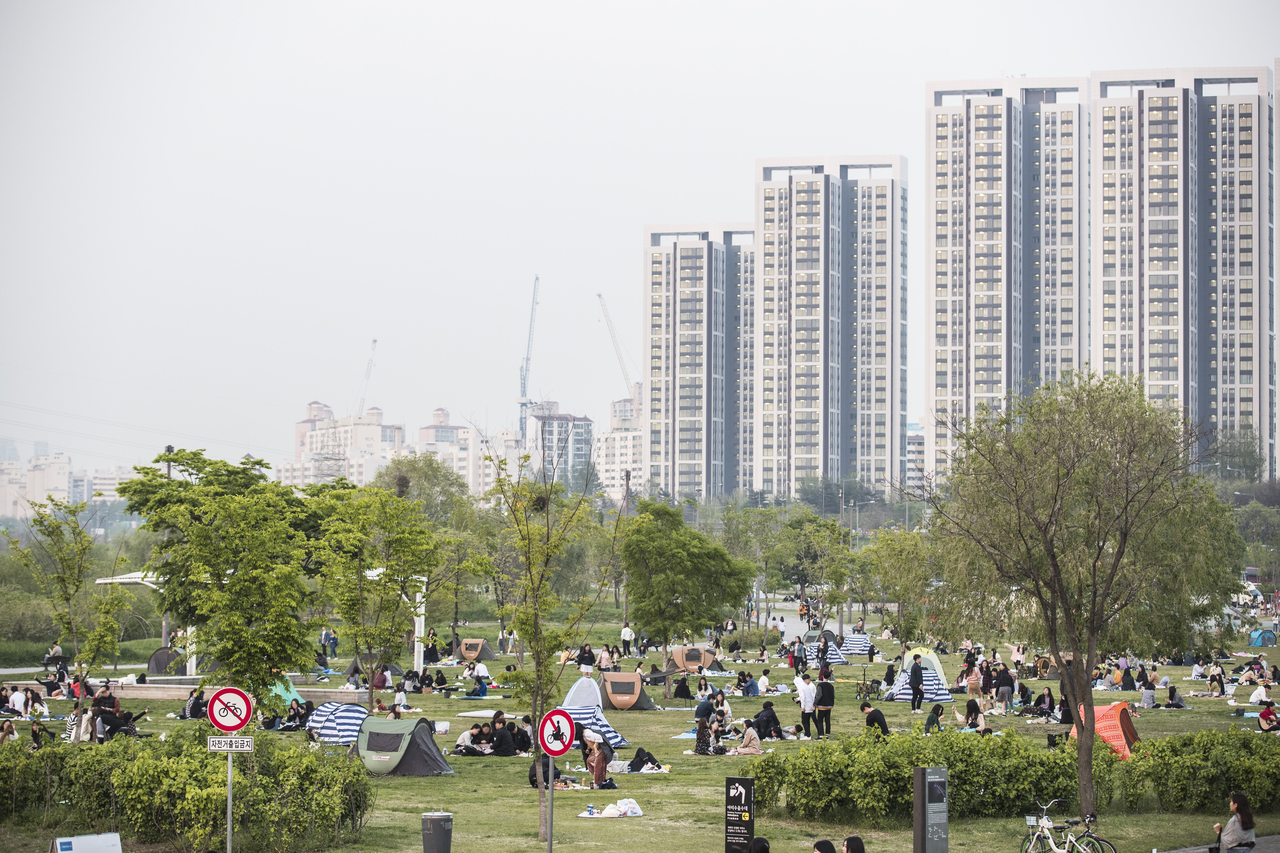
- Hangang (Han River) Summer Festival: riverside programs at the Han River parks. It's listed in Seoul's 2026 event calendar; confirm the program and dates officially, as they vary by year and park.
- Liberation Day bell-ringing at Bosingak (August 15): August 15 is Liberation Day (Gwangbokjeol), a national commemoration marked by a bell ceremony at the historic Bosingak belfry downtown. This is a solemn national occasion, not an entertainment festival: approach it with respect, and check whether public viewing is open and how the area is managed that day.
- Korea Beauty Festival (Seoul programs): a citywide K-beauty promotion may run Seoul events and pop-ups. We don't list specific brands or claims, and note plainly: beauty samples and treatments are cosmetics, not medical treatments: no health or "efficacy" promises. Confirm the official program.
- Seoul International Garden Show: reported to run over a long period in 2026, so it may be visitable in both August and September. Verify the dates and venue on the official page before planning around it.
For each: check the dates, whether it's free, the exact venue, and the day's weather before you go.
September events: art week and more
September's centerpiece is Frieze Seoul and Kiaf, but there's much more around them.
Frieze Seoul 2026 (confirmed): read the access rules first
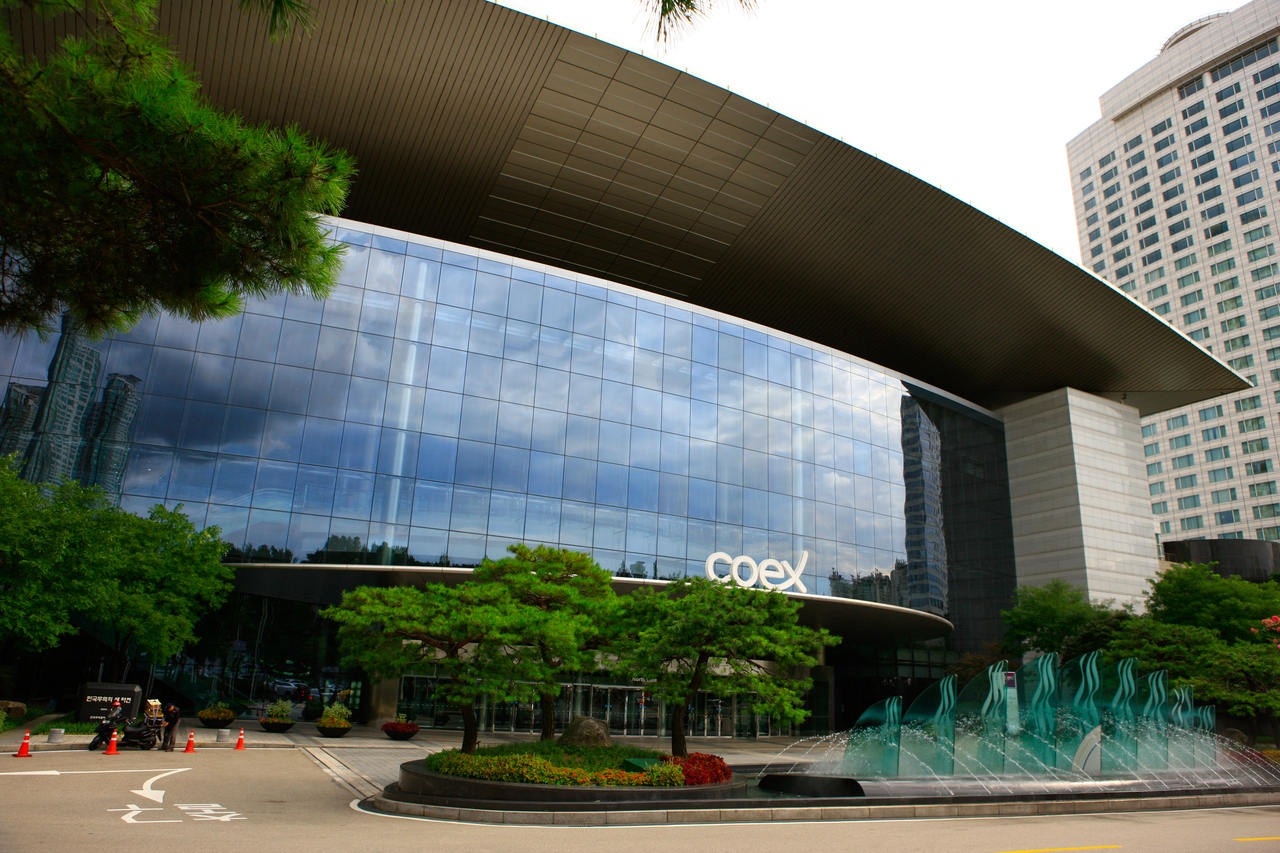
Frieze Seoul 2026 runs September 2 to 5 at COEX in Gangnam (its fifth edition, with 125+ galleries from around 30 countries). The single biggest first-timer mistake is assuming you can walk in on day one. You can't.
Here's how access actually works:
- Wednesday, September 2, invitation-only preview. The general public cannot enter.
- Thursday, September 3, opens to the public at 15:00. From 11:00 to 15:00 it's invitation and preview-ticket holders only; general admission starts at 15:00.
- Friday-Saturday, September 4 to 5, 11:00 to 19:00.
- Last admission is 18:30 every day. Arrive late and you won't get in.
Other essentials:
- One ticket, two fairs. A Frieze ticket also gets you into Kiaf SEOUL, and Kiaf runs one day longer, through September 6. Where they are: Frieze is on COEX Level 3 (Halls C and D); Kiaf is on Level 1 (Halls A and B).
- Bag rules: expect a bag check. Backpacks are allowed only up to about 40×20×40 cm, and inside you must carry them in your hand, not on your back. Umbrellas are allowed (dryers/covers are provided); paid lockers are very limited.
- Ages: a ticket is required from age 7; under-7s enter free with a guardian.
- Getting there: take public transit: COEX parking and Gangnam traffic are heavy.
- Prices and programs change: buy tickets and confirm times on the official Frieze and Kiaf pages.
Frieze Week citywide (around August 31: September 3): the free alternative
Around the fair, galleries and institutions across Seoul run a citywide "Frieze Week" program, roughly August 31 to September 3. Much of it is free, which makes it the smart pick if you don't want to pay for a fair ticket but still want the art-week buzz. Check listings officially.
Other September events (confirm dates officially)
- Seoul Fashion Week (F/W): the runway shows are often industry- and invitation-focused, so check whether any parts are open to the public. We don't speculate about which designers or celebrities attend.
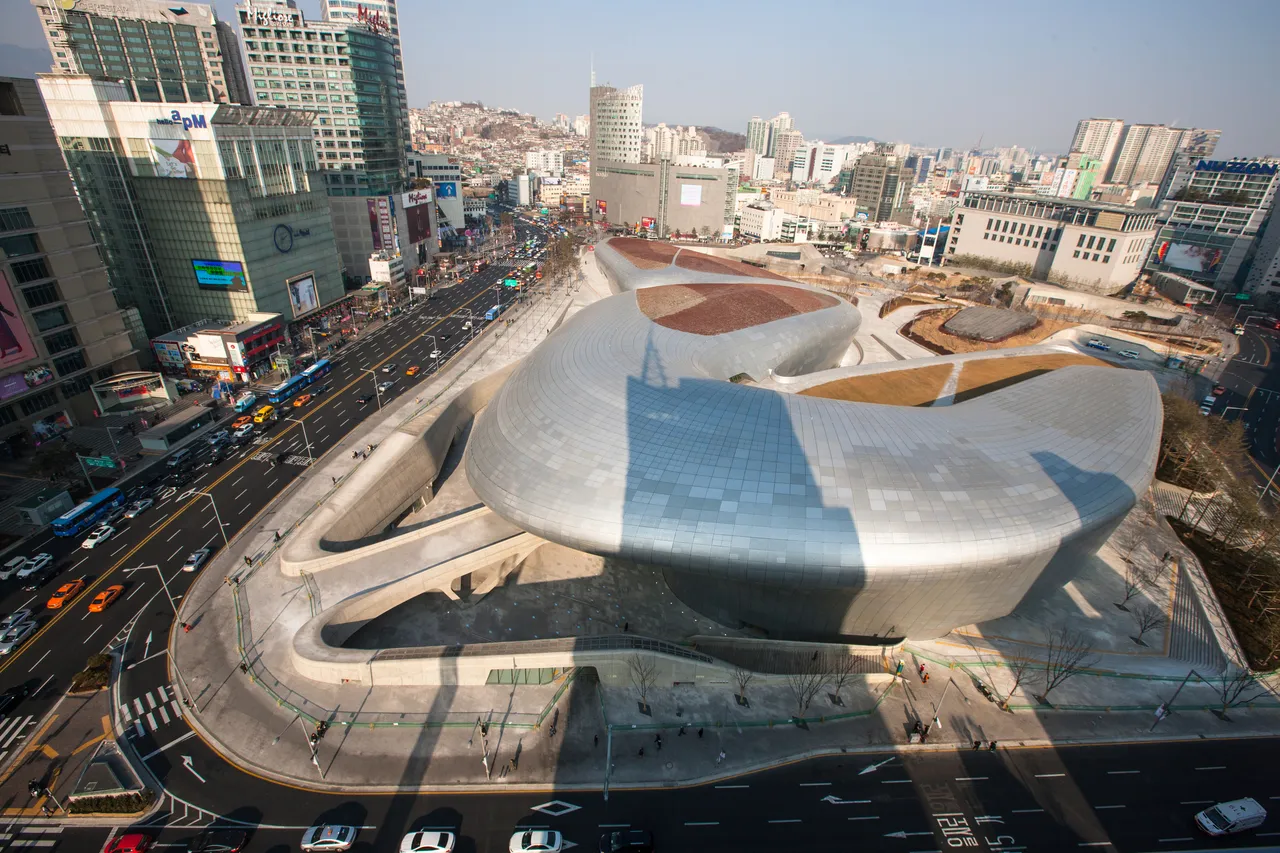
- Seoul Light DDP: a media-façade light show at DDP. Confirm the dates and nightly showtimes.
- Han River light/drone show: riverside light or drone shows appear on the calendar; confirm the venue, whether it's free, and that it isn't cancelled for weather.
- Seoul Street Arts Festival: outdoor performance that leans non-verbal and visual, which makes it friendly for non-Korean speakers. Confirm dates and location.
- Car-free Jamsu Bridge festival: the lower Jamsu Bridge at Banpo Han River Park opens to pedestrians on certain days; check the operating dates.
- Seoul Outdoor Library: open-air reading spaces that typically run into autumn (roughly September-November) at spots like Gwanghwamun Square, Seoul Plaza, and Cheonggyecheon; verify the locations and dates.
- Seoul Beauty Week: may mix public and B2B (trade-only) days; check which days are open to visitors.
- Seoul Autumn Festa / Seoul Arts Festival: performing-arts platforms; check how language- dependent each show is and whether tickets are needed.
Chuseok 2026: plan around it
Chuseok, Korea's biggest holiday, falls in late September 2026 (around September 24 to 26; confirm the exact dates). It reshapes the city for travelers:
- Some shops and restaurants close for the holiday. Don't assume every place is open.
- Trains, express buses, and airports are extremely crowded, and tickets sell out well in advance.
- Palaces and museums follow venue-by-venue holiday rules. Do not assume free palace entry. The Chuseok in Seoul guide has the 2026 open/closed snapshot and the Namsangol festival program.
If you're in Seoul in late September, build flexibility into those days and book any intercity travel early.
Which events suit which traveler
| You are | Good picks |
|---|---|
| An art lover | Frieze/Kiaf (paid) or Frieze Week (mostly free) |
| On a budget | Frieze Week, outdoor library, Han River events, media-art at DDP |
| A non-Korean speaker | Street Arts Festival, media-art, Han River shows (visual, low-language) |
| Traveling with kids | Han River parks, Seoul Forest, outdoor library |
| Here for K-beauty | Beauty-festival programs (cosmetics, not medical: verify) |
Suggested one-event days
The golden rule: one main event per day, plus a backup for weather.
- An August evening: a hot day indoors (a museum or mall), then a Han River park after sunset for a festival or just the breeze.
- A September art day: Frieze and Kiaf at COEX (they share a ticket). Go after 15:00 on the 3rd, or on the 4th: 5th, and remember last entry 18:30. Or do free Frieze Week galleries instead.
- A September outdoor-culture day: the outdoor library downtown by day, Seoul Light DDP or a Han River show after dark.
- A Chuseok-flexible day: use the Chuseok in Seoul guide for what is open, then keep plans loose.
What to check before any event
| Check | Why |
|---|---|
| Exact dates | Many 2026 dates aren't final yet |
| Venue | Some events move year to year |
| Public vs invitation | Fairs and fashion weeks have trade-only days |
| Reservation / ticket | Some need booking or timed entry |
| Price / free | "Free" only if the official page says so |
| Language | How much English there is |
| Weather | Outdoor events get cancelled or moved |
| Transport | Big events mean crowded transit |
| Chuseok impact | Late-September closures and travel jams |
Food, dietary, and accessibility notes
- Food trucks and booths at festivals rarely list full ingredients. Don't assume anything is halal, vegetarian, or allergen-free: ask, and carry backups if you have strict needs.
- Beauty samples are cosmetics and can irritate sensitive skin; there are no medical benefits to assume.
- Accessibility: big outdoor events mean long walks, long waits, and crowds. Check stroller and wheelchair access in advance, bring water in August, and plan rest stops.
Weather strategy
- August is hot and humid, with sudden showers and the odd typhoon. Favor evenings, indoor venues, and Han River nights, and check the forecast the morning of any outdoor plan.
- Early September is still warm; mid-September onward turns pleasant, the sweet spot for outdoor events.
- Either way, outdoor programs can be cancelled or rescheduled for weather, so check the official channel on the day.
Common mistakes to avoid
- Assuming everything is free: many events are, but not all; confirm.
- Confusing invitation-only with public: fashion weeks and fair previews aren't open to all.
- Thinking you can enter Frieze on day one: September 2 is invitation-only; public access starts 15:00 on the 3rd.
- Cramming in too much: one main event per day beats rushing four.
- Ignoring Chuseok: late-September closures and sold-out trains catch people out.
- Missing the last train after a night event. Check the subway's closing time.
- Using old dates from a blog: 2026 details are what matter; verify.
FAQ
Can I just show up to Frieze on the first day? No. September 2 is an invitation-only preview. The public can enter from 15:00 on September 3, then all day on the 4th and 5th, with last admission at 18:30.
Do I need separate tickets for Frieze and Kiaf? No, a Frieze ticket covers both. Kiaf also runs one extra day, through September 6.
Are these events in English? Partly. Art fairs, media-art, and visual street performance are easy for non-Korean speakers; check language for talks and theater.
Is everything free? No. Some events are free (much of Frieze Week, outdoor library, many Han River programs); fairs and some shows are ticketed. Confirm on each official page.
What about the weather? August is hot, humid, and shower-prone; September improves mid-month. Outdoor events can be cancelled for weather.
Check the day-of.
How does Chuseok affect my trip? Expect some closures and very heavy travel in late September. Book intercity transport early and keep those days flexible.
Is it stroller- or wheelchair-friendly? It depends on the event; big outdoor festivals involve crowds and long distances. Check access details in advance.
The bottom line
Pick one main event per day, confirm it on the official page (dates and access rules change), and keep a weather backup in mind, an indoor museum in August, a free Frieze Week gallery if a fair is sold out. Do that, and Seoul's late-summer and early-autumn calendar is among the more rewarding times to visit, just plan around the heat and Chuseok.
Frequently asked questions
What are the biggest events in Seoul in August 2026?
The headline for August is Liberation Day (August 15): a national public holiday with ceremonies and some free cultural programming. The Seoul Fringe Festival (if running its usual late-August slot) and outdoor film screenings at the Han River parks round out the month. Chuseok in 2026 falls in late September, so early preparations and travel demand begin to build in mid-August.
Check official city listings (visitseoul.net) for confirmed events, dates and lineups shift year to year.
What are the biggest events in Seoul in September 2026?
Chuseok 2026 is the headline. Korea's most important holiday, typically a 3-day official break with additional travel days. If you are visiting around the holiday, plan for: city attractions being quieter than usual (many Seoulites travel to family).
Transport (trains, buses) being very full around the holiday; and some restaurants and shops closing for the period. Beyond Chuseok, September often has Seoul Autumn Arts events, Hanmadi festivals, and fringe performances. Confirm on visitseoul.net.
Is September a good time to visit Seoul?
Yes, mid-to-late September is among the better times to visit Korea. Temperatures cool to comfortable levels (18 to 24°C typical daytime), the monsoon is over, and the first hints of autumn color appear by month's end. Chuseok is the one complication: if it falls mid-trip, expect transport crowds and some closures, but also the cultural interest of witnessing Korea's biggest holiday season.
Is August a good time to visit Seoul?
August is the heart of Korean summer: hot (32 to 36°C common, with high humidity) and the wettest month of the monsoon season (jangma typically ends in mid-July, but August rains continue). The Han River parks are at their most active; rooftop bars and water-park options peak. For cultural sightseeing, indoor venues (National Museum, COEX, gallery districts) are more comfortable than outdoor temples during the midday heat.
See the Seoul in August guide for a plan that accounts for the heat.
Do I need to book anything in advance for Seoul in August-September?
For August: KTX and domestic flights to Jeju fill up on peak summer weekends. Book early. Popular day trips (DMZ, Suwon) can get busy.
For September: KTX and intercity buses around Chuseok are extremely busy; book transport several weeks before the holiday. Accommodation in Jeju and Gyeongju fills up around Chuseok. Within Seoul, most sights are walk-in but night palace tours (Gyeongbokgung) need advance tickets.
Sources
- Visit Seoul, Seoul Tourism Organization (official)Official tourism site
- Frieze Seoul (official)Official tourism site
- Visit KoreaOfficial tourism site
Information is compiled from official sources. Details such as prices, hours, and schedules can change. Confirm time-sensitive facts before you travel.
Last verified on
Related guides
Korea in Autumn: When to Go, Fall Foliage Timing, and Best Places to See Autumn Colors
Autumn is one of Korea's best seasons, crisp weather and foliage that sweeps from the northern mountains down to the southern islands from late September to late November. Plan around the pattern rather than a fixed date: foliage starts high and north and moves south, peak comes roughly two weeks after the first color, and forecasts shift every year. Timing, the best city, day-trip, and mountain spots (including options for non-hikers), pink muhly, what to pack, and how to beat the peak-season crowds are all covered below. Check the official KMA and VisitKorea forecast before you lock in dates.
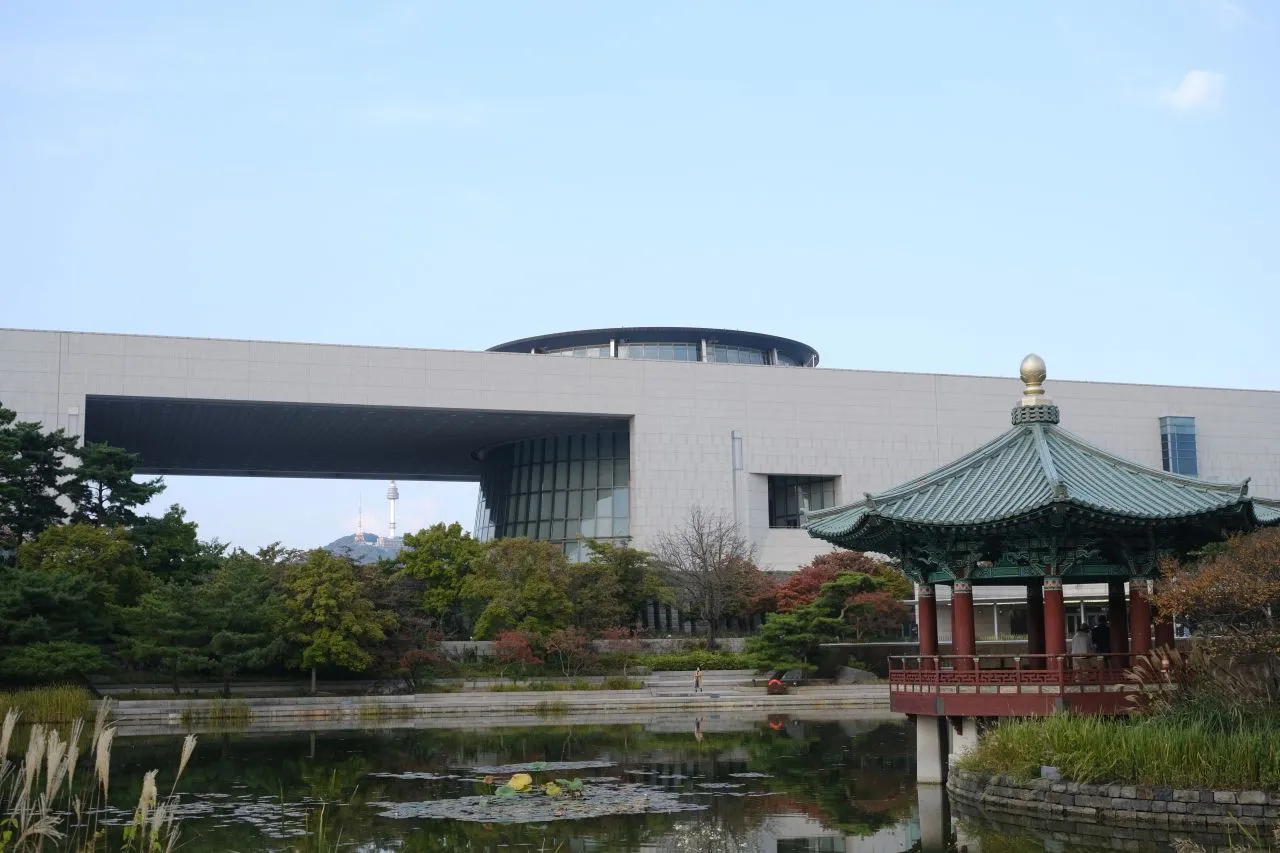
National Museum of Korea Guide: Why It's Trending, What to See, Museum Shop, and How to Visit
The National Museum of Korea in Yongsan is one of Seoul's most rewarding stops: a beautiful, calm, and (for now) free indoor attraction that has become genuinely trendy for its Room of Quiet Contemplation, its photogenic architecture, and its MU:DS museum-shop goods. This guide is a practical visitor briefing, not an academic tour: why it's popular, what to see first, the museum shop, and how to get there from Ichon Station. Hours, special- exhibition fees, and shop stock change, so check the official museum website before you visit.