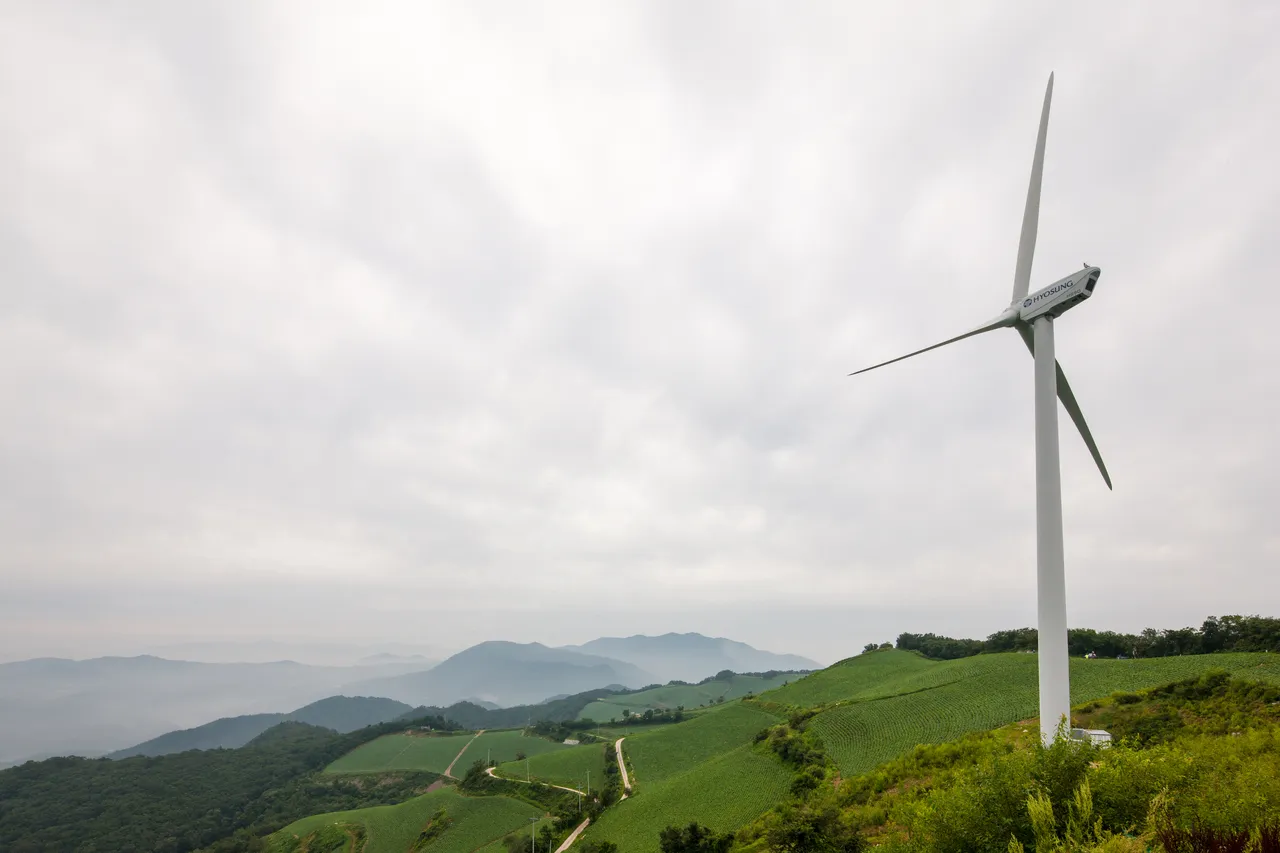
Renting a car in Korea is often the best way to explore Jeju, Gangwon, and small regional towns where buses are sparse. For a first trip based in Seoul, you usually do not need a car.
This is a preparation guide, not legal advice. Documents, insurance, traffic rules, and fees change by company and over time.
Confirm current official information and your rental contract before you drive.
Quick answer
| Question | Short answer |
|---|---|
| Can foreigners rent a car? | Yes, with the right documents: an IDP is usually essential |
| The big catch? | Korea effectively expects a 1949 Geneva Convention IDP: check yours |
| Do I need a car in Seoul? | Usually no: transit is easier |
| Where is a car worth it? | Jeju, Gangwon, rural areas, family trips |
| Drink-driving limit? | 0.03% BAC: far stricter than the US/UK; effectively don't drink at all |
| Biggest money surprise? | Tolls and fines billed after you return, plus insurance exclusions |
Should you rent? Decision first
| You are | Suggestion |
|---|---|
| First-timer staying in Seoul | Skip the car; use transit |
| Heading to Jeju | A car is usually worth it: prep documents and rules |
| Touring Gangwon or rural regions | A car helps a lot; mind mountain and winter roads |
| A family with kids and luggage | A car can be easier; reserve child seats |
| Nervous about local driving | Consider transit, tours, or a driver instead |
| A car helps | A car is usually a burden |
|---|---|
| Jeju Island (limited transit, scenic coast) | Central Seoul |
| Gangwon and mountain regions | Busan and other dense city centers |
| Rural towns with sparse buses | Anywhere you'll mostly be downtown |
| Family trips with kids and luggage | Short trips on well-connected routes |
| Scenic road trips | First-time visitors nervous about local driving |
In central Seoul, traffic, paid parking, and bus-only lanes usually make a car more hassle than help. Use the public transportation etiquette guide and the T-money card guide instead.
Day trips like Chuncheon or Nami Island work well by train.
Documents checklist
| Document | Notes |
|---|---|
| Passport | Standard ID requirement |
| International Driving Permit (IDP) | Issued in your home country before you travel (see below) |
| Your original home driver's license | Required alongside the IDP: an IDP alone is not enough |
| Credit card in the driver's name | For the deposit; the name should match your license/IDP |
| Name match | Passport, license, IDP, and card should all match |
Age, driving-experience minimums, and which car classes you can rent vary by company. Confirm with the rental company.
The IDP trap: read this before you book
This is the single most important point on the page, because it can end your plans at the counter.
- Two different permits exist. IDPs are issued under either the 1949 Geneva Convention or the 1968 Vienna Convention. Korea's law references both, but in practice, rental companies and police effectively accept the 1949 Geneva version. Travelers from countries that issue only the 1968 Vienna permit (reportedly including Germany, France, and Thailand) have been refused at major rental counters because their IDP cited the "wrong" convention.
- What to do: find out which convention your country issues, and confirm with your specific rental company that they will accept it, before you book or fly. Do not assume.
- Some permits are not accepted at all. IDPs from China, Taiwan, and Indonesia are commonly not accepted, while permits from Hong Kong and Macau are recognized under separate arrangements. Verify with your home automobile association, your embassy, or the rental company rather than trust second-hand claims.
- You need both your IDP and your original license: one without the other is not enough at the counter or in a police check.
- Timing: an IDP is generally valid for up to a year from your entry (or until the IDP itself expires, whichever comes first), and it must be issued in your home country before departure: you cannot get one after you arrive in Korea.
- Beware fake "International Driving Licenses." Documents sold online as an "IDL" are not valid and will be rejected. Only a permit from an authorized issuer (such as your national automobile association) counts.
- Driving without a valid permit is treated as unlicensed driving: a serious offense that can carry heavy penalties (potentially fines in the millions of won or worse). Treat the exact figures as "approximate, verify," but treat the rule as absolute: no valid IDP, no driving.
Can foreign visitors rent a car?
Yes, tourists can rent with the right paperwork. The key split is short-term visitors, who drive on a foreign license plus an International Driving Permit for up to a year, versus long-term residents, who may need to convert to a Korean license.
This guide is for the short-term visitor. If you are staying long-term, look into a license exchange separately.
Booking to return: practical sequence
- Confirm IDP type and rental-company acceptance before you book or fly.
- Book in the driver's name with a credit card that matches the license and IDP.
- Add every driver who might drive, and reserve child seats if needed.
- Read insurance exclusions before you pick the cheapest rate.
- At pickup: photo and video the whole car, confirm fuel or battery level, fuel type, Hi-Pass/toll setup, and coverage.
- While driving: follow school-zone and camera rules; do not drink; set navigation before you move.
- At return: meet the fuel or charge rule in the contract.
- After return: expect that tolls and camera fines can still be billed later through the rental company.
Pickup checklist
| Check | Why |
|---|---|
| Photos/video of the whole car | Proves pre-existing damage |
| Fuel or battery level | You return it as agreed |
| Fuel type | Wrong fuel is costly |
| Hi-Pass / toll setup | Know how tolls are billed |
| Coverage and exclusions | Understand your risk |
| Child seats installed | If you reserved them |
| Lights, wipers, spare, warning triangle | Basic safety |
Insurance and coverage: don't just pick the cheapest
Insurance is where the real money and risk sit. Read carefully rather than choosing the lowest price.
- Know the pieces: a collision damage waiver (CDW), your deductible/excess, liability, and add-ons like roadside assistance and towing.
- Exclusions are the catch. Many policies do not cover tires, wheels, glass, the undercarriage, lost keys, single-vehicle accidents, off-road driving, or an unregistered/additional driver. These vary by company. Do not assume "full coverage" means everything is covered.
- Some things are never covered, and are illegal: accidents while drink-driving, driving without a valid permit, letting an unregistered person drive, or committing a serious traffic violation.
- Before you drive off, ask staff to explain coverage and exclusions, add any driver who might drive, and photograph and video the whole car (all sides, wheels, glass, interior).
Returning the car: it may not be over
Tolls, parking fines, speed- or red-light-camera fines, and bus-lane violations can be billed after you return the car, through the rental company, sometimes weeks later. Do not assume that handing back the keys settles everything. Drive as if every fine can find you.
Traffic rules that matter most
Korea drives on the right, with the steering wheel on the left, and speeds in km/h. Treat specific numbers and fines as "verify current official info," but treat the safety rules as non-negotiable.
- Drink-driving is extremely strict. The limit is 0.03% blood alcohol (Road Traffic Act), much lower than the 0.08% many visitors are used to. In practice, do not drink and drive at all, not even one. Penalties are heavy, your insurance will not apply, random breath checks are common, and DUI-related laws were strengthened in April 2026 (and keep changing; verify). Use a designated-driver service, a taxi, or transit instead.
- Seatbelts for everyone, in every seat, and child seats are required for young children by age. Reserve them in advance, as stock is limited.
- Pedestrians have priority. Yield at crossings, and slow right down in school zones, markets, and residential streets. School zones are enforced especially hard. If you are unsure about a right-turn-on-red situation, the safe move is to stop and yield. Confirm the current standard.
- Cameras are everywhere. Speed and red-light cameras are common; follow posted signs even if your navigation warns you late.
- No phone in your hand while driving: set your navigation before you move off.
- Bus-only lanes and U-turns: do not enter a bus lane unless it is an allowed time/vehicle, and only U-turn where a sign and signal permit it.
Parking, tolls, navigation, and fuel
| Topic | What to know |
|---|---|
| Parking | Paid lots and buildings are common in cities; public/street spots have restrictions and camera enforcement; attraction lots can fill on weekends |
| Tolls / Hi-Pass | Expressways charge tolls. Hi-Pass setup and billing vary by car and company. If unsure at a gate, use a regular staffed lane. We do not quote toll amounts. |
| Navigation | Use Naver Map or Kakao Map (or the car's unit). Google Maps driving directions are limited in Korea. Set the route before you drive. |
| Fuel | Confirm gasoline, diesel, or LPG before filling. Wrong fuel is expensive and may not be covered. |
| EV | Charging can be hard for short-term visitors (card/app and connectors vary). Sort this out before renting an EV. |
Return the car with the fuel or charge level your contract requires.
Driving in Jeju
Jeju is the classic Korean road trip, and a car makes sense there, but "Jeju driving is easy" is a myth worth resisting. Popular coastal roads get busy with tourists, and winter can bring snow and ice on higher inland roads around Hallasan. Drive defensively and check conditions.
Jeju has its own quirks: airport shuttle pickup, a mostly electric rental fleet, no tolls, and Udo's vehicle restrictions. Details live in the Jeju car rental guide.
Driving outside Seoul
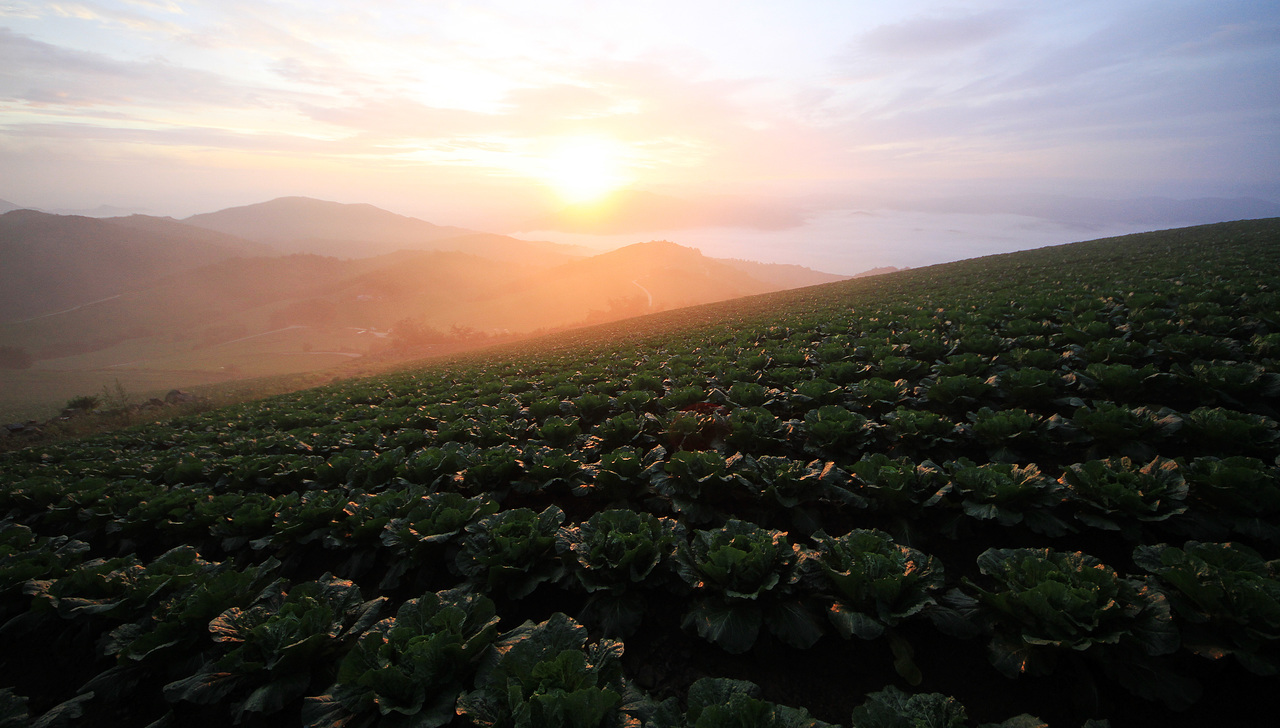
Rural and mountain Korea is where a car shines, but mountain roads can be narrow and winding, and winter brings snow, ice, and early darkness, especially in Gangwon. Carry the basics, keep fuel or charge between towns, and do not push unfamiliar mountain passes after dark or in bad weather.
Accidents and breakdowns
If something happens, stay calm and safe:
- Pull over safely, turn on hazard lights, and set out the warning triangle.
- Do not leave the scene if anyone is hurt or there is damage.
- Call your rental company immediately, and for emergencies, 112 (police) or 119 (ambulance/fire).
- Document everything: photos and video of car positions, damage, license plates, road signs, and signals.
- Be careful about admitting fault or agreeing to a private cash settlement on the spot; get the proper paperwork.
- If language is a barrier, the 1330 Korea Travel Hotline can help with interpretation (confirm current service).
Family, accessibility, and food
Reserve child seats in advance (stock is limited and they are required by age). If anyone has mobility needs, ask the rental company about suitable vehicles early. On long drives, highway rest areas (휴게소) are frequent and have food and restrooms, though options are not automatically halal, vegetarian, or allergy-safe. Check ingredients or carry snacks.
The Korea food guide for Muslim travelers explains how to ask.
Seasonal notes
- Summer: heavy rain and the occasional typhoon reduce visibility. Slow down and allow extra time.
- Winter: snow and ice, especially on mountain and inland roads; check whether winter tires are fitted.
- Peak seasons: popular routes and Jeju get busy; parking fills up.
Common mistakes
- Arriving in Korea without an IDP (you cannot get one here).
- Bringing a 1968 Vienna Convention IDP from a country that only issues that one, and being refused.
- Trusting a fake online "IDL."
- Using a credit card that is not in the driver's name.
- Picking insurance on price alone and missing the exclusions.
- Assuming "full coverage" covers everything.
- Skipping the pre-drive photos/video.
- Misunderstanding Hi-Pass/tolls and getting surprise bills.
- Forgetting that fines can arrive after you return the car.
- Drinking anything before driving.
- Speeding past school-zone and camera signs.
- Handling your phone while driving.
- Assuming EV charging will be easy.
- Renting a car for a first Seoul-only trip you did not need.
- Believing "Jeju driving is easy" and dropping your guard.
- Putting the wrong fuel in.
- Leaving an accident scene or admitting fault too quickly.
- Not reserving child seats ahead.
- Entering a bus-only lane.
- Assuming your home insurance covers you here.
FAQ
Do I need an International Driving Permit to rent a car in Korea? Yes, in almost all cases, plus your original license. Get the IDP in your home country before you travel; you cannot obtain one after arriving.
My country issues a 1968 Vienna Convention IDP, can I drive? Possibly not in practice. Korean rental companies effectively expect the 1949 Geneva version, and Vienna-only permits have been refused. Confirm with your rental company before booking.
Are IDPs from every country accepted? No: permits from China, Taiwan, and Indonesia are commonly not accepted; Hong Kong and Macau have separate arrangements. Verify with your automobile association, embassy, or the rental company.
What's the drink-driving limit? 0.03% blood alcohol, much stricter than 0.08%. In practice, do not drink at all if you are driving; your insurance will not cover a DUI accident.
Do I need a car in Seoul? Usually no. Transit is faster and less stressful; save the car for Jeju or the regions.
Does "full coverage" cover everything? No. Exclusions (tires, glass, single-vehicle accidents, unregistered drivers, and more) are common. Read the contract and ask staff.
Can I get fined after I return the car? Yes, tolls and camera/parking fines can be billed later through the rental company. Drive as if every fine will find you.
How do tolls work? Expressways charge tolls, often via a Hi-Pass device; billing varies by company. If unsure at a tollgate, use a staffed lane.
Is driving in Jeju easy? It is popular, but not automatically easy. Busy tourist roads and winter mountain conditions call for care.
What navigation should I use? Naver Map or Kakao Map, set before you drive. Google Maps driving directions are limited in Korea.
What if I have an accident? Stop safely, do not leave if there is injury or damage, call your rental company and 112/119, document everything, and do not rush to admit fault. 1330 can help with interpretation.
Can I rent an EV? Often yes, but charging can be tricky for short-term visitors. Sort out the card/app and connector type before you book.
The bottom line
Rent a car when the route needs it (Jeju, rural and mountain regions, family logistics). Skip it for a first Seoul-only trip. Lock the IDP convention, insurance exclusions, and post-return fines before you book, then drive as if every camera and school zone is watching, because many of them are.
Sources
- Korea Road Traffic Authority (KoROAD)Official government site
- Visit KoreaOfficial tourism site
- Korea Tourism Organization (VisitKorea Practical Info)Official tourism site
Information is compiled from official sources. Details such as prices, hours, and schedules can change. Confirm time-sensitive facts before you travel.
Last verified on
Related guides
South Korea 10-Day Itinerary: Seoul, Gyeongju, Busan, and Jeju
Ten days in Korea buys one thing a week does not: Jeju. It costs a domestic flight, a fourth hotel, and the buffer day the 7-day route keeps, and four of the ten days carry a long-distance move. This route covers Seoul, Gyeongju, Busan, and Jeju, and is built around the two things that actually go wrong: the Singyeongju station transfer and the Gimpo-versus-Incheon departure. Times, fares, and schedules change, so confirm official details before you book.

How to Pay in Korea: Credit Cards, Cash, WOWPASS, ATMs, and Mobile Pay
Korea is card-friendly, but the smartest setup is not to rely on one method. Bring a foreign credit or debit card, keep a little cash, get a transit card, and consider a foreigner prepaid card like WOWPASS for the kiosks that reject foreign cards. The breakdown below is current for 2026. Check foreign-transaction rules with your bank before you leave.