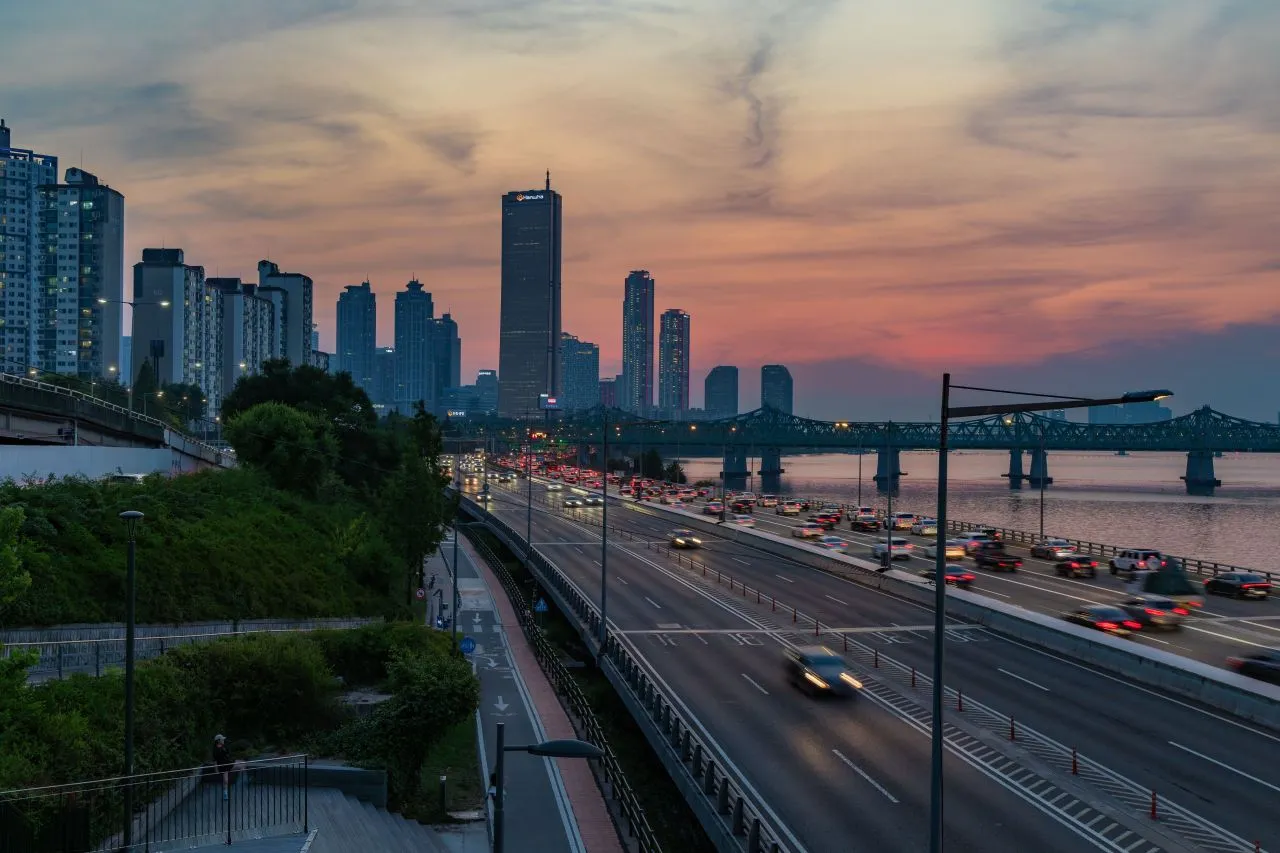
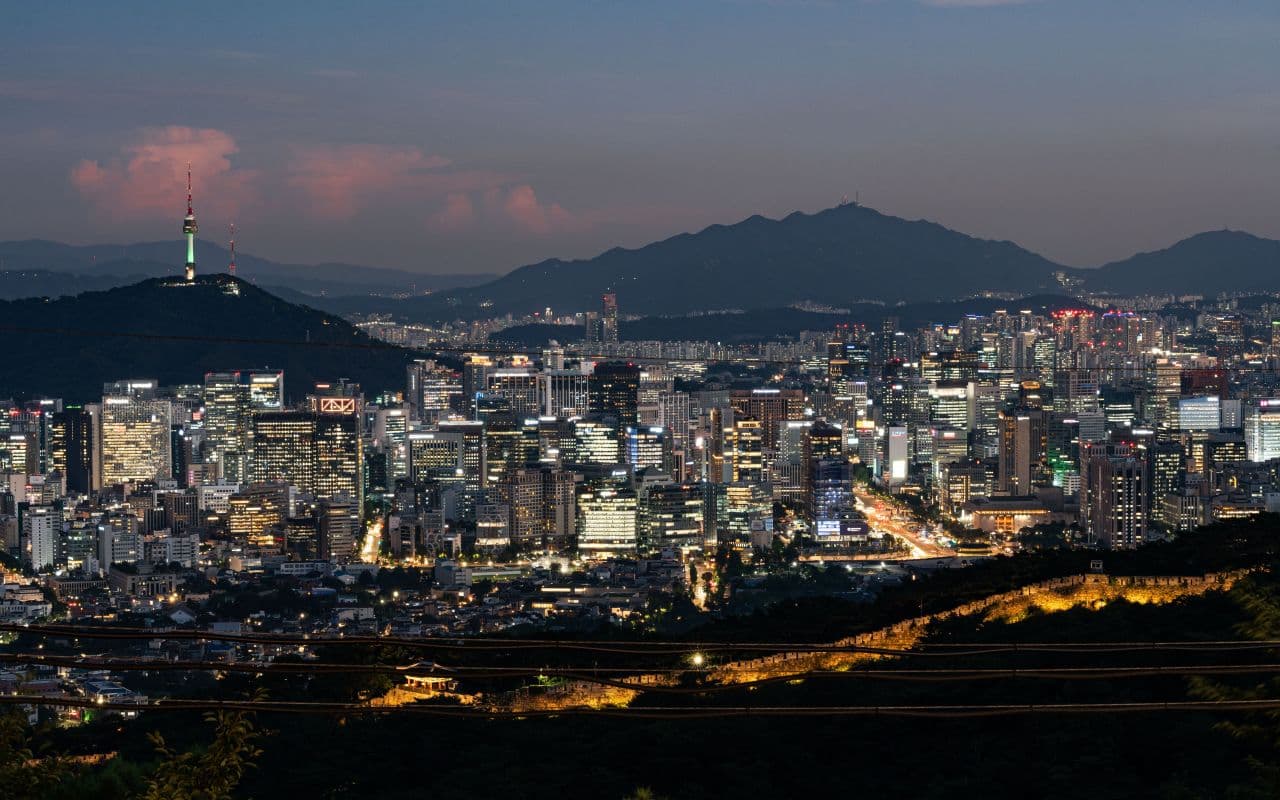
August is the hottest month in Seoul. Daytime heat is high and the humidity makes it feel hotter still, the nights stay warm — sometimes uncomfortably so — and the sun is punishing in the middle of the day. But the city is built for a hot-summer rhythm, and so is this plan: do one short outdoor thing in the cool of the morning, retreat into air conditioning for the blazing afternoon, and save the evenings for the Han River, the night views, and the lit-up streets, when the city is at its most pleasant.
It's a different summer from the two months before it. Where June is the mild early-summer shoulder and July is the rainy-season peak, August is about heat management — and, since rain is lighter but storms and typhoons are possible late in summer, a little weather-watching too. For a weather-neutral base plan, the Seoul 3-day itinerary mixes in well.
Quick answer
| Question | Short answer |
|---|---|
| What's August weather like? | The hottest month — humid days that can feel above 35°C, warm nights |
| Does it rain like July? | Less — the rainy season usually retreats early August, but strong showers and typhoons are possible |
| Best time to be outside? | Early morning and after sunset; avoid the midday peak |
| Where to spend the afternoon? | Air-conditioned spots — COEX, museums, malls, aquariums, cafés |
| Best evening plan? | Han River parks, Cheonggyecheon, Hongdae, Myeongdong, a night view |
Heat, palace hours, fountain and festival schedules, and any storm or typhoon all change — confirm each against its official source, and check live routes on Naver, Kakao, or Google Maps. Set up payment first with how to pay in Korea and a T-money card.
Seoul weather in August, and what to wear
August is hot and humid — the peak of Korean summer. Typical figures (confirm the live forecast before and during your trip):
- Temperature — daytime highs around 28–31°C, and with the humidity it can feel like 35°C or more. Nights stay warm, and Seoul sees stretches of tropical nights (yeoldaeya) that don't cool below about 25°C.
- Rain — less than July. The jangma rainy season has usually retreated by early August, so the month is drier overall — but expect sudden, strong showers, and note that late summer is typhoon season, so a passing storm is possible (more likely early in the month, on the monsoon's tail). Don't treat any of this as fixed — check the forecast.
- The heat eases gradually. Korea marks the end of the hottest stretch around mid-August (malbok), and from late August the edge slowly comes off — so early August runs hotter than late August.
What to wear: light, breathable, loose clothing; a hat, sunglasses, and strong sunscreen; and a thin layer for the heavy indoor air conditioning. Carry a refillable water bottle (and consider a handheld fan — many locals use them), comfortable shoes, and a compact umbrella that doubles for sun and the occasional downpour.
Heat care: the midday sun is the real hazard here. Hydrate often, take shade and air-conditioned breaks, and ease off if you feel dizzy or overheated — especially with children or older travelers. Treat the hottest hours (roughly noon to late afternoon) as indoor time.
How to plan each day in August
The whole plan bends around the heat:
- Early morning — one short outdoor thing. Get out before about 10–11 a.m., while it's coolest, for a palace, a park, or a walk — then move on before the sun peaks.
- Midday to late afternoon — indoors with air conditioning. The hottest hours belong to museums, malls, aquariums, and cafés. This isn't lazy; it's how the city copes.
- Evening — back outside. After sunset the heat lets up and Seoul comes alive: the Han River, Cheonggyecheon, Hongdae, Myeongdong, and night views are all at their best.
Crucially, don't stack several outdoor sights into the same hot afternoon. Spreading a palace, Bukchon, Namsan, and the river across one midday is a classic August mistake. Keep each day compact, and check routes on Naver, Kakao, or Google Maps.
Day 1 — Palace morning, indoor afternoon, Myeongdong evening
- Morning: Start early at Gyeongbokgung while it's cool. Palaces usually close one day a week (often Tuesday for Gyeongbokgung) and hours can change — confirm on the official site. Hanbok rental is optional; in August heat, think twice — it's an extra layer in the sun, so only if you'll stay mostly shaded and hydrated.
- Lunch: Eat indoors around Insadong or Gwanghwamun.
- Afternoon: Escape the heat in air-conditioned museums near Gwanghwamun, or a department store.
- Evening: Walk the Cheonggyecheon stream as it cools, then head to Myeongdong for street food and shopping, or up Namsan to N Seoul Tower for an evening city view.
- Extreme-heat alternative: Trim the palace to a quick early visit (or skip it) and spend the core of the day fully indoors — a big museum, then a mall — before the evening stroll.
- Why this works in August: Only the cool morning and the post-sunset evening are spent outdoors; the brutal afternoon is air-conditioned.
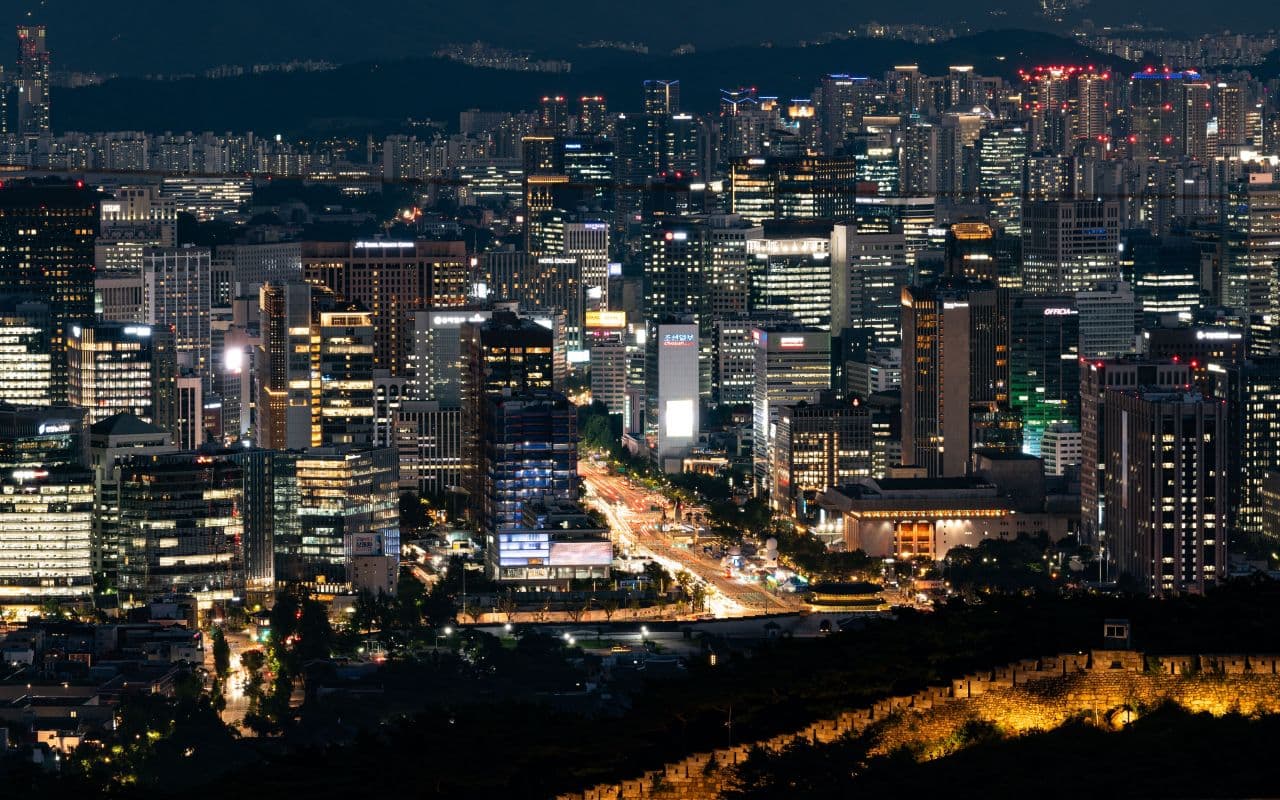
Day 2 — Indoor anchors, then the river at sunset
- Morning: A shaded, green start — Seoul Forest in Seongsu, or Bongeunsa temple by COEX — before it gets hot.
- Lunch: Eat in a mall or near the museum, in the cool.
- Afternoon: Spend the peak heat at COEX (Starfield Library, the underground mall, and the aquarium) or another large indoor complex. For more on this side of the city, see the best things to do in Gangnam.
- Evening: Finish at a Han River park (Banpo or Yeouido) for a sunset picnic as the heat fades — a quintessential Seoul summer evening. Banpo's Moonlight Rainbow Fountain runs on a seasonal schedule that changes year to year and can be cancelled in bad weather — check the official schedule. Bring a mat, and take your trash with you.
- Extreme-heat alternative: Skip the morning outdoor stop and go straight to the indoor complex for the whole afternoon, keeping just the cooler riverside evening.
- Why this works in August: The hottest hours are indoors and air-conditioned, and the reward is a cool, golden-hour evening by the water.
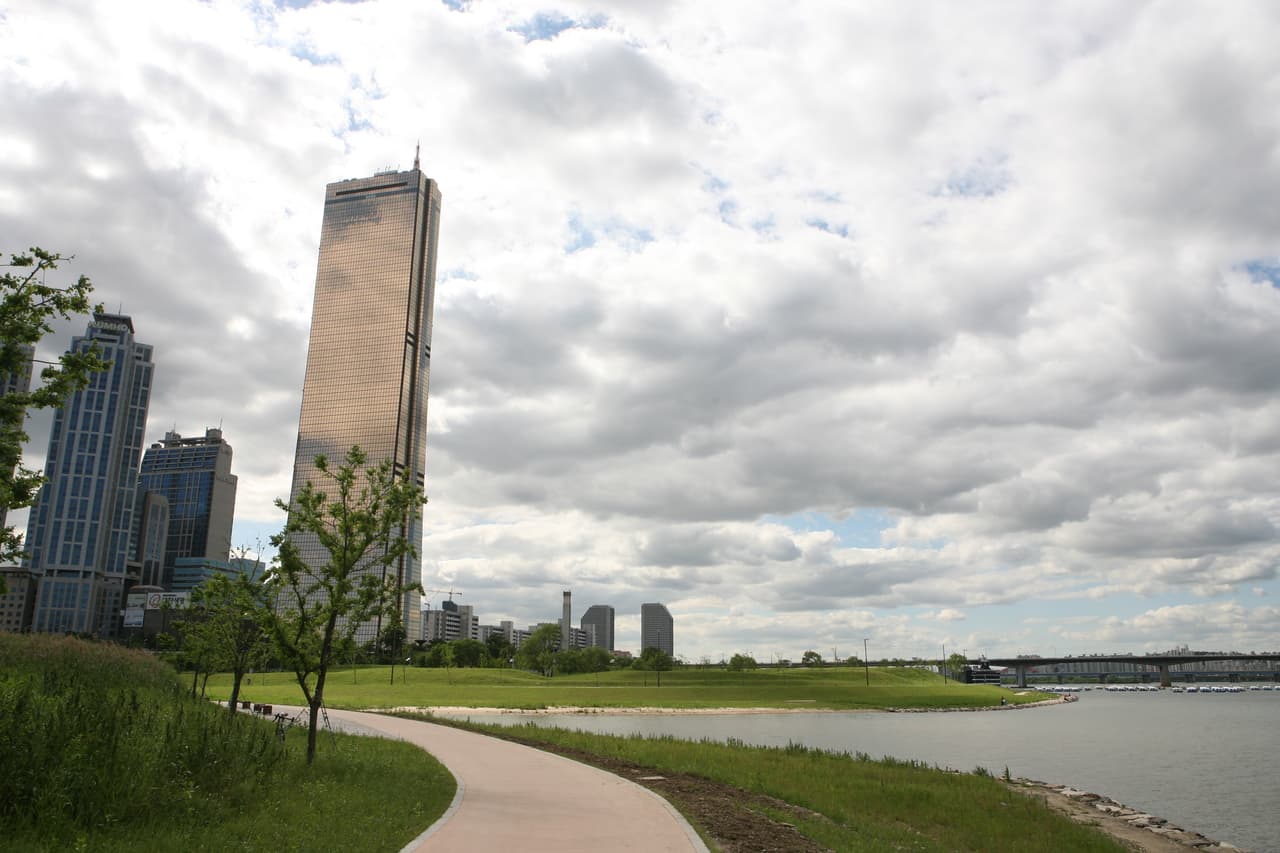
Day 3 — Flexible: green morning or full indoors, lively evening
Day 3 flexes to the heat and the forecast:
- If it's bearable in the morning: Add a shaded outdoor block — a riverside walk, a park, or a palace you skipped — early, then retreat indoors by late morning.
- If it's brutal (or stormy): Go fully indoor — a museum, Lotte World Mall in Jamsil, or Seongsu's roomy cafés — and rest up for the evening.
- Evening: Pick a lively neighborhood — Hongdae for youthful streets and music, or Myeongdong for shopping and street food — when the night is finally comfortable.
Cool-evening Seoul: where to go after sunset
August evenings are the payoff. A few mostly-outdoor, post-sunset routes for when the heat lets up:
- Han River park picnic. Banpo or Yeouido: a mat, convenience-store or delivered food, and the city lights across the water. Carry your trash out.
- Cheonggyecheon + Myeongdong. A cool stream walk into covered shopping and street food.
- Hongdae after dark. Indie streets, buskers, and late cafés — liveliest once the sun is down.
- A night view. N Seoul Tower or another high vantage for the city lights on a warm night.
What to eat in Seoul in August
Peak heat is peak season for Korea's cooling dishes — with one hot exception:
- Naengmyeon — chilled buckwheat noodles, in icy broth (mul) or spicy (bibim).
- Kongguksu — cold soybean-broth noodles, a summer specialty.
- Bingsu — shaved-ice dessert mountains, the city's go-to cool-down.
- Samgyetang — hot ginseng-chicken soup, eaten on the boknal days of midsummer to "fight heat with heat."
- Chimaek by the Han River — fried chicken and beer in a riverside park on a warm evening (bring a mat and take your trash with you).
For more, browse what to eat in Korea.
What to pack for August
- Light, loose, breathable clothing — plus one thin layer for cold indoor air conditioning.
- A hat, sunglasses, and strong sunscreen; the midday sun is intense.
- A refillable water bottle, and a handheld or folding fan if you'd like one.
- A compact umbrella (sun and sudden showers) and comfortable shoes.
- A small picnic mat for a Han River evening.
Where to stay
Stay somewhere central and well-connected, with easy subway access so you can hop between air-conditioned stops. For the area-by-area breakdown, use the where to stay in Seoul overview and its guides for Jongno / Insadong / Gwanghwamun, Hongdae, Gangnam, and Jamsil / Songpa.
Common mistakes
- Stacking outdoor sights in the midday heat. Spread palaces, Bukchon, Namsan, and the river across cool mornings and evenings, not one hot afternoon.
- Underestimating the sun and humidity. Hydrate, take shade and air-conditioned breaks, and slow down if you overheat.
- Wearing hanbok all day in the heat without shade or water breaks.
- Assuming August is rain-free. It's drier than July, but strong showers and the odd typhoon happen — keep an umbrella and watch the forecast.
- Building a day around a fountain show or festival without confirming its current schedule.
Frequently asked questions
Is August a good time to visit Seoul? It can be, if you plan around the heat — the city's evenings, night views, and air-conditioned attractions are great. Just expect the hottest, most humid weather of the year in the daytime.
How hot does Seoul get in August? Daytime highs are typically around 28–31°C, and with high humidity it can feel like 35°C or more. Nights stay warm, with stretches of "tropical nights" that don't cool much.
Does it rain a lot in August? Less than July — the rainy season usually retreats by early August — but strong showers happen, and late summer is typhoon season, so a storm is possible. Check the forecast.
Is August hotter than July in Seoul? Generally yes — August is usually the hottest month, while July is the wettest. Both are humid; August brings the peak heat and warm tropical nights.
What should I pack for August in Seoul? Light, loose clothing, a hat, sunglasses, strong sunscreen, a water bottle, a thin layer for air conditioning, comfortable shoes, and a compact umbrella for sun and showers.
What can I do in Seoul during the hot afternoons? Head indoors: COEX (mall, library, aquarium), the National Museum of Korea, the War Memorial, Lotte World Mall, department stores, and cafés all have strong air conditioning.
Are the palaces open in August? Yes, but they usually close one day a week (Gyeongbokgung is often closed Tuesdays), and hours can change — confirm on the official site, and visit early before the heat.
Should I rent hanbok in August? You can, but it's an extra layer in serious heat — only if you'll stay shaded and hydrated, and keep it short.
Is the Banpo Moonlight Rainbow Fountain running in August? It runs on a seasonal schedule that changes year to year and can be cancelled in bad weather. Check the official schedule before planning your evening around it.
Is the Han River nice in August? Especially in the evening — riverside parks are a cool, relaxed spot for a picnic or chimaek once the sun is down. Bring a mat and carry your trash out.
When does it cool down in August? The hottest stretch usually peaks around mid-August (malbok); from late August the heat gradually eases, so the end of the month is a little more comfortable than the start.
How do I cope with the heat while sightseeing? Front-load outdoor time to the early morning, spend the afternoon in air conditioning, hydrate constantly, and use shade and indoor breaks. Treat the midday hours as indoor time.
Where should I stay for an August trip? Somewhere central and on a subway line, so you can move between air-conditioned stops easily. The where to stay in Seoul overview breaks the city down by area.
Final recommendation
August rewards travelers who respect the heat. Take the cool mornings for one outdoor highlight, give the blazing afternoons to museums, malls, and cafés, and let the long warm evenings carry the best of the trip — a Han River sunset, a stream walk, a night view, a lively street. Pack for sun and hydration, keep an umbrella for a surprise shower or storm, and check the forecast and any fountain or festival schedule before you commit. Plan with the heat instead of against it, and Seoul's hottest month turns into a string of golden summer evenings.
Sources
- Visit KoreaOfficial tourism site
- Korea Meteorological AdministrationOfficial weather service
- Seoul Metropolitan Government Open DataOfficial government site
- Korea Tourism Organization English TourAPIOfficial API
Information is compiled from official sources. Details such as prices, hours, and schedules can change — confirm time-sensitive facts before you travel.
Last verified on
Related guides
Seoul in June Itinerary — 3 Days of Palaces, Cafés, Shopping, Han River, and Rainy-Day Plans
June is Seoul's early-summer window: warm but not yet peak-humid, with long daylight that makes evening outings easy — and a rising chance of rain toward month's end. This 3-day plan front-loads mornings outdoors, moves indoors for the hot afternoons, and saves the river and city lights for the long evenings, with rainy-day alternatives and early- vs late-June adjustments. Treat times, hours, and any event as things to confirm against official sources before you go.
Where to Stay in Seoul — Best Areas for First-Time Visitors
The smartest way to choose where to stay in Seoul is to think north vs south of the Han River first, then narrow to a neighborhood. North (Myeongdong, Jongno, Hongdae) is traditional and central — ideal for first-timers; south (Gangnam, Jamsil, Suseo) is modern, with shopping, Lotte World, and the SRT to Busan. This guide compares nine areas and helps you pick the one that fits your route, not just the most famous name.