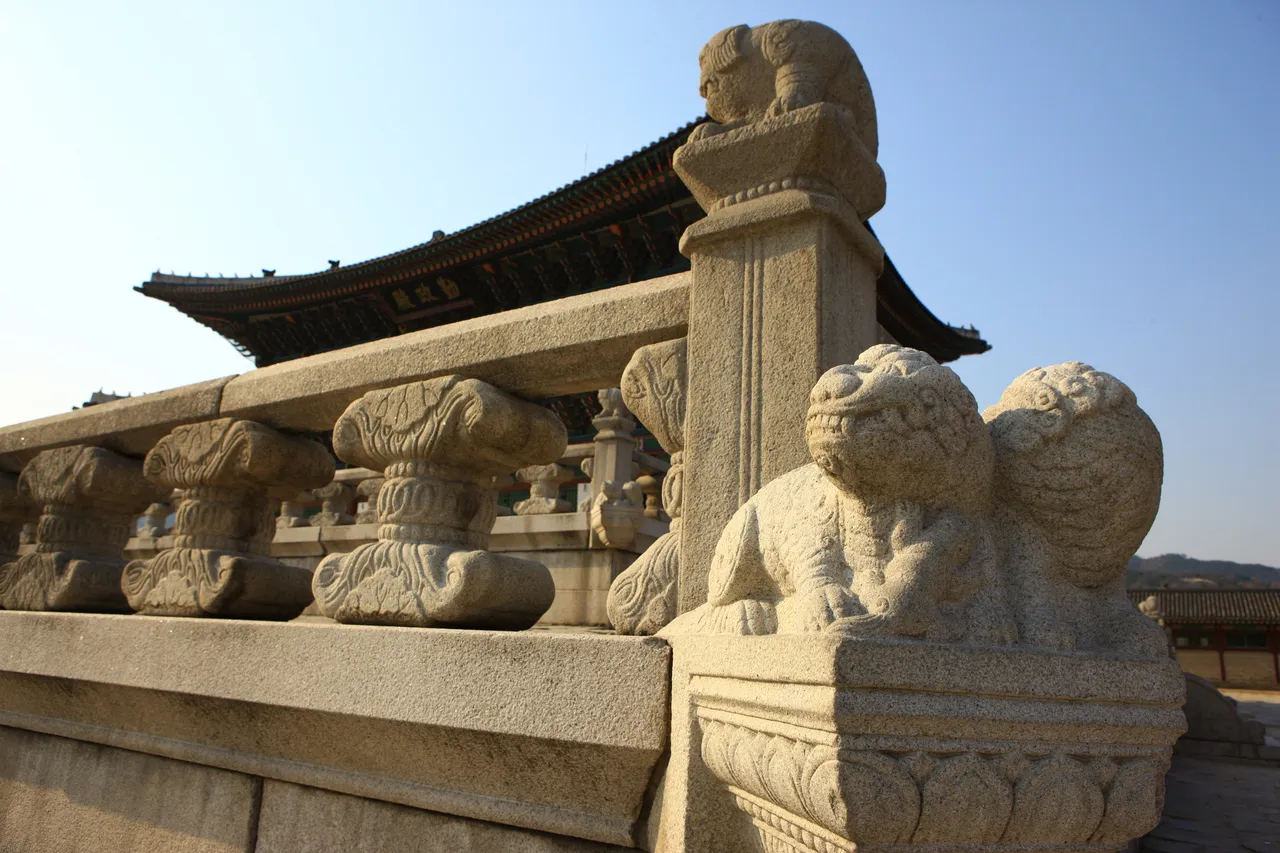
Korea is a relaxed, welcoming place to travel, and the good news up front is this: you don't need to be perfect. Locals don't expect visitors to know every custom, and making an honest effort is almost always appreciated.
But a few small habits (mostly about being quiet, clean, and considerate) will make your trip smoother and show respect for the people around you.
This guide lists ten common things to avoid and, for each one, what to do instead. Two ground rules throughout: we separate actual legal rules (like smoking fines) from cultural manners (which are flexible and vary by situation), and we avoid sweeping claims.
Nobody speaks for all Koreans, and this isn't about "strict" locals. It's simply that, in many situations, some behaviors may come across as rude or inconsiderate without you realizing.
Signs, staff, and official rules on-site are always the final word, so check them as you go.
Quick answer
| Common mistake | Better choice |
|---|---|
| Loud phone calls on the subway | Keep calls short and quiet, or text |
| Messy or strong-smelling food on transit | Save it for a bench or your destination |
| Sitting in priority/pink seats | Leave them free unless you clearly qualify |
| Smoking outside designated areas | Use a smoking booth; it's a fined offense |
| Dropping litter | Carry trash out; sort recycling |
| Wearing shoes where others remove them | Follow the shoe rack and lead of others |
| Photographing strangers up close | Ask, or shoot wide without faces |
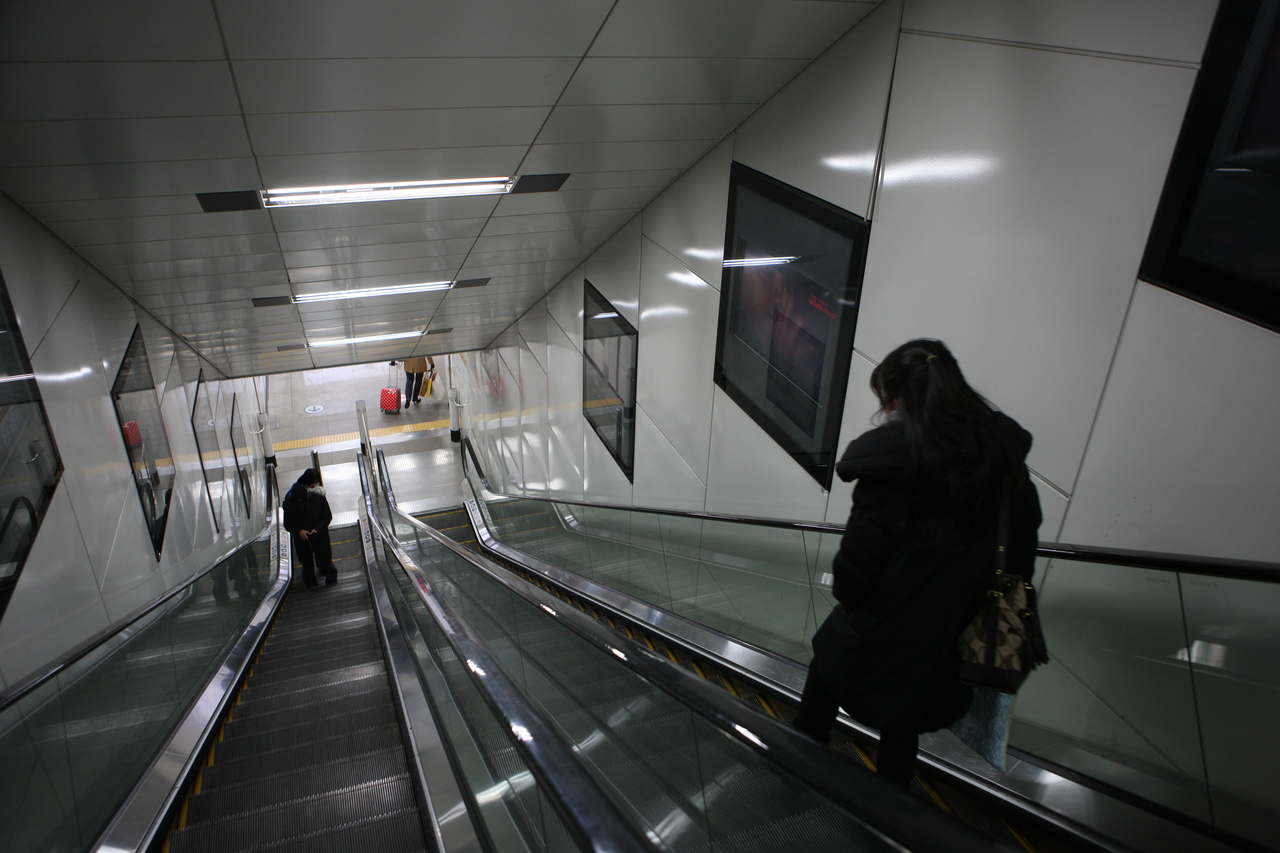
| Blocking doors, gates, or escalators | Step aside; keep the flow moving |
| Being loud or careless at palaces/temples | Speak softly; don't touch or climb |
| Insisting on tipping or haggling | It's usually not customary: a simple thanks is enough |
The 10 things to avoid (and what to do instead)
1. Don't be loud on public transport
Subways and buses are noticeably quiet in Korea. Loud phone calls, video without headphones, or a boisterous group can feel out of place, and many riders may find it inconsiderate.
- What to do instead: keep phone calls short and low, use headphones, and save lively conversations for outside. Where it matters: subways, buses, and trains especially.
For the full detail (boarding a bus, tagging out, priority seats, and more) see the Korea public transportation etiquette guide.
2. Don't eat messy or strong-smelling food on transit
A sealed drink or a small snack is common, but dripping, greasy, or pungent food in a crowded car can bother people nearby (and some operators discourage or restrict eating. Follow posted rules).
- What to do instead: eat before you board or wait until you're off; keep anything you do bring sealed and tidy. Where it matters: busy subways and buses.
3. Don't take priority or pink seats
About 30% of seats are priority seats for elderly, disabled, pregnant, or injured passengers (the sets at each end of the car), and the pink seats are for pregnant passengers: officially including those in early pregnancy who don't visibly "look" pregnant. That's the key point: a disability or pregnancy isn't always visible, so it's kindest to leave these seats free.
- What to do instead: use regular seats, and offer your seat if someone may need it. Where it matters: all subways and buses.
4. Don't smoke outside designated areas (this one's a law)
This is a legal rule, not just manners. Smoking in a designated non-smoking area can bring an on-the-spot fine of around ₩100,000 under the National Health Promotion Act, and it applies to foreign visitors the same as to residents. Indoor smoking is banned entirely (restaurants, cafés, bars, malls), and common no-smoking zones include within about 10 m of subway entrances, plus bus stops, parks, plazas, and areas near schools and cultural sites.
E-cigarettes and heated-tobacco devices (IQOS, glo, etc.) follow the same rules.
- What to do instead: use a designated smoking booth/area, look for yellow signs or blue/red pavement stickers marking no-smoking zones, and don't drop cigarette butts. Rules vary by district and change, so check local signs and treat the fine amount as approximate. Confirm current details.
Where it matters: cities everywhere, especially near stations.
5. Don't drop litter
Public bins are scarcer than you might expect, and Korea takes recycling seriously: cups, plastic, paper, and food waste are often separated, and in some areas sorting is a legal requirement, not just a habit.
- What to do instead: carry your trash until you find the right bins, and sort recycling where it's marked. Where it matters: streets, parks, and residential areas.
6. Don't keep your shoes on where others take them off
At some places (homes, certain guesthouses, traditional restaurants with floor seating, temples, hanok stays, and jjimjilbang (bathhouses)) you remove your shoes. A shoe rack or a row of shoes at the entrance is the signal. It's not every restaurant, so watch for cues.
- What to do instead: look for a shoe rack or step-up, and follow what others do. Clean socks help. Where it matters: homes, floor-seating spots, temples, hanok stays.
7. Don't photograph strangers up close
Korea is photo-friendly, but close-ups of strangers' faces (including children, shop staff, and other customers) can make people uncomfortable, and changing rooms, restrooms, spas, and clinics are off-limits for photos.
- What to do instead: ask first, or shoot wide without focusing on faces; respect "no photo" signs, and note that drones have their own rules. Where it matters: cafés, markets, transit, gyms, spas, temples, and neighborhoods.
8. Don't block doors, gates, or escalators
Standing in a doorway, crowding the ticket gate, or stopping at the top of an escalator interrupts a lot of people at once. On escalators, campaigns and signage change over time, so there's no fixed "stand left/right" rule to memorize.
- What to do instead: let people off before you get on, step aside to check your phone or map, and keep moving and follow the signs. Where it matters: stations, escalators, and building entrances.
9. Don't be careless at palaces, temples, and hanok areas
At palaces, temples, shrines, and heritage sites, avoid shouting, climbing on structures, touching exhibits, entering roped-off areas, or striking disrespectful poses. And remember that places like Bukchon are residential neighborhoods: noise and photos at people's doorways disturb the people who live there.
- What to do instead: speak softly, dress modestly at temples, keep to marked paths, and treat homes as private; see the Bukchon Hanok Village guide for how to visit a living neighborhood respectfully. Wearing hanbok is welcome, just behave with the same respect. Where it matters: palaces, temples, and hanok villages.
10. Don't insist on tipping or haggling
In most everyday situations (restaurants, cafés, taxis, salons) tipping isn't customary, and pressing money on someone can feel awkward or be politely refused (upscale hotels or some private tours can be exceptions). Fixed-price shops aren't places to haggle, either.
- What to do instead: pay the listed price, say a warm thank-you, and save any tipping for the rare places that expect it. Where it matters: everyday shops, eateries, and transit.
A few bonus mistakes (no judgment)
- Boarding before others get off: let them exit first.
- Standing too close in a queue: leave a little space.
- Sticking chopsticks upright in rice: it echoes a funeral custom; rest them on the bowl or holder.
- Arriving right at closing time: kitchens and sites wind down; give yourself a buffer.
What to do instead: at a glance
| Instead of… | Do this |
|---|---|
| Loud calls on transit | Text, or step off to talk |
| Blocking the door | Move in or step aside |
| Sitting in priority seats | Keep them free |
| Smoking anywhere | Find a designated area |
| Littering | Carry it out, sort recycling |
| Shoes on indoors | Follow the shoe rack |
| Close-up photos of people | Ask, or shoot wide |
| Touching exhibits | Look, don't touch |
| Tipping everywhere | A simple thank-you |
Useful Korean phrases
Polite phrases that smooth things over
A little effort goes a long way, locals appreciate the attempt.
실례합니다
sil-lye-ham-ni-da
Korean audio isn't available on this device or browser. Use the romanization above to say it.
사진 찍어도 되나요?
sa-jin jji-geo-do doe-na-yo?
Korean audio isn't available on this device or browser. Use the romanization above to say it.
A few more, for the situations above: 감사합니다 (gam-sa-ham-ni-da, "thank you"), 죄송합니다 (joe-song-ham-ni-da, "I'm sorry"), 여기요 (yeo-gi-yo, "excuse me / over here" to call staff), and 괜찮아요 (gwaen-chan-a-yo, "it's okay / no thanks").
Public transport etiquette, in short
| Do | Avoid |
|---|---|
| Let people off before boarding | Blocking the doors |
| Keep calls short and quiet | Speakerphone or loud video |
| Move your bulky backpack to your front or the floor | Swinging a big pack into people (Seoul's tourism office flags this often) |
| Leave priority and pink seats free | Taking them when others may need them |
| Keep strong-smelling food for later | Eating messy food in a packed car |
Restaurant and food etiquette
Small things smooth out a meal: at BBQ and hot-pot places there may be a one-order-per-person expectation, don't linger at a full table during a rush, use the shared tongs and serving spoons, and don't over-order side dishes you won't finish (refill customs differ by restaurant, just ask politely). Many places have a call button on the table or use kiosks/self-order, so you rarely need to wave anyone down.
On diet: Korean food is not automatically halal, vegetarian, or allergy-safe: broths, pork, seafood, egg, dairy, and cooking wine turn up in many dishes, and shared cooking is common. Check ingredients, and see the Korea food guide for Muslim travelers if that applies to you.
Smoking, trash, and the street
To recap the split that matters most here: smoking outside designated areas is a legal offense with a fine (see #4), while litter and recycling are a mix of law and manners: some areas legally require sorting, and everywhere it's simply considerate. Carry a small bag for your own trash, use designated smoking booths, and check the signs, which vary by district.
Photos and filming
Beyond strangers' faces (see #7), be especially careful in changing rooms, restrooms, spas, and clinics, where filming is not allowed, and around children. A good habit: shoot the scene, not the people, and ask when in doubt.
Palaces, temples, hanok, and neighborhoods
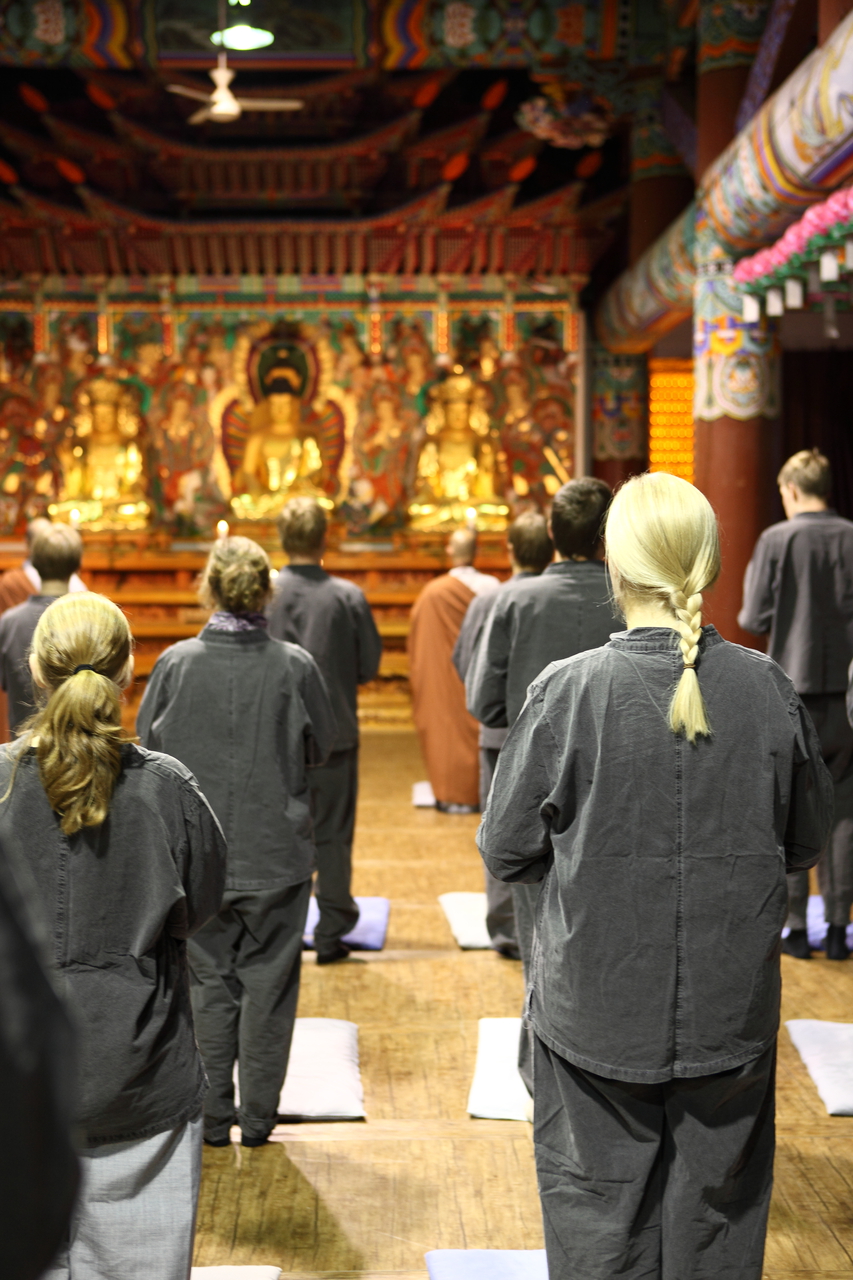
These are shared, meaningful spaces. Keep your voice down, don't touch or climb, dress modestly at temples, and remember that hanok villages are places people actually live. The National Museum of Korea is a good example of an easy, respectful indoor visit if you want a calmer day.
What locals may find uncomfortable: gently
One cultural note: in many situations, people may not tell you directly if something bothers them. It's often considered polite not to make a scene. That's not passive-aggression; it's just a different norm.
So it's worth being a little more aware than you might be at home. And the flip side is genuinely true: making the effort is warmly received, even if you get the details slightly wrong.
Common mistakes
| Mistake | Why it can bother people | Better |
|---|---|---|
| Loud on transit | Quiet is the norm | Keep it low |
| Priority/pink seats | Someone may quietly need them | Leave them free |
| Smoking in the wrong spot | It's illegal and affects others | Use a booth |
| Littering | Bins are scarce; recycling matters | Carry it out |
| Close-up photos | Feels intrusive | Ask or shoot wide |
| Loud at temples/palaces | They're respectful spaces | Speak softly |
| Insisting on tips | Not customary | A warm thank-you |
FAQ
It's the norm, and appreciated. Keep calls short and use headphones. You won't get in trouble, but it's considerate.
Yes. Smoking in a designated non-smoking area can bring a fine of around ₩100,000, and it applies to visitors too. Use designated smoking areas and check local signs.
E-cigarettes and heated-tobacco devices follow the same no-smoking-zone rules and the same fine.
Generally no: tipping isn't customary in most everyday situations, and a thank-you is enough. A few upscale or tour settings can differ.
No, only at some places (homes, floor-seating restaurants, temples, hanok stays, bathhouses). Look for a shoe rack.
Ask first for close-ups, avoid faces of strangers and children, and never film in changing rooms, restrooms, or spas.
Pink seats are for pregnant passengers, including early pregnancy that isn't visible, best left free.
Carry it on your front or set it down. Seoul's tourism office specifically flags bulky backpacks.
Public bins are limited, so carry it until you find one, and sort recycling where marked.
It's not a big deal in busy areas, but avoid messy or strong-smelling food on crowded transit.
A small nod is friendly and enough; you don't need formal bows as a visitor.
Not in fixed-price shops. Some traditional markets may have a little flexibility, but don't push.
Almost never: an honest effort is appreciated, and mistakes are usually met with patience.
Be quiet, clean, and considerate, and follow the signs and staff, that covers most of it.
The bottom line
You don't need to memorize a rulebook or worry about offending people at every turn. Be quiet, clean, and considerate, follow the signs and staff on-site, keep the one real law here in mind (smoking only in designated areas), and offer a warm thank-you. Get those right and you'll travel Korea smoothly, and the small effort will be noticed and appreciated.
Frequently asked questions
Is it rude to tip in Korea?
Tipping is not customary and can cause confusion. Service charges are sometimes included in hotel bills; check the receipt. At restaurants, barbecue places, and cafes, leaving a tip is not expected or necessary.
Can I smoke anywhere in Korea?
No, smoking is restricted to designated smoking areas. Indoor smoking is prohibited in restaurants, bars, cafes, transport hubs, and most public spaces. Designated outdoor areas exist at most transport hubs and some parks.
Smoking outside a designated area can result in a fine.
Is it rude to eat while walking in Korea?
Eating while walking is mildly frowned upon in everyday settings. At markets and street-food areas it is expected and accepted. That is what those spaces are for.
Sitting to eat, even at a sidewalk stall or bench, is the standard approach.
What are the most common mistakes tourists make in Korea?
Sitting in priority (pink) seats on the subway, speaking loudly in quiet public spaces, not tapping out when leaving the metro, and photographing people in residential areas like Bukchon without consent. None are serious offenses, but they are the ones most noticed.
Should I remove my shoes when entering a Korean home?
Yes, always. Shoes are left at the entrance before stepping into any Korean home. This is non-negotiable and universally expected.
Some guesthouses, traditional restaurants, and jjimjilbang areas also require shoes off.
Sources
- Visit Seoul, Seoul Tourism Organization (official)Official tourism site
- Seoul Metropolitan Government (english.seoul.go.kr)Official government site
- Visit KoreaOfficial tourism site
Information is compiled from official sources. Details such as prices, hours, and schedules can change. Confirm time-sensitive facts before you travel.
Last verified on
Related guides

T-money Card Guide for Visitors to Korea
A T-money card is a rechargeable transit card that works on subways, buses, and most taxis nationwide. Buy one at any convenience store or station machine for about ₩3,000 to 5,000, load cash onto it, and tap in and out. It is the simplest way for visitors to get around Korea.
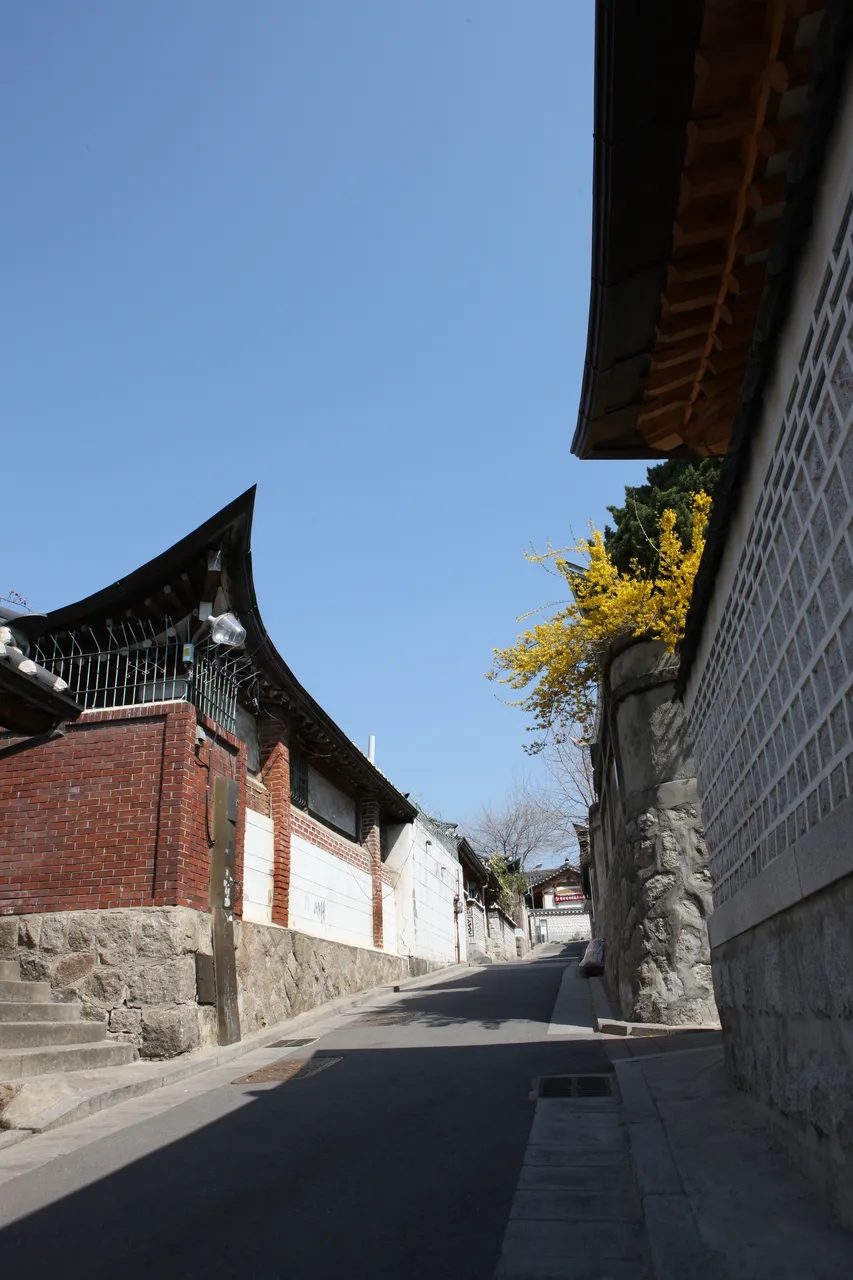
Bukchon Hanok Village Guide: How to Visit, What to See, and Current Visitor Rules
Bukchon is a lived-in hanok neighborhood between Gyeongbokgung and Changdeokgung, not a gated park. Start at Anguk Station (Line 3), Exit 2, and walk uphill. Tourist visits in the Red Zone on Bukchon-ro 11-gil are allowed only 10:00 to 17:00; sightseeing outside those hours can draw a ₩100,000 fine. Private homes are not attractions. Public cultural hanok and the craft museum nearby are the places you can actually enter.