
A noraebang (노래방, "singing room") is a private karaoke room you rent, no stage, no strangers, just your own group, a screen, and a microphone. It is among the more popular ways Koreans end a night out, and it is welcoming to visitors because the room is yours and foreign songs are usually in the system.
Here is how to walk in and use one with confidence.
Two kinds of noraebang

The format affects how you pay, so it helps to know which one you are walking into:
- Room (time-based) noraebang. You rent a private room by the hour for your group. Staff often add a little extra time as a courtesy. Best for a longer session with friends.
- Coin noraebang. You pay per song or in short blocks at a machine: cheaper, quicker, and great for one or two people who just want to sing a few songs. These are usually self-service.
Prices depend on the venue, the time of day, and how many of you there are, so check the posted rate rather than expecting a fixed price.
How to use the room
Once you are in, the setup is the same almost everywhere:
- Find your song. Use the song book or the remote to search by title, artist, or song number, then enter the number to queue it.
- Foreign songs. English songs are common; Japanese, Chinese, and other languages appear too, but the exact catalog varies by venue and machine.
- Learn the remote. It controls the queue, key, tempo, volume, and the scoring feature, a minute of poking around and you will have it.
Drinks and drinking rules
Whether alcohol is available depends on the venue:
- Coin noraebang usually does not serve alcohol; many are dry, self-service spots.
- Room noraebang varies: some serve drinks and snacks, some do not.
If you do drink, the usual rules apply: the legal drinking age is 19, carry ID, don't overdo it, and never drive afterward. Take the subway or a taxi (the transportation guide explains the options).
First-timer tips
- Queue a few songs you actually know first; momentum makes it fun.
- A coin noraebang is the low-commitment way to try it solo or as a pair.
- It is a great rainy-day or after-dinner plan. See the first-time visitor guide for more evening ideas.
- Pair it with a relaxed evening like a Han River picnic beforehand.
How long does a noraebang session last?
At a room-style noraebang, sessions are sold in blocks, typically 30 minutes or one hour, and you can extend at the end. Staff often add a small courtesy extension when the room is free. For a group of three or more, plan one to two hours; solo or pair visits at a coin noraebang are naturally shorter.
Going after dinner and arriving around 9 or 10 p.m. is the most common pattern, and many venues stay open past midnight.
How much does a noraebang cost?
Pricing varies by venue type, time of day, and neighborhood. Room-style noraebangs in busy entertainment districts cost more per hour than a neighborhood spot. Daytime and weekday rates are almost always lower than weekend evening rates.
Coin noraebangs charge per song or per short block: a coin or two per song at a self-service machine, though rates vary.
Check the rate board at the entrance rather than assuming a standard price: most venues post it clearly, and asking at the counter with a gesture toward the price list is straightforward.
Can I find English songs?
Yes, in most venues. The catalog at a modern venue covers K-pop, English pop and rock, and often Japanese and Chinese songs too, though the exact selection varies by machine and operator. Songs are queued by number: look up the title in the physical songbook (or a separate touch-screen directory), note the number, and key it on the remote.
Staff at the front desk can usually help you find a song if you get stuck.
Which neighborhoods have noraebangs?
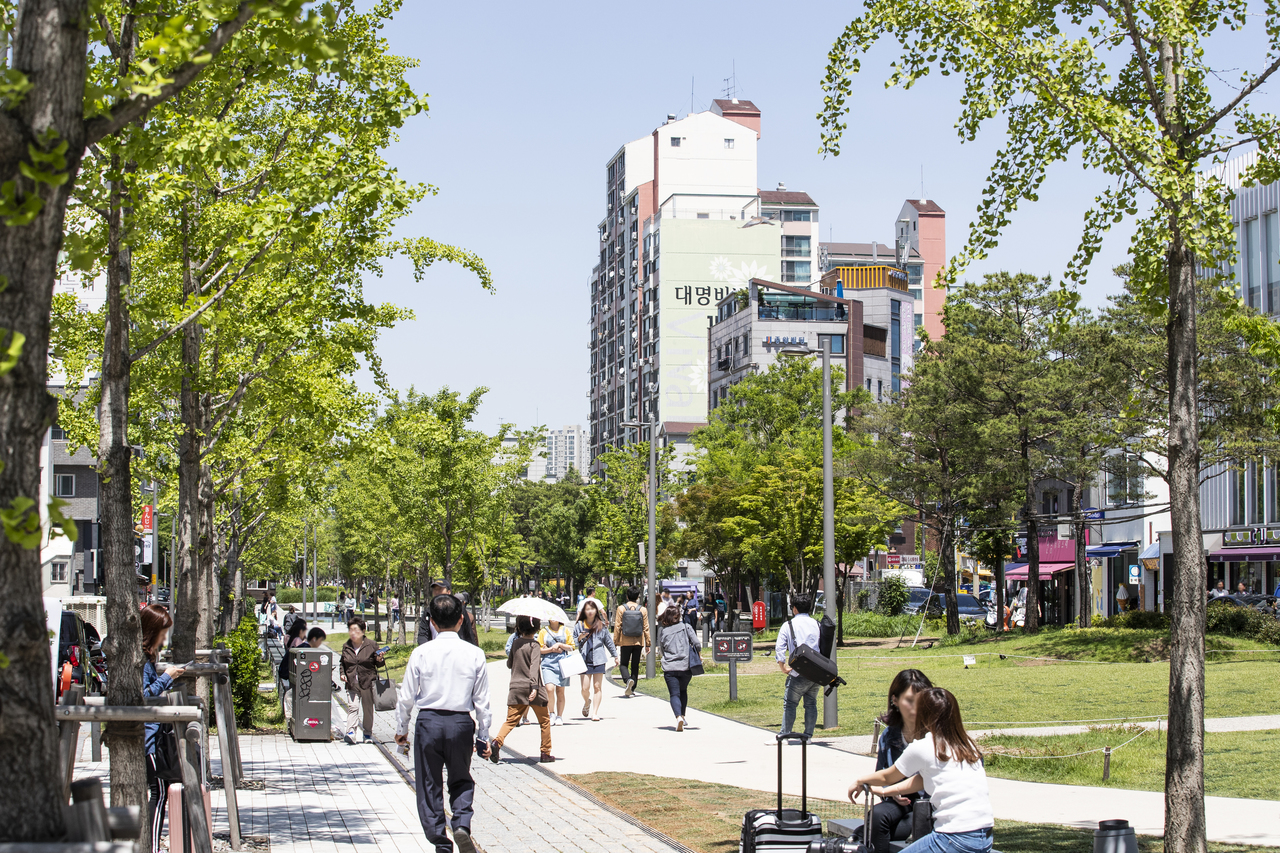
Noraebangs are everywhere in commercial Korea, but certain areas have the densest clusters:
- Hongdae (Seoul): the most visitor-friendly concentration, with options at every price point and many coin noraebangs popular with solo and student visitors.
- Sinchon and Mangwon (Seoul): slightly quieter than Hongdae, equally common.
- Itaewon (Seoul): international crowd, rooms familiar with non-Korean visitors.
- Seomyeon (Busan): main entertainment hub in Busan with many room noraebangs.
- Any commercial strip in any Korean city. Look for the neon 노래방 sign.
Who is noraebang suitable for?
Room noraebangs suit groups of two or more who want a social hour or more. Coin noraebangs suit solo visitors or anyone who wants to try a few songs without committing to an hourly block. Families with young children should check whether specific venues welcome children and confirm the cut-off time, since entertainment districts get livelier (and louder) as the evening progresses.
The activity is generally low-risk and accessible. You do not need to drink, you do not perform for strangers, and there is no dress code.
Common mistakes to avoid
- Expecting one fixed price. Time-based and coin venues bill differently; always check the posted rate.
- Assuming drinks are included. Many coin rooms are dry. Confirm if that matters.
- Going too early. Room noraebangs in entertainment areas are quiet before 8 p.m.; they come to life after dinner.
- Filming the screen. Lyrics and music videos are copyrighted. Keep your phone down and enjoy the room.
- Missing the song number system. You enter songs by number from the songbook, not by scrolling a touchscreen, find the number first, then key it on the remote.
Leaving a noraebang
When your time is up, a staff member will knock or the countdown on the screen will show the session ending. Pay at the front desk, card and cash are both usually accepted. Tipping is not customary.
Groups can extend the session at the desk if rooms are available; rates shift by time of day and day of week, so check before committing to extra time.
Frequently asked questions
What is the difference between a noraebang and karaoke? At a noraebang, you rent a private room for your group, no stage, no audience, no strangers judging your singing. Traditional karaoke is performed in front of other customers.
The private room format is the norm in Korea.
Do I need to speak Korean? No. English song libraries are common, the song-number entry system is easy to figure out, and staff are accustomed to visitors. Knowing two phrases ("one hour, please" and "please add more time") covers the front desk.
How much does a session cost? It depends on venue type, neighborhood, and time. Coin noraebangs charge a coin or two per song.
Room-style sessions charge by the hour, with lower daytime and weekday rates. Check the posted board at the entrance, most venues display their rates clearly.
Are drinks available inside? At coin noraebangs, usually not. They are typically dry and self-service.
Room-style venues often sell drinks and snacks from a counter or by call, but not always. Confirm before ordering.
Where is the best place to find one? Hongdae in Seoul has the highest density of visitor-friendly options. For a low-commitment first experience, a coin noraebang in Hongdae lets you try a few songs with minimal planning.
Say it in Korean
Two phrases cover getting a room and adding time.
At the noraebang
Two phrases for renting a room and extending it.
At the counter of a room-style noraebang.
Polite두 명 한 시간이요.
du myeong han si-gan-i-yo.
Two people, one hour, please.
Korean audio isn't available on this device or browser. Use the romanization above to say it.
When you want to keep singing past your block.
Polite시간 더 추가해 주세요.
si-gan deo chu-ga-hae ju-se-yo.
Please add more time.
Korean audio isn't available on this device or browser. Use the romanization above to say it.
Sources
- Visit KoreaOfficial tourism site
- Korea Tourism Organization (VisitKorea Practical Info)Official tourism site
Information is compiled from official sources. Details such as prices, hours, and schedules can change. Confirm time-sensitive facts before you travel.
Last verified on
Related guides
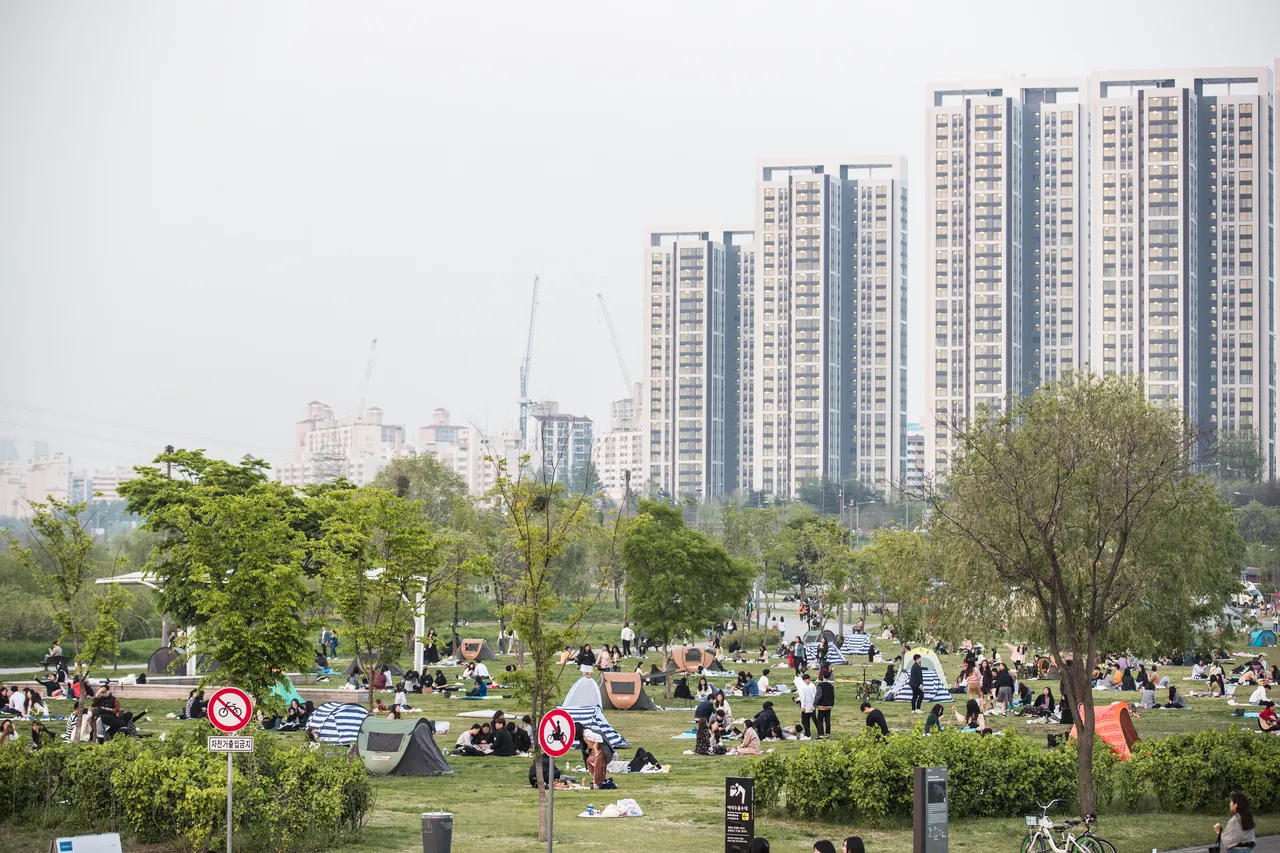
Han River Picnic Guide: Parks, Food, and Etiquette
A Han River (한강) picnic is one of Seoul's easiest, cheapest evenings out: pick a riverside park like Yeouido, Ttukseom, or Banpo, bring a mat and food, and relax by the water. Convenience stores and takeout are the simplest way to eat, and a few drinking and litter rules keep it pleasant for everyone.

Jjimjilbang Guide: How to Use a Korean Bathhouse
A jjimjilbang (찜질방) is a Korean bathhouse and sauna complex: gender-separated bathing pools where you bathe without clothes, plus a shared, clothed sauna area where you can rest. Shower before entering the pools, keep valuables in a locker, and check each venue's own rules, since facilities vary.