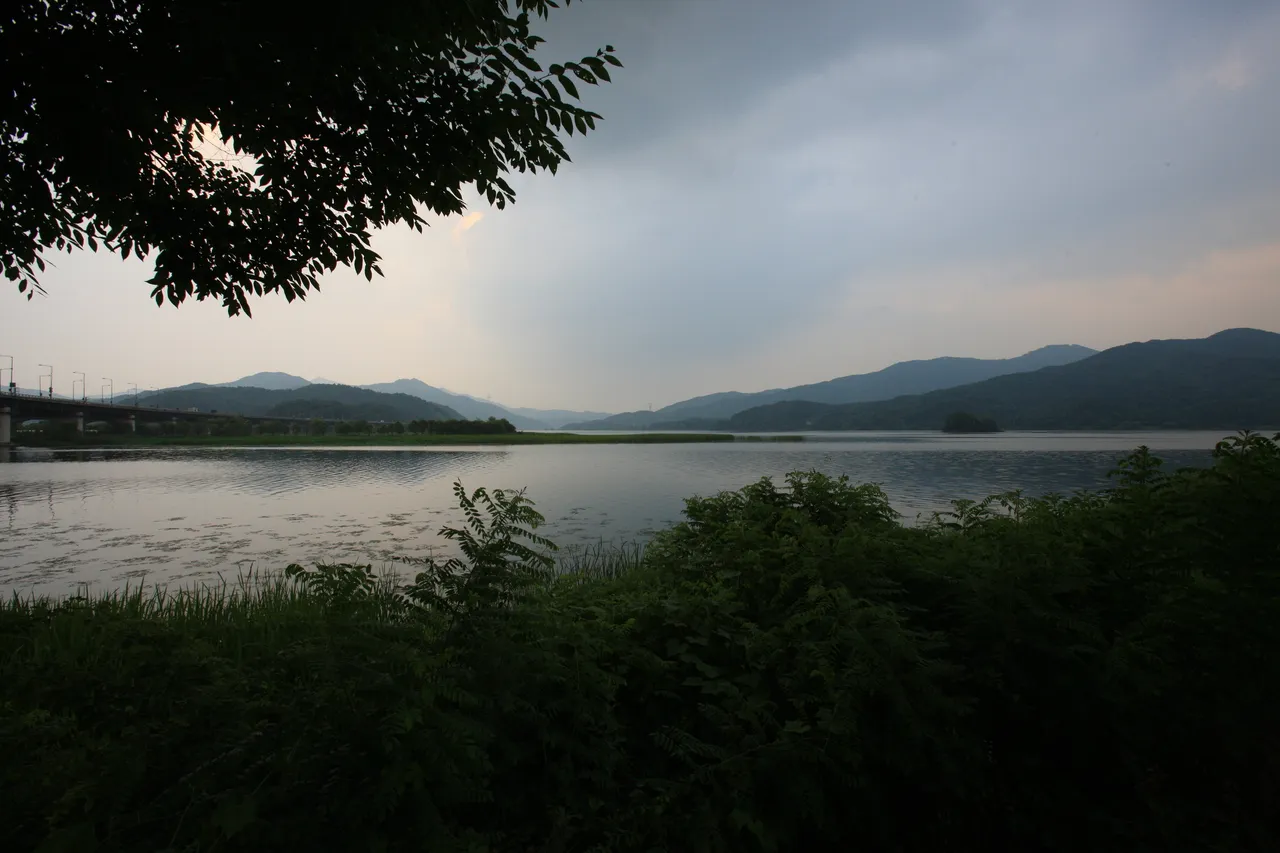
Cross a bridge made of 52 boats: a modern recreation of the pontoon bridge Jeong Yak-yong designed in 1789 so King Jeongjo could cross the river, and you arrive at Dumulmeori, "where two rivers meet." It's a spot the Korea Tourism Organization has named one of Korea's "100 must-visit places" for ten years running, yet it never feels like it's in a hurry.
That contrast is the whole point of this trip.
If you've already ticked off Namiseom, Suwon, Gyeongbokgung, and the usual day tours, this is the kind of slow, local day trip Koreans actually take from Seoul: reached by subway, not a tour coach, and built around a riverside walk, a lotus garden, and a coffee by the water. What follows sets out the one thing first-timers get wrong (Yangsu Station, not Yangpyeong Station), how to see the lotuses at their best, easy car-free routes, and the seasons worth timing.
Note up front: opening hours, fees, and transport times change, so treat details here as a starting point and check the current official info before you leave.
Quick answer
| Question | Short answer |
|---|---|
| Which station? | Yangsu Station (Gyeongui-Jungang Line), not Yangpyeong Station |
| Main sights | Dumulmeori (two rivers meet) and Semiwon (lotus garden) |
| How are they linked? | By the Baedari, a 52-boat pontoon bridge you can walk across |
| Do I need a car? | No: Yangsu Station puts you within walking/short-bus range |
| Best time | Weekday mornings; lotuses bloom in summer, foliage in autumn |
| Who's it for | Repeat visitors, couples, and anyone wanting a slow, quiet day |
Why Yangpyeong feels local
Yangpyeong isn't a secret. Dumulmeori is genuinely famous, and weekends can be busy.
What makes it feel different is the pace: it's a place people come to walk slowly, take photos, and sit with a coffee, rather than queue for attractions. It's not "only Koreans" or "undiscovered," and we won't pretend it is.
It's simply an easy, unhurried, do-it-yourself day by the river, which is exactly what a lot of repeat visitors are looking for.
| Packaged day trip | This slow day trip |
|---|---|
| Tour bus, fixed schedule | Subway, your own pace |
| Ticketed attractions | Walking, gardens, cafés |
| Big-name checklist | Two rivers, a bridge, a coffee |
How to get there: Yangsu Station or Yangpyeong Station?
This is the mistake to avoid. Many visitors search "Yangpyeong" and head to Yangpyeong Station: but that's over on the town side, away from the famous river spots.
For Dumulmeori and Semiwon, you want Yangsu Station.
| Station | Use it for |
|---|---|
| Yangsu Station (Gyeongui-Jungang Line) | Dumulmeori and Semiwon: this is the one |
| Yangpyeong Station | The Yangpyeong town area: a different trip |
| Yongmun Station | Yongmunsa Temple: a separate day out, not this route |
From central Seoul it's roughly one to one-and-a-half hours on the Gyeongui-Jungang Line. But it depends on where you start, transfers, and the timetable, so check a route app (Naver Map or Kakao Map) before leaving, Google Maps transit is limited in Korea. Weekends and lotus season get busy, so an early start helps.
From Yangsu Station Exit 1, Dumulmeori is a walkable distance and Semiwon is about 12 to 15 minutes on foot, with local buses and a short taxi ride as alternatives.
The main stops
Dumulmeori: where two rivers meet
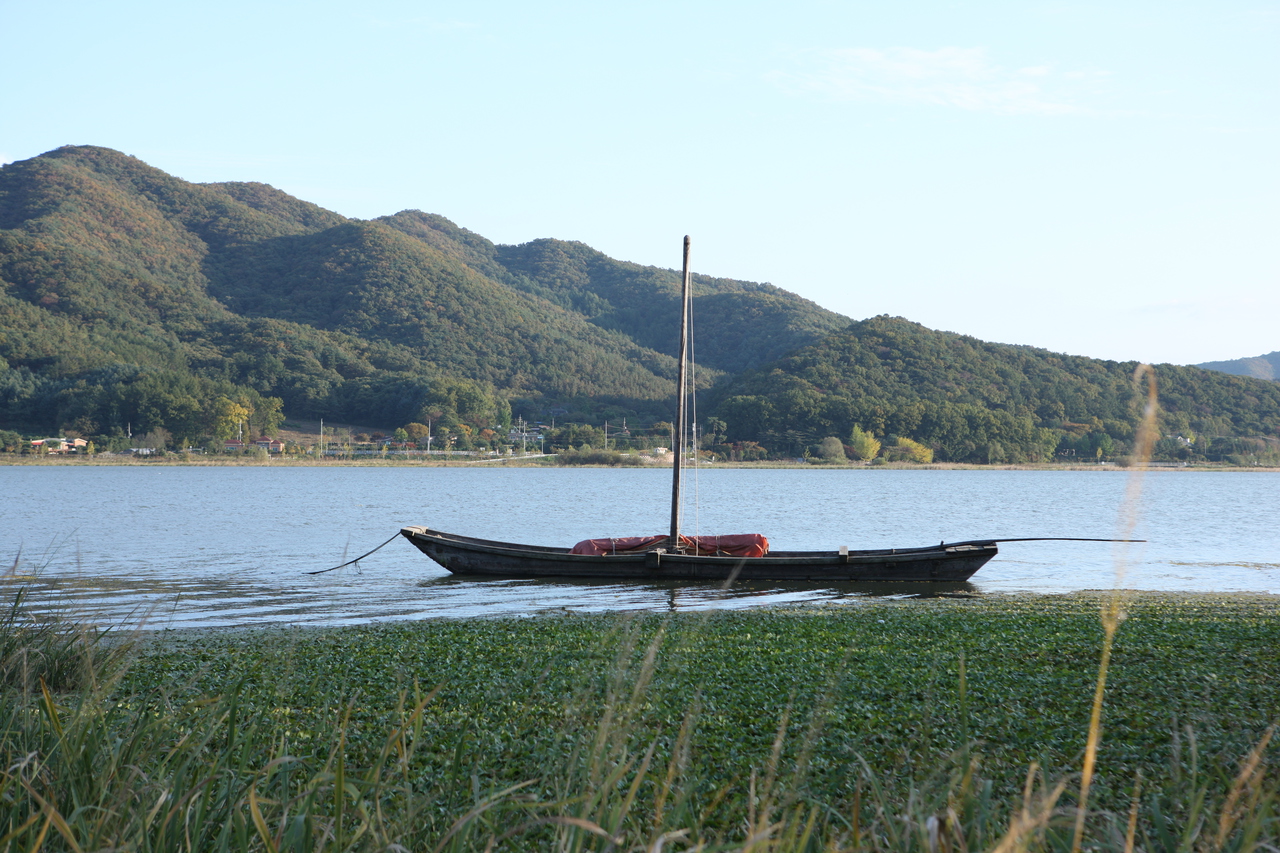
Dumulmeori (두물머리, "two waters' head") is the point where the North Han and South Han rivers join. It's the emotional center of the trip: a broad, calm river, willow trees, a much-photographed 400-year-old zelkova tree that reads as one giant canopy, and, on still mornings, a famous water mist rising off the water. There are riverside paths, a traditional wooden boat, and simple photo frames set up along the bank.
It's an open-air spot you can generally visit any time, but check official notices for the current setup. You may recognize it. It's a well-known K-drama filming location, too.
Semiwon: the lotus garden
Semiwon (세미원) is a 180,000 m² water garden built around aquatic plants, using the lotus's natural ability to clean water. It's home to what's billed as the world's only Lotus Culture Museum, and its front gate takes its motif from the Korean flag. There are seasonal flowers year-round, but the highlight is the summer lotus.
A few practical notes to confirm officially, since sources vary:
- Getting there: about 12 to 15 minutes' walk from Yangsu Station Exit 1, or a short bus or ~5-minute taxi.
- Hours (verify): roughly 09:00 to 20:00 in summer / lotus season and 09:00 to 18:00 off-season, closed Mondays, with last entry about 30 minutes before closing.
- Admission (verify): adults around ₩5,000 (children/seniors less, preschoolers free), confirm the current fee.
The Baedari: Jeong Yak-yong's boat bridge
Semiwon and Dumulmeori are joined by the Baedari (배다리), a pontoon bridge of 52 boats that recreates the bridge scholar Jeong Yak-yong designed in 1789 for King Jeongjo's river crossing. Recently reopened, it lets you walk between the two on foot: the nicest way to link them. Crossing it is a small piece of history, not just a shortcut.
Riverside cafés
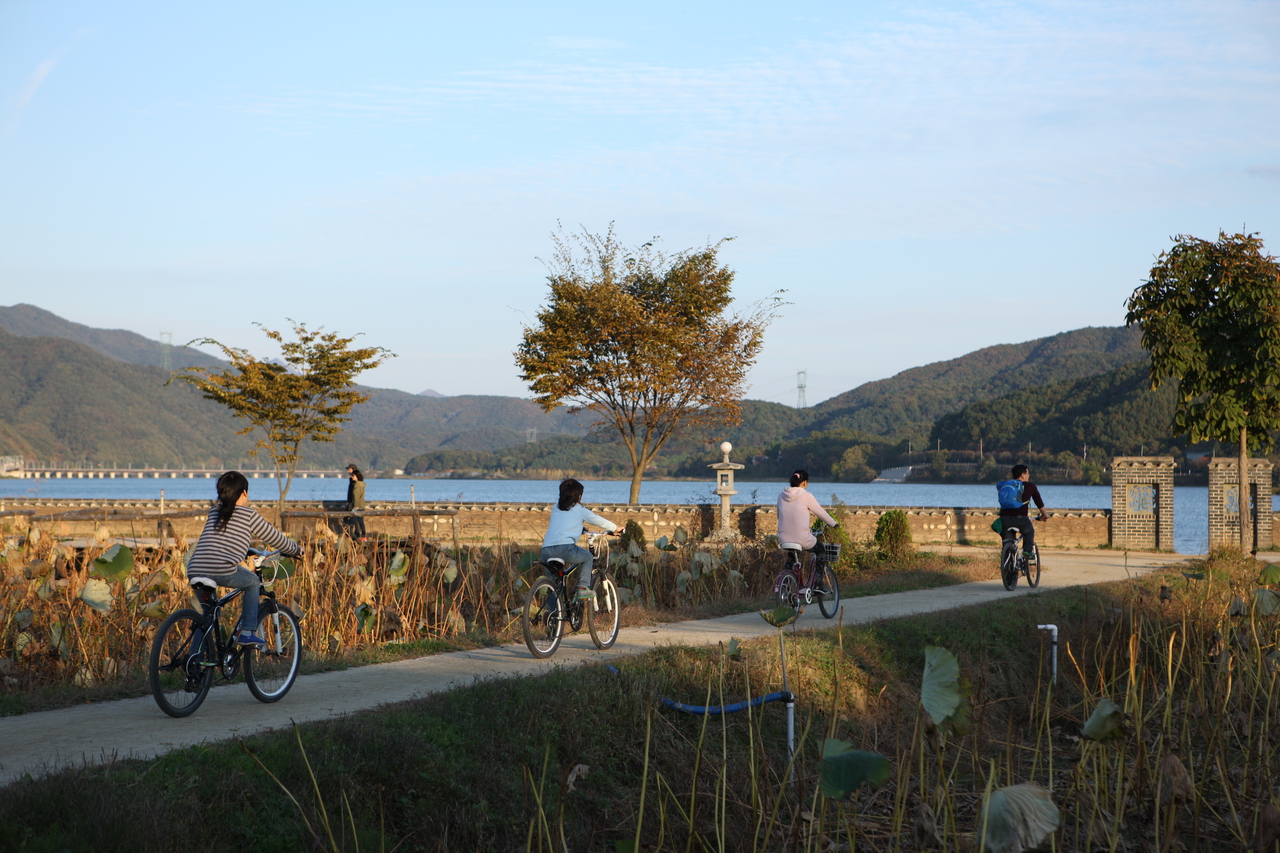
Yangsu-ri and the Dumulmeori area have many river-view and garden cafés, and a slow coffee by the water is half the reason people come. We don't name specific cafés: they get busy on weekends, and menus, hours, and views change. Choose by what suits you: distance from Dumulmeori, a river view, seating, opening hours, whether they take cards, how crowded it is, and the weather.
Treat any café you read about (even on official pages) as an example, not a guarantee.
Local food (optional)
Yangpyeong is known for dishes like freshwater eel and lotus-leaf rice, if you'd like a local lunch. But it's optional, not a must, and English menus can be limited at small local restaurants. If you have dietary needs, check ingredients (see below).
Recommended one-day routes
Pick one shape and don't overpack it.
- Route A, easy local day: Yangsu Station → Dumulmeori walk → Baedari → Semiwon → café → back. Best for: first-timers to the area. Watch out for: Semiwon's Monday closure.
- Route B: photo day: early arrival for the morning mist and lotuses, Dumulmeori at first light, Semiwon mid-morning. Best for: photographers. Watch out for: summer heat later in the day.
- Route C, café & stroll day: a slower loop of the riverside paths with a long café stop, light on ticketed sights. Best for: couples and slow travelers. Watch out for: weekend café crowds.
Is it good without a car?
Yes. Yangsu Station puts you within walking or short-bus range of everything here, which is exactly why it's a good car-free day. The main limit is trying to do too much.
| Doable without a car | Harder without a car |
|---|---|
| Dumulmeori, Semiwon, the Baedari, riverside cafés | Far-flung farms, temples, or multiple towns in one day |
| A relaxed half or full day | A packed multi-stop itinerary |
Best season
There's no wrong time, but each season has a reason to go (dates shift year to year. Confirm before timing a trip around them):
- Spring: fresh green, blossoms, and mild walking weather.
- Summer: the lotuses, roughly late June to mid-August (water lilies can run later; lotus and water-lily festivals have their own dates. Check). Crucially, lotus flowers open in the morning, around 9 to 11 a.m., and close up in the afternoon, so a weekday morning is best for photos and calm.
Summer is hot and exposed. Bring water and a hat.
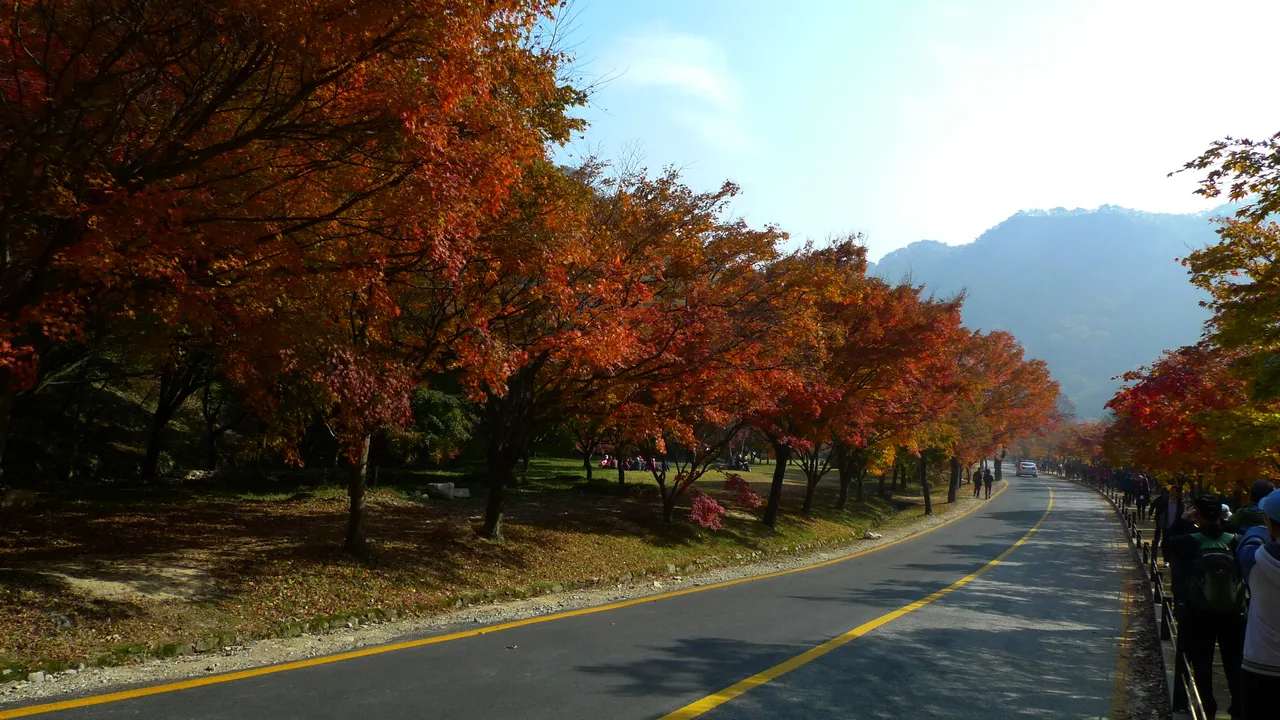
- Autumn: foliage along the river and the best all-round walking weather; pairs with the autumn foliage guide.
- Winter: bare, quiet, and atmospheric, especially on misty mornings; dress warmly.
Who should visit
| You are | Why it fits |
|---|---|
| A repeat visitor to Korea | A local-style day beyond the big-name sights |
| A couple | Slow, scenic, and easy to do together |
| A solo traveler | Simple by subway, low-pressure, walkable |
| A photographer | Mist, lotuses, willows, and river frames |
| A café lover | River-view cafés are part of the point |
What to wear and bring
| Item | Why |
|---|---|
| Comfortable shoes | It's a walking day along riverside paths |
| Water and a hat | Summer sun by the river is strong |
| Light layers | Mornings by the water are cool, even in summer |
| A charged phone | For route apps, tickets, and photos |
| Some cash | Small local spots may prefer it: see how to pay in Korea |
| A T-money card | For the train and local buses |
Food restrictions
Local Yangpyeong dishes are not automatically halal, vegetarian, vegan, or allergy-safe: eel and many local foods can involve pork, seafood broth, egg, dairy, nuts, wheat, garlic, or alcohol-based seasoning. Check ingredients, and if you follow a specific diet, plan ahead; our Korea food guide for Muslim travelers explains how to ask.
Rainy-day plan
Much of this trip is outdoors, so heavy rain changes things. A café by the river can still be lovely in the rain, and Semiwon's museum is partly indoors, but if the weather really turns, it's an easy day to postpone. For a wet-weather Seoul alternative, the National Museum of Korea is a calm indoor option.
Common mistakes
- Going to Yangpyeong Station instead of Yangsu Station for Dumulmeori and Semiwon.
- Trying to do too many towns in one day. This is a slow trip by design.
- Not checking Semiwon's hours (closed Mondays) or the current fee.
- Relying on one café on a busy weekend without a backup.
- Expecting it to be empty: it's famous, just unhurried.
- Arriving at midday for lotuses: they open in the morning and close in the afternoon.
- Overpacking the schedule so you never actually slow down.
FAQ
Should I go to Yangsu Station or Yangpyeong Station? Yangsu Station. It's the closest stop for Dumulmeori and Semiwon; Yangpyeong Station is the town side, a different trip.
Is Semiwon worth visiting? If you like gardens, yes, especially in summer for the lotuses. It's a large water garden with a lotus museum.
Check the current hours (closed Mondays) and fee first.
When is the best time to see the lotuses? Roughly late June to mid-August, and in the morning (around 9 to 11 a.m.), when the flowers are open. A weekday morning is calmest.
How do I get from Dumulmeori to Semiwon? You can walk between them across the Baedari, the 52-boat pontoon bridge, when it's open.
How long does it take from Seoul? Roughly one to one-and-a-half hours on the Gyeongui-Jungang Line, depending on your start and transfers. Check a route app.
Do I need to book anything? No booking is needed for the area itself. Just check Semiwon's opening hours and fee.
Can I do this without a car? Yes, Yangsu Station is within walking or short-bus distance of the main spots.
Is there an entrance fee? Dumulmeori is an open riverside area; Semiwon charges admission (around ₩5,000 for adults. Verify).
Is it good in winter? Yes, in a quiet, bare way, misty mornings are especially atmospheric. Dress warmly.
Are there cafés? Many, around Yangsu-ri and Dumulmeori, most with river or garden views. They're busiest on weekends.
Is it family-friendly? Yes. It's flat, walkable, and low-key, though it's more scenic stroll than attractions.
What should I eat there? Local options include freshwater eel and lotus-leaf rice, but it's optional; check ingredients if you have dietary needs.
Is it crowded? It can be on weekends and in lotus season. Weekday mornings are calmer.
How does it compare to Namiseom or Chuncheon? It's slower and more do-it-yourself, less an attraction, more a riverside walk. For another easy train day trip, see Chuncheon.
The bottom line
Yangpyeong rewards you for slowing down. Take the subway to Yangsu Station, walk to where the two rivers meet, cross Jeong Yak-yong's boat bridge to the lotus gardens, and give yourself time for a coffee by the water. Don't rush it, don't overpack it: the whole idea is to sit by the river with a coffee and let a Seoul day trip feel, for once, unhurried.
Sources
- Visit KoreaOfficial tourism site
- Korea Tourism Organization (VisitKorea Practical Info)Official tourism site
Information is compiled from official sources. Details such as prices, hours, and schedules can change. Confirm time-sensitive facts before you travel.
Last verified on
Related guides
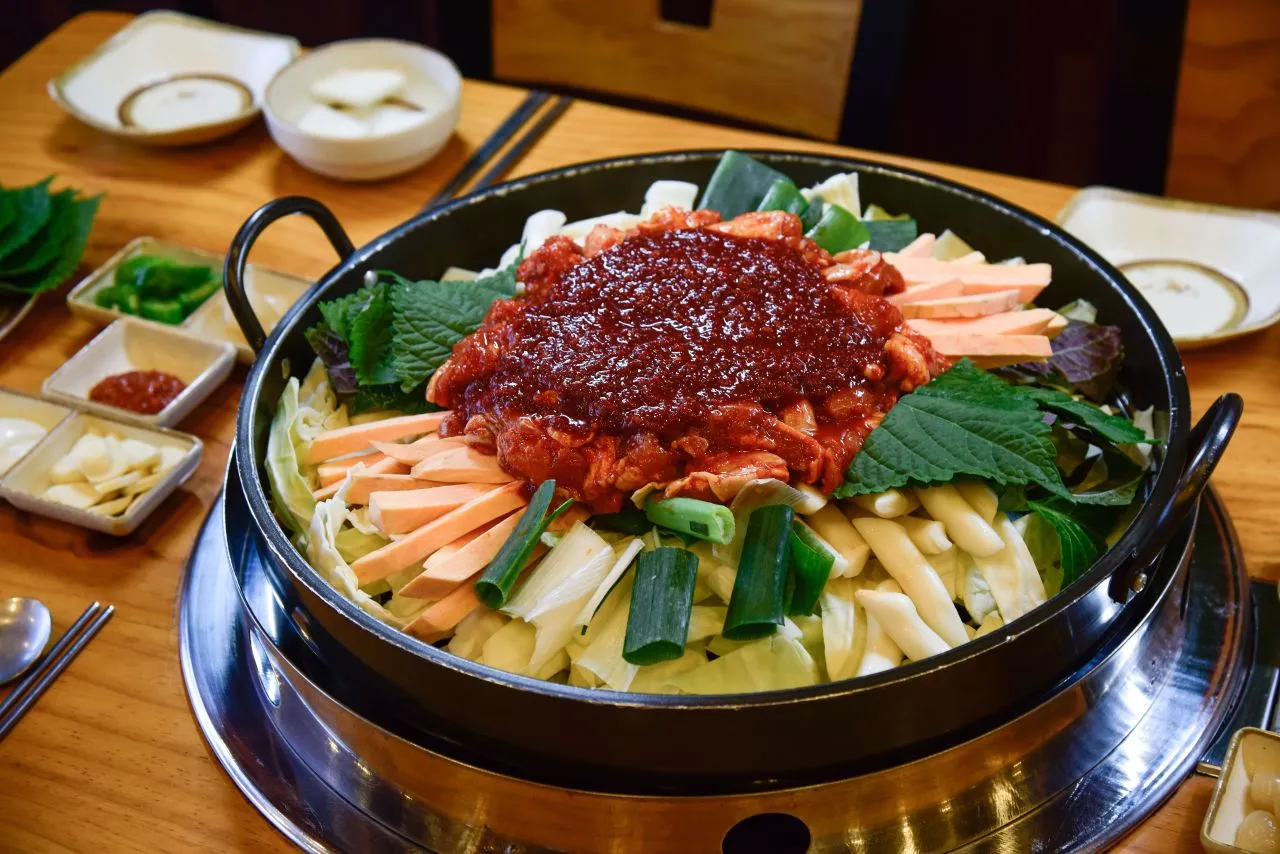
Chuncheon Day Trip from Seoul by Train: ITX-Cheongchun, Dakgalbi, Lakes, and Easy Route
Chuncheon is among the easier day trips from Seoul: a lake city about an hour and a half away by the ITX-Cheongchun train, famous for dakgalbi (stir-fried spicy chicken) and its skywalk, cable car, and lakes. This guide is a practical one-day plan, not a list of sights: how to get there, which station to use, what to eat, the main attractions, whether to combine it with Nami Island, and dietary notes. Timetables, fares, and opening hours change, so confirm the current details with KORAIL and VisitKorea before you travel.
Korea in Autumn: When to Go, Fall Foliage Timing, and Best Places to See Autumn Colors
Autumn is one of Korea's best seasons, crisp weather and foliage that sweeps from the northern mountains down to the southern islands from late September to late November. Plan around the pattern rather than a fixed date: foliage starts high and north and moves south, peak comes roughly two weeks after the first color, and forecasts shift every year. Timing, the best city, day-trip, and mountain spots (including options for non-hikers), pink muhly, what to pack, and how to beat the peak-season crowds are all covered below. Check the official KMA and VisitKorea forecast before you lock in dates.