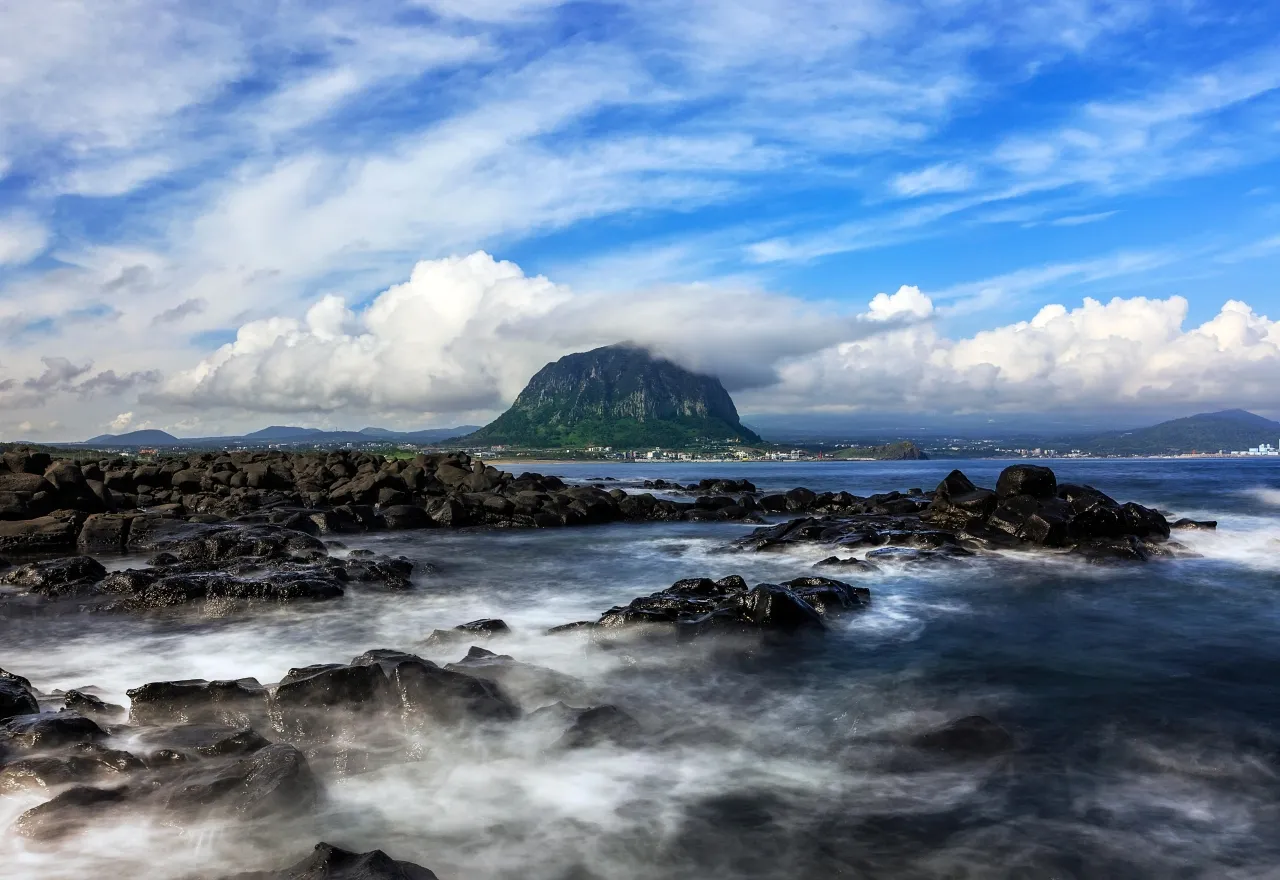
Jeju is one of Korea's great nature-and-family destinations (beaches, volcanic scenery, and easy days out) but for Muslim travelers it takes more planning than Seoul. There are far fewer fully halal-certified restaurants here, so the workable approach is to plan food and prayer day by day rather than expect to find halal options wherever you happen to be.
Two things to know from the start: Jeju's signature food is black pork (heukdwaeji), which is pork. And while seafood is often an easier choice, a seafood restaurant is not automatically halal.
This guide is about how to plan (food, prayer, a rental-car route, and what to pack) not a list of restaurants. Pair it with the Korea food guide for Muslim travelers for the ingredient details, and always verify current restaurant and prayer information with official sources (VisitJeju, KTO), since things change.
Quick answer
| Question | Short answer |
|---|---|
| Is Jeju easy for Muslim travelers? | Less than Seoul: plan food and prayer ahead |
| What's the food catch? | Black pork is everywhere; seafood is easier but still check |
| Are seafood places halal? | Not automatically: check sauces, broth, and alcohol |
| Where can I pray? | The airport, the Jeju Islamic Center, and some attractions (confirm) |
| Do I need a rental car? | It helps a lot for food, prayer, and family logistics |
Restaurants, prayer facilities, and hours change. Verify with VisitJeju/KTO and directly before relying on anything, and don't assume a place is halal.
Is Jeju Muslim-friendly?
More limited than Seoul, but workable with planning. Korea's tourism board uses a four-tier system (Halal Certified, Self-Certified, Muslim-Friendly, Pork-Free), and it applies on Jeju too, but the island has only a handful of certified options.
So don't assume any restaurant is halal without checking the KTO/VisitJeju listing or asking the staff: and remember a Muslim-friendly venue may still serve alcohol. Save a shortlist before you travel rather than searching on the spot.
Food planning on Jeju
Jeju food leans heavily on pork and seafood, so check as you go:
| Dish / item | What to know |
|---|---|
| Heukdwaeji (black pork) | Jeju's signature: it is pork; the island's BBQ star. The Donsadon guide notes its anchovy dipping sauce too; the Sukseongdo guide lists the fish items on its menu |
| Gogi-guksu (meat noodles) | Usually a pork broth: ask. See the Jamae Guksu guide for one restaurant's pork and halal notes |
| Gosari yukgaejang (bracken soup) | Cooked with pork: see the Ujin Haejangguk guide |
| Donkkaseu vs saengseon katsu | Don means pork, so donkkaseu is pork; saengseon katsu is fish: order the fish cutlet |
| Korean BBQ | Meat may not be halal-slaughtered; grills often shared with pork |
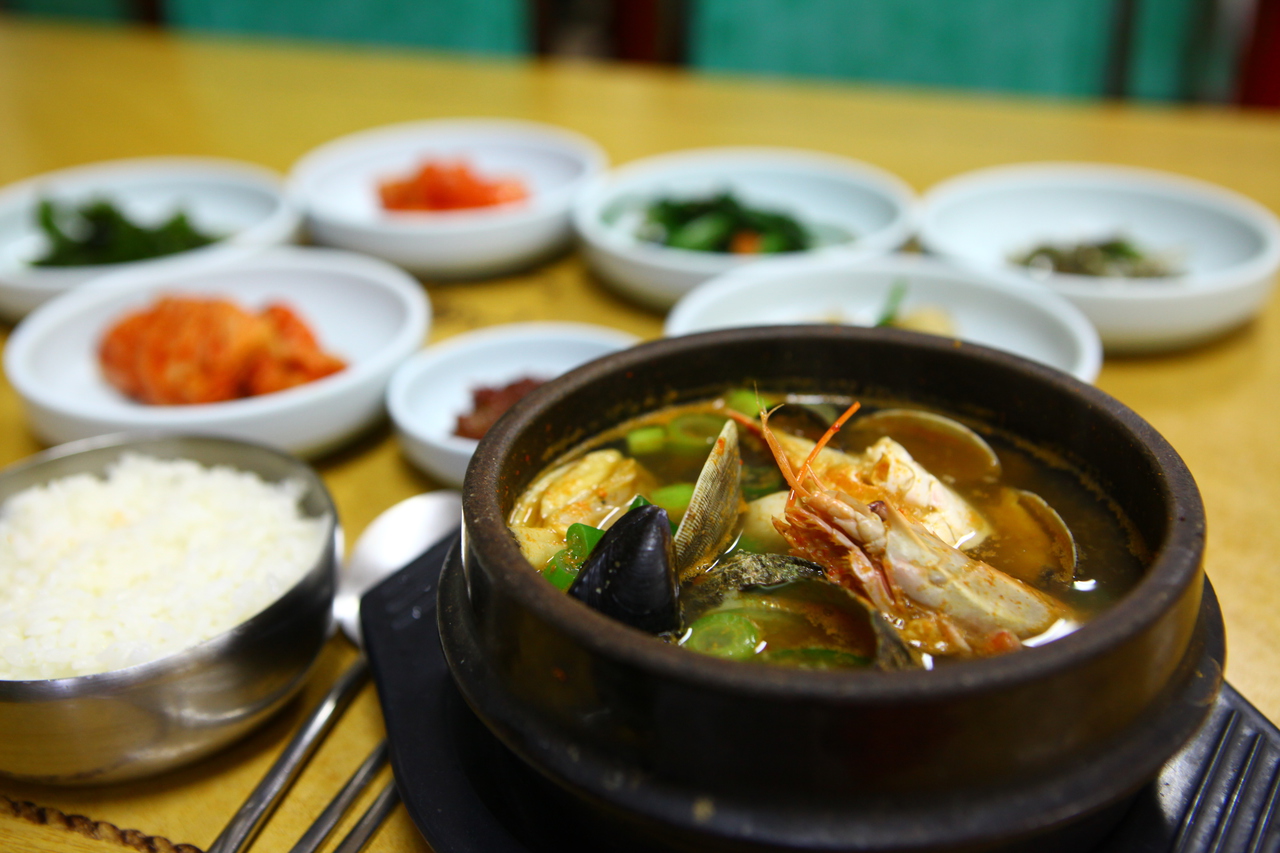
| Haemul-ttukbaegi / haemultang (seafood pots/stews) | Often OK ingredient-wise, but check the broth, sauce, and any alcohol |
| Jeonbok-juk (abalone porridge) | Usually seafood-based, but confirm the stock |
| Kimchi / banchan | May contain fish sauce; check if it matters to you |
| Fried items | Watch for shared fryers with pork |
| Convenience-store snacks | Read labels for pork gelatin and alcohol-derived flavoring |
Seafood is your friend here, Jeju is rich in it and it's often the easier choice, but it's not automatically halal: sauces and stews can use cooking wine, broths can be mixed, and equipment may be shared. When you want a fried cutlet, remember saengseon katsu (fish), not donkkaseu (pork). For the full ingredient checklist, see the Korea food guide for Muslim travelers.
Where to stay (with food and transport in mind)
Base yourself where food and logistics are easiest:
| Area | Good for |
|---|---|
| Jeju City | The most dining and shops; near the airport and prayer options |
| Seogwipo | A southern base with more amenities than the small coastal towns |
| Jungmun | Resorts and family attractions clustered together |
| Aewol / Hyeopjae | Scenic west-coast beaches (quieter for food: stock up) |
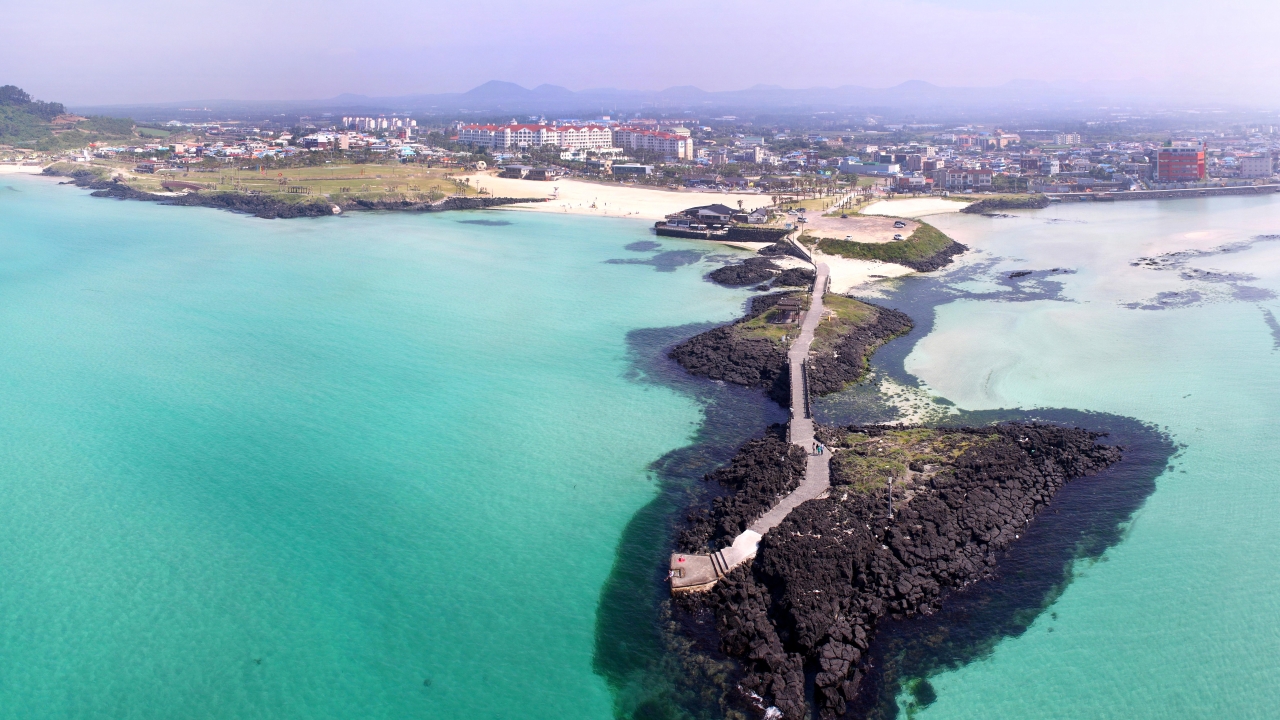
| Hamdeok / Woljeong-ri | Family beaches east of the airport |
| Seongsan | The sunrise east: beautiful but remote for food |
Jeju City or a resort base makes self-catering and finding options easier; the remote coasts are gorgeous but thin on choices, so carry food. Compare areas in the where to stay in Jeju guide.
Prayer planning
Prayer spaces exist but are scattered. Plan around them and confirm each before you go:
- Jeju Islamic Center (mosque), in the Nohyeong area of Jeju City, has a prayer hall with separate spaces and Friday prayers; large group visits should email ahead (islamjeju@daum.net).
- Jeju International Airport has a prayer room (near the international departures area), handy on arrival and departure.
- Some attractions provide prayer rooms (for example the Teddy Bear Museum's is near the car park, and a few others), availability varies, so check on arrival.
- Some hotels help (a few chains provide prayer mats and qibla direction, though a dedicated prayer room isn't guaranteed), and there's a prayer room at a Lotte Rent-a-Car branch near the airport.
Practical tips: put at least one attraction with a prayer room into each day, plan to arrive around Dhuhr-Asr so you can combine prayers (jama') if needed, and carry a water bottle for istinja, since some restrooms don't have a bidet. When nothing is confirmed nearby, your accommodation, rental car, or a quiet outdoor spot are fallbacks.
A family-friendly route (3 nights)
Group by area so you're not crossing the island. Jeju is big (about five hours to drive around, two to cross), so keep it to two or three stops a day:
- Day 1, West: Airport → check in (Jeju City or west) → Hyeopjae Beach and the west coast → an early, planned dinner near your base.
- Day 2 (South: Jungmun resort area (family attractions, beach) and Seogwipo) a full, relaxed day with a prayer-room stop built in.
- Day 3, East: Seongsan Ilchulbong (early), an east-coast beach like Hamdeok, then back toward the airport, eating near the city where options are better.
A rental car is close to essential for this: it lets you reach prayer spaces, carry backup food, and keep young kids on a comfortable schedule. Reserve it well ahead, and never drink and drive.
A slower 4-night version
With a fourth night, split the island: two nights west (Aewol/Hyeopjae) and two nights east or south (Seongsan or Seogwipo), so you drive less each day. Add Hallasan foothill walks or an oreum (volcanic cone) for the family, and keep one relaxed beach afternoon. More nights means fewer rushed meals and more time to reach a prayer space unhurried.
What to pack
| Item | Why |
|---|---|
| Backup halal snacks | Gaps between meals, remote coasts |
| Prayer mat & compass/app | Not every stop has a prayer room |
| Water bottle | For istinja where there's no bidet |
| Translation app (e.g. Papago) | To read labels and ask about ingredients |
| Saved food/prayer shortlist | Options are limited: plan ahead offline |
Useful food phrases
Checking food on Jeju
Two key questions, more are in the food guide's 'What to ask' table.
Black pork and pork broth are common on Jeju.
Polite돼지고기 들어가나요?
dwae-ji-go-gi deu-reo-ga-na-yo?
Does this contain pork?
Korean audio isn't available on this device or browser. Use the romanization above to say it.
Especially for noodle soups like gogi-guksu.
Polite육수가 돼지고기 육수인가요?
yuk-su-ga dwae-ji-go-gi yuk-su-in-ga-yo?
Is the broth a pork broth?
Korean audio isn't available on this device or browser. Use the romanization above to say it.
Common mistakes
- Assuming any seafood restaurant is halal. Seafood is easier, but check sauces, broth, and shared equipment.
- Not planning food for remote coasts. The pretty east and west have few options. Carry backup.
- Ordering donkkaseu expecting a plain cutlet. That's pork; ask for saengseon katsu (fish).
- Overlooking pork broth in noodle dishes like gogi-guksu.
- Not checking prayer spaces ahead. They're scattered. Confirm and build them into the day.
- Crossing the island too often. Group stops by area to save driving and stress.
- Assuming a "halal" sticker is certification. Verify via KTO/VisitJeju.
Frequently asked questions
Is Jeju good for Muslim travelers? It's a wonderful nature-and-family island, but has fewer Muslim-friendly food and prayer options than Seoul, so plan each day and verify ahead.
Are there halal restaurants on Jeju? Only a few fully certified ones. Check the KTO/VisitJeju Muslim-friendly listings, don't assume, and save a shortlist before you travel.
Can I eat black pork (heukdwaeji)? No, heukdwaeji is pork. It's Jeju's signature dish, so you'll see it a lot; choose seafood or verified options instead.
Is seafood safe to eat? It's often the easier choice, but not automatically halal. Check the sauce, broth, and whether alcohol or shared equipment is involved.
What's the difference between donkkaseu and saengseon katsu? Don means pork, so donkkaseu is a pork cutlet; saengseon katsu is a fish cutlet: order the fish one if you want a fried cutlet.
Is gogi-guksu okay? Usually not by default, gogi-guksu typically uses a pork broth. Ask before ordering.
Where can I pray on Jeju? The Jeju Islamic Center in Nohyeong (email ahead for group visits), the airport prayer room, and some attractions and hotels, availability varies, so confirm each.
Do I need to book the mosque visit? For a large group, email ahead (islamjeju@daum.net). Confirm current prayer times and access before going.
Do attractions have prayer rooms? Some do (for example the Teddy Bear Museum), but not all. Check on arrival, and use your accommodation or rental car as a fallback.
Do I need a rental car? It's close to essential for Muslim-friendly planning: it lets you reach prayer spaces, carry backup food, and manage a family schedule. Reserve early and never drink and drive.
How should I plan a family route? Group stops by area (west, south, east) with two or three per day, include a prayer-room stop, and don't cross the island repeatedly. It's large.
Are convenience stores useful? Yes: packaged food has printed ingredients you can translate and check, useful on remote coasts. Watch for pork gelatin and alcohol-derived flavorings.
What should I pack? Backup halal snacks, a prayer mat and qibla app, a water bottle for istinja, and a translation app, plus a saved food and prayer shortlist.
Is Jeju food mostly pork? Pork (black pork) and seafood are both big. Seafood gives you more options, but still verify ingredients and preparation.
How many days do I need? Three nights covers the highlights at a family pace; four lets you split the island and rush less, which also makes food and prayer easier.
Where should I stay for the easiest food access? Jeju City or a resort base (Jungmun) has the most options; remote coasts are scenic but thin, so carry food if you stay there.
Final recommendation
Jeju rewards Muslim travelers who plan every day rather than hope to find halal food anywhere. Know that black pork is the island's signature (it's pork) and that seafood is easier but still needs checking. Order saengseon katsu, not donkkaseu, when you want a cutlet; and build your days around confirmed prayer spaces (the airport, the Jeju Islamic Center, and select attractions), carrying a prayer mat, water bottle, and backup snacks.
A rental car ties it together, letting you reach prayer, food, and family stops on your own schedule. Verify restaurants and facilities with VisitJeju and KTO before you rely on them, use the food checklist and the Muslim-friendly Seoul guide, and Jeju becomes a genuinely enjoyable, well-planned trip.
Sources
- Visit Jeju (official Jeju tourism)Official tourism site
- Visit KoreaOfficial tourism site
- Korea Tourism Organization English TourAPIOfficial API
Information is compiled from official sources. Details such as prices, hours, and schedules can change. Confirm time-sensitive facts before you travel.
Last verified on
Related guides
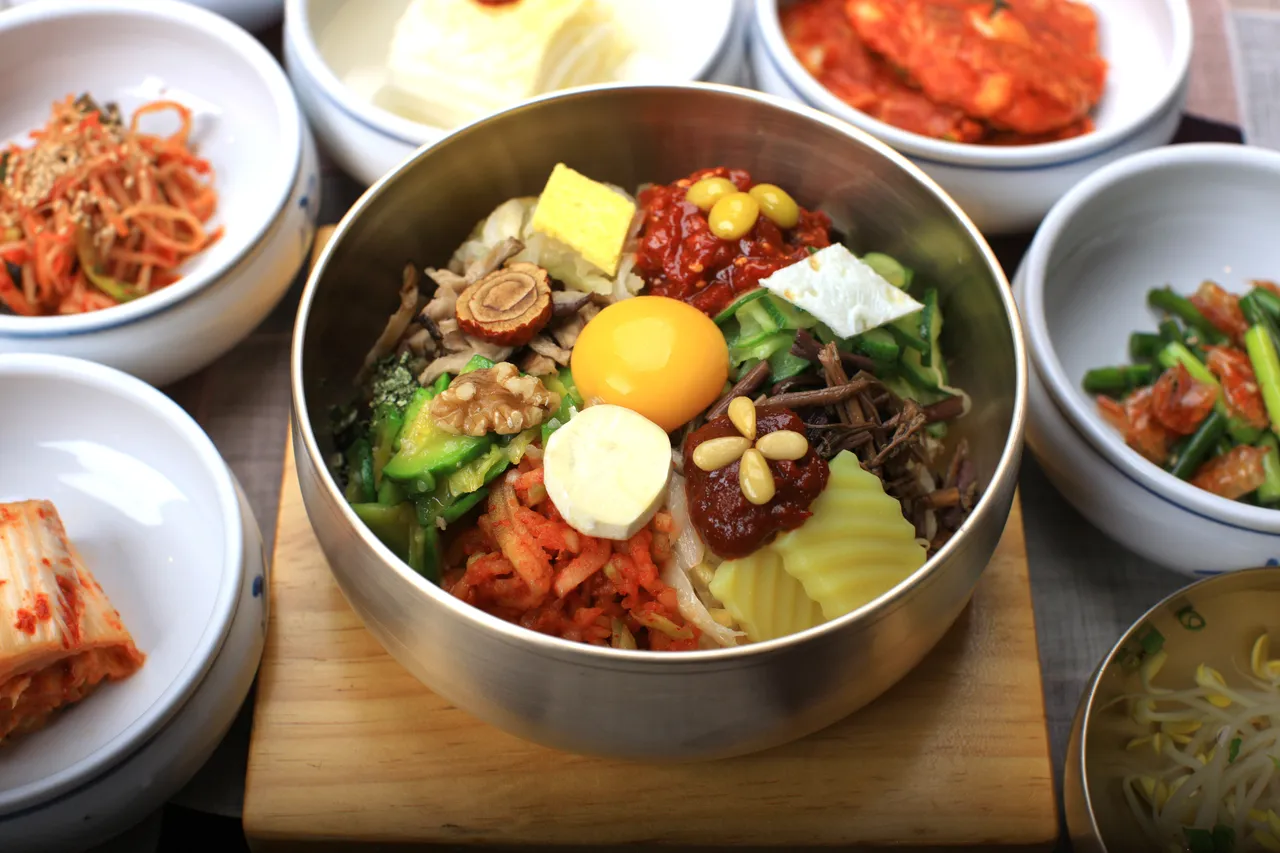
Korea Food Guide for Muslim Travelers: What to Check Before Eating
Korea publishes four different Muslim-friendly restaurant labels, and only the top one means an accredited body certified the food. Below that, "self- certified" means the owner vouched for it, and the two labels under that allow alcohol on the premises. What each label leaves open, which questions get you a usable answer, and what to do when nobody can tell you what is in the broth, are below.
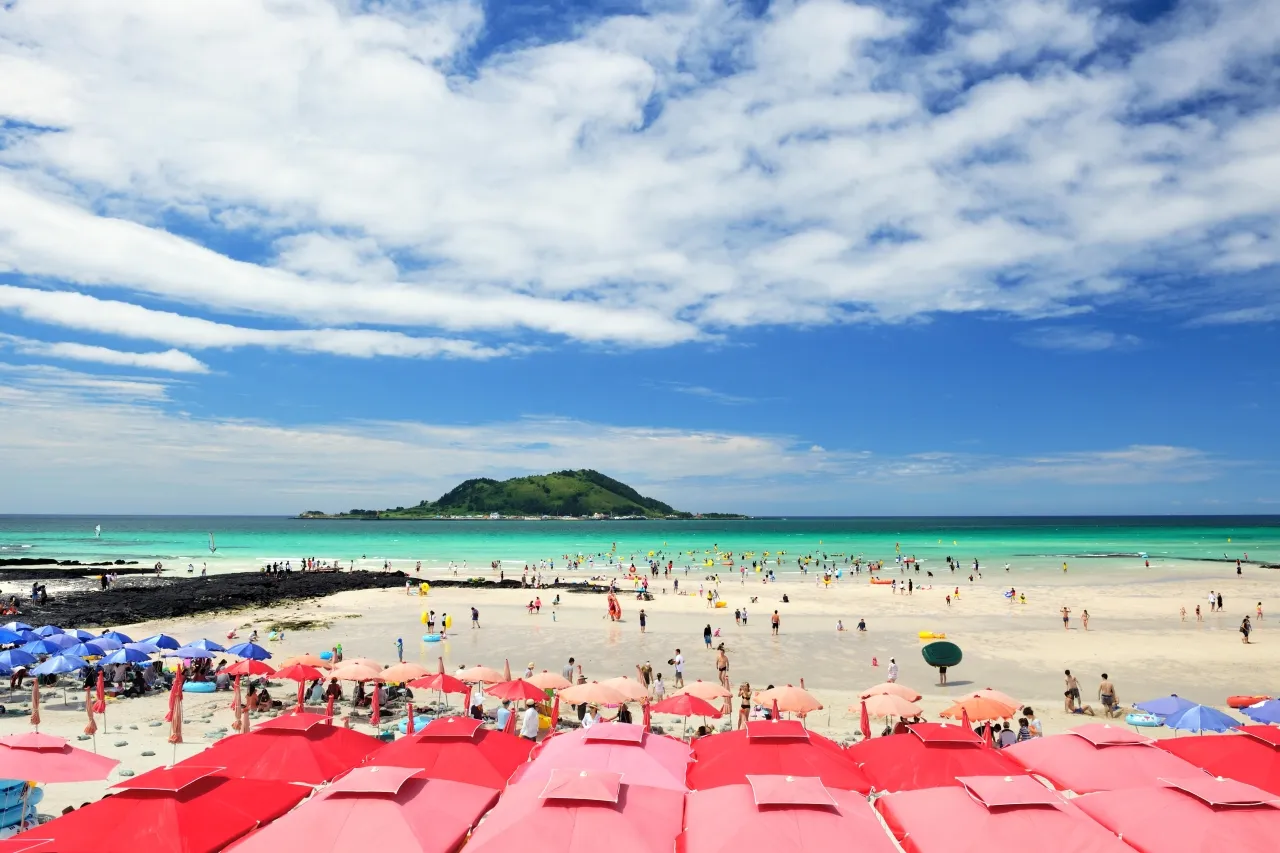
Where to Stay in Jeju Island: Best Areas for First-Time Visitors
Jeju is bigger than first-timers expect, about five hours to drive around, so the smartest base depends less on the prettiest spot and more on your flights, your itinerary, and whether you have a rental car. This guide compares Jeju City, Seogwipo, Jungmun, and the coastal towns, explains the car-vs-no-car decision (and why "no car" doesn't always mean Jeju City), and suggests a stay strategy by trip length. Bus times, fares, and hours change, so check current info before you go.