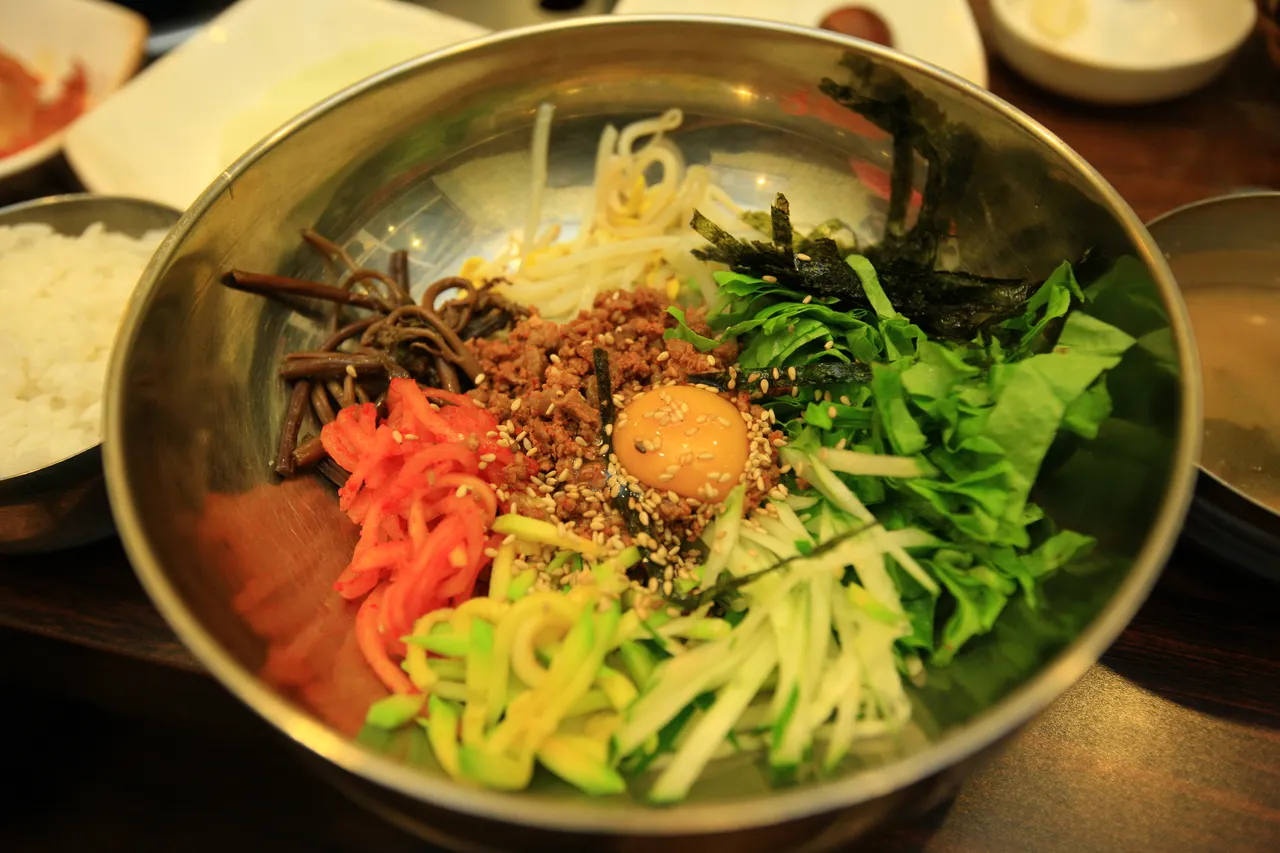
A Korean cooking class is a hands-on way to understand the food beyond the restaurant table: a guide walks you through a few dishes, you cook them yourself, and then you sit down and eat the results. It pairs naturally with the what-to-eat guide, the dishes you read about, you actually make.
Classes differ a lot, so choose one that fits your language, schedule, and diet, then confirming the details before you book.
What you'll usually make
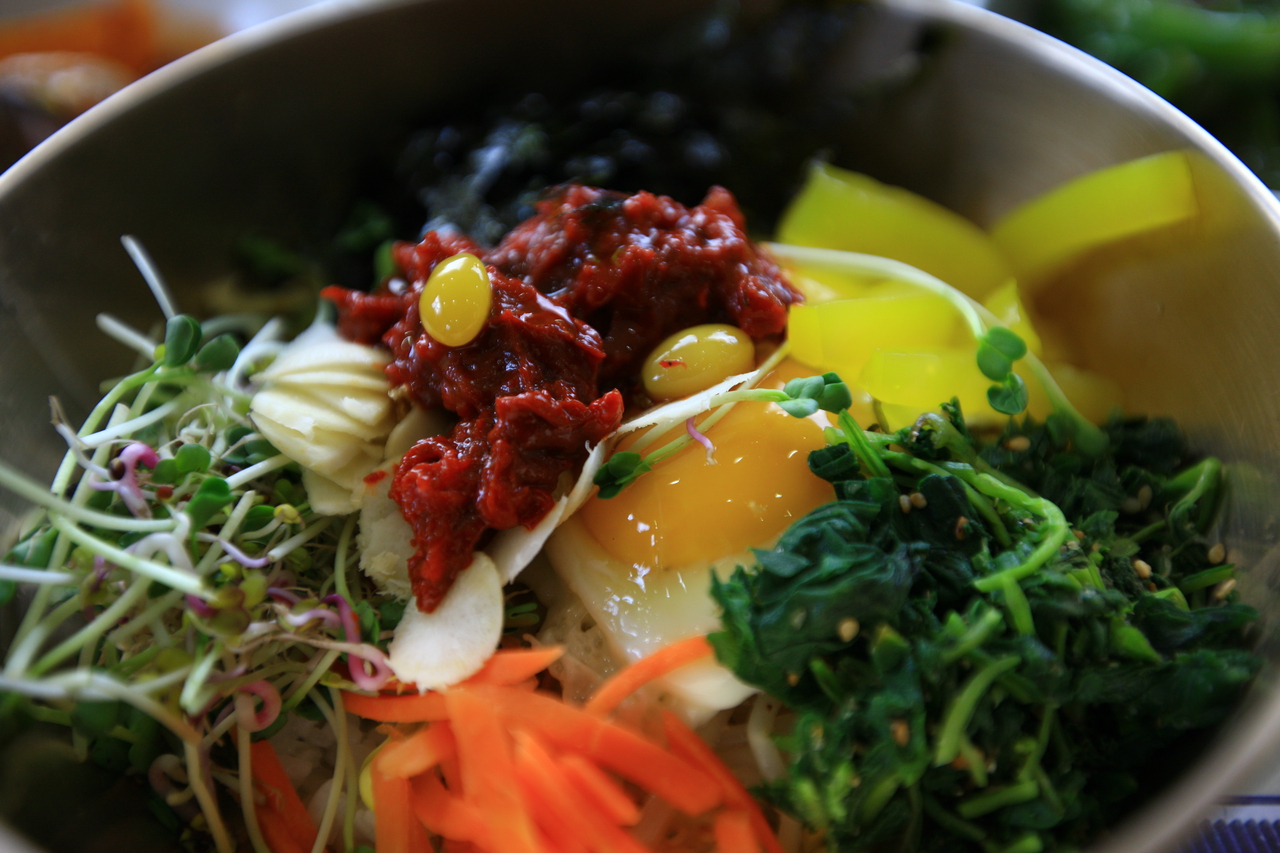
Menus vary by class, but common dishes include:
- Kimchi: often a make-and-take session, where you season napa cabbage and take a portion home or to your accommodation.
- Bibimbap: rice with seasoned vegetables, a friendly, low-pressure first dish.
- Bulgogi: marinated, lightly grilled beef.
- Jeon: savory pan-fried pancakes.
- Tteok or tteokbokki: rice cakes, sometimes in the sweet-spicy street-food style.
Some classes also include a market walk to buy ingredients first, which is a good cultural add-on.
How a class runs
Most classes follow a similar shape: a short introduction, a hands-on cooking session at your station with the instructor demonstrating each step, and then eating together at the end. Group sizes range from intimate to a dozen or more, and the pace is usually beginner-friendly.
You do not need any Korean cooking experience.
Allergies and dietary needs: confirm first
This is the single most important thing to check, because not every class can accommodate every diet:
- Allergies. Tell the operator about any allergies before booking; many recipes use soy, sesame, shellfish, egg, or gluten.
- Halal, vegetarian, vegan, gluten-free. Some classes offer adapted menus and some do not. Do not assume. Ask the operator directly and get it confirmed in writing.
- Spice level. Many dishes can be made milder on request if you ask in advance.
What to confirm before you book
- Language. Confirm the class is taught in English (or your language), not just translated handouts.
- Time and duration. Check the start time and how long it runs, and leave a buffer afterward.
- Menu and group size. Make sure the dishes and class size match what you want.
- Cancellation policy. Understand the refund and cancellation terms before you pay.
Cooking classes are widely sold on general tour and activity platforms; compare a few and read recent reviews rather than relying on any single listing.
How much does a Korean cooking class cost?
Prices vary widely by class type, duration, and operator. Short classes in a shared kitchen setting cost less than longer, smaller-group sessions with a market walk included. Standalone kimchi classes (often 90 minutes to two hours) are on the lower end; multi-dish classes with a Bukchon or Insadong market tour attached are more expensive.
Compare a few options and factor in group size, smaller classes cost more but give you more hands-on time with the instructor.
How long does a class run?
Most classes run two to three hours, including cooking and eating. Shorter kimchi-focused sessions can wrap in 90 minutes. Market-walk additions add 30 to 60 minutes before the cooking starts.
Ask the operator for the end time and leave a comfortable buffer before any departure or timed booking.
Where are cooking classes held?
Seoul has the highest concentration of English-language classes, particularly in Jongno (near the palaces), Insadong, and Hongdae. Gyeongju and Jeonju offer classes with a focus on regional food traditions, and Busan has options too. If location matters to you (fitting a class into a morning before a palace visit, for example) filter by neighborhood when searching.
What type of class suits you?
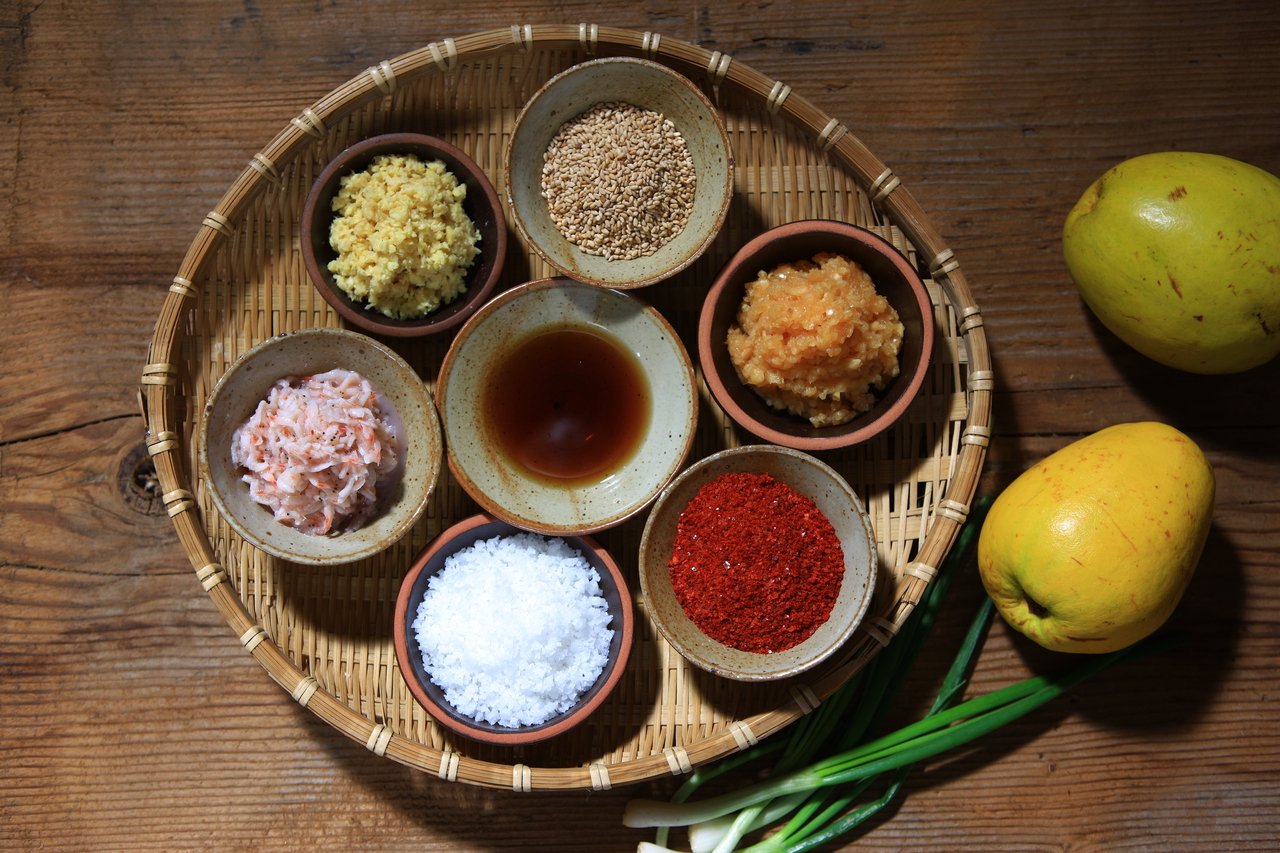
There are a few distinct formats to know:
- Kimchi class. The most common, shortest, and cheapest. You season vegetables, make a portion, and take it with you (or to your accommodation). Good as a standalone activity or as an add-on to a palace day.
- Multi-dish class. You make two to four dishes including a main: bibimbap, bulgogi, or jeon, and eat them together. Better for anyone who wants real cooking practice.
- Market + cooking class. Starts at a local market, where you buy fresh ingredients with the instructor, then heads to a kitchen. The cultural context is richer, but the total time is longer.
- Private or small-group class. Higher cost, but you can often adjust the menu, pace, and dietary needs more easily.
Who is a cooking class not suitable for?
Anyone with severe allergies who cannot confirm an allergen-free kitchen should not attend without explicit reassurance from the operator, shared kitchens in group classes may have cross-contact risk. Anyone with a tight schedule should skip it rather than rushing the eating portion. And anyone who dislikes group social settings in small kitchens may prefer a private class or a market visit instead.
First-timer tips
- Come a little hungry: you eat what you cook at the end, and the portions are real meals.
- A class is a good rainy-day plan and an easy solo activity; see the first-time visitor guide for more indoor options.
- It pairs well with a Korean BBQ evening afterward, one hands-on, one sit-back, or a visit to Gwangjang Market for the context of where the ingredients come from.
- Wear clothes you do not mind getting kitchen smells on, kimchi is pungent.
Common mistakes to avoid
- Booking the day of, or right before a flight or timed reservation. Classes run on fixed schedules; give yourself margin and book well in advance, especially in high season.
- Assuming dietary needs are covered without asking. Confirm halal, vegetarian, gluten-free, or specific allergy needs with the operator before you pay.
- Skipping the reviews. Recent reviews: especially about language quality, instructor pace, and group size, are the most reliable indicator of whether a class is right for you.
- Choosing the cheapest class without checking the format. A very cheap class may have very large groups, very short cooking time, or a language gap.
Cooking class as a souvenir
A cooking class is one of the more portable souvenirs from Korea: you go home knowing how to make one or two dishes rather than carrying something that collects dust. Most classes include a recipe card, and the core techniques for bibimbap, japchae, or kimchi are repeatable with ingredients available at Korean grocery stores in most countries.
Frequently asked questions
Do I need cooking experience for a Korean cooking class? No experience is needed. Classes are designed for beginners, with the instructor demonstrating each step.
The techniques in kimchi and bibimbap are simple enough for anyone.
Are Korean cooking classes suitable for vegetarians or vegans? Some are, some are not, it depends on the operator and menu. Ask before booking whether a vegetarian or vegan version is available.
Kimchi traditionally contains fish sauce; a vegetarian adaptation is possible but not universal.
How do I book a Korean cooking class? Online activity platforms list many options; compare reviews, duration, language, and group size before booking. Some operators also list directly on their own websites.
Book at least a day ahead, earlier in peak season.
Can I take the food I make home? For kimchi, yes, taking your portion home or to your accommodation is part of the experience. For cooked dishes like bibimbap or bulgogi, you eat them at the class; packing cooked food to go is uncommon.
What should I wear to a Korean cooking class? Casual clothes you do not mind getting a little messy or kitchen-scented. Closed shoes are practical; aprons are typically provided.
Say it in Korean
Two phrases help with dietary needs and following along.
In the kitchen
Two phrases for allergies and pacing.
Follow with the ingredient; confirm details when booking too.
Polite저는 알레르기가 있어요.
jeo-neun al-le-reu-gi-ga i-sseo-yo.
I have an allergy.
Korean audio isn't available on this device or browser. Use the romanization above to say it.
When you want the instructor to repeat a step.
Polite다시 한 번 보여 주세요.
da-si han beon bo-yeo ju-se-yo.
Please show me once more.
Korean audio isn't available on this device or browser. Use the romanization above to say it.
Sources
- Visit KoreaOfficial tourism site
- Korea Tourism Organization (VisitKorea Practical Info)Official tourism site
Information is compiled from official sources. Details such as prices, hours, and schedules can change. Confirm time-sensitive facts before you travel.
Last verified on
Related guides

What to Eat in Korea: A First-Timer's Food Guide
A starter list of Korean dishes worth seeking out (barbecue, stews, bibimbap, street food, and fried chicken) with how to order, rough prices, and notes for vegetarian and halal travelers.

Korean BBQ Guide: How to Order and Eat It
Korean barbecue is a grill-it-yourself meal of pork or beef cooked at your table and wrapped in lettuce with sides. The popular cuts, how to order, how the grilling works, what it costs, and the simple etiquette are all below.