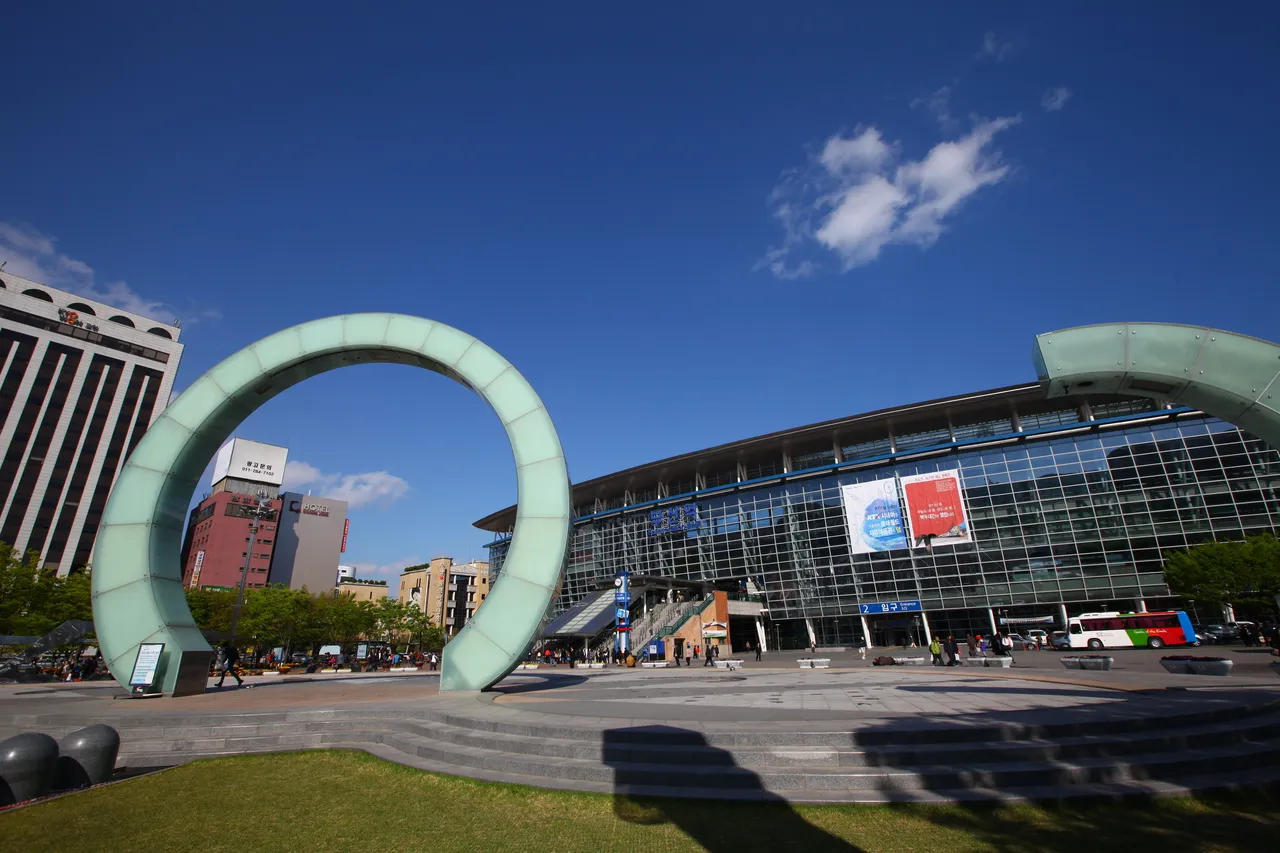
The 2026 Yeosu World Island Exhibition (2026여수세계섬박람회) turns the islands and coastline around Yeosu into the stage for a two-month event centered on island culture, marine ecology, and the future of island communities. It's a genuinely different kind of trip from a typical Seoul day out — the exhibition isn't one building you walk into, but a main venue plus several linked sites spread across the city and a couple of nearby islands. This guide covers what the exhibition actually is, how to get there from Seoul, what to prioritize once you arrive, the nearby attractions worth combining it with, and realistic one-day and multi-day plans — including why a day trip from Seoul is possible but genuinely long, and why most first-time visitors will be more comfortable staying overnight.
A quick note on scope: this guide is a planning tool, not a substitute for the event's own information. Schedules, ticket prices, shuttle routes, and performance programs can all change before and during the 61-day run — always confirm the current details on the official exhibition and Yeosu City websites before you travel.
Quick answer
| Question | Quick answer |
|---|---|
| Event dates | September 5 – November 4, 2026 — confirm the final schedule officially |
| Main venue | Dolsan Jinmo District (돌산 진모지구), Yeosu |
| Other venues | The Yeosu World Expo site, Gaedo, and Geumodo |
| Best way from Seoul | KTX to Yeosu Expo Station, if the schedule fits your dates |
| From the station | Use the official expo shuttle, a local bus, or a taxi — check current transport info |
| Time needed | One full day for the main venue; 1 night 2 days works better with Yeosu sightseeing |
| Best for | Families, couples, island and ocean enthusiasts, culture and future-tech travelers |
| Best nearby attractions | Odongdo, Yeosu World Expo site, Yi Sun-sin Square, Maritime Cable Car, Dolsan Park |
| Biggest mistake | Trying to fit the main venue, Gaedo, and Geumodo into one day |
What is the 2026 Yeosu World Island Exhibition?
The 2026 Yeosu World Island Exhibition is a South Korean national/regional exhibition built around the theme "Islands, Connecting the Ocean and the Future" (섬, 바다와 미래를 잇다). It runs for roughly two months in autumn 2026 and brings together exhibitions, hands-on experiences, performances, forums, and regional products under a shared focus on island life, marine ecology, and the future of island communities — a natural theme for Yeosu, a city built around hundreds of islands and a long coastline.
This is not the same thing as a Bureau International des Expositions (BIE)-recognized World Expo (like the kind hosted in cities such as Osaka or Dubai) — don't assume international-Expo-level scale or official BIE status. It's organized by Yeosu City and a dedicated organizing committee, with reported participation from around 30 countries and international organizations as of mid-2026, alongside companies and regional governments — confirm current participation numbers on the official site, since these figures can change as the opening date approaches.
The content mixes serious themes — climate change, marine protected species, sustainable island development, future transport technology — with genuinely family-friendly elements: hands-on children's zones, AR experiences, food halls, and outdoor performances. It's a reasonable draw both for general travelers curious about a large-scale Korean event and for visitors specifically interested in island policy, marine ecology, or emerging island technology.
Understanding the four exhibition areas
This is the single most important thing to get right before you plan anything else: the exhibition is not one place. It runs across a main venue, one venue connected to the 2012 Expo legacy site, and two island sub-venues.
| Area | Main experience | Transport difficulty | Recommended time |
|---|---|---|---|
| Dolsan Jinmo main venue | Core exhibitions, activities, performances, food | Moderate — a transfer from Yeosu Expo Station is required | One full day |
| Yeosu World Expo site | Programs linked to the exhibition, plus nearby attractions | Easy — close to Yeosu Expo Station | Half day, or combined with Odongdo |
| Gaedo | Island fishing-village culture and a hands-on island experience | Requires a ferry or official connecting transport | Half day to full day |
| Geumodo | Island nature and the Bireong-gil coastal trail | Requires a ferry and more planning | A full day, or a separate trip |
Main venue — Dolsan Jinmo District
This is where most general visitors should spend the bulk of their time. The main venue sits in the Jinmo District of Dolsan and hosts the exhibition's core pavilions, hands-on activity spaces, a performance area, and food and market space. It is not directly outside Yeosu Expo Station — plan for an additional transfer (see the transport section below).
Yeosu World Expo site — don't confuse this with the main venue
The Yeosu World Expo site is the area that hosted the original 2012 Yeosu Expo, and it functions as a connected sub-venue for the 2026 exhibition rather than the main venue. It's within easy reach of Yeosu Expo Station, which makes it a natural pairing with Odongdo and Aqua Planet Yeosu. If a source (including an older blog post) says the "Yeosu Expo" venue is right by the train station, it's very likely describing this 2012-era site — not the 2026 exhibition's Dolsan Jinmo main venue, which is a separate location requiring its own transfer.
Gaedo — island fishing-village culture
Gaedo is one of two island sub-venues, built around an island fishing-village culture center and camping-ground area, designed to let visitors experience everyday island life directly. Getting there requires a ferry or the event's official connecting transport — check the current ferry schedule and any official shuttle before planning around it, and don't assume you can add this to the same day as a full visit to the Dolsan main venue without a very tight, ferry-dependent schedule.
Geumodo — island nature and the Bireong-gil trail
Geumodo is the second island sub-venue, tied to the island's well-known Bireong-gil coastal cliff trail along with wellness and island-food programming. This is a genuinely different kind of day from browsing exhibition pavilions — it's an outdoor walking trip with real elevation change, exposed coastal sections, and weather dependency. We don't recommend trying to see the main venue and a meaningful stretch of Geumodo in the same day — treat Geumodo as its own dedicated day.
How to get from Seoul to Yeosu
Option 1 — KTX to Yeosu Expo Station
For most foreign visitors, this is the most convenient option. Trains on the Jeolla Line run from Yongsan Station to Yeosu Expo Station (여수엑스포역); as of current schedules, this covers the route in roughly three hours, though your specific train's duration and the exact number of daily departures should be confirmed on KORAIL's official booking service, since timetables are adjusted seasonally and around major events. Some trains may also depart from Seoul Station — check the current KORAIL schedule for your travel dates rather than assuming a fixed departure station.
Seats can sell out quickly around weekends, holidays, and the exhibition period itself — book your outbound and return KTX together, and do it well before your trip.
| Step | What to do |
|---|---|
| 1 | Search Seoul/Yongsan to Yeosu Expo on KORAIL's official booking service |
| 2 | Choose a morning departure that leaves enough time for the local transfer |
| 3 | Reserve your return train before you leave Seoul |
| 4 | Arrive at Yeosu Expo Station |
| 5 | Transfer to the official expo shuttle, a local bus, or a taxi |
| 6 | Confirm your last return transport option before you enter the venue |
Option 2 — Express or intercity bus
An alternative if KTX seats aren't available or your accommodation is closer to the bus terminal. Departures from Seoul are reported from terminals such as Central City, Seoul Express Bus Terminal, or Dong Seoul Terminal — check current routes and schedules officially, since not every terminal runs a direct service every day. On arrival at Yeosu's bus terminal, you'll still need a local bus, shuttle, or taxi to reach the main venue. Expect a longer total travel time than KTX, and factor in possible road traffic during the exhibition period.
Option 3 — Domestic flight
Flights between Gimpo Airport and Yeosu Airport exist on some schedules — check current routings and timetables before counting on this option. Don't assume a flight is automatically faster than the KTX door-to-door once you add airport transfer time, security, and the transfer from Yeosu Airport to the venue; compare the realistic total time for your specific itinerary rather than assuming.
Which option should you choose?
| Traveler type | Recommended option |
|---|---|
| First-time foreign visitor | KTX |
| Family with children | KTX, with seats reserved in advance |
| Weekend visitor | Book KTX early, and reserve the return trip at the same time |
| Budget traveler | Compare current official KTX and express-bus fares |
| Staying near Seoul Station/Yongsan | KTX |
| Connecting from elsewhere by flight | Compare Gimpo–Yeosu flight time against KTX door-to-door time |
From Yeosu Expo Station to the main venue
This is worth repeating clearly: Yeosu Expo Station is not the same place as the Dolsan Jinmo main venue, and you should plan for an additional transfer rather than expecting to walk there.
- Use the official expo shuttle if one is operating on your travel dates — check the departure point, interval, first/last departure, cost, and whether reservations are required on the official exhibition site before you go.
- If no suitable shuttle fits your schedule, local buses or a taxi are the fallback — confirm current local bus routes rather than relying on an old bus number, since routes can be adjusted for the event.
- We're not listing a specific shuttle schedule or bus number here, because it hasn't been confirmed as final at the time of writing — check the official exhibition site before you travel.
| Transfer option | Best for | Watch out for |
|---|---|---|
| Official expo shuttle | Most visitors | Confirm the current route and last departure |
| Local bus | Budget travelers | Transfers and wait times can be confusing for first-timers |
| Taxi | Families, groups, tight schedules | Traffic and event-period congestion |
| Hotel shuttle | Only if your specific accommodation offers one | Confirm directly with your accommodation |
Don't assume this transfer is quick — build in real buffer time, both on arrival and especially before your return KTX. Traffic around the venue is likely to be heavier than usual during the event period, so don't book a tight return-train connection.
What to do at the main venue
Exhibition names and final content are subject to change before opening — treat the pavilion names below as currently announced, and confirm the final lineup and any reservation requirements on the official site.
Theme Pavilion. The natural starting point — a large structure introducing the exhibition's core story: islands' past, present, and future. Recommended as your first stop so the rest of the exhibition has context.
Island Marine Ecology Pavilion. Built around marine-protected species, ecosystem samples, seaweed and seed displays, and reportedly a digital aquarium. Strong visual and environmental content, good for families interested in climate and ocean topics.
Island Future Pavilion. Covers future island technology — reported content includes advanced air mobility, hydrogen-powered vessels, and large-format panoramic video of Yeosu. A good pick if you're interested in sustainability or transport technology.
Island Culture Pavilion. Explores island life and traditions in Korea and internationally, including film and game-related content tied to island themes. Participating regions and the exact exhibits should be confirmed officially, since final lineups can shift.
Island Playground (Treasure Pavilion). A hands-on children's zone — AR experiences and trick-art style content are reportedly planned. Confirm current age or height restrictions, any reservation requirement, and whether specific activities carry an extra fee — don't assume everything here is free or that every activity suits every age group.
Island Common Pavilion (International Exchange). Booths for participating countries, international organizations, companies, and regional governments — reportedly around 30 participants. Good for browsing and short cultural exchanges; check whether specific talks, forums, or English-language programming are scheduled if that's of particular interest.
Island Market Pavilion (Restaurant & Market Hall). A space for island and regional food and products from Korea and abroad. Don't assume a specific dish or vendor will be available on a given day — the lineup and hours can vary, and popular items may sell out at busy times.
Beyond the named pavilions, expect a performance area with scheduled events — dates and programs will vary day to day, so check the official schedule rather than assuming an evening show will be running when you visit.
What should first-time visitors prioritize?
| Priority | Experience | Why |
|---|---|---|
| 1 | Theme Pavilion | Sets up the exhibition's purpose and story |
| 2 | Island Marine Ecology Pavilion | Strong visual and environmental content |
| 3 | Island Future Pavilion | Interactive technology and future-island ideas |
| 4 | Island Culture Pavilion | Island traditions, people, and cultural diversity |
| 5 | Island Playground | Best for families and children |
| 6 | Island Market Pavilion | Local products and island specialties |
| 7 | A scheduled performance | Adds festival atmosphere, if the timing fits |
| 8 | Evening program | A good finale, only if officially scheduled that day |
A practical rhythm: visit the more popular pavilions in the morning, eat outside the peak lunch window, spend the afternoon on hands-on experiences, market browsing, and any performance, and check whether an evening program actually fits your return transport before committing to it. Don't try to force every pavilion into one visit — pick based on your own interests rather than treating the list as mandatory.
Suggested visit routes
4-hour highlights route: Theme Pavilion → Island Marine Ecology Pavilion → Island Future Pavilion → Island Market Pavilion → a short performance or photo stop. Best for a Seoul day trip, visitors with limited time, or couples who want the highlights without a full day.
Full-day main-venue route: Theme Pavilion → Island Marine Ecology Pavilion → Island Culture Pavilion → lunch → Island Future Pavilion → Island Playground or Island Common Pavilion → Island Market Pavilion → a performance → an evening program, if officially scheduled. Best when the exhibition is the main purpose of your trip, for families, and for visitors who want to see both exhibits and hands-on experiences.
Family route: Theme Pavilion → Island Playground → an early lunch → Island Marine Ecology Pavilion → Island Future Pavilion → a rest break → a short performance → the market for a souvenir stop. Check age and height limits and any reservation requirement for children's activities in advance, and avoid stacking a long evening program onto a day that already includes a lot of walking with kids.
Is a day trip from Seoul realistic?
Technically, yes — with an early KTX out and a late return train, a day trip is possible. But be honest with yourself about what that day looks like: it will be long, and it should focus on the main venue only. Adding Gaedo, Geumodo, Hyangiram, and multiple central Yeosu attractions on top of a day-trip schedule is not realistic for most visitors. For most first-time visitors, one night in Yeosu is the more comfortable choice.
| Plan | Realistic? | Recommendation |
|---|---|---|
| Seoul → main venue → Seoul, same day | Possible, but long | Use an early KTX out and reserve your return train in advance |
| Main venue + Yeosu World Expo site | Possible with careful timing | Stay near the station, or plan on a later return |
| Main venue + cable car + night view | Better as an overnight trip | Recommended if you have the extra night |
| Main venue + Gaedo | Difficult in a single day | Treat as a separate day |
| Main venue + Geumodo trekking | Not recommended in one day | Give Geumodo its own full day |
| Main venue + Hyangiram | Too rushed for most visitors | Add another day instead |
Recommended 1-night, 2-day itinerary
Day 1 — Main exhibition and Yeosu at night
Morning: KTX from Seoul/Yongsan to Yeosu Expo Station. Store luggage at your hotel, the station, or an official facility if one is confirmed to be available. Take the official shuttle or a taxi to the Dolsan Jinmo main venue.
Afternoon: Main-venue exhibitions and activities, an early dinner at the venue or nearby, and a performance or evening program if the schedule and your energy allow.
Evening: Dolsan Park, the Yeosu Maritime Cable Car if it's operating and the timing works, Jongpo Marine Park or a stretch of Yeosu's night sea, then check into your hotel.
Day 2 — Yeosu city attractions
Choose one of these rather than combining both:
- Option A: Odongdo → Yeosu World Expo site → Aqua Planet Yeosu (optional) → return from Yeosu Expo Station.
- Option B: Yi Sun-sin Square → Jinnamgwan (check current opening status) → the Goso-dong mural area → the Maritime Cable Car → return to Seoul.
Confirm each attraction's current hours and the realistic walking or transit time between them using an official map before you commit to a route.
Recommended 2-night, 3-day itinerary
Day 1: Seoul to Yeosu, the Yeosu World Expo site, Odongdo, a central-Yeosu night view.
Day 2: A full day at the Dolsan Jinmo main venue, with an evening performance or the cable car if timing allows.
Day 3 (choose one): a Gaedo island route, Geumodo with a shorter section of the Bireong-gil trail, the Hyangiram-and-Dolsan route, or a central-Yeosu food-and-history route.
Check ferry schedules and weather for Gaedo or Geumodo before you build a day around them, and don't book your Seoul-return KTX too early on an island-trip day — ferries can run behind schedule.
Nearby attractions by area
Near Yeosu Expo Station
Yeosu World Expo site. The legacy area from the 2012 Expo, connected into the 2026 exhibition's programming — check the official site for which linked activities are currently running here. Easy to pair with a Yeosu Expo Station-based day.

Odongdo. Yeosu's signature coastal walking island, known for its camellia trees — the flowering season falls outside the exhibition's September–November window, so during the event period think of it more as an autumn coastal walk than a flower-viewing trip. Check current entry conditions, the camellia train (if operating), and the walking-path status officially.
Aqua Planet Yeosu. A solid rainy-day or family alternative. Check current admission, hours, and last entry — and be aware that adding it to a day that already includes the exhibition can make for a very long day.
Central Yeosu
Yi Sun-sin Square. A useful hub for combining history, downtown atmosphere, and food. Don't confuse this with Gwanghwamun's Yi Sun-sin statue in Seoul or other Yi Sun-sin memorials elsewhere in Korea — this is Yeosu's own waterfront square.
Jinnamgwan. A national treasure connected to Yi Sun-sin and Yeosu's naval history, reopened after a lengthy restoration — confirm current opening hours and any ongoing access restrictions before you go.
Goso-dong Angel Mural Village. Alleys, viewpoints, and photo spots — but remember this is a real residential neighborhood, so keep noise down and be mindful of the people who live there. Expect stairs and sloped lanes.
Jongpo Marine Park and the Hamel Lighthouse area. A pleasant evening walk with sea views. If you stop at one of the waterfront "nangman-pocha" food stalls, check prices and ingredients before ordering, and don't treat heavy drinking as part of the experience.
Dolsan area

Yeosu Maritime Cable Car. Connects mainland Jasan Park with Dolsan Park across the sea, with a glass-floor "crystal cabin" option reported alongside standard cabins. Operating hours can extend later on weekends, holidays, and peak periods — confirm current hours, cabin types, and pricing officially, and note that wind or maintenance can affect operation.
Dolsan Park. A strong spot for the Dolsan Bridge view and Yeosu's night skyline, connectable with the cable car. Expect weekend crowds and plan your route back accordingly.

Hyangiram Hermitage. On the southern tip of Dolsan — closer to the main venue on a map than it feels in person, since the actual travel time can be substantial. Known for stairs, a hillside setting, and sunrise views. Adding it to the same day as a full exhibition visit is likely to be exhausting; it works better as its own half-day or full-day trip.
Gaedo and Geumodo side trips
| Island | Best for | Minimum planning |
|---|---|---|
| Gaedo | Village culture and coastal walking | Half day to full day |
| Geumodo | Scenic trekking and island nature | A full day |
| Both in one trip | Not realistic as a rushed single day | Spread across multiple days |
Gaedo centers on the Gaedo People's Trail, coastal and village walking, and local island culture, alongside the official exhibition programming at its fishing-village culture center. Ferry departure points and schedules must be confirmed officially — food and shop options on the island may be limited, so plan accordingly.
Geumodo is built around the Bireong-gil coastal cliff trail — genuinely beautiful, but with physically demanding sections that aren't for everyone. You'll need a ferry and local transport on the island; wear proper hiking shoes, watch the weather and daylight hours, and know your return ferry time before you start walking.
For both islands: never guess at a ferry schedule. Confirm the current timetable officially, always know your last return sailing, and understand that wind, fog, or rough seas can cause cancellations — build in a buffer rather than cutting it close. If you're staying overnight on either island, confirm accommodation and availability officially rather than assuming options are similar to the mainland.
What to eat in Yeosu
This list covers food categories, not specific restaurants — pick based on what looks appealing and check ingredients as you go, since exact preparation varies by kitchen.
| Food | Why travelers try it | What to check |
|---|---|---|
| Gejang (soy- or spicy-marinated crab) | One of Yeosu's most famous meals | Raw/marinated seafood, shellfish allergy, salt and spice level |
| Grilled eel | A well-known local seafood specialty | Sauce and seasoning ingredients |
| Seodaehoe (spicy seasoned raw/semi-processed fish) | A distinctive regional flavor | Raw fish, spice level, allergens |
| Seafood set meals | Variety and freshness | Price, portion size, and origin of the seafood |
| Dolsan gat-kimchi | A well-known Yeosu souvenir | Often contains seafood-based seasoning; check customs rules if taking it home |
| Food at the exhibition's Island Market Pavilion | A cultural sampling experience | Current menu, dietary needs, and the chance of items selling out |
Muslim, vegetarian, vegan, and allergy guidance
Yeosu is a seafood-focused destination, and that has real implications for dietary needs:
- Seafood does not automatically mean halal — sauces, broths, and marinades can include alcohol-based seasoning, meat stock, fish sauce, shellfish, pork, soy, or wheat.
- Kimchi, including Dolsan gat-kimchi, can contain fish sauce or salted seafood.
- Vegetarian and vegan choices may be limited, both at the main exhibition venue and on the islands — carry snacks as backup.
- Asking staff about ingredients is worthwhile, but understand that cross-contact in a shared kitchen can still occur, and a verbal reassurance isn't the same as a certification.
- Travelers with a severe allergy shouldn't rely only on staff reassurance — carry a translated allergy card and lean toward packaged items with a readable label when in doubt.
- We don't describe any specific restaurant or dish here as "halal-friendly," "seafood-safe," or "allergy-safe" — those require an explicit certification or fully confirmed ingredient list, which we can't verify on your behalf, and shouldn't be assumed from a menu description alone.
Where to stay
Near Yeosu Expo Station. Convenient for KTX travelers, Odongdo, and the Yeosu World Expo site, and easy for a final-day departure. The Dolsan main venue still requires additional transport from here, and late-night dining options may vary by exact location.
Yi Sun-sin Square / central Yeosu. Good for food, night walks, and central-city attractions, with more restaurant and café choice. Expect weekend noise and traffic, and you'll need a transfer to reach the station or the main venue.
Dolsan. Convenient for the main venue, sea views, and the cable car/Dolsan route — but don't assume every Dolsan-area hotel is close to the Jinmo District specifically; confirm the actual distance from your accommodation to the main venue before booking, since Dolsan is a large area and public transport options vary within it.
Near the Yeosu bus terminal. Convenient for express-bus travelers and local transit connections, though less convenient for some waterfront attractions.
We're not recommending specific hotels or booking platforms here — compare current listings and reviews yourself, and verify walking distances against an actual map rather than a listing's description.
Autumn weather and packing
The exhibition runs from early September into early November, and the weather shifts meaningfully across that window.
Early September: can still feel hot and humid, with a real chance of rain or typhoon disruption — pack light clothing plus rain protection.
October: generally the most comfortable stretch for outdoor travel, though the gap between daytime and nighttime temperatures can be significant — bring a light jacket and layers.
Early November: cooler mornings and evenings, and sea wind can make it feel colder than the daytime temperature suggests — pack a warmer outer layer.
| Item | Why it helps |
|---|---|
| Comfortable walking shoes | The venue is large, and nearby attractions add more walking |
| Light rain jacket or umbrella | Coastal weather can change quickly |
| Layered clothing | Temperatures vary across the event period and through the day |
| Portable charger | For tickets, maps, translation apps, and photos |
| Refillable water bottle | Useful for a long exhibition day |
| Small towel | Handy in warm or humid conditions |
| Sun protection | For outdoor waiting areas and island travel |
| Motion-sickness medication, if it applies to you | Ferry crossings to Gaedo or Geumodo can be uncomfortable for some travelers |
| Screenshots of your reservations | Useful if you lose signal |
| Light snacks | Helpful for dietary restrictions and island-day gaps in food options |
Use any medication, including motion-sickness treatment, according to your own health needs, and check with a pharmacist or doctor if you're unsure.
Accessibility and family information
Facilities such as wheelchair and stroller rental, an accessible shuttle, accessible restrooms, a nursing room, a children's rest area, a medical station, a lost-child center, luggage storage, and a foreign-language information desk are the kinds of services a large exhibition typically plans — confirm which of these are actually operating, and their exact locations, on the official exhibition site, rather than assuming every planned facility is available on any given day.
Keep in mind that Gaedo and Geumodo's accessibility is very different from the main venue — island paths, ferry boarding, and limited infrastructure make them considerably harder for travelers with mobility needs, strollers, or young children than the main venue itself. For families, visiting children's activities earlier in the day, rather than stacking them onto a tired evening, tends to work better.
Rainy-day and bad-weather strategy
| Original plan | Bad-weather alternative |
|---|---|
| Gaedo or Geumodo | Main-venue indoor pavilions |
| Maritime Cable Car | A central-Yeosu café or museum-style route |
| A long Odongdo walk | Aqua Planet Yeosu or an indoor exhibition space |
| An outdoor performance | The indoor exhibition route instead |
| A night-sea walk | An earlier dinner and rest |
Indoor pavilions at the main venue remain an option even in rain, but outdoor performances, water-play areas, photo zones, and island trips are all weather-dependent. Strong wind or a typhoon can affect the cable car, ferries, and outdoor programs specifically — check the official app, website, or social media for real-time notices, and know that heavy rain can meaningfully slow down travel time between the venue and your accommodation.
Common mistakes
- Confusing the Dolsan main venue with Yeosu Expo Station itself.
- Assuming the entire exhibition is held at the 2012 Expo site.
- Booking a return KTX too close to the venue's closing time.
- Trying to visit the main venue, Gaedo, and Geumodo on the same day.
- Not reserving the return train during weekends or the event period.
- Not checking the official shuttle schedule before arriving at the station.
- Carrying large luggage into the main venue instead of storing it first.
- Assuming every pavilion and performance is covered by a single ticket without checking.
- Relying on an old ticket-price or program announcement instead of current official info.
- Visiting Geumodo without checking the last ferry back.
- Assuming Dolsan attractions are all close together — the area is larger than it looks on a map.
- Planning Hyangiram right after a full exhibition day.
- Not carrying rain protection.
- Underestimating autumn coastal wind, especially by November.
- Assuming all seafood meals are automatically suitable for Muslim, vegetarian, or allergy-sensitive travelers.
- Buying island food souvenirs without checking your destination country's customs rules.
FAQ
What is the 2026 Yeosu World Island Exhibition?
A roughly two-month event in Yeosu, South Korea, centered on island culture, marine ecology, and future island technology, spread across a main venue and several sub-venues. It's organized by Yeosu City and a dedicated committee — not a BIE-recognized World Expo.
When is the Yeosu World Island Exhibition held?
Currently scheduled for September 5 to November 4, 2026. Check the final schedule on the official website before you travel, since event dates and daily hours can be adjusted.
Where is the main exhibition venue?
The Jinmo District of Dolsan, Yeosu — referred to in this guide as the Dolsan Jinmo main venue.
Is it held at Yeosu Expo Station?
No. Yeosu Expo Station is the KTX arrival point, but the Dolsan Jinmo main venue requires an additional transfer by shuttle, bus, or taxi.
Is this the same as the 2012 Yeosu Expo?
No, though the 2012 Expo site is one of the 2026 exhibition's connected sub-venues. The 2026 event's main venue is a separate location in Dolsan.
How do I get from Seoul to Yeosu?
KTX from Yongsan (and possibly Seoul Station, depending on the train) to Yeosu Expo Station is the most convenient option for most visitors; express buses and flights are secondary alternatives.
Which KTX station should I use in Seoul?
Yongsan Station is the main departure point for Jeolla Line trains to Yeosu Expo, though some trains may depart from Seoul Station — check KORAIL's current schedule for your specific dates.
How do I get from Yeosu Expo Station to the main venue?
Use the official expo shuttle if it's running on your dates, or a local bus or taxi as a fallback. Confirm the current route and timing officially rather than assuming.
Can I visit the exhibition as a day trip from Seoul?
Yes, technically, with an early outbound KTX and a late return train — but it will be a long day focused only on the main venue. It's not realistic to add island sub-venues or multiple central-Yeosu attractions on the same day.
How many days should I spend in Yeosu?
One full day covers the main venue reasonably well; 1 night 2 days is more comfortable for most first-time visitors, and 2 nights 3 days allows you to add a Gaedo or Geumodo island day.
What should I see first at the exhibition?
The Theme Pavilion is the recommended starting point, since it introduces the exhibition's overall story before you move into the more specific pavilions.
Is the exhibition suitable for children?
Yes — the Island Playground and other hands-on content are aimed at families, though you should confirm current age or height limits and any reservation requirements for specific activities.
Can I visit Gaedo and Geumodo with the same ticket?
Check the official ticketing information for the current policy — sub-venue access, transport connections, and ticket types can change, so don't assume one ticket automatically covers every venue.
Can I visit Geumodo and the main venue in one day?
We don't recommend it. Geumodo's Bireong-gil trail is a substantial outdoor activity in its own right, and combining it with a full main-venue visit in a single day is a lot to ask of most travelers.
What attractions are near the exhibition?
Odongdo, the Yeosu World Expo site, Yi Sun-sin Square, Jinnamgwan, the Maritime Cable Car, Dolsan Park, and Hyangiram are all worth considering, spread across a few days rather than one.
Where should I stay in Yeosu?
Near Yeosu Expo Station, in central Yeosu around Yi Sun-sin Square, or in Dolsan each have different trade-offs — see the accommodation section above for the details.
What food should I try in Yeosu?
Gejang, grilled eel, seodaehoe, seafood set meals, and Dolsan gat-kimchi are well-known regional foods — check ingredients individually if you have dietary restrictions.
What should I do if it rains?
Focus on the main venue's indoor pavilions, and swap outdoor plans like Gaedo, Geumodo, or the cable car for indoor alternatives like Aqua Planet Yeosu or a central-Yeosu café route.
Do foreign visitors need to book tickets in advance?
Advance booking isn't necessarily required, but pre-sale periods have reportedly offered meaningful discounts over the standard gate price, and booking ahead also protects your specific visit date. Check the official ticketing page for current pricing and any advance-purchase benefits before you go.
What is the biggest planning mistake?
Trying to see too much in one day — especially combining the main venue with an island sub-venue — instead of picking a realistic, focused plan for each day of your trip.
Final recommendation
The 2026 Yeosu World Island Exhibition works best as a full travel experience rather than a quick attraction stop. If you're coming from Seoul, reserve your KTX in both directions, confirm the official shuttle situation before you go, plan on a full day at the Dolsan main venue, and stay overnight if you want to properly enjoy Yeosu's cable car, night sea, Odongdo, or an island sub-venue. The smartest plan is simple: book your trains early, pick one main venue or area each day, leave real time for the sea, and never depend on an island ferry or your return KTX without checking the final schedule first.
Sources
- 2026 Yeosu World Island Exhibition (official organizing committee)Official tourism site
- Yeosu City (official)Official government site
- Visit KoreaOfficial tourism site
- KORAILOfficial transport site
Information is compiled from official sources. Details such as prices, hours, and schedules can change — confirm time-sensitive facts before you travel.
Last verified on
Related guides
South Korea 10-Day Itinerary — Seoul, Gyeongju, Busan, and Jeju
A practical 10-day route through South Korea's headline destinations: three nights in Seoul, a night of history in Gyeongju, two nights on Busan's coast, and three nights on Jeju, linked by fast KTX trains and a short domestic flight. It spells out the transport that trips people up — the Singyeongju transfer, the Busan-to-Jeju flight, and the all-important Jeju-to-Seoul return and international connection. Times, fares, and schedules change, so confirm the official train and flight details before you book.

How to Book KTX Train Tickets in Korea — KORAIL, SRT, Korail Pass, and Foreigner Tips
Korea's high-speed trains are fast and easy once you know the one thing that trips up visitors: KTX (run by KORAIL) and SRT (run by SR) are separate systems, with different apps and different Seoul stations. This guide covers how to book each, which station fits your trip, paying with an overseas card, whether a Korail Pass is worth it (and why it never works on SRT), and the popular routes. Fares, timetables, and app screens change, so confirm details on the official channels before you travel.