Seoul has enough museums, mall complexes, aquariums, and bathhouses to fill a cold day without standing outside. The catch is that "indoors" covers very different things, so each pick below says how indoor it really is.
For a first cold day, start in Yongsan with the National Museum of Korea, where the permanent galleries have been free to enter. If you want one warm, compact area, spend the day at COEX in Gangnam, and if you want to warm up properly, add a jjimjilbang in the evening.
Best indoor activities at a glance
| Pick | Area | How indoor | Admission | Good for |
|---|---|---|---|---|
| National Museum of Korea | Yongsan | Mostly indoor | Free permanent galleries; special exhibitions can charge | First-time visitors, history |
| National Museum of Korean Contemporary History | Gwanghwamun | Fully indoor | Check official | Modern Korean history |
| Sejong Story | Gwanghwamun | Fully indoor (underground) | Check official | Short, easy stop |
| Starfield COEX Mall and Starfield Library | Gangnam | Fully indoor | Free to enter | Browsing, food, shelter |
| SEA LIFE COEX Seoul Aquarium | Gangnam | Fully indoor | Paid | Families, small groups |
| Lotte World Mall and Lotte World Aquarium | Jamsil | Fully indoor | Mall free to enter; aquarium paid | Families, shopping |
| Lotte World Adventure | Jamsil | Mixed indoor and outdoor | Paid | Families with older children |
| Jjimjilbang (Korean bathhouse) | Citywide | Fully indoor | Paid; varies by venue | Relaxing, evenings |
| Gwangjang Market | Jongno | Covered, not climate controlled | Free to enter | Hot food, short visits |
| Noraebang (singing room) | Citywide | Fully indoor | Paid; varies | Groups, nights |
Admission, hours, and closed days change. Treat the table as a map of what the options are, and confirm details on each venue's official page before you go.
Fully indoor, covered, or mixed
Four labels are used below, and they are not interchangeable.
- Fully indoor: the whole visit happens inside a building, apart from a short walk from the station or car park.
- Mostly indoor: the main visit is indoors, but you also cross an outdoor plaza or grounds.
- Covered but not climate controlled: there is a roof, but it is not a closed, heated hall.
- Mixed indoor and outdoor: some parts are sheltered and others are open to the weather.
A roof is not the same as warmth. A traditional market with a roof keeps off snow and rain, but you may still feel the cold in the walkways, and an amusement park with an indoor half still has an outdoor half.
Museums
National Museum of Korea (mostly indoor)
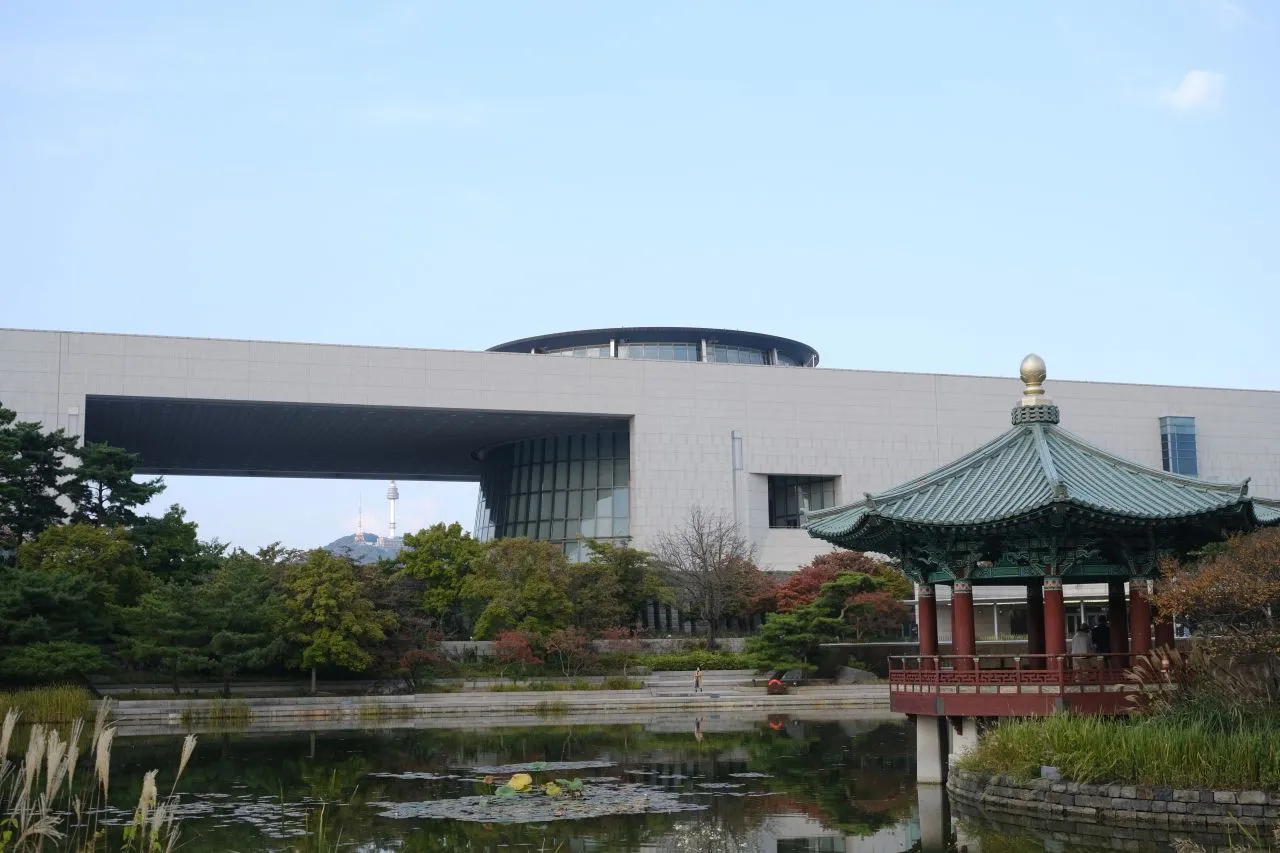
The National Museum of Korea in Yongsan is the strongest single-venue choice for a first-time visitor, because its galleries are large, English-friendly, and the permanent exhibitions have generally been free to enter. Special exhibitions are separate and can charge, so do not assume every hall is free.
Calling it mostly indoor is accurate: the galleries are inside, but the entrance approach and grounds are open air. From Ichon Station there is an underground passage toward the museum, so the outdoor stretch can be short. For the full visit, see the National Museum of Korea guide, and check the museum's official page for current opening hours, since evening hours differ by day.
National Museum of Korean Contemporary History (fully indoor)
This museum near Gwanghwamun covers Korea's modern history, which gives context to much of what visitors see in the city today. It is a good pick if you want history that is closer to the present day than palaces and dynasties.
It sits in the Gwanghwamun area, close to Gwanghwamun Station. Check the museum's official page for hours, closed days, and any admission for special exhibitions before you plan around it.
Sejong Story (fully indoor, underground)
Sejong Story is an exhibition space on the lower level of the Sejong Center complex, below the statue of King Sejong on Gwanghwamun Square. It works as a short, easy stop because you can reach it from Gwanghwamun Station, and the Visit Seoul listing places it about 30 meters from Exit 2.
Treat it as a short stop rather than a half-day destination. Confirm opening details on the Visit Seoul listing.
Other museums and galleries
Seoul has many more museums and galleries, including private art museums and city museums. Some have been closed for renovation or expansion in recent years, so check a venue's own notice before building a day around it. This guide names only venues whose current operation could be confirmed from an official source.
Korean spa and jjimjilbang (fully indoor)
A jjimjilbang is a Korean bathhouse and sauna complex, and the heat indoors is the point on a cold day. You bathe in gender-separated areas, then change into provided clothes to rest in shared, mixed-gender sauna and lounge rooms.
Keep the basics in mind: shower before you enter the pools, and expect bathing areas to be strictly separated by gender with no swimwear. Rules on tattoos, opening hours, and whether a venue welcomes foreign visitors vary, so check the venue's own page first. The jjimjilbang guide covers etiquette and what to expect inside.
This guide does not name a specific commercial spa. Spas in Seoul open, close, and change their facilities, and a venue is only worth naming once its current operation is confirmed.
COEX and large indoor complexes
Starfield COEX Mall and Starfield Library (fully indoor)
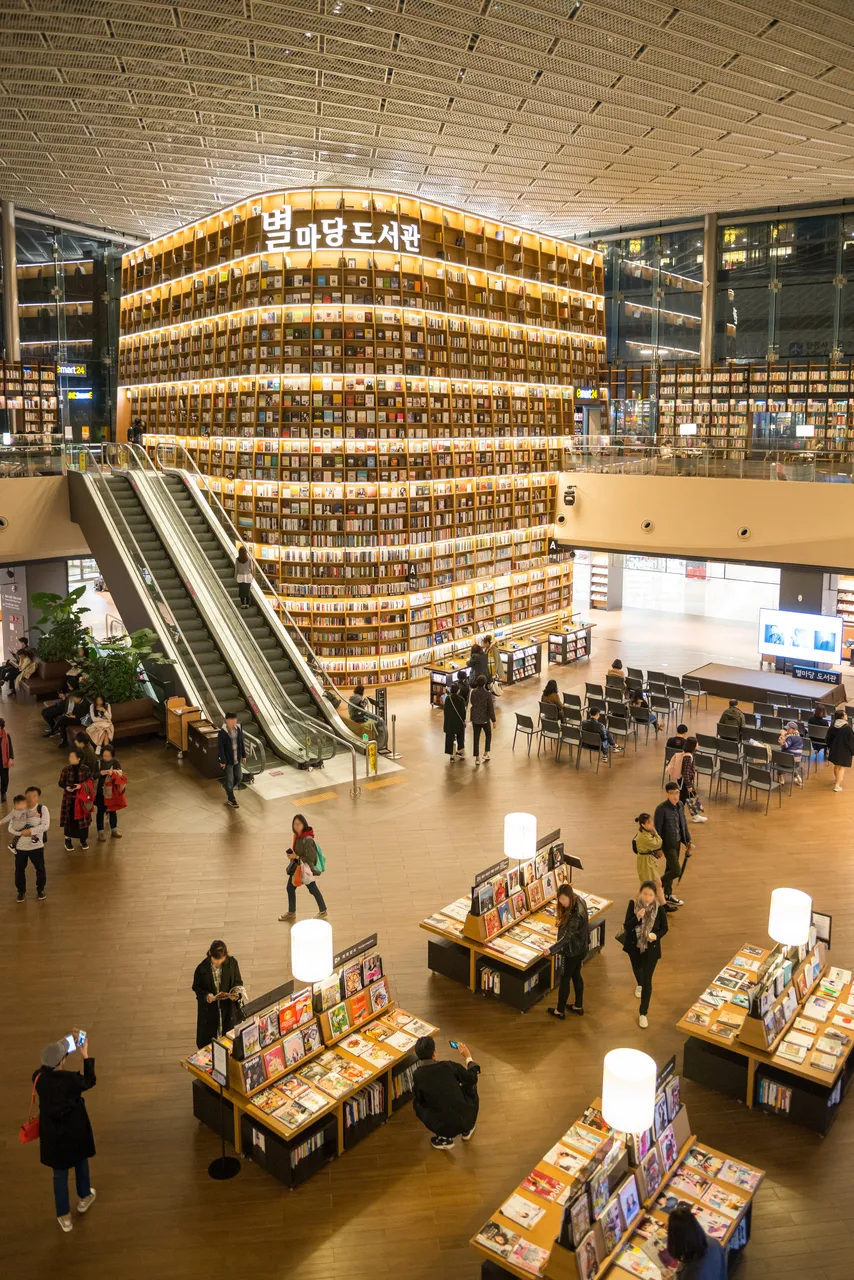
COEX Mall is a large underground-and-above-ground mall in Samseong, Gangnam, and its name is now Starfield COEX Mall. The Starfield Library inside the mall is a free public space with tall shelves, seating, and events, so think of it as part of the mall rather than a standalone paid attraction.
The mall is reached from Samseong Station on Line 2, with the COEX entrance by Exits 5 and 6. The mall offers food and shopping under one roof, which makes it an easy way to stay warm for several hours. The Gangnam guide covers the wider district.
Lotte World Mall (fully indoor)
Lotte World Mall is the large shopping and dining mall at the base of Lotte World Tower in Jamsil. It is a separate venue from Lotte World Adventure, even though both are in the same area. For where to eat there, see where to eat in Jamsil and Lotte World Mall.
Family and aquarium options
Two aquariums are enough for most trips, and each fits a different area. Choose the one near your plan rather than visiting both.
- SEA LIFE COEX Seoul Aquarium (fully indoor): inside COEX Mall in Gangnam. The COEX aquarium was renamed SEA LIFE COEX Seoul Aquarium in 2025, so the old name may still appear on older pages and maps.
- Lotte World Aquarium (fully indoor): inside Lotte World Mall in Jamsil, so it pairs with the mall's food and shopping.
Admission to both is paid, and tickets, hours, and any online booking are set by each operator, so check the official page.
Lotte World Adventure (mixed indoor and outdoor)
Lotte World Adventure is a theme park, and it is not fully indoor. The Adventure section is indoors, while the Magic Island section is outdoors, and outdoor rides can stop for snow, rain, wind, or cold. The operator publishes its own service notices, so check them on the day.
Choose it if your group wants rides and you are comfortable with a partly outdoor day. If you want a day that is dependable in any weather, pick the aquarium and the mall instead.
National Museum of Korea Children's Museum
The National Museum of Korea has a children's museum with its own entry rules. Advance online reservation has been required, so check the museum's official page before you plan the day around it.
Covered markets (covered, not climate controlled)
Gwangjang Market in Jongno is covered, which keeps off snow and rain, but it is not a closed, heated hall. Food stalls and walkways are open to each other, and some stretches can still feel cold, so keep your coat on and treat it as a warm-meal stop rather than a place to stay for hours.
For a market visit, see the Gwangjang Market guide, and read the Gwangjang price guide before you order. Namdaemun Market is a mix of covered and open-air lanes, so it is a mixed rather than an indoor option; see Namdaemun vs Dongdaemun.
Food and warm-up breaks
Food can be the indoor activity on a cold day, but it does not need its own list here. Hot soups, stews, and grilled meals are easy to find in the malls and market areas above, and the Korean BBQ guide covers the grill-at-the-table format.
Cafes work best as rest stops between larger stops, not as a destination. If you eat at a market or a restaurant, mention allergies or dietary needs up front, since menus often do not list ingredients in English.
Indoor evening ideas
After dark, the choices are mostly the same indoor venues plus two evening-friendly formats. A jjimjilbang suits a long, slow evening, and a noraebang (private singing room) suits a group. The noraebang guide explains how it works.
Mall restaurants and food areas at COEX and Lotte World Mall are options after sightseeing, but closing times vary by venue and day. For a wider view of evening choices that is not limited to indoor ones, see things to do in Seoul at night.
What to do in Seoul on a snowy day
Separate light snow from icy or poor conditions. Light fresh snow can still work for a short outdoor photo stop followed by indoor attractions, while icy and slippery pavements are a reason to favor an indoor-heavy plan.
On a snowy day, pick one of the clusters below and avoid long transfers. Much of the subway network runs underground, but sidewalks, buses, and station approaches are more exposed, so allow extra time and check your operator on the day. For how often it snows and when, see the Seoul snow guide.
What to do on a cold rainy day in Seoul
A cold rainy day works as a chain of covered stops: a museum in the morning, an indoor lunch, a mall or gallery in the afternoon, and a bathhouse or dinner in the evening. The goal is to keep outdoor transfers short, so stay within one cluster.
Use the plans below and carry a compact umbrella and warm layers for the walks between exits and entrances. The winter clothing guide covers what to wear.
What to do on a very cold day
Do not look for a magic temperature. If the forecast is colder or windier than you are comfortable spending hours outside, switch to an indoor-heavy day, because tolerance differs between travelers.
Choose a fully indoor cluster such as COEX or Lotte World Mall, add a museum or a jjimjilbang, and keep outdoor stretches to the walk from the station. Check the KMA forecast and any warnings before you go out.
Best indoor options by traveler type
| Traveler type | Best option | Why it works | Main caveat |
|---|---|---|---|
| First-time visitor | National Museum of Korea | Big, English-friendly, with free permanent galleries | Entrance grounds are outdoors; special exhibitions can charge |
| Family | SEA LIFE COEX or Lotte World Aquarium | Fully indoor, each inside a mall | Paid; check the operator for tickets |
| Solo traveler | Starfield Library, then a museum | Free to enter, quiet, easy to leave | Library is a public space and can be busy |
| History lover | National Museum of Korea and the Contemporary History Museum | Two different periods of Korean history | Check each museum's hours |
| Art lover | Confirm a current gallery on its own official page | Many galleries have closures or changes | Not covered by a named venue here |
| Shopping-focused | Starfield COEX Mall or Lotte World Mall | Large, fully indoor, many shops | Crowds and closing times vary |
| Relaxation and spa | A jjimjilbang | Warm, slow, suits a winter evening | Gender-separated bathing; venue rules vary |
| Evening activity | Noraebang or a jjimjilbang | Both run after dark | Hours and prices vary by venue |
Cold-day plans by area
Pick one cluster per day. Do not chain Yongsan, Jamsil, Jongno, and Gangnam in the same cold day, because each hop is a long subway ride with outdoor walks at both ends.
Plan A: Yongsan museum day
Spend the day at the National Museum of Korea, which is large enough to fill most of a day. Reach it via the Ichon Station underground passage, have lunch inside or nearby, and finish with another gallery wing. Families can add the Children's Museum if they have reserved.
Plan B: Gwanghwamun history day
Start at Sejong Story, then walk to the National Museum of Korean Contemporary History, which are both by Gwanghwamun Station Exit 2. Have lunch nearby. The short walk between the two is above ground, so keep a warm layer on.
Plan C: Gangnam COEX day
Stay inside COEX. Visit the Starfield Library first, have lunch in the mall, spend the afternoon at SEA LIFE COEX Seoul Aquarium or shopping, and eat dinner in the mall. Everything is within one complex reached from Samseong Station.
Plan D: Jamsil family day
Begin at Lotte World Aquarium inside Lotte World Mall, have lunch in the mall, and shop afterward. Add Lotte World Adventure only if your group is comfortable with a partly outdoor day, since Magic Island is open air.
What to save for better weather
Some of Seoul's best-known sights are outdoors and are not indoor backups. Save them for clear, mild days, or a short outdoor stop on a light-snow day:
- Palaces: Gyeongbokgung and Changdeokgung are large outdoor grounds.
- Bukchon: the Bukchon Hanok Village is a walk through residential streets.
- Namsan: the N Seoul Tower guide covers the hilltop and views.
- Bukhansan: trails are for clear days, and icy conditions change the risk.
- Han River: see the Han River guide for milder seasons.
Do you need reservations?
Most of the free public spaces here, such as the Starfield Library and the malls, are walk-in. Paid venues such as the aquariums and Lotte World Adventure sell tickets through the operator, and any online or timed ticket options are set by that operator.
The National Museum of Korea Children's Museum has had its own advance online reservation. For every venue, check the official page rather than relying on a general rule, and do not assume tickets are available on the day.
Common mistakes
- Treating a roof as heating. Covered markets are not climate-controlled halls.
- Calling Lotte World indoors. Lotte World Adventure is indoors, but Magic Island is outdoors.
- Crossing the city twice. Pick one cluster per day.
- Planning around old names or old hours. The COEX aquarium has a new name, and hours change.
- Counting palaces as indoor backups. They are outdoor grounds.
Frequently asked questions
What can I do indoors in Seoul in winter?
Visit museums such as the National Museum of Korea, spend time in COEX or Lotte World Mall, go to an aquarium, or relax in a jjimjilbang. Each is labeled above by how indoor it is.
What should I do in Seoul when it snows?
Choose an indoor-heavy cluster. On light snow, a short outdoor photo stop works; on icy days, stay inside. See the Seoul snow guide.
What can I do in Seoul when it rains?
Chain covered stops in one area: museum, indoor lunch, mall, and an evening bathhouse. Keep outdoor transfers short.
What is the best museum for a first-time visitor?
The National Museum of Korea, because it is large, covers Korean history and art, and has generally free permanent galleries. Check the official page for current hours.
Are Seoul museums free?
Some are, but not all. The National Museum of Korea has generally free permanent galleries, while special exhibitions can charge. Check each museum's official page.
Is a jjimjilbang good in winter?
Yes, the heat indoors suits a cold day. Check each venue's rules, including on tattoos, and see the jjimjilbang guide.
Is Gwangjang Market indoors?
It is covered, not fully indoors. The roof keeps off rain and snow, but it is not a climate-controlled hall, and some stretches can feel cold.
Is COEX fully indoors?
COEX Mall, the Starfield Library, and SEA LIFE COEX Seoul Aquarium are inside. Reach it from Samseong Station, and expect a short outdoor stretch depending on the exit you use.
Is Lotte World indoors?
Only partly. Lotte World Adventure is indoors and Magic Island is outdoors, and outdoor rides can stop in snow or rain. Lotte World Mall and Lotte World Aquarium are separate indoor venues.
What can families do indoors?
Two aquariums, SEA LIFE COEX and Lotte World Aquarium, suit families, as does the National Museum of Korea Children's Museum if you have reserved. Choose one area per day.
What can I do indoors at night?
A jjimjilbang, a noraebang, and mall dining are the main options. Closing times vary, so check each venue.
Do I need reservations?
Free public spaces are mostly walk-in, while paid venues sell tickets through their operators. The Children's Museum has had advance reservation. Check each official page.
Can I spend a whole winter day indoors?
Yes, if you stay in one cluster, such as COEX or Yongsan. Avoid crossing the city, which adds outdoor walks and long subway rides.
Which Seoul attractions should I save for better weather?
Palaces, Bukchon, Namsan, Bukhansan, and the Han River. They are outdoor, so save them for clearer days.
Check before you go
- Opening hours, closed days, and admission on each venue's official page
- Any renovation or temporary closure notice for museums
- Lotte World ride notices if you plan to go on a snowy or rainy day
- The KMA forecast and any cold, snow, or wind warnings for your dates
Sources
- National Museum of Korea (official)Official government site
- National Museum of Korean Contemporary History (official)Official government site
- Visit Seoul, Seoul Tourism Organization (official)Official tourism site
- Starfield COEX Mall (official)official_service_site
- SEA LIFE COEX Seoul Aquarium (official)official_service_site
- Lotte World Adventure (official)official_service_site
- Lotte World Aquarium (official)official_service_site
- Korea Meteorological AdministrationOfficial weather service
- Visit KoreaOfficial tourism site
Information is compiled from official sources. Details such as prices, hours, and schedules can change. Confirm time-sensitive facts before you travel.
Last verified on
Related guides
Does It Snow in Seoul? First Snow, Best Months & Where to See Snow
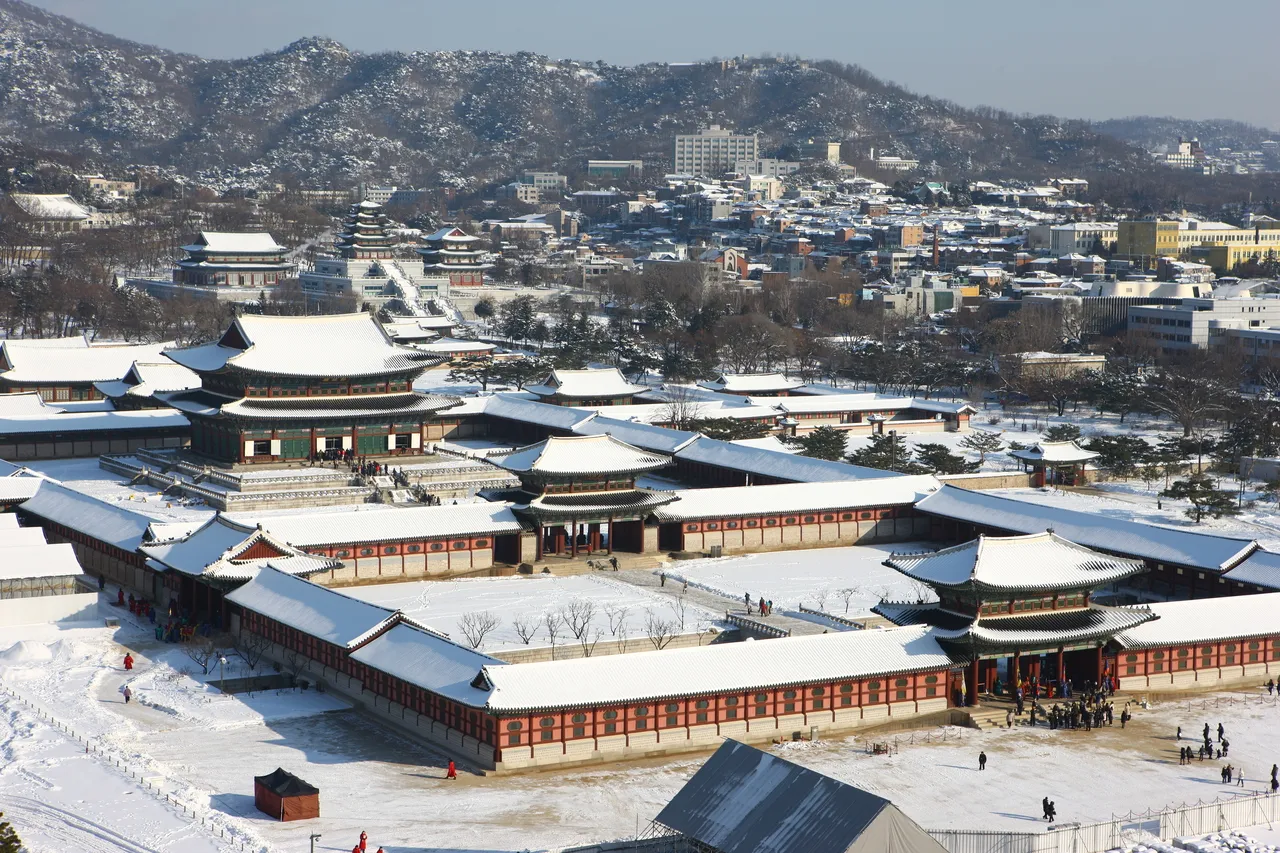
Yes, Seoul gets snow in a typical winter: KMA normals for 1991 to 2020 count about 24 snow days a year, most of them from December to February. January has the most snow on average, and the first snow normally arrives around 20 November, but both vary a lot by year. Snow falling and snow staying on the ground are different things, and a white Christmas is never a promise. Below: the numbers by month, first snow, where to look, and what to wear.
What to Wear in Korea in Winter: December, January & February Packing Guide
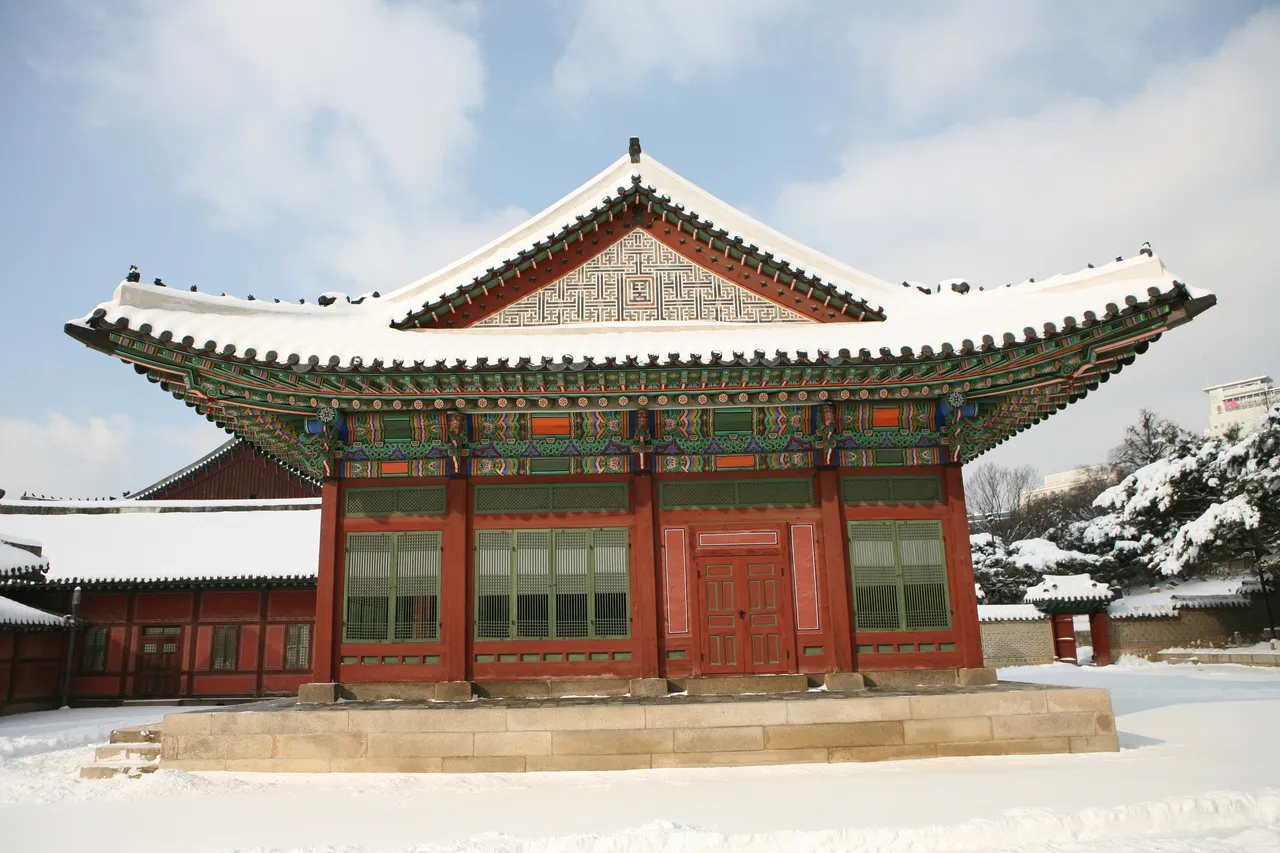
Dress for the city and the month, not for Korea as a whole. KMA normals put the average January low at -5.5 °C in Seoul, -0.1 °C in Busan and 3.7 °C in Jeju City, and January is the coldest of the three winter months in all three. Pack three layers (base, insulating, windproof outer), warm closed walking shoes, gloves, a hat and a scarf, and treat thermals, a heavy down jacket and snow boots as choices that depend on your plans and the forecast. Mountains need separate gear.