Korea in winter is cold in Seoul, cooler and windier on the south coast, and mild on Jeju's lowlands, so there is no single outfit for the whole country. What works is a set of layers you can add and remove, matched to the city, the month, and how long you will be outside.
This guide is about clothes and packing only. For the season itself, see the Korea winter travel guide, and for the weather month by month, start with Korea in December.
Quick answer
| Question | Short answer |
|---|---|
| What to wear in Korea in winter | Three layers: a base layer, a sweater or fleece, and a warm outer layer that blocks wind. Add gloves, a hat, and a scarf |
| Coldest month | January, in Seoul, Busan, and Jeju City, on KMA normals |
| Seoul | The coldest of the three cities. A warm insulated coat suits January best |
| Busan | Milder than Seoul, but windier. A windproof outer layer matters more than extra bulk |
| Jeju | Mild lowlands and strong wind. Hallasan is a separate, much colder place |
| Mountains | A different category from city sightseeing. Plan insulation, wind protection, and hiking footwear |
| Thermal underwear | Useful on long outdoor days in January. Optional on short or indoor-heavy days |
| Down jacket | Helpful in Seoul in January, but not needed by every traveler |
| Wool coat | Can work on milder days or short outings, less so in wind or on long days |
| Shoes | Comfortable closed walking shoes with grip and warm socks |
| Snow boots | Not automatic. Useful if heavy snow or ice is forecast, or for hiking |
These are planning guides, not rules. Your own cold tolerance, the forecast for your dates, and your itinerary should change the answer.
How cold does Korea feel in winter?
These are the Korea Meteorological Administration (KMA) 30-year climate normals (1991 to 2020) for its Seoul, Busan, and Jeju City stations, taken from the KMA Open Data Portal and rounded. They describe a typical January, not a forecast.
| January normals | Seoul | Busan | Jeju City |
|---|---|---|---|
| Average daily high | 2.1 °C | 8.2 °C | 8.6 °C |
| Average daily low | -5.5 °C | -0.1 °C | 3.7 °C |
| Days with a low below 0 °C | 27.5 | 15.5 | 2.0 |
| Days the high stays below 0 °C | 9.0 | 0.4 | 0.1 |
| Average wind speed | 2.3 m/s | 3.5 m/s | 4.1 m/s |
Seoul has the coldest mornings and nights, with a low below freezing on most January days. Busan and Jeju are warmer by the thermometer, but their average wind speeds are higher, and wind makes a given temperature feel colder.
A normal averages many winters, so a single week can be colder or milder. Check the KMA forecast a few days before you fly and again before you pack.
December vs January vs February
The three winter months differ less than the city you pick, but they are not the same. This table shows each city's daily mean, with the average low in brackets.
| Daily mean (average low) | December | January | February |
|---|---|---|---|
| Seoul | 0.2 °C (-3.4 °C) | -1.9 °C (-5.5 °C) | 0.7 °C (-3.2 °C) |
| Busan | 5.8 °C (2.0 °C) | 3.6 °C (-0.1 °C) | 5.4 °C (1.5 °C) |
| Jeju City | 8.3 °C (5.6 °C) | 6.1 °C (3.7 °C) | 6.8 °C (4.0 °C) |
January has the lowest mean of the three months in all three cities, so it is the month to pack hardest for.
December
December is early winter and cools through the month. In Seoul, the KMA ten-day means run about 1.8 °C in early December, -0.2 °C in mid-December, and -0.8 °C in late December, so a coat that feels fine on the first weekend can feel thin by Christmas.
The Korea in December guide covers early versus late December in more detail, with the weather for each city.
January
January is the core of the cold. Seoul's ten-day means stay close to -2 °C across all three parts of the month, and the average low is -5.5 °C, so this is the month for a warm outer layer, a base layer on long outdoor days, and gloves, a hat, and a scarf.
Busan and Jeju are still milder, but both are at their coldest of the winter, and the sea wind is the main thing to dress for.
February
February is still winter. Seoul's monthly mean is close to December's, and its first ten days average about -1.2 °C, colder than the middle of December, while its last ten days average about 2.9 °C.
That makes the end of February feel more like early December than January, but it does not make February spring. KMA normals do not set a date when the cold ends, and a single year can differ, so pack for winter and use the forecast to lighten the load.
Seoul vs Busan vs Jeju
Each place asks for something different, so one outfit does not fit all of Korea.
- Seoul is cold and inland, so insulation is the priority. Below-freezing mornings are normal in winter.
- Busan is milder, but the coast is windy. A windproof layer matters more than a heavier coat.
- Jeju has mild lowlands and strong wind, and wet days are common at the coast. Hallasan is a different climate from the coast.
- Mountains are a separate category from any city, and they are covered below.
If you are visiting more than one place, pack for the coldest one and keep the layers flexible for the milder ones.
How to layer for Korea in winter
A simple three-layer model works for city sightseeing and for most day trips. You can add or remove each layer as the day changes.
| Layer | Job | Examples |
|---|---|---|
| Base | Sits against the skin and is the easiest to adjust | Long-sleeve top, thermal top |
| Insulating | Holds warmth | Sweater, fleece, light insulated layer |
| Outer | Blocks wind and wet and covers the rest | Insulated jacket, wool coat, windproof shell |
Layers matter because the day is rarely one temperature. You will walk outdoors in the cold, then step into a subway, cafe, shop, or restaurant that may feel much warmer, and then go back out again.
One thick, non-removable outfit is harder to manage than three thinner layers. This guide gives no indoor temperature, because it varies by building.
Gloves, scarf, and hat
Small accessories make long outdoor days more comfortable, and they take almost no space. Gloves matter if you want to use a phone or camera, so keep them within reach. A scarf and a hat help at palaces, night views, and any exposed viewpoint.
For normal city sightseeing, you do not need expedition-grade gear. Warm socks, gloves, a hat, and a scarf are enough for most travelers.
Do you need thermal underwear?
Not always. A thermal base layer is useful on long outdoor days, at night, in January, on mountains, and for travelers who feel the cold quickly.
It is often unnecessary on short, indoor-heavy days, in Busan or Jeju when the forecast is mild, or when you already pack a warm sweater. Thermals are a layer you choose, not a rule for visiting Korea.
Do you need a down jacket?
It depends on the month, the city, the forecast, how much time you spend outdoors, and how you feel in the cold.
A warm insulated jacket, whether down-style or synthetic, is especially useful for Seoul in January, for night sightseeing, and for long days outside. It is less important for a short trip in a milder spell or for most of a Busan or Jeju visit.
You do not need an expedition-grade parka for city travel. A mid-weight insulated jacket with a layer underneath gives you more flexibility than a single very heavy coat.
Is a wool coat enough?
A wool coat can work on milder days, for short outdoor periods, and for evenings that mostly move between indoor places. Add a base layer and a sweater under it and it handles more.
It can be less practical in strong wind, on very cold nights, on long outdoor itineraries, and in snow or rain. If you prefer a wool coat, plan to layer well under it and add a windproof layer when the forecast is cold.
What shoes to wear in Korea in winter
The default is comfortable, closed walking shoes with warm socks. You will walk more than you expect, on stairs, subway platforms, hills, and stone paths.
Grip matters more than style on a cold day. Palace stone, steps, and shaded paths can be slippery after snow or a freeze, and water-resistant shoes help on wet or slushy days.
For mountain hiking, wear proper hiking footwear instead of city shoes. Be careful on any steep or icy route.
Do you need snow boots?
Most urban Korea trips do not automatically require technical snow boots. Whether you need them depends on snow and ice, not only on the temperature.
If a significant snowfall or ice is forecast, traction and water resistance become more useful. A cold day is not the same as a snowy day: Seoul averages 27.5 January nights below freezing but only 7.1 days with snow.
For how often it snows and how long it stays, see Does it snow in Seoul?. As a rule, choose your shoes from the forecast and your plans, not from the monthly temperature.
What to wear in Seoul
Seoul has the coldest winter of the three cities, so insulation is the main thing to pack. In January, a warm insulated coat or a layered coat-and-sweater setup, plus gloves, a scarf, and a hat, suits most travelers, and a base layer helps on long outdoor days.
Night sightseeing and exposed places such as Namsan or the Han River feel colder after dark, so keep an extra layer in your bag. The Seoul in December guide covers early versus late December clothing, and the N Seoul Tower guide covers the Namsan climb.
Snow is not a daily scene in the city, so pack for cold first and snow second. Use Does it snow in Seoul? to judge how likely it is during your trip.
What to wear in Busan
Busan is milder than Seoul, but it is not warm. The January low is about -0.1 °C and the average wind speed is higher than in Seoul, so a windproof outer layer is the item that changes the most.
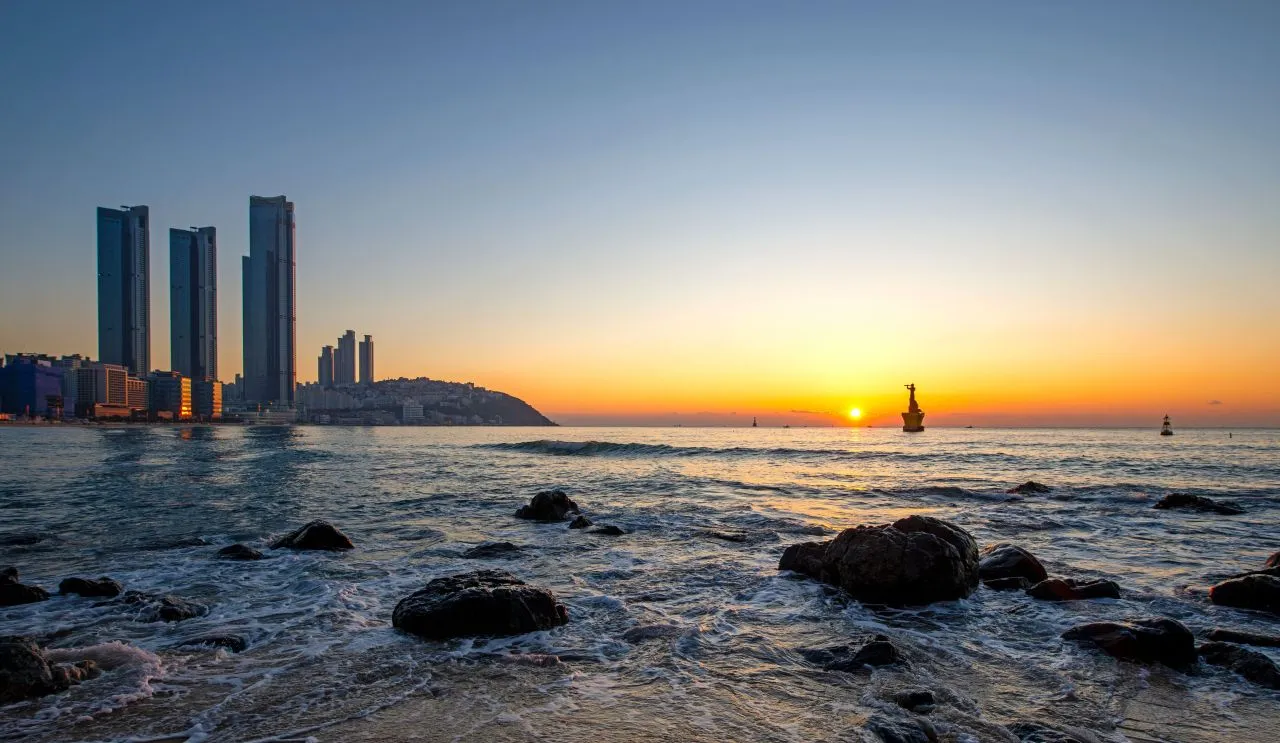
Pack a warm layer for evenings on the water, such as around Haeundae, and keep gloves and a hat handy. The Busan in December guide covers the coast, early and late December, and wind in detail.
What to wear in Jeju
Jeju's lowlands are the mildest of the three cities, with a January low of about 3.7 °C, but the average wind speed is the highest, and January precipitation is 67.5 mm against 16.8 mm in Seoul (rain and melted snow together). A water-resistant, windproof outer layer is more useful than a very heavy coat.
Jeju City and the coast do not ask for mountain clothing. Hallasan does, and it is covered below. The Jeju in December guide covers wind, rain, and Hallasan in detail.
What to wear for Bukhansan and Hallasan
City sightseeing and winter hiking are different categories. Mountains are colder and windier than the cities below them, and daylight is short.
As a highland comparison, not a reading for Bukhansan or Hallasan, the KMA Daegwallyeong station in Gangwon has a January mean of -6.9 °C against -1.9 °C in Seoul, and its daily highs stay below freezing on about 21 January days against 9 in Seoul.
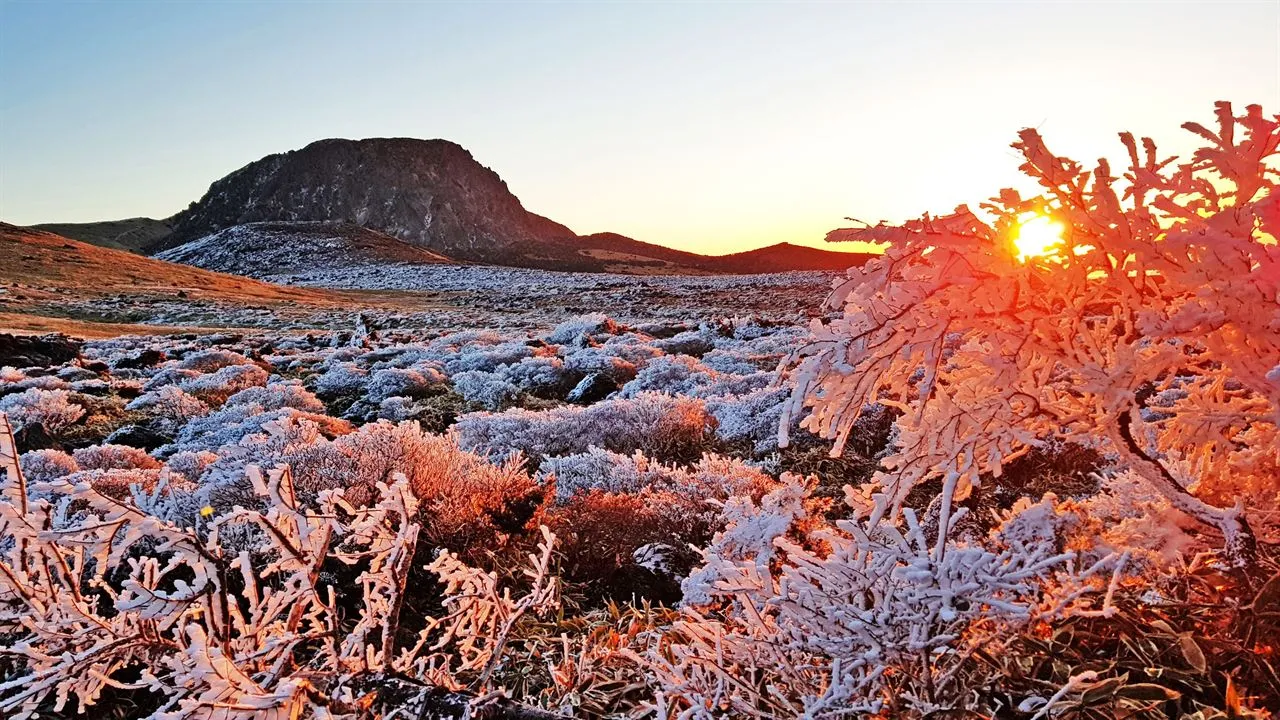
For mountain days, think about warmer insulation, wind protection, gloves, a hat, and proper hiking footwear. Bring traction gear if the park or trail report mentions ice or snow.
For Hallasan, the park's winter notice names crampons, insulated outerwear, snacks, water, and a warm hat as gear that matters for safety, and says the mountain's weather is a different world from the coast. Confirm the trail status with the park on the day.
The Bukhansan hiking guide covers routes and safety, and Seoul mountain hikes by subway covers easier options. This guide does not give a technical mountaineering checklist.
Hanbok in winter
Wearing a hanbok near the palaces is possible in winter, but it is a cold-weather outing. Hanbok is worn in layers, so the warm base layer under it matters.
Outerwear policies differ by shop, so ask before you book instead of assuming a coat, gloves, or warm shoes are included. The Seoul hanbok rental guide covers rental and palace entry.
Indoor vs outdoor layering
Over a normal day you will move through the subway, shopping centers, cafes, restaurants, museums, and outdoor sights. Many indoor spaces are heated and some feel warm compared with the street.
Wear layers you can take off, and carry the coat rather than sweating in it. If you are warm indoors, remove a layer before you go back out, since going out damp in cold air feels worse.
Keep a hat and gloves in a coat pocket or bag so you can put them on quickly.
Winter packing checklist
Use this as a menu, not a requirement. Skip the items that do not fit your plans.
Tops
- Long-sleeve tops
- A sweater or fleece
- A thermal base layer, for long outdoor days, January, or mountains
Outerwear
- A warm coat or insulated jacket
- A windproof or water-resistant layer if your coat is not
Bottoms
- Normal long pants
- Thermal leggings or long underwear, if you feel the cold or plan long days outside
Shoes
- Comfortable, closed walking shoes with grip
- Warm socks
- Hiking footwear, only if you plan to hike
Accessories
- Gloves
- Scarf
- Hat or beanie
Travel items
- Lip balm and moisturizer, if dry or heated air bothers you
- A portable battery for long days out
- A compact umbrella, especially for Jeju or a wet forecast
Example 7-day Korea winter packing list
This is a reasonable model, not a prescription. Laundry access, travel style, and cold tolerance change the numbers.
- 4 to 5 tops, with 2 of them thermal base layers if you will be outside a lot
- 2 sweaters or fleeces to rotate
- 1 warm coat or insulated jacket, and 1 windproof layer if the coat is not
- 2 or 3 pairs of long pants
- 1 pair of comfortable closed walking shoes, and warm socks for each day
- Gloves, a scarf, and a hat
- Sleepwear and underwear for the days between laundry
If your hotel or a laundromat is easy to reach, you can pack fewer. The layers matter more than the count.
Special cases
Cold-sensitive travelers
If you feel the cold quickly, pack for how you feel, not for the average. Add an extra insulating layer, a base layer, and warm accessories, and plan indoor breaks on long outdoor days.
Children and families
Layers that are easy to add and remove are more practical than one heavy outfit. Pack warm socks, gloves, and a hat that children can manage, and check the forecast on the day.
Travelers from warm climates
The change from a warm home climate can be bigger than the numbers suggest. Pack the insulating layers instead of relying on one thick item, so you can adjust over the day.
What not to overpack
- Several heavy coats. One warm coat and a good layering system are more flexible.
- Snow boots without snow or hiking plans.
- Technical mountaineering equipment for city sightseeing.
- Too many thick sweaters. Two or three layers you can combine are enough.
- A single outfit you cannot add to or remove from.
Common mistakes
- Packing for "Korea" as if it were one climate. Seoul, Busan, Jeju, and the mountains differ.
- Choosing a coat for the temperature but not the wind.
- Assuming a cold day means snow, or that snow means you need boots.
- Wearing one thick layer indoors and out, then getting too hot or too cold.
- Wearing city shoes on a mountain trail.
- Relying on a monthly average without checking the forecast.
Frequently asked questions
What should I wear in Korea in winter?
Use three layers: a base layer, a sweater or fleece, and a warm outer layer that blocks wind. Add gloves, a hat, and a scarf, and adjust for the city, the month, and the forecast.
What should I wear in December?
December cools through the month, so a warm coat and layers suit most days, with a heavier layer in Seoul by late December. See Korea in December for early versus late December.
What should I wear in January?
January is the coldest of the three winter months in Seoul, Busan, and Jeju City on KMA normals. In Seoul, pack a warm outer layer, a base layer for long days, and gloves, a hat, and a scarf.
What should I wear in February?
February is still winter. Seoul stays near or below freezing in the first part of the month and warms toward the end, so keep the same layers and check the forecast to decide how heavy to go.
Do I need thermal underwear?
Not always. It is useful on long outdoor days, in January, on mountains, and for cold-sensitive travelers, and often unnecessary on short or indoor-heavy days.
Do I need a down jacket?
It depends on the month, city, forecast, and time outdoors. A warm insulated jacket is helpful for Seoul in January and for night sightseeing, but many travelers do well with a good coat and layers.
Is a wool coat enough?
It can be on milder days and short outings. In strong wind, on very cold nights, or on long outdoor days, an insulated or windproof layer is more practical.
Do I need snow boots?
Most city trips do not need technical snow boots. If significant snow or ice is forecast, traction and water resistance help, and hiking needs proper footwear.
What shoes should I wear?
Comfortable closed walking shoes with grip and warm socks. Choose water-resistant shoes if the forecast is wet.
Do I need gloves, a scarf, and a hat?
They are small and make long outdoor days more comfortable, so most travelers pack them for January and for night sightseeing.
Is Busan warmer than Seoul?
Yes by the thermometer: the January mean is 3.6 °C against -1.9 °C in Seoul. Busan is windier, so a windproof layer still matters.
What should I wear in Jeju?
A water-resistant, windproof outer layer, and warm layers underneath. Jeju's lowlands are mild, but wind and wet weather are common.
What should I wear for Bukhansan?
Warmer insulation, wind protection, gloves, a hat, and proper hiking footwear, plus traction gear if the park or trail report mentions ice or snow. See the Bukhansan hiking guide.
What should I wear for Hallasan?
Insulated outerwear, a warm hat, gloves, and traction gear as advised by the park, because the mountain's weather is far from the coast's. Check the park's notice on the day.
How should I dress indoors in winter?
Wear layers you can remove. Many indoor spaces are heated and can feel warm, so a base layer and a sweater under a coat you can carry work better than one thick outfit.
Check before you go
- The KMA forecast and any cold-wave, snow, or wind warnings for your dates and cities
- Park notices for Bukhansan and Hallasan if you plan to hike
- Your hanbok shop's outerwear policy, if you plan to rent
- Your own cold tolerance and how long you will be outside each day
Sources
- Korea Meteorological AdministrationOfficial weather service
- Korea Meteorological Administration Open Data Portal: 1991 to 2020 climate normals (Busan and Seoul stations)Official weather service
- Korea Meteorological Administration Open Data Portal: 1991 to 2020 climate normals (Jeju and Seogwipo stations)Official weather service
- Korea Meteorological Administration Open Data Portal: 1991 to 2020 climate normals (Daegwallyeong station)Official weather service
- Korea National Park Service — Bukhansan National ParkOfficial government site
- Hallasan National Park reservation system: official notices (entry restrictions, winter hours, reservation rules)Official government site
- Visit Jeju: Jeju weather and seasonsOfficial tourism site
Information is compiled from official sources. Details such as prices, hours, and schedules can change. Confirm time-sensitive facts before you travel.
Last verified on
Related guides
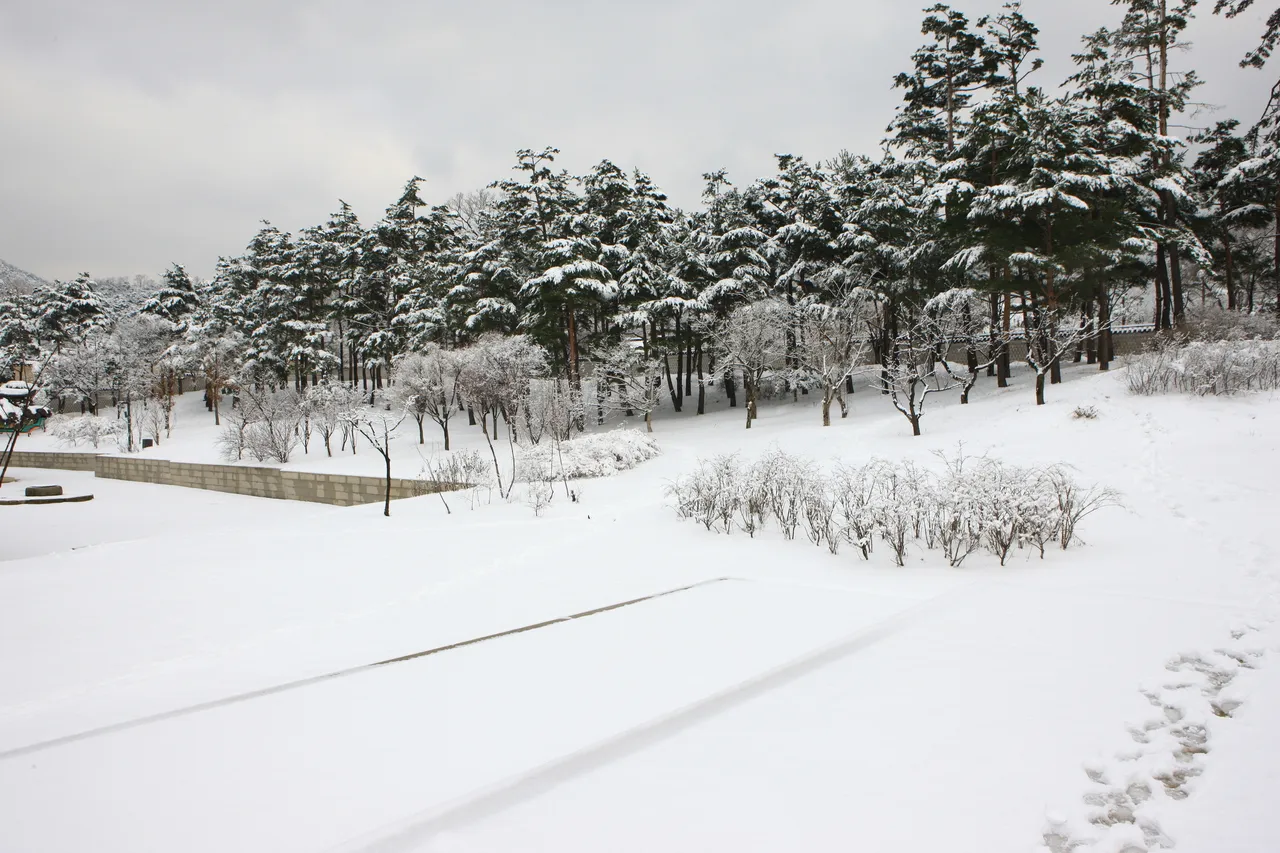
Korea in Winter: Ice Fishing Festivals, Ski Resorts Near Seoul, and How to Survive the Cold
Korean winter is genuinely cold, Seoul regularly drops below freezing, but it's the country's most underrated season: the lowest airfares and hotel rates, palaces far quieter than in spring, snow-and-hanbok photos, and festivals built on the cold. How cold it really is, the Hwacheon ice fishing festival, ski resorts near Seoul, winter food and the jjimjilbang, snow scenery, and exactly what to wear are all below. Festival and resort dates shift every year, so treat timing as approximate and confirm the official dates.
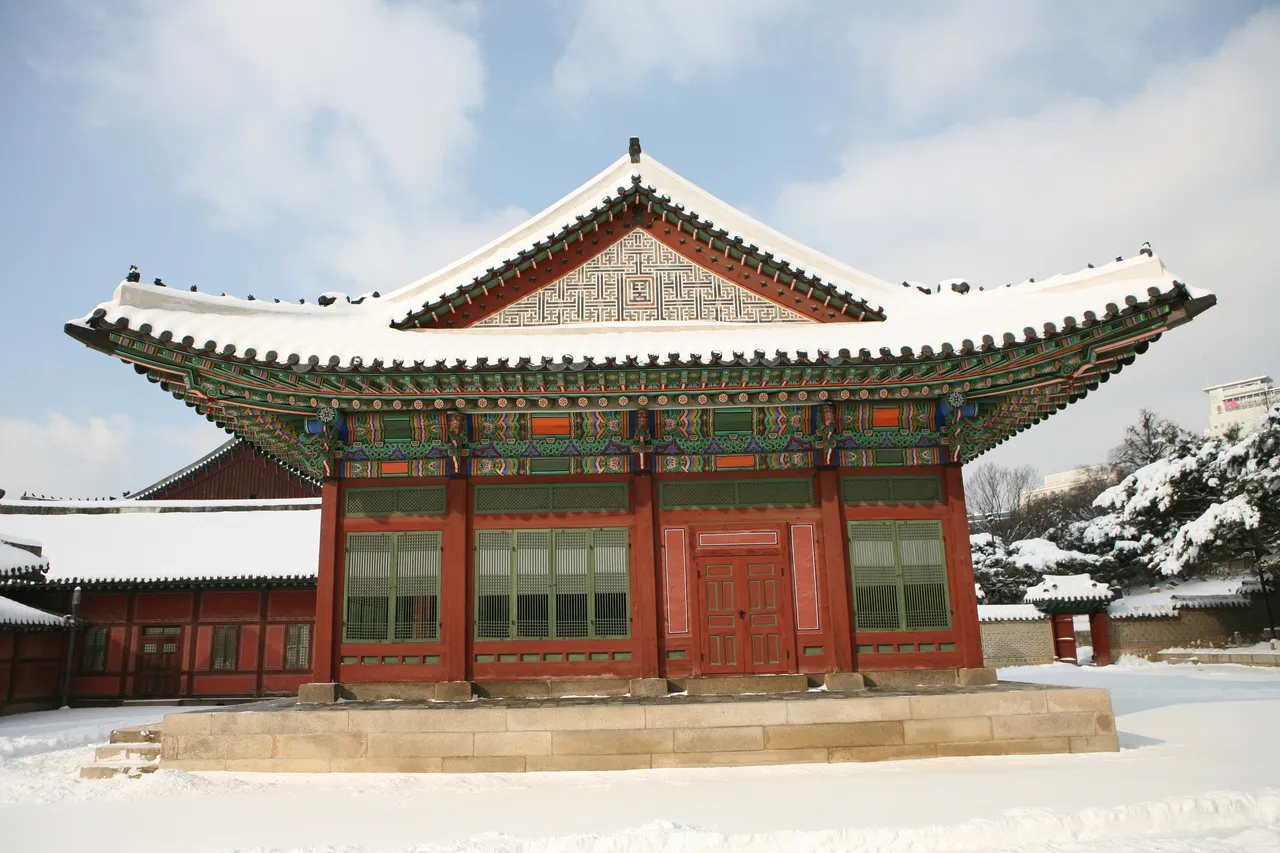
Korea in December: Weather, Snow, What to Wear & Where to Go
December is the first full winter month in Korea, and the three main destinations feel very different. Official KMA normals put Seoul at -3.4 to 4.2 °C, Busan at 2.0 to 10.4 °C, and Jeju City at 5.6 to 11.0 °C. Snow is recorded on about 6 days in Seoul but under 1 in Busan, and a white Christmas cannot be promised anywhere. Below: the weather side by side, early versus late December, snow, what to wear, and which city to pick.