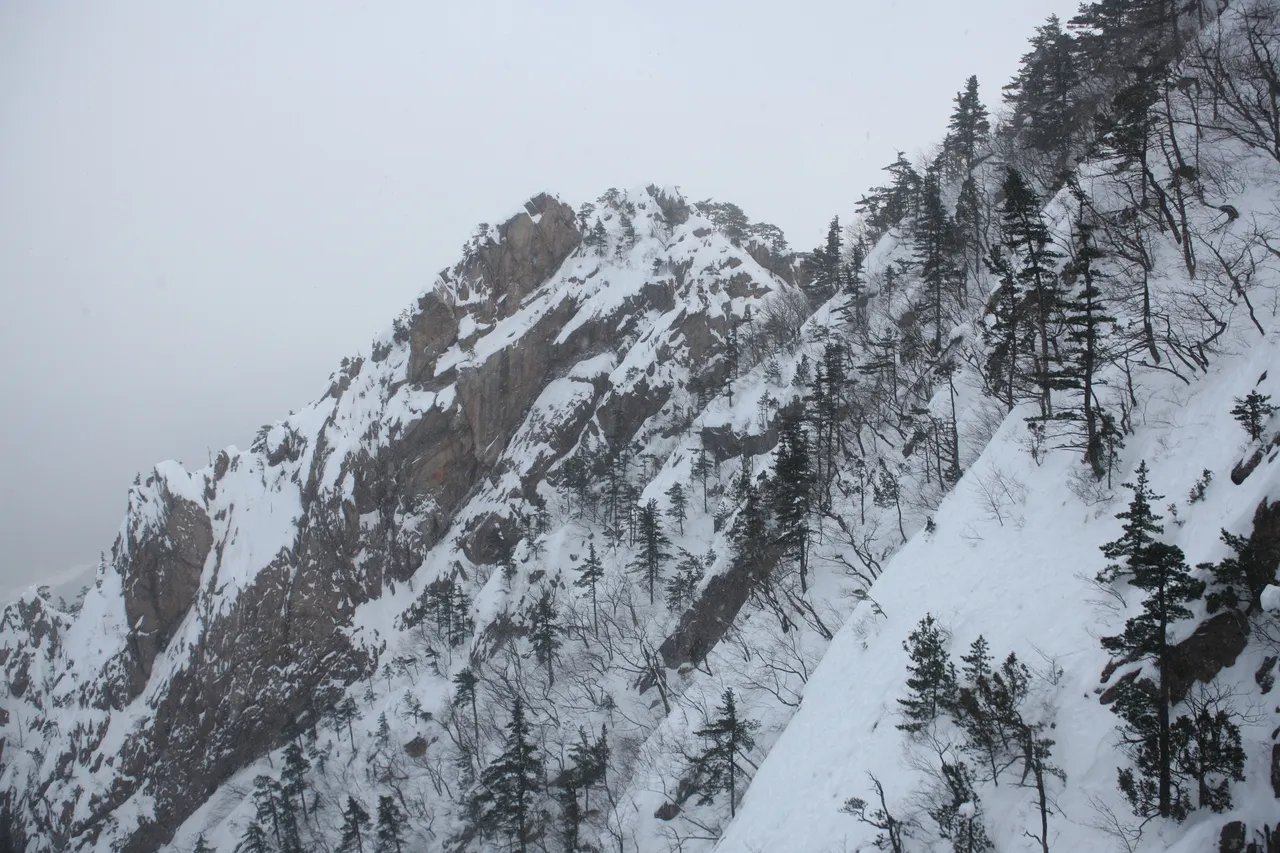
Seoraksan in winter is worth the trip if you accept two things: snow is not on a schedule, and the mountain part needs real caution.
The easiest version is a bus from Seoul, the cable car or a short valley walk at Sogongwon, and market food in Sokcho afterward.
Quick answer
| Question | Short answer |
|---|---|
| Is there snow? | Often on the upper park in cold months, but never promised for a date |
| Sokcho vs the park | The coast is milder and often bare. The mountain is colder and can be icy |
| Train from Seoul? | No. Sokcho has no train station and no KTX. Take the bus |
| Cable car? | Same-day tickets only. Wind and weather can stop it |
| Hiking? | Keep it to valley walks and the cable car unless you are an experienced winter hiker |
| Day trip? | Possible, but tight. One night in Sokcho is the better default |
Is Seoraksan worth visiting in winter?
Yes, for granite, quiet trails, and a coast town in one trip. Winter strips the leaves and shows the rock, and crowds are usually thinner than at the autumn peak.
It is a weaker choice if:
- Seeing deep snow on a fixed date is the whole point
- You do not want to walk on icy steps or stone
- You only have one short day and no weather flexibility
- You need the cable car to run on a timetable
The autumn version of this trip is on the Seoraksan and Sokcho autumn guide. Korea-wide snow options, including ski areas, are on the Korea winter travel guide.
Does Seoraksan get snow?
Often in the cold months, but not on demand. Snow depends on each storm and on elevation, so two trips a week apart can look completely different.
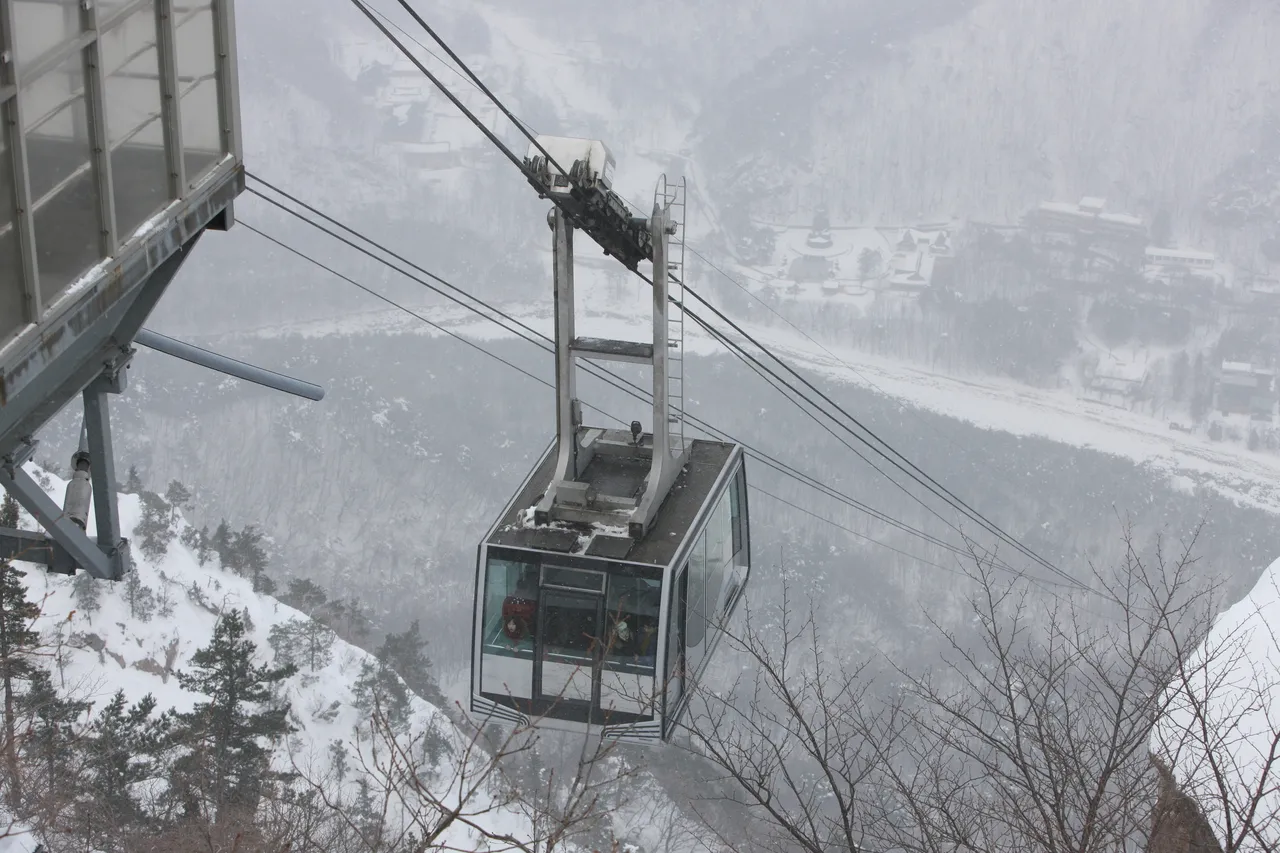
Think in three layers, and do not mix their weather:
| Layer | What to expect | What not to assume |
|---|---|---|
| Sokcho coast | Cold, windy, often bare ground | That a snowy mountain means a snowy beach |
| Seoraksan valley (Sogongwon, Sinheungsa) | Colder than the coast. Patchy snow and ice, especially in shade | That the valley looks like the summit photos |
| Higher elevations | Colder again, with snow and ice on rock and stairs | Any figure for summit weather. I have none, so I give none |
I do not give a summit temperature or snow depth, because the coastal station data below does not describe the high park.
Sokcho vs Seoraksan weather
The Korea Meteorological Administration (KMA) describes the Gangwon east coast, including Sokcho, as relatively mild in winter, with an average winter temperature above freezing. Its normals list a January mean low of about -3.8 °C for the coast. That is Sokcho lowland data.
The park is colder and windier as you climb, and shade holds ice long after the coast has thawed. Use the coast figure only for the coast.
Large snowfalls do happen on the east coast, but they are episodes, not a pattern you can book. The KMA page records a deepest snow cover of 123.8 cm in February 1969, which shows the extreme, not the norm.
Check a current forecast for both Sokcho and Seoraksan the day before. If a wind or snow warning is active, change the plan instead of hoping.
Cable car in winter
The Seorak Cable Car runs from the small park at Sogongwon up to Gwongeumseong. The operator's rules matter more than any blog schedule.
| Item | What the operator says | Winter note |
|---|---|---|
| Tickets | Bought on site the same day. No advance reservation | You cannot lock in a date |
| Fare | Adult round trip ₩16,000, child ₩12,000, as listed on the operator's guide page | Confirm at the counter |
| Hours | Vary by season and weather. Posted on the homepage each day | Check the morning of your trip |
| Wind or severe weather | Cars can stop. Unused tickets are refunded in full | A closure is a plan change, not a loss |
| Voluntary cancel | Full refund until 10 minutes before boarding, then a deduction applies | Do not buy early "just in case" |
| Time at the top | The last car allows only about 20 minutes at the upper station | Check the last descent time |
The cable car is a round trip only, with no path down. You walk from the cultural-property gate to the small park, buy a ticket, and board on the second floor.
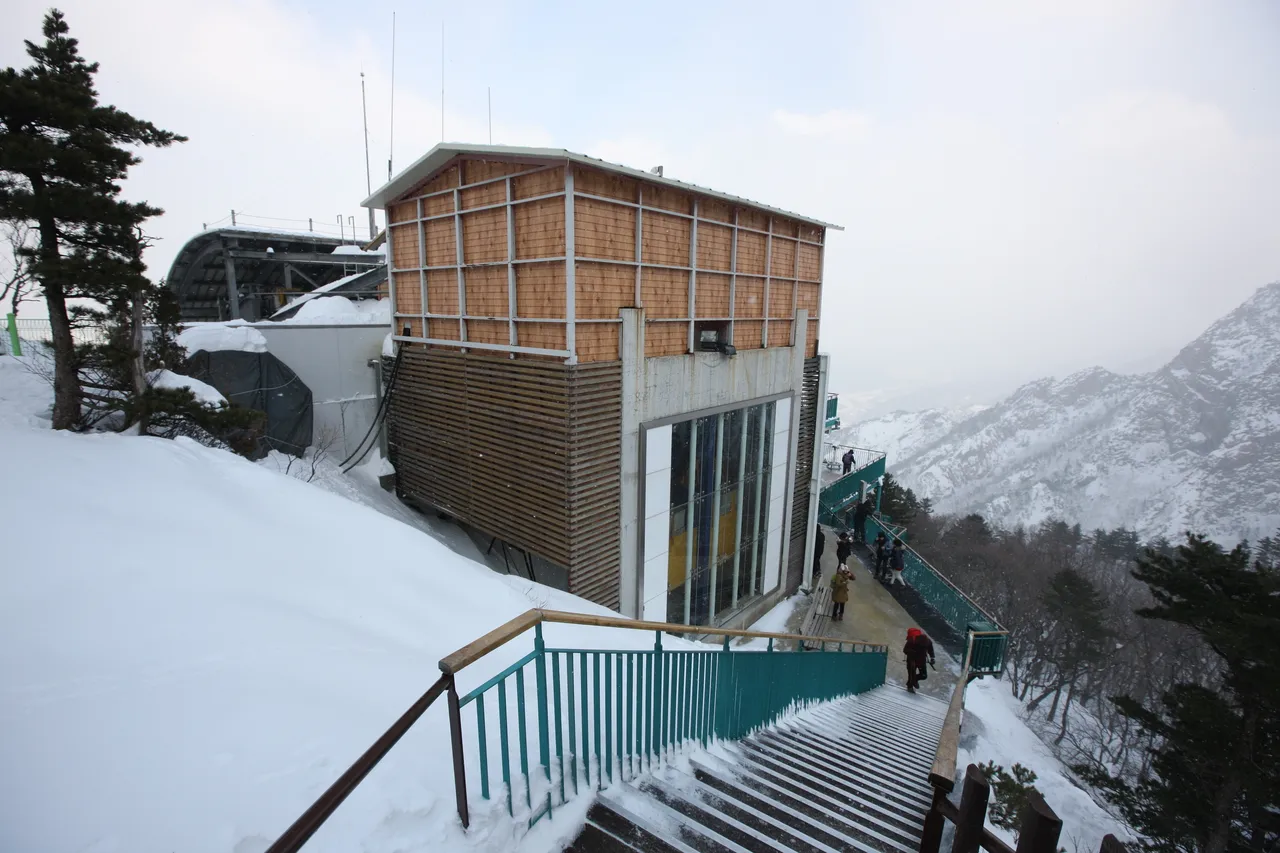
At the top, the ground is rock and stairs, and in winter they can be snowy or iced. Wear shoes with real grip and take your time on the steps.
There is no dedicated cable-car car park. The operator points drivers to the paid Sinheungsa lot.
Do not build a non-refundable day that only works if the cars run. If they stop, use the backup plan below.
Winter hiking: what is realistic
Seoraksan is not a casual winter hike. Trail ice, steep rock, early dark, and park entry rules all narrow the realistic options.
Each route below is labeled by what a visitor should know. Status changes, so confirm it on the Korea National Park Service (KNPS) site before you go.
| Route | Difficulty context | Winter relevance | Status note |
|---|---|---|---|
| Sogongwon and Sinheungsa paths | Easy, mostly flat | A good snow-day walk with grip shoes | Low altitude. Confirm on KNPS |
| Biseondae valley walk | Easy to moderate. About 3 km each way as a planning range | Shaded stone and bridges can ice | Low altitude. Stayed open during the 2025 high-altitude closure |
| Ulsanbawi | Hard in winter. VisitKorea lists about 7.6 km and 4 hours round trip, with steep stairs | Ice on the final stairs is the issue | Low altitude. Open in 2025. Confirm daily, and only for experienced winter walkers |
| Daecheongbong and ridge routes | Long, high, serious | Not a visitor plan in winter | Excluded here. High routes closed 15 November to 15 December in 2024 and 2025 |
I am leaving Daecheongbong and the ridge routes out on purpose. This page does not teach mountaineering.
Entry time and daylight
KNPS runs an entry time designation system for national parks. Winter cutoffs (the winter set covers November to March) are earlier than in summer, and each trail has its own time.
In practice that means a late start can close a trail to you. December days are short, so plan to be off the mountain well before dark.
Traction gear
Snow and ice on park trails call for traction gear such as spikes or crampons on steeper or icy sections. Whether a trail requires them is a park rule that can change, so read the day's KNPS notice.
If you are not sure you need them, that is a sign to choose the cable car or a valley walk instead of Ulsanbawi.
Easier winter options
- Cable car plus Gwongeumseong viewpoints. The lowest-effort mountain view, if the cars run.
- Sinheungsa and Sogongwon. A short, low-altitude walk. Temple grounds can be icy, so use grip shoes.
- Biseondae turnaround. A lower valley walk. Turn around at Biseondae unless you meant to climb further.
- Skip the park. Sokcho market, Abai Village, and the coast make a full day on their own.
Pick one mountain mode. Do not stack the cable car, a valley walk, and Ulsanbawi in a winter day.
When not to hike
Skip the trails, and keep the cable car only if it is running, when any of these apply:
- A snow, wind, or cold warning is active for Seoraksan
- The trail shows ice you cannot cross with your gear
- You would start late or finish near dusk
- Fog or snowfall hides the route
- Anyone in your group has no winter footwear
- Your Seoul return bus is tight
A closed trail stays closed. Do not use a shortcut, because park fines for illegal entry are heavy.
Seoul to Sokcho
There is no KTX or train to Sokcho. Sokcho has no train station. Planned east-west rail is still under construction, so do not plan around it.
Take the bus.
| Seoul start | Sokcho arrival | Notes |
|---|---|---|
| Seoul Express Bus Terminal (Gangnam) | Sokcho Express Bus Terminal | Book on KOBUS. Closer to the beach side |
| Dong Seoul Bus Terminal | Sokcho Intercity Bus Terminal | Closer to the market and Abai side. City buses to the park start here |
Typical road time is about 2 to 3 hours, depending on traffic and weather. Daytime departures are frequent, but I do not list a timetable because it changes by date. Confirm yours on the booking site.
Snow can slow the road and delay buses. Leave a buffer, especially for the return.
An alternative is the KTX to Gangneung, then an intercity bus north to Sokcho. It adds a transfer and is not shorter, so use it only if the Seoul buses are full. The Gangneung guide covers the KTX side, and the Korea transportation guide covers bus basics.
Sokcho to Seoraksan
The usual first-time gate is Sogongwon, in Seorak-dong.
The cable-car operator's directions page (checked 7 October 2026) names city buses 7 and 7-1 from the Sokcho Intercity Bus Terminal. They run via the express bus terminal and the Seoraksan entrance and end at the Seoraksan parking area. Confirm the number on the bus, because route numbers can change.
A taxi from either terminal is simple with luggage or when the cable-car window is tight. If you drive, check road and parking conditions first, because snow changes both.
Day trip vs overnight
| Day trip from Seoul | One night in Sokcho | |
|---|---|---|
| Road time | 4 to 6 hours total, depending on traffic | Split over two days |
| Mountain time | Short. One cable car or one short walk | Flexible, and better when weather shifts |
| Risk | A delayed bus or closed cable car ruins the day | You can swap days |
| Best for | Fit travelers with a clear forecast | Most visitors |
One night is the default. A day trip works only with an early bus, a short mountain plan, and a return seat you have checked.
If you have a single day, use the 1-day itinerary below.
What to wear
Dress for wind and ice more than for snow. The coast feels colder than the thermometer when the wind blows.
- Footwear: closed shoes or boots with grip. Smooth soles on icy stairs are the common mistake
- Layers: a base layer, a warm mid layer, and a windproof outer shell
- Accessories: gloves, a hat, and a scarf, since the upper park is colder than the coast
- Extras: water, a charged phone, and a dry pair of socks
Add traction gear only if you plan a trail where it is advised. The full packing list is on the what to wear in Korea in winter guide.
Sokcho after the park
Winter days end early, so choose one or two stops. Treat the coast as a short walk, not a beach day. Wind and cold make the sand a place for air, not for lingering.
| Stop | Why go in winter | Honest catch |
|---|---|---|
| Sokcho Tourist and Fishery Market | Warm food stalls after a cold day. Dakgangjeong (sweet, spicy fried chicken) is the usual order | Crowded at weekends. Compare stalls, because there is no official number one |
| Abai Village and Gaetbae | Neighborhood history and the hand-pulled cable ferry | Ferry hours are shorter in winter and weather decides. Confirm on the day |
| Sokcho Beach | A short, windy walk and sunrise | Not for swimming. Dress for wind |
Food cautions: sundae (blood sausage) and many market dishes contain pork or seafood. Ask before you order if you avoid pork, shellfish, or gluten, because I cannot verify halal or allergy status for any stall.
Yeongnangho and Cheongchoho lakes are optional extras for a second morning. Skip them on a packed first day.
Where to stay
Choose by how you want your morning to start, not by a hotel name.
| Area | Best for | Tradeoff | Without a car |
|---|---|---|---|
| Beach and express terminal | Coast evening and the Gangnam bus | Farther from the park gate | Yes |
| Central and market | Food and Abai | Bus or taxi to the park | Yes |
| Seorak-dong, near the park | Early cable car or a dawn start | Quieter nights, fewer restaurants | Yes, if you accept less dining |
Winter weekends and holidays fill up, so book earlier for those dates.
1-day itinerary
This is a tight plan. Use it only with a decent forecast and a return seat checked in advance.
- Early: Take the first practical bus from Seoul to Sokcho.
- Late morning: City bus or taxi to Sogongwon. Check that the cable car is running.
- Midday: Cable car and a short walk at Gwongeumseong, or a Sinheungsa and Sogongwon walk.
- Afternoon: Return to Sokcho for the market, with food.
- Before dark: Bus back to Seoul on a seat you booked.
Cut Abai and the beach before you cut a buffer. A delayed bus costs more than a skipped stop.
2-day itinerary
Day 1 (mountain first, with a clear forecast): Seoul bus, drop your bags, go to Sogongwon for the cable car or Biseondae, then market dinner and a short coast walk.
Day 2 (slow Sokcho): Abai and Gaetbae if the ferry runs, then the coast or a lakeside stop, then the bus to Seoul.
City-first (if the mountain forecast is poor on Day 1): Spend Day 1 on the market, Abai, and the coast. Move the park to Day 2 morning if the weather improves.
Bad-weather backup plan
| If this happens | Do this instead |
|---|---|
| The cable car is suspended | Sinheungsa and Sogongwon walk, or skip the park |
| Snow or ice makes the paths unsafe | Stay on Sokcho market and indoor food |
| Fog hides the views | Move the park to the next morning, or skip it |
| Buses are delayed by snow | Take an earlier Seoul bus and drop the last stop |
Keep the Sokcho half of the trip independent of the park. The Seoul snow guide and the Korea in December guide help you decide whether to chase snow at all.
Frequently asked questions
Does Seoraksan have snow in winter?
Often in the cold months, especially on the upper park, but not on a date. Sokcho's coast is often bare while the mountain is white.
Is snow guaranteed?
No. Snow depends on each storm and on elevation, so no month or date is promised.
What is the best month for snow?
No official figure names one. January is the coldest month on the coast, so it is a reasonable window, but a storm decides the day.
Can beginners hike Seoraksan in winter?
Beginners should keep to the cable car and short valley walks. Ulsanbawi is hard in winter and only for experienced walkers.
Can I hike in December?
Low-altitude walks are the realistic option. High routes toward Daecheongbong were closed 15 November to 15 December in 2024 and 2025, so check KNPS.
Does the cable car operate in winter?
Yes, with hours that vary by season and weather. The operator posts times each day and can stop the cars.
Does the cable car close for wind?
It can. The operator says strong wind or severe weather can halt service and unused tickets are refunded.
How do I get from Seoul to Seoraksan?
Take a bus to Sokcho from Seoul Express Bus Terminal or Dong Seoul, then city bus 7 or 7-1 or a taxi to Sogongwon.
Is there a train to Sokcho?
No. Sokcho has no train station, and no KTX serves it. Use the bus.
Can I do Seoraksan as a day trip from Seoul?
Yes, with an early bus and a short mountain plan. One night in Sokcho is safer.
Should I stay overnight?
Usually yes. It lets you swap days if the weather turns and avoids a tight return bus.
Do I need crampons?
For snowy or icy trails, traction gear is the standard advice, and the park can require it. If you are unsure, take the cable car or a valley walk.
What should I wear?
Grip footwear, layers, a windproof shell, gloves, and a hat. The coast is windy and the upper park is colder.
What can I do in Sokcho after Seoraksan?
Eat at the market, walk Abai Village, and take a short coast walk. Keep it to one or two stops in winter.
Check before you go
- KMA forecast and warnings for Sokcho and Seoraksan
- KNPS notices for trail status, entry times, and closure periods
- The cable car homepage for the day's hours
- The booking site for your Seoul to Sokcho and return buses
Sources
- Korea Meteorological AdministrationOfficial weather service
- Korea Meteorological Administration: regional climate characteristics, Gangwon east coast (1991 to 2020 normals, Sokcho)Official weather service
- Korea National Park Service — SeoraksanOfficial government site
- Korea National Park Service: mountain entry time designationOfficial government site
- Seoraksan Cable Car (Gwongeumseong) official siteOfficial tourism site
- KOBUS (Express Bus Integrated Reservation)Official transport site
- Sokcho City culture and tourism (official)Official tourism site
- Visit KoreaOfficial tourism site
Information is compiled from official sources. Details such as prices, hours, and schedules can change. Confirm time-sensitive facts before you travel.
Last verified on
Related guides
Korea in Winter: Ice Fishing Festivals, Ski Resorts Near Seoul, and How to Survive the Cold
Korean winter is genuinely cold, Seoul regularly drops below freezing, but it's the country's most underrated season: the lowest airfares and hotel rates, palaces far quieter than in spring, snow-and-hanbok photos, and festivals built on the cold. How cold it really is, the Hwacheon ice fishing festival, ski resorts near Seoul, winter food and the jjimjilbang, snow scenery, and exactly what to wear are all below. Festival and resort dates shift every year, so treat timing as approximate and confirm the official dates.
What to Wear in Korea in Winter: December, January & February Packing Guide
Dress for the city and the month, not for Korea as a whole. KMA normals put the average January low at -5.5 °C in Seoul, -0.1 °C in Busan and 3.7 °C in Jeju City, and January is the coldest of the three winter months in all three. Pack three layers (base, insulating, windproof outer), warm closed walking shoes, gloves, a hat and a scarf, and treat thermals, a heavy down jacket and snow boots as choices that depend on your plans and the forecast. Mountains need separate gear.